

Wildgrain Blog
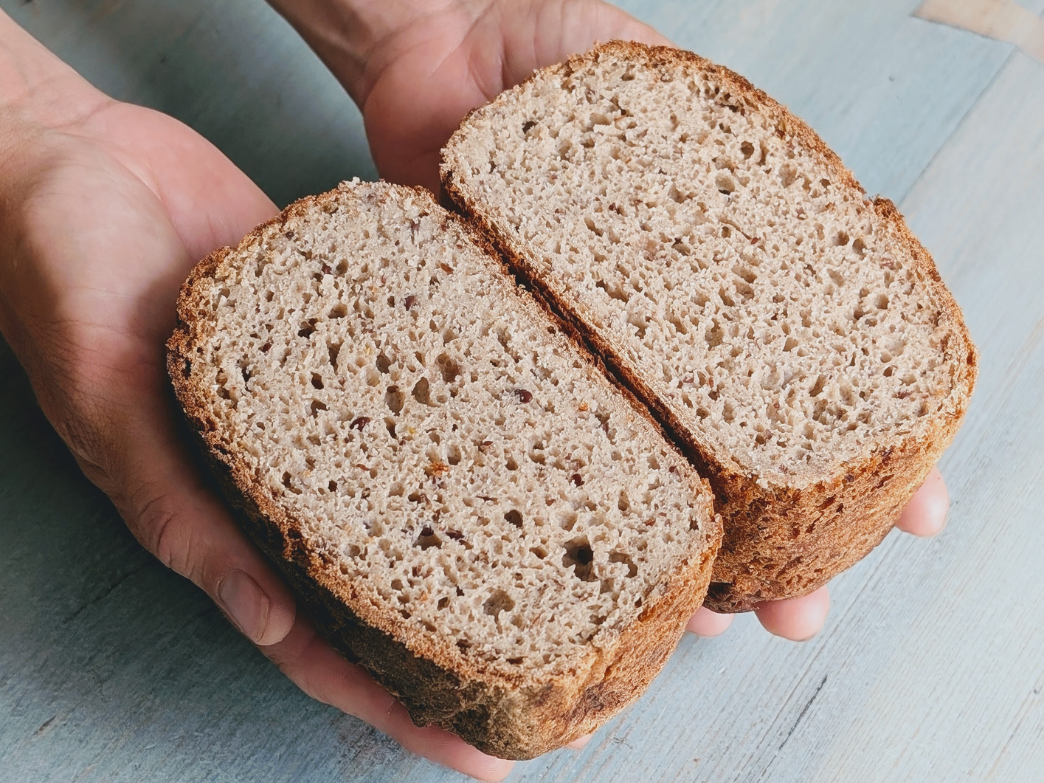
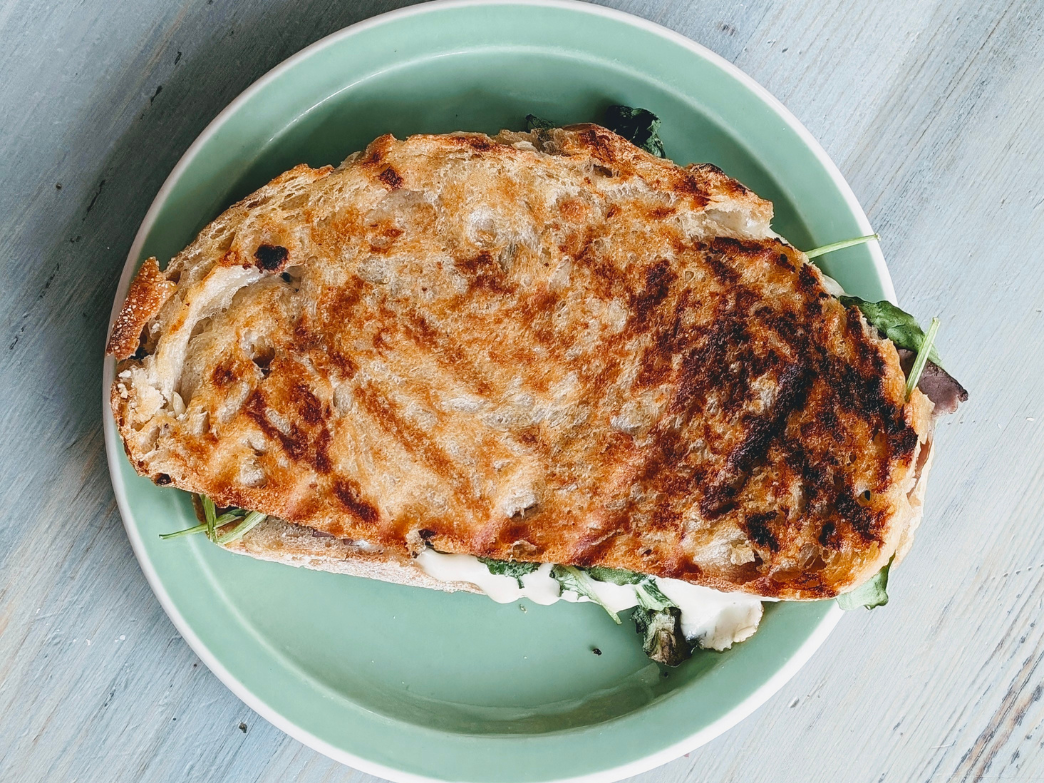
Best Bread for Bloating
By Lucy Yanckello, Ph.D. Wildgrain, opens in a new tab is the first bake-from-frozen subscription box for sourdough breads, fresh pastas, and artisanal pastries. Bloating is an uncomfortable symptom that is sometimes caused by allergies, intolerances, or other factors. When it comes to bloating, choosing the right type of bread can make a significant difference on symptom resolution. If you are dealing with bloating, read on to learn more about bread types and their impacts on bloating. What bread is easiest on the stomach? What bread is gut-friendly? When choosing bread that is easy on the stomach, factors that need to be considered include digestibility, fiber content, and potential irritants. Sourdough bread is particularly gut-friendly because of the long fermentation process. This helps break down gluten and FODMAPs (fermentable oligosaccharides, disaccharides, monosaccharides, and polyols). These are short chain carbohydrates that are poorly absorbed in the small intestine leading to digestive distress in some people. Additionally, the fermentation process of sourdough bread creates probiotics that can help balance the gut microbiota and promote digestive health. Some gluten-free breads are also low-FODMAP, such as those made with rice flour, potato flour, and tapioca flour, which are less likely to cause bloating. Whole grain breads, such as whole wheat bread, or rye bread can also be a good option for those that experience bloating. Whole grain breads are high in fiber and support healthy digestion while preventing constipation related bloating. Does bread make you bloated? What type of bread does not cause bloating? Even breads that are easier to digest such as sourdough can cause bloating, so it is important to consume bread in moderation. Another way to reduce bread-related bloating is to pair the bread with digestive-friendly foods such as lean proteins to balance the meal out. Additionally, adequate hydration helps the digestive system process fiber, which can reduce bloating. What causes bloating after eating bread? How do you stop bloating after eating bread? There are multiple ingredients in bread that can cause bloating. Gluten, FODMAPs, and yeast are all known to cause digestive distress in some people. If you know the specific ingredient that causes bloating, avoid bread with that ingredient. If not, it is always a safe bet to opt for sourdough or rye as the fermentation process reduces gluten and FODMAPs and increases good bacteria in our guts. Does IBS cause bloating? Does a low FODMAP diet help bloating? Yes, Irritable Bowel Syndrome (IBS) can cause bloating, and in fact is one of the most bothersome symptoms for those with the syndrome. A low FODMAP diet is very beneficial in reducing not only bloating, but all digestive symptoms in people with IBS as it reduces gas production, decreases water retention, and improves gut motility. These are all digestive issues that can lead to bloating. As a note, it is important to work with a healthcare provider such as a dietician when trying a low FODMAP diet to ensure it is done properly and avoid nutrient deficiencies. Is sourdough bread good for bloating? Does sourdough bread make you bloated? Sourdough bread is particularly gut-friendly because of the long fermentation process. This helps break down gluten and FODMAPs. Additionally, the fermentation process of sourdough bread created probiotics that can help balance the gut microbiota and promote digestive health. The fermentation process can also help reduce gluten content, a digestive irritant for some. Is rye bread ok for bloating? Can rye bread cause bloating? Similar to sourdough, rye bread is fermented which makes it easier to digest than other breads. Additionally, rye flour contains less gluten than wheat by nature, making it easier for some to tolerate. Rye bread is also fiber rich, especially in soluble fiber, which can aid in digestion and gut health. What is the best bread for gas and bloating? The best bread for gas and bloating is highly personal. However, if your symptoms are caused by FODMAPs or gluten, breads such as sourdough and rye that go through a fermentation process are good options. The fermentation process helps reduce FODMAPs and gluten in these breads making them more digestible. Where can I buy healthy bread online? At Wildgrain, we specialize in making high-quality, fresh breads that are delivered directly to your door. Wildgrain is the first bake-from-frozen delivery subscription service for breads, rolls, pastries, and fresh pastas. Some of our popular breads include plain sourdough loaf and rye sourdough loaf. Learn more about Wildgrain and our artisanal baking and cooking methods. Best Bread Home Delivery Service: How Wildgrain's Bread Delivery Works Wildgrain's breads are prepared in independent, artisanal bakeries with high quality ingredients. The breads are shipped frozen in insulated boxes and delivered direct to your home, anywhere nationwide. By shipping frozen, Wildgrain products maintain the highest quality, so you can enjoy fresh baked breads at home. That's why customers consider Wildgrain among the best home delivery services for bread. About the Author Lucy Yanckello received her Ph.D. in nutrition from the University of Kentucky College of Medicine. She currently works as a medical writer and enjoys being able to help people better understand nutrition and science. This content is for informational use only and does not replace professional nutrition and/or medical advice, diagnosis or treatment. It is not a substitute for and should not be relied upon for specific nutrition and/or medical recommendations. Please talk with your doctor about any questions or concerns.
Learn more Best Bread for Bloating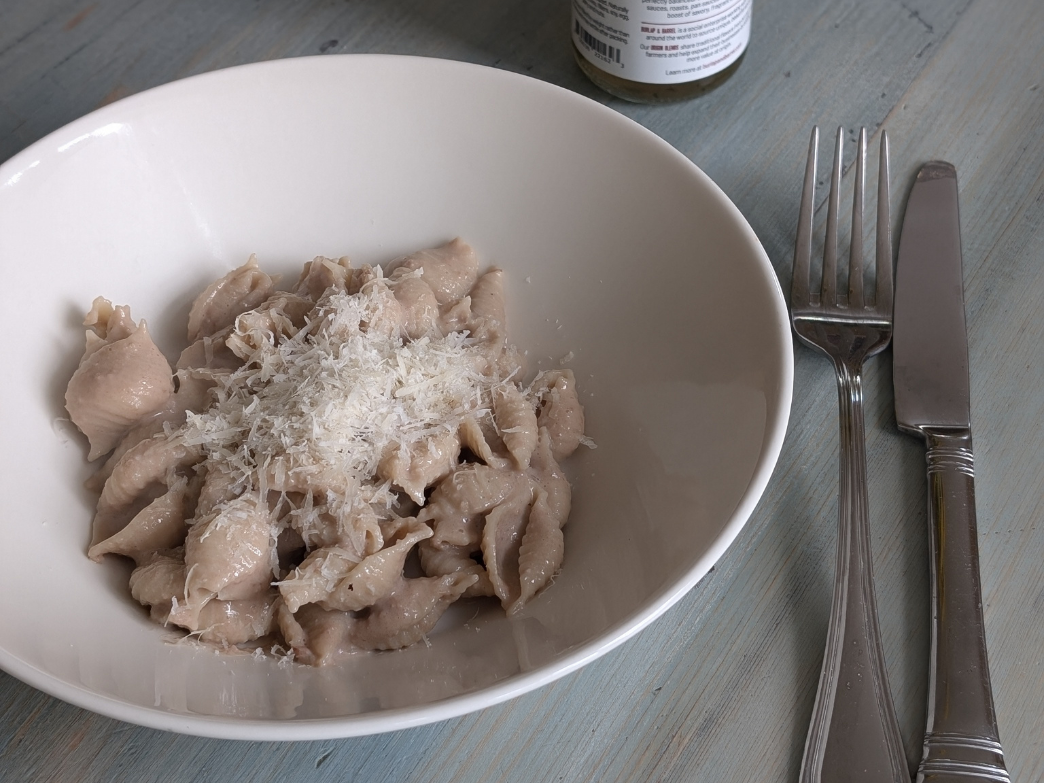
Best Pasta for IBS: Can You Eat Pasta with IBS?
By Dr. Jorge, Ph.D. Wildgrain, opens in a new tab is the first bake-from-frozen subscription box for sourdough breads, fresh pastas, and artisanal pastries. Navigating irritable bowel syndrome (IBS) while trying to enjoy your favorite foods can be a challenge, especially if you’re a pasta lover. Read on to learn why some types of pasta can exacerbate IBS symptoms while others can help keep uncomfortable symptoms away. We’ll help you choose the best pasta for your next meal to keep it both tasty and gut-friendly. Is pasta OK for people with IBS? Can you eat pasta on an IBS diet? Does pasta cause IBS flareup? Traditional pasta might not be good for people with IBS since it is made from wheat, a high fermentable oligosaccharides, disaccharides, monosaccharides, and polyols (FODMAP) ingredient. FODMAPs are a group of carbohydrates that can contribute to IBS symptoms. Although food triggers can vary from person-to-person, wheat-based foods (like pasta) tend to cause IBS flareups for many, resulting in diarrhea, constipation, and bloating. The good news is that there are alternative pasta options available for IBS sufferers so you can continue to enjoy pasta without uncomfortable symptoms. Brown rice pasta and quinoa pasta are two non-wheat pastas that are generally well tolerated by those with IBS. Corn pasta is another great addition to an IBS diet since it is low FODMAP and high in fiber, which aids in digestion. Are noodles OK for people with IBS? Can you eat noodles on an IBS diet? Do noodles cause IBS flareup? Like pasta, wheat-based noodles are typically not well tolerated by people with IBS. This includes ramen noodles and instant noodles. On the other hand, rice noodles, egg noodles, and soba noodles are all low FODMAP foods, meaning they are less likely to cause IBS flareups since they are not made with wheat flour. Is plain pasta better for IBS? Plain pastaGo to Fettuccine (pasta without sauce or toppings) might be better for IBS diets compared to pasta served with other foods or paired with sauce. Since plain pasta doesn’t contain extra ingredients that can cause IBS symptoms, the likelihood of experiencing a flareup is minimized. However, even plain pasta can cause discomfort for IBS sufferers if the pasta is made from wheat flour. Plain brown rice pasta and plain quinoa pasta are excellent choices for managing IBS symptoms, as they are both free from wheat. What is the best pasta for IBS sufferers? What pasta is gut friendly? For those with IBS, the best pasta options are those made from low FODMAP ingredients like rice, quinoa, and corn. Gluten-free pasta can also be a gut-friendly choice, but it’s important to check for high FODMAP ingredients such as chickpeas. Soba noodles are another excellent option, as they’re made from buckwheat - a low FODMAP ingredient known for being gentle on the digestive system for many people. Is whole wheat pasta better for IBS or is regular pasta better for IBS? While whole wheat pasta is often considered more nutritious than regular pasta, experts generally recommend avoiding whole grain foods on an IBS diet. Whole grains, including those used in whole wheat pasta, can be harder for the body to digest compared to white pastaGo to Tonnarelli. For individuals with IBS, whole wheat pasta might trigger flare-ups, leading to symptoms such as abdominal pain, gas, and bloating. Is gluten-free pasta the best for IBS sufferers? Gluten-free pasta is not necessarily the best for IBS sufferers; it depends on whether the gluten-free pasta contains only low FODMAP ingredients. There are some ingredients, like chickpeas, that are gluten-free but are high FODMAP, which can therefore trigger IBS symptoms. Other gluten-free pasta, like those made with low FODMAP ingredients (i.e. rice, quinoa, and corn) are great choices for those with IBS. Is rice or pasta better for IBS? Is pasta or rice better for your gut? To determine whether rice or pasta are better for IBS diets, it is important to consider the type of rice and pasta. White rice and white pastaGo to Fettuccine are generally better options for IBS sufferers because they are made from refined grains, which are easier for the body to digest. In contrast, brown rice and whole wheat pasta, which are made from whole grains, can be more challenging to digest. However, both brown rice and whole wheat pasta are better for your gut health because they are high in fiber, an essential component of the gut microbiota. Is pasta with sauce worse for IBS? What is the best pasta sauce for IBS? Pasta sauce might be worse for IBS if the sauce is made with ingredients that can cause IBS flareups. For example, common pasta sauce ingredients like onions, garlic, cream, or cheese are known to aggravate IBS symptoms. Store bought tomato-based sauces can also be problematic for those with IBS due to their fructose content. If you’re looking for an IBS-friendly pasta sauce, the best option is to make your own sauce at home or carefully scan the ingredients list of store-bought sauces for high FODMAP ingredients. Where can I buy pasta online? At Wildgrain, we specialize in making high-quality, fresh baked goods that are delivered directly to your door. Wildgrain is the first bake-from-frozen delivery subscription service for breads, rolls, pastries, and fresh pastas. Some of our popular pastas include Fresh Fettuccine, Fresh Rigatoni, and Fresh Tonnarelli. We also carry a line of gluten-free pasta, including Gluten-Free Fresh Linguine and Gluten-Free Fresh Shells. We also make homemade Classic Marinara Sauce. Learn more about Wildgrain and our artisanal baking and cooking methods. Best Pasta Home Delivery Service: How Wildgrain's Pasta Delivery Works Wildgrain's pastas are prepared in independent, artisanal bakeries with high quality ingredients. The pastas are shipped frozen in insulated boxes and delivered direct to your home, anywhere nationwide. By shipping frozen, Wildgrain products maintain the highest quality, so you can enjoy fresh pasta at home. That's why customers consider Wildgrain among the best home delivery services for pasta. About the Author Dr. Jorge has been a public health researcher for many years, holding both a Bachelor's degree and a Ph.D. in Chemistry. They presently work as a medical writer and love being able to assist others in understanding various health and scientific topics. This content is for informational use only and does not replace professional nutrition and/or medical advice, diagnosis or treatment. It is not a substitute for and should not be relied upon for specific nutrition and/or medical recommendations. Please talk with your doctor about any questions or concerns.
Learn more Best Pasta for IBS: Can You Eat Pasta with IBS?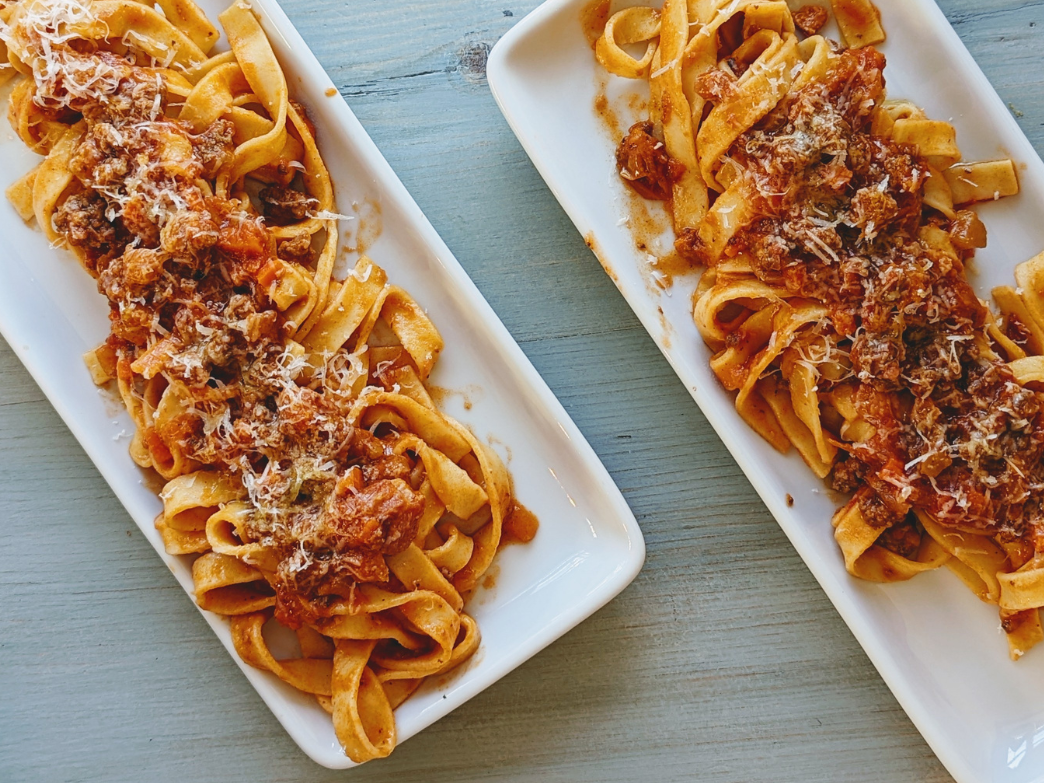
What is the best pasta for a FODMAP diet?
By Dr. Jorge, Ph.D. Wildgrain, opens in a new tab is the first bake-from-frozen subscription box for sourdough breads, fresh pastas, and artisanal pastries. Do you have IBS and are considering a transition to a FODMAP diet? If you’re a pasta lover, you might be concerned about whether you can still enjoy your favorite Italian dishes while managing digestive symptoms. Don’t worry—we’ve got you covered! Read on to discover the best types of pasta to enjoy while following a low FODMAP diet. Why is pasta high in FODMAP? Fermentable oligosaccharides, disaccharides, monosaccharides, and polyols (FODMAPs) are a class of carbohydrates that may be problematic for the digestive system. Since wheat flour is a high-FODMAP food and traditional pasta is made from wheat, pasta is a high-FODMAP food. However, there are nontraditional pasta options, such as brown rice pasta and quinoa pasta, that can be enjoyed while following a low-FODMAP diet. What pasta is FODMAP-friendly? What type of pasta can you eat on FODMAP? What kind of pasta is low FODMAP? FODMAP-friendly pasta is defined as being made with low-FODMAP ingredients. Pasta made with rice, corn, and quinoa falls under this category. Although these types of pasta are good options for those on a low FODMAP diet, it is recommended to stick to a 1-cup serving. However, it is crucial to check the label to ensure the pasta doesn’t contain any additional high FODMAP ingredients, like chickpeas, lentils, peas, or beans. What pasta is FODMAP-friendly? What type of pasta can you eat on FODMAP? What kind of pasta is low FODMAP? FODMAP-friendly pasta is defined as being made with low-FODMAP ingredients. Pasta made with rice, corn, and quinoa falls under this category. Although these types of pasta are good options for those on a low FODMAP diet, it is recommended to stick to a 1-cup serving. However, it is crucial to check the label to ensure the pasta doesn’t contain any additional high FODMAP ingredients, like chickpeas, lentils, peas, or beans. Is whole wheat pasta low FODMAP? Can you eat whole wheat pasta on a FODMAP diet? Whole wheat pasta is generally not considered low FODMAP. This is because wheat is a high FODMAP ingredient and food made from whole grains (i.e. whole wheat pasta) can be difficult for the body to digest and break down. For this reason, eating whole wheat pasta could give IBS sufferers gas, diarrhea, or abdominal pain. However, individuals on a low FODMAP diet may be able to handle a maximum serving size of ½ cup of whole wheat pasta. Is whole grain pasta low FODMAP? Can you eat whole grain pasta on a FODMAP diet? Like whole wheat pasta, whole grain pasta made with wheat flour is not low FODMAP. The consumption of whole wheat flour can cause uncomfortable symptoms for many people with IBS. However, rice-based pastas, such as brown rice pasta, may be FODMAP-friendly. Just make sure to carefully review the ingredients list and try to limit your serving to 1 cup. Are rice noodles low FODMAP? Can you eat rice noodles on a FODMAP diet? Rice noodles are low FODMAP foods since the main ingredients are rice flour and water, which are FODMAP-friendly. That being said, you can consume rice noodles while following a FODMAP diet; however, it is advised to keep the serving size to 1 cup. Are egg noodles low FODMAP? Can you eat egg noodles on a FODMAP diet? Egg noodles might be considered low FODMAP. Since the main ingredient of egg noodles is wheat flour, egg noodles are only low FODMAP at a serving size of ½ cup. At a serving of 1 cup, egg noodles are moderate to high FODMAP. To satisfy your craving for noodles while adhering to a low-FODMAP diet, try soba noodles or rice noodles instead of egg noodles. Is gluten-free pasta better for FODMAP diets? Is gluten-free pasta low FODMAP? Gluten-free pasta might be better for a low FODMAP diet, depending on what the pasta is made of. Not all gluten-free pasta will be low FODMAP since not all gluten-free ingredients are FODMAP friendly. One prime example of a gluten-free pasta that can have a high FODMAP content is chickpea pasta. It is better to choose pasta made with rice flour, oat flour, quinoa flour, or buckwheat flour if you are on a FODMAP diet. Can you eat pasta sauce on a FODMAP diet? What pasta sauce is best for a FODMAP diet? You can eat certain pasta sauces while on a FODMAP diet. The key is to make sure the sauce does not contain high FODMAP ingredients, such as onion, garlic, high fructose corn syrup, honey, and cream/milk. Since all these ingredients are frequently found in pasta sauce, it’s important to scan the sauce jar’s label for these high FODMAP ingredients. Look for pasta sauces with minimal and low FODMAP ingredients like tomatoes, olive oil, salt, and basil. How much pasta can you eat on a FODMAP diet? The suggested serving size for pasta depends on the kind of pasta you are eating. The recommended serving size for low-FODMAP pasta, such as brown rice pasta, quinoa pasta, and rice noodles, is roughly 1 cup. Conversely, it is recommended to eat a smaller portion size of moderate to high FODMAP pasta. If you are on a FODMAP diet, it is recommended to not eat more than ½ cup of whole wheat pasta or egg noodles. Where can I buy healthy pasta online? At Wildgrain, we specialize in making high-quality, fresh breads that are delivered directly to your door. Wildgrain is the first bake-from-frozen delivery subscription service for breads, rolls, pastries, and fresh pastas. Some of our popular pastas include Fresh Fettuccine, Fresh Rigatoni, and Fresh Tonnarelli. We also make homemade Classic Marinara Sauce. Learn more about Wildgrain and our artisanal baking and cooking methods. Best Pasta Home Delivery Service: How Wildgrain's Pasta Delivery Works Wildgrain's pastas are prepared in independent, artisanal bakeries with high quality ingredients. The pastas are shipped frozen in insulated boxes and delivered direct to your home, anywhere nationwide. By shipping frozen, Wildgrain products maintain the highest quality, so you can enjoy fresh pasta at home. That's why customers consider Wildgrain among the best home delivery services for pasta. About the Author Dr. Jorge has been a public health researcher for many years, holding both a Bachelor's degree and a Ph.D. in Chemistry. They presently work as a medical writer and love being able to assist others in understanding various health and scientific topics. This content is for informational use only and does not replace professional nutrition and/or medical advice, diagnosis or treatment. It is not a substitute for and should not be relied upon for specific nutrition and/or medical recommendations. Please talk with your doctor about any questions or concerns.
Learn more What is the best pasta for a FODMAP diet?