

Wildgrain Blog
Best Holiday Gift Baskets for Delivery
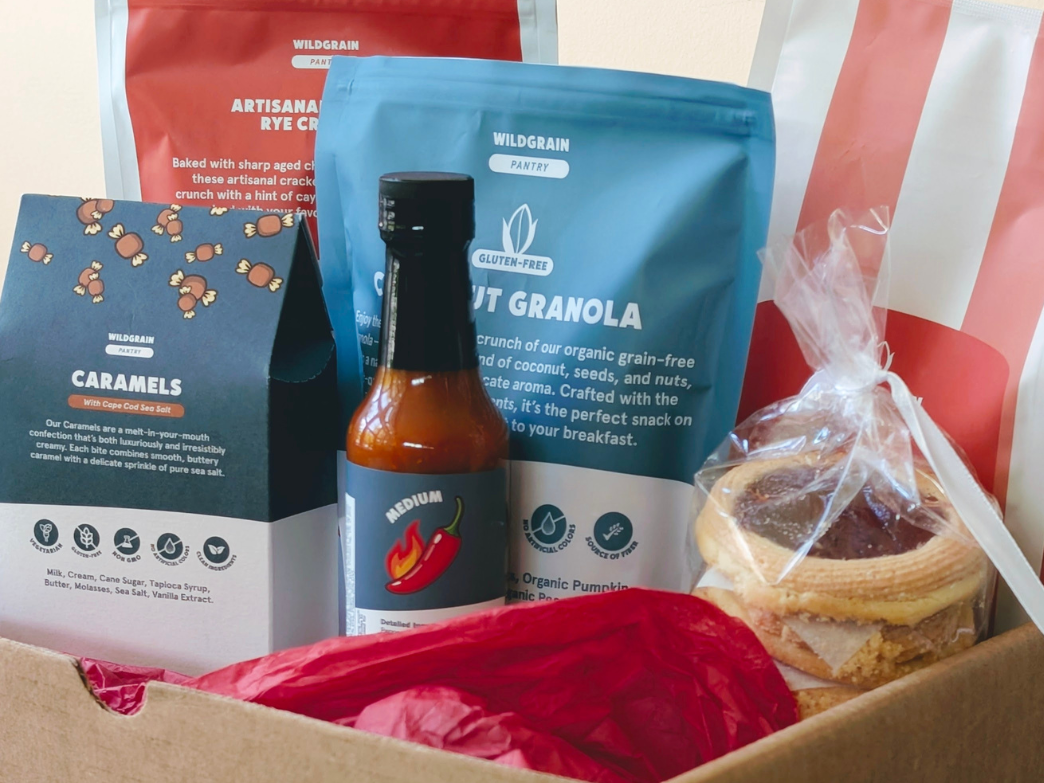
By Lucy Yanckello, Ph.D. Wildgrain, opens in a new tab, is the first bake-from-frozen subscription box for sourdough breads, fresh pastas, and artisanal pastries. Holiday gift shopping used to mean a trip to the mall and a long line at the post office. Now you can buy anything you want to gift from the comfort of your own home, from food to toys. Although food can feel tricky to shop, holiday gift baskets are a popular option because they arrive at the recipient's door ready to enjoy. The best ones feel personal, travel well, and give your loved ones something delicious to share during holiday gatherings. What is a food gift box for the holidays? What is a holiday food gift basket? Can you customize a holiday food gift box? A holiday food gift box is a curated collection of breads, treats, or pantry favorites shipped straight to someone you love. Most arrive beautifully packaged and ready to give, so all you have to add is a personal note. Many services also let you customize the box, choosing items that fit your recipients tastes and diet. With Wildgrain’s Trial Custom Box, you can build a gift around bread, rolls, pasta, and pastries, and then choose the date it ships. You can also include a custom gift message, so your recipient knows exactly who sent the surprise. Are there breakfast gift baskets for holiday delivery? What goes into a breakfast basket for a gift? Is there a breakfast gift basket with croissants? Yes, breakfast gift baskets are one of the most loved holiday gifts, since they turn an ordinary morning into a celebration. A great breakfast basket mixes pastries, breads, and something sweet to pair with coffee. Croissants are the start of most breakfast boxes, especially when they bake fresh at home. The Taste of Wildgrain Box pairs buttery croissants with crusty sourdough, golden waffles, and flaky biscuits for a full morning spread. If your recipient is hosting a crowd, adding on Wildgrain’s 4 Dozen Croissants will keep the table stocked all season. Can you give sourdough bread as a holiday gift? Can you add sourdough bread to a food gift basket for delivery? Yes, sourdough bread makes a thoughtful holiday gift, especially for anyone who loves a slow, cozy meal. A good loaf takes time to make, so receiving one feels personal and special. Frozen sourdough also ships especially well, since freezing slows the process that dries bread out on the counter. Adding Wildgrain’s Plain Sourdough Loaf to a gift box gives the recipient warm, crusty bread whenever they want it. For holiday dinners, Wildgrain’s Tear & Share Cranberry-Pecan Rolls bring a festive flavor to the table, too. Do cookies and pastries ship well for the holidays? How do I pick a good cookie and pastry gift basket? Cookies and pastries do ship well for the holidays, especially when they are frozen and packed with care. Freezing locks in freshness and slows the changes that make baked goods go stale. Look for quality gift boxes that are shipped in insulated packaging with frozen gel packs so everything arrives cold. A good cookie and pastry basket also offers variety, mixing different flavors of chewy cookies or adding in other sweet treats. Wildgrain’s Holiday Cookie Assortment is great for those who love cookies of all flavors, and Wildgrain’s Gourmet Treat Box adds ready-to-eat linzer cookies, sea salt caramels, and artisan jam - turning on your oven is not required. Are there allergy-friendly holiday gift baskets? What is a good allergy-friendly gift basket that I can ship? Allergy-friendly gift baskets are easier to find than ever. The best place to start is the label, since packaged foods must clearly list major allergens like milk, eggs, wheat, tree nuts, sesame, and soy. Look for brands that share the full ingredient list, and also note whether items are made in a facility that handles other allergens. Building a Trial Custom Box lets you pick only items that fit your recipients dietary restrictions. When in doubt, asking about their allergies is the kindest step you can take. Are there gluten-free holiday gift baskets? What is a good gluten-free gift basket that I can ship? Gluten-free holiday gift baskets let everyone enjoy fresh bread and treats during the holiday season. Food labeled gluten-free must contain less than 20 parts per million of gluten, which is the standard most people with celiac disease rely on. The best gluten-free gifts come from dedicated gluten-free facilities that test their products and equipment regularly. Wildgrain’s Gluten-Free Plain Sourdough Loaf is made in a dedicated gluten-free facility and tested to stay below 10 parts per million. Paring it in a Trial Custom Box with Wildgrain’s Gluten-Free Giant Chocolate Chunk Cookies makes a sweet and savory gift any gluten-free friend will love. Are there vegan holiday gift baskets? What is a good vegan gift basket that I can ship? Vegan holiday gift baskets are a great way to celebrate the plant-based friends and family members in your life. Plant-based baking has come a long way in terms of flavor and texture, and a good vegan gift basket includes classic bakery favorites made with all vegan ingredients. Try pairing Wildgrain’s Vegan Croissants and Wildgrain’s Vegan Giant Chocolate Chip Cookies with a naturally vegan Plain Sourdough Loaf to round out a Trial Custom Box for your vegan loved ones. What is the best holiday food gift box? What is the best food gift basket to give for the holidays? The best holiday food gift box arrives fresh, feels personal, and lets your recipient enjoy the contents on their own schedule. Bake-from-frozen gifts are a smart choice, since they keep in the freezer until they want to indulge. Look for one-time gift boxes with no subscription required, a flexible ship date, and room for a personal message. The Taste of Wildgrain Box checks every box, with a curated mix of breads and pastries that stocks their kitchen for the holidays. For anyone who is hard to shop for or has dietary restrictions, opt for a Trial Custom Box or a Wildgrain E-Gift Card that lets them build a box of their own choosing. Where can I buy the best holiday gift boxes online for delivery? At Wildgrain, we specialize in making high-quality, fresh breads and pastas that are delivered directly to your door. Wildgrain is the first bake-from-frozen delivery subscription service for breads, pastries, fresh pastas, and more. Some of our popular gift box options include the Taste of Wildgrain Box, Wildgrain’s Gourmet Treat Box, and Wildgrain’s Trial Custom Box. Learn more about Wildgrain and our artisanal baking and cooking methods. Best Home Delivery Service for Food: How Wildgrain's Food Delivery Works Wildgrain's products are prepared in independent, artisanal bakeries with high quality ingredients. They are shipped frozen in insulated boxes and delivered direct to your home, anywhere nationwide. By shipping frozen, Wildgrain products maintain the highest quality, so you can enjoy fresh food at home. That's why customers consider Wildgrain among the best home food delivery services. About the Author Lucy Yanckello received her Ph.D. in nutrition from the University of Kentucky College of Medicine. She currently works as a medical writer and enjoys being able to help people better understand nutrition and science. This content is for informational use only and does not replace professional nutrition and/or medical advice, diagnosis or treatment. It is not a substitute for and should not be relied upon for specific nutrition and/or medical recommendations. Please talk with your doctor about any questions or concerns.
Learn more Best Holiday Gift Baskets for Delivery
Dairy-Free Diets: Can a Dairy-Free Diet Improve Skin and Acne?
By Lucy Yanckello, Ph.D. Wildgrain, opens in a new tab, is the first bake-from-frozen subscription box for sourdough breads, fresh pastas, and artisanal pastries. Dairy shows up everywhere, from the milk in your morning coffee to the cheese on your favorite pasta. Although most people never make the connection to their skin, research has linked dairy to acne, especially in teens and young adults. Cutting dairy out has become a popular way to chase clearer skin, but the science behind that choice is more nuanced than you might expect. Can eating dairy affect skin? How do you know if dairy is affecting your skin? Yes, eating dairy can affect your skin, and milk is the dairy most often linked to breakouts. Hormones and proteins naturally found in milk are thought to play a role in triggering acne for some people. The simplest way to know if dairy is affecting your skin is to track your breakouts alongside what you eat for a few weeks. If you notice a pattern, a dermatologist or allergist can help guide you through an elimination diet to see if dairy really is the culprit. Warming a few Wildgrain Vegan Croissants for breakfast instead of traditional butter-based croissants lets you keep flaky, golden pastries in your routine while avoiding dairy. What does a dairy skin allergy look like? What does dairy inflammation feel like? A dairy skin allergy usually shows up as hives, an itchy rash, or swelling around your lips and mouth. These reactions tend to appear within minutes to a couple of hours after eating dairy, because your immune system is reacting to the proteins in milk. Dairy inflammation tends to build more slowly than an allergic reaction. In your skin, it can look like red, tender breakouts or itchy, irritated patches that flare in the days after eating dairy. In your gut, people sensitive to dairy often describe bloating, cramping, and a heavy uncomfortable feeling after meals. A dermatologist or allergist can help you pinpoint what is driving your symptoms. Remember, severe reactions like trouble breathing need emergency care right away. Please ask your doctor for further information if you think you may have a dairy allergy or dairy intolerance. Can a dairy-free diet improve skin? Can a dairy-free diet reduce acne? Yes, a dairy-free diet may improve skin and reduce acne for some people. Milk intake has been associated with higher odds of acne in children, teens, and young adults. Results may vary from person to person, so many people find a trial guided by a doctor of several weeks without dairy is the best way to narrow down the culprit. Baking a Wildgrain Vegan Giant Chocolate Chip Cookie keeps dessert on the table while you test the change. Does cutting out dairy reduce inflammation? Should you avoid dairy if you have inflammation? No, cutting dairy out does not lower inflammation for most people. Milk, cheese, and yogurt have generally shown neutral effects on inflammatory markers in the body. Avoiding dairy makes sense if you have a milk allergy, an intolerance, or notice that it worsens your symptoms. If you are managing an inflammatory condition, your healthcare provider can help you decide whether dairy fits into your diet. Will going dairy-free help skin? What happens when you cut out all dairy? Going diary-free can help your skin if dairy is one of your personal acne triggers. Skin changes slowly, so it often takes two to three months of a dietary shift to see results. Cutting out all dairy removes a major source of calcium, vitamin D, and protein, so replacing those nutrients matters. Leafy greens, calcium-fortified plant milks, and tofu made with calcium are easy places to start. Is skim milk worse for acne than whole milk? Which type of milk is best for skin and acne? Skim milk has shown a slightly stronger link to acne than whole milk in some research. Dermatology guidance also points to skim milk as the type most likely to worsen breakouts. Still, both whole and skim milk have been associated with acne, so neither is a clear winner for your skin. Yogurt and cheese tend to show a weaker connection to skin irritation and acne than milk. Unsweetened plant-based milks like almond, or soy are a simple swap, especially when fortified with calcium and vitamin D. What’s the best diet for skin and acne? What foods should you avoid with acne? The best diet for skin and acne is built around low-glycemic foods, which raise your blood sugar slowly and steadily. Diets like this have been linked to fewer breakouts, since sharp blood sugar spikes can drive inflammation and extra oil in your skin. Foods commonly limited to reduce acne include sugary drinks, sweets, and refined snacks, along with milk for some. That means filling your plate with vegetables, fruits, beans, whole grains, fish, and nuts. Toasting a slice of Wildgrain’s Plain Sourdough Loaf and topping it with avocado or nut butter makes a simple, dairy-free breakfast that may help support your skin goals. Where can I buy the best fresh dairy-free foods online for home delivery? At Wildgrain, we specialize in making high-quality, fresh breads and pastas that are delivered directly to your door. Wildgrain is the first bake-from-frozen delivery subscription service for breads, pastries, fresh pastas, and more. Some of our popular dairy-free items include Wildgrain’s Plain Sourdough Loaf, Wildgrain’s Vegan Giant Chocolate Chip Cookie, and Wildgrain’s Vegan Croissants. All of the Wildgrain dairy-free foods can be found here. Learn more about Wildgrain and our artisanal baking and cooking methods. Best Home Delivery Service for Food: How Wildgrain's Food Delivery Works Wildgrain's products are prepared in independent, artisanal bakeries with high quality ingredients. They are shipped frozen in insulated boxes and delivered direct to your home, anywhere nationwide. By shipping frozen, Wildgrain products maintain the highest quality, so you can enjoy fresh food at home. That's why customers consider Wildgrain among the best home food delivery services. About the Author Lucy Yanckello received her Ph.D. in nutrition from the University of Kentucky College of Medicine. She currently works as a medical writer and enjoys being able to help people better understand nutrition and science. This content is for informational use only and does not replace professional nutrition and/or medical advice, diagnosis or treatment. It is not a substitute for and should not be relied upon for specific nutrition and/or medical recommendations. Please talk with your doctor about any questions or concerns.
Learn more Dairy-Free Diets: Can a Dairy-Free Diet Improve Skin and Acne?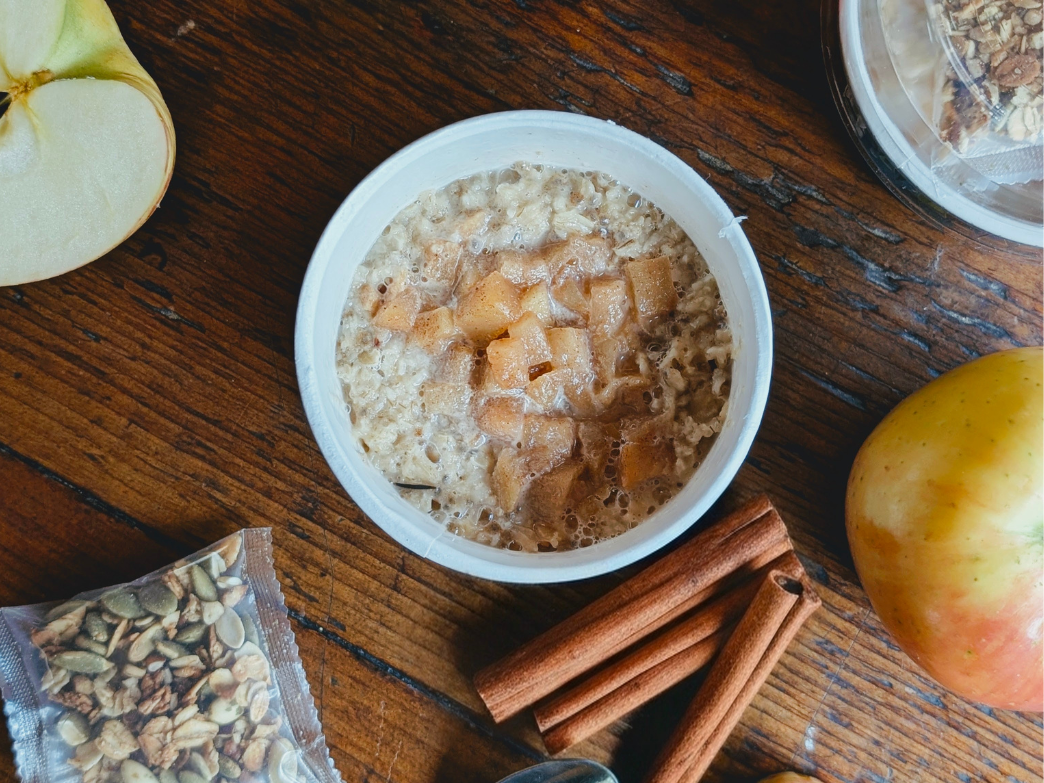
High-Protein Diet: Can Protein Improve Bone Density?
By Dr. Jorge, Ph.D. Wildgrain, is the first bake-from-frozen subscription box for sourdough breads, fresh pastas, and artisanal pastries. Bone loss becomes a real concern with age, but the right habits can help slow it down. Protein, calcium, and vitamin D all play a key role in keeping bones strong, making your diet an important tool for protecting bone density. Read on to learn which foods can help you build a bone-healthy diet. Can a high-protein diet improve bone density? Is a high-protein diet good for bone health? Yes, a high-protein diet may improve bone density. Research suggests that adequate protein intake is essential for bone health, including bone growth and preventing bone loss. This is especially true for women, given the increased risk of bone loss after menopause. Protein works best alongside enough calcium and vitamin D, which are also essential to building and maintaining strong bones. Which protein is best for bones? What type of protein is best for bone health? The best proteins for bone health are those found naturally in both animal and plant sources. This includes lean meats, fish, and plant-based proteins like tofu and beans. Milk and other dairy products, such as yogurt and cheese, are especially beneficial for bones because they provide both protein and calcium. Eating a variety of these foods is a good way to get the protein, calcium, and vitamin D that bones need to stay strong over time. If you have trouble meeting your protein needs through food alone, a protein powder may be a helpful addition to your diet. Is oatmeal good for bone health? Is oatmeal good for osteoporosis? Yes, oatmeal can support bone health, especially when made with milk. Oats are rich in minerals that support bone health, like manganese, phosphorus, and magnesium. Cooking oats with regular milk or fortified plant milk instead of water adds calcium and protein, two nutrients bones need. For an easy morning protein boost, try Wildgrain’s Banana Peanut Butter Fruits and Crunch Oats, a high-protein oatmeal that fits easily into a bone-healthy diet. In addition to a balanced diet, be sure to follow your doctor’s exercise and treatment recommendations to properly support bone health and manage osteoporosis. What foods help rebuild bone density? Can too much protein cause osteoporosis? Foods that are rich in calcium, vitamin D, and protein can help rebuild bone density. Collard greens, broccoli, figs, sardines, salmon, milk, yogurt, and cheese are some examples of foods that are part of a bone-healthy diet. Diet works best alongside weight-bearing exercise and any treatment your doctor recommends, since nutrition is just one component of building and maintaining bone density. It was once believed that consuming too much protein weakened bones by pulling calcium out of them, but most modern research suggests this is not the case. Protein is necessary for strong and healthy bones, especially when paired with enough calcium. A protein-rich diet also helps maintain muscle mass, which can improve balance and lower the risk of falls and bone fractures. Can a high-protein diet prevent bone loss? Can a high-protein diet prevent osteoporosis? Studies suggest that a high-protein diet can help slow bone loss and lower the risk of osteoporosis. As a key building block of bone, a high-protein diet can help keep bones strong over time, along with other essential nutrients. Protein plays an especially important role in older age, when bone loss is more common, and many people tend to eat less protein. Whenever possible, opting for a high-protein version of your favorite foods, like Wildgrain’s High-Protein Maple Waffle and Wildgrain’s Oatmeal Raisin Protein Breakfast Cookie, can help you to prioritize a high-protein diet. Why do women have lower bone density than men? Are there foods that women can eat to prevent bone loss? Women lose bone density faster than men because estrogen levels fall sharply during menopause. Since estrogen is a hormone that protects bones, this rapid decrease in estrogen makes women more susceptible to accelerated bone loss as they get older. Men lose bone density with age too, but it doesn't happen as suddenly or as drastically as it does in women. Women also tend to have smaller, thinner bones than men to begin with, which adds to their risk of bone loss and osteoporosis. Women can eat bone-healthy foods to help preserve bone density and slow bone loss, such as prunes, low-fat dairy, dark leafy greens, fatty fish, and nuts and seeds. Can women regain bone density with foods? What’s the best high-protein diet for women? Women may be able to regain lost bone density through a combination of strength exercises, medical treatment, and diet. Nutrition alone can't reverse bone loss or osteoporosis, but it plays an important supporting role. The best high-protein diet for women includes foods that are rich in protein and also provide calcium, vitamin D, and other bone-supporting nutrients. Good options include fish such as salmon and sardines, yogurt, milk, cheese, eggs, lean meats, and plant-based proteins like tofu, beans, and lentils. For an easy way to add more protein to your day, try Wildgrain's Apple and Cinnamon Fruits & Crunch Oats. How can men increase bone density with foods? Is there a diet that keeps men from getting osteoporosis? Similar to women, men can support bone density by focusing on bone-healthy foods that are rich in calcium, protein, and vitamin D. There is no single diet that will keep men from getting osteoporosis. Rather, a combination of healthy habits that promote bone health and slow bone loss can help to lower the risk of osteoporosis. This includes prioritizing bone-supporting foods and limiting foods that can negatively affect bone density, such as excessive salt, alcohol, and caffeine. What’s the best high-protein diet to improve bone density? What’s the best high-protein diet for osteoporosis? The best high-protein diet for bone density is one that pairs protein-rich foods with plenty of calcium and vitamin D. That means including options like fish, dairy, eggs, lean meats, and plant-based proteins such as tofu, beans, and lentils throughout your day. For osteoporosis, the same approach applies, with the added importance of following your doctor's exercise and treatment recommendations, since diet alone cannot reverse bone loss. Simple food swaps and protein-rich snacks can make it easier to add protein to your diet, like Wildgrain’s High-Protein Maple Waffle. Over time, small, steady choices like these can help support strong bones at every age. Where can I buy the best fresh high-protein foods online for home delivery? At Wildgrain, we specialize in making high-quality, fresh breads and pastas that are delivered directly to your door. Wildgrain is the first bake-from-frozen delivery subscription service for breads, pastries, fresh pastas, and more. Some of our popular high-protein items include Wildgrain’s High Protein Maple Waffle, Wildgrain's Truffle & Parmigiano Reggiano Ravioli, and Wildgrain’s Sausage Ragu Sauce. All of the Wildgrain high-protein foods can be found here. Learn more about Wildgrain and our artisanal baking and cooking methods. Best Home Delivery Service for Food: How Wildgrain's Food Delivery Works Wildgrain's products are prepared in independent, artisanal bakeries with high quality ingredients. They are shipped frozen in insulated boxes and delivered direct to your home, anywhere nationwide. By shipping frozen, Wildgrain products maintain the highest quality, so you can enjoy fresh food at home. That's why customers consider Wildgrain among the best home food delivery services. About the Author Dr. Jorge has been a public health researcher for many years, holding both a Bachelor's degree and a Ph.D. in Chemistry. They presently work as a medical writer and love being able to assist others in understanding various health and scientific topics. This content is for informational use only and does not replace professional nutrition and/or medical advice, diagnosis or treatment. It is not a substitute for and should not be relied upon for specific nutrition and/or medical recommendations. Please talk with your doctor about any questions or concerns.
Learn more High-Protein Diet: Can Protein Improve Bone Density?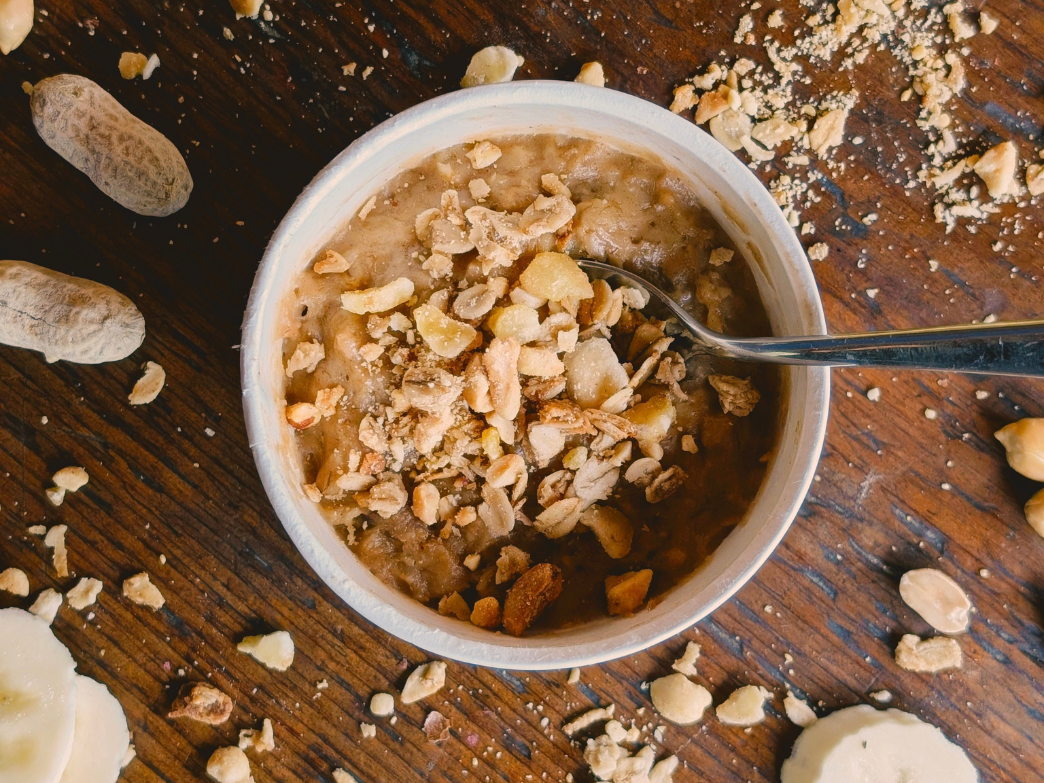
What's Healthier: Overnight Oats vs. Cooked Oats vs. Raw Oats?
By Lucy Yanckello, Ph.D. Wildgrain, opens in a new tab, is the first bake-from-frozen subscription box for sourdough breads, fresh pastas, and artisanal pastries. Oatmeal has quietly split into three camps: soaking oats overnight, cooking oats, and eating oats raw. Although the debate gets framed as a nutrition question, the oats themselves are identical in all three. What changes is how easily your body reaches the starch and fiber inside, and that difference shows up in blood sugar, digestion, and satiety. What’s the difference: overnight oats vs. cooked oats vs. raw oats? The difference comes down to heat and water. Cooked oats are heated in liquid, which swells the starch granules and breaks them open in a process called gelatinization. This gives oatmeal its soft creamy texture, and it also makes the starch quicker to digest. Overnight oats skip the heat and use time instead, softening in cold liquid over several hours without the starch fully breaking down. Raw oats get neither, so their starch content stays tightly packed. Starch that stays intact in this way is called resistant scratch because it resists digestion in your small intestine and passes through to your large intestine. Which is better, overnight oats or cooked oats or raw oats? Is cooked oatmeal better for you than overnight oats? Neither is better across the board, because each trades one advantage for another. The best type is ultimately the one you enjoy eating enough to eat regularly. Cooked oats are the easiest to digest, and the heat pulls more beta-glucan out of the oat. Beta-glucan is a soluble fiber that thickens into a gel in your gut. That gel binds cholesterol and carries it out of the body which is what gives cooked oats the edge on lowering cholesterol. Overnight oats keep their starch intact, so more of it arrives in the gut as resistant starch, which slows digestion and allows blood sugar to rise more gently. Raw oats hold the most resistant starch, but they are the hardest to digest because they absorb water on their way through. Can you eat oats straight from the bag? Is it ok to eat raw oats? Yes, you can eat oats straight from the container. Commercial oats are steamed and heat treated during processing so the oats that make it to you are not truly raw - though that step is nothing like cooking them with a liquid at home. The real issue is comfort rather than safety. Dry oats absorb water in your digestive tract, which can leave you bloated and constipated. If you like the texture, stirring dry oats into yogurt or a smoothie softens them first and avoids most of the discomfort. Does cooking oats destroy nutrients? Are overnight oats, cooked oats, or raw oats healthier for you? Cooking oats does not destroy their nutrients. Fiber, protein and minerals all hold up to heat so a pot of oatmeal is nutritionally close to the dry oats it started as. What cooking changes is how easily your body can reach those nutrients, not how much of each there are. Heat makes the starch quicker to digest and pulls more of the beta-glucan out. The nutrition label reads nearly the same across all three, so the real difference is in how your body handles the meal rather than what is in it. Does refrigerating oatmeal lower the glycemic index? Are overnight oats better for diabetics? Yes, refrigerating oatmeal can lower its glycemic impact but how that happens depends on whether the oats were cooked first. Overnight oats deliver resistant starch that was never gelatinized to begin with, while cooked oats reform resistant starch once chilled. This is why leftover oatmeal behaves differently than a fresh pot. Either way, both land gentler on blood sugar than hot oatmeal eaten straight off the stove. Responses to the same bowl still vary a lot from person to person, so anyone building meals around a diabetes diagnosis should consult their care team. Which is better for weight loss, overnight oats or cooked oats or raw oats? Overnight oats have a small edge for weight management, and it comes from the milk, rather than the method. Soaking needs liquid, so most people reach for milk or yogurt instead of water, which turns a bowl of mostly carbohydrates into a source of protein. That protein works with the fiber in oats to slow digestion and keep you feeling fuller for longer. Cooked oats do the same thing if you opt for milk or yogurt over water, so the real difference is habit rather than method. Raw dry oats fall to the bottom because they are hard to eat in a filling way. Wildgrain's Fruits & Crunch Oats - Banana & Peanut Butter covers the whole formula at once, pairing oats with real milk, peanut butter, and granola so the fiber, protein, and fat combine into a full satisfying meal. Does cooking oats destroy fiber? Are overnight oats better for your gut than cooked oats? Cooking oats does not destroy the fiber, since heat does not break fiber apart. What changes is how much of it reaches your large intestine. Cooked oats deliver the most available beta-glucan, while overnight oats deliver resistant starch as well. Both feed the good bacteria in your gut, and that fermentation produces short chain fatty acids. These compounds support gut lining and help reduce inflammation. Overnight oats have a modest advantage due to the addition of resistant starch, but cooked oats feed your microbiome perfectly well too. Is it healthier to eat oatmeal cold or hot? Temperature on its own does not make oatmeal healthier. A cold bowl and a hot bowl made from the same oats gives you the same calories, protein, fiber, and minerals. What matters is whether heat was used to prepare them, not how warm they are when you eat them. Cold oats are easier to make ahead and carry with you, while hot oats feel more satisfying to eat to a lot of people. Wildgrain's Fruits & Crunch Oats - Triple Berry can be eaten either way, and you should opt for whatever temperature actually keeps you eating oats consistently. What is the healthiest milk to use for oatmeal? What is the healthiest milk to use for overnight oats? The healthiest milk to use for oatmeal is one that you enjoy and that adds protein to your dish. Dairy milk and soy milk contain roughly 7 to 8 grams per cup and also contain calcium. Almond milk, cashew milk, and oat milk contribute very little protein. The sweetened versions of any alternative milk option can add more sugar than your toppings, so opt for the unsweetened version if you're able. Kefir and plain greek yogurt thinned with a splash of milk are worth trying too, since they add protein and live microbial cultures at the same time. Which is the healthiest, overnight oats or cooked oats or raw oats? Overnight oats, cooked oats, and dry oats all have their own advantages. Soaking gives you slower-digesting starch and pairs naturally with milk or yogurt in a way that rounds out your meal. Cooked oats win on digestibility and availability of beta-glucan which matters most if lowering your cholesterol is what you are after. Dry raw oats are safe, but are harder on digestion and rarely eaten in a balanced way. The gap between the three is small enough that the format you will keep up with eating matters most. That’s why a ready option like Wildgrain's Fruits & Crunch Oats - Apple & Cinnamon should earn a spot in the freezer, with 14 grams of protein and a warming apple and cinnamon flavor. Where can I buy the best oatmeal for home delivery? At Wildgrain, we specialize in making high-quality, fresh breads and pastas that are delivered directly to your door. Wildgrain is the first bake-from-frozen delivery subscription service for breads, pastries, fresh pastas, and more. Some of our popular items include Wildgrain’s Fruits & Crunch Oats - Apple & Cinnamon, Wildgrain’s Fruits & Crunch Oats - Triple Berry, and Wildgrain's Fruits & Crunch Oats - Banana & Peanut Butter. Learn more about Wildgrain and our artisanal baking and cooking methods. Best Pastry Home Delivery Service: How Wildgrain's Pastry Delivery Works Wildgrain's pastries are prepared in independent, artisanal bakeries with high quality ingredients. The pastries are shipped frozen in insulated boxes and delivered direct to your home, anywhere nationwide. By shipping frozen, Wildgrain products maintain the highest quality, so you can enjoy fresh pastries at home. That's why customers consider Wildgrain among the best home delivery services for pastries. About the Author Lucy Yanckello received her Ph.D. in nutrition from the University of Kentucky College of Medicine. She currently works as a medical writer and enjoys being able to help people better understand nutrition and science. This content is for informational use only and does not replace professional nutrition and/or medical advice, diagnosis or treatment. It is not a substitute for and should not be relied upon for specific nutrition and/or medical recommendations. Please talk with your doctor about any questions or concerns.
Learn more What's Healthier: Overnight Oats vs. Cooked Oats vs. Raw Oats?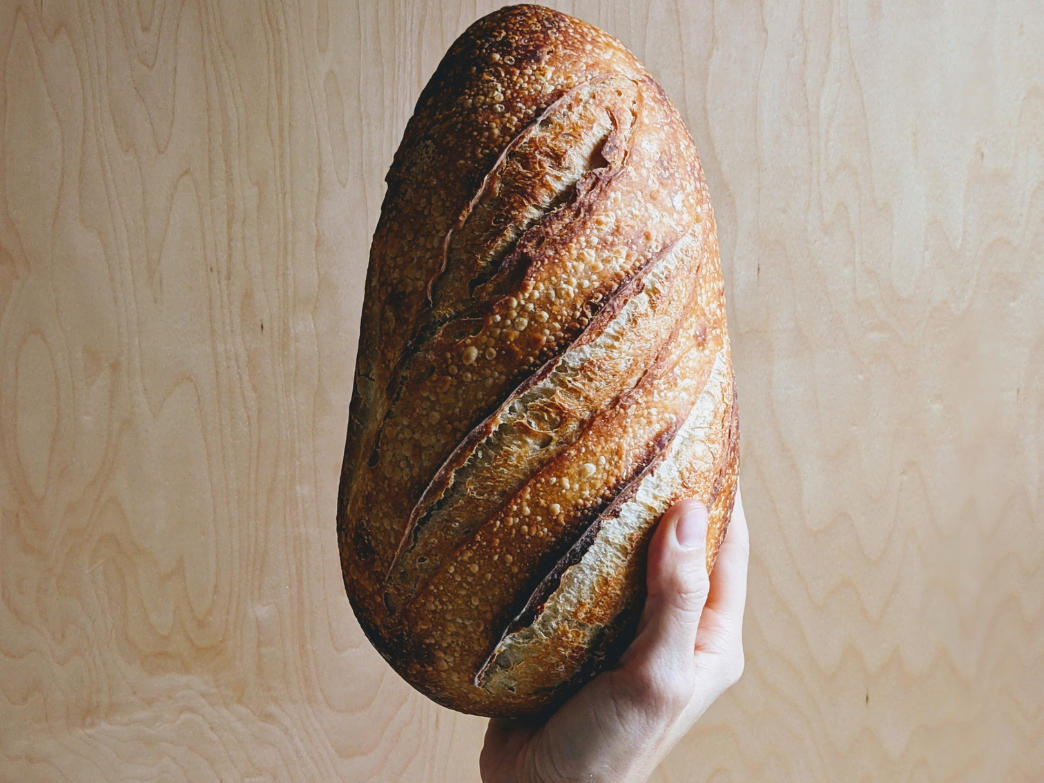
Best Vegan Subscription Boxes
By Lucy Yanckello, Ph.D. Wildgrain, opens in a new tab, is the first bake-from-frozen subscription box for sourdough breads, fresh pastas, and artisanal pastries. Eating vegan used to mean reading every label in the grocery store and still probably leaving without the bread you came for. Although plant-based options have expanded enormously, finding fresh high-quality vegan staples is still hard. A vegan subscription box takes the sourcing off your plate and delivers the results to your door. What is a vegan subscription box for home delivery? How do vegan subscription boxes work? A vegan subscription box is a recurring delivery of plant-based foods sent to your home on a schedule you set. You pick the items or the box type, choose how often you want it to arrive, and the service ships everything insulated so the food stays fresh in transit. At Wildgrain, we freeze our vegan subscription boxes at peak freshness, which is what allows for bakery items to travel across the country and still taste like they came out of the oven that morning. You keep the items in the freezer and bake or cook individual items as you want them, so nothing goes stale or to waste. Subscriptions are usually skippable and pausable, which matters a lot for those with busy ever-changing schedules. What’s the difference between a vegan subscription box and a plant-based subscription box? The two terms overlap, but they are not identical. Vegan means the food contains no animal products at all, including diary, eggs, honey, and animal derived additives. Some vegans also avoid yeast. Plant-based is a looser description that usually points to foods built around plants, and some products labeled that way may still include small amounts of ingredients excluded in the vegan diet such as dairy, eggs, honey or yeast. In practice, a box marketed as vegan is held to a tighter definition, while a plant-based box may need checking item by item. If you avoid animal products for ethical or dietary ones, the distinction is one to watch. Are vegan subscription boxes healthy? Can you customize a vegan subscription box for home delivery? Vegan subscription boxes are as healthy as what you put in them. Remember that a box of baked goods is one piece of your diet rather than the whole picture. Most quality services let you customize the box fully, choosing specific items and adjusting delivery frequency instead of just accepting a fixed assortment on a fixed schedule. Picking the items yourself is the simplest way to make the box work nutritionally since you can weigh it towards what your diet is missing. At Wildgrain, you can customize your vegan subscription to pick the best foods that fit your diet. What kinds of foods come in a vegan subscription box? Can you add non-vegan items to a vegan subscription box? Vegan boxes lean heavily on bakery and pantry items. Breads are naturally vegan when made with flour, water, salt, and a starter, such as Wildgrain's Plain Sourdough Loaf. Pastries are the harder category. Since butter is traditionally used, building the flaky layers without it takes real technique which makes Wildgrain's Vegan Croissants worth a try. Many services also let you build a mixed box, so a household with vegan and non-vegan eaters can order from the same catalog instead of running two different subscriptions which gets hard to keep up with. What’s the difference between vegan subscription boxes and vegan meal delivery services? Can a vegan subscription box replace a meal? Vegan subscription boxes and vegan meal delivery services solve different problems. A meal delivery service sends complete, portioned meals that you heat and eat, which removes the cooking entirely and removes a lot of the choice along with it. A subscription box sends components instead, so you decide what becomes dinner. The same loaf that is toast on Tuesday can be part of your sandwich on Thursday. A box will not replace a meal on its own, since breads and pastas are the base rather than the whole plate. The trade is flexibility and cost per serving against pure convenience. What is the best vegan food delivery service? Where can I buy vegan foods on subscription? The best vegan delivery service has real ingredients, genuine customization options, and a catalog you will not get tired of. Short ingredient lists are the first thing to check, since the point of plant based eating gets lost quickly in a long list of fillers and stabilizers. A box that ships to you insulated and keeps your goodies frozen is the second thing to make sure is offered. It is the only way for quality bakery items to make it to your door without preservatives doing the work. Confirm that vegan products are labeled clearly rather than left for you to guess about. Dessert is a also fair test of any vegan catalog, and Wildgrain's Vegan Giant Chocolate Chip Cookie shows what it looks like when done right. Where can I buy the best fresh vegan foods online for delivery? At Wildgrain, we specialize in making high-quality, fresh breads and pastas that are delivered directly to your door. Wildgrain is the first bake-from-frozen delivery subscription service for breads, pastries, fresh pastas, and more. Some of our popular vegan items include Wildgrain’s Plain Sourdough Loaf, Wildgrain’s Vegan Giant Chocolate Chip Cookie, and Wildgrain’s Vegan Croissants. All of the Wildgrain vegan foods can be found here. Learn more about Wildgrain and our artisanal baking and cooking methods. Best Home Delivery Service for Food: How Wildgrain's Food Delivery Works Wildgrain's products are prepared in independent, artisanal bakeries with high quality ingredients. They are shipped frozen in insulated boxes and delivered direct to your home, anywhere nationwide. By shipping frozen, Wildgrain products maintain the highest quality, so you can enjoy fresh food at home. That's why customers consider Wildgrain among the best home food delivery services. About the Author Lucy Yanckello received her Ph.D. in nutrition from the University of Kentucky College of Medicine. She currently works as a medical writer and enjoys being able to help people better understand nutrition and science. This content is for informational use only and does not replace professional nutrition and/or medical advice, diagnosis or treatment. It is not a substitute for and should not be relied upon for specific nutrition and/or medical recommendations. Please talk with your doctor about any questions or concerns.
Learn more Best Vegan Subscription Boxes
Best Healthy School Lunches
By Lucy Yanckello, Ph.D. Wildgrain, opens in a new tab, is the first bake-from-frozen subscription box for sourdough breads, fresh pastas, and artisanal pastries. Packing school lunches can feel like a nightly negotiation between what your kid will actually eat and what you want them to eat. Although a healthy lunch sounds like it takes planning and effort, most of the work comes down to one simple formula you repeat with different ingredients. Once you have that structure, packing lunchboxes becomes streamlined and the container comes home empty far more often than not. What is a good healthy lunch for school? What makes a healthy school lunch? A good school lunch has four parts working together: a whole grain, a protein source, a fruit or vegetable, and something to drink. A simple way to picture it is filling half the lunch with fruits and vegetables, a quarter with whole grain, and the last quarter with protein. That balance matters because carbohydrates on their own burn off quickly, while protein, fiber, and fat slow digestion and keep energy steady throughout the afternoon. Water and milk are the best drinks to include, since sugary beverages add calories without containing the nutrients kids need to keep focused in class. Repeating the same four categories removes the daily decision fatigue. What are some easy ways to make healthy lunches for school? What are good healthy school lunch ideas? The easiest healthy lunches are the ones you assemble rather than cook. Batch prep does most of the work. For example, roast a tray of chicken, boil a dozen eggs, and wash and cut produce on the weekend so everything is prepped and easy to grab from the fridge. Find a few reliable options like a sandwich on whole grain bread, a thermos of pasta or soup, a bento box of cheese and crackers, or leftovers from the night before. Frozen options that bake in minutes make the process even easier, like Wildgrain’s Slow-Fermented Margherita Pizza, which goes from the freezer to sliced and packed in about 10 minutes with 15 grams of protein in half of the pie. Are sandwiches a healthy school lunch option for kids? Yes, sandwiches are a healthy school lunch option, and the bread you choose does most of the work. Whole grain bread brings fiber, B-vitamins, and minerals that refined white bread loses in processing. That fiber is what carries kids through the afternoon classes and keeps them alert. Wildgrain’s Sourdough Whole Wheat Loaf gives you 6 grams of protein and 2 grams of fiber in a single slice. Fill the sandwich with protein like turkey, egg salad, hummus, or cheese. Tuck something crunchy inside the sandwich too, like cucumber or bell pepper. Sandwiches get boring quickly, so rotating the bread and filling is what matters in terms of your kid actually eating it. What are healthy school lunch ideas for weight loss? Lunches built with weight in mind look almost identical to lunches built for energy and satiety, with slightly more attention paid to fiber and protein content. Vegetables, fruit, whole grains, and a protein source fill kids up on fewer calories than packaged snacks and refined carbohydrates. This tends to help reduce cravings and snacking later in the day. Swapping sugary drinks for water often makes a bigger difference than changing the food itself. Restricting a growing child’s food can work against their development, so adding filling foods usually works better than taking foods away. Any concern about a child’s weight is worth raising with their pediatrician who can look at growth over time before you make any changes to their nutritional intake. What are healthy school lunch ideas that are high-protein? High-protein lunches keep kids fuller and mentally steadier for longer than carbohydrate-heavy ones. Easy sources to rotate through include rotisserie chicken, turkey, hard boiled eggs, greek yogurt, cottage cheese, string cheese, hummus, edamame, and black beans. Pairing two protein sources in one lunch like string cheese alongside a turkey sandwich is a simple way to raise the protein content. Wildgrain’s Sourdough Grilled Cheese Sandwich carries 20 grams of protein and travels well in a warm thermos. Spreading protein across every meal rather than saving it for dinner tends to keep energy and blood sugar more consistent throughout the school day. What is the healthiest allergen-friendly school lunch to pack? The healthiest allergen-friendly lunch is built from whole foods with labels you can actually read. Fresh fruit, vegetables, rice, potatoes, beans, and plain meats are naturally free of most major allergens which makes them a dependable base to build around. Packaged snacks are where hidden allergens normally turn up, so rechecking labels each time you buy is a habit worth keeping. Manufacturers often change formulas without warning. Many schools also have classroom-wide restrictions, so knowing your school’s policy before you plan a week of lunches saves a lot of backtracking. Keeping a short rotation of safe, already tested meals is far less stressful than trying to reinvent the wheel every morning. What is the healthiest nut-free lunch to pack for school? How do I make nut-free nutritious school lunches? The healthiest nut-free lunch replaces nut butter or other nut based components without losing the protein it was providing. Sunflower seed butter and soy butter spread the same way and work in most nut-free classrooms. Beyond spreads, cheese, eggs, beans, yogurt, and sliced meats all easily close the protein gap. A thermos of pasta is one of the simplest nut-free lunches to send, and Wildgrain’s Fresh Cavatappi is made from just semolina flour and water. It tosses well with olive oil, vegetables, and chicken. Always read the label on anything packaged since “may contain” warning and manufacturing changes matter as much as the ingredient list. What is the healthiest gluten-free lunch to pack for school? How do I make gluten-free nutritious school lunches? The healthiest gluten-free lunch leans on naturally gluten free foods rather than heavily processed gluten-free substitutes. Rice, potatoes, corn, quinoa, beans, fruit, vegetables, eggs, dairy, and plain meats need no special sourcing and carry more nutrients than most packaged gluten-free snacks do. When bread is what your child wants, quality matters. Wildgrain’s Gluten-Free Country Loaf is made in a dedicated gluten-free facility. Cross contact is the other half of the job, so a separate cutting board, clean utensils, and a dedicated lunch container help keep lunch safe. For a child with celiac disease, working out details with your school is something their care team can help you set up. What is the healthiest lunch to pack? What are the healthiest school lunches? The healthiest lunch to pack is the balanced meal your child will actually eat. Nutrition that comes home uneaten does nothing, so the winning lunch pairs the four part structure with foods your kid genuinely likes. In practice it looks like a whole grain base (pasta, quinoa, bread), two kinds of produce, protein (chicken, turkey, eggs, cheese), and water. Bringing kids into choosing and packing raises the odds the container comes back empty and also teaches them what a balanced plate looks like. Consistency beats perfection, and a good-enough lunch five days a week does more than an ideal one that never gets eaten. Where can I buy the best school lunches for home delivery? At Wildgrain, we specialize in making high-quality, fresh breads and pastas that are delivered directly to your door. Wildgrain is the first bake-from-frozen delivery subscription service for breads, pastries, fresh pastas, and more. Some of our popular items include Wildgrain's Whole Wheat Sourdough Loaf, Wildgrain’s Slow-Fermented Margherita Pizza, and Wildgrain’s Sourdough Grilled Cheese Sandwich. Learn more about Wildgrain and our artisanal baking and cooking methods. Best Home Delivery Service for Food: How Wildgrain's Food Delivery Works Wildgrain's products are prepared in independent, artisanal bakeries with high quality ingredients. They are shipped frozen in insulated boxes and delivered direct to your home, anywhere nationwide. By shipping frozen, Wildgrain products maintain the highest quality, so you can enjoy fresh food at home. That's why customers consider Wildgrain among the best home food delivery services. About the Author Lucy Yanckello received her Ph.D. in nutrition from the University of Kentucky College of Medicine. She currently works as a medical writer and enjoys being able to help people better understand nutrition and science. This content is for informational use only and does not replace professional nutrition and/or medical advice, diagnosis or treatment. It is not a substitute for and should not be relied upon for specific nutrition and/or medical recommendations. Please talk with your doctor about any questions or concerns.
Learn more Best Healthy School Lunches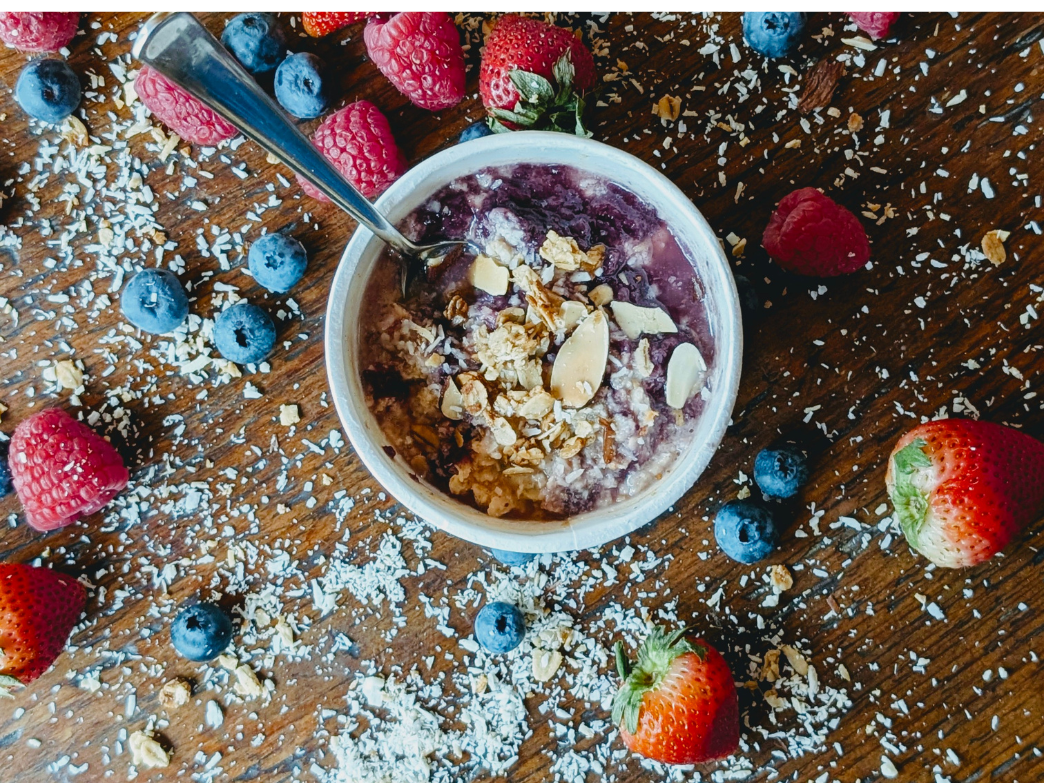
Oatmeal: Healthy or Unhealthy?
By Lucy Yanckello, Ph.D. Wildgrain, opens in a new tab, is the first bake-from-frozen subscription box for sourdough breads, fresh pastas, and artisanal pastries. Oatmeal has a reputation as the plain, dutiful breakfast you eat because you should. Although it looks like a simple bowl, oats are one of the most studied grains in the world, and few breakfast foods can compete on fiber front. How much you get out of your bowl of oatmeal comes down to the type of oats you choose and what you pair it with. Is oatmeal healthy? How healthy is oatmeal? Oatmeal is one of the healthiest breakfast foods you can opt for. Oats are a whole grain, so the bran, germ, and endosperm all stay intact. This is where the high levels of fiber, B-vitamins, and minerals come from. A half cup of dry oats give you around 4 grams of fiber and 6 grams of protein. Most of the fiber content is beta-glucan, a soluble fiber that forms a gel in your digestive tract and slows digestion, steadies blood sugar and feeds the beneficial bacteria in your gut. What is the healthiest way to eat oatmeal? Is oatmeal better for you with milk or water? The healthiest way to eat oatmeal is to make a dish you enjoy, building from plain oats. Pairing oatmeal with protein and a healthy fat like nut butter, yogurt, seeds, or chopped nuts slows the rise in blood sugar and will keep you fuller for far longer than oats on their own. Choosing between milk and water as the liquid component comes down to what you want the texture of your oatmeal to be. Water keeps the oatmeal lighter and allows you to taste the flavor of the oats, while milk adds a bit more protein and calcium and creates a creamier texture. Milk-based bowls like Wildgrains Fruits & Crunch Oats - Apple & Cinnamon fold in real milk with rolled oats, fruit, pecans and chia seeds and provide 14 grams of protein. What is the healthiest milk for oatmeal? The healthiest milk for oatmeal is one that adds protein without increasing the sugar content. Dairy milk gives the most protein per cup along with calcium and vitamin D, which makes it a strong choice if you tolerate it. Soy milk is the closest plant-based match on protein. Almond milk is lighter and lower on protein, so the unsweetened version is the better pick if you opt for it. Oat milk brings in a little extra beta-glucan and natural sweetness, though it also runs higher in carbohydrates. Whichever you pick, checking the label for added sugar matters more than the type of milk itself. Is oatmeal healthier than eggs? Is oatmeal healthy for weight loss? Oatmeal and eggs are less competitors than they are different tools in your nutritional toolbox. Eggs have more protein and bring in benefits such as vitamin D, but also have a higher level of cholesterol. Oatmeal, however, wins on fiber which eggs do not contain, and also plays a role in lowering cholesterol. Oatmeal has an advantage for weight loss because beta-glucans slow how quickly your stomach empties and influences the hormones that signal fullness. Oat-based breakfasts have been linked to eating less later in the day compared with other types of cereals. The most effective options borrow from both sides, pairing oats with protein so you get the staying power of both protein and fiber together, exactly how Wildgrains Fruits & Crunch Oats - Banana & Peanut Butter bowl is built. What organ is oatmeal good for? Do cardiologists recommend oatmeal? Oatmeal is best known for what it does for your heart. Beta-glucan binds with cholesterol in your intestine and carries it out of the body. This lowers the amount of LDL cholesterol (the “bad” cholesterol) circulating in your blood. Your gut and liver benefit too, since beta-glucan also feeds your good gut bacteria and aids the liver in processing fats. Cardiologists do commonly recommend oats, and oats carry one of the few federally authorized heart health claims allowed on a food label. Can eating oatmeal lower cholesterol? What kind of oatmeal is good for lowering cholesterol? Yes, eating oatmeal can lower cholesterol. Results from nutritional trials point to roughly 3 grams of beta-glucan a day being enough to meaningfully reduce LDL cholesterol. This is roughly what you get in one and a half cups of cooked oatmeal. Whole oat forms have the highest amount of beta-glucan, so stick to oat bran, steel-cut oats, or old-fashioned rolled oats. Processed instant packets often contain less oat and more sugar, which works against this benefit. Consistency matters more than volume, and many people find one small bowl daily is easier to sustain than an occasional large bowl. Is there a downside to eating oats? Is it healthy to eat oats every day? Oats are safe for most people and the downsides are minor. Adding fiber quickly into your diet can cause gas and bloating, so gradually increasing your intake and making sure to drink enough water generally makes the transition easier. Pure oats are naturally gluten free, but many are processed alongside wheat so those who avoid gluten should check to make sure the brand they opt for says certified gluten free. What is the healthiest type of oatmeal? What is the best type of oats? Steel-cut oats are the least processed, hold onto the most fiber, and digest the slowest meaning they keep blood sugar the steadiest. Rolled oats sit just behind and are nearly identical nutritionally, with the advantage of a shorter cooking time. Quick and instant oats are cut and rolled thinner so they digest faster meaning they raise blood sugar more, and flavored packets often add sugar on top. The best oats are ones that you will eat consistently, which for most means rolled oats. Wildgrain’s Fruits & Crunch Oats - Triple Berry layers rolled oats with raspberries, blueberries, and strawberries so you get the benefits of added fiber from the fruits, too. Where can I buy the best oatmeal for home delivery? At Wildgrain, we specialize in making high-quality, fresh breads and pastas that are delivered directly to your door. Wildgrain is the first bake-from-frozen delivery subscription service for breads, pastries, fresh pastas, and more. Some of our popular items include Wildgrain’s Fruits & Crunch Oats - Apple & Cinnamon, Wildgrain’s Fruits & Crunch Oats - Triple Berry, and Wildgrain's Fruits & Crunch Oats - Banana & Peanut Butter. Learn more about Wildgrain and our artisanal baking and cooking methods. Best Pastry Home Delivery Service: How Wildgrain's Pastry Delivery Works Wildgrain's pastries are prepared in independent, artisanal bakeries with high quality ingredients. The pastries are shipped frozen in insulated boxes and delivered direct to your home, anywhere nationwide. By shipping frozen, Wildgrain products maintain the highest quality, so you can enjoy fresh pastries at home. That's why customers consider Wildgrain among the best home delivery services for pastries. About the Author Lucy Yanckello received her Ph.D. in nutrition from the University of Kentucky College of Medicine. She currently works as a medical writer and enjoys being able to help people better understand nutrition and science. This content is for informational use only and does not replace professional nutrition and/or medical advice, diagnosis or treatment. It is not a substitute for and should not be relied upon for specific nutrition and/or medical recommendations. Please talk with your doctor about any questions or concerns.
Learn more Oatmeal: Healthy or Unhealthy?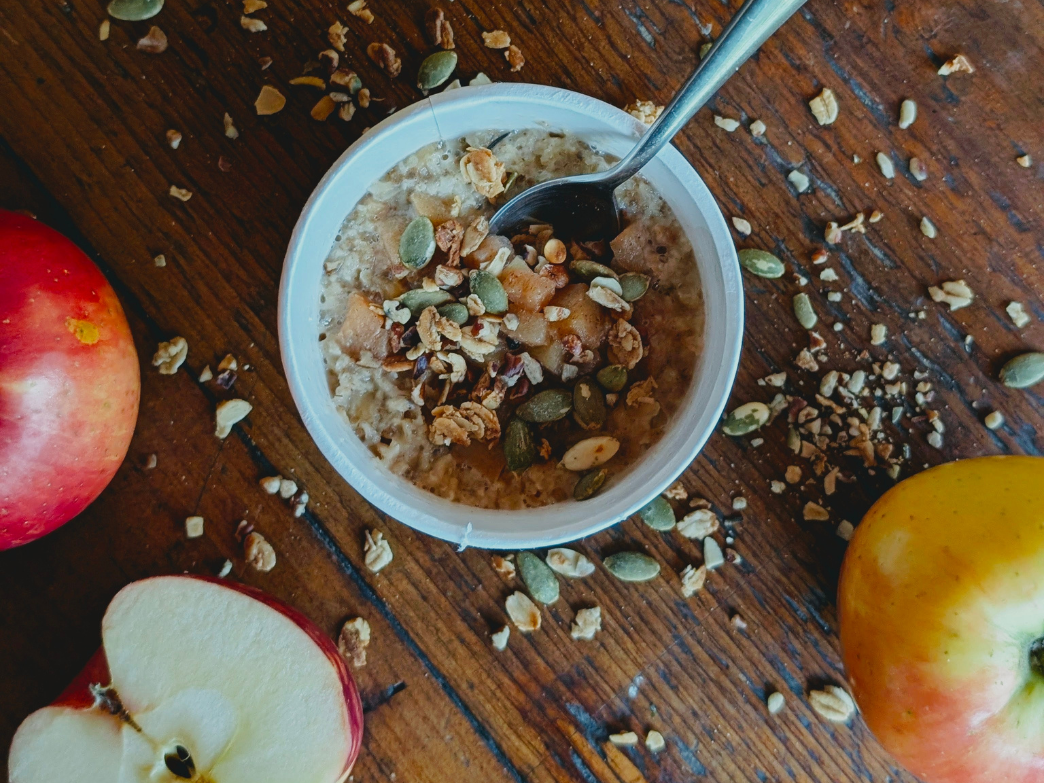
What's the Difference: Soluble Fiber vs. Insoluble Fiber?
By Dr. Jorge, Ph.D. Wildgrain, is the first bake-from-frozen subscription box for sourdough breads, fresh pastas, and artisanal pastries. Fiber, in all its forms, is essential for overall health and well-being. Knowing which type of fiber is beneficial for what can help you make informed decisions about your diet. Read on to learn the difference between soluble fiber and insoluble fiber, and how you can incorporate more of each into your diet. What’s the difference: dietary fiber vs. soluble fiber vs. insoluble fiber? Dietary fiber is a type of carbohydrate found in plants. There are two types of dietary fiber: soluble fiber and insoluble fiber. The body can't digest or absorb fiber, but each type provides its own set of benefits. Soluble fiber creates a gel-like substance when it dissolves in water in the intestine, which can help regulate bowel movements. Foods like oats, beans, and avocados are good sources of soluble fiber. Insoluble fiber, on the other hand, doesn't dissolve in water, but it attracts water into the stool, helping to soften it and ease the passage of bowel movements. Foods like kale, lentils, and almonds are good sources of insoluble fiber. Most plant foods contain both soluble and insoluble fiber in varying amounts, and both types are key to supporting gut health and digestion. Is it better to eat insoluble or soluble fiber? Both insoluble fiber and soluble fiber are important to your overall health. Each has its own unique role and health benefits. For example, soluble fiber can help lower blood sugar and cholesterol levels, while insoluble fiber can help prevent constipation and support regular bowel movements. Rather than choosing one over the other, it's best to aim for a mix of both throughout your diet. Most whole, plant-based foods, like fruits, vegetables, whole grains, and legumes, naturally contain a combination of both types, making it easy to get the benefits of each. Can soluble fiber lower A1C? What is the best fiber for diabetics? Yes, soluble fiber may help lower A1C levels by slowing the absorption of sugar into the bloodstream, which prevents rapid blood sugar spikes and improves insulin sensitivity. Soluble fiber is the best type of fiber for diabetics because the gel-like substance it forms in the gut slows digestion, which can ultimately help stabilize blood sugar levels. An easy way to incorporate more soluble fiber into your diet is to add chia seeds or flax seeds to oatmeal or salad, or to include more oats, beans, and citrus fruits in your meals in moderation. What are signs of low fiber? What are signs of soluble fiber deficiency? One of the most common signs of low fiber intake is constipation, which is often characterized by fewer bowel movements and harder, smaller stools. Not getting enough soluble fiber specifically may also contribute to higher cholesterol levels and make it more difficult to manage blood sugar levels if you have diabetes. If you're experiencing these symptoms, start by gradually increasing your fiber intake through whole foods like fruits, vegetables, and whole grains. What foods are high in soluble fiber? What foods are high in insoluble fiber? Foods that are high in soluble fiber include oats, beans, apples, citrus fruits, and seeds like chia and flax. Whole grains, nuts, and vegetables with the skin left on are examples of foods rich in insoluble fiber. Wildgrain's Whole Wheat Sourdough Loaf is an easy way to add whole-grain insoluble fiber to your day, while Wildgrain’s Fruits & Crunch Oats - Apple & Cinnamon offers a convenient source of soluble fiber from oats. Can too much soluble fiber cause problems? Is too much fiber bad for you? Yes, consuming too much soluble fiber, especially if you ramp up your fiber intake too quickly, can cause problems. An excess of fiber may cause bloating, abdominal pain, and constipation. This can happen if you increase your daily fiber intake too rapidly, which doesn't give your body time to adjust. For those with certain conditions like diverticulitis or inflammatory bowel disease, too much fiber consumption can cause discomfort, especially during flares. As with any nutrient, consuming too much fiber can be bad for you, so it's best to increase your daily intake slowly and aim for 25 to 38 grams of fiber per day. Is whole wheat bread high in soluble fiber? Is whole wheat bread high in insoluble fiber? Whole wheat bread is not high in soluble fiber, but it is rich in insoluble fiber due to the presence of whole grains. The exact amount of insoluble fiber in whole grain bread depends on the type of grain used. Wheat, barley, and rye tend to have higher amounts of fiber compared to some other grains, such as brown rice, quinoa, or corn. To maximize the fiber benefits of whole grain bread, look for whole wheat or rye varieties, like Wildgrain's Whole Wheat Sourdough Loaf or Wildgrain's Sourdough Rye Loaf. What is the healthiest fiber to eat? What is the best fiber to eat? There isn't one single "best" or "healthiest" fiber to eat, since both soluble fiber and insoluble fiber offer unique health benefits and are essential to promoting gut health. Soluble fiber is especially beneficial for lowering LDL, or “bad”, cholesterol and helping manage blood sugar levels, while insoluble fiber plays a key role in supporting digestion and regular bowel movements. The healthiest approach is to eat a variety of fiber-rich foods, like fruits, vegetables, whole grains, and legumes, since most of these plant-based foods naturally contain a mix of both soluble and insoluble fiber. Aiming for 25 to 38 grams of total fiber per day is the best way to get the full range of benefits fiber has to offer. Where can I buy the best fresh high-fiber foods online for home delivery? At Wildgrain, we specialize in making high-quality, fresh breads and pastas that are delivered directly to your door. Wildgrain is the first bake-from-frozen delivery subscription service for breads, pastries, fresh pastas, and more. Some of our popular items include Wildgrain's Traditional Hummus, Wildgrain’s Fruits & Crunch Oats - Apple & Cinnamon, and Wildgrain's Whole Wheat Sourdough Loaf. Learn more about Wildgrain and our artisanal baking and cooking methods. Best Home Delivery Service for Food: How Wildgrain's Food Delivery Works Wildgrain's products are prepared in independent, artisanal bakeries with high quality ingredients. They are shipped frozen in insulated boxes and delivered direct to your home, anywhere nationwide. By shipping frozen, Wildgrain products maintain the highest quality, so you can enjoy fresh food at home. That's why customers consider Wildgrain among the best home food delivery services. About the Author Dr. Jorge has been a public health researcher for many years, holding both a Bachelor's degree and a Ph.D. in Chemistry. They presently work as a medical writer and love being able to assist others in understanding various health and scientific topics. This content is for informational use only and does not replace professional nutrition and/or medical advice, diagnosis or treatment. It is not a substitute for and should not be relied upon for specific nutrition and/or medical recommendations. Please talk with your doctor about any questions or concerns.
Learn more What's the Difference: Soluble Fiber vs. Insoluble Fiber?
High-Fiber Diet: Can Fiber Lower Cholesterol?
By Dr. Jorge, Ph.D. Wildgrain, is the first bake-from-frozen subscription box for sourdough breads, fresh pastas, and artisanal pastries. We know in theory that fiber is good for us, but did you know it can be powerful in lowering cholesterol levels? Adding more fiber to your diet can be easy and result in real health benefits. In this article, we'll cover how fiber can lower bad cholesterol and what you can add to your diet to boost your fiber intake. Can fiber lower cholesterol levels? Is a high-fiber diet good for cholesterol? Yes, fiber can lower cholesterol levels. A high-fiber diet, especially a diet rich in soluble fiber, is good for cholesterol management. Good sources of soluble fiber include oats, beans, apples, bananas, avocados, carrots, and barley. Research suggests that consuming at least 5 to 10 grams of soluble fiber each day can help decrease your LDL, or “bad”, cholesterol. How does fiber lower cholesterol levels? How does fiber improve cholesterol? Soluble fiber lowers cholesterol levels by forming a gel-like substance in the intestines that traps cholesterol and prevents it from being absorbed into the bloodstream. The trapped cholesterol is then excreted from the body as stool, thus lowering cholesterol levels. Beyond lowering LDL cholesterol, a high-fiber diet may also help improve overall cholesterol balance by supporting HDL, or “good”, cholesterol levels. How long does it take for a high-fiber diet to reduce cholesterol? How much fiber should you eat to lower cholesterol? It can take 3 to 6 months to reduce LDL cholesterol levels after implementing a high-fiber diet. It is recommended to consume 25 to 30 grams of fiber daily, with at least 5 to 10 grams of that being soluble fiber. Some research suggests that this amount of soluble fiber can help reduce total cholesterol and LDL levels by 5 to 11 points. Make sure you’re increasing your water intake along with your fiber intake to avoid digestive discomfort. How do you increase fiber in your diet? What foods are high in fiber? One of the best ways to increase fiber in your diet is to make simple swaps for foods you’re already eating. For example, swap white bread for whole-grain bread (like Wildgrain’s Whole Wheat Sourdough Loaf), white pasta for whole wheat pasta, and white rice for brown rice. Another great way to increase your daily fiber intake is to include fruits and vegetables with all of your meals. For example, Wildgrain’s Fruits & Crunch Oats - Triple Berry incorporates both whole grains, in the form of oats, and fruit. In addition to whole grains, fruits, and vegetables, other high-fiber foods include beans, nuts, and seeds. Nuts and seeds also make for easy, fiber-rich snacks on their own. Hummus, such as Wildgrain’s Traditional Hummus, is another great snack option to increase fiber intake, especially when paired with fresh vegetables like carrots or celery. What is the worst food for high cholesterol? What food should you avoid with high cholesterol? Some of the worst foods for high cholesterol are those high in saturated fat, such as red meat and full-fat dairy. This includes beef, pork, processed meats, cream, whole milk, and some baked goods. Fried foods are also high in saturated fat and should be avoided when trying to keep cholesterol levels low. Refined carbs, such as white bread, white pasta, and white rice, can also negatively affect cholesterol levels and should be limited. What kind of fiber lowers LDL? What fiber increases HDL? Soluble fiber helps lower LDL levels by binding to cholesterol and moving it out of the body instead of allowing it to be absorbed into the bloodstream. There isn't a particular type of fiber shown to directly increase HDL levels. Instead, HDL is more closely tied to overall diet and lifestyle factors, such as regular exercise, healthy fats, and avoiding smoking. While fiber may not raise HDL on its own, a high-fiber diet is often paired with these other heart-healthy habits, making it a valuable part of an overall cholesterol-management plan. What are the best high-fiber foods for cholesterol? What is the best high-fiber diet to lower cholesterol? The best high-fiber foods for cholesterol include fruits such as raspberries and blackberries, vegetables like broccoli and Brussels sprouts, and legumes such as lentils and black beans. Whole grains such as oatmeal, barley, and quinoa are also considered high-fiber foods. The best high-fiber diet to lower cholesterol is one that incorporates easily into your existing diet. This is why making easy, simple swaps for your everyday favorite foods is a great way to work more fiber into your day. This means starting your day with a fiber-friendly swap like Wildgrain's Fruits & Crunch Oats - Banana & Peanut Butter, opting for whole-grain bread, like Wildgrain's Whole Wheat Sourdough Loaf, or reaching for a fiber-friendly snack like Wildgrain's Traditional Hummus between meals. Where can I buy the best fresh high-fiber foods online for home delivery? At Wildgrain, we specialize in making high-quality, fresh breads and pastas that are delivered directly to your door. Wildgrain is the first bake-from-frozen delivery subscription service for breads, pastries, fresh pastas, and more. Some of our popular items include Wildgrain's Traditional Hummus, Wildgrain’s Fruits & Crunch Oats - Apple & Cinnamon, and Wildgrain's Whole Wheat Sourdough Loaf. Learn more about Wildgrain and our artisanal baking and cooking methods. Best Home Delivery Service for Food: How Wildgrain's Food Delivery Works Wildgrain's products are prepared in independent, artisanal bakeries with high quality ingredients. They are shipped frozen in insulated boxes and delivered direct to your home, anywhere nationwide. By shipping frozen, Wildgrain products maintain the highest quality, so you can enjoy fresh food at home. That's why customers consider Wildgrain among the best home food delivery services. About the Author Dr. Jorge has been a public health researcher for many years, holding both a Bachelor's degree and a Ph.D. in Chemistry. They presently work as a medical writer and love being able to assist others in understanding various health and scientific topics. This content is for informational use only and does not replace professional nutrition and/or medical advice, diagnosis or treatment. It is not a substitute for and should not be relied upon for specific nutrition and/or medical recommendations. Please talk with your doctor about any questions or concerns.
Learn more High-Fiber Diet: Can Fiber Lower Cholesterol?