By Lucy Yanckello, Ph.D.
What’s the difference between diverticulosis and diverticulitis? Should you eat the same diet for diverticulosis and diverticulitis?
Diverticulosis and diverticulitis are two stages of the same condition, but they call for very different diets. Diverticulosis is when small pouches, called diverticula, form in the walls of your colon. It is common and often symptom free, affecting up to half of adults by the age of 60. Diverticulitis is when these diverticula become inflamed or infected. This can cause abdominal pain, fever, nausea, and cramping. For diverticulosis, a high fiber diet keeps stools soft and eases pressure on colon walls. For diverticulitis, during a flare the approach is in direct opposition, with fiber intake typically reduced for a short period of time to give the colon a chance to rest.
What is the best diet to heal diverticulosis? What foods calm diverticulosis?
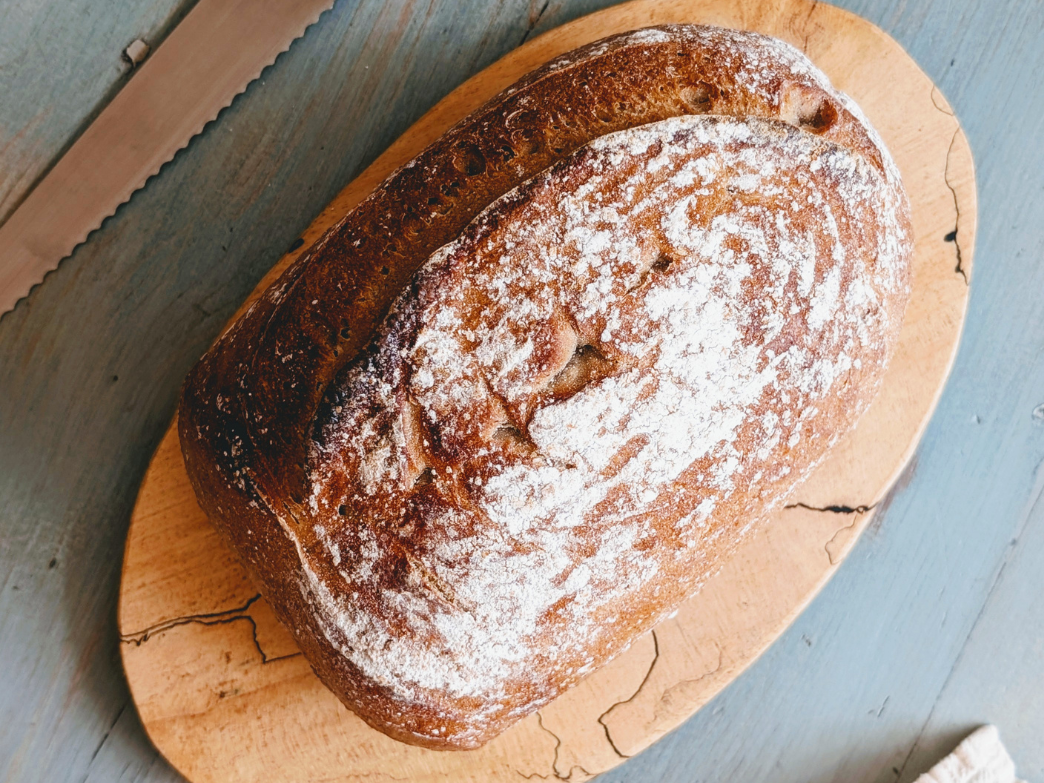
A high-fiber diet is widely considered the most effective way to support a colon with diverticulosis. Most adults benefit from working up to 25-35 grams of fiber per day from foods like vegetables, fruits, beans, and whole grains. These foods help keep stool soft and reduce the pressure that contributes to new pouches forming. Good everyday staples include leafy greens, lentils, oats, and whole grain bread like Wildgrain’s Sourdough Whole Wheat Loaf. Fiber works best when you are hydrated, so making sure to drink plenty of water is just as important as what is on your plate.
What is the best diet to heal diverticulitis? What calms a flare-up of diverticulitis?
The diet during an active diverticulitis flare is centered on giving your colon a break. Severe flares often start with a diet of clear liquids like broth, water, pulp-free juice, and plain tea. From there, most will transition to low-fiber solid foods as symptoms improve. Gentle options during this state include white bread, white rice, plain pasta (such as Wildgrain’s Fresh Fettuccine), eggs, and tender fish or poultry. Be sure to consult a healthcare provider to guide you through a flare, including the timing of when to reintroduce fiber. The long-term goal is to return to the same high-fiber, whole food eating pattern that is beneficial for diverticulosis.
What are the worst foods for diverticulosis? What is the worst diet for diverticulitis?
The eating pattern most commonly associated with diverticular disease is low in fiber and high in red meat, refined carbohydrates, and added sugars. Diets that mainly consist of these foods have been linked to a higher risk of developing diverticular disease and experiencing future flares. During an active flare, anything that adds bulk or irritation to an inflamed colon can make symptoms worse. This includes high-fiber foods, raw vegetables, tough meats, and whole grains. One piece of outdated advice worth reconsidering is the rule about avoiding nuts, seeds, and popcorn, as current evidence does not support restricting these foods during remission.
What is the best fiber to eat for diverticulosis? What happens if you eat fiber with diverticulitis?
Insoluble fiber is generally considered the most beneficial type of fiber for diverticulosis. It is found in wheat bran, whole grains and the skins of fruits and vegetables. Insoluble fiber works by adding bulk to stool and helping it move through the colon efficiently. This eases the internal pressure that contributes to diverticula forming. During an active flare, fiber is typically paused entirely, as to not add bulk and irritation to an already inflamed colon.
Can you eat bread with diverticulosis and diverticulitis? Is sourdough bread ok for diverticulosis?
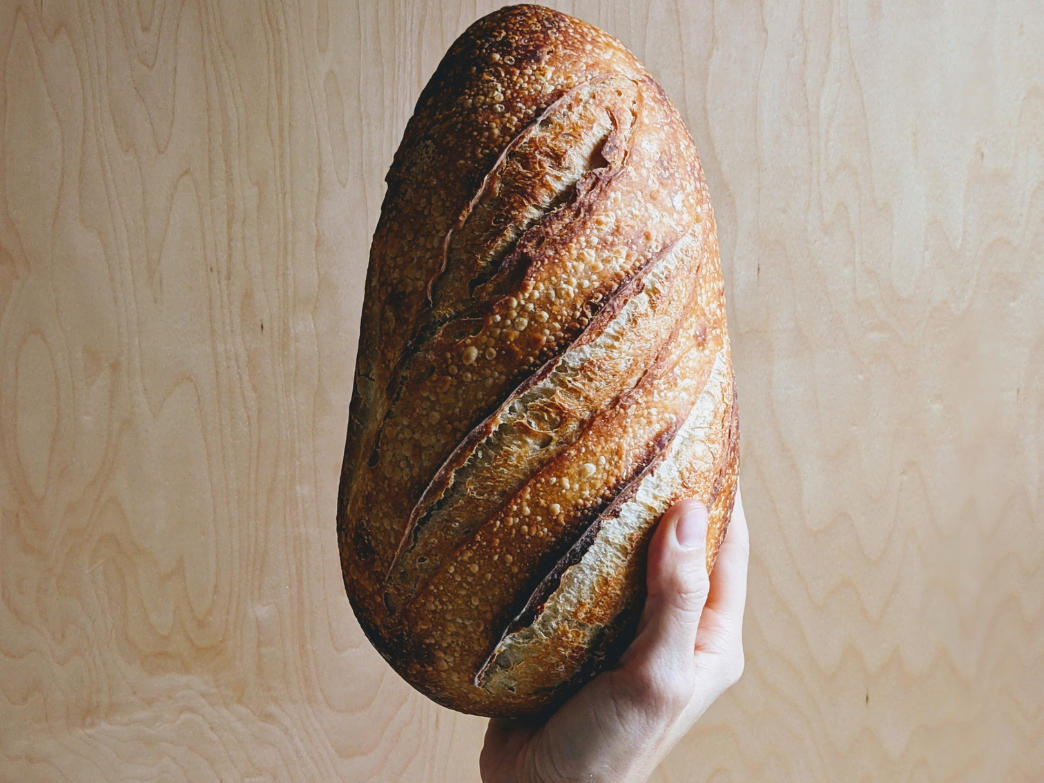
Bread can fit into diverticulosis and diverticulitis diets, but the type that works best depends on where you are in the disease process. For diverticulosis, whole grain bread is a great option because it delivers the insoluble fiber the colon needs to stay healthy and keep additional diverticula from forming. During a flare white bread tends to be the gentler choice. Sourdough made with refined flour is a particularly good option because the long fermentation process partially breaks down starches and gluten which can make it easier to digest than standard white bread. A slice of Wildgrain’s Classic Sourdough Loaf with eggs or smooth peanut butter makes for a simple well-tolerated meal during recovery. Once the flare has resolved, Wildgrain’s Sourdough Whole Wheat Loaf offers a balance of digestive ease with a higher fiber content.
Can you eat pasta with diverticulosis and diverticulitis? What’s the best pasta for diverticulosis and diverticulitis?
Pasta is a solid option for both diverticulosis and diverticulitis, and like bread, the right choice depends on what stage of the condition you are in. During a flare, white pasta, like Wildgrain’s Fresh Tonarelli, is easy to digest and gentle on an inflamed colon. It pairs well with light broths, soft proteins, or a drizzle of olive oil. A little extra cook time can make any pasta softer and easier to tolerate during and immediately following a flare. During remission, whole wheat pasta is a better everyday choice because it offers more per serving and supports the colon to lower risk of future flares. Tossing pasta with white beans, sauteed greens, and olive oil is a satisfying high-fiber meal for the remission phase.
Where can I buy the best fresh high-fiber foods online?
At Wildgrain, we specialize in making high-quality, fresh breads and pastas that are delivered directly to your door. Wildgrain is the first bake-from-frozen delivery subscription service for breads, pastries, fresh pastas, and more. Some of our popular items include Wildgrain's Traditional Hummus, Wildgrain Slow-Fermented Veggie Pizza, and Wildgrain Whole Wheat Sourdough Loaf. Learn more about Wildgrain and our artisanal baking and cooking methods.
Best Home Delivery Service for Food: How Wildgrain's Food Delivery Works
Wildgrain's products are prepared in independent, artisanal bakeries with high quality ingredients. They are shipped frozen in insulated boxes and delivered direct to your home, anywhere nationwide. By shipping frozen, Wildgrain products maintain the highest quality, so you can enjoy fresh food at home. That's why customers consider Wildgrain among the best home food delivery services.
About the Author
Lucy Yanckello received her Ph.D. in nutrition from the University of Kentucky College of Medicine. She currently works as a medical writer and enjoys being able to help people better understand nutrition and science.
This content is for informational use only and does not replace professional nutrition and/or medical advice, diagnosis or treatment. It is not a substitute for and should not be relied upon for specific nutrition and/or medical recommendations. Please talk with your doctor about any questions or concerns.