

Wildgrain Blog
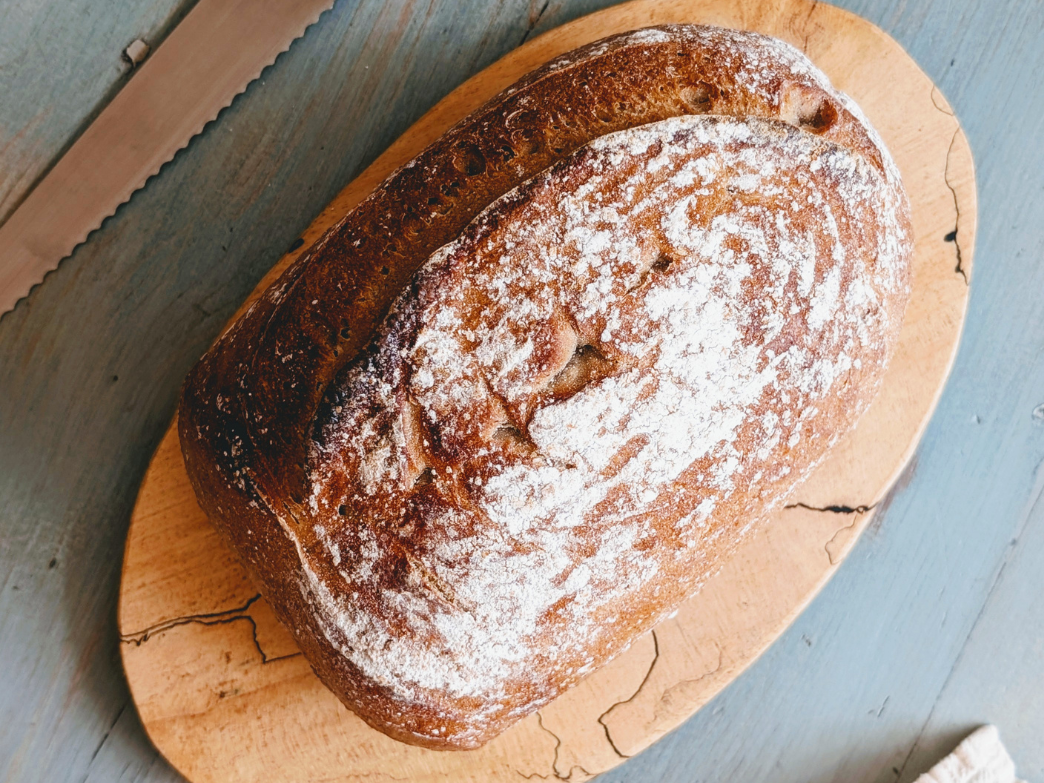

How to Choose the Best Whole Wheat Bread: A Buyer’s Guide
By Dr. Jorge, Ph.D. Wildgrain, opens in a new tab is the first bake-from-frozen subscription box for sourdough breads, fresh pastas, and artisanal pastries. Trying to select the healthiest whole wheat bread at the store can feel overwhelming with so many options declaring they're made from whole wheat. We're here to demystify the process and help you identify the healthiest and most authentic 100% whole wheat bread. Read on to learn how to easily tell the difference between loaves and find the best option for you. Is real whole wheat bread good for you? Is whole wheat bread healthy? Whole wheat bread is a healthy and nutritious choice when selecting a bread at the store or bakery. 100% whole wheat bread in particular offers multiple health benefits, including a reduced risk of heart disease, stroke, cancer, type 2 diabetes, and obesity, as well as reduced inflammation. This is because whole wheat bread is made from the entire grain kernel, preserving the fiber, vitamins, and minerals that are lost in refined grain products like white bread. What would make whole wheat bread not healthy? What ingredients in whole wheat bread are unhealthy? While whole wheat bread is naturally nutritious, additives in some store-bought varieties can reduce its health benefits. These include added sugars, sodium, oils, and preservatives that are often added to improve taste, texture, and shelf life. When shopping for whole wheat bread, scan the nutrition label for ingredients like molasses, high fructose corn syrup, sugar, and soybean or other vegetable oils, as these are signs that the bread may not be as healthy as it appears. At Wildgrain, we believe in simple ingredients and do not add additives like preservatives to our breads. How to tell if bread is 100% whole wheat? What would make a bread not fully whole wheat? The best way to tell if bread is 100% whole wheat is to check the packaging and ingredients list carefully. While bread may initially appear to be 100% whole wheat, many "whole wheat" breads actually contain a mix of whole wheat and refined flour. To ensure you are choosing a true 100% whole wheat bread, look for "whole wheat flour" as the first ingredient. If you see "enriched wheat flour" or "wheat flour" listed instead, the bread is likely not 100% whole wheat. Breads that are genuinely 100% whole wheat will typically state this explicitly on the packaging as "100% whole wheat" or "100% whole grain”. Which breads are actually whole wheat? How to identify a whole wheat bread? Bread that is truly whole wheat is made entirely from 100% whole wheat flour, with no refined or enriched flours mixed in. When identifying whole wheat bread at the store, start by checking the packaging for an explicit "100% whole wheat" label. From there, confirm by scanning the ingredients list for whole wheat flour listed as the first ingredient. Be cautious of breads labeled simply as "wheat bread" or "made with whole wheat", as these may only contain a small percentage of whole wheat flour. When in doubt, the ingredients list is always the most reliable way to identify a true whole wheat bread. Is sourdough bread 100% whole wheat? Is all sourdough bread made from whole wheat? Sourdough bread is not necessarily 100% whole wheat, although it can be. Sourdough bread can be made from a variety of flours, including refined white flour, whole wheat flour, rye flour, or even a combination of these. Some examples of different types of sourdough bread include Wildgrain's Sourdough Whole Wheat Loaf and Wildgrain’s Plain Sourdough Loaf. No matter your preference, checking the ingredients list is the best way to determine whether a sourdough bread meets your whole wheat needs. Is whole wheat bread good for constipation? Yes, whole wheat bread is good for constipation due to its high fiber content. Whole wheat bread is rich in fiber, which helps add bulk to stool and soften it, making it easier to pass and reducing the likelihood of constipation. For best results, pair whole wheat bread with plenty of water and other fiber-rich foods to support healthy digestion. Is store-bought whole wheat bread healthy that I find in the grocery store? What is the healthiest store-bought whole wheat bread? Store-bought whole wheat bread can be a healthy option, but not all grocery store varieties are created equal. Many store-bought breads contain unhealthy additives like added sugar, excess sodium, or oils, but there are whole wheat options with minimal, wholesome ingredients. To choose the healthiest store-bought whole wheat bread, look for a loaf that lists whole wheat flour as the first ingredient and avoid breads with filler flours, added sugars, or unnecessary preservatives. When in doubt, the shorter and simpler the ingredients list, the better and healthier the whole wheat bread. At Wildgrain, we believe in breads baked with simple ingredients without added preservatives or unnecessary additives. How do I choose the best whole wheat bread? What is the best whole wheat bread to buy? What is a popular brand of whole wheat bread? To choose the best whole wheat bread, always inspect the packaging and ingredients list to ensure you are selecting the healthiest and most authentic option. The best whole wheat bread will have few ingredients with whole wheat flour listed first, and minimal added sugars, sodium, or preservatives. For those who enjoy a sourdough bread option made with whole wheat flour, Wildgrain’s Sourdough Whole Wheat Loaf offers the best of both worlds. Where can I buy whole wheat bread online for home delivery? At Wildgrain, we specialize in making high-quality, fresh breads that are delivered directly to your door. Wildgrain is the first bake-from-frozen delivery subscription service for breads, rolls, pastries, and fresh pastas. Some of our popular breads include Wildgrain Sourdough Whole Wheat Loaf, Wildgrain Plain Sourdough Loaf, and Wildgain Sourdough Rye Loaf. Wildgrain’s Sourdough Bread is often considered to be among the best sourdough bread you can enjoy at home. Learn more about Wildgrain and our artisanal baking and cooking methods. About the Author Dr. Jorge has been a public health researcher for many years, holding both a Bachelor's degree and a Ph.D. in Chemistry. They presently work as a medical writer and love being able to assist others in understanding various health and scientific topics. This content is for informational use only and does not replace professional nutrition and/or medical advice, diagnosis or treatment. It is not a substitute for and should not be relied upon for specific nutrition and/or medical recommendations. Please talk with your doctor about any questions or concerns.
Learn more How to Choose the Best Whole Wheat Bread: A Buyer’s Guide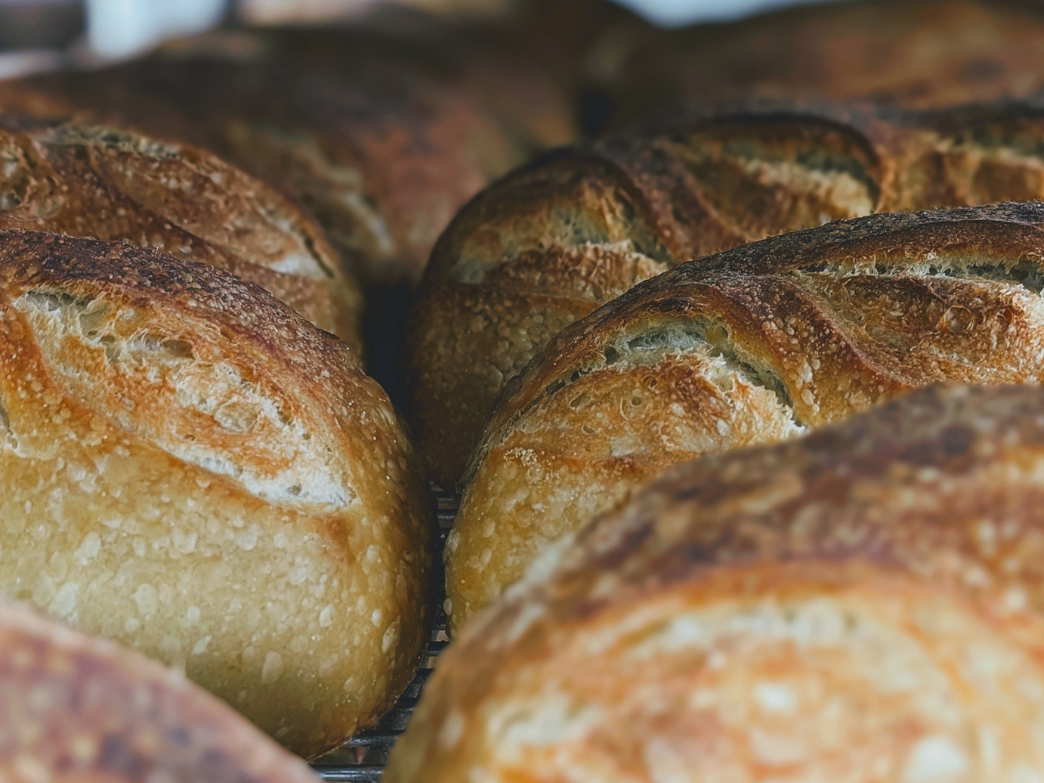
How to Choose the Best Sourdough Bread: A Buyer’s Guide
By Dr. Jorge, Ph.D. Wildgrain, opens in a new tab is the first bake-from-frozen subscription box for sourdough breads, fresh pastas, and artisanal pastries. Craving sourdough bread but not sure which loaves are truly authentic? With so many options on the shelves, spotting a real sourdough loaf can be tricky. In this article, we’ll show you how to tell traditional sourdough bread from the rest and share tips for picking the best loaf, whether from a bakery or the store. Is real sourdough bread good for you? Is sourdough bread healthy? Real sourdough bread can be good for you, as its unique fermentation process makes it rich in nutrients that the body can easily absorb. It has been linked to several health benefits, including improved digestion and more stable blood sugar levels. Sourdough bread also tends to be more nutritious than traditional bread, with higher levels of vitamins, minerals, and beneficial bacteria that support gut health. Is there fake sourdough bread? How to tell fake sourdough bread? Yes, “fake” sourdough bread does exist. Many breads labeled as sourdough are made with commercial yeast rather than undergoing the traditional long fermentation process that gives real sourdough its unique flavor and health benefits. To tell if sourdough bread is authentic, look for signs like a tangy, slightly sour taste, a chewy texture with irregular air pockets, and ingredients that include only flour, water, salt, and a natural sourdough starter, without added yeast or other ingredients. Is supermarket sourdough real or fake? Which sourdough bread is real? How do I know if it’s real sourdough bread? Much of the sourdough bread sold in supermarkets is not traditional sourdoughWildgrain sourdough loaf, as it often contains added yeast and other ingredients, such as vinegar or yogurt, to mimic the tangy flavor of sourdough. Real sourdough bread typically has a short ingredient list and may note that it was slow-fermented or made with a levain (sourdough starter). If you’re looking for authentic sourdough bread, bakeries are often the best option. How can you tell a good sourdough bread? How to pick the best sourdough bread? Good sourdough bread is characterized by a crispy, golden-brown crust, a firm yet airy open crumb with irregular medium to large holes, a rounded shape, and a loaf that feels light rather than dense. The tanginess of the flavor can vary depending on the amount of sourdough starter used and the length of fermentation. To pick the best sourdough bread, read the ingredient list carefully and watch for added ingredients. You should also look for a golden-colored crust, a round belly, and a loaf that feels light for its size. Wildgrain Sourdough Bread is often considered some of the best sourdough bread for having these characteristics. What is the secret to good sourdough bread? The secret to good sourdough bread, like Wildgrain’s Sourdough Bread, is a strong, active sourdough starter, proper fermentation, and high-heat baking with steam. Each step of the sourdough bread–making method influences the bread’s flavor, texture, and digestibility. This hands-on approach is difficult to replicate at scale, which is why high-quality, real sourdough bread is typically made by skilled bakers and more commonly found in bakeries than on supermarket shelves. What does overproofed sourdough bread look like? What does underproofed sourdough bread look like? Overproofed sourdough bread typically has a flat shape instead of the characteristic rounded rise, and it may appear pale and feel dense or heavy. Underproofed sourdough, on the other hand, is also dense but often has irregular, large holes within the bread’s crumb, giving it a gummy and undercooked texture. The shape of underproofed bread is usually more round or spherical, and the loaf may crack or split along the sides as the gas produced during fermentation escapes. Knowing the differences between underproofed and overproofed sourdough bread can help you identify sourdough bread with the ideal texture and taste. What is the best sourdough bread to buy? What is the best store-bought sourdough bread? The best sourdough bread to buy is one made by a bakery, like Wildgrain. Look for a short ingredient list containing only the essentials: sourdough starter, flour, water, and salt. Beyond the ingredients, you can judge a sourdough bread loaf by its appearance and feel. A crisp, golden-brown crust, a rounded shape, and a light, airy texture are signs of well-proofed sourdough bread. For store-bought sourdough bread, the ingredient list is the most reliable way to determine if it’s traditional sourdough or a “fake” version made with added yeast and other shortcuts. Where can I buy sourdough bread online? At Wildgrain, we specialize in making high-quality, fresh breads that are delivered directly to your door. Wildgrain is the first bake-from-frozen delivery subscription service for breads, rolls, pastries, and fresh pastas. Some of our popular breads include whole wheat sourdough, plain sourdough loaf and rye sourdough loaf. Wildgrain’s Sourdough Bread is often considered to be among the best sourdough bread you can enjoy at home. Learn more about Wildgrain and our artisanal baking and cooking methods. Best Bread Home Delivery Service: How Wildgrain's Bread Delivery Works Wildgrain's breads are prepared in independent, artisanal bakeries with high quality ingredients. The breads are shipped frozen in insulated boxes and delivered direct to your home, anywhere nationwide. By shipping frozen, Wildgrain products maintain the highest quality, so you can enjoy fresh baked breads at home. That's why customers consider Wildgrain among the best home delivery services for bread. About the Author Dr. Jorge has been a public health researcher for many years, holding both a Bachelor's degree and a Ph.D. in Chemistry. They presently work as a medical writer and love being able to assist others in understanding various health and scientific topics. This content is for informational use only and does not replace professional nutrition and/or medical advice, diagnosis or treatment. It is not a substitute for and should not be relied upon for specific nutrition and/or medical recommendations. Please talk with your doctor about any questions or concerns.
Learn more How to Choose the Best Sourdough Bread: A Buyer’s Guide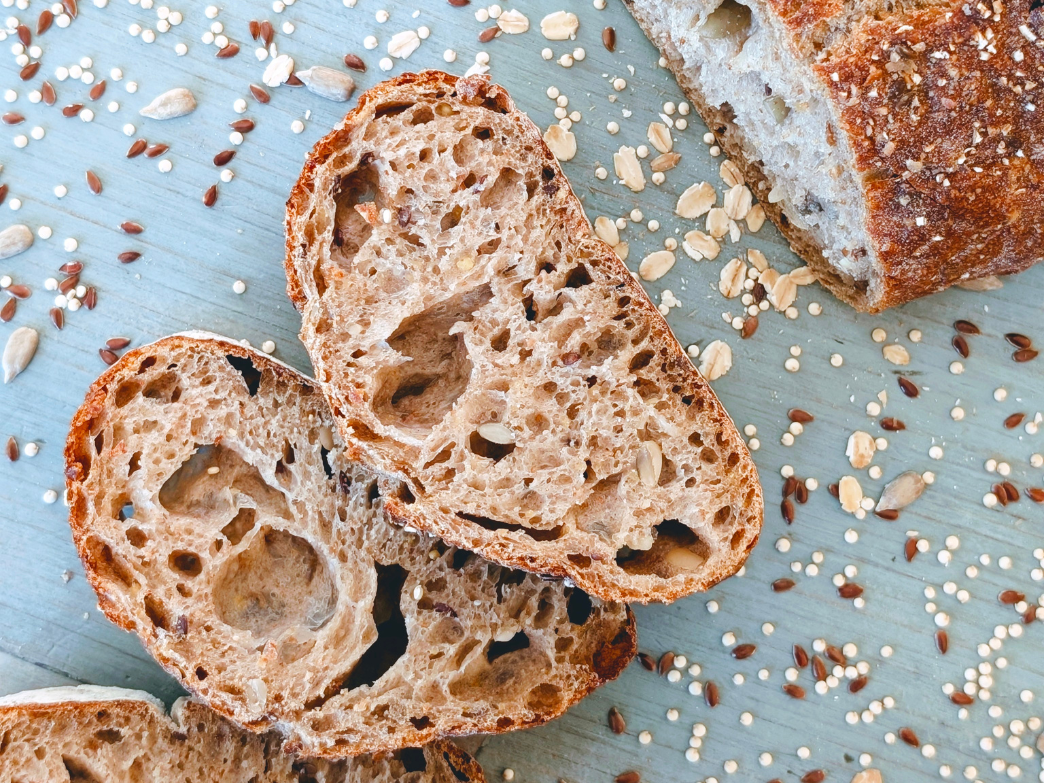
Best Bread for Weight Gain
By Lucy Yanckello, Ph.D. Wildgrain, opens in a new tab, is the first bake-from-frozen subscription box for sourdough breads, fresh pastas, and artisanal pastries. Bread has long been a staple in many diets, and like most foods works best when eaten in moderation. If your goal is weight gain, bread can be a helpful and reliable way to add calories, carbohydrates, and energy to your day. Is bread good for mass gain? Is bread good for weight gain? Bread can support mass gain because it provides carbohydrates and calories in a form that is not only easy to eat, but is also easy to pair with other foods. In opposition to weight loss, which requires a consistent calorie deficit, weight gain requires a consistent calorie surplus. For many people, adding bread to meals or snacks is a practical way to make this surplus more achievable. Is bread good for bulking? Is bread good for gaining muscle? During a bulking phase calories matter, and carbohydrates play an important role. Bread can help provide carbohydrates to fuel workouts and support recovery through replenishing glycogen stores, the body's stored form of carbohydrates. Keeping glycogen stores full makes it easier to train at a higher intensity consistently, which is key for gaining muscle. Bread does not help build muscle directly as muscle gain comes from resistance training and adequate protein intake. However, it supports the conditions needed for muscle growth by helping keep you in a caloric surplus. What bread has the highest calories? What bread has the most carbs? Calorie and carbohydrate content varies widely depending on the type of bread and portion size. Dense breads like multigrain and whole grain breads tend to be higher in calories because they contain whole grains that have not been stripped of the bran, germ, and endosperm. These parts contain more naturally occurring fats, fiber, and nutrients. This makes the bread more filling and slightly more calorie dense than refined white bread. Additionally, many multigrain loaves also include added seeds or grains, which further increase calorie content. Multigrain and Bread sandwich breads provide a significant amount of carbs. With 11 to 20 grams per slice, carbohydrate content accounts for most of the calories in the bread. If weight gain is the goal, opt for thicker or denser breads which makes it easier to increase caloric content without increasing meal volume too much. Does sourdough bread help you gain weight? Sourdough bread can help support weight gain in the same way other breads do by contributing to overall calories and carbohydrate intake. For some, sourdough is also easier to digest which can be helpful when trying to eat more food overall. Additionally, it has a rich flavor and holds up well to toppings, making it fit well into a calorie surplus. Is whole wheat bread good for gaining weight? Is white bread good for weight gain? Both whole wheat and white bread can contribute to weight gain. Whole wheat bread contains more fiber and micronutrients which adds additional nutritional value. However, fiber can be a double edged sword when trying to gain weight because it slows digestion and increases satiety. Some people find this helpful, but others find it limiting when trying to eat more. White bread is lower in fiber often making it easier to eat in larger quantities. For those who struggle to consume enough calories, white bread is a good option. However, the best choice of bread is one that you enjoy and helps meet your caloric needs. What to eat with bread for weight gain? Is bread and peanut butter good for weight gain? Is bread with butter good for weight gain? Bread becomes most effective for weight gain when it is paired with calorie-dense foods. Peanut butter is a popular option because it adds healthy fats, calories, and protein all with very little volume. Additionally, bread with peanut butter is easy to prepare, making it a quick way to add calories to your day. Butter is another way to increase calories because it adds fat without significantly increasing portion size. Other additional toppings include cheese, avocado, eggs, and other nut based spreads. These, in combination with bread, increase caloric density and make bread a vehicle to promote weight gain. What bread is good for weight gain? What’s the best bread to gain weight? The best bread for weight gain is one that you enjoy and helps you meet your caloric needs. Dense breads like whole grain loaves, sourdough, and seeded breads tend to provide more calories per serving. These options can aid in reaching higher calorie targets. However, if the high fiber content keeps you feeling full for too long, white bread is a good option as well. There is no single perfect bread for weight gain. Consistency matters more than the specific type, so choose the bread (or breads) you enjoy and pair it with calorie rich foods to keep you on track to meet your daily calorie goals. Where can I buy healthy bread online? At Wildgrain, we specialize in making high-quality, fresh breads that are delivered directly to your door. Wildgrain is the first bake-from-frozen delivery subscription service for breads, rolls, pastries, and fresh pastas. Some of our popular breads include whole wheat sourdough, plain sourdough loaf and rye sourdough loaf. Learn more about Wildgrain and our artisanal baking and cooking methods. Best Bread Home Delivery Service: How Wildgrain's Bread Delivery Works Wildgrain's breads are prepared in independent, artisanal bakeries with high quality ingredients. The breads are shipped frozen in insulated boxes and delivered direct to your home, anywhere nationwide. By shipping frozen, Wildgrain products maintain the highest quality, so you can enjoy fresh baked breads at home. That's why customers consider Wildgrain among the best home delivery services for bread. About the Author Lucy Yanckello received her Ph.D. in nutrition from the University of Kentucky College of Medicine. She currently works as a medical writer and enjoys being able to help people better understand nutrition and science. This content is for informational use only and does not replace professional nutrition and/or medical advice, diagnosis or treatment. It is not a substitute for and should not be relied upon for specific nutrition and/or medical recommendations. Please talk with your doctor about any questions or concerns.
Learn more Best Bread for Weight Gain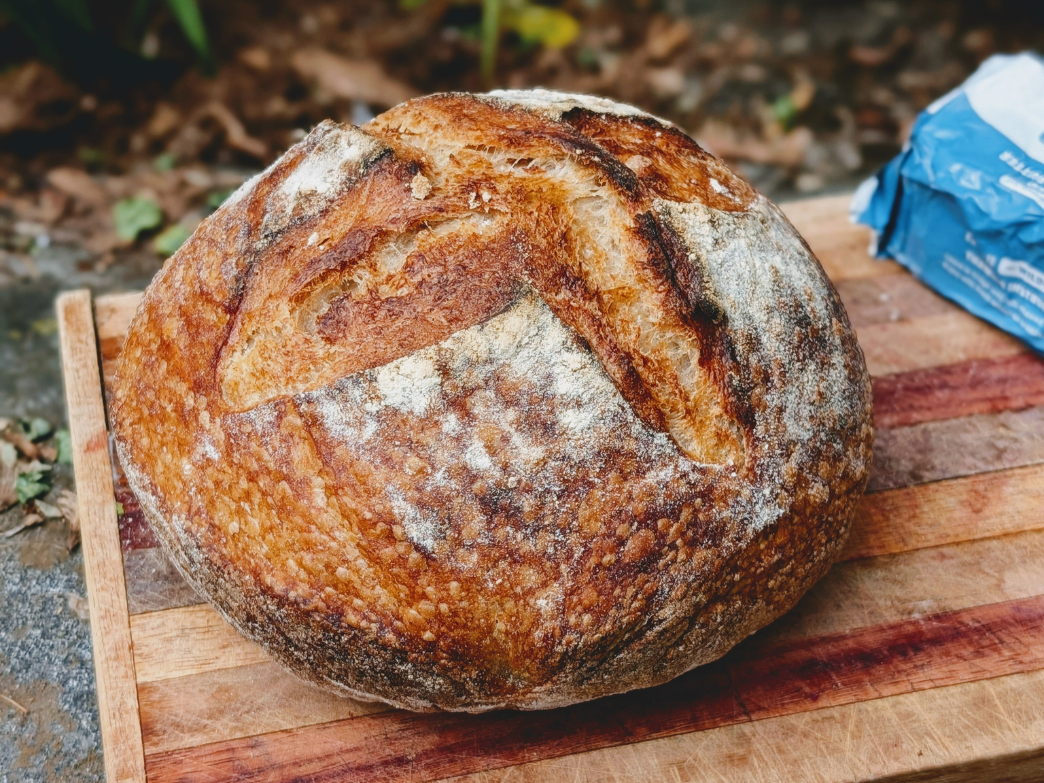
Best Bread for Gastritis
By Lucy Yanckello, Ph.D. Wildgrain, opens in a new tab is the first bake-from-frozen subscription box for sourdough breads, fresh pastas, and artisanal pastries. When dealing with gastritis, choosing the right bread can make a big difference, and sourdough often comes out on top – but every stomach is different. The key to mitigating gastritis symptoms is avoiding heavily processed loaves with added sugars, preservatives, or high-fat toppings. When in doubt, those with gastritis should opt for simple, minimally processed options. Can bread irritate your stomach? Can I eat bread if I have a gastric problem? Yes, bread can be irritating for some individuals with gastric problems, or issues with the stomach. Heavily processed foods such as breads with preservatives, high amounts of added sugar, or high amounts of added fats can exacerbate symptoms. This does not mean that all bread should be avoided. Many people with mild gastric problems are able to tolerate whole grain bread and sourdough bread, especially those made with minimal ingredients. What is the best bread for gastrointestinal problems? The best bread for those with gastrointestinal problems is bread that is minimally processed and has ingredients that are easy to digest. The top pick that falls into these categories is sourdough bread due to its natural fermentation and low gluten content. The slow fermentation process can help support healthy digestion and reduce bloating. The ‘best’ bread is highly individual and depends on what condition you have, but when in doubt opt for breads that are preservative free and have minimal ingredients. Can you eat bread when you have gastritis? Which bread is good for gastritis? Gastritis refers to inflammation of the stomach lining and can be caused by bacteria, health conditions, or lifestyle choices (e.g. use of tobacco or alcohol). Although there is not a confirmed link between nutrition and most types of gastritis, a study in 2020 revealed that 58% of those with chronic gastritis said dietary factors had an effect on their symptoms. You can eat bread when you have gastritis, but the best choice is one that is easy to digest, low in fat, and free from additives. Sourdough bread often tops the list due to its natural fermentation process that lowers gluten levels, allowing for improved digestibility. Additionally, sourdough bread contains probiotics that can improve overall gut health. If you can tolerate fiber, whole grain bread without seeds is another good option as fiber aids in digestion. Is bread bad for gastritis? Bread is not inherently bad for those with gastritis, however it depends on the type of bread as well as personal tolerance of ingredients. Breads that are highly processed, such as white sandwich loaves have high levels of sugar, preservatives, and refined carbohydrates that can irritate the stomach lining. Choosing the right kind of bread for your specific condition makes all of the difference. What bread is best for stomach acid? Will bread absorb excess stomach acid? Food made from whole grains can help to absorb acid in the stomach, including whole grain bread. Whole grain bread is rich in fiber, and fiber can absorb liquid in the digestive system, preventing the displacement of stomach acid. This in turn can reduce symptoms of excess stomach acid. Is sourdough bread good for gastritis? Does sourdough bread neutralize stomach acid? Sourdough bread often tops the list due to its natural fermentation process that lowers gluten levels, allowing for improved digestibility. Additionally, sourdough bread contains probiotics that can improve overall gut health. Although sourdough bread does not neutralize stomach acid like an antacid would, it can help soothe the digestive system. This is because the fermentation process lowers the gluten content allowing for easier digestion. Be sure you are consuming naturally fermented sourdough though – not the sourdough flavored bread full of additives and preservatives. Is white bread good for gastritis? Is wheat bread ok for gastritis? Including whole grains in your diet, such as those in whole wheat bread, are ideal when you have gastritis, because they are bland and have fiber content. If you can tolerate fiber, whole grain bread without seeds is a good option for those with gastritis, as fiber aids in digestion. On the other hand, due to being highly processed, white bread appears to increase the risk of inflammation. As such, it should be avoided for those with gastritis, especially those with bacterial gastritis. Highly processed foods can impact the growth of normal bacteria in your stomach and allow the harmful bacteria that cause gastritis to proliferate. Is toast ok for gastritis? In most cases, toastIs toast better for gastritis than fresh bread? google docs article may actually be better for gastritis than fresh bread. Toast has a lower moisture content than bread which makes it easier to digest. Additionally, toasting bread causes some of the starches to break down which can make it less likely to trigger acidity or bloating. However, make sure you stick to plain toast with no greasy toppings such as butter or heavy spreads. Where can I buy healthy bread online? At Wildgrain, we specialize in making high-quality, fresh breads that are delivered directly to your door. Wildgrain is the first bake-from-frozen delivery subscription service for breads, rolls, pastries, and fresh pastas. Some of our popular breads include plain sourdough loaf and whole wheat sourdough. Learn more about Wildgrain and our artisanal baking and cooking methods. Best Bread Home Delivery Service: How Wildgrain's Bread Delivery Works Wildgrain's breads are prepared in independent, artisanal bakeries with high quality ingredients. The breads are shipped frozen in insulated boxes and delivered direct to your home, anywhere nationwide. By shipping frozen, Wildgrain products maintain the highest quality, so you can enjoy fresh baked breads at home. That's why customers consider Wildgrain among the best home delivery services for bread. About the Author Lucy Yanckello received her Ph.D. in nutrition from the University of Kentucky College of Medicine. She currently works as a medical writer and enjoys being able to help people better understand nutrition and science. This content is for informational use only and does not replace professional nutrition and/or medical advice, diagnosis or treatment. It is not a substitute for and should not be relied upon for specific nutrition and/or medical recommendations. Please talk with your doctor about any questions or concerns.
Learn more Best Bread for Gastritis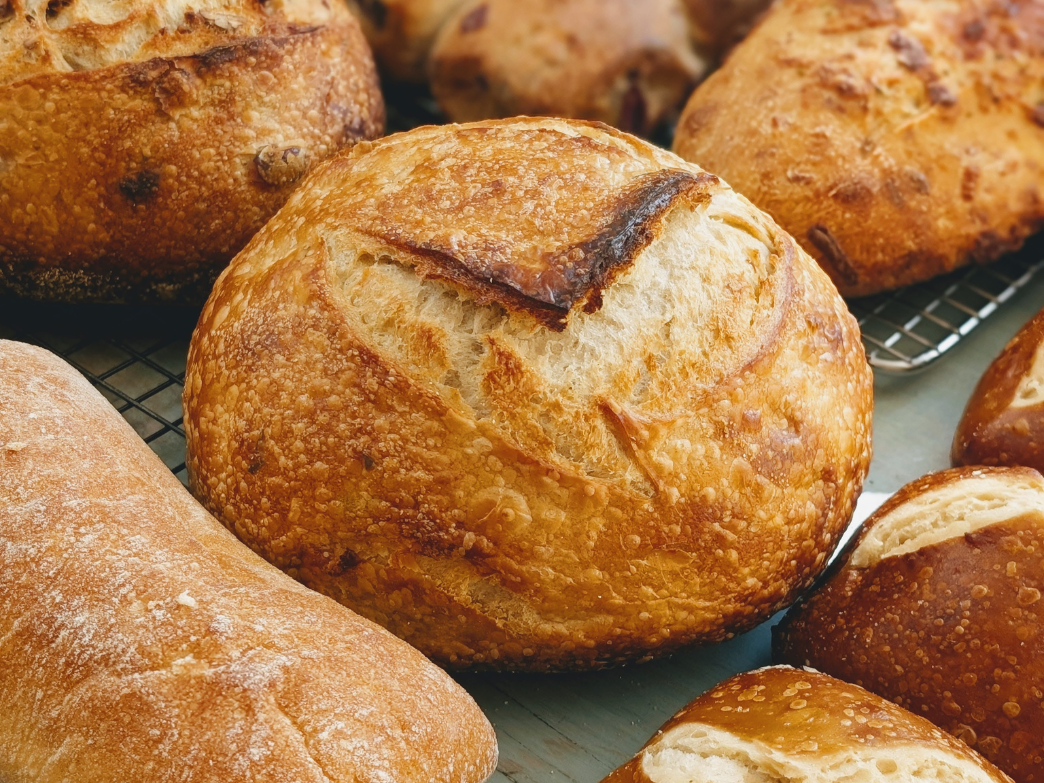
Best Ways to Use Stale Bread
By Lucy Yanckello, Ph.D. Wildgrain, opens in a new tab is the first bake-from-frozen subscription box for sourdough breads, fresh pastas, and artisanal pastries. Before you think about tossing that stale bread on your counter, hear us out—stale bread isn’t a lost cause. In fact, it’s a secret ingredient in some of the most comforting, flavor-packed dishes out there. From crispy croutons to savory breadcrumbs and sweet bread puddings, stale bread has second act energy you’ll want to tap into. Can you still use stale bread? How to tell if stale bread is bad? Is it safe to consume stale bread? Stale bread isn't the same as spoiled bread. Stale simply means the bread has lost moisture and becomes firm. However, you’ll want to inspect your loaf before repurposing it. If you see mold (usually green, white, black, or pink fuzzy spots) or it smells sour or musty, toss it. If it’s just hard and dry, it’s still perfectly safe and usable, you just may not want to slice a piece off and eat it plain! Can you make stale bread fresh? How do I bring stale bread back to life? You can bring stale bread back to life, and you can do so relatively easily. As long as your loaf is just dried out and does not have any visible mold, you can revive it by adding a bit of moisture and heat. There are a few methods you can use to bring your bread back to life, with two popular methods being to use the microwave or the oven. If opting for the oven, lightly run the crust under water or wrap the bread in a damp (not soaking) towel. Once you have done this, pop it in a 300°F oven for 5 to 10 minutes. The steam rehydrates the bread, re-softening the inside and crisping the crust. A quicker option is to use the microwave. Put a slice of bread into the microwave with a damp paper towel for 10 to 15 seconds. Although this method is quick and effective, it will not yield as crispy a crust as the oven. What can you do with stale bread? How to use up stale bread? If your loaf of bread has gone stale, use it as an opportunity to get creative! The dry texture of bread helps absorb flavors better than fresh bread, making stale bread perfect for many dishes. You can cube it and make homemade croutons, crush it into breadcrumbs, or soak it in eggs and milk for delicious french toast or bread pudding. It can also be used in stuffing, meatloaf, or as a thickener for soups. Can you make French toast with stale bread? Not only can you use stale bread for french toast, you should. Because stale bread is drier, it soaks up the egg and milk mixture easier without getting too soggy. Brioche and sourdough are both perfect stale options for decadent french toast. Can I use stale bread for croutons? How do you make crispy croutons? Croutons are the perfect way to utilize stale bread. Cube the bread and toss it with olive oil and whatever seasonings you prefer. Turn your oven to 375°F and bake the croutons for 10-15 minutes until golden, making sure to toss occasionally. The drier the bread, the crispier the croutons will be! Can you use stale bread to thicken soup? Yes, stale bread is a great option to thicken any soup. This is an old school trick that adds body and texture, pairing especially well with tomato, vegetable, or bean based soups. The bread softens and breaks down as the soup cooks, naturally thickening the broth without any additions such as cream or flour. It's as easy as tearing the bread into small pieces and tossing it in your soup as it cooks! Can stale bread be used for bread crumbs? One of the easiest ways to use stale bread is to turn it into breadcrumbs. Chop or tear the bread into small pieces and toss them into a food processor or blender. Then just pulse until you get the texture to be as fine, or chunky, as you prefer. For extra crispy breadcrumbs, toss them with your favorite herbs and put them in a 300°F oven for 10-15 minutes. Where can I buy healthy bread online? At Wildgrain, we specialize in making high-quality, fresh breads that are delivered directly to your door. Wildgrain is the first bake-from-frozen delivery subscription service for breads, rolls, pastries, and fresh pastas. Some of our popular breads include brioche sandwich loaf, plain sourdough loaf and rye sourdough loaf. Learn more about Wildgrain and our artisanal baking and cooking methods. Best Bread Home Delivery Service: How Wildgrain's Bread Delivery Works Wildgrain's breads are prepared in independent, artisanal bakeries with high quality ingredients. The breads are shipped frozen in insulated boxes and delivered direct to your home, anywhere nationwide. By shipping frozen, Wildgrain products maintain the highest quality, so you can enjoy fresh baked breads at home. That's why customers consider Wildgrain among the best home delivery services for bread. About the Author Lucy Yanckello received her Ph.D. in nutrition from the University of Kentucky College of Medicine. She currently works as a medical writer and enjoys being able to help people better understand nutrition and science. This content is for informational use only and does not replace professional nutrition and/or medical advice, diagnosis or treatment. It is not a substitute for and should not be relied upon for specific nutrition and/or medical recommendations. Please talk with your doctor about any questions or concerns.
Learn more Best Ways to Use Stale Bread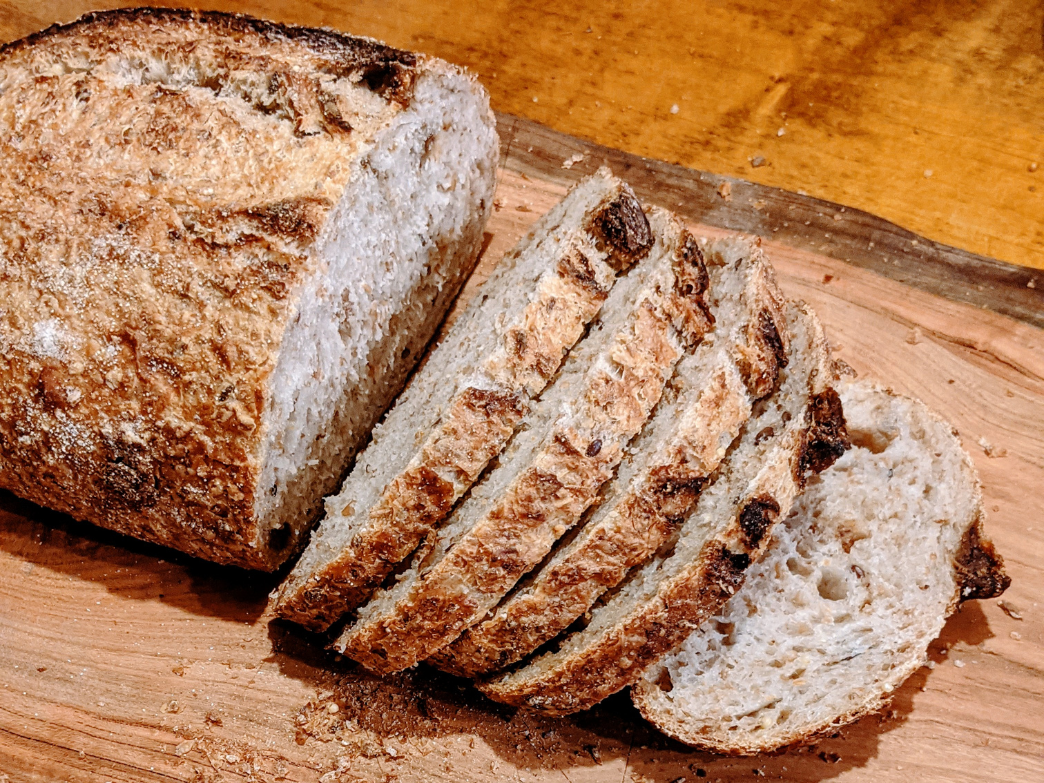
What's Healthier: Whole Grains vs. Refined Grains vs. Enriched Grains?
By Dr. Jorge, Ph.D. Wildgrain, opens in a new tab is the first bake-from-frozen subscription box for sourdough breads, fresh pastas, and artisanal pastries. It seems like everywhere you turn, you hear that whole grains are superior, and it can feel like you just can’t eat enough of them. You might know whole grains are good for you in theory, but do you know how they compare to other types of grains? In this article, we’ll help demystify the world of grains so you can make informed choices during your next grocery trip. What is the difference between whole grains, refined grains, and enriched grains? As the name suggests, whole grains contain all parts of the grain, including the bran, germ, and endosperm. In contrast, refined grains are milled to remove the bran and germ, which also strips away many essential nutrients. Enriched grains are refined grains that have had some of those lost nutrients, such as iron and B vitamins, added back in after processing. What is healthier to eat: whole grains or refined grains or enriched grains? Whole grainsGo to Sourdough whole wheat bread are the healthiest type of grain because they are the least processed and retain the entire grain kernel (bran, germ, and endosperm), making them rich in fiber, vitamins, minerals, and antioxidants. Enriched grains are the next best option, as some nutrients lost during processing, such as iron and B vitamins, are added back in. Refined grains are the least healthy, as they lack fiber and many essential nutrients. They also tend to have a higher glycemic index, which can lead to spikes in blood sugar levels. Is it good to eat whole grains every day? Is there a downside to eating whole grains? Yes, it is generally recommended to eat whole grains every day as part of a healthy and balanced lifestyle. Research has shown that a diet rich in whole grains is associated with health benefits, such as a lower risk of heart disease, type 2 diabetes, and certain types of cancer. Whole grains are also an excellent source of fiber, which supports healthy digestion and can aid in weight management. However, some individuals may experience digestive discomfort due to the high fiber and complex carbohydrate content of whole grains, particularly if they have sensitivities or underlying digestive conditions. Are whole grains inflammatory? Are refined grains inflammatory? Whole grains are generally not considered inflammatory. In fact, their high fiber and antioxidant content may help reduce inflammation in the body. These nutrients support gut health and promote a balanced immune response. In contrast, refined grains may contribute to inflammation. Because they lack fiber and essential nutrients, refined grains can disrupt the gut microbiome and cause blood sugar spikes, both of which are linked to inflammatory responses. Are enriched grains good for you? Enriched grains are not necessarily considered healthy, though they are a better option than refined grains. While certain nutrients are added back during the enrichment process, enriched grains still lack the full nutritional profile of whole grains, particularly fiber and other vitamins and minerals that are lost during processing. What are examples of refined grains? What are examples of whole grains? Some common examples of refined grains include white pasta, white rice, and white bread. In short, any product made with white flour is made from refined grains. In contrast, whole grain flour can be used to make brown rice, brown pasta, and whole wheat or whole grain bread. Other examples of whole grains include oats, quinoa, and barley. Best Bread Home Delivery Service: How Wildgrain's Bread Delivery Works Wildgrain's breads are prepared in independent, artisanal bakeries with high quality ingredients. The breads are shipped frozen in insulated boxes and delivered direct to your home, anywhere nationwide. By shipping frozen, Wildgrain products maintain the highest quality, so you can enjoy fresh baked breads at home. That's why customers consider Wildgrain among the best home delivery services for bread. About the Author Dr. Jorge has been a public health researcher for many years, holding both a Bachelor's degree and a Ph.D. in Chemistry. They presently work as a medical writer and love being able to assist others in understanding various health and scientific topics. This content is for informational use only and does not replace professional nutrition and/or medical advice, diagnosis or treatment. It is not a substitute for and should not be relied upon for specific nutrition and/or medical recommendations. Please talk with your doctor about any questions or concerns.
Learn more What's Healthier: Whole Grains vs. Refined Grains vs. Enriched Grains?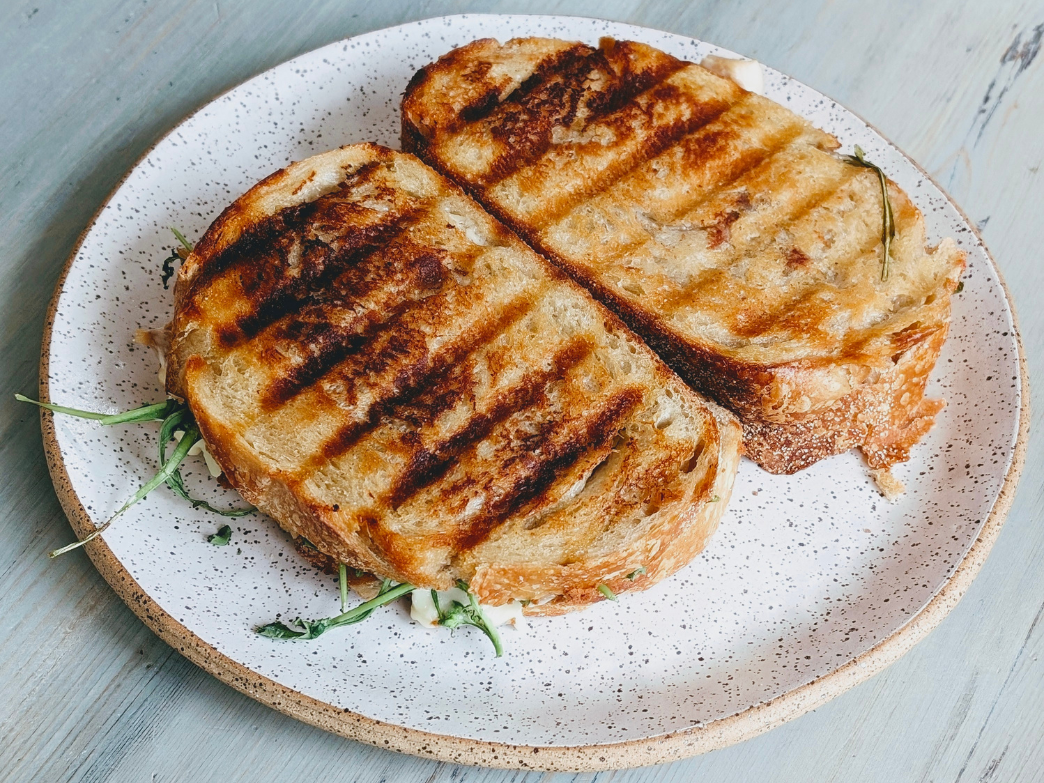
Best Bread for Blood Sugar
By Lucy Yanckello, Ph.D. Wildgrain, opens in a new tab is the first bake-from-frozen subscription box for sourdough breads, fresh pastas, and artisanal pastries. If you have high blood sugar or diabetes, bread can feel like one of the trickiest foods to navigate. While some types can spike your blood sugar quickly, others are much gentler on your body. Understanding which breads to choose - and why - can help you enjoy this everyday food without compromising your health. It is important to remember that this article is not medical advice; consult with your doctor or a registered dietician before making changes to your diet. Can I eat bread if I have high blood sugar? What bread has no sugar? Yes, you can eat bread if you have high blood sugar, but you need to be strategic about the type and portion. Breads to focus on when you have high blood sugar are low in glycemic index, high in fiber, made from whole or sprouted grains, and free from added sugar. 100% whole wheat breadsGo to sourdough whole wheat bread, sprouted grain breads, sourdough breadsGo to sourdough loaf, and multigrain breads are generally good choices, but be sure to read the label to make sure there is no added sugar. What kind of bread is ok for diabetics? When you have diabetes, it is important to take a few things into consideration when choosing the bread you are going to eat. Be sure to look for bread with no added sugars, at least three grams of fiber per serving, and made with whole-grains if possible. The American Diabetes association recommends choosing breadGo to sourdough whole wheat bread that is made with whole grains over white bread, as white bread is made from highly processed flour and contains added sugars. Does white bread increase blood sugar? Will whole wheat bread raise my blood sugar? White bread has a glycemic index of 90 on a scale of 1 to 100, classifying it as a high GI food. GI is a scale that ranks carbohydrates based on how quickly they will raise blood sugar level – or how quickly the food is digested – with 1 being the lowest and 100 being the highest. This means that white bread will raise your blood sugar very quickly due to it being a high GI food. Whole wheat breadGo to sourdough whole wheat bread only has a GI of 65, making it a medium GI food. Low and medium GI foods are digested and absorbed slower than those with a high GI. This leads to a gradual increase in blood sugar and subsequently insulin levels, which is beneficial for managing and maintaining blood sugar levels. Which bread has the lowest glycemic index? Types of bread with the lowest glycemic index includes pumpernickel with a GI of 41-56, sourdough ryeGo to sourdough rye bread with a GI of 48, sourdough wheatGo to sourdough whole wheat bread with a GI of 54, and spelt multi-grain with a GI of 54. Low-GI foods are considered to be under 55 on the GI scale. All breads that are low-GI are made with whole grains, increasing their fiber content, leading to slower digestion and a more gradual increase in blood sugar rather than the spike caused by high-GI foods. What bread is the worst for blood sugar? White bread is generally considered the worst for blood sugar. Not only does it lack fiber and other essential nutrients due to the highly processed nature of the flour, but it also is considered to be a high-GI food, with a GI of 90. This means that it causes rapid spikes in blood sugar. What bread is best for blood sugar? What bread does not spike blood sugar? The best bread for blood sugar is bread made with whole grains. Breads that do not spike blood sugar include low-GI breads such as pumpernickel, sourdough ryeGo to sourdough rye bread, sourdough wheatGo to sourdough whole wheat bread, and spelt multigrain. Be sure to read the label on breads from the store to avoid added sugars, or make your own bread to ensure the bread you are consuming only has the ingredients you want it to. Is sourdough bread good for high blood sugar? Sourdough bread is helpful for those with high blood sugar. The fermentation process in sourdough bread reduces the glycemic response, meaning it causes a slower and more gradual rise in blood sugar than white bread and even some wheat breads. Be sure to opt for sourdough rye or sourdough wheat breads that are made with whole grains for optimal blood sugar control. Where can I buy the best fresh bread online? At Wildgrain, we specialize in making high-quality, fresh breads that are delivered directly to your door. Wildgrain is the first bake-from-frozen delivery subscription service for breads, rolls, pastries, and fresh pastas. Some of our popular breads include sourdough whole wheat, sourdough 7-grain, slow fermented 3-seed bread, and sourdough rye. Learn more about Wildgrain and our artisanal baking and cooking methods. Best Bread Home Delivery Service: How Wildgrain's Bread Delivery Works Wildgrain's breads are prepared in independent, artisanal bakeries with high quality ingredients. The breads are shipped frozen in insulated boxes and delivered direct to your home, anywhere nationwide. By shipping frozen, Wildgrain products maintain the highest quality, so you can enjoy fresh baked breads at home. That's why customers consider Wildgrain among the best home delivery services for bread. About the Author Lucy Yanckello received her Ph.D. in nutrition from the University of Kentucky College of Medicine. She currently works as a medical writer and enjoys being able to help people better understand nutrition and science. This content is for informational use only and does not replace professional nutrition and/or medical advice, diagnosis or treatment. It is not a substitute for and should not be relied upon for specific nutrition and/or medical recommendations. Please talk with your doctor about any questions or concerns.
Learn more Best Bread for Blood Sugar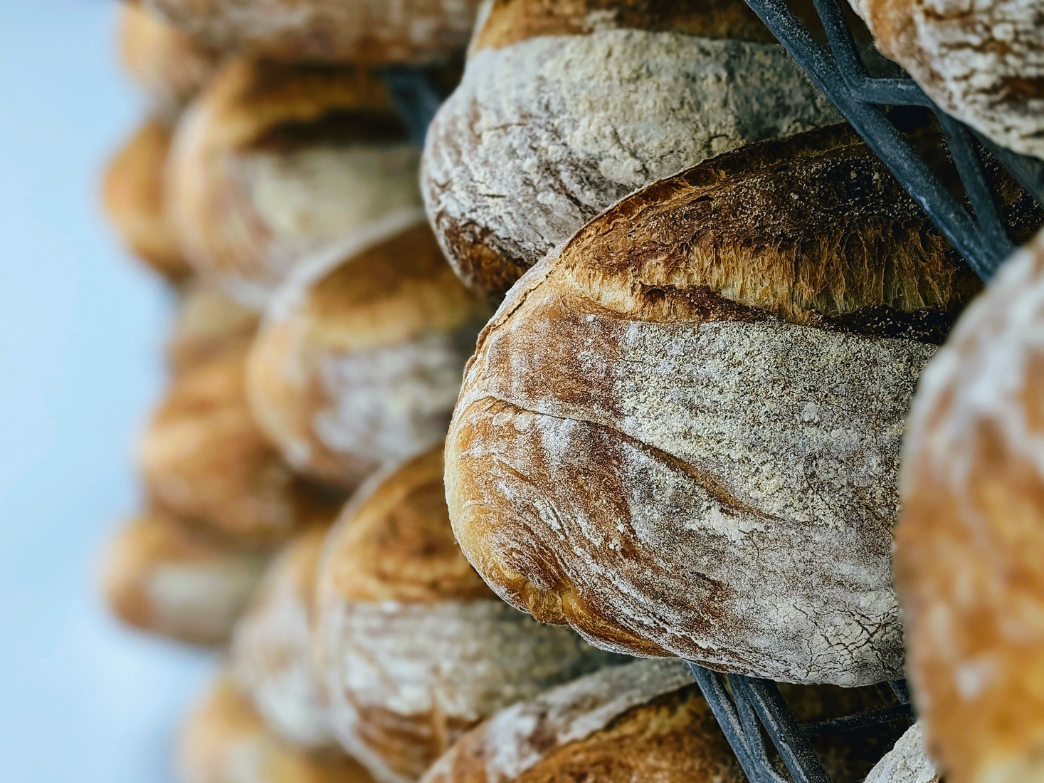
Best Bread for Healthy Skin
By Lucy Yanckello, Ph.D. Wildgrain, opens in a new tab is the first bake-from-frozen subscription box for sourdough breads, fresh pastas, and artisanal pastries. When it comes to healthy skin, the best bread choices are those made with whole grains and minimal added sugars. These types of bread help support overall skin health by keeping blood sugar levels stable, reducing inflammation, and providing key skin-supporting nutrients. It is important to remember that this article is not medical advice; consult with your doctor or a registered dietician before making changes to your diet. What is the best diet for your skin? What to eat for healthy skin? A diet rich in nutrient-dense whole foods, such as fruits, vegetables, whole-grains, lean protein, and healthy fats, is necessary to keep your skin healthy. Omega-3 fatty acids are known to improve cholesterol, reduce inflammation, and help preserve collagen in your skin to keep it firmer. To beef up omega-3s in your diet, add in salmon, tuna, or sardines. If you don’t eat fish, opt for flaxseeds, chia seeds, walnuts, or edamame. Antioxidants such as lycopene, found in tomatoes, and polyphenols, found in tea, coffee, grapes, and dark chocolate, help keep your skin smooth. Vitamins to focus on include vitamin C and vitamin E, which can help fight wrinkles and prevent cell damage, respectively. Eat citrus, bell peppers, broccoli, or strawberries to up your vitamin C intake, and increase your intake of almonds and sunflower seeds to add vitamin E to your diet. Is bread good for skin? What bread is good for your skin? Not all bread is created equal, and not all bread is good for your skin. White bread made with refined carbohydrates or high in added sugar spike blood sugar and promote inflammation, which can trigger acne and speed up aging. For a more skin-friendly bread, opt for sprouted or whole grain breads. These are minimally processed and have few additives. Whole grain breads are high in fiber, zinc, and vitamins C and E which are essential for skin repair and regeneration. These breads are digested slower, which means they will not spike blood sugar. Sprouted breads have more bioavailable nutrients, such as antioxidants and often have a lower glycemic index than processed breads, meaning they will not cause blood sugar spikes either. Can too much bread cause skin problems? Too much highly processed and refined bread can contribute to skin problems. Refined bread, such as white bread, spikes blood sugar quickly. This quick spike in blood sugar causes a surge in insulin, which increases oil production, raises levels of hormones linked to acne, and promotes inflammation in the skin. This process contributes to acne breakouts and can also cause premature aging. Consider whole grain breads instead to avoid the skin problems linked to refined bread. What is the best bread for acne-prone skin? What bread is bad for acne? If you are prone to acne breakouts, the type of bread you are consuming can make a difference. A key factor to pay attention to is the glycemic load of the bread you are consuming, or how quickly the bread will raise your blood sugar. High spikes in blood sugar increase insulin production which raises the production of oil, clogging your pores and causing acne flare-ups. Breads bad for acne-prone skin are white bread, bread with added sugar or high-fructose corn syrup, and breads made with refined flours. Be sure to always read the ingredient list and look for 100% whole-grain, rather than added sugars or enriched wheat flours. Stick to bread with a glycemic index below 55, and keep your portions moderate. Is gluten-free bread better for your skin? For those with celiac disease, non-celiac gluten sensitivity, or a wheat allergy, bread can cause issues like eczema or hives. This is not common in people without these conditions. If you do not have these conditions, gluten-free bread may be worse for those with acne-prone skin. Many gluten-free breads are highly processed, and made from refined starches giving them a high glycemic index. This is harmful for those who are prone to acne breakouts. Additionally, gluten-free breads often lack fiber, zinc, C and E vitamins, and other nutrients found in whole-grain breads that are beneficial for your skin. Is whole wheat bread better for skin? Sprouted or whole grain breads are better for your skin as they are minimally processed and have few additives. Whole grain breads are high in fiber, zinc, and vitamins C and E, which are essential for skin repair and regeneration. These breads are also digested more slowly, meaning they will not spike blood sugar. Sprouted breads have more bioavailable nutrients, such as antioxidants and often have a lower glycemic index than processed breads, meaning they will not cause blood sugar spikes. Preventing blood sugar spikes is vital in controlling acne breakouts. Is sourdough bread good for your skin? Sourdough bread can be good for your skin if it is made with whole grain flour. Just as with other whole grain breads, whole grain sourdough is high in fiber, zinc, and vitamin C and E, which are essential for skin repair and regeneration. The fermentation process of sourdough also makes these nutrients more bioavailable (or easier for the body to use). Additionally, sourdough is digested slower meaning it will not spike blood sugar. What is the best bread for healthy skin? The best bread for healthy skin is that which does not spike blood sugar and is high in antioxidants, vitamins C and E, and fiber. It is important to keep blood sugar spikes under control. Keeping blood sugar under control reduces acne breakouts through reduced oil production which leads to clogged pores. Whole grain breads and sprouted breads are the best options to consider when thinking about healthy skin. Where can I buy the best fresh bread online? At Wildgrain, we specialize in making high-quality, fresh breads that are delivered directly to your door. Wildgrain is the first bake-from-frozen delivery subscription service for breads, rolls, pastries, and fresh pastas. Some of our popular breads include sourdough whole wheat, sourdough 7-grain, slow fermented 3-seed bread, and sourdough rye. Learn more about Wildgrain and our artisanal baking and cooking methods. Best Bread Home Delivery Service: How Wildgrain's Bread Delivery Works Wildgrain's breads are prepared in independent, artisanal bakeries with high quality ingredients. The breads are shipped frozen in insulated boxes and delivered direct to your home, anywhere nationwide. By shipping frozen, Wildgrain products maintain the highest quality, so you can enjoy fresh baked breads at home. That's why customers consider Wildgrain among the best home delivery services for bread. About the Author Lucy Yanckello received her Ph.D. in nutrition from the University of Kentucky College of Medicine. She currently works as a medical writer and enjoys being able to help people better understand nutrition and science. This content is for informational use only and does not replace professional nutrition and/or medical advice, diagnosis or treatment. It is not a substitute for and should not be relied upon for specific nutrition and/or medical recommendations. Please talk with your doctor about any questions or concerns.
Learn more Best Bread for Healthy Skin
Best Method for Bread Storage
By Dr. Jorge, Ph.D. Wildgrain, opens in a new tab is the first bake-from-frozen subscription box for sourdough breads, fresh pastas, and artisanal pastries. Are you struggling to keep your bread fresh for longer than a couple of days? Whether it’s turning stale or growing mold, improper storage might be to blame. Read on as we explore the most effective bread storage methods to help extend your bread’s shelf life and keep it fresh until the last slice. What is the best way to store bread to keep it fresh? Where should bread not be stored? The best way to keep bread fresh is to store it in a cool, dry place at room temperature, ideally using a paper bag or other breathable material. For long-term storage, freezing bread in an airtight container is most effective. In contrast, the refrigerator is one of the worst places to store bread, as it speeds up the staling process. As bread cools, the starch molecules recrystallize, causing it to become hard and stale. This process is significantly slowed in the freezer, which is the reason freezing is ideal for prolonged storage. Storing bread at room temperature also helps delay staling compared to refrigeration. Is it better to store bread in paper or plastic? Can you store bread in a plastic bag? Does bread mold faster in a plastic bag? Storing Go to sourdough loafbread in paper bags is generally better than using plastic bags. Paper bags are more breathable, allowing for air circulation that can help to keep the crust crisp and prevent the bread from becoming soggy. In contrast, plastic bags tend to trap moisture, which can encourage mold growth and spoilage. Plastic bags might also alter the flavor of the bread, as bread may absorb the taste or smell of the plastic. However, in very dry climates, plastic bags might be an option to prevent bread from drying out too quickly. What is the best container to keep bread fresh? What material is best to store bread in? Bread boxes are the best containers to keep bread fresh. A bread box is typically recommended as the best method for bread storage because they are designed to balance moisture and airflow, helping to prevent both mold and staling. In addition to bread boxes, other great storage methods for Go to sourdough loafbread include paper bags, linen bags, and kitchen towels – all of which help to preserve bread freshness while reducing the risk of mold. Do bread boxes actually keep bread fresh? Yes, bread boxes really do keep Go to sourdough loafbread fresh! Bread boxes are designed to allow just enough airflow to maintain the perfect balance of moisture, which can help bread from drying out or growing mold too quickly. While bread boxes can’t keep bread fresh forever, they can significantly extend the freshness of bread, so you have more time to enjoy it. Does bread last longer in the fridge or on the counter? Is it better to store bread in the freezer? Go to sourdough loafBread will last longer when stored on the counter in a bread box or paper bag, rather than in the fridge. The cold temperature of a refrigerator will speed up the staling process while storing the bread at room temperature will help to preserve freshness. If you don’t plan to eat the bread soon, freezing might be a better option. The freezer will slow the aging process and keep bread fresh for several months without losing quality. Is it okay to freeze bread? What is the best way to reheat frozen bread? Yes, it is absolutely okay to freeze Go to sourdough loafbread! Freezing bread is ideal for long-term storage as it effectively halts the aging process. The best way to reheat frozen bread is to briefly run the frozen loaf under cold water before placing it in the oven at 350 or 400 degrees Fahrenheit for 15-20 minutes. For individual slices, you can also reheat the bread in a toaster or toaster oven. What is the best way to store sourdough bread? How do you unfreeze sourdough bread? The best way to store Go to sourdough loafsourdough bread is similar to the recommended methods for other types of bread. A bread box, paper bag, linen bag, or even a kitchen towel all work well—any approach that allows for airflow while keeping the bread at room temperature is ideal. To unfreeze sourdough bread, briefly run a whole frozen sourdough loaf under cold water, then place it in a preheated oven. For individual slices, reheating in a toaster oven works great. Can you freeze bread dough? Yes, you can freeze bread dough! Bread dough generally freezes well and is a convenient way to have dough ready to bake anytime. For best results, it is recommended to freeze yeasted bread dough, such as sourdough bread dough, after its initial rise and once it has been shaped into its final form. To prevent bread dough from drying out in the freezer, be sure to wrap it tightly. What kind of bread lasts the longest? What is the best bread to stay fresh? Due to added preservatives, pre-packaged store-bought sandwich loaves typically last longer than other types of bread. In terms of fresh or homemade bread, sourdough bread and whole grain bread tend to stay fresh longer than other varieties. The natural fermentation process and acidity of sourdough bread help to slow the staling process and prevent mold growth. Whole grain bread, which contains more fiber than white bread, can also help to keep the bread fresh. Where can I buy fresh bread online? At Wildgrain, we specialize in making high-quality, fresh breads and pastas that are delivered directly to your door. Wildgrain is the first bake-from-frozen delivery subscription service for breads, pastries, and fresh pastas. Some of our popular breads include everything sourdough bread, plain sourdough loaf, and sourdough 7-grain loaf. Learn more about Wildgrain and our artisanal baking and cooking methods. Best Bread Home Delivery Service: How Wildgrain's Bread Delivery Works Wildgrain's breads are prepared in independent, artisanal bakeries with high quality ingredients. The breads are shipped frozen in insulated boxes and delivered direct to your home, anywhere nationwide. By shipping frozen, Wildgrain products maintain the highest quality, so you can enjoy fresh baked breads at home. That's why customers consider Wildgrain among the best home delivery services for bread. About the Author Dr. Jorge has been a public health researcher for many years, holding both a Bachelor's degree and a Ph.D. in Chemistry. They presently work as a medical writer and love being able to assist others in understanding various health and scientific topics. This content is for informational use only and does not replace professional nutrition and/or medical advice, diagnosis or treatment. It is not a substitute for and should not be relied upon for specific nutrition and/or medical recommendations. Please talk with your doctor about any questions or concerns.
Learn more Best Method for Bread Storage