By Dr. Jorge, Ph.D.
Fiber, in all its forms, is essential for overall health and well-being. Knowing which type of fiber is beneficial for what can help you make informed decisions about your diet. Read on to learn the difference between soluble fiber and insoluble fiber, and how you can incorporate more of each into your diet.
What’s the difference: dietary fiber vs. soluble fiber vs. insoluble fiber?
Dietary fiber is a type of carbohydrate found in plants. There are two types of dietary fiber: soluble fiber and insoluble fiber. The body can't digest or absorb fiber, but each type provides its own set of benefits. Soluble fiber creates a gel-like substance when it dissolves in water in the intestine, which can help regulate bowel movements. Foods like oats, beans, and avocados are good sources of soluble fiber. Insoluble fiber, on the other hand, doesn't dissolve in water, but it attracts water into the stool, helping to soften it and ease the passage of bowel movements. Foods like kale, lentils, and almonds are good sources of insoluble fiber. Most plant foods contain both soluble and insoluble fiber in varying amounts, and both types are key to supporting gut health and digestion.
Is it better to eat insoluble or soluble fiber?
Both insoluble fiber and soluble fiber are important to your overall health. Each has its own unique role and health benefits. For example, soluble fiber can help lower blood sugar and cholesterol levels, while insoluble fiber can help prevent constipation and support regular bowel movements. Rather than choosing one over the other, it's best to aim for a mix of both throughout your diet. Most whole, plant-based foods, like fruits, vegetables, whole grains, and legumes, naturally contain a combination of both types, making it easy to get the benefits of each.
Can soluble fiber lower A1C? What is the best fiber for diabetics?
Yes, soluble fiber may help lower A1C levels by slowing the absorption of sugar into the bloodstream, which prevents rapid blood sugar spikes and improves insulin sensitivity. Soluble fiber is the best type of fiber for diabetics because the gel-like substance it forms in the gut slows digestion, which can ultimately help stabilize blood sugar levels. An easy way to incorporate more soluble fiber into your diet is to add chia seeds or flax seeds to oatmeal or salad, or to include more oats, beans, and citrus fruits in your meals in moderation.
What are signs of low fiber? What are signs of soluble fiber deficiency?
One of the most common signs of low fiber intake is constipation, which is often characterized by fewer bowel movements and harder, smaller stools. Not getting enough soluble fiber specifically may also contribute to higher cholesterol levels and make it more difficult to manage blood sugar levels if you have diabetes. If you're experiencing these symptoms, start by gradually increasing your fiber intake through whole foods like fruits, vegetables, and whole grains.
What foods are high in soluble fiber? What foods are high in insoluble fiber?
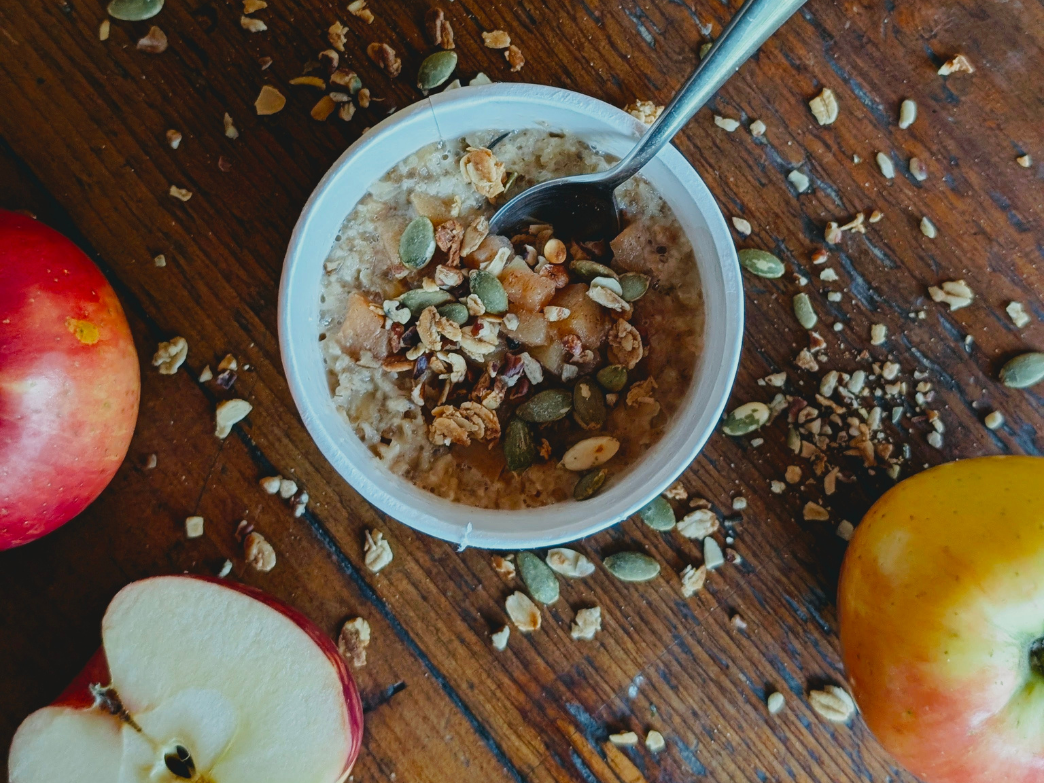
Foods that are high in soluble fiber include oats, beans, apples, citrus fruits, and seeds like chia and flax. Whole grains, nuts, and vegetables with the skin left on are examples of foods rich in insoluble fiber. Wildgrain's Whole Wheat Sourdough Loaf is an easy way to add whole-grain insoluble fiber to your day, while Wildgrain’s Fruits & Crunch Oats - Apple & Cinnamon offers a convenient source of soluble fiber from oats.
Can too much soluble fiber cause problems? Is too much fiber bad for you?
Yes, consuming too much soluble fiber, especially if you ramp up your fiber intake too quickly, can cause problems. An excess of fiber may cause bloating, abdominal pain, and constipation. This can happen if you increase your daily fiber intake too rapidly, which doesn't give your body time to adjust. For those with certain conditions like diverticulitis or inflammatory bowel disease, too much fiber consumption can cause discomfort, especially during flares. As with any nutrient, consuming too much fiber can be bad for you, so it's best to increase your daily intake slowly and aim for 25 to 38 grams of fiber per day.
Is whole wheat bread high in soluble fiber? Is whole wheat bread high in insoluble fiber?
Whole wheat bread is not high in soluble fiber, but it is rich in insoluble fiber due to the presence of whole grains. The exact amount of insoluble fiber in whole grain bread depends on the type of grain used. Wheat, barley, and rye tend to have higher amounts of fiber compared to some other grains, such as brown rice, quinoa, or corn. To maximize the fiber benefits of whole grain bread, look for whole wheat or rye varieties, like Wildgrain's Whole Wheat Sourdough Loaf or Wildgrain's Sourdough Rye Loaf.
What is the healthiest fiber to eat? What is the best fiber to eat?
There isn't one single "best" or "healthiest" fiber to eat, since both soluble fiber and insoluble fiber offer unique health benefits and are essential to promoting gut health. Soluble fiber is especially beneficial for lowering LDL, or “bad”, cholesterol and helping manage blood sugar levels, while insoluble fiber plays a key role in supporting digestion and regular bowel movements. The healthiest approach is to eat a variety of fiber-rich foods, like fruits, vegetables, whole grains, and legumes, since most of these plant-based foods naturally contain a mix of both soluble and insoluble fiber. Aiming for 25 to 38 grams of total fiber per day is the best way to get the full range of benefits fiber has to offer.
Where can I buy the best fresh high-fiber foods online for home delivery?
At Wildgrain, we specialize in making high-quality, fresh breads and pastas that are delivered directly to your door. Wildgrain is the first bake-from-frozen delivery subscription service for breads, pastries, fresh pastas, and more. Some of our popular items include Wildgrain's Traditional Hummus, Wildgrain’s Fruits & Crunch Oats - Apple & Cinnamon, and Wildgrain's Whole Wheat Sourdough Loaf. Learn more about Wildgrain and our artisanal baking and cooking methods.
Best Home Delivery Service for Food: How Wildgrain's Food Delivery Works
Wildgrain's products are prepared in independent, artisanal bakeries with high quality ingredients. They are shipped frozen in insulated boxes and delivered direct to your home, anywhere nationwide. By shipping frozen, Wildgrain products maintain the highest quality, so you can enjoy fresh food at home. That's why customers consider Wildgrain among the best home food delivery services.
About the Author
This content is for informational use only and does not replace professional nutrition and/or medical advice, diagnosis or treatment. It is not a substitute for and should not be relied upon for specific nutrition and/or medical recommendations. Please talk with your doctor about any questions or concerns.