By Lucy Yanckello, Ph.D.
Wildgrain, opens in a new tab, is the first bake-from-frozen subscription box for sourdough breads, fresh pastas, and artisanal pastries.
Dairy shows up everywhere, from the milk in your morning coffee to the cheese on your favorite pasta. Although most people never make the connection to their skin, research has linked dairy to acne, especially in teens and young adults. Cutting dairy out has become a popular way to chase clearer skin, but the science behind that choice is more nuanced than you might expect.
Can eating dairy affect skin? How do you know if dairy is affecting your skin?
Yes, eating dairy can affect your skin, and milk is the dairy most often linked to breakouts. Hormones and proteins naturally found in milk are thought to play a role in triggering acne for some people. The simplest way to know if dairy is affecting your skin is to track your breakouts alongside what you eat for a few weeks. If you notice a pattern, a dermatologist or allergist can help guide you through an elimination diet to see if dairy really is the culprit. Warming a few Wildgrain Vegan Croissants for breakfast instead of traditional butter-based croissants lets you keep flaky, golden pastries in your routine while avoiding dairy.
What does a dairy skin allergy look like? What does dairy inflammation feel like?
A dairy skin allergy usually shows up as hives, an itchy rash, or swelling around your lips and mouth. These reactions tend to appear within minutes to a couple of hours after eating dairy, because your immune system is reacting to the proteins in milk. Dairy inflammation tends to build more slowly than an allergic reaction. In your skin, it can look like red, tender breakouts or itchy, irritated patches that flare in the days after eating dairy. In your gut, people sensitive to dairy often describe bloating, cramping, and a heavy uncomfortable feeling after meals. A dermatologist or allergist can help you pinpoint what is driving your symptoms. Remember, severe reactions like trouble breathing need emergency care right away. Please ask your doctor for further information if you think you may have a dairy allergy or dairy intolerance.
Can a dairy-free diet improve skin? Can a dairy-free diet reduce acne?
Yes, a dairy-free diet may improve skin and reduce acne for some people. Milk intake has been associated with higher odds of acne in children, teens, and young adults. Results may vary from person to person, so many people find a trial guided by a doctor of several weeks without dairy is the best way to narrow down the culprit. Baking a Wildgrain Vegan Giant Chocolate Chip Cookie keeps dessert on the table while you test the change.
Does cutting out dairy reduce inflammation? Should you avoid dairy if you have inflammation?
No, cutting dairy out does not lower inflammation for most people. Milk, cheese, and yogurt have generally shown neutral effects on inflammatory markers in the body. Avoiding dairy makes sense if you have a milk allergy, an intolerance, or notice that it worsens your symptoms. If you are managing an inflammatory condition, your healthcare provider can help you decide whether dairy fits into your diet.
Will going dairy-free help skin? What happens when you cut out all dairy?
Going diary-free can help your skin if dairy is one of your personal acne triggers. Skin changes slowly, so it often takes two to three months of a dietary shift to see results. Cutting out all dairy removes a major source of calcium, vitamin D, and protein, so replacing those nutrients matters. Leafy greens, calcium-fortified plant milks, and tofu made with calcium are easy places to start.
Is skim milk worse for acne than whole milk? Which type of milk is best for skin and acne?
Skim milk has shown a slightly stronger link to acne than whole milk in some research. Dermatology guidance also points to skim milk as the type most likely to worsen breakouts. Still, both whole and skim milk have been associated with acne, so neither is a clear winner for your skin. Yogurt and cheese tend to show a weaker connection to skin irritation and acne than milk. Unsweetened plant-based milks like almond, or soy are a simple swap, especially when fortified with calcium and vitamin D.
What’s the best diet for skin and acne? What foods should you avoid with acne?
The best diet for skin and acne is built around low-glycemic foods, which raise your blood sugar slowly and steadily. Diets like this have been linked to fewer breakouts, since sharp blood sugar spikes can drive inflammation and extra oil in your skin. Foods commonly limited to reduce acne include sugary drinks, sweets, and refined snacks, along with milk for some. That means filling your plate with vegetables, fruits, beans, whole grains, fish, and nuts. Toasting a slice of Wildgrain’s Plain Sourdough Loaf and topping it with avocado or nut butter makes a simple, dairy-free breakfast that may help support your skin goals.
Where can I buy the best fresh dairy-free foods online for home delivery?
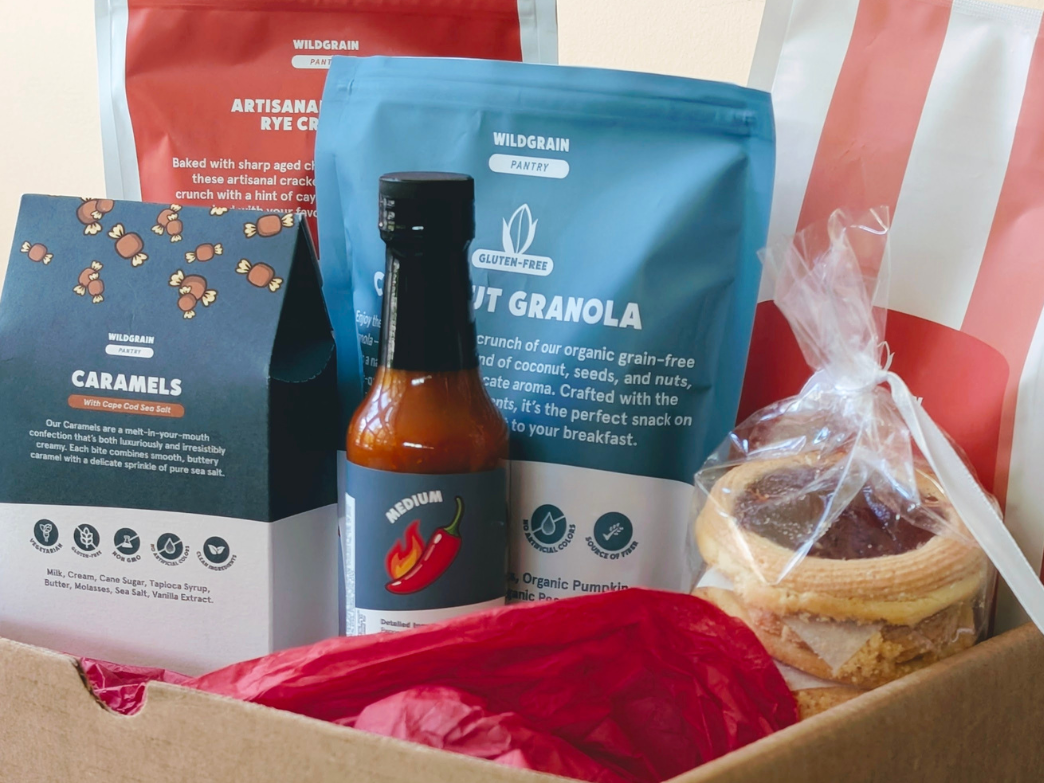
At Wildgrain, we specialize in making high-quality, fresh breads and pastas that are delivered directly to your door. Wildgrain is the first bake-from-frozen delivery subscription service for breads, pastries, fresh pastas, and more. Some of our popular dairy-free items include Wildgrain’s Plain Sourdough Loaf, Wildgrain’s Vegan Giant Chocolate Chip Cookie, and Wildgrain’s Vegan Croissants. All of the Wildgrain dairy-free foods can be found here. Learn more about Wildgrain and our artisanal baking and cooking methods.
Best Home Delivery Service for Food: How Wildgrain's Food Delivery Works
Wildgrain's products are prepared in independent, artisanal bakeries with high quality ingredients. They are shipped frozen in insulated boxes and delivered direct to your home, anywhere nationwide. By shipping frozen, Wildgrain products maintain the highest quality, so you can enjoy fresh food at home. That's why customers consider Wildgrain among the best home food delivery services.
About the Author
Lucy Yanckello received her Ph.D. in nutrition from the University of Kentucky College of Medicine. She currently works as a medical writer and enjoys being able to help people better understand nutrition and science.
This content is for informational use only and does not replace professional nutrition and/or medical advice, diagnosis or treatment. It is not a substitute for and should not be relied upon for specific nutrition and/or medical recommendations. Please talk with your doctor about any questions or concerns.