

Wildgrain Blog
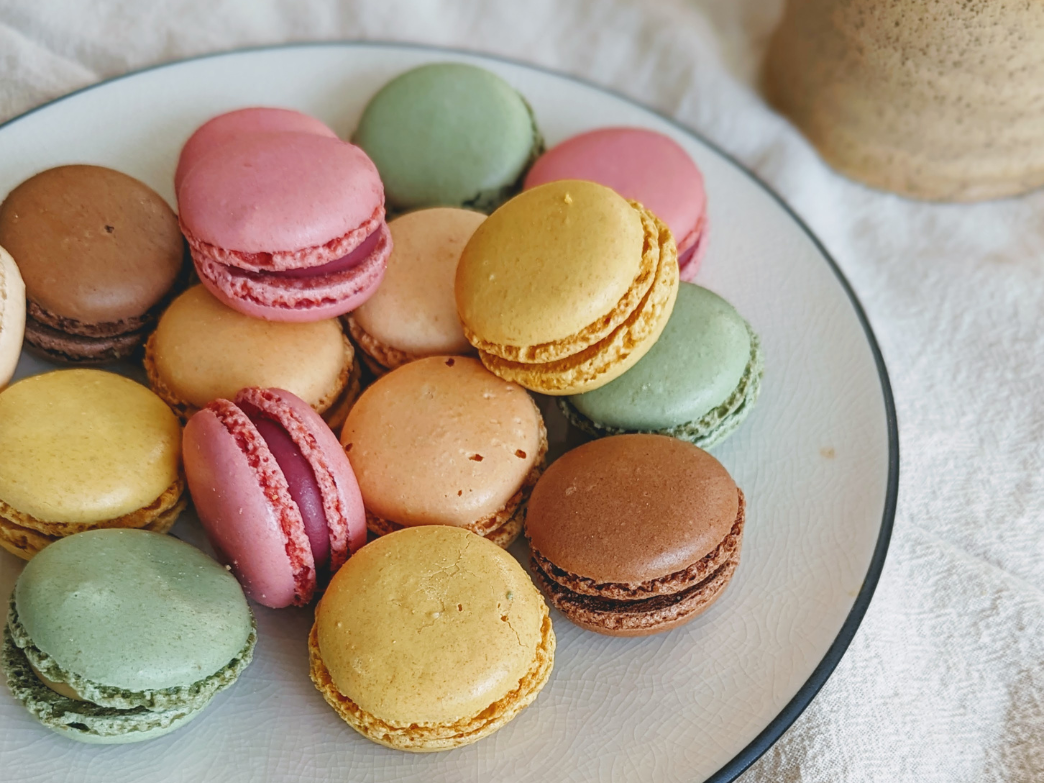
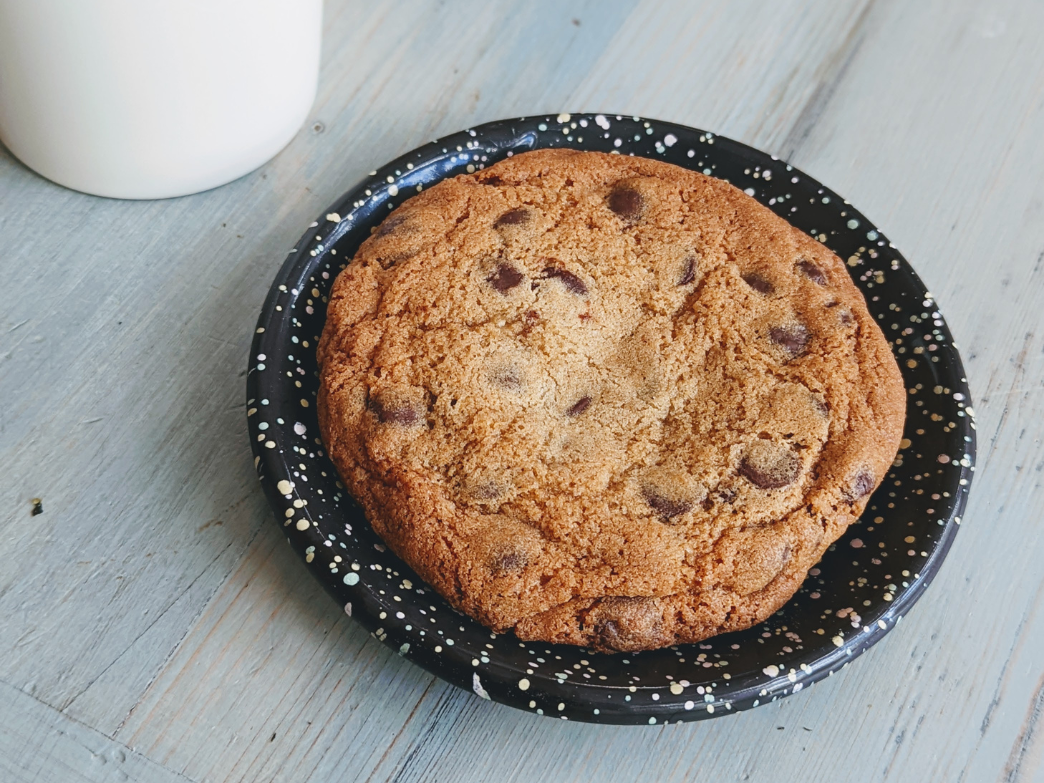
Chocolate Chip Cookies: Healthy or Unhealthy?
By Dr. Jorge, Ph.D. Wildgrain, opens in a new tab is the first bake-from-frozen subscription box for sourdough breads, fresh pastas, and artisanal pastries. Many of us find great joy in indulging in chocolate chip cookies, whether homemade or store-bought. This classic cookie is often reminiscent of childhood memories or a family member’s beloved recipe. While this is a favorite cookie for many, how healthy can a chocolate chip cookie be? This article will discuss the nutritional value of chocolate chip cookies and how you can incorporate them into your lifestyle. Are chocolate cookies unhealthy? Are chocolate chip cookies unhealthy? Traditional chocolate cookies and chocolate chip cookies are not considered to be healthy on their own due to the large amount of sugar and butter used to make them. However, you can still enjoy these cookies in moderation and as part of a healthy diet. Additionally, chocolate cookies and chocolate chip cookies that are made with whole wheat flour or oats are more nutritious. When you’re craving something sweet, you can also opt for an oatmeal raisin cookie, which contains whole grain oats that will help you stay full for longer. Do chocolate cookies make you gain weight? Do chocolate chip cookies make you gain weight? Chocolate cookies and chocolate chip cookies will not make you gain weight if eaten in moderation as part of an overall healthy and balanced diet. Gaining weight occurs when you consume more calories than you burn; therefore, if you start regularly consuming excess calories, it is reasonable that you could gain weight. Is it okay to have a chocolate chip cookie for breakfast? Yes, it is okay to have a chocolate chip cookie with your breakfast occasionally. However, it is important to keep in mind that a traditional chocolate chip cookie is not very nutritious and is not a complete meal. If you want to make sure your breakfast is filling and balanced, try pairing a chocolate chip cookie with breakfast foods high in protein, such as eggs or a bowl of oatmeal. What’s a clean chocolate chip cookie? Are there healthy chocolate chip cookies with few ingredients? While there is no FDA definition for “clean”, a “clean” chocolate chip cookie could be one made with whole grains and healthy fats, with limited processing, added sugar, and salt. There are also recipes available for healthier chocolate chip cookies that are made with a limited number of ingredients. Traditional chocolate chip cookies are made with flour, butter, sugar, eggs, and chocolate. But alternative chocolate chip cookies can also be made with as little as three ingredients – peanut butter, brown sugar, and chocolate chips. While this is an example of a very minimal chocolate chip cookie recipe, many varieties of healthier chocolate chip cookies exist, with many recipes calling for whole wheat flour, oat flour, and coconut sugar as substitutes to make for a healthier chocolate chip cookie. What makes a healthy chocolate chip cookie for toddlers? A healthier version of a chocolate chip cookie for toddlers is the same as those for adults. To make a healthier version of a chocolate chip cookie, you can make substitutions for the chocolate, sweeteners, and flour ingredients used in traditional recipes. For example, you may use dark chocolate chips instead of milk chocolate chips, coconut sugar in place of white sugar, and whole wheat flour instead of white flour. Additionally, for a healthier cookie that will both taste delicious and be more nutritious for your toddler, you can add in oats and dried fruit. Are chocolate chip cookies with milk healthier? Why do chocolate chip cookies taste good with milk? While it can’t be denied that a cold glass of milk to wash down a warm chocolate chip cookie is delicious, it doesn’t make the chocolate chip cookie any healthier. This is because milk is high in sugar. Pairing this sugary drink with an already high-sugar chocolate chip cookie will likely make you even more thirsty. If that’s the case, why does milk taste so good with cookies? The reason is that both milk and the chocolate in cookies contain emulsifiers, or substances that help different ingredients mix that typically wouldn’t, such as oil and water. When the milk coats your tongue, it enhances the flavor of the chocolate chip cookie and also acts as a palate cleanser, making the milk and cookie combination smooth and delectable. Are homemade chocolate chip cookies healthier? Homemade chocolate chip cookies are generally healthier than store-bought cookies because they don’t contain added chemicals and preservatives. If you are making your own cookies at home, you also have control over the quality of the ingredients you’re using. Additionally, you can increase the nutritional value of homemade cookies by substituting ingredients, such as refined sugar and white flour, for healthier alternatives. You can also add nuts, oats, or dried fruit to your chocolate chip cookie for a protein and antioxidant boost. Where can I buy the best chocolate chip cookies to bake at home? At Wildgrain, we specialize in making high-quality, fresh baked goods that are delivered directly to your door. Wildgrain is the first bake-from-frozen delivery subscription service for breads, baked goods, and fresh pastas. Some of our best cookies include chocolate chunk cookies and oatmeal raisin cookies, which can be freshly baked at home. Learn more about Wildgrain and our artisanal baking and cooking methods. Best Pastry Home Delivery Service: How Wildgrain's Pastry Delivery Works Wildgrain's pastries are prepared in independent, artisanal bakeries with high quality ingredients. The pastries are shipped frozen in insulated boxes and delivered direct to your home, anywhere nationwide. By shipping frozen, Wildgrain products maintain the highest quality, so you can enjoy fresh pastries at home. That's why customers consider Wildgrain among the best home delivery services for pastries. About the Author Dr. Jorge has been a public health researcher for many years, holding both a Bachelor's degree and a Ph.D. in Chemistry. They presently work as a medical writer and love being able to assist others in understanding various health and scientific topics. This content is for informational use only and does not replace professional nutrition and/or medical advice, diagnosis or treatment. It is not a substitute for and should not be relied upon for specific nutrition and/or medical recommendations. Please talk with your doctor about any questions or concerns.
Learn more Chocolate Chip Cookies: Healthy or Unhealthy?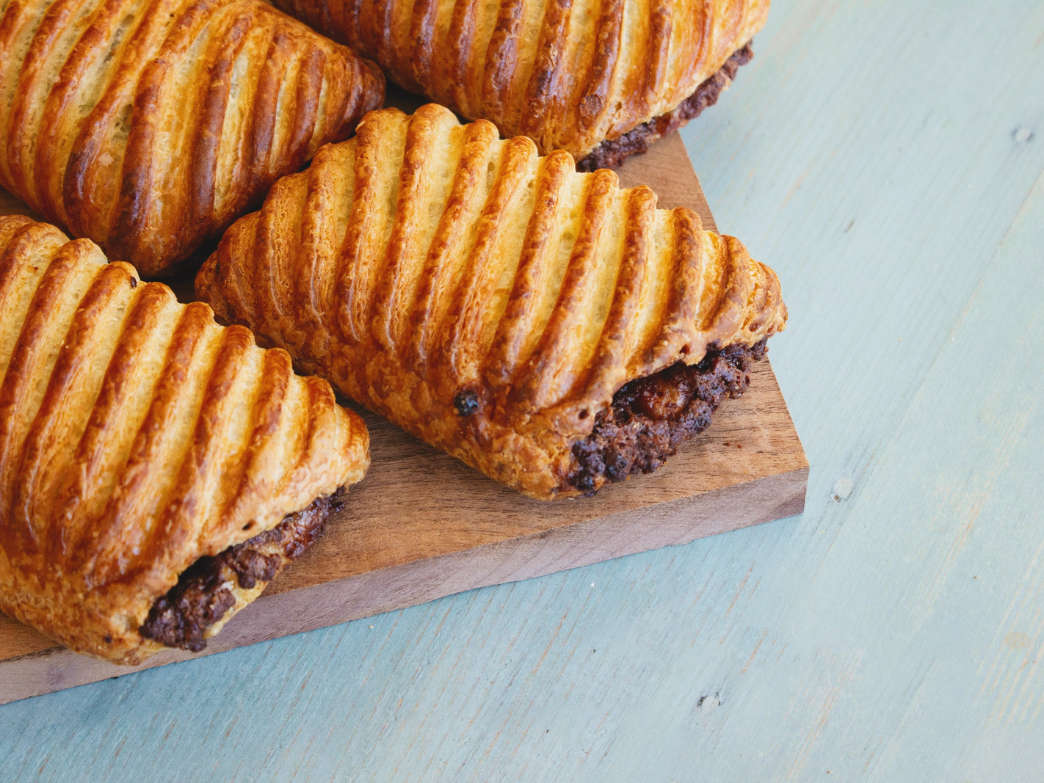
Chocolate Croissant & Pain au Chocolat: Healthy or Unhealthy?
By Dr. Jorge, Ph.D. Wildgrain, opens in a new tab is the first bake-from-frozen subscription box for sourdough breads, fresh pastas, and artisanal pastries. The flaky melt-in-your-mouth texture of a butter croissant is one that many know and love, but what about when you add in chocolate? Nobody can deny how much more delicious a croissant is with the addition of smooth and delectable chocolate. While chocolate croissants are a pastry that is a beloved treat for many, are they considered healthy? In this article, we’ll discuss the nutritional value of chocolate croissants and how you can enjoy them. What is a chocolate croissant? What is a pain au chocolat? A chocolate croissant uses the same dough as a classic croissant, except it is filled with chocolate and has a rectangular shape instead of a crescent shape. Pain au chocolat is the French name for chocolate croissants, literally meaning “bread with chocolate.” Chocolate croissant (pain au chocolat) is also similar to chocolatine, another chocolate French pastry that is made from a different dough. Do you eat pain au chocolat hot or cold? Do you eat chocolate croissants warm? You can enjoy chocolate croissants (or pain au chocolat) any way you’d like, but many suggest eating them warmed to slightly melt the chocolate on the inside, as the chocolate will harden when cooled. However, it is recommended to heat the chocolate croissant in the oven instead of the microwave. This is because the pastry can lose its crispiness if heated in the microwave. With Wildgrain Chocolate Avalanche Croissants, you can bake them in the oven from frozen and enjoy fresh, warm chocolate croissants! What do you eat with pain au chocolat? What do you eat with chocolate croissants? Chocolate croissants are delicious on their own, but you can also pair pain au chocolat with whatever you’d like. In France, it is common to enjoy chocolate croissants for breakfast with a cup of coffee or orange juice. What are the nutrition facts for chocolate croissants? What are the nutrition facts for pain au chocolat? Chocolate croissants are made using chocolate, flour, butter, water, eggs, yeast, sugar, milk, and salt. The exact nutritional profile of a chocolate croissant (pain au chocolat) will differ slightly depending on the bakery. For reference, our Chocolate Avalanche Croissant at Wildgrain (which has a lot of chocolate!) contains 460 calories, 25 grams of fat, 52 grams of carbohydrates, 25 grams of sugar, and 8 grams of protein per croissant. Is chocolate croissant healthy? Is pain au chocolat healthy? Chocolate croissants are not considered healthy on their own, since they are not deemed to be very nutritious. The large amount of butter used to make croissants mean they are high in calories and fat. The chocolate filling in pain au chocolat makes them high in sugar, as well. Despite their low nutritional value, you can still indulge in pain au chocolat in moderation as part of a healthy diet. To compare the nutritional benefits of regular croissants vs. chocolate croissants, please also check out our article on the health qualities of regular croissants. Can you eat chocolate croissants for breakfast? Can you eat pain au chocolat for breakfast? Yes, you can absolutely eat chocolate croissants (or pain au chocolat) for breakfast! In fact, this is the most common way that chocolate croissants are enjoyed in France. Where can I buy the best chocolate croissants and pain au chocolat online? At Wildgrain, we specialize in making high-quality, fresh breads that are delivered directly to your door. Wildgrain is the first bake-from-frozen delivery subscription service for breads, rolls, pastries, and fresh pastas. Some of our popular pastries include Chocolate Avalanche Croissants and traditional croissants. Learn more about Wildgrain and our artisanal baking and cooking methods. Best Pastry Home Delivery Service: How Wildgrain's Pastry Delivery Works Wildgrain's pastries are prepared in independent, artisanal bakeries with high quality ingredients. The pastries are shipped frozen in insulated boxes and delivered direct to your home, anywhere nationwide. By shipping frozen, Wildgrain products maintain the highest quality, so you can enjoy fresh pastries at home. That's why customers consider Wildgrain among the best home delivery services for pastries. About the Author Dr. Jorge has been a public health researcher for many years, holding both a Bachelor's degree and a Ph.D. in Chemistry. They presently work as a medical writer and love being able to assist others in understanding various health and scientific topics. This content is for informational use only and does not replace professional nutrition and/or medical advice, diagnosis or treatment. It is not a substitute for and should not be relied upon for specific nutrition and/or medical recommendations. Please talk with your doctor about any questions or concerns.
Learn more Chocolate Croissant & Pain au Chocolat: Healthy or Unhealthy?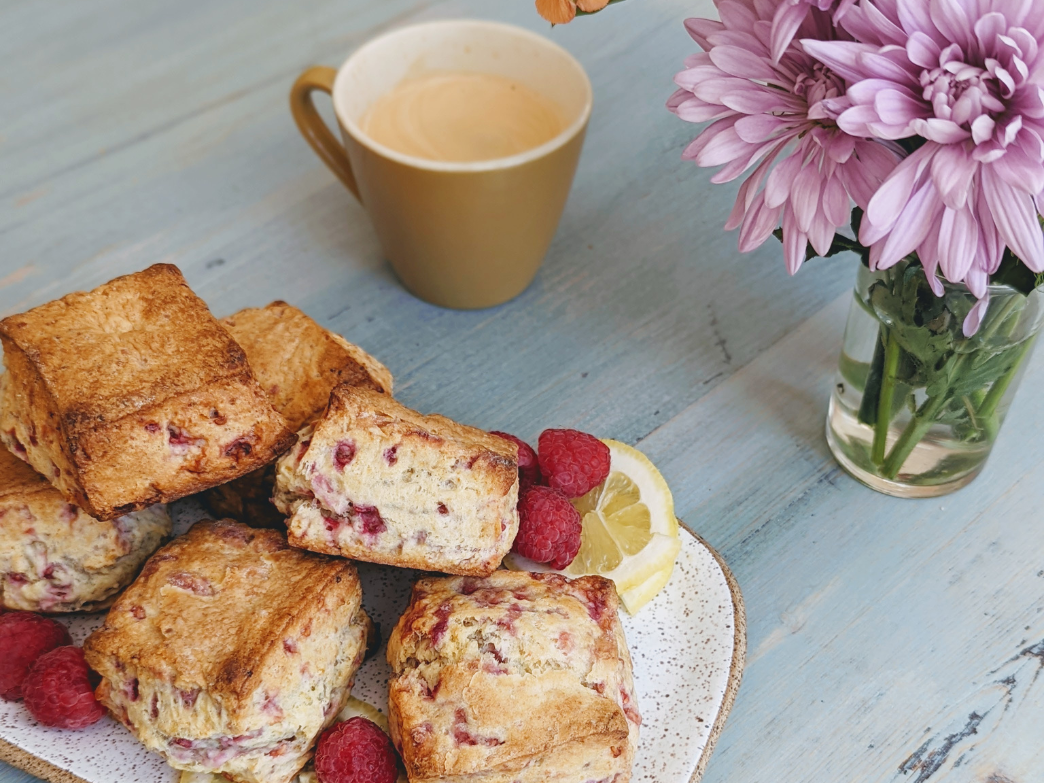
Are Biscuits Healthy or Unhealthy?
By Dr. Jorge, Ph.D. Wildgrain, opens in a new tab is the first bake-from-frozen subscription box for sourdough breads, fresh pastas, and artisanal pastries. While the word ‘biscuit’ means different things to different cultures, American biscuits are popular sides and breakfast staples, especially in the southern United States. Their buttery and flaky texture, especially when fresh out of the oven, make them droolworthy. But while many of us can agree biscuits are delicious, are they healthy? In this article, we’ll dive into the nutritional composition of biscuits and whether they can fit in with your lifestyle and health goals. Can biscuits be healthy to eat? Biscuits are not necessarily healthy as they contain a lot of saturated fat due to a large amount of butter used in making biscuits. The amount of saturated fat in a typically-sized biscuit usually composes 30-50% of the recommended daily value of saturated fat. However, biscuits can still be incorporated into your diet when enjoyed in moderation. To avoid adding extra fat to your biscuit snack, be mindful of spreads that can increase the saturated fat or sugar content, such as butter or jam. Why are biscuits so high in calories? Are biscuits high in carbs? A typically-sized biscuit contains 200-300 calories, with the majority of those calories coming from carbohydrates and fats. The carbohydrates and fats found in biscuits are due to the amount of flour and butter used in biscuit recipes. Generally, a biscuit contains between 20-30 grams of carbohydrates. Carbohydrates are an essential component of a healthy and balanced diet, but it is important to consume them in moderation and in accordance with your personal health goals. The amount of carbs found in a biscuit constitutes 6-12% of the daily recommended value of carbohydrates, making biscuits not necessarily high or low in carb content. For a 2,000 calorie diet, the Food and Drug Administration recommends eating about 275 grams of carbs in total per day. Are biscuits full of sugar? Biscuits are not typically high in sugar, but sugar levels in biscuits depend on the biscuit type. For example, these savory parmesan herb biscuits contain only 2 grams of sugar per serving. You can expect fruity biscuits, on the other hand, to have slightly more sugar. For example, these blueberry biscuits contain 7 grams of sugar while these orange cranberry biscuits contain 4 grams of sugar. While these options are still relatively low in sugar, you can opt for a savory or plain biscuit if you’re looking to cut back your sugar intake. Are biscuits healthy for weight loss or while on a diet? Which biscuit is good for weight loss? While biscuits are not exactly healthy for weight loss or diets, biscuits can still be enjoyed while maintaining health and weight loss goals. When considering weight loss goals, it is important to keep track of the calories and macronutrients (carbohydrates, fat, protein) you’re consuming. For this reason, the best biscuit for weight loss is a whole wheat biscuit, since they have enhanced nutritional value. Whole wheat biscuits are typically lower in saturated fats and higher in protein and fiber. Are biscuits healthier than bread? Bread is generally healthier than biscuits. A slice of plain sourdough bread has about half the calories of one biscuit. Sourdough bread also contains little to no sugar and fat. Whole grain and whole wheat bread varieties also have increased nutritional value compared to white bread and biscuits. Bread made with whole grains tends to contain higher fiber and protein. Additionally, choosing whole grain alternatives has substantially reduced total cholesterol, triglycerides, and insulin levels. Are biscuits junk food or a healthy snack? Biscuits don’t fit neatly into either the junk food or healthy snack categories. Junk food is largely described as foods that contribute a lot of calories with little nutritional value. While it is true that plain biscuits are high in calories and in fat, they can be added to other more nutritionally rich foods to form a healthier snack. You can add fruits or vegetables, eggs, or other proteins to a biscuit to achieve a more balanced snack. Fresh fruit, vegetables, and unsalted nuts are some of the first foods that come to mind when thinking about healthy snack foods. Therefore, while biscuits are not a healthy snack alone, they can be eaten together with other snack options to form a healthier snack. Where can I buy the best biscuits online? At Wildgrain, we specialize in making high-quality, fresh baked goods that are delivered directly to your door. Wildgrain is the first bake-from-frozen delivery subscription service for breads, rolls, pastries, and fresh pastas. Some of our popular items include blueberry biscuits, orange cranberry biscuits, and parmesan herb biscuits. Learn more about Wildgrain and our artisanal baking and cooking methods. Best Pastry Home Delivery Service: How Wildgrain's Pastry Delivery Works Wildgrain's pastries are prepared in independent, artisanal bakeries with high quality ingredients. The pastries are shipped frozen in insulated boxes and delivered direct to your home, anywhere nationwide. By shipping frozen, Wildgrain products maintain the highest quality, so you can enjoy fresh pastries at home. That's why customers consider Wildgrain among the best home delivery services for pastries. About the Author Dr. Jorge has been a public health researcher for many years, holding both a Bachelor's degree and a Ph.D. in Chemistry. They presently work as a medical writer and love being able to assist others in understanding various health and scientific topics. This content is for informational use only and does not replace professional nutrition and/or medical advice, diagnosis or treatment. It is not a substitute for and should not be relied upon for specific nutrition and/or medical recommendations. Please talk with your doctor about any questions or concerns.
Learn more Are Biscuits Healthy or Unhealthy?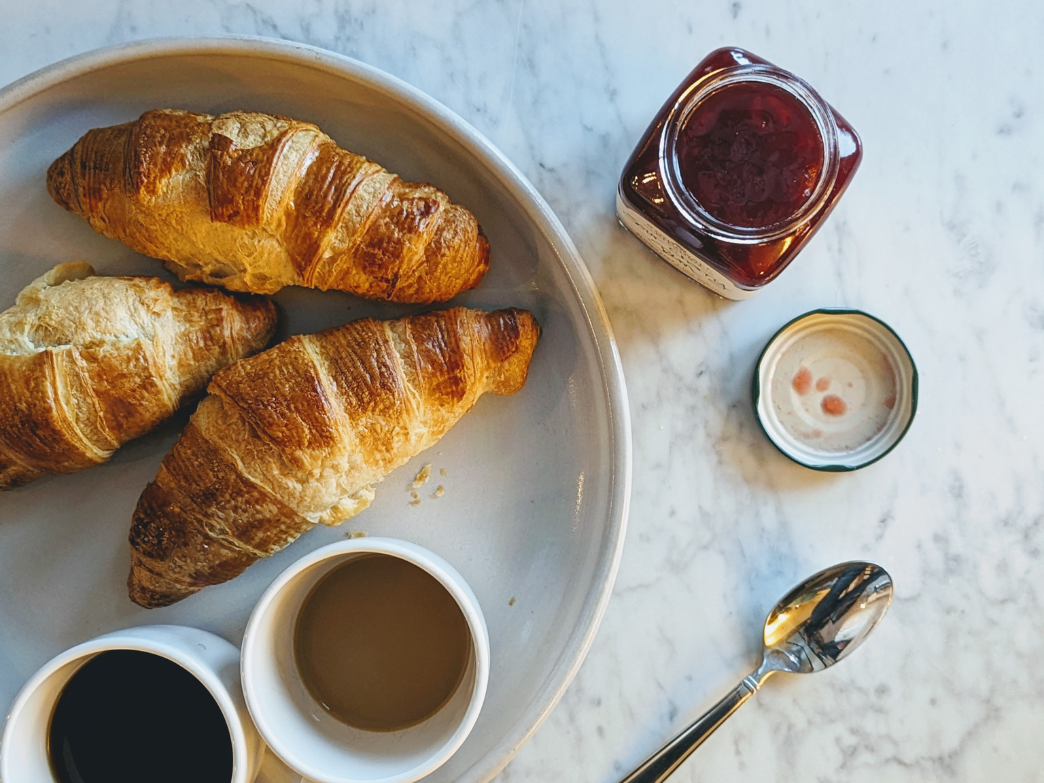
Are Croissants Healthy or Unhealthy?
By Dr. Jorge, Ph.D. Wildgrain, opens in a new tab is the first bake-from-frozen subscription box for sourdough breads, fresh pastas, and artisanal pastries. Most of us can agree that the buttery taste of a croissant that flakes off in your mouth is heavenly. You might also be wondering if that delicious croissant is healthy for you and if it can fit into your lifestyle. This article will look at the nutritional value of croissants and whether they are considered healthy. What’s in a croissant? Is a croissant unhealthy? croissantsGo to Croissants are flaky pastries that are typically made with butter, flour, sugar, eggs, salt, water, yeast, and milk. There are also varieties that contain sweet or savory fillings, such as chocolateGo to Chocolate avalanche croissant or cheese. The nutritional value of a croissant varies based on the type, but these buttery pastries are typically high in calories, fat, and carbohydrates. While this does not make croissants healthy, croissants can still be a part of a balanced meal by combining them with fruit, vegetables, nut butter, or eggs. Are croissants high in fat? The large amount of butter used in croissantsGo to Croissants does make croissants high in saturated fat, with typically-sized butter croissants containing 8 to 12 grams of saturated fat. The high fat content in croissants is due to lamination. Lamination requires a certain amount of fat in order to succeed and is what creates those thin and flaky layers that make up a croissant. Are croissants healthy for weight loss? Can you eat croissants while on a diet? When focused on weight loss goals, it is important to keep in mind calories consumed versus calories burned. CroissantsGo to Croissants can contain between 200 to 500 calories per croissant. This means that when eaten in moderation, yes you can eat croissants even if you are on a diet and are focused on weight loss. By reviewing nutritional information (calories, fat, carbs) and choosing a type of croissant that matches your preferences, you can incorporate croissants into your diet plan so that it fits your lifestyle and goals. Are croissants bad for cholesterol? If you’re watching your cholesterol levels, you generally want to stay away from foods high in saturated fats. Consuming too much saturated fat can raise low-density lipoprotein (LDL) cholesterol levels in the blood. CroissantsGo to Croissants can raise these LDL cholesterol levels due to their high amount of butter, and therefore, saturated fat found in croissants. Are croissants healthier than bread? Are croissants more fattening than bread? BreadGo to Sourdough loaf tends to be a healthier option when compared to croissantsGo to Croissants, considering the ingredients used in each. The high butter content in croissants means they have a higher fat content when compared to bread. Bread is also generally lower in calories and carbs, per serving. Additionally, bread can be richer in minerals and nutrients than croissants. However, it is important to note that specific nutritional value will vary depending on the type of bread and croissant being compared. Is it bad to eat croissants every day? It isn’t necessarily bad to eat a croissant every day. While croissants cannot offer all essential nutrients, you can up the health value by adding other nutritious foods to your croissant such as fresh fruit or veggies. If you’re concerned about weight loss or overall health goals, you can also opt for smaller croissants or cut a medium-sized croissant in half to enjoy the deliciousness of this pastry while staying on track with your health goals. Is a croissant a healthy breakfast? A croissant on its own won’t make for a healthy breakfast. This is because croissants aren’t considered a nutrient-rich food. However, if eaten in combination with other foods that have more nutritional value, croissants can be incorporated in a healthy and balanced breakfast meal. Where can I buy the best croissants online? At Wildgrain, we specialize in making high-quality, fresh breads that are delivered directly to your door. Wildgrain is the first bake-from-frozen delivery subscription service for breads, rolls, pastries, and fresh pastas. Some of our popular pastries include chocolate croissants and traditional croissants. Learn more about Wildgrain and our artisanal baking and cooking methods. Best Pastry Home Delivery Service: How Wildgrain's Pastry Delivery Works Wildgrain's pastries are prepared in independent, artisanal bakeries with high quality ingredients. The pastries are shipped frozen in insulated boxes and delivered direct to your home, anywhere nationwide. By shipping frozen, Wildgrain products maintain the highest quality, so you can enjoy fresh pastries at home. That's why customers consider Wildgrain among the best home delivery services for pastries. About the Author Dr. Jorge has been a public health researcher for many years, holding both a Bachelor's degree and a Ph.D. in Chemistry. They presently work as a medical writer and love being able to assist others in understanding various health and scientific topics. This content is for informational use only and does not replace professional nutrition and/or medical advice, diagnosis or treatment. It is not a substitute for and should not be relied upon for specific nutrition and/or medical recommendations. Please talk with your doctor about any questions or concerns.
Learn more Are Croissants Healthy or Unhealthy?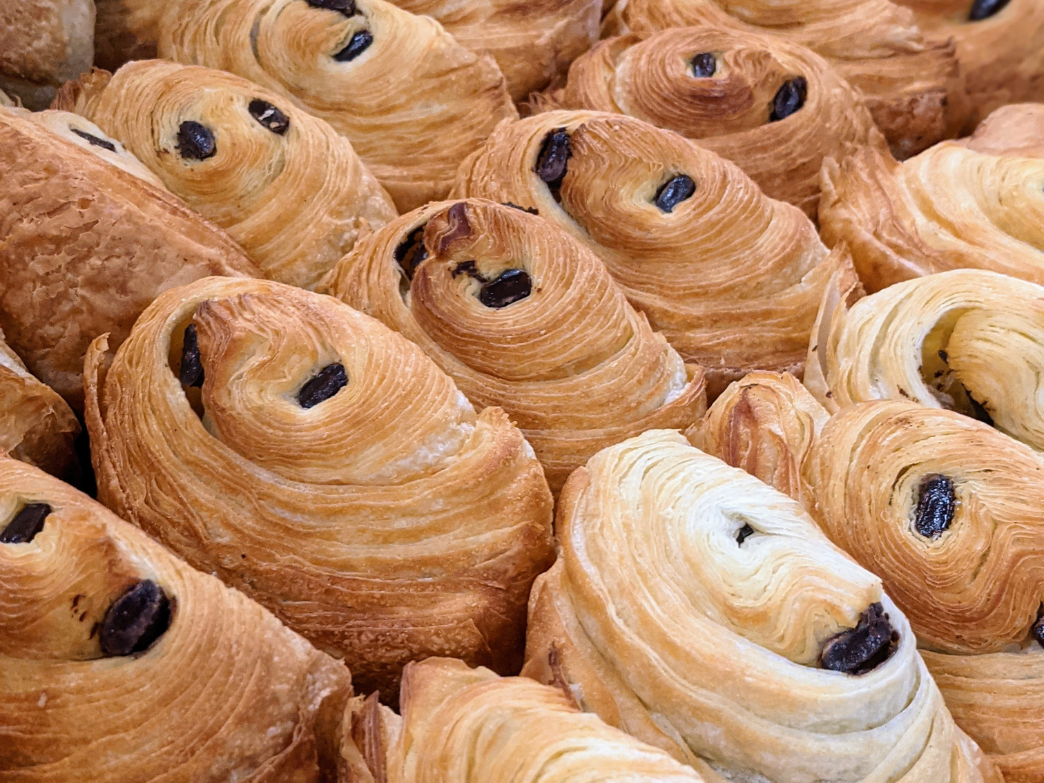
Chocolate Croissant vs. Pain au Chocolat vs. Chocolatine
By Pilar Tackie-Codjoe, MS Wildgrain, opens in a new tab is the first bake-from-frozen subscription box for sourdough breads, fresh pastas, and artisanal pastries. What is a chocolate croissant? What are chocolate croissants made of? A chocolate croissant, also known as a "pain au chocolat," is a type of pastry that is made from layers of buttery, flaky dough shaped into a rectangle and filled with chocolate. The dough used for chocolate croissants is similar to traditional croissants, with the addition of melted chocolate. How do you make chocolate croissants? Chocolate croissant dough is made from flour, sugar, salt, yeast, and butter. To make chocolate croissants, the pastry dough is rolled out and spread with butter, then folded and rolled out again. This process, known as "lamination," creates layers of butter and dough that give the chocolate croissant its flaky texture. The croissant dough is then cut into rectangular shapes filled with chocolate and baked until golden brown and flaky. What is pain au chocolat? Why do people call pain au chocolat as chocolate croissants? "Pain au chocolat" is the French name for chocolate croissants. "Pain" means "bread" in French, and "au chocolat" means "with chocolate." So, "pain au chocolat" literally means "bread with chocolate." The term "chocolate croissant" is used in English to refer to the same pastry as "pain au chocolat." Both terms refer to a rectangular, chocolate-filled pastry made from layers of buttery, flaky dough. What’s the difference between regular croissants vs. pain au chocolat? Croissants and pain au chocolat are similar multi-layer, buttery pastries. The main differences between regular croissants and pain au chocolat are the filling and the shape. Croissants are a traditional French pastry; croissant dough is made from flour, yeast, sugar, salt, and butter. The dough is rolled out and spread with butter, then folded and rolled out in a multi-step technique called "lamination." The layering of butter and dough give the traditional croissant its classic flaky texture. Pain au chocolat, on the other hand, is a type of pastry that is made from the same dough as a regular croissant, but with the addition of chocolate inside. The dough is rolled out and spread with butter, then cut into rectangular shapes and filled with chocolate before being baked. Pain au chocolat is similar in texture to a traditional croissant, but with a chocolate filling and a rectangular shape. What is a chocolatine? What’s the difference between pain au chocolat vs. chocolatine? A chocolatine is a French pastry that is similar to a pain au chocolat, but with a few differences in the way it is made. Like a pain au chocolat, a chocolatine is made from many layers of buttery, flaky dough that is filled with chocolate. The main difference between a chocolatine and a pain au chocolat is the type of dough used. A chocolatine is made with a dough that is slightly sweeter and richer than the dough used for a pain au chocolat. The dough for a chocolatine is made from flour, sugar, butter, eggs, and milk, and is often flavored with vanilla or orange zest. Another difference between the two pastries is the way the dough is shaped. While a pain au chocolat is made by rolling out the dough and spreading it with butter before cutting it and filling it with chocolate, a chocolatine is made by folding the dough over the chocolate filling and sealing it before baking. This creates a slightly different texture and shape compared to a pain au chocolat. What’s the difference between chocolate croissant vs. pain au chocolat vs. chocolatine? Chocolate croissants, pain au chocolat, and chocolatines are all chocolate filled pastries that are made with several layers of flaky, buttery dough. While they are similar in many ways, there are a few key differences between chocolatine, pain au chocolat and chocolate croissant. Chocolate croissants and pain au chocolat are the same pastry; “pain au chocolat” is the French name for chocolate croissants. They are made from the same pastry dough as traditional croissants, but with the addition of chocolate inside and baked in a rectangular shape. A chocolatine is also a French pastry that is similar to a pain au chocolat, but with a few differences in the way it is made. The dough for a chocolatine is richer and slightly sweeter than the pain au chocolat dough, and is often flavored with additional vanilla or orange zest. A chocolatine is also shaped differently than a pain au chocolat. Is the pastry in croissants the same as in pain au chocolat (chocolate croissants)? Yes, the pastry used in croissants and pain au chocolat (also known as chocolate croissants) is the same. Both pastries are made from a dough of flour, yeast, sugar, salt, and butter. Pain au chocolat (chocolate croissants) have chocolate added to the pastry, while regular croissants have no added filing. Where can I buy the best chocolate croissants online? At Wildgrain, we specialize in making high-quality, fresh baked goods that are delivered directly to your door. Wildgrain is the first bake-from-frozen delivery subscription service for breads, pastries, and fresh pastas. Some of our best baked goods include croissants and chocolate croissants. Learn more about Wildgrain and our artisanal baking and cooking methods. Best Pastry Home Delivery Service: How Wildgrain's Pastry Delivery Works Wildgrain's pastries are prepared in independent, artisanal bakeries with high quality ingredients. The pastries are shipped frozen in insulated boxes and delivered direct to your home, anywhere nationwide. By shipping frozen, Wildgrain products maintain the highest quality, so you can enjoy fresh pastries at home. That's why customers consider Wildgrain among the best home delivery services for pastries. About the Author Pilar Tackie-Codjoe is a qualified school nutrition supervisor with a Master's degree in Nutrition and over five years of experience in the field. Under her leadership, school lunch programs have seen a significant increase in the variety and quality of food options, leading to improved student health and academic performance. This content is for informational use only and does not replace professional nutrition and/or medical advice, diagnosis or treatment. It is not a substitute for and should not be relied upon for specific nutrition and/or medical recommendations. Please talk with your doctor about any questions or concerns.
Learn more Chocolate Croissant vs. Pain au Chocolat vs. Chocolatine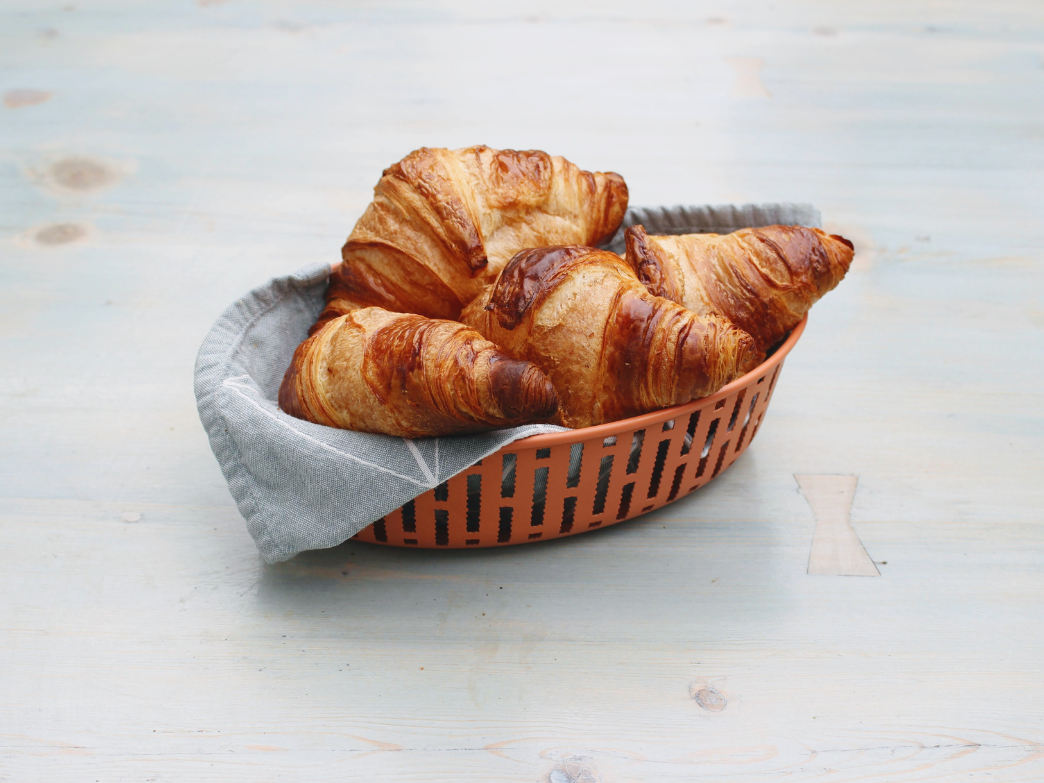
What’s the Difference: Croissant vs. Brioche vs. Crescent Rolls vs. Danish vs. English Muffin?
By Lucy Yanckello, Ph.D. Wildgrain, opens in a new tab is the first bake-from-frozen subscription box for sourdough breads, fresh pastas, and artisanal pastries. Croissants, brioche, crescent rolls, danish, and English muffins are all popular options to enjoy for breakfast. When trying to decide which to eat, it is important to understand the differences between each treat. What are croissants? Croissants are French pastries, made with yeast, flour, salt, sugar, milk, water, and a large amount of butter. Croissants get their signature airy and flaky texture through a process called lamination. During this process, butter is folded into dough many times before the croissants are shaped and baked. This results in the many layers that are signature to croissants. Is croissant dough the same as puff pastry? Are croissants made of puff pastry? Puff pastry only contains three ingredients: flour, butter, and salt. Puff pastry is similar to croissants in that it has visible airy layers. However, croissant dough is different from puff pastry because croissant dough contains yeast, but puff pastry does not contain yeast. The yeast in croissants give them a lighter and softer texture than that of puff pastry. Additionally, the milk and sugar in croissant dough that is not present in puff pastry creates a richer dough with better flavor. Puff pastry is flakier and more crumbly than croissants. What is the difference between a croissant vs. brioche? Brioche and croissants contain a lot of the same ingredients, including milk, sugar, butter, and yeast. One of the main differences between croissants and brioche is the density and texture. Brioche is more similar to a thick loaf of bread and is not as flaky or buttery as a croissant. Brioche dough does not contain as much butter as croissants, but it has more sugar and contains eggs, which contributes to the denser texture of brioche. What is the difference between a croissant vs. crescent rolls? Crescent rolls have a similar crescent-moon shape as croissants, but most aspects of these baked goods are different. Unlike croissants, crescent rolls are not laminated. This makes crescent rolls more bread-like than croissants. However, both croissants and crescent rolls contain yeast leading them to rise and have a lighter texture. Additionally, because they are not laminated, crescent rolls have a softer exterior than croissants, which are crispier. What is the difference between a croissant vs. danish? Croissants and Danish pastries are both multilayered and laminated. Like brioche, Danish pastries contain eggs, which is one of the main differences between these pastries and croissants. Danish pastries contain eggs because the dough needs to be sturdier in order to add fillings. During the lamination process, Danish pastries are not folded as many times as croissants. What is the difference between a croissant vs. English muffin? English muffins contain milk, butter, flour, sugar, eggs, and yeast. However, unlike croissants, English muffins are not laminated. English muffin dough is soft and cooked on a griddle similar to how you would cook a pancake; however, the yeast causes the English muffin to rise. English muffins are typically made with bread flour, which is high in protein and creates the chewy texture that they are known for. They have an open structure but are not flaky or buttery like croissants are. If you are looking for a healthier breakfast option compared to croissants, brioche, crescent rolls, and Danish pastries, English muffins are a great choice. Unlike laminated pastries, English muffins do not contain as much fat because the butter content is lower. For example, a croissant contains the daily need of saturated fat with 11.6 grams compared to 0.259 grams in English muffins). Where can I buy fresh croissants online? At Wildgrain, we specialize in making high-quality, fresh baked goods that are delivered directly to your door. Wildgrain is the first bake-from-frozen delivery subscription service for breads, pastries, and fresh pastas. Some of our popular baked goods include croissants, chocolate croissants, English muffins, and bagelsSlow fermented plain bagels. Learn more about Wildgrain and our artisanal baking and cooking methods. Best Home Delivery Service for Food: How Wildgrain's Food Delivery Works Wildgrain's products are prepared in independent, artisanal bakeries with high quality ingredients. They are shipped frozen in insulated boxes and delivered direct to your home, anywhere nationwide. By shipping frozen, Wildgrain products maintain the highest quality, so you can enjoy fresh food at home. That's why customers consider Wildgrain among the best home food delivery services. About the Author Lucy Yanckello received her Ph.D. in nutrition from the University of Kentucky College of Medicine. She currently works as a medical writer and enjoys being able to help people better understand nutrition and science. This content is for informational use only and does not replace professional nutrition and/or medical advice, diagnosis or treatment. It is not a substitute for and should not be relied upon for specific nutrition and/or medical recommendations. Please talk with your doctor about any questions or concerns.
Learn more What’s the Difference: Croissant vs. Brioche vs. Crescent Rolls vs. Danish vs. English Muffin?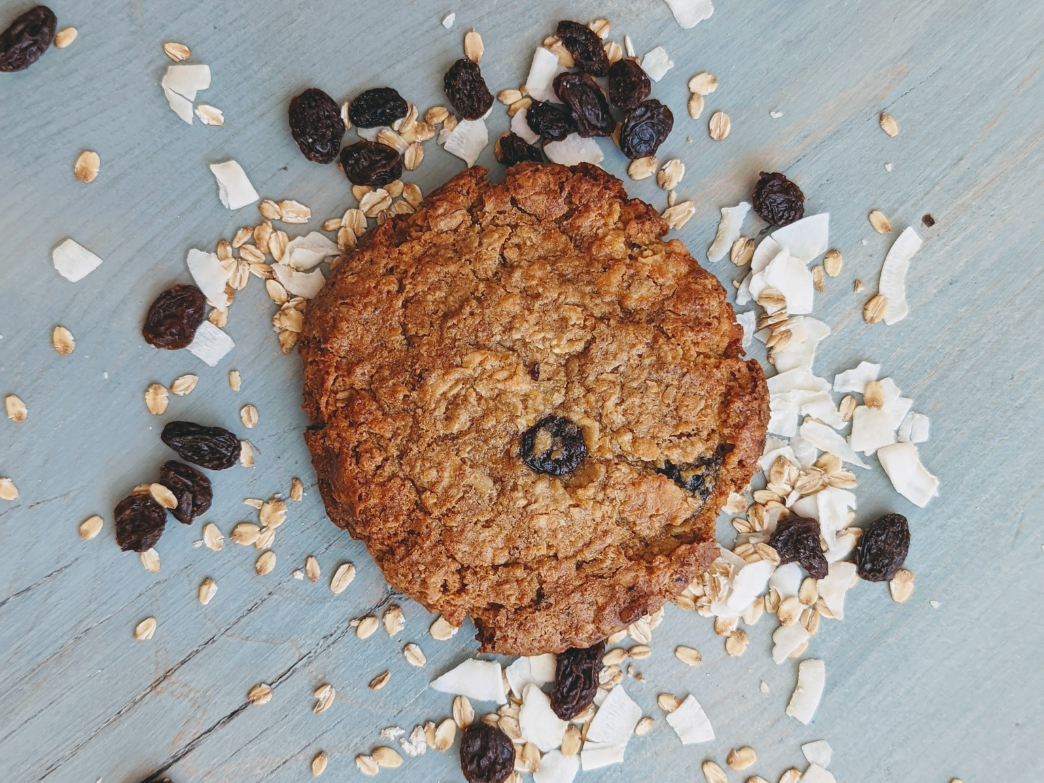
What’s Better for You: Oatmeal Raisin Cookies or Chocolate Chip Cookies?
By Lucy Yanckello, Ph.D. Wildgrain, opens in a new tab is the first bake-from-frozen subscription box for sourdough breads, fresh pastas, and artisanal pastries. Most everyone loves the sometimes crunchy, often chewy treat known as the cookie. Everyone has a favorite, be it the classic chocolate chip or the less loved (but still delicious) oatmeal raisin. Just like other sweet treats, cookies are best enjoyed in moderation as part of a healthy diet. What’s in an oatmeal raisin cookie? What are the advantages and disadvantages of oatmeal raisin cookies? Like most cookies, oatmeal raisin cookies are made with flour, butter, baking soda, and eggs. However, oatmeal raisin cookies also contain oats and raisins, as the name implies. The oats in oatmeal raisin cookies are whole grains that provide complex carbohydrates and dietary fiber. Both of these categories of carbohydrates provide long-lasting energy and keep you full for long periods of time. Additionally, raisins are a good source of fiber and phytochemicals. Phytochemicals play a role in strengthening our immune systems. However, these ingredients are not present in high enough amounts in an oatmeal raisin cookie to make much of a difference. That said, oatmeal raisin cookies are a healthier choice than other types but sugar and butter are ingredients in general that should be eaten in moderation. Is an oatmeal raisin cookie healthier than a chocolate chip cookie? Oatmeal raisin cookies are a healthier choice in comparison to chocolate chip cookies. Chocolate chip cookies have less protein and fiber, and more fat, than oatmeal raisin cookies. Although both types of cookies should be enjoyed in moderation, oatmeal raisin cookies do provide more health benefits than chocolate chip cookies. Are oatmeal raisin cookies a healthy snack? Oatmeal raisin cookies are a healthier snack choice than other cookies because they contain whole grain oats and raisins. Both whole grain oats and raisins are a good source of fiber. The presence of whole grain oats will also help you stay fuller longer. That said, oatmeal raisin cookies are still cookies with higher butter and sugar content than other snacks, so they should only be considered a healthy snack in moderation. Are oatmeal raisin cookies good for weight loss? The oats in oatmeal raisin cookies are whole grains that provide complex carbohydrates and dietary fiber. Both of these categories of carbohydrates provide long-lasting energy keeping you full for long periods of time. Feeling fuller for longer is an important part of losing weight. Additionally, fiber may help reduce blood cholesterol levels and lower risk of heart disease, and fiber is also important for proper bowel function. That said, oatmeal raisin cookies are still cookies with butter and sugar, which contribute to weight gain, so they should be eaten in moderation. Do oatmeal raisin cookies raise blood sugar? Oatmeal raisin cookies are still sweets, so they will still have an effect on blood sugar. However, due to the added fiber, oatmeal raisin cookies have a lower glycemic index than other cookies. For those with diabetes, whole grains are more optimal for controlling blood sugars. High-glycemic index (GI) foods lead to rapid blood sugar spikes, whereas low-GI foods, such as oatmeal raisin cookies, absorb more slowly and prevent blood sugar spikes. Are oatmeal raisin cookies good for diabetics? Oatmeal raisin cookies contain whole grain oats with complex carbohydrates and dietary fiber. These carbohydrates provide long-lasting energy keeping you full for long periods of time. This slow-burning type of energy in oatmeal raisin cookies prevents spikes in blood sugar which is important for diabetics. Where can I buy oatmeal raisin cookies and chocolate chip cookies online? At Wildgrain, we specialize in making high-quality, fresh baked goods that are delivered directly to your door. Wildgrain is the first bake-from-frozen delivery subscription service for breads, baked goods, and fresh pastas. Some of our popular cookies include oatmeal raisin cookies and chocolate chunk cookies. Learn more about Wildgrain and our artisanal baking and cooking methods. Best Pastry Home Delivery Service: How Wildgrain's Pastry Delivery Works Wildgrain's pastries are prepared in independent, artisanal bakeries with high quality ingredients. The pastries are shipped frozen in insulated boxes and delivered direct to your home, anywhere nationwide. By shipping frozen, Wildgrain products maintain the highest quality, so you can enjoy fresh pastries at home. That's why customers consider Wildgrain among the best home delivery services for pastries. About the Author Lucy Yanckello received her Ph.D. in nutrition from the University of Kentucky College of Medicine. She currently works as a medical writer and enjoys being able to help people better understand nutrition and science. This content is for informational use only and does not replace professional nutrition and/or medical advice, diagnosis or treatment. It is not a substitute for and should not be relied upon for specific nutrition and/or medical recommendations. Please talk with your doctor about any questions or concerns.
Learn more What’s Better for You: Oatmeal Raisin Cookies or Chocolate Chip Cookies?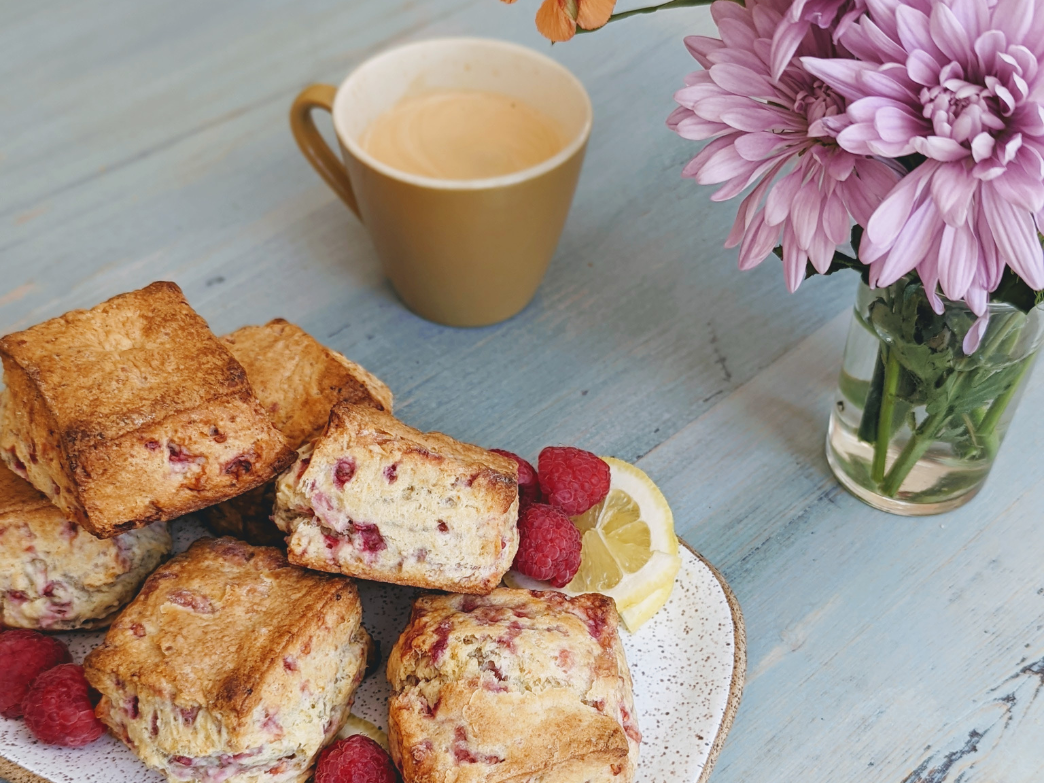
What’s Better: Biscuit vs. Scone vs. English Muffins vs. Cookies
By Lucy Yanckello, Ph.D. Wildgrain, opens in a new tab is the first bake-from-frozen subscription box for sourdough breads, fresh pastas, and artisanal pastries. When the word biscuit is brought up, most people think about Southern food and cooking. Light and fluffy biscuits, smothered in butter, usually come as a side dish and are served with a variety of things from sausage gravy to homemade jam. However, biscuits like we eat today in the U.S. evolved from a hard, thin, and durable version without fat or leavening agent and were meant to be used as rations. Read on to learn more about biscuits! What is a biscuit? What are biscuits made of? A biscuit in the United States is a small type of bread made of flour, salt, and butter or a type of solid shortening. Baking powder is used as the leavening agent eliminating the need to wait for biscuits to rise (such as with bread when yeast is used). The biscuit dough is briefly kneaded and rolled out, and a round or square cutter is often used. Can biscuits be healthy? Though biscuitsGo to Orange cranberry biscuits 6 pack are not particularly healthy, biscuits can fit into a healthy diet in moderation. One of the main health issues with biscuits is the high level of butter and therefore saturated fat. Saturated fats should be limited to 5% to 6% of daily caloric intake, according to the American Heart Association. To make a healthier biscuit, try substituting butter with plant-based butter to decrease the amount of saturated fats in the recipe. Plant-based butters also contain higher levels of monounsaturated and polyunsaturated fats, which can lower risk of heart disease and stroke when eaten in moderation. Is biscuit the same as scone? Is a scone a biscuit or muffin? A biscuitGo to Raspberry lemon biscuits 6 pack 1 is not exactly the same as a scone, although both biscuits and scones use baking powder as a leavening agent instead of yeast. However, scones are made with cream and eggs, whereas biscuits do not contain eggs. Scones are often sweetened slightly, and glazed with an egg wash or frosting, and biscuits are traditionally not sweet (although they can be). A biscuit is also not the same as a muffin. Muffins are more similar to cake than scones or biscuits. Each of the three should be considered their own unique category of treat. Is a British biscuit a cookie or a cracker? A British biscuit is what Americans know as a cookie or a cracker. In the United Kingdom, the word biscuit refers to any hard, thin, bread-like product. A distinguishing factor between an American cookie and a British biscuit is that a British biscuit must always have a “snap” because it is crispy. In the UK, if a biscuit does not snap, or is soft, it is considered to have gone bad. What’s the difference between biscuit vs. cookie vs. English muffins vs. scone? Cookies are heavier in texture than biscuits, and cookies are often loaded with additional ingredients such as nuts, chocolate, oats, or raisins. Additionally, cookies have a much higher sugar content than biscuits, making cookies crispier and chewier than biscuits. English muffins are typically made with bread flour, referred to as “strong flour” in the UK. Bread flour has a high protein and gluten content, allowing for a soft, chewy texture that is essential for English muffins. The open structure present in English muffins distinguishes them from biscuits. Though both scones and biscuits use baking powder as a leavening agent, a scone is not the same as a biscuit. Biscuits do not contain any eggs, while scones are made with eggs and cream. Though biscuits are not typically sweet, scones are sweetened and often glazed with frosting or an egg wash. Which is healthier: biscuit or scone? Biscuits are often slightly healthier than scones because they use less butter and sugar than scones. Both biscuits and scones contain flour, fat, dairy, and baking powder. Both of these treats fit into a healthy diet in moderation. Which is healthier: biscuit or English muffins? Compared to biscuits, English muffins have more health benefits.The higher protein content of bread flour that is used in English muffins is an easy way to sneak extra protein into your diet. Compared to all purpose flour, bread flour has around three more grams of protein per cup. Where can I buy biscuits, scones, English muffins, or cookies? At Wildgrain, we specialize in making high-quality, fresh baked goods that are delivered directly to your door. Wildgrain is the first bake-from-frozen delivery subscription service for breads, pastries, and fresh pastas. Some of our popular baked goods include English muffins, sweet biscuits (raspberry lemon, orange cranberry, and blueberry), savory biscuits, and chocolate chunk cookies. Learn more about Wildgrain and our artisanal baking and cooking methods. Best Home Delivery Service for Food: How Wildgrain's Food Delivery Works Wildgrain's products are prepared in independent, artisanal bakeries with high quality ingredients. They are shipped frozen in insulated boxes and delivered direct to your home, anywhere nationwide. By shipping frozen, Wildgrain products maintain the highest quality, so you can enjoy fresh food at home. That's why customers consider Wildgrain among the best home food delivery services. About the Author Lucy Yanckello received her Ph.D. in nutrition from the University of Kentucky College of Medicine. She currently works as a medical writer and enjoys being able to help people better understand nutrition and science. This content is for informational use only and does not replace professional nutrition and/or medical advice, diagnosis or treatment. It is not a substitute for and should not be relied upon for specific nutrition and/or medical recommendations. Please talk with your doctor about any questions or concerns.
Learn more What’s Better: Biscuit vs. Scone vs. English Muffins vs. Cookies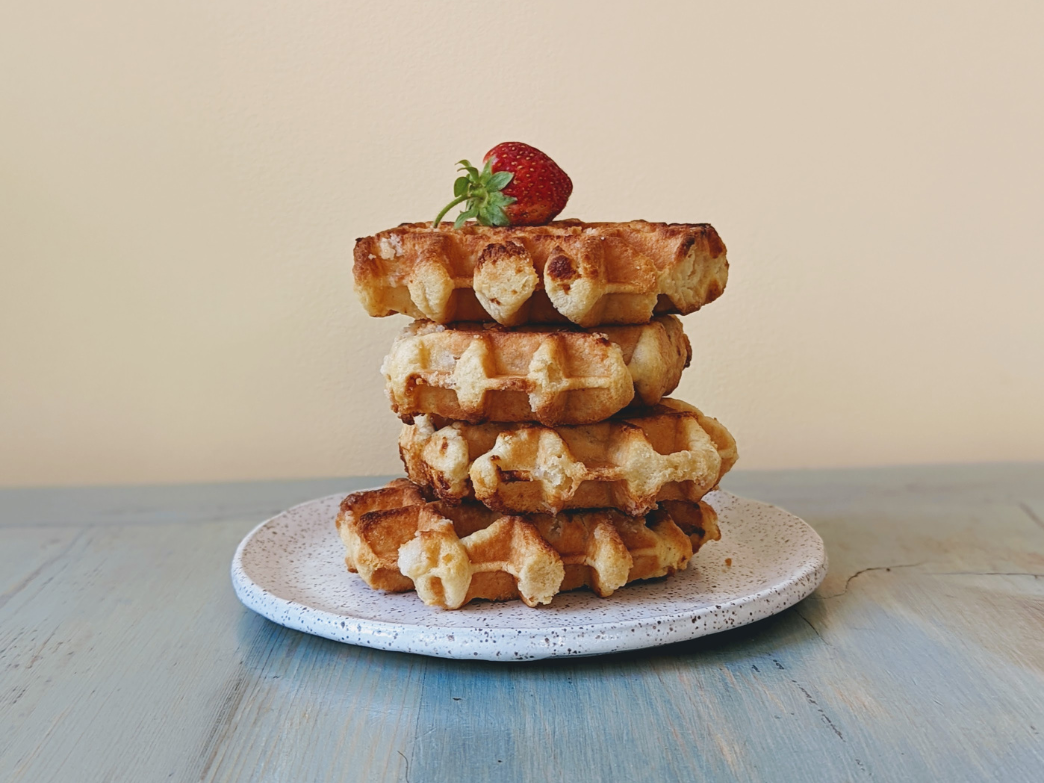
What’s the difference between Belgian waffles and regular waffles?
By Lucy Yanckello, Ph.D. Wildgrain, opens in a new tab is the first bake-from-frozen subscription box for sourdough breads, fresh pastas, and artisanal pastries. Waffles come in all types of shapes, sizes, textures, and thickness. If you are a waffle lover, you have probably heard of Belgian waffles. But what is a Belgian waffle and how is it different from the regular waffle we all know? What makes a Belgian waffle so unique? What is a Belgian waffle? A Belgian waffle is similar to the regular waffles we are used to eating in the U.S. in that both types of waffles are made by pouring batter into a hot waffle iron, making unique pockets that soak up butter and syrup. However, Belgian waffles are heavier and thicker than a regular waffle. The recipe for Belgian waffles also contains yeast and egg whites, which gives them a fluffy texture on the inside and crispy texture on the outside. Are Belgian waffles healthy? It is important to remember that defining food in terms of absolutes such as “healthy” and “unhealthy” should be avoided, as it adds morality to food. Belgian waffles are a food that you may choose to enjoy on occasion, instead of every day, since they have a high carb and fat content. Belgian waffles are delicious and by no means should be avoided, just eaten in moderation. What’s the difference between a regular waffle vs. a Belgian waffle? Are Belgian waffles better than regular waffles? One of the main differences between a regular waffle versus a Belgian waffle is that a regular waffle usually has a denser texture (more similar to cake) than Belgian waffles. Regular waffles are also often made with buttermilk, which gives them a richer, denser texture than Belgian waffles, which are light and airy. Additionally, regular waffles are made in a smaller waffle iron than Belgian waffles; this means their pockets are not as thick and they are thinner (and therefore cook faster). Can you make Belgian waffles in a regular waffle maker? No, you cannot make Belgian waffles in a regular waffle maker. It is necessary to have a special Belgian-style waffle iron to make authentic Belgian waffles. These Belgian waffle irons have a deeper grid pattern than a regular waffle maker. In a regular waffle maker, the batter is poured in and the hinged lid is closed. However, in a Belgian waffle maker, the batter is poured in, the lid is closed, and the waffle maker is flipped over so the waffle can cook. For these reasons, a Belgian-style waffle maker is needed to make Belgian waffles. Is Belgian waffle mix the same as waffle mix? The ingredients for both regular waffles and Belgian waffles are similar and include flour, milk, eggs, and butter or oil. However, Belgian waffles use egg whites to give a fluffier texture. Additionally, Belgian waffles have yeast in their recipe while regular waffles use baking powder. Another difference between Belgian waffle mix and regular waffle mix is that regular waffles are often made with buttermilk and Belgian waffles are not. Belgian waffles also have more sugar in their batter than regular waffles (almost twice as much!), which makes them sweeter. What’s the difference between a Belgian waffle vs. pancake? Is Belgian waffle batter the same as pancake batter? Belgian waffles and pancakes are made with mostly the same ingredients including flour, sugar, eggs, and milk. However, Belgian waffles use yeast and egg whites in the recipe, whereas pancakes use baking powder. Additionally, similar to the difference between Belgian waffles and regular waffles, Belgian waffles have more sugar in their recipe than pancakes. Besides the ingredients, the main difference between Belgian waffles and pancakes is in the cooking method. Belgian waffles are made in a special waffle iron that creates a fluffy interior and crunchy exterior, with deep pockets to soak up butter and syrup. On the other hand, pancakes are poured into a pan or onto a griddle. Once bubbles pop up, they are flipped to cook the other side. Where can I buy Belgian waffles online? At Wildgrain, we specialize in making high-quality, fresh baked goods that are delivered directly to your door. Wildgrain is the first bake-from-frozen delivery subscription service for breads, rolls, pastries, and fresh pastas. Some of our popular breakfast items include artisanal Belgian waffles, English muffins and slow fermented bagels. Learn more about Wildgrain and our artisanal baking and cooking methods. Best Pastry Home Delivery Service: How Wildgrain's Pastry Delivery Works Wildgrain's pastries are prepared in independent, artisanal bakeries with high quality ingredients. The pastries are shipped frozen in insulated boxes and delivered direct to your home, anywhere nationwide. By shipping frozen, Wildgrain products maintain the highest quality, so you can enjoy fresh pastries at home. That's why customers consider Wildgrain among the best home delivery services for pastries. About the Author Lucy Yanckello received her Ph.D. in nutrition from the University of Kentucky College of Medicine. She currently works as a medical writer and enjoys being able to help people better understand nutrition and science. This content is for informational use only and does not replace professional nutrition and/or medical advice, diagnosis or treatment. It is not a substitute for and should not be relied upon for specific nutrition and/or medical recommendations. Please talk with your doctor about any questions or concerns.
Learn more What’s the difference between Belgian waffles and regular waffles?