

Wildgrain Blog
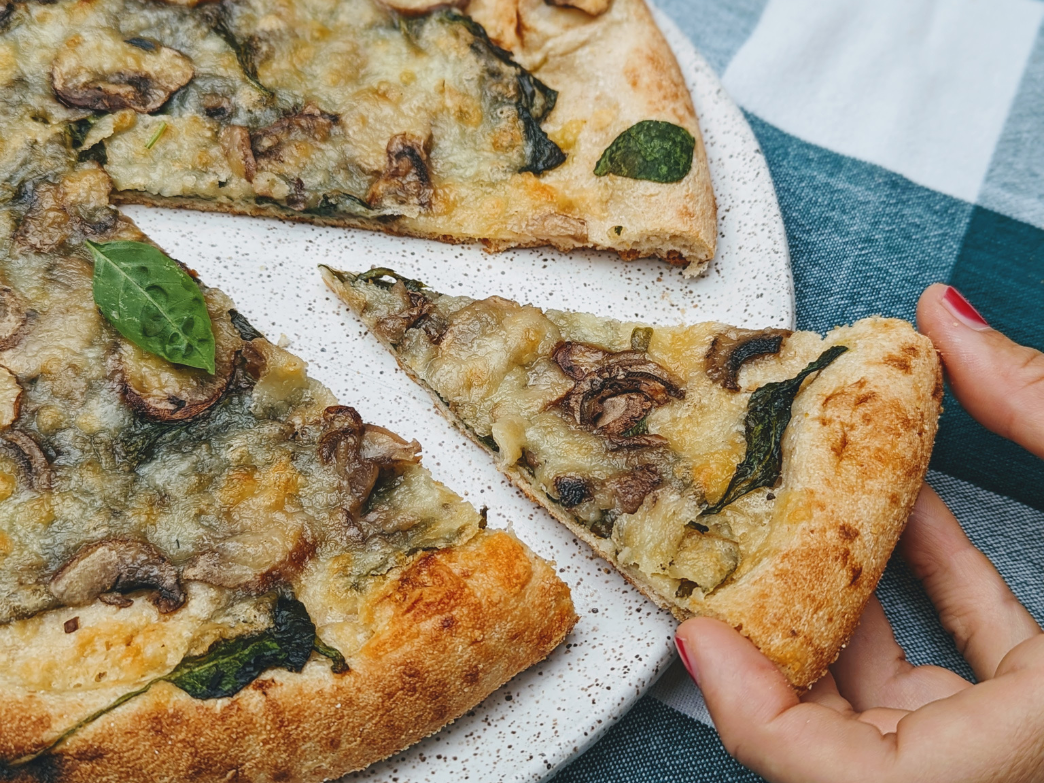
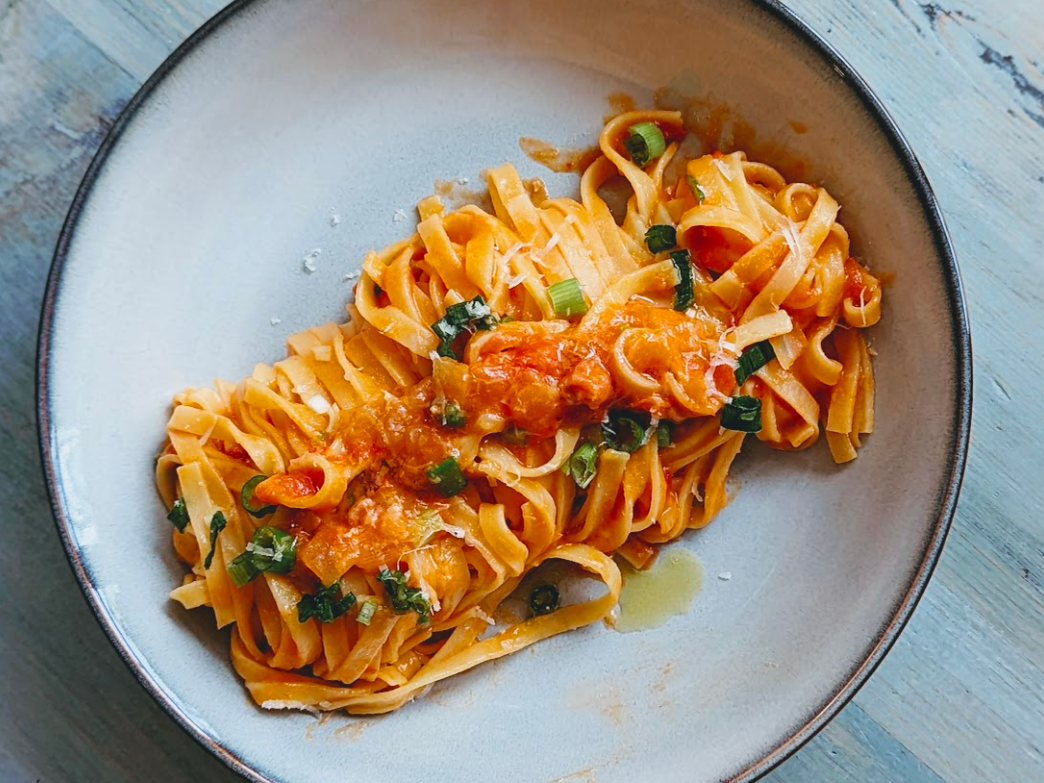
What is Healthier: Pizza or Pasta?
By Lucy Yanckello, Ph.D. Wildgrain, opens in a new tab is the first bake-from-frozen subscription box for sourdough breads, fresh pastas, and artisanal pastries. Pizza and pasta may be in a deadset tie for tastiness, but which is healthier? Each carb heavy delight has its own benefits and drawbacks, but if you are craving Italian flavors and want to keep your calories in check, which one should you choose? What is the difference between pizza vs. pasta nutrition? Pizza from a restaurant can run you up to 300 calories a slice – more depending on the toppings chosen. This can quickly eat away at the recommended average of around 2000 to 2500 calories a day, not to mention the amount of saturated fat and sodium. But pasta from a restaurant can rack up the calories too – an order of fettuccine alfredo at Olive Garden amounts to around 1,220 calories and 1,350 mg of sodium. Creamy sauces and cheese can make any pasta dish less healthy. Here is a quick snapshot comparing the nutritional content of a slice of cheese pizza versus a cup of cooked spaghetti with no sauce: Nutritional Content Slice of Cheese Pizza One Cup of Cooked Spaghetti Calories 285 220 Protein 12g 8g Carbohydrates 36g 43g Fat 10.4g 1.3g Does pasta or pizza have more carbs? Does pizza or pasta have more calories? One slice of cheese pizza has fewer carbs than one cup of cooked spaghetti – 36 grams in a typical cheese pizza versus 43 grams in one cup of pasta. However, pizza has more calories than pasta, 285 in a slice of pizza versus 220 in a cup of cooked pasta. This is attributed to the fact that the fat content in a slice of cheese pizza is much higher – almost 9 grams higher – than in a cup of cooked pasta. However, this analysis does not include any additional toppings that may be added to the pizza or sauces mixed with pasta. Is pizza healthier than pasta? Is pasta healthier than pizza? Pizza and pasta are similar in terms of nutritional value. Neither pasta or pizza would be labeled as healthy, but can be included in a healthy lifestyle in limited amounts. Although the fat content in a slice of cheese pizza is higher than in a cup of cooked pasta, this does not mean that pizza is healthier than pasta. Pasta is almost never eaten plain, and often has toppings such as creamy sauces and cheese added in. For example, a two cup serving of fettuccine alfredo has 660 calories, 10 grams of fat, 88 grams of carbohydrates, and 18 grams of protein. This is similar to the nutrition of around 2.5 slices of cheese pizza, which is a more reasonable portion. However, if toppings like pepperoni are added to pizza, the calorie content will also go up and the nutritional value can decline. Which is better for weight loss: pizza or pasta? With such a similar nutritional profile, pizza and pasta can be considered equal for weight loss. It is important to remember that whether eating pasta or pizza, portion size is key for weight loss - you can eat pizza and pasta while trying to lose weight if you are mindful of the amount you are eating! In addition, when focused on weight loss, it is important to eat whole-grain flours, which increases the fiber and protein content of your food. Fiber has a range of benefits including promoting weight loss, lowering blood sugar, fighting constipation, boosting heart health, lowering cholesterol, and feeding the “good” bacteria in our guts. High protein diets also have benefits for weight loss and metabolic health, so sneaking in extra protein in a carbohydrate source is always helpful. Making pizza or pasta at home and opting for whole-grain flours for the dough is a great option. You can also buy whole-grain pasta and pizza dough already made in most grocery stores. It is also important to focus on the toppings – stick with more vegetables, leaner proteins and less creamy sauces and cheeses on both pizza and pasta. What is the difference between pasta vs pizza flour? Is pasta vs pizza dough the same? Pizza flour and pasta flour are not the same. Pasta is generally made from semolina flour, whereas all-purpose flour is used to make pizza dough. This is because pasta dough requires a lower gluten content than pizza. In addition, pizza dough contains yeast because it must be leavened, whereas pasta dough does not. What is the difference between pizza sauce vs. pasta sauce vs. marinara sauce vs. tomato sauce? Which sauce is healthiest? Pizza sauce, pasta sauce, and marinara sauce are all types of tomato sauce. Pizza sauce is made with uncooked tomatoes that have been pureed, and pasta sauce is made with cooked tomatoes blended with garlic, herbs, and spices – also referred to as a marinara. Because pizza cooks in the oven, putting a pasta sauce – such as marinara – on a pizza is redundant, as you are cooking the sauce twice which changes the overall flavor profile. And vice versa with pasta – adding uncooked sauce to already cooked noodles will make the dish seem unfinished as the pasta sauce is meant to already have the flavors developed when added. Both types of tomato based sauce have similar nutrient profiles and are considered to be much healthier than cream based sauces. Where can I buy the best fresh pizza and pasta to make at home? At Wildgrain, we specialize in making high-quality, fresh pastas that are delivered directly to your door. Wildgrain is the first bake-from-frozen delivery subscription service for breads, pastries, and fresh pastas. Some of our popular pastas include margherita pizza, potato gnocchi, cheese tortellini, fresh fettuccine, fresh rigatoni, and fresh tonnarelli. Learn more about Wildgrain and our artisanal baking and cooking methods. Best Home Delivery Service for Food: How Wildgrain's Food Delivery Works Wildgrain's products are prepared in independent, artisanal bakeries with high quality ingredients. They are shipped frozen in insulated boxes and delivered direct to your home, anywhere nationwide. By shipping frozen, Wildgrain products maintain the highest quality, so you can enjoy fresh food at home. That's why customers consider Wildgrain among the best home food delivery services. About the Author Lucy Yanckello received her Ph.D. in nutrition from the University of Kentucky College of Medicine. She currently works as a medical writer and enjoys being able to help people better understand nutrition and science. This content is for informational use only and does not replace professional nutrition and/or medical advice, diagnosis or treatment. It is not a substitute for and should not be relied upon for specific nutrition and/or medical recommendations. Please talk with your doctor about any questions or concerns.
Learn more What is Healthier: Pizza or Pasta?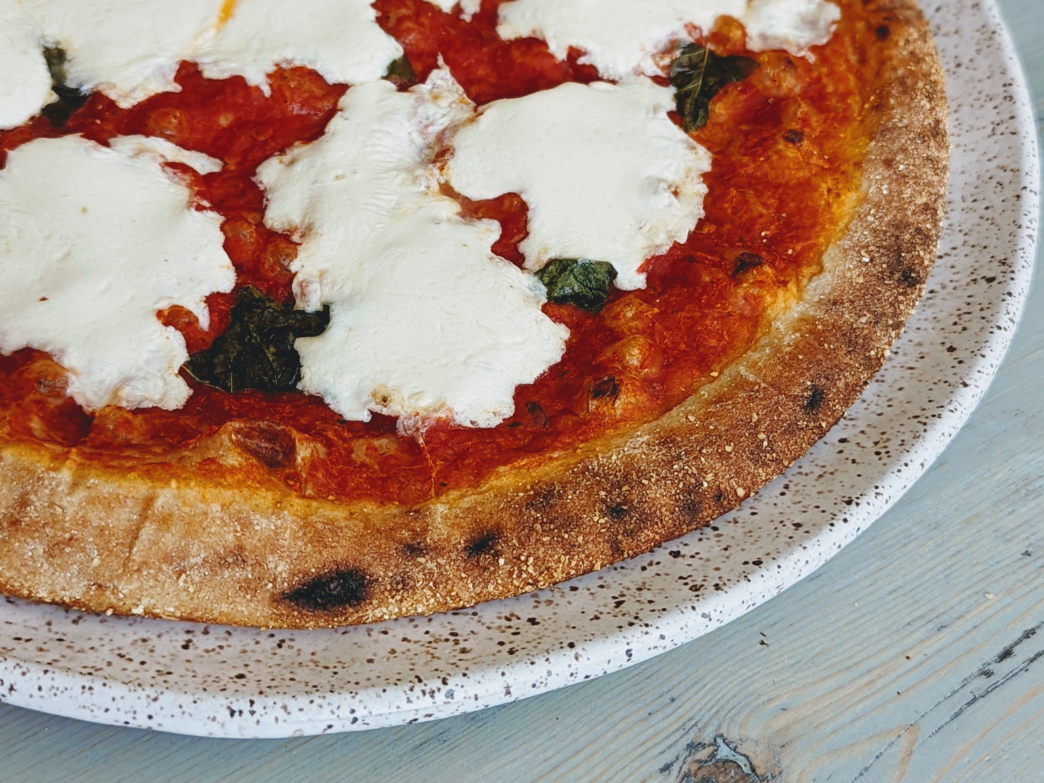
Margherita Pizza vs. Regular Cheese Pizza vs. Neapolitan vs. Marinara vs. Caprese Pizza
By Lucy Yanckello, Ph.D. Wildgrain, opens in a new tab is the first bake-from-frozen subscription box for sourdough breads, fresh pastas, and artisanal pastries. You would be hard pressed to find someone who does not enjoy a good slice of pizza. This cheesy bread topped with tomato sauce is a favorite treat among many people. This article will explain the difference between types of pizza and which are healthier than others. What is a Margherita pizza? Margherita pizza dough is made with flour, salt, and yeast and topped with fresh basil, tomatoes, olive oil, sea salt, garlic, and mozzarella. The tomatoes are sliced and put onto the dough, followed by the garlic and basil, and then rounds of sliced mozzarella. Margherita pizza is drizzled with olive oil and sea salt before baking. It is cooked on a high temperature taking only minutes to cook. When made correctly, Margherita pizza is crispy and not greasy. What is the difference between Margherita pizza and Neapolitan pizza and caprese pizza? Margherita pizza is a variety of Neapolitan pizza, which can have many toppings and variations. Neapolitan pizza has specific requirements for ingredients, size, construction of the dough, and the way it is cooked. The dough is made with flour, water, salt, and yeast. The flour used must be type 00, type 0, or a mix of the two. In Europe, flour is characterized by how finely it is milled. Type 0 and 00 flour are the finest ground, with a consistency like baby powder. The finer a flour is ground, the smoother the dough, resulting in a softer baked product. The tomatoes traditionally are from San Marzano or from the volcano plains south of Mount Vesuvius. Caprese pizza is similar to Margherita pizza in that the toppings are mozzarella, tomatoes, and basil. However, caprese pizza uses a mozzarella known as buffalo milk mozzarella that has higher moisture content, so it is less likely to shrink when heated. Additionally, the cheese on caprese pizza is shredded instead of sliced. Caprese pizza is also a variety of Neapolitan pizza. What is the difference between Margherita pizza and marinara pizza? Marinara pizza differs from Margherita pizza because marinara pizza just uses tomatoes, garlic, oregano, and oil. There is no cheese on marinara pizza unlike on caprese and margherita pizza, which both use mozzarella cheese as a topping. Marinara pizza is still considered to be a type of Neapolitan pizza. What is the difference between Margherita pizza and regular pizza and cheese pizza? If made correctly, Margherita pizza is authentic Neapolitan cuisine, whereas cheese pizza is a product of the United States. One of the first differences is that regular and cheese pizza do not have to be made with the 00/0 flour, which is a characteristic of the Margherita pizza. Any wheat flour will work for regular cheese pizza. Additionally, Margherita pizza is always made with a thin crust (around 3 mm), whereas regular cheese pizza can be made with various crust heights. With cheese pizza, the cheese is shredded, rather than sliced, and often more types of cheese are used than just mozzarella. With regular pizza, many toppings can be used other than just tomato, cheese, and basil, such as pepperoni, sausage, and other delicious toppings. Is Margherita pizza the healthiest pizza? Is Margherita pizza healthier than regular pizza? Margherita pizza, made the proper way, is made with fresh, clean ingredients that are not highly processed, and as a result, can be considered healthier than regular cheese pizza. Although mozzarella does have a pretty high fat content, it also has around 6 grams of protein and consists of 11% of the daily value of calcium per ounce. It also contains bacteria such as Lactobacillus casei and Lactobacillus fermentum that have been purported to improve gut health and decrease inflammation in your body. Additionally, tomatoes are a source of vitamin C, potassium, folate, and vitamin K. They’re also a major dietary source of lycopene, which is an antioxidant linked to reducing the risk of heart disease and cancer. And unlike some regular cheese pizzas which have sugar added in the sauce, traditional Margherita pizza has no added sugar. However, Margherita pizza, like its American counterpart, is high in sodium, so it should be enjoyed in moderation. Additionally, because the flour is ground so finely, most vitamins are no longer present, including B12, and micronutrients, including iron and zinc, are also lost. Is Margherita pizza with whole wheat flour a healthier pizza? Whole wheat flour generally has more health benefits than other types of flours. This includes increased dietary fiber, magnesium, selenium, B-vitamins, iron, and folic acid. It is safe to say that substituting whole wheat flour into a recipe will increase the health benefits, so Margherita pizzaGo to slow-fermented margherita pizza with whole wheat flour is a healthier pizza. However, would it still be considered Margherita pizza without the 00/0 flour? That's for you to decide! Where can I buy frozen Margherita pizza online? At Wildgrain, we specialize in making high-quality, fresh baked goods that are delivered directly to your door. Wildgrain is the first bake-from-frozen delivery subscription service for pizzas, breads, pastries, and fresh pastas. Some of our popular items include slow-fermented Margherita pizzaGo to slow-fermented margherita pizza, cheese tortellini, fresh fettuccine, and fresh tonnarelli. Learn more about Wildgrain and our artisanal baking and cooking methods. Best Bread Home Delivery Service: How Wildgrain's Bread Delivery Works Wildgrain's breads are prepared in independent, artisanal bakeries with high quality ingredients. The breads are shipped frozen in insulated boxes and delivered direct to your home, anywhere nationwide. By shipping frozen, Wildgrain products maintain the highest quality, so you can enjoy fresh baked breads at home. That's why customers consider Wildgrain among the best home delivery services for bread. About the Author Lucy Yanckello received her Ph.D. in nutrition from the University of Kentucky College of Medicine. She currently works as a medical writer and enjoys being able to help people better understand nutrition and science. This content is for informational use only and does not replace professional nutrition and/or medical advice, diagnosis or treatment. It is not a substitute for and should not be relied upon for specific nutrition and/or medical recommendations. Please talk with your doctor about any questions or concerns.
Learn more Margherita Pizza vs. Regular Cheese Pizza vs. Neapolitan vs. Marinara vs. Caprese Pizza