By Lucy Yanckello, Ph.D.
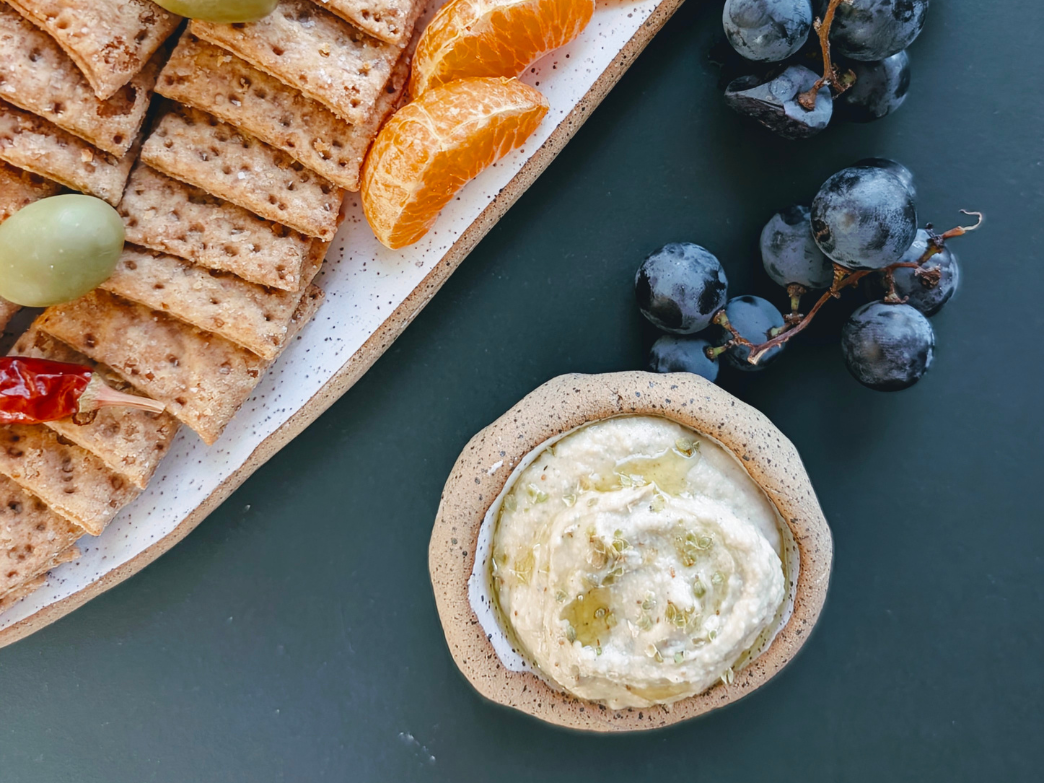
Hummus has earned its place as a pantry staple due to its versatility, pairing well with everything from raw vegetables to warm pita bread. Beyond its flavor, hummus also provides nutritional value, including a good amount of protein. Whether you’re looking to increase protein in your diet, in search of satisfying snacks, or simply curious about the contents of hummus, this article will break down everything you need to know.
Does hummus have protein? Is hummus a good source of protein?
Yes, hummus does have protein. The primary ingredient in traditional hummus is chickpeas, which are naturally rich in plant-based protein, providing around 7-8 grams of protein per serving. Tahini, another key ingredient, also contributes a small but notable amount of protein.
Whether hummus qualifies as a “good” source of protein depends on how you define the term. A standard two-tablespoon serving of hummus contains around 2 grams of protein, with a quarter cup (4 tablespoons) providing closer to 4-5 grams. For a plant-based food, that is a reasonable amount of protein, especially when paired with other protein-rich foods. Additionally, it is worth noting that the protein in hummus comes along with fiber, healthy fats, and key micronutrients like iron and folate. This combination makes hummus a more well-rounded protein source compared to most processed snack foods.
How to boost protein in hummus? What can I add to hummus to make it a complete protein?
One of the simplest ways to boost the protein content of hummus is to add more tahini, or blend in additional chickpeas. You can also stir in greek yogurt, edamame, or white beans. Both edamame and white beans are higher in protein than chickpeas, and have a mild enough flavor to blend seamlessly into a classic hummus recipe. Another non-traditional add-in is hemp seeds, which blend smoothly into hummus and provide all nine essential amino acids (the building blocks of protein), making them one of the few plant-based complete proteins available.
Hummus on its own is low in the essential amino acid methionine, however pairing hummus with grains, such as Wildgrain’s Pita Bread, creates a complementary amino acid profile that together provides all nine essential amino acids.
Are chickpeas or hummus better for protein?
Chickpeas and hummus are nutritionally very similar when it comes to protein, which makes sense given that chickpeas are the primary ingredient in hummus. A half cup of cooked chickpeas contains around 7-8 grams of protein, and a half cup of hummus contains around 6-7 grams. This modest difference reflects the dilution that occurs when chickpeas are blended with the other ingredients in hummus, but neither is significantly superior to the other in terms of protein content.
Can you eat hummus on a high-protein diet?
Yes, hummus can absolutely fit into a high-protein diet, but it works better as a complementary protein source rather than a primary one. With around 2 grams of protein per serving, hummus alone won’t carry the bulk of your protein goals for the day. However, it can add up meaningfully when consumed alongside other protein-dense foods. Pairing hummus with eggs, grilled chicken or legume-based dishes is a practical way to build a high-protein meal that also includes healthy fats and fiber. For example, pairing a generous spread of hummus with Wildgrain’s Pita Bread and hard-boiled eggs is a simple and satisfying high-protein meal that doesn’t require much effort.
Which has more protein, hummus or peanut butter?
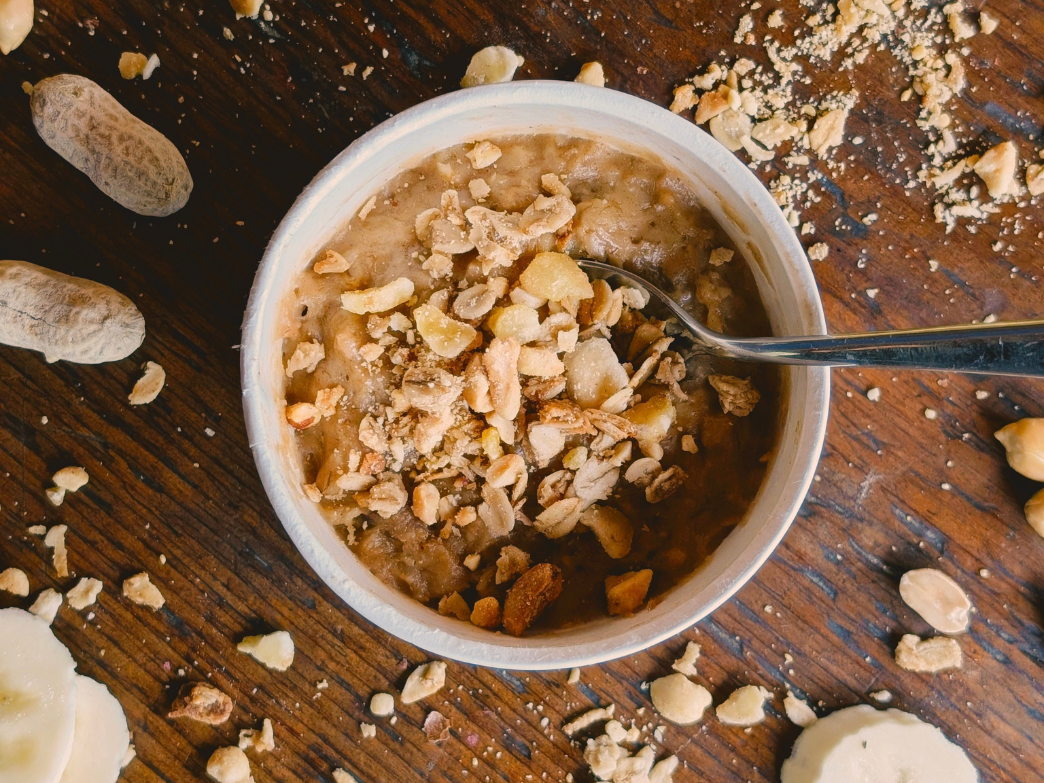
Peanut butter has more protein than hummus per serving. Two tablespoons of peanut butter contain around 7-8 grams of protein, compared to roughly 2-3 grams in the same size serving of hummus.
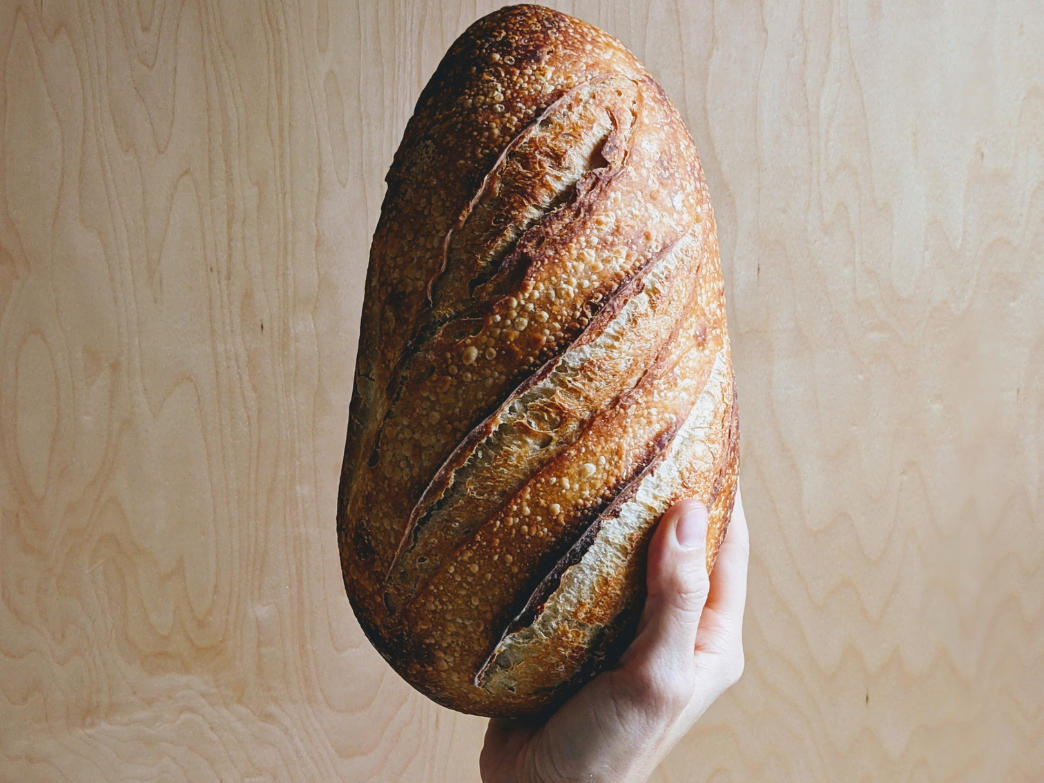
Hummus provides more fiber per serving than peanut butter, and is lower in overall calories, making it a better choice for those that are monitoring caloric intake alongside protein goals. Peanut butter on the other hand is much more calorie dense that works better in a high-calorie diet or as a pre- or post-workout fuel. Rather than thinking of the two as in competition, both can fit into your diet in moderation. Spread peanut butter on Wildgrain’s Sourdough Bread for breakfast in the morning, and dip Wildgrain’s Pita Bread in hummus for a nutritious afternoon snack.
Which has more protein, hummus or cottage cheese?
Cottage cheese has more protein than hummus. A half cup serving of cottage cheese has around 12-14 grams of protein, while the same serving as hummus provides only around 6-7 grams. Cottage cheese also contains all nine essential amino acids, making it a complete protein. However, both can find a place in any balanced diet and serve different dietary purposes - cottage cheese is typically a standalone snack or meal component, whereas hummus is used to enhance other foods as a dip or spread.
Is hummus still good after being frozen?
Hummus holds up reasonably well when done correctly - in an airtight container with a thin layer of olive oil on top to preserve texture and flavor. The texture may change slightly upon thawing, but stirring well or blending it briefly after thawing typically restores its smooth consistency. Frozen hummus keeps for up to four months. When ready to use, thaw it overnight in the refrigerator rather than room temperature to help maintain texture. If you are planning on freezing leftover Wildgrain Hummus, be sure to keep a batch of Wilgrain’s Pita Bread in the freezer alongside it, ensuring you’ll have a satisfying snack ready to go at a moment's notice.
Is hummus actually healthy? Is hummus good for you?
Hummus is one of the more nutritious packaged foods available and this is supported by its ingredient list. Made from chickpeas, tahini, olive oil, lemon juice, and garlic, traditional hummus is rich in plant-based protein, dietary fiber, heart-healthy monounsaturated fats, and an array of vitamins and minerals. This combination of nutrients supports everything from digestive health and blood sugar regulation, to cardiovascular health and satiety.
The main caveat with hummus is that store-bought varieties can vary widely in quality, and often contain added oils, excessive sodium, or preservatives that diminish the nutritional profile. Opt for hummus with simple ingredients, such as Wildgrain’s Traditional Hummus, to ensure you are getting the most out of this nutrient dense food.
Can you eat hummus and lose weight?
Yes, hummus just like any food, can be a part of any balanced diet, even if you are trying to lose weight. Its combination of protein and fiber makes it a particularly satiating food, which means it can help curb hunger, reduce snacking, and ultimately help reduce overall caloric intake throughout the day. However, remember that hummus is calorie dense relative to its serving size so it is important to be mindful of the amount you are eating. Pairing it with low calorie foods such as carrots, cucumbers, and bell peppers, rather than chips or crackers can keep the overall calorie count of your snack lower while still delivering fiber and nutrients.
It is important to consider the broader picture when trying to lose weight, which is that it is driven by overall dietary patterns rather than a single food. What needs to be taken into consideration is portion size so that a caloric deficit can be maintained, which is the most important factor in weight loss.
Where can I buy the best fresh hummus and pita bread online?
At Wildgrain, we specialize in making high-quality, fresh breads and pastas that are delivered directly to your door. Wildgrain is the first bake-from-frozen delivery subscription service for breads, pastries, fresh pastas, and more. Some of our popular items include our traditional hummus, slow-fermented artisanal pita, and plain sourdough loaf. Learn more about Wildgrain and our artisanal baking and cooking methods.
Best Home Delivery Service for Food: How Wildgrain's Food Delivery Works
Wildgrain's products are prepared in independent, artisanal bakeries with high quality ingredients. They are shipped frozen in insulated boxes and delivered direct to your home, anywhere nationwide. By shipping frozen, Wildgrain products maintain the highest quality, so you can enjoy fresh food at home. That's why customers consider Wildgrain among the best home food delivery services.
About the Author
Lucy Yanckello received her Ph.D. in nutrition from the University of Kentucky College of Medicine. She currently works as a medical writer and enjoys being able to help people better understand nutrition and science.
This content is for informational use only and does not replace professional nutrition and/or medical advice, diagnosis or treatment. It is not a substitute for and should not be relied upon for specific nutrition and/or medical recommendations. Please talk with your doctor about any questions or concerns.