

Wildgrain Blog
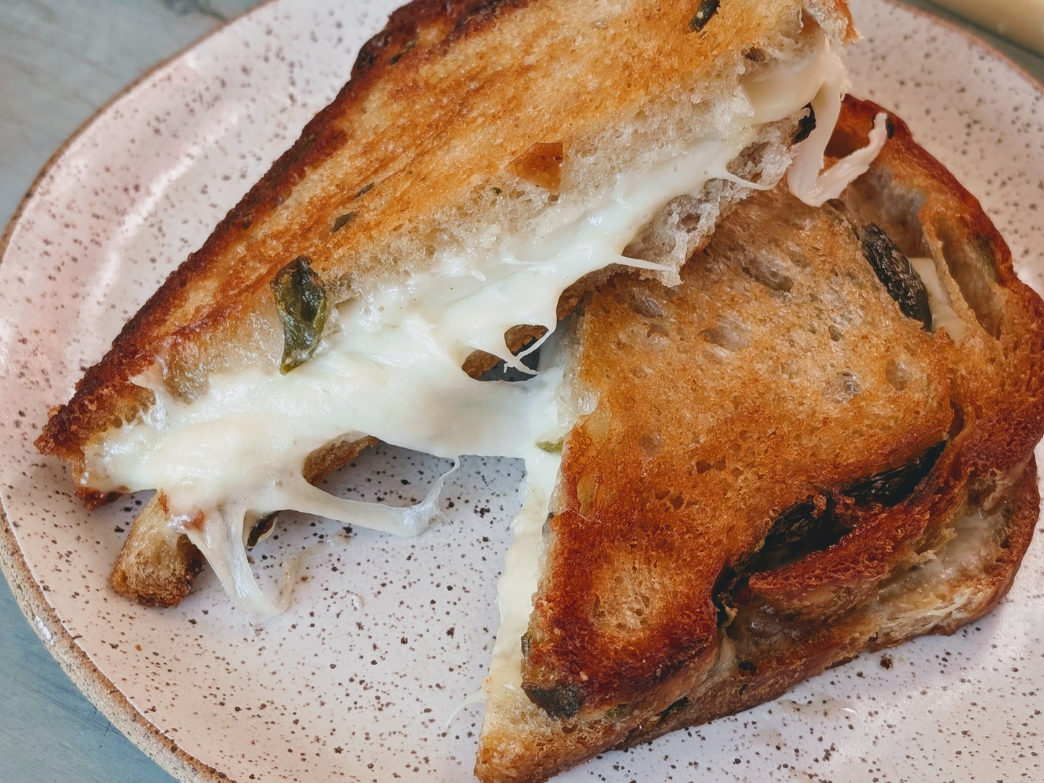
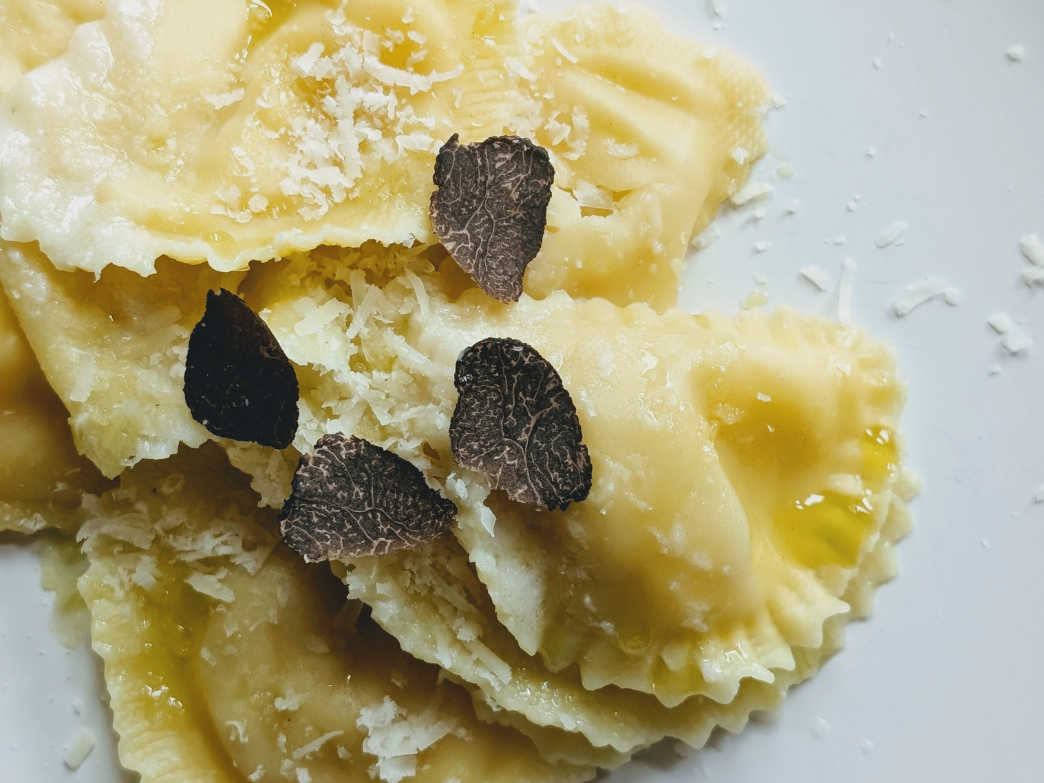
Best High-Protein Subscription Boxes
By Lucy Yanckello, Ph.D. Wildgrain, opens in a new tab, is the first bake-from-frozen subscription box for sourdough breads, fresh pastas, and artisanal pastries. Hitting your protein goals often feels like it takes constant meal prep and a fridge full of chicken and eggs. Although getting adequate protein for your needs does take some planning, a high protein subscription box delivers protein rich-foods straight to your door, ready when you need them. The best of these services make it easy to eat well without the shopping, cooking, and guesswork. What is a high-protein subscription box for home delivery? How do high-protein subscription boxes work? A high-protein subscription box is a recurring delivery of protein-rich foods sent to your home on a schedule you choose. You sign up, set your frequency, and a curated selection arrives without a trip to the store. The best delivery services for high-protein foods, like Wildgrain, are ones that make their foods fresh, freeze them at their peak, and ship them frozen so they arrive cold and ready to eat at your convenience. What kind of foods come in a high-protein subscription box? Can I choose what foods come in a high-protein subscription box? High-protein subscription boxes are built around foods that help you hit your protein goals, from protein-enriched baked goods, to hearty, savory options. You will often find items like protein waffles, breads, and pastries made with quality protein sources woven right into the recipe. Most services let you choose your foods, so you can fill your box with items you will actually eat. A Wildgrain Protein Bundle is an easy way to stock several protein-forward favorites in one delivery. Are high-protein subscription boxes worth it? How much do high-protein subscription boxes cost? High-protein subscription boxes are worth it if you value convenience and want protein-rich food ready without daily prep. Pricing usually depends on the size of your box, how often it ships, and the quality of what you are getting. Most services charge per delivery, and let you set the frequency. When you factor in the time saved and the quality of the food, the value outweighs piecing together protein-heavy meals on your own. For many people, having protein-rich options on hand makes sticking to their goals far easier. Are high-protein subscription boxes healthy? Can you customize a high-protein subscription box for home delivery? High-protein subscription boxes can be a healthy choice, especially when the foods are made with simple recognizable ingredients rather than fillers. Protein helps you feel full and satisfied for longer after a meal, making it easier to manage hunger and cravings. The healthiest boxes pair protein with quality carbohydrates and fats, so you get flavor and nutrition together. Because you customize your box, it is easy to choose options that fit your goals, whether you are trying to reduce snacking or fueling a busy week of workouts. Adding a few Wildgrain Ham & Cheese Croissants gives you a savory, protein rich option that still feels like a treat. Are high-protein subscription boxes good for athletes? Are high-protein subscription boxes good for building muscle? High-protein subscription boxes can be a real asset for athletes, since regular intense training raises how much protein your body needs to recover and adapt. Active people generally benefit from more protein than the baseline recommendation, increasing to the range of 1.4 to 2.6 grams per kilogram of body weight. This extra protein supports muscle building, especially when you pair it with resistance training. Having protein-rich foods ready when you get home from a tough workout makes it easier to hit those numbers. Keeping a stash of Wildgrain High-Protein Maple Waffles in the freezer means a protein-packed snack is always only a few minutes away. What is the best high-protein delivery service? Where can I buy high-protein foods on subscription? The best high-protein delivery service comes down to the food quality, protein content, and how the items arrive at your door. You want to look for foods made with simple ingredients, frozen at their peak freshness, and shipped to you so they are ready to bake fresh when you are ready to eat them. One of the best high-protein delivery services, Wildgrain offers protein focused options with its bake-from-frozen subscription box, so you can easily keep protein-rich foods stocked and ready when you need them. You can buy them as a one time box, or a flexible subscription, choosing the items you want and adjusting your frequency for what works for you. For anyone who is trying to work more protein into a busy routine, having options fresh and ready in the freezer is hard to beat. Where can I buy the best fresh high-protein foods online for delivery? At Wildgrain, we specialize in making high-quality, fresh breads and pastas that are delivered directly to your door. Wildgrain is the first bake-from-frozen delivery subscription service for breads, pastries, fresh pastas, and more. Some of our popular high-protein items include Wildgrain’s High Protein Maple Waffle, Wildgrain's Truffle & Parmigiano Reggiano Ravioli, and Wildgrain’s Sausage Ragu Sauce. All of the Wildgrain high-protein foods can be found here. Learn more about Wildgrain and our artisanal baking and cooking methods. Best Home Delivery Service for Food: How Wildgrain's Food Delivery Works Wildgrain's products are prepared in independent, artisanal bakeries with high quality ingredients. They are shipped frozen in insulated boxes and delivered direct to your home, anywhere nationwide. By shipping frozen, Wildgrain products maintain the highest quality, so you can enjoy fresh food at home. That's why customers consider Wildgrain among the best home food delivery services. About the Author Lucy Yanckello received her Ph.D. in nutrition from the University of Kentucky College of Medicine. She currently works as a medical writer and enjoys being able to help people better understand nutrition and science. This content is for informational use only and does not replace professional nutrition and/or medical advice, diagnosis or treatment. It is not a substitute for and should not be relied upon for specific nutrition and/or medical recommendations. Please talk with your doctor about any questions or concerns.
Learn more Best High-Protein Subscription Boxes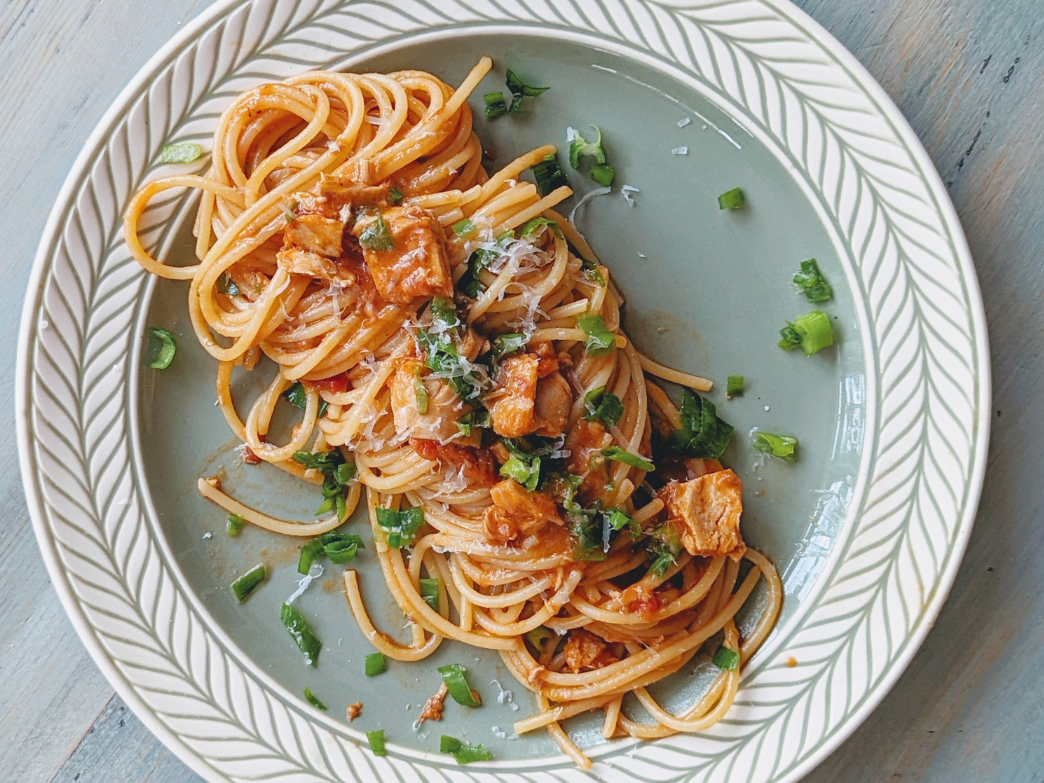
Best Pasta Delivery Service for Home Delivery
By Lucy Yanckello, Ph.D. Wildgrain, opens in a new tab, is the first bake-from-frozen subscription box for sourdough breads, fresh pastas, and artisanal pastries. Fresh pasta feels like something you can only get at a restaurant or from hours spent making, shaping, and cooking your own dough at home. Although that used to be true, a good pasta subscription box now delivers restaurant quality pasta straight to your door. The difference between a great delivery service and an ordinary one comes down to freshness, ingredients, and how it reaches your door. What is a pasta subscription box for home delivery? How do pasta subscription boxes work? A pasta subscription box is a recurring delivery of fresh pasta sent to your home on a schedule you choose. You sign up, pick your frequency, and a curated selection arrives at your door without you having to leave your house. The best services make their pasta fresh, freeze it at peak quality, and ship it insulated so it arrives frozen and ready to cook. Can you customize a pasta subscription box? Can you add other items to a pasta subscription box? Yes, you can customize a pasta subscription box to match what you actually like to cook. Most services let you choose your shapes and swap selections from box to box so that you are never stuck with pasta you won’t eat. Depending on the company, you can usually add other items too, for example, Wildgrain offers everything from sauces and breads, to pastries and cookies, turning one delivery into a full pantry refresh. That flexibility lets you build a box around a week of meals, rather than a single item. You pick what fits your table, then cook each item from frozen whenever you want it. Are pasta subscription boxes worth it? How much do pasta subscription boxes cost? Pasta subscription boxes are worth it if you value fresh, restaurant-quality pasta along with the convenience of having it on hand whenever you crave it. Pricing usually depends on the size of your box, how often it ships, and the quality of ingredients inside. Most services charge per delivery and let you set the frequency so cost per meal tends to drop the more regularly it is scheduled. When you compare it to the price of dining out for fresh pasta, cooking it at home for a fraction of the price makes the value easy to see. Are pasta subscription boxes healthy? Can you customize a pasta subscription box for home delivery? Fresh pasta can absolutely fit into a healthy diet, especially when you pay attention to portions and what you pair with it. Pasta made from durum wheat, like Wildgrain’s Fresh Pastas such as Pappardelle, Tonnarelli, Fettuccine, Cavatappi, and Rigatoni, have a relatively low glycemic index. This means they won’t spike blood sugar quickly like refined carbohydrates, creating a more sustained bout of energy and reducing cravings. Adding vegetables and a lean protein to your favorite Wildgrain pasta creates an easy balanced meal. Because you customize your own box, it is easy to choose shapes and varieties that work for how you like to eat. Do pasta subscription boxes ship frozen? Does pasta from a subscription box taste fresh? Yes, pasta subscription boxes ship frozen, and that is exactly why the pasta tastes so fresh when you cook it. Freezing slows the changes that cause food to lose its just-made quality, locking in the flavor and texture of the pasta at its peak freshness. Fresh pasta left in the fridge only lasts a few days, but frozen pasta keeps for months. You cook it straight from frozen, so it arrives at your plate tender and full of flavor, rather than dried out. That is the advantage of frozen fresh pasta over the shelf-stable boxes that you are used to. At Wildgrain, we freeze our pasta so you can enjoy fresh pasta made at home. Can you have pasta sauce added to a subscription box for home delivery? Does pasta sauce from a subscription box taste fresh? Yes, you can add pasta sauce to your subscription box. A good frozen sauce tastes just as fresh as one you simmered yourself. The best sauces are made in small batches with simple ingredients and then frozen to lock in that just-cooked flavor. While your pasta cooks, simply warm your sauce on the stove, and a meal comes together in just minutes. Pairing your pasta with Wildgrain Classic Marinara Sauce or Wildgrain Sausage Ragu for added protein turns a quick weeknight dinner into something that tastes like you spent hours on it. Adding a sauce to your delivery box means a complete, fresh meal is always ready when you are. What is the best pasta delivery service? Where can I buy the best pasta online for home delivery? Where can I buy pasta on subscription? The best pasta delivery service comes down to freshness, quality ingredients, and what works best for you. You want pasta that is made fresh, frozen at its peak, and shipped insulated so that it reaches your door ready to cook, rather than dried out. You can buy pasta online as a one time delivery, or in a box that you customize, adjusting your frequency for what works for your schedule. The best pasta subscription delivery services, like Wildgrain, let you build the box around your needs. Does Wildgrain ship pasta for home delivery? At Wildgrain, we specialize in making high-quality, fresh baked goods that are delivered directly to your door. Wildgrain is the first bake-from-frozen delivery subscription service for breads, pastries, and fresh pastas. Some of our popular pastas include Wildgrain Fresh Cavatappi and Wildgrain Fresh Tonnarelli. Learn more about Wildgrain and our artisanal baking and cooking methods. Best Pasta Home Delivery Service: How Wildgrain's Pasta Delivery Works Wildgrain's pastas are prepared in independent, artisanal bakeries with high quality ingredients. The pastas are shipped frozen in insulated boxes and delivered direct to your home, anywhere nationwide. By shipping frozen, Wildgrain products maintain the highest quality, so you can enjoy fresh pasta at home. That's why customers consider Wildgrain among the best home delivery services for pasta. About the Author Lucy Yanckello received her Ph.D. in nutrition from the University of Kentucky College of Medicine. She currently works as a medical writer and enjoys being able to help people better understand nutrition and science. This content is for informational use only and does not replace professional nutrition and/or medical advice, diagnosis or treatment. It is not a substitute for and should not be relied upon for specific nutrition and/or medical recommendations. Please talk with your doctor about any questions or concerns.
Learn more Best Pasta Delivery Service for Home Delivery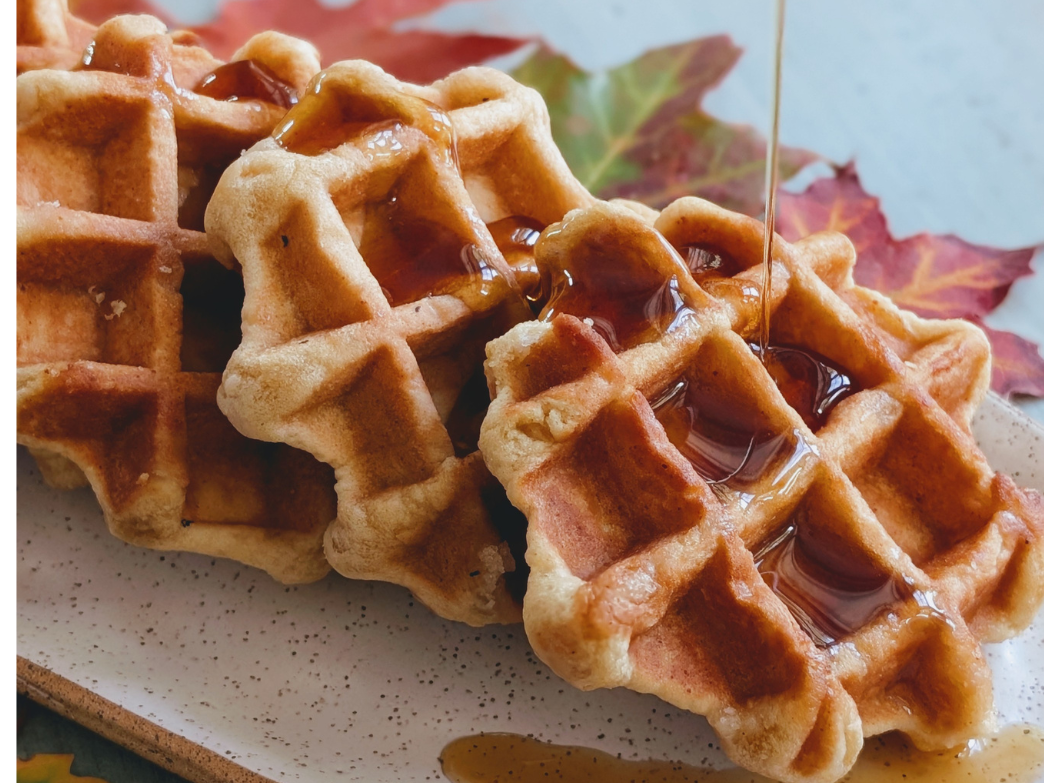
Best High-Protein Foods for Runners
By Dr. Jorge, Ph.D. Wildgrain, opens in a new tab is the first bake-from-frozen subscription box for sourdough breads, fresh pastas, and artisanal pastries. If you're a runner or endurance athlete, you know how important diet is for fueling your workouts and supporting recovery after intense training. With so many options, it can be hard to know which foods to prioritize. Read on as we break down the best foods and diets for runners, including the best high-protein options to reach for before and after your workout. What is the healthiest diet for runners? What is the best diet for runners? The healthiest diet for runners is one that is balanced and nutritious, with a focus on fruits and vegetables, lean protein, healthy fats, and healthy carbohydrates. Running can utilize a significant amount of energy, so it is important to fuel your body properly, both before and after a run. Carbohydrates are the primary fuel source for runners, with fat playing a supporting role, particularly during longer runs. While protein is not a primary fuel source for the body, protein plays an important role in muscle growth, repair, and overall recovery. Fruits and vegetables round out a runner's diet by providing key nutrients that support bone health, muscle function, and overall wellbeing. Ultimately, the best runner’s diet is one that prioritizes nutritional variety and balance across all food groups, keeping you fueled, recovered, and ready for your next run. What not to eat as a runner? What foods should runners avoid? There are certain foods that runners are advised to avoid, particularly before a run. These include foods that can cause digestive upset or dehydration, such as spicy foods, high-fat foods, high-fiber foods, caffeine, and alcohol. Over time, you'll develop a better sense of which foods trigger cramping, gas, or other digestive discomfort that can interfere with your run. Caffeine, for example, can help boost the endurance of some runners but may cause digestive issues in others. Everyone is different, so your body’s response will be the best way to determine which foods are best saved for after your workout. Is a high-protein diet good for runners? What are the best high-protein foods for runners? A high-protein diet is generally recommended for runners and other endurance athletes. Protein is critical to a runner's diet as it helps build and maintain muscle mass. Since muscles break down during a run, adequate protein intake is essential for muscle repair, reducing the risk of injury and supporting overall recovery. Some of the best high-protein foods for runners include lean meats, fish, eggs, beans, and nuts. For runners following a plant-based diet, options like tofu, tempeh, and lentils are other excellent high-protein choices that can support muscle recovery. For a convenient and nutritious snack, Wildgrain’s Traditional Hummus is an easy way to get in healthy fats and a boost of plant-based protein between runs, or you can choose from Wildgrain’s selection of high-protein foods. How much protein do runners really need? Should you eat protein before or after a run? As a general rule, runners should aim to consume around 1.4 to 1.7 grams of protein per kilogram of body weight per day. For instance, a runner weighing 175 lbs (80 kg) should aim to consume between 112 and 136 grams of protein daily. It is recommended to eat protein both before and after a run, with a greater emphasis on consuming protein-rich foods shortly after a workout to promote muscle recovery. A post-run snack or meal that combines protein with carbohydrates, such as eggs on whole grain toast (like Wildgrain’s Sourdough Whole Wheat Loaf) or a serving of hummus with whole grain crackers, can be an easy and effective way to refuel your body. Are waffles good before a workout? Are protein waffles good before a run? Yes, waffles can be a great pre-run meal, especially when paired with other carbohydrate-rich foods like bananas or peanut butter. A combination of carbohydrates and protein is ideal before a run, as carbohydrates can provide quick energy while protein helps to support your muscles. This makes protein waffles, like Wildgrain’s High Protein Maple Waffle, an excellent pre-run option to fuel you before you head out the door. Should runners eat bread? What bread is best for running? Runners should absolutely eat bread. Bread is a great high-carbohydrate option for runners, and different types of bread are better before or after a run. White bread, made from simple carbohydrates and low in fiber, is easy to digest and breaks down quickly to provide fast energy before heading out on a run. Sourdough bread, like Wildgrain’s Plain Sourdough Loaf, is another excellent pre-run bread choice, as sourdough bread is gentle on the stomach and provides sustained energy. Generally speaking, the best bread for runners is one that is either low in fiber for quick pre-run energy or high in protein to support muscle recovery post-run. Experimenting with different bread options can help you find what works best for your body and routine. Should runners eat pasta? What pasta is best for running? Like certain types of bread, pasta is an excellent option to help fuel you before a run or support muscle recovery afterward. White pasta, which is low in fiber and easy to digest, is an ideal choice in the hours leading up to a workout as it provides quick energy. Whole wheat pasta, on the other hand, is a better post-run option, as its higher fiber content and additional nutrients can support muscle rebuilding and overall recovery. Keeping both white pasta, like Wildgrain’s Fresh Tonnarelli, and whole wheat pasta on hand can give you the flexibility to fuel your body based on what you need. Runners can further boost protein intake and support muscle recovery by pairing pasta with other lean proteins like chicken breast or fish. What is the best pasta sauce before a marathon? What to add to pasta sauce to increase protein for runners? Pasta is a classic pre-marathon meal thanks to its high carbohydrate content. The best pasta sauce before a marathon is one that is light and unlikely to cause digestive upset, making a simple marinara like Wildgrain's Classic Marinara Sauce or a light olive oil the ideal choice to top your pasta. To boost protein, you can opt for a meat sauce like Wildgrain’s Sausage Ragu Sauce, or try adding lean ground meat, stirring in lentils, or blending cottage cheese into your sauce of choice for a creamy, protein-rich finish. Where can I buy the best fresh high-protein foods online for delivery? At Wildgrain, we specialize in making high-quality, fresh breads and pastas that are delivered directly to your door. Wildgrain is the first bake-from-frozen delivery subscription service for breads, pastries, fresh pastas, and more. Some of our popular high-protein items include Wildgrain’s High Protein Maple Waffle, Wildgrain's Truffle & Parmigiano Reggiano Ravioli, and Wildgrain’s Sausage Ragu Sauce. All of the Wildgrain high-protein foods can be found Go to Traditional hummushere. Learn more about Wildgrain and our artisanal baking and cooking methods. Best Home Delivery Service for Food: How Wildgrain's Food Delivery Works Wildgrain's products are prepared in independent, artisanal bakeries with high quality ingredients. They are shipped frozen in insulated boxes and delivered direct to your home, anywhere nationwide. By shipping frozen, Wildgrain products maintain the highest quality, so you can enjoy fresh food at home. That's why customers consider Wildgrain among the best home food delivery services. About the Author Dr. Jorge has been a public health researcher for many years, holding both a Bachelor's degree and a Ph.D. in Chemistry. They presently work as a medical writer and love being able to assist others in understanding various health and scientific topics. This content is for informational use only and does not replace professional nutrition and/or medical advice, diagnosis or treatment. It is not a substitute for and should not be relied upon for specific nutrition and/or medical recommendations. Please talk with your doctor about any questions or concerns.
Learn more Best High-Protein Foods for Runners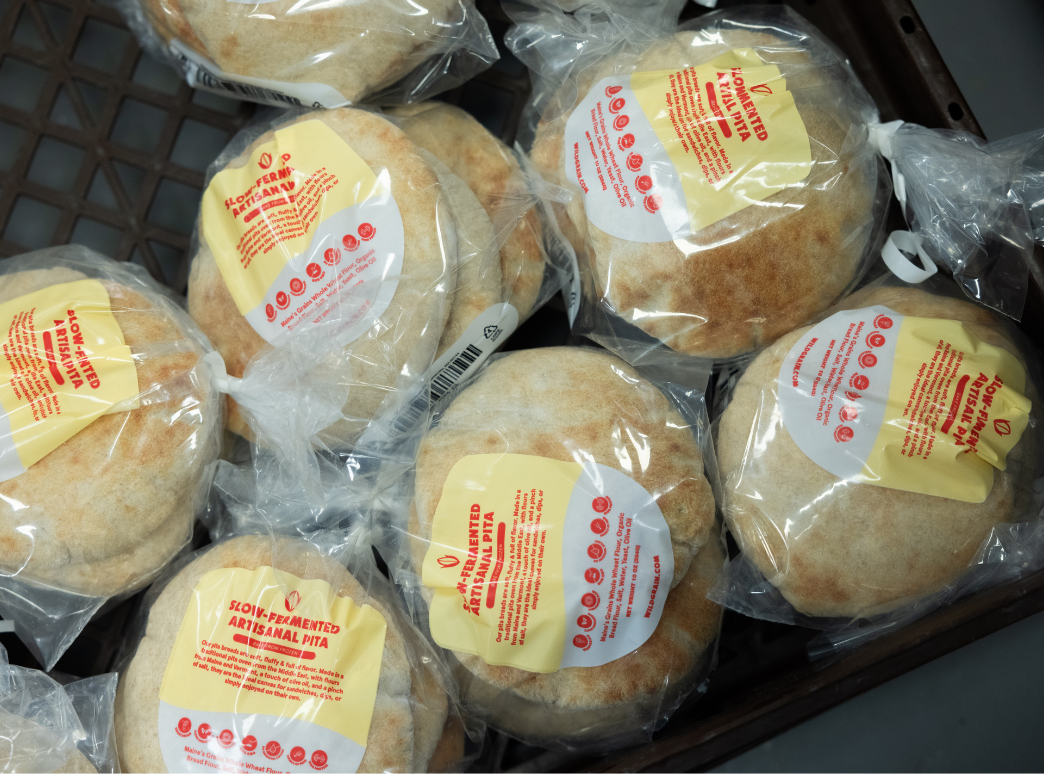
Hummus: Healthy or Unhealthy?
By Lucy Yanckello, Ph.D. Wildgrain, opens in a new tab, is the first bake-from-frozen subscription box for sourdough breads, fresh pastas, and artisanal pastries. Hummus has gone from a niche Middle Eastern staple to a mainstream refrigerator fixture, and the conversation about its nutritional profile has followed. Some embrace it as a health food, while others eye its caloric density with suspicion. The truth, as with most foods, is more nuanced than either extreme and worth understanding clearly. Is hummus healthy or fattening? How healthy is hummus? Hummus is a nutritious food, with the idea that it is fattening missing the bigger picture. Traditional hummus is made primarily from chickpeas, tahini, olive oil, lemon juice, and garlic and delivers plant-based protein, dietary fiber, and heart-healthy fats in every serving. It is calorie dense relative to its serving size, with a quarter cup containing anywhere from 110 to 130 calories. However, calorie density alone does not make a food fattening, especially when it is also high in fiber and protein which promotes satiety. What does eating hummus do for your body? What are the downsides to eating hummus? Eating hummus, like Wildgrain Traditional Hummus, regularly supports digestive health, blood sugar regulation, heart health, and sustained energy thanks to the combination of fiber, healthy fats, and plant-based protein. The soluble fiber in chickpeas feeds beneficial gut bacteria, while monounsaturated fats from olive oil and tahini support healthy cholesterol levels. On the downside, some experience bloating or gas when eating chickpea-based foods, particularly if legumes are not a regular part of their diet. To help minimize this, start with smaller portions and build up gradually. Additionally, store bought varieties of hummus can be high in sodium, so checking the label and choosing lower-sodium options, or making your hummus at home is worth the extra time. Does hummus help with inflammation? Is hummus good for arthritis? Traditional hummus, like Wildgrain Traditional Hummus, contains several ingredients with well-documented anti-inflammatory properties. Extra virgin olive oil is rich in oleocanthal, a compound that research has shown to function similarly to ibuprofen in reducing inflammation. Chickpeas also contribute polyphenols and fiber, both of which support a healthy gut microbiome, which is increasingly linked to lower systemic inflammation. For people managing arthritis, incorporating anti-inflammatory foods, such as hummus as part of their broader diet is a strategy well supported by research. Is hummus ok for prediabetes? Is hummus ok for diabetes? Hummus is generally a smart choice for people managing prediabetes or diabetes.The fiber and protein in chickpeas slows the digestion and absorption of carbohydrates, which helps prevent sharp spikes in blood sugars that are problematic for those with diabetes. Research on legume consumption has consistently found associations between regular intake and improved blood sugar control and insulin sensitivity. Pairing hummus with Wildgrain Sourdough Bread or Wildgrain Slow-Fermented Artisanal Pita makes for a blood-sugar friendly combination since the long fermentation process produces a lower glycemic response than conventional bread. How much hummus can I eat per day? Does hummus act as a laxative? A quarter-cup to a half-cup of hummus a day is a reasonable and healthy amount for most people, delivering 3 to 7 grams of fiber, alongside protein and healthy fats. Hummus does not act as a laxative in a traditional sense, but its fiber content does support regular bowel movements by adding bulk to stool and feeding the gut bacteria that keep digestion moving efficiently. For people who are not accustomed to eating much fiber, a sudden large increase in hummus consumption can cause temporary digestive discomfort. Be sure to gradually increase portion size alongside adequate water intake to avoid this. Is hummus good to snack on for weight loss? Is hummus or avocado better for weight loss? Hummus is a smart snack for weight loss because it combines fiber and protein, which promote satiety, reduce cravings, and ultimately leads to reduced overall caloric intake. Research has found that people who regularly eat chickpeas and hummus tend to have healthier body weight and better diet quality overall. Avocado shares similar satiety-promoting qualities through its fiber and healthy fat content. Dipping Wildgrain Slow-Fermented Artisanal Pita into hummus, like Wildgrain Traditional Hummus, and topping it with sliced avocado is the perfect snack for those trying to lose weight. What ingredients in hummus are healthy? What ingredients in hummus are unhealthy? The core ingredients in traditional hummus - chickpeas, tahini, olive oil, lemon juice, and garlic - are all healthy. Chickpeas provide fiber, protein, iron, and folate. Tahini contributes calcium, healthy fats, and additional protein, and olive oil brings monounsaturated fats and anti-inflammatory compounds. Hummus starts to drift into the less healthy territory when manufacturers add preservatives and stabilizers that have no nutritional value. The ingredient list is the clearest signal of quality - the shorter and more recognizable, the better. At Wildgrain, we believe in making our Wildgrain Traditional Hummus without additives like preservatives and artificial stabilizers. Is store-bought hummus healthy? What is the healthiest store-bought hummus? Store-bought hummus can absolutely be healthy, and several widely available brands do a good job of keeping their ingredient list clean and simple. Brands like Hope Foods, Cedar’s, and Ithaca, are frequently cited by dietitians for their minimal ingredient list and quality fat sources. Another great option for a healthy hummus is the Traditional Hummus from Wildgrain. How do I pick out the healthiest hummus? When scanning labels, look for chickpeas and tahini listed as the primary ingredients, olive oil rather than other oil sources, and sodium content between 150 and 200 grams per serving. The single most reliable strategy for finding the healthiest hummus is to treat the ingredient list like a checklist - chickpeas, tahini, olive oil, lemon juice, garlic, and salt. If there is anything you don’t recognize, put it back and grab another brand. At Wildgrain, we believe in making our Wildgrain Traditional Hummus without additives like preservatives and artificial stabilizers. Where can I buy the best fresh hummus for home delivery? At Wildgrain, we specialize in making high-quality, fresh breads and pastas that are delivered directly to your door. Wildgrain is the first bake-from-frozen delivery subscription service for breads, pastries, fresh pastas, and more. Some of our popular items include Wildgrain Traditional Hummus, Wildgrain Slow-Fermented Artisanal Pita, and Wildgrain Plain Sourdough Loaf. Learn more about Wildgrain and our artisanal baking and cooking methods. Best Home Delivery Service for Food: How Wildgrain's Food Delivery Works Wildgrain's products are prepared in independent, artisanal bakeries with high quality ingredients. They are shipped frozen in insulated boxes and delivered direct to your home, anywhere nationwide. By shipping frozen, Wildgrain products maintain the highest quality, so you can enjoy fresh food at home. That's why customers consider Wildgrain among the best home food delivery services. About the Author Lucy Yanckello received her Ph.D. in nutrition from the University of Kentucky College of Medicine. She currently works as a medical writer and enjoys being able to help people better understand nutrition and science. This content is for informational use only and does not replace professional nutrition and/or medical advice, diagnosis or treatment. It is not a substitute for and should not be relied upon for specific nutrition and/or medical recommendations. Please talk with your doctor about any questions or concerns.
Learn more Hummus: Healthy or Unhealthy?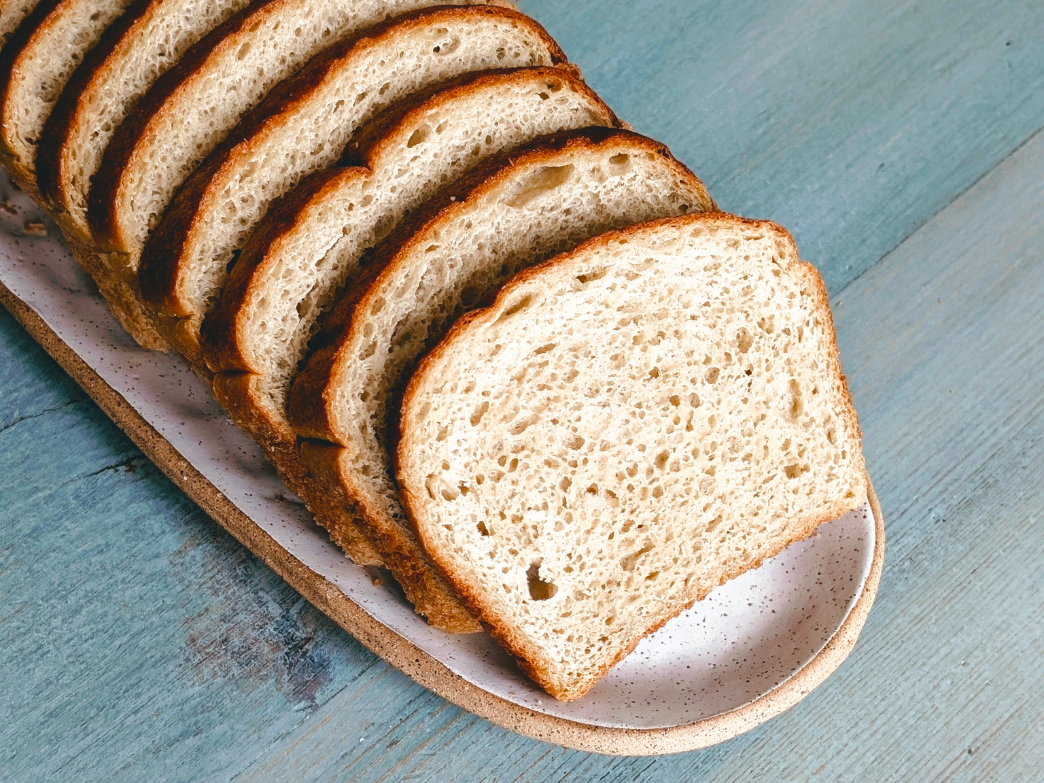
Best High-Fiber Foods for Kids
By Dr. Jorge, Ph.D. Wildgrain, opens in a new tab is the first bake-from-frozen subscription box for sourdough breads, fresh pastas, and artisanal pastries. Fiber is an important part of everyone's diet, including children's. While many parents know fiber is important, increasing a child's fiber intake can be a challenge, especially for picky eaters. In this article, we'll share practical tips for getting kids to eat more fiber and easy ways to sneak fiber-rich foods into your child's favorite meals. Should kids eat fiber? How much fiber should kids eat daily? Yes, kids absolutely should eat fiber. Fiber is a vital nutrient for everyone, regardless of age, and supports a healthy gut microbiome. The recommended daily amount depends on a child's age and sex. For example, children aged 1 to 3 are recommended to consume approximately 19 grams of fiber per day, while girls aged 9 to 13 should aim for 26 grams of fiber daily and boys the same age should aim for 31 grams of fiber per day. That said, it is always best to consult your child's doctor to determine the appropriate amount of fiber for their specific needs. How can you increase a child’s fiber? How can I add fiber to my child’s diet? What’s high in fiber for kids? Foods naturally rich in fiber include berries, apples and pears with the skin on, vegetables, legumes like beans and lentils, and whole grains such as oatmeal, brown rice, and whole wheat pasta. One of the easiest ways to incorporate more fiber into your child’s diet is to gradually replace refined grain foods like white pasta, white bread, and white rice with whole grain varieties such as whole wheat pasta, whole wheat bread, and brown rice. Leaving skins on fruits and vegetables and adding more beans, nuts, and lentils to meals can also help boost fiber in your child's diet. For easy, kid-friendly options for adding fiber, try adding dried fruits to baked goods like cookies, muffins, and breads (such as Wildgrain’s Slow-Fermented Cranberry-Pecan Loaf), or offering raw veggies with dip, whole grain crackers, and high-fiber cereals. You can even sneak in extra veggies by topping a kid-favorite food like pizza with extra vegetables, such as Wildgrain's Slow-Fermented Veggie Pizza. Can kids eat whole wheat bread? Can kids eat whole wheat pasta? Kids can and should eat whole wheat bread, like Wildgrain’s Whole Wheat Sourdough Loaf, and whole wheat pasta. Both are great, fiber-rich options for children and easy swaps if your current go-to is white bread and white pasta. To make the transition more appetizing, try pairing whole wheat pasta with your child's favorite sauce or whole wheat bread with fun toppings like peanut butter and fruit. Keep in mind that whole wheat bread and pasta can vary in taste, so it may be worth letting your child try a few different options to find their favorite. Is hummus a good snack for kids? Hummus, such as Wildgrain’s Traditional Hummus, is a great and nutritious snack for kids! Made from mashed chickpeas, hummus is rich in fiber, protein, healthy fats, and other key nutrients. It is also a versatile food that can be easily added to sandwiches or served as a dip alongside your child's favorite vegetables and crackers. Does fiber help kids feel full? What happens if children don’t get enough fiber? Yes, fiber helps kids feel full by slowing down digestion and helping to prevent overeating. If children don't get enough fiber in their diet, it can impact their health in various ways. A lack of fiber can lead to constipation, irregular bowel movements, and low energy levels, as fiber helps stabilize blood sugar levels. Fortunately, there are simple ways to incorporate more fiber into your child's diet to help them meet their daily fiber goals, like serving Wildgrain’s Traditional Hummus as a snack. How do picky eaters get fiber? How to sneak fiber into kids’ meals? Picky eaters can get more fiber in their diet by trying different fiber-rich foods and making a conscious effort to include their favorites regularly. This can be as simple as apples, bananas, berries, whole grain bread, or even popcorn! You can sneak fiber into kids' meals by pairing fiber-rich foods with something you know your child already loves. For example, add your child's favorite fruit to a bowl of oatmeal and top it with maple syrup, cinnamon or Wildgrain Coconut Granola, or use whole grain bread to make their favorite sandwich, whether that be a peanut butter and jelly or a BLT. There are so many delicious fiber-rich combinations to try that even a picky eater can boost their fiber intake. What are the best high-fiber foods for kids? What are the best high-fiber foods for children? The best high-fiber foods for kids are any foods your child enjoys that are naturally rich in fiber. Some popular options include fruits like berries, pears, and bananas, and vegetables like green peas, broccoli, and Brussels sprouts. Whole grains like whole wheat bread, whole wheat pasta, and popcorn, as well as legumes and nuts like lentils, black beans, and almonds, are also great high-fiber choices for kids. Any combination of these high-fiber foods, as well as many others, can help your child meet their daily fiber needs. Just be sure to check nutrition labels and consult your child's doctor to ensure they are getting the right amount of fiber for their age and needs. Where can I buy the best fresh high-fiber foods online? At Wildgrain, we specialize in making high-quality, fresh breads and pastas that are delivered directly to your door. Wildgrain is the first bake-from-frozen delivery subscription service for breads, pastries, fresh pastas, and more. Some of our popular items include Wildgrain's Traditional Hummus, Wildgrain Slow-Fermented Veggie Pizza, and Wildgrain Whole Wheat Sourdough Loaf. Learn more about Wildgrain and our artisanal baking and cooking methods. Best Home Delivery Service for Food: How Wildgrain's Food Delivery Works Wildgrain's products are prepared in independent, artisanal bakeries with high quality ingredients. They are shipped frozen in insulated boxes and delivered direct to your home, anywhere nationwide. By shipping frozen, Wildgrain products maintain the highest quality, so you can enjoy fresh food at home. That's why customers consider Wildgrain among the best home food delivery services. About the Author Dr. Jorge has been a public health researcher for many years, holding both a Bachelor's degree and a Ph.D. in Chemistry. They presently work as a medical writer and love being able to assist others in understanding various health and scientific topics. This content is for informational use only and does not replace professional nutrition and/or medical advice, diagnosis or treatment. It is not a substitute for and should not be relied upon for specific nutrition and/or medical recommendations. Please talk with your doctor about any questions or concerns.
Learn more Best High-Fiber Foods for Kids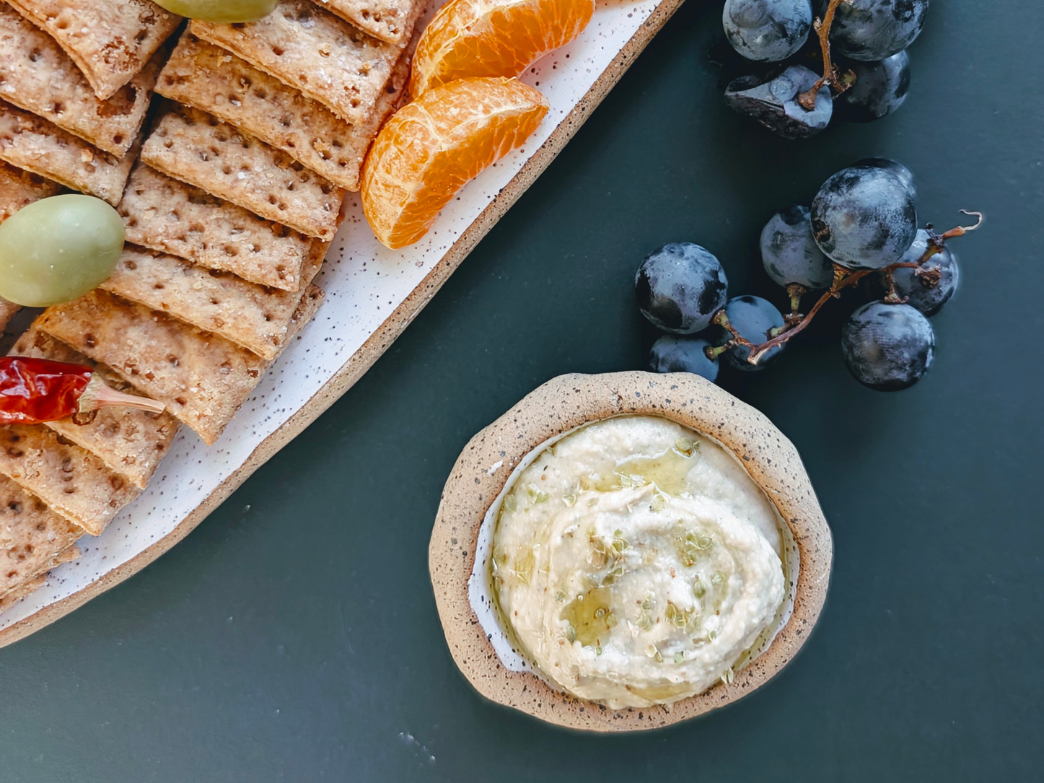
Best Hummus for Protein
By Lucy Yanckello, Ph.D. Wildgrain, opens in a new tab, is the first bake-from-frozen subscription box for sourdough breads, fresh pastas, and artisanal pastries. Hummus has earned its place as a pantry staple due to its versatility, pairing well with everything from raw vegetables to warm pita bread. Beyond its flavor, hummus also provides nutritional value, including a good amount of protein. Whether you’re looking to increase protein in your diet, in search of satisfying snacks, or simply curious about the contents of hummus, this article will break down everything you need to know. Does hummus have protein? Is hummus a good source of protein? Yes, hummus does have protein. The primary ingredient in traditional hummus is chickpeas, which are naturally rich in plant-based protein, providing around 7-8 grams of protein per serving. Tahini, another key ingredient, also contributes a small but notable amount of protein. Whether hummus qualifies as a “good” source of protein depends on how you define the term. A standard two-tablespoon serving of hummus contains around 2 grams of protein, with a quarter cup (4 tablespoons) providing closer to 4-5 grams. For a plant-based food, that is a reasonable amount of protein, especially when paired with other protein-rich foods. Additionally, it is worth noting that the protein in hummus comes along with fiber, healthy fats, and key micronutrients like iron and folate. This combination makes hummus a more well-rounded protein source compared to most processed snack foods. How to boost protein in hummus? What can I add to hummus to make it a complete protein? One of the simplest ways to boost the protein content of hummus is to add more tahini, or blend in additional chickpeas. You can also stir in greek yogurt, edamame, or white beans. Both edamame and white beans are higher in protein than chickpeas, and have a mild enough flavor to blend seamlessly into a classic hummus recipe. Another non-traditional add-in is hemp seeds, which blend smoothly into hummus and provide all nine essential amino acids (the building blocks of protein), making them one of the few plant-based complete proteins available. Hummus on its own is low in the essential amino acid methionine, however pairing hummus with grains, such as Wildgrain’s Pita Bread, creates a complementary amino acid profile that together provides all nine essential amino acids. Are chickpeas or hummus better for protein? Chickpeas and hummus are nutritionally very similar when it comes to protein, which makes sense given that chickpeas are the primary ingredient in hummus. A half cup of cooked chickpeas contains around 7-8 grams of protein, and a half cup of hummus contains around 6-7 grams. This modest difference reflects the dilution that occurs when chickpeas are blended with the other ingredients in hummus, but neither is significantly superior to the other in terms of protein content. Can you eat hummus on a high-protein diet? Yes, hummus can absolutely fit into a high-protein diet, but it works better as a complementary protein source rather than a primary one. With around 2 grams of protein per serving, hummus alone won’t carry the bulk of your protein goals for the day. However, it can add up meaningfully when consumed alongside other protein-dense foods. Pairing hummus with eggs, grilled chicken or legume-based dishes is a practical way to build a high-protein meal that also includes healthy fats and fiber. For example, pairing a generous spread of hummus with Wildgrain’s Pita Bread and hard-boiled eggs is a simple and satisfying high-protein meal that doesn’t require much effort. Which has more protein, hummus or peanut butter? Peanut butter has more protein than hummus per serving. Two tablespoons of peanut butter contain around 7-8 grams of protein, compared to roughly 2-3 grams in the same size serving of hummus. Hummus provides more fiber per serving than peanut butter, and is lower in overall calories, making it a better choice for those that are monitoring caloric intake alongside protein goals. Peanut butter on the other hand is much more calorie dense that works better in a high-calorie diet or as a pre- or post-workout fuel. Rather than thinking of the two as in competition, both can fit into your diet in moderation. Spread peanut butter on Wildgrain’s Sourdough Bread for breakfast in the morning, and dip Wildgrain’s Pita Bread in hummus for a nutritious afternoon snack. Which has more protein, hummus or cottage cheese? Cottage cheese has more protein than hummus. A half cup serving of cottage cheese has around 12-14 grams of protein, while the same serving as hummus provides only around 6-7 grams. Cottage cheese also contains all nine essential amino acids, making it a complete protein. However, both can find a place in any balanced diet and serve different dietary purposes - cottage cheese is typically a standalone snack or meal component, whereas hummus is used to enhance other foods as a dip or spread. Is hummus still good after being frozen? Hummus holds up reasonably well when done correctly - in an airtight container with a thin layer of olive oil on top to preserve texture and flavor. The texture may change slightly upon thawing, but stirring well or blending it briefly after thawing typically restores its smooth consistency. Frozen hummus keeps for up to four months. When ready to use, thaw it overnight in the refrigerator rather than room temperature to help maintain texture. If you are planning on freezing leftover Wildgrain Hummus, be sure to keep a batch of Wilgrain’s Pita Bread in the freezer alongside it, ensuring you’ll have a satisfying snack ready to go at a moment's notice. Is hummus actually healthy? Is hummus good for you? Hummus is one of the more nutritious packaged foods available and this is supported by its ingredient list. Made from chickpeas, tahini, olive oil, lemon juice, and garlic, traditional hummus is rich in plant-based protein, dietary fiber, heart-healthy monounsaturated fats, and an array of vitamins and minerals. This combination of nutrients supports everything from digestive health and blood sugar regulation, to cardiovascular health and satiety. The main caveat with hummus is that store-bought varieties can vary widely in quality, and often contain added oils, excessive sodium, or preservatives that diminish the nutritional profile. Opt for hummus with simple ingredients, such as Wildgrain’s Traditional Hummus, to ensure you are getting the most out of this nutrient dense food. Can you eat hummus and lose weight? Yes, hummus just like any food, can be a part of any balanced diet, even if you are trying to lose weight. Its combination of protein and fiber makes it a particularly satiating food, which means it can help curb hunger, reduce snacking, and ultimately help reduce overall caloric intake throughout the day. However, remember that hummus is calorie dense relative to its serving size so it is important to be mindful of the amount you are eating. Pairing it with low calorie foods such as carrots, cucumbers, and bell peppers, rather than chips or crackers can keep the overall calorie count of your snack lower while still delivering fiber and nutrients. It is important to consider the broader picture when trying to lose weight, which is that it is driven by overall dietary patterns rather than a single food. What needs to be taken into consideration is portion size so that a caloric deficit can be maintained, which is the most important factor in weight loss. Where can I buy the best fresh hummus and pita bread online? At Wildgrain, we specialize in making high-quality, fresh breads and pastas that are delivered directly to your door. Wildgrain is the first bake-from-frozen delivery subscription service for breads, pastries, fresh pastas, and more. Some of our popular items include our traditional hummus, slow-fermented artisanal pita, and plain sourdough loaf. Learn more about Wildgrain and our artisanal baking and cooking methods. Best Home Delivery Service for Food: How Wildgrain's Food Delivery Works Wildgrain's products are prepared in independent, artisanal bakeries with high quality ingredients. They are shipped frozen in insulated boxes and delivered direct to your home, anywhere nationwide. By shipping frozen, Wildgrain products maintain the highest quality, so you can enjoy fresh food at home. That's why customers consider Wildgrain among the best home food delivery services. About the Author Lucy Yanckello received her Ph.D. in nutrition from the University of Kentucky College of Medicine. She currently works as a medical writer and enjoys being able to help people better understand nutrition and science. This content is for informational use only and does not replace professional nutrition and/or medical advice, diagnosis or treatment. It is not a substitute for and should not be relied upon for specific nutrition and/or medical recommendations. Please talk with your doctor about any questions or concerns.
Learn more Best Hummus for Protein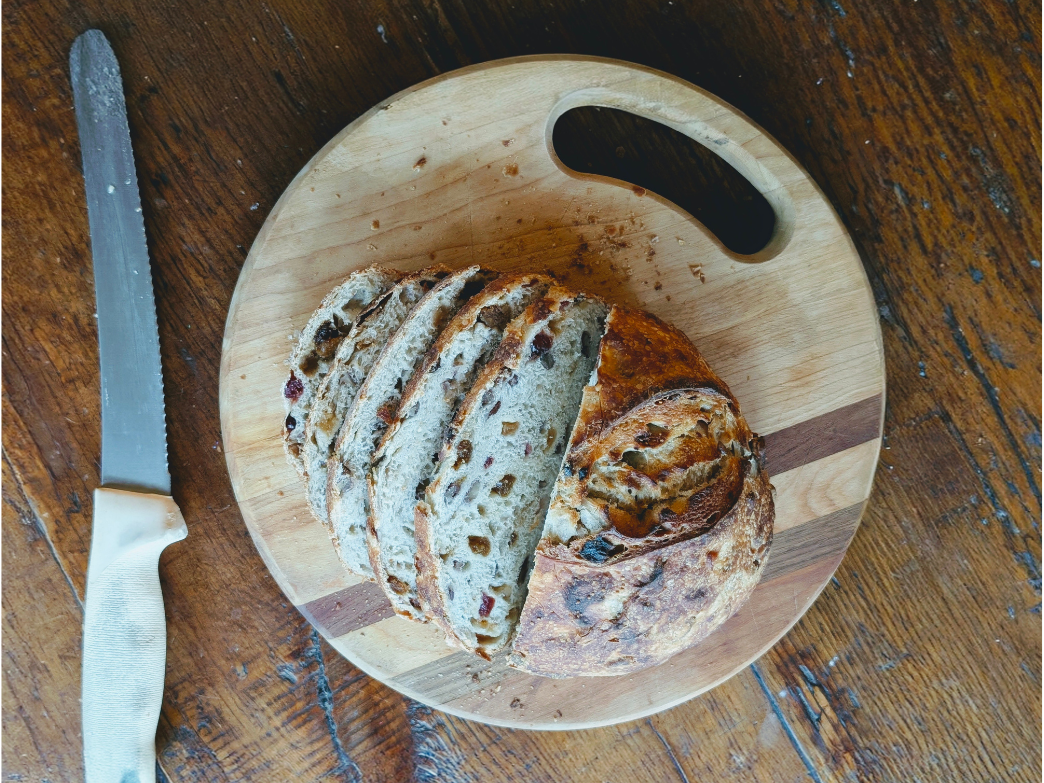
Best High-Protein Foods for Bulking
By Dr. Jorge, Ph.D. Wildgrain, opens in a new tab is the first bake-from-frozen subscription box for sourdough breads, fresh pastas, and artisanal pastries. If your goal is to gain muscle or bulk up, choosing the right foods is key. How much protein do you really need for muscle growth? Can staples like bread and pasta fit into a bulking diet? In this article, we break down which foods can help you maximize muscle gains, and which ones are best eaten in moderation. What is the best food to bulk up? Do I need protein to bulk up? In general, you should focus on eating whole, largely unprocessed foods while bulking. The best foods for bulking include lean proteins, healthy fats, fruits, non-starchy vegetables, and high-quality carbohydrates like whole-grain pasta, oats, and rice. Protein is essential when trying to “bulk up,” or build muscle, because it helps repair and grow muscle fibers that are broken down during exercise. Although you don’t need to eat excessive amounts of protein to bulk, you do need enough to support muscle recovery and growth. Pairing adequate protein with a consistent calorie surplus and strength training is key for effective bulking. Can you bulk without eating protein? Can you gain muscle without eating protein? No, it’s not possible to bulk without eating protein. Muscles are primarily made of protein, and during exercise, microscopic muscle tears occur that require protein to repair the muscles and grow stronger. If you don’t consume enough protein, the body will break down existing muscle tissue for energy, resulting in muscle loss and reduced strength. As a general rule of thumb, you should aim to consume around 0.7 grams of protein per pound of body weight when trying to bulk or gain muscle. What protein food is best for muscle gain? What kind of protein is best for bulking? The best protein foods for muscle gain are those that are unprocessed and contain high-quality, nutrient-dense protein. Great protein choices for bulking include chicken breast, eggs, salmon, Greek yogurt, cottage cheese, nuts and seeds, and beans and legumes. These whole-food protein sources generally provide more vitamins, minerals, and healthy fats than many processed high-protein options. In contrast, processed or lower-quality protein foods such as bacon, sausage, some protein powders, and certain cuts of beef or pork are less ideal. These options can be higher in saturated fat, sodium, and additives, which may increase the risk of certain health conditions and negatively impact gut health. Choosing mostly whole-food protein sources can better support muscle growth and overall health. Is bread good for building muscle and bulking? Is bread a bodybuilding food? Yes, bread can be good for building muscle and bulking. Carbohydrates are the body’s main source of fuel, and bread is rich in carbohydrates. Without enough carbs, the body may begin breaking down muscle tissue for energy, which can hinder muscle growth. However, as with other foods recommended for bulking, it’s best to choose minimally processed breads such as whole-wheat bread or whole-grain bread. What bread is best for bulking? The best bread for bulking is bread that is high in protein, unprocessed, or easy to digest. Whole-grain bread tends to be higher in protein than white bread and is less processed, while sourdough bread is generally easier to digest, which can support muscle recovery by allowing the body to absorb nutrients more efficiently. Pairing whole grain bread and sourdough bread with high-protein foods, such as eggs, nut butters, or lean meats, can help you meet your overall calorie and protein needs for bulking. Is sourdough bread good for bulking? Is whole wheat bread good for bulking? Yes, sourdough bread can be good for bulking. Although sourdough bread is not a primary source of protein like eggs or meat, some types of sourdough bread can contain up to 8 grams of protein per slice. In addition, traditional sourdough bread is minimally processed and easy to digest, making it a great source of carbohydrates that can support weight training and help your body absorb nutrients, including protein, more effectively. Whole wheat bread is another great choice for bulking or building muscle because it typically contains more protein than many other types of bread. Whole wheat bread is also rich in fiber, which can support digestion and overall nutrient absorption, both of which are critical for muscle growth. Can I eat pasta on a bulk? Is pasta good for building muscle? Is pasta unhealthy for bulking? Yes, you can eat pasta while bulking. PastaGo to fresh cavatappi 12oz, especially when paired with lean protein sources, is an excellent food for building muscle. Like bread, pasta is rich in carbohydrates, which are essential for fueling your body during intense workouts and supporting muscle growth. Incorporating pasta around your training schedule can further enhance its benefits, such as eating pasta before a workout to help fuel your gym session or afterwards to replenish your energy stores. What pasta is best for bulking? The best pasta for bulking depends on your goals and timing. For example, eating white pasta a few hours before a workout is best for quick digestion and fast energy availability. Whole wheat pasta, on the other hand, provides more fiber and nutrients, making it a great option for sustained energy and supporting muscle recovery after exercise. If you’re struggling to meet your protein needs while bulking, high-protein pasta made from chickpeas, lentils, or other legumes can be an excellent choice. Choosing the right type of pasta based on your energy needs and protein requirements can help optimize your bulking results. Is pizza good for muscle gain? Can you eat pizza on a bulk? Is pizza unhealthy for bulking? Pizza is not an ideal food choice for muscle gain, but it can still be eaten in moderation while bulking. Although it contains some protein from cheese, pizza is not very nutrient-dense and can be high in sodium and fat, which may work against your bulking goals. However, because pizzaGo to slow fermented margherita pizza is calorie-dense and can provide additional protein depending on the toppings, it may help you reach your calorie and protein targets during a bulk. Pizza is generally considered less healthy for bulking, as relying on fast food and other ultra-processed foods, sometimes called “dirty bulking,” can lead to more fat gain compared with a slower, “clean” bulk. Where can I buy fresh bread and fresh pasta online? At Wildgrain, we specialize in making high-quality, fresh breads and pastas that are delivered directly to your door. Wildgrain is the first bake-from-frozen delivery subscription service for breads, pastries, and fresh pastas. Some of our popular pastas include fresh fettuccine and fresh tonnarelli. Some of our popular breads include everything sourdough bread, plain sourdough loaf, and sourdough 7-grain loaf. Learn more about Wildgrain and our artisanal baking and cooking methods. Best Home Delivery Service for Food: How Wildgrain's Food Delivery Works Wildgrain's products are prepared in independent, artisanal bakeries with high quality ingredients. They are shipped frozen in insulated boxes and delivered direct to your home, anywhere nationwide. By shipping frozen, Wildgrain products maintain the highest quality, so you can enjoy fresh food at home. That's why customers consider Wildgrain among the best home food delivery services. About the Author Dr. Jorge has been a public health researcher for many years, holding both a Bachelor's degree and a Ph.D. in Chemistry. They presently work as a medical writer and love being able to assist others in understanding various health and scientific topics. This content is for informational use only and does not replace professional nutrition and/or medical advice, diagnosis or treatment. It is not a substitute for and should not be relied upon for specific nutrition and/or medical recommendations. Please talk with your doctor about any questions or concerns.
Learn more Best High-Protein Foods for Bulking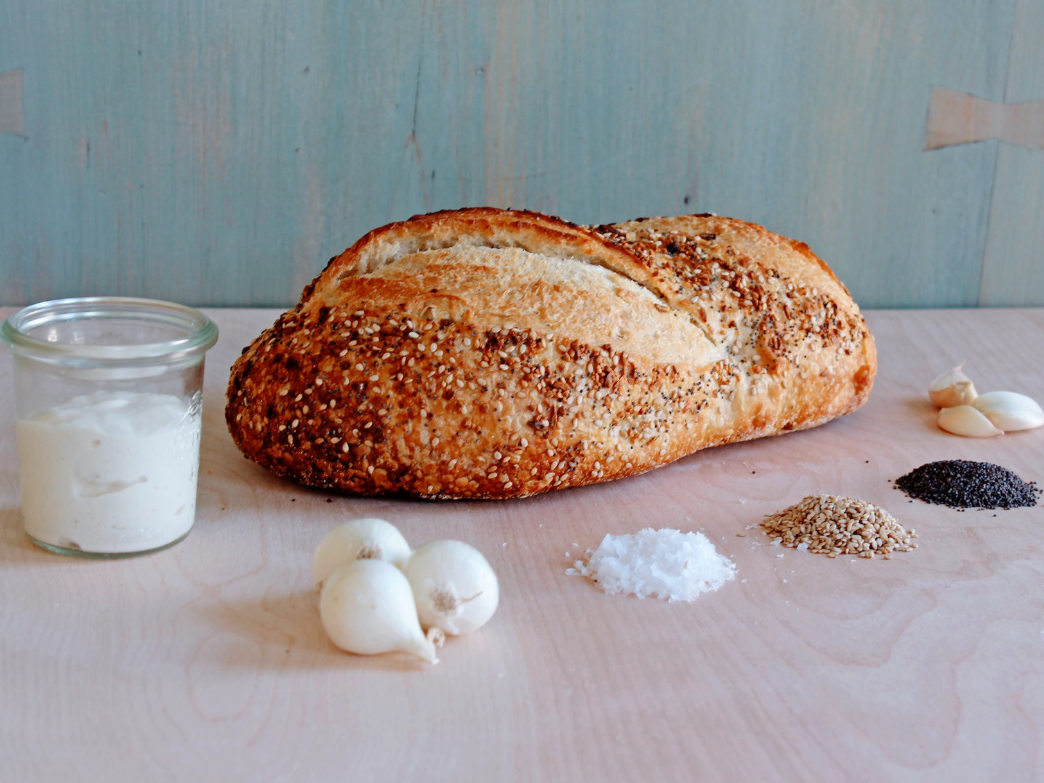
What’s Better: High-Protein Bread vs. High-Protein Wrap?
By Lucy Yanckello, Ph.D. Wildgrain, opens in a new tab is the first bake-from-frozen subscription box for sourdough breads, fresh pastas, and artisanal pastries. Pretzels and pretzel buns are tasty crowd-pleasers—but are they actually good for you? In this post, we’ll take a quick look at what’s inside, how they stack up nutritionally, and whether they belong in your regular diet or just the occasional treat. Protein is everywhere these days from powders and bars, to smoothies and cookies. Now, even everyday staples like loaves of bread, and wraps are getting a protein packed upgrade. This article breaks down high-protein bread versus high-protein wraps so you can determine which one fits best into your diet. Are protein wraps good for you? How much protein is in a high-protein wrap? Protein wraps can be a handy way to level up a simple meal by adding extra protein to help with muscle recovery and satiety compared to a regular carb-heavy option. High-protein wraps contain around 10 to 15 grams of protein per wrap and are lower in net carbs due to high fiber content. For perspective, that is similar to the amount of protein you would get from two large eggs, but in a portable fiber rich wrap that can hold your favorite fillings. Is protein bread good for you? How much protein is in high-protein bread? Protein bread is a good option if you are looking to increase your daily protein intake, since many loaves pack anywhere from 5 to 15 grams per slice compared to just 2 to 4 grams in regular bread. Nutritionally, high protein bread is best for you when it is made with whole grains, seeds, or legumes because these ingredients add fiber and micronutrients. However, be sure to read the ingredient label closely, some store-bought versions lean heavily on processed additives and fillers. What is the difference between high protein wrap vs. bread in nutrition and calories? When comparing high-protein wraps and breads, it really comes down to ingredient choices and portion sizes. High protein wraps nutritional content varies by brand, but typically contain around 10 to 15 grams of protein, 10 to 15 grams of fiber, and around 70 to 100 calories per wrap. As for high-protein bread, a typical slice ranges from around 5 to 15 grams of protein, 3 to 15 grams of fiber, and 80 to 180 calories. Since you typically eat more than one slice of bread, although you will get a higher fiber and protein content from high-protein bread, you will also be consuming a higher amount of calories. Which is healthier to eat: high-protein bread or high-protein wrap? Are protein wraps better than bread? When it comes to a direct comparison on health between high-protein wraps and high-protein breads, there is not a clear winner. The healthiest option is the protein option that fits into your diet best. Both high-protein wraps and high-protein breads have similar levels of protein and fiber, however, it is important to consider that high-protein bread may cause you to consume higher calories as you usually eat two slices of bread in a sandwich. Which is the best for weight loss and dieting: high-protein bread or high-protein wrap? Are wraps better than bread for weight loss? Neither high-protein bread or high-protein wraps are inherently better for weight loss. The best choice depends on the product's ingredients and your overall dietary goals. The high protein and fiber content in either option will benefit those trying to lose weight as these ingredients will help keep you fuller for longer and reduce cravings and snacking. The one thing to consider is that high-protein bread will lead to increased caloric intake as you will likely eat more than one slice. Which is the best for muscle gain and strength training: high-protein bread or high-protein wrap? As both high-protein bread and high-protein wraps have similar protein content, either is a great choice for those aiming to gain muscle. The best choice for you depends on your individual nutritional goals and preferences. Instead of focusing on bread versus wrap, focus on the overall macronutrient profile of the product, including the amount of carbohydrates and healthy fats – both important factors in muscle growth and recovery. Where can I buy fresh high-protein bread online? At Wildgrain, we specialize in making high-quality, fresh breads and pastas that are delivered directly to your door. Wildgrain is the first bake-from-frozen delivery subscription service for breads, pastries, and fresh pastas. Some of our popular breads include everything sourdough bread, plain sourdough loaf, and sourdough 7-grain loaf. Learn more about Wildgrain and our artisanal baking and cooking methods. Best Bread Home Delivery Service: How Wildgrain's Bread Delivery Works Wildgrain's breads are prepared in independent, artisanal bakeries with high quality ingredients. The breads are shipped frozen in insulated boxes and delivered direct to your home, anywhere nationwide. By shipping frozen, Wildgrain products maintain the highest quality, so you can enjoy fresh baked breads at home. That's why customers consider Wildgrain among the best home delivery services for bread. About the Author Lucy Yanckello received her Ph.D. in nutrition from the University of Kentucky College of Medicine. She currently works as a medical writer and enjoys being able to help people better understand nutrition and science. This content is for informational use only and does not replace professional nutrition and/or medical advice, diagnosis or treatment. It is not a substitute for and should not be relied upon for specific nutrition and/or medical recommendations. Please talk with your doctor about any questions or concerns.
Learn more What’s Better: High-Protein Bread vs. High-Protein Wrap?