

Wildgrain Blog
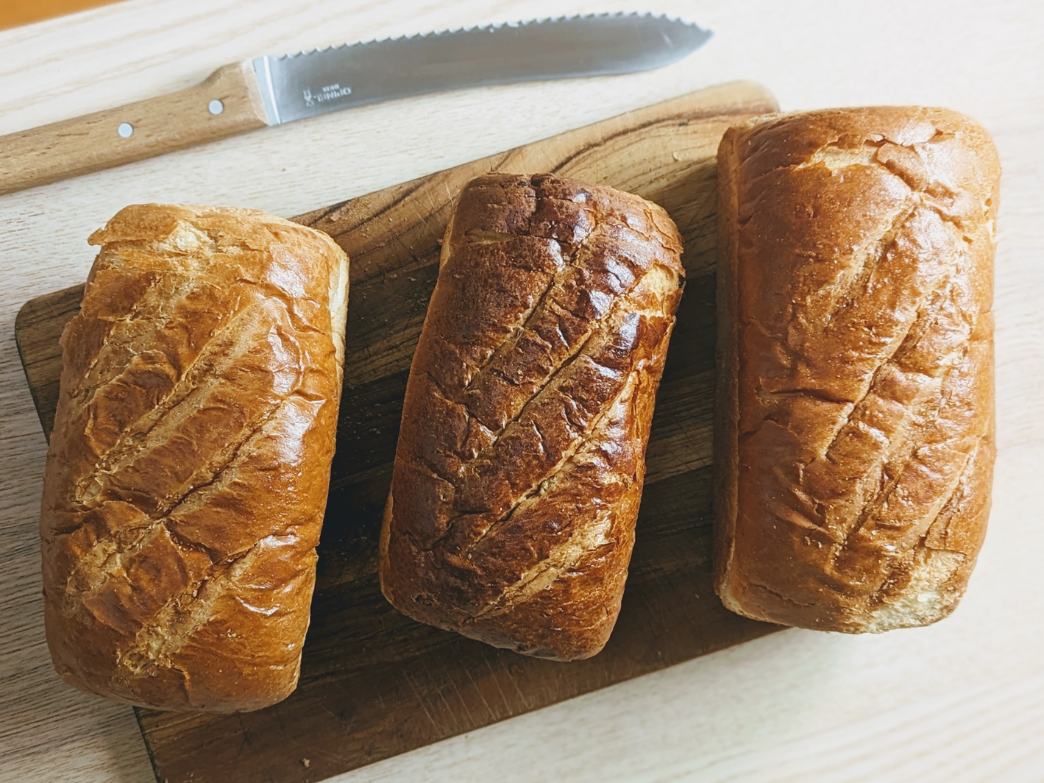
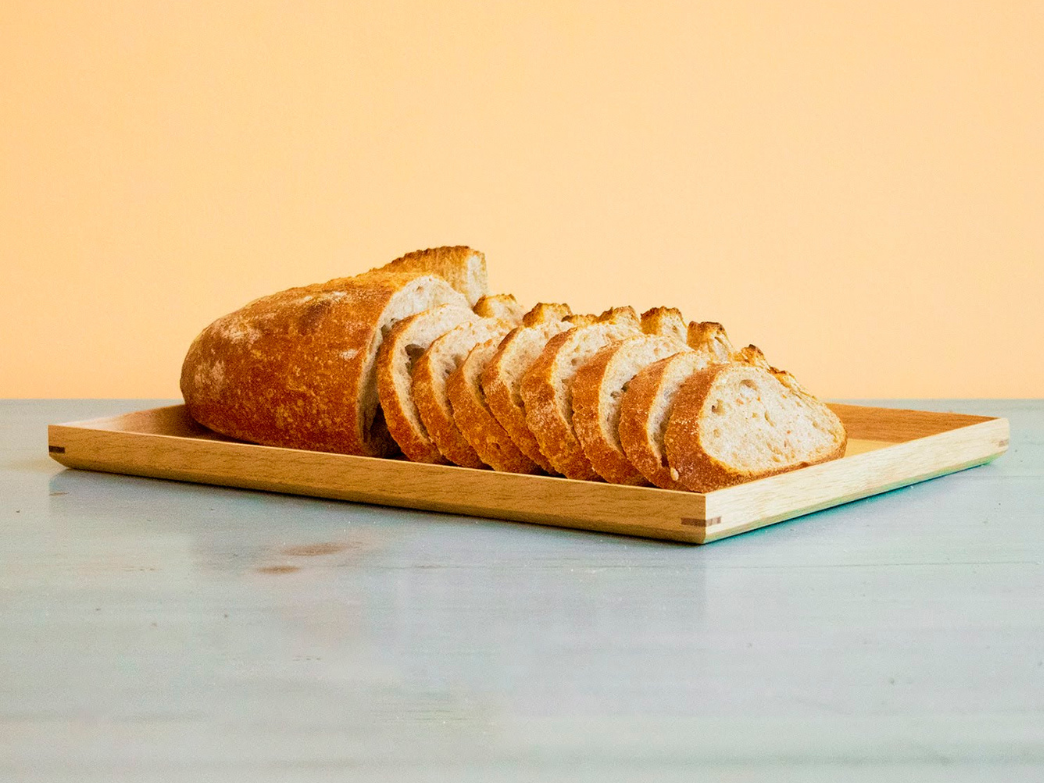
Best Dairy-Free Bread
By Lucy Yanckello, Ph.D. Wildgrain, opens in a new tab is the first bake-from-frozen subscription box for sourdough breads, fresh pastas, and artisanal pastries. Bread is a staple in most diets, be it in the form of loaves, bagels, or buns. However, if you do not or cannot eat dairy, it is important to be weary of the ingredient list. Many bread products contain milk or dairy in some form, so be sure to check the ingredients prior to enjoying bread if you are sensitive to dairy. Can you eat bread if you are dairy-free? What type of bread is dairy-free? Can bread contain dairy? You can eat bread if you are dairy-free, however it is important to read the ingredients prior to enjoying a slice. The most common types of bread that do not contain dairy are those with simple ingredients including sourdough, ciabatta, focaccia, and baguettes. Bread can and does contain dairy, including in the form of butter and milk. For example, a popular bread that typically contains bread is brioche (though Wildgrain’s Gluten-Free Brioche Rolls do not contain any dairy!) Is white bread dairy-free? Is sliced bread dairy-free? Some white breads are dairy-free, including sourdough, ciabatta, focaccia, and baguettes made with white flour. Some sliced bread is dairy-free, but it is important to always read the ingredient list. Often, pre-sliced bread contains casein, whey, non-fat milk powder, or all three. If you want to see if a food has milk in it, check the bottom of the ingredient list, you will see “contains: milk” in bold. This is the easiest way to check if a food has dairy in it without knowing every ingredient that can be classified in the category. Is wheat bread dairy-free? Is whole grain bread dairy-free? Breads that can be made with white or wheat flour, such as sourdough, ciabatta, focaccia, and baguettes, are usually dairy-free. Whole-grain breads can be dairy-free, but may also contain dairy. Be sure to read the ingredient list, or substitute dairy for a plant-based version if you are trying a recipe at home. Is sourdough bread dairy-free? Is milk in sourdough? How much dairy is in sourdough bread? Sourdough bread is usually dairy-free because it is made with simple ingredients – flour, water, salt, and sourdough starter. There is typically no dairy in sourdough bread, however, in some sweet sourdough varieties, milk is used in place of water. It is important to always check the ingredients of sourdough bread to determine if it is dairy-free or contains milk. Are bagels dairy-free? Traditional are dairy-free. However, this does not mean that all bagels are dairy-free. Flavored bagels often contain dairy, such as those that include cheese or sweet bagels that often incorporate butter. Be sure to ask the baker if you are buying bagels at a shop, or read the ingredients if you are buying them at the store. What is the best bread for dairy-free? How do you know if bread is dairy-free? The safest option for those who are dairy-free is to opt for breads that do not use dairy in their traditional recipes. These include sourdough, baguettes, ciabatta, and focaccia. However, it is important to always read the ingredient list, even when buying breads that do not typically contain dairy in their recipes. Bread is dairy-free if the ingredients do not have any dairy-derived products. If bread contains dairy, the label will say “contains: milk” in bold at the bottom, keep an eye out for this. What happens when you cut out dairy? Can eliminating dairy help you lose weight? Cutting out dairy often leads to benefits such as a reduction in bloating and improved digestion, especially if you are sensitive to dairy or are lactose intolerant. Some people also report that eliminating dairy has helped clear up acne. Excluding dairy from your diet may also aid in weight loss if eliminating dairy has led to reducing consumption of foods high in sugar and saturated fat, such as ice cream, and cheese. However, it is always important to discuss eliminating a food group from your diet with your doctor before you do so. What is the best bread for dairy-free and gluten-free? Breads made with brown or white rice flour, potato flour, chickpea flour, and tapioca flour are gluten free by nature, and if they do not contain any milk or milk products, they will be dairy-free, too. Although it is often hard to find both dairy-free and gluten-free bread that is edible, they do exist. For example, Wildgrain makes a gluten-free slow-fermented brioche roll that pairs perfectly with a burger, or can be enjoyed warm with butter Where can I buy the best dairy-free breads online? At Wildgrain, we specialize in making high-quality, fresh breads that are delivered directly to your door. Wildgrain is the first bake-from-frozen delivery subscription service for breads, rolls, pastries, and fresh pastas. Some of our popular dairy-free breads include plain sourdough loaf, gluten-free slow-fermented brioche rolls, and sourdough whole wheat loaf. We are proud to offer healthy breads, made with non-GMO flour and without added sugar or preservatives. Learn more about Wildgrain and our artisanal baking and cooking methods. Best Bread Home Delivery Service: How Wildgrain's Bread Delivery Works Wildgrain's breads are prepared in independent, artisanal bakeries with high quality ingredients. The breads are shipped frozen in insulated boxes and delivered direct to your home, anywhere nationwide. By shipping frozen, Wildgrain products maintain the highest quality, so you can enjoy fresh baked breads at home. That's why customers consider Wildgrain among the best home delivery services for bread. About the Author Lucy Yanckello received her Ph.D. in nutrition from the University of Kentucky College of Medicine. She currently works as a medical writer and enjoys being able to help people better understand nutrition and science. This content is for informational use only and does not replace professional nutrition and/or medical advice, diagnosis or treatment. It is not a substitute for and should not be relied upon for specific nutrition and/or medical recommendations. Please talk with your doctor about any questions or concerns.
Learn more Best Dairy-Free Bread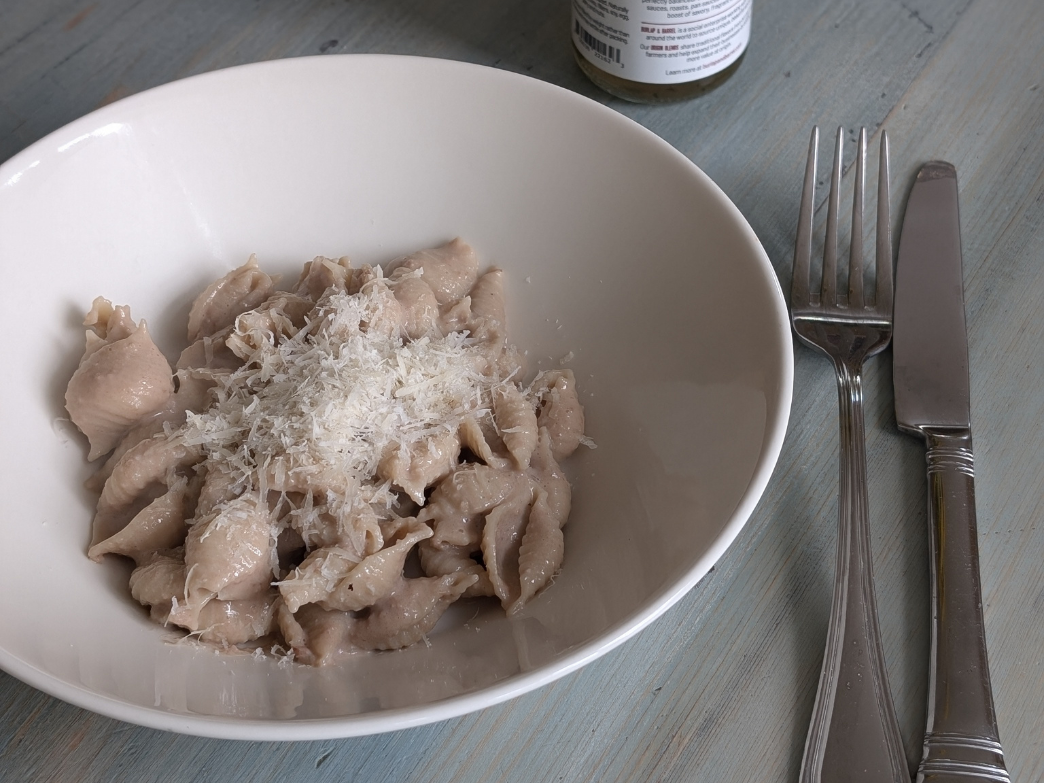
Best Pasta for IBS: Can You Eat Pasta with IBS?
By Dr. Jorge, Ph.D. Wildgrain, opens in a new tab is the first bake-from-frozen subscription box for sourdough breads, fresh pastas, and artisanal pastries. Navigating irritable bowel syndrome (IBS) while trying to enjoy your favorite foods can be a challenge, especially if you’re a pasta lover. Read on to learn why some types of pasta can exacerbate IBS symptoms while others can help keep uncomfortable symptoms away. We’ll help you choose the best pasta for your next meal to keep it both tasty and gut-friendly. Is pasta OK for people with IBS? Can you eat pasta on an IBS diet? Does pasta cause IBS flareup? Traditional pasta might not be good for people with IBS since it is made from wheat, a high fermentable oligosaccharides, disaccharides, monosaccharides, and polyols (FODMAP) ingredient. FODMAPs are a group of carbohydrates that can contribute to IBS symptoms. Although food triggers can vary from person-to-person, wheat-based foods (like pasta) tend to cause IBS flareups for many, resulting in diarrhea, constipation, and bloating. The good news is that there are alternative pasta options available for IBS sufferers so you can continue to enjoy pasta without uncomfortable symptoms. Brown rice pasta and quinoa pasta are two non-wheat pastas that are generally well tolerated by those with IBS. Corn pasta is another great addition to an IBS diet since it is low FODMAP and high in fiber, which aids in digestion. Are noodles OK for people with IBS? Can you eat noodles on an IBS diet? Do noodles cause IBS flareup? Like pasta, wheat-based noodles are typically not well tolerated by people with IBS. This includes ramen noodles and instant noodles. On the other hand, rice noodles, egg noodles, and soba noodles are all low FODMAP foods, meaning they are less likely to cause IBS flareups since they are not made with wheat flour. Is plain pasta better for IBS? Plain pastaGo to Fettuccine (pasta without sauce or toppings) might be better for IBS diets compared to pasta served with other foods or paired with sauce. Since plain pasta doesn’t contain extra ingredients that can cause IBS symptoms, the likelihood of experiencing a flareup is minimized. However, even plain pasta can cause discomfort for IBS sufferers if the pasta is made from wheat flour. Plain brown rice pasta and plain quinoa pasta are excellent choices for managing IBS symptoms, as they are both free from wheat. What is the best pasta for IBS sufferers? What pasta is gut friendly? For those with IBS, the best pasta options are those made from low FODMAP ingredients like rice, quinoa, and corn. Gluten-free pasta can also be a gut-friendly choice, but it’s important to check for high FODMAP ingredients such as chickpeas. Soba noodles are another excellent option, as they’re made from buckwheat - a low FODMAP ingredient known for being gentle on the digestive system for many people. Is whole wheat pasta better for IBS or is regular pasta better for IBS? While whole wheat pasta is often considered more nutritious than regular pasta, experts generally recommend avoiding whole grain foods on an IBS diet. Whole grains, including those used in whole wheat pasta, can be harder for the body to digest compared to white pastaGo to Tonnarelli. For individuals with IBS, whole wheat pasta might trigger flare-ups, leading to symptoms such as abdominal pain, gas, and bloating. Is gluten-free pasta the best for IBS sufferers? Gluten-free pasta is not necessarily the best for IBS sufferers; it depends on whether the gluten-free pasta contains only low FODMAP ingredients. There are some ingredients, like chickpeas, that are gluten-free but are high FODMAP, which can therefore trigger IBS symptoms. Other gluten-free pasta, like those made with low FODMAP ingredients (i.e. rice, quinoa, and corn) are great choices for those with IBS. Is rice or pasta better for IBS? Is pasta or rice better for your gut? To determine whether rice or pasta are better for IBS diets, it is important to consider the type of rice and pasta. White rice and white pastaGo to Fettuccine are generally better options for IBS sufferers because they are made from refined grains, which are easier for the body to digest. In contrast, brown rice and whole wheat pasta, which are made from whole grains, can be more challenging to digest. However, both brown rice and whole wheat pasta are better for your gut health because they are high in fiber, an essential component of the gut microbiota. Is pasta with sauce worse for IBS? What is the best pasta sauce for IBS? Pasta sauce might be worse for IBS if the sauce is made with ingredients that can cause IBS flareups. For example, common pasta sauce ingredients like onions, garlic, cream, or cheese are known to aggravate IBS symptoms. Store bought tomato-based sauces can also be problematic for those with IBS due to their fructose content. If you’re looking for an IBS-friendly pasta sauce, the best option is to make your own sauce at home or carefully scan the ingredients list of store-bought sauces for high FODMAP ingredients. Where can I buy pasta online? At Wildgrain, we specialize in making high-quality, fresh baked goods that are delivered directly to your door. Wildgrain is the first bake-from-frozen delivery subscription service for breads, rolls, pastries, and fresh pastas. Some of our popular pastas include Fresh Fettuccine, Fresh Rigatoni, and Fresh Tonnarelli. We also carry a line of gluten-free pasta, including Gluten-Free Fresh Linguine and Gluten-Free Fresh Shells. We also make homemade Classic Marinara Sauce. Learn more about Wildgrain and our artisanal baking and cooking methods. Best Pasta Home Delivery Service: How Wildgrain's Pasta Delivery Works Wildgrain's pastas are prepared in independent, artisanal bakeries with high quality ingredients. The pastas are shipped frozen in insulated boxes and delivered direct to your home, anywhere nationwide. By shipping frozen, Wildgrain products maintain the highest quality, so you can enjoy fresh pasta at home. That's why customers consider Wildgrain among the best home delivery services for pasta. About the Author Dr. Jorge has been a public health researcher for many years, holding both a Bachelor's degree and a Ph.D. in Chemistry. They presently work as a medical writer and love being able to assist others in understanding various health and scientific topics. This content is for informational use only and does not replace professional nutrition and/or medical advice, diagnosis or treatment. It is not a substitute for and should not be relied upon for specific nutrition and/or medical recommendations. Please talk with your doctor about any questions or concerns.
Learn more Best Pasta for IBS: Can You Eat Pasta with IBS?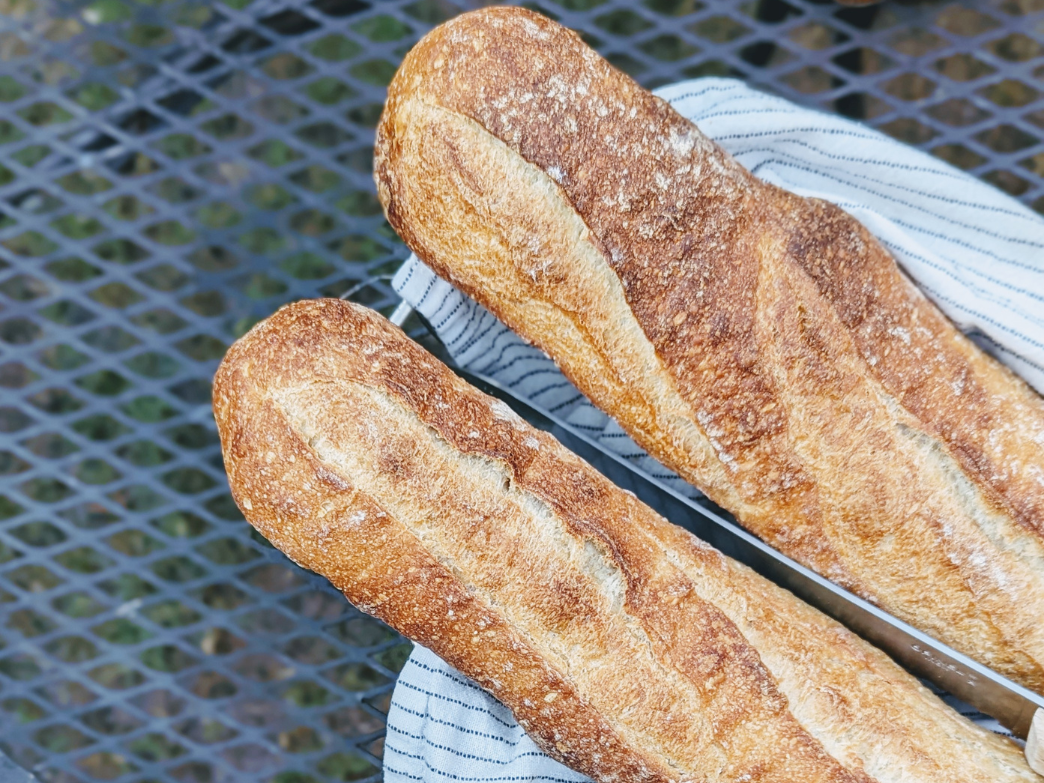
Best Bread for Bread Pudding
By Dr. Jorge, Ph.D. Wildgrain, opens in a new tab is the first bake-from-frozen subscription box for sourdough breads, fresh pastas, and artisanal pastries. Choosing the right bread is crucial for achieving the perfect texture and flavor in bread pudding. If you’re struggling to create a dessert that's crisp on the outside and moist on the inside, we’re here to help. Read on to discover the best bread for bread pudding and how to avoid common pitfalls in your recipe. What is bread pudding made of? What are the ingredients for bread pudding? Bread pudding is a baked dish made with slightly stale bread and a custard mixture. The core ingredients of bread pudding are cubed bread, eggs, milk, sugar, and butter. Some recipes also call for raisins, cinnamon, chocolate chips, or vanilla extract. Since making bread pudding involves soaking bread in a milk and egg (custard) mixture, the type and freshness of the bread are crucial to achieve the right texture. Is stale bread the best for bread pudding? Why does bread need to be stale for bread pudding? Stale bread is the best type of bread to use for bread pudding. Stale bread, having dried out, holds its shape better when soaked in custard. In contrast, fresh bread is more likely to fall apart and become soggy. If you only have fresh bread on hand, you can speed up the drying process by cubing and toasting it in the oven until it reaches a light golden brown. Is sourdough bread good for bread pudding? Sourdough bread is a great choice for bread pudding and is one of the best breads to use in bread pudding. This is because sourdough bread is hearty and sturdy, so it won’t fall apart while soaking in a custard mixture. The tangy flavor of sourdough bread can also add a unique depth to bread pudding recipes. Is whole wheat bread good for bread pudding? Whole wheat bread can be used for bread pudding, but it works best when it is slightly stale. If your whole wheat bread is too fresh, toasting it before soaking it in the custard mixture can help you get better results. If you want to use an even sturdier bread, you can opt for whole wheat sourdough bread or whole wheat french bread. What is the best bread for bread pudding? The best bread to use in bread pudding is slightly stale or day-old bread. Stale bread will be dryer than fresh bread and won’t fall apart or get soggy while soaking in the egg/milk mixture. This will ensure the bread will hold its shape while still soaking up the delicious custard mixture. It is recommended to use sturdier breads for bread pudding such as challah bread, Go to brioche sandwich loafbrioche bread, sourdough bread, or french bread. Why does my bread pudding fall after I take it out of the oven? Why does my bread pudding go flat? There are a few reasons why bread pudding may fall apart after baking. This might happen because the bread used in the pudding was too fresh or the pudding was baked at too high a temperature. Fresh bread will not be able to absorb custard the way stale bread will. Instead, the bread will get soggy and fall apart due to the higher moisture content in fresh bread compared to stale bread, which has dried out. If the pudding is baked at a higher temperature, the outside of the bread can brown while keeping the inside of the bread doughy and uncooked. This can cause the bread pudding to collapse as it cools after baking. The recommended baking temperature for bread pudding is 350° F. How do you keep raisins from sinking in bread pudding? If you have issues with raisins sinking to the bottom of your bread pudding dish, you can try lightly tossing them in flour before adding them to the batter. This will create a coating around the raisins which will help them to stick to the mixture and allow the raisins to stay evenly distributed throughout the bread pudding. Why is my bread pudding soggy? Bread pudding can become soggy for a variety of reasons. This can happen if you use the wrong kind of bread, add too much custard, bake the pudding at too high a temperature or not long enough, or over-soak the bread. Using bread that is not sturdy or cannot keep its form while soaking in the custard because it has not dried out, can lead to a soggy bread pudding. Similarly, adding too much liquid to the bread pudding can lead to a soggy texture. If you bake the bread pudding at too high of a temperature or for too short a time, the pudding won’t set properly and can become mushy. Lastly, if you soak the bread for longer than the recipe requires, it can lead to the bread being over-saturated and soggy. Is bread pudding considered healthy? Bread pudding is not considered healthy since the core ingredients are high in fat and sugar. However, you can make bread pudding healthier by using more nutritious breads (like sourdough or whole wheat bread) and reducing the sugar content. Bread pudding can still be enjoyed while maintaining a healthy lifestyle by being mindful of portion size and pairing high-nutrient foods, like yogurt, with your bread pudding. Where can I buy the best bread for bread pudding online? At Wildgrain, we specialize in making high-quality, fresh breads that are delivered directly to your door. Wildgrain is the first bake-from-frozen delivery subscription service for breads, rolls, pastries, and fresh pastas. Some of our popular breads that can be used to make bread pudding include sourdough demi baguette, sourdough loaf, brioche sandwich loaf, and sourdough whole wheat. Learn more about Wildgrain and our artisanal baking and cooking methods. Best Bread Home Delivery Service: How Wildgrain's Bread Delivery Works Wildgrain's breads are prepared in independent, artisanal bakeries with high quality ingredients. The breads are shipped frozen in insulated boxes and delivered direct to your home, anywhere nationwide. By shipping frozen, Wildgrain products maintain the highest quality, so you can enjoy fresh baked breads at home. That's why customers consider Wildgrain among the best home delivery services for bread. About the Author Dr. Jorge has been a public health researcher for many years, holding both a Bachelor's degree and a Ph.D. in Chemistry. They presently work as a medical writer and love being able to assist others in understanding various health and scientific topics. This content is for informational use only and does not replace professional nutrition and/or medical advice, diagnosis or treatment. It is not a substitute for and should not be relied upon for specific nutrition and/or medical recommendations. Please talk with your doctor about any questions or concerns.
Learn more Best Bread for Bread Pudding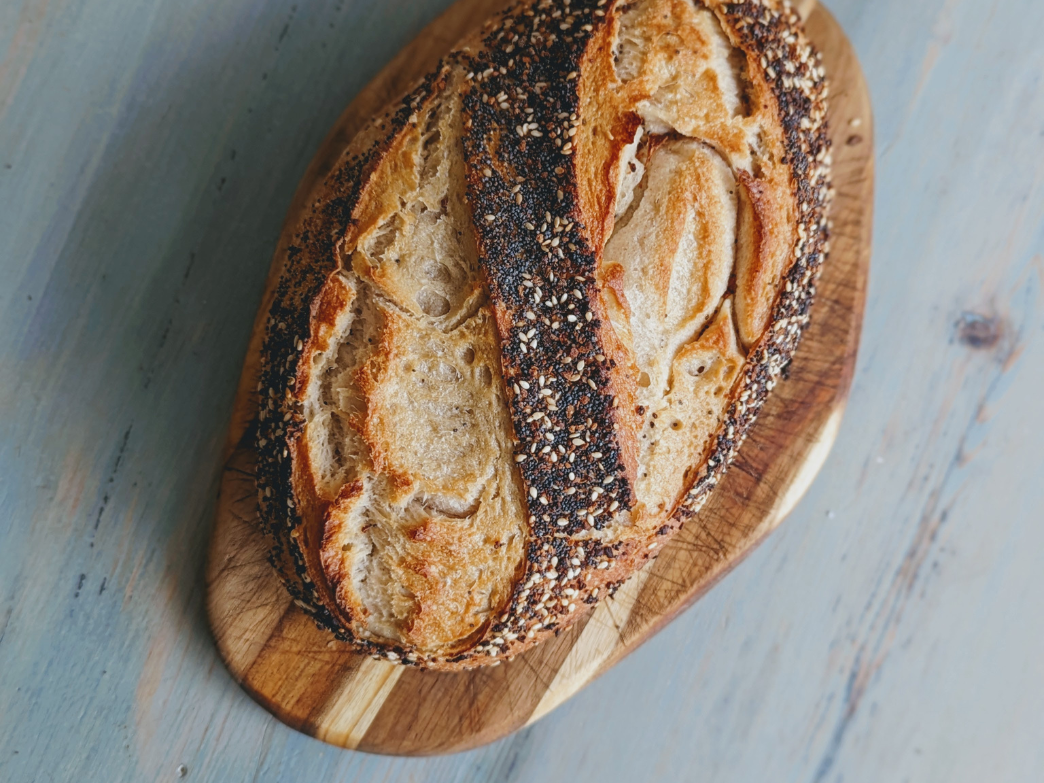
What’s Better: Brown Bread vs. White Bread vs. Whole Wheat Bread vs. Rye Bread
By Lucy Yanckello, Ph.D. Wildgrain, opens in a new tab is the first bake-from-frozen subscription box for sourdough breads, fresh pastas, and artisanal pastries. There are many different types of bread on store shelves, in cookbooks, and filling bakery cases, each with their own character, nutrient, and flavor profile. Some breads are naturally higher in fiber, some higher in protein content, and some with vitamins and minerals added back in. With all of these factors to consider, it is only natural to wonder which bread is healthiest for you. What is the difference between normal bread and brown bread? Brown bread is often made with a combination of whole wheat flour and refined flour. On the other hand, white bread is made wholly from refined flour. With the addition of whole wheat flour, brown bread tends to be higher in fiber, vitamins, and minerals. What is the difference between brown bread vs. white bread vs. whole wheat bread vs. rye bread? While brown bread is made with a combination of whole wheat flour and refined flours, white bread is made from only refined flour. Whole wheat bread is made from the entire wheat grain, and rye bread is made from rye flour and wheat flour. Whole wheat bread and rye bread are both typically made from whole grains, while white and brown breads contain refined flours. What is the healthiest bread for you: brown bread vs. white bread vs. whole wheat bread vs. rye bread? Rye bread and whole wheat bread are both healthier for you than white or brown bread because they have higher protein, fiber, vitamin, and mineral content. The nutrient content of both rye and whole wheat bread do not differ in a significant way, both with similar carbohydrate and fat levels. Additionally, both breads have higher fiber and protein content than white or brown bread which will leave you feeling fuller for longer after eating, an important way to curb cravings and reduce overeating. If you want to get the full benefits of rye bread, be sure you are buying whole-grain rye bread. Is whole wheat bread better than brown bread? Whole wheat bread is better for you than brown bread because it is made with whole grains, which come with numerous benefits. Whole wheat bread has higher protein, fat, fiber, and vitamins than brown bread. Because of its high fiber content, whole wheat bread can aid in digestion and gut health. In terms of texture, brown bread tends to be light and soft, while whole wheat bread is more firm with a darker crunchier crust. Is brown bread healthy? Can I eat brown bread everyday and be healthy? Brown bread can be healthy in its own right, and is definitely a better choice than white bread. Because it contains some whole wheat flour, it generally has a good amount of vitamins and minerals, and a higher amount of fiber and protein than white bread. As long as it is eaten in moderation, brown bread can be consumed as part of a healthy diet. Can diabetics eat brown bread? Can I eat brown bread with diabetes? Diabetics can eat brown bread in moderation. Brown bread has a lower glycemic index than white bread, meaning that it is less likely to spike blood sugar levels after eating. Keeping the glycemic index of foods low is important for diabetics in order to ensure blood sugar remains balanced. Is brown bread ok for weight loss? Will I gain weight if I eat brown bread every day? Brown bread is okay to eat if you are trying to lose weight, but other whole-grain bread options are better choices when trying to lose weight. Higher fiber and protein content are important when trying to lose weight as these nutrients help slow digestion and keep you feeling fuller for longer after eating. This keeps cravings suppressed and allows for control of overeating. Is brown bread good for gut health? Fiber is the most important ingredient to consider when trying to improve or maintain gut health. Brown bread has a higher fiber content than white bread, meaning that it is more beneficial for gut health than white bread. Due to the higher fiber content, brown bread is also easier to digest than white bread. Can I eat brown bread on a no-sugar diet? As long as the brown bread you are consuming does not have added sugar, you can eat it on a no-sugar diet. Be sure to read the labels closely and look for “added sugars” on the nutrient facts in order to determine if the brown bread you are deciding on has sugar in it. It is also important to check the ingredient label for ingredients such as high-fructose corn syrup, and corn syrup, which are added sugar under a different name. Where can I buy healthy bread online? At Wildgrain, we specialize in making high-quality, fresh baked goods that are delivered directly to your door. Wildgrain is the first bake-from-frozen delivery subscription service for breads, rolls, pastries, and fresh pastas. Some of our popular breads include Slow-Fermented Cranberry-Pecan Loaf, Plain Sourdough Loaf, Everything Sourdough Bread, Sourdough 7-Grain Loaf, and Sourdough Whole Wheat Loaf. Learn more about Wildgrain and our artisanal baking and cooking methods. Best Bread Home Delivery Service: How Wildgrain's Bread Delivery Works Wildgrain's breads are prepared in independent, artisanal bakeries with high quality ingredients. The breads are shipped frozen in insulated boxes and delivered direct to your home, anywhere nationwide. By shipping frozen, Wildgrain products maintain the highest quality, so you can enjoy fresh baked breads at home. That's why customers consider Wildgrain among the best home delivery services for bread. About the Author Lucy Yanckello received her Ph.D. in nutrition from the University of Kentucky College of Medicine. She currently works as a medical writer and enjoys being able to help people better understand nutrition and science. This content is for informational use only and does not replace professional nutrition and/or medical advice, diagnosis or treatment. It is not a substitute for and should not be relied upon for specific nutrition and/or medical recommendations. Please talk with your doctor about any questions or concerns.
Learn more What’s Better: Brown Bread vs. White Bread vs. Whole Wheat Bread vs. Rye Bread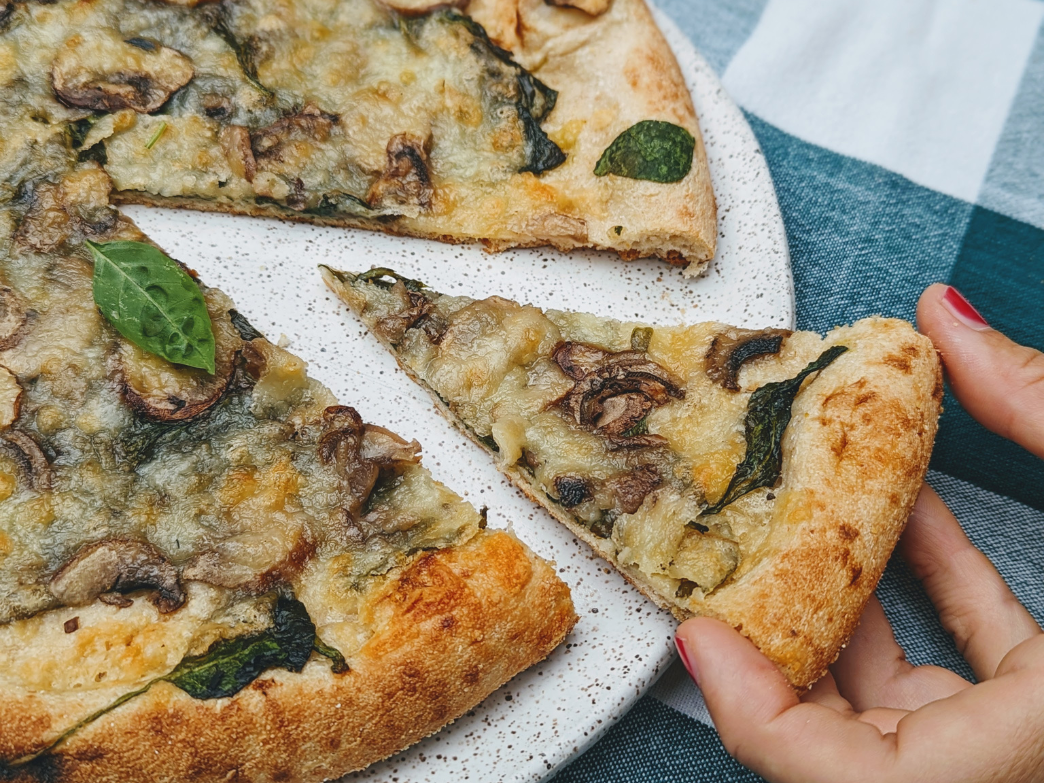
Pizza: Healthy or Unhealthy?
By Dr. Jorge, Ph.D. Wildgrain, opens in a new tab is the first bake-from-frozen subscription box for sourdough breads, fresh pastas, and artisanal pastries. Everyone loves pizza, but figuring out how it fits into a balanced diet can be tricky. In this article, we'll explore whether pizza can be healthy and share some simple swaps to help you enjoy a slice while maintaining a healthy lifestyle. Is pizza healthy or unhealthy? Is pizza even a little healthy? Can I eat pizza and stay healthy? Pizza can be healthy if it is eaten in moderation and is prepared with healthier toppings and ingredients. For example, using whole grain crust, loading up on veggies, and reducing the amount of cheese on pizza are all ways to make pizza more nutritious and reduce fat. You can still enjoy pizza while maintaining a healthy lifestyle so long as you remain mindful of portion sizes and the ingredients in the pizza you’re enjoying. What kind of pizza is the healthiest? What is the healthiest way to eat pizza? The healthiest kind of pizza is made from nutrient-rich ingredients. This can be done in a variety of ways such as swapping regular pizza dough for whole grain dough or vegetable dough, like cauliflower. Healthier pizzas can also include light cheese, vegetable toppings, and lean protein, such as using chicken as a protein-rich topping instead of pepperoni. To help cut down on carbs, you can also choose a thin-crust pizza instead. What is the most unhealthy ingredient in pizza? Some of the most common unhealthy pizza toppings are processed meats, like pepperoni and sausage, along with pizza sauce that can be loaded with sugar and salt. Aside from unhealthy sauce and toppings, consuming too much pizza in a sitting can be easy, eating well past one serving size. While it depends on the kind and size of the pizza, one or two slices is generally the recommended serving size. Is frozen pizza healthy? Frozen pizza can be healthy depending on the ingredients used to make the pizza. Many frozen pizzas tend to be highly processed and high in sugar, sodium, and calories. However, some frozen pizzas do not fall into this category. When choosing a frozen pizza, be sure to check the nutritional label for healthier ingredients. Look for whole wheat frozen pizzas made from real ingredients that lack artificial preservatives and added sugars. Is fresh pizza healthier than frozen pizza? Is frozen pizza or takeout pizza healthier? Fresh pizza is generally healthier than frozen pizza, but it completely depends on the ingredients used to make the pizza. Since frozen pizza tends to be more processed than fresh pizza, it is usually less healthy. However, some frozen pizzas are made with whole wheat dough and healthy ingredients. In these cases, frozen pizza can be healthier than fresh pizza. Is pizza once a week ok? How much is too much pizza? It is ok to eat pizza once a week, however it is important to limit your serving size. One or two slices is the recommended serving size for pizza although it depends on the size and type of pizza along with your individual diet needs and goals. Can I eat pizza and still lose weight? Can I eat pizza every day and lose weight? You can absolutely eat pizza and still lose weight. The key to weight loss is to remain in a calorie deficit or to eat fewer calories than you burn. This means you’ll need to be mindful of the amount of calories in the pizza you’re eating and how it fits in with the rest of your diet. To help keep you full for longer, you can swap a regular pizza for one made from whole grain dough. Eating a diet rich in whole grains can aid in weight loss as whole grains are high in fiber, which slows digestion and helps you to feel full for longer. While it is possible to enjoy pizza every day and still lose weight, doing so might make reaching your goals more challenging. If you find yourself craving pizza regularly, consider making a healthier mini pizza alternative using whole wheat English muffins as the base, topped with light cheese and your favorite toppings. Is whole wheat pizza healthy? Whole wheat pizza can be healthy if it is eaten in moderation, and it is topped with nutritious ingredients. Whole wheat pizza crust is healthier than white pizza crust since it contains more fiber, protein, and nutrients. The healthiest whole wheat pizza will be topped with vegetables and lean protein while avoiding processed toppings like sausage and pepperoni. What is the healthiest topping for pizza? What is the healthiest meat to put on pizza? The healthiest pizza toppings are vegetables, and the healthiest meat topping is any kind of lean protein, such as grilled chicken or lean ground turkey. A great way to improve the nutritional profile of pizza is to load it up with your favorite veggies like peppers, spinach, and mushrooms. Is thin crust pizza healthier than thick crust? Is thin-crust pizza healthier than regular pizza? Thin crust tends to be healthier than thick crust and regular crust because it contains less carbs, calories, and fat. For example, a slice of thick-crust cheese pizza contains 312 calories, 38 g carbs, and 12 g fat while a slice of thin-crust cheese pizza contains 230 calories, 24 g carbs, and 11 g fat. However, the nutritional value of a pizza will be determined by all ingredients, including the type of dough, toppings, and sauce. Where can I buy frozen pizza online? At Wildgrain, we specialize in making high-quality, fresh baked goods that are delivered directly to your door. Wildgrain is the first bake-from-frozen delivery subscription service for pizzas, breads, pastries, and fresh pastas. Some of our popular items include slow-fermented Margherita pizza, slow-fermented veggie pizza, cheese tortellini, fresh fettuccine, and fresh tonnarelli. Learn more about Wildgrain and our artisanal baking and cooking methods. Best Bread Home Delivery Service: How Wildgrain's Bread Delivery Works Wildgrain's breads are prepared in independent, artisanal bakeries with high quality ingredients. The breads are shipped frozen in insulated boxes and delivered direct to your home, anywhere nationwide. By shipping frozen, Wildgrain products maintain the highest quality, so you can enjoy fresh baked breads at home. That's why customers consider Wildgrain among the best home delivery services for bread. About the Author Dr. Jorge has been a public health researcher for many years, holding both a Bachelor's degree and a Ph.D. in Chemistry. They presently work as a medical writer and love being able to assist others in understanding various health and scientific topics. This content is for informational use only and does not replace professional nutrition and/or medical advice, diagnosis or treatment. It is not a substitute for and should not be relied upon for specific nutrition and/or medical recommendations. Please talk with your doctor about any questions or concerns.
Learn more Pizza: Healthy or Unhealthy?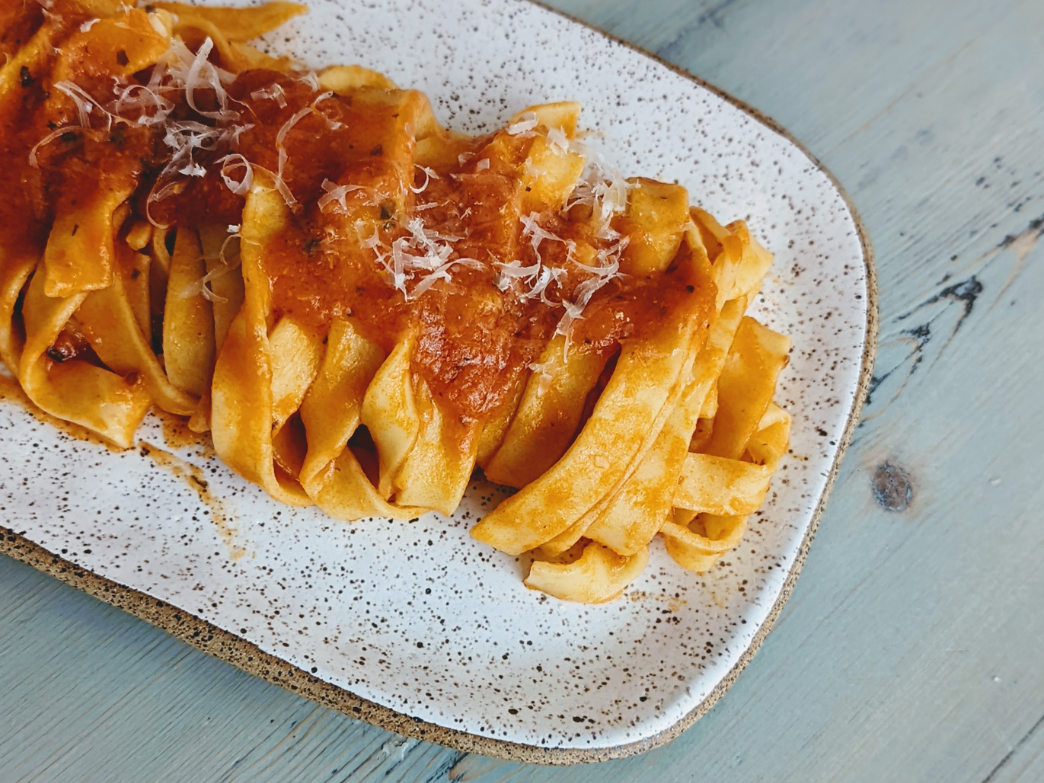
What’s Healthier: Pasta vs. Potatoes?
By Lucy Yanckello, Ph.D. Wildgrain, opens in a new tab is the first bake-from-frozen subscription box for sourdough breads, fresh pastas, and artisanal pastries. Pasta and potatoes are both staples of many cuisines. They are both delicious foods that often leave us craving more. The question is: does a second serving do us any good, or are we just piling on more carbs without much other benefits? Read on to learn more about the nutrient profiles of pasta and potatoes, how they compare, and if one is healthier than the other. Is it better to eat potatoes or pasta? Both pasta and potatoes can find their way into any healthy diet in moderation. In a 100 gram serving of a baked potato without salt, there are 93 calories which come from 21 grams of carbs, 2 grams of dietary fiber, negligible amounts of fat, and around 2.5 grams of protein. In the same amount of pasta, there are 131 calories consisting of 25 grams of carbs, 1.8 grams of fiber, around 1 gram of fat, and 5 grams of protein. In terms of vitamins and nutrients, potatoes are higher in vitamin C, which is important for immune function, and various B vitamins (B3, B5, and B6). Pasta is higher in vitamin A, which plays a role in eyesight and immune functions, and other various B vitamins (B1, B2, B9, and B12). B vitamins play a role in energy metabolism and brain function. Potatoes also have a much more beneficial mineral content than pasta, with higher levels of potassium, calcium, magnesium, phosphorus, and copper. In terms of glycemic index, pasta wins. Glycemic index (GI) is a measure of how quickly a food can make your blood sugar rise, and it is an important metric for diabetics. The lower the number, the less a food will raise blood sugar. Pasta generally has a GI around 55, whereas potatoes, even when boiled, have a high GI around 73. What is healthier to eat: mashed potatoes or baked potatoes or smashed potatoes or boiled potatoes? Each option of cooking the potato has its own benefits. However since mashed potatoes usually come with the addition of butter, milk, and cream, and the removal of the skin, it is fair to say these are the least nutritionally beneficial option of the four. The way potatoes are prepared can lead to micronutrient loss. For example, baked potatoes have about twice the amount of vitamin C as boiled potatoes, and boiling potatoes also causes a loss of potassium. Additionally, most of the fiber comes from the outer skin, meaning boiled potatoes without their skin lose that benefit as well. Because smashed potatoes are boiled before being baked, they will lose some of the nutritional benefit as well that is usually retained by baking potatoes. Baked potatoes retain more nutrients and offer more fiber when the skin is eaten. However, the addition of sour cream, cheese, and butter, just like in mashed potatoes, can change the nutritional profile of your baked potato by adding fat, calories, and sodium. What is healthier to eat: mashed potatoes or pasta? Mashed potatoes and pasta are likely similar in nutrient profile in terms of macronutrients, vitamins, and minerals. Because potatoes are boiled prior to mashing, and the skin is removed, they will lose vital nutrients such as fiber, vitamin C, and potassium. Pasta has higher amounts of protein and fiber and a lower glycemic index. In addition, if lean proteins and vegetables are added to the pasta, the benefits will outweigh those that you will get from mashed potatoes – especially since butter, cream, and salt is usually added to mashed potatoes. What is healthier to eat: baked potatoes or pasta? Baked potatoes may offer somewhat of an advantage when it comes to nutrients compared to pasta. Because they are baked, they retain their high levels of vitamins and other micronutrients, and if the skin is eaten, the fiber content as well. However, if you want a baked potato to outcompete the health benefits of pasta, avoid the high fat and high sodium toppings such as cheese, sour cream, and bacon bits. As for those with diabetes, it is important to consider that pasta has a much lower GI than potatoes, so pasta may always be a better choice. What is healthier to eat: smashed potatoes or pasta? Similar to mashed potatoes, smashed potatoes are boiled prior to being smashed and then baked in the oven. Due to the boiling, as with mashed potatoes, nutrients will be lost. However, because the skin is left on smashed potatoes, the benefit of a similar level of fiber as pasta will be retained. As stated above, depending on what you complement your potatoes or pasta with will outweigh the benefits of the inclusion of one or the other on your plate. What is healthier to eat: boiled potatoes or pasta? Similar to smashed and mashed potatoes, boiled potatoes will lose water soluble nutrients due to boiling. These include vitamin C, potassium, and fiber (because the skin is usually removed when boiling). Similar to the other two boiled options, it is more important to include other nutrient dense foods and lean proteins to round out your meal. What is the best for weight loss: pasta or potatoes? Both pasta and potatoes have benefits for weight loss. Pasta has higher levels of protein than potatoes, which allows you to feel fuller for longer, thus reducing the amount of snacking and cravings. Potatoes have higher levels of fiber, which slows digestion and leaves one feeling satiated after a meal for a longer period. However, the higher GI of potatoes is an important consideration. Higher GI foods lead to blood sugar to spike and then crash, causing cravings and hunger earlier after a meal than low GI foods. What is the best for diabetics: potatoes or pasta? Pasta has a much lower GI than potatoes. Because diabetics need to keep their blood sugar levels normalized, eating foods that are more likely to spike their blood sugar is not a good idea. As such, pasta is the better choice for diabetics than potatoes. What is the best for bodybuilding: pasta or potatoes? Both potatoes and pasta are important complex-carbohydrates to be considered for the diets of bodybuilders. The high levels of vitamin C, vitamin B6, and potassium are important because these micronutrients all play important roles in muscle synthesis, contraction, and recovery. As for pasta, there are higher levels of protein present than in many traditional carb sources. Protein intake is essential to be able to add body mass, which makes it a hard carbohydrate source to beat. Where can I buy fresh pasta online? At Wildgrain, we specialize in making high-quality, fresh breads and pastas that are delivered directly to your door. Wildgrain is the first bake-from-frozen delivery subscription service for breads, pastries, and fresh pastas. Some of our popular pastas include fresh fettuccine, fresh tonnarelli, and fresh rigatoni. Learn more about Wildgrain and our artisanal baking and cooking methods. Best Pasta Home Delivery Service: How Wildgrain's Pasta Delivery Works Wildgrain's pastas are prepared in independent, artisanal bakeries with high quality ingredients. The pastas are shipped frozen in insulated boxes and delivered direct to your home, anywhere nationwide. By shipping frozen, Wildgrain products maintain the highest quality, so you can enjoy fresh pasta at home. That's why customers consider Wildgrain among the best home delivery services for pasta. About the Author Lucy Yanckello received her Ph.D. in nutrition from the University of Kentucky College of Medicine. She currently works as a medical writer and enjoys being able to help people better understand nutrition and science. This content is for informational use only and does not replace professional nutrition and/or medical advice, diagnosis or treatment. It is not a substitute for and should not be relied upon for specific nutrition and/or medical recommendations. Please talk with your doctor about any questions or concerns.
Learn more What’s Healthier: Pasta vs. Potatoes?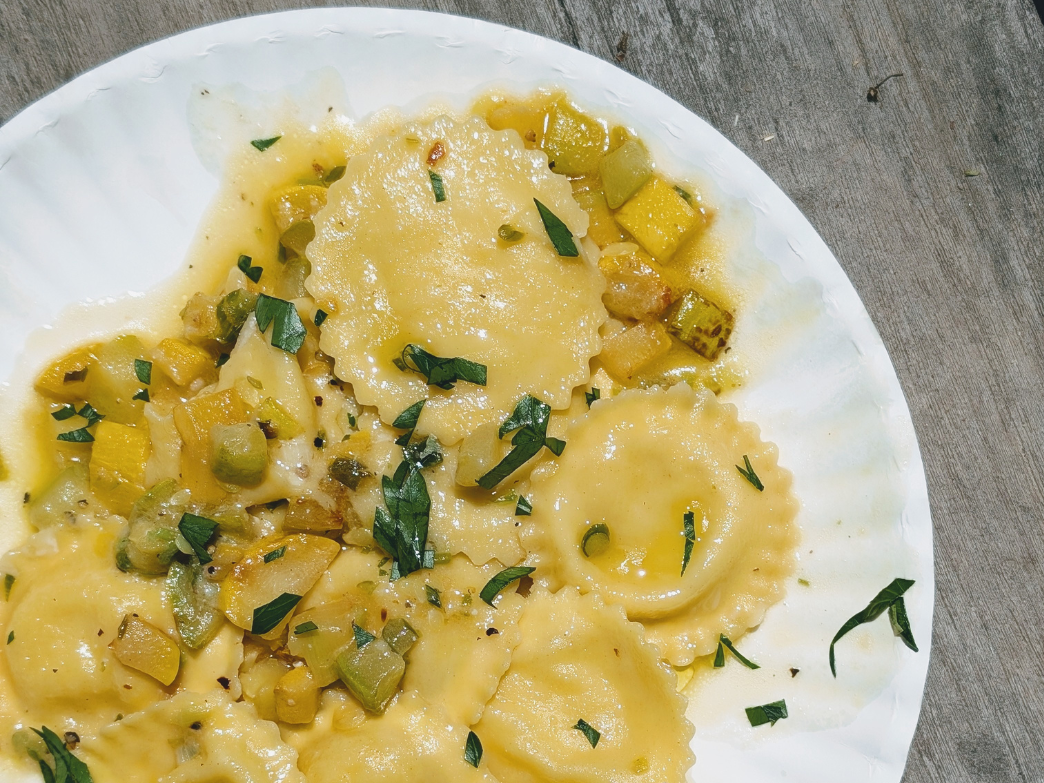
What's Better: Pasta vs. Bulgur vs. Quinoa vs. Buckwheat
By Lucy Yanckello, Ph.D. Wildgrain, opens in a new tab is the first bake-from-frozen subscription box for sourdough breads, fresh pastas, and artisanal pastries. Carbohydrates are an important part of every diet, but not all carbs are created equal when it comes to nutrient profiles. There are whole grains and refined grains, with whole grains being much more beneficial to us than those that are refined. Let’s take a look at some popular grains and decipher which ones are healthiest for our bodies. What is healthier to eat: pasta or bulgur or quinoa or buckwheat? is important to remember that all carbs have a place in your diet in moderation, but some are healthier than others. Buckwheat, bulgur, and quinoa have health benefits, including being a great source of protein and dietary fiber. All three also contain essential amino acids and B vitamins, which play a crucial role in skin health, and brain and immune functions. Protein is important for building muscle and for keeping you feeling fuller for longer. In addition, fiber has important impacts on digestive health and in lowering cholesterol. On the other hand, white pasta is high in carbohydrates and does not have the same health benefits as the whole grains in that it lacks fiber and protein content. What is the difference between bulgur vs. pasta? Is pasta or bulgur healthier? Bulgur and pasta are different in terms of nutrient profiles. First, bulgur is considered a whole grain, meaning it contains the outer layers of the grain. This not only increases the fiber content, but the protein content as well. A 100 gram serving of bulgur contains 83 calories with 19 grams of carbs. It also contains micronutrients such as manganese, magnesium, phosphorus, and vitamin B3 (niacin). On the other hand, pasta has 160 calories with 33 grams of carbs per a 100 gram cooked serving. For those trying to lessen carbohydrate intake, the obvious option is to substitute bulgur for pasta when possible. What is the difference between buckwheat vs. pasta? Is pasta or buckwheat healthier? Despite its name, buckwheat is not related to wheat and is instead a gluten-free seed, similar to quinoa. As stated above, buckwheat has higher protein and fiber than pasta and, similar to bulgur, has more magnesium, manganese, and B vitamins necessary for energy metabolism. In addition, buckwheat has a high antioxidant content, which aids in reducing inflammation. For all of these reasons, buckwheat is the healthier choice when compared to pasta. Although there are more carbohydrates in a 100 gram serving of buckwheat (71 grams) compared to in the same amount of pasta (33 grams), there are also 10 grams of fiber and 13 grams of protein in buckwheat compared to negligible amounts of fiber and only 5 grams of protein in pasta. What is the difference between quinoa vs. pasta? Is pasta or quinoa healthier? Quinoa has more protein and minerals than pasta. The protein content in quinoa is similar to that found in beans, meaning it is a complete protein profile – it has all the essential amino acids (e.g. the building blocks needed to build protein) needed to keep you healthy and strong. As it is a grain, quinoa is also high in fiber which aids in digestion and helps lower cholesterol. These are benefits that you will not get from eating pasta. Which is better for a diabetic: bulgur or buckwheat or quinoa or pasta? Glycemic index (GI) is a measure of how quickly a food can make your blood sugar rise, and it is an important metric for diabetics. The lower the number, the less a food will raise blood sugar. As diabetics must be aware of their blood sugar, it is important to eat foods with lower GI. In order, bulgur has the lowest GI at 46, followed by quinoa at 53, and then buckwheat and pasta at 55. Which is the best for weight loss: buckwheat or pasta or bulgur or quinoa? Although all carbohydrate types can be part of a balanced diet while trying to lose weight, quinoa, bulgur, and buckwheat are better options than pasta. The protein levels in these three grains aid in slowing the digestion process which keeps you fuller for longer, leading to less snacking. In addition, bulgar has the lowest GI of the four options. That means it will not spike your blood sugar levels (which lead to cravings and ultimately unhealthy decisions around food). The fiber content in quinoa, bulgar, and buckwheat will also aid in slowing digestion, giving you that full feeling. Where can I buy the best fresh pasta online? At Wildgrain, we specialize in making high-quality, fresh pastas that are delivered directly to your door. Wildgrain is the first bake-from-frozen delivery subscription service for breads, pastries, and fresh pastas. Some of our popular pastas include potato gnocchi, cheese tortellini, fresh fettuccine, and fresh tonnarelli. Learn more about Wildgrain and our artisanal baking and cooking methods. Best Pasta Home Delivery Service: How Wildgrain's Pasta Delivery Works Wildgrain's pastas are prepared in independent, artisanal bakeries with high quality ingredients. The pastas are shipped frozen in insulated boxes and delivered direct to your home, anywhere nationwide. By shipping frozen, Wildgrain products maintain the highest quality, so you can enjoy fresh pasta at home. That's why customers consider Wildgrain among the best home delivery services for pasta. About the Author Lucy Yanckello received her Ph.D. in nutrition from the University of Kentucky College of Medicine. She currently works as a medical writer and enjoys being able to help people better understand nutrition and science. This content is for informational use only and does not replace professional nutrition and/or medical advice, diagnosis or treatment. It is not a substitute for and should not be relied upon for specific nutrition and/or medical recommendations. Please talk with your doctor about any questions or concerns.
Learn more What's Better: Pasta vs. Bulgur vs. Quinoa vs. Buckwheat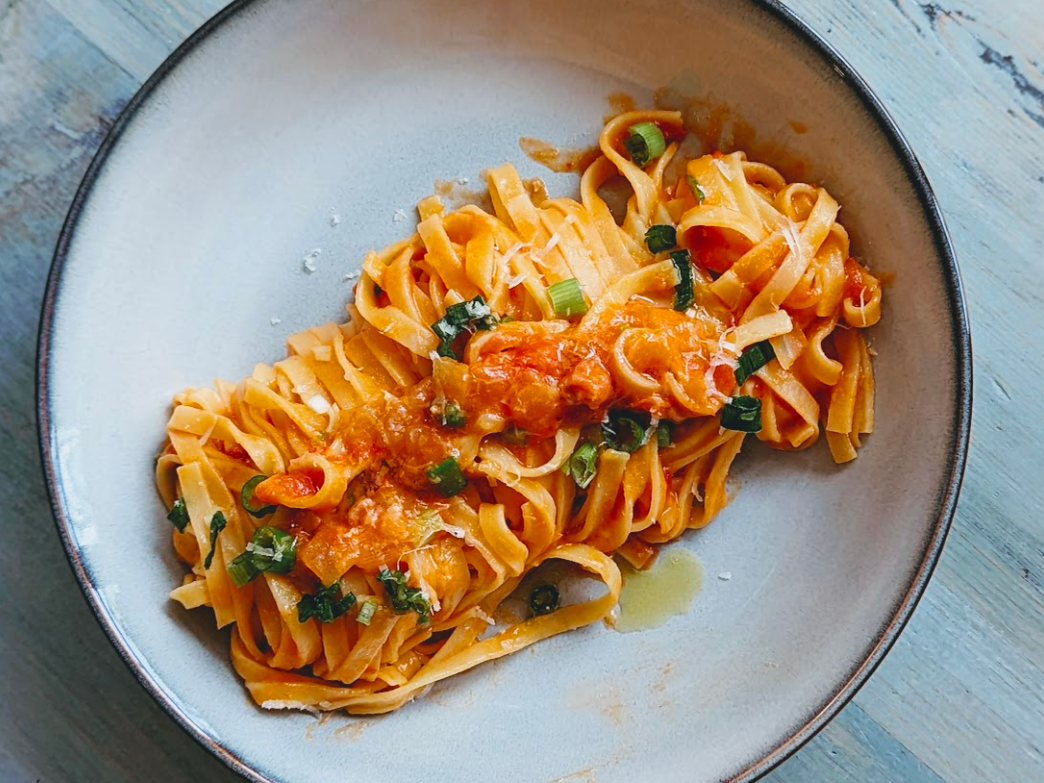
What is Healthier: Pizza or Pasta?
By Lucy Yanckello, Ph.D. Wildgrain, opens in a new tab is the first bake-from-frozen subscription box for sourdough breads, fresh pastas, and artisanal pastries. Pizza and pasta may be in a deadset tie for tastiness, but which is healthier? Each carb heavy delight has its own benefits and drawbacks, but if you are craving Italian flavors and want to keep your calories in check, which one should you choose? What is the difference between pizza vs. pasta nutrition? Pizza from a restaurant can run you up to 300 calories a slice – more depending on the toppings chosen. This can quickly eat away at the recommended average of around 2000 to 2500 calories a day, not to mention the amount of saturated fat and sodium. But pasta from a restaurant can rack up the calories too – an order of fettuccine alfredo at Olive Garden amounts to around 1,220 calories and 1,350 mg of sodium. Creamy sauces and cheese can make any pasta dish less healthy. Here is a quick snapshot comparing the nutritional content of a slice of cheese pizza versus a cup of cooked spaghetti with no sauce: Nutritional Content Slice of Cheese Pizza One Cup of Cooked Spaghetti Calories 285 220 Protein 12g 8g Carbohydrates 36g 43g Fat 10.4g 1.3g Does pasta or pizza have more carbs? Does pizza or pasta have more calories? One slice of cheese pizza has fewer carbs than one cup of cooked spaghetti – 36 grams in a typical cheese pizza versus 43 grams in one cup of pasta. However, pizza has more calories than pasta, 285 in a slice of pizza versus 220 in a cup of cooked pasta. This is attributed to the fact that the fat content in a slice of cheese pizza is much higher – almost 9 grams higher – than in a cup of cooked pasta. However, this analysis does not include any additional toppings that may be added to the pizza or sauces mixed with pasta. Is pizza healthier than pasta? Is pasta healthier than pizza? Pizza and pasta are similar in terms of nutritional value. Neither pasta or pizza would be labeled as healthy, but can be included in a healthy lifestyle in limited amounts. Although the fat content in a slice of cheese pizza is higher than in a cup of cooked pasta, this does not mean that pizza is healthier than pasta. Pasta is almost never eaten plain, and often has toppings such as creamy sauces and cheese added in. For example, a two cup serving of fettuccine alfredo has 660 calories, 10 grams of fat, 88 grams of carbohydrates, and 18 grams of protein. This is similar to the nutrition of around 2.5 slices of cheese pizza, which is a more reasonable portion. However, if toppings like pepperoni are added to pizza, the calorie content will also go up and the nutritional value can decline. Which is better for weight loss: pizza or pasta? With such a similar nutritional profile, pizza and pasta can be considered equal for weight loss. It is important to remember that whether eating pasta or pizza, portion size is key for weight loss - you can eat pizza and pasta while trying to lose weight if you are mindful of the amount you are eating! In addition, when focused on weight loss, it is important to eat whole-grain flours, which increases the fiber and protein content of your food. Fiber has a range of benefits including promoting weight loss, lowering blood sugar, fighting constipation, boosting heart health, lowering cholesterol, and feeding the “good” bacteria in our guts. High protein diets also have benefits for weight loss and metabolic health, so sneaking in extra protein in a carbohydrate source is always helpful. Making pizza or pasta at home and opting for whole-grain flours for the dough is a great option. You can also buy whole-grain pasta and pizza dough already made in most grocery stores. It is also important to focus on the toppings – stick with more vegetables, leaner proteins and less creamy sauces and cheeses on both pizza and pasta. What is the difference between pasta vs pizza flour? Is pasta vs pizza dough the same? Pizza flour and pasta flour are not the same. Pasta is generally made from semolina flour, whereas all-purpose flour is used to make pizza dough. This is because pasta dough requires a lower gluten content than pizza. In addition, pizza dough contains yeast because it must be leavened, whereas pasta dough does not. What is the difference between pizza sauce vs. pasta sauce vs. marinara sauce vs. tomato sauce? Which sauce is healthiest? Pizza sauce, pasta sauce, and marinara sauce are all types of tomato sauce. Pizza sauce is made with uncooked tomatoes that have been pureed, and pasta sauce is made with cooked tomatoes blended with garlic, herbs, and spices – also referred to as a marinara. Because pizza cooks in the oven, putting a pasta sauce – such as marinara – on a pizza is redundant, as you are cooking the sauce twice which changes the overall flavor profile. And vice versa with pasta – adding uncooked sauce to already cooked noodles will make the dish seem unfinished as the pasta sauce is meant to already have the flavors developed when added. Both types of tomato based sauce have similar nutrient profiles and are considered to be much healthier than cream based sauces. Where can I buy the best fresh pizza and pasta to make at home? At Wildgrain, we specialize in making high-quality, fresh pastas that are delivered directly to your door. Wildgrain is the first bake-from-frozen delivery subscription service for breads, pastries, and fresh pastas. Some of our popular pastas include margherita pizza, potato gnocchi, cheese tortellini, fresh fettuccine, fresh rigatoni, and fresh tonnarelli. Learn more about Wildgrain and our artisanal baking and cooking methods. Best Home Delivery Service for Food: How Wildgrain's Food Delivery Works Wildgrain's products are prepared in independent, artisanal bakeries with high quality ingredients. They are shipped frozen in insulated boxes and delivered direct to your home, anywhere nationwide. By shipping frozen, Wildgrain products maintain the highest quality, so you can enjoy fresh food at home. That's why customers consider Wildgrain among the best home food delivery services. About the Author Lucy Yanckello received her Ph.D. in nutrition from the University of Kentucky College of Medicine. She currently works as a medical writer and enjoys being able to help people better understand nutrition and science. This content is for informational use only and does not replace professional nutrition and/or medical advice, diagnosis or treatment. It is not a substitute for and should not be relied upon for specific nutrition and/or medical recommendations. Please talk with your doctor about any questions or concerns.
Learn more What is Healthier: Pizza or Pasta?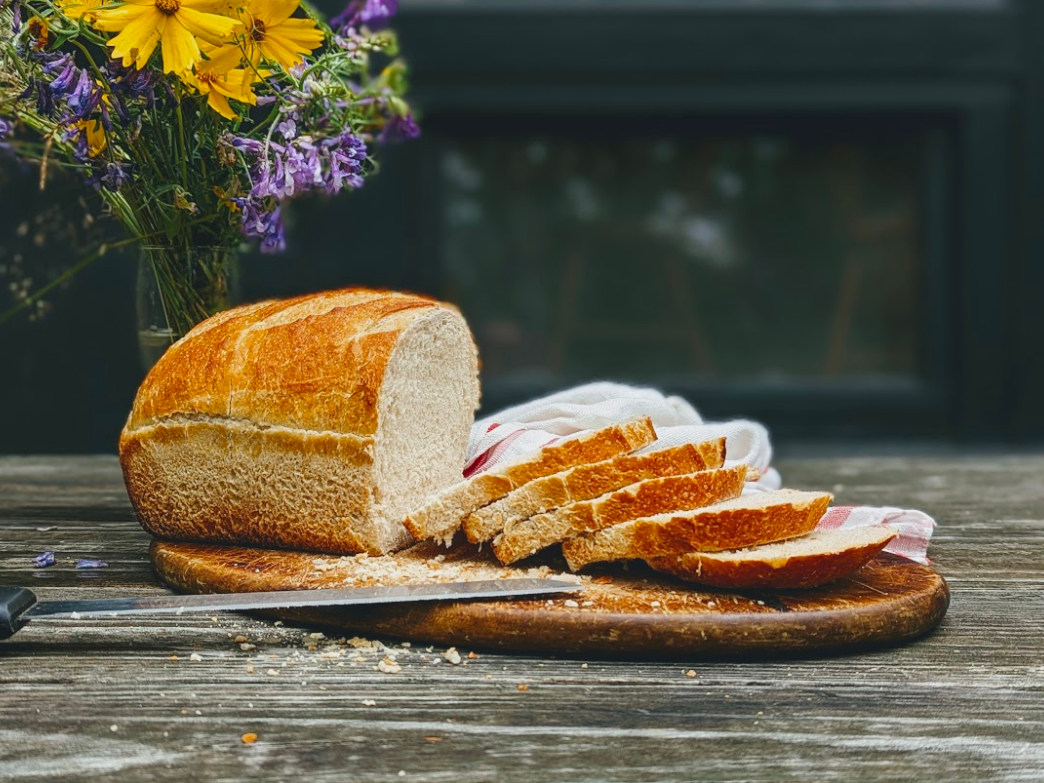
Best Bread for Diets
By Dr. Jorge, Ph.D. Wildgrain, opens in a new tab is the first bake-from-frozen subscription box for sourdough breads, fresh pastas, and artisanal pastries. If you’re like us, you can’t imagine a world where you can’t eat bread due to your dietary restrictions. Luckily for all of us, there's bread out there that will work for just about any diet. Read on to learn more about the best bread options for different diets, including plant-based, low-carb, keto, and the Mediterranean diet. Can you eat bread while on a diet? Can you eat sourdough while on a diet? Yes, you absolutely can eat bread while on a diet. Fortunately, there are many different types of bread, so no matter what diet you follow, you will have plenty of bread options. Sourdough bread can be enjoyed while on a diet since it can be made with a variety of ingredients to suit your dietary needs. Simply check the nutritional label to ensure that the bread is compatible with your diet. What bread can you eat on a Mediterranean diet? Is sourdough bread allowed on the Mediterranean diet? Any bread that is made from whole wheat, whole grains, sprouts, and sourdough is recommended while on a Mediterranean diet. You will want to avoid bread made from refined grains, such as white bread if you are following this diet. This is because bread made from refined grains is not as healthy and contains fewer nutrients than bread made from whole grains and sourdough. What kind of bread is keto-friendly? Can I eat one slice of bread on keto? Can you eat sourdough bread on a keto diet? Keto-friendly bread is going to include any bread that is low in carbohydrates since the keto diet emphasizes consuming minimal carbs. Specifically for this need, there are several low-carb bread options on the market that are suitable for a keto diet. You can eat a slice of regular bread while on a keto diet, however, you will want to keep in mind that a typical slice of bread contains about 20 grams of carbohydrates and the keto diet recommends consuming a maximum of 50 grams of carbohydrates per day. So while you can eat a slice of bread on keto, you will want to keep track of the carbohydrates present in your other foods to stay on track. If you love sourdough bread and you’re on a keto diet, you’re in luck! Sourdough bread is a relatively low-carb bread option, typically containing just 10 grams of carbohydrates or half the amount of carbohydrates of a white slice of bread. This makes sourdough bread a great keto-friendly choice. Is bread vegetarian? What’s the best bread for a vegetarian diet? All bread is vegetarian as it does not contain animal products. This makes any bread suitable for a vegetarian diet. While all bread is considered vegetarian, it is important to note that not all bread is considered vegan. This is due to additives in some types of bread that could be animal derived, like dairy or eggs. Is bread vegan? Can you eat bread on a vegan diet? A lot of bread varieties are considered vegan, but not all bread is vegan-friendly. Some bread types include added ingredients beyond flour, water, salt, and yeast. These added ingredients such as sweeteners, eggs, or fats, can be derived from animals and would make the bread not vegan. Bread that is usually free of animal products and safe for a vegan diet includes sourdough bread, pita bread, Ezekiel bread, ciabatta, baguettes, and focaccia. What bread is the best on a plant-based diet? A plant-based diet means opting for as many healthy, whole, and unprocessed foods as possible. Any bread made from whole grains is the best option as it is the least processed and most nutritious type of bread. Other great choices for healthy bread varieties are sprouted grain bread, sourdough bread, flaxseed bread, and buckwheat bread. What is the best bread for a low-carb diet? Can you eat any bread on a low-carb diet? The best bread for a low-carb diet will be similar to the best bread for a keto diet. Look for bread with no more than 10 grams of carbohydrates per slice. These breads are typically labeled as low in carbohydrates on the packaging. Sourdough bread is another low-carb bread option, often containing half of the carbohydrates found in one slice of white bread. While these breads are best suited for a low-carb diet, you can eat any bread as long as you limit your portion size and keep track of how many carbohydrates you consume throughout the day. Where can I buy healthy bread online? At Wildgrain, we specialize in making high-quality, fresh breads that are delivered directly to your door. Wildgrain is the first bake-from-frozen delivery subscription service for breads, rolls, pastries, and fresh pastas. Some of our popular breads include sourdough whole wheat, sourdough 7-grain, slow fermented 3-seed breadGo to sourdough rye bread, and sourdough rye. We are proud to offer healthy breads, made with non-GMO flour and without added sugar or preservatives. Learn more about Wildgrain and our artisanal baking and cooking methods. Best Bread Home Delivery Service: How Wildgrain's Bread Delivery Works Wildgrain's breads are prepared in independent, artisanal bakeries with high quality ingredients. The breads are shipped frozen in insulated boxes and delivered direct to your home, anywhere nationwide. By shipping frozen, Wildgrain products maintain the highest quality, so you can enjoy fresh baked breads at home. That's why customers consider Wildgrain among the best home delivery services for bread. About the Author Dr. Jorge has been a public health researcher for many years, holding both a Bachelor's degree and a Ph.D. in Chemistry. They presently work as a medical writer and love being able to assist others in understanding various health and scientific topics. This content is for informational use only and does not replace professional nutrition and/or medical advice, diagnosis or treatment. It is not a substitute for and should not be relied upon for specific nutrition and/or medical recommendations. Please talk with your doctor about any questions or concerns.
Learn more Best Bread for Diets