

Wildgrain Blog
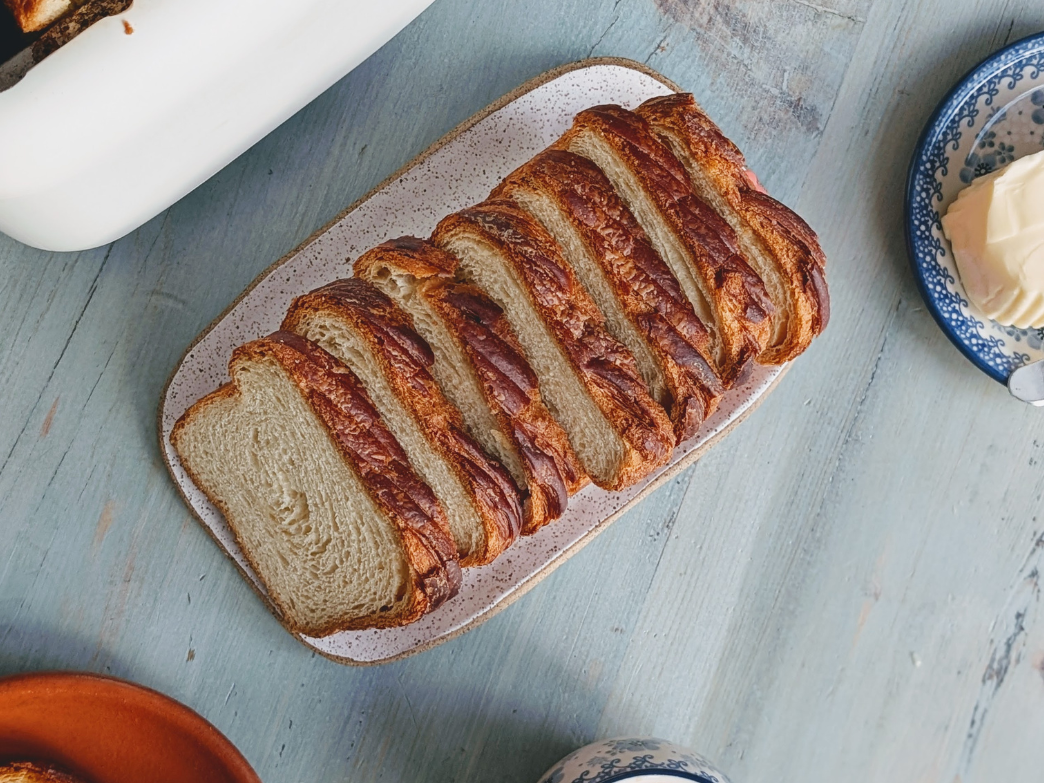
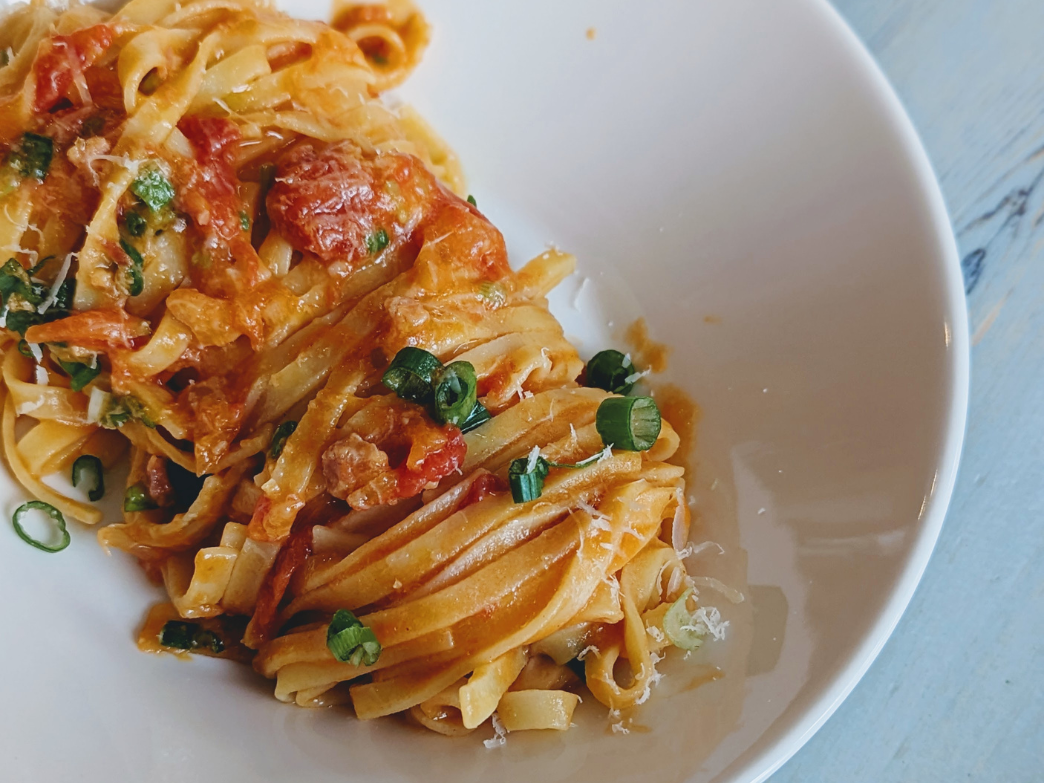
What’s Healthier: Traditional Pasta vs. Zoodles vs. Spaghetti Squash
By Dr. Jorge, Ph.D. Wildgrain, opens in a new tab is the first bake-from-frozen subscription box for sourdough breads, fresh pastas, and artisanal pastries. Is pasta healthy or unhealthy? Is eating too much pasta unhealthy? PastaGo to tonnarelli can be part of a healthy diet, but it depends on the type of pasta and how it’s prepared. Whole grain pasta and alternative pasta options like chickpea pasta, lentil pasta, or vegetable-based noodles (like zucchini or spaghetti squash) are generally more nutrient-dense than traditional refined white pasta. What you serve with pasta also matters: dishes with heavy cream-based sauces like alfredo are generally less healthy than those with fresh tomato-based sauces. Adding vegetables and lean proteins can boost the nutritional value, while plain pasta on its own has fewer health benefits. As with any food, eating too much pasta can be unhealthy and may increase the risk of certain health issues. This is especially true for pasta made from refined grains. Studies suggest that a diet high in refined grains (the grains used to make white pasta or bread) can contribute to weight gain, risk of type 2 diabetes, and heart disease. That’s not to say you should avoid pasta altogether – moderation is key. Which is healthier: regular pasta vs. zucchini noodles vs. spaghetti squash? Zucchini noodles and spaghetti squash are generally considered healthier alternatives to regular pasta. Both zucchini and spaghetti squash are lower in calories and carbohydrates than traditional pasta, and provide more fiber, antioxidants, and other essential nutrients. The nutritional profiles of zucchini and spaghetti squash are quite similar, and both are naturally gluten-free. Traditional pasta, particularly white pasta, offers little nutritional value as it is low in fiber and high in calories and carbohydrates. Pasta made from whole grains, such as whole wheat pasta, offers more nutrients and fiber than white pasta, placing it somewhere between refined white pasta and vegetable-based pasta alternatives. Whole-grain foods are more nutrient-dense as they are a great source of vitamins, minerals, and fiber, which can help with digestion and offer numerous other health benefits. Do zucchini noodles have the same texture as pasta? Do zucchini noodles taste better than regular pasta? When properly prepared, zucchini noodles may achieve a similar texture to pasta. The final texture of zucchini noodles (zoodles) depends on the way they are spiralized, prepped, and cooked. When cooked properly, zoodles will be tender and have a slight crunch, and might resemble the chewy, al-dente nature of traditional pasta. When overcooked, zoodles can become very soft and mushy. Whether you prefer the taste of zucchini noodles or regular pasta comes down to a personal preference. Traditional pasta has a neutral, starchy flavor and absorbs sauces well, while zucchini noodles have a mild, slightly sweet flavor, with sauces tending to stay on the surface instead of being absorbed. Does spaghetti squash have the same texture as pasta? Does spaghetti squash taste better than regular pasta? Like zucchini noodles, spaghetti squash is often used as a pasta substitute because of its ability to mimic the look of noodles. When cooked, spaghetti squash separates into long, thin strands that resemble angel hair or thin rice noodles. However, its texture is typically more crisp and slightly firmer than regular pasta. In terms of taste, spaghetti squash is noticeably different. It has a mildly sweet and nutty flavor, which contrasts with the more neutral taste of traditional pasta. While it may not be a direct replacement in flavor or texture, many people enjoy it as a healthy, low-carb option. Are zucchini noodles healthier than regular pasta? Is spaghetti squash healthier than regular pasta? Zucchini noodles and spaghetti squash are generally healthier alternatives to regular pasta. These vegetable-based pasta alternatives are low in calories and carbohydrates, and rich in essential vitamins, minerals, and fiber. In contrast, traditional white pasta is high in calories and carbohydrates while offering minimal nutritional value. However, whole wheat pasta is more nutritionally dense than white pasta, serving as a middle ground between white pasta and vegetable pasta alternatives. What’s better: spaghetti squash or zucchini noodles (zoodles)? The answer to whether spaghetti squash or zucchini noodles are better is ultimately up to personal preference. Spaghetti squash and zoodles are very similar nutritionally, containing less than 40 calories and 6 grams of carbs per 1 cup serving. Spaghetti squash and zoodles are both great sources of fiber, vitamins B and C, and other important nutrients. If you prefer a firmer, slightly crisp texture, you might enjoy spaghetti squash more than zucchini noodles. Zucchini noodles tend to be softer, especially when cooked. In terms of preparation, spaghetti squash requires baking or boiling, while zucchini noodles can be served raw or cooked, making them a quicker option. Flavor-wise, spaghetti squash has a mildly sweet, nutty taste, while zucchini noodles have a more neutral flavor that can easily take on the taste of sauce or seasoning. Ultimately, some people may prefer the heartier texture and flavor of spaghetti squash, while others might favor the lightness and convenience of zoodles. Are zoodles healthier than noodles? Do zoodles have carbs? Are zucchini noodles high in carbs? Yes, zoodles are usually healthier than traditional noodles and serve as a low-carb alternative to regular pasta. Traditional noodles are high in carbohydrates, with a 1-cup serving containing up as much as 45 grams of carbs. In contrast, a 1-cup serving of zoodles contains about 4 g carbs, or approximately 1% of the recommended daily value. Is spaghetti squash healthier than pasta? Can spaghetti squash replace pasta? Spaghetti squash is generally considered healthier than pasta and can be a vegetable-based alternative to traditional pasta. Spaghetti squash is low in calories and carbohydrates, making it an ideal option for those looking to reduce their carb consumption. If you are trying to cut back on traditional pasta, spaghetti squash might be a viable replacement for pasta. While the texture is not identical, spaghetti squash can have a similar texture to pasta as it forms thin, spaghetti-like strands when cooked. The mild flavor of spaghetti squash makes it a great food that pairs well with different sauces, proteins, and other vegetables. Where can I buy fresh pasta online? At Wildgrain, we specialize in making high-quality, fresh breads and pastas that are delivered directly to your door. Wildgrain is the first bake-from-frozen delivery subscription service for breads, pastries, and fresh pastas. Some of our popular pastas include fresh fettuccine and fresh tonnarelli. Learn more about Wildgrain and our artisanal baking and cooking methods. Best Pasta Home Delivery Service: How Wildgrain's Pasta Delivery Works Wildgrain's pastas are prepared in independent, artisanal bakeries with high quality ingredients. The pastas are shipped frozen in insulated boxes and delivered direct to your home, anywhere nationwide. By shipping frozen, Wildgrain products maintain the highest quality, so you can enjoy fresh pasta at home. That's why customers consider Wildgrain among the best home delivery services for pasta. Best Pasta Home Delivery Service: How Wildgrain's Pasta Delivery Works Wildgrain's pastas are prepared in independent, artisanal bakeries with high quality ingredients. The pastas are shipped frozen in insulated boxes and delivered direct to your home, anywhere nationwide. By shipping frozen, Wildgrain products maintain the highest quality, so you can enjoy fresh pasta at home. That's why customers consider Wildgrain among the best home delivery services for pasta. About the Author Dr. Jorge has been a public health researcher for many years, holding both a Bachelor's degree and a Ph.D. in Chemistry. They presently work as a medical writer and love being able to assist others in understanding various health and scientific topics. This content is for informational use only and does not replace professional nutrition and/or medical advice, diagnosis or treatment. It is not a substitute for and should not be relied upon for specific nutrition and/or medical recommendations. Please talk with your doctor about any questions or concerns.
Learn more What’s Healthier: Traditional Pasta vs. Zoodles vs. Spaghetti Squash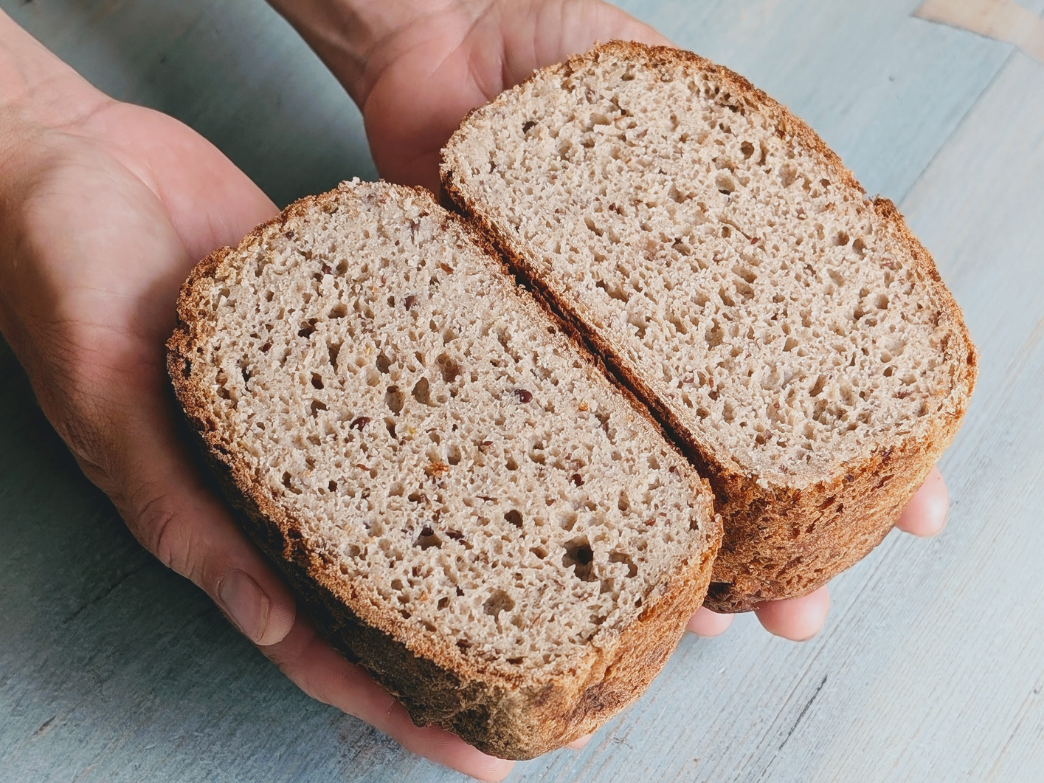
What are the best low-FODMAP foods for leaky gut syndrome?
By Dr. Jorge, Ph.D. Wildgrain, opens in a new tab is the first bake-from-frozen subscription box for sourdough breads, fresh pastas, and artisanal pastries. If you struggle with a leaky gut or other digestive issues, you may be wondering which foods can help alleviate discomfort and support healing. In this article, we explain the best (and worst) foods to include in your diet while trying to heal a leaky gut. What is the best food for a leaky gut? Is bread ok for a leaky gut? The best foods for a leaky gut are those rich in fiber, healthy fats, and probiotics, as they help support gut healing and digestive health. Some types of bread, like sourdough bread or gluten-free bread, are usually ok for a leaky gut as they are easier to digest. However, bread is generally not recommended on a leaky gut diet, as it can be harsh on the gut lining. What is the best diet to heal a leaky gut? What is the most gut-healing food? There isn’t a single best diet to heal a leaky gut, but some diets can help to support gut health, including a low-FODMAP diet, gluten-free diet, or anti-inflammatory diet. It is recommended to eat a balanced and nutrient-rich diet that promotes gut healing and limits gut irritation. This includes eating foods high in prebiotics and probiotics, such as fruits, vegetables, whole grains, yogurt, kefir, and beans while limiting fats and sugars. Although no single food can heal your gut, incorporating anti-inflammatory foods and gut-friendly options can help to improve overall gut health. Is a FODMAP diet good for leaky gut? Is a low-FODMAP diet good for leaky gut? A low-FODMAP diet might be good for leaky gut syndrome, as it can reduce inflammation and discomfort, while potentially improving gut function. Foods that are low in FODMAPs include fruits, vegetables, sourdough bread, gluten-free bread, and lean proteins. Some studies suggest that a low-FODMAP diet can alleviate symptoms of leaky gut syndrome, such as excessive gas, which contributes to digestive discomfort. However, most research has focused on the effect of a low-FODMAP diet on IBS, so additional studies are needed to study how a low-FODMAP diet impacts the gut lining and leaky gut syndrome. What heals leaky gut the fastest? What are the worst things for a leaky gut? The best and fastest way to heal a leaky gut is to address the underlying cause, which might be irritable bowel disease (IBD), celiac disease, or food sensitivities. Identifying and avoiding your triggers is the key to managing leaky gut syndrome. The worst things to consume with a leaky gut are heavily processed foods, excessive sugar, alcohol, and certain medications like NSAIDs. These can increase inflammation and damage the gut lining, hindering the gut’s healing process. Is sourdough bread ok for leaky gut syndrome? What is the best bread for a leaky gut? Sourdough bread is usually ok for leaky gut syndrome. Its natural fermentation process can make it easier to digest, and it is typically well-tolerated by those with digestive issues such as IBS or gluten sensitivities. If you suspect a gluten sensitivity contributes to your leaky gut, gluten-free bread might be a better option. That said, it is generally recommended to avoid bread while working to heal a leaky gut, as bread can be difficult to digest. Is pasta ok for a leaky gut? What is the best pasta for a leaky gut? Wheat-based products, like traditional pasta, are typically not recommended for a leaky gut due to their potential to irritate the digestive system. However, there are several gluten-free pasta alternatives that might be easier on the gut, like buckwheat pasta, quinoa pasta, lentil pasta, or pea pasta. These options help to satisfy pasta cravings without causing discomfort. Where can I buy gut-healthy bread and pasta online? At Wildgrain, we specialize in making high-quality, fresh breads that are delivered directly to your door. Wildgrain is the first bake-from-frozen delivery subscription service for breads, rolls, pastries, and fresh pastas. Some of our popular breads include sourdough whole wheat, sourdough 7-grain, fresh fettuccine, and fresh rigatoni. We are proud to offer healthy breads, made with non-GMO flour and without added sugar or preservatives. Learn more about Wildgrain: Learn about wildgrain story and our artisanal baking and cooking methods. Best Bread Home Delivery Service: How Wildgrain's Bread Delivery Works Wildgrain's breads are prepared in independent, artisanal bakeries with high quality ingredients. The breads are shipped frozen in insulated boxes and delivered direct to your home, anywhere nationwide. By shipping frozen, Wildgrain products maintain the highest quality, so you can enjoy fresh baked breads at home. That's why customers consider Wildgrain among the best home delivery services for bread. About the Author Dr. Jorge has been a public health researcher for many years, holding both a Bachelor's degree and a Ph.D. in Chemistry. They presently work as a medical writer and love being able to assist others in understanding various health and scientific topics. This content is for informational use only and does not replace professional nutrition and/or medical advice, diagnosis or treatment. It is not a substitute for and should not be relied upon for specific nutrition and/or medical recommendations. Please talk with your doctor about any questions or concerns.
Learn more What are the best low-FODMAP foods for leaky gut syndrome?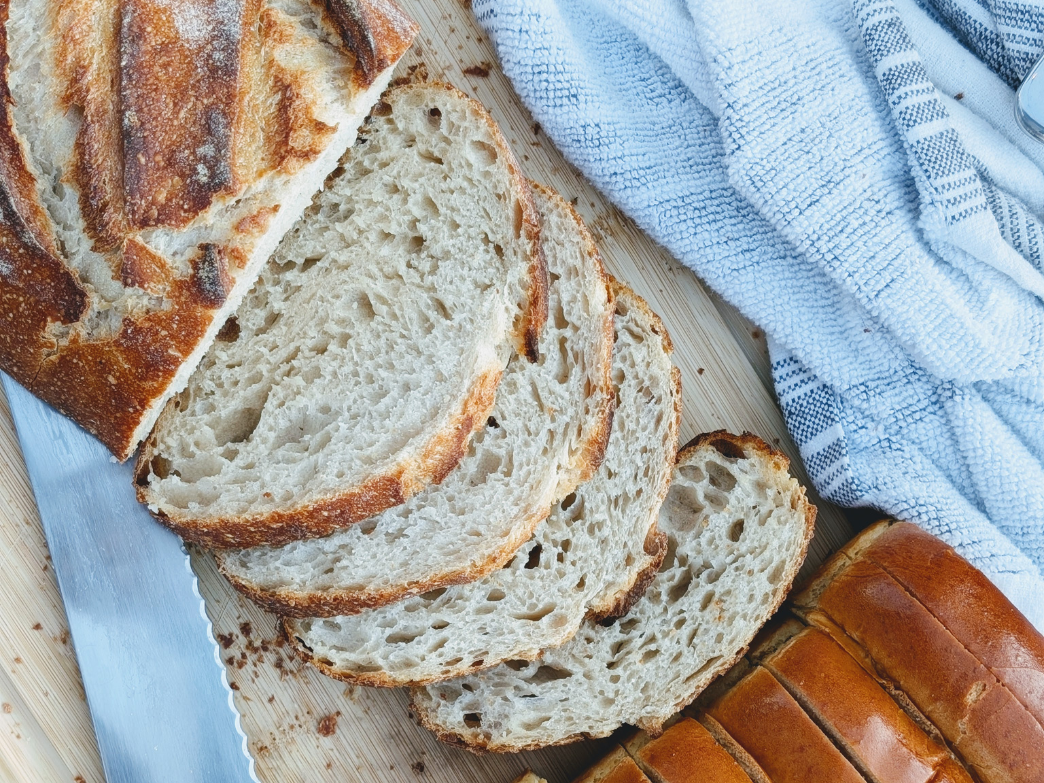
Sourdough Bread vs. Focaccia Bread: What's the Difference and Which is Healthier?
By Dr. Jorge, Ph.D. Wildgrain, opens in a new tab is the first bake-from-frozen subscription box for sourdough breads, fresh pastas, and artisanal pastries. If you’re on a sourdough kick like the rest of us, you’ve probably heard sourdough bread and focaccia bread used in the same sentence more than once. In this article, we’ll explore the similarities, differences, and potential health benefits of both sourdough bread and focaccia bread. Keep reading to discover which one is best suited to your lifestyle and goals. What is the difference between focaccia bread and sourdough bread? Is sourdough bread the same as focaccia bread? Focaccia bread and sourdough bread differ mainly in texture, shape, and taste. Focaccia bread is known for its soft and springy texture, thanks to the generous amount of olive oil used to make the bread. The olive oil gives focaccia its signature golden color and sets it apart from other types of bread. Focaccia bread is typically baked in a sheet pan, resulting in its flat shape. In contrast, sourdough bread is characterized by its chewy texture and crispy outer crust. Sourdough bread is often shaped into round or oval loaves and has a tangy flavor due to its natural fermentation process. While sourdough bread is known for being tangy, focaccia bread can also have a mild tang when made with a sourdough starter, though this isn’t a necessary ingredient. Focaccia can also be made using commercial yeast. Is sourdough bread healthy? Is focaccia bread healthy? The unique fermentation process that sourdough bread undergoes makes it one of the healthiest types of bread you can enjoy. Compared to other breads, sourdough bread has more vitamins, minerals, and antioxidants. Studies have shown that your body can absorb nutrients from sourdough bread more readily due to the lower levels of phytate in the bread, a chemical in food that can hinder nutrient absorption. Sourdough bread is also generally well-tolerated by people with gluten sensitivities or digestive issues and may be a better option for diabetics due to its lower glycemic index. Focaccia bread can also be a healthy choice and offer similar health benefits to sourdough bread when made with a sourdough starter. Additionally, swapping whole wheat flour for white flour can further enhance the nutritional value of focaccia bread. Is sourdough a lean or rich dough? Is focaccia bread lean or rich? Sourdough bread is a lean dough, made with minimal ingredients: sourdough starter, flour, water, and salt. Focaccia bread is also a lean dough, consisting mainly of yeast, flour, water, and salt. The key difference is that focaccia uses a generous amount of olive oil, both in the baking pan and on top of the dough, which gives it a richer texture and flavor. Is focaccia bread or sourdough bread healthier? Sourdough bread is generally considered healthier than focaccia bread, especially when the focaccia is made with commercial yeast and white flour. White flour contains less fiber and nutrients compared to whole wheat flour, which can contribute to blood sugar spikes. In contrast, sourdough is made with natural yeast, which undergoes a fermentation process that not only improves digestion but also enhances the absorption of nutrients. The longer fermentation process in sourdough also helps lower its glycemic index, making it a better option for blood sugar control. Additionally, sourdough bread offers probiotics and other beneficial compounds that focaccia, made with commercial yeast, lacks. Can you have sourdough bread if you’re diabetic? Can diabetics eat focaccia bread? Yes, diabetics can enjoy both sourdough bread and focaccia bread, but it is important to be mindful of portion sizes and carbohydrate content. If you have diabetes, it is best to opt for bread made with whole wheat flour rather than white flour. Wheat flour has a lower glycemic index and provides fiber to help regulate blood sugar levels. Sourdough bread may offer additional benefits for diabetics as studies have shown that sourdough bread can help prevent blood sugar spikes. If you prefer the texture of focaccia bread, try sourdough focaccia bread for a tasty and diabetes-friendly option. Which is better for weight loss: sourdough bread or focaccia bread? Sourdough bread may be a better choice for weight loss due to its higher fiber content, which can help you feel fuller for longer. However, both sourdough and focaccia can be part of a weight loss plan when enjoyed in moderation. The key is to manage portion sizes and ensure the bread fits within your overall dietary goals. Where can I buy the best sourdough bread online? At Wildgrain, we specialize in making high-quality, fresh baked goods that are delivered directly to your door. Wildgrain is the first bake-from-frozen delivery subscription service for breads, rolls, pastries, and fresh pastas. Some of our popular items include Plain Sourdough Loaf, Everything Sourdough Bread, Sourdough 7-Grain Loaf, and Sourdough Whole Wheat Loaf. Learn more about WildgrainWildgrain story page and our artisanal baking and cooking methods. Best Bread Home Delivery Service: How Wildgrain's Bread Delivery Works Wildgrain's breads are prepared in independent, artisanal bakeries with high quality ingredients. The breads are shipped frozen in insulated boxes and delivered direct to your home, anywhere nationwide. By shipping frozen, Wildgrain products maintain the highest quality, so you can enjoy fresh baked breads at home. That's why customers consider Wildgrain among the best home delivery services for bread. About the Author Dr. Jorge has been a public health researcher for many years, holding both a Bachelor's degree and a Ph.D. in Chemistry. They presently work as a medical writer and love being able to assist others in understanding various health and scientific topics. This content is for informational use only and does not replace professional nutrition and/or medical advice, diagnosis or treatment. It is not a substitute for and should not be relied upon for specific nutrition and/or medical recommendations. Please talk with your doctor about any questions or concerns.
Learn more Sourdough Bread vs. Focaccia Bread: What's the Difference and Which is Healthier?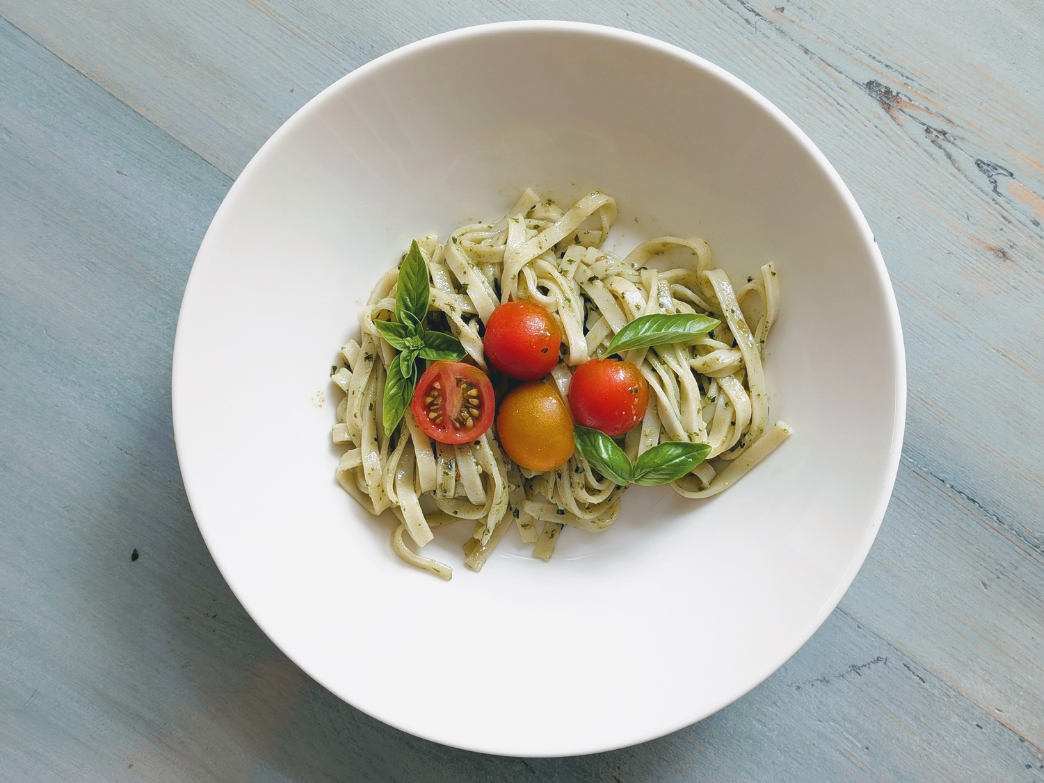
What’s Better: White Pasta vs. Whole Wheat Pasta vs. Chickpea Pasta vs. Lentil Pasta?
By Lucy Yanckello, Ph.D. Wildgrain, opens in a new tab is the first bake-from-frozen subscription box for sourdough breads, fresh pastas, and artisanal pastries. When it comes to pasta, there are more options than ever before—each with its own set of nutritional benefits. Whether you're trying to eat healthier, follow a specific diet, or just explore new flavors, the variety of pasta available today can make it challenging to know which is the best choice for your health. Which is healthier: white pasta vs. whole wheat pasta vs. chickpea pasta vs. lentil pasta? Each pasta has its own unique set of nutritional benefits. Regular pasta is made from refined white flour, meaning most of the nutrients and fiber are stripped out during processing. It contains around 220 calories, 45 grams of carbohydrates, 2 grams of fiber, and 8 grams of protein per one cup serving. Additionally, it is considered to be a high glycemic index (GI) food meaning it may rapidly increase blood sugar levels. Although it is low in fat and provides quick energy, it is less nutritious due to the lack of fiber and other nutrients. Whole-wheat pasta is made from whole grains, meaning it retains the fiber, vitamin and mineral content of the grain. A one cup serving contains around 250 calories, 50 grams of carbohydrates, 6 grams of fiber and 9 grams of protein. The GI of whole-wheat pasta is medium, meaning it will spike blood sugar slower than white pasta. If you are looking for more fiber and nutrients and more sustained energy, whole-wheat pasta is a better option. Chickpea pasta, made from chickpea flour is a plant based and gluten-free alternative to wheat pastas. One cup of chickpea pasta contains around 250 calories, 40 grams of carbohydrates, 6 grams of fiber and 19 grams of protein. Additionally, chickpea pasta has a low GI, which means it will cause a much slower and more controlled rise in blood pressure, preventing spikes and crashes that occur with high GI foods. If you are gluten-free or looking for a higher protein option for pasta, chickpea pasta is a great option. Lentil pasta, similar to chickpea pasta, is gluten free. It is made from lentil flour and is high in protein and rich in fiber. One cup of cooked lentil pasta has around 220 calories, 35 grams of carbohydrates, 9 grams of fiber, and 18 grams of protein. Like chickpea pasta, lentil pasta has a low GI, providing a gradual increase in blood sugar instead of a quick spike. It has a similar protein and fiber content compared to chickpea pasta, meaning it is also great for weight management and digestive health. Is lentil pasta better for you than regular pasta? Is chickpea pasta better for you than regular pasta? Lentil and chickpea pasta both have benefits that regular pasta lacks. Lentil and chickpea pasta both have higher fiber and protein content than regular pasta. These are important nutrients when considering weight loss and digestive health, as protein and fiber leave you feeling fuller for longer, reducing snacking and cravings. Additionally, as lentil and chickpea pasta are both low GI, they will not cause blood sugar spikes and crashes like white pasta, leading to better blood sugar regulation and sustained energy. Does protein pasta have less carbs than regular pasta? Does protein pasta have less calories than regular pasta? Protein pasta does have anywhere from 5 to 10 grams less carbohydrates than regular pasta. All four types of pasta have a similar caloric content. However, while most of the calories come from carbohydrates in all types of pasta, more of the calories come from protein in chickpea and lentil pasta than in regular pasta. Is protein pasta healthier than regular pasta? Is protein pasta really healthy? Protein pasta is generally healthier than regular pasta. The higher fiber, protein, vitamin, and mineral content in protein pasta will be beneficial no matter your diet, weight loss goals, or medical conditions. Protein and fiber leave you feeling fuller for longer, reducing snacking and cravings. Additionally, as lentil and chickpea pasta are both low GI, they will not cause blood sugar spikes and crashes like white pasta, leading to better blood sugar regulation and sustained energy. What pasta is best for gut health? Which type of pasta is easiest to digest? Both lentil and chickpea pasta have higher amounts of fiber than whole-wheat or regular pasta. This is good for gut health, as fiber aids in digestion and feeds the good bacteria in our guts promoting gut health. The type of pasta that is easiest to digest is highly personal. If you are gluten intolerant, have a gluten allergy, or just avoid gluten because you do not like it, chickpea and lentil patas are the best option for ease of digestion as they are gluten-free. However, the high fiber content in these pastas can be harder to digest, especially if you are not used to eating legumes. If you have a sensitive digestive system, or if you are in need of a low-fiber meal, regular pasta is the best option as it contains fewer complex nutrients and thus is the quickest to digest. Whole wheat pasta is a good intermediary between the high protein pasta varieties and regular pasta. While it does have more fiber content than regular pasta, it has much less fiber than the high protein varieties. However, even this lower amount of fiber may cause uncomfortable digestive symptoms in those with digestive conditions or that are not accustomed to higher-fiber foods. What type of pasta is the healthiest? What is the best pasta to eat while trying to lose weight? The healthiest type of pasta is the one that fits best into your diet. If you are trying to lose weight and can tolerate high fiber foods, opt for higher protein pasta varieties such as chickpea and lentil flours. The low GI combined with higher fiber and protein contents will allow you to feel fuller for longer, leaving you less likely to snack or succumb to cravings. If you can’t tolerate these higher fiber pastas, or you don’t enjoy them, try switching out your regular pasta for the whole wheat variety to gain similar benefits to the high-fiber varieties. Where can I buy fresh pasta online? At Wildgrain, we specialize in making high-quality, fresh breads and pastas that are delivered directly to your door. Wildgrain is the first bake-from-frozen delivery subscription service for breads, pastries, and fresh pastas. Some of our popular pastas include fresh fettuccine and fresh tonnarelli. Learn more about Wildgrain and our artisanal baking and cooking methods. Best Pasta Home Delivery Service: How Wildgrain's Pasta Delivery Works Wildgrain's pastas are prepared in independent, artisanal bakeries with high quality ingredients. The pastas are shipped frozen in insulated boxes and delivered direct to your home, anywhere nationwide. By shipping frozen, Wildgrain products maintain the highest quality, so you can enjoy fresh pasta at home. That's why customers consider Wildgrain among the best home delivery services for pasta. About the Author Lucy Yanckello received her Ph.D. in nutrition from the University of Kentucky College of Medicine. She currently works as a medical writer and enjoys being able to help people better understand nutrition and science. This content is for informational use only and does not replace professional nutrition and/or medical advice, diagnosis or treatment. It is not a substitute for and should not be relied upon for specific nutrition and/or medical recommendations. Please talk with your doctor about any questions or concerns.
Learn more What’s Better: White Pasta vs. Whole Wheat Pasta vs. Chickpea Pasta vs. Lentil Pasta?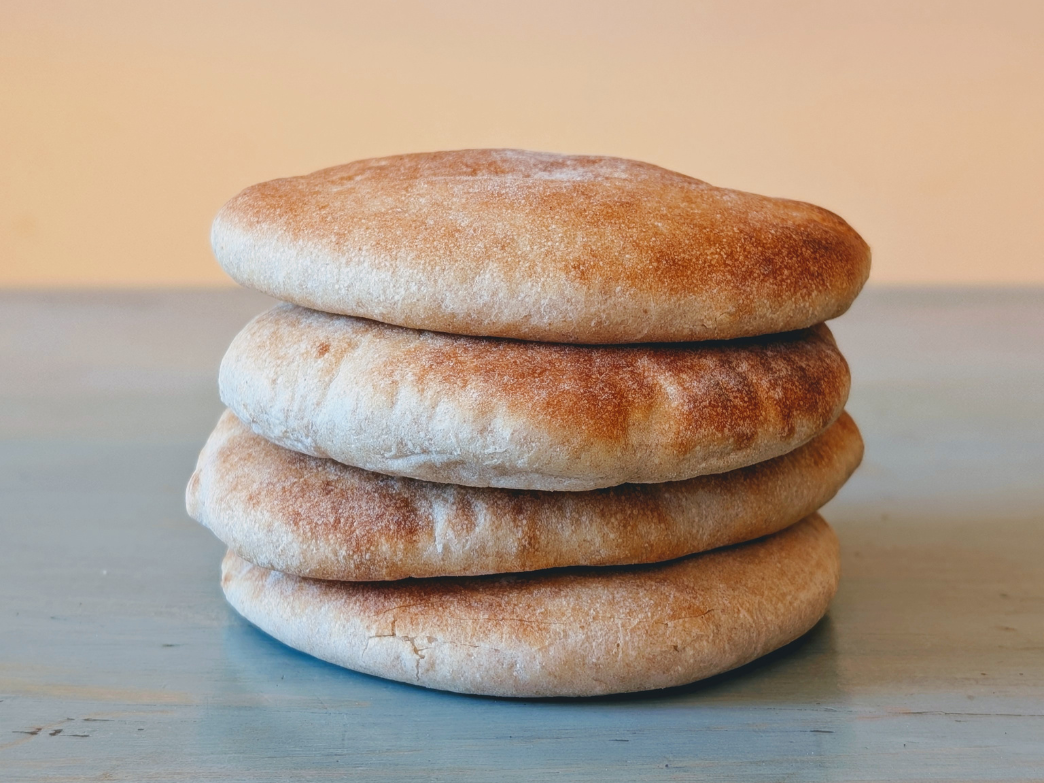
Pita Bread: Healthy or Unhealthy?
By Lucy Yanckello, Ph.D. Wildgrain, opens in a new tab is the first bake-from-frozen subscription box for sourdough breads, fresh pastas, and artisanal pastries. Pita bread is a popular food, often found in Mediterranean and Middle Eastern cuisines, but is it a healthy choice for your diet? Whether you're using it as a wrap, dipping it in hummus, or making it into a sandwich, pita bread offers convenience and flavor. However, with so many types of bread available, it's worth asking: is pita bread healthier than traditional bread? Is pita bread healthy or unhealthy? Pita bread is considered a healthy option because it is typically made from simple ingredients: flour, water, yeast, and salt. Additionally, pita bread is typically lower in calories than other varieties of bread. When made with whole wheat flour, it is considered to be healthier because it provides fiber, B-vitamins and other minerals. Nutritionally, a typical whole wheat pita contains around 160 calories, 35 grams of carbohydrates, 4 grams of fiber, 1 gram of fat and 6 grams of protein. Is pita bread healthier than bread? In terms of regular whole wheat bread, two slices contain around 160 calories, 40 grams of carbohydrates, 1 gram of fat, 6 grams of fiber, and 4 grams of protein. When comparing whole wheat pita to whole wheat bread, the nutritional benefits are largely the same – fiber, vitamin, and mineral content are similar. Opting for whole wheat versions of sliced bread and pita bread will be much more nutritionally beneficial than those made with white flour as they have higher fiber and protein content, both which make you feel fuller for longer and reduce snacking. These are important considerations when trying to lose weight. Is pita bread healthier than rice? Although whole wheat pita bread and rice serve different nutritional roles in a diet, pita bread is generally healthier in terms of fiber content, protein, and carbohydrate content. Whole wheat pita bread – due to its whole grain content – has more fiber and protein than white rice. White rice is a refined carbohydrate meaning it has minimal fiber. Fiber is an important ingredient that aids in digestion, stabilizes blood sugar levels, and helps you feel fuller for longer. However, if you are gluten intolerant or have a gluten allergy, rice is a healthier option as it does not contain gluten. Does pita bread have less gluten than regular bread? Is pita bread gluten-free? Pita bread is made from wheat flour so it is not gluten free. Pita bread and regular bread both have high gluten content because they are made from wheat. Whole wheat options are higher in gluten than refined white flour options. Is pita bread good for the gut? Is pita bread anti-inflammatory? Whole wheat pita bread can be beneficial for your gut due to the fiber content from whole grains. Fiber aids in digestion and promotes a healthy gut microbiome by feeding the beneficial bacteria in our guts, which can also contribute to anti-inflammatory effects. Additionally, the fiber in whole wheat pita bread can help improve blood sugar by slowing digestion. This aids in blood sugar control and keeps you feeling fuller for longer. Is pita bread good for cholesterol? Is pita bread ok for weight loss? Whole wheat pita bread can be beneficial for cholesterol and weight loss. Pita bread is considered a low-cholesterol food because it doesn’t naturally contain cholesterol. The whole grains present in pita bread increase its fiber content, which also plays a role in helping lower cholesterol. Fiber and protein content is also important for weight loss as these nutrients help slow digestion and aid in helping you feel fuller for longer. This helps reduce snacking and cravings, which is important when trying to lose weight and stay in a caloric deficit. Does pita bread spike blood sugar? Is pita bread healthy for diabetics? Pita bread is a suitable choice for those with diabetes, especially when opting for whole wheat varieties. Of course as with any carbohydrate, moderation is key. The GI or glycemic index of pita is 57 making it a medium GI food. GI is an index that measures how quickly a food will spike blood sugar after it is ingested on a scale of 0 to 100. Can you eat pita bread every day and still be healthy? Whole wheat pita bread can be enjoyed as a part of any balanced diet. It is important to pair carbohydrates with lean proteins and fruits or vegetables in order to give your body a balance of nutrients. Any food that you enjoy can be worked into your diet daily with portion control and moderation. Where can I buy the best fresh pita bread online? At Wildgrain, we specialize in making high-quality, fresh baked goods that are delivered directly to your door. Wildgrain is the first bake-from-frozen delivery subscription service for breads, pastries, and fresh pastas. Some of our popular breads include slow-fermented artisanal pita, plain sourdough loaf, and sourdough whole wheat loaf. Learn more about Wildgrain and our artisanal baking and cooking methods. Best Bread Home Delivery Service: How Wildgrain's Bread Delivery Works Wildgrain's breads are prepared in independent, artisanal bakeries with high quality ingredients. The breads are shipped frozen in insulated boxes and delivered direct to your home, anywhere nationwide. By shipping frozen, Wildgrain products maintain the highest quality, so you can enjoy fresh baked breads at home. That's why customers consider Wildgrain among the best home delivery services for bread. About the Author Lucy Yanckello received her Ph.D. in nutrition from the University of Kentucky College of Medicine. She currently works as a medical writer and enjoys being able to help people better understand nutrition and science. This content is for informational use only and does not replace professional nutrition and/or medical advice, diagnosis or treatment. It is not a substitute for and should not be relied upon for specific nutrition and/or medical recommendations. Please talk with your doctor about any questions or concerns.
Learn more Pita Bread: Healthy or Unhealthy?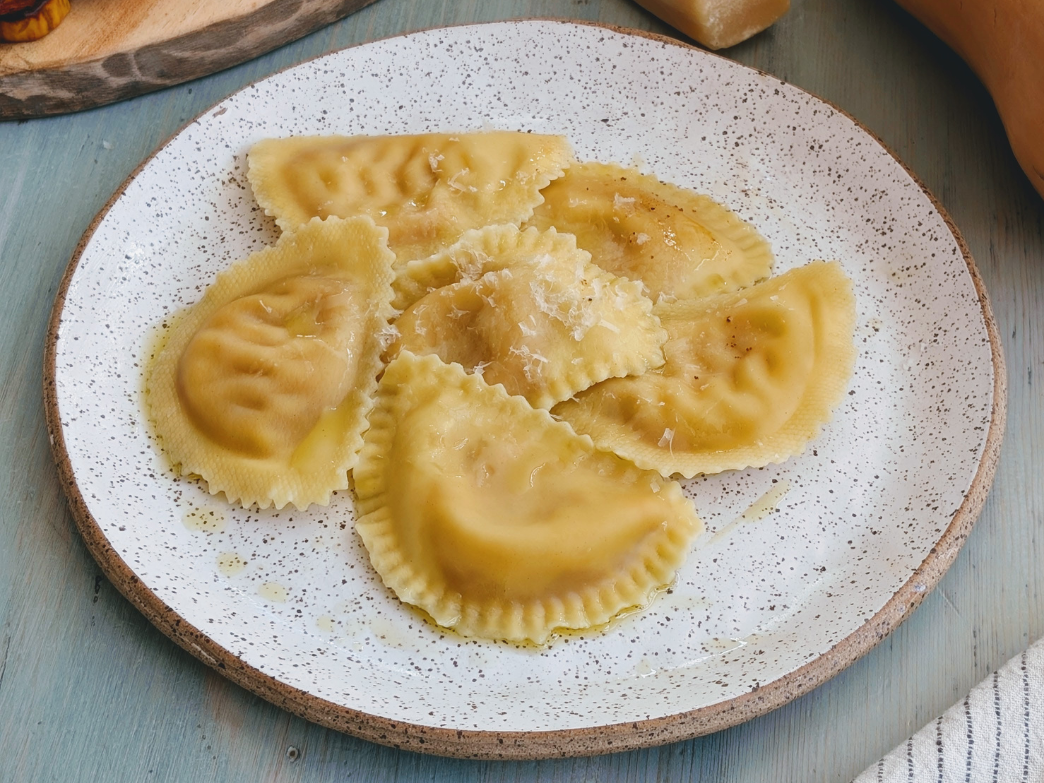
What’s Better: Ravioli vs. Tortellini vs. Gnocchi vs. Spaghetti?
By Lucy Yanckello, Ph.D. Wildgrain, opens in a new tab is the first bake-from-frozen subscription box for sourdough breads, fresh pastas, and artisanal pastries. When it comes to choosing a healthy pasta option, the variety of shapes and fillings can make it difficult to decide which is the best choice for your diet. Whether you're craving ravioli, tortellini, gnocchi, or spaghetti, each offers unique flavors and textures, but they also differ significantly in terms of nutritional content. Read on to learn more about how to determine which option best fits into your diet. What’s the difference between ravioli, tortellini, gnocchi, and spaghetti? Ravioli, tortellini, gnocchi, and spaghetti are all types of pasta. However, each has different shapes, ingredients, and nutritional profiles. Ravioli and tortellini are both filled pastas, whereas gnocchi and spaghetti are not filled. Ravioli and tortellini are typically filled with cheese, meat, or vegetables. Raviolis are typically larger than tortellini. Gnocchi are soft dumplings, typically made from mashed potatoes and flour, and spaghetti is a long noodle shape made from wheat flour. Which is healthier to eat, ravioli or tortellini or gnocchi or spaghetti? When comparing ravioli, tortellini, gnocchi, and spaghetti, there are many considerations including fat content and calorie content. Spaghetti is primarily made of wheat flour and has only about 1 to 2 grams of fat per serving, containing about 200 calories per 1 cup of cooked spaghetti. Because it is not stuffed, if you are looking to keep your fat intake low, spaghetti is the best option. It is also lower in calories because of this. Pairing pasta with a lean protein and light sauce will make for a nutritionally balanced meal. Gnocchi typically has around 215 calories per 1 cup serving, with only about 1 to 5 grams of fat per serving – fat content increases if the potato dumplings are prepared with butter or oil. Gnocchi is made from potatoes and flour, making the pasta a good source of carbohydrates and dietary fiber. However, the healthiness of gnocchi largely depends on how it is cooked. Using a healthier oil and adding vegetables and a lean protein can create a balanced dish. A typical serving of ravioli – around 4 to 6 pieces – contains anywhere from 150 to 250 calories depending on the filling. The fat content is also filling dependent, with anywhere from 5 to 12 grams of fat per 4 to 6 pieces depending on whether it is filled with meat, cheese, or other high calorie ingredients. Even though cheese or meat ravioli and tortellini do have a higher protein content than spaghetti and gnocchi, the fat being so much higher does counteract this. A good alternative if you are craving ravioli is to opt for vegetable filled ravioli which provide more nutrients, fewer calories, and less fat. The nutritional content of tortellini is similar to that of ravioli. Typically 10 to 12 pieces of tortellini contain around 7 to 15 grams of fat depending on the fillings and have around 200-300 calories. Vegetable filled tortellini, just like with ravioli, is a better choice in terms of reducing fat content and calories. Which has the most fat, ravioli or tortellini or gnocchi or spaghetti? Ravioli and tortellini both have a similar fat content per serving. Tortellini has 7 to 12 grams of fat depending on the filling. Ravioli has 5 to 12 grams of fat depending on the filling. Each both fall between 200 to 300 calories per serving. Can diabetics eat ravioli? Can diabetics eat tortellini? Diabetics can eat tortellini and ravioli. However, because there is a high amount of carbohydrates in both, there are some considerations to take into account.It is important to eat small portions to prevent spikes in blood sugar. Another way to avoid these spikes is to opt for ravioli or tortellini made with alternative flours such as whole wheat, chickpea, or almond flour that provide more fiber and have a lower glycemic index. Fillings are also important to consider as it affects the nutritional profile of both types of pasta. Vegetable filled ravioli or tortellini are a better option than meat or cheese varieties, which are high in fat and calories. Lastly, consider pairing these types of pasta with a low sugar sauce such as a tomato based sauce, and adding a lean protein and non-starchy vegetable to your plate to balance out the meal and limit blood sugar spikes. Which is the best for weight loss, ravioli or tortellini or gnocchi or spaghetti? The best pasta to enjoy when trying to lose weight is up to your specific dietary needs. Spaghetti and gnocchi both have less fat than ravioli and tortellini. However, if you opt for vegetable filled ravioli or tortellini this will increase your fiber and protein intake. Both of these are important to consider when trying to lose weight because they play a role in satiety – the feeling of fullness. It is important to eat balanced meals in order to feel fuller for longer and reduce snacking when trying to lose weight. Which is healthier: ravioli or tortellini? Ravioli and tortellini have similar nutrient profiles. Tortellini has 7 to 12 grams of fat depending on the filling. Ravioli has 5 to 12 grams of fat depending on the filling. Each contains around 200 to 300 calories per serving. There is not much difference when comparing the two types of pasta, but opting for vegetable filled options instead of meat or cheese filled options to reduce fat and calorie contents. Which is healthier: gnocchi or tortellini? Gnocchi is somewhat healthier than tortellini. Gnocchi typically has around 215 calories per 1 cup serving, with only about 1-5 grams of fat per serving. Typically 10-12 pieces of tortellini have around 200-300 calories and contain around 7-15 grams of fat depending on the fillings. Opting for cooking gnocchi in healthy oils can reduce the fat content. As well, opting for veggie filled tortellini can help increase fiber and reduce fat. Where can I buy fresh pasta online? At Wildgrain, we specialize in making high-quality, fresh breads and pastas that are delivered directly to your door. Wildgrain is the first bake-from-frozen delivery subscription service for breads, pastries, and fresh pastas. Some of our popular pastas include spinach and ricotta ravioli, gluten-free cheese tortellini, truffle and parmigiano reggiano ravioli, potato gnocchi, and fresh tonnarelli. Learn more about Wildgrain and our artisanal baking and cooking methods. Best Pasta Home Delivery Service: How Wildgrain's Pasta Delivery Works Wildgrain's pastas are prepared in independent, artisanal bakeries with high quality ingredients. The pastas are shipped frozen in insulated boxes and delivered direct to your home, anywhere nationwide. By shipping frozen, Wildgrain products maintain the highest quality, so you can enjoy fresh pasta at home. That's why customers consider Wildgrain among the best home delivery services for pasta. About the Author Lucy Yanckello received her Ph.D. in nutrition from the University of Kentucky College of Medicine. She currently works as a medical writer and enjoys being able to help people better understand nutrition and science. This content is for informational use only and does not replace professional nutrition and/or medical advice, diagnosis or treatment. It is not a substitute for and should not be relied upon for specific nutrition and/or medical recommendations. Please talk with your doctor about any questions or concerns.
Learn more What’s Better: Ravioli vs. Tortellini vs. Gnocchi vs. Spaghetti?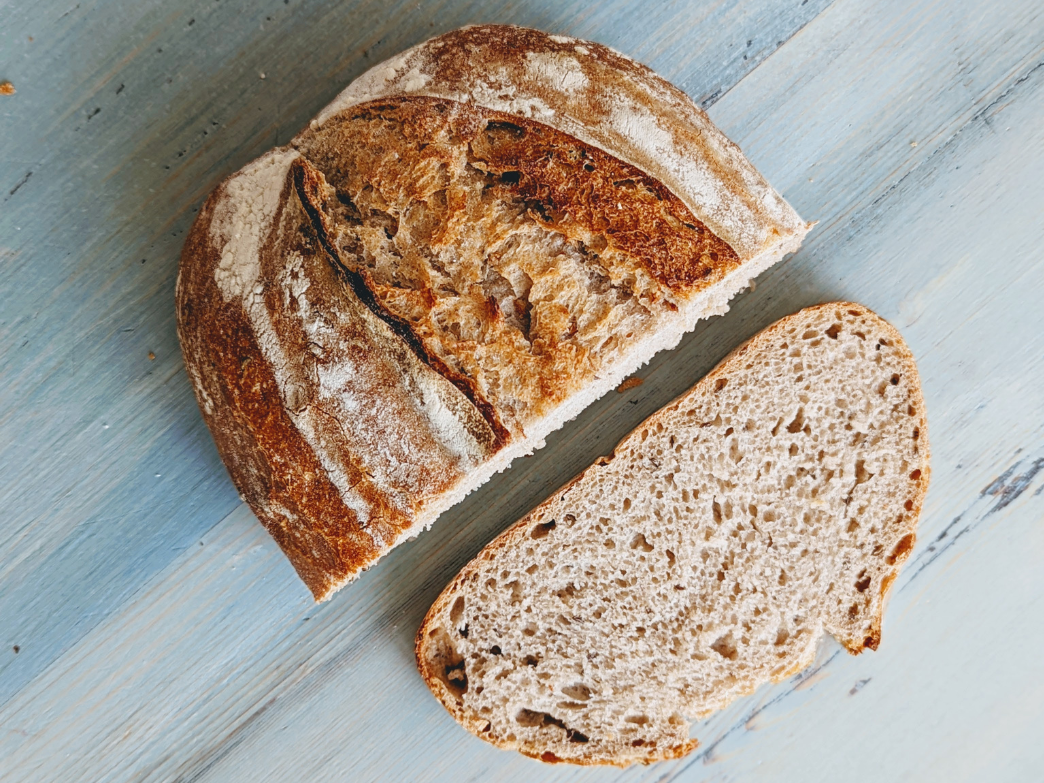
Best Bread for Egg Allergy
By Dr. Jorge, Ph.D. Wildgrain, opens in a new tab is the first bake-from-frozen subscription box for sourdough breads, fresh pastas, and artisanal pastries. If you’re following an egg-free diet and wondering if you can still enjoy your favorite bread, the answer is likely yes! Many types of bread are naturally egg-free, but it’s important to know which ones to choose and which to steer clear of. Read on to discover which types of bread are egg-free—and which ones to avoid—so you can enjoy your meals with peace of mind. Can I eat bread on an egg-free diet? Can I eat bread with an egg allergy? Yes, you can absolutely eat bread on an egg-free diet. In fact, most bread does not contain eggs! However, if you have an egg allergy, be sure to avoid bread that lists eggs or egg albumin as an ingredient. That being said, some types of bread that are not safe for those with an egg allergy include brioche and challah bread. Does all bread contain eggs? What bread doesn’t have eggs? No, not all bread contains eggs. In fact, most bread is made with just flour, water, yeast, and salt. If you’re looking for egg-free bread options, you can enjoy delicious breads like sourdough bread, baguette bread, ciabatta bread, focaccia, and French bread. Even standard white or whole wheat sandwich bread is usually safe for those with an egg allergy. Can you eat bagels with an egg allergy? Are bagels vegan? For the most part, bagels are safe for those with an egg allergy. Traditional bagels are made with flour, water, salt, yeast, and a sweetener—ingredients that are all egg-free. However, some bakers may use an egg wash to give their bagels a shiny appearance, so it’s always a good idea to double-check the ingredient list just to be sure. Is sourdough bread egg-free? Can I eat sourdough bread with an egg allergy? Sourdough bread is egg-free. Traditionally, sourdough bread is made from sourdough starter, flour, water, and salt. Since sourdough bread is made through a natural fermentation process, it doesn't require eggs or egg-based ingredients, making it a reliable option for individuals with egg allergies. However, it’s always a good idea to check labels on store-bought sourdough, as some varieties may contain added ingredients. Is whole wheat bread egg-free? Can I eat whole wheat bread with an egg allergy? Whole wheat bread is typically egg-free and safe for those with an egg allergy. Like most other breads, it’s usually made with simple, egg-free ingredients. The exception to this is brioche whole wheat bread, which does contain eggs. To easily identify a bread made with eggs, look for a shiny appearance. You can also double-check the packaging or ask the bakery if the bread contains eggs or may have been contaminated with them. Is white bread egg-free? Can I eat white bread with an egg allergy? Similar to whole wheat bread, white bread is usually egg-free. This includes regular sandwich bread, sourdough bread, ciabatta bread, and baguette bread, among others. White bread that is not safe for those with an egg allergy includes challah bread, brioche bread, Easter egg bread, and some biscuits. Can people with egg allergies eat baked goods? People with egg allergies can usually tolerate baked goods. About 70% to 80% of individuals with egg allergies can safely consume eggs that have been thoroughly baked. Eggs baked at 350°F for 30 minutes or more may be safe for those with egg allergies. As a result, pastries, cakes, and breads baked at this temperature and for this time might be suitable for those with an egg allergy. However, if you're uncertain about whether consuming baked eggs will trigger a reaction, it's best to avoid them. What’s the best egg-free bread? What’s the best bread for egg allergy? The best bread for an egg allergy is any bread that doesn't contain eggs. Fortunately, most breads fall into this category, so the best option is whichever one you enjoy most! This includes standard white or whole wheat sandwich bread, rye bread, sourdough bread, and ciabatta. When choosing an egg-free bread, always check the product's packaging to ensure it doesn't contain eggs and be mindful that a shiny surface may indicate an egg wash was used on the bread. Where can I buy the best egg-free breads online? At Wildgrain, we specialize in making high-quality, fresh breads that are delivered directly to your door. Wildgrain is the first bake-from-frozen delivery subscription service for breads, rolls, pastries, and fresh pastas. Some of our popular egg-free breads include plain sourdough loaf, sourdough rye loaf, and sourdough whole wheat loaf. We are proud to offer healthy breads, made with non-GMO flour and without added sugar or preservatives. Learn more about Wildgrain story page and our artisanal baking and cooking methods. Best Bread Home Delivery Service: How Wildgrain's Bread Delivery Works Wildgrain's breads are prepared in independent, artisanal bakeries with high quality ingredients. The breads are shipped frozen in insulated boxes and delivered direct to your home, anywhere nationwide. By shipping frozen, Wildgrain products maintain the highest quality, so you can enjoy fresh baked breads at home. That's why customers consider Wildgrain among the best home delivery services for bread. About the Author Dr. Jorge has been a public health researcher for many years, holding both a Bachelor's degree and a Ph.D. in Chemistry. They presently work as a medical writer and love being able to assist others in understanding various health and scientific topics. This content is for informational use only and does not replace professional nutrition and/or medical advice, diagnosis or treatment. It is not a substitute for and should not be relied upon for specific nutrition and/or medical recommendations. Please talk with your doctor about any questions or concerns.
Learn more Best Bread for Egg Allergy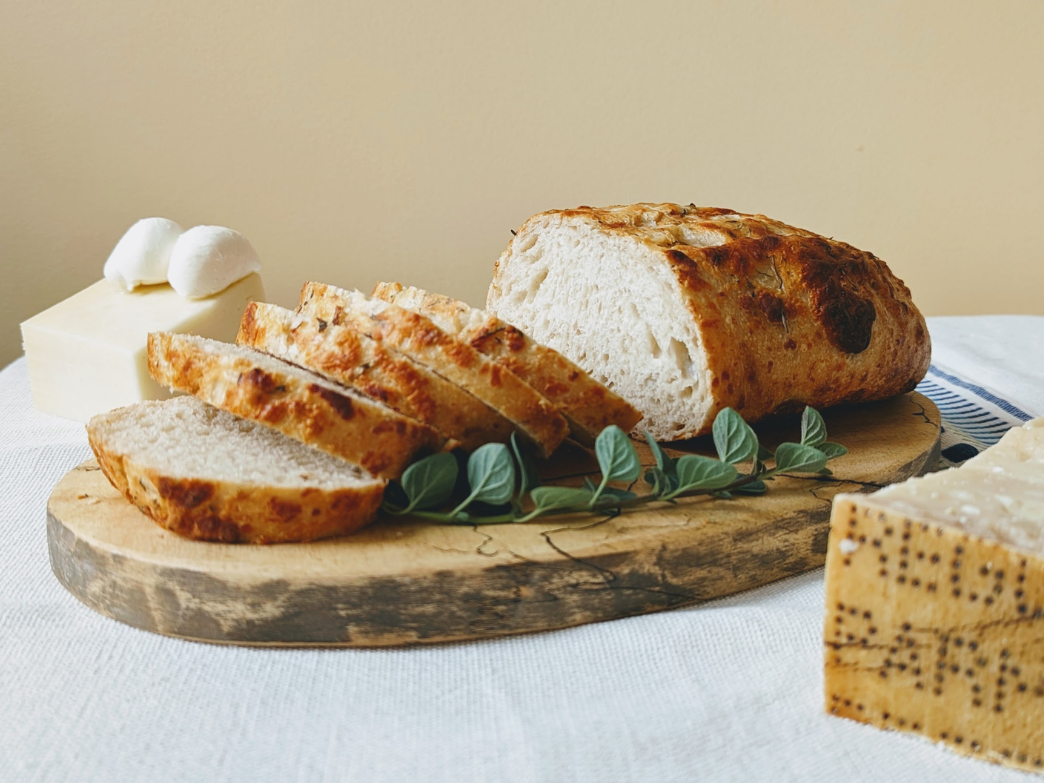
What's Better: Artisan Bread vs. Store-Bought Bread vs. Homemade Bread
By Dr. Jorge, Ph.D. Wildgrain, opens in a new tab is the first bake-from-frozen subscription box for sourdough breads, fresh pastas, and artisanal pastries. Artisan bread has become increasingly popular, whether you’re picking it up at your local farmer’s market, grocery store, or experimenting with homemade recipes. With this rise in popularity, you might be wondering how artisan bread stacks up against store-bought options. In this article, we’ll break down the key differences between artisan bread, homemade bread, and store-bought bread to help you choose the best option for your needs! What is artisan bread? How is artisan bread different from store-bought bread and homemade bread? Artisan bread refers to bread made using traditional methods, typically crafted by hand through a longer, more deliberate process. It is usually made from basic, high-quality ingredients such as flour, water, salt, and yeast, with no chemical additives. In contrast, store-bought bread is often mass-produced in factories, containing a long list of ingredients, many of which are additives. Homemade bread can be considered artisan if it is thoughtfully crafted using traditional techniques and minimal, high-quality ingredients. What’s better: artisan bread vs. store-bought bread vs. homemade bread? Artisan bread and homemade bread are usually better than store-bought options. Artisan bread - sourdough rye bread is made with high-quality ingredients and traditional methods, resulting in richer flavor and less processing. Similarly, homemade bread is fresher than store-bought bread, can be made without additives or preservatives, and allows for more control over ingredient quality. Store-bought bread is often mass-produced with added sugars, preservatives, and artificial ingredients to extend shelf life. While convenient, store-bought bread tends to be less flavorful and more processed. In contrast, both artisan bread and homemade bread offer better taste, quality, and nutritional value compared to store-bought bread. Is artisan bread healthy to eat? Is artisan bread healthier than regular bread? Yes, artisan bread can be healthy and is often healthier than other types of bread. Artisanal bread is typically made with whole grains and organic flour, making it a rich source of nutrients. Sourdough bread, a popular type of artisan bread, also contains natural probiotics that promote gut health. Additionally, artisan bread is free from artificial additives and added sugars. In contrast, store-bought regular bread is usually made with refined flour, which is less nutritious, and often contains a long list of additives. Is artisan bread processed? Is homemade bread still considered processed? Artisan bread is technically a processed food because it is made by transforming raw ingredients, like flour, into a finished product. However, artisan bread is considered to be minimally processed. This is because artisan bread is made using traditional methods and simple ingredients. Similarly, homemade bread also qualifies as a minimally processed food. This is in contrast to store-bought bread, which falls into the processed or ultra-processed food category, as it often contains chemical additives and is made from refined flour. Which bread is the least processed: artisan bread vs. store-bought bread vs. homemade bread? Artisan bread and homemade bread are the least processed types of bread compared to store-bought bread. Both artisan bread and homemade bread are often made by hand and with a short list of high-quality ingredients that do not include preservatives or additives. However, this might not be the case for commercially produced artisan bread found in stores. When in doubt, be sure to check the package’s ingredient list. Is artisan bread good for weight loss? Is homemade bread good for weight loss? Artisan bread and homemade bread might be good for weight loss, depending on the ingredients and methods used. Bread - sourdough whole wheat bread made with whole grains typically has higher fiber content, which can help you feel fuller for longer and potentially support weight loss. The longer fermentation process used in breads like sourdough bread can also improve digestibility. While the ingredients and method used to make bread can aid weight loss, portion size is one of the most important factors to consider when deciding how bread fits into your weight loss journey. Where can I buy artisan bread online? At Wildgrain, we specialize in making high-quality, fresh breads that are delivered directly to your door. Wildgrain is the first bake-from-frozen delivery subscription service for breads, rolls, pastries, and fresh pastas. Some of our popular breads include plain sourdough loaf and rye sourdough loaf. Learn more about Wildgrain and our artisanal baking and cooking methods. Best Bread Home Delivery Service: How Wildgrain's Bread Delivery Works Wildgrain's breads are prepared in independent, artisanal bakeries with high quality ingredients. The breads are shipped frozen in insulated boxes and delivered direct to your home, anywhere nationwide. By shipping frozen, Wildgrain products maintain the highest quality, so you can enjoy fresh baked breads at home. That's why customers consider Wildgrain among the best home delivery services for bread. About the Author Dr. Jorge has been a public health researcher for many years, holding both a Bachelor's degree and a Ph.D. in Chemistry. They presently work as a medical writer and love being able to assist others in understanding various health and scientific topics. This content is for informational use only and does not replace professional nutrition and/or medical advice, diagnosis or treatment. It is not a substitute for and should not be relied upon for specific nutrition and/or medical recommendations. Please talk with your doctor about any questions or concerns.
Learn more What's Better: Artisan Bread vs. Store-Bought Bread vs. Homemade Bread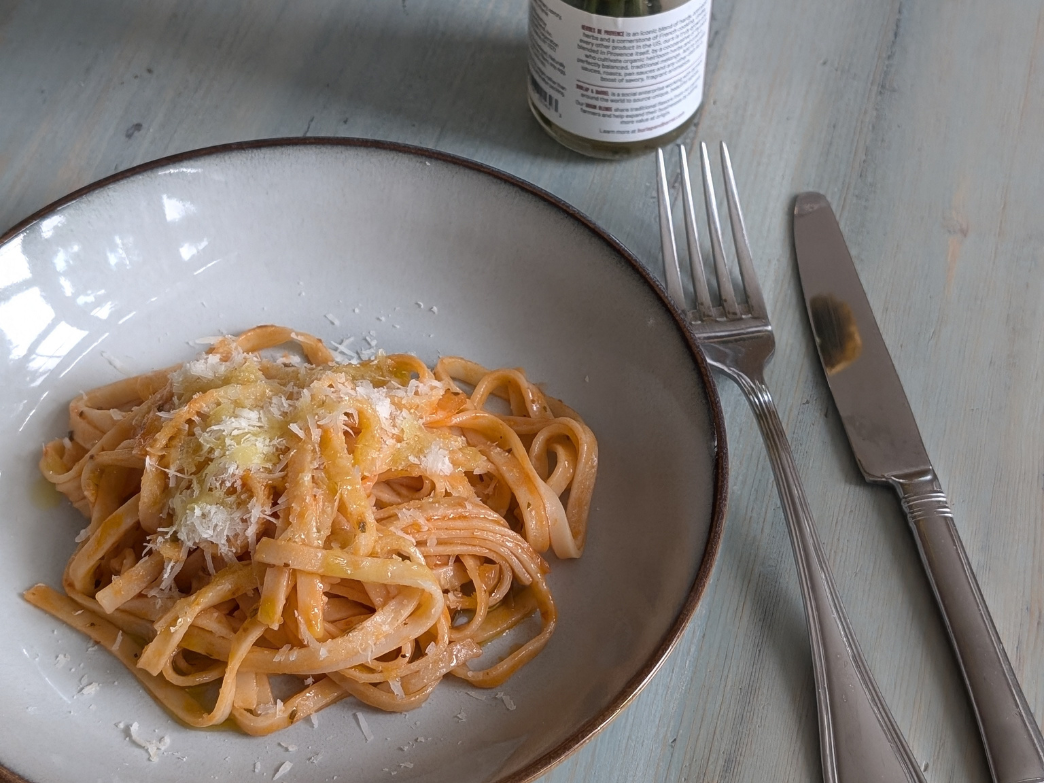
Best Pasta for Egg Allergy
By Lucy Yanckello, Ph.D. Wildgrain, opens in a new tab is the first bake-from-frozen subscription box for sourdough breads, fresh pastas, and artisanal pastries. When trying to manage an egg allergy, it is important to choose foods that are not only egg-free, but those produced in facilities that are dedicated to preventing cross contamination. This is especially important when considering what pasta you can eat with an egg allergy, because eggs are often present in pasta. Can I eat pasta on an egg-free diet? Can I eat pasta with an egg allergy? You can eat PapparadelleGo to Pappardelle on an egg free diet, or if you have an egg allergy. Fresh pasta often contains eggs, however, dried pasta typically does not. It is important to read labels very carefully and look for statements that include “produced in a facility that processes eggs” or “may contain traces of egg”. Even if a pasta does not include egg in its ingredient list, it is necessary to ensure it is produced in a facility that prevents cross contamination with other products that contain eggs. Does all pasta contain eggs? What pasta doesn’t have eggs in it? Not all pastaGo to Pappardelle contains eggs. Fresh pasta often contains eggs, but dry pasta often does not. Additionally, pasta made from alternative flours such as chickpea, brown rice, or corn flour often does not contain eggs. Other pasta varieties, such as gnocchiGo to Potato gnocchi 12 oz which is made with potatoes, can also be made egg free. Is boxed pasta egg-free? Do lasagna noodles contain eggs? Most boxed pasta is egg free. Usually boxed pasta is made from just semolina flour and water. However, boxed pasta is often produced in a facility that also processes products with eggs. Be sure to check the label for cross contamination and to verify eggs are not present on the ingredient list. Whether or not lasagna noodles contain eggs depends on the brand, and also depends on whether the noodles are fresh or dried. Dried lasagne noodles, similar to boxed pasta, are generally egg free – but be sure to always check the label. Fresh lasagna dough usually includes eggs, similar to fresh pasta. Is gnocchi egg-free? Is gnocchi ok for egg allergy? Gnocchi can be made either with or without eggs depending on the recipe and the brand. Traditionally, gnocchi is made from potatoes and flour, and sometimes egg is used as a binder. However, it is possible to make gnocchi without eggs for those with an allergy. If you are making gnocchi yourself, simply find a recipe that does not call for egg. If you are buying gnocchi from the store look for egg free options and be sure to read the label carefully. What noodles don’t have eggs? Can you get egg-free noodles? Most dried pasta that you buy in the store does not contain eggs and is typically made with semolina flour and water. However, it is always important to read the ingredients and verify there is no egg or cross-contamination with egg. Other noodles that do not typically contain egg are rice noodles, soba noodles, udon noodles, and most gluten free pasta. As always best practice when purchasing anything when you have an allergy is to read the ingredients and make sure there is no cross-contamination. What’s the best pasta sauce for an egg-free diet? What’s the best pasta sauce for an egg allergy? Tomato-based sauces are typically the safest with an egg allergy. Pesto, alfredo, and olive oil based sauces are also great options because most pasta sauces are egg free by nature. However, when buying pasta sauce at the store be sure to check for egg hidden in sauces where it normally is not. What is the best pasta for egg-free? The best pasta for egg-free diets is any pasta without egg that you enjoy! There are many options, from traditional pasta made with semolina flour, to gnocchi made with potatoes. Be sure you are aware of the ingredients and cross-contamination, but if you are diligent in checking ingredients, pasta is easy to enjoy even when you are egg free! Where can I buy the best egg-free pasta online? At Wildgrain, we specialize in making high-quality, fresh baked goods delivered directly to your door. Wildgrain is the first bake-from-frozen delivery subscription service for breads, rolls, pastries, and fresh pastas. Our popular pastas made without eggs include Fresh Cavatappi, Papparadelle, and Potato Gnocchi. We also carry a line of gluten-free pasta, including Gluten-Free Fresh Linguine and Gluten-Free Fresh Shells, and make homemade Classic Marinara Sauce. Learn more about Wildgrain and our artisanal baking and cooking methods. Best Pasta Home Delivery Service: How Wildgrain's Pasta Delivery Works Wildgrain's pastas are prepared in independent, artisanal bakeries with high quality ingredients. The pastas are shipped frozen in insulated boxes and delivered direct to your home, anywhere nationwide. By shipping frozen, Wildgrain products maintain the highest quality, so you can enjoy fresh pasta at home. That's why customers consider Wildgrain among the best home delivery services for pasta. About the Author Lucy Yanckello received her Ph.D. in nutrition from the University of Kentucky College of Medicine. She currently works as a medical writer and enjoys being able to help people better understand nutrition and science. This content is for informational use only and does not replace professional nutrition and/or medical advice, diagnosis or treatment. It is not a substitute for and should not be relied upon for specific nutrition and/or medical recommendations. Please talk with your doctor about any questions or concerns.
Learn more Best Pasta for Egg Allergy