

Wildgrain Blog
Can a Gluten-Free Diet Help You Lose Weight?
By Dr. Jorge, Ph.D. Wildgrain, opens in a new tab is the first bake-from-frozen subscription box for sourdough breads, fresh pastas, and artisanal pastries. With so many diets making headlines and new research emerging all the time, it’s easy to wonder which diets are the best for weight loss. In recent years, gluten-free diets have gained a lot of attention, both for medical reasons and as a potential weight loss strategy. Whether you have a medical need to eliminate gluten or you’re simply curious about making a dietary change, read on to learn whether going gluten-free can support your weight loss goals. Is it a good idea to eat gluten-free? Is it better for you to eat gluten-free? Deciding whether a gluten-free diet is right for you depends on your individual health needs and goals. For those with celiac disease or gluten intolerance, eliminating gluten is essential and highly beneficial. However, for individuals without these conditions, adopting a gluten-free diet may not be necessary and could even lead to nutrient deficiencies. It’s important to consult a physician or dietitian before switching to a gluten-free diet. Do you gain weight by eating gluten? What is gluten belly? Gluten itself does not cause weight gain as it is a naturally occurring protein found in grains like wheat, barley, and rye. However, many gluten-containing foods are often high in calories and heavily processed, such as bread, bagels, pasta, and beer. Eating these types of foods in excess can contribute to weight gain, but it's not the gluten that's to blame. The term “gluten belly” is commonly used to describe digestive discomfort experienced by people with celiac disease or gluten intolerance. When people with these conditions consume gluten, their immune system responds, causing symptoms like bloating, stomach swelling, abdominal pain, and gas, all of which are referred to as “gluten belly”. How do you get rid of a gluten belly? The best way to get rid of gluten belly is to give your body time to heal. While your body recovers from gluten exposure, you can try soothing remedies such as drinking peppermint or ginger tea, using a heating pad, staying hydrated, and getting plenty of rest. These strategies may help ease discomfort and support a quicker recovery. What happens to your body when you stop eating gluten? Does eating less gluten make a difference? When you stop eating gluten, you may experience a range of side effects, which can vary depending on whether you have celiac disease or gluten intolerance. Your body's response will also depend on whether you replace gluten-containing foods with nutrient-rich alternatives to avoid deficiencies. Some potential side effects include constipation, increased hunger, reduced brain fog, higher energy levels, and decreased inflammation and bloating. However, adopting a gluten-free diet without a medical reason is generally not recommended, as research suggests it may offer no health benefits and could even lead to nutritional imbalances in individuals without celiac disease or gluten sensitivity. Can you lose weight after going gluten-free? Are gluten-free diets good for weight loss? It’s possible to lose weight after going gluten-free, but this diet should not be used as a weight loss strategy. Some people may lose weight simply because they’re cutting out highly processed, calorie-dense foods that often contain gluten. Others might become more mindful of food labels and ingredients, leading to healthier eating habits overall. This increased awareness can result in a diet that includes more whole foods such as fruits, vegetables, and legumes, which are typically lower in calories and more nutrient dense. As a result, the switch to a gluten-free diet may support weight loss. Can I lose weight by eating gluten-free bread? Can I lose weight by eating gluten-free pasta? Maybe – you might lose weight by choosing gluten-free bread or gluten-free pasta, especially if those options are lower in calories or higher in fiber than their traditional counterparts. However, not all gluten-free foods are healthier and more nutritious. Some gluten-free bread and pasta foods contain added sugars, fats, or preservatives to enhance taste and texture, which can increase their calorie content. To make the best choice for your goals, it's important to read the nutrition label and ingredient list carefully. Is there a downside to a gluten-free diet? Does going gluten-free have any side effects? Yes, there can be downsides to a gluten-free diet, particularly if you haven't been diagnosed with celiac disease or gluten intolerance. If you choose to go gluten-free without a medical reason, you may risk nutrient deficiencies due to reduced intake of whole grains, fiber, vitamins, and minerals. Additionally, many processed gluten-free foods are high in sodium, sugar, and unhealthy fats, which can increase the risk of weight gain, high blood pressure, and other health issues. Some individuals have reported side effects such as nausea, anxiety, depression, and intense hunger. It’s always best to consult your physician before making significant changes to your diet. Where can I buy the best gluten-free bread and pasta online? At Wildgrain, we specialize in making high-quality, fresh baked goods that are delivered directly to your door. Wildgrain is the first bake-from-frozen delivery subscription service for fresh pasta, breads, and pastries. Our gluten-free breads and pastas include Gluten-Free Country Loaf, Gluten-Free Sourdough Loaf, Gluten-Free Fresh Linguine, and Gluten-Free Cheese Tortellini. Learn more about Wildgrain and our artisanal baking and cooking methods. Best Home Delivery Service for Food: How Wildgrain's Food Delivery Works Wildgrain's products are prepared in independent, artisanal bakeries with high quality ingredients. They are shipped frozen in insulated boxes and delivered direct to your home, anywhere nationwide. By shipping frozen, Wildgrain products maintain the highest quality, so you can enjoy fresh food at home. That's why customers consider Wildgrain among the best home food delivery services. About the Author Dr. Jorge has been a public health researcher for many years, holding both a Bachelor's degree and a Ph.D. in Chemistry. They presently work as a medical writer and love being able to assist others in understanding various health and scientific topics. This content is for informational use only and does not replace professional nutrition and/or medical advice, diagnosis or treatment. It is not a substitute for and should not be relied upon for specific nutrition and/or medical recommendations. Please talk with your doctor about any questions or concerns.
Learn more Can a Gluten-Free Diet Help You Lose Weight?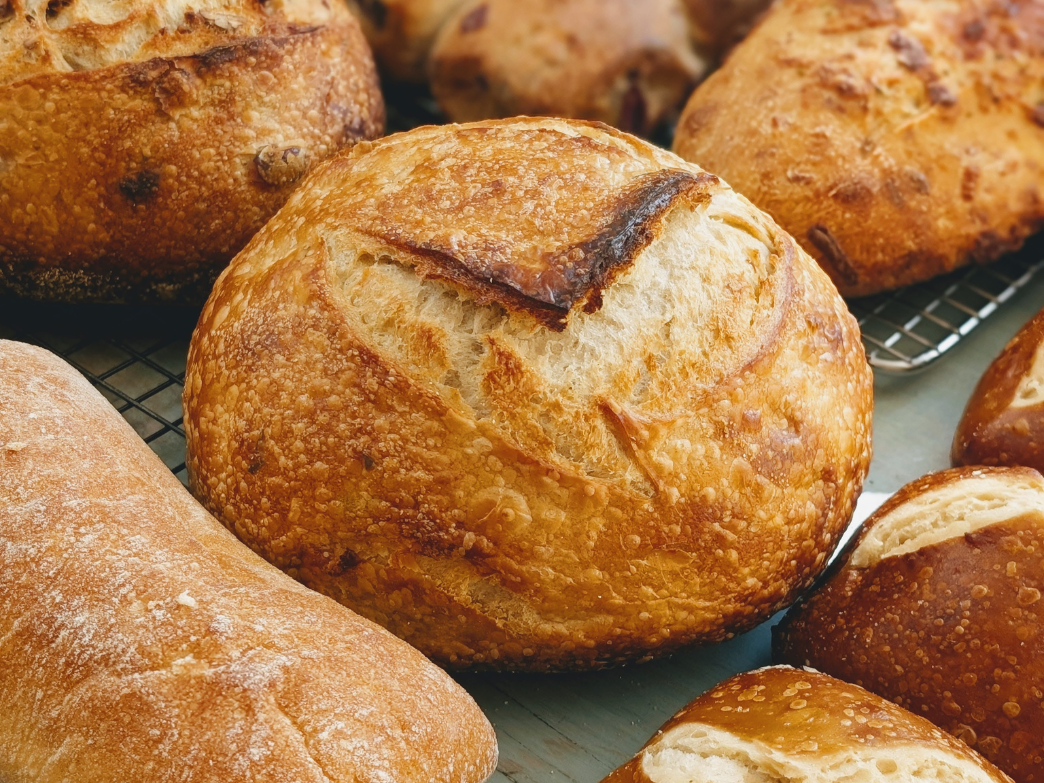
Best Ways to Use Stale Bread
By Lucy Yanckello, Ph.D. Wildgrain, opens in a new tab is the first bake-from-frozen subscription box for sourdough breads, fresh pastas, and artisanal pastries. Before you think about tossing that stale bread on your counter, hear us out—stale bread isn’t a lost cause. In fact, it’s a secret ingredient in some of the most comforting, flavor-packed dishes out there. From crispy croutons to savory breadcrumbs and sweet bread puddings, stale bread has second act energy you’ll want to tap into. Can you still use stale bread? How to tell if stale bread is bad? Is it safe to consume stale bread? Stale bread isn't the same as spoiled bread. Stale simply means the bread has lost moisture and becomes firm. However, you’ll want to inspect your loaf before repurposing it. If you see mold (usually green, white, black, or pink fuzzy spots) or it smells sour or musty, toss it. If it’s just hard and dry, it’s still perfectly safe and usable, you just may not want to slice a piece off and eat it plain! Can you make stale bread fresh? How do I bring stale bread back to life? You can bring stale bread back to life, and you can do so relatively easily. As long as your loaf is just dried out and does not have any visible mold, you can revive it by adding a bit of moisture and heat. There are a few methods you can use to bring your bread back to life, with two popular methods being to use the microwave or the oven. If opting for the oven, lightly run the crust under water or wrap the bread in a damp (not soaking) towel. Once you have done this, pop it in a 300°F oven for 5 to 10 minutes. The steam rehydrates the bread, re-softening the inside and crisping the crust. A quicker option is to use the microwave. Put a slice of bread into the microwave with a damp paper towel for 10 to 15 seconds. Although this method is quick and effective, it will not yield as crispy a crust as the oven. What can you do with stale bread? How to use up stale bread? If your loaf of bread has gone stale, use it as an opportunity to get creative! The dry texture of bread helps absorb flavors better than fresh bread, making stale bread perfect for many dishes. You can cube it and make homemade croutons, crush it into breadcrumbs, or soak it in eggs and milk for delicious french toast or bread pudding. It can also be used in stuffing, meatloaf, or as a thickener for soups. Can you make French toast with stale bread? Not only can you use stale bread for french toast, you should. Because stale bread is drier, it soaks up the egg and milk mixture easier without getting too soggy. Brioche and sourdough are both perfect stale options for decadent french toast. Can I use stale bread for croutons? How do you make crispy croutons? Croutons are the perfect way to utilize stale bread. Cube the bread and toss it with olive oil and whatever seasonings you prefer. Turn your oven to 375°F and bake the croutons for 10-15 minutes until golden, making sure to toss occasionally. The drier the bread, the crispier the croutons will be! Can you use stale bread to thicken soup? Yes, stale bread is a great option to thicken any soup. This is an old school trick that adds body and texture, pairing especially well with tomato, vegetable, or bean based soups. The bread softens and breaks down as the soup cooks, naturally thickening the broth without any additions such as cream or flour. It's as easy as tearing the bread into small pieces and tossing it in your soup as it cooks! Can stale bread be used for bread crumbs? One of the easiest ways to use stale bread is to turn it into breadcrumbs. Chop or tear the bread into small pieces and toss them into a food processor or blender. Then just pulse until you get the texture to be as fine, or chunky, as you prefer. For extra crispy breadcrumbs, toss them with your favorite herbs and put them in a 300°F oven for 10-15 minutes. Where can I buy healthy bread online? At Wildgrain, we specialize in making high-quality, fresh breads that are delivered directly to your door. Wildgrain is the first bake-from-frozen delivery subscription service for breads, rolls, pastries, and fresh pastas. Some of our popular breads include brioche sandwich loaf, plain sourdough loaf and rye sourdough loaf. Learn more about Wildgrain and our artisanal baking and cooking methods. Best Bread Home Delivery Service: How Wildgrain's Bread Delivery Works Wildgrain's breads are prepared in independent, artisanal bakeries with high quality ingredients. The breads are shipped frozen in insulated boxes and delivered direct to your home, anywhere nationwide. By shipping frozen, Wildgrain products maintain the highest quality, so you can enjoy fresh baked breads at home. That's why customers consider Wildgrain among the best home delivery services for bread. About the Author Lucy Yanckello received her Ph.D. in nutrition from the University of Kentucky College of Medicine. She currently works as a medical writer and enjoys being able to help people better understand nutrition and science. This content is for informational use only and does not replace professional nutrition and/or medical advice, diagnosis or treatment. It is not a substitute for and should not be relied upon for specific nutrition and/or medical recommendations. Please talk with your doctor about any questions or concerns.
Learn more Best Ways to Use Stale Bread
Probiotics vs. Prebiotics
Deep inside your belly there are bugs. Millions and billions and trillions of bugs.
Learn more Probiotics vs. Prebiotics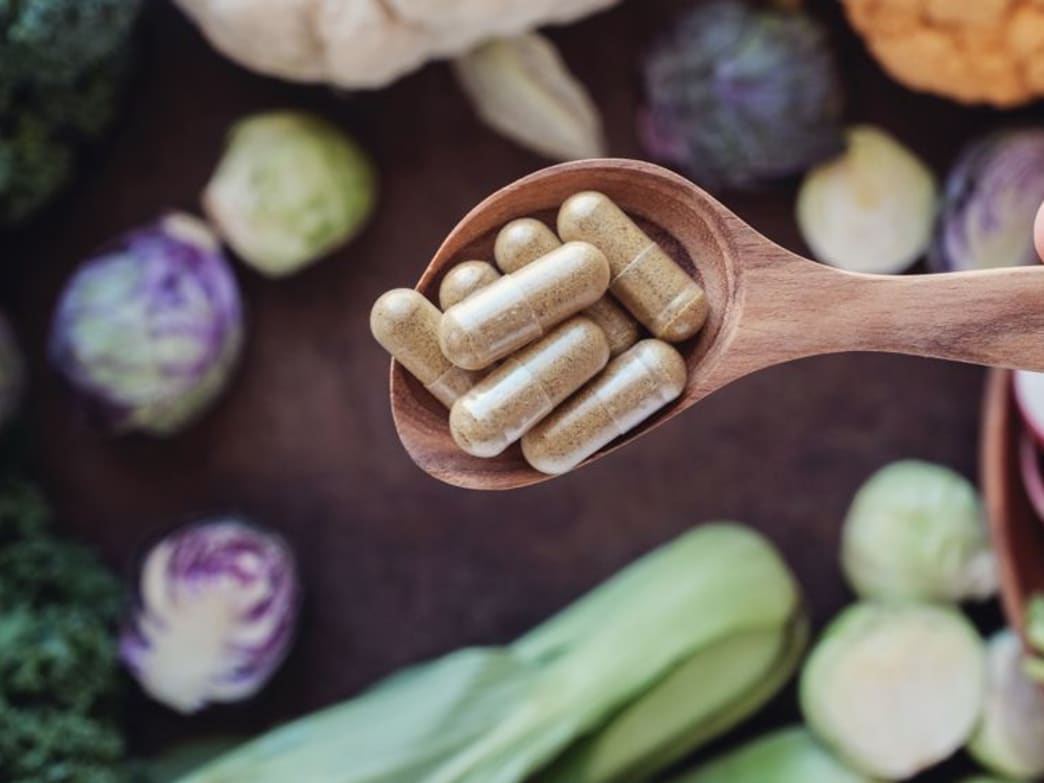
5 Gut Health Myths, According To A Gut Health Doctor
If your gut is playing up, and you’re cutting out foods and swallowing supplements to calm it, read this
Learn more 5 Gut Health Myths, According To A Gut Health Doctor
Your Ultimate Guide to Sugar
Don’t be confused by all the sweeteners available on the market — learn which sugar is the healthiest and which you should avoid.
Learn more Your Ultimate Guide to Sugar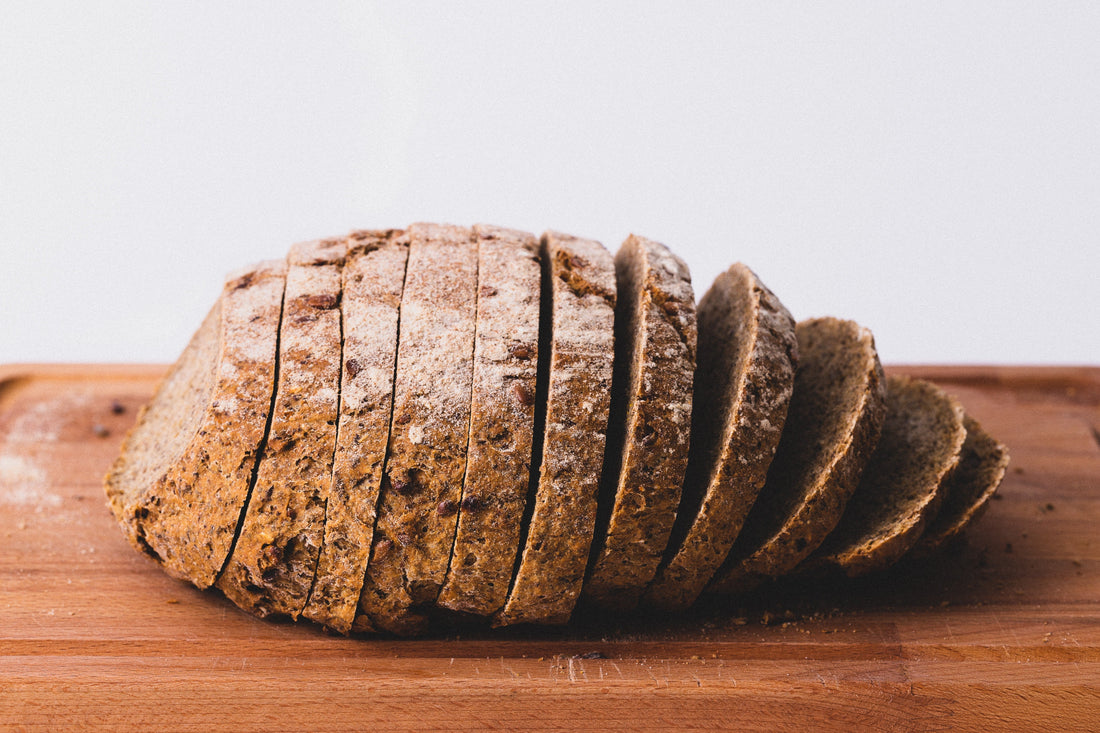
Carbs: Good or Bad for You?
With the explosion of low- and no-carb diets, these basic nutrients have fallen out of favor. But are they really that bad for you?
Learn more Carbs: Good or Bad for You?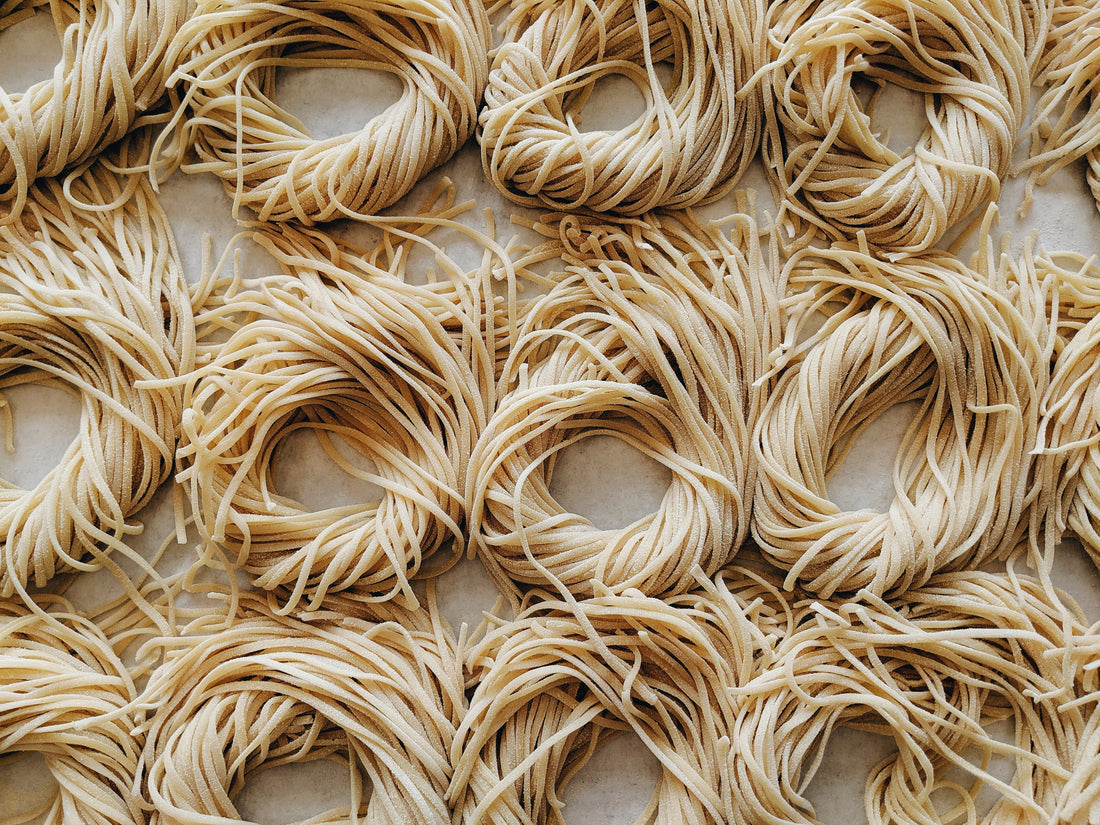
Is Pasta Good For You?
Stop hating on pasta, it’s a quality carb – especially if you go wholewheat
Learn more Is Pasta Good For You?
Is Gluten Bad For You?
Planning on going gluten-free? Check out this expert advice first
Learn more Is Gluten Bad For You?
Is Bread Bad For You?
Give bread a break, there’s a whole load of nutritional benefits in each slice
Learn more Is Bread Bad For You?