By Lucy Yanckello, Ph.D.
Before you think about tossing that stale bread on your counter, hear us out—stale bread isn’t a lost cause. In fact, it’s a secret ingredient in some of the most comforting, flavor-packed dishes out there. From crispy croutons to savory breadcrumbs and sweet bread puddings, stale bread has second act energy you’ll want to tap into.
Can you still use stale bread? How to tell if stale bread is bad? Is it safe to consume stale bread?
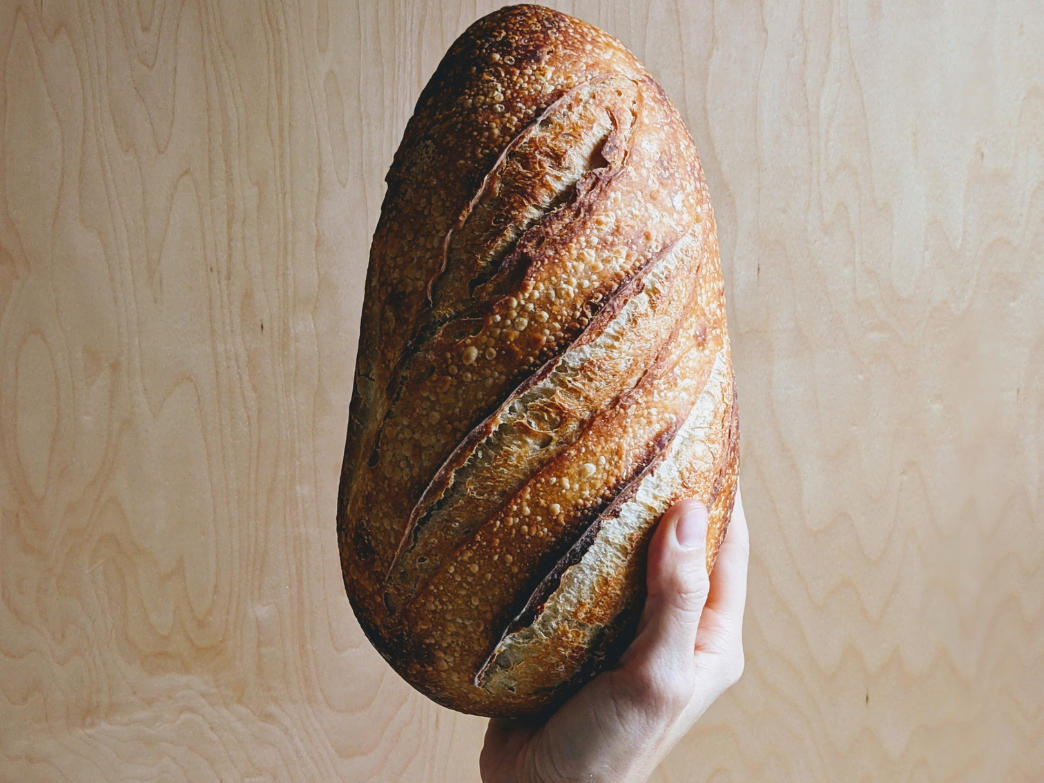
Stale bread isn't the same as spoiled bread. Stale simply means the bread has lost moisture and becomes firm. However, you’ll want to inspect your loaf before repurposing it. If you see mold (usually green, white, black, or pink fuzzy spots) or it smells sour or musty, toss it. If it’s just hard and dry, it’s still perfectly safe and usable, you just may not want to slice a piece off and eat it plain!
Can you make stale bread fresh? How do I bring stale bread back to life?
You can bring stale bread back to life, and you can do so relatively easily. As long as your loaf is just dried out and does not have any visible mold, you can revive it by adding a bit of moisture and heat. There are a few methods you can use to bring your bread back to life, with two popular methods being to use the microwave or the oven. If opting for the oven, lightly run the crust under water or wrap the bread in a damp (not soaking) towel. Once you have done this, pop it in a 300°F oven for 5 to 10 minutes. The steam rehydrates the bread, re-softening the inside and crisping the crust. A quicker option is to use the microwave. Put a slice of bread into the microwave with a damp paper towel for 10 to 15 seconds. Although this method is quick and effective, it will not yield as crispy a crust as the oven.
What can you do with stale bread? How to use up stale bread?
If your loaf of bread has gone stale, use it as an opportunity to get creative! The dry texture of bread helps absorb flavors better than fresh bread, making stale bread perfect for many dishes. You can cube it and make homemade croutons, crush it into breadcrumbs, or soak it in eggs and milk for delicious french toast or bread pudding. It can also be used in stuffing, meatloaf, or as a thickener for soups.
Can you make French toast with stale bread?
Not only can you use stale bread for french toast, you should. Because stale bread is drier, it soaks up the egg and milk mixture easier without getting too soggy. Brioche and sourdough are both perfect stale options for decadent french toast.
Can I use stale bread for croutons? How do you make crispy croutons?
Croutons are the perfect way to utilize stale bread. Cube the bread and toss it with olive oil and whatever seasonings you prefer. Turn your oven to 375°F and bake the croutons for 10-15 minutes until golden, making sure to toss occasionally. The drier the bread, the crispier the croutons will be!
Can you use stale bread to thicken soup?
Yes, stale bread is a great option to thicken any soup. This is an old school trick that adds body and texture, pairing especially well with tomato, vegetable, or bean based soups. The bread softens and breaks down as the soup cooks, naturally thickening the broth without any additions such as cream or flour. It's as easy as tearing the bread into small pieces and tossing it in your soup as it cooks!
Can stale bread be used for bread crumbs?
One of the easiest ways to use stale bread is to turn it into breadcrumbs. Chop or tear the bread into small pieces and toss them into a food processor or blender. Then just pulse until you get the texture to be as fine, or chunky, as you prefer. For extra crispy breadcrumbs, toss them with your favorite herbs and put them in a 300°F oven for 10-15 minutes.
Where can I buy healthy bread online?
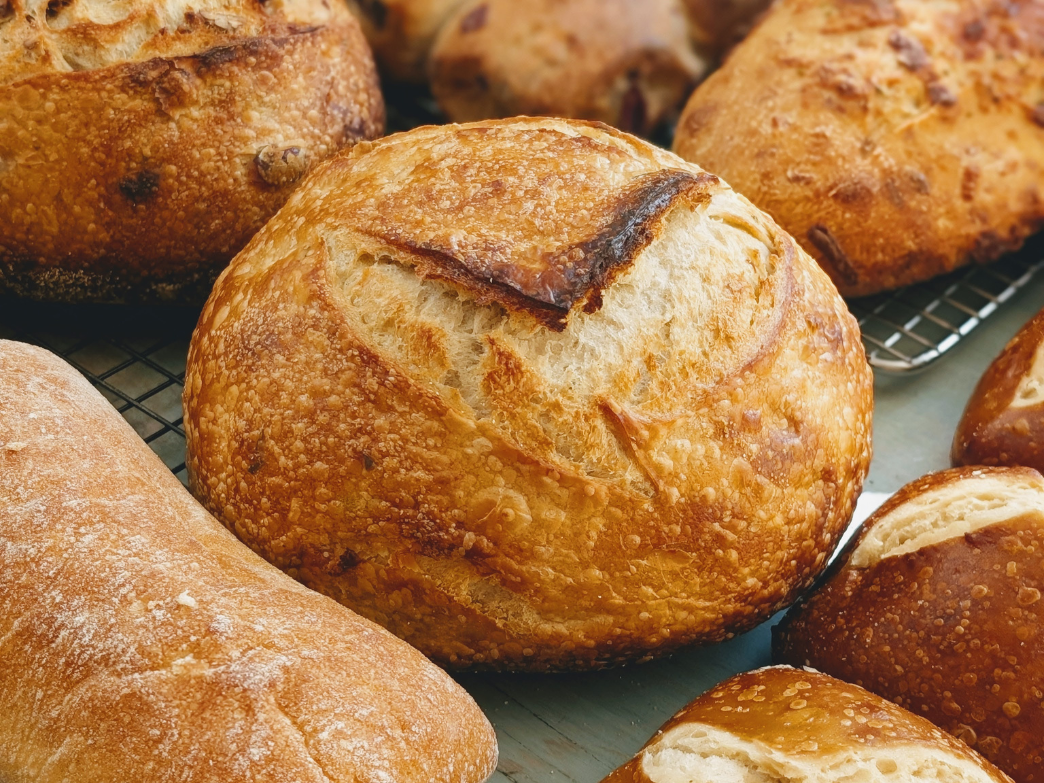
At Wildgrain, we specialize in making high-quality, fresh breads that are delivered directly to your door. Wildgrain is the first bake-from-frozen delivery subscription service for breads, rolls, pastries, and fresh pastas. Some of our popular breads include brioche sandwich loaf, plain sourdough loaf and rye sourdough loaf. Learn more about Wildgrain and our artisanal baking and cooking methods.
Best Bread Home Delivery Service: How Wildgrain's Bread Delivery Works
Wildgrain's breads are prepared in independent, artisanal bakeries with high quality ingredients. The breads are shipped frozen in insulated boxes and delivered direct to your home, anywhere nationwide. By shipping frozen, Wildgrain products maintain the highest quality, so you can enjoy fresh baked breads at home. That's why customers consider Wildgrain among the best home delivery services for bread.
About the Author
Lucy Yanckello received her Ph.D. in nutrition from the University of Kentucky College of Medicine. She currently works as a medical writer and enjoys being able to help people better understand nutrition and science.
This content is for informational use only and does not replace professional nutrition and/or medical advice, diagnosis or treatment. It is not a substitute for and should not be relied upon for specific nutrition and/or medical recommendations. Please talk with your doctor about any questions or concerns.