

Wildgrain Blog
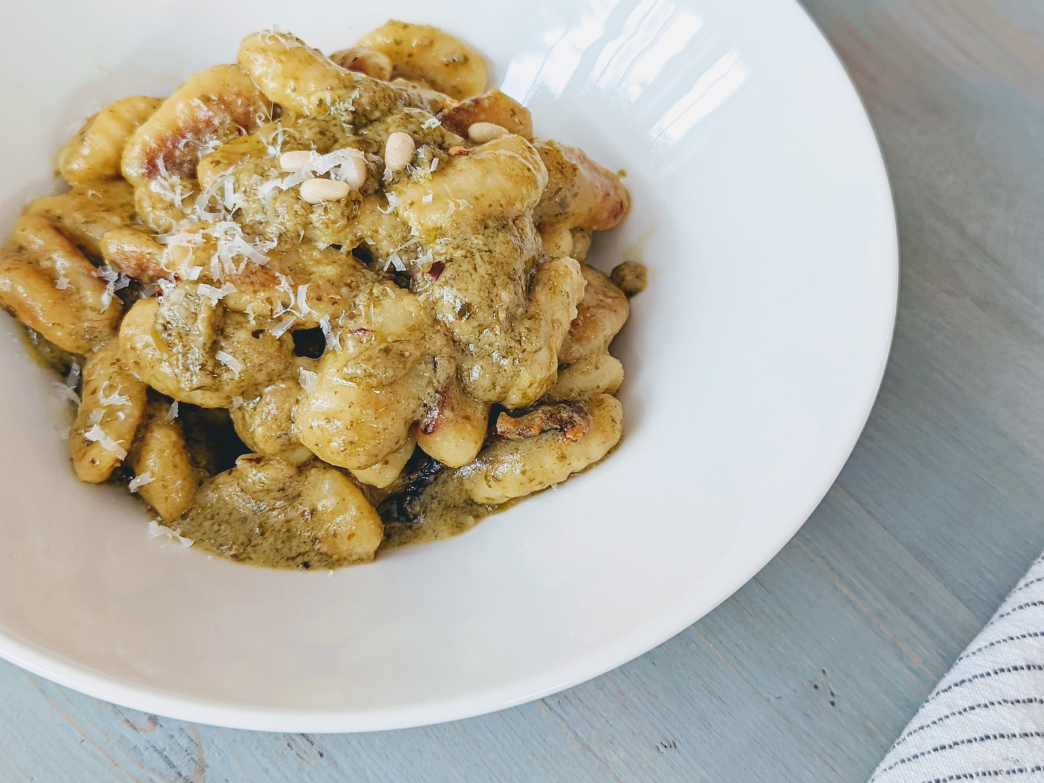
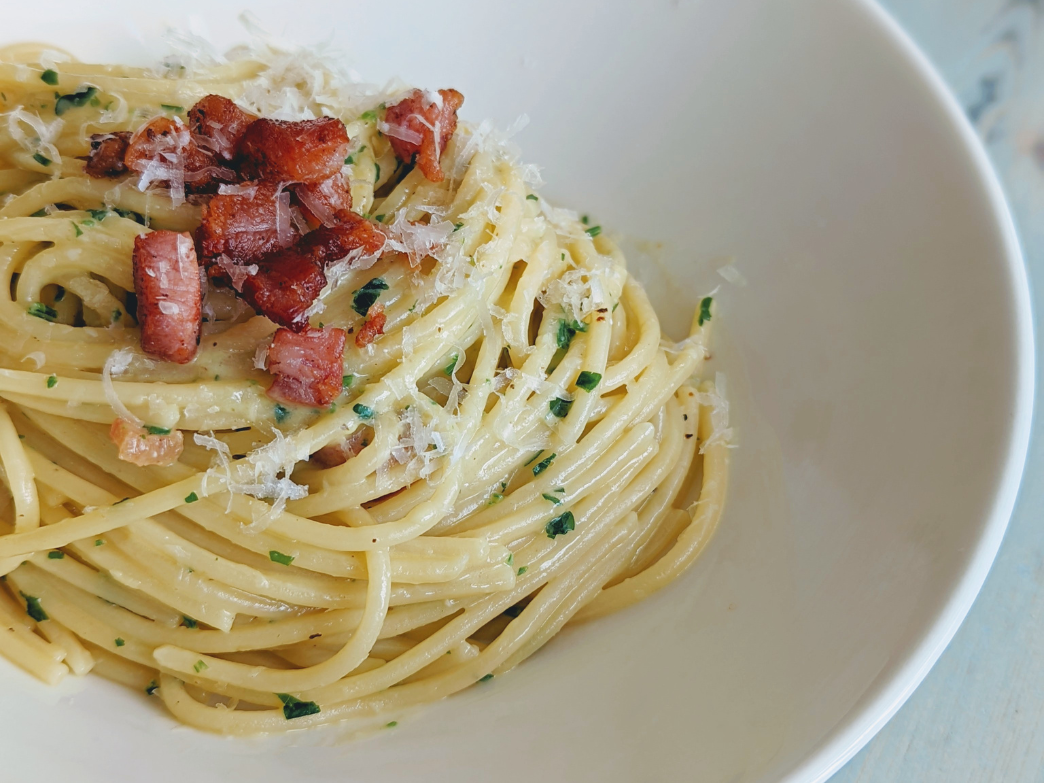
Tonnarelli vs. Fettuccine vs. Linguine Tortellini vs. Spaghetti
By Lucy Yanckello, Ph.D. Wildgrain, opens in a new tab is the first bake-from-frozen subscription box for sourdough breads, fresh pastas, and artisanal pastries. Pasta comes in many forms and each pasta type is unique, varying in terms of width, length, and texture. Let’s learn about several classic pasta types, including tonnarelli, fettuccine, tortellini, and spaghetti. What is tonnarelli pasta? How is tonnarelli pasta made? Tonnarelli pasta is a long noodle similar to the classic spaghetti noodle. Traditionally, tonnarelli is made by a tool called a La Chitarra (which means guitar in Italian); it’s made from strings stretched across a wooden frame. A sheet of pasta is placed on top of the strings and a pin is then rolled over the pasta, creating the thin, long tonnarelli noodles with a square cross section. What popular dish can you make with tonnarelli pasta? Cacio e pepe, meaning “cheese and pepper,” is one of the most famous dishes in Roman culture. Traditionally, cacio e pepe involves just three ingredients: peppercorns, Pecorino Romano cheese, and tonnarelli. The thicker width and square shape of tonnarelli makes it perfect for this peppery cheese sauce. Tonnarelli pasta is easy to find in stores in Rome of course, but in the United States, tonnarelli is much easier to find online, especially from companies like Wildgrain, opens in a new tab. What is fettuccine? Pasta shapes were first made by hand in Italy, and fettuccine is one of the first types of those pasta shapes. To make fettuccine, opens in a new tab, flat sheets of pasta are cut into ribbon-shaped strands known as fettucce. Because fettuccine is thicker than other long noodles, it is great to pair with robust sauces, like the cream-based Alfredo sauce. What is tortellini? What is tortellini filled with? Tortellini, opens in a new tab is a filled pasta in a distinctive ring shape and is one of the more well-known Italian pastas. Tortellini can be filled with a variety of ingredients; traditionally it’s filled with cheese and meats, such as pork or beef, but tortellini can also be filled with vegetables, such as spinach, as well. Tortellini is often served in a broth, but also it pairs well with cream or tomato-based sauces. What is the difference between tonnarelli and spaghetti? The difference between tonnarelli, opens in a new tab and spaghetti is the thickness and cross section of the noodles. Tonnarelli is a thicker noodle than spaghetti. Additionally, the cross section of tonnarelli is square, instead of round like spaghetti. Spaghetti comes from the word spaghi, which means “lengths of a cord”. What is the difference between tonnarelli vs. bucatini? Bucatini is a long pasta that is similar to tonnarelli, opens in a new tab. The difference between bucatini and other long pasta shapes, such as tonnarelli, is that bucatini has a hollow center. Buco translates to “hole” in Italian. While tonnarelli is best paired with creamy sauces, tomato-based sauces work best with bucatini. What is the difference between spaghetti noodles and fettuccine? Whereas spaghetti is round and cylindrical (spaghi meaning length of a cord in italian), fettuccine, opens in a new tab is flat and wider, more similar to a ribbon shape. Although fettuccine pairs well with creamy sauces such as alfredo, the wide nature of the noodles allows it to also fit well in dishes that call for other types of robust sauces that include ingredients such as meat, seafood, or vegetables. Spaghetti and fettuccine are both very versatile in terms of the sauces that the noodles can handle. Fettuccine and spaghetti are interchangeable in most recipes depending on what you have on hand. What is the difference between tortellini and tortelloni? Both tortellini, opens in a new tab and tortelloni are stuffed Italian pastas in the shape of a ring. Tortelloni is a larger-sized pasta than tortellini. The main flavor difference between tortellini and tortelloni is the traditional stuffing used in each. Tortelloni is filled with a vegetarian mixture, often ricotta cheese mixed with vegetables or pumpkin. In contrast to tortelloni’s vegetarian stuffing, tortellini has a meat based filling. In addition, tortellini and tortelloni are often prepared differently. Tortellini is traditionally served in broth while tortelloni is typically served with melted butter, sage, or a ragu sauce. Where can I buy tonnarelli pasta? Fettuccine pasta? Tortellini pasta? At Wildgrain, opens in a new tab, we specialize in making high-quality, fresh pastas that are delivered directly to your door. Wildgrain is the first bake-from-frozen delivery subscription service for breads, pastries, and fresh pastas. Some of our popular pastas include cheese tortellini, opens in a new tab, fresh fettuccine, opens in a new tab, and fresh tonnarelli. Learn more about Wildgrain, opens in a new tab and our artisanal baking and cooking methods. Best Pasta Home Delivery Service: How Wildgrain's Pasta Delivery Works Wildgrain's pastas are prepared in independent, artisanal bakeries with high quality ingredients. The pastas are shipped frozen in insulated boxes and delivered direct to your home, anywhere nationwide. By shipping frozen, Wildgrain products maintain the highest quality, so you can enjoy fresh pasta at home. That's why customers consider Wildgrain among the best home delivery services for pasta. About the Author Lucy Yanckello received her Ph.D. in nutrition from the University of Kentucky College of Medicine. She currently works as a medical writer and enjoys being able to help people better understand nutrition and science. This content is for informational use only and does not replace professional nutrition and/or medical advice, diagnosis or treatment. It is not a substitute for and should not be relied upon for specific nutrition and/or medical recommendations. Please talk with your doctor about any questions or concerns.
Learn more Tonnarelli vs. Fettuccine vs. Linguine Tortellini vs. Spaghetti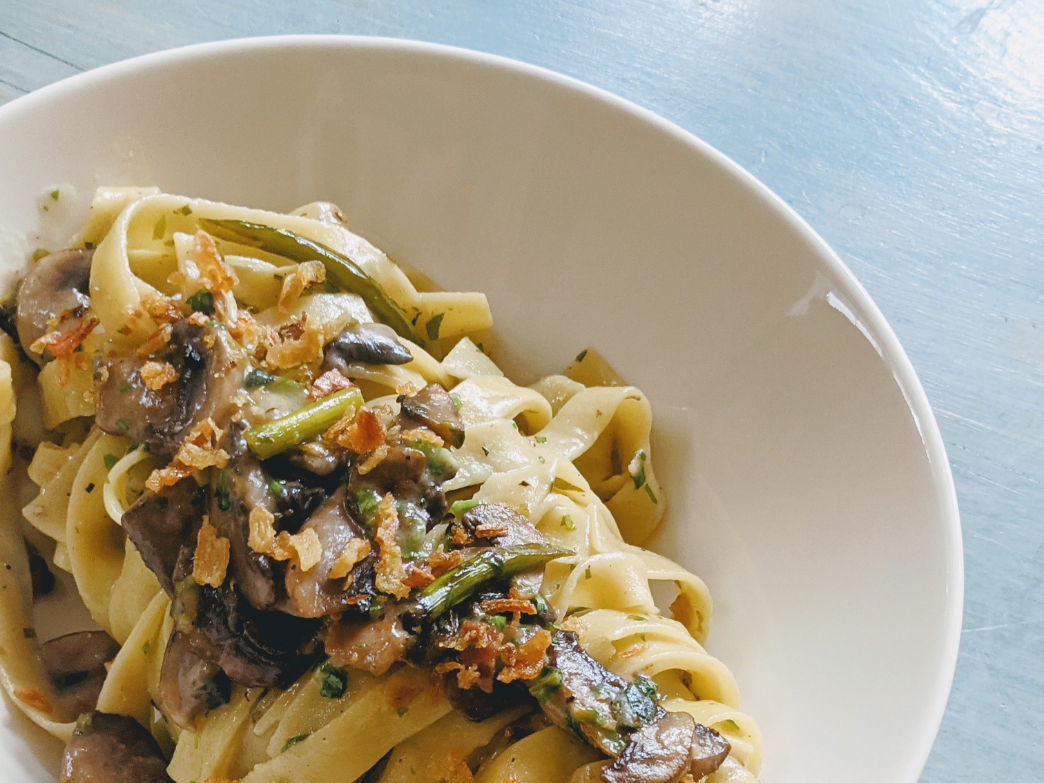
Fresh vs. Dry vs. Frozen vs. Store Bought vs. Homemade Pasta
By Lucy Yanckello, Ph.D. Wildgrain, opens in a new tab is the first bake-from-frozen subscription box for sourdough breads, fresh pastas, and artisanal pastries. In the United States, dried pasta is a pantry staple. As the base of spaghetti and meatballs, mac and cheese, or pasta salad, boxes of various shapes of pasta line the pantries of American consumers. Most people certainly do not have the time to make fresh pasta, so dried pasta is a quick and easy alternative. Just as certain shapes of pasta are better suited for specific dishes, dry, fresh, and frozen pasta all have their place in cooking. Each pasta can be used in any recipe; however, it’s important to consider how flavors and textures will alter the final dish. What is the difference between fresh pasta vs. dry pasta vs. frozen pasta? Fresh pasta is made with eggs, flour (most often a type of flour called semolina flour), and water or olive oil. Extra ingredients, such as pureed spinach or spices (e.g. paprika), are sometimes added to color the dough. Fresh pasta dough is kneaded and flattened (either with a rolling pin or a pasta machine) depending on the desired thickness of the pasta. The fresh pasta sheets are then passed through a cutting machine or can be hand cut to create various sizes and shapes. Fresh pasta is perishable, so it must be either cooked immediately or stored in the refrigerator. Dried pasta is made with water and semolina flour. These ingredients are mixed together, which creates a dough that is crumbly in texture. The dough is then pressed through a machine called an “extruder” that creates the desired shape, like elbows or farfalle. Once pressed into its shape, the pasta is dried for several days in order for the moisture to evaporate. This creates a shelf-stable dried pasta that can last for years. Frozen pasta is usually used to lock in the flavor of stuffed pastas such as ravioli, lasagna, or tortellini. Frozen pasta can be found in supermarket freezer sections. Frozen pasta can be either frozen fresh pasta or frozen cooked pasta. What is dried pasta? What is the difference between dried pasta and fresh pasta? Dried pasta and fresh pasta vary based on ingredients, texture, cooking time, and shelf life. In terms of ingredients, dried pasta is made with water and semolina flour. Fresh pasta is made with eggs, flour (often semolina flour), and water or olive oil. The texture of cooked dried pasta is different from the texture of cooked fresh pasta. Dried pasta is typically cooked to a texture known as al dente or “to the tooth” in Italian, giving it a chewy texture that holds up in sauces. Fresh pasta is softer than dried pasta, and as a result cannot be cooked to the al-dente stage. Instead, because fresh pasta has more moisture than dried pasta, the cooked texture of fresh pasta is soft and springy, not “al dente.” The cooking time of fresh pasta is also different from the cooking time of dried pasta. Fresh pasta cooks much quicker than dried pasta. The absolute cooking time depends on the thickness of the pasta; some thin, fresh pastas can cook in under 2 minutes. Dried pasta cooking time depends on the shape and size of the noodle, with most dried pastas taking anywhere from 8 to 12 minutes. Dry pasta can last for years if stored in a cool dark place, like a pantry. The drying process removes all the moisture in the pasta, so bacteria and mold cannot grow in the pasta. While dried pasta can last for years, fresh pasta is only good for about 2 to 3 days. Is frozen pasta as good as fresh pasta? Frozen pasta can taste just as good as fresh pasta, if handled properly. The best frozen pasta is fresh pasta that is frozen immediately after it is made. If sealed correctly to avoid freezer burn, frozen pasta can last for years. When you are ready to use your frozen pasta, most frozen pastas need to be defrosted for about 24 hours. Frozen pasta from Wildgrain, like our Cheese Tortellini, opens in a new tab and Fresh Fettuccine, opens in a new tab on the other hand, can be cooked directly from the freezer. If properly frozen and stored, there will be little difference between frozen fresh pasta and fresh pasta made that day. Is frozen fresh pasta better than dried pasta? Both freezing pasta and drying pasta make storing pasta possible for longer periods of time. The main difference between frozen pasta and dried pasta is the type of pasta typically used for each preservation technique. Frozen pasta is typically used to store stuffed pastas, like ravioli or tortellini. Casseroles made with pasta and cheese, like lasagna, which cannot be preserved by drying, can also be frozen. In contrast, the technique of drying pasta is used when pasta does not contain fillings or toppings. When properly stored and prepared, frozen fresh pasta is not necessarily better than dried pasta. Can you freeze fresh pasta? What is the best way to store fresh pasta, freeze pasta, or dry pasta? Yes, fresh pasta can be frozen, and there’s only a few steps needed to freeze pasta at home. First, leave the fresh pasta on a baking sheet to air dry after it is cut; this is to prevent pasta from sticking to itself. Once the pasta has dried slightly, transfer it to airtight containers or bags and remove any excess air before placing in the freezer. Fresh pasta that is frozen at home can be stored in the freezer for around 8 months. Another way to make your fresh pasta last more than a couple days is to dry it. In order to dry fresh pasta, leave the pasta out for around 12 to 24 hours in a dry, sunny environment. Once the fresh pasta is dried, the dried pasta will last in an airtight container for around 2 to 6 months, as long as it’s not exposed to extreme temperatures. Because of the longer shelf life, it is best to store fresh pasta by freezing instead of drying fresh pasta if you’re deciding which method to use at home. However, fresh pastas like ravioli and tortellini can only be stored by freezing and cannot be dried. What is the best pasta: fresh pasta or dry pasta or frozen pasta or store-bought pasta or homemade pasta? Pasta has versatility not only in its shape but also in how it can be prepared, stored, and cooked. Because pasta has so few ingredients, there are only a few differences between fresh, dry, homemade, and store-bought pasta. Homemade pasta can be modified in a way that store-bought pasta, dry pasta, and frozen pasta cannot. In homemade pasta, eggs can be added or removed (for example, if you are a vegan), flour can be substituted (e.g. whole wheat or gluten free), and other ingredients can be added such as spinach or spices to color and flavor the dough. However, because grocery stores carry just about everything under the sun, if you don’t have time to make your own pasta, any of these modifications can likely be found in store-bought pastas. Dry and fresh pasta also serve different purposes in cooking. Dry pasta goes better with richer, heartier sauces because it can be cooked al dente. This extra texture allows dry pasta to hold up better to these types of sauces. Additionally, dry pasta is better for dishes such as lasagnes, casseroles, and soups because it can withstand the long cooking time. Fresh pasta does best with sauces that are more delicate, such as carbonara, marinara, or pesto. Fresh pasta doesn’t stand up well in baked recipes or meals that will have leftovers because it turns gummy when reheated. That being said, in most recipes, fresh pasta can be substituted for dry pasta and vice versa. Want to try fresh pasta at home without the work? At Wildgrain, opens in a new tab, we specialize in making high quality, fresh pastas that are then delivered directly to your door. Wildgrain is the first bake-from-frozen delivery subscription service for breads, pastries and fresh pastas. Some of our popular pastas include cheese tortellini, opens in a new tab, fresh fettuccine, opens in a new tab, and fresh tonnarelli, opens in a new tab. Learn more about Wildgrain, opens in a new tab and our artisanal baking and cooking methods. Best Pasta Home Delivery Service: How Wildgrain's Pasta Delivery Works Wildgrain's pastas are prepared in independent, artisanal bakeries with high quality ingredients. The pastas are shipped frozen in insulated boxes and delivered direct to your home, anywhere nationwide. By shipping frozen, Wildgrain products maintain the highest quality, so you can enjoy fresh pasta at home. That's why customers consider Wildgrain among the best home delivery services for pasta. About the Author Lucy Yanckello received her Ph.D. in nutrition from the University of Kentucky College of Medicine. She currently works as a medical writer and enjoys being able to help people better understand nutrition and science. This content is for informational use only and does not replace professional nutrition and/or medical advice, diagnosis or treatment. It is not a substitute for and should not be relied upon for specific nutrition and/or medical recommendations. Please talk with your doctor about any questions or concerns.
Learn more Fresh vs. Dry vs. Frozen vs. Store Bought vs. Homemade Pasta