

Wildgrain Blog
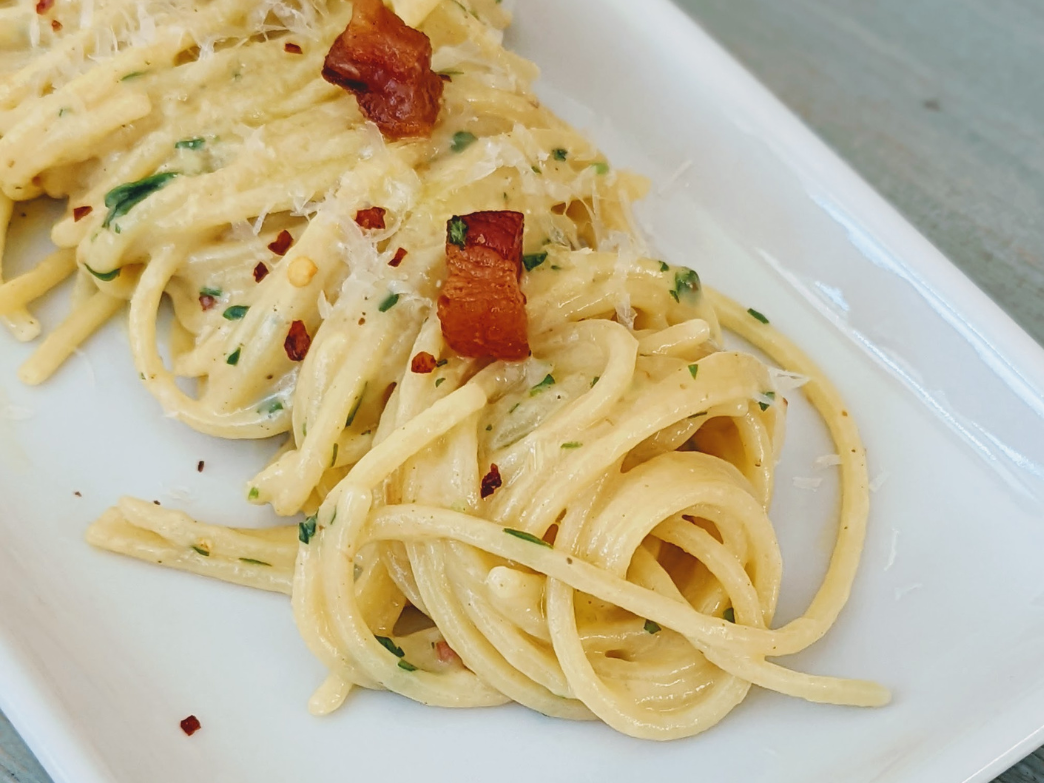
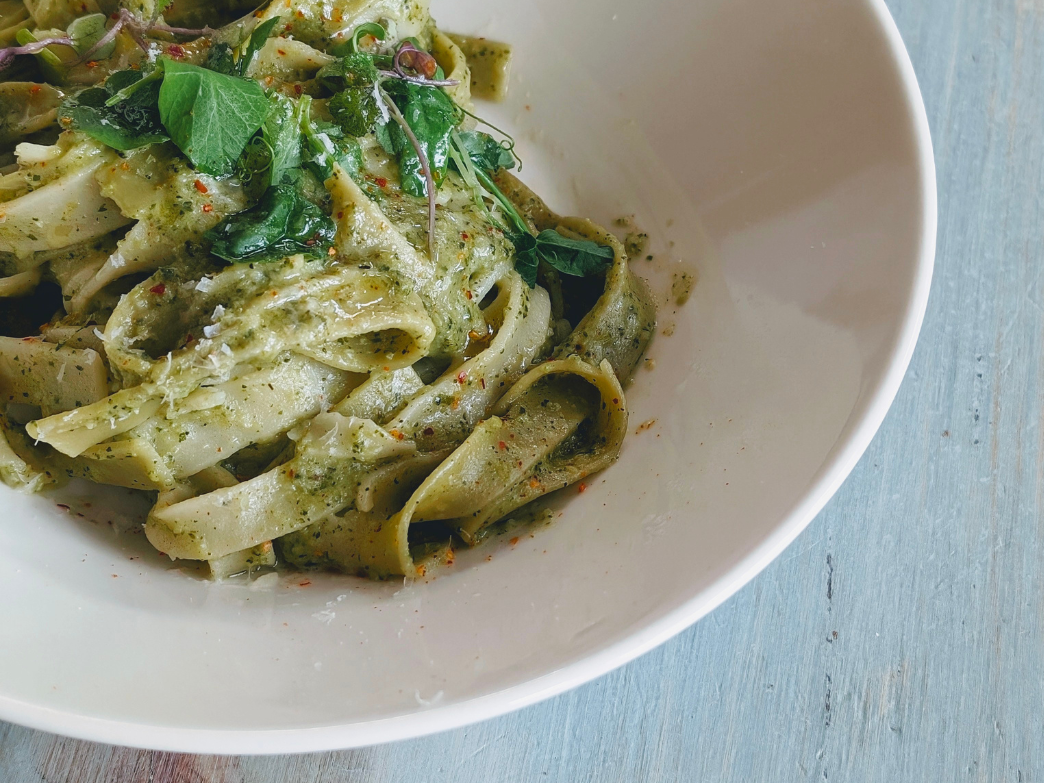
Best Ways to Make Pasta Healthier
By Lucy Yanckello, Ph.D. Wildgrain, opens in a new tab is the first bake-from-frozen subscription box for sourdough breads, fresh pastas, and artisanal pastries. Pasta, and carbs in general, are often demonized when it comes to being health conscious. However, pasta can be a wholesome addition to – or star of – any meal in a balanced diet. Topping pasta with sauces, vegetables, and lean proteins filled with vitamins and nutrients can help round out any diet. What is the healthiest way to cook pasta? The healthiest way to cook pasta, according to dieticians, is al dente which literally means “to the tooth” (firm and chewy). Al dente pasta has a lower glycemic index (GI), meaning that it will not spike blood sugar as dramatically as overcooked and mushy pasta. Low GI foods are digested slower, meaning they provide longer-lasting energy, whereas high GI carbohydrates cause blood sugars to spike and then crash. Is undercooked pasta bad for you? Is undercooked pasta dangerous to eat? Undercooked pasta does not present any immediate health risks. The exception to this is if your noodles are made with raw eggs, which can cause salmonella poisoning. Fully cooked pasta is easier for your body to digest and break down, meaning you won’t get many (if any) nutrients from eating undercooked pasta. Is overcooked pasta bad for you? Is overcooked pasta harder to digest? Overcooked pasta is not bad for you per se, but overcooking does cause the glycemic index of pasta to increase. With a higher GI, overcooked pasta is digested more quickly and causes a spike and crash in blood sugar, which will leave you feeling hungry shortly after eating. In addition, overcooked pasta is stripped of nutrients, with reductions in fiber, B-vitamins, and protein. What is the healthiest way to eat pasta? Can pasta be made healthy? The healthiest way to eat pasta is cooked al dente. Pasta is inherently healthy, as carbohydrates are important energy sources for our whole body, especially our brain. Al dente pasta has a lower GI meaning that it is digested slower, making you feel fuller for longer, which can help reduce snacking and aid in weight loss. What should I put on my pasta to be healthy? In order to beef up the nutritional quality of a pasta dish, the focus should be on vegetables and lean proteins. In addition, swapping regular pasta for whole grain or one of the other pastas available on the market to increase protein and fiber content and reduce carbohydrate content can be helpful. Opt for tomato-based sauces and swap out heavy dairy products for those with less fat, such as greek yogurt. What should I avoid putting on my pasta to be healthy? When trying to be health conscious, dousing pasta in cheese or proteins high in fat may not be the best choice for everyday meals. For example, cream-based sauces filled with cheese and proteins such as pork sausage should be avoided. This is not to say cheese cannot be used on your pasta, just be aware of the amount and the type of cheese used – try to make it a side character instead of the star. How do you add fiber to pasta dishes? Vegetables, beans, and other legumes can be added to pasta (or into pasta dough!) to beef up fiber content. Stores sell pastas of all types now, including those made with ingredients other than wheat flour, that increase the fiber content of the pasta itself (i.e. chickpeas, lentils, black beans). Additionally, any vegetables, beans, and other legumes added to the top of your pasta will increase the fiber content of your dish. How do you add protein to pasta dishes? Just as with increased fiber, pastas made with chickpeas, lentils, and other beans and legumes also have higher protein content than regular pasta – even whole wheat pasta has higher protein content than regular pasta. Protein can also come from more traditional sources such as chicken, turkey, and seafood. Opting for leaner proteins such as the ones listed will increase protein content without an accompanying increase in fat content of your dish. Where can I buy healthy pasta online? At Wildgrain, we specialize in making high-quality, fresh pasta that are delivered directly to your door. Wildgrain is the first bake-from-frozen delivery subscription service for breads, rolls, pastries, and fresh pastas. Some of our popular pastas include fresh fettuccine, fresh rigatoni, and fresh tonnarelli. Learn more about Wildgrain and our artisanal baking and cooking methods. Best Pasta Home Delivery Service: How Wildgrain's Pasta Delivery Works Wildgrain's pastas are prepared in independent, artisanal bakeries with high quality ingredients. The pastas are shipped frozen in insulated boxes and delivered direct to your home, anywhere nationwide. By shipping frozen, Wildgrain products maintain the highest quality, so you can enjoy fresh pasta at home. That's why customers consider Wildgrain among the best home delivery services for pasta. About the Author Lucy Yanckello received her Ph.D. in nutrition from the University of Kentucky College of Medicine. She currently works as a medical writer and enjoys being able to help people better understand nutrition and science. This content is for informational use only and does not replace professional nutrition and/or medical advice, diagnosis or treatment. It is not a substitute for and should not be relied upon for specific nutrition and/or medical recommendations. Please talk with your doctor about any questions or concerns.
Learn more Best Ways to Make Pasta Healthier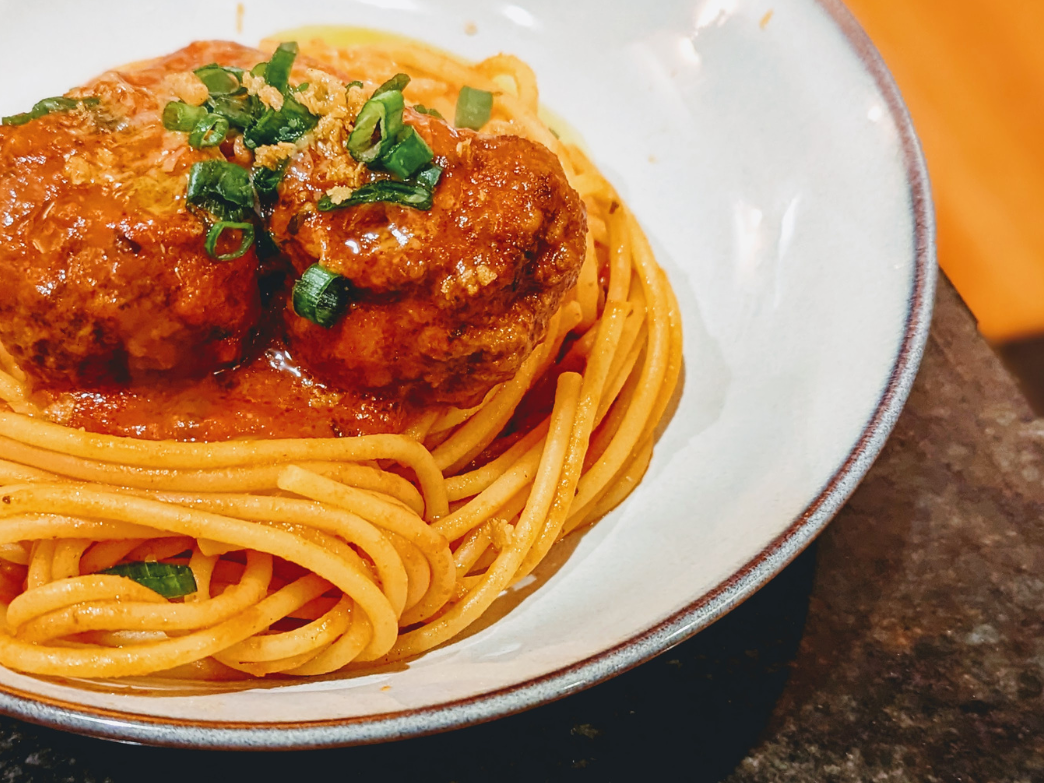
Best Pasta for Protein: Are There Health Benefits of Pasta?
By Dr. Jorge, Ph.D. Wildgrain, opens in a new tab is the first bake-from-frozen subscription box for sourdough breads, fresh pastas, and artisanal pastries. Although it may seem like pasta doesn’t have much nutritional value, it actually contains quite a bit of protein. Read on to learn more about pasta, protein pasta, and how both could fit into your diet and help you reach your health goals. Does pasta have protein? How much protein does a bowl of pasta usually have? Yes, pasta contains protein, and it has a fair amount of it. For every cup of cooked white or whole grain pasta, there are roughly 6-8 grams of protein. This protein content is derived from the durum wheat in semolina flour which is typically used to make pasta. Is pasta good for protein? Is pasta a good source of protein? Is pasta bad for protein? Pasta is a good source of protein with an average of 7 grams of protein per serving. If you want to up your protein intake even more, you could opt for pasta alternatives made from protein-rich ingredients like lentils, chickpeas, soybeans, or edamame. These pasta varieties are an excellent source of protein, generally containing double or triple the amount of protein found in traditional pasta. What is protein pasta? What protein is in protein pasta? Protein pasta is a form of pasta that is often made from plant proteins such as beans, lentils, and peas. Since these ingredients are protein-rich, pasta made from beans, lentils, and peas will be higher in protein than regular pasta. The specific protein used to make the protein pasta will determine just how much of a protein boost you can expect. For example, the protein content of lentil and chickpea pasta can reach up to 15 grams per serving, which is nearly twice as much as regular pasta. Soybean or edamame-based pasta can boast three times the protein content of regular pasta, with up to 25 grams per serving. Is protein pasta healthier than regular pasta? Protein pasta is not necessarily healthier than regular pasta, wildgrain.com fresh rigatoni 12oz. Comparing them side by side reveals that their nutritional profiles are similar, with the primary distinction being the amount of protein and fiber in each. Protein pasta has at least twice as much protein and fiber per serving as regular pasta, so it might be a better option for you if you are trying to up the amount of these nutrients in your diet. Is protein pasta good for weight loss? Studies have shown that protein pasta is good for weight loss. This is because eating meals high in protein can help you stay in a caloric deficit by keeping you full for longer. Since a caloric deficit is necessary to lose weight, consuming a protein-rich meal can help satisfy your hunger and allow you to meet your weight loss goals. Foods high in protein, like protein pasta, also typically have fewer calories overall, which can further aid in weight loss. What protein is good to pair with pasta? What protein is good to add to a pasta dish? The ideal protein to have with pasta will vary depending on your dietary requirements and preferences. You can top your preferred pasta with chicken or sausage if you'd rather eat a meat-based protein. Similarly, you may consider pairing fish, shrimp, seeds, or nuts with your pasta for a non-meat protein option. What pasta dishes are the best for high protein? To ensure a high-protein pasta dish, you can pick a protein pasta of your choice and pair it with other high-protein ingredients. This can mean adding meat, fish, seeds, or nuts to your favorite pasta. If you’d prefer traditional pasta, wildgrain.com fresh rigatoni 12oz, you can still have a high-protein pasta dish by adding any protein-rich food to regular or whole wheat pasta as well. What pasta sauces are the best for high protein? A high-protein pasta sauce will be one made with protein-rich ingredients. This means a meat-based sauce (i.e. Bolognese sauce) is one of the best options when choosing a pasta sauce packed with protein. There are also vegetarian sauce options that are good sources of protein such as tomato-based pasta sauces made with lentils or vegan Bolognese sauce made with soy protein. Where can I buy healthy pasta and pasta sauce online? At Wildgrain, we specialize in making high-quality, fresh breads that are delivered directly to your door. Wildgrain is the first bake-from-frozen delivery subscription service for breads, rolls, pastries, and fresh pastas. Some of our popular pastas include Fresh Fettuccine, Fresh Rigatoni, and Fresh Tonnarelli. We also make homemade Classic Marinara Sauce. Learn more about Wildgrain and our artisanal baking and cooking methods. Best Pasta Home Delivery Service: How Wildgrain's Pasta Delivery Works Wildgrain's pastas are prepared in independent, artisanal bakeries with high quality ingredients. The pastas are shipped frozen in insulated boxes and delivered direct to your home, anywhere nationwide. By shipping frozen, Wildgrain products maintain the highest quality, so you can enjoy fresh pasta at home. That's why customers consider Wildgrain among the best home delivery services for pasta. About the Author Dr. Jorge has been a public health researcher for many years, holding both a Bachelor's degree and a Ph.D. in Chemistry. They presently work as a medical writer and love being able to assist others in understanding various health and scientific topics. This content is for informational use only and does not replace professional nutrition and/or medical advice, diagnosis or treatment. It is not a substitute for and should not be relied upon for specific nutrition and/or medical recommendations. Please talk with your doctor about any questions or concerns.
Learn more Best Pasta for Protein: Are There Health Benefits of Pasta?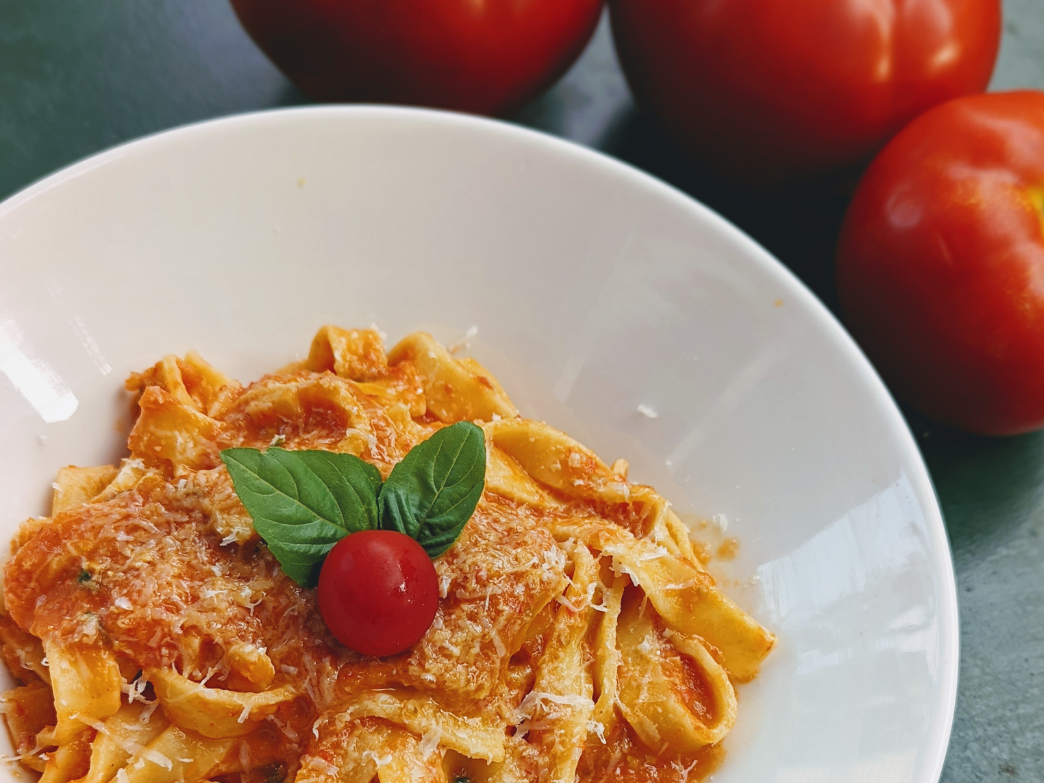
Best Sauce & Pasta for High Cholesterol: Can You Eat Pasta with High Cholesterol?
By Dr. Jorge, Ph.D. Wildgrain, opens in a new tab is the first bake-from-frozen subscription box for sourdough breads, fresh pastas, and artisanal pastries. You might feel like you need to give up your favorite pasta dishes if you’re watching your cholesterol levels. Our goal is to squash those worries and provide you with suggestions on how to make your go-to pasta recipes heart-healthy and low-cholesterol, while still remaining delicious. Read on to find out how to manage your cholesterol while continuing to enjoy your favorite pasta dishes! Is pasta high in cholesterol? Is pasta bad if I have high cholesterol? Is pasta OK if you have high cholesterol? Pasta does not contain cholesterol, but certain kinds of pasta can contribute to high cholesterol levels. This includes white pasta, or pasta made from refined grains. Studies have shown that although refined grains do not contain cholesterol, they can still result in raised cholesterol levels. What pasta is best for high cholesterol? Pasta made from whole grains is the best option for those with high cholesterol. Swapping foods made with refined grains with whole grains alternatives has shown to improve total cholesterol levels. This is because whole-grain pasta is an excellent source of soluble fiber – soluble fiber can bind to cholesterol in the small intestine, promoting the release of cholesterol from the body. Can pasta help to lower cholesterol? What kind of pasta is good to lower cholesterol? Whole-grain pasta or pasta alternatives like chickpea pasta or lentil pasta can help to lower cholesterol levels. Both whole grains and legumes like chickpeas and lentils are high in soluble fiber, which is instrumental in lowering cholesterol levels, reducing the risk of cardiovascular disease, and promoting overall heart health. What pasta sauce is best for high cholesterol? Are there low-cholesterol pasta sauces? Tomato-based sauces are generally best for high cholesterol as these sauces do not contain any cholesterol. Additionally, tomatoes are a great source of lycopene, which is a plant compound known to reduce cholesterol levels. Meat-based tomato sauces and pesto sauce can also be good options as most of these sauces contain low levels of cholesterol. Before picking a pasta sauce, be sure to check the nutrition label for cholesterol and saturated fat content. For reference, if you have risk factors for heart disease, it is recommended to limit your cholesterol intake to no more than 200 milligrams per day. Is pasta sauce bad for cholesterol? What type of spaghetti sauce is bad for cholesterol? Is tomato sauce bad for high cholesterol? Certain pasta sauces, like those with a lot of saturated fat, can raise cholesterol levels. This includes cream, cheese, and butter-based sauces. Because of the ingredients used to make them, pasta sauces like vodka sauce and alfredo sauce are high in cholesterol and saturated fats. However, since tomato sauce doesn't contain any high-fat ingredients and tomatoes themselves can help lower cholesterol, it's usually a great choice for people with high cholesterol. What pasta dishes are the best for high cholesterol? Whole-grain pasta or healthier pasta substitutes (such as chickpea, lentil, or vegetable pasta) are the best pasta dishes for those who have high cholesterol. For the healthiest and lowest cholesterol dish, pastaGo to Tonnarelli product or pasta substitutes should be served with sauces low in saturated fat and cholesterol, like tomato sauce or pesto sauce. A heart-healthy pasta dish can also be achieved by adding an equal amount of vegetables to the pasta. What pasta dishes are the worst for high cholesterol? What pasta dish should I avoid if I have high cholesterol? Pasta dishes made with white pasta or pasta high in saturated fat, like gnocchi, are not ideal options for people with high cholesterol. When it comes to pairing sauces, any sauces that contain butter, cheese, or cream should be avoided as they are high in saturated fat and cholesterol, which will only contribute to raised cholesterol levels. Where can I buy healthy pasta and pasta sauce online? At Wildgrain, we specialize in making high-quality, fresh breads that are delivered directly to your door. Wildgrain is the first bake-from-frozen delivery subscription service for breads, rolls, pastries, and fresh pastas. Some of our popular pastas include Fresh Fettuccine, Fresh Rigatoni, and Fresh Tonnarelli. We also make Classic Marinara Sauce. Learn more about Wildgrain and our artisanal baking and cooking methods. Best Home Delivery Service for Food: How Wildgrain's Food Delivery Works Wildgrain's products are prepared in independent, artisanal bakeries with high quality ingredients. They are shipped frozen in insulated boxes and delivered direct to your home, anywhere nationwide. By shipping frozen, Wildgrain products maintain the highest quality, so you can enjoy fresh food at home. That's why customers consider Wildgrain among the best home food delivery services. About the Author Dr. Jorge has been a public health researcher for many years, holding both a Bachelor's degree and a Ph.D. in Chemistry. They presently work as a medical writer and love being able to assist others in understanding various health and scientific topics. This content is for informational use only and does not replace professional nutrition and/or medical advice, diagnosis or treatment. It is not a substitute for and should not be relied upon for specific nutrition and/or medical recommendations. Please talk with your doctor about any questions or concerns.
Learn more Best Sauce & Pasta for High Cholesterol: Can You Eat Pasta with High Cholesterol?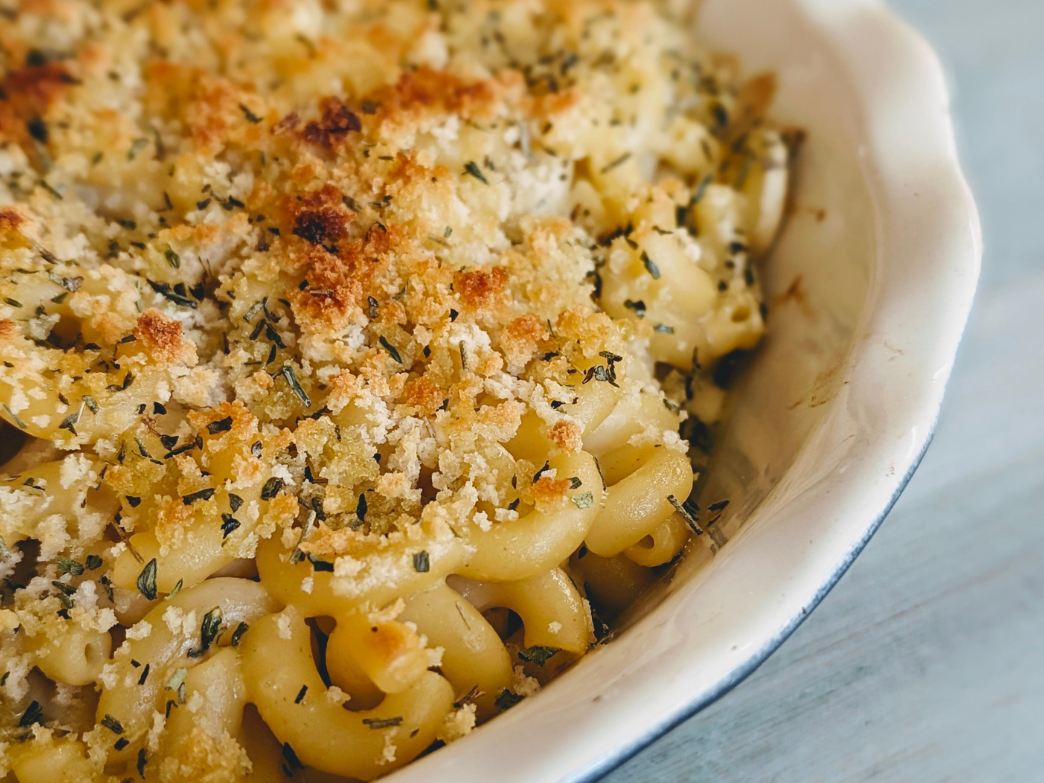
What's Better: Pasta vs. Macaroni vs. Elbow Pasta vs. Penne?
By Lucy Yanckello, Ph.D. Wildgrain, opens in a new tab is the first bake-from-frozen subscription box for sourdough breads, fresh pastas, and artisanal pastries. In the grocery store, a trip down the pasta aisle seems to present one with endless options of shapes, styles, and sizes of pasta. Choosing between these options can be overwhelming, but this article will give you helpful information to help you decide which shape works best for your recipe or nutritional needs. Is macaroni and pasta the same thing? Is macaroni a type of pasta? Is elbow pasta the same as macaroni? Macaroni is a type of pasta. The word macaroni is used to describe and categorize small and medium-sized dried pasta shapes. In the United States, macaroni has become synonymous with a shape of pasta referred to as an elbow. This elbow pasta shape is most commonly used for macaroni (mac) and cheese, but is also used in pasta salads and soups. What’s the difference between penne vs. macaroni? Can I substitute macaroni for penne, or substitute penne for macaroni? Penne is literally translated as “quills'' or “feathers,” and is categorized as part of the macaroni family of pasta. Penne pasta is tubular and has small ridges which help sauce cling to the surface of the penne. Pastas from the macaroni family can be used interchangeably in any dish calling for shaped or tubular pasta - so yes, penne and other macaroni pastas can be substituted in any recipe. What is the difference between pasta vs. macaroni vs. elbow pasta vs. penne? Pasta is a term used to describe a wide variety of noodle shapes and sizes, with categories including small (ex. farfalle, rotini), ribbon-cut (ex. tonnarelli, fettuccine), macaroni (ex. rigatoni, penne), and stuffed (ex. ravioli, tortellini). Macaroni is a category of pasta, typically referring to small to medium-sized pasta shapes. Elbow pasta and penne both fall under the macaroni category of pasta. Penne pasta is a ridged, straight, tube-shaped pasta, whereas elbow pasta is a smooth, curved, tubed-shaped pasta. Both penne and elbow pasta are great for saucy dishes. The ridges on penne pasta helps sauce stick to the surface of the pasta and elbow pasta tends to interlock when cooked so the sauce clings to these noodles, as well. What is the health difference between elbow pasta vs. macaroni vs. pasta vs. penne, e.g. for calories and carbs? Macaroni is a category of pasta that both elbow and penne fall under. Penne and elbow pasta both have similar nutritional profiles. For 2 ounces of uncooked penne, which results in 1 cup cooked penne, there are 200 calories consisting of 42 grams of carbohydrates, 2 grams of fiber, and 7 grams of protein. In 1 cup of cooked elbow-shaped pasta (2 ounces uncooked) there are 221 calories consisting of 43 grams of carbohydrates, 2.5 grams of fiber, and 8 grams of protein. Which is healthier: macaroni or pasta? Can you still eat pasta and macaroni when trying to lose weight? The macaroni category of pasta, which includes penne and elbow shapes, has a similar nutritional profile to other categories of pasta. For example, a cup of cooked spaghetti has 221 calories consisting of 43 grams of carbohydrates, 2.5 grams of fiber, and 8 grams of protein – the same as a cup of cooked elbow-shaped pasta. Pasta can certainly be part of a healthy diet when trying to lose weight. Although it is mostly carbohydrates, there is still a moderate amount of protein content and some fiber, which will aid in satiety – an important component of food consumed during weight loss. To aid in weight loss, make sure to eat pasta in moderation and consider adding additional protein to your pasta or trying whole grain pasta instead. Where can I buy fresh pasta online? At Wildgrain, we specialize in making high-quality, fresh pastas that are delivered directly to your door. Wildgrain is the first bake-from-frozen delivery subscription service for breads, pastries, and fresh pastas. Some of our popular pastas include fresh fettuccine and fresh tonnarelli. Learn more about Wildgrain and our artisanal baking and cooking methods. Best Pasta Home Delivery Service: How Wildgrain's Pasta Delivery Works Wildgrain's pastas are prepared in independent, artisanal bakeries with high quality ingredients. The pastas are shipped frozen in insulated boxes and delivered direct to your home, anywhere nationwide. By shipping frozen, Wildgrain products maintain the highest quality, so you can enjoy fresh pasta at home. That's why customers consider Wildgrain among the best home delivery services for pasta. About the Author Lucy Yanckello received her Ph.D. in nutrition from the University of Kentucky College of Medicine. She currently works as a medical writer and enjoys being able to help people better understand nutrition and science. This content is for informational use only and does not replace professional nutrition and/or medical advice, diagnosis or treatment. It is not a substitute for and should not be relied upon for specific nutrition and/or medical recommendations. Please talk with your doctor about any questions or concerns.
Learn more What's Better: Pasta vs. Macaroni vs. Elbow Pasta vs. Penne?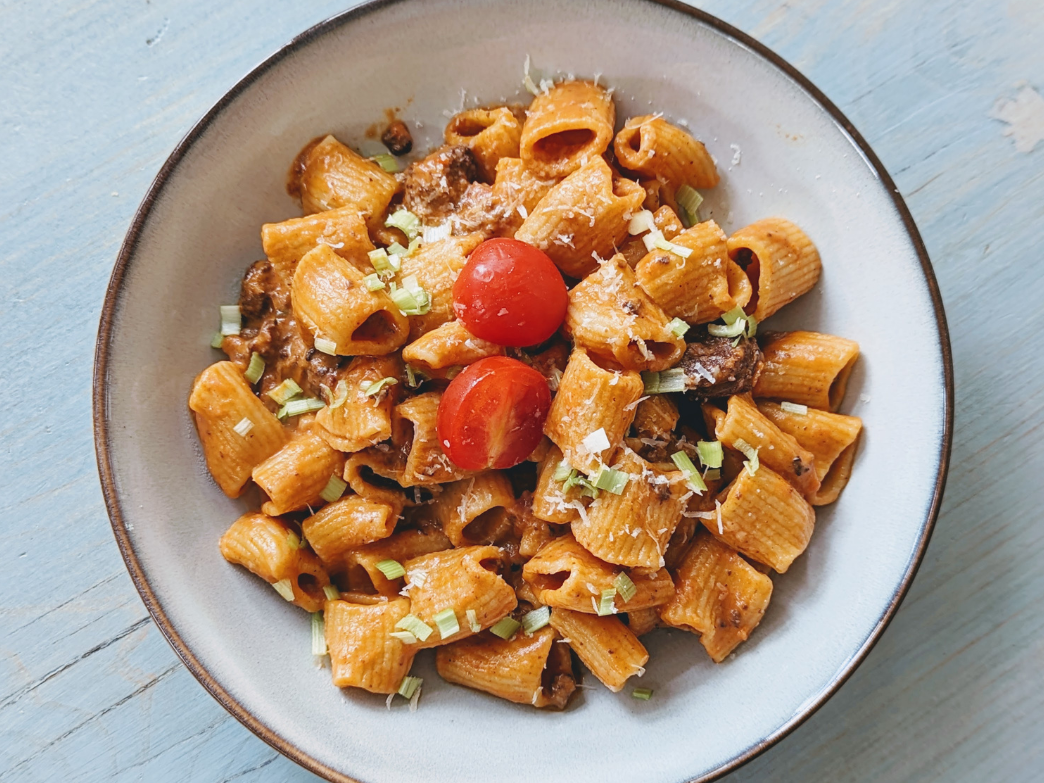
What's Better: Farro vs. Pasta vs. Barley vs. Rice
By Lucy Yanckello, Ph.D. Wildgrain, opens in a new tab is the first bake-from-frozen subscription box for sourdough breads, fresh pastas, and artisanal pastries. Grains are a plant-based food that are an essential part of a healthy diet, providing us with vitamins, minerals, and complex carbohydrates. However, not all grains are created equally – refined grains do not provide as much nutritional value as whole grains. Read on to learn more about the difference between several types of grains and how they can add various benefits to your diet. What is healthier to eat: farro or pasta or barley or rice? All grains have a place in a healthy diet. Farro and barley, being whole grains, contain more fiber and health benefits than white pasta or white rice. Barley and farro are similar in that they are high in fiber and also contain protein. Fiber content allows barley and farro to play a role in lowering cholesterol and strengthening the immune system. The protein content will allow you to feel fuller for longer, helping to curb cravings. Although both white rice and pasta are good sources of carbohydrates, they are not whole grains, so they have lower fiber and protein content than farro or barley. What is the difference between farro vs. pasta? Is pasta or farro healthier? Farro and pastaGo to fresh rigatoni 12oz are both great carbohydrate options. Farro has 7 grams of protein and fiber per quarter cup and also has 10% of the various vitamins and minerals including iron, magnesium and B vitamins that you need in a day. Some types of pasta are refined, meaning the whole grains are stripped out, causing many of the nutrients to be removed. In some cases, the refined pasta is enriched, meaning that some of the nutrients, such as B-vitamins and iron, are added back in. Refined pasta, even if it has the nutrients added back in, is lower in protein and lower in fiber. In a quarter cup of cooked pasta, there are 2 grams of protein and 0.5 grams of fiber. As a result, pasta may feel less satiating than farro. What is the difference between barley vs. pasta? Is pasta or barley healthier? Because farro and barley are so similar, the comparison between barley and pastaGo to fresh rigatoni 12oz is comparable to that of farro and pasta. A quarter cup of barley contains 6.5 grams of protein and around 8.5 grams of fiber. It also contains around 10% of the recommended daily intake of iron, copper, and various B vitamins. As stated above, pasta has higher carbohydrates and calories and lower fiber and protein, even when enriched, so pasta may not feel as satiating as barley. What is the difference between barley vs. farro? Is farro or barley healthier? Barley and farro are very similar in their health profile. One quarter cup of barley contains 6.5 grams of protein, around 8.5 grams of fiber, and various vitamins and minerals, in addition to important antioxidants such as vitamin E and beta-caroteneGo to pasta-vs-sweet-potatoes-healthier. Antioxidants are important to protect against and repair cell damage caused by oxidative stress. A quarter cup of farro contains 6 grams of protein, 5 grams of fiber, and also provides around 10% of the recommended daily intake of B vitamins, magnesium, zinc, and iron. Zinc is essential for a healthy immune system, magnesium helps keep our bones strong, nerves and muscles healthy, and our heartbeats regular. B vitamins are necessary to help break down and convert food into energy all while keeping hair, skin, and eyes healthy. Both barley and farro contain various similar health benefits that would be beneficial in any diet. Which is better for a diabetic: barley or farro or rice or pasta? Is barley good for diabetics? Is farro good for diabetics? Whole grains are going to be better for diabetics as the glycemic index (GI) is lower for whole grains – these foods contain more fiber and minerals that slow digestion. GI is a system that allows food to be classified according to its effect on blood sugar levels. The scale classifies food as low, medium, and high GI on a scale of 0-100. Lower GI values mean the food has less of an effect on blood sugar levels. Selecting the right type of grain for you can play an important role in managing health and controlling blood sugar without sacrificing taste or nutritional value. White rice has the highest GI of the four at 70, pasta has a GI of 50, farro has a GI of 45, and barley comes in lowest with a GI of 25. Low GI is classified at 55 or less, whereas high GI is classified as 70 or above. This classification puts barley, farro, and pastaGo to fettuccine in the low GI category, whereas rice is considered to be a high GI food. Which is the best for weight loss: barley or farro or pasta or rice? Is barley good for weight loss? Is farro good for weight loss? Barley and farro are similar in that they are high in fiber and also contain protein. Fiber content, along with B vitamins and other minerals allow barley and farro to play a role in lowering cholesterol and slow down digestion. This, along with the protein content will allow you to feel fuller for longer, helping to curb cravings and reduce snacking. As weight loss comes from a caloric deficit, the reduction in cravings and snacking is vital to the process. Where can I buy the best fresh pasta online? At Wildgrain, we specialize in making high-quality, fresh pastas that are delivered directly to your door. Wildgrain is the first bake-from-frozen delivery subscription service for breads, pastries, and fresh pastas. Some of our popular pastas include potato gnocchi, cheese tortellini, fresh fettuccine, and fresh tonnarelli. Learn more about Wildgrain and our artisanal baking and cooking methods. Best Pasta Home Delivery Service: How Wildgrain's Pasta Delivery Works Wildgrain's pastas are prepared in independent, artisanal bakeries with high quality ingredients. The pastas are shipped frozen in insulated boxes and delivered direct to your home, anywhere nationwide. By shipping frozen, Wildgrain products maintain the highest quality, so you can enjoy fresh pasta at home. That's why customers consider Wildgrain among the best home delivery services for pasta. About the Author Lucy Yanckello received her Ph.D. in nutrition from the University of Kentucky College of Medicine. She currently works as a medical writer and enjoys being able to help people better understand nutrition and science. This content is for informational use only and does not replace professional nutrition and/or medical advice, diagnosis or treatment. It is not a substitute for and should not be relied upon for specific nutrition and/or medical recommendations. Please talk with your doctor about any questions or concerns.
Learn more What's Better: Farro vs. Pasta vs. Barley vs. Rice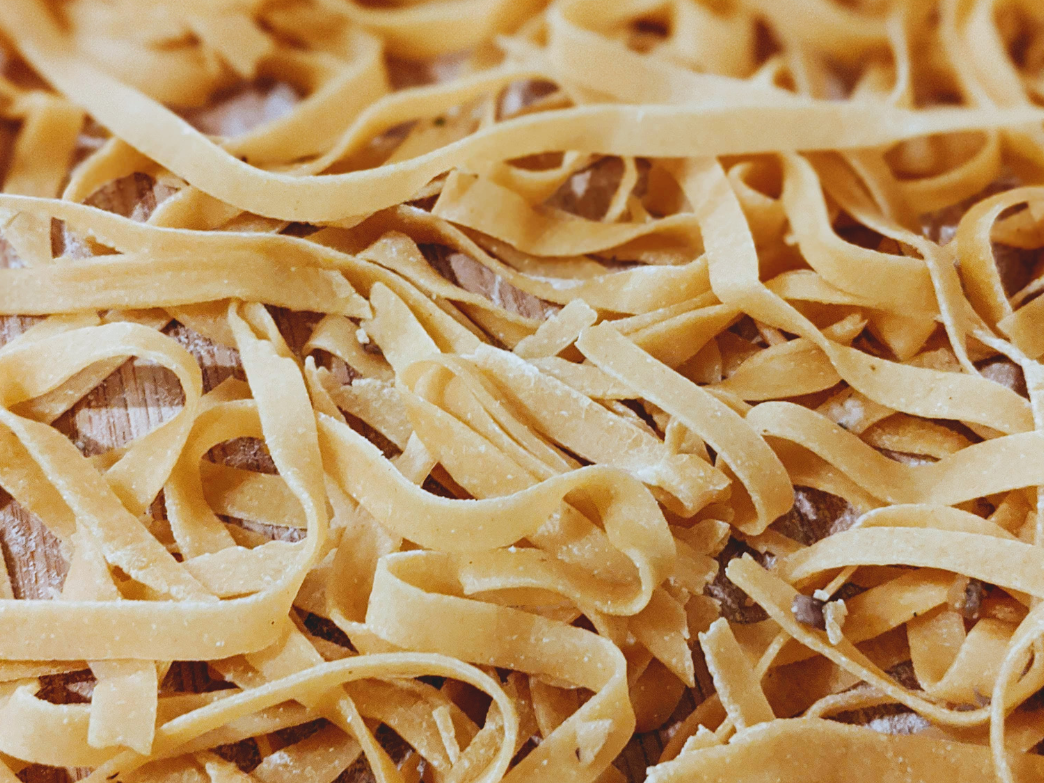
Best Pasta for Vegans & Plant-Based Diets
By Lucy Yanckello, Ph.D. Wildgrain, opens in a new tab is the first bake-from-frozen subscription box for sourdough breads, fresh pastas, and artisanal pastries. Many vegans and plant-based eaters wonder if pasta is safe to consume within their dietary restrictions. Fortunately, most boxed pastas contain only one or two ingredients – semolina and a grain, and are usually mixed with water to create a pasta dough. However, not every pasta is vegan. This article will cover how vegans and those eating a plant-based diet can be confident the pasta they choose fits into their diet. What kind of pasta can vegans eat? Can vegans eat any pasta? Is every pasta vegan? PastaGo to fettuccine is made from combining a few basic ingredients. Typically these include semolina, and a grain – enriched wheat flour for example. However, there are some pastas that include egg in the ingredients. Vegans will want to avoid anything labeled “egg pasta”. In addition, many stuffed pastas contain cheese, meat, and other non-vegan ingredients. What pastas are good for a plant-based diet? What pastas are healthiest for a plant-based diet? Why is pasta good for vegans? Is pasta healthy for vegans? Although the base ingredients of a pasta are similar in most cases – semolina and a grain – additional plant-based and vegan ingredients can be added in. Vegetables, beans, and other legumes can all be added to pasta dough to beef up protein, fiber, and flavor, or reduce carbohydrate content. Any pasta that includes higher amounts of fiber and protein than pasta without any add-ins will be beneficial to any plant-based eater – being creative with how you get your protein is key to both of these diets. Pastas with added ingredients to raise protein and fiber content are usually clearly marked at the stores and are made with ingredients such chickpeas and lentils. Whole wheat pasta also includes higher amounts of protein and fiber than plain pasta. Just be sure to check the label for no-no ingredients for vegan and plant-based eaters, such as egg, egg whites, honey, and dairy. What pasta can vegans not eat? Why are some pastas not good for vegans? Vegans cannot eat any pasta that contains egg, diary, honey, or meat. These ingredients must be avoided on a vegan diet. Pasta that does not have anything added to increase the protein or fiber content is less beneficial to a vegan or plant-based eater, but this does not mean it has to always be avoided. It is important that if you enjoy regular wheat pasta that you enjoy it in moderation, as restricting foods from your diet only makes you crave them more. Can vegans eat whole grain pasta? Can you eat whole grain pasta on a plant-based diet? Vegans can eat whole grain pasta as long as it does not include egg or other non-vegan ingredients. Whole grain pasta is also plant-based in most cases, but be sure to read the ingredients before purchasing. Whole-grain pasta has the added benefit of extra fiber and is a good addition to any vegan diet. Is dry pasta vegan? Is fresh pasta vegan? Is gluten-free pasta vegan? Dry pasta is more likely to exclude eggs than fresh pasta. Fresh pasta, more often than not, contains eggs, and some even contain dairy. There are some egg-free versions available, but these are much more rare. When seeking out fresh pasta, be sure to read the ingredients before purchasing. Most gluten-free pasta is also vegan, however, sometimes dairy or other non-vegan ingredients may be added, so it is important to read the ingredients label before purchasing. What do vegans eat on pasta? There are plenty of sauces that vegans can enjoy. Most tomato-based sauces, such as marinaraGo to marinara sauce, arrabbiata, and puttanesca, are vegan without any alterations to their recipes. Other sauces that include dairy or meat can be altered to fit into a vegan or plant-based diet. Alfredo and vodka sauces can be made with plant-based alternatives to dairy milk, and bolognese can be made with mushrooms or plant-based meat alternatives. Where can I buy the best vegan pasta online? At Wildgrain, we specialize in making high-quality, fresh pastas that are delivered directly to your door. Wildgrain is the first bake-from-frozen delivery subscription service for breads, rolls, pastries, and fresh pastas. We are currently developing a collection of vegan pastas, made with non-GMO flour and without preservatives, that can be enjoyed with our vegan Classic Marinara Sauce. Email [email protected] if you’d like to be notified when they launch! Learn more about Wildgrain and our artisanal baking and cooking methods. Best Pasta Home Delivery Service: How Wildgrain's Pasta Delivery Works Wildgrain's pastas are prepared in independent, artisanal bakeries with high quality ingredients. The pastas are shipped frozen in insulated boxes and delivered direct to your home, anywhere nationwide. By shipping frozen, Wildgrain products maintain the highest quality, so you can enjoy fresh pasta at home. That's why customers consider Wildgrain among the best home delivery services for pasta. About the Author Lucy Yanckello received her Ph.D. in nutrition from the University of Kentucky College of Medicine. She currently works as a medical writer and enjoys being able to help people better understand nutrition and science. This content is for informational use only and does not replace professional nutrition and/or medical advice, diagnosis or treatment. It is not a substitute for and should not be relied upon for specific nutrition and/or medical recommendations. Please talk with your doctor about any questions or concerns.
Learn more Best Pasta for Vegans & Plant-Based Diets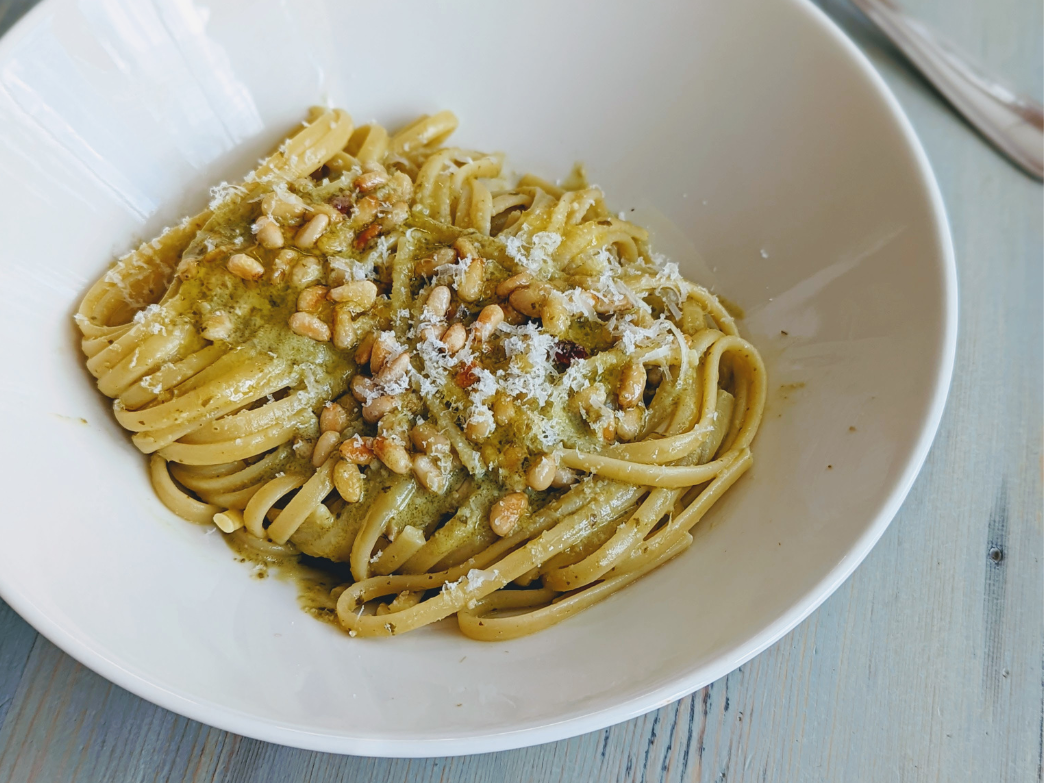
Best Pasta for Diabetics: Can Diabetics Eat Pasta?
By Dr. Jorge, Ph.D. Wildgrain, opens in a new tab is the first bake-from-frozen subscription box for sourdough breads, fresh pastas, and artisanal pastries. Do you love pasta but worry that having diabetes will prevent you from eating it? Thankfully, pasta can absolutely fit into your diet even while diabetic. Read on to learn which are the best pasta options for diabetics so that you can enjoy your favorite meals while keeping your blood sugar levels in check. What kind of pasta can diabetics eat? Can I still eat pasta with diabetes? Is pasta good for diabetics? Diabetics can eat any kind of pastaGo to Tonnarelli; however, it is important for people with diabetes to consider the amount and type of carbohydrates found in their pasta to maintain control of their blood sugar. Refined carbohydrates, or those found in traditional white pasta, are digested by the body quickly, which can cause blood sugar to spike. Alternatively, complex carbohydrates, or the carbohydrates found in wheat and whole grain pasta, are digested slowly by the body, and won’t have such a drastic effect on blood sugar. Consequently, people with diabetes can eat pasta but should watch portion sizes, aiming for 45 to 60 grams of carbohydrates per meal. It is also recommended that diabetics opt for whole-grain pasta options when possible. Which pasta is best for diabetics? The best pasta for diabetics to eat is pasta made from whole grains or wheat. Pasta made from whole grains is less likely to cause spikes in blood sugar, making this kind of pasta ideal for diabetics. Complex carbohydrates, such as whole grains, are also more nutritionally dense than refined carbohydrates, containing essential nutrients like fiber, vitamins, and minerals. Pasta alternatives like veggie noodles are another great option that is lower in carbohydrates while still satisfying the pasta craving. Are egg noodles better than pasta for diabetics? Egg noodles are typically not better than pasta for diabetics - typically pasta is better than egg noodles for diabetics. This is because egg noodles are high in carbohydrates (40 grams per 1 cup serving) compared to white pasta (30 grams per 1 cup serving). Egg noodles also have a moderate glycemic index and a higher glycemic index than pasta meaning egg noodles are more likely to cause blood sugar spikes. Is angel hair pasta good for diabetics? Can a diabetic have angel hair pasta? When made from whole grains, angel hair pasta can be a good option for diabetics. Like with any pasta, people with diabetes should make note of the number of carbohydrates in their pasta portion size to be sure to avoid drastic changes in blood sugar after pasta consumption. Especially when paired with low-starch vegetables such as broccoli, carrots, and mushrooms, angel hair pasta can be a great meal option for diabetics. Is gluten-free pasta good for diabetics? Is gluten-free pasta better for diabetics? Gluten-free pasta is not necessarily good for diabetics. Foods that do not contain gluten can still contain carbohydrates that will impact a diabetic’s blood sugar levels. Some gluten-free pasta varieties will have the same impact on blood sugar as traditional pasta, so they do not offer benefits to those with diabetes. However, some gluten-free pasta options such as pasta made from chickpeas are good options for diabetics as they contain fewer carbohydrates and more protein and fiber than traditional pasta. If choosing a gluten-free pasta, be sure to check the nutrition label for carbohydrate, protein, and fiber content to be sure it fits in with your diet. Is whole wheat pasta good for diabetics? What is the best whole wheat pasta for diabetics? Whole wheat pasta is an excellent choice for diabetics as it contains whole grains. In addition to whole wheat pasta having a lower glycemic index than traditional pasta, whole wheat pasta also contains more fiber which can help to keep blood sugar levels in check. To make sure pasta is truly made from whole wheat, look for 100 percent durum whole-wheat flour as the first ingredient on the nutrition label. This will be the best option for diabetics. What are the best pasta dishes for a diabetic? The best pasta dishes are those made from whole-grain or whole-wheat pasta and that are appropriately sized. It is also important to be mindful of add-ons to your pasta such as cheese, sauce, and protein. Make vegetables the center of your dish and choose oil-based or tomato-based sauces for a topper. By skipping cream-based sauces, you’ll avoid unnecessary fat and sodium. Diabetics should also pair their pasta dishes with lean protein such as fish, tofu, or grilled chicken. Protein is slower to digest than carbohydrates so you won’t have to worry about spikes in your blood sugar and protein will also help to satiate your hunger, making it easier to not overload on pasta. Where can I buy healthy pasta online? At Wildgrain, we specialize in making high-quality, fresh pasta that are delivered directly to your door. Wildgrain is the first bake-from-frozen delivery subscription service for breads, rolls, pastries, and fresh pastas. Some of our popular pastas include fresh fettuccine, fresh rigatoni, fresh tonnarelli, and cheese tortellini. Learn more about Wildgrain and our artisanal baking and cooking methods. Best Pasta Home Delivery Service: How Wildgrain's Pasta Delivery Works Wildgrain's pastas are prepared in independent, artisanal bakeries with high quality ingredients. The pastas are shipped frozen in insulated boxes and delivered direct to your home, anywhere nationwide. By shipping frozen, Wildgrain products maintain the highest quality, so you can enjoy fresh pasta at home. That's why customers consider Wildgrain among the best home delivery services for pasta. About the Author Dr. Jorge has been a public health researcher for many years, holding both a Bachelor's degree and a Ph.D. in Chemistry. They presently work as a medical writer and love being able to assist others in understanding various health and scientific topics. This content is for informational use only and does not replace professional nutrition and/or medical advice, diagnosis or treatment. It is not a substitute for and should not be relied upon for specific nutrition and/or medical recommendations. Please talk with your doctor about any questions or concerns.
Learn more Best Pasta for Diabetics: Can Diabetics Eat Pasta?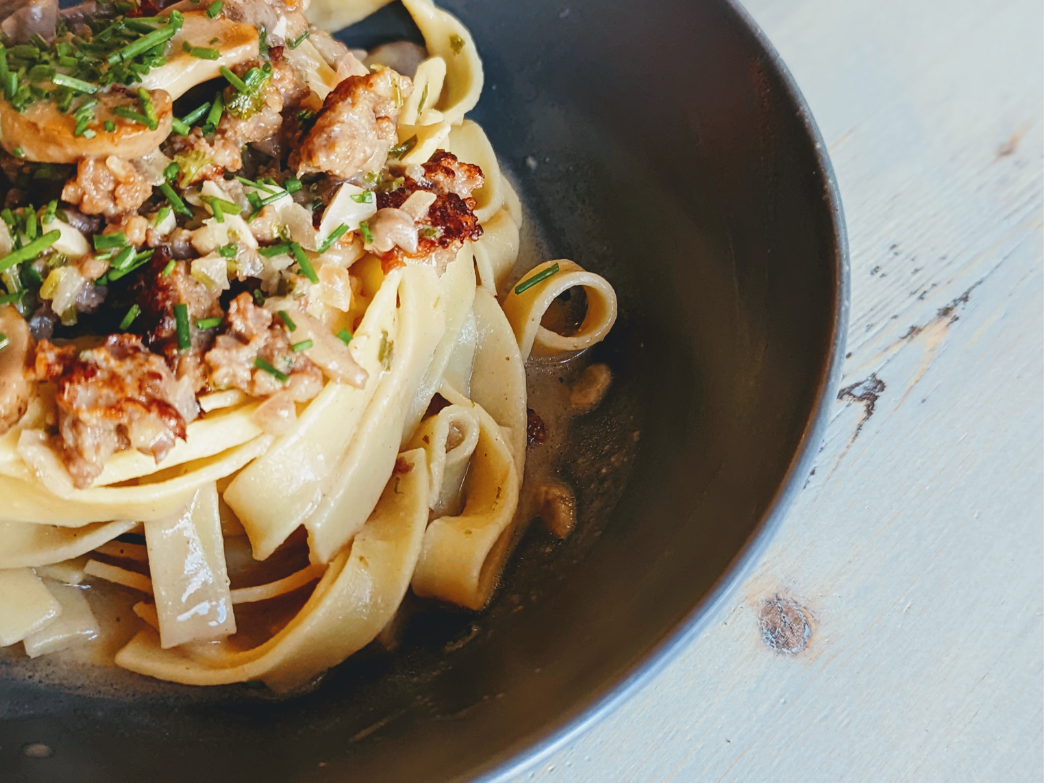
What’s Better: Pasta vs. Beans vs. Lentils vs. Chickpeas?
By Dr. Jorge, Ph.D. Wildgrain, opens in a new tab is the first bake-from-frozen subscription box for sourdough breads, fresh pastas, and artisanal pastries. Beans, lentils, chickpeas – all legumes you’ve likely heard are good for you and should be incorporated into a balanced diet. Although a fan favorite, pasta tends to get a worse reputation, but how exactly do they all stack up to each other? Read on to learn more about pasta, lentils, chickpeas, and other beans and how they can all fit into your diet, no matter what it might be. Which is healthier to eat: pasta or beans or lentils or chickpeas? White pasta tends to be less healthy because it contains fewer nutrients when compared to legumes, including beans and lentils. Although similar in carbohydrate and fat content, legumes are more nutritionally dense and contain more protein, fiber, iron, calcium, and antioxidants than pasta. For reference, a single serving of chickpeas contains 10 grams of fiber, 12 grams of protein, and 4 grams of fat while a single serving of white pasta contains 3 grams of fiber, 7 grams of protein, and 1.5 grams of fat. Which has the most carbs: lentils or chickpeas or pasta or beans? Generally speaking, beans, lentils, chickpeas, and pasta all have a high amount of carbohydrates; each one contains half the daily recommended amount of carbohydrates. A single cup of pasta contains 43 grams of carbohydrates, whereas a single cup of lentils or chickpeas contains about 35 grams. The amount of carbohydrates in other beans, like pinto or black beans, is similar. Which is better for a diabetic: chickpeas or beans or pasta or lentils? Because they contain more fiber, protein, and a lower glycemic index (between 28 and 32), beans and other legumes are considered diabetes superfoods. The American Diabetes Association suggests that diabetics incorporate beans into their meals several times a week. White pasta does, however, have a comparatively low glycemic index (50–55), but because it contains less protein and fiber—two essential nutrients for controlling blood sugar—it is not as healthy for diabetics as beans. Alternatively, whole-grain pasta, and pasta made from lentils and beans, are good options for diabetics, because of the increased fiber and protein content. These types of pasta also have a lower glycemic index (40). Which is the best for weight loss: pasta or beans or lentils or chickpeas? Beans, lentils, and chickpeas are better for weight loss than white pasta. This is because the high amount of fiber and protein found in these legumes helps to promote weight loss by keeping you full for longer. While white pasta has less protein and fiber, whole grain pasta and pasta made from lentils, chickpeas, and other beans contain more of these nutrients which can also help weight loss and weight management. Can you still eat pasta, beans, lentils and chickpeas trying to lose weight? Yes, you can still enjoy pasta, beans, lentils, and chickpeas while maintaining your weight loss goals. The key to losing weight is to be in a calorie deficit or consume fewer calories than you burn. Adding beans, lentils, or chickpeas to your meals will help keep you full and prevent you from consuming excess calories. If you’re looking to keep pasta in your diet, try swapping white pasta with pasta made from whole grains. Foods made from whole grains will keep you fuller for longer, helping you to stay on track with your daily calorie and weight loss goals. You can also try adding protein and fiber-dense foods to your pasta, such as peas, to help keep you full while keeping calories low. Which is healthier: pasta or chickpeas? Are chickpeas or pasta healthier? Chickpeas are healthier than refined pasta options since chickpeas are packed with essential nutrients. In addition to containing 14.5 grams of protein and 12.5 grams of fiber per serving, chickpeas contain nearly all the essential amino acids as well as 74% of the daily value of manganese and 71% of the daily value of B vitamin folate. Although white pasta is not as nutritionally dense, pasta made from whole grains, chickpeas, or lentils has increased health benefits. Making this simple swap can help to ramp up the healthiness of your pasta dishes. Which is healthier: pasta or lentils? Are lentils or pasta healthier? Lentils are healthier than refined pasta and help to promote good health, including lowering blood pressure, improving heart health, and protecting against disease. While it does not have the same nutritional value, white pasta can be paired with fish, meat, and vegetables to create a more balanced and complete meal. Which is healthier: pasta or beans? Are beans or pasta healthier? Beans tend to be healthier than pasta since they contain more nutrients than white pasta alone. Similar to chickpeas and lentils, beans are excellent sources of fiber and plant-based protein. Easily incorporated into various dishes, beans have several health benefits including promoting a healthy gut and heart. To help boost the nutritional value of your favorite dish, you could add vegetables, legumes like peas, or other protein sources to your pasta of choice. Where can I buy fresh pasta online? At Wildgrain, we specialize in making high-quality, fresh breads and pastas that are delivered directly to your door. Wildgrain is the first bake-from-frozen delivery subscription service for breads, pastries, and fresh pastas. Some of our popular pastas include fresh fettuccine and fresh tonnarelli. Learn more about Wildgrain and our artisanal baking and cooking methods. Best Pasta Home Delivery Service: How Wildgrain's Pasta Delivery Works Wildgrain's pastas are prepared in independent, artisanal bakeries with high quality ingredients. The pastas are shipped frozen in insulated boxes and delivered direct to your home, anywhere nationwide. By shipping frozen, Wildgrain products maintain the highest quality, so you can enjoy fresh pasta at home. That's why customers consider Wildgrain among the best home delivery services for pasta. About the Author Dr. Jorge has been a public health researcher for many years, holding both a Bachelor's degree and a Ph.D. in Chemistry. They presently work as a medical writer and love being able to assist others in understanding various health and scientific topics. This content is for informational use only and does not replace professional nutrition and/or medical advice, diagnosis or treatment. It is not a substitute for and should not be relied upon for specific nutrition and/or medical recommendations. Please talk with your doctor about any questions or concerns.
Learn more What’s Better: Pasta vs. Beans vs. Lentils vs. Chickpeas?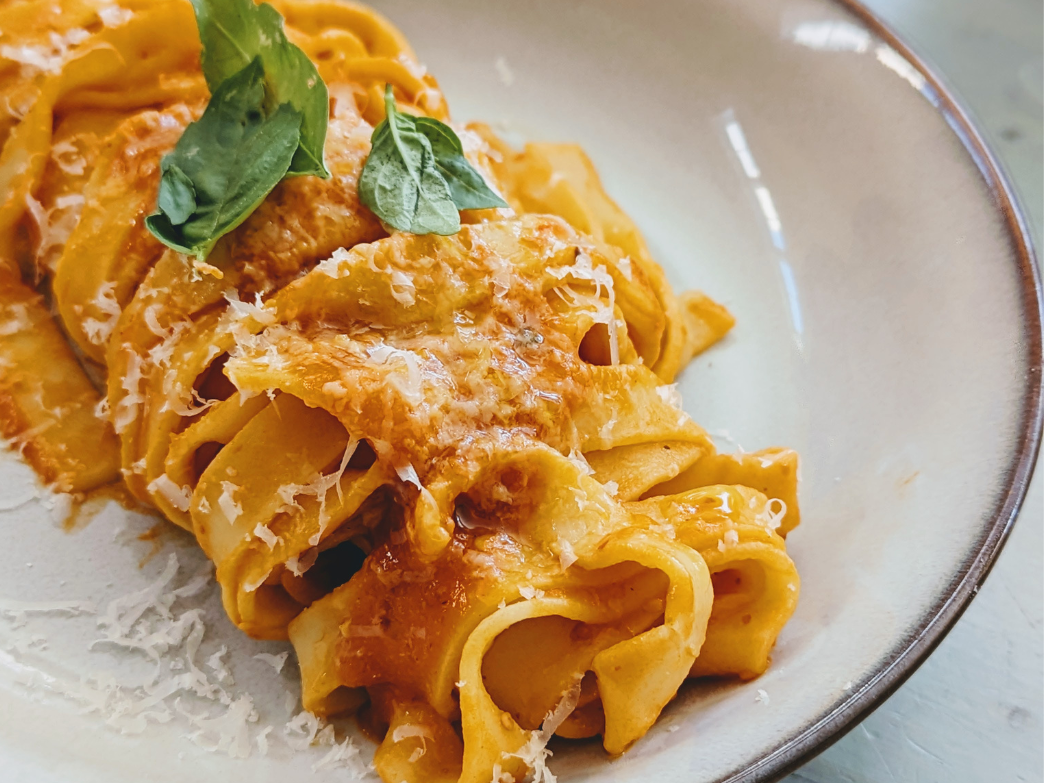
Pasta vs. Fries: Is Pasta or Fries Healthier?
By Lucy Yanckello, Ph.D. Wildgrain, opens in a new tab is the first bake-from-frozen subscription box for sourdough breads, fresh pastas, and artisanal pastries. Fries and pasta: two of the most popular carbohydrates. Both are loved by all. They’re also sometimes avoided when trying to lose weight - but do they need to be? Read on to learn more about the nutrients found in each, and how they compare. Can you eat fries with pasta? Is fries with pasta popular? The most important factor when deciding what to eat, is a balance between protein, carbohydrates, and fat. Both fries and pasta are carbohydrate-dense foods. If you want to eat both fries and pasta at a meal, be sure to include a protein source, such as meatballs, with your pasta, and add in some extra fiber-filled veggies with your fries. Are fries healthy or unhealthy? Although potatoes have a good amount of fiber and other vitamins and minerals, frying them increases saturated fat, which increases the risk of cardiovascular disease. The addition of salt does not do any favors either, and can cause increased blood pressure. Although deep fried French fries may not be the way to eat potatoes on a daily basis, any food can find its place in a healthy diet in moderation. Are fries or pasta healthier? Due to the fat content in fries, it seems likely that pasta would be the healthier choice because it has a higher protein content, which is known to keep you fuller for longer between meals. However, a recent study by the Journal of the American College of Nutrition investigated whether a side of potatoes or a pasta dish would be more satiating. Interestingly, participants had a lower desire to eat again after consuming a side of French fries with their meal compared to any of the other carbohydrates. No matter the results of this study, it is important to remember that fries have a high content of saturated fat and salt. These nutrients can lead to high blood pressure and put individuals at risk for cardiovascular disease. So, although fries may have gotten the green light in terms of satiety — remember to consume in moderation. Which has more carbs: pasta or fries? Which has more calories: pasta or fries? Per a 100 gram serving of pasta there is 74 grams of total carbs, whereas fries have 41 grams of carbs per 100 gram serving. This means that pasta has 80% more carbohydrates than fries. However, both are considered to be high in carbohydrate content. Their calories contents are similar with pasta coming in at 371 calories per 100 grams and fries with 312 calories per 100 grams. Are fries or pasta better for weight loss? Can you eat fries and still lose weight? Both pasta and fries can be part of a healthy diet for those trying to lose weight. It is important that when cutting calories you still eat foods that you love. Cutting out certain foods or food groups all together will just make you crave them more. Pasta has a higher protein content, which can help with weight loss. It is vital to eat the proper amount of protein in order to lose weight. Although it would seem that fries would not keep you full because they have lower fiber and protein content, but high fat and carbohydrate content, the recent study discussed above has proven differently. If fries leave you feeling satiated they may aid in helping you lose weight, as being satiated is an important way to keep from snacking and binging foods. Where can I buy the best fresh pasta online? At Wildgrain, we specialize in making high-quality, fresh pastas and breads that are delivered directly to your door. Wildgrain is the first bake-from-frozen delivery subscription service for breads, pastries, and fresh pastas. Some of our popular pastas include fresh fettuccineGo to fettuccine and fresh tonnarelli. Learn more about Wildgrain and our artisanal baking and cooking methods. Best Pasta Home Delivery Service: How Wildgrain's Pasta Delivery Works Wildgrain's pastas are prepared in independent, artisanal bakeries with high quality ingredients. The pastas are shipped frozen in insulated boxes and delivered direct to your home, anywhere nationwide. By shipping frozen, Wildgrain products maintain the highest quality, so you can enjoy fresh pasta at home. That's why customers consider Wildgrain among the best home delivery services for pasta. About the Author Lucy Yanckello received her Ph.D. in nutrition from the University of Kentucky College of Medicine. She currently works as a medical writer and enjoys being able to help people better understand nutrition and science. This content is for informational use only and does not replace professional nutrition and/or medical advice, diagnosis or treatment. It is not a substitute for and should not be relied upon for specific nutrition and/or medical recommendations. Please talk with your doctor about any questions or concerns.
Learn more Pasta vs. Fries: Is Pasta or Fries Healthier?