

Wildgrain Blog
Best Dessert for Gluten Intolerance and Gluten Sensitivity
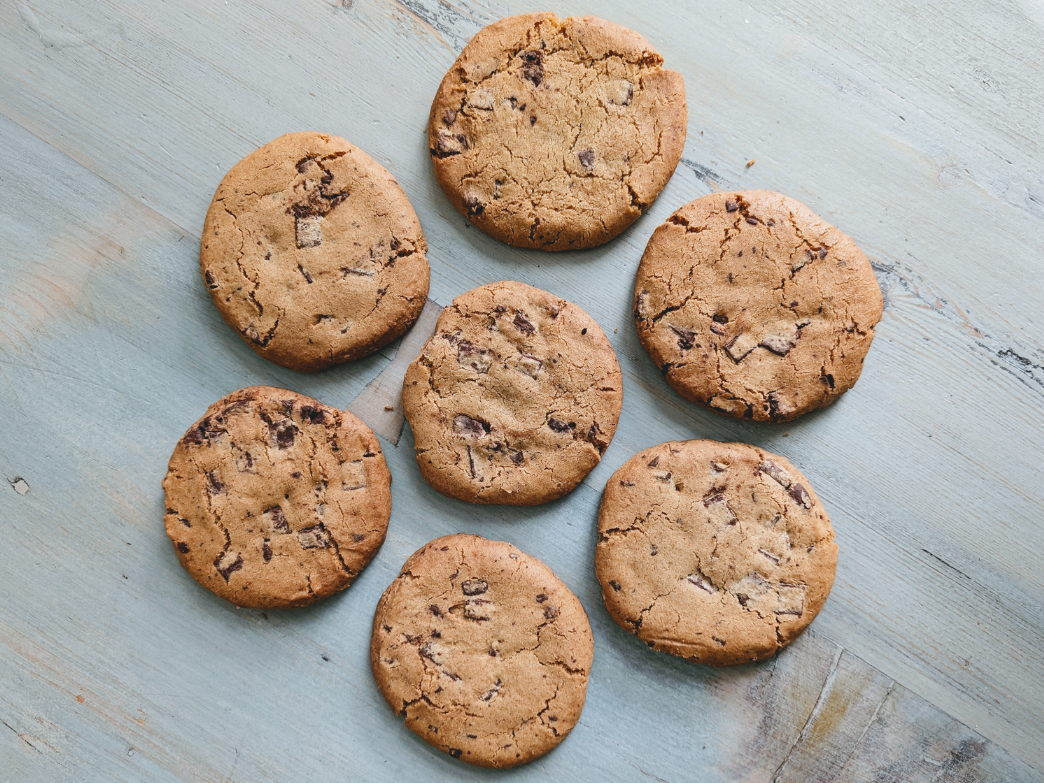
By Dr. Jorge, Ph.D. Wildgrain, opens in a new tab is the first bake-from-frozen subscription box for sourdough breads, fresh pastas, and artisanal pastries. Finding gluten-free desserts while navigating celiac disease or gluten intolerance can be challenging. The good news is that many popular desserts are naturally gluten-free or can be made gluten-free. Read on to discover which sweet treats are the best for a gluten-free diet. Can you eat sweets if you are gluten-free? Can you eat desserts with a gluten sensitivity? Yes, you can absolutely eat sweets and desserts even if you are gluten-free or have a gluten sensitivity. You will just need to check the dessert’s label to ensure there are no gluten-containing ingredients. Chocolate, hard fruit candies, mousseGo to mango passionfruit mousse 2 pack, and single-flavored ice creams are just a few of the dessert options that can be naturally gluten-free and safe for those with gluten sensitivity or intolerance. What sweets do not have gluten? What dessert is gluten-free? While a lot of desserts can be made gluten-free nowadays, there are some that are almost always gluten-free. This includes desserts like fruit mousseGo to mango passionfruit mousse 2 pack, chocolate mousse, crème brulée, rice pudding, panna cotta, meringue, and macaronsGo to macarons. A lot of popular store-bought candies and chocolates also tend to be gluten-free. Can gluten-intolerant people eat cake? Can you eat ice cream with gluten intolerance? Cake is generally not recommended for people with gluten intolerance, as it is typically made with wheat flour, which contains gluten. However, there are gluten-free cakeGo to mini layer cakes 8 pack options available for those with celiac disease or gluten sensitivity. Ice cream can also be gluten-free, as long as it is made without gluten-containing ingredients. Single-flavor ice creams like vanilla, chocolate, and strawberry are usually safer, while flavors with baked goods, like cookie dough, may contain gluten. Can you eat chocolate with gluten intolerance? Can you eat chocolate with gluten sensitivity? Pure chocolate, including milk, dark, and white chocolate, is naturally gluten-free and safe for those with celiac disease, gluten intolerance, and gluten sensitivity. However, chocolate that contains additional ingredients beyond cocoa beans, sugar, and cocoa butter may not be gluten-free. Always check the label for any gluten-containing ingredients and verify if the chocolate was processed in a facility that handles gluten to avoid cross-contamination. When in doubt, opting for pure gluten-free chocolate is the best choice. Are macarons usually gluten-free? Can you eat macarons with gluten intolerance? Traditional macaronsGo to macarons are typically gluten-free, as they are made with naturally gluten-free ingredients such as almond flour, powdered sugar, egg whites, and granulated sugar. However, as with any food, it's important to double-check the ingredients and consider the possibility of cross-contamination before eating a macaron. Although macarons made using the traditional method are gluten-free, not all bakeries follow this approach or take precautions to prevent cross-contamination. Can you eat cookies with gluten intolerance? Can you eat cookies with gluten sensitivity? Most traditional cookies are not gluten-free and are therefore not safe for those with gluten intolerance or gluten sensitivity. Most cookie recipes use wheat flour, which contains gluten. However, you can enjoy gluten-free cookies made with alternative flour (like rice flour), such as Wildgrain’s Gluten-Free Chocolate Chunk Cookies. Some popular store-bought cookies are also naturally gluten-free. What dessert is best for gluten intolerance? What dessert is best for gluten sensitivity? The best desserts for those with gluten intolerance or sensitivity are gluten-free and made in a dedicated gluten-free facility. Some sweet treats that are generally safe for those with gluten intolerance and gluten sensitivity include pure chocolate, single-flavor ice cream, macarons, chocolate and fruit mousse, and crème brulée. Today, many popular desserts can be made gluten-free, so there’s no limit to the delicious sweets you can enjoy, even on a gluten-free diet! Where can I buy the best dessert for gluten intolerance online? At Wildgrain, we specialize in making high-quality, fresh pastas, breads, and desserts that are delivered directly to your door. Wildgrain is the first bake-from-frozen delivery subscription service for breads, pastries, fresh pastas, and desserts. Some of our popular gluten-free desserts include giant chocolate chunk cookies, mango and passion fruit mousse, macarons, and mini layer cakes. Learn more about Wildgrain and our artisanal baking and cooking methods. Best Pastry Home Delivery Service: How Wildgrain's Pastry Delivery Works Wildgrain's pastries are prepared in independent, artisanal bakeries with high quality ingredients. The pastries are shipped frozen in insulated boxes and delivered direct to your home, anywhere nationwide. By shipping frozen, Wildgrain products maintain the highest quality, so you can enjoy fresh pastries at home. That's why customers consider Wildgrain among the best home delivery services for pastries. About the Author Dr. Jorge has been a public health researcher for many years, holding both a Bachelor's degree and a Ph.D. in Chemistry. They presently work as a medical writer and love being able to assist others in understanding various health and scientific topics. This content is for informational use only and does not replace professional nutrition and/or medical advice, diagnosis or treatment. It is not a substitute for and should not be relied upon for specific nutrition and/or medical recommendations. Please talk with your doctor about any questions or concerns.
Learn more Best Dessert for Gluten Intolerance and Gluten Sensitivity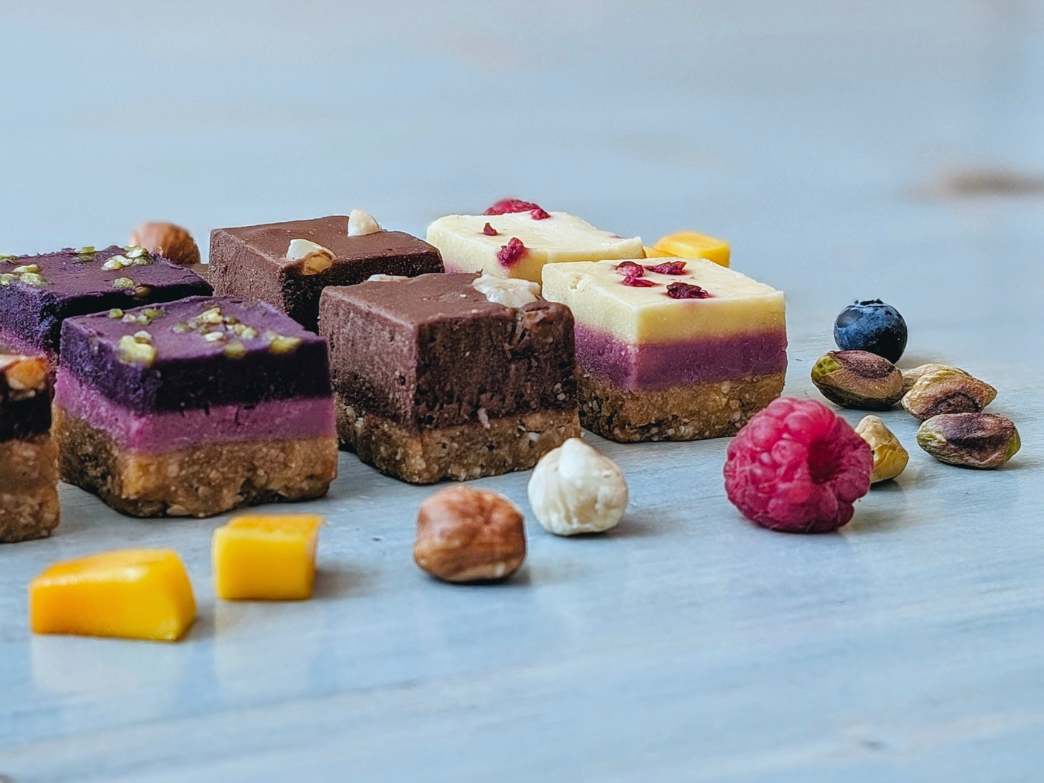
What's Better: Gluten-Free Cake vs. Regular Cake?
By Lucy Yanckello, Ph.D. Wildgrain, opens in a new tab is the first bake-from-frozen subscription box for sourdough breads, fresh pastas, and artisanal pastries. Cake is a wonderful dessert that is the centerpoint of many celebrations and occasions. With the rise in popularity of vegan and gluten-free diets, so has the rise of vegan and gluten-free desserts, such as cake. Although some see these diets as a trend or fad, many have underlying conditions that cause them to eat this way. So how do gluten-free cakes compare to regular cakes? Read on to learn more. What makes a cake gluten-free? Those who eat a gluten-free diet are avoiding gluten, the protein present in wheat flour. As such, gluten-free cakes use flours other than the traditional wheat flour used in baking. A gluten-free cake is one that does not contain any gluten or traces of gluten. This is important because most people who follow a gluten-free diet have a sensitivity or allergy to gluten. What is the difference between gluten-free cake and regular cake? In a regular cake, wheat flour is used, which contains gluten. This helps give a cake the structure and texture we all know and love. Gluten-free cakes usually contain a mix of different flour types to create the same texture and flavor profiles of regular cake. In the past, gluten-free cakes were criticized for being crumbly and dry, but with the rise in popularity of the diet, bakers have been able to find innovative ways to make gluten-free cakes more enjoyable. What is the best gluten-free flour for cakes? Does gluten-free flour affect cake baking? The best gluten-free flour for making cakes is a mix of different gluten free flours. Stores sell these pre-made mixes ready to use for your convenience. However, if you want you can make a mix of these gluten-free flours on your own. These mixes usually include white rice flour as their foundation with other flours such as potato flour or oat flour added. They usually include a more starchy flour for binding purposes as well, such as tapioca starch. Gluten-free flour does affect cake baking. Because gluten-free flours and flour mixes contain fine starches, they absorb more liquid than regular wheat flour. As such, gluten-free recipes usually call for more liquid and large amounts of leavening agents to add volume and lighten the texture. Do gluten-free cakes taste the same? Do gluten-free cakes taste different? Gluten-free cake recipes won’t have quite the same texture as those that use wheat flour. As stated before, this is because gluten-free flours often require the addition of more liquids than wheat flour due to their finer texture. However, the difference between gluten-free flour and wheat flour is that you have many options to choose from! If you don’t like how a cake turns out using a certain blend of flours, swap some out or choose different flours all together. What is the difference between gluten-free and regular baking? Gluten-free baking changes the texture and taste of desserts. However, there are some tips you can use to get the best texture from your gluten-free baked goods. Some flours are gritty by nature, such as brown rice flour, corn flour, and quinoa flour. If you grind them in a food processor before use, this helps reduce the grittiness. Measuring your flour according to weight instead of volume also helps. Additionally, it is important to let your gluten-free batter rest, something that isn’t always considered when using regular wheat flour. Allowing the batter to rest lets the flour hydrate and soften, lessening the gritty texture. Lastly, because they contain more liquid than regular batters, gluten-free batters will need to be baked for longer. If you remove them from the oven too soon, a gummy and mushy texture may develop. Is gluten-free cake healthier than regular cake? Gluten-free cake is the healthiest option for those with a gluten allergy or gluten sensitivity. If neither of these apply to you, there are not any extra health benefits that you will gain from eating gluten-free cake instead of regular wheat flour cake. However, you will also not be harmed from eating gluten-free cake in the way that those with allergies or sensitivities to gluten would if they ate a cake containing gluten. Why are gluten-free cakes so heavy? Gluten-free cakes are heavier in texture because of the nature of gluten-free flour. Gluten-free flours are finer than wheat flour, so they absorb more liquid than conventional flour. This means that gluten-free recipes call for more liquid, creating looser batters. As such, to lessen the heaviness of a cake, increase the leavening agent such as baking powder. This will allow the batter to rise more, creating a looser crumb more similar to regular wheat-flour cake. Why do gluten-free cakes taste grainy? Some flours are gritty by nature, such as brown rice flour, corn flour, and quinoa flour. If you grind them in a food processor before use this helps reduce the grittiness. Additionally, it is important to let your gluten-free batter rest, something that isn’t always considered when using regular wheat flour. Allowing the batter to rest lets the flour hydrate and soften, lessening the gritty texture. Are gluten-free desserts healthier than regular desserts? For those with gluten allergies or gluten intolerances, gluten-free desserts are the healthiest option. If you do not fall into one of these categories, there is no added benefit to eating gluten-free desserts over regular wheat flour. However, for those with gluten allergies or intolerances, it is harmful to eat gluten so it should be avoided at all costs. Where can I buy the best desserts online? At Wildgrain, we specialize in making high-quality, fresh pastas, breads, and desserts that are delivered directly to your door. Wildgrain is the first bake-from-frozen delivery subscription service for breads, pastries, fresh pastas, and desserts. Some of our popular gluten-free desserts include mango and passion fruit mousse, mini layer cakes, and macarons. Learn more about Wildgrain and our artisanal baking and cooking methods. Best Pastry Home Delivery Service: How Wildgrain's Pastry Delivery Works Wildgrain's pastries are prepared in independent, artisanal bakeries with high quality ingredients. The pastries are shipped frozen in insulated boxes and delivered direct to your home, anywhere nationwide. By shipping frozen, Wildgrain products maintain the highest quality, so you can enjoy fresh pastries at home. That's why customers consider Wildgrain among the best home delivery services for pastries. About the Author Lucy Yanckello received her Ph.D. in nutrition from the University of Kentucky College of Medicine. She currently works as a medical writer and enjoys being able to help people better understand nutrition and science. This content is for informational use only and does not replace professional nutrition and/or medical advice, diagnosis or treatment. It is not a substitute for and should not be relied upon for specific nutrition and/or medical recommendations. Please talk with your doctor about any questions or concerns.
Learn more What's Better: Gluten-Free Cake vs. Regular Cake?
What's Better: Vegan Desserts vs. Regular Desserts?
By Lucy Yanckello, Ph.D. Wildgrain, opens in a new tab is the first bake-from-frozen subscription box for sourdough breads, fresh pastas, and artisanal pastries. Veganism has become more popular in recent years, which has brought an increased interest in vegan food of all types, including desserts. Vegan desserts are free from animal products, such as dairy and eggs and are often perceived as a healthier alternative to regular sweets. Read on to learn more about how vegan desserts differ from regular desserts and if the assumption they are healthier is valid. What does a vegan dessert mean? How do you know if sweets are vegan? In short, vegan diets do not contain any animal products. The main ingredients in most desserts are usually animal based products, such as butter, cream, milk, and eggs. Additionally, many vegans also avoid honey, and thickeners like gelatin also contain animal products. To know if a sweet treat is vegan, it is best to read the ingredients. Additionally, if you are buying something sweet from a bakery, or eating a sweet treat at a restaurant, be sure to ask the chef or baker if the dessert contains dairy, eggs, honey, or gelatin. What desserts can you eat as a vegan? Because of the rise of plant-based diets, most desserts can be made vegan. Dairy free milk, plant-based butter, and other thickeners such as corn starch or agar agar have made it possible to substitute almost all animal-by products. It is important to check the ingredients if you are buying premade desserts by reading the label or asking the person who made the treat. What does a vegetarian dessert mean? Are all vegan desserts vegetarian? The vegetarian diet is different from the vegan diet because most vegetarians avoid eating animal meat while vegans avoid eating all animal by-products. Due to this discrepancy, most desserts that are vegetarian are not vegan. On the other hand, all vegan desserts are vegetarian. What is the difference between vegetarian desserts vs. vegan desserts vs. regular desserts? Vegetarian desserts and regular desserts are often one in the same, as there are not many desserts we know of that contain animal meat! That said, gelatin derived from animals is sometimes used in desserts, like gelato and ice cream, though these desserts can often be made with gelatin substitutes so that the vegetarian version tastes the same. However, regular and vegetarian desserts are not vegan because they can still contain animal by-products which are no-nos for vegans. For a dessert to be considered vegan it cannot contain any dairy, eggs, honey, or gelatin, which are all acceptable ingredients for vegetarians and those without dietary restrictions. Is vegan plant-based dessert healthier? Are plant-based, vegan desserts healthier than regular desserts? There are pros and cons to vegan desserts. Due to the absence of butter and cream, vegan desserts often are lower in saturated fats than regular desserts. These saturated fats are replaced with plant-based fats such as monounsaturated and polyunsaturated fats, which are beneficial for heart health and cholesterol levels. However, vegan desserts are still high in calories and sugar content, just as regular desserts are. Additionally, vegan desserts often rely heavily on processed ingredients to be able to replicate the texture and flavor of traditional desserts. All in all, although we wish it weren’t true, vegan desserts should be enjoyed in moderation, just as regular desserts should. Do vegan sweets taste different vs regular sweets? Although there are usually a few substitutions that have to be made to make a dessert vegan, the vegan version is often just as delicious as the regular version. The quality of plant-based ingredients has increased with the rise in popularity of plant-based diets, such as veganism. This gives bakers better options for substitutions, and keeps the quality of desserts at a similar level to the original versions. What is the difference between vegan cake and regular cake? Is vegan cake healthier than regular cake? Vegan cakes do not use eggs, milk, or butter and use plant-based ingredients as substitutes. However, because wheat flour is plant-based by nature, the major ingredient can stay the same. This helps vegan cake maintain the taste and texture of a regular cake. Some vegan cakes are also gluten-free, which does change the texture a bit. However, with the proper mixture of flours, cakes that are gluten-free, like these mini layer cakes from Wildgrain, can be just as delicious as the regular recipe. What is the difference between vegan cookies vs. regular cookies? Are vegan cookies healthier than regular cookies? Vegan cookies are different from regular cookies because they do not contain eggs or butter, but instead substitute plant-based butter. In addition, if the cookies contain ingredients like chocolate chips, the chocolate cannot contain dairy either. Vegan cookies, such as the giant chocolate chip cookies from Wildgrain, are just as delicious as the regular recipe. They may be a twinge healthier than regular cookies due to the substitution of butter for plant-based butter, which contains plant-based fats instead of animal fat which reduces the saturated fat content. However, they are still packed with sugar and other delicious ingredients that should be enjoyed in moderation. Where can I buy the best desserts online? At Wildgrain, we specialize in making high-quality, fresh pastas, breads, and desserts that are delivered directly to your door. Wildgrain is the first bake-from-frozen delivery subscription service for breads, pastries, fresh pastas, and desserts. Some of our popular plant-based desserts include mango and passion fruit mousse, mini layer cakes, and plant-based chocolate chip cookies. Learn more about Wildgrain and our artisanal baking and cooking methods. Best Pastry Home Delivery Service: How Wildgrain's Pastry Delivery Works Wildgrain's pastries are prepared in independent, artisanal bakeries with high quality ingredients. The pastries are shipped frozen in insulated boxes and delivered direct to your home, anywhere nationwide. By shipping frozen, Wildgrain products maintain the highest quality, so you can enjoy fresh pastries at home. That's why customers consider Wildgrain among the best home delivery services for pastries. About the Author Lucy Yanckello received her Ph.D. in nutrition from the University of Kentucky College of Medicine. She currently works as a medical writer and enjoys being able to help people better understand nutrition and science. This content is for informational use only and does not replace professional nutrition and/or medical advice, diagnosis or treatment. It is not a substitute for and should not be relied upon for specific nutrition and/or medical recommendations. Please talk with your doctor about any questions or concerns.
Learn more What's Better: Vegan Desserts vs. Regular Desserts?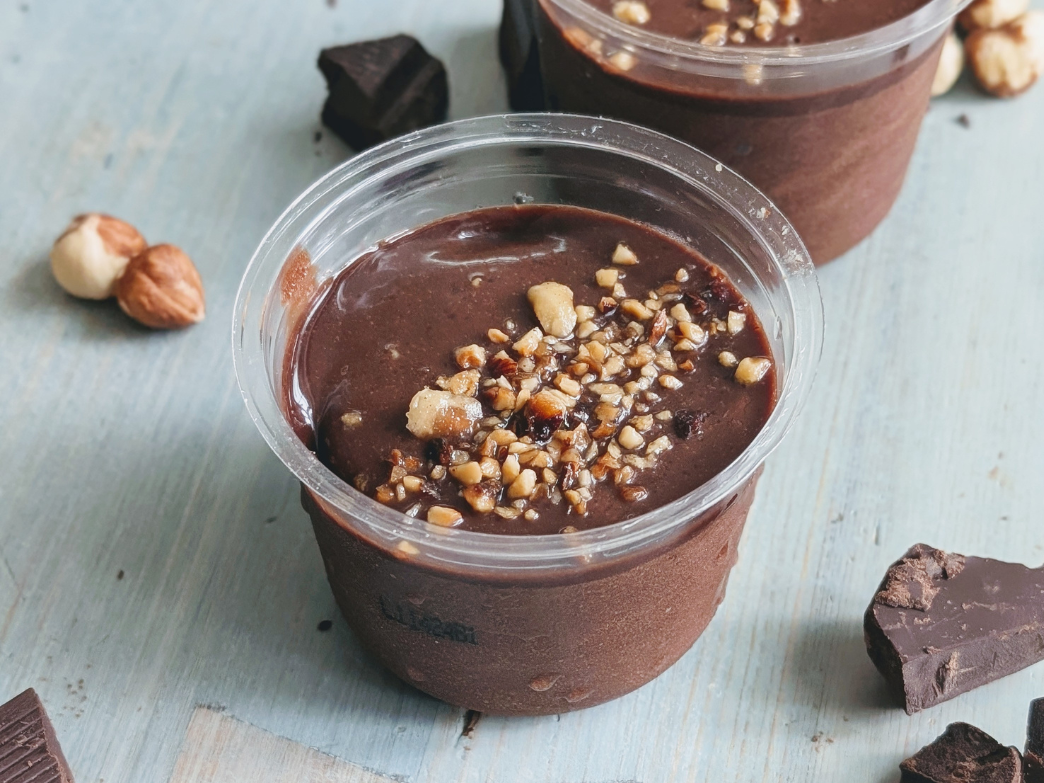
What's the Best Dessert: Pudding vs. Mousse vs. Souffle vs. Pot de Creme
Everyone loves a creamy and decadent dessert, and there are many options if you are looking to finish a meal with one. Usually featuring chocolate, a souffle, mousse, pot de creme, and pudding are all delicious choices. However, what is the difference between these four desserts and how do you know which one will satisfy your craving? Read on to learn more. What is the thickest between souffle, mousse, pot de creme, and pudding? Between souffle, mousse, pudding, and pots de creme, pots de creme comes in as the thickest. The name translates to “jars of cream” and is similar to a custard in texture – think of creme brulee. Pot de creme is thickened with egg yolks, and the perfect texture is achieved by placing the dish in a warm water bath in the oven in order to set this custard-like dessert. What is the richest between mousse, souffle,pot de creme, and pudding? Pots de creme is also the richest of the four desserts. Egg yolks tend to make desserts denser and richer, and since pots de creme calls for egg yolks as a thickening agent it comes out on top as richest. Pudding is thickened with cornstarch, and mousse and souffles both employ whipped egg whites to gain a light and fluffy texture. What’s the difference between mousse and pudding? Is chocolate pudding just mousse? Is mousse just pudding? Pudding and mousse are both creamy desserts, however that is the end of their similarities. The characteristics that set them apart are not only how they are thickened, but their final textures. Pudding uses cornstarch as a thickener and gets its thick consistency from being cooked on the stove to activate the cornstarch. Mousse on the other hand employs whipped cream and whipped egg whites as thickener, giving it the signature airy and light texture. What’s the difference between mousse and souffle? Is mousse just a souffle? Mousse and souffles are both light and airy desserts that contain eggs. However, mousse also contains cream and is not cooked but instead is served cold. Souffles are baked and contain less ingredients than mousse, not calling for milk or cream. As they will deflate as they cool, souffles should be enjoyed as soon as they come out of the oven. What’s the difference between mousse and pot de creme? Is chocolate mousse just pot de creme? Although often compared, mousse and pots de creme are very different desserts. Pots de creme uses egg yolks as a thickener, and is cooked in the oven in a water bath giving it a custard like texture. On the other hand, mousse uses heavy cream and egg whites as a thickener and is not cooked, but instead the ingredients are carefully folded together and served cold. Can any of these desserts be gluten free: souffle, mousse, pudding or pot de creme? Souffle, mousse, pudding, and pot de creme are all gluten-free desserts by nature. Gluten is a component of wheat-flour and there is no flour in any traditional recipes for these desserts. Each of these are thickened by eggs or cornstarch making them great options for those with gluten allergies or intolerances. Can any of these desserts be vegan or dairy free: souffle, mousse, pudding or pot de creme? Souffle, mousse, and pudding all have ingredients that can easily be substituted for dairy-free and vegan options. Aquafaba, the liquid in canned chickpeas, can be used in place of egg whites, and various plant-based options exist for heavy cream and butter. For pots de creme, the vegan substitutions are more of a challenge, as the dessert relies heavily on egg yolks. However, it can easily be made dairy-free since eggs can still be used in dairy-free desserts. What is the healthiest dessert: pot de creme vs. souffle vs. mousse vs. pudding? Each of these desserts can fit into a healthy diet. However, it is important to remember to enjoy them in moderation as they all have high sugar and fat content. Pots de creme does not call for any additional sugar added beyond what the chocolate in the recipe provides, however there is large amounts of fat from heavy cream, egg yolks, and milk. Where can I buy the best desserts online? At Wildgrain, we specialize in making high-quality, fresh pastas, breads, and desserts that are delivered directly to your door. Wildgrain is the first bake-from-frozen delivery subscription service for breads, pastries, fresh pastas, and desserts. Some of our popular desserts include mango and passion fruit mousse, macarons, and mini layer cakes. Learn more about Wildgrain and our artisanal baking and cooking methods. Best Pastry Home Delivery Service: How Wildgrain's Pastry Delivery Works Wildgrain's pastries are prepared in independent, artisanal bakeries with high quality ingredients. The pastries are shipped frozen in insulated boxes and delivered direct to your home, anywhere nationwide. By shipping frozen, Wildgrain products maintain the highest quality, so you can enjoy fresh pastries at home. That's why customers consider Wildgrain among the best home delivery services for pastries. About the Author Lucy Yanckello received her Ph.D. in nutrition from the University of Kentucky College of Medicine. She currently works as a medical writer and enjoys being able to help people better understand nutrition and science. This content is for informational use only and does not replace professional nutrition and/or medical advice, diagnosis or treatment. It is not a substitute for and should not be relied upon for specific nutrition and/or medical recommendations. Please talk with your doctor about any questions or concerns.
Learn more What's the Best Dessert: Pudding vs. Mousse vs. Souffle vs. Pot de Creme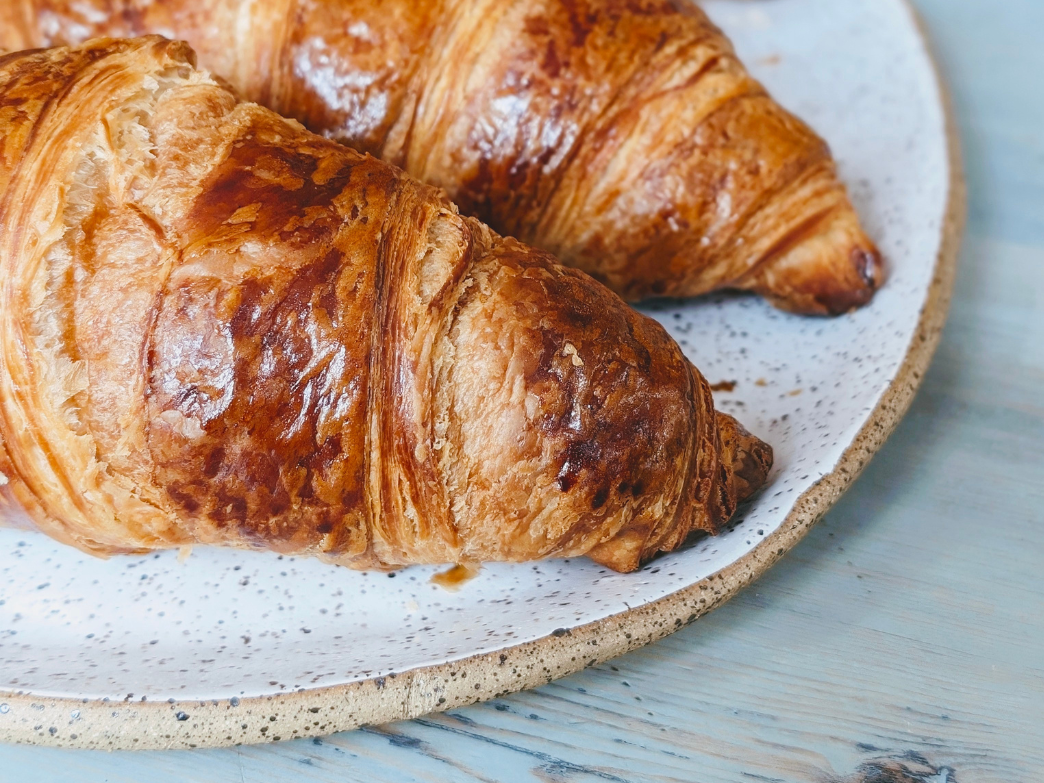
Best Vegan Croissants
By Lucy Yanckello, Ph.D. Wildgrain, opens in a new tab is the first bake-from-frozen subscription box for sourdough breads, fresh pastas, and artisanal pastries. Following a vegan diet should not preclude you from the buttery, flakey, chewy pastry that is a croissant. Although it seems impossible that a butter-based pastry could be made into a vegan delicacy, it is possible and has been done well! Read on to learn more about vegan croissants, how to make them, and where to buy them. Can vegans eat croissants? What makes croissants not vegan? Are croissants vegan friendly? Vegans cannot eat traditional croissants. Croissants are made with a dough that is filled with butter and milk and are brushed with an egg wash before they are baked. All of these ingredients are no-nos in a vegan diet. As such, if you are vegan, you should be sure to confirm with a bakery that they use plant-based butter and milk and leave off the egg wash if you are looking to enjoy this vegan flaky treat. Are store-bought croissants vegan? Do store-bought croissants have dairy? Most store-bought croissants are not vegan as they contain butter and milk and are finished with an egg wash. However, there are various places that make vegan croissants. For example, at Wildgrain we are developing a plant-based croissant. Who makes vegan croissants? Who makes dairy-free croissants? One retailer found in most cities that makes a vegan version of this flaky pastry is Whole Foods. Most cities also have specialty bakeries that create vegan confections such as croissants, so be sure to search your local bakeries too! At Wildgrain, we are developing a bake-from-frozen plant-based, dairy-free croissant that can be made at home. Can I buy frozen vegan croissants? Can you get dairy-free croissants frozen? Yes, you can purchase vegan croissants frozen and dairy-free croissants frozen. Some specialty grocery stores sell frozen dairy-free and vegan croissants, as do some companies that will ship frozen croissants to you. At Wildgrain, we are developing a plant-based, dairy-free frozen croissant that will ship direct to your door. What are dairy-free, vegan croissants made from? Dairy-free vegan croissants are made in a similar way to regular croissants, just with the non-vegan ingredients swapped out. For example, butter is swapped for vegan plant-based butter, milk is swapped for non-dairy milk, and the egg wash is swapped for maple syrup or omitted. There are also some recipes that utilize alternative flours and use vegetable margarine in place of butter. Are vegan croissants healthy? Vegan croissants have a similar nutrient profile to regular croissants. The protein, fat, and carbohydrate content of vegan and regular croissants is almost identical. Although high in fat and carbohydrates, croissants can be enjoyed in moderation in any healthy diet. Just be sure you don’t eat them every day. Are vegan croissants gluten-free? Most vegan croissants are not gluten-free. Most recipes only swap out the non-vegan ingredients such as egg, butter, and milk for vegan ingredients and still use wheat flour. However, there are a few recipes that utilize gluten-free flour to make their croissants both vegan and gluten-free. Where can I buy the best ready-to-bake frozen vegan croissants online? At Wildgrain, we specialize in making high-quality, fresh pastries that are delivered directly to your door. Wildgrain is the first bake-from-frozen delivery subscription service for breads, rolls, pastries, and fresh pastas. We are developing a line of delicious plant-based, dairy free desserts. Learn more about Wildgrain and our artisanal baking and cooking methods. Best Pastry Home Delivery Service: How Wildgrain's Pastry Delivery Works Wildgrain's pastries are prepared in independent, artisanal bakeries with high quality ingredients. The pastries are shipped frozen in insulated boxes and delivered direct to your home, anywhere nationwide. By shipping frozen, Wildgrain products maintain the highest quality, so you can enjoy fresh pastries at home. That's why customers consider Wildgrain among the best home delivery services for pastries. About the Author Lucy Yanckello received her Ph.D. in nutrition from the University of Kentucky College of Medicine. She currently works as a medical writer and enjoys being able to help people better understand nutrition and science. This content is for informational use only and does not replace professional nutrition and/or medical advice, diagnosis or treatment. It is not a substitute for and should not be relied upon for specific nutrition and/or medical recommendations. Please talk with your doctor about any questions or concerns.
Learn more Best Vegan Croissants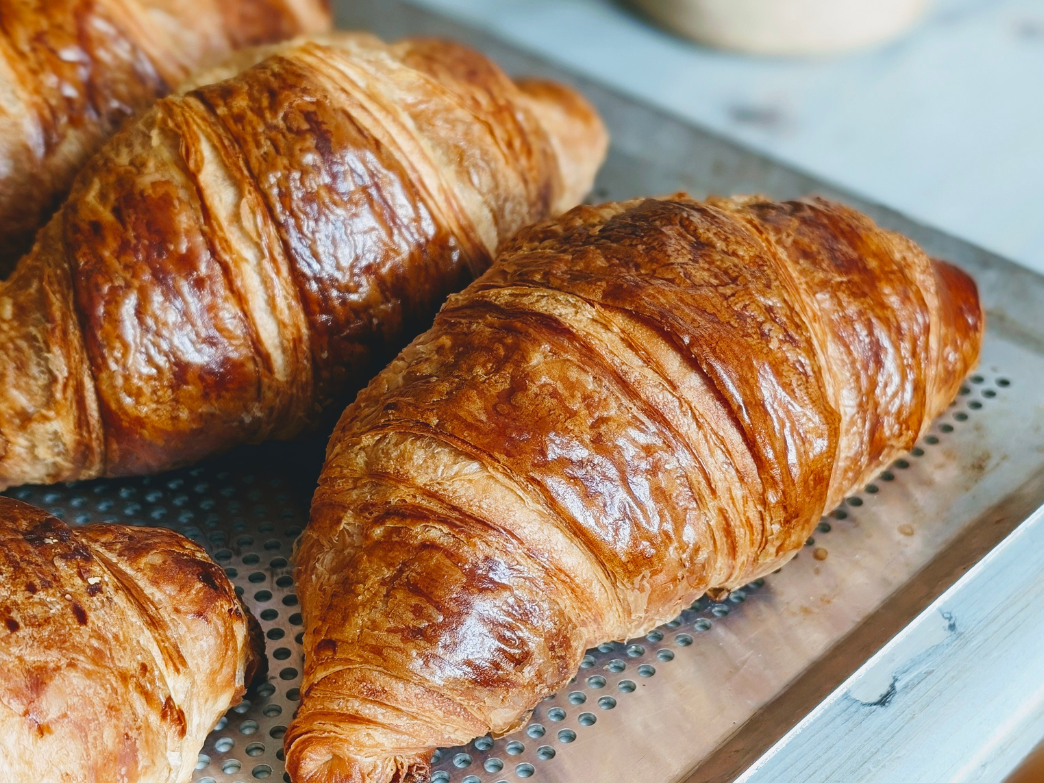
Best Ready-to-Bake Frozen Croissants
By Lucy Yanckello, Ph.D. Wildgrain, opens in a new tab is the first bake-from-frozen subscription box for sourdough breads, fresh pastas, and artisanal pastries. Ready-to-bake frozen croissants offer the ability to have spontaneous batches of the delectable treat whenever one pleases. But these home-baker-friendly options also allow for bakers who do not have the time, or the skill, to enjoy not only croissants themselves, but also enjoy the insatiable aroma they fill a kitchen with when baking. Read on to learn more about the ready-to-bake options out there and how to bake them to perfection. Can you buy ready-to-bake croissants? Can you buy frozen croissants to bake at home? Yes, ready-to-bake croissants are readily available in many grocery stores and online. There are various types of ready-to-bake croissants on the market, including those that come frozen to bake at home. In fact, Wildgrain has various types of frozen croissants you can order and bake in your home including Plain Croissants, Chocolate Avalanche Croissants, and Chocolate Croissants. How do I cook ready-to-bake croissants? How do I bake ready-made frozen croissants? What temperature do you bake frozen croissants? Frozen ready-to-bake croissants can be easy and quick to bake home, and fill your kitchen with the delicious smell of freshly baked croissants. For Wildgrain croissants, please bake the frozen croissants at 370 degrees fahrenheit. The frozen croissants should be placed from the freezer on a baking sheet lined with parchment paper and baked for 20-24 minutes until they are dark golden brown. Do I need to defrost frozen croissants before baking? Should frozen croissants be thawed before baking? Whether you need to defrost or thaw frozen croissants before baking depends on the brand of croissant. Some ready-to-bake frozen croissants require first thawing and letting the dough rise for around 6 to 8 hours. At Wilgrain, our frozen ready-to-bake croissants do not need to thaw and should be placed directly from the freezer into the hot oven. As a result, Wildgrain croissants are easier to make and require significantly less time to plan for a tasty treat. Should croissants be heated before eating? Should you microwave or bake croissants? How to toast croissants in an oven? If already baked, croissants can be heated in an oven or microwave. However, if raw, such as with ready-to-bake frozen croissants, croissants should be baked in an oven before eating. Because croissants are known for their crispy and flaky texture, the oven is a great way to reheat them if they’re already fully baked. If you have whole, plain croissants, they can be reheated just as they are. If the croissants have a filling, like chocolate croissants product, you may want to consider slicing them in half for even heating. The oven should be set to 350 degrees fahrenheit. After placing the croissants onto a baking sheet, place them in the oven for 5 to 7 minutes to get them back to their golden, flakey, delicious texture as if they were just freshly baked. Although croissants can be reheated in the microwave if you are in a hurry, the original golden flakiness will not be maintained. To reheat croissants in the microwave, dampen a paper towel and place it on a microwave-safe plate. The croissants should be placed on top of the paper towel and the microwave should be put on a low power setting to prevent the croissant from becoming too soft. Microwave the croissants in 10 to 20 second intervals until they reach your desired doneness. Are frozen croissants any good? Yes, frozen croissants can be delicious. When prepared correctly, frozen croissants can be even better than already baked ones, because you get to enjoy them warm and fresh out of your own oven. You may just have to give them a try and decide for yourself! Where can I buy the best ready-to-bake frozen croissants online? At Wildgrain, we specialize in making high-quality, fresh pastries that are delivered directly to your door. Wildgrain is the first bake-from-frozen delivery subscription service for breads, rolls, pastries, and fresh pastas. Some of our best ready-to-bake frozen croissants include Chocolate Avalanche Croissants, Chocolate Croissants, and Plain Croissants. We are proud to offer the best pastries online, made with non-GMO flour and without preservatives. Learn more about Wildgrain and our artisanal baking and cooking methods. Best Pastry Home Delivery Service: How Wildgrain's Pastry Delivery Works Wildgrain's pastries are prepared in independent, artisanal bakeries with high quality ingredients. The pastries are shipped frozen in insulated boxes and delivered direct to your home, anywhere nationwide. By shipping frozen, Wildgrain products maintain the highest quality, so you can enjoy fresh pastries at home. That's why customers consider Wildgrain among the best home delivery services for pastries. About the Author Lucy Yanckello received her Ph.D. in nutrition from the University of Kentucky College of Medicine. She currently works as a medical writer and enjoys being able to help people better understand nutrition and science. This content is for informational use only and does not replace professional nutrition and/or medical advice, diagnosis or treatment. It is not a substitute for and should not be relied upon for specific nutrition and/or medical recommendations. Please talk with your doctor about any questions or concerns.
Learn more Best Ready-to-Bake Frozen Croissants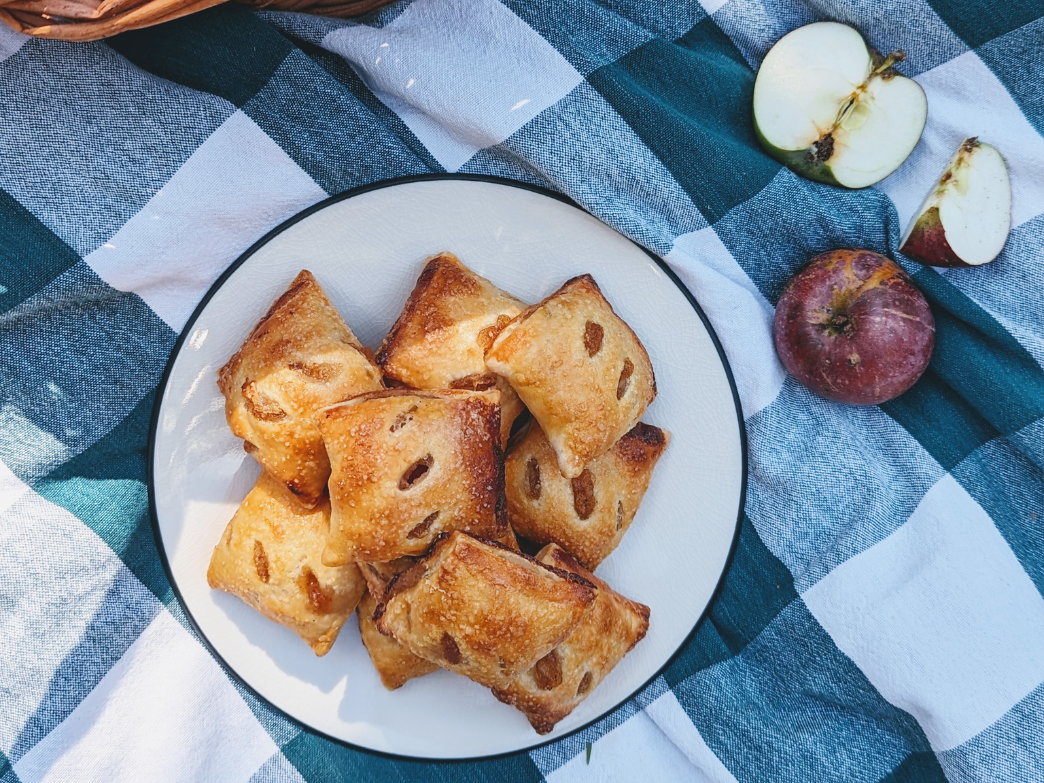
Best Pastry for Weight Loss: Can You Eat Pastries and Lose Weight?
By Dr. Jorge, Ph.D. Wildgrain, opens in a new tab is the first bake-from-frozen subscription box for sourdough breads, fresh pastas, and artisanal pastries. A flaky, buttery, sweet pastry is a favorite treat of many. You’re not the only one who can’t resist picking up a bakery or grocery store pastry. Read on to learn more about different kinds of pastries, how to select healthier pastry options, and to learn how pastries can fit in with your health goals. Are pastries a healthy food? Most pastries are not considered healthy food; however, this completely depends on the specific pastry and the ingredients used to make it. For example, fresh-baked pastries are typically healthier and more nutritious than commercial or preserved pastries. This is because fresh pastries tend to be made from whole-grain flour (instead of refined flour) and contain less sodium. Fun fact: All Wildgrain pastries, including our Peach Pie Bites and Strawberry Rhubarb Turnovers, are made without preservatives and use non-GMO flour too! Can you eat pastries and still lose weight or fat? Will I gain weight if I eat pastries every day? Yes, you absolutely can eat pastries while losing weight or fat. It's a common misconception that if you want to lose weight, you should completely avoid sweet treats like pastries. When someone consumes fewer calories than they burn, they lose weight. Therefore, as long as you are conscious of your calorie intake, you can continue to indulge in pastries and achieve your weight loss goals. This also means you can eat pastries every day without gaining weight so long as you check the pastry’s nutritional profile and consume fewer calories throughout the day than you burn. To help reduce calories consumed from pastries, you can opt for a smaller portion size by cutting your favorite pastry in half. Can I eat one pastry a day and still be healthy? Can I eat a pastry for breakfast and still be healthy? It is possible to eat one pastry a day while remaining healthy. To make sure you get enough nutrients throughout the day and sustain a healthy lifestyle, it's important to be mindful of what's in the pastries you eat as well as the portion size. Similarly, you can certainly eat a pastry for breakfast while being healthy. Consider pairing your sweet pastry with fruits, vegetables, and protein-rich food like eggs to ensure your breakfast is well-balanced. How often is it OK to eat a pastry? Healthcare professionals recommend limiting consumption of sweets, including pastries, to a couple of times per week. If you find yourself craving sweets more often, try reducing your portion size or eating smaller pastries, such as Wildgrain’s bite-sized Apple Pie Bites and Cherry Pie Bites. Which pastries are easier to digest? Is pastry hard to digest? Pastries can be hard for some people to digest if they contain or are sweetened with fructose, causing bloating, diarrhea, and cramping. This can include pastries that contain fruit since fructose occurs naturally in fruits. To minimize any fructose-related digestive issues, try opting for low-sugar pastry options. Pastries that use whole wheat flour will also be easier on your digestive system as whole wheat flour contains more fiber than refined white flour, helping to promote easy digestion. What's a good pastry for weight loss? Which bakery item is good for weight loss? Most pastries are not a good source of protein or fiber, making them less-than-ideal choices for weight loss. Both protein and fiber help you feel full for longer, which can help to reduce appetite and promote weight loss. The good news is you can still enjoy pastries while losing weight – just be sure to keep track of your caloric intake. If you’re craving a baked good, try a slice of whole-grain bread. Whole grains are a good source of fiber, vitamins, minerals, and other essential nutrients. Foods made from whole grains have even been shown to help control weight and cholesterol levels! What are the healthiest pastries? Which pastry is healthier? Pastries made with whole wheat flour and minimal added sugar are the healthiest pastries. You can find whole wheat pastry dough options for both puff pastry and filo pastry, two of the most common pastry dough types. Whole wheat pastries taste just as delicious as their refined grain counterparts, while providing additional nutritional value. Filo pastry is the lowest-fat pastry of these two options and contains just a fraction of the fat found in puff pastry. Because of this, filo pastry is frequently used as a healthier alternative to puff pastry. Where can I buy the best pastries online? At Wildgrain, we specialize in making high-quality, fresh pastries that are delivered directly to your door. Wildgrain is the first bake-from-frozen delivery subscription service for breads, rolls, pastries, and fresh pastas. Some of our popular pastries include Fudge Brownies, Apple Pie Bites and Cherry Pie Bites. We are proud to offer the best pastries online, made with non-GMO flour and without preservatives. Learn more about Wildgrain and our artisanal baking and cooking methods. Best Pastry Home Delivery Service: How Wildgrain's Pastry Delivery Works Wildgrain's pastries are prepared in independent, artisanal bakeries with high quality ingredients. The pastries are shipped frozen in insulated boxes and delivered direct to your home, anywhere nationwide. By shipping frozen, Wildgrain products maintain the highest quality, so you can enjoy fresh pastries at home. That's why customers consider Wildgrain among the best home delivery services for pastries. About the Author Dr. Jorge has been a public health researcher for many years, holding both a Bachelor's degree and a Ph.D. in Chemistry. They presently work as a medical writer and love being able to assist others in understanding various health and scientific topics. This content is for informational use only and does not replace professional nutrition and/or medical advice, diagnosis or treatment. It is not a substitute for and should not be relied upon for specific nutrition and/or medical recommendations. Please talk with your doctor about any questions or concerns.
Learn more Best Pastry for Weight Loss: Can You Eat Pastries and Lose Weight?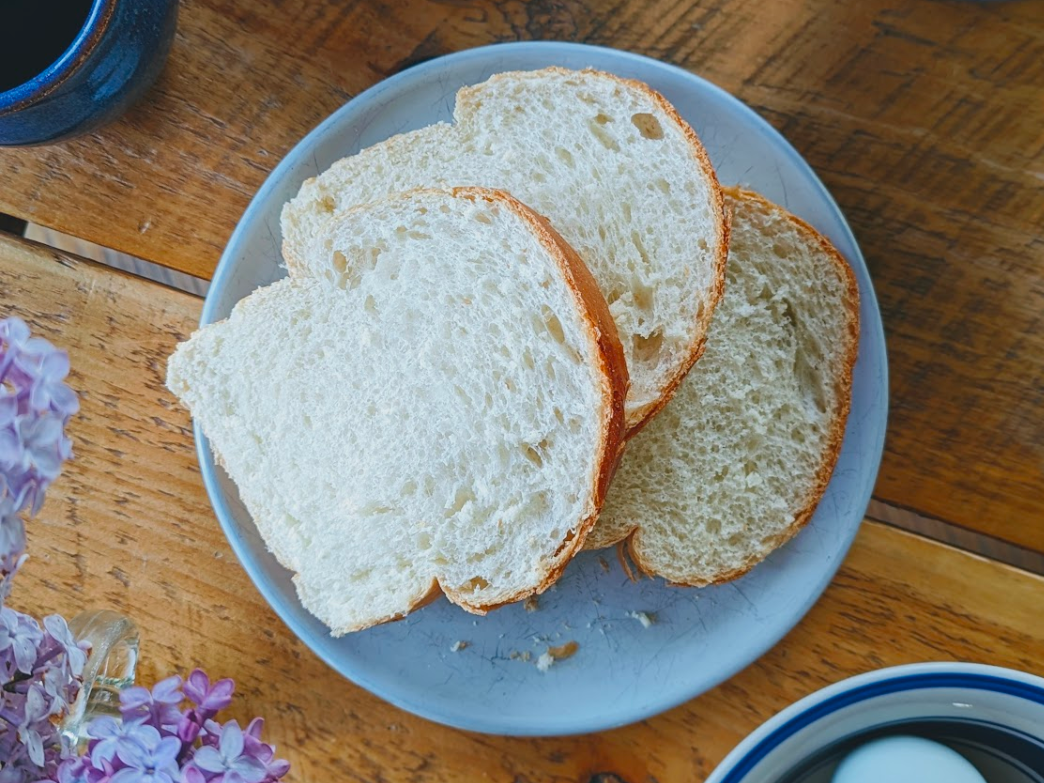
What’s Better: Bread vs. Cake vs. Muffin vs. Cupcake?
By Lucy Yanckello, Ph.D. Wildgrain, opens in a new tab is the first bake-from-frozen subscription box for sourdough breads, fresh pastas, and artisanal pastries. Sweet breads, cake, muffins, and cupcakes are all delicious treats that take some finesse to make right. But what is the difference between bread and cake, or muffins and cupcakes? It may be hard to pinpoint the differences between these baked goods based on their ingredients alone, and instead one needs to consider the method by which these ingredients are combined. What’s the difference between bread vs. cake? Is cake considered a sweet bread? Do cake and bread have the same ingredients? When most people think of bread they think of everyday staples like white, wheat and rye, whereas cakes are thought of as a treat for special occasions, and served as dessert. You may be inclined to think that bread is savory and cake is sweet, but is the distinction really so simple? In order to better understand the differences between cake and bread, it is important to understand the categories of each, and where the ambiguity exists. Traditional breads are leavened with yeast – these include what we typically think of when bread comes to mind, whites, wheats, and ryes. Base ingredients in traditional breads include flour, active dry yeast, water, and a pinch of salt or sugar. Quick breads on the other hand are more similar to cakes in that they use a leavening agent such as baking sodas – these include banana breads and zucchini breads. These base ingredients for quick breads and cakes are the same – flour, leavening agent, eggs, fat, and a liquid – despite the addition of sugar in cake. Cake is a kind of quick bread, but is much lighter in texture, always sweet, and often frosted or decorated. And although the definition of quick breads muddies the water in terms of the differences between cake and bread, traditional bread and cake are very different. The primary difference between bread and cake is that yeast is used as the leavening agent, but other ingredients including sugar, eggs, milk, and fat also lead to differences in texture between the two. Another way cakes differ from bread is that solid fat is creamed with the sugar, creating a much softer texture than bread. What’s the difference between a muffin and bread? Which is healthier, bread or muffins? Although muffins are considered to be bread, they fall under the quick bread category and utilize baking soda as a leavening agent rather than yeast. The term muffin typically refers to an individual sized quick bread, and can be sweet or savory. In terms of health, depending on the recipe used, bread will likely provide more protein and less fat content than muffins, but won’t satisfy a sweet craving. What’s the difference between a muffin and cake? What’s healthier, cake or muffin? Are muffins just small cakes? The term muffin typically refers to an individual sized quick bread, and can be sweet or savory. However, muffins are a different type of quick bread than cake, as muffins have melted (or liquid) fat instead of creaming the solid fat and sugar together, as in cakes. This creates a more moist texture. Muffins and cake are very similar in ingredients, but muffins will have less fat content and sugar than cake due to a lack of frosting, and the use of liquid oils that are usually plant based instead of solid fats (such as butter), that are usually animal based and higher in saturated fats. What’s the difference between a cupcake and cake? Which is healthier, cake or cupcakes? Are cupcakes just small cakes? The main difference between a cake and cupcake is the size. Cupcakes are much smaller, and meant to be consumed by one person whereas cakes are large and meant to be consumed by a group. Any cake can be turned into a cupcake by adjusting the ratio of ingredients, which is why they can be thought of as mini-cakes. Cupcakes and cakes both use baking soda as a leavening agent and the creaming method, where solid fat is creamed with sugar to create the flavor and texture known of both. What’s the difference between a cupcake and a muffin? Which is healthier, muffins or cupcakes? The difference between cupcakes and muffins comes down to their mixing method and the composition of the batter. Cupcakes are beaten for a longer time, and generally have more sugar and fat than muffins, along with the fact that solid fat is used instead of liquid fat. Muffins are mixed by combining the “wet” and “dry” ingredients after they have been combined in separate bowls, and are more likely to include less sugar, more fruit and whole grains, and can be savory. As there is less fat, more fruits and whole grains, and less sugar in muffins, they are likely a healthier treat than a cupcake. Where can I buy bread and treats fresh online? At Wildgrain, we specialize in making high-quality, fresh baked goods that are delivered directly to your door. Wildgrain is the first bake-from-frozen delivery subscription service for breads, pastries, and fresh pastas. Some of our popular baked goods include sourdough bread, croissants, bagelsslow fermented plain bagels, english muffins, and brownies. Learn more about Wildgrain and our artisanal baking and cooking methods. Best Home Delivery Service for Food: How Wildgrain's Food Delivery Works Wildgrain's products are prepared in independent, artisanal bakeries with high quality ingredients. They are shipped frozen in insulated boxes and delivered direct to your home, anywhere nationwide. By shipping frozen, Wildgrain products maintain the highest quality, so you can enjoy fresh food at home. That's why customers consider Wildgrain among the best home food delivery services. About the Author Lucy Yanckello received her Ph.D. in nutrition from the University of Kentucky College of Medicine. She currently works as a medical writer and enjoys being able to help people better understand nutrition and science. This content is for informational use only and does not replace professional nutrition and/or medical advice, diagnosis or treatment. It is not a substitute for and should not be relied upon for specific nutrition and/or medical recommendations. Please talk with your doctor about any questions or concerns.
Learn more What’s Better: Bread vs. Cake vs. Muffin vs. Cupcake?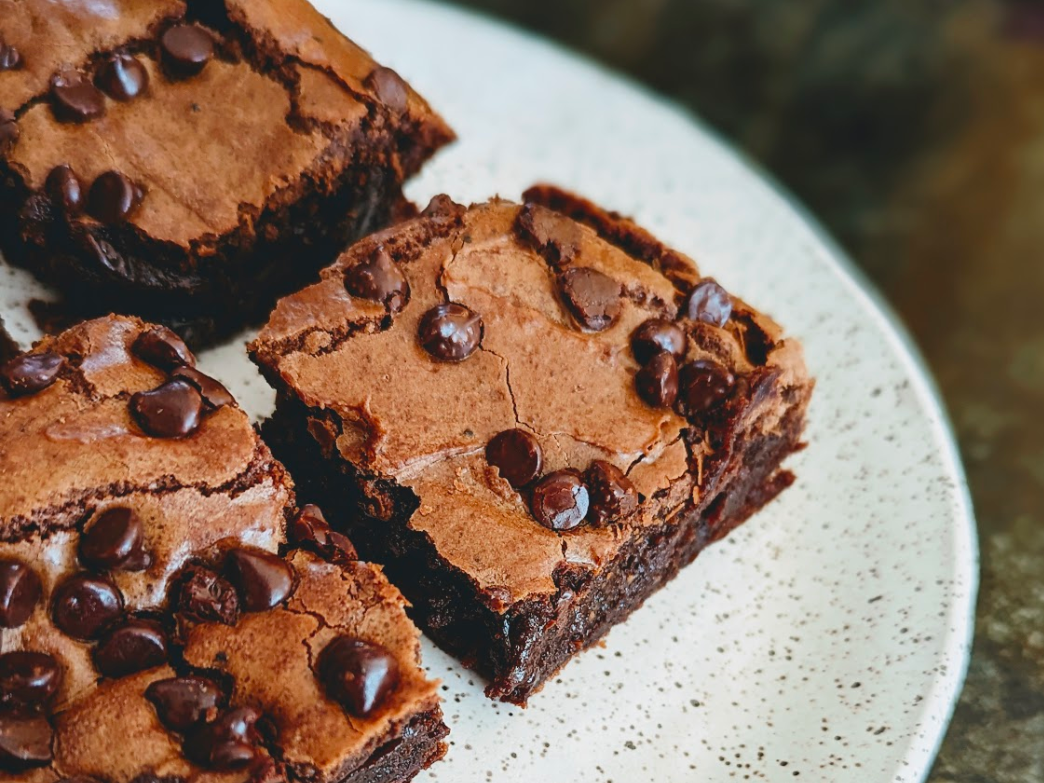
Are Brownies Healthy or Unhealthy?
By Dr. Jorge, Ph.D. Wildgrain, opens in a new tab is the first bake-from-frozen subscription box for sourdough breads, fresh pastas, and artisanal pastries. Warm, fudgy, gooey brownies that are fresh out of the oven – is there a more satisfying treat? Let’s all be honest, the only thing stopping us from eating sweets all day is the little voice in our heads telling us how unhealthy it is. While that *can* be true, some sweet treats such as brownies may actually provide some health benefits. Keep reading to learn more about brownies and how they stack up against other sweets. Is a brownie healthy? Is a brownie unhealthy? Traditional chocolate brownies are not able to be classified as simply healthy or unhealthy. Since brownies are not nutritionally dense, they are not usually regarded as a healthy food. However, brownies do have some health benefits that might be surprising due to their chocolate content. Chocolate is a source of antioxidants and has been found to help lower blood pressure and increase good cholesterol levels. How often should you eat brownies? The frequency with which you should eat browniesGo to Fudge brownies depends on your overall diet and your individual health goals. The American Heart Association suggests limiting added sugars to about 30 grams per day. This suggestion could guide how often you should be eating brownies based on how much sugar you consume in other foods throughout the day. For reference, an average brownie contains approximately 15 grams of sugar or half of the recommended daily sugar intake. Brownie nutrition: Are brownies high in fat? How many carbs are in a brownie? Let’s dive into some of the key macronutrients that are found in a traditional average-sized brownieGo to Fudge brownies. The majority of a brownie’s calories come from its fat and carbohydrate content. However, a single brownie is not very high in either, with one brownie containing about 7 grams of fat and 12 grams of carbohydrates. Can you eat brownies while on a diet? Will one brownie ruin my diet? Can I lose weight and still eat brownies? You absolutely can eat browniesGo to Fudge brownies while on a diet. Nutritionists actually advise indulging in sweets while on a diet – in moderation, of course. It is much easier to maintain a diet where you continue to enjoy your favorite treats, instead of restricting or eliminating them entirely. That being said, one brownie will not ruin your diet and you can still lose weight while eating brownies. The key to losing weight is burning more calories than you consume. To remain in a calorie deficit, it is suggested to allocate 100 to 150 calories each day for dessert. This might mean consuming a smaller brownie or cutting an average brownie in half. This way you can still enjoy brownies while on a diet and achieving your weight loss goals. Are brownies healthier than cookies? Is a cookie or brownie better for you? With the many varieties of cookies available, the answer as to whether browniesGo to Fudge brownies are healthier than cookies is not so cut-and-dry. For the sake of this discussion, we’ll compare brownies with a classic cookie variety – chocolate chip cookies. One medium-sized chocolate chip cookie contains about 80 calories, 4.5 grams of fat, 9 grams of carbohydrates, and 11 grams of sugar. This makes brownies and chocolate chip cookies very similar in fat, carbohydrate, and sugar content although chocolate chip cookies contain less of each nutrient. One chocolate chip cookie also has considerably fewer calories than a brownie, with the average brownie containing about 130 calories. Considering that brownies and chocolate chip cookies have comparable nutritional profiles, neither is better for you than the other. Are brownies healthier than cake? Is cake or a brownie better for you? It is difficult to compare brownies to cake but to make it simpler, we’ll take a look at the nutritional profile of chocolate cake. One piece of chocolate cake with frosting contains about 250 calories, 13 grams of fat, 25 grams of sugar, and 34 grams of carbohydrates. This makes chocolate cake higher in calories, fat, sugar, and carbohydrates. Therefore, brownies are better for you than chocolate cake. Of course, these numbers will vary based on the ingredients used to make both brownies and cake so be sure to check the nutrition label whenever deciding between two dessert options. Is it bad to eat brownies every day? Is it OK to eat a brownie for breakfast? It isn’t bad to eat brownies every day so long as you are mindful of the portion size and how brownies fit into your overall diet. If you’d like to indulge in the chocolatey goodness of a brownie daily, be sure to monitor your daily sugar and calorie intake to maintain a balanced and healthy diet. This means that if a brownie is calling your name first thing in the morning, you can certainly have it, but you should be sure to eat other more nutritious foods with your breakfast as well to keep your body fueled all day long. Where can I buy the best bake-at-home brownies online? At Wildgrain, we specialize in making high-quality, fresh baked goods that are delivered directly to your door. Wildgrain is the first bake-from-frozen delivery subscription service for breads, rolls, pastries, and fresh pastas. Some of our popular pastries include fudge brownies, chocolate chip cookies, oatmeal raisin cookies, chocolate croissants and traditional croissants. Learn more about Wildgrain and our artisanal baking and cooking methods. Best Pastry Home Delivery Service: How Wildgrain's Pastry Delivery Works Wildgrain's pastries are prepared in independent, artisanal bakeries with high quality ingredients. The pastries are shipped frozen in insulated boxes and delivered direct to your home, anywhere nationwide. By shipping frozen, Wildgrain products maintain the highest quality, so you can enjoy fresh pastries at home. That's why customers consider Wildgrain among the best home delivery services for pastries. About the Author Dr. Jorge has been a public health researcher for many years, holding both a Bachelor's degree and a Ph.D. in Chemistry. They presently work as a medical writer and love being able to assist others in understanding various health and scientific topics. This content is for informational use only and does not replace professional nutrition and/or medical advice, diagnosis or treatment. It is not a substitute for and should not be relied upon for specific nutrition and/or medical recommendations. Please talk with your doctor about any questions or concerns.
Learn more Are Brownies Healthy or Unhealthy?