By Lucy Yanckello, Ph.D.
Is hummus healthy or fattening? How healthy is hummus?
What does eating hummus do for your body? What are the downsides to eating hummus?
Eating hummus, like Wildgrain Traditional Hummus, regularly supports digestive health, blood sugar regulation, heart health, and sustained energy thanks to the combination of fiber, healthy fats, and plant-based protein. The soluble fiber in chickpeas feeds beneficial gut bacteria, while monounsaturated fats from olive oil and tahini support healthy cholesterol levels. On the downside, some experience bloating or gas when eating chickpea-based foods, particularly if legumes are not a regular part of their diet. To help minimize this, start with smaller portions and build up gradually. Additionally, store bought varieties of hummus can be high in sodium, so checking the label and choosing lower-sodium options, or making your hummus at home is worth the extra time.
Does hummus help with inflammation? Is hummus good for arthritis?
Traditional hummus, like Wildgrain Traditional Hummus, contains several ingredients with well-documented anti-inflammatory properties. Extra virgin olive oil is rich in oleocanthal, a compound that research has shown to function similarly to ibuprofen in reducing inflammation. Chickpeas also contribute polyphenols and fiber, both of which support a healthy gut microbiome, which is increasingly linked to lower systemic inflammation. For people managing arthritis, incorporating anti-inflammatory foods, such as hummus as part of their broader diet is a strategy well supported by research.
Is hummus ok for prediabetes? Is hummus ok for diabetes?
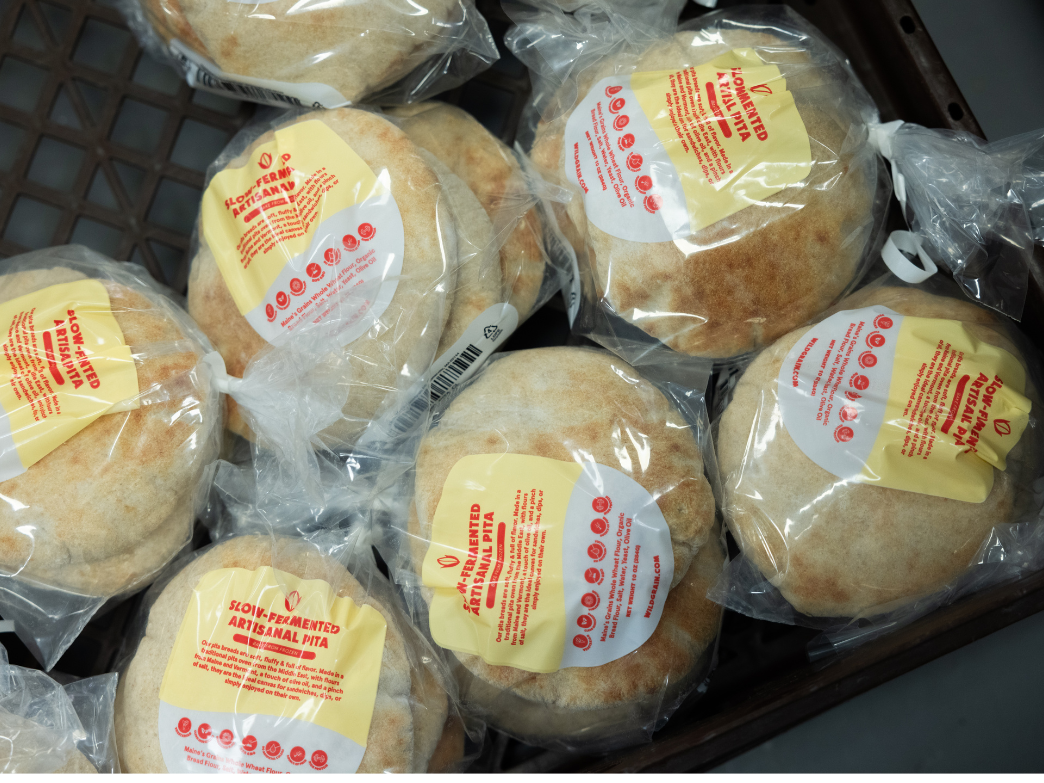
Hummus is generally a smart choice for people managing prediabetes or diabetes.The fiber and protein in chickpeas slows the digestion and absorption of carbohydrates, which helps prevent sharp spikes in blood sugars that are problematic for those with diabetes. Research on legume consumption has consistently found associations between regular intake and improved blood sugar control and insulin sensitivity. Pairing hummus with Wildgrain Sourdough Bread or Wildgrain Slow-Fermented Artisanal Pita makes for a blood-sugar friendly combination since the long fermentation process produces a lower glycemic response than conventional bread.
How much hummus can I eat per day? Does hummus act as a laxative?
A quarter-cup to a half-cup of hummus a day is a reasonable and healthy amount for most people, delivering 3 to 7 grams of fiber, alongside protein and healthy fats. Hummus does not act as a laxative in a traditional sense, but its fiber content does support regular bowel movements by adding bulk to stool and feeding the gut bacteria that keep digestion moving efficiently. For people who are not accustomed to eating much fiber, a sudden large increase in hummus consumption can cause temporary digestive discomfort. Be sure to gradually increase portion size alongside adequate water intake to avoid this.
Is hummus good to snack on for weight loss? Is hummus or avocado better for weight loss?
Hummus is a smart snack for weight loss because it combines fiber and protein, which promote satiety, reduce cravings, and ultimately leads to reduced overall caloric intake. Research has found that people who regularly eat chickpeas and hummus tend to have healthier body weight and better diet quality overall. Avocado shares similar satiety-promoting qualities through its fiber and healthy fat content. Dipping Wildgrain Slow-Fermented Artisanal Pita into hummus, like Wildgrain Traditional Hummus, and topping it with sliced avocado is the perfect snack for those trying to lose weight.
What ingredients in hummus are healthy? What ingredients in hummus are unhealthy?
The core ingredients in traditional hummus - chickpeas, tahini, olive oil, lemon juice, and garlic - are all healthy. Chickpeas provide fiber, protein, iron, and folate. Tahini contributes calcium, healthy fats, and additional protein, and olive oil brings monounsaturated fats and anti-inflammatory compounds. Hummus starts to drift into the less healthy territory when manufacturers add preservatives and stabilizers that have no nutritional value. The ingredient list is the clearest signal of quality - the shorter and more recognizable, the better. At Wildgrain, we believe in making our Wildgrain Traditional Hummus without additives like preservatives and artificial stabilizers.
Is store-bought hummus healthy? What is the healthiest store-bought hummus?
Store-bought hummus can absolutely be healthy, and several widely available brands do a good job of keeping their ingredient list clean and simple. Brands like Hope Foods, Cedar’s, and Ithaca, are frequently cited by dietitians for their minimal ingredient list and quality fat sources. Another great option for a healthy hummus is the Traditional Hummus from Wildgrain.
How do I pick out the healthiest hummus?
When scanning labels, look for chickpeas and tahini listed as the primary ingredients, olive oil rather than other oil sources, and sodium content between 150 and 200 grams per serving. The single most reliable strategy for finding the healthiest hummus is to treat the ingredient list like a checklist - chickpeas, tahini, olive oil, lemon juice, garlic, and salt. If there is anything you don’t recognize, put it back and grab another brand. At Wildgrain, we believe in making our Wildgrain Traditional Hummus without additives like preservatives and artificial stabilizers.
Where can I buy the best fresh hummus for home delivery?
At Wildgrain, we specialize in making high-quality, fresh breads and pastas that are delivered directly to your door. Wildgrain is the first bake-from-frozen delivery subscription service for breads, pastries, fresh pastas, and more. Some of our popular items include Wildgrain Traditional Hummus, Wildgrain Slow-Fermented Artisanal Pita, and Wildgrain Plain Sourdough Loaf. Learn more about Wildgrain and our artisanal baking and cooking methods.
Best Home Delivery Service for Food: How Wildgrain's Food Delivery Works
Wildgrain's products are prepared in independent, artisanal bakeries with high quality ingredients. They are shipped frozen in insulated boxes and delivered direct to your home, anywhere nationwide. By shipping frozen, Wildgrain products maintain the highest quality, so you can enjoy fresh food at home. That's why customers consider Wildgrain among the best home food delivery services.
About the Author
Lucy Yanckello received her Ph.D. in nutrition from the University of Kentucky College of Medicine. She currently works as a medical writer and enjoys being able to help people better understand nutrition and science.
This content is for informational use only and does not replace professional nutrition and/or medical advice, diagnosis or treatment. It is not a substitute for and should not be relied upon for specific nutrition and/or medical recommendations. Please talk with your doctor about any questions or concerns.