By Lucy Yanckello, Ph.D.
Fruit spreads often show up on breakfast tables, but labels are often confusing. Jam, jelly, preserves, and marmalade are all made from fruit, but they are different in how they are prepared, how much fruit they contain, and how much added sugar they include. Understanding these differences makes it easier to choose the option that best fits into your health goals and taste preferences.
What’s the difference: jam vs. jelly vs. preserves vs. marmalade?
The main difference between types of fruit spread comes down to how much fruit is used and how this fruit is processed. Jelly is made from fruit juice, giving it a smooth clear texture with no pieces of fruit left in the final product. On the other hand, jamGo to Artisanal strawberry jam is made from crushed fruits so it has a thicker texture and usually contains small bits of fruit. Preserves contain the most intact fruit, often consisting of large pieces or whole chunks of fruit suspended in a syrup. Lastly, marmalade is typically made from citrus fruits and includes the peel, giving it a slightly bitter flavor and more complex texture than jam or jelly. Additionally, all four fruit spreads contain varying levels of added sugar, and jelly, jam, and preserves contain pectin (either added or naturally) which is a naturally occurring fiber in fruits that is used as a thickener.
Which is healthier: jam or jelly?
When comparing jelly and jam, jamGo to Artisanal strawberry jam is often considered to be healthier because it is made with crushed fruit rather than just fruit juice. As such, it typically contains more fiber and naturally occurring vitamins and minerals. Jelly, while still providing flavor and energy from carbohydrates, usually offers fewer nutritional benefits than jam. However, there is a place for both jelly and jam in a balanced diet. Portion size is often more important than label contents when it comes to overall health.
Which is healthier: preserves or marmalade?
Preserves often have a slight edge as healthier than marmalade because they contain larger pieces of fruit. More fruit generally means more fiber and micronutrients. Fiber plays a role in digestion and blood sugar regulation, supporting overall health. Marmalade can also be a good choice since citrus peel contains beneficial compounds such as vitamin C. However, marmalade is often higher in sugar to balance the bitterness of the citrus rind, so be sure to check the label.
Are preserves healthier than jelly? Are preserves better than jelly?
In most cases, yes, preserves are a better option than jelly because they contain whole fruit. More whole fruit means more fiber and a slightly lower glycemic impact, making preserves a good option for those looking for a fruit spread with more nutritional value. Jelly tends to be higher in added sugars and contain fewer nutrients as it only contains the juice of fruit, instead of whole pieces.
Which has less sugar: jam, jelly, preserves, or marmalade?
Sugar content in each fruit spread varies more by brand than by type but there are some general patterns. Jelly often has the highest sugar content because it relies on only fruit juice for flavor, meaning a lot of the burden falls on sugar for structure and texture. Marmalade is also often higher in sugar to balance out the bitterness of citrus peel. Preserves and jam may contain less sugar since they rely more on the fruit itself for sweetness. You can also find low-sugar, or no-added-sugar versions of each type of fruit spread. Be sure to read the labels to better understand the sugar content of your favorite brand.
Is toast and jam a healthy snack? Is toast and marmalade healthy?
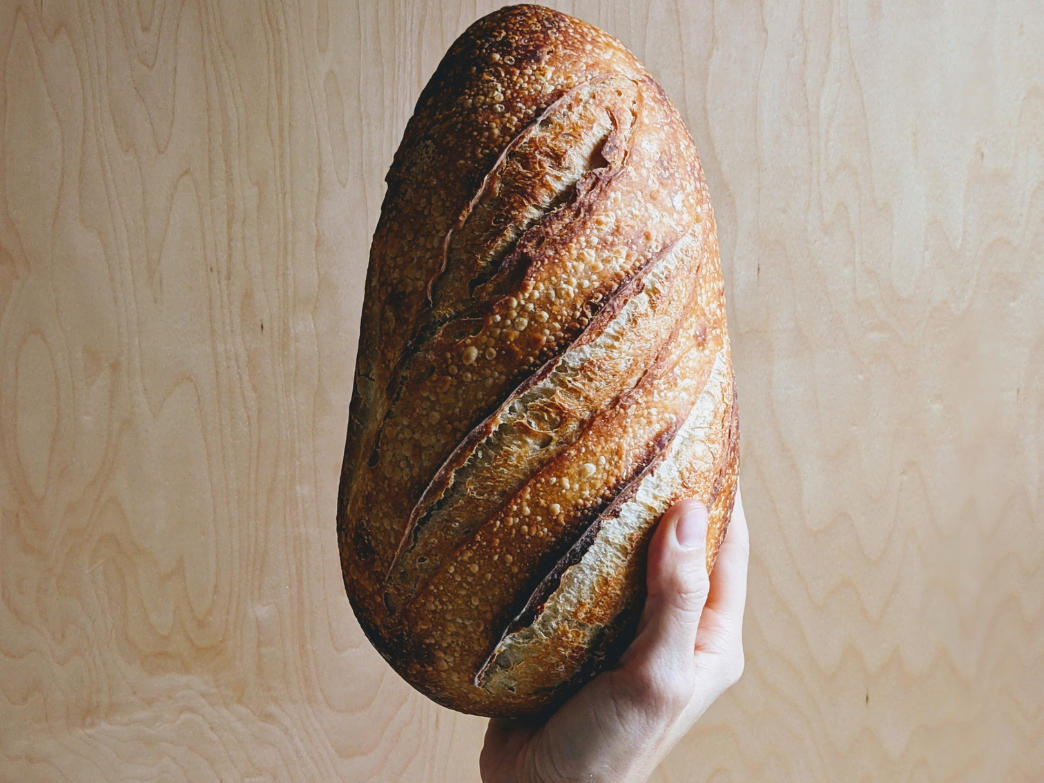
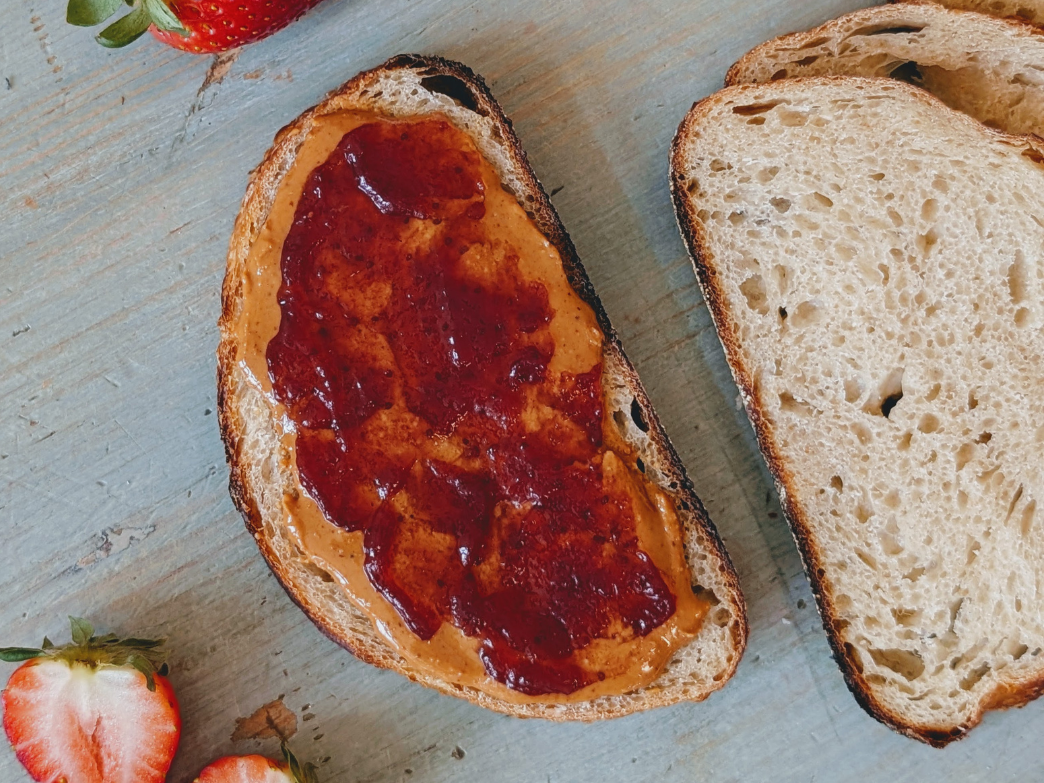
Toast with jam or marmalade can be a healthy snack when eaten in moderation. Be sure to use whole grain or sourdough toast to up the fiber and nutrients since fruit spreads already have a high carbohydrate content. Pairing this snack with a protein source like yogurt or nut butter could also make it more balanced and satiating.
Can I eat preserves and lose weight? If I eat jam and jelly, can I still lose weight?
Yes you can still lose weight by eating preserves or jam. Weight loss depends on a caloric deficit, not the presence or absence of a specific food or food group. Opting for spreads with lower added sugar can also help support weight management and keep you in a caloric deficit.
Can diabetics have preserves? Can diabetics have jam or jelly? Can you eat marmalade with diabetes?
People with diabetes can enjoy fruit spreads in moderation. Traditional jam, jelly, preserves, and marmalade can raise blood sugar due to their sugar content. However, spreads made with reduced sugar content, or sweetened with alternative sweeteners can help keep these fruit spreads in your diet if you are diabetic. Pairing a carbohydrate rich food such as fruit spreads with fiber-rich foods such as whole grain toast, or a protein source such as greek yogurt can help mitigate blood sugar spikes.
Are fruit spreads healthy? Which fruit jam is healthiest?
The healthiest fruit spread is one you enjoy that fits into your diet. Opt for spreads with short ingredient lists, higher fruit content, and little to no added sweetener. Berry-based jams are a great option because berries are naturally high in antioxidants and fiber. No single spread choice will determine your health, but thoughtful choices add up over time.
Where can I buy the best fresh bread and jam online?
At Wildgrain, we specialize in making high-quality, fresh breads that are delivered directly to your door. Wildgrain is the first bake-from-frozen delivery subscription service for breads, rolls, pastries, and fresh pastas. Some of our popular offerings include plain sourdough loaf, whole wheat sourdough, and artisanal strawberry jam. Learn more about Wildgrain and our artisanal baking and cooking methods.
Best Home Delivery Service for Food: How Wildgrain's Food Delivery Works
Wildgrain's products are prepared in independent, artisanal bakeries with high quality ingredients. They are shipped frozen in insulated boxes and delivered direct to your home, anywhere nationwide. By shipping frozen, Wildgrain products maintain the highest quality, so you can enjoy fresh food at home. That's why customers consider Wildgrain among the best home food delivery services.
About the Author
Lucy Yanckello received her Ph.D. in nutrition from the University of Kentucky College of Medicine. She currently works as a medical writer and enjoys being able to help people better understand nutrition and science.
This content is for informational use only and does not replace professional nutrition and/or medical advice, diagnosis or treatment. It is not a substitute for and should not be relied upon for specific nutrition and/or medical recommendations. Please talk with your doctor about any questions or concerns.