By Lucy Yanckello, Ph.D.
Pasta sauces come in many forms, and the names are often used interchangeably even when they mean very different things. Marinara, ragu, cheese sauce, olive oil, and general pasta sauce all vary in ingredients and nutritional profile. Understanding what is actually in each one makes it easier to choose a sauce that works for your taste and diet.
What’s the difference: marinara sauce vs. ragu sauce vs. cheese sauce vs. olive oil vs. pasta sauce?
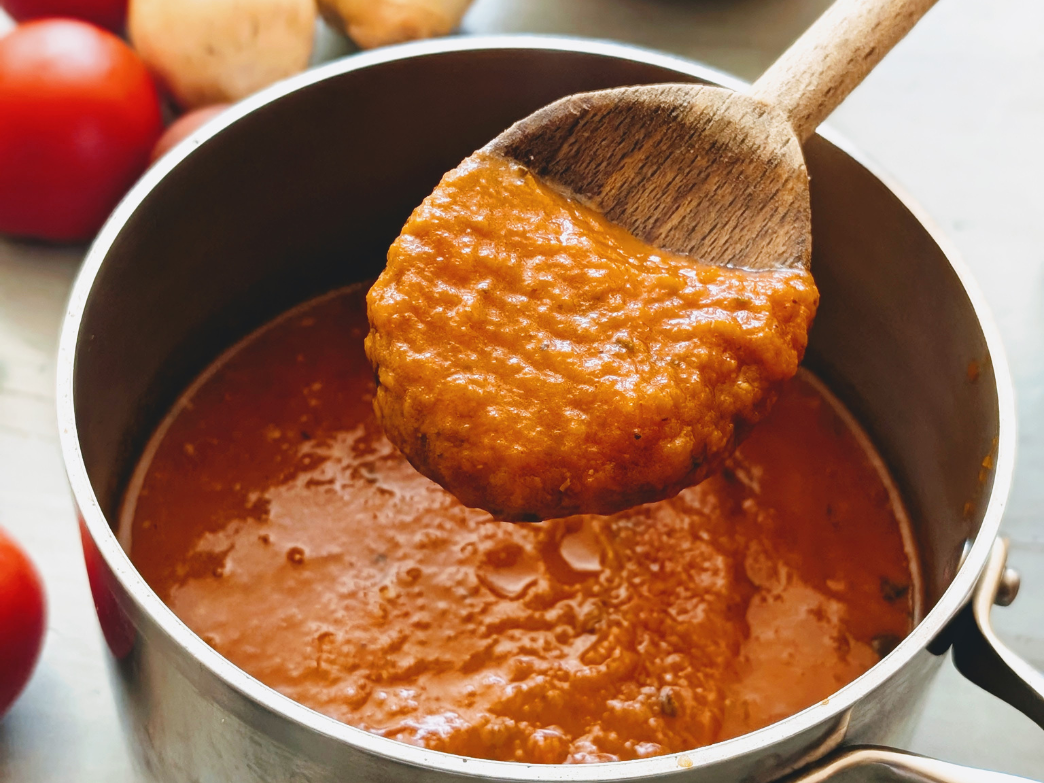
Marinara sauce is a tomato-based sauce made with tomatoes, garlic, herbs, and olive oil. It is typically light, low in fat, and quick to prepare. Ragu is a meat based sauce that usually includes tomatoes, ground or slow-cooked meat, herbs, and sometimes dairy, which makes it richer and more calorie dense than marinara.
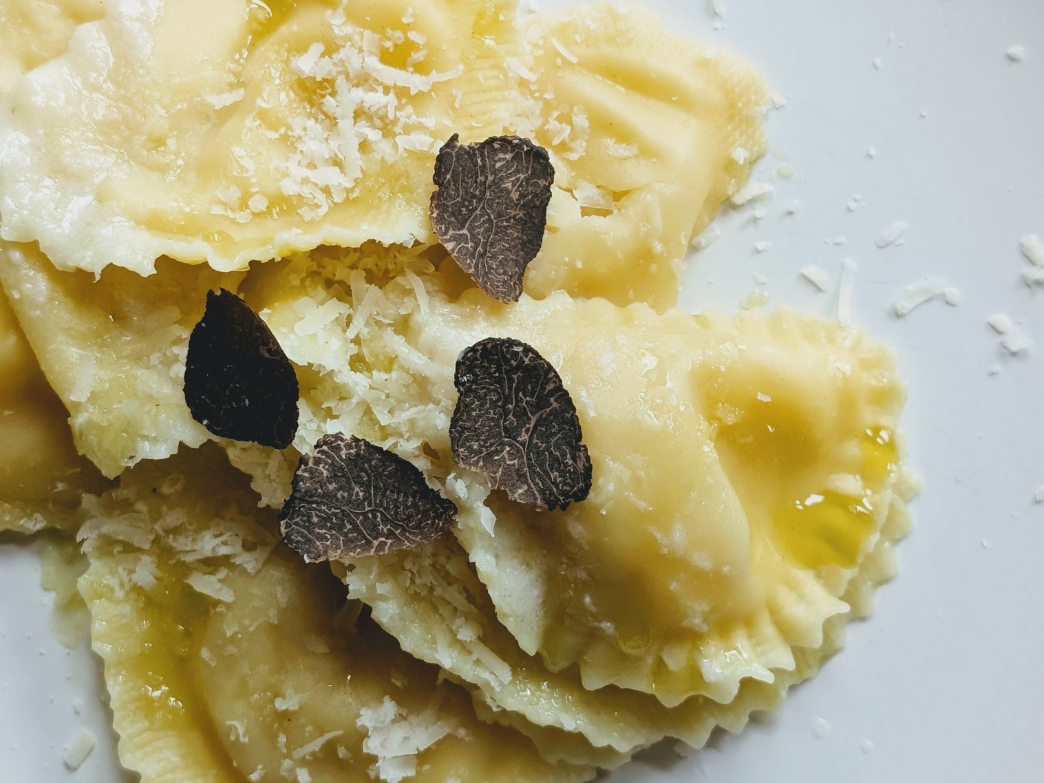
Cheese sauce is made primarily from dairy ingredients like cheese, milk, and cream making it high in fat and calories. Olive oil on pasta is the simplest option, using oil as the primary flavor base rather than a cooked sauce. Pasta sauce itself is a broad term that can refer to any sauce that is served with pasta including marinara, meat sauces, cream sauces, or oil based sauces.
What exactly is ragu sauce? What is the difference between ragu sauce and spaghetti sauce?
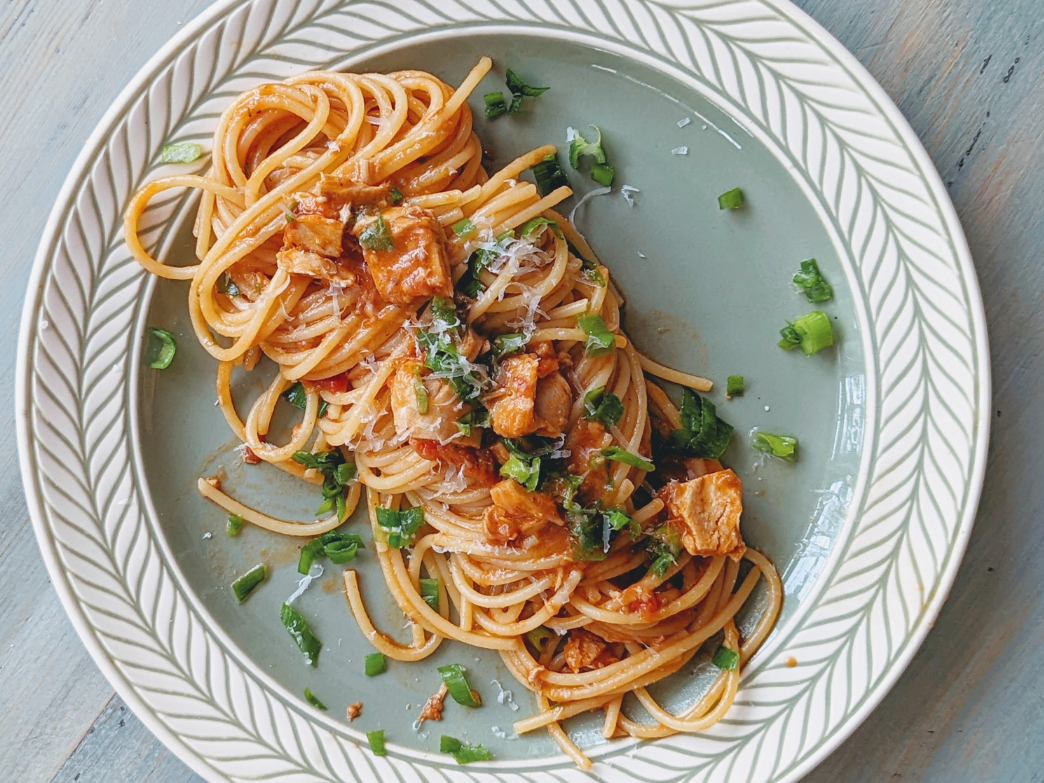
Ragu is a traditional Italian meat sauce that is slowly cooked. The flavor of ragu is built around meat instead of tomatoes. While tomatoes are often included, they are not the star of the sauce. Ragu is typically thicker, richer, and higher in protein and fat than a simple marinara sauce.
Spaghetti sauce is a more general term. It often refers to a tomato-based sauce that may or may not include meat. While there are similarities in the ingredients, ragu is a specific type of meat sauce whereas spaghetti sauce is a catch-all term that can refer to a multitude of tomato based sauces served with spaghetti.
What is considered pasta sauce? Is pasta sauce the same as marinara sauce?
Pasta sauce refers to any sauce served with pasta, regardless of the ingredients. Marinara is a type of pasta sauce, but not all pasta sauces are marinara. Olive oil, pesto, cheese sauces, cream sauces, and meat sauces all fall under the broader category of pasta sauce.
Which is healthier on pasta: olive oil or marinara sauce?
Both olive oil and marinara sauce can fit into a healthy diet. Marinara offers more volume and nutrients for fewer calories, while olive oil provides healthy fats in a more concentrated form.
Olive oil provides heart-healthy monounsaturated fats, but it is calorie dense so a small amount goes a long way. Marinara sauce is lower in calories and fat and provides antioxidants like lycopene from tomatoes. However, be sure to check the ingredients list as some brands may contain added sugar.
Which is healthier on pasta: marinara sauce, ragu sauce, or cheese sauce?
Marinara sauce is generally the lightest option, with fewer calories and less fat than ragu or cheese sauce. It is plant based, low in saturated fat, and often easier to fit into everyday meals. Ragu offers more protein, which is important for satiety. However, it is usually higher in calories and fat. Cheese sauces tend to be the richest of the three, with higher levels of fat and calories. All three can fit into a balanced diet, but ragu and cheese sauces are best enjoyed in moderation.
Which sauce has the least sugar? What pasta sauce is best for diabetics?
Olive oil contains no sugar, making it the lowest-sugar option by default. Among the tomato-based sauces, marinara typically has less sugar than many jarred pasta sauces. However, be sure to read the label if you are buying your marinara instead of making it yourself as many brands add sugar. Ragu may contain small amounts of sugar from tomatoes, but the presence of fat and protein from the other ingredients can help mitigate blood sugar spikes.
For people with diabetes, sauces with minimal or no added sugar and simple ingredient lists are best. Be sure to read labels, as sugar content can vary widely between brands. Additionally, pairing sauces with fiber rich pasta and a protein source can also help keep blood sugar spikes at bay.
What is the healthiest pasta sauce for weight loss?
For weight loss, the healthiest pasta sauces are those that are lower in calories and added sugar while still being satisfying. Marinara sauce fits into this description and may be one of the healthiest pasta sauces because it is tomato based and lower in fat so it can be used generously. However, be sure to check the ingredient list if buying marinara from the store as there is often sugar added in. Olive oil can work for weight loss as well, but portion control is important due to its high caloric density. Cream-based and cheese based sauces should be eaten in moderation as they are calorie dense and it is easy to overeat these types of sauces without realizing it.
What is the healthiest sauce for pasta? What is the best pasta sauce?
The healthiest pasta sauce is one that you enjoy that fits into your diet. For most people, marinara offers a strong combination of nutrients, flavor, and versatility. Olive oil provides healthy fats, and ragu is a good option for those with higher protein needs. No single sauce is perfect for every goal, but understanding the differences helps you make informed choices for your needs.
Where can I buy healthy pasta and pasta sauce online?
At Wildgrain, we specialize in making high-quality, fresh breads and pastas that are delivered directly to your door. Wildgrain is the first bake-from-frozen delivery subscription service for breads, pastries, and fresh pastas. Some of our popular pastas and pasta sauces include spinach and ricotta ravioli, gluten-free cheese tortellini, classic marinara sauce, sausage ragu sauce, and artisan 3-cheese sauce. Learn more about Wildgrain and our artisanal baking and cooking methods.
Best Home Delivery Service for Food: How Wildgrain's Food Delivery Works
Wildgrain's products are prepared in independent, artisanal bakeries with high quality ingredients. They are shipped frozen in insulated boxes and delivered direct to your home, anywhere nationwide. By shipping frozen, Wildgrain products maintain the highest quality, so you can enjoy fresh food at home. That's why customers consider Wildgrain among the best home food delivery services.
About the Author
Lucy Yanckello received her Ph.D. in nutrition from the University of Kentucky College of Medicine. She currently works as a medical writer and enjoys being able to help people better understand nutrition and science.
This content is for informational use only and does not replace professional nutrition and/or medical advice, diagnosis or treatment. It is not a substitute for and should not be relied upon for specific nutrition and/or medical recommendations. Please talk with your doctor about any questions or concerns.