

Wildgrain Blog
How to Choose the Best Celiac-Safe Bread: A Buyer’s Guide
By Dr. Jorge, Ph.D. Wildgrain, opens in a new tab is the first bake-from-frozen subscription box for sourdough breads, fresh pastas, and artisanal pastries. If you have celiac disease, making sure your food is truly gluten-free can feel overwhelming. Even one accidental slip can make eating stressful. Keep reading to learn how to easily identify celiac-safe foods, so you can feel confident and at ease with your food choices. What foods are safe for celiacs? What foods should celiacs stay away from? Whole foods that are naturally gluten-free are considered safe for those with celiac disease. These include fruits, vegetables, meat and poultry, seafood, and dairy. Foods that contain wheat, rye, barley, and oats should be avoided, as they contain gluten. This includes foods made with white or whole wheat flour, such as cookies, crackers, cakes, and most pasta, which are considered unsafe for those with celiac disease. However, foods that are clearly labeled or certified gluten-free, such as Wildgrain Gluten-Free Bread and Wildgrain Gluten-Free Pasta, are safe to eat when they meet gluten-free standards. How to tell if food is celiac safe? How to tell if food is gluten-free? You can generally tell if food is gluten-free and celiac safe by carefully checking food labels. The first thing to look for is an official “gluten-free” label, which indicates the product meets FDA standards for gluten-free foods (containing less than 20 parts per million (ppm) of gluten). In addition, always scan the ingredients list and avoid wheat, barley, rye, malt, brewer’s yeast, and oats unless the oats are specifically labeled gluten-free. For people with celiac disease, it’s also important to check allergen statements and look for warnings about shared equipment or cross-contamination, as even trace amounts of gluten can trigger symptoms. What to look for on a label if you’re gluten-free? What is the certified gluten-free symbol? If you’re following a gluten-free diet, start by checking the food label for a clear “gluten-free” claim, the allergen statement, and the ingredients list for sources of gluten such as wheat, barley, and rye. You may also see a certified gluten-free symbol on the package, which indicates the product has undergone third-party, independent testing for gluten by an organization such as the Gluten-Free Certification Organization (GFCO). Some certifying bodies use stricter standards than the FDA’s gluten-free definition of less than 20 ppm of gluten. These products are often tested to 10 ppm, offering added assurance for people with celiac disease or gluten sensitivity. Is gluten always listed as gluten on labels? How to find hidden gluten in food labels? Gluten isn’t always listed as “gluten” on an ingredient label. Instead, it’s important to know which ingredients may contain gluten. While gluten itself may not be named explicitly, gluten-containing ingredients will be listed. These can appear under many names, including wheat protein, wheat starch, wheat bran, rye flour, bulgur, matzo, malt, durum wheat, spelt, and brewer’s yeast, among others. “Hidden gluten” can often be identified by scanning food labels for common ingredients that contain, or may contain, gluten. Some ingredients may also contain gluten depending on their source or how they’re processed, such as vegetable protein, natural flavors, artificial flavors, and vegetable starch. Identifying hidden gluten requires becoming familiar with ingredients that are commonly derived from wheat, barley, or other gluten-containing grains. Does food need to be certified gluten-free or made in a dedicated gluten-free facility to be safe for celiacs? Food does not necessarily need to be certified gluten-free or made in a dedicated gluten-free facility to be considered safe for people with celiac disease. These measures provide an additional safeguard for those following a gluten-free diet, but are not strictly necessary for a food to be considered safe. A gluten-free, celiac-safe food can be identified by carefully examining the food’s packaging and ingredient list for sources of gluten. However, certification or dedicated facilities may offer added reassurance for individuals who are highly sensitive to trace amounts of gluten or concerned about cross-contamination during manufacturing. What if the food is not labeled as gluten-free or certified gluten-free? What is the difference between gluten-free and gluten-free certified? Not all gluten-free foods will be labeled as gluten-free or certified gluten-free. This is especially true for naturally gluten-free foods such as fresh vegetables, eggs, and bottled water. Even so, it’s a good habit to double-check ingredient labels for gluten-containing ingredients. Gluten-free labeling is not required; however, the FDA requires that any food labeled as gluten-free contain less than 20 ppm of gluten. Foods labeled as certified gluten-free have undergone third-party testing to verify that they meet gluten-free standards. Should celiacs only eat certified gluten-free? No, people with celiac disease do not need to eat only certified gluten-free foods. For added assurance and peace of mind, some individuals may choose foods that are labeled as gluten-free or certified gluten-free. However, the most important step in selecting celiac-safe foods is carefully reviewing the ingredient label for gluten-containing ingredients. Factors such as individual sensitivity to gluten and concern about cross-contamination may also influence whether someone prefers certified gluten-free foods. Where can I buy the best gluten-free bread and gluten-free pasta online? At Wildgrain, we specialize in making high-quality, fresh baked goods that are delivered directly to your door. Wildgrain is the first bake-from-frozen delivery subscription service for fresh pasta, breads, and pastries. Our gluten-free breads and pastas include Wildgrain Gluten-Free Country Loaf, Wildgrain Gluten-Free Sourdough Loaf, Wildgrain Gluten-Free Fresh Linguine, and Wildgrain Gluten-Free Cheese Tortellini. Learn more about Wildgrain and our artisanal baking and cooking methods. Best Home Delivery Service for Food: How Wildgrain's Food Delivery Works Wildgrain's products are prepared in independent, artisanal bakeries with high quality ingredients. They are shipped frozen in insulated boxes and delivered direct to your home, anywhere nationwide. By shipping frozen, Wildgrain products maintain the highest quality, so you can enjoy fresh food at home. That's why customers consider Wildgrain among the best home food delivery services. About the Author Dr. Jorge has been a public health researcher for many years, holding both a Bachelor's degree and a Ph.D. in Chemistry. They presently work as a medical writer and love being able to assist others in understanding various health and scientific topics. This content is for informational use only and does not replace professional nutrition and/or medical advice, diagnosis or treatment. It is not a substitute for and should not be relied upon for specific nutrition and/or medical recommendations. Please talk with your doctor about any questions or concerns.
Learn more
Can a Gluten-Free Diet Help with Fatigue?
By Dr. Jorge, Ph.D. Wildgrain, opens in a new tab is the first bake-from-frozen subscription box for sourdough breads, fresh pastas, and artisanal pastries. If you feel exhausted or like you just can’t think straight after eating gluten, you’re not alone. Brain fog and fatigue are among the most common symptoms experienced by people with celiac disease or gluten sensitivity. Read on to learn what brain fog feels like and whether a gluten-free diet may help you find relief. Can gluten cause brain fog? What does gluten brain fog feel like? Yes, gluten can cause brain fog and fatigue, particularly in individuals with celiac disease or gluten sensitivity. Brain fog is a common symptom and is often described as mental cloudiness, difficulty concentrating, forgetfulness, or a general sense of mental fatigue. Those with celiac disease often report brain fog after accidentally consuming gluten or before receiving a diagnosis. Fatigue is also a common response to gluten exposure in these individuals, often caused by inflammation and nutrient malabsorption. Can gluten cause memory problems? Is gluten-free good for your brain? For individuals with celiac disease or gluten sensitivity, gluten consumption may cause memory problems. These symptoms are commonly referred to as "brain fog," which may feel like mental exhaustion, slow thinking, or difficulty focusing after consuming gluten. For those with a gluten intolerance, a gluten-free diet can help improve cognitive symptoms. However, there is no strong evidence that a gluten-free diet will benefit brain health in people without celiac disease or gluten sensitivity. Can gluten cause extreme tiredness? Can gluten cause fatigue? Yes, gluten can cause fatigue and extreme tiredness, especially for those with celiac disease or gluten sensitivity. Fatigue is a common symptom of gluten intolerance and is often one of the first signs that someone with a gluten-related condition has consumed gluten. While the exact cause isn't fully understood, research suggests that fatigue associated with gluten exposure may be linked to inflammation, nutrient malabsorption, or anemia commonly associated with celiac disease and gluten sensitivity. Does gluten-free help with fatigue? Can going gluten-free help with brain fog? A gluten-free diet can help alleviate fatigue and boost energy levels, especially in individuals with celiac disease or gluten sensitivity. For people with a gluten intolerance, consuming gluten can trigger inflammation, which may lead to symptoms such as brain fog and fatigue. By eliminating gluten and opting for gluten-free foods, the body can begin to heal, often resulting in a noticeable reduction, or even elimination, of these symptoms over time. Can I reduce fatigue by eating gluten-free bread? Can I reduce fatigue by eating gluten-free pasta? Yes, fatigue may be reduced by following a gluten-free diet that includes gluten-free bread and gluten-free pasta. For individuals with celiac disease or gluten sensitivity, reducing or eliminating gluten from the diet is essential for recovery. The substitution of traditional bread and pasta with gluten-free alternatives can help to support the body’s healing from gluten exposure. As the body begins to recover, many people experience a significant reduction in fatigue over time. Can I get rid of brain fog by eating gluten-free bread? Can I eliminate brain fog by eating gluten-free pasta? Brain fog may be reduced or even eliminated by following a gluten-free diet, which can include gluten-free bread and gluten-free pasta. For individuals with celiac disease or gluten sensitivity, following a gluten-free diet can lead to improvements in cognitive symptoms like brain fog. However, it’s important to ensure that the gluten-free alternatives are nutritious and minimally processed, as overall food quality can also impact how you feel. How long does brain fog last after quitting gluten? How long does it take for fatigue to go away after stopping gluten? The timeline for improvement in brain fog and fatigue after eliminating gluten from your diet can vary widely from person to person. Factors such as the severity of gluten sensitivity, how long you've been exposed, and how quickly gluten clears from your system all play a role. Some people notice improvements within a few weeks or months, while others may take longer to feel relief. In some cases, it can take years to feel fully recovered. However, most individuals report a gradual improvement in uncomfortable cognitive symptoms once they adopt a gluten-free Go to gluten-free slow fermented seeded loaf diet. Where can I buy the best gluten-free bread and pasta online? At Wildgrain, we specialize in making high-quality, fresh baked goods that are delivered directly to your door. Wildgrain is the first bake-from-frozen delivery subscription service for fresh pasta, breads, and pastries. Our gluten-free breads and pastas include Gluten-Free Country Loaf, Gluten-Free Sourdough Loaf, Gluten-Free Fresh Linguine, and Gluten-Free Cheese Tortellini. Learn more about Wildgrain Go to story and our artisanal baking and cooking methods. Best Home Delivery Service for Food: How Wildgrain's Food Delivery Works Wildgrain's products are prepared in independent, artisanal bakeries with high quality ingredients. They are shipped frozen in insulated boxes and delivered direct to your home, anywhere nationwide. By shipping frozen, Wildgrain products maintain the highest quality, so you can enjoy fresh food at home. That's why customers consider Wildgrain among the best home food delivery services. About the Author Dr. Jorge has been a public health researcher for many years, holding both a Bachelor's degree and a Ph.D. in Chemistry. They presently work as a medical writer and love being able to assist others in understanding various health and scientific topics. This content is for informational use only and does not replace professional nutrition and/or medical advice, diagnosis or treatment. It is not a substitute for and should not be relied upon for specific nutrition and/or medical recommendations. Please talk with your doctor about any questions or concerns.
Learn more
Can a Gluten-Free Diet Help You Lose Weight?
By Dr. Jorge, Ph.D. Wildgrain, opens in a new tab is the first bake-from-frozen subscription box for sourdough breads, fresh pastas, and artisanal pastries. With so many diets making headlines and new research emerging all the time, it’s easy to wonder which diets are the best for weight loss. In recent years, gluten-free diets have gained a lot of attention, both for medical reasons and as a potential weight loss strategy. Whether you have a medical need to eliminate gluten or you’re simply curious about making a dietary change, read on to learn whether going gluten-free can support your weight loss goals. Is it a good idea to eat gluten-free? Is it better for you to eat gluten-free? Deciding whether a gluten-free diet is right for you depends on your individual health needs and goals. For those with celiac disease or gluten intolerance, eliminating gluten is essential and highly beneficial. However, for individuals without these conditions, adopting a gluten-free diet may not be necessary and could even lead to nutrient deficiencies. It’s important to consult a physician or dietitian before switching to a gluten-free diet. Do you gain weight by eating gluten? What is gluten belly? Gluten itself does not cause weight gain as it is a naturally occurring protein found in grains like wheat, barley, and rye. However, many gluten-containing foods are often high in calories and heavily processed, such as bread, bagels, pasta, and beer. Eating these types of foods in excess can contribute to weight gain, but it's not the gluten that's to blame. The term “gluten belly” is commonly used to describe digestive discomfort experienced by people with celiac disease or gluten intolerance. When people with these conditions consume gluten, their immune system responds, causing symptoms like bloating, stomach swelling, abdominal pain, and gas, all of which are referred to as “gluten belly”. How do you get rid of a gluten belly? The best way to get rid of gluten belly is to give your body time to heal. While your body recovers from gluten exposure, you can try soothing remedies such as drinking peppermint or ginger tea, using a heating pad, staying hydrated, and getting plenty of rest. These strategies may help ease discomfort and support a quicker recovery. What happens to your body when you stop eating gluten? Does eating less gluten make a difference? When you stop eating gluten, you may experience a range of side effects, which can vary depending on whether you have celiac disease or gluten intolerance. Your body's response will also depend on whether you replace gluten-containing foods with nutrient-rich alternatives to avoid deficiencies. Some potential side effects include constipation, increased hunger, reduced brain fog, higher energy levels, and decreased inflammation and bloating. However, adopting a gluten-free diet without a medical reason is generally not recommended, as research suggests it may offer no health benefits and could even lead to nutritional imbalances in individuals without celiac disease or gluten sensitivity. Can you lose weight after going gluten-free? Are gluten-free diets good for weight loss? It’s possible to lose weight after going gluten-free, but this diet should not be used as a weight loss strategy. Some people may lose weight simply because they’re cutting out highly processed, calorie-dense foods that often contain gluten. Others might become more mindful of food labels and ingredients, leading to healthier eating habits overall. This increased awareness can result in a diet that includes more whole foods such as fruits, vegetables, and legumes, which are typically lower in calories and more nutrient dense. As a result, the switch to a gluten-free diet may support weight loss. Can I lose weight by eating gluten-free bread? Can I lose weight by eating gluten-free pasta? Maybe – you might lose weight by choosing gluten-free bread or gluten-free pasta, especially if those options are lower in calories or higher in fiber than their traditional counterparts. However, not all gluten-free foods are healthier and more nutritious. Some gluten-free bread and pasta foods contain added sugars, fats, or preservatives to enhance taste and texture, which can increase their calorie content. To make the best choice for your goals, it's important to read the nutrition label and ingredient list carefully. Is there a downside to a gluten-free diet? Does going gluten-free have any side effects? Yes, there can be downsides to a gluten-free diet, particularly if you haven't been diagnosed with celiac disease or gluten intolerance. If you choose to go gluten-free without a medical reason, you may risk nutrient deficiencies due to reduced intake of whole grains, fiber, vitamins, and minerals. Additionally, many processed gluten-free foods are high in sodium, sugar, and unhealthy fats, which can increase the risk of weight gain, high blood pressure, and other health issues. Some individuals have reported side effects such as nausea, anxiety, depression, and intense hunger. It’s always best to consult your physician before making significant changes to your diet. Where can I buy the best gluten-free bread and pasta online? At Wildgrain, we specialize in making high-quality, fresh baked goods that are delivered directly to your door. Wildgrain is the first bake-from-frozen delivery subscription service for fresh pasta, breads, and pastries. Our gluten-free breads and pastas include Gluten-Free Country Loaf, Gluten-Free Sourdough Loaf, Gluten-Free Fresh Linguine, and Gluten-Free Cheese Tortellini. Learn more about Wildgrain and our artisanal baking and cooking methods. Best Home Delivery Service for Food: How Wildgrain's Food Delivery Works Wildgrain's products are prepared in independent, artisanal bakeries with high quality ingredients. They are shipped frozen in insulated boxes and delivered direct to your home, anywhere nationwide. By shipping frozen, Wildgrain products maintain the highest quality, so you can enjoy fresh food at home. That's why customers consider Wildgrain among the best home food delivery services. About the Author Dr. Jorge has been a public health researcher for many years, holding both a Bachelor's degree and a Ph.D. in Chemistry. They presently work as a medical writer and love being able to assist others in understanding various health and scientific topics. This content is for informational use only and does not replace professional nutrition and/or medical advice, diagnosis or treatment. It is not a substitute for and should not be relied upon for specific nutrition and/or medical recommendations. Please talk with your doctor about any questions or concerns.
Learn more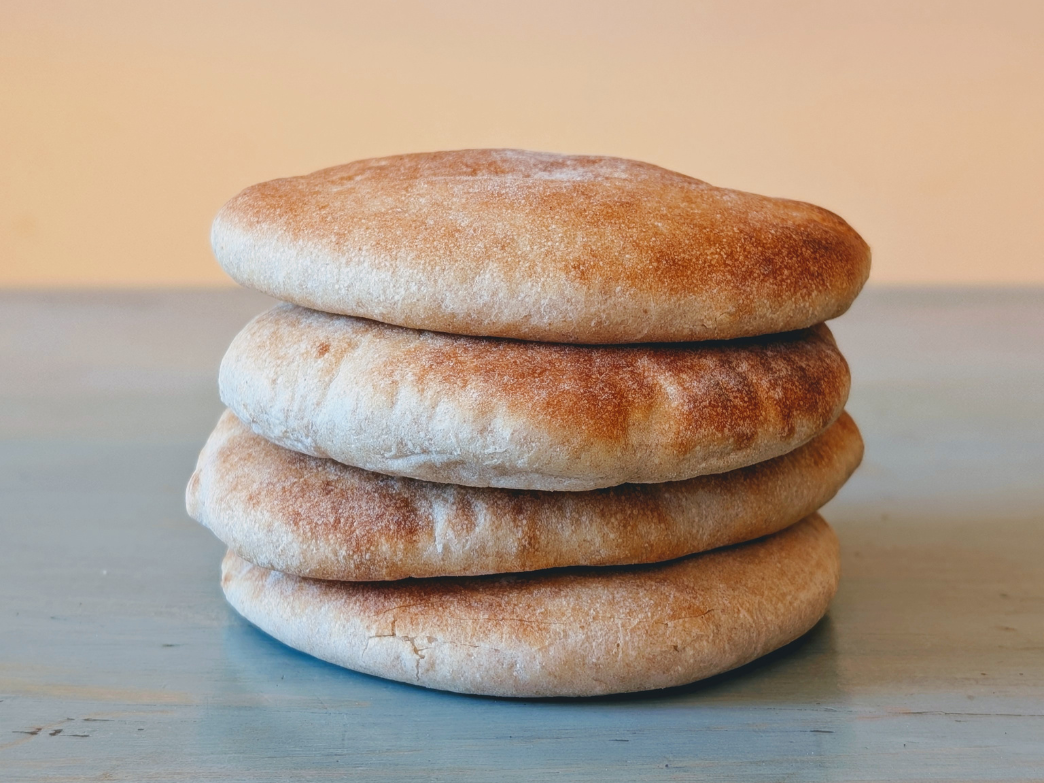
Pita Bread: Healthy or Unhealthy?
By Lucy Yanckello, Ph.D. Wildgrain, opens in a new tab is the first bake-from-frozen subscription box for sourdough breads, fresh pastas, and artisanal pastries. Pita bread is a popular food, often found in Mediterranean and Middle Eastern cuisines, but is it a healthy choice for your diet? Whether you're using it as a wrap, dipping it in hummus, or making it into a sandwich, pita bread offers convenience and flavor. However, with so many types of bread available, it's worth asking: is pita bread healthier than traditional bread? Is pita bread healthy or unhealthy? Pita bread is considered a healthy option because it is typically made from simple ingredients: flour, water, yeast, and salt. Additionally, pita bread is typically lower in calories than other varieties of bread. When made with whole wheat flour, it is considered to be healthier because it provides fiber, B-vitamins and other minerals. Nutritionally, a typical whole wheat pita contains around 160 calories, 35 grams of carbohydrates, 4 grams of fiber, 1 gram of fat and 6 grams of protein. Is pita bread healthier than bread? In terms of regular whole wheat bread, two slices contain around 160 calories, 40 grams of carbohydrates, 1 gram of fat, 6 grams of fiber, and 4 grams of protein. When comparing whole wheat pita to whole wheat bread, the nutritional benefits are largely the same – fiber, vitamin, and mineral content are similar. Opting for whole wheat versions of sliced bread and pita bread will be much more nutritionally beneficial than those made with white flour as they have higher fiber and protein content, both which make you feel fuller for longer and reduce snacking. These are important considerations when trying to lose weight. Is pita bread healthier than rice? Although whole wheat pita bread and rice serve different nutritional roles in a diet, pita bread is generally healthier in terms of fiber content, protein, and carbohydrate content. Whole wheat pita bread – due to its whole grain content – has more fiber and protein than white rice. White rice is a refined carbohydrate meaning it has minimal fiber. Fiber is an important ingredient that aids in digestion, stabilizes blood sugar levels, and helps you feel fuller for longer. However, if you are gluten intolerant or have a gluten allergy, rice is a healthier option as it does not contain gluten. Does pita bread have less gluten than regular bread? Is pita bread gluten-free? Pita bread is made from wheat flour so it is not gluten free. Pita bread and regular bread both have high gluten content because they are made from wheat. Whole wheat options are higher in gluten than refined white flour options. Is pita bread good for the gut? Is pita bread anti-inflammatory? Whole wheat pita bread can be beneficial for your gut due to the fiber content from whole grains. Fiber aids in digestion and promotes a healthy gut microbiome by feeding the beneficial bacteria in our guts, which can also contribute to anti-inflammatory effects. Additionally, the fiber in whole wheat pita bread can help improve blood sugar by slowing digestion. This aids in blood sugar control and keeps you feeling fuller for longer. Is pita bread good for cholesterol? Is pita bread ok for weight loss? Whole wheat pita bread can be beneficial for cholesterol and weight loss. Pita bread is considered a low-cholesterol food because it doesn’t naturally contain cholesterol. The whole grains present in pita bread increase its fiber content, which also plays a role in helping lower cholesterol. Fiber and protein content is also important for weight loss as these nutrients help slow digestion and aid in helping you feel fuller for longer. This helps reduce snacking and cravings, which is important when trying to lose weight and stay in a caloric deficit. Does pita bread spike blood sugar? Is pita bread healthy for diabetics? Pita bread is a suitable choice for those with diabetes, especially when opting for whole wheat varieties. Of course as with any carbohydrate, moderation is key. The GI or glycemic index of pita is 57 making it a medium GI food. GI is an index that measures how quickly a food will spike blood sugar after it is ingested on a scale of 0 to 100. Can you eat pita bread every day and still be healthy? Whole wheat pita bread can be enjoyed as a part of any balanced diet. It is important to pair carbohydrates with lean proteins and fruits or vegetables in order to give your body a balance of nutrients. Any food that you enjoy can be worked into your diet daily with portion control and moderation. Where can I buy the best fresh pita bread online? At Wildgrain, we specialize in making high-quality, fresh baked goods that are delivered directly to your door. Wildgrain is the first bake-from-frozen delivery subscription service for breads, pastries, and fresh pastas. Some of our popular breads include slow-fermented artisanal pita, plain sourdough loaf, and sourdough whole wheat loaf. Learn more about Wildgrain and our artisanal baking and cooking methods. Best Bread Home Delivery Service: How Wildgrain's Bread Delivery Works Wildgrain's breads are prepared in independent, artisanal bakeries with high quality ingredients. The breads are shipped frozen in insulated boxes and delivered direct to your home, anywhere nationwide. By shipping frozen, Wildgrain products maintain the highest quality, so you can enjoy fresh baked breads at home. That's why customers consider Wildgrain among the best home delivery services for bread. About the Author Lucy Yanckello received her Ph.D. in nutrition from the University of Kentucky College of Medicine. She currently works as a medical writer and enjoys being able to help people better understand nutrition and science. This content is for informational use only and does not replace professional nutrition and/or medical advice, diagnosis or treatment. It is not a substitute for and should not be relied upon for specific nutrition and/or medical recommendations. Please talk with your doctor about any questions or concerns.
Learn more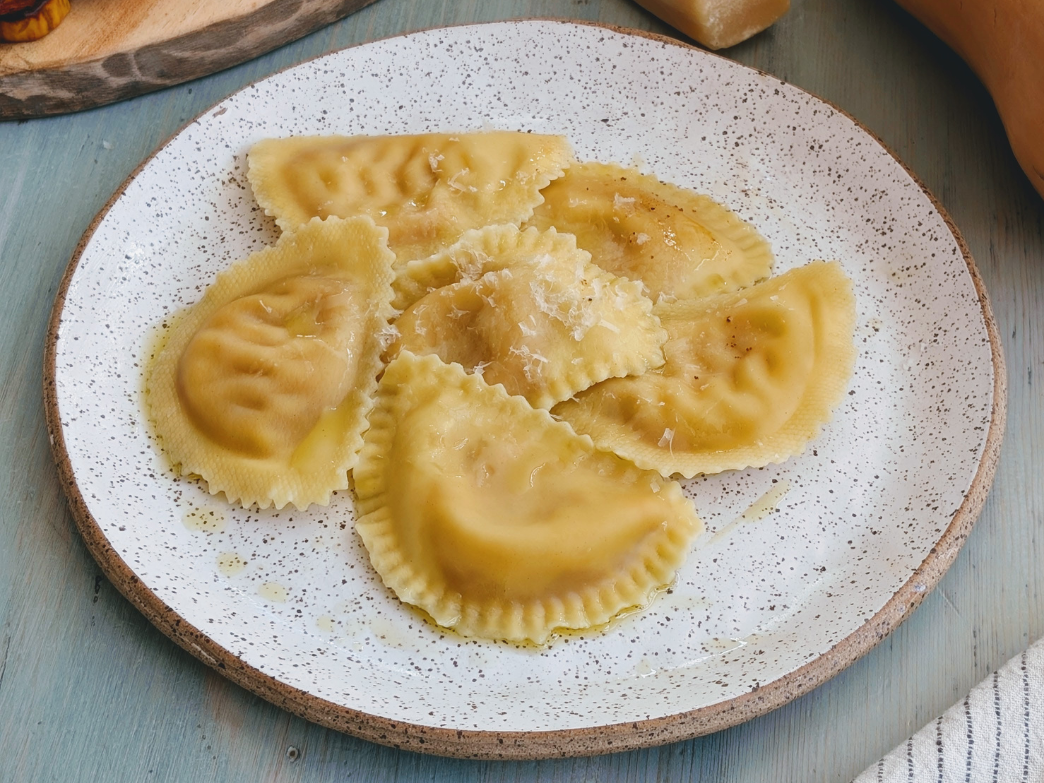
What’s Better: Ravioli vs. Tortellini vs. Gnocchi vs. Spaghetti?
By Lucy Yanckello, Ph.D. Wildgrain, opens in a new tab is the first bake-from-frozen subscription box for sourdough breads, fresh pastas, and artisanal pastries. When it comes to choosing a healthy pasta option, the variety of shapes and fillings can make it difficult to decide which is the best choice for your diet. Whether you're craving ravioli, tortellini, gnocchi, or spaghetti, each offers unique flavors and textures, but they also differ significantly in terms of nutritional content. Read on to learn more about how to determine which option best fits into your diet. What’s the difference between ravioli, tortellini, gnocchi, and spaghetti? Ravioli, tortellini, gnocchi, and spaghetti are all types of pasta. However, each has different shapes, ingredients, and nutritional profiles. Ravioli and tortellini are both filled pastas, whereas gnocchi and spaghetti are not filled. Ravioli and tortellini are typically filled with cheese, meat, or vegetables. Raviolis are typically larger than tortellini. Gnocchi are soft dumplings, typically made from mashed potatoes and flour, and spaghetti is a long noodle shape made from wheat flour. Which is healthier to eat, ravioli or tortellini or gnocchi or spaghetti? When comparing ravioli, tortellini, gnocchi, and spaghetti, there are many considerations including fat content and calorie content. Spaghetti is primarily made of wheat flour and has only about 1 to 2 grams of fat per serving, containing about 200 calories per 1 cup of cooked spaghetti. Because it is not stuffed, if you are looking to keep your fat intake low, spaghetti is the best option. It is also lower in calories because of this. Pairing pasta with a lean protein and light sauce will make for a nutritionally balanced meal. Gnocchi typically has around 215 calories per 1 cup serving, with only about 1 to 5 grams of fat per serving – fat content increases if the potato dumplings are prepared with butter or oil. Gnocchi is made from potatoes and flour, making the pasta a good source of carbohydrates and dietary fiber. However, the healthiness of gnocchi largely depends on how it is cooked. Using a healthier oil and adding vegetables and a lean protein can create a balanced dish. A typical serving of ravioli – around 4 to 6 pieces – contains anywhere from 150 to 250 calories depending on the filling. The fat content is also filling dependent, with anywhere from 5 to 12 grams of fat per 4 to 6 pieces depending on whether it is filled with meat, cheese, or other high calorie ingredients. Even though cheese or meat ravioli and tortellini do have a higher protein content than spaghetti and gnocchi, the fat being so much higher does counteract this. A good alternative if you are craving ravioli is to opt for vegetable filled ravioli which provide more nutrients, fewer calories, and less fat. The nutritional content of tortellini is similar to that of ravioli. Typically 10 to 12 pieces of tortellini contain around 7 to 15 grams of fat depending on the fillings and have around 200-300 calories. Vegetable filled tortellini, just like with ravioli, is a better choice in terms of reducing fat content and calories. Which has the most fat, ravioli or tortellini or gnocchi or spaghetti? Ravioli and tortellini both have a similar fat content per serving. Tortellini has 7 to 12 grams of fat depending on the filling. Ravioli has 5 to 12 grams of fat depending on the filling. Each both fall between 200 to 300 calories per serving. Can diabetics eat ravioli? Can diabetics eat tortellini? Diabetics can eat tortellini and ravioli. However, because there is a high amount of carbohydrates in both, there are some considerations to take into account.It is important to eat small portions to prevent spikes in blood sugar. Another way to avoid these spikes is to opt for ravioli or tortellini made with alternative flours such as whole wheat, chickpea, or almond flour that provide more fiber and have a lower glycemic index. Fillings are also important to consider as it affects the nutritional profile of both types of pasta. Vegetable filled ravioli or tortellini are a better option than meat or cheese varieties, which are high in fat and calories. Lastly, consider pairing these types of pasta with a low sugar sauce such as a tomato based sauce, and adding a lean protein and non-starchy vegetable to your plate to balance out the meal and limit blood sugar spikes. Which is the best for weight loss, ravioli or tortellini or gnocchi or spaghetti? The best pasta to enjoy when trying to lose weight is up to your specific dietary needs. Spaghetti and gnocchi both have less fat than ravioli and tortellini. However, if you opt for vegetable filled ravioli or tortellini this will increase your fiber and protein intake. Both of these are important to consider when trying to lose weight because they play a role in satiety – the feeling of fullness. It is important to eat balanced meals in order to feel fuller for longer and reduce snacking when trying to lose weight. Which is healthier: ravioli or tortellini? Ravioli and tortellini have similar nutrient profiles. Tortellini has 7 to 12 grams of fat depending on the filling. Ravioli has 5 to 12 grams of fat depending on the filling. Each contains around 200 to 300 calories per serving. There is not much difference when comparing the two types of pasta, but opting for vegetable filled options instead of meat or cheese filled options to reduce fat and calorie contents. Which is healthier: gnocchi or tortellini? Gnocchi is somewhat healthier than tortellini. Gnocchi typically has around 215 calories per 1 cup serving, with only about 1-5 grams of fat per serving. Typically 10-12 pieces of tortellini have around 200-300 calories and contain around 7-15 grams of fat depending on the fillings. Opting for cooking gnocchi in healthy oils can reduce the fat content. As well, opting for veggie filled tortellini can help increase fiber and reduce fat. Where can I buy fresh pasta online? At Wildgrain, we specialize in making high-quality, fresh breads and pastas that are delivered directly to your door. Wildgrain is the first bake-from-frozen delivery subscription service for breads, pastries, and fresh pastas. Some of our popular pastas include spinach and ricotta ravioli, gluten-free cheese tortellini, truffle and parmigiano reggiano ravioli, potato gnocchi, and fresh tonnarelli. Learn more about Wildgrain and our artisanal baking and cooking methods. Best Pasta Home Delivery Service: How Wildgrain's Pasta Delivery Works Wildgrain's pastas are prepared in independent, artisanal bakeries with high quality ingredients. The pastas are shipped frozen in insulated boxes and delivered direct to your home, anywhere nationwide. By shipping frozen, Wildgrain products maintain the highest quality, so you can enjoy fresh pasta at home. That's why customers consider Wildgrain among the best home delivery services for pasta. About the Author Lucy Yanckello received her Ph.D. in nutrition from the University of Kentucky College of Medicine. She currently works as a medical writer and enjoys being able to help people better understand nutrition and science. This content is for informational use only and does not replace professional nutrition and/or medical advice, diagnosis or treatment. It is not a substitute for and should not be relied upon for specific nutrition and/or medical recommendations. Please talk with your doctor about any questions or concerns.
Learn more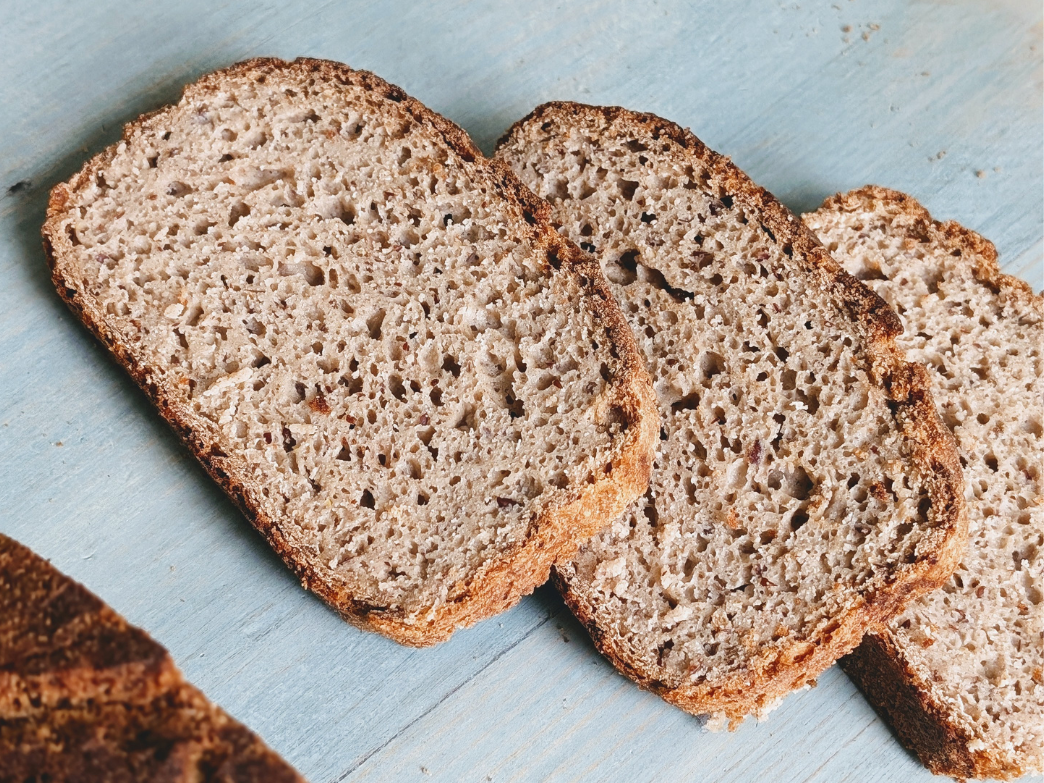
Gluten-Free Diets: Healthy or Unhealthy?
By Dr. Jorge, Ph.D. Wildgrain, opens in a new tab is the first bake-from-frozen subscription box for sourdough breads, fresh pastas, and artisanal pastries. With the rising popularity of gluten-free diets in recent years, you might be wondering if you should make the switch. Are gluten-free diets really healthier? Can they help with weight loss? In this post, we’ll explore these questions and more, so you can better understand the potential benefits and drawbacks of transitioning to a gluten-free diet. Is it healthier to have a gluten-free diet? What happens when you switch to gluten-free? It’s not necessarily healthier to follow a gluten-free diet unless you have a gluten intolerance or sensitivity. If you experience discomfort after consuming gluten, it’s best to speak with your doctor about your symptoms and whether transitioning to a gluten-free diet is right for you. When switching to a gluten-free diet, you may experience various symptoms, including improved digestion, increased hunger, dizziness, nausea, and others. These can be expected as your body adjusts and should resolve within a few weeks. However, if symptoms persist or worsen, it’s important to consult with your doctor to rule out other potential causes or deficiencies. What are the benefits of eating gluten-free? What are the benefits of a gluten-free diet for non-celiacs? For individuals with celiac disease or gluten intolerance, eating only gluten-free foods can help alleviate uncomfortable symptoms like abdominal pain, bloating, diarrhea, and headaches. However, for those without these conditions, there is currently limited evidence to suggest that a gluten-free diet offers significant benefits. If you are considering transitioning to a gluten-free diet but can tolerate gluten, it's recommended to first eliminate highly processed foods before cutting out gluten. This approach ensures you don't exclude nutrient-dense food groups unnecessarily. Will I lose weight if I stop eating gluten? Does cutting gluten help belly fat? You may experience weight loss if you eliminate gluten, but this is typically observed in non-celiac individuals following a gluten-free diet. For those with celiac disease or gluten sensitivity, weight gain can occur after cutting out gluten. This is because your body begins to heal from the damage caused by gluten, allowing it to better absorb nutrients from food. While this is a positive development for overall health, it may also result in some weight gain. For non-celiacs, research suggests that cutting gluten may contribute to weight loss, particularly around the belly area. However, studies indicate that this weight loss is more likely caused by the reduced consumption of highly processed foods commonly eliminated by those opting for a gluten-free diet, rather than the absence of gluten. Is gluten bad for diabetics? Does eating gluten-free help with diabetes? Gluten is not necessarily bad for diabetics, but gluten is often found in foods that are high in sugar and carbohydrates, both of which can cause blood sugar spikes. There is no evidence to suggest that a gluten-free diet can help manage diabetes symptoms. Instead, it is recommended that diabetics focus on eating whole foods like fruits, vegetables, whole grains, lean protein, and healthy fats. Is gluten-free bread healthy? Is gluten-free bread better for you? Is all sourdough bread gluten-free? Gluten-free bread is not necessarily healthier than regular bread and may actually contain fewer nutrients than traditional bread. However, for those with celiac disease or gluten sensitivity, gluten-free bread is the best choice. While traditional sourdough bread is not gluten-free, it generally contains less gluten than other types of bread. This is due to the long fermentation process, which helps break down some of the naturally occurring gluten. For those with gluten intolerance, gluten-free sourdough bread is also available and can be a great alternative. Is gluten-free pasta healthy? Is gluten-free pasta better for you? What type of pasta is gluten-free? Like other gluten-free foods, gluten-free pasta is not inherently healthier than regular pasta. However, gluten-free pasta made from whole grains or legumes can offer more nutrients than traditional white pasta. Gluten-free pasta is often made from alternative flours, such as corn flour, rice flour, and almond flour. Other popular gluten-free pasta options include chickpea pasta and lentil pasta, which tend to be higher in protein and fiber. Where can I buy the best gluten-free bread and pasta online? At Wildgrain, we specialize in making high-quality, fresh baked goods that are delivered directly to your door. Wildgrain is the first bake-from-frozen delivery subscription service for fresh pasta, breads, and pastries. Our gluten-free breads and pastas include Gluten-Free Country Loaf, Gluten-Free Sourdough Loaf, Gluten-Free Fresh Linguine, and Gluten-Free Cheese Tortellini. Learn more about WildgrainWildgrain story page and our artisanal baking and cooking methods. Best Home Delivery Service for Food: How Wildgrain's Food Delivery Works Wildgrain's products are prepared in independent, artisanal bakeries with high quality ingredients. They are shipped frozen in insulated boxes and delivered direct to your home, anywhere nationwide. By shipping frozen, Wildgrain products maintain the highest quality, so you can enjoy fresh food at home. That's why customers consider Wildgrain among the best home food delivery services. About the Author Dr. Jorge has been a public health researcher for many years, holding both a Bachelor's degree and a Ph.D. in Chemistry. They presently work as a medical writer and love being able to assist others in understanding various health and scientific topics. This content is for informational use only and does not replace professional nutrition and/or medical advice, diagnosis or treatment. It is not a substitute for and should not be relied upon for specific nutrition and/or medical recommendations. Please talk with your doctor about any questions or concerns.
Learn more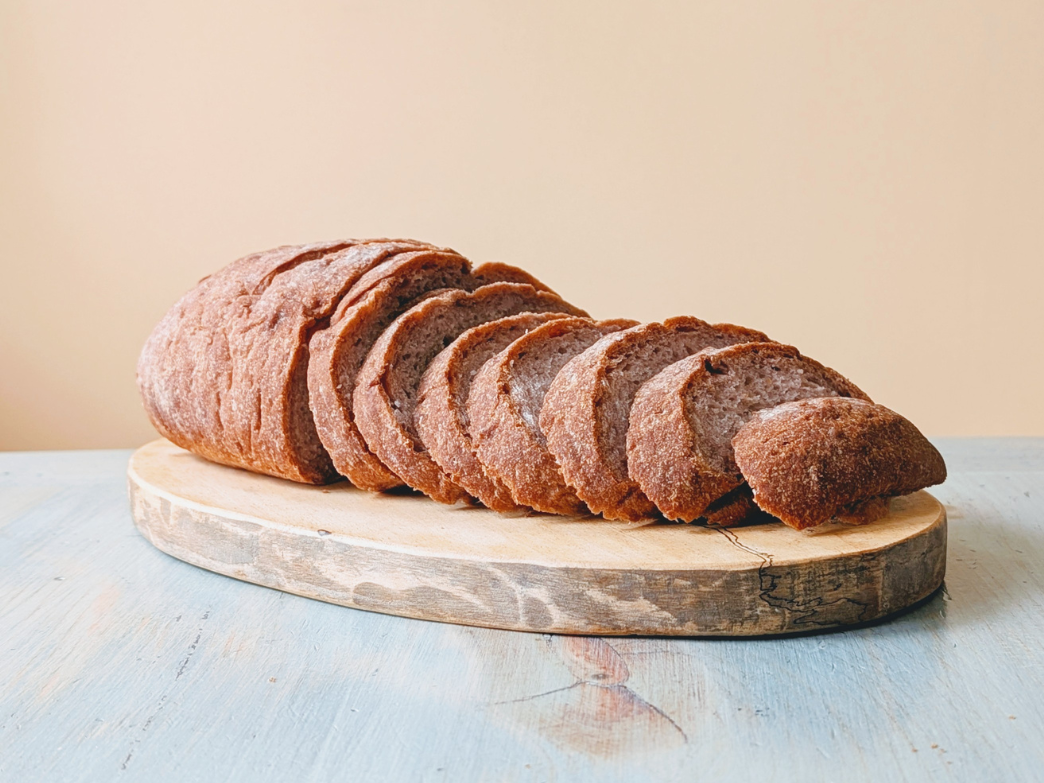
Best Bread for Wheat Intolerance and Wheat Allergy
By Lucy Yanckello, Ph.D. Wildgrain, opens in a new tab is the first bake-from-frozen subscription box for sourdough breads, fresh pastas, and artisanal pastries. Bread is a staple in many diets worldwide. Traditionally made from wheat-flour, this puts bread off limits for those with wheat allergies and wheat intolerances. Whether allergic or mildly sensitive, avoiding wheat does not mean you have to give up on bread. The growing awareness of dietary restrictions has spurred innovation, creating delicious wheat-free breads made from alternative grains. What is the difference between wheat allergy vs. wheat intolerance? With wheat allergy, a person's immune system mistakenly identifies proteins in wheat as harmful. This causes allergic symptoms ranging from mild (e.g. hives, itching) to severe (e.g. anaphylaxis). Management requires strict avoidance of wheat, and those with a wheat allergy need to carry emergency medication such as an Epi-Pen for accidental exposure. On the other hand, wheat intolerance does not involve the immune system. Wheat intolerance causes gastrointestinal discomfort, which might be due to the body not being able to properly digest certain components of wheat. Symptoms typically are much less severe than an allergic reaction and include bloating, abdominal pain, and diarrhea. Management includes dietary modifications to reduce or eliminate wheat intake. What kind of bread doesn’t have wheat? Bread that does not contain wheat is made from alternative grains such as oat flour, millet flour, and other bread labeled ‘gluten-free’ that are made with a mixture of alternative grains. Gluten-free breads are crafted with flours made from rice, corn, almond, and other gluten-free sources. For individuals with a wheat allergy or wheat intolerance it is essential to avoid wheat as to not have an allergic reaction, or uncomfortable gastrointestinal symptoms. What bread can I eat with a wheat allergy? Is there any bread I can eat if I’m allergic to wheat? When making a bread selection with a wheat allergy, it is always important to read the ingredient label carefully. Be sure there are no wheat or wheat-derived components. It is also important to be aware of the potential of cross-contamination during processing. Products labeled ‘gluten-free’ or ‘wheat-free’ can help to provide an extra layer of assurance. There is bread that does not contain wheat that those with a wheat allergy can consume. This bread is made from alternative grains such as oat, millet, rice, corn, almond, and other gluten-free sources. What bread can I eat with a wheat intolerance? Similar to a wheat allergy, it is best to avoid wheat altogether so as to not cause adverse reactions. Breads made from alternative grains such as oat, millet, rice, corn, almond, and other gluten-free sources are great options for those with a wheat intolerance. Be sure to read ingredient labels to avoid wheat and cross-contamination with wheat. What is the best flour for wheat allergy? Which flour has no wheat? The best flour for a wheat allergy is one with no wheat. There are lots of options for this, including oat, rice, corn, almond, coconut, and chickpea. Although there are many options, it is important to note that when substituting these flours for wheat flour in a recipe, properties affecting texture and moisture will all be different. Due to this fact, combining multiple gluten-free flours often yields better results. Is sourdough bread ok for wheat allergy? Can sourdough be wheat-free? Sourdough bread is typically made from wheat flour, so it is not suitable to eat for those with a wheat allergy. Due to the fermentation process in sourdough bread, there may be reduced gluten content, but this does not eliminate the wheat proteins that cause allergic reactions in those with a wheat allergy. Sourdough can be made wheat free by substituting wheat flour with wheat-free alternatives, such as with Wildgrain’s gluten-free sourdough loaf. Can I eat rye bread if I’m allergic to wheat? Is all rye bread wheat-free? Traditionally, rye bread is made with both rye flour and wheat flour. As such, if you are allergic to wheat you should avoid rye-bread unless it is labeled ‘gluten-free’ or ‘wheat-free’. When you are selecting or preparing rye bread options, be sure to carefully read the ingredient label. Is pumpernickel bread wheat-free? Can I eat pumpernickel bread if I have a wheat allergy? Pumpernickel bread is typically made from rye flour, however, to improve texture and rise many modern recipes include wheat flour. It is vital to read the ingredients when searching for pumpernickel bread to be sure there is no wheat. It is also crucial to be sure there is no cross-contamination with wheat. Does white bread contain wheat? Can you eat white bread if you have a wheat allergy? White bread is primarily made from refined wheat flour, which means the bran and germ are removed, giving the bread a lighter texture and color. Consuming white bread with a wheat allergy is not recommended as it can trigger an allergic reaction. Stick to alternative flour options and be sure to always read the ingredient labels to avoid wheat. What bread is best for wheat intolerance? Which bread is best for wheat allergy? The best bread for a wheat intolerance or wheat allergy is one that does not contain wheat that you enjoy eating. Alternative bread options include those made from millet flour, oat flour, or other gluten-free flour blends. In order to be fully sure there is no wheat in a product, read the ingredient label carefully and look for products labeled ‘gluten-free’ or ‘wheat-free’ for an extra layer of security. There are also great wheat-free ship-to-your-door options from companies such as Wildgrain including Gluten-Free Sourdough Loaf, Gluten-Free Country Loaf, and Gluten-Free Slow-Fermented Seeded Loaf. Where can I buy the best wheat-free breads online? At Wildgrain, we specialize in making high-quality, fresh breads that are delivered directly to your door. Wildgrain is the first bake-from-frozen delivery subscription service for breads, rolls, pastries, and fresh pastas. Some of our popular wheat-free breads include Gluten-Free Sourdough Loaf, Gluten-Free Country Loaf, and Gluten-Free Slow-Fermented Seeded Loaf. We are proud to offer healthy breads, made with non-GMO flour and without added sugar or preservatives. Learn more about Wildgrain and our artisanal baking and cooking methods. Best Bread Home Delivery Service: How Wildgrain's Bread Delivery Works Wildgrain's breads are prepared in independent, artisanal bakeries with high quality ingredients. The breads are shipped frozen in insulated boxes and delivered direct to your home, anywhere nationwide. By shipping frozen, Wildgrain products maintain the highest quality, so you can enjoy fresh baked breads at home. That's why customers consider Wildgrain among the best home delivery services for bread. About the Author Lucy Yanckello received her Ph.D. in nutrition from the University of Kentucky College of Medicine. She currently works as a medical writer and enjoys being able to help people better understand nutrition and science. This content is for informational use only and does not replace professional nutrition and/or medical advice, diagnosis or treatment. It is not a substitute for and should not be relied upon for specific nutrition and/or medical recommendations. Please talk with your doctor about any questions or concerns.
Learn more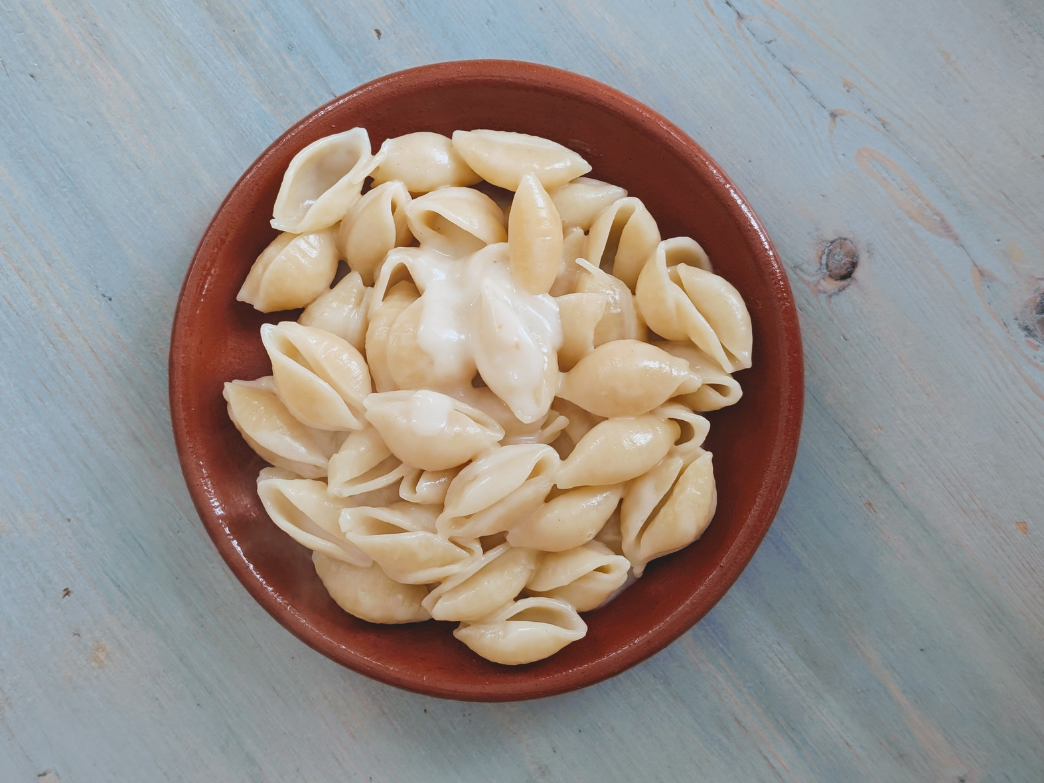
Best Dairy-Free Pasta and Dairy-Free Noodles
By Lucy Yanckello, Ph.D. Wildgrain, opens in a new tab is the first bake-from-frozen subscription box for sourdough breads, fresh pastas, and artisanal pastries. Fortunately for those with a dairy allergy, most dry store-bought pasta noodles contain only two ingredients – wheat and water. However, as with any allergy, it is always important to read labels carefully, and when dining out, ask about food preparation to avoid cross-contamination or unexpected dairy ingredients. Read on to learn more about how to avoid dairy when eating pasta and other noodles. Can I eat pasta on a dairy-free diet? What type of pasta is dairy-free? Does all pasta have dairy? If you are following a diary free diet, most dry store-bought pasta noodles are safe to eat, as they contain only two ingredients – wheat and water. However, stuffed pastas such as ravioli and tortellini often have cheese in them. It is always important to read the full ingredient list when dealing with an allergy to rule out any hidden dairy such as whey, milk powder, casein, or lactose, especially in freshly prepared pasta. Is gluten-free pasta also dairy-free? Does no gluten mean no dairy? Gluten-free pasta is typically made from dairy-free ingredients such as rice, corn, quinoa, or beans, meaning that most gluten-free pasta is also dairy-free. However, because gluten and dairy are their own distinct substances, a gluten-free pasta label does not automatically guarantee a product is dairy-free. Be sure to read the ingredient label on gluten-free pasta to ensure there is not dairy in the product. Is white pasta dairy-free? Is plain pasta dairy-free? Traditionally, white pasta is dairy-free, with the primary ingredients being wheat flour and water. There are some fresh pasta recipes that include eggs, however, eggs are not considered to be dairy, so those pastas are safe to eat as well. Just be sure to check the ingredients on fresh pasta to make sure there aren’t other dairy products in the recipe such as cheese, whey, or casein. Plain pasta is often tossed with butter or olive oil. Be sure to check that the butter you are using is plant based, and if you are ordering plain pasta from a restaurant, make sure it is prepared with olive oil or plant based butter. Does wheat pasta have dairy? Is wheat pasta dairy-free? Wheat pasta is typically dairy free, as the only ingredients are usually wheat and water. As with white pasta, some fresh wheat pasta contains egg. However, as egg is not considered to be a dairy product, these fresh pastas are safe to eat as well. Are there dairy-free noodles? Are rice noodles dairy-free? Are udon noodles dairy-free? There are many options for dairy-free noodles. Rice noodles are made primarily from rice flour and water, so they are naturally dairy-free. Rice noodles are popular in Asian cuisine such as soup and stir-fry dishes. Another dairy-free noodle popular in Asian cuisine are udon noodles. Udon noodles are made from wheat flour, water, and salt meaning they are dairy-free as well. However, be sure to check the ingredient list on both types of noodles to be sure there is no hidden dairy. It is also important to check on preparation when eating at a restaurant to be sure there is no dairy in the sauce or other additives in the dish. Is tomato sauce dairy-free? What’s the best pasta sauce for a dairy-free diet? Traditional tomato sauce is typically dairy-free as the primary ingredients are tomatoes, herbs, and spices. However, there are some tomato sauces that contain cream or cheese, such as vodka sauce. The best pasta sauce for a dairy-free diet include Classic Marinara Sauce, made with just tomatoes, garlic, onions, and herbs, and other dairy-free tomato based sauces such as bolognese, a meat sauce, or puttanesca, a vegetable sauce. What is the best pasta for dairy-free? The best pasta for a dairy-free diet is a pasta with no dairy that you enjoy eating. There are many options at the supermarket for dry and fresh pasta, or you can make your own. There are also options from ship-to-your-door companies like Wilgrain with dairy-free pasta such as Fresh Tonnarelli, Potato Gnocchi, and Fresh Fettuccine. Where can I buy the best dairy-free pasta online? At Wildgrain, we specialize in making high-quality, fresh baked goods delivered directly to your door. Wildgrain is the first bake-from-frozen delivery subscription service for breads, rolls, pastries, and fresh pastas. Our popular dairy-free pastas include Fresh Tonnarelli, Potato Gnocchi, and Fresh Fettuccine. We also carry a line of gluten-free pasta, including Gluten-Free Fresh Linguine and Gluten-Free Fresh Shells, and make homemade Classic Marinara Sauce. Learn more about Wildgrain and our artisanal baking and cooking methods. Best Pasta Home Delivery Service: How Wildgrain's Pasta Delivery Works Wildgrain's pastas are prepared in independent, artisanal bakeries with high quality ingredients. The pastas are shipped frozen in insulated boxes and delivered direct to your home, anywhere nationwide. By shipping frozen, Wildgrain products maintain the highest quality, so you can enjoy fresh pasta at home. That's why customers consider Wildgrain among the best home delivery services for pasta. About the Author Lucy Yanckello received her Ph.D. in nutrition from the University of Kentucky College of Medicine. She currently works as a medical writer and enjoys being able to help people better understand nutrition and science. This content is for informational use only and does not replace professional nutrition and/or medical advice, diagnosis or treatment. It is not a substitute for and should not be relied upon for specific nutrition and/or medical recommendations. Please talk with your doctor about any questions or concerns.
Learn more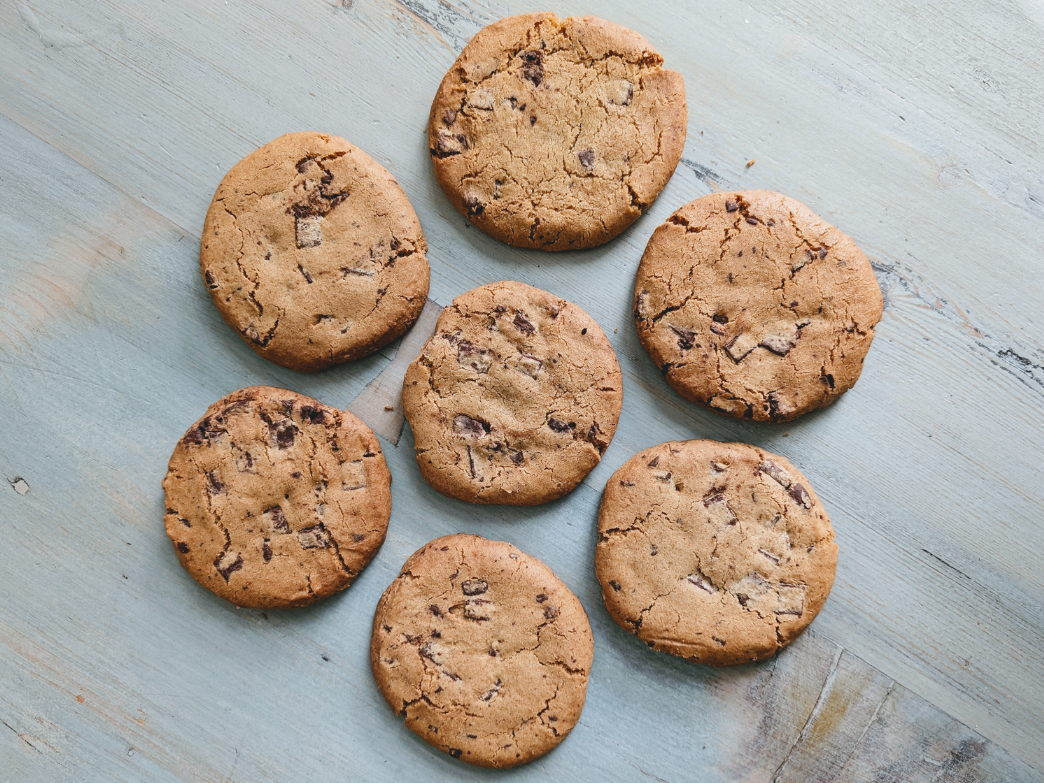
Best Dessert for Gluten Intolerance and Gluten Sensitivity
By Dr. Jorge, Ph.D. Wildgrain, opens in a new tab is the first bake-from-frozen subscription box for sourdough breads, fresh pastas, and artisanal pastries. Finding gluten-free desserts while navigating celiac disease or gluten intolerance can be challenging. The good news is that many popular desserts are naturally gluten-free or can be made gluten-free. Read on to discover which sweet treats are the best for a gluten-free diet. Can you eat sweets if you are gluten-free? Can you eat desserts with a gluten sensitivity? Yes, you can absolutely eat sweets and desserts even if you are gluten-free or have a gluten sensitivity. You will just need to check the dessert’s label to ensure there are no gluten-containing ingredients. Chocolate, hard fruit candies, mousseGo to mango passionfruit mousse 2 pack, and single-flavored ice creams are just a few of the dessert options that can be naturally gluten-free and safe for those with gluten sensitivity or intolerance. What sweets do not have gluten? What dessert is gluten-free? While a lot of desserts can be made gluten-free nowadays, there are some that are almost always gluten-free. This includes desserts like fruit mousseGo to mango passionfruit mousse 2 pack, chocolate mousse, crème brulée, rice pudding, panna cotta, meringue, and macaronsGo to macarons. A lot of popular store-bought candies and chocolates also tend to be gluten-free. Can gluten-intolerant people eat cake? Can you eat ice cream with gluten intolerance? Cake is generally not recommended for people with gluten intolerance, as it is typically made with wheat flour, which contains gluten. However, there are gluten-free cakeGo to mini layer cakes 8 pack options available for those with celiac disease or gluten sensitivity. Ice cream can also be gluten-free, as long as it is made without gluten-containing ingredients. Single-flavor ice creams like vanilla, chocolate, and strawberry are usually safer, while flavors with baked goods, like cookie dough, may contain gluten. Can you eat chocolate with gluten intolerance? Can you eat chocolate with gluten sensitivity? Pure chocolate, including milk, dark, and white chocolate, is naturally gluten-free and safe for those with celiac disease, gluten intolerance, and gluten sensitivity. However, chocolate that contains additional ingredients beyond cocoa beans, sugar, and cocoa butter may not be gluten-free. Always check the label for any gluten-containing ingredients and verify if the chocolate was processed in a facility that handles gluten to avoid cross-contamination. When in doubt, opting for pure gluten-free chocolate is the best choice. Are macarons usually gluten-free? Can you eat macarons with gluten intolerance? Traditional macaronsGo to macarons are typically gluten-free, as they are made with naturally gluten-free ingredients such as almond flour, powdered sugar, egg whites, and granulated sugar. However, as with any food, it's important to double-check the ingredients and consider the possibility of cross-contamination before eating a macaron. Although macarons made using the traditional method are gluten-free, not all bakeries follow this approach or take precautions to prevent cross-contamination. Can you eat cookies with gluten intolerance? Can you eat cookies with gluten sensitivity? Most traditional cookies are not gluten-free and are therefore not safe for those with gluten intolerance or gluten sensitivity. Most cookie recipes use wheat flour, which contains gluten. However, you can enjoy gluten-free cookies made with alternative flour (like rice flour), such as Wildgrain’s Gluten-Free Chocolate Chunk Cookies. Some popular store-bought cookies are also naturally gluten-free. What dessert is best for gluten intolerance? What dessert is best for gluten sensitivity? The best desserts for those with gluten intolerance or sensitivity are gluten-free and made in a dedicated gluten-free facility. Some sweet treats that are generally safe for those with gluten intolerance and gluten sensitivity include pure chocolate, single-flavor ice cream, macarons, chocolate and fruit mousse, and crème brulée. Today, many popular desserts can be made gluten-free, so there’s no limit to the delicious sweets you can enjoy, even on a gluten-free diet! Where can I buy the best dessert for gluten intolerance online? At Wildgrain, we specialize in making high-quality, fresh pastas, breads, and desserts that are delivered directly to your door. Wildgrain is the first bake-from-frozen delivery subscription service for breads, pastries, fresh pastas, and desserts. Some of our popular gluten-free desserts include giant chocolate chunk cookies, mango and passion fruit mousse, macarons, and mini layer cakes. Learn more about Wildgrain and our artisanal baking and cooking methods. Best Pastry Home Delivery Service: How Wildgrain's Pastry Delivery Works Wildgrain's pastries are prepared in independent, artisanal bakeries with high quality ingredients. The pastries are shipped frozen in insulated boxes and delivered direct to your home, anywhere nationwide. By shipping frozen, Wildgrain products maintain the highest quality, so you can enjoy fresh pastries at home. That's why customers consider Wildgrain among the best home delivery services for pastries. About the Author Dr. Jorge has been a public health researcher for many years, holding both a Bachelor's degree and a Ph.D. in Chemistry. They presently work as a medical writer and love being able to assist others in understanding various health and scientific topics. This content is for informational use only and does not replace professional nutrition and/or medical advice, diagnosis or treatment. It is not a substitute for and should not be relied upon for specific nutrition and/or medical recommendations. Please talk with your doctor about any questions or concerns.
Learn more