

Great feature from CNBC about the comeback of high quality, healthy and artisanal breads.
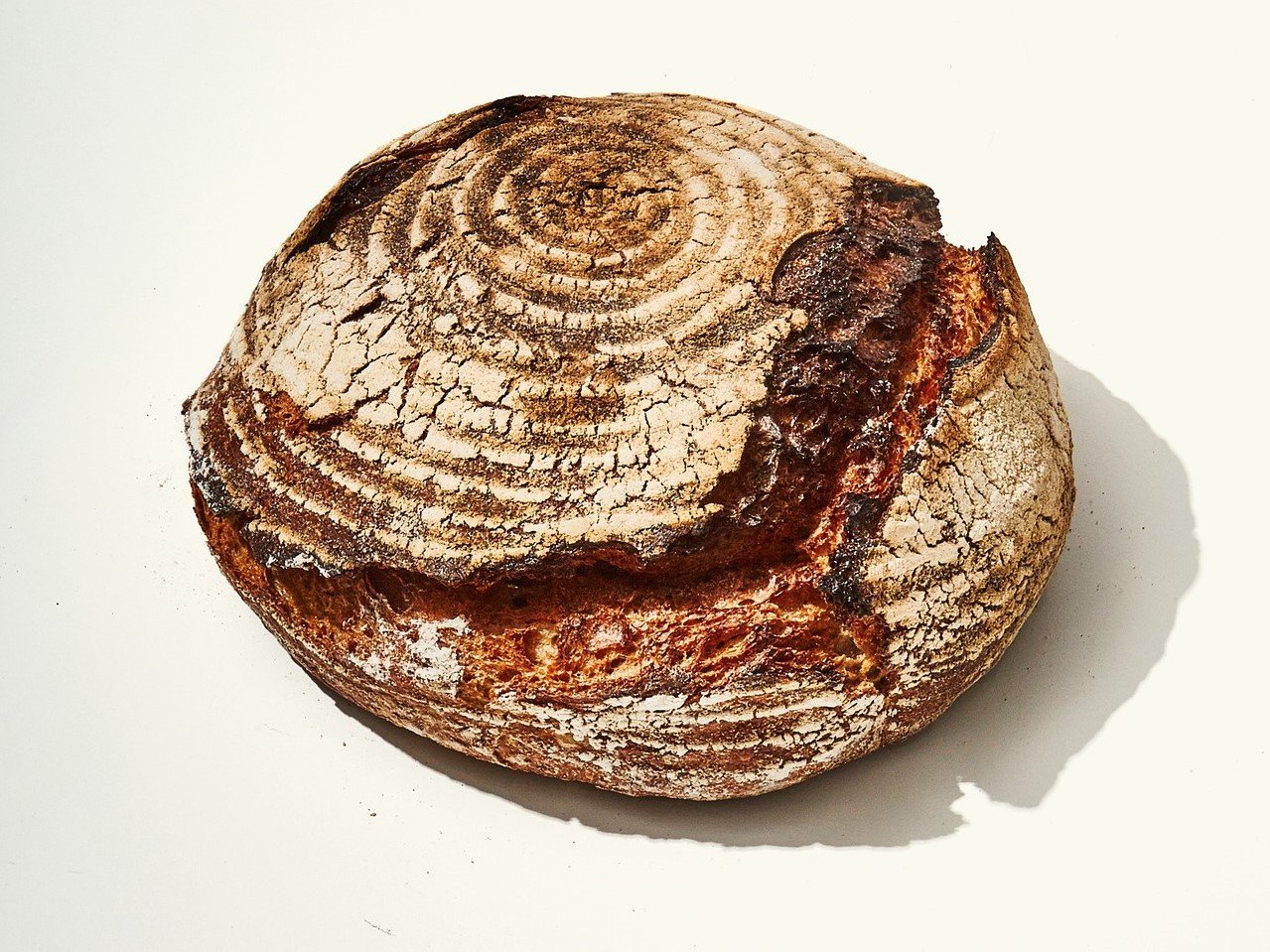
The Rise of Sourdough
Related Posts

Best Healthy School Lunches
By Lucy Yanckello, Ph.D. Wildgrain, opens in a new tab, is the first bake-from-frozen subscription box for sourdough breads, fresh pastas, and artisanal pastries. Packing school lunches can feel like a nightly negotiation between what your kid will actually eat and what you want them to eat. Although a healthy lunch sounds like it takes planning and effort, most of the work comes down to one simple formula you repeat with different ingredients. Once you have that structure, packing lunchboxes becomes streamlined and the container comes home empty far more often than not. What is a good healthy lunch for school? What makes a healthy school lunch? A good school lunch has four parts working together: a whole grain, a protein source, a fruit or vegetable, and something to drink. A simple way to picture it is filling half the lunch with fruits and vegetables, a quarter with whole grain, and the last quarter with protein. That balance matters because carbohydrates on their own burn off quickly, while protein, fiber, and fat slow digestion and keep energy steady throughout the afternoon. Water and milk are the best drinks to include, since sugary beverages add calories without containing the nutrients kids need to keep focused in class. Repeating the same four categories removes the daily decision fatigue. What are some easy ways to make healthy lunches for school? What are good healthy school lunch ideas? The easiest healthy lunches are the ones you assemble rather than cook. Batch prep does most of the work. For example, roast a tray of chicken, boil a dozen eggs, and wash and cut produce on the weekend so everything is prepped and easy to grab from the fridge. Find a few reliable options like a sandwich on whole grain bread, a thermos of pasta or soup, a bento box of cheese and crackers, or leftovers from the night before. Frozen options that bake in minutes make the process even easier, like Wildgrain’s Slow-Fermented Margherita Pizza, which goes from the freezer to sliced and packed in about 10 minutes with 15 grams of protein in half of the pie. Are sandwiches a healthy school lunch option for kids? Yes, sandwiches are a healthy school lunch option, and the bread you choose does most of the work. Whole grain bread brings fiber, B-vitamins, and minerals that refined white bread loses in processing. That fiber is what carries kids through the afternoon classes and keeps them alert. Wildgrain’s Sourdough Whole Wheat Loaf gives you 6 grams of protein and 2 grams of fiber in a single slice. Fill the sandwich with protein like turkey, egg salad, hummus, or cheese. Tuck something crunchy inside the sandwich too, like cucumber or bell pepper. Sandwiches get boring quickly, so rotating the bread and filling is what matters in terms of your kid actually eating it. What are healthy school lunch ideas for weight loss? Lunches built with weight in mind look almost identical to lunches built for energy and satiety, with slightly more attention paid to fiber and protein content. Vegetables, fruit, whole grains, and a protein source fill kids up on fewer calories than packaged snacks and refined carbohydrates. This tends to help reduce cravings and snacking later in the day. Swapping sugary drinks for water often makes a bigger difference than changing the food itself. Restricting a growing child’s food can work against their development, so adding filling foods usually works better than taking foods away. Any concern about a child’s weight is worth raising with their pediatrician who can look at growth over time before you make any changes to their nutritional intake. What are healthy school lunch ideas that are high-protein? High-protein lunches keep kids fuller and mentally steadier for longer than carbohydrate-heavy ones. Easy sources to rotate through include rotisserie chicken, turkey, hard boiled eggs, greek yogurt, cottage cheese, string cheese, hummus, edamame, and black beans. Pairing two protein sources in one lunch like string cheese alongside a turkey sandwich is a simple way to raise the protein content. Wildgrain’s Sourdough Grilled Cheese Sandwich carries 20 grams of protein and travels well in a warm thermos. Spreading protein across every meal rather than saving it for dinner tends to keep energy and blood sugar more consistent throughout the school day. What is the healthiest allergen-friendly school lunch to pack? The healthiest allergen-friendly lunch is built from whole foods with labels you can actually read. Fresh fruit, vegetables, rice, potatoes, beans, and plain meats are naturally free of most major allergens which makes them a dependable base to build around. Packaged snacks are where hidden allergens normally turn up, so rechecking labels each time you buy is a habit worth keeping. Manufacturers often change formulas without warning. Many schools also have classroom-wide restrictions, so knowing your school’s policy before you plan a week of lunches saves a lot of backtracking. Keeping a short rotation of safe, already tested meals is far less stressful than trying to reinvent the wheel every morning. What is the healthiest nut-free lunch to pack for school? How do I make nut-free nutritious school lunches? The healthiest nut-free lunch replaces nut butter or other nut based components without losing the protein it was providing. Sunflower seed butter and soy butter spread the same way and work in most nut-free classrooms. Beyond spreads, cheese, eggs, beans, yogurt, and sliced meats all easily close the protein gap. A thermos of pasta is one of the simplest nut-free lunches to send, and Wildgrain’s Fresh Cavatappi is made from just semolina flour and water. It tosses well with olive oil, vegetables, and chicken. Always read the label on anything packaged since “may contain” warning and manufacturing changes matter as much as the ingredient list. What is the healthiest gluten-free lunch to pack for school? How do I make gluten-free nutritious school lunches? The healthiest gluten-free lunch leans on naturally gluten free foods rather than heavily processed gluten-free substitutes. Rice, potatoes, corn, quinoa, beans, fruit, vegetables, eggs, dairy, and plain meats need no special sourcing and carry more nutrients than most packaged gluten-free snacks do. When bread is what your child wants, quality matters. Wildgrain’s Gluten-Free Country Loaf is made in a dedicated gluten-free facility. Cross contact is the other half of the job, so a separate cutting board, clean utensils, and a dedicated lunch container help keep lunch safe. For a child with celiac disease, working out details with your school is something their care team can help you set up. What is the healthiest lunch to pack? What are the healthiest school lunches? The healthiest lunch to pack is the balanced meal your child will actually eat. Nutrition that comes home uneaten does nothing, so the winning lunch pairs the four part structure with foods your kid genuinely likes. In practice it looks like a whole grain base (pasta, quinoa, bread), two kinds of produce, protein (chicken, turkey, eggs, cheese), and water. Bringing kids into choosing and packing raises the odds the container comes back empty and also teaches them what a balanced plate looks like. Consistency beats perfection, and a good-enough lunch five days a week does more than an ideal one that never gets eaten. Where can I buy the best school lunches for home delivery? At Wildgrain, we specialize in making high-quality, fresh breads and pastas that are delivered directly to your door. Wildgrain is the first bake-from-frozen delivery subscription service for breads, pastries, fresh pastas, and more. Some of our popular items include Wildgrain's Whole Wheat Sourdough Loaf, Wildgrain’s Slow-Fermented Margherita Pizza, and Wildgrain’s Sourdough Grilled Cheese Sandwich. Learn more about Wildgrain and our artisanal baking and cooking methods. Best Home Delivery Service for Food: How Wildgrain's Food Delivery Works Wildgrain's products are prepared in independent, artisanal bakeries with high quality ingredients. They are shipped frozen in insulated boxes and delivered direct to your home, anywhere nationwide. By shipping frozen, Wildgrain products maintain the highest quality, so you can enjoy fresh food at home. That's why customers consider Wildgrain among the best home food delivery services. About the Author Lucy Yanckello received her Ph.D. in nutrition from the University of Kentucky College of Medicine. She currently works as a medical writer and enjoys being able to help people better understand nutrition and science. This content is for informational use only and does not replace professional nutrition and/or medical advice, diagnosis or treatment. It is not a substitute for and should not be relied upon for specific nutrition and/or medical recommendations. Please talk with your doctor about any questions or concerns.
Learn more Best Healthy School Lunches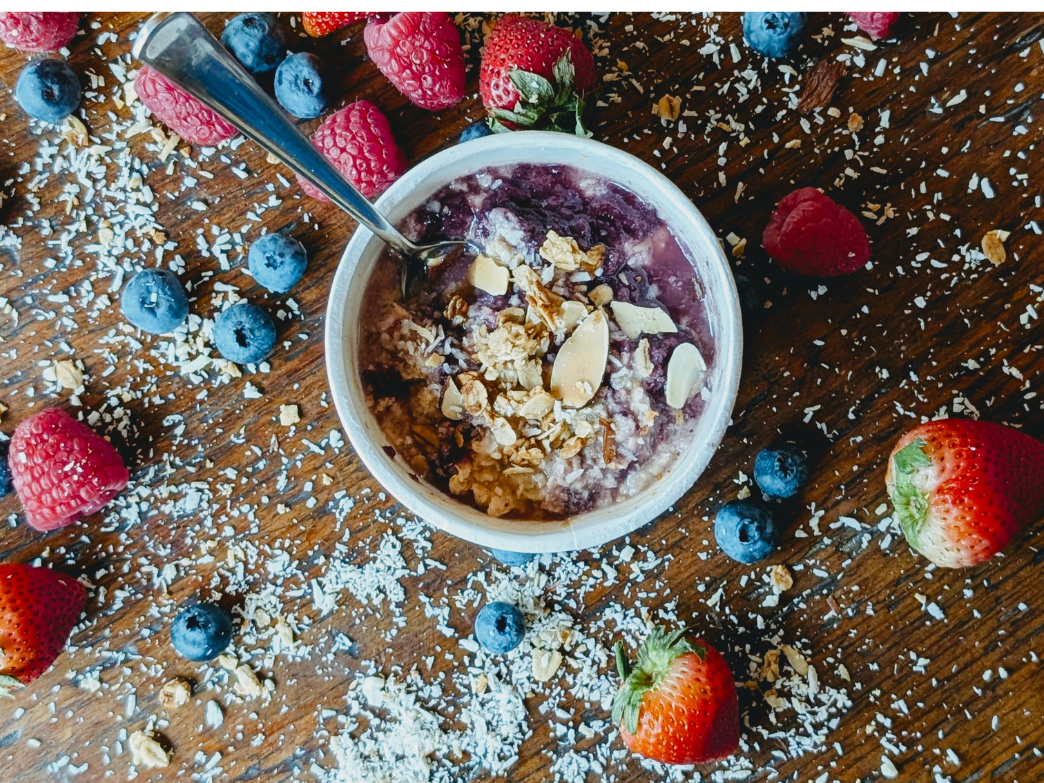
Oatmeal: Healthy or Unhealthy?
By Lucy Yanckello, Ph.D. Wildgrain, opens in a new tab, is the first bake-from-frozen subscription box for sourdough breads, fresh pastas, and artisanal pastries. Oatmeal has a reputation as the plain, dutiful breakfast you eat because you should. Although it looks like a simple bowl, oats are one of the most studied grains in the world, and few breakfast foods can compete on fiber front. How much you get out of your bowl of oatmeal comes down to the type of oats you choose and what you pair it with. Is oatmeal healthy? How healthy is oatmeal? Oatmeal is one of the healthiest breakfast foods you can opt for. Oats are a whole grain, so the bran, germ, and endosperm all stay intact. This is where the high levels of fiber, B-vitamins, and minerals come from. A half cup of dry oats give you around 4 grams of fiber and 6 grams of protein. Most of the fiber content is beta-glucan, a soluble fiber that forms a gel in your digestive tract and slows digestion, steadies blood sugar and feeds the beneficial bacteria in your gut. What is the healthiest way to eat oatmeal? Is oatmeal better for you with milk or water? The healthiest way to eat oatmeal is to make a dish you enjoy, building from plain oats. Pairing oatmeal with protein and a healthy fat like nut butter, yogurt, seeds, or chopped nuts slows the rise in blood sugar and will keep you fuller for far longer than oats on their own. Choosing between milk and water as the liquid component comes down to what you want the texture of your oatmeal to be. Water keeps the oatmeal lighter and allows you to taste the flavor of the oats, while milk adds a bit more protein and calcium and creates a creamier texture. Milk-based bowls like Wildgrains Fruits & Crunch Oats - Apple & Cinnamon fold in real milk with rolled oats, fruit, pecans and chia seeds and provide 14 grams of protein. What is the healthiest milk for oatmeal? The healthiest milk for oatmeal is one that adds protein without increasing the sugar content. Dairy milk gives the most protein per cup along with calcium and vitamin D, which makes it a strong choice if you tolerate it. Soy milk is the closest plant-based match on protein. Almond milk is lighter and lower on protein, so the unsweetened version is the better pick if you opt for it. Oat milk brings in a little extra beta-glucan and natural sweetness, though it also runs higher in carbohydrates. Whichever you pick, checking the label for added sugar matters more than the type of milk itself. Is oatmeal healthier than eggs? Is oatmeal healthy for weight loss? Oatmeal and eggs are less competitors than they are different tools in your nutritional toolbox. Eggs have more protein and bring in benefits such as vitamin D, but also have a higher level of cholesterol. Oatmeal, however, wins on fiber which eggs do not contain, and also plays a role in lowering cholesterol. Oatmeal has an advantage for weight loss because beta-glucans slow how quickly your stomach empties and influences the hormones that signal fullness. Oat-based breakfasts have been linked to eating less later in the day compared with other types of cereals. The most effective options borrow from both sides, pairing oats with protein so you get the staying power of both protein and fiber together, exactly how Wildgrains Fruits & Crunch Oats - Banana & Peanut Butter bowl is built. What organ is oatmeal good for? Do cardiologists recommend oatmeal? Oatmeal is best known for what it does for your heart. Beta-glucan binds with cholesterol in your intestine and carries it out of the body. This lowers the amount of LDL cholesterol (the “bad” cholesterol) circulating in your blood. Your gut and liver benefit too, since beta-glucan also feeds your good gut bacteria and aids the liver in processing fats. Cardiologists do commonly recommend oats, and oats carry one of the few federally authorized heart health claims allowed on a food label. Can eating oatmeal lower cholesterol? What kind of oatmeal is good for lowering cholesterol? Yes, eating oatmeal can lower cholesterol. Results from nutritional trials point to roughly 3 grams of beta-glucan a day being enough to meaningfully reduce LDL cholesterol. This is roughly what you get in one and a half cups of cooked oatmeal. Whole oat forms have the highest amount of beta-glucan, so stick to oat bran, steel-cut oats, or old-fashioned rolled oats. Processed instant packets often contain less oat and more sugar, which works against this benefit. Consistency matters more than volume, and many people find one small bowl daily is easier to sustain than an occasional large bowl. Is there a downside to eating oats? Is it healthy to eat oats every day? Oats are safe for most people and the downsides are minor. Adding fiber quickly into your diet can cause gas and bloating, so gradually increasing your intake and making sure to drink enough water generally makes the transition easier. Pure oats are naturally gluten free, but many are processed alongside wheat so those who avoid gluten should check to make sure the brand they opt for says certified gluten free. What is the healthiest type of oatmeal? What is the best type of oats? Steel-cut oats are the least processed, hold onto the most fiber, and digest the slowest meaning they keep blood sugar the steadiest. Rolled oats sit just behind and are nearly identical nutritionally, with the advantage of a shorter cooking time. Quick and instant oats are cut and rolled thinner so they digest faster meaning they raise blood sugar more, and flavored packets often add sugar on top. The best oats are ones that you will eat consistently, which for most means rolled oats. Wildgrain’s Fruits & Crunch Oats - Triple Berry layers rolled oats with raspberries, blueberries, and strawberries so you get the benefits of added fiber from the fruits, too. Where can I buy the best oatmeal for home delivery? At Wildgrain, we specialize in making high-quality, fresh breads and pastas that are delivered directly to your door. Wildgrain is the first bake-from-frozen delivery subscription service for breads, pastries, fresh pastas, and more. Some of our popular items include Wildgrain’s Fruits & Crunch Oats - Apple & Cinnamon, Wildgrain’s Fruits & Crunch Oats - Triple Berry, and Wildgrain's Fruits & Crunch Oats - Banana & Peanut Butter. Learn more about Wildgrain and our artisanal baking and cooking methods. Best Pastry Home Delivery Service: How Wildgrain's Pastry Delivery Works Wildgrain's pastries are prepared in independent, artisanal bakeries with high quality ingredients. The pastries are shipped frozen in insulated boxes and delivered direct to your home, anywhere nationwide. By shipping frozen, Wildgrain products maintain the highest quality, so you can enjoy fresh pastries at home. That's why customers consider Wildgrain among the best home delivery services for pastries. About the Author Lucy Yanckello received her Ph.D. in nutrition from the University of Kentucky College of Medicine. She currently works as a medical writer and enjoys being able to help people better understand nutrition and science. This content is for informational use only and does not replace professional nutrition and/or medical advice, diagnosis or treatment. It is not a substitute for and should not be relied upon for specific nutrition and/or medical recommendations. Please talk with your doctor about any questions or concerns.
Learn more Oatmeal: Healthy or Unhealthy?
What's the Difference: Soluble Fiber vs. Insoluble Fiber?
By Dr. Jorge, Ph.D. Wildgrain, is the first bake-from-frozen subscription box for sourdough breads, fresh pastas, and artisanal pastries. Fiber, in all its forms, is essential for overall health and well-being. Knowing which type of fiber is beneficial for what can help you make informed decisions about your diet. Read on to learn the difference between soluble fiber and insoluble fiber, and how you can incorporate more of each into your diet. What’s the difference: dietary fiber vs. soluble fiber vs. insoluble fiber? Dietary fiber is a type of carbohydrate found in plants. There are two types of dietary fiber: soluble fiber and insoluble fiber. The body can't digest or absorb fiber, but each type provides its own set of benefits. Soluble fiber creates a gel-like substance when it dissolves in water in the intestine, which can help regulate bowel movements. Foods like oats, beans, and avocados are good sources of soluble fiber. Insoluble fiber, on the other hand, doesn't dissolve in water, but it attracts water into the stool, helping to soften it and ease the passage of bowel movements. Foods like kale, lentils, and almonds are good sources of insoluble fiber. Most plant foods contain both soluble and insoluble fiber in varying amounts, and both types are key to supporting gut health and digestion. Is it better to eat insoluble or soluble fiber? Both insoluble fiber and soluble fiber are important to your overall health. Each has its own unique role and health benefits. For example, soluble fiber can help lower blood sugar and cholesterol levels, while insoluble fiber can help prevent constipation and support regular bowel movements. Rather than choosing one over the other, it's best to aim for a mix of both throughout your diet. Most whole, plant-based foods, like fruits, vegetables, whole grains, and legumes, naturally contain a combination of both types, making it easy to get the benefits of each. Can soluble fiber lower A1C? What is the best fiber for diabetics? Yes, soluble fiber may help lower A1C levels by slowing the absorption of sugar into the bloodstream, which prevents rapid blood sugar spikes and improves insulin sensitivity. Soluble fiber is the best type of fiber for diabetics because the gel-like substance it forms in the gut slows digestion, which can ultimately help stabilize blood sugar levels. An easy way to incorporate more soluble fiber into your diet is to add chia seeds or flax seeds to oatmeal or salad, or to include more oats, beans, and citrus fruits in your meals in moderation. What are signs of low fiber? What are signs of soluble fiber deficiency? One of the most common signs of low fiber intake is constipation, which is often characterized by fewer bowel movements and harder, smaller stools. Not getting enough soluble fiber specifically may also contribute to higher cholesterol levels and make it more difficult to manage blood sugar levels if you have diabetes. If you're experiencing these symptoms, start by gradually increasing your fiber intake through whole foods like fruits, vegetables, and whole grains. What foods are high in soluble fiber? What foods are high in insoluble fiber? Foods that are high in soluble fiber include oats, beans, apples, citrus fruits, and seeds like chia and flax. Whole grains, nuts, and vegetables with the skin left on are examples of foods rich in insoluble fiber. Wildgrain's Whole Wheat Sourdough Loaf is an easy way to add whole-grain insoluble fiber to your day, while Wildgrain’s Fruits & Crunch Oats - Apple & Cinnamon offers a convenient source of soluble fiber from oats. Can too much soluble fiber cause problems? Is too much fiber bad for you? Yes, consuming too much soluble fiber, especially if you ramp up your fiber intake too quickly, can cause problems. An excess of fiber may cause bloating, abdominal pain, and constipation. This can happen if you increase your daily fiber intake too rapidly, which doesn't give your body time to adjust. For those with certain conditions like diverticulitis or inflammatory bowel disease, too much fiber consumption can cause discomfort, especially during flares. As with any nutrient, consuming too much fiber can be bad for you, so it's best to increase your daily intake slowly and aim for 25 to 38 grams of fiber per day. Is whole wheat bread high in soluble fiber? Is whole wheat bread high in insoluble fiber? Whole wheat bread is not high in soluble fiber, but it is rich in insoluble fiber due to the presence of whole grains. The exact amount of insoluble fiber in whole grain bread depends on the type of grain used. Wheat, barley, and rye tend to have higher amounts of fiber compared to some other grains, such as brown rice, quinoa, or corn. To maximize the fiber benefits of whole grain bread, look for whole wheat or rye varieties, like Wildgrain's Whole Wheat Sourdough Loaf or Wildgrain's Sourdough Rye Loaf. What is the healthiest fiber to eat? What is the best fiber to eat? There isn't one single "best" or "healthiest" fiber to eat, since both soluble fiber and insoluble fiber offer unique health benefits and are essential to promoting gut health. Soluble fiber is especially beneficial for lowering LDL, or “bad”, cholesterol and helping manage blood sugar levels, while insoluble fiber plays a key role in supporting digestion and regular bowel movements. The healthiest approach is to eat a variety of fiber-rich foods, like fruits, vegetables, whole grains, and legumes, since most of these plant-based foods naturally contain a mix of both soluble and insoluble fiber. Aiming for 25 to 38 grams of total fiber per day is the best way to get the full range of benefits fiber has to offer. Where can I buy the best fresh high-fiber foods online for home delivery? At Wildgrain, we specialize in making high-quality, fresh breads and pastas that are delivered directly to your door. Wildgrain is the first bake-from-frozen delivery subscription service for breads, pastries, fresh pastas, and more. Some of our popular items include Wildgrain's Traditional Hummus, Wildgrain’s Fruits & Crunch Oats - Apple & Cinnamon, and Wildgrain's Whole Wheat Sourdough Loaf. Learn more about Wildgrain and our artisanal baking and cooking methods. Best Home Delivery Service for Food: How Wildgrain's Food Delivery Works Wildgrain's products are prepared in independent, artisanal bakeries with high quality ingredients. They are shipped frozen in insulated boxes and delivered direct to your home, anywhere nationwide. By shipping frozen, Wildgrain products maintain the highest quality, so you can enjoy fresh food at home. That's why customers consider Wildgrain among the best home food delivery services. About the Author Dr. Jorge has been a public health researcher for many years, holding both a Bachelor's degree and a Ph.D. in Chemistry. They presently work as a medical writer and love being able to assist others in understanding various health and scientific topics. This content is for informational use only and does not replace professional nutrition and/or medical advice, diagnosis or treatment. It is not a substitute for and should not be relied upon for specific nutrition and/or medical recommendations. Please talk with your doctor about any questions or concerns.
Learn more What's the Difference: Soluble Fiber vs. Insoluble Fiber?