

Wildgrain Blog
Best Cookie Delivery Service
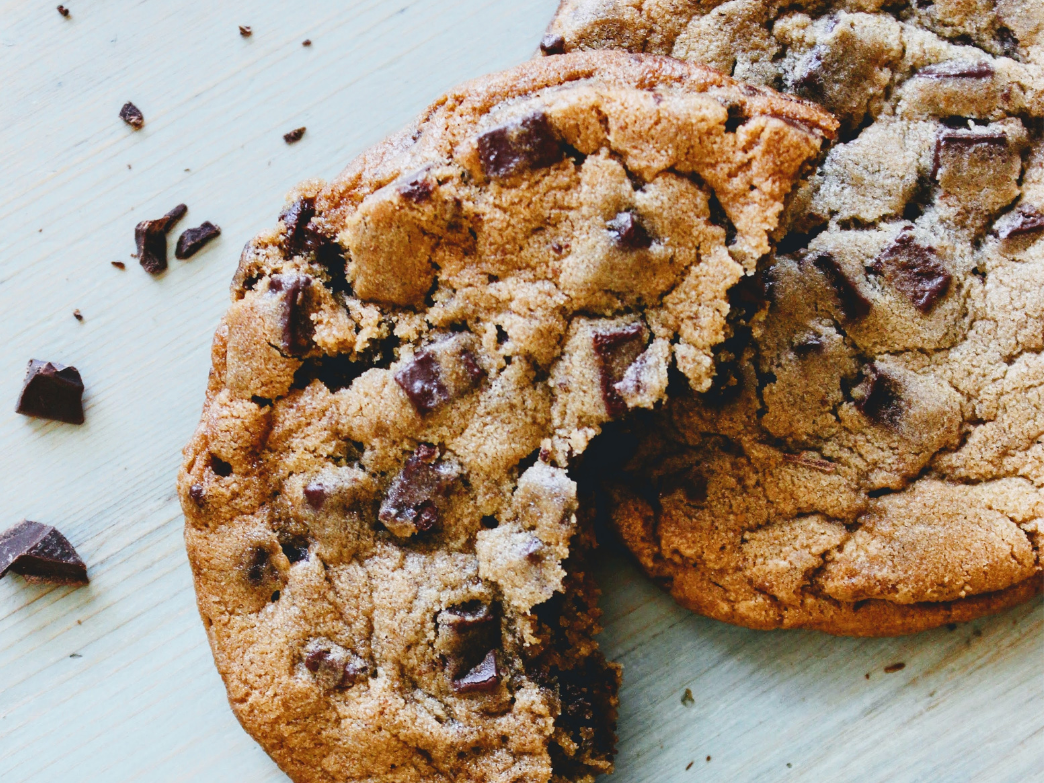
By Lucy Yanckello, Ph.D. Wildgrain, opens in a new tab, is the first bake-from-frozen subscription box for sourdough breads, fresh pastas, and artisanal pastries. Few things beat a warm cookie straight from the oven, but that usually means mixing, chilling, and waiting. Although baking from scratch has its place, a good cookie subscription box brings bakery-quality cookies to your door. Knowing what separates a great cookie delivery service from an ordinary one is what makes the difference. What is a cookie subscription box for home delivery? How do cookie delivery services work? A cookie subscription box is a recurring delivery of fresh cookies sent to your door on a schedule convenient for you. You sign up, pick your frequency, and a curated box arrives without you ever having to set foot in a store. The best services bake their cookies and freeze them at peak freshness, then ship them to you in an insulated cooler, ready to finish in your oven. Take Wildgrain’s selection of Giant Chocolate Chunk Cookies, Gluten-Free Giant Chocolate Chunk Cookies, Giant Snickerdoodle Cookies, and Gluten-Free Giant Ginger Molasses Cookies for example. You just cook them from frozen whenever you get a craving, so each one tastes like it just came out of the oven without the hard work. Are cookie subscription boxes worth it? How much do cookie subscription boxes cost? Cookie subscription boxes are worth it if you value freshness and convenience over a quick prepackaged grocery store grab. Pricing usually depends on the size of the box, how often you get a delivery, and the quality of ingredients the cookies are made with. Most services charge per delivery and let you set the frequency, so the cost per cookie tends to drop if you commit to a regular delivery schedule. When you factor in bakery-quality cookies finished in your own kitchen, the value often outweighs the cheaper, mass-produced options. Baking a batch of Wildgrain’s Giant Chocolate Chunk Cookies at home makes the difference easy to taste. What are the pros and cons of cookie delivery? How does a cookie delivery service work? The biggest pro of cookie delivery is freshness paired with convenience, since cookies arrive ready to bake whenever you want to enjoy one, like Wildgrain’s Giant Chocolate Chunk Cookies. You also get access to bakery-quality treats you may not have access to locally, and without the work of making them from scratch. The ingredients are often more quality than the shelf-stable kind as well. The main con is cost, as a subscription usually runs higher than a standard package you pick up at the store. Waiting for a delivery also depends on shipping, which means planning ahead rather than grabbing cookies from the store on a whim. Most services work the same way: you choose your box and frequency, it ships frozen, and you bake the cookies fresh at home. How long do shipped cookies last? How long will cookies stay fresh if frozen? Shipped cookies last longest when you keep them frozen until you are ready to bake. Freezing slows the chemical changes that cause baked goods to go stale, so the flavor and texture is locked in for far longer than a cookie left on the counter. Most frozen cookies stay fresh for several months without any real drop in quality as long as they are sealed well. Once baked, they are best enjoyed within a few days, though you can also opt to bake only what you need and leave the rest frozen. That flexibility is part of what makes a frozen cookie, like Wildgrain’s Giant Snickerdoodle, practical to keep on hand. How to choose the best cookie delivery service for gifts? The best cookie delivery service for gifts combines fresh, high-quality cookies with packaging that looks as good as the cookies taste. Look for a service that ships reliably and lets you schedule delivery around a birthday, holiday, or special event. A box that bakes from frozen is ideal for gifting, since the recipient gets warm cookies on their own timeline rather than a package that is quick to go stale. Cookies like Wildgrain’s Gluten-Free Giant Ginger Molasses Cookies also make a thoughtful gift for friends with dietary needs, so everyone can enjoy them. Can you get gluten-free cookies delivered? What is the best gluten-free cookie delivery service? Yes, you can get gluten-free cookies delivered straight to your door, and the best services treat them with the same care as their classic recipes. A great gluten-free cookie delivery service uses quality ingredients so the texture and flavor hold up, rather than feeling like an afterthought. You want cookies that bake up soft and chewy, not dry and crumbly, which comes down to how the recipe is built. Wildgrain’s Gluten-Free Giant Chocolate Chunk Cookies deliver the bakery texture from frozen, so going gluten-free never means settling for less. What comes in Wildgrain’s cookie subscription box? How do Wildgrain’s cookies ship? Wildgrain’s cookie selection includes giant, bakery-style cookies baked and frozen at peak freshness and sent to your door, ready to finish at home. You can enjoy options like Giant Chocolate Chunk Cookies, Giant Snickerdoodle Cookies, with gluten-free options like Gluten-Free Giant Chocolate Chunk Cookies and Gluten-Free Giant Ginger Molasses Cookies available as well. The cookies ship frozen and insulated, which keeps them at the highest quality from Wildgrain’s kitchen to yours. When a craving hits, you only bake what you want and leave the rest in the freezer for next time. What are the top cookie delivery services for special occasions? The top cookie delivery services for special occasions provide three things: freshness, presentation, and reliable timing. For a birthday, anniversary, or holiday, you want cookies that arrive on-time and ready to bake, so they are warm and fresh when it matters most. A frozen, bake-at-home box gives you that control, letting you serve cookies straight from the oven when guests arrive. Baking a tray of Wildgrain’s Giant Chocolate Chunk Cookies fills the whole house with a fresh-baked smell, turning any gathering into something memorable. Where can I buy the best cookies online for home delivery? Is Wildgrain the best cookie delivery service? At Wildgrain, we specialize in making high-quality, fresh baked goods that are delivered directly to your door. Wildgrain is the first bake-from-frozen delivery subscription service for fresh pasta, breads, and pastries. Our cookies include Wildgrain Giant Chocolate Chunk Cookies, Wildgrain Gluten-Free Giant Chocolate Chunk Cookies, Wildgrain Giant Snickerdoodle Cookies, and Wildgrain Gluten-Free Giant Ginger Molasses Cookies. Learn more about Wildgrain and our artisanal baking and cooking methods. Best Pastry Home Delivery Service: How Wildgrain's Pastry Delivery Works Wildgrain's pastries are prepared in independent, artisanal bakeries with high quality ingredients. The pastries are shipped frozen in insulated boxes and delivered direct to your home, anywhere nationwide. By shipping frozen, Wildgrain products maintain the highest quality, so you can enjoy fresh pastries at home. That's why customers consider Wildgrain among the best home delivery services for pastries. About the Author Lucy Yanckello received her Ph.D. in nutrition from the University of Kentucky College of Medicine. She currently works as a medical writer and enjoys being able to help people better understand nutrition and science. This content is for informational use only and does not replace professional nutrition and/or medical advice, diagnosis or treatment. It is not a substitute for and should not be relied upon for specific nutrition and/or medical recommendations. Please talk with your doctor about any questions or concerns.
Learn more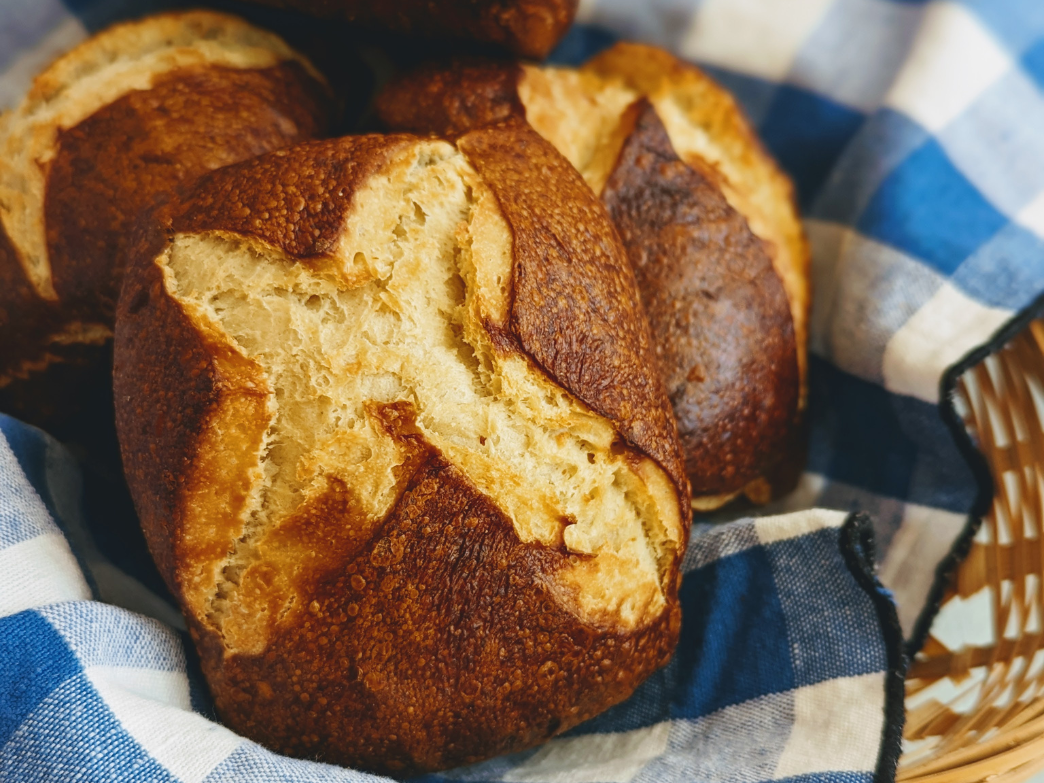
What's Healthier: Bavarian Pretzel vs. Soft Pretzels vs. Hard Pretzels vs. Pretzel Buns?
By Lucy Yanckello, Ph.D. Wildgrain, opens in a new tab, is the first bake-from-frozen subscription box for sourdough breads, fresh pastas, and artisanal pastries. Pretzels are a beloved snack showing up everywhere from European bakeries, to ballparks, to bags on the shelf of your grocery store. Although they look basic, pretzels vary widely in nutritional profile depending on how they are made. Knowing these differences can help you pick one that works for your nutritional goals. What’s the difference: Bavarian pretzel vs. soft pretzel vs. hard pretzel vs. pretzel buns? The main difference between these types of pretzels comes down to the dough and how it is baked. All four start with a simple dough of flour, water, yeast, and salt. However, this is where things differ, as the soft and bavarian versions often add butter, malt, or sugar for a more tender bite. What sets a pretzel apart from other types of bread is the alkaline bath that the dough takes before baking. Bavarian pretzels traditionally use a food-grade lye solution, while most soft pretzels use a baking soda bath. The dip is what builds the deep brown crust and signature pretzel flavor. Pretzel buns, like Wildgrain’s Bavarian Pretzel Buns, are made the same way, but are shaped into rolls instead of the signature pretzel twist. Hard pretzels are made using less water in the dough, and once they take the alkaline dip, they are baked low and slow until almost all the moisture is gone. This low and slow baking process is what gives them their crunch, but is also what removes most of their nutrients. Which is healthier to eat, Bavarian pretzel vs. soft pretzel vs. hard pretzel vs. pretzel buns? Bavarian and soft pretzels made with whole grain flour to offer the most nutritional benefits. Whole grain flour provides more fiber, B vitamins, and minerals than refined white flour. Pretzel buns fall into the same category, especially when they anchor a balanced meal. Wildgrain’s Bavarian Pretzel Buns work well paired with a turkey burger and a side of vegetables. Although hard pretzels are lower in calories, they lean on refined flour and a large amount of salt. As such, hard pretzels don't bring much to the table besides crunch. Can diabetics eat pretzels? Are pretzels ok for diabetics? People with diabetes can enjoy pretzels, though the type and portion matter. Most pretzels rank high on the glycemic index. This means they raise blood sugar quickly because refined flour digests fast causing blood sugar to spike quickly. A pretzel made with whole grain flour dampens the glycemic response because the fiber content slows digestion. Pairing a Wildgrain Artisanal Bavarian Pretzel with protein or fat, such as nut butter or cheese, helps slow digestion and keep blood sugar from spiking as quickly. Is it healthy to eat pretzels every day? Is it ok to eat pretzels every day? Eating pretzels everyday can fit into a balanced diet, as long as you pay attention to nutritional quality and portion size. Conventional hard and mass-produced soft pretzels are high in sodium and low in fiber and protein. This means they do little to keep you full. A pretzel built on whole grains gives you more fiber and micronutrients which will keep you feeling fuller for longer. Warming a Wildgrain Artisanal Bavarian Pretzel and enjoying it with a protein rich dip such as greek yogurt or a side of lean protein will help keep you fuller for longer and curb cravings. Enjoying this snack a few times a week is a much more nutritionally beneficial routine than a daily bag of salted hard pretzels. Can celiacs eat pretzels? Are pretzels ok for celiac disease? Traditional pretzels are not safe for people with celiac disease since they are made from wheat flour and thus contain gluten. With celiac disease, even a small amount of gluten can trigger an immune response that damages the lining of your small intestine. For that reason, conventional pretzels are best avoided entirely. Gluten free pretzels do exist and use flours like rice, tapioca, or almond. The dough behaves differently due to this, so the texture and flavor are different from traditional pretzels. If you have celiac disease, be sure to look for pretzels that are certified gluten-free and are made in a dedicated facility. A gastroenterologist or registered dietician can help you find options that are safe for you to enjoy. What is the healthiest pretzel to eat? What is the best type of pretzel to eat? The healthiest pretzel to eat is one that you enjoy. Look for whole grain flour and a short ingredient list. Paying attention to sodium is important too. Some pretzels have more than 400 mg in a single serving. Warming a Wildgrain’s Artisanal Bavarian Pretzel and topping it with something protein rich turns a simple snack into something more satisfying. How do I choose a great pretzel for home delivery? What is the best Bavarian pretzel that I can get at home? Choosing a great pretzel for home delivery starts with the ingredient list. Look for whole or minimally processed flours and other ingredients you recognize such as water, salt, and yeast. Simplicity usually points to better quality dough. Freshness matters too. A pretzel baked fresh and then flash frozen before shipping tastes much closer to what you get in a bakery than what you get out of a shelf-stable bag. Wildgrain’s Artisanal Bavarian Pretzel and Bavarian Pretzel Buns are crafted by skilled bakers and frozen at peak freshness and are some of the best pretzels for home delivery. You bake them straight from frozen meaning you can have a bakery-quality pretzel at home in minutes. Where can I buy the best fresh pretzels online for home delivery? At Wildgrain, we specialize in making high-quality, fresh baked goods that are delivered directly to your door. Wildgrain is the first bake-from-frozen delivery subscription service for breads, pastries, and fresh pastas. Some of our popular pretzels include Wildgrain's Artisanal Bavarian Pretzels and Wildgrain’s Bavarian Pretzel Buns. Learn more about Wildgrain and our artisanal baking and cooking methods. Best Home Delivery Service for Food: How Wildgrain's Food Delivery Works Wildgrain's products are prepared in independent, artisanal bakeries with high quality ingredients. They are shipped frozen in insulated boxes and delivered direct to your home, anywhere nationwide. By shipping frozen, Wildgrain products maintain the highest quality, so you can enjoy fresh food at home. That's why customers consider Wildgrain among the best home food delivery services. About the Author Lucy Yanckello received her Ph.D. in nutrition from the University of Kentucky College of Medicine. She currently works as a medical writer and enjoys being able to help people better understand nutrition and science. This content is for informational use only and does not replace professional nutrition and/or medical advice, diagnosis or treatment. It is not a substitute for and should not be relied upon for specific nutrition and/or medical recommendations. Please talk with your doctor about any questions or concerns.
Learn more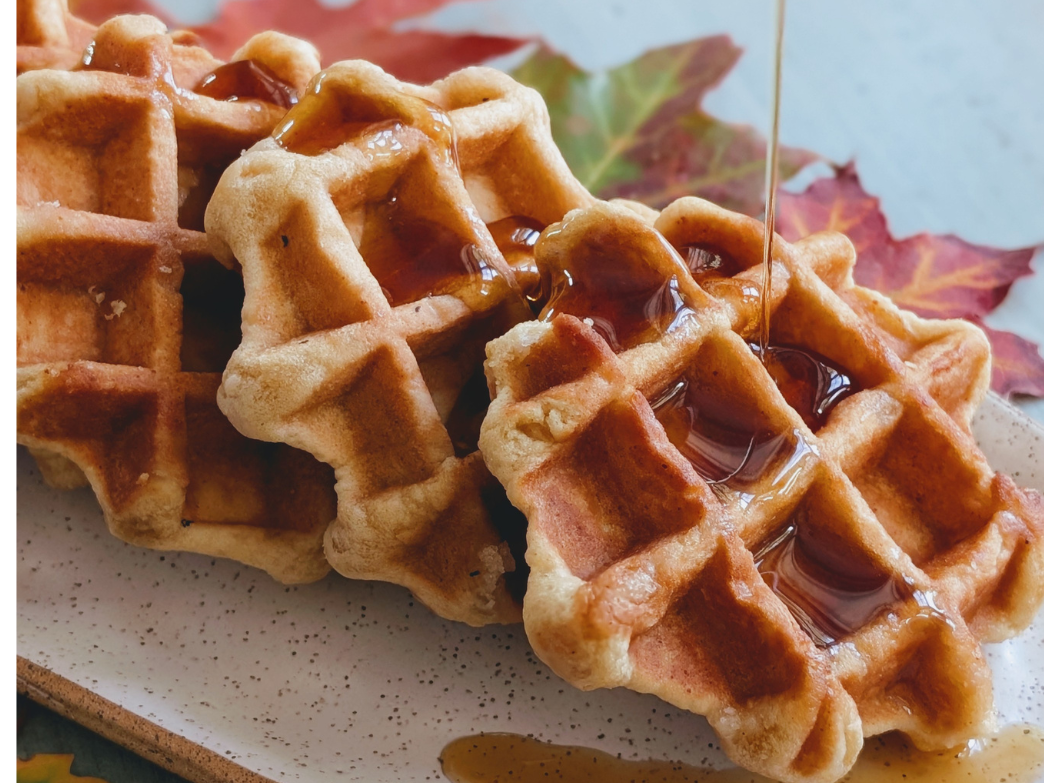
Best High-Protein Foods for Runners
By Dr. Jorge, Ph.D. Wildgrain, opens in a new tab is the first bake-from-frozen subscription box for sourdough breads, fresh pastas, and artisanal pastries. If you're a runner or endurance athlete, you know how important diet is for fueling your workouts and supporting recovery after intense training. With so many options, it can be hard to know which foods to prioritize. Read on as we break down the best foods and diets for runners, including the best high-protein options to reach for before and after your workout. What is the healthiest diet for runners? What is the best diet for runners? The healthiest diet for runners is one that is balanced and nutritious, with a focus on fruits and vegetables, lean protein, healthy fats, and healthy carbohydrates. Running can utilize a significant amount of energy, so it is important to fuel your body properly, both before and after a run. Carbohydrates are the primary fuel source for runners, with fat playing a supporting role, particularly during longer runs. While protein is not a primary fuel source for the body, protein plays an important role in muscle growth, repair, and overall recovery. Fruits and vegetables round out a runner's diet by providing key nutrients that support bone health, muscle function, and overall wellbeing. Ultimately, the best runner’s diet is one that prioritizes nutritional variety and balance across all food groups, keeping you fueled, recovered, and ready for your next run. What not to eat as a runner? What foods should runners avoid? There are certain foods that runners are advised to avoid, particularly before a run. These include foods that can cause digestive upset or dehydration, such as spicy foods, high-fat foods, high-fiber foods, caffeine, and alcohol. Over time, you'll develop a better sense of which foods trigger cramping, gas, or other digestive discomfort that can interfere with your run. Caffeine, for example, can help boost the endurance of some runners but may cause digestive issues in others. Everyone is different, so your body’s response will be the best way to determine which foods are best saved for after your workout. Is a high-protein diet good for runners? What are the best high-protein foods for runners? A high-protein diet is generally recommended for runners and other endurance athletes. Protein is critical to a runner's diet as it helps build and maintain muscle mass. Since muscles break down during a run, adequate protein intake is essential for muscle repair, reducing the risk of injury and supporting overall recovery. Some of the best high-protein foods for runners include lean meats, fish, eggs, beans, and nuts. For runners following a plant-based diet, options like tofu, tempeh, and lentils are other excellent high-protein choices that can support muscle recovery. For a convenient and nutritious snack, Wildgrain’s Traditional Hummus is an easy way to get in healthy fats and a boost of plant-based protein between runs, or you can choose from Wildgrain’s selection of high-protein foods. How much protein do runners really need? Should you eat protein before or after a run? As a general rule, runners should aim to consume around 1.4 to 1.7 grams of protein per kilogram of body weight per day. For instance, a runner weighing 175 lbs (80 kg) should aim to consume between 112 and 136 grams of protein daily. It is recommended to eat protein both before and after a run, with a greater emphasis on consuming protein-rich foods shortly after a workout to promote muscle recovery. A post-run snack or meal that combines protein with carbohydrates, such as eggs on whole grain toast (like Wildgrain’s Sourdough Whole Wheat Loaf) or a serving of hummus with whole grain crackers, can be an easy and effective way to refuel your body. Are waffles good before a workout? Are protein waffles good before a run? Yes, waffles can be a great pre-run meal, especially when paired with other carbohydrate-rich foods like bananas or peanut butter. A combination of carbohydrates and protein is ideal before a run, as carbohydrates can provide quick energy while protein helps to support your muscles. This makes protein waffles, like Wildgrain’s High Protein Maple Waffle, an excellent pre-run option to fuel you before you head out the door. Should runners eat bread? What bread is best for running? Runners should absolutely eat bread. Bread is a great high-carbohydrate option for runners, and different types of bread are better before or after a run. White bread, made from simple carbohydrates and low in fiber, is easy to digest and breaks down quickly to provide fast energy before heading out on a run. Sourdough bread, like Wildgrain’s Plain Sourdough Loaf, is another excellent pre-run bread choice, as sourdough bread is gentle on the stomach and provides sustained energy. Generally speaking, the best bread for runners is one that is either low in fiber for quick pre-run energy or high in protein to support muscle recovery post-run. Experimenting with different bread options can help you find what works best for your body and routine. Should runners eat pasta? What pasta is best for running? Like certain types of bread, pasta is an excellent option to help fuel you before a run or support muscle recovery afterward. White pasta, which is low in fiber and easy to digest, is an ideal choice in the hours leading up to a workout as it provides quick energy. Whole wheat pasta, on the other hand, is a better post-run option, as its higher fiber content and additional nutrients can support muscle rebuilding and overall recovery. Keeping both white pasta, like Wildgrain’s Fresh Tonnarelli, and whole wheat pasta on hand can give you the flexibility to fuel your body based on what you need. Runners can further boost protein intake and support muscle recovery by pairing pasta with other lean proteins like chicken breast or fish. What is the best pasta sauce before a marathon? What to add to pasta sauce to increase protein for runners? Pasta is a classic pre-marathon meal thanks to its high carbohydrate content. The best pasta sauce before a marathon is one that is light and unlikely to cause digestive upset, making a simple marinara like Wildgrain's Classic Marinara Sauce or a light olive oil the ideal choice to top your pasta. To boost protein, you can opt for a meat sauce like Wildgrain’s Sausage Ragu Sauce, or try adding lean ground meat, stirring in lentils, or blending cottage cheese into your sauce of choice for a creamy, protein-rich finish. Where can I buy the best fresh high-protein foods online for delivery? At Wildgrain, we specialize in making high-quality, fresh breads and pastas that are delivered directly to your door. Wildgrain is the first bake-from-frozen delivery subscription service for breads, pastries, fresh pastas, and more. Some of our popular high-protein items include Wildgrain’s High Protein Maple Waffle, Wildgrain's Truffle & Parmigiano Reggiano Ravioli, and Wildgrain’s Sausage Ragu Sauce. All of the Wildgrain high-protein foods can be found Go to Traditional hummushere. Learn more about Wildgrain and our artisanal baking and cooking methods. Best Home Delivery Service for Food: How Wildgrain's Food Delivery Works Wildgrain's products are prepared in independent, artisanal bakeries with high quality ingredients. They are shipped frozen in insulated boxes and delivered direct to your home, anywhere nationwide. By shipping frozen, Wildgrain products maintain the highest quality, so you can enjoy fresh food at home. That's why customers consider Wildgrain among the best home food delivery services. About the Author Dr. Jorge has been a public health researcher for many years, holding both a Bachelor's degree and a Ph.D. in Chemistry. They presently work as a medical writer and love being able to assist others in understanding various health and scientific topics. This content is for informational use only and does not replace professional nutrition and/or medical advice, diagnosis or treatment. It is not a substitute for and should not be relied upon for specific nutrition and/or medical recommendations. Please talk with your doctor about any questions or concerns.
Learn more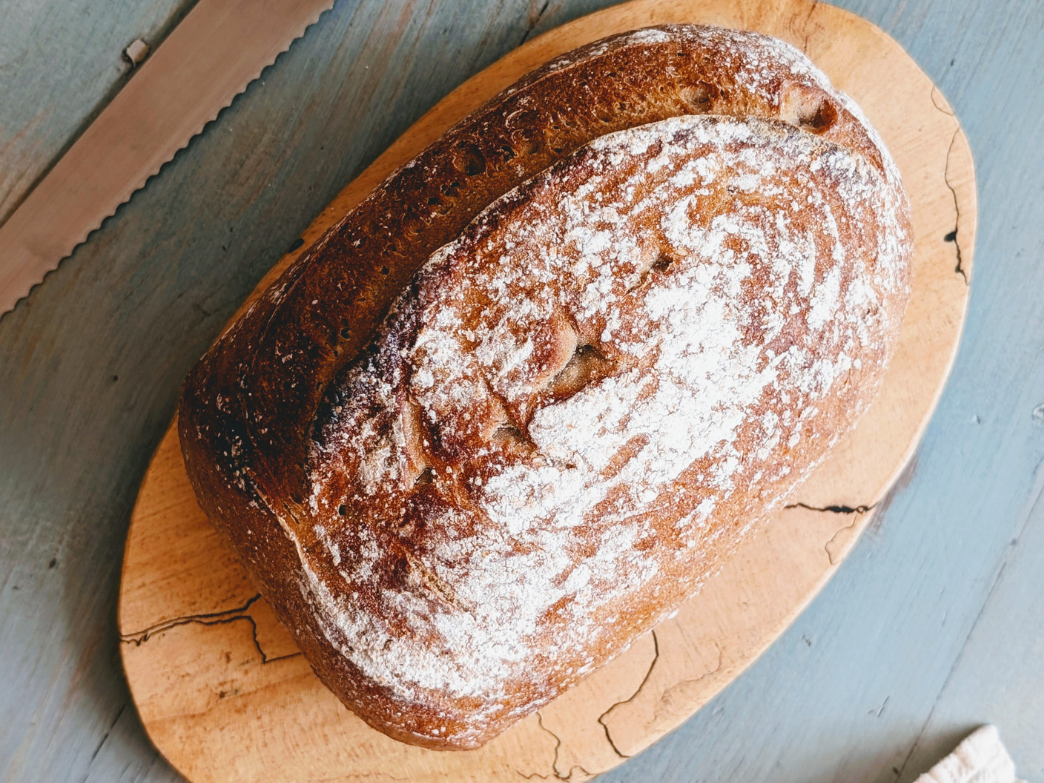
Best High-Fiber Diet for Diverticulosis and Diverticulitis
By Lucy Yanckello, Ph.D. Wildgrain, opens in a new tab, is the first bake-from-frozen subscription box for sourdough breads, fresh pastas, and artisanal pastries. Diverticular disease is one of the most common digestive conditions in adults, but it is widely misunderstood. Although diverticulosis and diverticulitis involve the same pouches in our colons, the foods that support each stage of this condition are on opposite ends of the spectrum. Knowing the difference can make managing both feel a lot less confusing. What’s the difference between diverticulosis and diverticulitis? Should you eat the same diet for diverticulosis and diverticulitis? Diverticulosis and diverticulitis are two stages of the same condition, but they call for very different diets. Diverticulosis is when small pouches, called diverticula, form in the walls of your colon. It is common and often symptom free, affecting up to half of adults by the age of 60. Diverticulitis is when these diverticula become inflamed or infected. This can cause abdominal pain, fever, nausea, and cramping. For diverticulosis, a high fiber diet keeps stools soft and eases pressure on colon walls. For diverticulitis, during a flare the approach is in direct opposition, with fiber intake typically reduced for a short period of time to give the colon a chance to rest. What is the best diet to heal diverticulosis? What foods calm diverticulosis? A high-fiber diet is widely considered the most effective way to support a colon with diverticulosis. Most adults benefit from working up to 25-35 grams of fiber per day from foods like vegetables, fruits, beans, and whole grains. These foods help keep stool soft and reduce the pressure that contributes to new pouches forming. Good everyday staples include leafy greens, lentils, oats, and whole grain bread like Wildgrain’s Sourdough Whole Wheat Loaf. Fiber works best when you are hydrated, so making sure to drink plenty of water is just as important as what is on your plate. What is the best diet to heal diverticulitis? What calms a flare-up of diverticulitis? The diet during an active diverticulitis flare is centered on giving your colon a break. Severe flares often start with a diet of clear liquids like broth, water, pulp-free juice, and plain tea. From there, most will transition to low-fiber solid foods as symptoms improve. Gentle options during this state include white bread, white rice, plain pasta (such as Wildgrain’s Fresh Fettuccine), eggs, and tender fish or poultry. Be sure to consult a healthcare provider to guide you through a flare, including the timing of when to reintroduce fiber. The long-term goal is to return to the same high-fiber, whole food eating pattern that is beneficial for diverticulosis. What are the worst foods for diverticulosis? What is the worst diet for diverticulitis? The eating pattern most commonly associated with diverticular disease is low in fiber and high in red meat, refined carbohydrates, and added sugars. Diets that mainly consist of these foods have been linked to a higher risk of developing diverticular disease and experiencing future flares. During an active flare, anything that adds bulk or irritation to an inflamed colon can make symptoms worse. This includes high-fiber foods, raw vegetables, tough meats, and whole grains. One piece of outdated advice worth reconsidering is the rule about avoiding nuts, seeds, and popcorn, as current evidence does not support restricting these foods during remission. What is the best fiber to eat for diverticulosis? What happens if you eat fiber with diverticulitis? Insoluble fiber is generally considered the most beneficial type of fiber for diverticulosis. It is found in wheat bran, whole grains and the skins of fruits and vegetables. Insoluble fiber works by adding bulk to stool and helping it move through the colon efficiently. This eases the internal pressure that contributes to diverticula forming. During an active flare, fiber is typically paused entirely, as to not add bulk and irritation to an already inflamed colon. Can you eat bread with diverticulosis and diverticulitis? Is sourdough bread ok for diverticulosis? Bread can fit into diverticulosis and diverticulitis diets, but the type that works best depends on where you are in the disease process. For diverticulosis, whole grain bread is a great option because it delivers the insoluble fiber the colon needs to stay healthy and keep additional diverticula from forming. During a flare white bread tends to be the gentler choice. Sourdough made with refined flour is a particularly good option because the long fermentation process partially breaks down starches and gluten which can make it easier to digest than standard white bread. A slice of Wildgrain’s Classic Sourdough Loaf with eggs or smooth peanut butter makes for a simple well-tolerated meal during recovery. Once the flare has resolved, Wildgrain’s Sourdough Whole Wheat Loaf offers a balance of digestive ease with a higher fiber content. Can you eat pasta with diverticulosis and diverticulitis? What’s the best pasta for diverticulosis and diverticulitis? Pasta is a solid option for both diverticulosis and diverticulitis, and like bread, the right choice depends on what stage of the condition you are in. During a flare, white pasta, like Wildgrain’s Fresh Tonarelli, is easy to digest and gentle on an inflamed colon. It pairs well with light broths, soft proteins, or a drizzle of olive oil. A little extra cook time can make any pasta softer and easier to tolerate during and immediately following a flare. During remission, whole wheat pasta is a better everyday choice because it offers more per serving and supports the colon to lower risk of future flares. Tossing pasta with white beans, sauteed greens, and olive oil is a satisfying high-fiber meal for the remission phase. Where can I buy the best fresh high-fiber foods online? At Wildgrain, we specialize in making high-quality, fresh breads and pastas that are delivered directly to your door. Wildgrain is the first bake-from-frozen delivery subscription service for breads, pastries, fresh pastas, and more. Some of our popular items include Wildgrain's Traditional Hummus, Wildgrain Slow-Fermented Veggie Pizza, and Wildgrain Whole Wheat Sourdough Loaf. Learn more about Wildgrain and our artisanal baking and cooking methods. Best Home Delivery Service for Food: How Wildgrain's Food Delivery Works Wildgrain's products are prepared in independent, artisanal bakeries with high quality ingredients. They are shipped frozen in insulated boxes and delivered direct to your home, anywhere nationwide. By shipping frozen, Wildgrain products maintain the highest quality, so you can enjoy fresh food at home. That's why customers consider Wildgrain among the best home food delivery services. About the Author Lucy Yanckello received her Ph.D. in nutrition from the University of Kentucky College of Medicine. She currently works as a medical writer and enjoys being able to help people better understand nutrition and science. This content is for informational use only and does not replace professional nutrition and/or medical advice, diagnosis or treatment. It is not a substitute for and should not be relied upon for specific nutrition and/or medical recommendations. Please talk with your doctor about any questions or concerns.
Learn more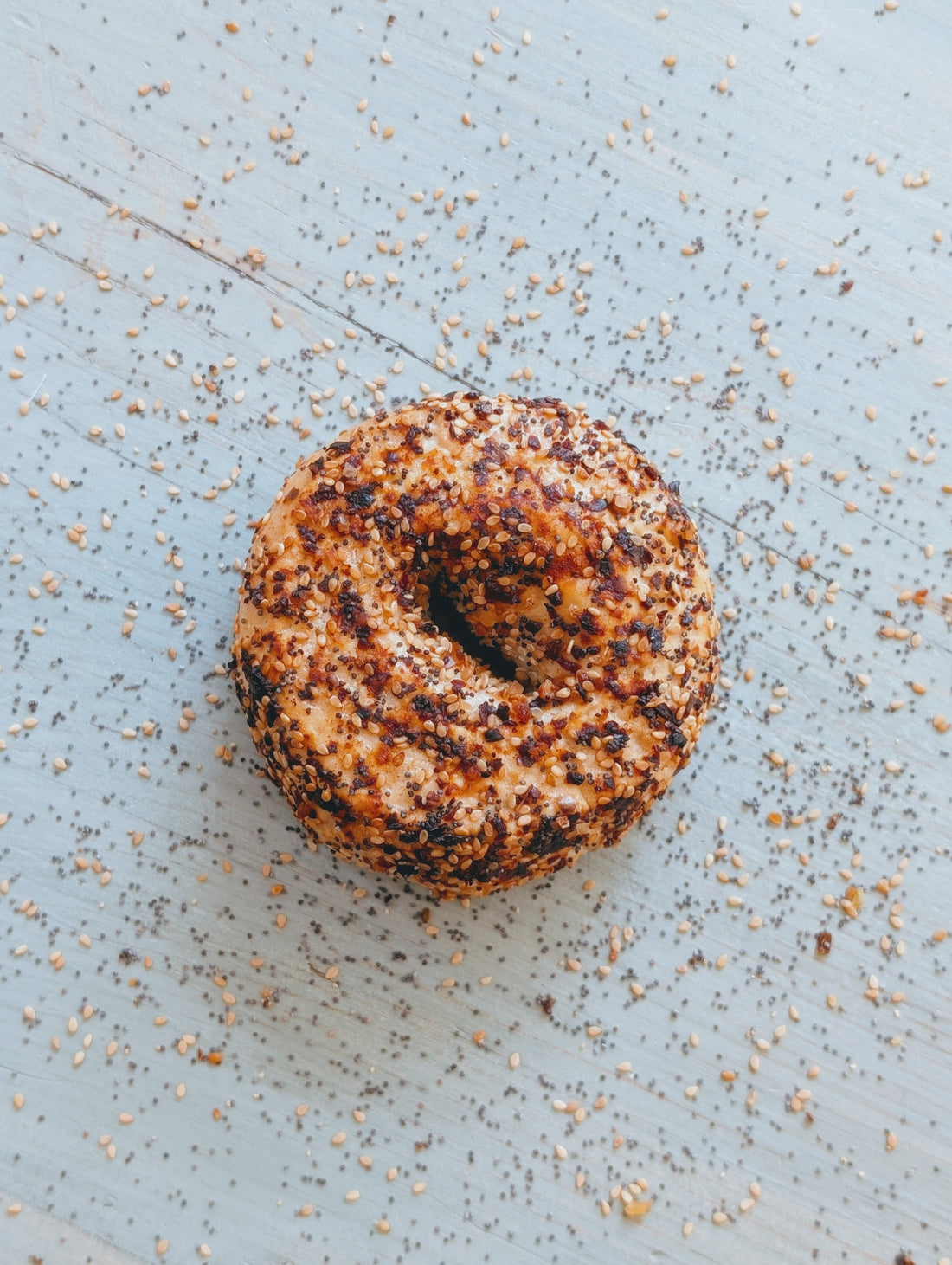
Best Gluten-Free Subscription Boxes for Home Delivery: Complete Guide
By Dr. Jorge, Ph.D. Wildgrain, opens in a new tab is the first bake-from-frozen subscription box for sourdough breads, fresh pastas, and artisanal pastries. Food subscription boxes, especially gluten-free subscription boxes, can be an easy and convenient way to ensure you're always stocked with your favorite staples. Whether you're looking for regular or occasional home delivery, gluten-free subscription boxes can be tailored to fit your cravings and dietary needs. Read on to learn everything you need to know about how gluten-free subscription boxes work. What is a gluten-free subscription box for home delivery? How do gluten-free subscription boxes work? A gluten-free subscription box is a recurring delivery of curated, completely gluten-free foods delivered directly to your front door. Typically, companies that offer gluten-free subscription boxes allow you to build your own box, selecting exactly which products you'd like included in your delivery. For instance, at Wildgrain you can choose from a selection of bake-to-frozen gluten-free breads, gluten-free pastas, and gluten-free desserts. You can also choose your delivery frequency and the quantity and variety of products you'd like. This makes gluten-free subscription boxes a convenient and customizable way to keep your kitchen stocked with gluten-free staples, without the hassle of searching for them at the store. Who are gluten-free subscription boxes for? Are gluten-free subscription boxes good for celiacs? Gluten-free subscription boxes are for anyone looking to have gluten-free foods delivered directly to their home. While anyone can enjoy a gluten-free subscription box, they are especially helpful for those with celiac disease or gluten sensitivity. For those with celiac disease in particular, having a consistent delivery of 100% gluten-free products can be a simple and reliable way to stay stocked on safe, celiac-friendly foods like Wildgrain Gluten-Free Plain Sourdough Loaf, Wildgrain Gluten-Free Cheese Tortellini, and Wildgrain Gluten-Free Giant Chocolate Chunk Cookies. Whether you have a dietary restriction or simply prefer gluten-free foods, a gluten-free subscription box can make eating a gluten-free diet a little bit easier. Are gluten-free subscription boxes worth it? How much do gluten-free subscription boxes cost? Whether a gluten-free subscription box is worth it will depend on the individual and a few key factors, such as the time saved searching for safe gluten-free foods and the overall cost of those products. For many, the convenience and peace of mind that come with having gluten-free foods delivered directly to their door make the investment in a regular gluten-free subscription box well worth it. The cost of a gluten-free subscription box will vary by company. At Wildgrain, pricing is based on the number of items in your delivery, starting at $89 for 4 items and $129 for 8 items. However, keep in mind that some items can include multiple units. For example, Wildgrain Gluten-Free Slow-Fermented Everything Bagels come in a pack of 4 bagels, so your gluten-free subscription box home delivery may go further than you'd think. Are gluten-free subscription boxes healthy? Can you customize a gluten-free subscription box? Gluten-free subscription boxes can be healthy, but as with any food, it is important to check the ingredients and nutrition label before purchasing. Just like grocery store products, some gluten-free subscription box items may contain fillers and preservatives, so looking for boxes that prioritize clean, simple ingredients is key. When evaluating a gluten-free subscription box, look for companies that use high-quality ingredients, avoid artificial preservatives, and produce their products in dedicated gluten-free facilities. At Wildgrain, all products are made by skilled, independent bakers across the United States using clean ingredients with no preservatives, and our gluten-free products are made in dedicated gluten-free facilities for added peace of mind. All of Wildgrain’s products are frozen at peak freshness and arrive at your door cold, so you can enjoy bakery-quality taste straight from your oven. As for customization, Wildgrain allows you to choose exactly which products come in your box, selecting from a variety of options including bread, butter, pasta, and pastries, with the flexibility to adjust your delivery frequency or cancel at any time. What foods come in a gluten-free subscription box? How often are gluten-free subscription boxes delivered? The types of foods that come in a gluten-free subscription box will depend on the company's offerings and your personal preferences. Many gluten-free subscription boxes offer a wide variety of products, ranging from breads and baked goods to pasta, snacks, and pantry staples. Some boxes are more specialized, focusing on a specific category like baked goods or frozen meals, while others offer a broader selection. For example, Wildgrain’s gluten-free subscription box allows you to choose from a variety of gluten-free products, including different types of bread, pasta, and other baked goods like Wildgrain Classic Cheesecake and Wildgrain Gluten-Free Blueberry Waffles. Delivery frequency will also vary by company, but most offer flexible scheduling options to fit your household's needs. At Wildgrain, you can choose to receive your gluten-free subscription box anywhere from every 2 weeks to every 8 weeks, making it easy to tailor your subscription to your needs. Do gluten-free subscription boxes ship frozen? Many gluten-free subscription boxes ship frozen, particularly those that include baked goods or fully prepared meals. Shipping methods will vary by company, but most will include dry ice, gel packs, or both to ensure products arrive fresh. At Wildgrain, products are frozen at peak freshness and shipped frozen straight to your door, with packaging tailored to the items in your order. Some items, like Wildgrain Coconut Granola, do not require refrigeration and will ship accordingly. Either way, reputable gluten-free subscription box companies take care to ensure your order arrives cold and ready to enjoy. What comes in Wildgrain’s gluten-free subscription box? How does Wildgrain’s gluten-free subscription box work? The items that come in Wildgrain's gluten-free subscription box are completely up to you. You get to choose the quantity and type of products in every box, selecting from a wide variety of breads, pasta, and pastries. Setting up your first delivery is simple — just choose the number of items you'd like to receive and start browsing Wildgrain's large selection of gluten-free baked goods. From there, you can pick your favorites and choose the delivery frequency that fits your schedule best. If you ever need to make a change, skipping a delivery or canceling at any time is always an option. Where can I buy the best gluten-free baked goods online for home delivery? At Wildgrain, we specialize in making high-quality, fresh baked goods that are delivered directly to your door. Wildgrain is the first bake-from-frozen delivery subscription service for fresh pasta, breads, and pastries. Our gluten-free breads and pastas include Wildgrain Gluten-Free Country Loaf, Wildgrain Gluten-Free Sourdough Loaf, Wildgrain Gluten-Free Fresh Linguine, and Wildgrain Gluten-Free Cheese Tortellini. Learn more about Wildgrain and our artisanal baking and cooking methods. Best Home Delivery Service for Food: How Wildgrain's Food Delivery Works Wildgrain's products are prepared in independent, artisanal bakeries with high quality ingredients. They are shipped frozen in insulated boxes and delivered direct to your home, anywhere nationwide. By shipping frozen, Wildgrain products maintain the highest quality, so you can enjoy fresh food at home. That's why customers consider Wildgrain among the best home food delivery services. About the Author Dr. Jorge has been a public health researcher for many years, holding both a Bachelor's degree and a Ph.D. in Chemistry. They presently work as a medical writer and love being able to assist others in understanding various health and scientific topics. This content is for informational use only and does not replace professional nutrition and/or medical advice, diagnosis or treatment. It is not a substitute for and should not be relied upon for specific nutrition and/or medical recommendations. Please talk with your doctor about any questions or concerns.
Learn more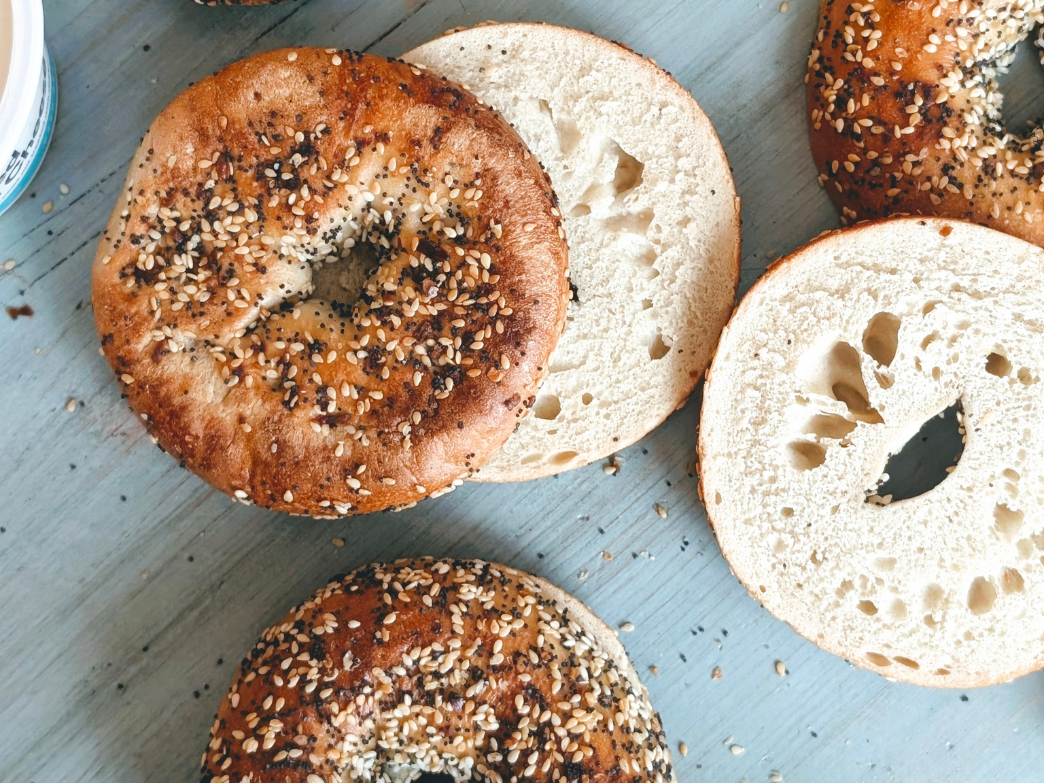
What's Healthier: New York Bagel vs. Montreal Bagel vs. Regular Bagel vs. Gluten-Free Bagel?
By Dr. Jorge, Ph.D. Wildgrain, opens in a new tab is the first bake-from-frozen subscription box for sourdough breads, fresh pastas, and artisanal pastries. New York bagels, Montreal bagels, store-bought bagels, gluten-free bagels — the bagel world is more complicated than it may seem. Whether you're focused on weight loss, managing a dietary restriction, or simply trying to find the best bagel for your preferences, understanding the differences between different bagel varieties can help you make a more informed choice. Read on as we break down everything you need to know to find the best bagel for you. What’s the difference: New York bagel vs. Montreal bagel? What’s so special about a New York bagel? New York bagels and Montreal bagels have some key differences. Most notably, Montreal bagels are sweeter, smaller, and denser, with a larger hole than a New York bagel. Ingredient-wise, New York bagels include salt while Montreal bagels traditionally do not, contributing to the savory quality of NY bagels and the sweeter profile of Montreal bagels. The two also differ in cooking style — New York bagels are boiled in barley malt water before being baked in a conventional oven, while Montreal bagels are boiled in a honey water mixture and traditionally baked in a wood-fired oven. New York bagels, like Wildgrain’s New York Everything Bagels, are largely considered special for their unique chewy texture, which is achieved through a slow, cold fermentation process and boiling in a barley malt water solution before baking. Some also credit New York City's naturally soft tap water as a contributing factor, though this is widely debated and considered by many to be a minor influence at most. What’s the difference: New York bagel vs. regular bagel? The main difference between New York bagels and regular store-bought bagels is that New York bagels undergo a boiling step prior to baking, whereas most store-bought bagels skip this step entirely. Boiling the bagel before baking is what gives New York bagels their signature chewy texture and shiny crust. Store-bought bagels, by contrast, are typically steamed or baked directly, resulting in a softer, more bread-like texture. Which is healthier to eat, New York bagel or Montreal bagel? Whether a New York bagel or Montreal bagel is healthier ultimately depends on the specific bagel, including its size and the type of flour it is made with. Bagels made with whole grain or whole wheat flour are a more nutritious option than those made with refined white flour. From a calorie and carbohydrate perspective, size plays a significant role, and Montreal bagels, being smaller and denser, tend to be lower in calories than the larger New York bagel. Those watching their sodium intake may also prefer Montreal bagels like Wildgrain’s Wood-Fired Plain Bagels, as they are traditionally made without salt. As with any food, checking the nutrition label is the best way to determine which option best fits your dietary needs. Is a gluten-free bagel healthier than a regular bagel? Gluten-free bagels are not necessarily healthier than regular bagels. Since gluten-free bagels are often made with refined starches such as tapioca, corn, and potato starch to mimic traditional textures, they can lack the nutritional benefits of bagels made with whole grain flour. Gluten-free options can also be higher in calories, fat, and sugar compared to traditional bagels. That said, gluten-free bagels such as Wildgrain’s Gluten-Free Slow-Fermented Plain Bagels are an essential option for those with celiac disease or a gluten sensitivity. As always, the best way to compare options and find the best bagel for your needs is to carefully check the nutrition label. Which bagel is best for diabetics, New York bagel or Montreal bagel? Which bagel is better for diabetics, regular or gluten-free bagel? For diabetics, the best bagel is one made with whole grain flour, as it is higher in fiber and lower on the glycemic index than bagels made with refined flour, helping to prevent blood sugar spikes. Whether choosing a New York bagel, Montreal bagel, or gluten-free bagel, the most important factor is the nutritional profile of the individual bagel rather than the style. Gluten-free bagels, while necessary for those with celiac disease or gluten sensitivity, are often made with refined starches that can cause blood sugar levels to rise quickly, making them a less ideal choice for diabetics unless made with whole grain or high-fiber ingredients. To be sure you’re choosing the healthiest bagel option for you, scan the nutrition label for fiber, carbohydrate, and sugar content. Which bagel is best for weight loss, New York bagel or Montreal bagel or regular bagel or gluten-free bagel? Like the best bagel for diabetics, the best bagel for weight loss is one made from whole grains, as the higher fiber content helps you feel full for longer and can prevent overeating. Since weight loss depends on the balance between calories consumed and calories burned, being mindful of the calorie content of your bagel of choice is important. From a calorie standpoint, Montreal bagels have a natural advantage over New York bagels due to their typical smaller size, while gluten-free bagels can sometimes be higher in calories than traditional options due to the refined starches used. That said, if you have a preference for one bagel style over another, you can still enjoy it by cutting the bagel in half or choosing a lighter, nutrient-dense topping like peanut butter or avocado. Do bagels have high histamine? Are gluten-free bagels high in histamine? Traditional bagels are generally not considered high in histamine, though it is worth noting that yeast, a common ingredient in bagels, can contribute to histamine levels in the body. Gluten-free bagels will vary in histamine levels depending on their ingredients, and like traditional bagels, those made with yeast may be a concern for individuals with histamine intolerance. For those managing histamine intolerance, checking the ingredients list carefully and consulting a doctor or dietitian is always recommended. Is it healthy to eat bagels every day? Is it ok to eat bagels every day? Can I eat a bagel every day and lose weight? It can be healthy to eat bagels every day if they are enjoyed as part of a balanced diet. As with any food, the key to an overall healthy and nutritious diet is to incorporate a variety of foods in moderation. You can still eat a bagel every day and lose weight, provided you remain mindful of your overall calorie intake and choose bagels made with whole grain flour for added fiber and nutritional value. Opting for lighter toppings and watching portion sizes can also help make your daily bagel a more weight-loss-friendly choice. How do I choose a great bagel for home delivery? What is the best bagel that I can get at home? To choose a great bagel for home delivery, it is important to be selective about the source and quality of the bagels you order. The best bagels you can get at home are those baked fresh by a specialized bakery and delivered straight to your door. Wildgrain makes this easy, offering bagels like Wildgrain’s New York Bagels that are crafted by skilled bakers and frozen at peak freshness, so all you need to do is bake them straight from frozen for a fresh-tasting bagel at home. Where can I buy the best fresh bagels online for home delivery? At Wildgrain, we specialize in making high-quality, fresh baked goods that are delivered directly to your door. Wildgrain is the first bake-from-frozen delivery subscription service for breads, pastries, and fresh pastas. Some of our popular breads and bagels include Wildgrain's Wood-Fired Plain Bagels, Wildgrain's Wood-Fired Cinnamon Raisin Bagels, Wildgrain’s New York Bagels, and Wildgrain’s Gluten-Free Slow-Fermented Plain Bagels. Learn more about Wildgrain and our artisanal baking and cooking methods. Best Home Delivery Service for Food: How Wildgrain's Food Delivery Works Wildgrain's products are prepared in independent, artisanal bakeries with high quality ingredients. They are shipped frozen in insulated boxes and delivered direct to your home, anywhere nationwide. By shipping frozen, Wildgrain products maintain the highest quality, so you can enjoy fresh food at home. That's why customers consider Wildgrain among the best home food delivery services. About the Author Dr. Jorge has been a public health researcher for many years, holding both a Bachelor's degree and a Ph.D. in Chemistry. They presently work as a medical writer and love being able to assist others in understanding various health and scientific topics. This content is for informational use only and does not replace professional nutrition and/or medical advice, diagnosis or treatment. It is not a substitute for and should not be relied upon for specific nutrition and/or medical recommendations. Please talk with your doctor about any questions or concerns.
Learn more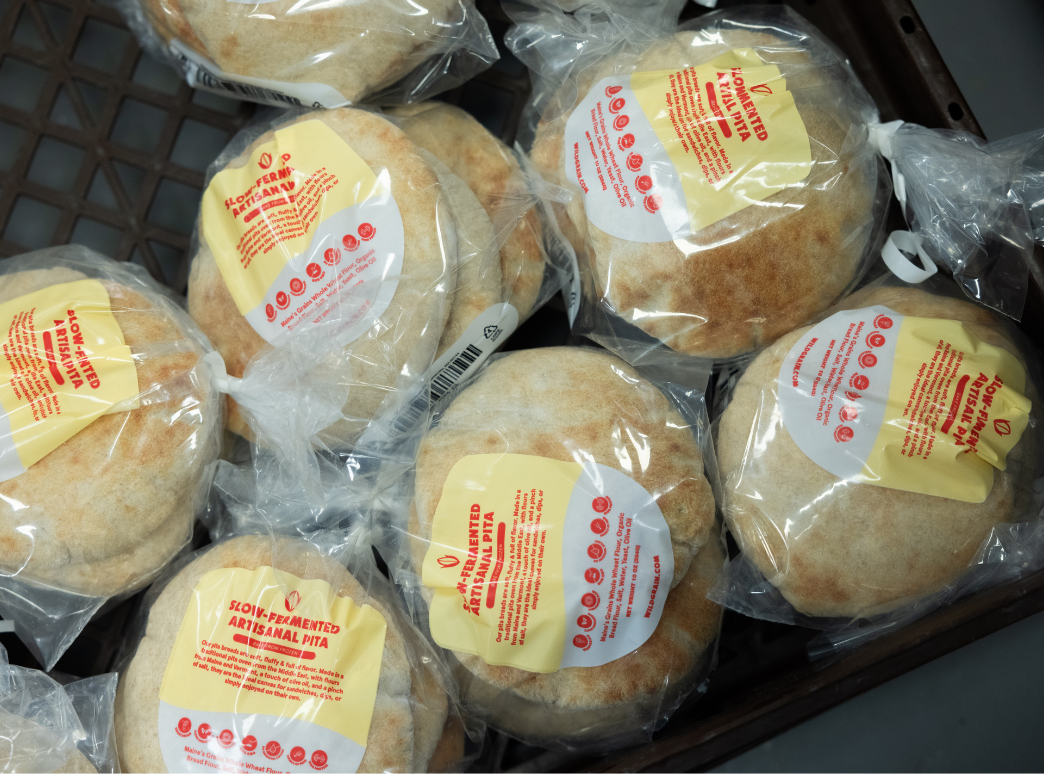
Hummus: Healthy or Unhealthy?
By Lucy Yanckello, Ph.D. Wildgrain, opens in a new tab, is the first bake-from-frozen subscription box for sourdough breads, fresh pastas, and artisanal pastries. Hummus has gone from a niche Middle Eastern staple to a mainstream refrigerator fixture, and the conversation about its nutritional profile has followed. Some embrace it as a health food, while others eye its caloric density with suspicion. The truth, as with most foods, is more nuanced than either extreme and worth understanding clearly. Is hummus healthy or fattening? How healthy is hummus? Hummus is a nutritious food, with the idea that it is fattening missing the bigger picture. Traditional hummus is made primarily from chickpeas, tahini, olive oil, lemon juice, and garlic and delivers plant-based protein, dietary fiber, and heart-healthy fats in every serving. It is calorie dense relative to its serving size, with a quarter cup containing anywhere from 110 to 130 calories. However, calorie density alone does not make a food fattening, especially when it is also high in fiber and protein which promotes satiety. What does eating hummus do for your body? What are the downsides to eating hummus? Eating hummus, like Wildgrain Traditional Hummus, regularly supports digestive health, blood sugar regulation, heart health, and sustained energy thanks to the combination of fiber, healthy fats, and plant-based protein. The soluble fiber in chickpeas feeds beneficial gut bacteria, while monounsaturated fats from olive oil and tahini support healthy cholesterol levels. On the downside, some experience bloating or gas when eating chickpea-based foods, particularly if legumes are not a regular part of their diet. To help minimize this, start with smaller portions and build up gradually. Additionally, store bought varieties of hummus can be high in sodium, so checking the label and choosing lower-sodium options, or making your hummus at home is worth the extra time. Does hummus help with inflammation? Is hummus good for arthritis? Traditional hummus, like Wildgrain Traditional Hummus, contains several ingredients with well-documented anti-inflammatory properties. Extra virgin olive oil is rich in oleocanthal, a compound that research has shown to function similarly to ibuprofen in reducing inflammation. Chickpeas also contribute polyphenols and fiber, both of which support a healthy gut microbiome, which is increasingly linked to lower systemic inflammation. For people managing arthritis, incorporating anti-inflammatory foods, such as hummus as part of their broader diet is a strategy well supported by research. Is hummus ok for prediabetes? Is hummus ok for diabetes? Hummus is generally a smart choice for people managing prediabetes or diabetes.The fiber and protein in chickpeas slows the digestion and absorption of carbohydrates, which helps prevent sharp spikes in blood sugars that are problematic for those with diabetes. Research on legume consumption has consistently found associations between regular intake and improved blood sugar control and insulin sensitivity. Pairing hummus with Wildgrain Sourdough Bread or Wildgrain Slow-Fermented Artisanal Pita makes for a blood-sugar friendly combination since the long fermentation process produces a lower glycemic response than conventional bread. How much hummus can I eat per day? Does hummus act as a laxative? A quarter-cup to a half-cup of hummus a day is a reasonable and healthy amount for most people, delivering 3 to 7 grams of fiber, alongside protein and healthy fats. Hummus does not act as a laxative in a traditional sense, but its fiber content does support regular bowel movements by adding bulk to stool and feeding the gut bacteria that keep digestion moving efficiently. For people who are not accustomed to eating much fiber, a sudden large increase in hummus consumption can cause temporary digestive discomfort. Be sure to gradually increase portion size alongside adequate water intake to avoid this. Is hummus good to snack on for weight loss? Is hummus or avocado better for weight loss? Hummus is a smart snack for weight loss because it combines fiber and protein, which promote satiety, reduce cravings, and ultimately leads to reduced overall caloric intake. Research has found that people who regularly eat chickpeas and hummus tend to have healthier body weight and better diet quality overall. Avocado shares similar satiety-promoting qualities through its fiber and healthy fat content. Dipping Wildgrain Slow-Fermented Artisanal Pita into hummus, like Wildgrain Traditional Hummus, and topping it with sliced avocado is the perfect snack for those trying to lose weight. What ingredients in hummus are healthy? What ingredients in hummus are unhealthy? The core ingredients in traditional hummus - chickpeas, tahini, olive oil, lemon juice, and garlic - are all healthy. Chickpeas provide fiber, protein, iron, and folate. Tahini contributes calcium, healthy fats, and additional protein, and olive oil brings monounsaturated fats and anti-inflammatory compounds. Hummus starts to drift into the less healthy territory when manufacturers add preservatives and stabilizers that have no nutritional value. The ingredient list is the clearest signal of quality - the shorter and more recognizable, the better. At Wildgrain, we believe in making our Wildgrain Traditional Hummus without additives like preservatives and artificial stabilizers. Is store-bought hummus healthy? What is the healthiest store-bought hummus? Store-bought hummus can absolutely be healthy, and several widely available brands do a good job of keeping their ingredient list clean and simple. Brands like Hope Foods, Cedar’s, and Ithaca, are frequently cited by dietitians for their minimal ingredient list and quality fat sources. Another great option for a healthy hummus is the Traditional Hummus from Wildgrain. How do I pick out the healthiest hummus? When scanning labels, look for chickpeas and tahini listed as the primary ingredients, olive oil rather than other oil sources, and sodium content between 150 and 200 grams per serving. The single most reliable strategy for finding the healthiest hummus is to treat the ingredient list like a checklist - chickpeas, tahini, olive oil, lemon juice, garlic, and salt. If there is anything you don’t recognize, put it back and grab another brand. At Wildgrain, we believe in making our Wildgrain Traditional Hummus without additives like preservatives and artificial stabilizers. Where can I buy the best fresh hummus for home delivery? At Wildgrain, we specialize in making high-quality, fresh breads and pastas that are delivered directly to your door. Wildgrain is the first bake-from-frozen delivery subscription service for breads, pastries, fresh pastas, and more. Some of our popular items include Wildgrain Traditional Hummus, Wildgrain Slow-Fermented Artisanal Pita, and Wildgrain Plain Sourdough Loaf. Learn more about Wildgrain and our artisanal baking and cooking methods. Best Home Delivery Service for Food: How Wildgrain's Food Delivery Works Wildgrain's products are prepared in independent, artisanal bakeries with high quality ingredients. They are shipped frozen in insulated boxes and delivered direct to your home, anywhere nationwide. By shipping frozen, Wildgrain products maintain the highest quality, so you can enjoy fresh food at home. That's why customers consider Wildgrain among the best home food delivery services. About the Author Lucy Yanckello received her Ph.D. in nutrition from the University of Kentucky College of Medicine. She currently works as a medical writer and enjoys being able to help people better understand nutrition and science. This content is for informational use only and does not replace professional nutrition and/or medical advice, diagnosis or treatment. It is not a substitute for and should not be relied upon for specific nutrition and/or medical recommendations. Please talk with your doctor about any questions or concerns.
Learn more
Best Hummus for Fiber
By Lucy Yanckello, Ph.D. Wildgrain, opens in a new tab, is the first bake-from-frozen subscription box for sourdough breads, fresh pastas, and artisanal pastries. Hummus has become a staple in refrigerators everywhere, praised for its creamy texture and versatility as a spread, dip, and sauce. Although it feels indulgent, hummus is actually very nutrient dense. This often gets overlooked, especially regarding how much it has to offer on the fiber front. As most people are not meeting daily fiber recommendations, hummus could be an easy addition to your diet to help get you to your goals. Does hummus have fiber? Is hummus a good source of fiber? Yes, hummus does have fiber. A standard two tablespoon serving of hummus contains approximately 1 to 2 grams of fiber, with a quarter-cup serving providing closer to 3 to 4 grams. A food is considered a “good” source of fiber when it provides at least 3 grams per serving, so hummus earns that designation when eaten in a reasonable portion. Paired with Wildgrain’s Pita Bread, which adds its own fiber into the equation, Wildgrain Traditional Hummus is a good source of fiber and can be part of a snack that helps meet your daily fiber goals. Is hummus good for gut health? Is hummus good for bowel movements? Hummus is beneficial for gut health, largely due to the type of fiber found in chickpeas. Chickpeas are rich in soluble fiber which ferments in the large intestine and feeds the beneficial bacteria in your gut. This process produces beneficial metabolites such as short-chain fatty acids, which support your gut lining and reduce inflammation. Chickpeas also contain some insoluble fiber which adds bulk to stool and helps keep things moving in your digestive tract, reducing constipation. Paring Wildgrain Traditional Hummus, with sourdough or slow-fermented breads that have a long fermentation process making them more gentle on your gut like Wildgrain’s Sourdough Bread or Wildgrain’s Slow-fermented Artisanal Pita, are smart combinations for overall digestive comfort. Which has more fiber, hummus or avocado or white beans? Of the three, white beans have the most fiber by a significant margin, with approximately 9 to 10 grams per half-cup serving. Hummus and avocado are closer in fiber content to each other, with a half cup of hummus providing around 6 to 7 grams, and a half of a medium avocado providing around 5 grams. Each food delivers fiber alongside a distinct nutritional package. Avocado brings heart-healthy fats, white beans add plant-based protein, and hummus offers a combination of both alongside other key micronutrients such as iron and folate. Rather than choosing one, keeping all three as part of your diet is a practical way to diversify your fiber intake. Which is better for fiber, chickpeas or hummus? Chickpeas and hummus are nutritionally very close when it comes to fiber, which makes sense since hummus is made from chickpeas. A half-cup of cooked chickpeas contains around 6 to 8 grams of fiber, and the same amount of hummus contains roughly 6 to 7 grams. The small difference reflects the dilution that occurs when chickpeas are blended with other ingredients into hummus. Which type of hummus has more fiber? What can I add to hummus for more fiber? Hummus made with white beans, lentils, or edamame tends to offer more fiber per serving than traditional hummus made from chickpeas. These legumes are naturally denser in fiber than chickpeas. If you want to boost the fiber of chickpea hummus, stir in ground flaxseed, which adds about 2 grams of fiber per serving and has almost no impact on flavor. Blending in extra chickpeas or steamed cauliflower can also bump up fiber content while keeping the texture smooth. Topping your hummus with hemp seeds or enjoying it with raw vegetables adds both fiber and texture as well. If you prefer pita, Wildgrain’s Slow-fermented Artisanal Pita can contribute a meaningful addition of fiber to your overall snack too when paired with hummus, like Wildgrain Traditional Hummus. Is hummus ok to eat every day? What happens when you eat hummus every day? You can eat hummus everyday, and in fact there is meaningful evidence to suggest that eating it regularly is beneficial to your health. Studies on legume consumption have found that people who eat chickpeas and hummus regularly tend to have a better overall diet quality, higher fiber intake, and healthier body weight. Eating hummus daily can contribute to steadier blood sugar levels, improved cholesterol profiles, better digestive regularity, and greater satiety between meals. However, be mindful of the sodium content in store-bought varieties of hummus. Choosing lower-sodium options or making hummus at home easily keeps this in check. Is hummus healthy for you? Is hummus considered junk food? Hummus is not junk food. Traditional hummus is made from a short list of whole, minimally processed ingredients - chickpeas, tahini, olive oil, lemon juice, and garlic - each of which brings nutritional value to the table. Be sure to avoid hummus made with unnecessary additives, and choose a hummus made only from simple ingredients, like Wildgrain Traditional Hummus. Hummus provides meaningful amounts of plant-based protein, fiber, folate, iron, and heart-healthy fats, which mirrors the nutritional profile of a whole food, not a packaged junk food. Paring hummus with an equally quality dipper, like Wildgrain Sourdough Bread or Wildgrain Slow-Fermented Artisanal Pita, means your whole snack is providing a high standard of nutritional quality. How to get 100% of daily fiber? How much hummus is healthy per day? The recommended daily fiber intake is 25 grams for women and 38 grams for men, though most adults only consume about half of that on a daily basis. Getting 100% of daily fiber requires a consistent, whole-diet approach that builds meals around legumes, whole grains, vegetables, and fruits. Hummus fits naturally into that framework as an easy high-fiber staple. Anchoring a daily snack around hummus and pita, like Wildgrain Traditional Hummus and Wildgrain Slow-Fermented Artisanal Pita, is a simple habit that will meaningfully contribute to closing the fiber gap. How do I find good, healthy hummus? Can store bought hummus be healthy? Store-bought hummus can be healthy, but quality varies widely, so knowing what to look for on the nutrition label matters. The gold standard is a short, recognizable ingredient list, such as in Wildgrain’s Traditional Hummus. Checking sodium content is also worth an extra few seconds, since it can easily add up. If you want complete control, making hummus at home only requires a blender and about ten minutes. Where can I buy the best fresh hummus and pita bread online? At Wildgrain, we specialize in making high-quality, fresh breads and pastas that are delivered directly to your door. Wildgrain is the first bake-from-frozen delivery subscription service for breads, pastries, fresh pastas, and more. Some of our popular items include our Wildgrain Traditional Hummus, Wildgrain Slow-Fermented Artisanal Pita, and Wildgrain Plain Sourdough Loaf. Learn more about Wildgrain and our artisanal baking and cooking methods. Best Home Delivery Service for Food: How Wildgrain's Food Delivery Works Wildgrain's products are prepared in independent, artisanal bakeries with high quality ingredients. They are shipped frozen in insulated boxes and delivered direct to your home, anywhere nationwide. By shipping frozen, Wildgrain products maintain the highest quality, so you can enjoy fresh food at home. That's why customers consider Wildgrain among the best home food delivery services. About the Author Lucy Yanckello received her Ph.D. in nutrition from the University of Kentucky College of Medicine. She currently works as a medical writer and enjoys being able to help people better understand nutrition and science. This content is for informational use only and does not replace professional nutrition and/or medical advice, diagnosis or treatment. It is not a substitute for and should not be relied upon for specific nutrition and/or medical recommendations. Please talk with your doctor about any questions or concerns.
Learn more
How to Choose the Best Whole Wheat Bread: A Buyer’s Guide
By Dr. Jorge, Ph.D. Wildgrain, opens in a new tab is the first bake-from-frozen subscription box for sourdough breads, fresh pastas, and artisanal pastries. Trying to select the healthiest whole wheat bread at the store can feel overwhelming with so many options declaring they're made from whole wheat. We're here to demystify the process and help you identify the healthiest and most authentic 100% whole wheat bread. Read on to learn how to easily tell the difference between loaves and find the best option for you. Is real whole wheat bread good for you? Is whole wheat bread healthy? Whole wheat bread is a healthy and nutritious choice when selecting a bread at the store or bakery. 100% whole wheat bread in particular offers multiple health benefits, including a reduced risk of heart disease, stroke, cancer, type 2 diabetes, and obesity, as well as reduced inflammation. This is because whole wheat bread is made from the entire grain kernel, preserving the fiber, vitamins, and minerals that are lost in refined grain products like white bread. What would make whole wheat bread not healthy? What ingredients in whole wheat bread are unhealthy? While whole wheat bread is naturally nutritious, additives in some store-bought varieties can reduce its health benefits. These include added sugars, sodium, oils, and preservatives that are often added to improve taste, texture, and shelf life. When shopping for whole wheat bread, scan the nutrition label for ingredients like molasses, high fructose corn syrup, sugar, and soybean or other vegetable oils, as these are signs that the bread may not be as healthy as it appears. At Wildgrain, we believe in simple ingredients and do not add additives like preservatives to our breads. How to tell if bread is 100% whole wheat? What would make a bread not fully whole wheat? The best way to tell if bread is 100% whole wheat is to check the packaging and ingredients list carefully. While bread may initially appear to be 100% whole wheat, many "whole wheat" breads actually contain a mix of whole wheat and refined flour. To ensure you are choosing a true 100% whole wheat bread, look for "whole wheat flour" as the first ingredient. If you see "enriched wheat flour" or "wheat flour" listed instead, the bread is likely not 100% whole wheat. Breads that are genuinely 100% whole wheat will typically state this explicitly on the packaging as "100% whole wheat" or "100% whole grain”. Which breads are actually whole wheat? How to identify a whole wheat bread? Bread that is truly whole wheat is made entirely from 100% whole wheat flour, with no refined or enriched flours mixed in. When identifying whole wheat bread at the store, start by checking the packaging for an explicit "100% whole wheat" label. From there, confirm by scanning the ingredients list for whole wheat flour listed as the first ingredient. Be cautious of breads labeled simply as "wheat bread" or "made with whole wheat", as these may only contain a small percentage of whole wheat flour. When in doubt, the ingredients list is always the most reliable way to identify a true whole wheat bread. Is sourdough bread 100% whole wheat? Is all sourdough bread made from whole wheat? Sourdough bread is not necessarily 100% whole wheat, although it can be. Sourdough bread can be made from a variety of flours, including refined white flour, whole wheat flour, rye flour, or even a combination of these. Some examples of different types of sourdough bread include Wildgrain's Sourdough Whole Wheat Loaf and Wildgrain’s Plain Sourdough Loaf. No matter your preference, checking the ingredients list is the best way to determine whether a sourdough bread meets your whole wheat needs. Is whole wheat bread good for constipation? Yes, whole wheat bread is good for constipation due to its high fiber content. Whole wheat bread is rich in fiber, which helps add bulk to stool and soften it, making it easier to pass and reducing the likelihood of constipation. For best results, pair whole wheat bread with plenty of water and other fiber-rich foods to support healthy digestion. Is store-bought whole wheat bread healthy that I find in the grocery store? What is the healthiest store-bought whole wheat bread? Store-bought whole wheat bread can be a healthy option, but not all grocery store varieties are created equal. Many store-bought breads contain unhealthy additives like added sugar, excess sodium, or oils, but there are whole wheat options with minimal, wholesome ingredients. To choose the healthiest store-bought whole wheat bread, look for a loaf that lists whole wheat flour as the first ingredient and avoid breads with filler flours, added sugars, or unnecessary preservatives. When in doubt, the shorter and simpler the ingredients list, the better and healthier the whole wheat bread. At Wildgrain, we believe in breads baked with simple ingredients without added preservatives or unnecessary additives. How do I choose the best whole wheat bread? What is the best whole wheat bread to buy? What is a popular brand of whole wheat bread? To choose the best whole wheat bread, always inspect the packaging and ingredients list to ensure you are selecting the healthiest and most authentic option. The best whole wheat bread will have few ingredients with whole wheat flour listed first, and minimal added sugars, sodium, or preservatives. For those who enjoy a sourdough bread option made with whole wheat flour, Wildgrain’s Sourdough Whole Wheat Loaf offers the best of both worlds. Where can I buy whole wheat bread online for home delivery? At Wildgrain, we specialize in making high-quality, fresh breads that are delivered directly to your door. Wildgrain is the first bake-from-frozen delivery subscription service for breads, rolls, pastries, and fresh pastas. Some of our popular breads include Wildgrain Sourdough Whole Wheat Loaf, Wildgrain Plain Sourdough Loaf, and Wildgain Sourdough Rye Loaf. Wildgrain’s Sourdough Bread is often considered to be among the best sourdough bread you can enjoy at home. Learn more about Wildgrain and our artisanal baking and cooking methods. About the Author Dr. Jorge has been a public health researcher for many years, holding both a Bachelor's degree and a Ph.D. in Chemistry. They presently work as a medical writer and love being able to assist others in understanding various health and scientific topics. This content is for informational use only and does not replace professional nutrition and/or medical advice, diagnosis or treatment. It is not a substitute for and should not be relied upon for specific nutrition and/or medical recommendations. Please talk with your doctor about any questions or concerns.
Learn more