By Lucy Yanckello, Ph.D.
Paleo pasta skips the grains and gluten, using ingredients like cassava or veggie flours to mimic your favorite noodles. But is it actually healthier than regular or whole wheat pasta? In this article, we’ll break down what paleo pasta is, what it offers (and what it’s missing), and whether it deserves a spot in your weekly dinner rotation.
What is paleo pasta? Is paleo pasta healthy or unhealthy?
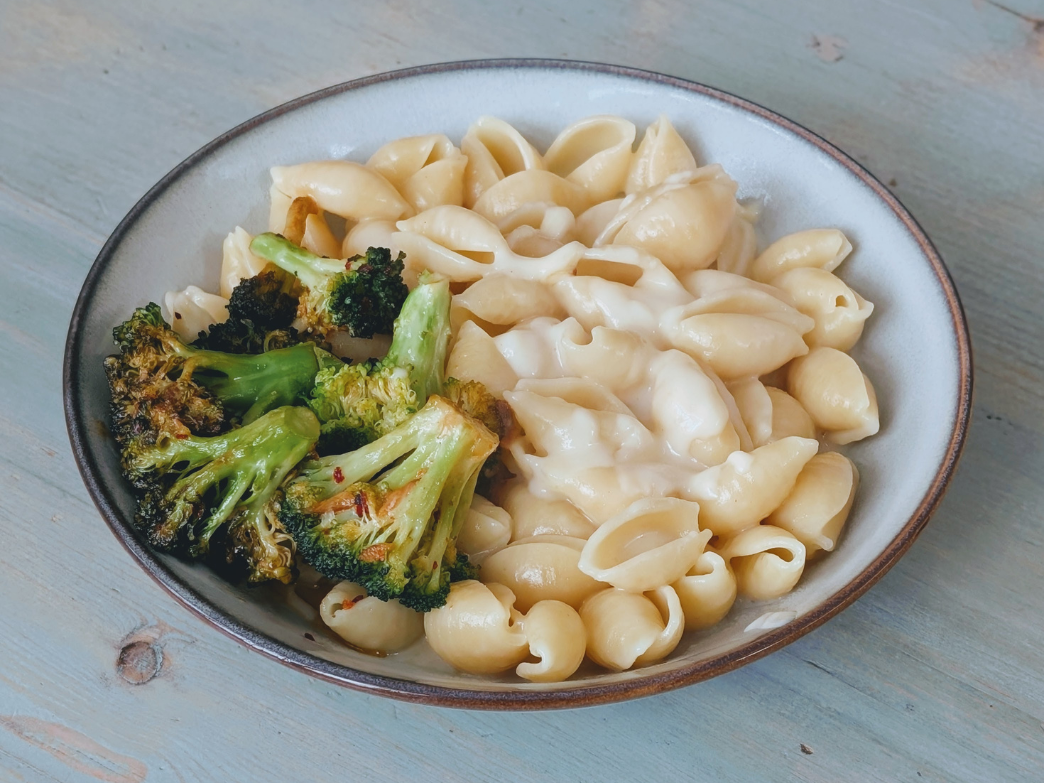
Paleo pasta is a grain-free, often gluten-free, pasta alternative made from ingredients allowed on the paleo diet. The Paleo diet excludes grains like wheat, corn, and rye, but allows vegetables, nuts, and seeds. Popular paleo pasta alternatives are made from ingredients such as cassava flour, vegetables, nut flours, and legume flours. Paleo pasta can be healthy, especially for those who are avoiding grains or gluten. However, some versions are high in starch and low in fiber, or use flours that can trigger blood sugar spikes.
Is paleo pasta healthier than regular pasta?
If paleo pasta is considered healthier than regular pasta depends on the ingredients. Generally, if made from whole foods like vegetables or legumes, it often offers more fiber, protein, and nutrients. However, the highly processed varieties of paleo pasta contain many ingredients and fillers, which often negates the benefits of avoiding grains.
Is paleo pasta healthier than whole wheat pasta?
Whole-wheat pasta generally wins in the fiber, vitamins, and minerals categories, both by aiding slower digestion, which helps with satiety, and by keeping blood sugar steady, which reduces cravings. Paleo pasta reduces carbs and avoids grains and gluten and if it is made with fiber-rich or root-vegetable flours, the nutrient and fiber content can come close to that of the profile of whole-wheat pasta. For example, pasta made with chickpea or lentil flour can actually offer more protein and similar fiber content compared to whole-wheat pasta.
Does paleo pasta contain grains? Is paleo pasta grain-free?
Paleo pasta is free from grains, as the Paleo diet avoids all grains. Paleo pasta is made from grain-free ingredients such as cassava, nut, or legume flours, or vegetables such as zucchini and spaghetti squash. However, always be sure to read labels carefully, especially if you avoid grains due to an allergy or intolerance.
Does paleo pasta contain gluten? Is paleo pasta gluten-free?
Paleo pasta is gluten-free. Paleo pasta is made from ingredients that avoid grains (wheat, barley, rye, corn, etc) which are the source of gluten. As such, paleo pasta should be gluten-free by nature, but always be sure to read the ingredient labels, especially if you avoid gluten due to an allergy or intolerance.
Which is better, keto pasta or paleo pasta?
Neither type of pasta is better than the other. The best choice for you is one that fits within your dietary goals. Keto pasta emphasizes extremely low carbohydrate contents to maintain ketosis, which paleo pasta emphasizes avoiding grains. If your goal is carb control, keto pasta is the choice for you. If your aim is to eat whole foods and avoid grains and gluten, paleo pasta may be a better choice to opt for.
Is paleo pasta good for diabetics? Which is better for diabetes, paleo pasta or keto pasta?
Both paleo and keto pastas are good options for those with diabetes as they are lower in carbohydrate content than regular wheat pasta. Paleo pastas are often made with low-glycemic ingredients such as legumes, beans, and vegetables. These ingredients can help those with diabetes reduce blood sugar spikes and increase glycemic control. Keto pasta is lower in carbohydrates and often has high fiber content, both of which are beneficial for blood sugar control. Whole food vegetable based options, such as noodles made from zucchini (ketogenic and paleo) or spaghetti squash (paleo) are the best alternatives because they are low in carbohydrates and high in nutrients. Fiber and protein content are also important to consider as both help to slow digestion and reduce blood sugar spikes.
Is paleo pasta good for weight loss? Can you eat paleo pasta daily and lose weight?
The most important factor when trying to lose weight is maintaining a caloric deficit. The paleo diet helps reduce refined carbohydrates, reduce blood sugar spikes, and moderate portions which are all beneficial when in the pursuit of weight loss. Additionally, the focus on whole foods leads to increased fiber intake which helps slow digestion and increase satiety. This ultimately reduces snacking which is also imperative for weight loss. However, eating paleo pasta daily will not lead to guaranteed weight loss. Be sure to eat balanced meals, focus on lean protein, and avoid processed sauces or toppings. Overeating one specific food type can lead to nutrient gaps and possible digestive issues.
Is it ok to eat paleo pasta every day?
Although not recommended to eat every day, paleo pasta is probably fine for most people in moderation. Focus on high-quality paleo pastas that have whole ingredients and minimal processing. Be sure to vary your toppings to include plenty of vegetables, lean protein, and healthy fats. Remember, overeating one specific food type can lead to nutrient gaps, digestive issues, and boredom with your food. Rotating your carb sources and paying attention to how your body feels is important.
Where can I buy the best fresh pasta online?
At Wildgrain, we specialize in making high-quality, fresh breads and pastas that are delivered directly to your door. Wildgrain is the first bake-from-frozen delivery subscription service for breads, pastries, and fresh pastas. Some of our popular pastas include fresh cavatappi and fresh tonnarelli. Learn more about Wildgrain and our artisanal baking and cooking methods.
Best Pasta Home Delivery Service: How Wildgrain's Pasta Delivery Works
Wildgrain's pastas are prepared in independent, artisanal bakeries with high quality ingredients. The pastas are shipped frozen in insulated boxes and delivered direct to your home, anywhere nationwide. By shipping frozen, Wildgrain products maintain the highest quality, so you can enjoy fresh pasta at home. That's why customers consider Wildgrain among the best home delivery services for pasta.
This content is for informational use only and does not replace professional nutrition and/or medical advice, diagnosis or treatment. It is not a substitute for and should not be relied upon for specific nutrition and/or medical recommendations. Please talk with your doctor about any questions or concerns.