

Wildgrain Blog
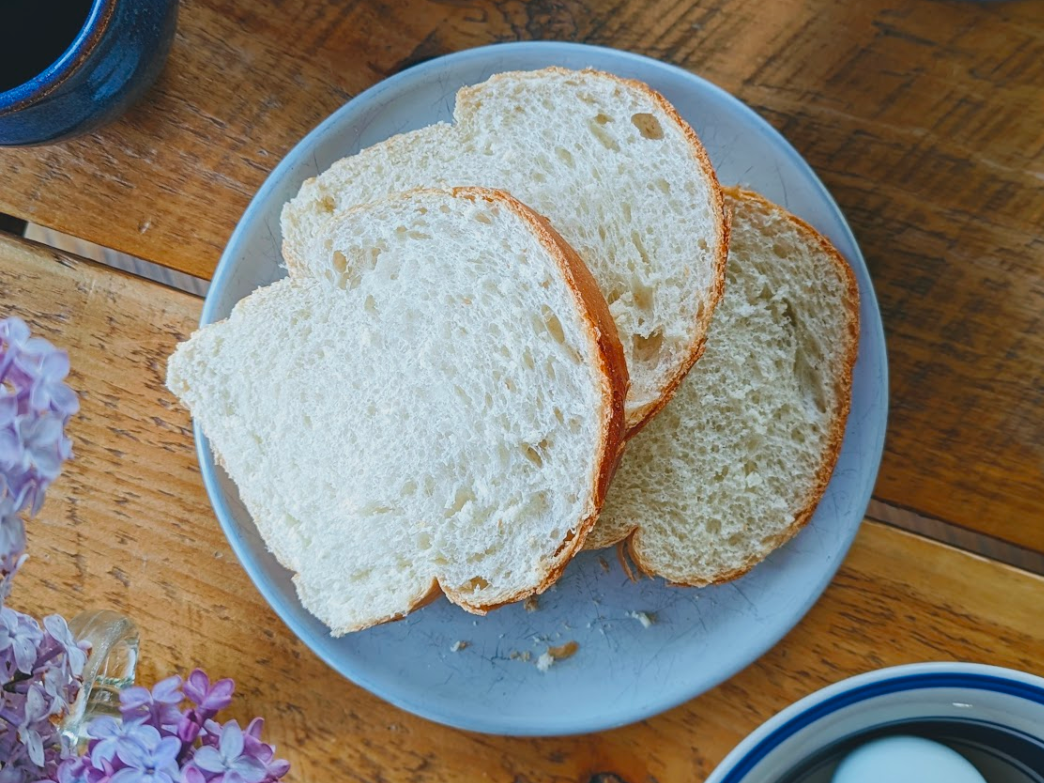
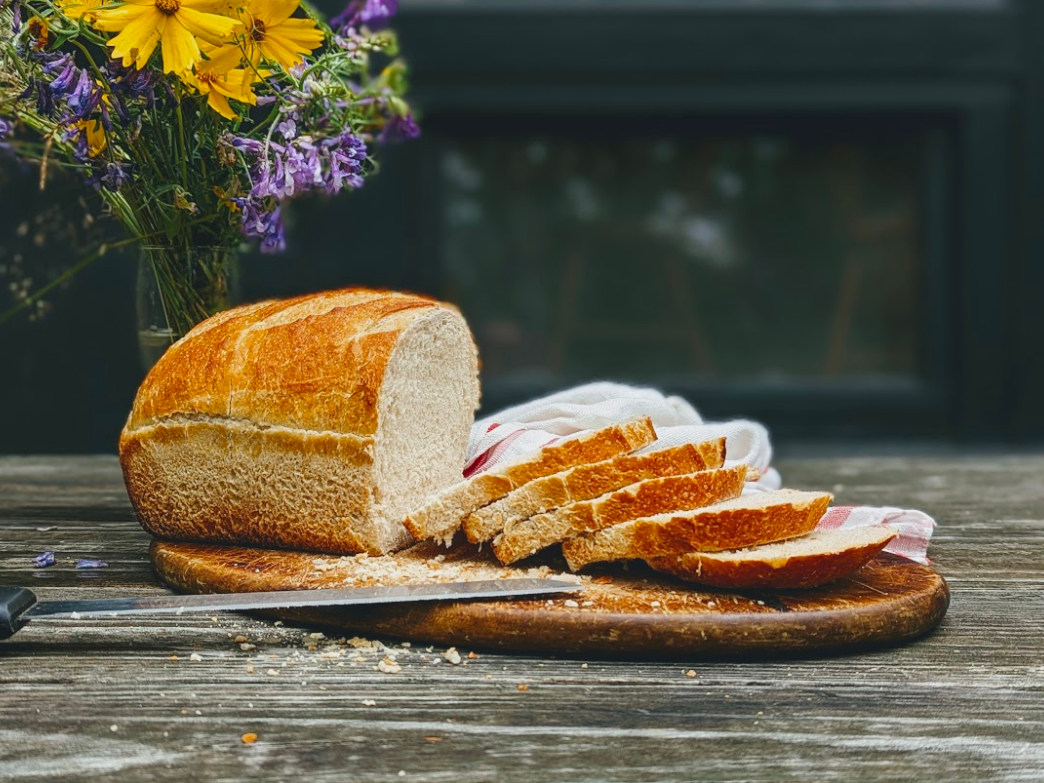
Best Bread for Diets
By Dr. Jorge, Ph.D. Wildgrain, opens in a new tab is the first bake-from-frozen subscription box for sourdough breads, fresh pastas, and artisanal pastries. If you’re like us, you can’t imagine a world where you can’t eat bread due to your dietary restrictions. Luckily for all of us, there's bread out there that will work for just about any diet. Read on to learn more about the best bread options for different diets, including plant-based, low-carb, keto, and the Mediterranean diet. Can you eat bread while on a diet? Can you eat sourdough while on a diet? Yes, you absolutely can eat bread while on a diet. Fortunately, there are many different types of bread, so no matter what diet you follow, you will have plenty of bread options. Sourdough bread can be enjoyed while on a diet since it can be made with a variety of ingredients to suit your dietary needs. Simply check the nutritional label to ensure that the bread is compatible with your diet. What bread can you eat on a Mediterranean diet? Is sourdough bread allowed on the Mediterranean diet? Any bread that is made from whole wheat, whole grains, sprouts, and sourdough is recommended while on a Mediterranean diet. You will want to avoid bread made from refined grains, such as white bread if you are following this diet. This is because bread made from refined grains is not as healthy and contains fewer nutrients than bread made from whole grains and sourdough. What kind of bread is keto-friendly? Can I eat one slice of bread on keto? Can you eat sourdough bread on a keto diet? Keto-friendly bread is going to include any bread that is low in carbohydrates since the keto diet emphasizes consuming minimal carbs. Specifically for this need, there are several low-carb bread options on the market that are suitable for a keto diet. You can eat a slice of regular bread while on a keto diet, however, you will want to keep in mind that a typical slice of bread contains about 20 grams of carbohydrates and the keto diet recommends consuming a maximum of 50 grams of carbohydrates per day. So while you can eat a slice of bread on keto, you will want to keep track of the carbohydrates present in your other foods to stay on track. If you love sourdough bread and you’re on a keto diet, you’re in luck! Sourdough bread is a relatively low-carb bread option, typically containing just 10 grams of carbohydrates or half the amount of carbohydrates of a white slice of bread. This makes sourdough bread a great keto-friendly choice. Is bread vegetarian? What’s the best bread for a vegetarian diet? All bread is vegetarian as it does not contain animal products. This makes any bread suitable for a vegetarian diet. While all bread is considered vegetarian, it is important to note that not all bread is considered vegan. This is due to additives in some types of bread that could be animal derived, like dairy or eggs. Is bread vegan? Can you eat bread on a vegan diet? A lot of bread varieties are considered vegan, but not all bread is vegan-friendly. Some bread types include added ingredients beyond flour, water, salt, and yeast. These added ingredients such as sweeteners, eggs, or fats, can be derived from animals and would make the bread not vegan. Bread that is usually free of animal products and safe for a vegan diet includes sourdough bread, pita bread, Ezekiel bread, ciabatta, baguettes, and focaccia. What bread is the best on a plant-based diet? A plant-based diet means opting for as many healthy, whole, and unprocessed foods as possible. Any bread made from whole grains is the best option as it is the least processed and most nutritious type of bread. Other great choices for healthy bread varieties are sprouted grain bread, sourdough bread, flaxseed bread, and buckwheat bread. What is the best bread for a low-carb diet? Can you eat any bread on a low-carb diet? The best bread for a low-carb diet will be similar to the best bread for a keto diet. Look for bread with no more than 10 grams of carbohydrates per slice. These breads are typically labeled as low in carbohydrates on the packaging. Sourdough bread is another low-carb bread option, often containing half of the carbohydrates found in one slice of white bread. While these breads are best suited for a low-carb diet, you can eat any bread as long as you limit your portion size and keep track of how many carbohydrates you consume throughout the day. Where can I buy healthy bread online? At Wildgrain, we specialize in making high-quality, fresh breads that are delivered directly to your door. Wildgrain is the first bake-from-frozen delivery subscription service for breads, rolls, pastries, and fresh pastas. Some of our popular breads include sourdough whole wheat, sourdough 7-grain, slow fermented 3-seed breadGo to sourdough rye bread, and sourdough rye. We are proud to offer healthy breads, made with non-GMO flour and without added sugar or preservatives. Learn more about Wildgrain and our artisanal baking and cooking methods. Best Bread Home Delivery Service: How Wildgrain's Bread Delivery Works Wildgrain's breads are prepared in independent, artisanal bakeries with high quality ingredients. The breads are shipped frozen in insulated boxes and delivered direct to your home, anywhere nationwide. By shipping frozen, Wildgrain products maintain the highest quality, so you can enjoy fresh baked breads at home. That's why customers consider Wildgrain among the best home delivery services for bread. About the Author Dr. Jorge has been a public health researcher for many years, holding both a Bachelor's degree and a Ph.D. in Chemistry. They presently work as a medical writer and love being able to assist others in understanding various health and scientific topics. This content is for informational use only and does not replace professional nutrition and/or medical advice, diagnosis or treatment. It is not a substitute for and should not be relied upon for specific nutrition and/or medical recommendations. Please talk with your doctor about any questions or concerns.
Learn more Best Bread for Diets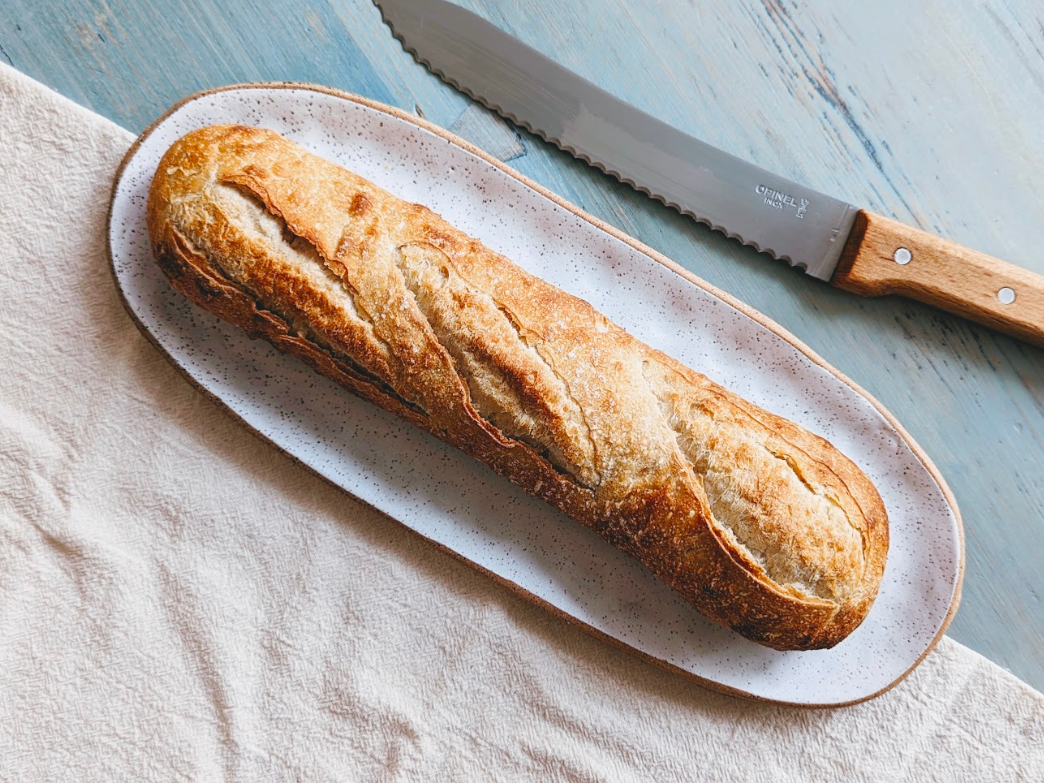
Are Baguettes Healthy or Unhealthy?
By Dr. Jorge, Ph.D. Wildgrain, opens in a new tab is the first bake-from-frozen subscription box for sourdough breads, fresh pastas, and artisanal pastries. When most of us hear the word ‘baguette’ we instantly think of a long, thin loaf of crunchy and tasty bread, perhaps even enjoyed by the Eiffel Tower. While baguettes may be satisfying to bite into, do you know which type of baguettes are the healthiest? Read on to learn more about baguettes and whether they can fit in with your lifestyle and health goals. Are baguettes healthy? Are baguettes unhealthy? Baguettes can be healthy depending on the ingredients used to make the bread. For example, baguettes made from whole grains or sourdough baguettesGo to Sourdough demi baguettes 2 pack are healthier than traditional French baguettes. Bread made with whole grains provides a higher nutritional value as well as helps to control cholesterol levels and blood pressure. Similarly, sourdough baguettes are packed with nutrients due to the wild yeast used in the dough and the slow fermentation process. Can I eat a baguette every day and be healthy? Is it bad to eat baguettes every day? You can eat a baguetteGo to Sourdough demi baguettes 2 pack every day and be healthy, but the key is portion size and what you’re eating with your baguette. It’s important to note that baguettes are particularly high in carbohydrates and sodium, so you should choose your portion size based on your diet and overall health goals. In terms of portion size, keep in mind that a full-sized baguette can contain between 4 to 8 servings per baguette. If you’d like to enjoy a baguette every day, consider opting for thinner slices and pair your delicious bread with fruit or vegetables for a balanced snack. Baguettes & calories: how many calories are in a baguette? Are baguettes high in calories? A single baguetteGo to Sourdough demi baguettes 2 pack contains about 900 calories, while a single serving or a 4-inch slice of a baguette contains around 185 calories. Baguettes are high in calories and are generally higher in calories than regular white sliced bread. The calories in baguettes primarily come from the high carbohydrate content of baguette bread. Baguettes & carbs: how many carbs are in a baguette? Are baguettes high in carbs? One baguetteGo to Sourdough demi baguettes 2 pack contains approximately 170 grams of carbohydrates while one serving, or a 4-inch slice of a baguette contains around 35 grams of carbohydrates. Baguettes are high in carbohydrates, with one 4-inch baguette slice containing 30% of the daily recommended carbohydrate intake. Are baguettes healthier than bread? BaguettesGo to Sourdough demi baguettes 2 pack are similar in nutritional value to traditional white bread. Both baguettes and white bread are high in calories and carbohydrates while remaining low in fat content. Baguettes tend to contain more protein and sodium than white bread. Since baguettes and bread made with refined grains contain little nutritional value, you can enhance the nutritional profile of both baguettes and bread by eating them with eggs, vegetables, or fruit. Are baguettes healthy for weight loss? Can I eat baguettes on a diet? You can enjoy baguettesGo to Sourdough demi baguettes 2 pack while meeting your weight loss goals if you keep portion size in mind. Alternatively, baguettes made from whole grains can be healthy for weight loss. This is because whole-grain foods keep you full for longer, helping with weight loss. Baguettes are low in fat with each serving containing about 1 gram of fat. You can eat baguettes on a diet if you monitor your portion size. Paying attention to your baguette portion size will ensure that you consume calories, carbohydrates, and fat consistent with your specific diet and goals. Are sourdough baguettes healthier than regular baguettes? Sourdough baguettesGo to Sourdough demi baguettes 2 pack are healthier than regular baguettes made from refined flour and commercial yeast. This is because sourdough bread uses a wild yeast starter that undergoes a slow fermentation process which preserves the nutrients and antioxidants in the bread that are typically lost in the traditional bread baking process. Bread made from sourdough is also one of the best breads for gut health due to the prebiotics found in sourdough bread. Where can I buy the best baguettes online to bake at home? At Wildgrain, we specialize in making high-quality, fresh baked goods that are delivered directly to your door. Wildgrain is the first bake-from-frozen delivery subscription service for fresh breads, pastas, and pastries. Some of our best breads include sourdough demi baguette, sourdough loaf, and ciabatta. Learn more about Wildgrain and our artisanal baking and cooking methods. Best Bread Home Delivery Service: How Wildgrain's Bread Delivery Works Wildgrain's breads are prepared in independent, artisanal bakeries with high quality ingredients. The breads are shipped frozen in insulated boxes and delivered direct to your home, anywhere nationwide. By shipping frozen, Wildgrain products maintain the highest quality, so you can enjoy fresh baked breads at home. That's why customers consider Wildgrain among the best home delivery services for bread. About the Author Dr. Jorge has been a public health researcher for many years, holding both a Bachelor's degree and a Ph.D. in Chemistry. They presently work as a medical writer and love being able to assist others in understanding various health and scientific topics. This content is for informational use only and does not replace professional nutrition and/or medical advice, diagnosis or treatment. It is not a substitute for and should not be relied upon for specific nutrition and/or medical recommendations. Please talk with your doctor about any questions or concerns.
Learn more Are Baguettes Healthy or Unhealthy?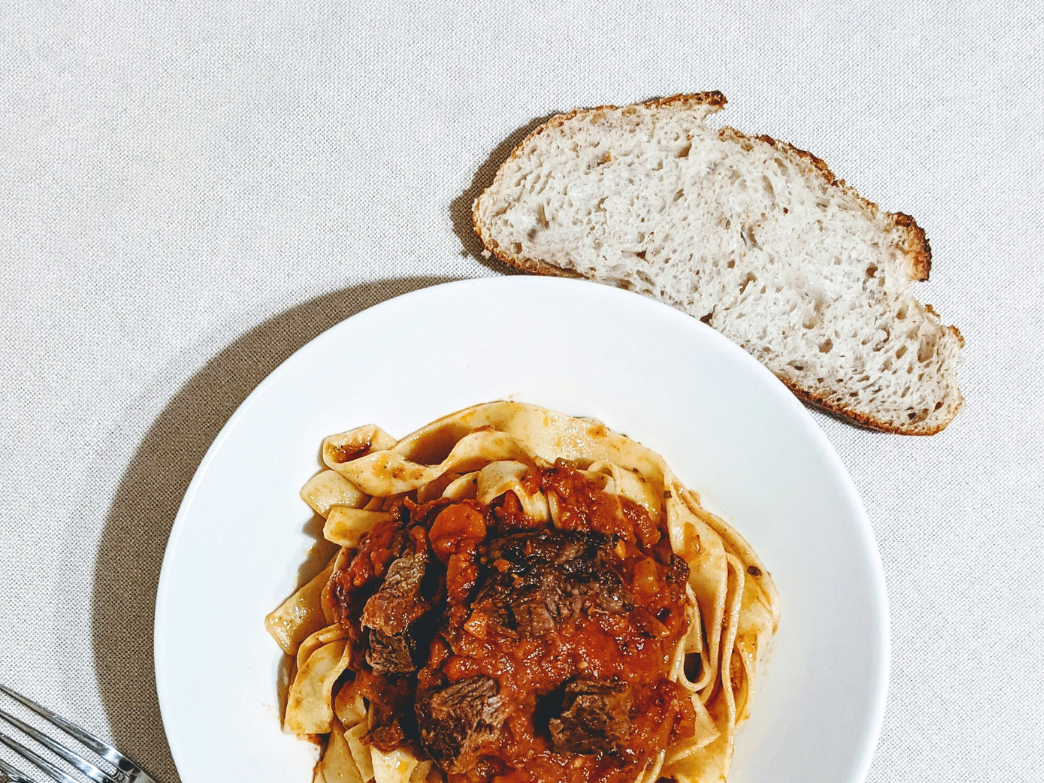
Best Bread for Garlic Bread
By Lucy Yanckello, Ph.D. Wildgrain, opens in a new tab is the first bake-from-frozen subscription box for sourdough breads, fresh pastas, and artisanal pastries. No matter if you are having spaghetti, lasagna, or baked ziti, it is likely you will be looking to complete your meal with a crispy slice of garlic bread. Garlic bread is a perfect accompaniment to soak up the extra red sauce on your plate – you can’t beat a slice of bread infused with buttery garlic flavor. This delicacy is also often infused with cheese and herbs. But is there one specific type of bread that makes the best slice of this treat? How do you make garlic bread? What types of bread can you use for garlic bread? A basic recipe for garlic bread starts by splitting a loaf of bread in half lengthwise, similar to how you split a roll for a sandwich. Butter, garlic, and parsley are combined in a bowl and adjusted to taste. The garlic mixture is then spread across the open face of the bread, which is then placed into a hot oven (around 400 degrees) for 10 minutes, or until the butter has melted. Just as you can change the butter mixture to satisfy your taste buds, you can also add extra cheeses or other toppings to your liking. Is garlic bread made from Italian bread? Garlic bread can be made from Italian bread. Any bread with a thick crust – such as ciabatta – are favorites for delicious garlic bread. Ciabatta is a good choice for garlic bread as it can be easily cut horizontally, and provides an open crumb with a soft interior texture, perfect for the garlic butter. And after toasting, ciabatta garlic bread still has that great crunchy exterior characteristic of excellent garlic bread. Can you use French bread or baguette for garlic bread? What is garlic baguette made of? French bread is a great choice for garlic bread as well. French bread has a classic soft interior, with a flaky, crispy crust, similar to ciabatta. Baguettes can also be used for garlic bread, but have a crunchier texture than Italian bread and French bread. Garlic baguette is made the same way as garlic bread, it is just made with a French baguette instead of a loaf. Often, to best prepare garlic baguette, cut the baguette into slices instead of cutting the bread in half lengthwise before applying the garlic-butter mixture. What’s the difference between garlic bread vs Texas toast? Is Texas toast the same as garlic bread? Typically, garlic bread is made with breads that have a hard crust (e.g. French bread, ciabatta, baguette). Texas toast is made by spreading butter on both sides of a slide of bread and broiling or grilling it until it is light brown – sometimes garlic is added to the butter as well. Although made in a similar fashion to garlic bread, Texas toast has a soft crust and soft fluffy interior, more similar to sandwich bread you would buy at the store than the crunchy breads used in garlic bread. What is the best bread for garlic bread? French breads and Italian breads top the list for the best bread for garlic bread, but the best choice between these comes down to personal preference. For example, ciabatta is a flat Italian bread with a larger crumb (bigger holes) but still with a crunchy crust. French bread and baguettes are longer and thinner with chewy texture and a crispy crunchy crust. You cannot go wrong with either ciabatta or baguette for garlic bread! How do you heat up garlic bread in the oven? What are directions to bake frozen garlic bread? Made fresh, garlic bread can be heated in the oven at 400 degrees Fahrenheit for around 10 minutes, or until the butter melts. Homemade garlic bread can also be frozen before you bake it, and lasts up to 3 months in the freezer – but you can also buy already prepared garlic bread at the store. There is no need to thaw frozen garlic bread, it can go straight from the freezer to the oven. The oven should be heated to 425 degrees Fahrenheit. Place the garlic bread butter side up on a baking sheet and bake for around 5 minutes, or until the butter melts and the edges are golden. Where can I buy the best bread for garlic bread online? At Wildgrain, we specialize in making high-quality, fresh breads that are delivered directly to your door. Wildgrain is the first bake-from-frozen delivery subscription service for breads, rolls, pastries, and fresh pastas. Some of our popular breads include sourdough demi baguette, sourdough loaf, and sourdough whole wheat. Learn more about Wildgrain and our artisanal baking and cooking methods. Best Bread Home Delivery Service: How Wildgrain's Bread Delivery Works Wildgrain's breads are prepared in independent, artisanal bakeries with high quality ingredients. The breads are shipped frozen in insulated boxes and delivered direct to your home, anywhere nationwide. By shipping frozen, Wildgrain products maintain the highest quality, so you can enjoy fresh baked breads at home. That's why customers consider Wildgrain among the best home delivery services for bread. About the Author Lucy Yanckello received her Ph.D. in nutrition from the University of Kentucky College of Medicine. She currently works as a medical writer and enjoys being able to help people better understand nutrition and science. This content is for informational use only and does not replace professional nutrition and/or medical advice, diagnosis or treatment. It is not a substitute for and should not be relied upon for specific nutrition and/or medical recommendations. Please talk with your doctor about any questions or concerns.
Learn more Best Bread for Garlic Bread
Best Bread for Gut Health
By Dr. Jorge, Ph.D. Wildgrain, opens in a new tab is the first bake-from-frozen subscription box for sourdough breads, fresh pastas, and artisanal pastries. Bread is a delicious, but sometimes hard-to-digest, food. If you love bread but have found yourself with an upset stomach after enjoying your favorite loaf, this article is for you. Read on to find out how you can keep enjoying bread while keeping your tummy happy and your gut healthy! What is the best bread for gut health? Sourdough bread is the best bread for gut health. This is due to the fermentation process of sourdough bread. In contrast to white bread, which is made with commercial yeast, sourdough bread is made with a sourdough starter made from wild yeast. The slower fermentation process of sourdough bread produces organic acids and phytase, an enzyme that breaks down phytates that are naturally found in flour and can make digestion difficult. Prebiotics, which aid in digestion and help to form a healthy gut microbiome, are also formed during the sourdough bread fermentation process. Sourdough bread also tends to contain less gluten than other bread, further promoting gut health and easing digestion, especially for those who are gluten-intolerant. What bread has the most probiotics? Is rye bread a probiotic? Is sourdough bread a probiotic? Although sourdough bread dough and rye bread dough contain probiotics, baked bread does not contain probiotics since these microorganisms cannot survive the high heat conditions required to bake bread. However, both sourdough bread and rye bread are high in prebiotics, especially β-glucan. Prebiotics such as β-glucan nourishes our gut microbes (or healthy gut bacteria), helping to balance our gut microbiomes and improving digestion and metabolism. To get the best health benefits, try Wildgrain’s sourdough rye bread! Is sourdough bread good for the gut and microbiome? Is sourdough bread the best bread for gut health? Sourdough bread is great for your gut and overall microbiome health. This bread is one of the best types of bread for gut health, as its slow fermentation process produces good-for-you prebiotics. This process also helps to break down compounds, such as phytates and gluten, that make the digestion of regular white bread more difficult. Is rye bread better for your gut and microbiome? Is rye bread the best bread for gut health? Like sourdough bread, rye bread is good for your gut health and may help to improve digestion. One of the reasons rye bread is good for your gut microbiome is because it contains prebiotics, such as β-glucan, which is a soluble fiber that can help promote a healthy gut. As an overall good source of fiber, with a single slice containing about 2 grams of fiber, rye bread can help keep your bowels regular and effectively treat constipation. Considering both sourdough and rye bread are excellent bread choices for gut health, sourdough rye bread might be one of the best bread options for improving your gut microbiome. What is the best bread for gut inflammation? What is the best bread for an anti-inflammatory diet? The best bread to reduce gut inflammation is bread made from whole grains. Refined grains, such as the grains found in white bread and white pasta, are known to increase inflammation across the whole body. Sourdough bread and rye bread are both good options for an anti-inflammatory diet. The best sourdough and rye bread varieties to reduce gut inflammation are those made from whole grains. However, if you are intolerant to gluten, you’ll want to opt for gluten-free bread options to ease any gut inflammation, since neither sourdough bread nor rye bread are gluten-free. What are the best breads for IBS? Sourdough bread is one of the best types of bread for those with irritable bowel syndrome, or IBS, as it is often the best tolerated. The best bread choice for IBS is going to be different from person to person, but in general, you want to avoid bread that contains wheat, rye, barley, and whole grains. For those with IBS, whole grain foods tend to be harder to digest and make IBS symptoms worse. The fermentation process used to make sourdough bread helps to break down some of the gluten and other compounds that tend to cause IBS flare-ups. This often makes sourdough bread one of the best-tolerated breads for IBS. Where can I buy healthy bread online? At Wildgrain, we specialize in making high-quality, fresh breads that are delivered directly to your door. Wildgrain is the first bake-from-frozen delivery subscription service for breads, rolls, pastries, and fresh pastas. Some of our popular breads include sourdough whole wheat, sourdough 7-grain, slow fermented 3-seed bread, and sourdough rye. We are proud to offer healthy breads, made with non-GMO flour and without added sugar or preservatives. Learn more about Wildgrain - Story page and our artisanal baking and cooking methods. Best Bread Home Delivery Service: How Wildgrain's Bread Delivery Works Wildgrain's breads are prepared in independent, artisanal bakeries with high quality ingredients. The breads are shipped frozen in insulated boxes and delivered direct to your home, anywhere nationwide. By shipping frozen, Wildgrain products maintain the highest quality, so you can enjoy fresh baked breads at home. That's why customers consider Wildgrain among the best home delivery services for bread. About the Author Dr. Jorge has been a public health researcher for many years, holding both a Bachelor's degree and a Ph.D. in Chemistry. They presently work as a medical writer and love being able to assist others in understanding various health and scientific topics. This content is for informational use only and does not replace professional nutrition and/or medical advice, diagnosis or treatment. It is not a substitute for and should not be relied upon for specific nutrition and/or medical recommendations. Please talk with your doctor about any questions or concerns.
Learn more Best Bread for Gut Health
Pasta vs. Bread: Is Bread or Pasta Healthier?
By Dr. Jorge, Ph.D. Wildgrain, opens in a new tab is the first bake-from-frozen subscription box for sourdough breads, fresh pastas, and artisanal pastries. You can’t go wrong with pasta and bread as your favorite grain-based foods. While both are certainly delicious, do you know how they compare nutritionally? Read on to learn the differences between these two hard-to-resist foods and find out which will fit best with your lifestyle and diet. Is pasta healthier than bread? Is bread healthier than pasta? Pasta is not necessarily healthier than bread, and bread is not necessarily healthier than pasta. Regular, refined pasta and white bread are similar nutritionally and unfortunately are not very nutritionally dense. Refined pasta, the pasta most commonly consumed, contains about 220 calories, 43 grams of carbohydrates, and 1 gram of fat per serving. On the other hand, 1 slice of white bread contains about 60 calories, 13 grams of carbohydrates, and 1 gram of fat. However, whole grain pasta and whole grain bread are much healthier than regular bread and pasta. Pasta and bread made from whole grains contain more protein, fiber, and other essential nutrients, making these options more nutritious. Other bread options, such as sourdough bread and rye bread are also healthier bread alternatives. Is pasta or bread higher in carbs? Is bread or pasta more fattening? A single serving of refined pasta has approximately 70% more carbohydrates than a single slice of white bread. Neither bread nor pasta is more fattening than the other. Pasta and bread are both low in fat, each containing about 1 gram of fat. Which is harder to digest: pasta or bread? Generally, foods lower in fiber are easier to digest. Considering bread contains less fiber than pasta, with less than 1 gram of dietary fiber, and pasta contains about 2.5 grams of dietary fiber, pasta might be slightly harder to digest. However, Pasta that is made from refined grains is easier to digest than pasta made from whole grains, which contain more fiber. Certain bread types can also help digestion, such as sourdough bread. Does bread or pasta have more gluten? While there is no clear answer to this depending on the type of bread and pasta we are comparing, bread generally contains more gluten than pasta. This is because the amount of gluten in a food depends on the flour used. Bread flour can contain up to 13% gluten, while all-purpose flour, a flour often used in pasta, typically has 8-11% gluten content. However, these percentages can change based on the type of grain and flour used when making bread and pasta. Regardless, both white bread and conventional pasta are considered high-gluten foods. Luckily, there are gluten-free bread and pasta alternatives for those that have gluten intolerance or simply want to cut back on gluten consumption. Should I replace pasta with bread in a diet? Whether or not you should replace pasta with bread in your diet depends on the types of bread and pasta being considered and what your health goals are. If you are wanting to reduce calories consumed for a certain meal, you may want to opt for bread instead of pasta for that meal. Alternatively, you can replace both pasta and bread with their respective whole grain varieties. Whole grain pasta and bread are more nutritionally dense than refined grain alternatives and tend to keep you full for longer (i.e. white bread). Is bread or pasta better for weight loss and fat loss? Which should I give up to lose weight: pasta or bread? When choosing between pasta and bread, both can work for weight or fat loss. Whole grain options are best for weight and fat loss. Whole grains have been shown to aid in the elimination of belly fat. Pasta and bread made from whole grains also tend to be higher in fiber, which can help you stay full for longer. You don’t necessarily need to give up any one food while staying on track with your weight loss goals. In fact, weight loss maintenance is most successful when abiding by a sustainable lifestyle and diet. Many times, completely giving up any one food is not sustainable, since it causes you to crave it even more, which can cause you to fall behind in your weight loss goals. The best course of action is to enjoy your favorite and sometimes higher-calorie foods in moderation, to be conscious of portion size, and to choose healthier versions of your favorite foods when possible. Where can I buy the best fresh pasta and fresh bread online? At Wildgrain, we specialize in making high-quality, fresh pastas and breads that are delivered directly to your door. Wildgrain is the first bake-from-frozen delivery subscription service for breads, pastries, and fresh pastas. Some of our popular pastas include fresh fettuccine and fresh tonnarelli. Some of our popular breads include everything sourdough bread, plain sourdough loaf, and sourdough 7-grain loaf. Learn more about Wildgrain and our artisanal baking and cooking methods. Best Home Delivery Service for Food: How Wildgrain's Food Delivery Works Wildgrain's products are prepared in independent, artisanal bakeries with high quality ingredients. They are shipped frozen in insulated boxes and delivered direct to your home, anywhere nationwide. By shipping frozen, Wildgrain products maintain the highest quality, so you can enjoy fresh food at home. That's why customers consider Wildgrain among the best home food delivery services. About the Author Dr. Jorge has been a public health researcher for many years, holding both a Bachelor's degree and a Ph.D. in Chemistry. They presently work as a medical writer and love being able to assist others in understanding various health and scientific topics. This content is for informational use only and does not replace professional nutrition and/or medical advice, diagnosis or treatment. It is not a substitute for and should not be relied upon for specific nutrition and/or medical recommendations. Please talk with your doctor about any questions or concerns.
Learn more Pasta vs. Bread: Is Bread or Pasta Healthier?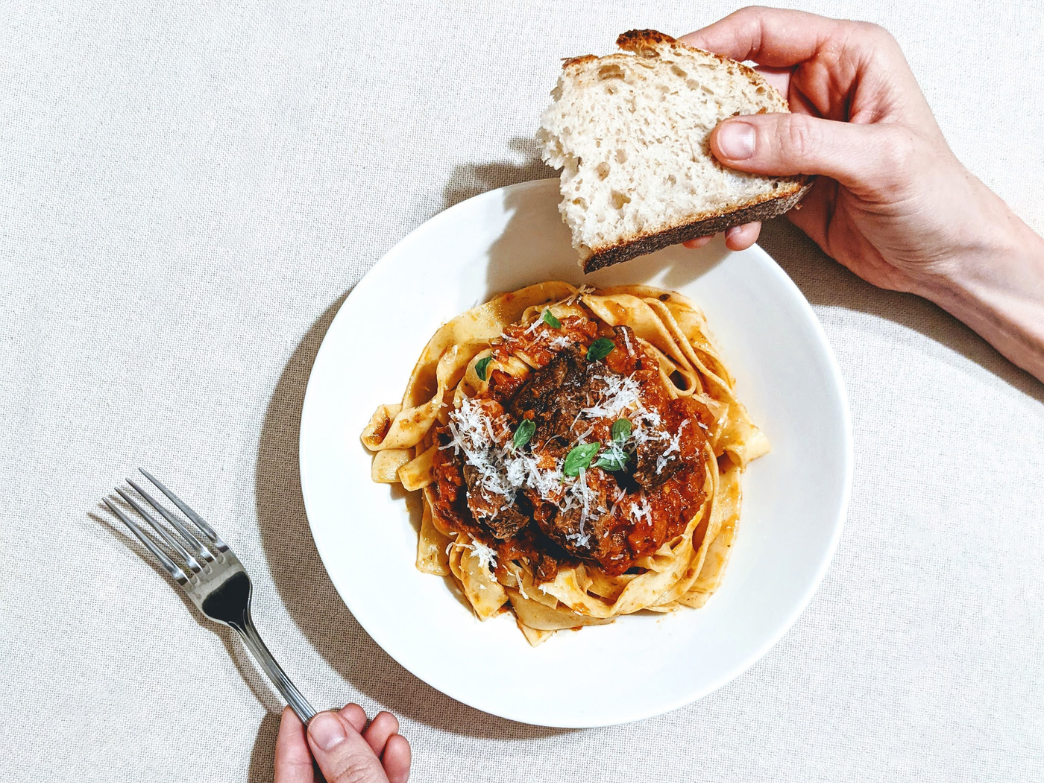
What’s Better: Bread vs. Pasta vs. Rice vs. Potatoes?
By Dr. Jorge, Ph.D. Wildgrain, opens in a new tab is the first bake-from-frozen subscription box for sourdough breads, fresh pastas, and artisanal pastries. Rice, pasta, potatoes, and bread – all delicious and hearty foods that leave many of us wanting more. While many of us enjoy one or all of these staples, are these starchy foods healthy for us? We’ll take a look at how rice, pasta, potatoes, and bread compare nutritionally and which of these foods is the best choice for your lifestyle and goals. Which is healthier to eat, rice or pasta or potatoes or bread? Of rice, pasta, potatoes, and bread, potatoes are the healthiest of these starchy and complex carbohydrate foods. This is because potatoes are dense in nutrients, containing essential minerals, vitamins, and other micronutrients. Potatoes are also high in fiber, helping to satiate hunger and regulate blood sugar. Which has the most carbs, potatoes or rice or pastas or bread? Pasta and rice take the lead in most carbohydrates when compared to potatoes and bread, with both pasta and rice having approximately 45 grams of carbohydrates per serving. A medium-sized potato contains 25 grams of carbohydrates and a single slice of white bread contains 13 grams of carbohydrates. Which is better for a diabetic: potatoes or pasta or rice or bread? Diabetics need to be mindful of the glycemic index of foods, a metric that indicates how quickly a food causes blood sugar levels to rise. Foods that are broken down more quickly cause blood sugar levels to rise rapidly and are therefore marked with a higher glycemic index. For this reason, Pasta is the best option for a diabetic as it is rated as a low-glycemic index food. In contrast, potatoes, rice, and bread all fall under the high-glycemic index rating and are less good options for diabetics. Which is the best for weight loss: rice or potatoes or pasta or bread? The best option for weight loss depends on the type of rice, potatoes, pasta, or bread consumed. In general, it is recommended to avoid refined varieties of these foods, such as white rice, white potatoes, white pasta, and white bread. This is because foods made from refined grains often trigger a cycle of cravings, making it difficult to control portion size and calories consumed. If you would still like to enjoy these foods, it’s best to choose healthier alternatives such as brown rice, sweet potatoes, or wheat pasta. For delicious and nutritious bread options, sourdough bread and rye bread are higher-nutrient foods that will make it easier to achieve your weight loss goals. Can you still eat bread, pasta, rice, and potatoes when trying to lose weight? Yes, you can still enjoy bread, pasta, rice, and potatoes while maintaining your weight loss goals. The key to losing weight is to be in a calorie deficit or consuming fewer calories than you burn. This means you will want to be aware of the number of calories in each of your meals. To help with this, opt for smaller portions and try swapping refined carbohydrates with those made from whole grains. Foods made from whole grains will keep you fuller for longer, helping you to stay on track with your daily calorie and weight loss goals. Which is healthier: pasta or rice? Pasta and rice are very similar nutritionally, with each containing approximately 30 grams of carbohydrates and less than 1 gram of fat and sugar. The main differences between refined (white) pasta and white rice are in the amount of calories, fiber, and protein in each. Pasta contains more calories, more fiber, and more protein than rice. However, many healthier varieties of pasta and rice are available that are more nutritious than their refined counterparts. Which is healthier: bread or rice? When looking at the nutritional content of a single serving of bread and rice, bread may be considered the healthier option. This is due to bread containing fewer calories and carbohydrates than rice. However, rice does contain more protein, vitamins, and minerals compared to bread. If you’re looking for a healthier alternative to white bread and rice, try opting for multigrain bread, sourdough bread, rye bread, and brown rice. All of these options contain more nutrients than traditional bread and rice choices. Where can I buy fresh bread and fresh pasta online? At Wildgrain, we specialize in making high-quality, fresh breads and pastas that are delivered directly to your door. Wildgrain is the first bake-from-frozen delivery subscription service for breads, pastries, and fresh pastas. Some of our popular pastas include fresh fettuccine and fresh tonnarelli. Some of our popular breads include everything sourdough bread, plain sourdough loaf, and sourdough 7-grain loaf. Learn more about Wildgrain and our artisanal baking and cooking methods. Best Home Delivery Service for Food: How Wildgrain's Food Delivery Works Wildgrain's products are prepared in independent, artisanal bakeries with high quality ingredients. They are shipped frozen in insulated boxes and delivered direct to your home, anywhere nationwide. By shipping frozen, Wildgrain products maintain the highest quality, so you can enjoy fresh food at home. That's why customers consider Wildgrain among the best home food delivery services. About the Author Dr. Jorge has been a public health researcher for many years, holding both a Bachelor's degree and a Ph.D. in Chemistry. They presently work as a medical writer and love being able to assist others in understanding various health and scientific topics. This content is for informational use only and does not replace professional nutrition and/or medical advice, diagnosis or treatment. It is not a substitute for and should not be relied upon for specific nutrition and/or medical recommendations. Please talk with your doctor about any questions or concerns.
Learn more What’s Better: Bread vs. Pasta vs. Rice vs. Potatoes?
Bread vs. Bagels: Is Bread Healthier than Bagels?
By Dr. Jorge, Ph.D. Wildgrain, opens in a new tab is the first bake-from-frozen subscription box for sourdough breads, fresh pastas, and artisanal pastries. Bagels lathered with various toppings are the favorite breakfast and snack options of many, but do you know what makes bagels different from other breads? This article will dive into what makes up a bagel, how it differentiates from other types of bread, and whether it’s healthier than sliced bread. How is a bagel different from bread? The main difference between typical bread loaves and bagelsGo to wood fired plain bagel is the baking method. Most bread types are baked in an oven after the dough has risen, whereas bagels are boiled before being baked in an oven. Compared to other bread types, bagels typically have a chewier inner texture with a crunchy outer layer. Another difference between bagels and bread is that most types of bread are formed into the shape of a loaf, while bagels have a signature ring shape. Are bagels just bread? Are bagels just boiled bread? Though bagels are similar to bread in many ways, bagels are not just bread. BagelsGo to wood fired plain bagel are more similar to a roll than to bread. One of the main differences between bagels and bread is that bagels are boiled before baking, whereas bread is not boiled. Briefly boiling bagels allow the bagels to gelatinize the starches on the bagel’s outer surface, revealing the crunchy exterior we are all familiar with. Other differences between bagels and bread include the shape and some ingredients. So no, bagels are not just boiled bread! What is the difference between bagel vs. bread ingredients? Bread and bagelsGo to wood fired plain bagel are mostly made up of the same ingredients. Both bagels and bread contain yeast, flour, water, and sugar. However, many bagel recipes use barley malt syrup, a grain-based sweetener, instead of granulated sugar. Bagels also generally contain less water and more flour compared to other bread types, which is why bagels are denser than typical slices of bread. How many slices of bread equal one bagel? What is the nutrition difference between bagels and a slice of bread? Based on carbohydrates and calories, approximately three slices of bread are equivalent to one medium-sized bagelGo to wood fired plain bagel. Of course, the nutrition specifics of both bread and bagels depend on the type of bread or bagel, as well as the size. On average, a medium-sized bagel contains 190 calories, 9 grams of protein, 55 grams of carbohydrates, 7 grams of sugar, and 1 gram of fat. In contrast, a slice of white bread contains 67 calories, 2 grams of protein, 13 grams of carbohydrates, 1.5 grams of sugar, and 1 gram of fat. Is bread healthier than bagels? Is a bagel better for you than bread? Bread is not necessarily healthier than bagels, and bagels are not necessarily healthier than bread. The health benefits of bread and bagelsGo to wood fired plain bagel depend on the varieties of each that you are considering, and the type of flour used to make the bagel and the bread. This also determines whether a bagel or a slice of bread is best for you. The healthiest types of both bread and bagel are ones made with whole grains, as well as options with limited added sweeteners, sugar, or artificial ingredients. For both bread and bagels, whole wheat, rye, and sourdough bread varieties are the healthiest choice compared to regular white flour alternatives. Which is better for weight loss: bread or bagels? Both bagels and bread can work for your weight loss goals. Whether choosing a bread or bagel, whole grain flours and smaller portion sizes are best for weight loss. Whole grains contain more fiber, which can keep you full for longer. A smaller portion size means fewer calories which can help you remain in a calorie deficit, a crucial aspect of maintaining weight loss goals. Where can I buy the best fresh bread and bagels online? At Wildgrain, we specialize in making high-quality, fresh baked goods that are delivered directly to your door. Wildgrain is the first bake-from-frozen delivery subscription service for breads, pastries, and fresh pastas. Some of our popular breads and bagels include wood-fired plain bagels, wood-fired cinnamon raisin bagels, sourdough whole wheat loaf, and everything sourdough bread. Learn more about Wildgrain and our artisanal baking and cooking methods. About the Author Dr. Jorge has been a public health researcher for many years, holding both a Bachelor's degree and a Ph.D. in Chemistry. They presently work as a medical writer and love being able to assist others in understanding various health and scientific topics. This content is for informational use only and does not replace professional nutrition and/or medical advice, diagnosis or treatment. It is not a substitute for and should not be relied upon for specific nutrition and/or medical recommendations. Please talk with your doctor about any questions or concerns.
Learn more Bread vs. Bagels: Is Bread Healthier than Bagels?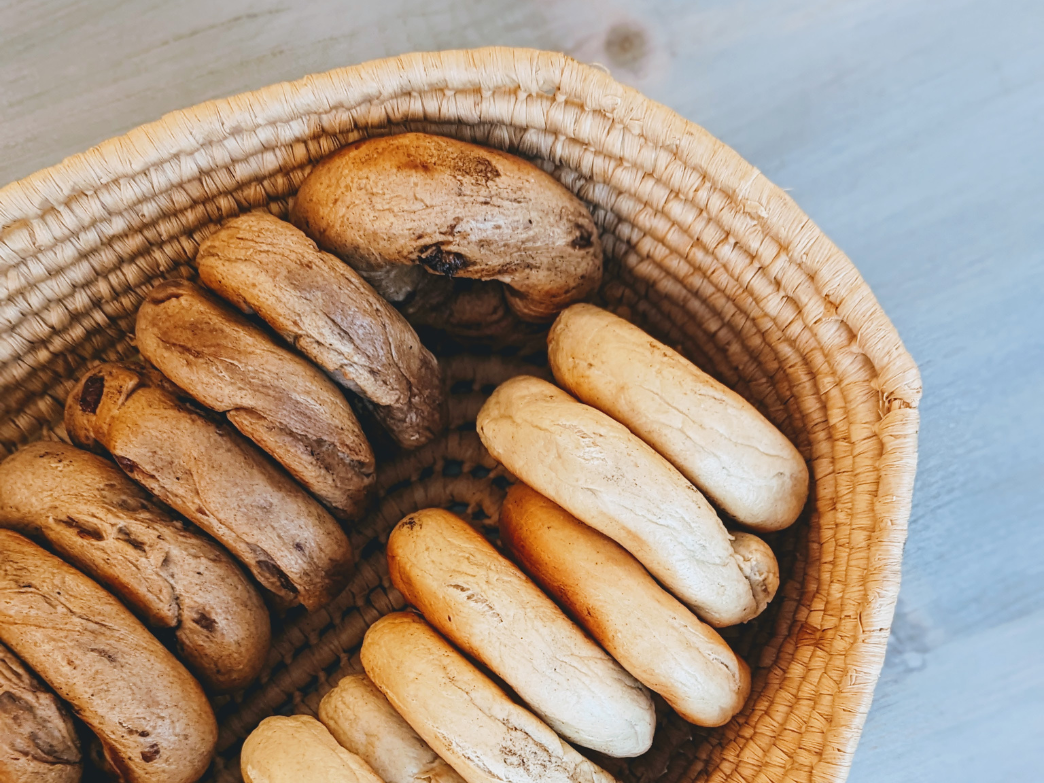
Are Bagels Healthy or Unhealthy?
By Dr. Jorge, Ph.D. Wildgrain, opens in a new tab is the first bake-from-frozen subscription box for sourdough breads, fresh pastas, and artisanal pastries. A toasted bagel with cream cheese is a favorite breakfast choice of many, but how healthy is this delicious combination? In this article, we’ll discuss how bagels can fit into your lifestyle and which bagel options are the healthiest. Can bagels be healthy? Are bagels healthy to eat? Are bagels with cream cheese healthy? Bagels can be healthy if made with whole grains, contain minimal fat and sugar, and are an appropriate portion size for your health goals. For a healthier choice, look for whole wheat, whole grain, or rye bagels. While bagels with cream cheese are delicious, traditional cream cheese is not necessarily healthy. This popular bagel topping is generally low in protein and high in fat and calories. The good news is that there are healthier cream cheese options, if cream cheese is your favorite bagel spread. You can opt for low-fat or whipped cream cheese, both of which contain less fat and calories per serving. Are bagels healthy for weight loss or while on a diet? What’s the best bagel for weight loss? It is possible for bagels to fit into your diet and weight loss goals. If you are looking to lose weight, it is critical to keep a calorie deficit, meaning you are consuming fewer calories than you are burning. To ensure the bagels you eat help you achieve this goal, look for bagels that are lower in calories or only eat a portion of the bagel. The best bagels for weight loss are those that are small or medium in size and contain whole grains. Smaller bagels are lower in calories and whole grain bagel options are higher in fiber and antioxidants. Another way to cut calories while enjoying your favorite bagel is to have half of a bagel as a serving size. Can a bagel be a healthy breakfast? Bagels can be a part of a healthy breakfast if eaten with other foods that provide an overall nutritious and balanced meal. To enjoy bagels as part of a fulfilling breakfast, consider incorporating healthy fats as a bagel spread, such as avocado, hummus, or peanut butter. You can also add an egg, fruits, and vegetables for added protein, fiber, vitamins, and minerals. Do bagels have sugar? Are there bagels without sugar? Bagels are frequently made with sugar, since sugar helps to activate the yeast used for rising bagel dough. However, the bagels at Wildgrain contain no refined white sugar. Wildgrain’s slow-fermented bagels use barley malt syrup, a grain-based sweetener, in place of sugar. Barley malt syrup provides some benefits compared to white sugar, such as a boost of protein and potassium and a lower glycemic index. Which bagels are the best for diabetics? Should diabetics eat bagels? Do bagels spike blood sugar? The best bagels for diabetics are bagels that are whole grain, or whole wheat bagels that have little-to-no added sugar. Bagels made from whole grains have a lower glycemic index than refined flour varieties, and thus, are ingested slower and allow for a more gradual rise in blood sugar. Similarly, diabetics should opt for bagels made with barley malt syrup instead of sugar, like the bagels at Wildgrain, since barley malt syrup has a lower glycemic index. In contrast, traditional bagels that are made from refined wheat flour have a high glycemic index and can rapidly spike blood sugar and insulin levels after meals. By choosing healthier bagel options, diabetics can still enjoy bagels as part of a balanced diet. What is a non-GMO bagel? Is a non-GMO bagel healthier? Non-GMO foods refer to foods that haven’t undergone genetic modification. Many commercially available breads contain genetically modified ingredients including soy lecithin, soybean oil, corn oil, corn starch, or soy flour. A non-GMO bagel, such as a Wildgrain bagel, does not contain any genetically modified ingredients. According to research studies, non-GMO bagels aren’t necessarily healthier than bagels made with genetically modified ingredients. However, consuming non-GMO foods helps to keep farming soil fertile, reduce soil erosion, and support local farmers. Is there a healthy bagel option? What type of bagel is healthiest? The healthiest bagel is one made with whole grains. For a healthy bagel option, look for whole wheat or rye bagels. Sourdough bagels are also a healthy option, since sourdough bread varieties are more nutritious than white bread options. Where can I buy the best bagels online? At Wildgrain, we specialize in making high-quality, fresh baked goods that are delivered directly to your door. Wildgrain is the first bake-from-frozen delivery subscription service for breads, rolls, pastries, and fresh pastas. Some of our popular items include slow-fermented bagels, English muffins, and croissants. Learn more about Wildgrain and our artisanal baking and cooking methods. Best Bread Home Delivery Service: How Wildgrain's Bread Delivery Works Wildgrain's breads are prepared in independent, artisanal bakeries with high quality ingredients. The breads are shipped frozen in insulated boxes and delivered direct to your home, anywhere nationwide. By shipping frozen, Wildgrain products maintain the highest quality, so you can enjoy fresh baked breads at home. That's why customers consider Wildgrain among the best home delivery services for bread. About the Author Dr. Jorge has been a public health researcher for many years, holding both a Bachelor's degree and a Ph.D. in Chemistry. They presently work as a medical writer and love being able to assist others in understanding various health and scientific topics. This content is for informational use only and does not replace professional nutrition and/or medical advice, diagnosis or treatment. It is not a substitute for and should not be relied upon for specific nutrition and/or medical recommendations. Please talk with your doctor about any questions or concerns.
Learn more Are Bagels Healthy or Unhealthy?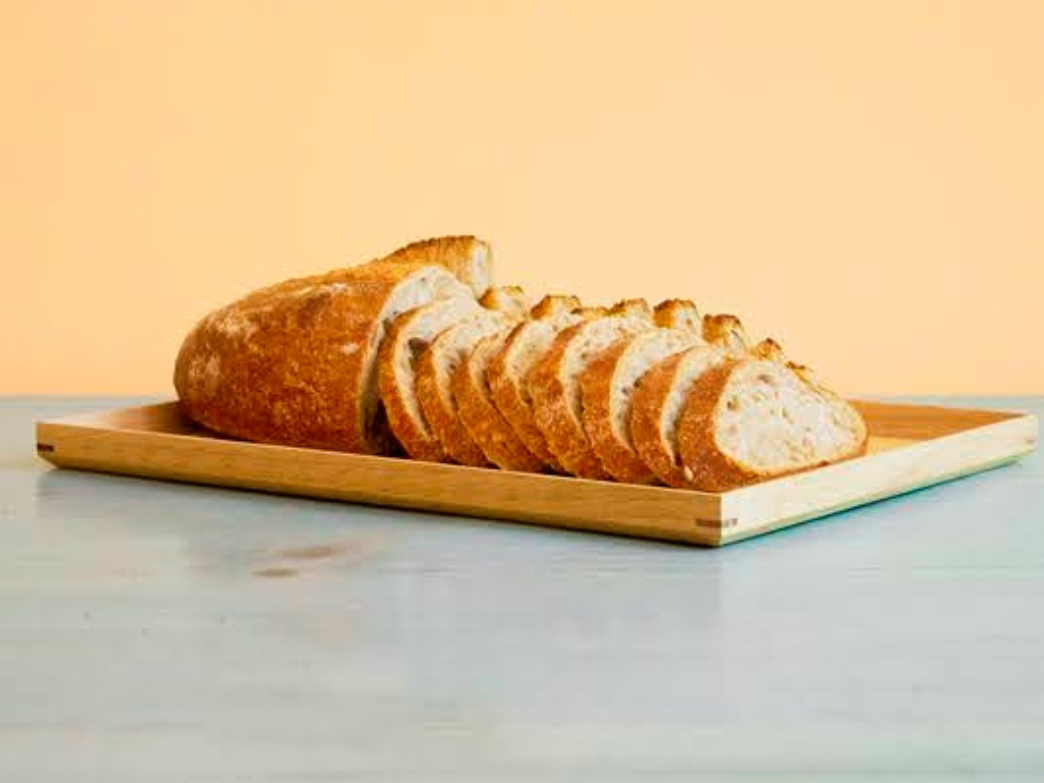
Is Whole Wheat Sourdough Bread Healthy or Unhealthy?
By Dr. Jorge, Ph.D. Wildgrain, opens in a new tab is the first bake-from-frozen subscription box for sourdough breads, fresh pastas, and artisanal pastries. The delicious tang of Sourdough bread is one that makes many of our mouths water, and whole wheat bread is a healthier alternative to white bread. In this article, we’ll discuss the combination of sourdough and whole wheat in bread and whether whole wheat sourdough bread is a good option for your lifestyle and health goals. What is whole wheat sourdough bread? Whole wheat sourdough bread is the same as classic sourdough bread, except for the type of flour used in the dough. Whole wheat sourdough bread contains whole wheat flour, whereas classic sourdough recipes use regular wheat flour and white bread flour. Is whole wheat sourdough bread healthy? Whole wheat sourdough bread is a healthy bread. Whole wheat sourdough bread combines the nutritional benefits of both classic sourdough bread and whole wheat bread. Whole wheat sourdough bread has a very low glycemic index, increased vitamins and minerals, and a high fiber content. Is whole wheat sourdough bread healthier than white sourdough? Whole wheat sourdough bread is one of the healthiest sourdough bread options. Classic sourdough bread still boasts an impressive nutritional profile due to its slow fermentation process that ultimately results in enhanced nutrient and antioxidant content. However, when sourdough bread is made with whole wheat flour, there are extra health benefits because of the whole grains used. Whole grains provide additional fiber, vitamins, and minerals. Therefore, whole wheat sourdough bread is a highly nutritious bread option and is healthier than classic white sourdough bread. Is whole wheat sourdough bread healthier than regular white bread? Whole wheat sourdough bread is healthier than regular white bread due to the slow fermentation process. Regular white bread uses pre-fermented commercial yeast as a leavening agent, while sourdough bread uses a sourdough starter made with wild yeast that is fermented slowly. The slow fermentation process used to make sourdough bread allows for greater absorption of nutrients and minerals, making sourdough bread healthier than regular white bread. Furthermore, the addition of whole wheat flour to the traditional sourdough bread recipe offers whole wheat sourdough bread an enhanced nutritious profile due to the added fiber, vitamins, and minerals found in whole wheat flour. Is whole wheat sourdough easy to digest? Whole wheat sourdough bread is easier to digest than regular bread due to the fermentation process used to make sourdough bread. The naturally-occurring acids found in sourdough, along with the longer fermentation process allow for the breakdown of gluten, make whole wheat sourdough bread easy for the body to digest. Is whole wheat sourdough bread good for weight loss? Whole wheat sourdough bread is a good bread option to meet your weight loss goals. The enriched nutritional profile of whole wheat sourdough bread makes it an excellent option for those focused on weight loss, since it has little-to-no sugar and fat and a very low glycemic index. A lower glycemic index means it will take longer for your body to convert the carbohydrates found in the bread into sugar, resulting in you feeling full for a longer period. Is whole wheat sourdough bread the healthiest sourdough bread? Whole wheat sourdough bread is one of the healthiest types of sourdough breads. Any sourdough bread with whole grains is considered healthier to classic sourdough bread. Because whole grains boost the nutritional value of sourdough bread, whole grain sourdough bread and whole wheat sourdough bread are both great choices when looking to opt for the healthiest sourdough bread option. Sourdough bread made with rye flour is another healthy alternative to classic sourdough bread, since sourdough rye bread contains more fiber than sourdough made with other whole grains. Where can I buy the best whole wheat sourdough bread online? At Wildgrain, we specialize in making high-quality, fresh baked goods that are delivered directly to your door. Wildgrain is the first bake-from-frozen delivery subscription service for breads, rolls, pastries, and fresh pastas. Some of our popular items include Sourdough Whole Wheat Loaf, Everything Sourdough Bread, and Sourdough 7-Grain Loaf. Learn more about Wildgrain and our artisanal baking and cooking methods. Best Bread Home Delivery Service: How Wildgrain's Bread Delivery Works Wildgrain's breads are prepared in independent, artisanal bakeries with high quality ingredients. The breads are shipped frozen in insulated boxes and delivered direct to your home, anywhere nationwide. By shipping frozen, Wildgrain products maintain the highest quality, so you can enjoy fresh baked breads at home. That's why customers consider Wildgrain among the best home delivery services for bread. About the Author Dr. Jorge has been a public health researcher for many years, holding both a Bachelor's degree and a Ph.D. in Chemistry. They presently work as a medical writer and love being able to assist others in understanding various health and scientific topics. This content is for informational use only and does not replace professional nutrition and/or medical advice, diagnosis or treatment. It is not a substitute for and should not be relied upon for specific nutrition and/or medical recommendations. Please talk with your doctor about any questions or concerns.
Learn more Is Whole Wheat Sourdough Bread Healthy or Unhealthy?