

Wildgrain Blog
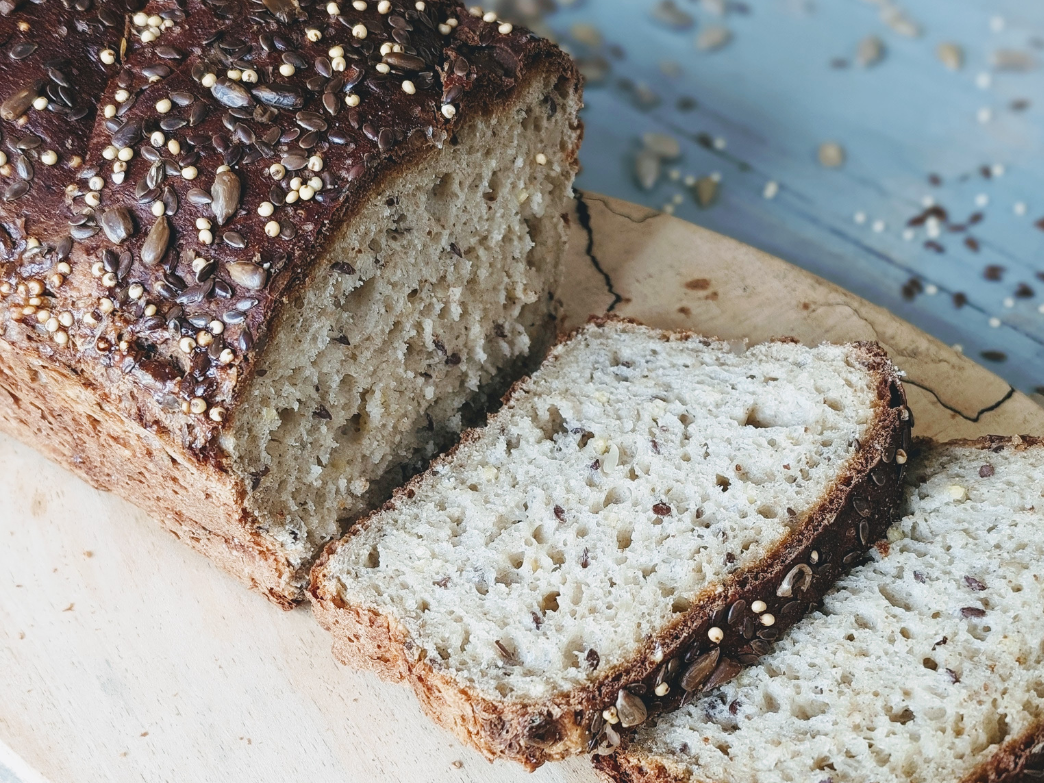
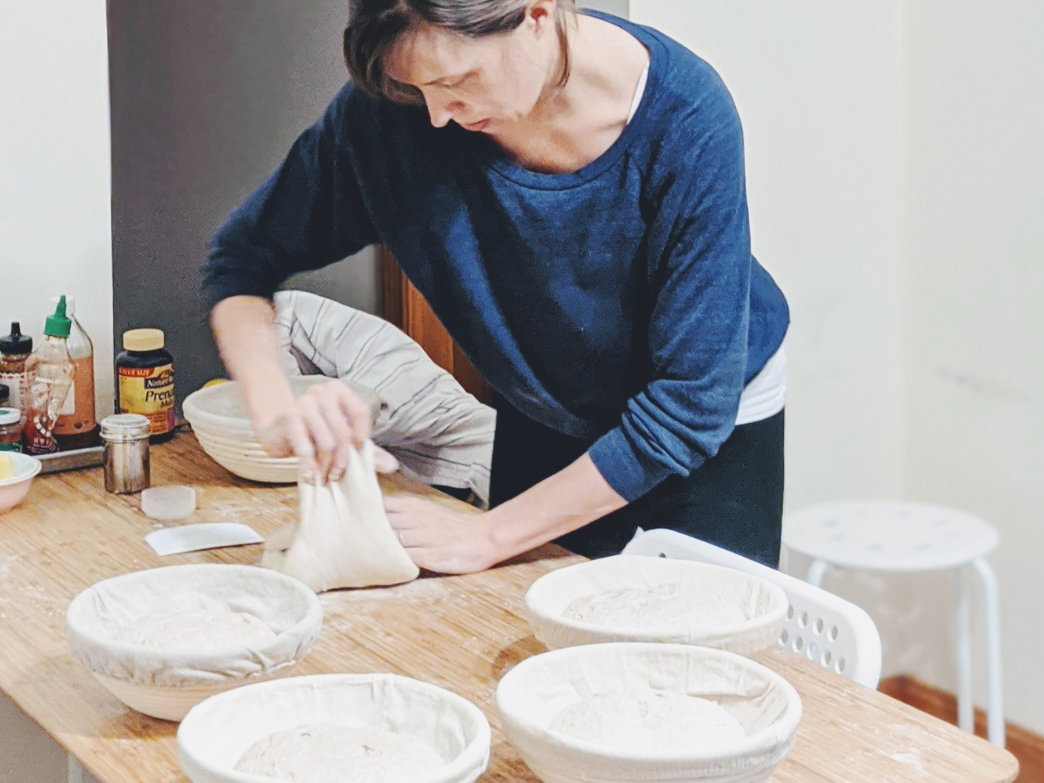
Best Homemade Bread: Is Homemade Bread Healthier?
By Lucy Yanckello, Ph.D. Wildgrain, opens in a new tab is the first bake-from-frozen subscription box for sourdough breads, fresh pastas, and artisanal pastries. There is not much that beats the smell of homemade bread cooking in your oven or the taste of a fresh slice. Baking bread is a culinary experience that is sure worth the effort, but are there health benefits too? Read on to learn more about why the time and finesse it takes to make your own bread might just be worthwhile for your health. Is it healthier to eat homemade bread? Is it healthier to make your own bread or buy it? The biggest benefit of making your own bread is that you choose every ingredient that goes into the loaf – from the highest quality whole grain flours, to leavening agents, eggs, and dairy. Other important ingredients to be able to control are the sugar and salt content – both are often much higher than necessary in store-bought bread. Fat content can also be selected for. Opt for the addition of heart-healthy unsaturated fats such as olive oil or safflower oil. Lastly, commercially prepared breads often contain preservatives or other artificial ingredients to boost flavor and shelf life – these are not necessary in homemade breads. Is it ok to eat homemade bread everyday? It is important to remember that bread (and carbs) are not the enemy. Only those with a medical condition that precludes them from eating wheat-based products should limit their intake of bread (or those who just don’t like it!). Homemade bread has a lot of health benefits if prepared with high-fiber ingredients (e.g., whole grain flours, ground flaxseed, whole oats) which also increase the protein content. Fiber is important in regulating digestion and plays a role in lowering cholesterol. Higher protein and fiber content allows foods to keep you fuller for longer, ultimately reducing snacking and curbing cravings. Is bread made in a bread maker healthy? Bread baked in a bread maker is just as healthy as bread baked in an oven. The only cons of bread in a bread maker are logistical, not nutrition. For one, the paddles used to knead the dough leave a hole in the middle of the bread because they are left in during baking. Additionally, you can only bake one loaf at a time in a bread maker, whereas an oven can hold multiple. Just as with oven baked homemade bread: because you control the ingredients, you control the health benefits! What is the healthiest type of homemade bread? Any type of bread can fit into a healthy diet, however bread that includes whole grainsGo to sourdough loaf or higher amounts of fiber has higher health benefits. Fiber is important in regulating digestion and plays a role in lowering cholesterol. Higher protein and fiber content allows foods to keep you fuller for longer, ultimately reducing snacking and curbing cravings. What makes homemade bread better? One of the biggest benefits of homemade bread is that you select all of the ingredients that go into the dough. This lets you be very picky regarding what you want in your bread, and more importantly what you don’t want. Although making bread is time intensive and sometimes taxing, there is nothing like eating a piece of warm homemade bread fresh from the oven. What is the easiest way to make homemade bread? What is the secret to making homemade bread? Most homemade bread requires kneading, which is a hard task. However, there are great recipes that don’t require this step. No knead breads, or breads made in a bread machine, may be a good step for beginners. Another option is to buy bake-from-frozen homemade bread from a bakery like Wildgrain where there is ingredient transparency. This means you can see exactly what goes into your loaf – often a combination of just four things: flour, water, salt, and yeast. And you’ll still get the fresh bread scent in your home when you bake the loaf in the oven prior to eating! What adds flavor to homemade bread? There are a few simple ways to add flavor to homemade bread. The first is to be sure you are using a quality flour, which is often overlooked by beginner bakers. Because it is the main ingredient, it is important to keep flour in mind. Additionally, adding ingredients such as fats (e.g., olive oil, coconut oil) or sweeteners (e.g., malt, honey) will help ramp up the flavor of your loaf. There are also always add-ins such as nuts and berries, too! What makes homemade bread more airy? The texture of your bread is dependent mainly on how much gas is present in the dough. Carbon dioxide is responsible for the air bubbles present in bread and makes it lighter and fluffier. The gas is created as the yeast grows, meaning the more yeast grows, the more gas present – this will leave you with a light and airy loaf. To get this result, controlling the temperature of the bread is important. You must give it ample time to rise, but not too much time. There is a sweet spot between when the bread has risen too much and not enough. Once you see blistering in your dough, it has gone too far - try to get it in the oven before the blistering starts. If it does blister, poke the blisters with a toothpick and get the bread in the oven as quickly as possible! Where can I buy the best fresh bread to bake at home online? At Wildgrain, we specialize in making high-quality, fresh baked goods that are delivered directly to your door. Wildgrain is the first bake-from-frozen delivery subscription service for breads, pastries, and fresh pastas. Some of our popular breads include sourdough whole wheat loaf, and everything sourdough bread. Plus we have fresh churned butter as a delicious complement. Learn more about Wildgrain and our artisanal baking and cooking methods. Best Bread Home Delivery Service: How Wildgrain's Bread Delivery Works Wildgrain's breads are prepared in independent, artisanal bakeries with high quality ingredients. The breads are shipped frozen in insulated boxes and delivered direct to your home, anywhere nationwide. By shipping frozen, Wildgrain products maintain the highest quality, so you can enjoy fresh baked breads at home. That's why customers consider Wildgrain among the best home delivery services for bread. About the Author Lucy Yanckello received her Ph.D. in nutrition from the University of Kentucky College of Medicine. She currently works as a medical writer and enjoys being able to help people better understand nutrition and science. This content is for informational use only and does not replace professional nutrition and/or medical advice, diagnosis or treatment. It is not a substitute for and should not be relied upon for specific nutrition and/or medical recommendations. Please talk with your doctor about any questions or concerns.
Learn more Best Homemade Bread: Is Homemade Bread Healthier?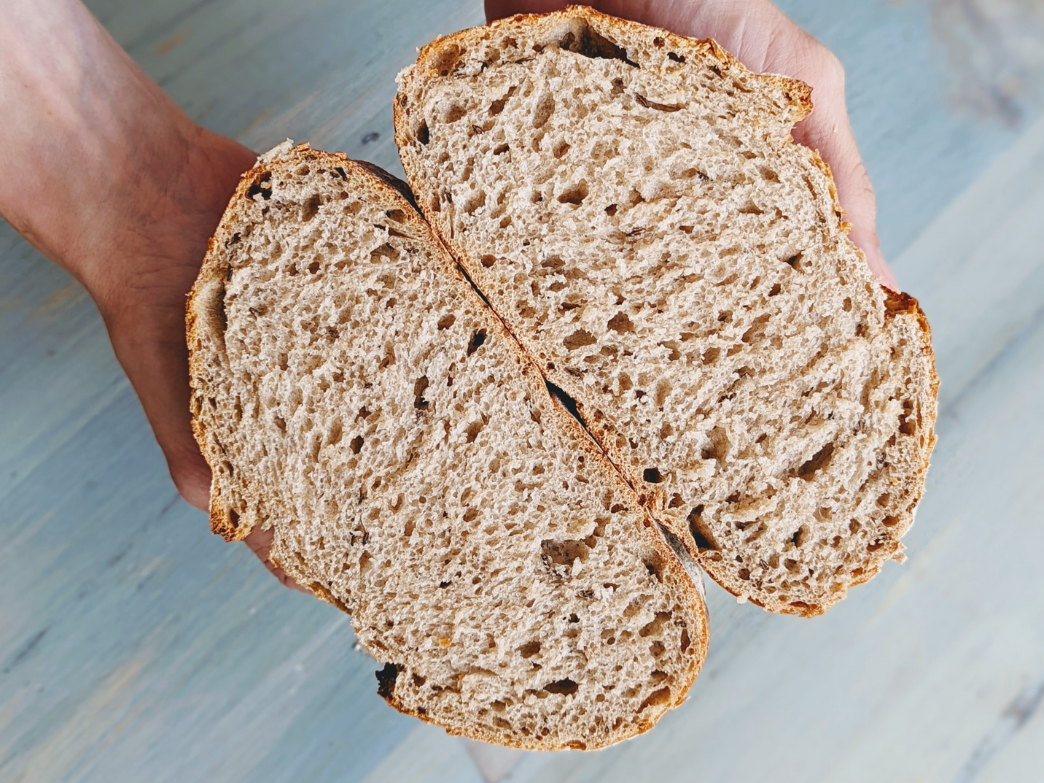
Best Bread for Gluten Intolerance and Gluten Sensitivity
By Dr. Jorge, Ph.D. Wildgrain, opens in a new tab is the first bake-from-frozen subscription box for sourdough breads, fresh pastas, and artisanal pastries. Traditional bread can pose challenges for those with gluten intolerance or gluten sensitivity, but that doesn’t mean you need to give up bread altogether. Luckily, there are tasty bread options for those who do not tolerate gluten. Read on to discover low-gluten bread options that can satisfy your bread cravings without compromising your dietary needs. What bread has the least gluten? What bread has the most gluten? Sourdough bread and rye bread contain the least amount of gluten compared to other types of bread. Both are considered low-gluten bread options and might be better tolerated by those with gluten intolerance or gluten sensitivity. Most other types of bread that are made with wheat flour contain the most gluten and should generally be avoided by those who experience gluten intolerance or gluten sensitivity symptoms. This includes white bread, whole wheat bread, and barley bread. All of these bread options contain a large amount of gluten and will generally not be well tolerated by those with gluten sensitivities. Can I eat bread if I am gluten intolerant? Can I eat bread with gluten sensitivity? You can still eat bread even if you are gluten intolerant or have gluten sensitivity, but the type of bread you can have will depend on the severity of your gluten intolerance. For those with mild gluten sensitivities, low-gluten bread, such as sourdough bread or rye bread, might be well tolerated without any negative side effects. However, if you have a more serious gluten intolerance or have celiac disease, you’ll want to steer clear of any gluten and opt for certified gluten-free bread. Is sourdough bread better for gluten sensitivity? Is sourdough bread good for gluten intolerance? Yes, sourdough bread is generally well tolerated for those with gluten sensitivity or gluten intolerance. This is because of the lengthy fermentation process used to make sourdough bread. During fermentation, bacteria in the sourdough starter break down most of the gluten found in wheat flour, resulting in sourdough bread having approximately 90% less gluten when compared to traditional white bread. Is rye bread better for gluten intolerance? Is rye bread good for gluten sensitivity? Rye bread is considered a low-gluten bread, which means it is better for those with gluten intolerance and gluten sensitivity than other bread types like those made with wheat flour or barley flour. One study found that rye flour had almost three times less gluten than wheat flour. Because of this, rye bread might be better tolerated for those with gluten intolerance or gluten sensitivity. What bread is best for gluten intolerance? What bread is best for gluten sensitivity? Low-gluten bread and gluten-free bread are best for those with gluten intolerance or gluten sensitivity. This means sourdough bread, rye bread, and gluten-free bread are great options if your body reacts negatively to gluten. If you’re searching for a gluten-free bread option, check for a gluten-free label on the packaging and scan the ingredient list for wheat, barley, rye, malt, and brewery’s yeast. Does toasting bread remove gluten or reduce gluten? While toasting bread may improve the overall digestibility of bread, it does not reduce or remove gluten from bread. However, studies have shown that toasted bread has a lower glycemic index than untoasted bread due to a chemical reaction during the toasting process. This means that toasted bread is less likely to cause sudden blood sugar spikes. Does freezing bread remove gluten or reduce gluten? The act of freezing bread does not change its gluten content, although some studies have shown that freezing might change the structure of the gluten protein. Without additional studies, those with gluten intolerance or sensitivity should stick to low-gluten or certified gluten-free bread options. Where can I buy the best bread for gluten intolerance online? At Wildgrain, we specialize in making high-quality, fresh baked goods that are delivered directly to your door. Wildgrain is the first bake-from-frozen delivery subscription service for fresh pasta, breads, and pastries. Our gluten-free breads include Gluten-Free Country Loaf, Gluten-Free Slow-Fermented Seeded Loaf, and Gluten-Free Sourdough Loaf. Some of our popular low-gluten breads include sourdough bread or rye bread. Learn more about Wildgrain and our artisanal baking and cooking methods. Best Bread Home Delivery Service: How Wildgrain's Bread Delivery Works Wildgrain's breads are prepared in independent, artisanal bakeries with high quality ingredients. The breads are shipped frozen in insulated boxes and delivered direct to your home, anywhere nationwide. By shipping frozen, Wildgrain products maintain the highest quality, so you can enjoy fresh baked breads at home. That's why customers consider Wildgrain among the best home delivery services for bread. About the Author Dr. Jorge has been a public health researcher for many years, holding both a Bachelor's degree and a Ph.D. in Chemistry. They presently work as a medical writer and love being able to assist others in understanding various health and scientific topics. This content is for informational use only and does not replace professional nutrition and/or medical advice, diagnosis or treatment. It is not a substitute for and should not be relied upon for specific nutrition and/or medical recommendations. Please talk with your doctor about any questions or concerns.
Learn more Best Bread for Gluten Intolerance and Gluten Sensitivity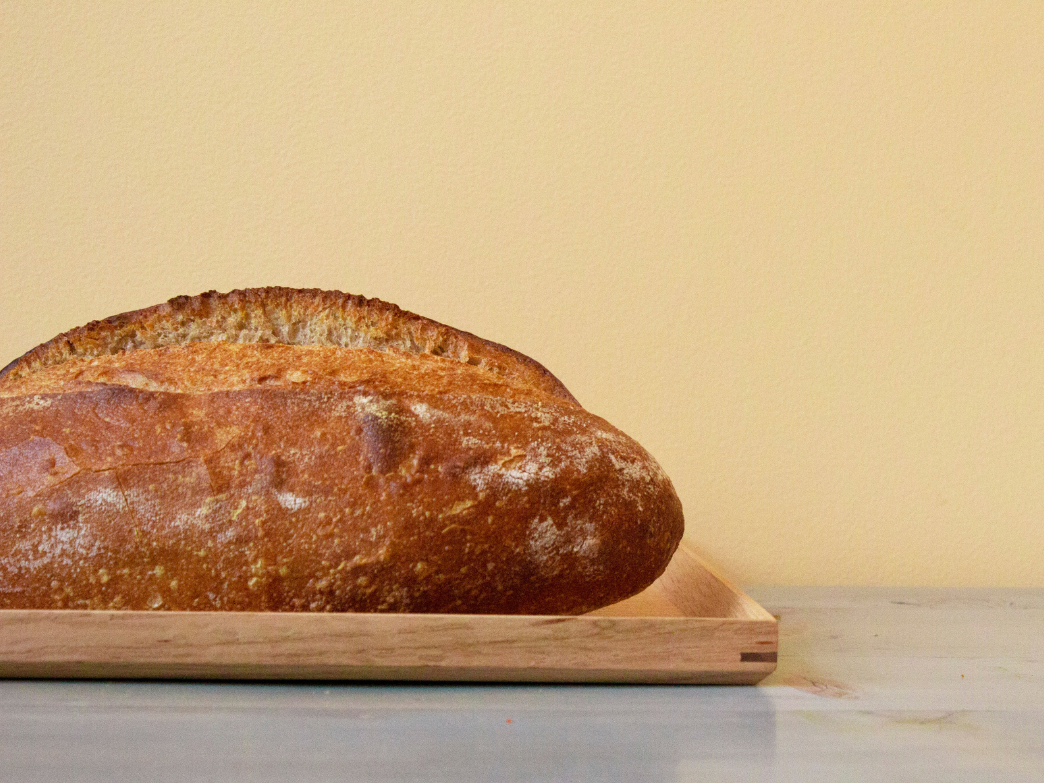
Best Bread for Constipation: Can You Eat Bread While Constipated?
By Dr. Jorge, Ph.D. Wildgrain, opens in a new tab is the first bake-from-frozen subscription box for sourdough breads, fresh pastas, and artisanal pastries. Nobody likes experiencing constipation or bloating, especially when the reason is unknown. If you’ve been having bathroom-related symptoms, your choice of bread might be the culprit. Read on to learn which types of bread can worsen constipation and which could help to relieve it. Can you eat bread if you are constipated? You can eat bread while constipated, but you’ll need to choose carefully since certain types of bread can worsen constipation. Bread high in fiber like 100% whole grain bread can help alleviate constipation while low-fiber bread like white bread can worsen it. This is because fiber softens and increases stool weight, making it easier to pass and preventing constipation. What kind of bread does not cause constipation? Bread that is high in dietary fiber tends to keep bowel movements regular, reducing the likelihood of constipation. Most whole grain foods are great fiber sources, including bread made from 100% whole grains. Some examples of bread that do not cause constipation are whole grain rye bread and whole-grain sourdough bread. Why does bread make me bloated and constipated? There are a few reasons why eating bread could make you feel bloated and constipated. You might have wheat or gluten sensitivity if you notice uncomfortable gastrointestinal symptoms when you eat any bread. On the other hand, you may be consuming too much low-fiber bread. In either case, your body might have difficulty digesting low-fiber or gluten-containing foods, which can lead to bloating and constipation. What is the best bread to eat for constipation? If you are constipated, it is advised that you increase your intake of soluble fiber. Since whole grain bread is an excellent source of soluble fiber, it is one of the best breads to combat constipation. However, experts suggest increasing fiber intake gradually, otherwise you might experience other gastrointestinal symptoms such as gas, cramping, or bloating. Is multigrain bread good for constipation? Multigrain bread is only helpful for constipation when made entirely from whole grains. If the multigrain bread contains refined grains, such as those found in enriched white flour, it might worsen constipation. To check if bread is made with 100% whole grains, check that the first ingredient listed is “whole wheat flour” or “whole grain wheat flour”. Is rye bread good for constipation? Rye bread, especially if made from whole grains, is great for constipation sufferers. One research study found that whole grain rye bread was more effective than laxatives in treating constipation, without increasing adverse gastrointestinal effects. Given the benefits of both rye bread and sourdough bread, rye sourdough bread might be even better at relieving constipation. Is sourdough bread good for constipation? Whole grain sourdough bread might be good for constipation given its high fiber content and unique fermentation process. If you suspect that gluten is the cause of your constipation, sourdough bread might be one of the better bread choices since it tends to contain less gluten than other types of bread. Additionally, the long fermentation process can mean sourdough bread has prebiotic-like properties, which can help to improve overall digestion and gut health. Is toast better than bread for constipation? Can you eat toast when constipated? Toast might be better than bread for constipation as it is part of the BRAT (bananas, rice, applesauce, toast) diet, which are common foods recommended for both diarrhea and constipation. However, this is only true for toast made from whole grain bread, since low-fiber white toast can potentially worsen constipation. To learn how bread and toast can differ nutritionally, check out this article. What is a good breakfast for constipation? The best breakfast to relieve constipation is one rich in fiber. This can include high-fiber hot or cold cereals, toast from whole wheat bread, certain fruits (i.e. apples, oranges, berries), nuts, and seeds. It is also recommended to drink plenty of fluids while constipated, such as water and herbal teas. Where can I buy healthy bread online? At Wildgrain, we specialize in making high-quality, fresh breads that are delivered directly to your door. Wildgrain is the first bake-from-frozen delivery subscription service for breads, rolls, pastries, and fresh pastas. Some of our popular breads include Sourdough 7-Grain Loaf, Whole Wheat Sourdough Loaf, and Rye Sourdough Loaf. Learn more about Wildgrain and our artisanal baking and cooking methods. Best Bread Home Delivery Service: How Wildgrain's Bread Delivery Works Wildgrain's breads are prepared in independent, artisanal bakeries with high quality ingredients. The breads are shipped frozen in insulated boxes and delivered direct to your home, anywhere nationwide. By shipping frozen, Wildgrain products maintain the highest quality, so you can enjoy fresh baked breads at home. That's why customers consider Wildgrain among the best home delivery services for bread. About the Author Dr. Jorge has been a public health researcher for many years, holding both a Bachelor's degree and a Ph.D. in Chemistry. They presently work as a medical writer and love being able to assist others in understanding various health and scientific topics. This content is for informational use only and does not replace professional nutrition and/or medical advice, diagnosis or treatment. It is not a substitute for and should not be relied upon for specific nutrition and/or medical recommendations. Please talk with your doctor about any questions or concerns.
Learn more Best Bread for Constipation: Can You Eat Bread While Constipated?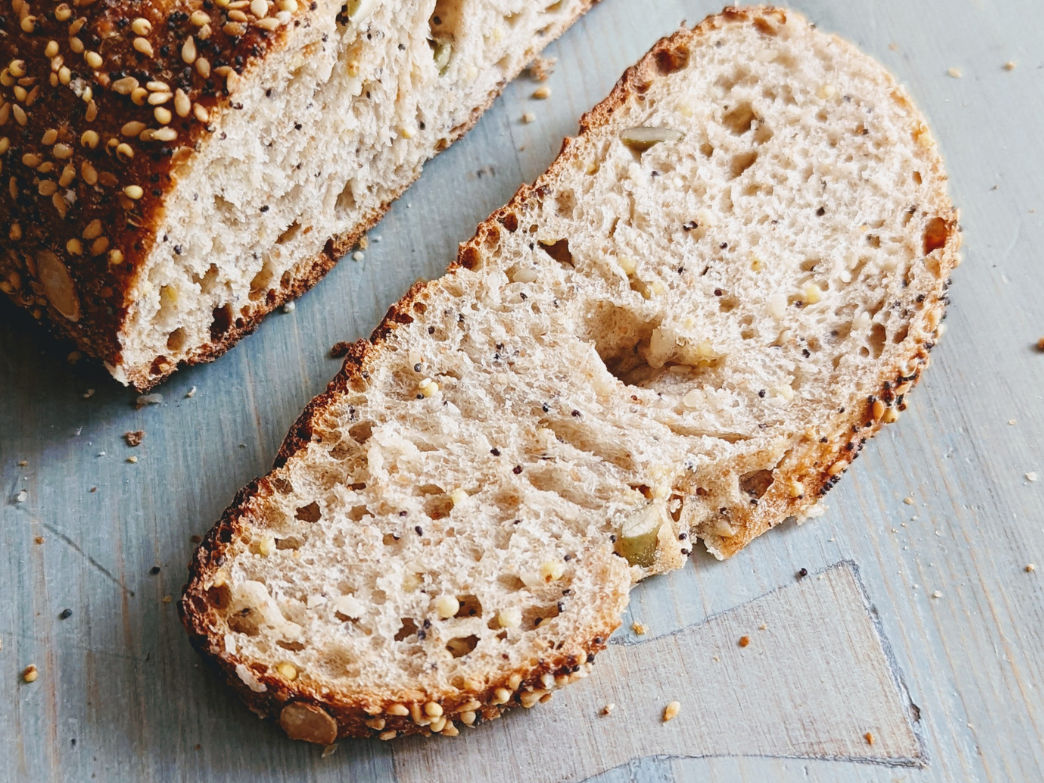
Bread and Pregnancy: Eating Bread While Pregnant
By Dr. Jorge, Ph.D. Wildgrain, opens in a new tab is the first bake-from-frozen subscription box for sourdough breads, fresh pastas, and artisanal pastries. It can feel like there’s a lot to know about what you should and shouldn’t eat during pregnancy. This can mean having to make diet modifications once you become pregnant. Read on to learn which bread is the healthiest for pregnancy and whether you should alter your daily eating habits. Do you crave bread during pregnancy? Many pregnant women report experiencing cravings for carbohydrates, like bread, while pregnant. Experts believe pregnancy cravings may be due to hormonal changes in the body or a way for the body to indicate nutrient deficiencies. However, the exact cause of these cravings is unknown. Can I eat bread while pregnant? Is it safe to eat bread during pregnancy? You can still eat bread while pregnant. Not only is bread safe to eat, but whole grain bread is rich in iron and folic acid, critical nutrients for a healthy pregnancy. Carbohydrates and whole grains are important components of a healthy and balanced diet during pregnancy. Can I eat yeast bread during pregnancy? Yes, you can eat yeast bread during pregnancy. Certain foods might be considered high risk during pregnancy because they are raw or undercooked. Additionally, some foods could become contaminated with harmful bacteria during processing or storage. So long as the yeast bread is fully cooked, it should not pose any dangers during pregnancy. How many slices of bread can I eat per day during pregnancy? During pregnancy, it is advised that one-third of your diet consists of carbohydrates. Stated differently, doctors recommend those expecting to consume 6 to 11 servings of grains and bread per day. To maintain a balanced diet, this means that the amount of bread you should eat each day will depend on the rest of your diet during pregnancy. What kind of bread is good for pregnancy? What is the healthiest bread while pregnant? The best bread to eat during pregnancy is bread made from 100% whole grains. Whole grain or whole wheat bread options are healthier than white bread varieties, containing more fiber, folic acid, and iron. These essential nutrients help promote a baby’s healthy development and benefit mom too. Is it safe to eat white bread during pregnancy? Is white bread healthy while pregnant? White bread is somewhat safe to eat during pregnancy, but its intake should be limited. Refined grains, which are used to make white bread, may raise your risk of preeclampsia and gestational diabetes while pregnant. Is it safe to eat sourdough bread during pregnancy? Is sourdough bread healthy while pregnant? Yes, it is safe to eat sourdough bread during pregnancy. Pregnant or not, sourdough bread boasts an impressive nutritional profile, which is only magnified when made with whole grains. The slow fermentation process used to make sourdough bread means it is an excellent source of antioxidants, calcium, folate, and other nutrients. Sourdough bread may also be easier to digest and can help stabilize blood sugar levels. Is it safe to eat whole wheat bread during pregnancy? Is whole wheat bread healthy while pregnant? It is both safe and recommended to eat whole wheat bread during pregnancy. Whole wheat bread is rich in essential vitamins and nutrients and is a great food to add to your diet to ensure you have enough good carbohydrates while pregnant. If you’re picking out a loaf of bread in the grocery store, look for the 100% whole grain stamp on the package. Can I eat bread and butter during pregnancy? You can absolutely enjoy bread and butter during pregnancy, but as with all foods, moderation is key. When having a treat of bread and butter, whole grain or whole wheat bread is among the healthiest options. As for butter, be sure it is made from pasteurized milk and pay extra attention to your portion sizes. Consuming high quantities of saturated fat might increase your risk of heart disease and can cause excess weight gain. Can I eat bread with gestational diabetes? You can eat bread with gestational diabetes, but you’ll want to choose bread made entirely from whole grains. If you have gestational diabetes, you need to be mindful of the amount and type of carbohydrates you’re eating, since carbohydrates turn into glucose during digestion. Certain carbohydrates, like those found in white bread, can spike blood sugar (glucose) levels due to their rapid digestion. Conversely, foods made with whole grains, such as whole grain bread, typically have a lower glycemic index, which means they digest more slowly and don’t cause rapid changes in blood sugar levels. Please discuss further details with your medical provider. Where can I buy healthy bread online? At Wildgrain, we specialize in making high-quality, fresh breads that are delivered directly to your door. Wildgrain is the first bake-from-frozen delivery subscription service for breads, rolls, pastries, and fresh pastas. Some of our popular breads include sourdough whole wheat, sourdough 7-grain, slow fermented 3-seed bread, and sourdough rye. Learn more about Wildgrain and our artisanal baking and cooking methods. Best Bread Home Delivery Service: How Wildgrain's Bread Delivery Works Wildgrain's breads are prepared in independent, artisanal bakeries with high quality ingredients. The breads are shipped frozen in insulated boxes and delivered direct to your home, anywhere nationwide. By shipping frozen, Wildgrain products maintain the highest quality, so you can enjoy fresh baked breads at home. That's why customers consider Wildgrain among the best home delivery services for bread. About the Author Dr. Jorge has been a public health researcher for many years, holding both a Bachelor's degree and a Ph.D. in Chemistry. They presently work as a medical writer and love being able to assist others in understanding various health and scientific topics. This content is for informational use only and does not replace professional nutrition and/or medical advice, diagnosis or treatment. It is not a substitute for and should not be relied upon for specific nutrition and/or medical recommendations. Please talk with your doctor about any questions or concerns.
Learn more Bread and Pregnancy: Eating Bread While Pregnant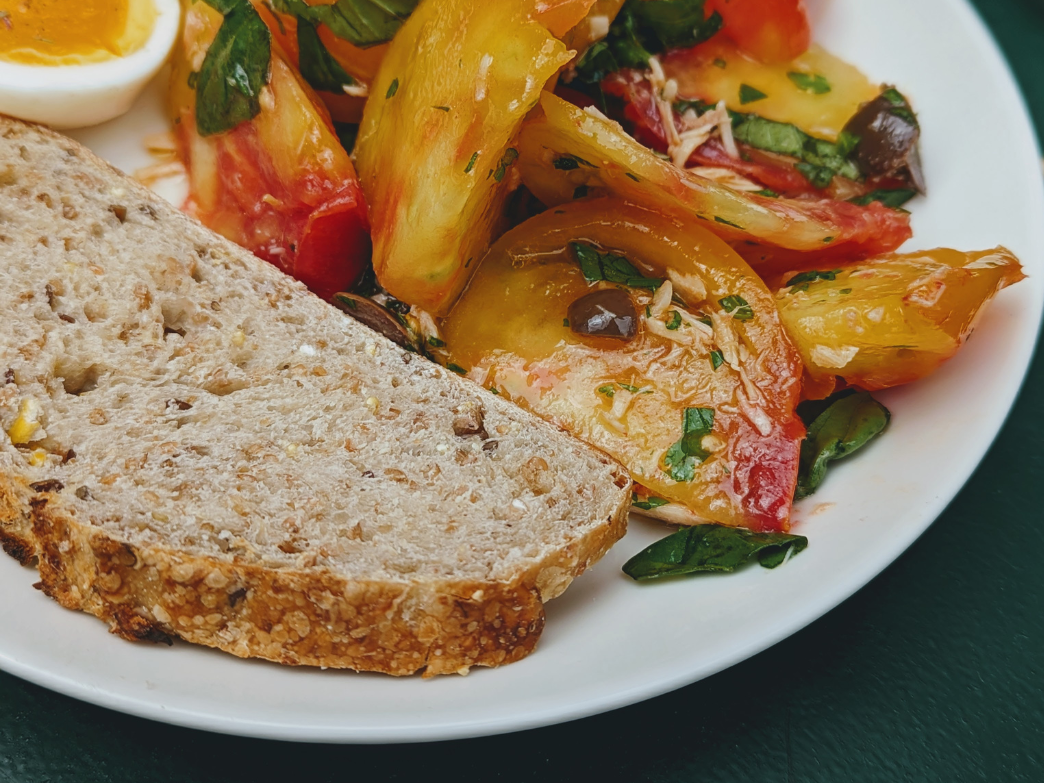
What’s Healthier: Bread vs. Pita vs. Naan?
By Lucy Yanckello, Ph.D. Wildgrain, opens in a new tab is the first bake-from-frozen subscription box for sourdough breads, fresh pastas, and artisanal pastries. Bread is a beloved carbohydrate source be it leavened with yeast, steamed, fried, or gluten free. One of the oldest staples in our diets, there are dozens of types of bread around the world with different flavors, textures, and purposes. In fact, some of the most popular types of breads, both considered flatbreads, are naan and pita. Read on to learn more about the difference between the two, and how they compare to loaf bread in flavor, texture, and nutrient profile. Which is healthier to eat: bread or pita or naan? In contrast to loaf bread, pita bread and naan are considered to be flatbreads. Pita bread is yeast-leavened and round, turning into layers when baked that create a pocket that is easily filled. Naan is also yeast leavened, and contains water (or milk), flour, salt, and the addition of butter and yogurt. Depending on what your nutrient needs are, bread, pita, and naan can all fit into a healthy diet. Naan and pita have many of the same benefits of other breads, including carbs, iron, and vitamin B. B vitamins are necessary to help break down and convert food into energy all while keeping hair, skin, and eyes healthy. Iron is essential for oxygen transport through the blood and preserves many vital processes in the body including immune function, body temperature, and digestion. All three are relatively low in fiber (around 1 to 2 grams). Because their ingredients are similar, loaf bread and pita both have very similar nutritional profiles, including similar levels of protein and fat (around 2 to 3 grams). Naan is higher in protein (around 9 grams) and fat (around 5 grams) than pita and other breads. Is pita bread OK for weight loss? Is naan OK for weight loss? Can you still eat pita and naan when trying to lose weight? Every food, including pita bread and naan, can have a place in a healthy diet when trying to lose weight, as long as they’re enjoyed in moderation. The higher protein content in naan will allow you to feel fuller for longer, curbing cravings that cause excess snacking. On the other hand, naan has almost three times the carbohydrate content (45 grams) compared to loaf bread and pita (around 13 to 17 grams). So yes, you can still eat pita and naan when trying to lose weight, but in moderate amounts. Is pita OK for IBS? Is naan OK for IBS? PitaGo to bread vs tortilla vs pita wrap bread and naan unfortunately are not great choices for IBS. Pita bread and naan are made with wheat flour, meaning they are high in FODMAP, or Fermentable, Oligosaccharides, Monosaccharides, and Polyols. This is an acronym for a group of carbohydrates that are poorly absorbed in the small intestine. This poor absorption leads to fermentation by the gut bacteria which results in the production of gas and other byproducts. This leads to Irritable bowel syndrome (IBS) symptoms such as bloating, gas, and abdominal pain. What’s the difference between naan vs. bread? Which is healthier: bread or naan? Naan is a flatbread, whereas breadGo to sourdough loaf comes in loaves. Naan is higher in fat, protein, and carbohydrates than loaf bread. The higher protein content of naan will allow you to feel fuller for longer and curve cravings. However, the fat content of naan (from butter in the recipe) comes largely from saturated fats, which should account for less than 10% of your total daily caloric intake according to the USDA. Both naan and bread can find their place in a healthy diet in moderation. What’s the difference between pita vs. bread? Which is healthier: normal bread or pita? PitaGo to bread vs tortilla vs pita wrap is a flatbread whereas breadGo to sourdough loaf comes in loaves. Despite their difference in shape, pita and bread have similar ingredients - largely water, yeast, flour, and salt. Because of the similarity in ingredients, the nutrient profiles of pita and normal bread are basically identical. Both pita and loaf bread have relatively low fat, fiber, and protein content. What’s the difference between pita vs. naan? Which is healthier: naan or pita? Naan and pitaGo to bread vs tortilla vs pita wrap are similar in that they are both flatbreads, but naan contains butter and yogurt, whereas pita does not. As stated earlier, naan is high in fat, and specifically high in saturated fats. Pita on the other hand is considered to be a low fat food. Naan does have other benefits, including a higher protein content which will keep you fuller for longer and curb cravings. There are some pros and cons to both naan and pitas in terms of nutrient profiles, and both can be eaten in moderation in any healthy diet. Where can I buy fresh bread online? At Wildgrain, we specialize in making high-quality, fresh breads and pastas that are delivered directly to your door. Wildgrain is the first bake-from-frozen delivery subscription service for breads, pastries, and fresh pastas. Some of our popular breads include Everything Sourdough Bread, Plain Sourdough Loaf, and Sourdough 7-Grain Loaf. Learn more about WildgrainGo to story and our artisanal baking and cooking methods. Best Bread Home Delivery Service: How Wildgrain's Bread Delivery Works Wildgrain's breads are prepared in independent, artisanal bakeries with high quality ingredients. The breads are shipped frozen in insulated boxes and delivered direct to your home, anywhere nationwide. By shipping frozen, Wildgrain products maintain the highest quality, so you can enjoy fresh baked breads at home. That's why customers consider Wildgrain among the best home delivery services for bread. About the Author Lucy Yanckello received her Ph.D. in nutrition from the University of Kentucky College of Medicine. She currently works as a medical writer and enjoys being able to help people better understand nutrition and science. This content is for informational use only and does not replace professional nutrition and/or medical advice, diagnosis or treatment. It is not a substitute for and should not be relied upon for specific nutrition and/or medical recommendations. Please talk with your doctor about any questions or concerns.
Learn more What’s Healthier: Bread vs. Pita vs. Naan?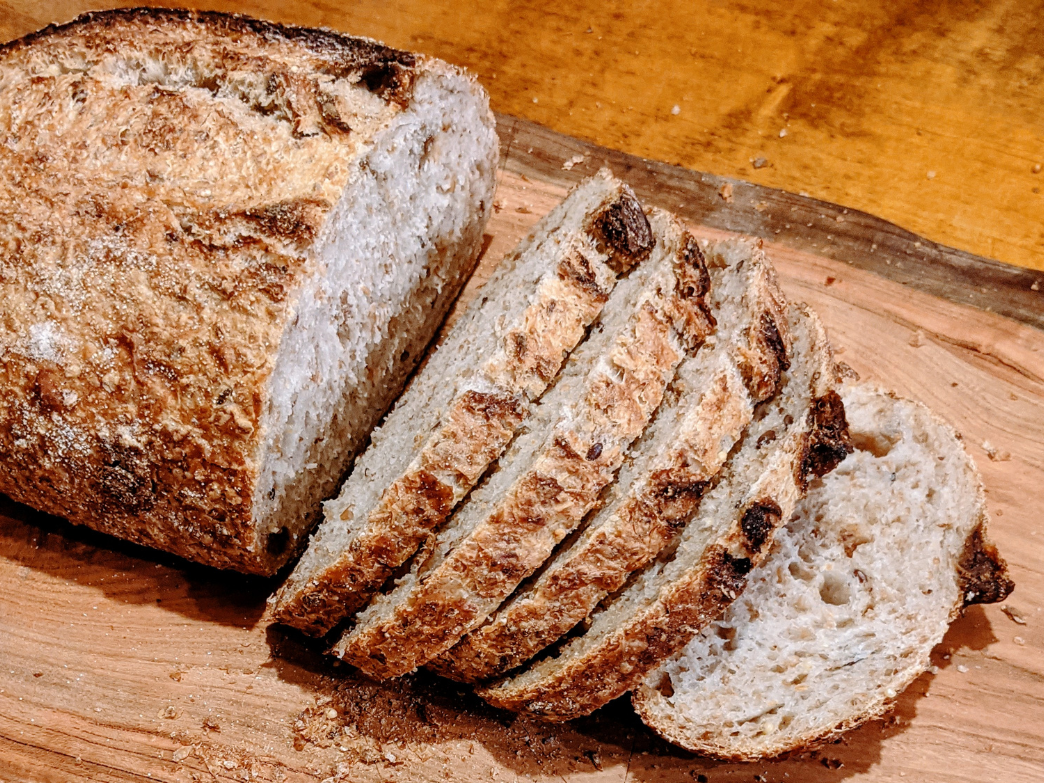
What is the best bread for a FODMAP diet?
By Dr. Jorge, Ph.D. Wildgrain, opens in a new tab is the first bake-from-frozen subscription box for sourdough breads, fresh pastas, and artisanal pastries. If you’re having uncomfortable gastrointestinal symptoms, you might seek relief in a low FODMAP diet. While some types of bread aren’t suitable for this diet, many are low in these carbohydrates and can still be enjoyed while keeping your stomach happy. In this article, we’ll demystify FODMAPs and help you identify bread varieties that are FODMAP-friendly. What bread is FODMAP-friendly? What sliced bread is low FODMAP? What type of bread can you eat on FODMAP? Bread that is FODMAP-friendly will include bread that is low in fermentable oligosaccharides, disaccharides, monosaccharides, and polyols (FODMAPs), which are carbohydrates that can cause gastrointestinal upset. Since the main FODMAP found in bread is fructan, any bread that is low in fructans should be safe for a low FODMAP diet. This includes sourdough bread, white bread (in small amounts), and gluten-free bread that does not contain high FODMAP ingredients. Is sourdough bread low FODMAP? Why is sourdough bread OK on a FODMAP diet? Sourdough bread is low in FODMAPs because the fermentation process used to make sourdough bread reduces its fructan content. During the long fermentation process, the microorganisms in the sourdough feed on the FODMAPs, resulting in a lower fructan content. Keep in mind this is only the case if the bread is made in the traditional way which involves fermenting the dough for several days and leavening it for at least 24 hours. When purchasing store-bought sourdough bread, make sure to ask whether the sourdough bread is made using traditional techniques, otherwise, it might not be low in FODMAPs. Is whole wheat bread low FODMAP? Why is whole wheat bread OK on a FODMAP diet? Whole wheat bread can be considered low FODMAP depending on the serving size. While wheat flour is a high FODMAP ingredient, wheat products such as whole wheat bread can still be low FODMAP. The distinction lies in the serving size. For example, one slice of whole wheat bread at 24 grams is low FODMAP. This is the maximum serving size for whole wheat bread to be low FODMAPs; any more than this will be considered high FODMAP. Is whole grain bread low FODMAP? Is whole grain bread high FODMAP? Whole grain bread is high in FODMAPs. Since whole grain wheat contains the entire grain, it is high in fructans (a high FODMAP food). The high fructan content comes from the bran and germ, two components of the intact grain that are higher in fructans when compared to the endosperm (the third grain component). In contrast, white bread is a low FODMAP bread as it is made from refined grains which consists mostly of the endosperm, a low FODMAP grain component. Is multigrain bread low FODMAP? Is multigrain bread high FODMAP? Multigrain bread can be low in FODMAPs depending on the exact grains and portions used. Some grains used in whole grain bread are higher in FODMAPs than others, such as wheat, rye, and barley. Other grains, such as oats, are generally lower in FODMAPs. The same is true for gluten-free multigrain bread. When selecting a multigrain bread, carefully read the nutrition label to ensure you are choosing bread made from low FODMAP ingredients. What is the best sourdough bread for a FODMAP diet? What is the best sourdough for low FODMAP? The best sourdough bread for a low FODMAP diet is one using traditional methods that include a slow fermentation process. This process is essential to reducing the amount of fructans in bread, a main carbohydrate and FODMAP found in bread varieties. Another great option is sourdough bread made with spelt or rice flour as these kinds of flour are usually lower in FODMAPs than the wheat flour traditionally used to make sourdough bread. How many slices of bread can I eat while on a FODMAP diet? The number of slices of bread you can eat while on a low FODMAP diet depends on the type of bread, the ingredients in the bread, and your tolerance level. Some low FODMAP breads may be listed as such on the label with a suggested serving size. In general, the following serving sizes are recommended to be low in FODMAPs: · 1 slice of white wheat bread · 1 slice of whole wheat bread · 2 slices of white wheat sourdough bread · 2 slices of whole wheat sourdough bread · 2 slices of gluten-free white bread · 1 slice of gluten-free multigrain bread Where can I buy healthy bread online? At Wildgrain, we specialize in making high-quality, fresh breads that are delivered directly to your door. Wildgrain is the first bake-from-frozen delivery subscription service for breads, rolls, pastries, and fresh pastas. Some of our popular breads include plain sourdough loaf, sourdough spelt loaf, and sourdough whole wheat. Learn more about Wildgrain and our artisanal baking and cooking methods. Best Bread Home Delivery Service: How Wildgrain's Bread Delivery Works Wildgrain's breads are prepared in independent, artisanal bakeries with high quality ingredients. The breads are shipped frozen in insulated boxes and delivered direct to your home, anywhere nationwide. By shipping frozen, Wildgrain products maintain the highest quality, so you can enjoy fresh baked breads at home. That's why customers consider Wildgrain among the best home delivery services for bread. About the Author Dr. Jorge has been a public health researcher for many years, holding both a Bachelor's degree and a Ph.D. in Chemistry. They presently work as a medical writer and love being able to assist others in understanding various health and scientific topics. This content is for informational use only and does not replace professional nutrition and/or medical advice, diagnosis or treatment. It is not a substitute for and should not be relied upon for specific nutrition and/or medical recommendations. Please talk with your doctor about any questions or concerns.
Learn more What is the best bread for a FODMAP diet?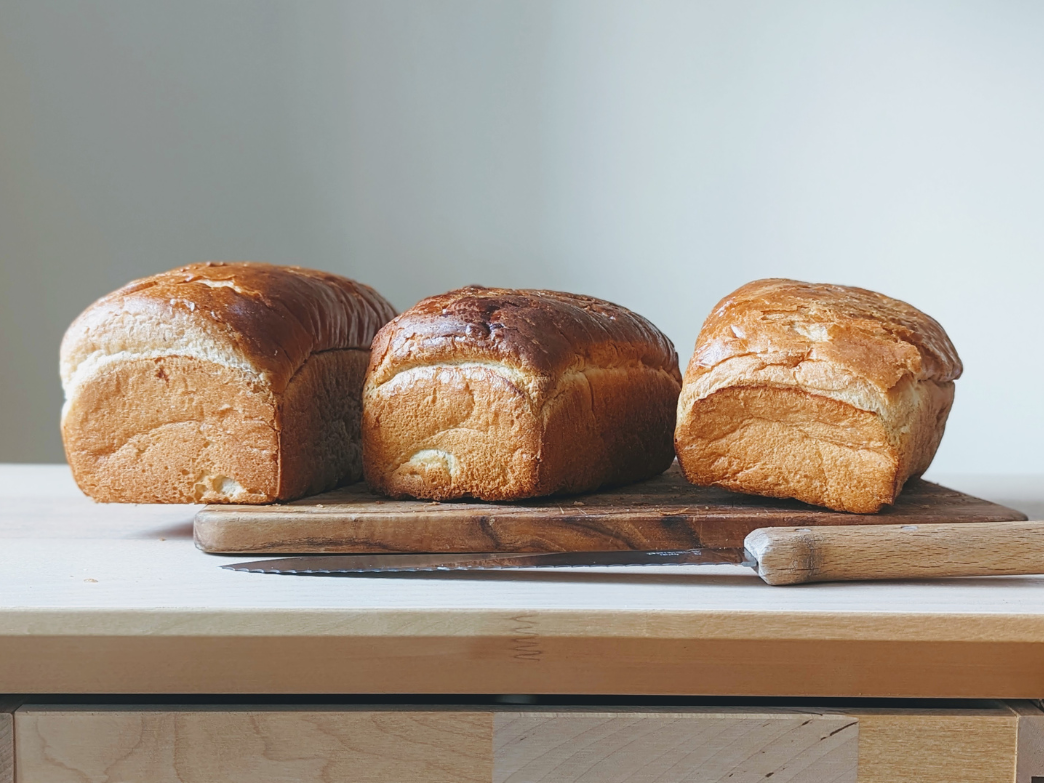
Best Bread for IBS: Can You Eat Bread with IBS?
By Dr. Jorge, Ph.D. Wildgrain, opens in a new tab is the first bake-from-frozen subscription box for sourdough breads, fresh pastas, and artisanal pastries. Do you have IBS but can’t shake your love of bread? We don’t blame you! Read on to find out which bread is most helpful for preventing IBS flare-ups and which kinds you may want to stay clear of. Is bread OK for people with IBS? Bread might be safe to eat for those with IBS, but it depends on the variety and your personal trigger foods. Certain types of bread, like those made with whole grains, contain a high amount of insoluble fiber. The high fiber content in whole grain bread makes it harder for the body to digest and can aggravate IBS symptoms in some people. On the other hand, sourdough bread tends to be well tolerated by IBS sufferers due to its long fermentation process that breaks down the components of bread that often cause gastrointestinal symptoms. What is the best bread for IBS sufferers? Sourdough bread and gluten-free bread are the best types of bread for people with IBS. The lengthy fermentation process used to make traditional sourdough bread reduces the amount of fructans, which are the kind of carbohydrates in bread that cause IBS symptoms. Sourdough bread also has less gluten because of the prolonged fermentation process. Another great option for IBS sufferers is gluten-free bread since gluten often causes IBS flare-ups. Is toast better than bread for IBS? Toast can be better than bread for those with IBS. The toasting process breaks down the carbohydrates in bread which can make toast easier to digest. Even still, it is recommended to choose low FODMAP bread to prevent an IBS flare-up. Some examples of low FODMAP bread are sourdough bread, gluten-free/wheat-free bread, and cornbread. Is sourdough bread better for IBS sufferers? Is sourdough bread OK for IBS? Sourdough bread does tend to be better for those with IBS. This is because the fermentation process required to make sourdough bread breaks down fructans in the bread. Fructans are among the fermentable oligosaccharides, disaccharides, monosaccharides, and polyols, known as FODMAPs, that have the potential to trigger IBS flare-ups. As a low FODMAP bread, sourdough bread is often one of the best-tolerated breads by IBS sufferers. Is white bread good for IBS? Is it OK if I eat white bread with IBS? When consumed in moderation, white bread can be a good option for people with IBS. White bread typically contains insufficient fructans to trigger an IBS flare-up because it is made with refined grains. When suffering from IBS, limit your intake of white bread to no more than one slice per meal. Is whole grain bread good for IBS? Is it OK if I eat whole grain bread with IBS? No, whole grain bread is not beneficial for some people with IBS. Whole grains are generally harder for the body to digest and break down, though this can vary depending on how your IBS presents itself. Despite being nutrient-dense, whole grain-based food often triggers certain IBS symptoms like cramps, bloating, gas, and abdominal pain. Make sure to start with a smaller portion size if you're not sure how your body will respond to whole grain foods. Is multigrain bread good for IBS? Is it OK if I eat multigrain bread with IBS? Multigrain bread might not be beneficial for IBS sufferers either if it is made entirely with whole grains. However, multigrain bread can be made with a mixture of white (refined) flour and whole grains, which may be easier for people with IBS to digest due to the lower insoluble fiber content in white flour. When determining whether you can eat multigrain bread, you should check the ingredient list for rye and barley, two grains that can make IBS symptoms worse. However, grains like oats or spelt can also be used in multigrain bread and are typically well tolerated by those with IBS. Is rye bread good for IBS? Is it OK if I eat rye bread with IBS? Rye bread is not beneficial for those with IBS, as it contains a high amount of fructans, which tend to aggravate IBS. However, there are rye bread varieties that might be easier to digest for IBS sufferers. Since sourdough bread is generally easy to digest, IBS sufferers might want to opt for sourdough rye bread instead. Is it ok to eat bread every day with IBS? Is it ok to eat sourdough bread every day with IBS? It is recommended to consume low FODMAP bread and limit consumption to one slice of bread per meal if you have IBS and want to consume bread daily. Sourdough bread, gluten-free bread, and white bread are some examples of low FODMAP bread options. Sourdough bread is often recommended for those with IBS since its long fermentation process breaks down gluten and FODMAPs, both of which are known to irritate the digestive tract. Where can I buy healthy bread online? At Wildgrain, we specialize in making high-quality, fresh breads that are delivered directly to your door. Wildgrain is the first bake-from-frozen delivery subscription service for breads, rolls, pastries, and fresh pastas. Some of our popular breads include plain sourdough loaf and rye sourdough loaf. Learn more about Wildgrain and our artisanal baking and cooking methods. Best Bread Home Delivery Service: How Wildgrain's Bread Delivery Works Wildgrain's breads are prepared in independent, artisanal bakeries with high quality ingredients. The breads are shipped frozen in insulated boxes and delivered direct to your home, anywhere nationwide. By shipping frozen, Wildgrain products maintain the highest quality, so you can enjoy fresh baked breads at home. That's why customers consider Wildgrain among the best home delivery services for bread. About the Author Dr. Jorge has been a public health researcher for many years, holding both a Bachelor's degree and a Ph.D. in Chemistry. They presently work as a medical writer and love being able to assist others in understanding various health and scientific topics. This content is for informational use only and does not replace professional nutrition and/or medical advice, diagnosis or treatment. It is not a substitute for and should not be relied upon for specific nutrition and/or medical recommendations. Please talk with your doctor about any questions or concerns.
Learn more Best Bread for IBS: Can You Eat Bread with IBS?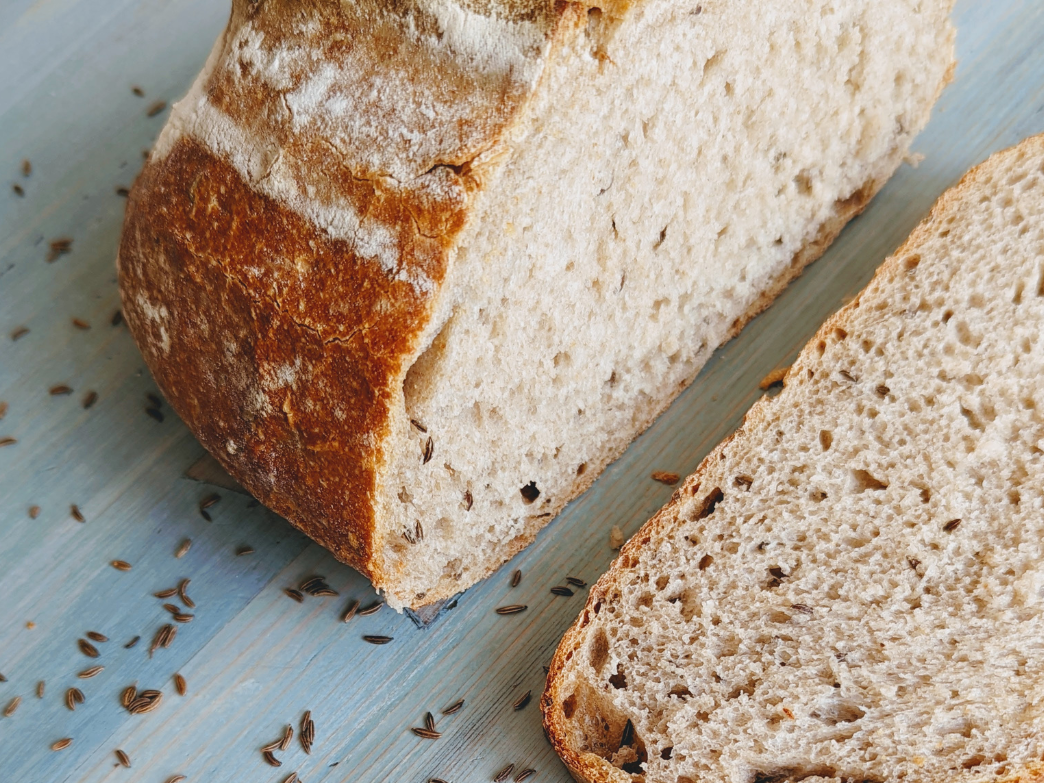
Best Bread for High Cholesterol: Can You Eat Bread with High Cholesterol?
By Dr. Jorge, Ph.D. Wildgrain, opens in a new tab is the first bake-from-frozen subscription box for sourdough breads, fresh pastas, and artisanal pastries. If you’re looking for a lower-cholesterol diet and are wondering if you can still indulge in bread from time to time, you’ve come to the right place! Continue reading to discover which bread varieties are best avoided if you have high cholesterol and which can actually help lower cholesterol levels. Is bread high in cholesterol? Is sourdough bread high in cholesterol? Bread does not typically contain cholesterol unless animal products such as milk or butter are used to make the bread. This means that many of the popular breads you would reach for to make a sandwich or toast do not contain any cholesterol. Sourdough bread is one such bread that does not contain any animal products, so sourdough bread is a cholesterol-free bread option. Is there cholesterol-free bread? Yes, most bread is cholesterol-free, since bread is typically made with only flour, yeast, and water - all ingredients that do not contain cholesterol. Bread that contains cholesterol usually contains fat-dense ingredients like milk or eggs. Some examples of cholesterol-free bread are sourdough bread, rye bread, baguette bread, and whole wheat bread. What bread is best for high cholesterol? Can bread help to lower cholesterol? Does bread raise cholesterol? The best bread for those with high cholesterol is 100% whole grain bread. Bread made from whole grains is high in soluble fiber which is key to lowering cholesterol levels. Alternatively, bread made from refined grains, such as white bread, can still raise cholesterol levels even if the bread does not contain any dietary cholesterol. This is because the body breaks down simple carbohydrates in white bread in a similar way to sugar, which will ultimately raise LDL (bad) cholesterol levels. What bread should I avoid with high cholesterol? Bread containing animal products, such as milk or eggs, and bread made from refined grains should be avoided when trying to stay within a low-cholesterol diet. Any bread products made with milk or eggs, such as brioche bread and pastries, should be avoided as they contain cholesterol. Bread made from refined grains, such as traditional white bread, should also be avoided as these types of bread have been shown to raise blood cholesterol levels as well. Is multigrain bread good for high cholesterol? Can I eat multigrain bread if I have high cholesterol? Multigrain bread is good for high cholesterol so long as it does not contain fat-dense ingredients (i.e. milk, butter, eggs) and is made from 100% whole grains. You’ll want to double-check the nutrition label before reaching for multigrain bread, as not all multigrain loaves of bread are the same. If the first ingredient listed is whole wheat or whole grain, you can still eat multigrain bread if you have high cholesterol. In fact, multigrain bread that is made entirely from whole grains can help lower cholesterol levels, as it is a great source of soluble fiber. Is sourdough bread OK for high cholesterol? Can I eat sourdough bread if I have high cholesterol? If you have high cholesterol, you can still eat sourdough bread because sourdough bread does not contain any cholesterol and it has a high soluble fiber content which may even help to reduce bad cholesterol. To get both the benefits of sourdough bread and whole grains, opt for a whole grain sourdough bread which is nutritious and good for high cholesterol. Is whole grain bread OK for high cholesterol? Can I eat whole-grain bread if I have high cholesterol? Yes! Because whole grains are a great source of soluble fiber, whole grain bread is the best bread for high cholesterol. Soluble fiber is a type of fiber that can bind to cholesterol in the small intestine, preventing it from entering the bloodstream and thus removing it from the body. Consequently, it has been demonstrated that consuming a diet rich in whole grains significantly reduces levels of bad cholesterol. Is white bread OK for high cholesterol? Can I eat white bread if I have high cholesterol? Whether or not the white bread in question contains added sugar or animal products like milk or eggs will determine whether it is okay to eat for those with high cholesterol. White bread often contains added sugars, which can raise cholesterol levels. Similarly, white bread that contains fat-dense ingredients can also be high in cholesterol. If you are focused on lowering cholesterol levels, your best bet will be to swap white bread for whole-grain alternatives. Where can I buy healthy bread online? At Wildgrain, we specialize in making high-quality, fresh breads that are delivered directly to your door. Wildgrain is the first bake-from-frozen delivery subscription service for breads, rolls, pastries, and fresh pastas. Some of our popular breads include sourdough whole wheat, sourdough 7-grain, slow fermented 3-seed bread, and sourdough rye. Learn more about Wildgrain and our artisanal baking and cooking methods. Best Bread Home Delivery Service: How Wildgrain's Bread Delivery Works Wildgrain's breads are prepared in independent, artisanal bakeries with high quality ingredients. The breads are shipped frozen in insulated boxes and delivered direct to your home, anywhere nationwide. By shipping frozen, Wildgrain products maintain the highest quality, so you can enjoy fresh baked breads at home. That's why customers consider Wildgrain among the best home delivery services for bread. About the Author Dr. Jorge has been a public health researcher for many years, holding both a Bachelor's degree and a Ph.D. in Chemistry. They presently work as a medical writer and love being able to assist others in understanding various health and scientific topics. This content is for informational use only and does not replace professional nutrition and/or medical advice, diagnosis or treatment. It is not a substitute for and should not be relied upon for specific nutrition and/or medical recommendations. Please talk with your doctor about any questions or concerns.
Learn more Best Bread for High Cholesterol: Can You Eat Bread with High Cholesterol?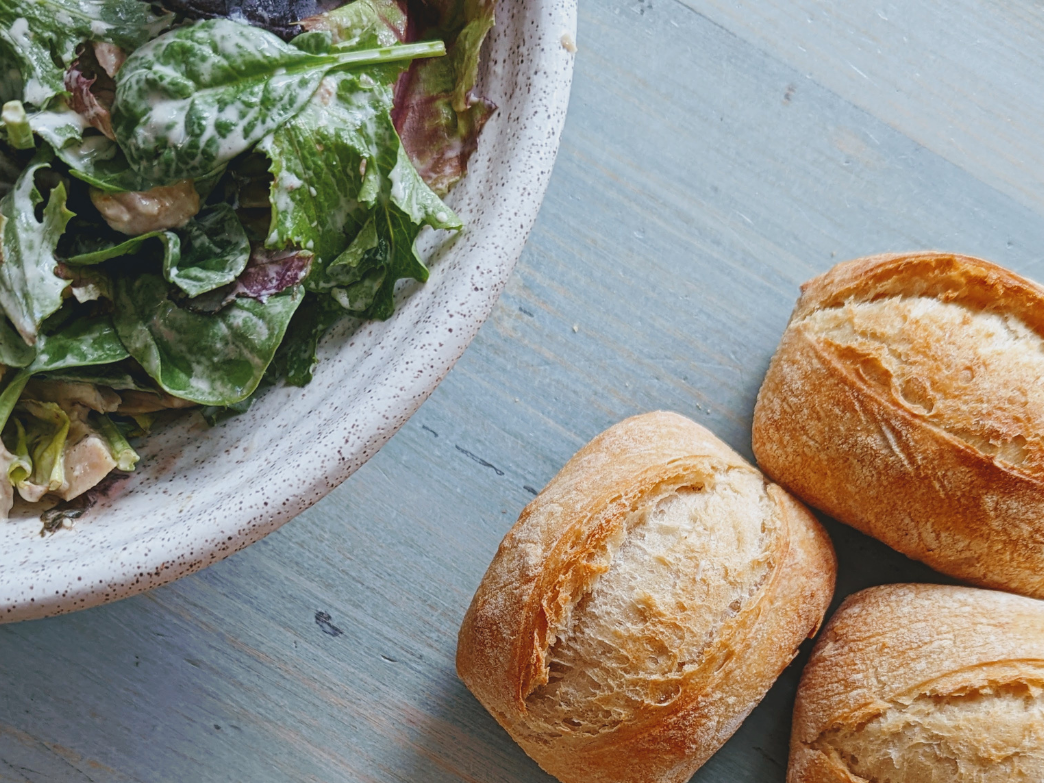
Bread vs. Bun vs. Rolls: Is Bread Better than Buns or Rolls?
By Dr. Jorge, Ph.D. Wildgrain, opens in a new tab is the first bake-from-frozen subscription box for sourdough breads, fresh pastas, and artisanal pastries. Whether you’re having a burger, a slice of toast, or are simply snacking on some dinner rolls as an appetizer, you’ve probably enjoyed bread, rolls, and buns in some form at one point or another. Even though you might be familiar with these three bread varieties, do you know what sets them apart from each other? Continue reading to learn the nutritional differences between bread, buns, and rolls and to discover which is the healthiest option. Is bread the same as a roll? Is a roll considered bread? Because not all bread is made in the shape of a roll, rolls and bread are not exactly the same. Bread rolls are a type of bread that are typically small and round and are frequently served as an appetizer or as a side dish to a meal. It is important to note that the ingredients for bread rolls and bread loaves are the same, but the way they are prepared differs. As an example, there are both sourdough bread loaves and sourdough bread rolls. The same is true for brioche bread and brioche rolls. The main difference is that the bread rolls are typically rounder, softer, and smaller. Is bread the same as a bun? Is a bun considered bread? Similar to a bread roll, buns are just one type of bread. While a bun usually consists of a single serving, traditional bread made as a loaf contains multiple servings. Buns are versatile; they can be savory or sweet, filled or unfilled. You might be the most familiar with hamburger buns or hot dog buns, but other popular bun varieties include cinnamon buns, hot cross buns, pretzel buns, and sticky buns. What’s the difference between a bun and a bread roll? Since buns are a kind of bread roll, there are many similarities between the two, such as their round shape and smaller size compared to a typical loaf of bread. The baking method and the range of possible flavors are the main differences between a bread roll and a bread bun. Buns typically have a crispier crust because of the space between them during proofing. Rolls are typically proofed and baked right next to each other which enables them to have a softer crust and to pull apart effortlessly. Buns can be either savory or sweet, and they can be filled with both savory and sweet ingredients. In terms of flavor, bread rolls are usually savory and unfilled. How many slices of bread equal one roll? What is the nutrition difference between rolls and a slice of bread? Approximately one slice of white bread is equal to one white bread roll. Nutritionally, traditional white bread and bread rolls are very similar. A single slice of white bread contains about 65 calories, 2 grams of protein, and 12 grams of carbohydrates. One bread roll such as a dinner roll contains about 75 calories, 3 grams of protein, and 13 grams of carbohydrates. How many slices of bread equal one bun? What is the nutritional difference between buns and a slice of bread? While buns come in different varieties, let us compare the widely known hamburger bun to a slice of white bread. One white hamburger bun is equal to approximately two slices of white bread. This means that a single serving of a bread bun is double the number of calories, carbohydrates, and protein as a single slice of white bread. For comparison, one hamburger bun contains 128 calories, 4.5 grams of protein, and 23 grams of carbohydrates. Is bread healthier than rolls? Is a roll better for you than bread? There are no fundamental differences between the nutritional content of white sliced bread and white bread rolls. Therefore, neither bread nor rolls is healthier than the other. However, loaves of bread and rolls made of 100% whole grain are both better for you and comparable to one another. If the bread loaf and bread roll are made of the same general ingredients, they are equally healthy. Is bread healthier than buns? Is a bun better for you than bread? Bread can be healthier than buns, but it all depends on the kind of bun and bread being compared. For example, one slice of white bread is healthier than a single sweet bun which can have a high amount of carbohydrates and sugar. On the other hand, one whole wheat bun might be healthier than a slice of white bread. This is because whole grains, such as whole wheat, contain fewer calories, more fiber, and more protein than the refined grains that are used to make white loaves of bread. Which is better for weight loss: bread or rolls or buns? There is no one best option when it comes to weight loss because there is a lot of variation in the ingredients used to make different kinds of bread, rolls, and buns. Whole grain bread, rolls, and buns are the best options for promoting weight loss. Similarly, sourdough rolls, buns, and bread are healthier options than white bread. Sourdough bread and whole grain bread will both help you feel fuller for longer, which will help you reach your nutritional goals. Remember that tracking your daily caloric intake and the number of calories in a serving will always be the best approach to managing your weight, regardless of the type of bread you choose. Where can I buy the best fresh bread, buns, and rolls online? At Wildgrain, we specialize in making high-quality, fresh baked goods that are delivered directly to your door. Wildgrain is the first bake-from-frozen delivery subscription service for breads, pastries, and fresh pastas. Some of our popular breads, rolls, and buns include sourdough whole wheat loaf, sourdough rolls, brioche rolls, and pretzel buns. Learn more about Wildgrain and our artisanal baking and cooking methods. Best Bread Home Delivery Service: How Wildgrain's Bread Delivery Works Wildgrain's breads are prepared in independent, artisanal bakeries with high quality ingredients. The breads are shipped frozen in insulated boxes and delivered direct to your home, anywhere nationwide. By shipping frozen, Wildgrain products maintain the highest quality, so you can enjoy fresh baked breads at home. That's why customers consider Wildgrain among the best home delivery services for bread. About the Author Dr. Jorge has been a public health researcher for many years, holding both a Bachelor's degree and a Ph.D. in Chemistry. They presently work as a medical writer and love being able to assist others in understanding various health and scientific topics. This content is for informational use only and does not replace professional nutrition and/or medical advice, diagnosis or treatment. It is not a substitute for and should not be relied upon for specific nutrition and/or medical recommendations. Please talk with your doctor about any questions or concerns.
Learn more Bread vs. Bun vs. Rolls: Is Bread Better than Buns or Rolls?