

Wildgrain Blog
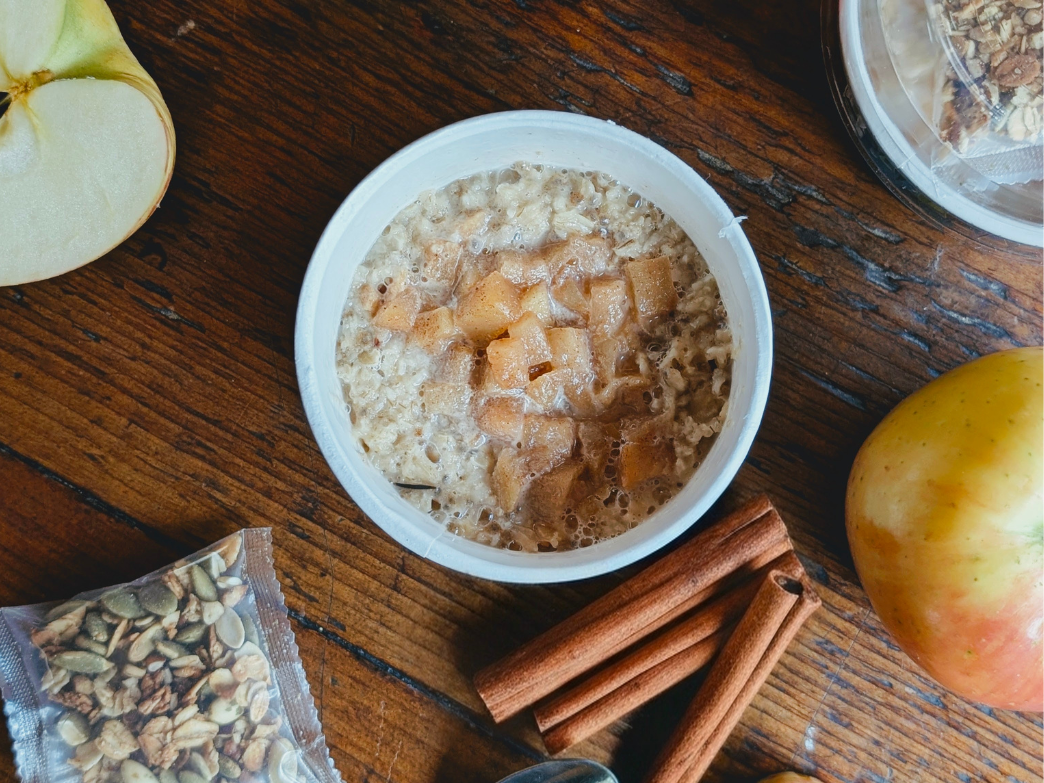
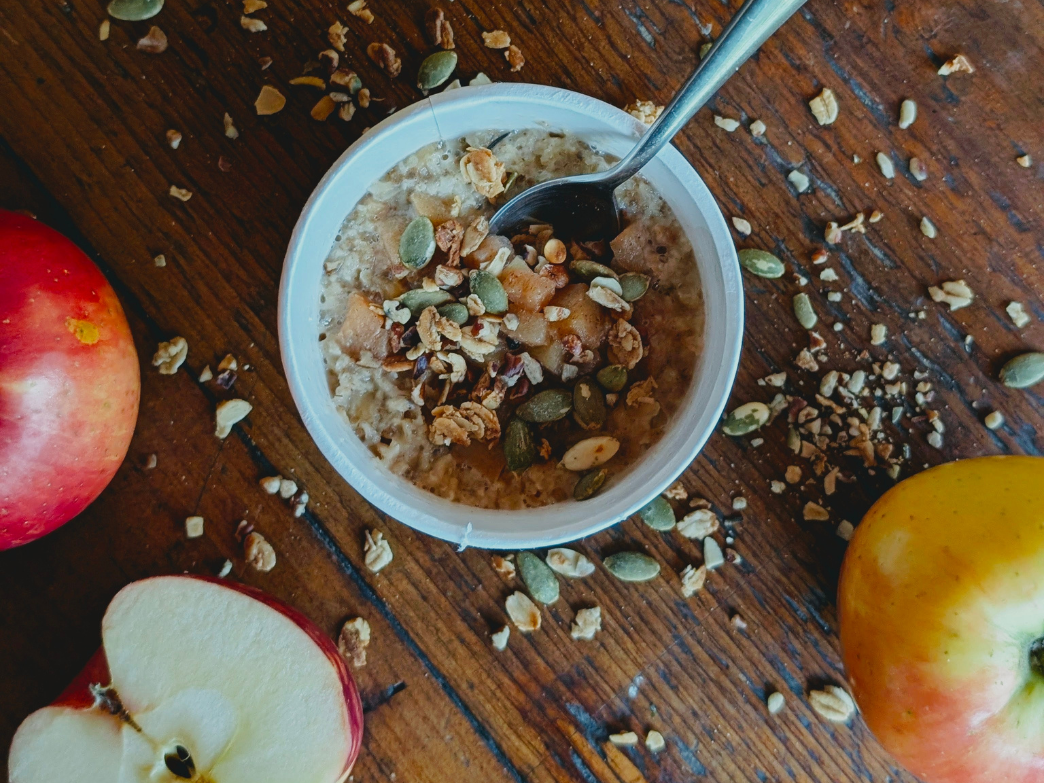
What's the Difference: Soluble Fiber vs. Insoluble Fiber?
By Dr. Jorge, Ph.D. Wildgrain, is the first bake-from-frozen subscription box for sourdough breads, fresh pastas, and artisanal pastries. Fiber, in all its forms, is essential for overall health and well-being. Knowing which type of fiber is beneficial for what can help you make informed decisions about your diet. Read on to learn the difference between soluble fiber and insoluble fiber, and how you can incorporate more of each into your diet. What’s the difference: dietary fiber vs. soluble fiber vs. insoluble fiber? Dietary fiber is a type of carbohydrate found in plants. There are two types of dietary fiber: soluble fiber and insoluble fiber. The body can't digest or absorb fiber, but each type provides its own set of benefits. Soluble fiber creates a gel-like substance when it dissolves in water in the intestine, which can help regulate bowel movements. Foods like oats, beans, and avocados are good sources of soluble fiber. Insoluble fiber, on the other hand, doesn't dissolve in water, but it attracts water into the stool, helping to soften it and ease the passage of bowel movements. Foods like kale, lentils, and almonds are good sources of insoluble fiber. Most plant foods contain both soluble and insoluble fiber in varying amounts, and both types are key to supporting gut health and digestion. Is it better to eat insoluble or soluble fiber? Both insoluble fiber and soluble fiber are important to your overall health. Each has its own unique role and health benefits. For example, soluble fiber can help lower blood sugar and cholesterol levels, while insoluble fiber can help prevent constipation and support regular bowel movements. Rather than choosing one over the other, it's best to aim for a mix of both throughout your diet. Most whole, plant-based foods, like fruits, vegetables, whole grains, and legumes, naturally contain a combination of both types, making it easy to get the benefits of each. Can soluble fiber lower A1C? What is the best fiber for diabetics? Yes, soluble fiber may help lower A1C levels by slowing the absorption of sugar into the bloodstream, which prevents rapid blood sugar spikes and improves insulin sensitivity. Soluble fiber is the best type of fiber for diabetics because the gel-like substance it forms in the gut slows digestion, which can ultimately help stabilize blood sugar levels. An easy way to incorporate more soluble fiber into your diet is to add chia seeds or flax seeds to oatmeal or salad, or to include more oats, beans, and citrus fruits in your meals in moderation. What are signs of low fiber? What are signs of soluble fiber deficiency? One of the most common signs of low fiber intake is constipation, which is often characterized by fewer bowel movements and harder, smaller stools. Not getting enough soluble fiber specifically may also contribute to higher cholesterol levels and make it more difficult to manage blood sugar levels if you have diabetes. If you're experiencing these symptoms, start by gradually increasing your fiber intake through whole foods like fruits, vegetables, and whole grains. What foods are high in soluble fiber? What foods are high in insoluble fiber? Foods that are high in soluble fiber include oats, beans, apples, citrus fruits, and seeds like chia and flax. Whole grains, nuts, and vegetables with the skin left on are examples of foods rich in insoluble fiber. Wildgrain's Whole Wheat Sourdough Loaf is an easy way to add whole-grain insoluble fiber to your day, while Wildgrain’s Fruits & Crunch Oats - Apple & Cinnamon offers a convenient source of soluble fiber from oats. Can too much soluble fiber cause problems? Is too much fiber bad for you? Yes, consuming too much soluble fiber, especially if you ramp up your fiber intake too quickly, can cause problems. An excess of fiber may cause bloating, abdominal pain, and constipation. This can happen if you increase your daily fiber intake too rapidly, which doesn't give your body time to adjust. For those with certain conditions like diverticulitis or inflammatory bowel disease, too much fiber consumption can cause discomfort, especially during flares. As with any nutrient, consuming too much fiber can be bad for you, so it's best to increase your daily intake slowly and aim for 25 to 38 grams of fiber per day. Is whole wheat bread high in soluble fiber? Is whole wheat bread high in insoluble fiber? Whole wheat bread is not high in soluble fiber, but it is rich in insoluble fiber due to the presence of whole grains. The exact amount of insoluble fiber in whole grain bread depends on the type of grain used. Wheat, barley, and rye tend to have higher amounts of fiber compared to some other grains, such as brown rice, quinoa, or corn. To maximize the fiber benefits of whole grain bread, look for whole wheat or rye varieties, like Wildgrain's Whole Wheat Sourdough Loaf or Wildgrain's Sourdough Rye Loaf. What is the healthiest fiber to eat? What is the best fiber to eat? There isn't one single "best" or "healthiest" fiber to eat, since both soluble fiber and insoluble fiber offer unique health benefits and are essential to promoting gut health. Soluble fiber is especially beneficial for lowering LDL, or “bad”, cholesterol and helping manage blood sugar levels, while insoluble fiber plays a key role in supporting digestion and regular bowel movements. The healthiest approach is to eat a variety of fiber-rich foods, like fruits, vegetables, whole grains, and legumes, since most of these plant-based foods naturally contain a mix of both soluble and insoluble fiber. Aiming for 25 to 38 grams of total fiber per day is the best way to get the full range of benefits fiber has to offer. Where can I buy the best fresh high-fiber foods online for home delivery? At Wildgrain, we specialize in making high-quality, fresh breads and pastas that are delivered directly to your door. Wildgrain is the first bake-from-frozen delivery subscription service for breads, pastries, fresh pastas, and more. Some of our popular items include Wildgrain's Traditional Hummus, Wildgrain’s Fruits & Crunch Oats - Apple & Cinnamon, and Wildgrain's Whole Wheat Sourdough Loaf. Learn more about Wildgrain and our artisanal baking and cooking methods. Best Home Delivery Service for Food: How Wildgrain's Food Delivery Works Wildgrain's products are prepared in independent, artisanal bakeries with high quality ingredients. They are shipped frozen in insulated boxes and delivered direct to your home, anywhere nationwide. By shipping frozen, Wildgrain products maintain the highest quality, so you can enjoy fresh food at home. That's why customers consider Wildgrain among the best home food delivery services. About the Author Dr. Jorge has been a public health researcher for many years, holding both a Bachelor's degree and a Ph.D. in Chemistry. They presently work as a medical writer and love being able to assist others in understanding various health and scientific topics. This content is for informational use only and does not replace professional nutrition and/or medical advice, diagnosis or treatment. It is not a substitute for and should not be relied upon for specific nutrition and/or medical recommendations. Please talk with your doctor about any questions or concerns.
Learn more What's the Difference: Soluble Fiber vs. Insoluble Fiber?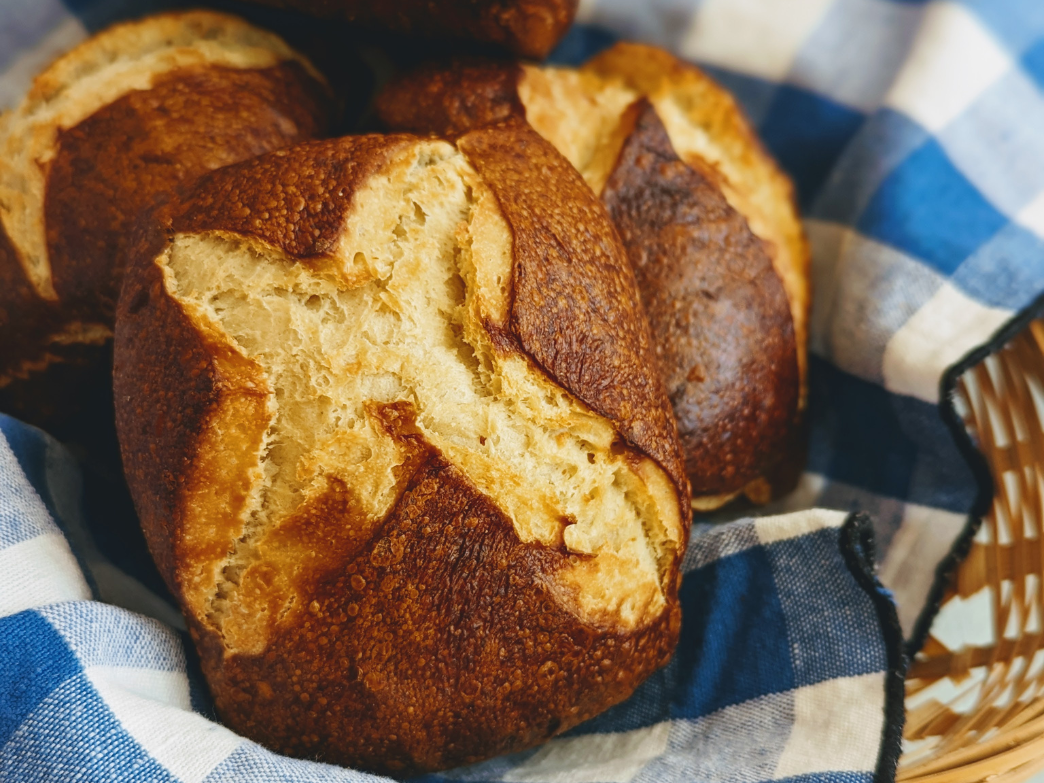
What's Healthier: Bavarian Pretzel vs. Soft Pretzels vs. Hard Pretzels vs. Pretzel Buns?
By Lucy Yanckello, Ph.D. Wildgrain, opens in a new tab, is the first bake-from-frozen subscription box for sourdough breads, fresh pastas, and artisanal pastries. Pretzels are a beloved snack showing up everywhere from European bakeries, to ballparks, to bags on the shelf of your grocery store. Although they look basic, pretzels vary widely in nutritional profile depending on how they are made. Knowing these differences can help you pick one that works for your nutritional goals. What’s the difference: Bavarian pretzel vs. soft pretzel vs. hard pretzel vs. pretzel buns? The main difference between these types of pretzels comes down to the dough and how it is baked. All four start with a simple dough of flour, water, yeast, and salt. However, this is where things differ, as the soft and bavarian versions often add butter, malt, or sugar for a more tender bite. What sets a pretzel apart from other types of bread is the alkaline bath that the dough takes before baking. Bavarian pretzels traditionally use a food-grade lye solution, while most soft pretzels use a baking soda bath. The dip is what builds the deep brown crust and signature pretzel flavor. Pretzel buns, like Wildgrain’s Bavarian Pretzel Buns, are made the same way, but are shaped into rolls instead of the signature pretzel twist. Hard pretzels are made using less water in the dough, and once they take the alkaline dip, they are baked low and slow until almost all the moisture is gone. This low and slow baking process is what gives them their crunch, but is also what removes most of their nutrients. Which is healthier to eat, Bavarian pretzel vs. soft pretzel vs. hard pretzel vs. pretzel buns? Bavarian and soft pretzels made with whole grain flour to offer the most nutritional benefits. Whole grain flour provides more fiber, B vitamins, and minerals than refined white flour. Pretzel buns fall into the same category, especially when they anchor a balanced meal. Wildgrain’s Bavarian Pretzel Buns work well paired with a turkey burger and a side of vegetables. Although hard pretzels are lower in calories, they lean on refined flour and a large amount of salt. As such, hard pretzels don't bring much to the table besides crunch. Can diabetics eat pretzels? Are pretzels ok for diabetics? People with diabetes can enjoy pretzels, though the type and portion matter. Most pretzels rank high on the glycemic index. This means they raise blood sugar quickly because refined flour digests fast causing blood sugar to spike quickly. A pretzel made with whole grain flour dampens the glycemic response because the fiber content slows digestion. Pairing a Wildgrain Artisanal Bavarian Pretzel with protein or fat, such as nut butter or cheese, helps slow digestion and keep blood sugar from spiking as quickly. Is it healthy to eat pretzels every day? Is it ok to eat pretzels every day? Eating pretzels everyday can fit into a balanced diet, as long as you pay attention to nutritional quality and portion size. Conventional hard and mass-produced soft pretzels are high in sodium and low in fiber and protein. This means they do little to keep you full. A pretzel built on whole grains gives you more fiber and micronutrients which will keep you feeling fuller for longer. Warming a Wildgrain Artisanal Bavarian Pretzel and enjoying it with a protein rich dip such as greek yogurt or a side of lean protein will help keep you fuller for longer and curb cravings. Enjoying this snack a few times a week is a much more nutritionally beneficial routine than a daily bag of salted hard pretzels. Can celiacs eat pretzels? Are pretzels ok for celiac disease? Traditional pretzels are not safe for people with celiac disease since they are made from wheat flour and thus contain gluten. With celiac disease, even a small amount of gluten can trigger an immune response that damages the lining of your small intestine. For that reason, conventional pretzels are best avoided entirely. Gluten free pretzels do exist and use flours like rice, tapioca, or almond. The dough behaves differently due to this, so the texture and flavor are different from traditional pretzels. If you have celiac disease, be sure to look for pretzels that are certified gluten-free and are made in a dedicated facility. A gastroenterologist or registered dietician can help you find options that are safe for you to enjoy. What is the healthiest pretzel to eat? What is the best type of pretzel to eat? The healthiest pretzel to eat is one that you enjoy. Look for whole grain flour and a short ingredient list. Paying attention to sodium is important too. Some pretzels have more than 400 mg in a single serving. Warming a Wildgrain’s Artisanal Bavarian Pretzel and topping it with something protein rich turns a simple snack into something more satisfying. How do I choose a great pretzel for home delivery? What is the best Bavarian pretzel that I can get at home? Choosing a great pretzel for home delivery starts with the ingredient list. Look for whole or minimally processed flours and other ingredients you recognize such as water, salt, and yeast. Simplicity usually points to better quality dough. Freshness matters too. A pretzel baked fresh and then flash frozen before shipping tastes much closer to what you get in a bakery than what you get out of a shelf-stable bag. Wildgrain’s Artisanal Bavarian Pretzel and Bavarian Pretzel Buns are crafted by skilled bakers and frozen at peak freshness and are some of the best pretzels for home delivery. You bake them straight from frozen meaning you can have a bakery-quality pretzel at home in minutes. Where can I buy the best fresh pretzels online for home delivery? At Wildgrain, we specialize in making high-quality, fresh baked goods that are delivered directly to your door. Wildgrain is the first bake-from-frozen delivery subscription service for breads, pastries, and fresh pastas. Some of our popular pretzels include Wildgrain's Artisanal Bavarian Pretzels and Wildgrain’s Bavarian Pretzel Buns. Learn more about Wildgrain and our artisanal baking and cooking methods. Best Home Delivery Service for Food: How Wildgrain's Food Delivery Works Wildgrain's products are prepared in independent, artisanal bakeries with high quality ingredients. They are shipped frozen in insulated boxes and delivered direct to your home, anywhere nationwide. By shipping frozen, Wildgrain products maintain the highest quality, so you can enjoy fresh food at home. That's why customers consider Wildgrain among the best home food delivery services. About the Author Lucy Yanckello received her Ph.D. in nutrition from the University of Kentucky College of Medicine. She currently works as a medical writer and enjoys being able to help people better understand nutrition and science. This content is for informational use only and does not replace professional nutrition and/or medical advice, diagnosis or treatment. It is not a substitute for and should not be relied upon for specific nutrition and/or medical recommendations. Please talk with your doctor about any questions or concerns.
Learn more What's Healthier: Bavarian Pretzel vs. Soft Pretzels vs. Hard Pretzels vs. Pretzel Buns?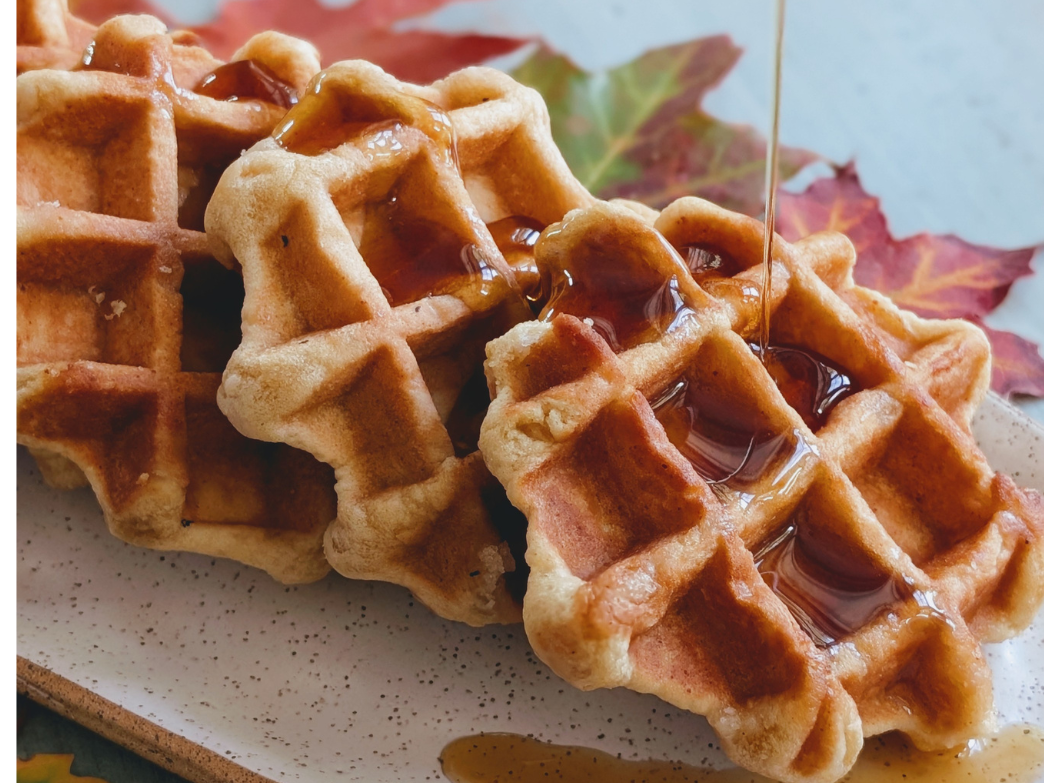
Best High-Protein Foods for Runners
By Dr. Jorge, Ph.D. Wildgrain, opens in a new tab is the first bake-from-frozen subscription box for sourdough breads, fresh pastas, and artisanal pastries. If you're a runner or endurance athlete, you know how important diet is for fueling your workouts and supporting recovery after intense training. With so many options, it can be hard to know which foods to prioritize. Read on as we break down the best foods and diets for runners, including the best high-protein options to reach for before and after your workout. What is the healthiest diet for runners? What is the best diet for runners? The healthiest diet for runners is one that is balanced and nutritious, with a focus on fruits and vegetables, lean protein, healthy fats, and healthy carbohydrates. Running can utilize a significant amount of energy, so it is important to fuel your body properly, both before and after a run. Carbohydrates are the primary fuel source for runners, with fat playing a supporting role, particularly during longer runs. While protein is not a primary fuel source for the body, protein plays an important role in muscle growth, repair, and overall recovery. Fruits and vegetables round out a runner's diet by providing key nutrients that support bone health, muscle function, and overall wellbeing. Ultimately, the best runner’s diet is one that prioritizes nutritional variety and balance across all food groups, keeping you fueled, recovered, and ready for your next run. What not to eat as a runner? What foods should runners avoid? There are certain foods that runners are advised to avoid, particularly before a run. These include foods that can cause digestive upset or dehydration, such as spicy foods, high-fat foods, high-fiber foods, caffeine, and alcohol. Over time, you'll develop a better sense of which foods trigger cramping, gas, or other digestive discomfort that can interfere with your run. Caffeine, for example, can help boost the endurance of some runners but may cause digestive issues in others. Everyone is different, so your body’s response will be the best way to determine which foods are best saved for after your workout. Is a high-protein diet good for runners? What are the best high-protein foods for runners? A high-protein diet is generally recommended for runners and other endurance athletes. Protein is critical to a runner's diet as it helps build and maintain muscle mass. Since muscles break down during a run, adequate protein intake is essential for muscle repair, reducing the risk of injury and supporting overall recovery. Some of the best high-protein foods for runners include lean meats, fish, eggs, beans, and nuts. For runners following a plant-based diet, options like tofu, tempeh, and lentils are other excellent high-protein choices that can support muscle recovery. For a convenient and nutritious snack, Wildgrain’s Traditional Hummus is an easy way to get in healthy fats and a boost of plant-based protein between runs, or you can choose from Wildgrain’s selection of high-protein foods. How much protein do runners really need? Should you eat protein before or after a run? As a general rule, runners should aim to consume around 1.4 to 1.7 grams of protein per kilogram of body weight per day. For instance, a runner weighing 175 lbs (80 kg) should aim to consume between 112 and 136 grams of protein daily. It is recommended to eat protein both before and after a run, with a greater emphasis on consuming protein-rich foods shortly after a workout to promote muscle recovery. A post-run snack or meal that combines protein with carbohydrates, such as eggs on whole grain toast (like Wildgrain’s Sourdough Whole Wheat Loaf) or a serving of hummus with whole grain crackers, can be an easy and effective way to refuel your body. Are waffles good before a workout? Are protein waffles good before a run? Yes, waffles can be a great pre-run meal, especially when paired with other carbohydrate-rich foods like bananas or peanut butter. A combination of carbohydrates and protein is ideal before a run, as carbohydrates can provide quick energy while protein helps to support your muscles. This makes protein waffles, like Wildgrain’s High Protein Maple Waffle, an excellent pre-run option to fuel you before you head out the door. Should runners eat bread? What bread is best for running? Runners should absolutely eat bread. Bread is a great high-carbohydrate option for runners, and different types of bread are better before or after a run. White bread, made from simple carbohydrates and low in fiber, is easy to digest and breaks down quickly to provide fast energy before heading out on a run. Sourdough bread, like Wildgrain’s Plain Sourdough Loaf, is another excellent pre-run bread choice, as sourdough bread is gentle on the stomach and provides sustained energy. Generally speaking, the best bread for runners is one that is either low in fiber for quick pre-run energy or high in protein to support muscle recovery post-run. Experimenting with different bread options can help you find what works best for your body and routine. Should runners eat pasta? What pasta is best for running? Like certain types of bread, pasta is an excellent option to help fuel you before a run or support muscle recovery afterward. White pasta, which is low in fiber and easy to digest, is an ideal choice in the hours leading up to a workout as it provides quick energy. Whole wheat pasta, on the other hand, is a better post-run option, as its higher fiber content and additional nutrients can support muscle rebuilding and overall recovery. Keeping both white pasta, like Wildgrain’s Fresh Tonnarelli, and whole wheat pasta on hand can give you the flexibility to fuel your body based on what you need. Runners can further boost protein intake and support muscle recovery by pairing pasta with other lean proteins like chicken breast or fish. What is the best pasta sauce before a marathon? What to add to pasta sauce to increase protein for runners? Pasta is a classic pre-marathon meal thanks to its high carbohydrate content. The best pasta sauce before a marathon is one that is light and unlikely to cause digestive upset, making a simple marinara like Wildgrain's Classic Marinara Sauce or a light olive oil the ideal choice to top your pasta. To boost protein, you can opt for a meat sauce like Wildgrain’s Sausage Ragu Sauce, or try adding lean ground meat, stirring in lentils, or blending cottage cheese into your sauce of choice for a creamy, protein-rich finish. Where can I buy the best fresh high-protein foods online for delivery? At Wildgrain, we specialize in making high-quality, fresh breads and pastas that are delivered directly to your door. Wildgrain is the first bake-from-frozen delivery subscription service for breads, pastries, fresh pastas, and more. Some of our popular high-protein items include Wildgrain’s High Protein Maple Waffle, Wildgrain's Truffle & Parmigiano Reggiano Ravioli, and Wildgrain’s Sausage Ragu Sauce. All of the Wildgrain high-protein foods can be found Go to Traditional hummushere. Learn more about Wildgrain and our artisanal baking and cooking methods. Best Home Delivery Service for Food: How Wildgrain's Food Delivery Works Wildgrain's products are prepared in independent, artisanal bakeries with high quality ingredients. They are shipped frozen in insulated boxes and delivered direct to your home, anywhere nationwide. By shipping frozen, Wildgrain products maintain the highest quality, so you can enjoy fresh food at home. That's why customers consider Wildgrain among the best home food delivery services. About the Author Dr. Jorge has been a public health researcher for many years, holding both a Bachelor's degree and a Ph.D. in Chemistry. They presently work as a medical writer and love being able to assist others in understanding various health and scientific topics. This content is for informational use only and does not replace professional nutrition and/or medical advice, diagnosis or treatment. It is not a substitute for and should not be relied upon for specific nutrition and/or medical recommendations. Please talk with your doctor about any questions or concerns.
Learn more Best High-Protein Foods for Runners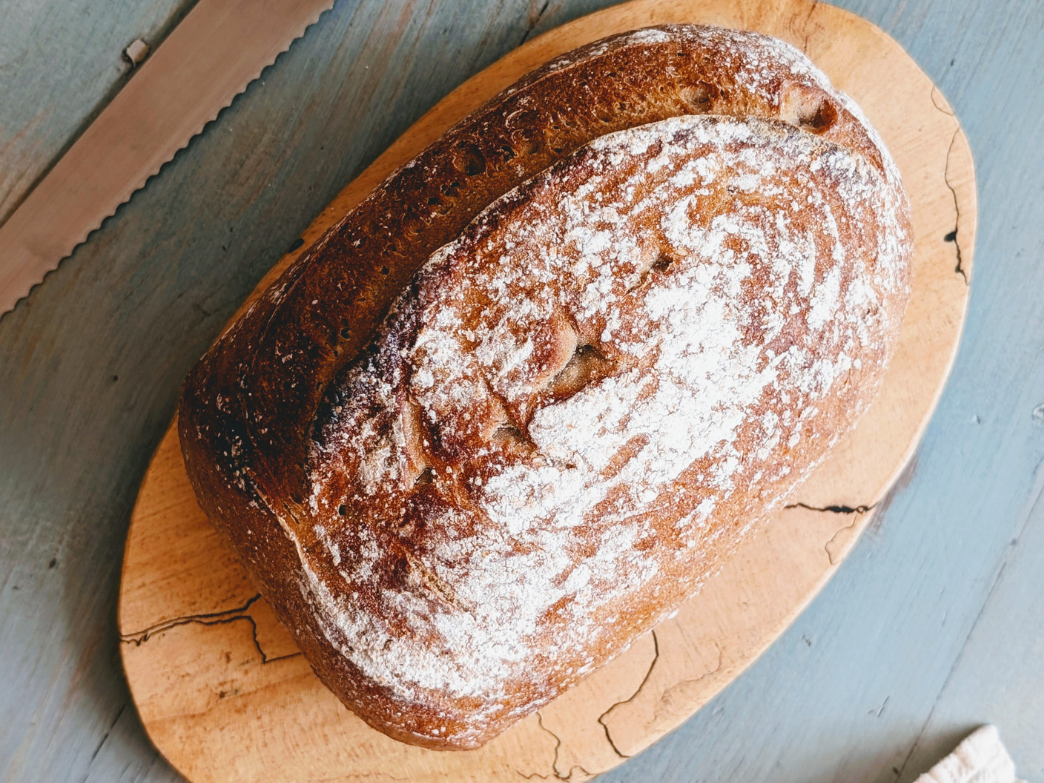
Best High-Fiber Diet for Diverticulosis and Diverticulitis
By Lucy Yanckello, Ph.D. Wildgrain, opens in a new tab, is the first bake-from-frozen subscription box for sourdough breads, fresh pastas, and artisanal pastries. Diverticular disease is one of the most common digestive conditions in adults, but it is widely misunderstood. Although diverticulosis and diverticulitis involve the same pouches in our colons, the foods that support each stage of this condition are on opposite ends of the spectrum. Knowing the difference can make managing both feel a lot less confusing. What’s the difference between diverticulosis and diverticulitis? Should you eat the same diet for diverticulosis and diverticulitis? Diverticulosis and diverticulitis are two stages of the same condition, but they call for very different diets. Diverticulosis is when small pouches, called diverticula, form in the walls of your colon. It is common and often symptom free, affecting up to half of adults by the age of 60. Diverticulitis is when these diverticula become inflamed or infected. This can cause abdominal pain, fever, nausea, and cramping. For diverticulosis, a high fiber diet keeps stools soft and eases pressure on colon walls. For diverticulitis, during a flare the approach is in direct opposition, with fiber intake typically reduced for a short period of time to give the colon a chance to rest. What is the best diet to heal diverticulosis? What foods calm diverticulosis? A high-fiber diet is widely considered the most effective way to support a colon with diverticulosis. Most adults benefit from working up to 25-35 grams of fiber per day from foods like vegetables, fruits, beans, and whole grains. These foods help keep stool soft and reduce the pressure that contributes to new pouches forming. Good everyday staples include leafy greens, lentils, oats, and whole grain bread like Wildgrain’s Sourdough Whole Wheat Loaf. Fiber works best when you are hydrated, so making sure to drink plenty of water is just as important as what is on your plate. What is the best diet to heal diverticulitis? What calms a flare-up of diverticulitis? The diet during an active diverticulitis flare is centered on giving your colon a break. Severe flares often start with a diet of clear liquids like broth, water, pulp-free juice, and plain tea. From there, most will transition to low-fiber solid foods as symptoms improve. Gentle options during this state include white bread, white rice, plain pasta (such as Wildgrain’s Fresh Fettuccine), eggs, and tender fish or poultry. Be sure to consult a healthcare provider to guide you through a flare, including the timing of when to reintroduce fiber. The long-term goal is to return to the same high-fiber, whole food eating pattern that is beneficial for diverticulosis. What are the worst foods for diverticulosis? What is the worst diet for diverticulitis? The eating pattern most commonly associated with diverticular disease is low in fiber and high in red meat, refined carbohydrates, and added sugars. Diets that mainly consist of these foods have been linked to a higher risk of developing diverticular disease and experiencing future flares. During an active flare, anything that adds bulk or irritation to an inflamed colon can make symptoms worse. This includes high-fiber foods, raw vegetables, tough meats, and whole grains. One piece of outdated advice worth reconsidering is the rule about avoiding nuts, seeds, and popcorn, as current evidence does not support restricting these foods during remission. What is the best fiber to eat for diverticulosis? What happens if you eat fiber with diverticulitis? Insoluble fiber is generally considered the most beneficial type of fiber for diverticulosis. It is found in wheat bran, whole grains and the skins of fruits and vegetables. Insoluble fiber works by adding bulk to stool and helping it move through the colon efficiently. This eases the internal pressure that contributes to diverticula forming. During an active flare, fiber is typically paused entirely, as to not add bulk and irritation to an already inflamed colon. Can you eat bread with diverticulosis and diverticulitis? Is sourdough bread ok for diverticulosis? Bread can fit into diverticulosis and diverticulitis diets, but the type that works best depends on where you are in the disease process. For diverticulosis, whole grain bread is a great option because it delivers the insoluble fiber the colon needs to stay healthy and keep additional diverticula from forming. During a flare white bread tends to be the gentler choice. Sourdough made with refined flour is a particularly good option because the long fermentation process partially breaks down starches and gluten which can make it easier to digest than standard white bread. A slice of Wildgrain’s Classic Sourdough Loaf with eggs or smooth peanut butter makes for a simple well-tolerated meal during recovery. Once the flare has resolved, Wildgrain’s Sourdough Whole Wheat Loaf offers a balance of digestive ease with a higher fiber content. Can you eat pasta with diverticulosis and diverticulitis? What’s the best pasta for diverticulosis and diverticulitis? Pasta is a solid option for both diverticulosis and diverticulitis, and like bread, the right choice depends on what stage of the condition you are in. During a flare, white pasta, like Wildgrain’s Fresh Tonarelli, is easy to digest and gentle on an inflamed colon. It pairs well with light broths, soft proteins, or a drizzle of olive oil. A little extra cook time can make any pasta softer and easier to tolerate during and immediately following a flare. During remission, whole wheat pasta is a better everyday choice because it offers more per serving and supports the colon to lower risk of future flares. Tossing pasta with white beans, sauteed greens, and olive oil is a satisfying high-fiber meal for the remission phase. Where can I buy the best fresh high-fiber foods online? At Wildgrain, we specialize in making high-quality, fresh breads and pastas that are delivered directly to your door. Wildgrain is the first bake-from-frozen delivery subscription service for breads, pastries, fresh pastas, and more. Some of our popular items include Wildgrain's Traditional Hummus, Wildgrain Slow-Fermented Veggie Pizza, and Wildgrain Whole Wheat Sourdough Loaf. Learn more about Wildgrain and our artisanal baking and cooking methods. Best Home Delivery Service for Food: How Wildgrain's Food Delivery Works Wildgrain's products are prepared in independent, artisanal bakeries with high quality ingredients. They are shipped frozen in insulated boxes and delivered direct to your home, anywhere nationwide. By shipping frozen, Wildgrain products maintain the highest quality, so you can enjoy fresh food at home. That's why customers consider Wildgrain among the best home food delivery services. About the Author Lucy Yanckello received her Ph.D. in nutrition from the University of Kentucky College of Medicine. She currently works as a medical writer and enjoys being able to help people better understand nutrition and science. This content is for informational use only and does not replace professional nutrition and/or medical advice, diagnosis or treatment. It is not a substitute for and should not be relied upon for specific nutrition and/or medical recommendations. Please talk with your doctor about any questions or concerns.
Learn more Best High-Fiber Diet for Diverticulosis and Diverticulitis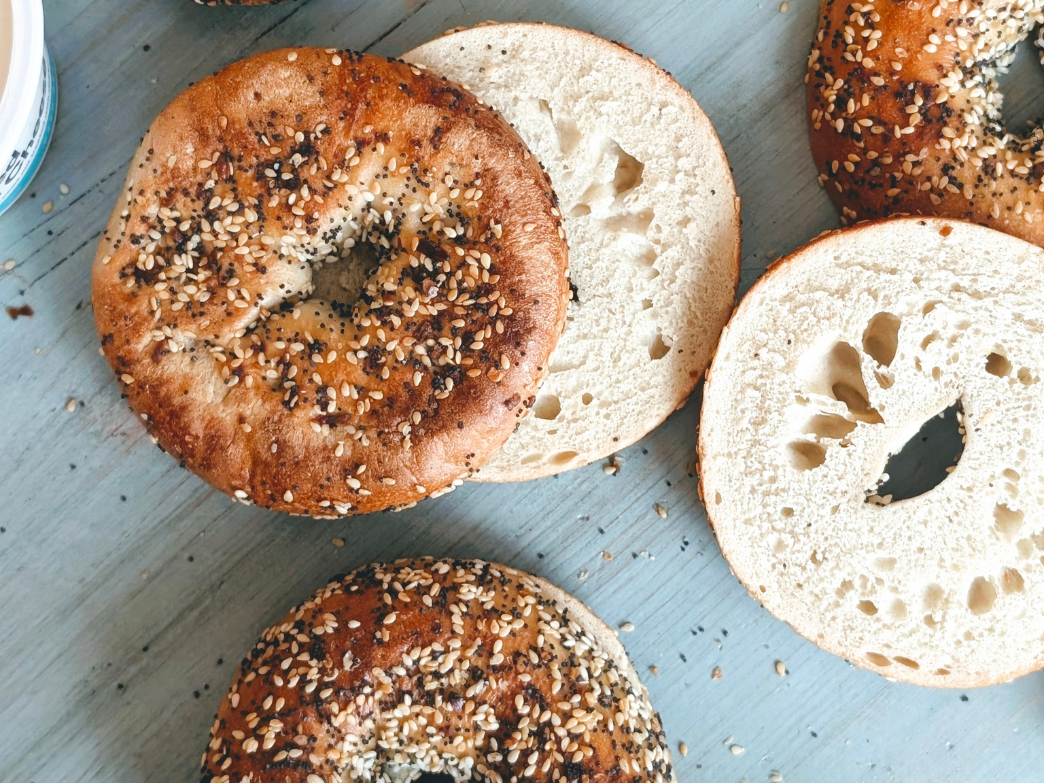
What's Healthier: New York Bagel vs. Montreal Bagel vs. Regular Bagel vs. Gluten-Free Bagel?
By Dr. Jorge, Ph.D. Wildgrain, opens in a new tab is the first bake-from-frozen subscription box for sourdough breads, fresh pastas, and artisanal pastries. New York bagels, Montreal bagels, store-bought bagels, gluten-free bagels — the bagel world is more complicated than it may seem. Whether you're focused on weight loss, managing a dietary restriction, or simply trying to find the best bagel for your preferences, understanding the differences between different bagel varieties can help you make a more informed choice. Read on as we break down everything you need to know to find the best bagel for you. What’s the difference: New York bagel vs. Montreal bagel? What’s so special about a New York bagel? New York bagels and Montreal bagels have some key differences. Most notably, Montreal bagels are sweeter, smaller, and denser, with a larger hole than a New York bagel. Ingredient-wise, New York bagels include salt while Montreal bagels traditionally do not, contributing to the savory quality of NY bagels and the sweeter profile of Montreal bagels. The two also differ in cooking style — New York bagels are boiled in barley malt water before being baked in a conventional oven, while Montreal bagels are boiled in a honey water mixture and traditionally baked in a wood-fired oven. New York bagels, like Wildgrain’s New York Everything Bagels, are largely considered special for their unique chewy texture, which is achieved through a slow, cold fermentation process and boiling in a barley malt water solution before baking. Some also credit New York City's naturally soft tap water as a contributing factor, though this is widely debated and considered by many to be a minor influence at most. What’s the difference: New York bagel vs. regular bagel? The main difference between New York bagels and regular store-bought bagels is that New York bagels undergo a boiling step prior to baking, whereas most store-bought bagels skip this step entirely. Boiling the bagel before baking is what gives New York bagels their signature chewy texture and shiny crust. Store-bought bagels, by contrast, are typically steamed or baked directly, resulting in a softer, more bread-like texture. Which is healthier to eat, New York bagel or Montreal bagel? Whether a New York bagel or Montreal bagel is healthier ultimately depends on the specific bagel, including its size and the type of flour it is made with. Bagels made with whole grain or whole wheat flour are a more nutritious option than those made with refined white flour. From a calorie and carbohydrate perspective, size plays a significant role, and Montreal bagels, being smaller and denser, tend to be lower in calories than the larger New York bagel. Those watching their sodium intake may also prefer Montreal bagels like Wildgrain’s Wood-Fired Plain Bagels, as they are traditionally made without salt. As with any food, checking the nutrition label is the best way to determine which option best fits your dietary needs. Is a gluten-free bagel healthier than a regular bagel? Gluten-free bagels are not necessarily healthier than regular bagels. Since gluten-free bagels are often made with refined starches such as tapioca, corn, and potato starch to mimic traditional textures, they can lack the nutritional benefits of bagels made with whole grain flour. Gluten-free options can also be higher in calories, fat, and sugar compared to traditional bagels. That said, gluten-free bagels such as Wildgrain’s Gluten-Free Slow-Fermented Plain Bagels are an essential option for those with celiac disease or a gluten sensitivity. As always, the best way to compare options and find the best bagel for your needs is to carefully check the nutrition label. Which bagel is best for diabetics, New York bagel or Montreal bagel? Which bagel is better for diabetics, regular or gluten-free bagel? For diabetics, the best bagel is one made with whole grain flour, as it is higher in fiber and lower on the glycemic index than bagels made with refined flour, helping to prevent blood sugar spikes. Whether choosing a New York bagel, Montreal bagel, or gluten-free bagel, the most important factor is the nutritional profile of the individual bagel rather than the style. Gluten-free bagels, while necessary for those with celiac disease or gluten sensitivity, are often made with refined starches that can cause blood sugar levels to rise quickly, making them a less ideal choice for diabetics unless made with whole grain or high-fiber ingredients. To be sure you’re choosing the healthiest bagel option for you, scan the nutrition label for fiber, carbohydrate, and sugar content. Which bagel is best for weight loss, New York bagel or Montreal bagel or regular bagel or gluten-free bagel? Like the best bagel for diabetics, the best bagel for weight loss is one made from whole grains, as the higher fiber content helps you feel full for longer and can prevent overeating. Since weight loss depends on the balance between calories consumed and calories burned, being mindful of the calorie content of your bagel of choice is important. From a calorie standpoint, Montreal bagels have a natural advantage over New York bagels due to their typical smaller size, while gluten-free bagels can sometimes be higher in calories than traditional options due to the refined starches used. That said, if you have a preference for one bagel style over another, you can still enjoy it by cutting the bagel in half or choosing a lighter, nutrient-dense topping like peanut butter or avocado. Do bagels have high histamine? Are gluten-free bagels high in histamine? Traditional bagels are generally not considered high in histamine, though it is worth noting that yeast, a common ingredient in bagels, can contribute to histamine levels in the body. Gluten-free bagels will vary in histamine levels depending on their ingredients, and like traditional bagels, those made with yeast may be a concern for individuals with histamine intolerance. For those managing histamine intolerance, checking the ingredients list carefully and consulting a doctor or dietitian is always recommended. Is it healthy to eat bagels every day? Is it ok to eat bagels every day? Can I eat a bagel every day and lose weight? It can be healthy to eat bagels every day if they are enjoyed as part of a balanced diet. As with any food, the key to an overall healthy and nutritious diet is to incorporate a variety of foods in moderation. You can still eat a bagel every day and lose weight, provided you remain mindful of your overall calorie intake and choose bagels made with whole grain flour for added fiber and nutritional value. Opting for lighter toppings and watching portion sizes can also help make your daily bagel a more weight-loss-friendly choice. How do I choose a great bagel for home delivery? What is the best bagel that I can get at home? To choose a great bagel for home delivery, it is important to be selective about the source and quality of the bagels you order. The best bagels you can get at home are those baked fresh by a specialized bakery and delivered straight to your door. Wildgrain makes this easy, offering bagels like Wildgrain’s New York Bagels that are crafted by skilled bakers and frozen at peak freshness, so all you need to do is bake them straight from frozen for a fresh-tasting bagel at home. Where can I buy the best fresh bagels online for home delivery? At Wildgrain, we specialize in making high-quality, fresh baked goods that are delivered directly to your door. Wildgrain is the first bake-from-frozen delivery subscription service for breads, pastries, and fresh pastas. Some of our popular breads and bagels include Wildgrain's Wood-Fired Plain Bagels, Wildgrain's Wood-Fired Cinnamon Raisin Bagels, Wildgrain’s New York Bagels, and Wildgrain’s Gluten-Free Slow-Fermented Plain Bagels. Learn more about Wildgrain and our artisanal baking and cooking methods. Best Home Delivery Service for Food: How Wildgrain's Food Delivery Works Wildgrain's products are prepared in independent, artisanal bakeries with high quality ingredients. They are shipped frozen in insulated boxes and delivered direct to your home, anywhere nationwide. By shipping frozen, Wildgrain products maintain the highest quality, so you can enjoy fresh food at home. That's why customers consider Wildgrain among the best home food delivery services. About the Author Dr. Jorge has been a public health researcher for many years, holding both a Bachelor's degree and a Ph.D. in Chemistry. They presently work as a medical writer and love being able to assist others in understanding various health and scientific topics. This content is for informational use only and does not replace professional nutrition and/or medical advice, diagnosis or treatment. It is not a substitute for and should not be relied upon for specific nutrition and/or medical recommendations. Please talk with your doctor about any questions or concerns.
Learn more What's Healthier: New York Bagel vs. Montreal Bagel vs. Regular Bagel vs. Gluten-Free Bagel?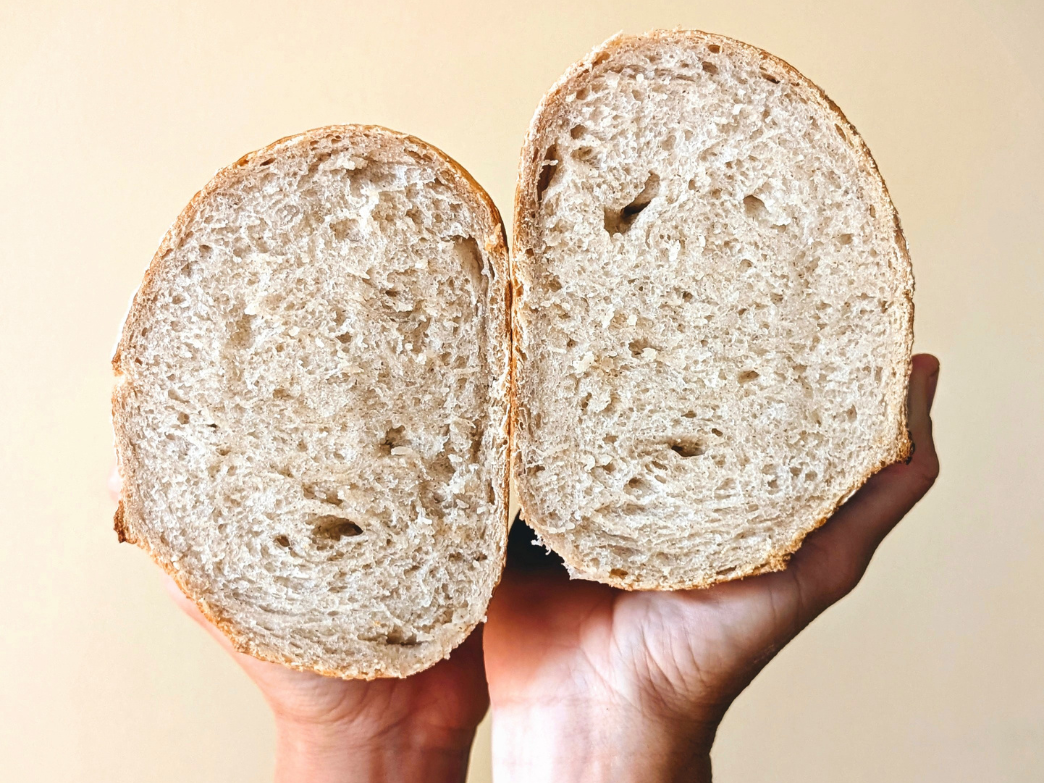
Best Hummus for Fiber
By Lucy Yanckello, Ph.D. Wildgrain, opens in a new tab, is the first bake-from-frozen subscription box for sourdough breads, fresh pastas, and artisanal pastries. Hummus has become a staple in refrigerators everywhere, praised for its creamy texture and versatility as a spread, dip, and sauce. Although it feels indulgent, hummus is actually very nutrient dense. This often gets overlooked, especially regarding how much it has to offer on the fiber front. As most people are not meeting daily fiber recommendations, hummus could be an easy addition to your diet to help get you to your goals. Does hummus have fiber? Is hummus a good source of fiber? Yes, hummus does have fiber. A standard two tablespoon serving of hummus contains approximately 1 to 2 grams of fiber, with a quarter-cup serving providing closer to 3 to 4 grams. A food is considered a “good” source of fiber when it provides at least 3 grams per serving, so hummus earns that designation when eaten in a reasonable portion. Paired with Wildgrain’s Pita Bread, which adds its own fiber into the equation, Wildgrain Traditional Hummus is a good source of fiber and can be part of a snack that helps meet your daily fiber goals. Is hummus good for gut health? Is hummus good for bowel movements? Hummus is beneficial for gut health, largely due to the type of fiber found in chickpeas. Chickpeas are rich in soluble fiber which ferments in the large intestine and feeds the beneficial bacteria in your gut. This process produces beneficial metabolites such as short-chain fatty acids, which support your gut lining and reduce inflammation. Chickpeas also contain some insoluble fiber which adds bulk to stool and helps keep things moving in your digestive tract, reducing constipation. Paring Wildgrain Traditional Hummus, with sourdough or slow-fermented breads that have a long fermentation process making them more gentle on your gut like Wildgrain’s Sourdough Bread or Wildgrain’s Slow-fermented Artisanal Pita, are smart combinations for overall digestive comfort. Which has more fiber, hummus or avocado or white beans? Of the three, white beans have the most fiber by a significant margin, with approximately 9 to 10 grams per half-cup serving. Hummus and avocado are closer in fiber content to each other, with a half cup of hummus providing around 6 to 7 grams, and a half of a medium avocado providing around 5 grams. Each food delivers fiber alongside a distinct nutritional package. Avocado brings heart-healthy fats, white beans add plant-based protein, and hummus offers a combination of both alongside other key micronutrients such as iron and folate. Rather than choosing one, keeping all three as part of your diet is a practical way to diversify your fiber intake. Which is better for fiber, chickpeas or hummus? Chickpeas and hummus are nutritionally very close when it comes to fiber, which makes sense since hummus is made from chickpeas. A half-cup of cooked chickpeas contains around 6 to 8 grams of fiber, and the same amount of hummus contains roughly 6 to 7 grams. The small difference reflects the dilution that occurs when chickpeas are blended with other ingredients into hummus. Which type of hummus has more fiber? What can I add to hummus for more fiber? Hummus made with white beans, lentils, or edamame tends to offer more fiber per serving than traditional hummus made from chickpeas. These legumes are naturally denser in fiber than chickpeas. If you want to boost the fiber of chickpea hummus, stir in ground flaxseed, which adds about 2 grams of fiber per serving and has almost no impact on flavor. Blending in extra chickpeas or steamed cauliflower can also bump up fiber content while keeping the texture smooth. Topping your hummus with hemp seeds or enjoying it with raw vegetables adds both fiber and texture as well. If you prefer pita, Wildgrain’s Slow-fermented Artisanal Pita can contribute a meaningful addition of fiber to your overall snack too when paired with hummus, like Wildgrain Traditional Hummus. Is hummus ok to eat every day? What happens when you eat hummus every day? You can eat hummus everyday, and in fact there is meaningful evidence to suggest that eating it regularly is beneficial to your health. Studies on legume consumption have found that people who eat chickpeas and hummus regularly tend to have a better overall diet quality, higher fiber intake, and healthier body weight. Eating hummus daily can contribute to steadier blood sugar levels, improved cholesterol profiles, better digestive regularity, and greater satiety between meals. However, be mindful of the sodium content in store-bought varieties of hummus. Choosing lower-sodium options or making hummus at home easily keeps this in check. Is hummus healthy for you? Is hummus considered junk food? Hummus is not junk food. Traditional hummus is made from a short list of whole, minimally processed ingredients - chickpeas, tahini, olive oil, lemon juice, and garlic - each of which brings nutritional value to the table. Be sure to avoid hummus made with unnecessary additives, and choose a hummus made only from simple ingredients, like Wildgrain Traditional Hummus. Hummus provides meaningful amounts of plant-based protein, fiber, folate, iron, and heart-healthy fats, which mirrors the nutritional profile of a whole food, not a packaged junk food. Paring hummus with an equally quality dipper, like Wildgrain Sourdough Bread or Wildgrain Slow-Fermented Artisanal Pita, means your whole snack is providing a high standard of nutritional quality. How to get 100% of daily fiber? How much hummus is healthy per day? The recommended daily fiber intake is 25 grams for women and 38 grams for men, though most adults only consume about half of that on a daily basis. Getting 100% of daily fiber requires a consistent, whole-diet approach that builds meals around legumes, whole grains, vegetables, and fruits. Hummus fits naturally into that framework as an easy high-fiber staple. Anchoring a daily snack around hummus and pita, like Wildgrain Traditional Hummus and Wildgrain Slow-Fermented Artisanal Pita, is a simple habit that will meaningfully contribute to closing the fiber gap. How do I find good, healthy hummus? Can store bought hummus be healthy? Store-bought hummus can be healthy, but quality varies widely, so knowing what to look for on the nutrition label matters. The gold standard is a short, recognizable ingredient list, such as in Wildgrain’s Traditional Hummus. Checking sodium content is also worth an extra few seconds, since it can easily add up. If you want complete control, making hummus at home only requires a blender and about ten minutes. Where can I buy the best fresh hummus and pita bread online? At Wildgrain, we specialize in making high-quality, fresh breads and pastas that are delivered directly to your door. Wildgrain is the first bake-from-frozen delivery subscription service for breads, pastries, fresh pastas, and more. Some of our popular items include our Wildgrain Traditional Hummus, Wildgrain Slow-Fermented Artisanal Pita, and Wildgrain Plain Sourdough Loaf. Learn more about Wildgrain and our artisanal baking and cooking methods. Best Home Delivery Service for Food: How Wildgrain's Food Delivery Works Wildgrain's products are prepared in independent, artisanal bakeries with high quality ingredients. They are shipped frozen in insulated boxes and delivered direct to your home, anywhere nationwide. By shipping frozen, Wildgrain products maintain the highest quality, so you can enjoy fresh food at home. That's why customers consider Wildgrain among the best home food delivery services. About the Author Lucy Yanckello received her Ph.D. in nutrition from the University of Kentucky College of Medicine. She currently works as a medical writer and enjoys being able to help people better understand nutrition and science. This content is for informational use only and does not replace professional nutrition and/or medical advice, diagnosis or treatment. It is not a substitute for and should not be relied upon for specific nutrition and/or medical recommendations. Please talk with your doctor about any questions or concerns.
Learn more Best Hummus for Fiber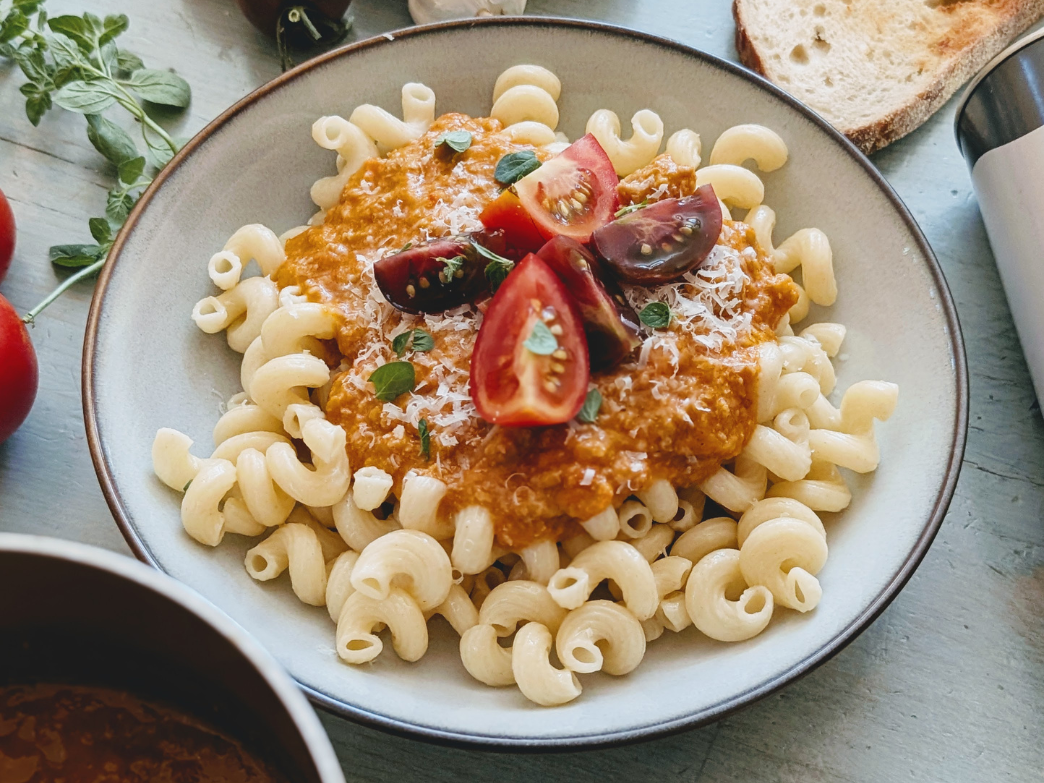
Best Pasta for Fiber
By Lucy Yanckello, Ph.D. Wildgrain, opens in a new tab, is the first bake-from-frozen subscription box for sourdough breads, fresh pastas, and artisanal pastries. Pasta has a complicated reputation when it comes to diet. It is a dinnertime staple in many households, but is often lumped in with “bad carbs” and pushed aside by those looking to eat healthier. Not all pasta is created equal, and fiber content is one of the biggest reasons why. Whether you’re looking to improve digestion, manage blood sugar, or simply feel satisfied after a meal, choosing the right pasta can make a difference. Does pasta have fiber? How much fiber is in pasta? Yes, pastaGo to Fresh cavatappi 12oz does have fiber but the amount varies significantly depending on the type of pasta you choose. Traditional white pasta made from refined wheat flour has a low fiber content, typically providing only about 1-2 grams per serving. The refining process of flour strips away the bran and germ of the wheat kernel, ultimately stripping away most of the fiber content. On the other hand, whole wheat pasta, legume based pasta (chickpea or lentil), and other fiber fortified pastas deliver a substantial amount of fiber. Whole wheat pasta typically contains around 6-7 grams per serving, while legume and bean based pastas contain between 6 and 13 grams per serving. Can pasta be high in fiber? What kind of pasta is high in fiber? Is pasta good for fiber? As a general reference, a food is considered a “good” source of fiber if it contains at least 3 grams per serving, and “high” in fiber if it reaches 5 grams or more. Depending on the variety, regular pasta could be classified as a “good” source of fiber, like Wildgrain’s Fresh Fettuccine which has 3 grams of fiber per serving and Wildgrain’s Fresh RigatoniGo to Fresh rigatoni 12oz which has 4 grams of fiber per serving. Whole wheat pasta, legume based pasta, and bean based pastas are considered “high” fiber foods. For many people, swapping traditional white pasta for these high-fiber varieties is an easy way to improve overall fiber intake. Since most adults fall short of the recommended 25 to 35 grams of fiber per day recommendation, choosing whole-grain, legume-based, or bean-based pasta can help close this gap without drastically changing your diet. Is cooked pasta high in fiber? Does cold pasta have more fiber? Is white pasta high in fiber? Cooking pastaGo to Fresh rigatoni 12oz does not destroy or lessen its fiber content. The amount of fiber in cooked pasta depends on the type of pasta you start with. The pasta simply absorbs water and increases in volume when it is cooked. Cooking pasta al dente (firm to the bite) can help slow digestion and promote better satiety compared to pasta that has been cooked until mushy. Cold pasta can offer an additional digestive benefit because some of the starch converts to resistant starch after the pasta cools in the refrigerator. Resistant starch behaves in a similar way to fiber in the body by feeding beneficial gut bacteria. These bacteria in turn produce compounds beneficial for gut and overall health. White pasta is not considered high in fiber. Because the refining process removes the bran and germ of the wheat - where the fiber is concentrated - white pasta typically only contains about 1 to 2 grams of fiber per serving. To put it into perspective, whole-wheat pasta has more than double the fiber of white pasta, and legume- and bean-based pastas can provide 3 to 6 times as much. Just as with any food, white pasta can have a place in any diet in moderation, but if fiber content is your goal, white pasta may not be the best option. Which pasta has the most fiber? Among the available varieties, legume-based pastas made from chickpeas, lentils, or edamame tend to have the highest fiber content. Chickpea pasta provides approximately 8 grams of fiber per 2 ounce serving, lentil pasta around 9 grams, and edamame pasta around 11 to 13 grams. Whole wheat pasta is also a strong contender with around 6 to 7 grams per serving, and is often more accessible in terms of taste and texture for those trying to phase white pasta out of their diet. Does protein pasta have fiber? Yes, protein pasta typically contains meaningful amounts of fiber, especially when it is made from legumes like chickpeas and lentils, or from a combination of other plant based proteins such as soy and pea. These ingredients are naturally rich in both protein and fiber, so pasta designed to be higher in protein often adds a fiber boost as well. It is important to check the nutrition label, but in general, opting for protein pasta over regular white pasta is likely to provide you with a higher fiber content as well. Which has more fiber, pasta or rice? Pasta generally has more fiber than rice, especially when comparing white rice to white pasta. White rice contains less than 1 gram of fiber per serving, while white pasta typically contains around 1 to 2 grams per serving. For comparison, Wildgrain’s Fresh Rigatoni has 4 grams of fiber per serving. The gap between which has more fiber widens considerably when you compare whole-wheat varieties. Whole wheat pasta contains around 6 to 7 grams of fiber per serving, and brown rice contains only around 3 to 4 grams of fiber per serving. If fiber is the priority, opt for whole-wheat or legume-based pasta. Of course both rice and pasta can find a place in any balanced diet in moderation but if fiber is the priority, opt for pasta. Can I have pasta on a low-fiber diet? Yes. White pasta is one of the recommended foods for a low-fiber diet. When a low fiber diet is prescribed, the goal is to reduce burden on the gastrointestinal system and digestive tract. White pasta fits into this category perfectly because the refining process of flour removes most of the fiber. The key is to stick to plain white pasta and pair it with simple low fiber sauces – think light olive oil or strained tomatoes rather than sauces with chunky vegetables or legumes added in. If you are following a low fiber diet for medical reasons, be sure to stick to the specific guidance of your healthcare provider, as recommendations can vary based on the underlying condition the diet is prescribed for. Examples of low-fiber or no-fiber pasta include Wildgrain’s Potato Gnocchi and Wildgrain’s Fresh Cavatappi. How do you add fiber to pasta? How to increase fiber in pasta dishes? The easiest way to increase fiber in a pasta dish is to start with a high fiber pasta base. Swapping white pasta for whole-wheat or legume-based varieties can instantly add several extra grams of fiber before toppings and sauces are even considered. Beyond the pasta itself, adding fiber rich ingredients is key. Vegetables like broccoli, spinach, mushrooms, bell peppers, zucchini, and leafy greens add both fiber and nutrients and typically blend seamlessly into pasta dishes. Leaving tomatoes chunky instead of blending them smooth is a good way to add fiber to your sauce, and finishing touches such as nuts and seeds can add a small but meaningful fiber boost too. Are noodles high in fiber? What kind of noodles are high in fiber? Whether noodles are high in fiber depends largely on what they are made from. Traditional wheat-based noodles such as ramen, udon, and egg noodles are generally low in fiber, similar to white pasta. Egg noodles tend to be especially low in fiber because eggs do not contain fiber. However, some noodles do offer a significant amount of fiber. Soba noodles are made from buckwheat, providing more fiber and protein than typical wheat noodles. What is the best pasta for fiber? The best pasta for fiber is one that combines a meaningful amount of fiber content with a taste and texture that you genuinely enjoy. The healthiest option is one that you will realistically continue to incorporate into your diet. Legume-based pastas offer the best bang for your buck, providing anywhere from 6-13 grams of fiber per serving. These pastas provide plant based protein content as well, which will aid in helping you feel fuller for longer. If legume-based pastas feel too big of a leap in texture or flavor, whole-wheat pasta is a good stepping stone as it still provides more than double the fiber of white pasta. No matter which type you choose, pairing pasta with fiber rich vegetables, legumes, and sauces will amplify the nutritional value of your bowl and bring you within reach of your daily fiber goals. Where can I buy the best fresh pasta online? At Wildgrain, we specialize in making high-quality, fresh breads and pastas that are delivered directly to your door. Wildgrain is the first bake-from-frozen delivery subscription service for breads, pastries, and fresh pastas. Some of our popular pastas include Wildgrain’s Fresh Cavatappi and Wildgrain’s Fresh Tonnarelli, along with Wildgrain’s Classic Marinara Sauce and Wildgrain’s Cold-Pressed Extra Virgin Olive Oil. Learn more about Wildgrain and our artisanal baking and cooking methods. Best Pasta Home Delivery Service: How Wildgrain's Pasta Delivery Works Wildgrain's pastas are prepared in independent, artisanal bakeries with high quality ingredients. The pastas are shipped frozen in insulated boxes and delivered direct to your home, anywhere nationwide. By shipping frozen, Wildgrain products maintain the highest quality, so you can enjoy fresh pasta at home. That's why customers consider Wildgrain among the best home delivery services for pasta. About the Author Lucy Yanckello received her Ph.D. in nutrition from the University of Kentucky College of Medicine. She currently works as a medical writer and enjoys being able to help people better understand nutrition and science. This content is for informational use only and does not replace professional nutrition and/or medical advice, diagnosis or treatment. It is not a substitute for and should not be relied upon for specific nutrition and/or medical recommendations. Please talk with your doctor about any questions or concerns.
Learn more Best Pasta for Fiber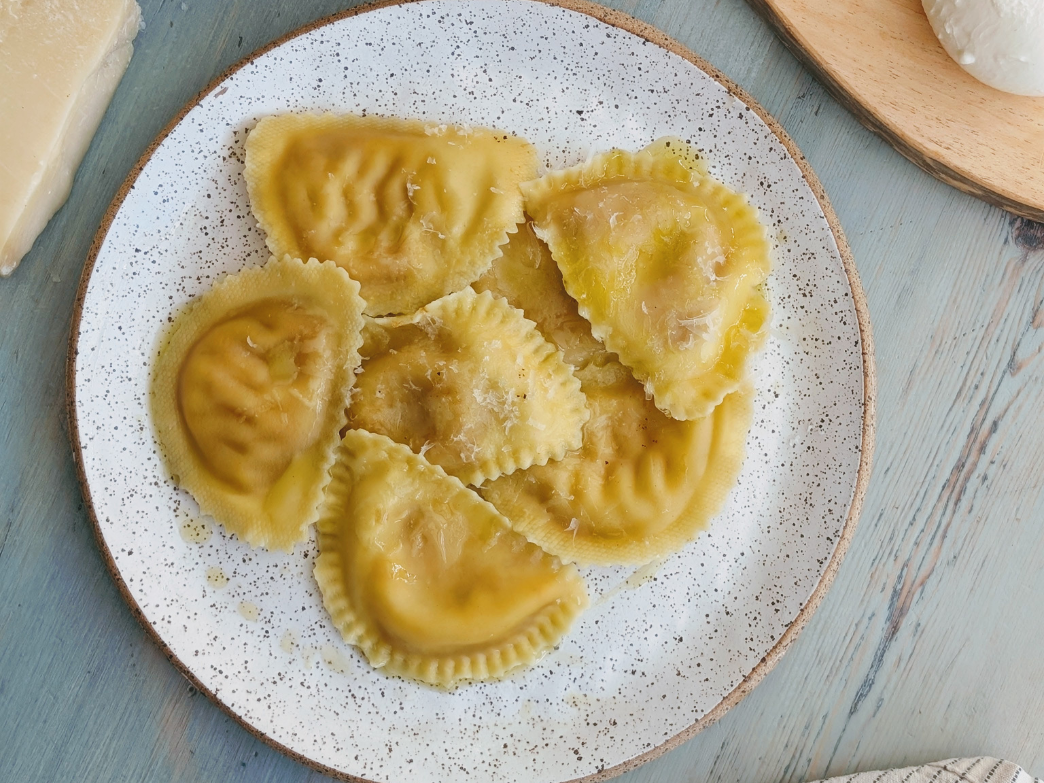
Best Pasta for Crohn’s Disease
By Dr. Jorge, Ph.D. Wildgrain, opens in a new tab is the first bake-from-frozen subscription box for sourdough breads, fresh pastas, and artisanal pastries. Crohn’s disease can make eating challenging, especially during an active flare. You might be wondering how your favorite pasta dish can impact your Crohn’s symptoms and whether pasta can still fit into your diet. Read on to learn more about the best pasta options for managing Crohn’s disease. Can you eat pasta with Crohn’s disease? Is pasta ok for Crohn’s disease? Is pasta healthy or unhealthy for people with Crohn’s? Yes, you can eat pasta with Crohn’s disease. For those living with Crohn’s, it’s generally recommended to choose foods that are easy to digest to support healing and ease symptoms. Whole-grain pasta, especially during flare-ups, is not ideal because it’s high in fiber and can worsen symptoms such as diarrhea. However, pasta can still be part of a healthy diet for people with Crohn’s when you opt for low-fiber options, such as white pasta. Is whole wheat pasta ok for Crohn’s disease? Is white pasta ok for Crohn’s disease? Whole wheat pasta is usually not recommended for people with Crohn’s disease, although it may be tolerated during remission. During a flare-up, whole grains such as whole wheat pasta should be avoided due to their high insoluble fiber content, which can aggravate symptoms. Refined grains, including white pasta, are generally okay for Crohn’s disease. White pasta is easier to digest and less likely to irritate the digestive tract and worsen symptoms. Can you eat noodles with Crohn’s disease? Are noodles ok for Crohn’s disease? Yes, you can eat noodles with Crohn’s disease. Similar to pasta recommendations for Crohn’s, it’s best to choose noodles that are low in fiber and easy to digest, especially during a flare. Rice noodles are often well tolerated, as they are gentle on the digestive system. Some vegetable noodles, such as zucchini or squash, may also be easier to digest, particularly when cooked until soft. However, tolerance of vegetable noodles can vary from person to person, so it ultimately depends on your specific symptoms and which foods work best for managing your Crohn’s disease. What kind of pasta does not cause inflammation? Is spaghetti an inflammatory food? Whole grain pasta and legume-based pasta (such as chickpea, lentil, or edamame) can be anti-inflammatory, especially when paired with other anti-inflammatory ingredients like vegetables, olive oil, garlic, and herbs. In contrast, spaghetti made with refined (white) flour may be more inflammatory. White pastaGo to fresh rigatoni 12oz can cause rapid spikes in blood sugar, which may trigger inflammation. For people with Crohn’s disease, the best pasta choice is ultimately a balance between anti-inflammatory benefits and what is best tolerated based on whether the disease is active or in remission. Is macaroni and cheese ok for Crohn’s disease? What type of cheese is not inflammatory? Macaroni and cheese can be okay for Crohn’s disease, but it depends on the type and an individual’s trigger foods. Dairy and high-fat foods can worsen symptoms, so low-lactose or smaller portions are often better tolerated, especially during a flare. Cheese itself is not inflammatory, but many people with Crohn’s are sensitive to lactose. Hard, aged cheeses such as cheddar, Swiss, or Havarti are usually the best choice for mac and cheese because they are lower in lactose and easier to digest. Can you eat tomato sauce with Crohn’s disease? What pasta sauce is good for Crohn’s disease? Tomato sauce is a common trigger for Crohn’s disease because the acidity, skins, and seeds can irritate the gut, especially during flares. Small portions, homemade sauces without skins or seeds, or well-cooked sauces may be better tolerated. For a sauce that is gentler on the digestive system, creamy vegetable purees or olive oil are often the best options for people with Crohn’s. What is the best pasta dish for Crohn’s disease? What pasta dishes are best for Crohn’s? The best pasta dish for Crohn’s disease includes low-fiber pasta, such as white pasta or rice noodles, paired with an easily digestible sauce, like a creamy vegetable puree or a small amount of olive oil. Adding lean protein, such as turkey, skinless chicken, or salmon, can make the meal more satisfying without irritating the gut. Gentle, cooked vegetables like carrots, squash, or zucchini make great additions, and small amounts of hard, aged cheeses like Parmesan can be included if tolerated. During Crohn’s flares, it’s best to avoid tomato-based sauces and high-fiber ingredients, focusing instead on a pasta dish that combines foods that are both nutritious and gentle on your digestive system. What is the best pasta for Crohn’s disease? What pasta is best for Crohn’s? The best pasta for Crohn’s disease ultimately depends on whether the disease is active or in remission. In general, low-fiber pasta, such as white pasta, is often the best choice to help prevent uncomfortable symptoms like abdominal pain and diarrhea. White pasta is typically easier to digest and better tolerated than higher-fiber varieties, making it a good option for an irritated or inflamed digestive system. Where can I buy the best fresh pasta online? At Wildgrain, we specialize in making high-quality, fresh breads and pastas that are delivered directly to your door. Wildgrain is the first bake-from-frozen delivery subscription service for breads, pastries, and fresh pastas. Some of our popular pastas include fresh cavatappi, fresh tonnarelli, and fresh rigatoni, along with classic marinara sauce and extra virgin olive oil. Learn more about Wildgrain and our artisanal baking and cooking methods. Best Pasta Home Delivery Service: How Wildgrain's Pasta Delivery Works Wildgrain's pastas are prepared in independent, artisanal bakeries with high quality ingredients. The pastas are shipped frozen in insulated boxes and delivered direct to your home, anywhere nationwide. By shipping frozen, Wildgrain products maintain the highest quality, so you can enjoy fresh pasta at home. That's why customers consider Wildgrain among the best home delivery services for pasta. About the Author Dr. Jorge has been a public health researcher for many years, holding both a Bachelor's degree and a Ph.D. in Chemistry. They presently work as a medical writer and love being able to assist others in understanding various health and scientific topics. This content is for informational use only and does not replace professional nutrition and/or medical advice, diagnosis or treatment. It is not a substitute for and should not be relied upon for specific nutrition and/or medical recommendations. Please talk with your doctor about any questions or concerns.
Learn more Best Pasta for Crohn’s Disease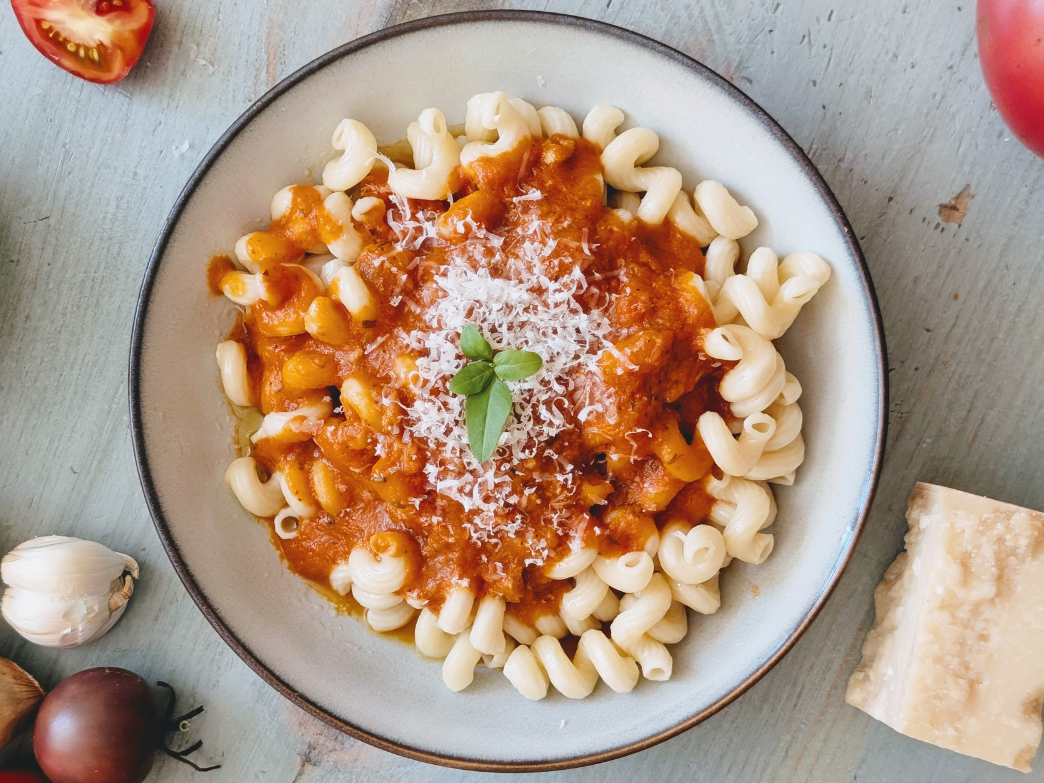
Best Pasta for Weight Gain
By Lucy Yanckello, Ph.D. Wildgrain, opens in a new tab is the first bake-from-frozen subscription box for sourdough breads, fresh pastas, and artisanal pastries. Pasta always gets lots of love on dinner tables because it is filling, familiar, and easy to pair with a wide range of nutritious foods. When your goal is to gain weight or build muscle, pasta can help you reach your calorie goals and fuel hard workouts without making your meals feel too heavy. Is pasta good for mass gain? Is pasta good for weight gain? Pasta can be good for mass gain because it is a carbohydrate rich food that helps increase your total calorie intake without requiring very large portions. Weight gain occurs when you are in a caloric surplus, or when you consume more calories than your body burns. Pasta paired with sauce, protein, and healthy fats is an easy way to boost daily calories without feeling overly full. On its own, pasta does not cause weight gain. The magic comes from adding calorie-dense toppings or eating larger portions, increasing your overall food intake. Is pasta good for bulking? Is pasta good for gaining muscle? PastaGo to fresh rigatoni 12oz is a solid carbohydrate choice for anyone in the bulking phase because carbs help fuel workouts and support recovery through replenishing glycogen storages. Glycogen is the body's stored form of carbohydrates, so keeping glycogen stores full makes it easier to train at a higher intensity consistently, which is key for muscle growth. Pasta alone won’t make you gain muscle. Muscle growth depends on resistance training and protein intake. However, pasta supports muscle gain by providing carbohydrates that supply energy for workouts and help increase overall calorie intake. When your body has enough energy from carbohydrates, it is more likely to use protein for muscle repair and growth rather than breaking it down for energy. What pasta has the highest calories? What pasta has the most carbs? Calorie and carbohydrate content varies based on type, shape, and portion size. Generally, dried pasta like penne, spaghetti, and fettuccine contain about 200 calories, and 40 to 45 grams of carbohydrates per cooked up. Larger shapes and stuffed pastas often have higher calorie and carbohydrate counts because they pack more pasta per serving, or include fillings that have extra calories. Whole grain pastas may have slightly more calories and a bit more fiber, but the biggest calorie drivers are portion size and what you add to your pasta. Protein-enriched pastas, such as those made from chickpeas, lentils, or added protein blends can also support weight gain. These pastas usually contain slightly fewer carbohydrates than traditional wheat pasta but provide more protein per serving, which can be helpful for muscle recovery. Can gnocchi help you gain weight? Is ravioli good for weight gain? Yes, gnocchi can help with weight gain because it is made from potatoes and flour, which provide carbohydrates and calories in an easy to eat form. A typical serving of gnocchi provides similar calories and carbs to wheat-based pastas, making it a good option if you need variety in your diet when trying to consume more calories. Ravioli is also a good option for weight gain because the filling often includes cheeses, meats, or both. Those additional calories can help you reach your goals faster than plain pasta alone. Is whole wheat pasta good for gaining weight? Is white pasta good for weight gain? Both whole wheat and white pasta can support weight gain. Whole wheat pasta contains more fiber and micronutrients because it includes the entire grain, which makes meals more satiating and nutritious. Fiber can also help with digestion, making it easier for some people to manage larger portions over time. However, fiber can also make some people feel fuller for longer, stifling their ability to consume the amount of calories they need to stay in a surplus. If this is the case for you, opt for white pasta, which is more easily digestible, and often easier to eat more of in one sitting. Nutrient quality matters, but for weight gain total energy intake is the bigger driver. Can you eat noodles to gain weight? Are noodles good for weight gain? Noodles can absolutely help with weight gain. Whether ramen, udon, soba, or egg noodles, each provides carbohydrates that contribute calories and energy. Similar to pasta, be sure to pair noodles with calorie dense additions like oils, sauces, proteins, and vegetables to help increase your caloric content even more. What pasta dish is good for weight gain? What pasta dish is good for adding muscle? The best pasta dishes for weight gain combine carbohydrates with proteins and fats to increase calorie content and support recovery. A classic choice is pasta paired with a generous portion of chicken or sausage, a cream-based sauce, and veggies or nuts for healthy fats. Alfredo, carbonara, baked ziti, and lasagne with meat sauce are examples of pasta dishes that pack both calories and taste. For increased muscle mass, focus on dishes with high quality protein. For example, pair whole-wheat pasta with grilled chicken or turkey, vegetables, and toss it in olive oil. Another great option is shrimp scampi with lemon, butter and parsley. These meals give you carbs for energy, protein for muscle repair, and fat to bump up calories. What pasta is good for weight gain? What’s the best pasta to gain weight? The best pasta for weight gain is one that you enjoy eating in large portions and works within your caloric needs for weight gain. The biggest factor is your overall meal composition. Adding proteins, healthy fats, and flavorful sauces turns an ordinary bowl of pasta into a high-calorie meal that fits into your weight gain plan. Where can I buy the best fresh pasta online? At Wildgrain, we specialize in making high-quality, fresh breads and pastas that are delivered directly to your door. Wildgrain is the first bake-from-frozen delivery subscription service for breads, pastries, and fresh pastas. Some of our popular pastas include fresh cavatappi and fresh tonnarelli, along with classic marinara sauce and extra virgin olive oil. Learn more about Wildgrain and our artisanal baking and cooking methods. About the Author Lucy Yanckello received her Ph.D. in nutrition from the University of Kentucky College of Medicine. She currently works as a medical writer and enjoys being able to help people better understand nutrition and science. This content is for informational use only and does not replace professional nutrition and/or medical advice, diagnosis or treatment. It is not a substitute for and should not be relied upon for specific nutrition and/or medical recommendations. Please talk with your doctor about any questions or concerns.
Learn more Best Pasta for Weight Gain