By Lucy Yanckello, Ph.D.
Is pasta good for mass gain? Is pasta good for weight gain?
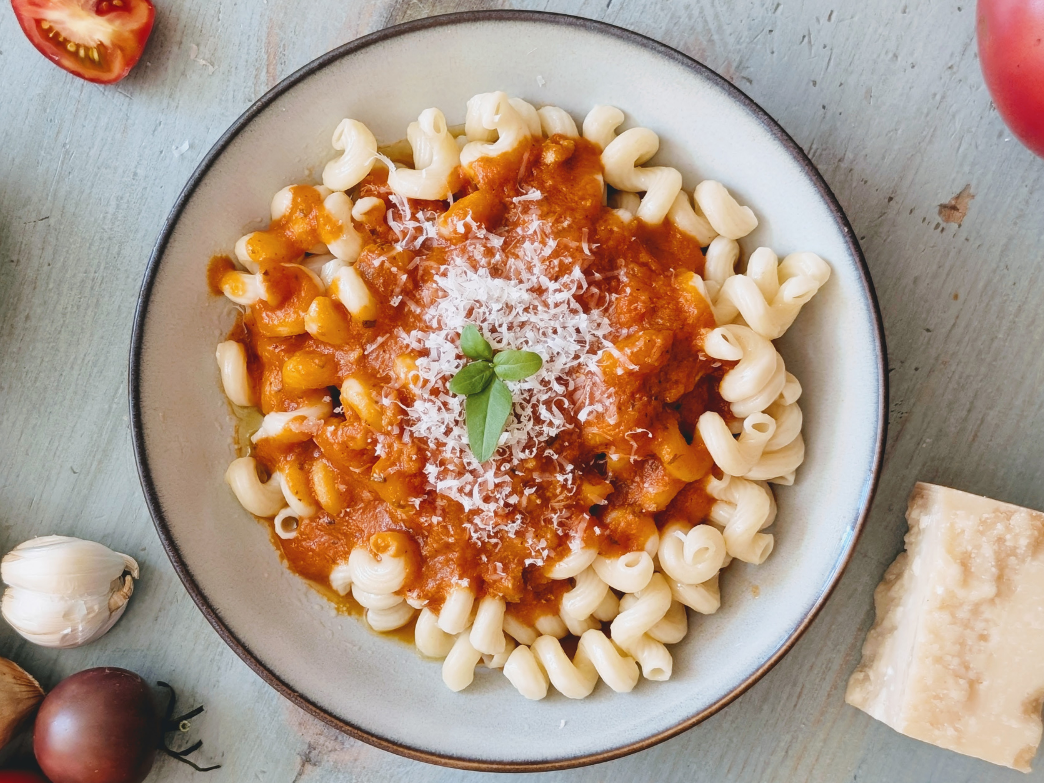
Pasta can be good for mass gain because it is a carbohydrate rich food that helps increase your total calorie intake without requiring very large portions. Weight gain occurs when you are in a caloric surplus, or when you consume more calories than your body burns. Pasta paired with sauce, protein, and healthy fats is an easy way to boost daily calories without feeling overly full. On its own, pasta does not cause weight gain. The magic comes from adding calorie-dense toppings or eating larger portions, increasing your overall food intake.
Is pasta good for bulking? Is pasta good for gaining muscle?
PastaGo to fresh rigatoni 12oz is a solid carbohydrate choice for anyone in the bulking phase because carbs help fuel workouts and support recovery through replenishing glycogen storages. Glycogen is the body's stored form of carbohydrates, so keeping glycogen stores full makes it easier to train at a higher intensity consistently, which is key for muscle growth.Pasta alone won’t make you gain muscle. Muscle growth depends on resistance training and protein intake. However, pasta supports muscle gain by providing carbohydrates that supply energy for workouts and help increase overall calorie intake. When your body has enough energy from carbohydrates, it is more likely to use protein for muscle repair and growth rather than breaking it down for energy.
What pasta has the highest calories? What pasta has the most carbs?
Calorie and carbohydrate content varies based on type, shape, and portion size. Generally, dried pasta like penne, spaghetti, and fettuccine contain about 200 calories, and 40 to 45 grams of carbohydrates per cooked up. Larger shapes and stuffed pastas often have higher calorie and carbohydrate counts because they pack more pasta per serving, or include fillings that have extra calories. Whole grain pastas may have slightly more calories and a bit more fiber, but the biggest calorie drivers are portion size and what you add to your pasta.
Protein-enriched pastas, such as those made from chickpeas, lentils, or added protein blends can also support weight gain. These pastas usually contain slightly fewer carbohydrates than traditional wheat pasta but provide more protein per serving, which can be helpful for muscle recovery.
Can gnocchi help you gain weight? Is ravioli good for weight gain?
Yes, gnocchi can help with weight gain because it is made from potatoes and flour, which provide carbohydrates and calories in an easy to eat form. A typical serving of gnocchi provides similar calories and carbs to wheat-based pastas, making it a good option if you need variety in your diet when trying to consume more calories.
Ravioli is also a good option for weight gain because the filling often includes cheeses, meats, or both. Those additional calories can help you reach your goals faster than plain pasta alone.
Is whole wheat pasta good for gaining weight? Is white pasta good for weight gain?
Both whole wheat and white pasta can support weight gain. Whole wheat pasta contains more fiber and micronutrients because it includes the entire grain, which makes meals more satiating and nutritious. Fiber can also help with digestion, making it easier for some people to manage larger portions over time.
However, fiber can also make some people feel fuller for longer, stifling their ability to consume the amount of calories they need to stay in a surplus. If this is the case for you, opt for white pasta, which is more easily digestible, and often easier to eat more of in one sitting. Nutrient quality matters, but for weight gain total energy intake is the bigger driver.
Can you eat noodles to gain weight? Are noodles good for weight gain?
Noodles can absolutely help with weight gain. Whether ramen, udon, soba, or egg noodles, each provides carbohydrates that contribute calories and energy. Similar to pasta, be sure to pair noodles with calorie dense additions like oils, sauces, proteins, and vegetables to help increase your caloric content even more.
What pasta dish is good for weight gain? What pasta dish is good for adding muscle?
The best pasta dishes for weight gain combine carbohydrates with proteins and fats to increase calorie content and support recovery. A classic choice is pasta paired with a generous portion of chicken or sausage, a cream-based sauce, and veggies or nuts for healthy fats. Alfredo, carbonara, baked ziti, and lasagne with meat sauce are examples of pasta dishes that pack both calories and taste.
For increased muscle mass, focus on dishes with high quality protein. For example, pair whole-wheat pasta with grilled chicken or turkey, vegetables, and toss it in olive oil. Another great option is shrimp scampi with lemon, butter and parsley. These meals give you carbs for energy, protein for muscle repair, and fat to bump up calories.
What pasta is good for weight gain? What’s the best pasta to gain weight?
The best pasta for weight gain is one that you enjoy eating in large portions and works within your caloric needs for weight gain. The biggest factor is your overall meal composition. Adding proteins, healthy fats, and flavorful sauces turns an ordinary bowl of pasta into a high-calorie meal that fits into your weight gain plan.
Where can I buy the best fresh pasta online?
At Wildgrain, we specialize in making high-quality, fresh breads and pastas that are delivered directly to your door. Wildgrain is the first bake-from-frozen delivery subscription service for breads, pastries, and fresh pastas. Some of our popular pastas include fresh cavatappi and fresh tonnarelli, along with classic marinara sauce and extra virgin olive oil. Learn more about Wildgrain and our artisanal baking and cooking methods.
About the Author
Lucy Yanckello received her Ph.D. in nutrition from the University of Kentucky College of Medicine. She currently works as a medical writer and enjoys being able to help people better understand nutrition and science.
This content is for informational use only and does not replace professional nutrition and/or medical advice, diagnosis or treatment. It is not a substitute for and should not be relied upon for specific nutrition and/or medical recommendations. Please talk with your doctor about any questions or concerns.