

Wildgrain Blog
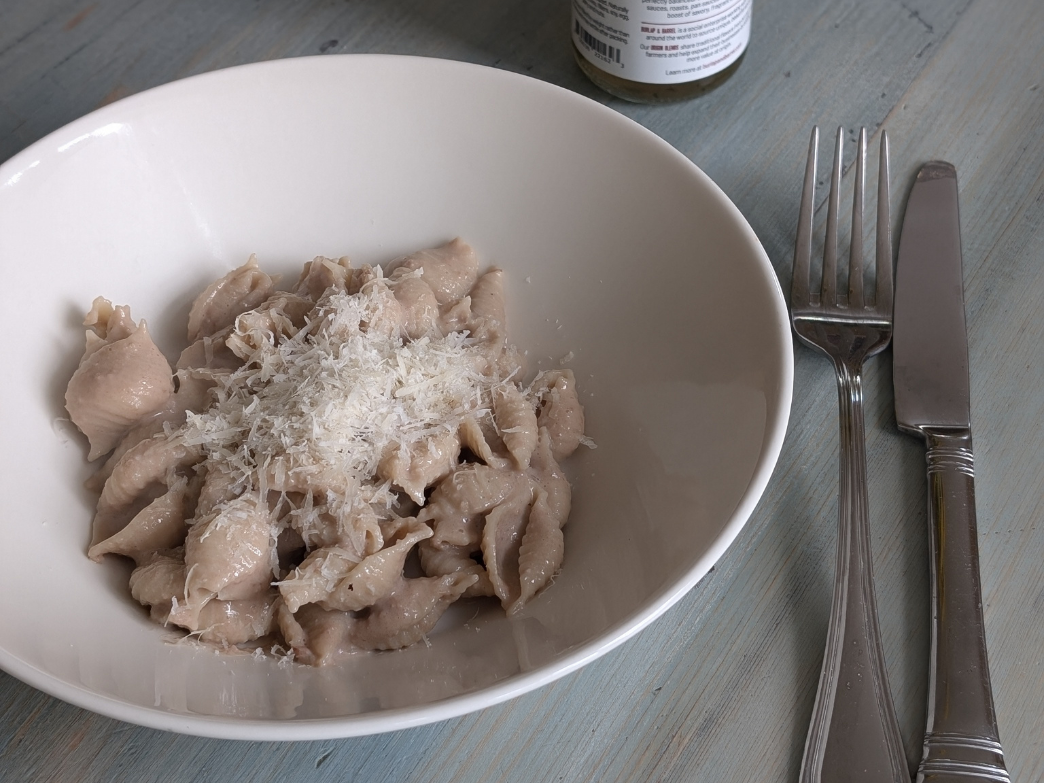
Best Pasta for IBS: Can You Eat Pasta with IBS?
By Dr. Jorge, Ph.D. Wildgrain, opens in a new tab is the first bake-from-frozen subscription box for sourdough breads, fresh pastas, and artisanal pastries. Navigating irritable bowel syndrome (IBS) while trying to enjoy your favorite foods can be a challenge, especially if you’re a pasta lover. Read on to learn why some types of pasta can exacerbate IBS symptoms while others can help keep uncomfortable symptoms away. We’ll help you choose the best pasta for your next meal to keep it both tasty and gut-friendly. Is pasta OK for people with IBS? Can you eat pasta on an IBS diet? Does pasta cause IBS flareup? Traditional pasta might not be good for people with IBS since it is made from wheat, a high fermentable oligosaccharides, disaccharides, monosaccharides, and polyols (FODMAP) ingredient. FODMAPs are a group of carbohydrates that can contribute to IBS symptoms. Although food triggers can vary from person-to-person, wheat-based foods (like pasta) tend to cause IBS flareups for many, resulting in diarrhea, constipation, and bloating. The good news is that there are alternative pasta options available for IBS sufferers so you can continue to enjoy pasta without uncomfortable symptoms. Brown rice pasta and quinoa pasta are two non-wheat pastas that are generally well tolerated by those with IBS. Corn pasta is another great addition to an IBS diet since it is low FODMAP and high in fiber, which aids in digestion. Are noodles OK for people with IBS? Can you eat noodles on an IBS diet? Do noodles cause IBS flareup? Like pasta, wheat-based noodles are typically not well tolerated by people with IBS. This includes ramen noodles and instant noodles. On the other hand, rice noodles, egg noodles, and soba noodles are all low FODMAP foods, meaning they are less likely to cause IBS flareups since they are not made with wheat flour. Is plain pasta better for IBS? Plain pastaGo to Fettuccine (pasta without sauce or toppings) might be better for IBS diets compared to pasta served with other foods or paired with sauce. Since plain pasta doesn’t contain extra ingredients that can cause IBS symptoms, the likelihood of experiencing a flareup is minimized. However, even plain pasta can cause discomfort for IBS sufferers if the pasta is made from wheat flour. Plain brown rice pasta and plain quinoa pasta are excellent choices for managing IBS symptoms, as they are both free from wheat. What is the best pasta for IBS sufferers? What pasta is gut friendly? For those with IBS, the best pasta options are those made from low FODMAP ingredients like rice, quinoa, and corn. Gluten-free pasta can also be a gut-friendly choice, but it’s important to check for high FODMAP ingredients such as chickpeas. Soba noodles are another excellent option, as they’re made from buckwheat - a low FODMAP ingredient known for being gentle on the digestive system for many people. Is whole wheat pasta better for IBS or is regular pasta better for IBS? While whole wheat pasta is often considered more nutritious than regular pasta, experts generally recommend avoiding whole grain foods on an IBS diet. Whole grains, including those used in whole wheat pasta, can be harder for the body to digest compared to white pastaGo to Tonnarelli. For individuals with IBS, whole wheat pasta might trigger flare-ups, leading to symptoms such as abdominal pain, gas, and bloating. Is gluten-free pasta the best for IBS sufferers? Gluten-free pasta is not necessarily the best for IBS sufferers; it depends on whether the gluten-free pasta contains only low FODMAP ingredients. There are some ingredients, like chickpeas, that are gluten-free but are high FODMAP, which can therefore trigger IBS symptoms. Other gluten-free pasta, like those made with low FODMAP ingredients (i.e. rice, quinoa, and corn) are great choices for those with IBS. Is rice or pasta better for IBS? Is pasta or rice better for your gut? To determine whether rice or pasta are better for IBS diets, it is important to consider the type of rice and pasta. White rice and white pastaGo to Fettuccine are generally better options for IBS sufferers because they are made from refined grains, which are easier for the body to digest. In contrast, brown rice and whole wheat pasta, which are made from whole grains, can be more challenging to digest. However, both brown rice and whole wheat pasta are better for your gut health because they are high in fiber, an essential component of the gut microbiota. Is pasta with sauce worse for IBS? What is the best pasta sauce for IBS? Pasta sauce might be worse for IBS if the sauce is made with ingredients that can cause IBS flareups. For example, common pasta sauce ingredients like onions, garlic, cream, or cheese are known to aggravate IBS symptoms. Store bought tomato-based sauces can also be problematic for those with IBS due to their fructose content. If you’re looking for an IBS-friendly pasta sauce, the best option is to make your own sauce at home or carefully scan the ingredients list of store-bought sauces for high FODMAP ingredients. Where can I buy pasta online? At Wildgrain, we specialize in making high-quality, fresh baked goods that are delivered directly to your door. Wildgrain is the first bake-from-frozen delivery subscription service for breads, rolls, pastries, and fresh pastas. Some of our popular pastas include Fresh Fettuccine, Fresh Rigatoni, and Fresh Tonnarelli. We also carry a line of gluten-free pasta, including Gluten-Free Fresh Linguine and Gluten-Free Fresh Shells. We also make homemade Classic Marinara Sauce. Learn more about Wildgrain and our artisanal baking and cooking methods. Best Pasta Home Delivery Service: How Wildgrain's Pasta Delivery Works Wildgrain's pastas are prepared in independent, artisanal bakeries with high quality ingredients. The pastas are shipped frozen in insulated boxes and delivered direct to your home, anywhere nationwide. By shipping frozen, Wildgrain products maintain the highest quality, so you can enjoy fresh pasta at home. That's why customers consider Wildgrain among the best home delivery services for pasta. About the Author Dr. Jorge has been a public health researcher for many years, holding both a Bachelor's degree and a Ph.D. in Chemistry. They presently work as a medical writer and love being able to assist others in understanding various health and scientific topics. This content is for informational use only and does not replace professional nutrition and/or medical advice, diagnosis or treatment. It is not a substitute for and should not be relied upon for specific nutrition and/or medical recommendations. Please talk with your doctor about any questions or concerns.
Learn more Best Pasta for IBS: Can You Eat Pasta with IBS?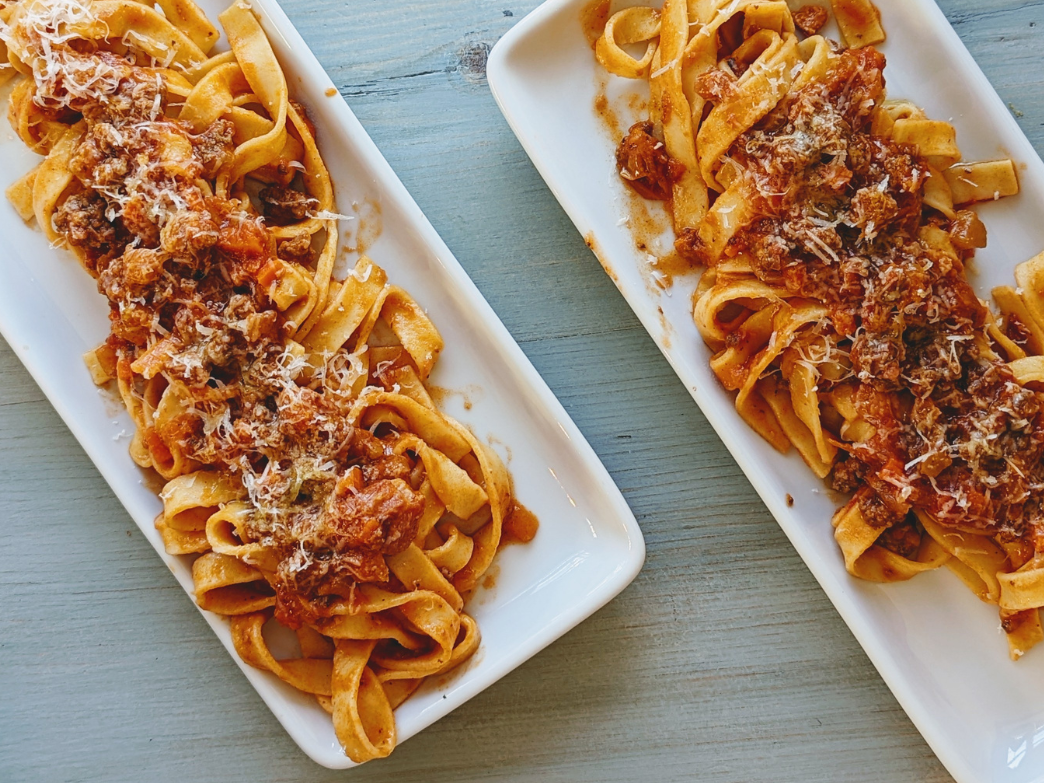
What is the best pasta for a FODMAP diet?
By Dr. Jorge, Ph.D. Wildgrain, opens in a new tab is the first bake-from-frozen subscription box for sourdough breads, fresh pastas, and artisanal pastries. Do you have IBS and are considering a transition to a FODMAP diet? If you’re a pasta lover, you might be concerned about whether you can still enjoy your favorite Italian dishes while managing digestive symptoms. Don’t worry—we’ve got you covered! Read on to discover the best types of pasta to enjoy while following a low FODMAP diet. Why is pasta high in FODMAP? Fermentable oligosaccharides, disaccharides, monosaccharides, and polyols (FODMAPs) are a class of carbohydrates that may be problematic for the digestive system. Since wheat flour is a high-FODMAP food and traditional pasta is made from wheat, pasta is a high-FODMAP food. However, there are nontraditional pasta options, such as brown rice pasta and quinoa pasta, that can be enjoyed while following a low-FODMAP diet. What pasta is FODMAP-friendly? What type of pasta can you eat on FODMAP? What kind of pasta is low FODMAP? FODMAP-friendly pasta is defined as being made with low-FODMAP ingredients. Pasta made with rice, corn, and quinoa falls under this category. Although these types of pasta are good options for those on a low FODMAP diet, it is recommended to stick to a 1-cup serving. However, it is crucial to check the label to ensure the pasta doesn’t contain any additional high FODMAP ingredients, like chickpeas, lentils, peas, or beans. What pasta is FODMAP-friendly? What type of pasta can you eat on FODMAP? What kind of pasta is low FODMAP? FODMAP-friendly pasta is defined as being made with low-FODMAP ingredients. Pasta made with rice, corn, and quinoa falls under this category. Although these types of pasta are good options for those on a low FODMAP diet, it is recommended to stick to a 1-cup serving. However, it is crucial to check the label to ensure the pasta doesn’t contain any additional high FODMAP ingredients, like chickpeas, lentils, peas, or beans. Is whole wheat pasta low FODMAP? Can you eat whole wheat pasta on a FODMAP diet? Whole wheat pasta is generally not considered low FODMAP. This is because wheat is a high FODMAP ingredient and food made from whole grains (i.e. whole wheat pasta) can be difficult for the body to digest and break down. For this reason, eating whole wheat pasta could give IBS sufferers gas, diarrhea, or abdominal pain. However, individuals on a low FODMAP diet may be able to handle a maximum serving size of ½ cup of whole wheat pasta. Is whole grain pasta low FODMAP? Can you eat whole grain pasta on a FODMAP diet? Like whole wheat pasta, whole grain pasta made with wheat flour is not low FODMAP. The consumption of whole wheat flour can cause uncomfortable symptoms for many people with IBS. However, rice-based pastas, such as brown rice pasta, may be FODMAP-friendly. Just make sure to carefully review the ingredients list and try to limit your serving to 1 cup. Are rice noodles low FODMAP? Can you eat rice noodles on a FODMAP diet? Rice noodles are low FODMAP foods since the main ingredients are rice flour and water, which are FODMAP-friendly. That being said, you can consume rice noodles while following a FODMAP diet; however, it is advised to keep the serving size to 1 cup. Are egg noodles low FODMAP? Can you eat egg noodles on a FODMAP diet? Egg noodles might be considered low FODMAP. Since the main ingredient of egg noodles is wheat flour, egg noodles are only low FODMAP at a serving size of ½ cup. At a serving of 1 cup, egg noodles are moderate to high FODMAP. To satisfy your craving for noodles while adhering to a low-FODMAP diet, try soba noodles or rice noodles instead of egg noodles. Is gluten-free pasta better for FODMAP diets? Is gluten-free pasta low FODMAP? Gluten-free pasta might be better for a low FODMAP diet, depending on what the pasta is made of. Not all gluten-free pasta will be low FODMAP since not all gluten-free ingredients are FODMAP friendly. One prime example of a gluten-free pasta that can have a high FODMAP content is chickpea pasta. It is better to choose pasta made with rice flour, oat flour, quinoa flour, or buckwheat flour if you are on a FODMAP diet. Can you eat pasta sauce on a FODMAP diet? What pasta sauce is best for a FODMAP diet? You can eat certain pasta sauces while on a FODMAP diet. The key is to make sure the sauce does not contain high FODMAP ingredients, such as onion, garlic, high fructose corn syrup, honey, and cream/milk. Since all these ingredients are frequently found in pasta sauce, it’s important to scan the sauce jar’s label for these high FODMAP ingredients. Look for pasta sauces with minimal and low FODMAP ingredients like tomatoes, olive oil, salt, and basil. How much pasta can you eat on a FODMAP diet? The suggested serving size for pasta depends on the kind of pasta you are eating. The recommended serving size for low-FODMAP pasta, such as brown rice pasta, quinoa pasta, and rice noodles, is roughly 1 cup. Conversely, it is recommended to eat a smaller portion size of moderate to high FODMAP pasta. If you are on a FODMAP diet, it is recommended to not eat more than ½ cup of whole wheat pasta or egg noodles. Where can I buy healthy pasta online? At Wildgrain, we specialize in making high-quality, fresh breads that are delivered directly to your door. Wildgrain is the first bake-from-frozen delivery subscription service for breads, rolls, pastries, and fresh pastas. Some of our popular pastas include Fresh Fettuccine, Fresh Rigatoni, and Fresh Tonnarelli. We also make homemade Classic Marinara Sauce. Learn more about Wildgrain and our artisanal baking and cooking methods. Best Pasta Home Delivery Service: How Wildgrain's Pasta Delivery Works Wildgrain's pastas are prepared in independent, artisanal bakeries with high quality ingredients. The pastas are shipped frozen in insulated boxes and delivered direct to your home, anywhere nationwide. By shipping frozen, Wildgrain products maintain the highest quality, so you can enjoy fresh pasta at home. That's why customers consider Wildgrain among the best home delivery services for pasta. About the Author Dr. Jorge has been a public health researcher for many years, holding both a Bachelor's degree and a Ph.D. in Chemistry. They presently work as a medical writer and love being able to assist others in understanding various health and scientific topics. This content is for informational use only and does not replace professional nutrition and/or medical advice, diagnosis or treatment. It is not a substitute for and should not be relied upon for specific nutrition and/or medical recommendations. Please talk with your doctor about any questions or concerns.
Learn more What is the best pasta for a FODMAP diet?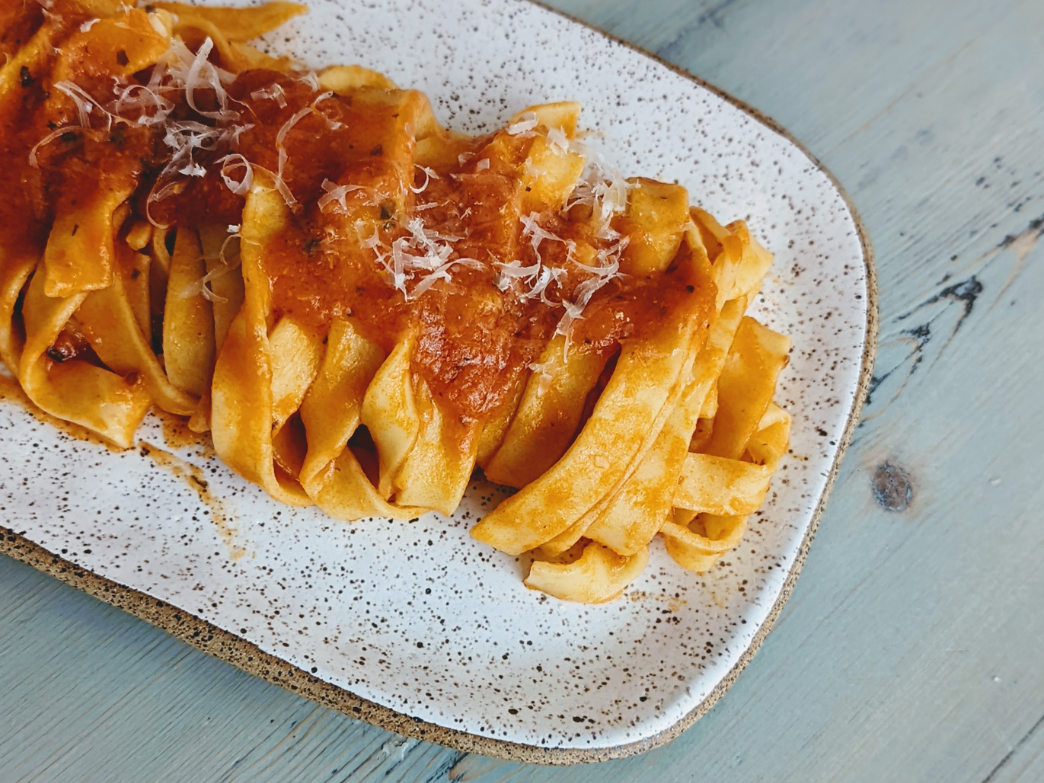
What’s Healthier: Pasta vs. Potatoes?
By Lucy Yanckello, Ph.D. Wildgrain, opens in a new tab is the first bake-from-frozen subscription box for sourdough breads, fresh pastas, and artisanal pastries. Pasta and potatoes are both staples of many cuisines. They are both delicious foods that often leave us craving more. The question is: does a second serving do us any good, or are we just piling on more carbs without much other benefits? Read on to learn more about the nutrient profiles of pasta and potatoes, how they compare, and if one is healthier than the other. Is it better to eat potatoes or pasta? Both pasta and potatoes can find their way into any healthy diet in moderation. In a 100 gram serving of a baked potato without salt, there are 93 calories which come from 21 grams of carbs, 2 grams of dietary fiber, negligible amounts of fat, and around 2.5 grams of protein. In the same amount of pasta, there are 131 calories consisting of 25 grams of carbs, 1.8 grams of fiber, around 1 gram of fat, and 5 grams of protein. In terms of vitamins and nutrients, potatoes are higher in vitamin C, which is important for immune function, and various B vitamins (B3, B5, and B6). Pasta is higher in vitamin A, which plays a role in eyesight and immune functions, and other various B vitamins (B1, B2, B9, and B12). B vitamins play a role in energy metabolism and brain function. Potatoes also have a much more beneficial mineral content than pasta, with higher levels of potassium, calcium, magnesium, phosphorus, and copper. In terms of glycemic index, pasta wins. Glycemic index (GI) is a measure of how quickly a food can make your blood sugar rise, and it is an important metric for diabetics. The lower the number, the less a food will raise blood sugar. Pasta generally has a GI around 55, whereas potatoes, even when boiled, have a high GI around 73. What is healthier to eat: mashed potatoes or baked potatoes or smashed potatoes or boiled potatoes? Each option of cooking the potato has its own benefits. However since mashed potatoes usually come with the addition of butter, milk, and cream, and the removal of the skin, it is fair to say these are the least nutritionally beneficial option of the four. The way potatoes are prepared can lead to micronutrient loss. For example, baked potatoes have about twice the amount of vitamin C as boiled potatoes, and boiling potatoes also causes a loss of potassium. Additionally, most of the fiber comes from the outer skin, meaning boiled potatoes without their skin lose that benefit as well. Because smashed potatoes are boiled before being baked, they will lose some of the nutritional benefit as well that is usually retained by baking potatoes. Baked potatoes retain more nutrients and offer more fiber when the skin is eaten. However, the addition of sour cream, cheese, and butter, just like in mashed potatoes, can change the nutritional profile of your baked potato by adding fat, calories, and sodium. What is healthier to eat: mashed potatoes or pasta? Mashed potatoes and pasta are likely similar in nutrient profile in terms of macronutrients, vitamins, and minerals. Because potatoes are boiled prior to mashing, and the skin is removed, they will lose vital nutrients such as fiber, vitamin C, and potassium. Pasta has higher amounts of protein and fiber and a lower glycemic index. In addition, if lean proteins and vegetables are added to the pasta, the benefits will outweigh those that you will get from mashed potatoes – especially since butter, cream, and salt is usually added to mashed potatoes. What is healthier to eat: baked potatoes or pasta? Baked potatoes may offer somewhat of an advantage when it comes to nutrients compared to pasta. Because they are baked, they retain their high levels of vitamins and other micronutrients, and if the skin is eaten, the fiber content as well. However, if you want a baked potato to outcompete the health benefits of pasta, avoid the high fat and high sodium toppings such as cheese, sour cream, and bacon bits. As for those with diabetes, it is important to consider that pasta has a much lower GI than potatoes, so pasta may always be a better choice. What is healthier to eat: smashed potatoes or pasta? Similar to mashed potatoes, smashed potatoes are boiled prior to being smashed and then baked in the oven. Due to the boiling, as with mashed potatoes, nutrients will be lost. However, because the skin is left on smashed potatoes, the benefit of a similar level of fiber as pasta will be retained. As stated above, depending on what you complement your potatoes or pasta with will outweigh the benefits of the inclusion of one or the other on your plate. What is healthier to eat: boiled potatoes or pasta? Similar to smashed and mashed potatoes, boiled potatoes will lose water soluble nutrients due to boiling. These include vitamin C, potassium, and fiber (because the skin is usually removed when boiling). Similar to the other two boiled options, it is more important to include other nutrient dense foods and lean proteins to round out your meal. What is the best for weight loss: pasta or potatoes? Both pasta and potatoes have benefits for weight loss. Pasta has higher levels of protein than potatoes, which allows you to feel fuller for longer, thus reducing the amount of snacking and cravings. Potatoes have higher levels of fiber, which slows digestion and leaves one feeling satiated after a meal for a longer period. However, the higher GI of potatoes is an important consideration. Higher GI foods lead to blood sugar to spike and then crash, causing cravings and hunger earlier after a meal than low GI foods. What is the best for diabetics: potatoes or pasta? Pasta has a much lower GI than potatoes. Because diabetics need to keep their blood sugar levels normalized, eating foods that are more likely to spike their blood sugar is not a good idea. As such, pasta is the better choice for diabetics than potatoes. What is the best for bodybuilding: pasta or potatoes? Both potatoes and pasta are important complex-carbohydrates to be considered for the diets of bodybuilders. The high levels of vitamin C, vitamin B6, and potassium are important because these micronutrients all play important roles in muscle synthesis, contraction, and recovery. As for pasta, there are higher levels of protein present than in many traditional carb sources. Protein intake is essential to be able to add body mass, which makes it a hard carbohydrate source to beat. Where can I buy fresh pasta online? At Wildgrain, we specialize in making high-quality, fresh breads and pastas that are delivered directly to your door. Wildgrain is the first bake-from-frozen delivery subscription service for breads, pastries, and fresh pastas. Some of our popular pastas include fresh fettuccine, fresh tonnarelli, and fresh rigatoni. Learn more about Wildgrain and our artisanal baking and cooking methods. Best Pasta Home Delivery Service: How Wildgrain's Pasta Delivery Works Wildgrain's pastas are prepared in independent, artisanal bakeries with high quality ingredients. The pastas are shipped frozen in insulated boxes and delivered direct to your home, anywhere nationwide. By shipping frozen, Wildgrain products maintain the highest quality, so you can enjoy fresh pasta at home. That's why customers consider Wildgrain among the best home delivery services for pasta. About the Author Lucy Yanckello received her Ph.D. in nutrition from the University of Kentucky College of Medicine. She currently works as a medical writer and enjoys being able to help people better understand nutrition and science. This content is for informational use only and does not replace professional nutrition and/or medical advice, diagnosis or treatment. It is not a substitute for and should not be relied upon for specific nutrition and/or medical recommendations. Please talk with your doctor about any questions or concerns.
Learn more What’s Healthier: Pasta vs. Potatoes?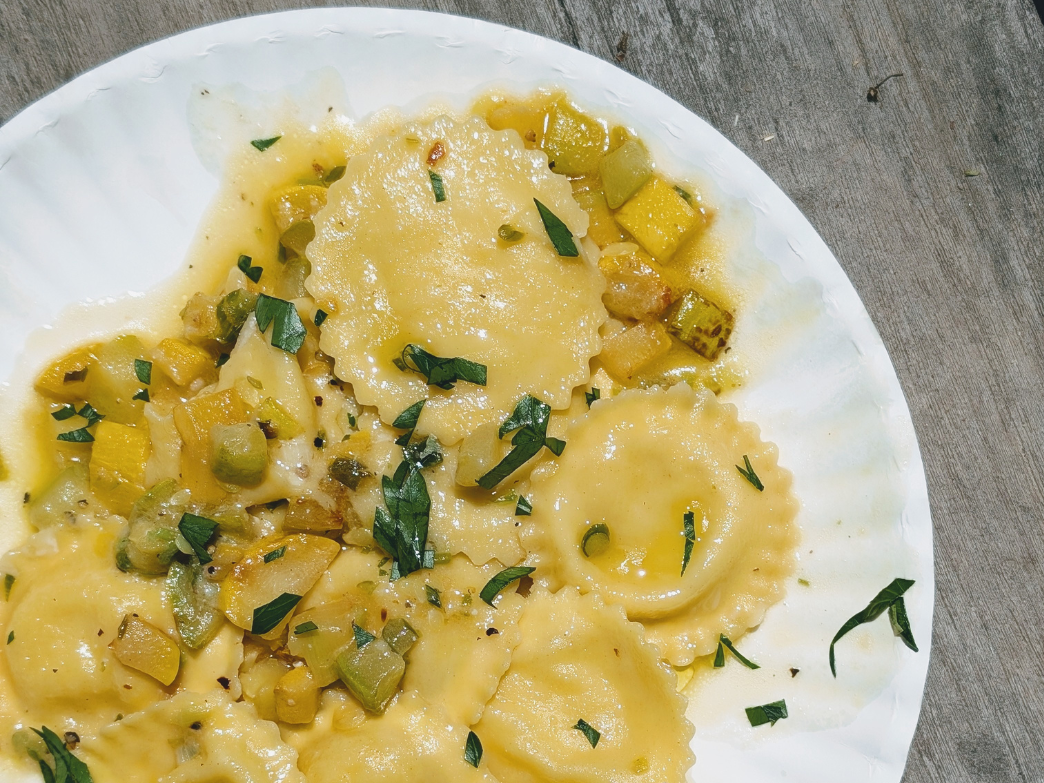
What's Better: Pasta vs. Bulgur vs. Quinoa vs. Buckwheat
By Lucy Yanckello, Ph.D. Wildgrain, opens in a new tab is the first bake-from-frozen subscription box for sourdough breads, fresh pastas, and artisanal pastries. Carbohydrates are an important part of every diet, but not all carbs are created equal when it comes to nutrient profiles. There are whole grains and refined grains, with whole grains being much more beneficial to us than those that are refined. Let’s take a look at some popular grains and decipher which ones are healthiest for our bodies. What is healthier to eat: pasta or bulgur or quinoa or buckwheat? is important to remember that all carbs have a place in your diet in moderation, but some are healthier than others. Buckwheat, bulgur, and quinoa have health benefits, including being a great source of protein and dietary fiber. All three also contain essential amino acids and B vitamins, which play a crucial role in skin health, and brain and immune functions. Protein is important for building muscle and for keeping you feeling fuller for longer. In addition, fiber has important impacts on digestive health and in lowering cholesterol. On the other hand, white pasta is high in carbohydrates and does not have the same health benefits as the whole grains in that it lacks fiber and protein content. What is the difference between bulgur vs. pasta? Is pasta or bulgur healthier? Bulgur and pasta are different in terms of nutrient profiles. First, bulgur is considered a whole grain, meaning it contains the outer layers of the grain. This not only increases the fiber content, but the protein content as well. A 100 gram serving of bulgur contains 83 calories with 19 grams of carbs. It also contains micronutrients such as manganese, magnesium, phosphorus, and vitamin B3 (niacin). On the other hand, pasta has 160 calories with 33 grams of carbs per a 100 gram cooked serving. For those trying to lessen carbohydrate intake, the obvious option is to substitute bulgur for pasta when possible. What is the difference between buckwheat vs. pasta? Is pasta or buckwheat healthier? Despite its name, buckwheat is not related to wheat and is instead a gluten-free seed, similar to quinoa. As stated above, buckwheat has higher protein and fiber than pasta and, similar to bulgur, has more magnesium, manganese, and B vitamins necessary for energy metabolism. In addition, buckwheat has a high antioxidant content, which aids in reducing inflammation. For all of these reasons, buckwheat is the healthier choice when compared to pasta. Although there are more carbohydrates in a 100 gram serving of buckwheat (71 grams) compared to in the same amount of pasta (33 grams), there are also 10 grams of fiber and 13 grams of protein in buckwheat compared to negligible amounts of fiber and only 5 grams of protein in pasta. What is the difference between quinoa vs. pasta? Is pasta or quinoa healthier? Quinoa has more protein and minerals than pasta. The protein content in quinoa is similar to that found in beans, meaning it is a complete protein profile – it has all the essential amino acids (e.g. the building blocks needed to build protein) needed to keep you healthy and strong. As it is a grain, quinoa is also high in fiber which aids in digestion and helps lower cholesterol. These are benefits that you will not get from eating pasta. Which is better for a diabetic: bulgur or buckwheat or quinoa or pasta? Glycemic index (GI) is a measure of how quickly a food can make your blood sugar rise, and it is an important metric for diabetics. The lower the number, the less a food will raise blood sugar. As diabetics must be aware of their blood sugar, it is important to eat foods with lower GI. In order, bulgur has the lowest GI at 46, followed by quinoa at 53, and then buckwheat and pasta at 55. Which is the best for weight loss: buckwheat or pasta or bulgur or quinoa? Although all carbohydrate types can be part of a balanced diet while trying to lose weight, quinoa, bulgur, and buckwheat are better options than pasta. The protein levels in these three grains aid in slowing the digestion process which keeps you fuller for longer, leading to less snacking. In addition, bulgar has the lowest GI of the four options. That means it will not spike your blood sugar levels (which lead to cravings and ultimately unhealthy decisions around food). The fiber content in quinoa, bulgar, and buckwheat will also aid in slowing digestion, giving you that full feeling. Where can I buy the best fresh pasta online? At Wildgrain, we specialize in making high-quality, fresh pastas that are delivered directly to your door. Wildgrain is the first bake-from-frozen delivery subscription service for breads, pastries, and fresh pastas. Some of our popular pastas include potato gnocchi, cheese tortellini, fresh fettuccine, and fresh tonnarelli. Learn more about Wildgrain and our artisanal baking and cooking methods. Best Pasta Home Delivery Service: How Wildgrain's Pasta Delivery Works Wildgrain's pastas are prepared in independent, artisanal bakeries with high quality ingredients. The pastas are shipped frozen in insulated boxes and delivered direct to your home, anywhere nationwide. By shipping frozen, Wildgrain products maintain the highest quality, so you can enjoy fresh pasta at home. That's why customers consider Wildgrain among the best home delivery services for pasta. About the Author Lucy Yanckello received her Ph.D. in nutrition from the University of Kentucky College of Medicine. She currently works as a medical writer and enjoys being able to help people better understand nutrition and science. This content is for informational use only and does not replace professional nutrition and/or medical advice, diagnosis or treatment. It is not a substitute for and should not be relied upon for specific nutrition and/or medical recommendations. Please talk with your doctor about any questions or concerns.
Learn more What's Better: Pasta vs. Bulgur vs. Quinoa vs. Buckwheat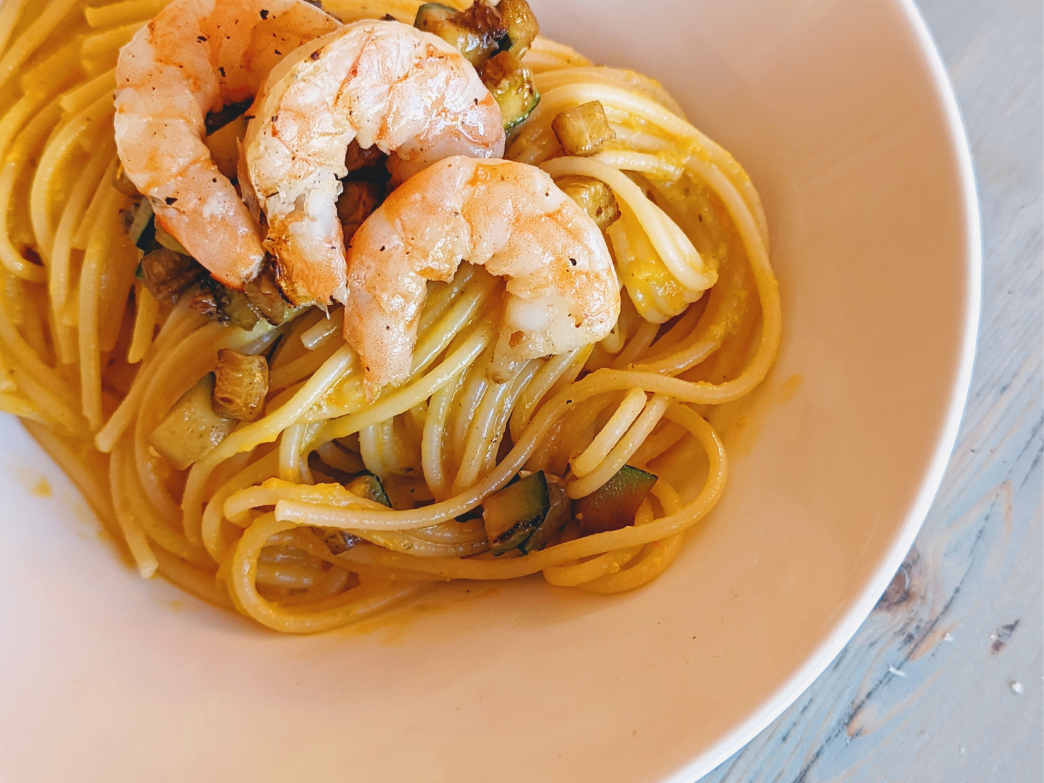
What is Healthier: Pasta or Brown Rice or White Rice?
By Dr. Jorge, Ph.D. Wildgrain, opens in a new tab is the first bake-from-frozen subscription box for sourdough breads, fresh pastas, and artisanal pastries. Choosing the perfect carb for your plate can be a tough decision. Is it better to go with the simplicity of white rice, the heartiness of brown rice, or the versatility of pasta? We’ll break down the differences and benefits to help you discover which works best with your lifestyle. What are the health pros and cons of brown rice? Brown rice is a whole grain packed with essential vitamins, minerals, and antioxidants. Not only is brown rice highly nutritious, but a whole grain diet boasts impressive health benefits such as reducing the risk of heart disease, stroke, and certain cancers. While brown rice mostly has upsides, it can contain elevated levels of arsenic, although this should not be a concern when eaten in moderation. Which is healthier to eat: pasta or brown rice? Is brown rice better than pasta? Brown rice is healthier than white pasta because brown rice is a whole grain food and white pasta is a refined grain food. Whole grains are highly nutritious, containing more fiber and protein than their refined grain counterparts. Protein and fiber are important nutrients that can lower your risk of heart disease, stroke, obesity, and type 2 diabetes. Both brown rice and whole grain pasta are healthy foods, but the best choice for you will depend on your dietary needs and goals. For example, brown rice is lower in fat and carbohydrates than whole grain pasta. However, whole grain pasta contains more protein and fiber than brown rice. Whatever your nutritional needs are, you can’t go wrong with 100% whole grain food, whether brown rice, whole grain pasta, or whole wheat bread. What is healthier to eat: pasta or white rice? Is white rice better than pasta? In terms of nutrition, white rice and white pasta are very similar; however, pasta tends to contain more calories, fiber, and protein than rice. Since both white pasta and white rice are made from refined grains, neither is necessarily healthier than the other. The best choice will depend on personal preference and your unique nutritional needs. What is healthier to eat: white rice or brown rice? Is brown rice healthier than pasta? Brown rice is healthier than white rice because brown rice is a whole grain. In contrast to refined grains (white rice and white pasta), whole grains are a great source of fiber, vitamins, minerals, and other essential nutrients. Eating a diet high in whole grains can also lower the risk of diabetes, heart disease, and stroke, regulate weight, and help control cholesterol levels. Brown rice is just as nutritious as whole grain pasta and is healthier than white pasta. However, if you are on a low-fiber diet or have a sensitive stomach, you might want to opt for white pasta and white rice instead. Which is better for a diabetic: pasta or white rice or brown rice? White pasta, whole grain pasta, and brown rice are all better for diabetics than white rice. This is because both white pasta and brown rice are considered low glycemic index foods. Foods with a low glycemic index (less than 55) digest more slowly than foods with a high glycemic index (higher than 70). Slower digestion means it takes longer for glucose levels to increase after food is consumed, lowering the chances of a blood sugar spike. On the other hand, high glycemic index foods, like white rice, make it harder to control diabetes. Which is the best for weight loss, pasta or brown rice or white rice? The best foods for weight loss are whole grain foods, like brown rice and whole grain pasta. Whole grains are high in protein and fiber, two nutrients that will help to keep you full for longer which reduces the likelihood of overeating. Since calorie deficits are critical for weight loss, it is important to control both portion sizes and hunger levels. Can you still eat pasta, white rice, and brown rice when trying to lose weight? You can still enjoy pasta and rice while achieving your weight loss goals. The key to losing weight is to remain in a calorie deficit. You can stay in a deficit while enjoying your favorite foods by adjusting your portion sizes to fit within your calorie limits. For a balanced meal and to stay full, try adding vegetables and lean protein such as chicken or fish to your dish. Where can I buy fresh pasta online? At Wildgrain, we specialize in making high-quality, fresh breads and pastas that are delivered directly to your door. Wildgrain is the first bake-from-frozen delivery subscription service for breads, pastries, and fresh pastas. Some of our popular pastas include fresh fettuccine and fresh tonnarelli. Learn more about Wildgrain and our artisanal baking and cooking methods. Best Pasta Home Delivery Service: How Wildgrain's Pasta Delivery Works Wildgrain's pastas are prepared in independent, artisanal bakeries with high quality ingredients. The pastas are shipped frozen in insulated boxes and delivered direct to your home, anywhere nationwide. By shipping frozen, Wildgrain products maintain the highest quality, so you can enjoy fresh pasta at home. That's why customers consider Wildgrain among the best home delivery services for pasta. About the Author Dr. Jorge has been a public health researcher for many years, holding both a Bachelor's degree and a Ph.D. in Chemistry. They presently work as a medical writer and love being able to assist others in understanding various health and scientific topics. This content is for informational use only and does not replace professional nutrition and/or medical advice, diagnosis or treatment. It is not a substitute for and should not be relied upon for specific nutrition and/or medical recommendations. Please talk with your doctor about any questions or concerns.
Learn more What is Healthier: Pasta or Brown Rice or White Rice?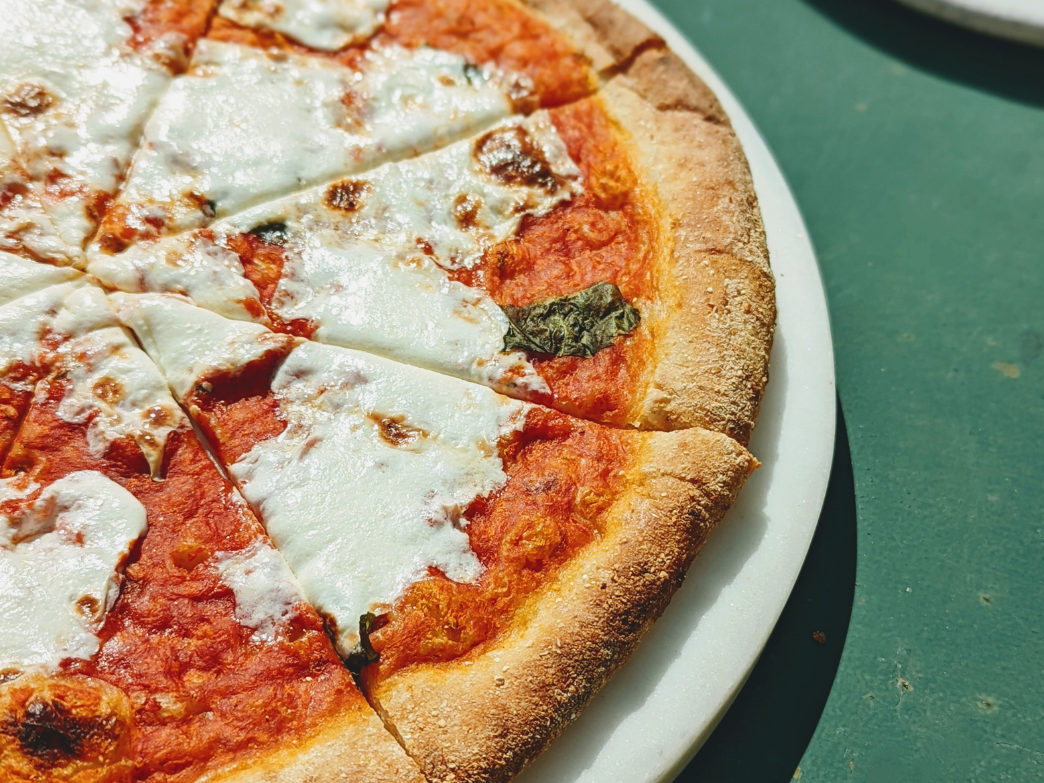
What's the Difference: Marinara Sauce vs. Pasta Sauce vs. Pizza Sauce vs. Tomato Sauce
By Lucy Yanckello, Ph.D. Wildgrain, opens in a new tab is the first bake-from-frozen subscription box for sourdough breads, fresh pastas, and artisanal pastries. Whether you are talking about pizza or pasta, most people agree that the sauce is a vital component. Although filled with mostly the same ingredients, there is a difference between pizza and pasta sauce – but can the two be interchanged? Read on to learn more about the differences between these sauces and how they compare to other tomato based sauces, too. What’s the difference between marinara sauce vs. pasta sauce vs. pizza sauce vs. tomato sauce? The names “marinara sauce” and “tomato sauce” are often used interchangeably – this is especially noticeable when looking at jars of sauce in the grocery store. However, although both are tomato-based, the similarities stop there. Marinara is a thinner and more simple sauce than tomato sauce, only needing about an hour to come together. The characteristic flavor comes from garlic, crushed red pepper, and herbs like basil and oregano. Plum tomatoes work best for this sauce, and if you are looking for a classic version, use San Marzano tomatoes – you can find these canned in your local grocery store. Tomato sauce, on the other hand, is a much more complex sauce that is thicker, richer, and takes hours to build the layers of flavor. The sauce starts with salt pork, or bacon, along with onions and carrots. These ingredients are followed by flour and butter to create a roux, or a way to thicken the sauce. Fresh tomatoes, bay leaves, garlic, and stock are added and the sauce is left to simmer for hours. Either of these sauces can be used as a base for a delicious pasta sauce. However, the difference between pasta and pizza sauce is that pizza sauce is uncooked. Is pizza sauce and pasta sauce the same thing? Can you substitute pizza for pasta sauce, or substitute pasta for pizza sauce? Pizza sauce and pasta sauce are not the same. Pizza sauce is an uncooked tomato sauce, while pasta sauce is cooked. The best pizza sauces are simple, consisting of just pureed tomatoes and simply seasoned with salt, pepper, and a few herbs. Pizza sauce is uncooked because once in the oven, it will cook. Leaving it uncooked prior to putting it in the oven will give you the characteristic zippy tomato flavor characteristic of pizza sauce. On the other hand, similar to marinara or tomato sauce, pasta sauce is cooked. The tomatoes are simmered with herbs such as oregano, basil, and bay leaves, giving it a richer and deeper flavor with a touch of sweetness. Often, tomatoes will be left chunky in pasta sauce and other ingredients such as meats and vegetables will be added. Because it is added to noodles that are already cooked, the sauce needs to have its flavor developed already. Pasta sauce can be used for pizza in a pinch. Be sure to blend it into a smooth puree if the tomatoes are left in pieces, and put it on the stove to thicken it, as pasta sauce is thinner than pizza sauce. Pizza sauce can also be used for pasta sauce if you are in need of a quick fix. Add the sauce and some water to a pan to thin the sauce out. You can then add your favorite ingredients to build your pasta dish. Is marinara sauce the same as pasta sauce? Can I substitute marinara for pasta sauce, or substitute pasta for marinara sauce? Marinara is a type of pasta sauce – and the one people are most familiar with due to its simplicity. It is distinguished from other pasta sauces by its small ingredient list and quick cook time. It is thin and not chunky, but rather homogenous in nature. Because marinara is a type of pasta sauce, it can be used for any pasta dish that calls for a tomato-based sauce, and other ingredients can be added to it as necessary. Is marinara sauce the same as tomato sauce? Can I substitute marinara for tomato sauce, or substitute tomato for marinara sauce? Marinara is not the same as tomato sauce. Even though both are tomato based, marinara is thin and cooks quickly, whereas tomato sauce is thick and takes hours for the flavors to develop. Although they are very different in flavor and texture, marinara and tomato sauce can be used interchangeably as they are both tomato based. If you are looking to convert a dish that calls for tomato sauce to be vegetarian-friendly, marinara is a great substitute. Is marinara sauce the same as pizza sauce? Can I substitute marinara for pizza sauce, or substitute pizza for marinara sauce? Marinara is not the same as pizza sauce because marinara is cooked and pizza sauce is not. Additionally, because it is cooked, marinara usually has a deeper flavor and is thinner than pizza sauce. Pizza sauce also has fewer spices and herbs than marinara. Although you can use pizza sauce on pasta as laid out above, because it isn’t cooked it is not the best option for a flavorful pasta sauce. On the other hand, marinara does make a good substitute for pizza sauce due to the simple nature of the ingredients within. What’s the best substitute for pasta sauce? The best substitute for pasta sauce is likely pizza sauce. Pizza sauce and marinara are both smooth and have a relatively small ingredient list. If you have pizza sauce on hand, you can throw it in a pot, add some ingredients to create a pasta sauce in a pinch. Can I substitute marinara sauce for crushed tomatoes? Marinara sauce is not a good substitute for crushed tomatoes. Crushed tomatoes usually still have skins and are chunky. Marinara sauce is pureed and smooth with no chunks. What’s the healthiest sauce: pasta sauce vs. pizza sauce vs. marinara sauce vs. tomato sauce? The healthiest sauce is pizza sauce as it has the shortest, simplest ingredient list. Pasta sauce, marinara, and tomato sauce are all cooked and have added ingredients such as meats, oils, and other add-ins. The uncooked nature of pizza sauce, just being tomato puree and spices, gives you the most bang for your buck calorie-wise. Where can I buy bake-from-home fresh pizza, pasta, and sauce online? At Wildgrain, we specialize in making high-quality, fresh breads and pastas that are delivered directly to your door. Wildgrain is the first bake-from-frozen delivery subscription service for breads, pastries, and fresh pastas. Some of our popular pastas include fresh fettuccine and fresh tonnarelli, along with our made-from-scratch Classic Marinara Sauce. We also have a delicious Margherita pizza. Learn more about Wildgrain and our artisanal baking and cooking methods. Best Home Delivery Service for Food: How Wildgrain's Food Delivery Works Wildgrain's products are prepared in independent, artisanal bakeries with high quality ingredients. They are shipped frozen in insulated boxes and delivered direct to your home, anywhere nationwide. By shipping frozen, Wildgrain products maintain the highest quality, so you can enjoy fresh food at home. That's why customers consider Wildgrain among the best home food delivery services. About the Author Lucy Yanckello received her Ph.D. in nutrition from the University of Kentucky College of Medicine. She currently works as a medical writer and enjoys being able to help people better understand nutrition and science. This content is for informational use only and does not replace professional nutrition and/or medical advice, diagnosis or treatment. It is not a substitute for and should not be relied upon for specific nutrition and/or medical recommendations. Please talk with your doctor about any questions or concerns.
Learn more What's the Difference: Marinara Sauce vs. Pasta Sauce vs. Pizza Sauce vs. Tomato Sauce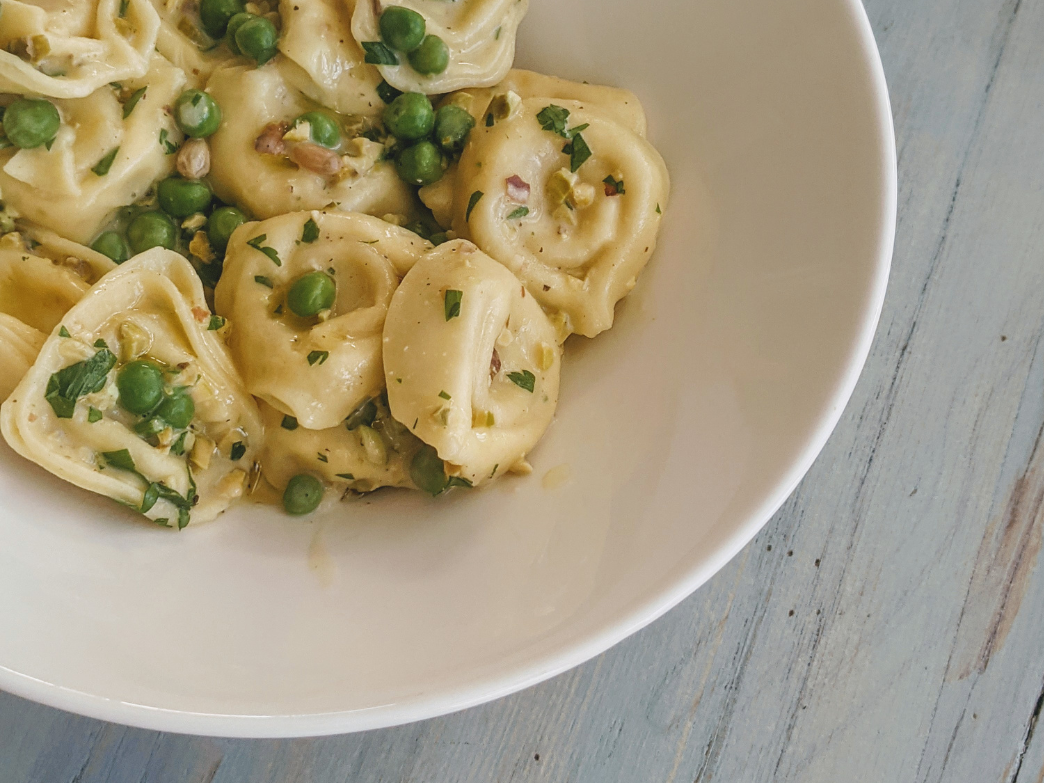
Best Gluten-Free Pasta: Is Gluten-Free Pasta Healthier?
By Lucy Yanckello, Ph.D. Wildgrain, opens in a new tab is the first bake-from-frozen subscription box for sourdough breads, fresh pastas, and artisanal pastries. Going gluten-free, whether for a gluten sensitivity, a gluten allergy, or personal preference, does not mean that you have to give up pasta. There are a multitude of gluten-free pasta options on the market made with a variety of non-wheat based flours. Continue reading to learn about the gluten-free pasta options on the market and their health implications. Is gluten-free pasta healthy? Is gluten-free pasta better for you than regular pasta? Similar to gluten-free bread, most gluten-free pasta lacks the protein, fiber, and micronutrient content of wheat-based pasta due to lack of flour fortification. However, there are now great gluten-free pasta options on the market, such as pastas made with chickpea flour, lentil flour, and edamame flour. These pastas are naturally gluten-free and contain two to three times as much protein and up to four times as much fiber as traditional wheat and gluten-free pastas. These alternatives also contain a lot of vitamins, with higher levels of calcium, iron, magnesium, phosphorus, and potassium than wheat-based or other gluten-free options. What’s the difference between gluten-free pasta vs. regular pasta nutrition? Strictly looking at wheat-based pasta compared to traditional gluten-free pasta made with corn and rice flour, wheat-based pasta has more nutritional benefits. Wheat-based pastaGo to fettuccine has lower calories, higher fiber and protein, and higher micronutrients, including iron, calcium, and B-vitamins. However looking at high protein gluten-free pastas, these options have higher protein, fiber, and micronutrients than regular wheat-based pastas. Is gluten-free pasta good for diabetics? The best pasta for diabetics is whole grain-based pasta. For example, gluten-free pasta made from lentils, chickpeas, and other beans are great options for those with diabetes as they are higher in fiber and protein and lower in carbohydrate content, meaning their glycemic index is lower. Glycemic index is a scale that ranks how quickly a food will raise blood sugar. Lower GI foods are better for those with diabetes as controlling blood sugar spikes is essential for those with the condition. Is gluten-free pasta easy to digest? Gluten-free pasta made from whole grains and other whole ingredients, such as chickpeas, black beans, edamame, and lentils, is higher in fiber and protein. This will aid in digestion compared to pasta that is strictly carbohydrate-based and does not contain as much fiber or protein. Fiber and protein are both able to slow digestion. Is gluten-free pasta low FODMAP? Gluten-free pasta can be considered low-FODMAP. FODMAP is an acronym for Fermentable Oligosaccharides, Disaccharides, Monosaccharides, and Polyols, which are types of carbohydrates that easily ferment in the digestive system. This causes uncomfortable symptoms such as bloating, pain, and flatulence. Gluten-free pastas made with low-FODMAP ingredients such as corn, quinoa, or chickpeas are good options. Is gluten-free pasta good for weight loss? Gluten-free pasta that is high in protein and fiber, such as chickpea-based pasta, will aid in weight loss. Eating foods high in protein and fiber will slow digestion, making you feel fuller for longer. This will help you stay in a caloric deficit, which is necessary to lose weight. Is gluten-free pasta low carb? Gluten-free pasta, even when made with high protein flours such as chickpea, edamame, or black beans, are not inherently low carb. As these ingredients are all carbohydrate-based, they will still contain similar, or higher, amounts of carbohydrates to wheat-based pasta. Gluten-free pasta alternatives, such as zucchini noodles or spaghetti squash, are a good option for those who don’t eat wheat but are looking for low carbohydrate options. Where can I buy the best gluten-free pasta online? At Wildgrain, we specialize in making high-quality, fresh baked goods that are delivered directly to your door. Wildgrain is the first bake-from-frozen delivery subscription service for fresh pasta, breads, and pastries. Our gluten-free pastas include Gluten-Free Fresh Linguine, Gluten-Free Fresh Shells, and Gluten-Free Cheese Tortellini. Learn more about Wildgrain and our artisanal baking and cooking methods. Best Pasta Home Delivery Service: How Wildgrain's Pasta Delivery Works Wildgrain's pastas are prepared in independent, artisanal bakeries with high quality ingredients. The pastas are shipped frozen in insulated boxes and delivered direct to your home, anywhere nationwide. By shipping frozen, Wildgrain products maintain the highest quality, so you can enjoy fresh pasta at home. That's why customers consider Wildgrain among the best home delivery services for pasta. About the Author Lucy Yanckello received her Ph.D. in nutrition from the University of Kentucky College of Medicine. She currently works as a medical writer and enjoys being able to help people better understand nutrition and science. This content is for informational use only and does not replace professional nutrition and/or medical advice, diagnosis or treatment. It is not a substitute for and should not be relied upon for specific nutrition and/or medical recommendations. Please talk with your doctor about any questions or concerns.
Learn more Best Gluten-Free Pasta: Is Gluten-Free Pasta Healthier?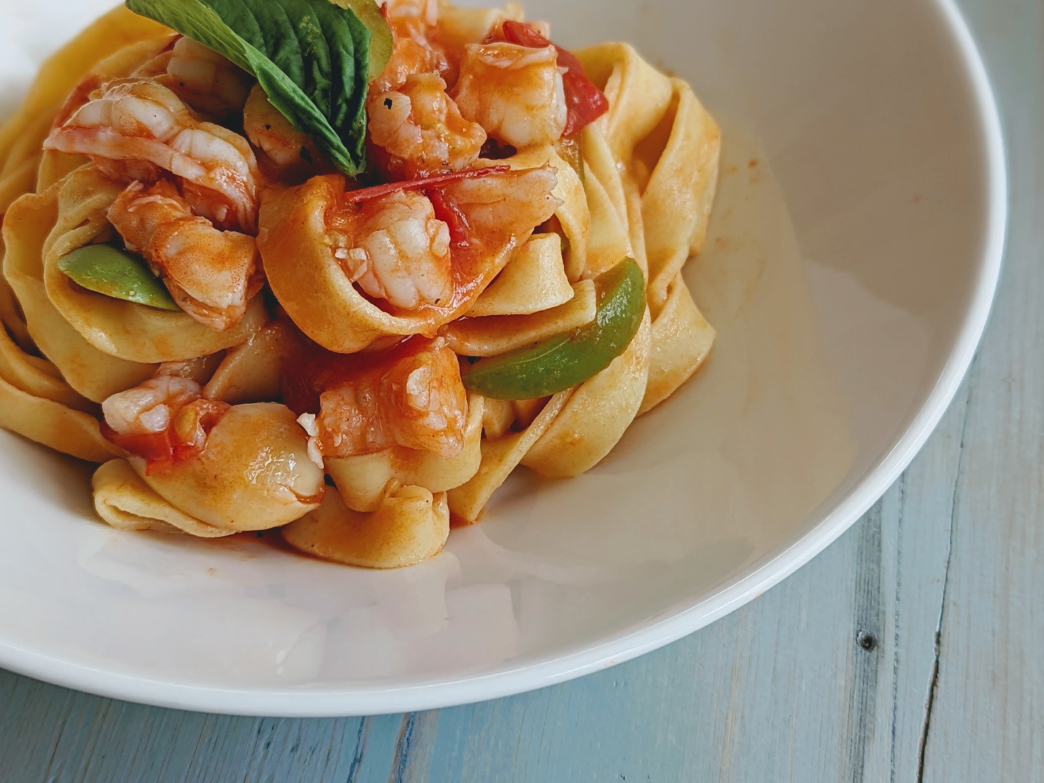
Best Pasta for Gluten Intolerance & Gluten Sensitivity
By Dr. Jorge, Ph.D. Wildgrain, opens in a new tab is the first bake-from-frozen subscription box for sourdough breads, fresh pastas, and artisanal pastries. Love pasta but worried about symptoms triggered by eating gluten? Fear not! There's a plethora of gluten-friendly pasta options waiting for you. From rice pasta to chickpea pasta, explore the world of delicious alternative pastas below. What is gluten-friendly pasta? Gluten-friendly pasta is pasta made with alternative flours (non-wheat flour) that are safe for those with gluten intolerance and gluten sensitivity. This type of pasta is typically made with plant-based ingredients such as rice, beans, and lentils, as well as other sources. Some popular gluten-friendly pasta options include brown rice pasta, chickpea pasta, quinoa pasta, and soybean pasta, among many others. Does pasta have gluten? What pasta has the lowest gluten? Yes, traditional pasta has gluten since it is made from wheat flour, which contains gluten. On the other hand, pasta made from non-wheat flour such as rice flour, corn flour, chickpea flour, quinoa flour, soybean flour, and any combination of these flours contains the lowest amount of gluten. In fact, these pastas are often almost or entirely free of gluten. Can you eat pasta with a gluten intolerance? Can you eat pasta with gluten sensitivity? You can still eat pasta if you have a gluten intolerance or gluten sensitivity. You will just want to steer clear of traditional pasta made with wheat flour or pasta that might be contaminated with wheat sources. Instead, look for pasta containing non-wheat ingredients like quinoa, edamame, chickpeas, rice, or corn. To be sure your chosen pasta is gluten-friendly, check for a gluten-free label on the packaging and check the label to see if the pasta is processed in a facility that produces other wheat products. Is whole wheat pasta better for gluten sensitivity? Is whole wheat pasta good for gluten intolerance? Whole wheat pasta is not better for those with gluten sensitivity or gluten intolerance, and it is generally not considered a gluten-friendly pasta option. This is due to the wheat flour used to make this whole wheat pasta. If you’re looking for a safe pasta option that won’t trigger symptoms related to gluten consumption, you should opt for pasta made from gluten-free sources. What pasta dishes are best for gluten intolerance? The best pasta dish for gluten intolerance contains minimal gluten or no gluten at all. This means using pasta made from non-wheat flour such as rice flour, corn flour, bean flour, or quinoa flour. For a hearty and balanced meal, add other gluten-friendly foods to your pasta like vegetables, chicken, and fish. In short, any pasta dish is safe for those with gluten intolerance as long as each component is free of gluten. What pasta sauces are best for gluten intolerance? Most traditional pasta sauces are safe for those with gluten intolerance. This includes tomato-based sauces (like marinara sauce), alfredo sauce, and pesto sauce. To ensure your favorite pasta sauce is gluten-friendly, you’ll want to make your sauce at home or double-check the sauce jar’s packaging for wheat-containing ingredients. Does cooking pasta reduce gluten? Can you remove gluten from pasta? The process of cooking pasta in boiling water might reduce its gluten content. One study found that most of the gluten in traditional pasta leaks into the boiling water while cooking. This might suggest that cooked pasta is a safe option for those with gluten intolerance or gluten sensitivity. What is the best pasta for gluten intolerance? The best pasta for gluten intolerance is one that contains minimal wheat content or is gluten-free. Luckily, gluten-friendly pasta options are abundant. Cauliflower pasta, lentil pasta, edamame pasta, spinach pasta, and rice pasta are just some of the many types of pasta that are well tolerated by those with gluten intolerance or gluten sensitivity. In general, pasta is one of the most diverse and flexible types of food that can be made with a large variety of gluten-friendly ingredients. Where can I buy the best pasta for gluten intolerance online? At Wildgrain, we specialize in making high-quality, fresh baked goods that are delivered directly to your door. Wildgrain is the first bake-from-frozen delivery subscription service for fresh pasta, breads, and pastries. Our gluten-free pastas include Gluten-Free Fresh Linguine, Gluten-Free Fresh Shells, and Gluten-Free Cheese Tortellini. Learn more about Wildgrain and our artisanal baking and cooking methods. Best Pasta Home Delivery Service: How Wildgrain's Pasta Delivery Works Wildgrain's pastas are prepared in independent, artisanal bakeries with high quality ingredients. The pastas are shipped frozen in insulated boxes and delivered direct to your home, anywhere nationwide. By shipping frozen, Wildgrain products maintain the highest quality, so you can enjoy fresh pasta at home. That's why customers consider Wildgrain among the best home delivery services for pasta. About the Author Dr. Jorge has been a public health researcher for many years, holding both a Bachelor's degree and a Ph.D. in Chemistry. They presently work as a medical writer and love being able to assist others in understanding various health and scientific topics. This content is for informational use only and does not replace professional nutrition and/or medical advice, diagnosis or treatment. It is not a substitute for and should not be relied upon for specific nutrition and/or medical recommendations. Please talk with your doctor about any questions or concerns.
Learn more Best Pasta for Gluten Intolerance & Gluten Sensitivity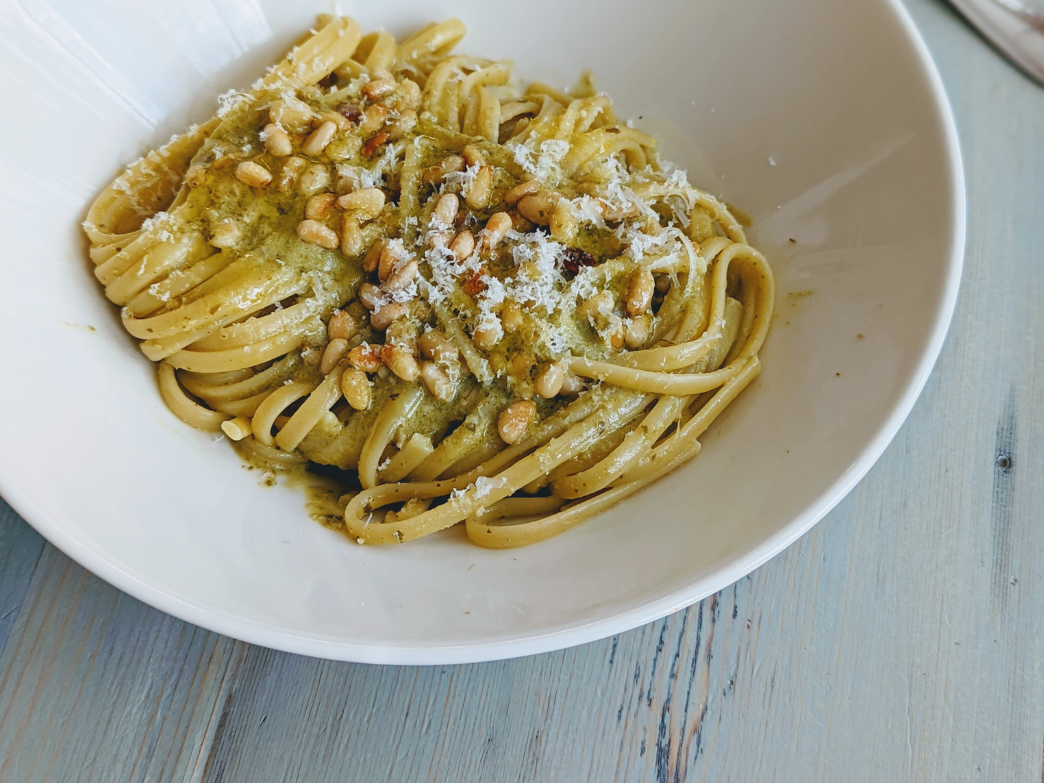
Best Pasta for Acid Reflux & Heartburn
By Dr. Jorge, Ph.D. Wildgrain, opens in a new tab is the first bake-from-frozen subscription box for sourdough breads, fresh pastas, and artisanal pastries. Are you craving pasta but worried it will trigger acid reflux or heartburn? For many, the fear of digestive discomfort is reason enough to avoid eating foods they love, like pasta. Fortunately, plenty of delicious pasta dishes are gentle on the stomach. Keep reading to explore the best types of pasta and sauces that will satisfy your cravings while keeping acid reflux and heartburn at bay. Does eating pasta cause acid reflux and heartburn? Why does pasta give me acid reflux? On its own, pasta doesn’t necessarily cause acid reflux and heartburn, but you might still experience symptoms after eating pasta due to sauce, cheese, and other toppings. Certain pasta sauces, such as those with a tomato or cream base, can cause heartburn in people predisposed to it. Similarly, spices, garlic, and high-fat ingredients, like cheese, are often included in pasta dishes and can contribute to acid reflux and heartburn. Ingredients that are acidic, spicy, or high in fat can irritate your stomach and esophagus, leading to acid reflux and heartburn. What is the best pasta for heartburn? Is pasta good for acid reflux? While pasta in and of itself usually doesn’t cause heartburn, white pasta made from refined grains is more likely to lead to uncomfortable digestion symptoms. Instead, opting for high-fiber foods, such as those made with whole grains, which can improve digestion and might lower the chances of developing heartburn and acid reflux. This means whole wheat or whole grain pasta is the best for those with heartburn and acid reflux. What can I put in my pasta sauce to stop heartburn? A common culprit of heartburn is the acidic tomatoes used to make your favorite pasta sauces like marinara sauce and vodka sauce. To try to prevent heartburn caused by tomato-based sauces, a pinch of baking soda can be added to the sauce. This works because the alkaline nature of baking soda can balance out the acidity of the tomatoes. If you try this trick, you should wait to add salt until after adding baking soda to the sauce, because the reaction between the baking soda and the acid from the tomatoes will form salt. Can GERD patients eat pasta? What are the best pasta and pasta dishes for GERD? Those with gastroesophageal reflux disease, or GERD, can absolutely eat pasta. However, high-fiber pasta such as whole wheat pasta should be prioritized, since high-fiber foods are known to decrease symptoms of GERD. Those with GERD should avoid acidic and creamy pasta sauces like tomato and carbonara sauce. Instead, you can pair whole-grain pasta with a roasted red pepper or spinach pesto sauce. How can I eat spaghetti without acid reflux or heartburn? How can I eat pasta without acid reflux or heartburn? You might be able to eat spaghetti without experiencing acid reflux and heartburn if you replace white spaghetti with spaghetti made from whole grains and avoid adding toppings that are high in fat, spices, and acidity. You should also carefully choose the pasta sauce you pair with your spaghetti to reduce acid reflux and heartburn symptoms. This means reaching for an oil-based sauce instead of marinara or another sauce heavy in tomatoes. What pasta sauce is OK for heartburn and acid reflux? Can I eat spaghetti sauce with acid reflux? Pasta sauces with minimal acidity and fat are OK for those with heartburn and acid reflux. This can include sauces with an oil base (like pesto) sauces made with roasted red peppers as a tomato sauce substitute, or sauces made with other vegetables like pumpkin. You can eat spaghetti sauce with acid reflux, but limiting your intake of tomato-based sauces is recommended. You can also add a pinch of baking soda to counteract the acidity of the tomatoes. This should reduce the severity of your acid reflux and heartburn. Is Alfredo pasta OK for heartburn? What can I eat instead of Alfredo pasta for acid reflux? Creamy sauces are generally not recommended if you suffer from heartburn. This is because high-fat foods, like alfredo sauce, can delay digestion by sitting in your stomach. This can then cause stomach acid to back up into the esophagus after consumption, leading to acid reflux and heartburn. Instead of a creamy sauce, you can opt for a pesto sauce (without garlic) or another oil-based pasta sauce. What are better pasta dishes for heartburn and acid reflux? The best pasta dishes for heartburn and acid reflux include those with minimal spices, low to no acidity, and lots of fiber and vegetables. Limiting certain ingredients frequently found in pasta dishes, such as cheese, garlic, and tomatoes, is crucial as these can exacerbate acid reflux and heartburn. Try swapping white pasta out for whole wheat pasta, replacing marinara sauce with a roasted red pepper sauce, and adding your favorite vegetable to avoid acid reflux and heartburn. Where can I buy healthy pasta and pasta sauce online? At Wildgrain, we specialize in making high-quality, fresh breads that are delivered directly to your door. Wildgrain is the first bake-from-frozen delivery subscription service for breads, rolls, pastries, and fresh pastas. Some of our popular pastas include Fresh Fettuccine, Fresh Rigatoni, and Fresh Tonnarelli. We also make homemade Classic Marinara Sauce. Learn more about Wildgrain and our artisanal baking and cooking methods. Best Pasta Home Delivery Service: How Wildgrain's Pasta Delivery Works Wildgrain's pastas are prepared in independent, artisanal bakeries with high quality ingredients. The pastas are shipped frozen in insulated boxes and delivered direct to your home, anywhere nationwide. By shipping frozen, Wildgrain products maintain the highest quality, so you can enjoy fresh pasta at home. That's why customers consider Wildgrain among the best home delivery services for pasta. About the Author Dr. Jorge has been a public health researcher for many years, holding both a Bachelor's degree and a Ph.D. in Chemistry. They presently work as a medical writer and love being able to assist others in understanding various health and scientific topics. This content is for informational use only and does not replace professional nutrition and/or medical advice, diagnosis or treatment. It is not a substitute for and should not be relied upon for specific nutrition and/or medical recommendations. Please talk with your doctor about any questions or concerns.
Learn more Best Pasta for Acid Reflux & Heartburn