

Wildgrain Blog
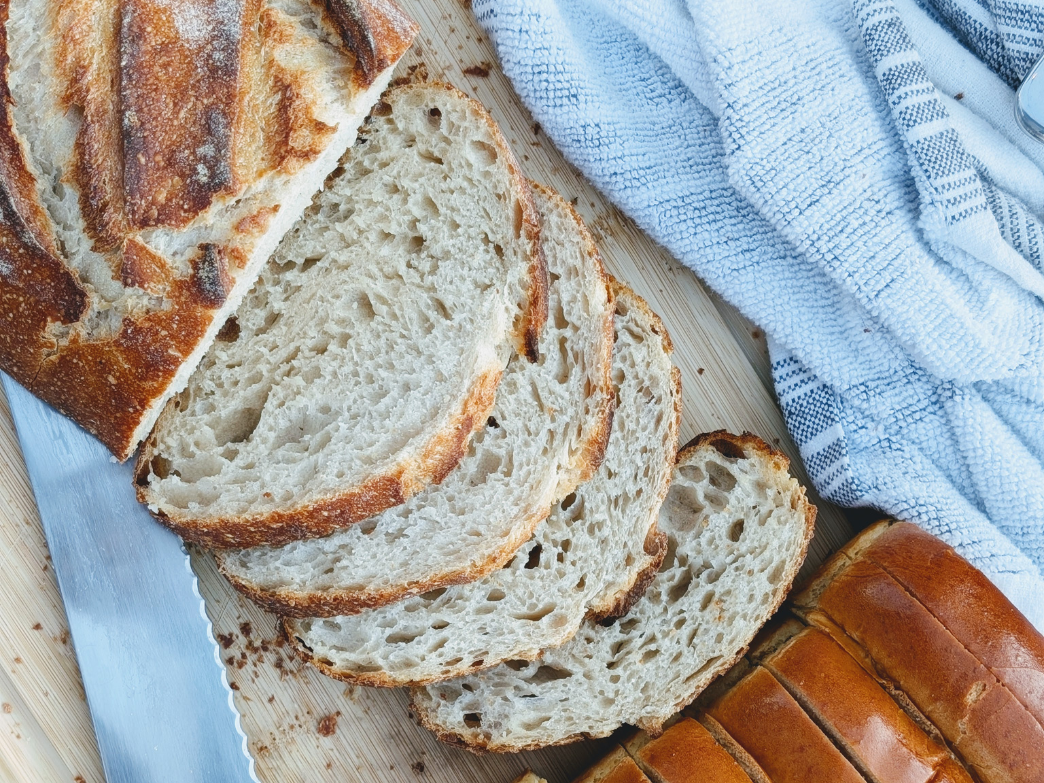
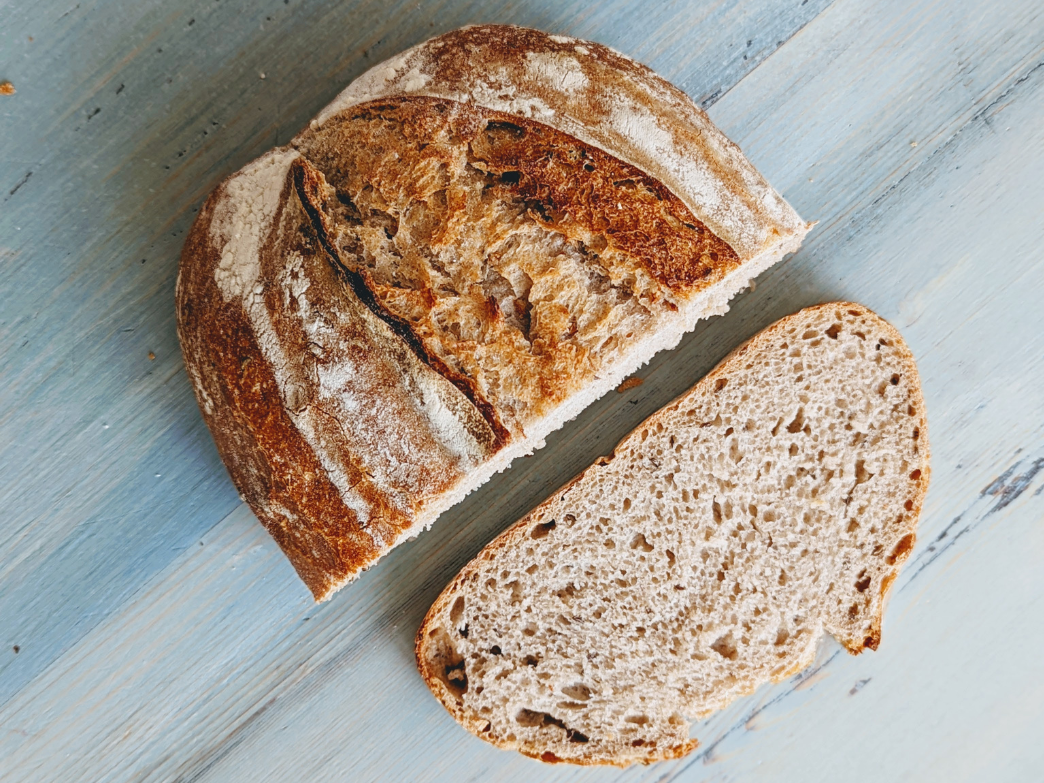
Best Bread for Egg Allergy
By Dr. Jorge, Ph.D. Wildgrain, opens in a new tab is the first bake-from-frozen subscription box for sourdough breads, fresh pastas, and artisanal pastries. If you’re following an egg-free diet and wondering if you can still enjoy your favorite bread, the answer is likely yes! Many types of bread are naturally egg-free, but it’s important to know which ones to choose and which to steer clear of. Read on to discover which types of bread are egg-free—and which ones to avoid—so you can enjoy your meals with peace of mind. Can I eat bread on an egg-free diet? Can I eat bread with an egg allergy? Yes, you can absolutely eat bread on an egg-free diet. In fact, most bread does not contain eggs! However, if you have an egg allergy, be sure to avoid bread that lists eggs or egg albumin as an ingredient. That being said, some types of bread that are not safe for those with an egg allergy include brioche and challah bread. Does all bread contain eggs? What bread doesn’t have eggs? No, not all bread contains eggs. In fact, most bread is made with just flour, water, yeast, and salt. If you’re looking for egg-free bread options, you can enjoy delicious breads like sourdough bread, baguette bread, ciabatta bread, focaccia, and French bread. Even standard white or whole wheat sandwich bread is usually safe for those with an egg allergy. Can you eat bagels with an egg allergy? Are bagels vegan? For the most part, bagels are safe for those with an egg allergy. Traditional bagels are made with flour, water, salt, yeast, and a sweetener—ingredients that are all egg-free. However, some bakers may use an egg wash to give their bagels a shiny appearance, so it’s always a good idea to double-check the ingredient list just to be sure. Is sourdough bread egg-free? Can I eat sourdough bread with an egg allergy? Sourdough bread is egg-free. Traditionally, sourdough bread is made from sourdough starter, flour, water, and salt. Since sourdough bread is made through a natural fermentation process, it doesn't require eggs or egg-based ingredients, making it a reliable option for individuals with egg allergies. However, it’s always a good idea to check labels on store-bought sourdough, as some varieties may contain added ingredients. Is whole wheat bread egg-free? Can I eat whole wheat bread with an egg allergy? Whole wheat bread is typically egg-free and safe for those with an egg allergy. Like most other breads, it’s usually made with simple, egg-free ingredients. The exception to this is brioche whole wheat bread, which does contain eggs. To easily identify a bread made with eggs, look for a shiny appearance. You can also double-check the packaging or ask the bakery if the bread contains eggs or may have been contaminated with them. Is white bread egg-free? Can I eat white bread with an egg allergy? Similar to whole wheat bread, white bread is usually egg-free. This includes regular sandwich bread, sourdough bread, ciabatta bread, and baguette bread, among others. White bread that is not safe for those with an egg allergy includes challah bread, brioche bread, Easter egg bread, and some biscuits. Can people with egg allergies eat baked goods? People with egg allergies can usually tolerate baked goods. About 70% to 80% of individuals with egg allergies can safely consume eggs that have been thoroughly baked. Eggs baked at 350°F for 30 minutes or more may be safe for those with egg allergies. As a result, pastries, cakes, and breads baked at this temperature and for this time might be suitable for those with an egg allergy. However, if you're uncertain about whether consuming baked eggs will trigger a reaction, it's best to avoid them. What’s the best egg-free bread? What’s the best bread for egg allergy? The best bread for an egg allergy is any bread that doesn't contain eggs. Fortunately, most breads fall into this category, so the best option is whichever one you enjoy most! This includes standard white or whole wheat sandwich bread, rye bread, sourdough bread, and ciabatta. When choosing an egg-free bread, always check the product's packaging to ensure it doesn't contain eggs and be mindful that a shiny surface may indicate an egg wash was used on the bread. Where can I buy the best egg-free breads online? At Wildgrain, we specialize in making high-quality, fresh breads that are delivered directly to your door. Wildgrain is the first bake-from-frozen delivery subscription service for breads, rolls, pastries, and fresh pastas. Some of our popular egg-free breads include plain sourdough loaf, sourdough rye loaf, and sourdough whole wheat loaf. We are proud to offer healthy breads, made with non-GMO flour and without added sugar or preservatives. Learn more about Wildgrain story page and our artisanal baking and cooking methods. Best Bread Home Delivery Service: How Wildgrain's Bread Delivery Works Wildgrain's breads are prepared in independent, artisanal bakeries with high quality ingredients. The breads are shipped frozen in insulated boxes and delivered direct to your home, anywhere nationwide. By shipping frozen, Wildgrain products maintain the highest quality, so you can enjoy fresh baked breads at home. That's why customers consider Wildgrain among the best home delivery services for bread. About the Author Dr. Jorge has been a public health researcher for many years, holding both a Bachelor's degree and a Ph.D. in Chemistry. They presently work as a medical writer and love being able to assist others in understanding various health and scientific topics. This content is for informational use only and does not replace professional nutrition and/or medical advice, diagnosis or treatment. It is not a substitute for and should not be relied upon for specific nutrition and/or medical recommendations. Please talk with your doctor about any questions or concerns.
Learn more Best Bread for Egg Allergy
What's Better: Artisan Bread vs. Store-Bought Bread vs. Homemade Bread
By Dr. Jorge, Ph.D. Wildgrain, opens in a new tab is the first bake-from-frozen subscription box for sourdough breads, fresh pastas, and artisanal pastries. Artisan bread has become increasingly popular, whether you’re picking it up at your local farmer’s market, grocery store, or experimenting with homemade recipes. With this rise in popularity, you might be wondering how artisan bread stacks up against store-bought options. In this article, we’ll break down the key differences between artisan bread, homemade bread, and store-bought bread to help you choose the best option for your needs! What is artisan bread? How is artisan bread different from store-bought bread and homemade bread? Artisan bread refers to bread made using traditional methods, typically crafted by hand through a longer, more deliberate process. It is usually made from basic, high-quality ingredients such as flour, water, salt, and yeast, with no chemical additives. In contrast, store-bought bread is often mass-produced in factories, containing a long list of ingredients, many of which are additives. Homemade bread can be considered artisan if it is thoughtfully crafted using traditional techniques and minimal, high-quality ingredients. What’s better: artisan bread vs. store-bought bread vs. homemade bread? Artisan bread and homemade bread are usually better than store-bought options. Artisan bread - sourdough rye bread is made with high-quality ingredients and traditional methods, resulting in richer flavor and less processing. Similarly, homemade bread is fresher than store-bought bread, can be made without additives or preservatives, and allows for more control over ingredient quality. Store-bought bread is often mass-produced with added sugars, preservatives, and artificial ingredients to extend shelf life. While convenient, store-bought bread tends to be less flavorful and more processed. In contrast, both artisan bread and homemade bread offer better taste, quality, and nutritional value compared to store-bought bread. Is artisan bread healthy to eat? Is artisan bread healthier than regular bread? Yes, artisan bread can be healthy and is often healthier than other types of bread. Artisanal bread is typically made with whole grains and organic flour, making it a rich source of nutrients. Sourdough bread, a popular type of artisan bread, also contains natural probiotics that promote gut health. Additionally, artisan bread is free from artificial additives and added sugars. In contrast, store-bought regular bread is usually made with refined flour, which is less nutritious, and often contains a long list of additives. Is artisan bread processed? Is homemade bread still considered processed? Artisan bread is technically a processed food because it is made by transforming raw ingredients, like flour, into a finished product. However, artisan bread is considered to be minimally processed. This is because artisan bread is made using traditional methods and simple ingredients. Similarly, homemade bread also qualifies as a minimally processed food. This is in contrast to store-bought bread, which falls into the processed or ultra-processed food category, as it often contains chemical additives and is made from refined flour. Which bread is the least processed: artisan bread vs. store-bought bread vs. homemade bread? Artisan bread and homemade bread are the least processed types of bread compared to store-bought bread. Both artisan bread and homemade bread are often made by hand and with a short list of high-quality ingredients that do not include preservatives or additives. However, this might not be the case for commercially produced artisan bread found in stores. When in doubt, be sure to check the package’s ingredient list. Is artisan bread good for weight loss? Is homemade bread good for weight loss? Artisan bread and homemade bread might be good for weight loss, depending on the ingredients and methods used. Bread - sourdough whole wheat bread made with whole grains typically has higher fiber content, which can help you feel fuller for longer and potentially support weight loss. The longer fermentation process used in breads like sourdough bread can also improve digestibility. While the ingredients and method used to make bread can aid weight loss, portion size is one of the most important factors to consider when deciding how bread fits into your weight loss journey. Where can I buy artisan bread online? At Wildgrain, we specialize in making high-quality, fresh breads that are delivered directly to your door. Wildgrain is the first bake-from-frozen delivery subscription service for breads, rolls, pastries, and fresh pastas. Some of our popular breads include plain sourdough loaf and rye sourdough loaf. Learn more about Wildgrain and our artisanal baking and cooking methods. Best Bread Home Delivery Service: How Wildgrain's Bread Delivery Works Wildgrain's breads are prepared in independent, artisanal bakeries with high quality ingredients. The breads are shipped frozen in insulated boxes and delivered direct to your home, anywhere nationwide. By shipping frozen, Wildgrain products maintain the highest quality, so you can enjoy fresh baked breads at home. That's why customers consider Wildgrain among the best home delivery services for bread. About the Author Dr. Jorge has been a public health researcher for many years, holding both a Bachelor's degree and a Ph.D. in Chemistry. They presently work as a medical writer and love being able to assist others in understanding various health and scientific topics. This content is for informational use only and does not replace professional nutrition and/or medical advice, diagnosis or treatment. It is not a substitute for and should not be relied upon for specific nutrition and/or medical recommendations. Please talk with your doctor about any questions or concerns.
Learn more What's Better: Artisan Bread vs. Store-Bought Bread vs. Homemade Bread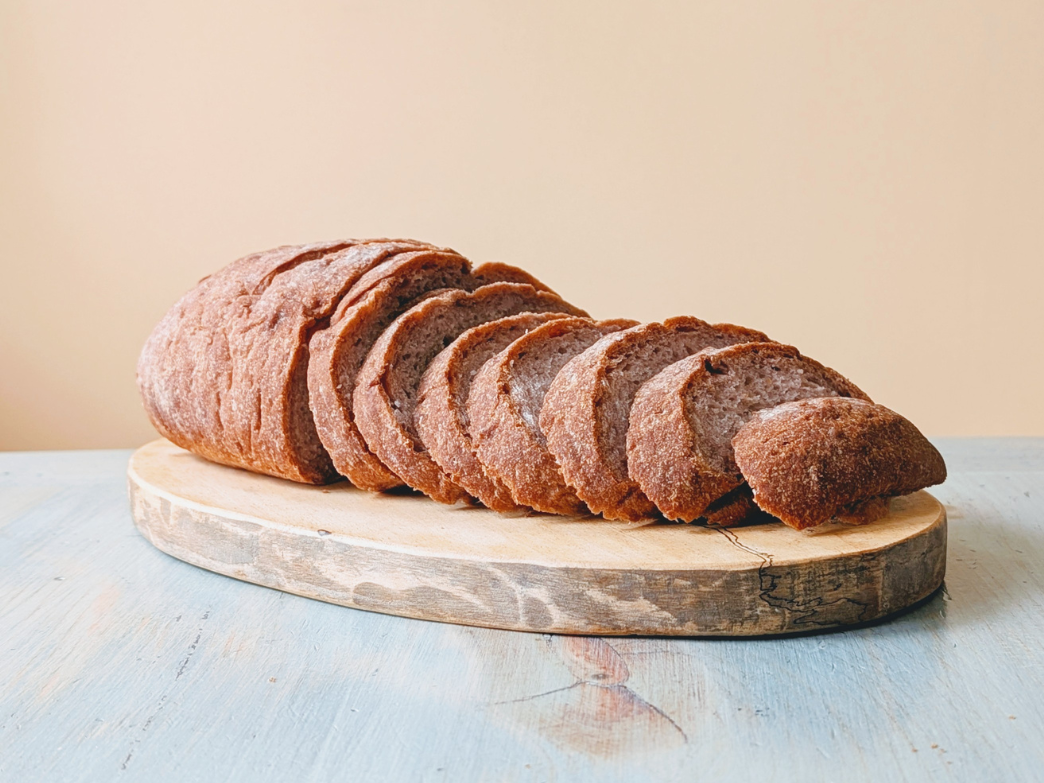
Best Bread for Wheat Intolerance and Wheat Allergy
By Lucy Yanckello, Ph.D. Wildgrain, opens in a new tab is the first bake-from-frozen subscription box for sourdough breads, fresh pastas, and artisanal pastries. Bread is a staple in many diets worldwide. Traditionally made from wheat-flour, this puts bread off limits for those with wheat allergies and wheat intolerances. Whether allergic or mildly sensitive, avoiding wheat does not mean you have to give up on bread. The growing awareness of dietary restrictions has spurred innovation, creating delicious wheat-free breads made from alternative grains. What is the difference between wheat allergy vs. wheat intolerance? With wheat allergy, a person's immune system mistakenly identifies proteins in wheat as harmful. This causes allergic symptoms ranging from mild (e.g. hives, itching) to severe (e.g. anaphylaxis). Management requires strict avoidance of wheat, and those with a wheat allergy need to carry emergency medication such as an Epi-Pen for accidental exposure. On the other hand, wheat intolerance does not involve the immune system. Wheat intolerance causes gastrointestinal discomfort, which might be due to the body not being able to properly digest certain components of wheat. Symptoms typically are much less severe than an allergic reaction and include bloating, abdominal pain, and diarrhea. Management includes dietary modifications to reduce or eliminate wheat intake. What kind of bread doesn’t have wheat? Bread that does not contain wheat is made from alternative grains such as oat flour, millet flour, and other bread labeled ‘gluten-free’ that are made with a mixture of alternative grains. Gluten-free breads are crafted with flours made from rice, corn, almond, and other gluten-free sources. For individuals with a wheat allergy or wheat intolerance it is essential to avoid wheat as to not have an allergic reaction, or uncomfortable gastrointestinal symptoms. What bread can I eat with a wheat allergy? Is there any bread I can eat if I’m allergic to wheat? When making a bread selection with a wheat allergy, it is always important to read the ingredient label carefully. Be sure there are no wheat or wheat-derived components. It is also important to be aware of the potential of cross-contamination during processing. Products labeled ‘gluten-free’ or ‘wheat-free’ can help to provide an extra layer of assurance. There is bread that does not contain wheat that those with a wheat allergy can consume. This bread is made from alternative grains such as oat, millet, rice, corn, almond, and other gluten-free sources. What bread can I eat with a wheat intolerance? Similar to a wheat allergy, it is best to avoid wheat altogether so as to not cause adverse reactions. Breads made from alternative grains such as oat, millet, rice, corn, almond, and other gluten-free sources are great options for those with a wheat intolerance. Be sure to read ingredient labels to avoid wheat and cross-contamination with wheat. What is the best flour for wheat allergy? Which flour has no wheat? The best flour for a wheat allergy is one with no wheat. There are lots of options for this, including oat, rice, corn, almond, coconut, and chickpea. Although there are many options, it is important to note that when substituting these flours for wheat flour in a recipe, properties affecting texture and moisture will all be different. Due to this fact, combining multiple gluten-free flours often yields better results. Is sourdough bread ok for wheat allergy? Can sourdough be wheat-free? Sourdough bread is typically made from wheat flour, so it is not suitable to eat for those with a wheat allergy. Due to the fermentation process in sourdough bread, there may be reduced gluten content, but this does not eliminate the wheat proteins that cause allergic reactions in those with a wheat allergy. Sourdough can be made wheat free by substituting wheat flour with wheat-free alternatives, such as with Wildgrain’s gluten-free sourdough loaf. Can I eat rye bread if I’m allergic to wheat? Is all rye bread wheat-free? Traditionally, rye bread is made with both rye flour and wheat flour. As such, if you are allergic to wheat you should avoid rye-bread unless it is labeled ‘gluten-free’ or ‘wheat-free’. When you are selecting or preparing rye bread options, be sure to carefully read the ingredient label. Is pumpernickel bread wheat-free? Can I eat pumpernickel bread if I have a wheat allergy? Pumpernickel bread is typically made from rye flour, however, to improve texture and rise many modern recipes include wheat flour. It is vital to read the ingredients when searching for pumpernickel bread to be sure there is no wheat. It is also crucial to be sure there is no cross-contamination with wheat. Does white bread contain wheat? Can you eat white bread if you have a wheat allergy? White bread is primarily made from refined wheat flour, which means the bran and germ are removed, giving the bread a lighter texture and color. Consuming white bread with a wheat allergy is not recommended as it can trigger an allergic reaction. Stick to alternative flour options and be sure to always read the ingredient labels to avoid wheat. What bread is best for wheat intolerance? Which bread is best for wheat allergy? The best bread for a wheat intolerance or wheat allergy is one that does not contain wheat that you enjoy eating. Alternative bread options include those made from millet flour, oat flour, or other gluten-free flour blends. In order to be fully sure there is no wheat in a product, read the ingredient label carefully and look for products labeled ‘gluten-free’ or ‘wheat-free’ for an extra layer of security. There are also great wheat-free ship-to-your-door options from companies such as Wildgrain including Gluten-Free Sourdough Loaf, Gluten-Free Country Loaf, and Gluten-Free Slow-Fermented Seeded Loaf. Where can I buy the best wheat-free breads online? At Wildgrain, we specialize in making high-quality, fresh breads that are delivered directly to your door. Wildgrain is the first bake-from-frozen delivery subscription service for breads, rolls, pastries, and fresh pastas. Some of our popular wheat-free breads include Gluten-Free Sourdough Loaf, Gluten-Free Country Loaf, and Gluten-Free Slow-Fermented Seeded Loaf. We are proud to offer healthy breads, made with non-GMO flour and without added sugar or preservatives. Learn more about Wildgrain and our artisanal baking and cooking methods. Best Bread Home Delivery Service: How Wildgrain's Bread Delivery Works Wildgrain's breads are prepared in independent, artisanal bakeries with high quality ingredients. The breads are shipped frozen in insulated boxes and delivered direct to your home, anywhere nationwide. By shipping frozen, Wildgrain products maintain the highest quality, so you can enjoy fresh baked breads at home. That's why customers consider Wildgrain among the best home delivery services for bread. About the Author Lucy Yanckello received her Ph.D. in nutrition from the University of Kentucky College of Medicine. She currently works as a medical writer and enjoys being able to help people better understand nutrition and science. This content is for informational use only and does not replace professional nutrition and/or medical advice, diagnosis or treatment. It is not a substitute for and should not be relied upon for specific nutrition and/or medical recommendations. Please talk with your doctor about any questions or concerns.
Learn more Best Bread for Wheat Intolerance and Wheat Allergy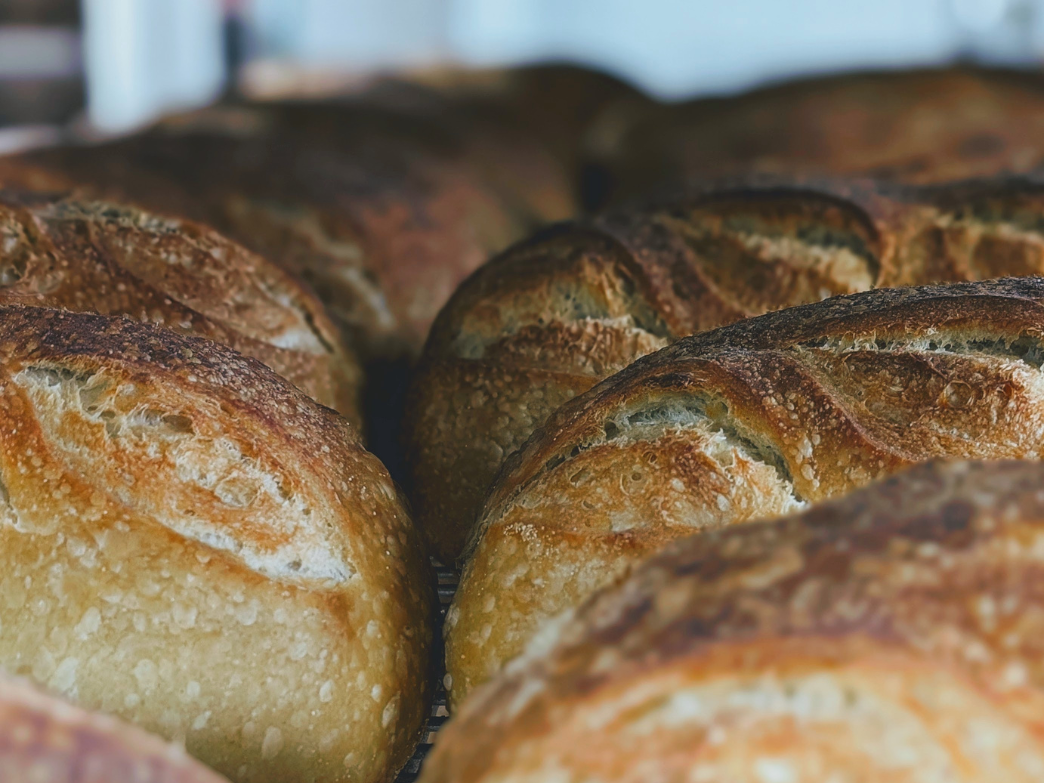
Best Bread for Lactose Intolerance and Lactose-Free
By Dr. Jorge, Ph.D. Wildgrain, opens in a new tab is the first bake-from-frozen subscription box for sourdough breads, fresh pastas, and artisanal pastries. If you're lactose intolerant and wondering how it affects your bread choices, we've got you covered! In this article, we'll help you navigate the world of lactose-free bread so that you can get back to enjoying bread. Is lactose-free the same as dairy-free? Lactose-free is not the same as dairy-free. While many dairy-free products are also lactose-free, this is not always the case. Dairy-free products must not contain any animal milk or ingredients derived from milk, but they could still contain trace amounts of lactose if processed in a facility that handles dairy. In contrast, lactose-free products can still be dairy-based, as lactose is simply removed from milk to create lactose-free dairy products. Can you eat bread if you are lactose intolerant? What type of bread is lactose-free? Yes, you can eat bread if you're lactose intolerant. Most breads are naturally lactose-free, including sourdough bread, baguettes, rye bread, and whole wheat bread. Some white bread varieties can also be lactose-free. However, it's important to check the ingredient list to be sure, as some processed breads, like certain sandwich breads, may contain dry milk, which does contain lactose. Can you eat sourdough bread if you are lactose intolerant? Is sourdough bread lactose-free? Yes, you can eat sourdough bread if you're lactose intolerant. Traditional sourdough bread is made only from a sourdough starter, flour, water, and salt, making it naturally lactose-free. However, some bakers may add milk to sourdough to enhance texture or softness, so it's always a good idea to check the label before buying a loaf of sourdough. Does white bread contain lactose? Can you eat white bread if you are lactose intolerant? Like most other breads, white bread typically doesn't contain lactose, making it generally safe for those with lactose intolerance. However, some white bread varieties may contain lactose in the form of whey, casein, or dry milk. Always check the label for any dairy or milk derivatives to be sure. Can lactose-intolerant people eat wheat bread? Is wheat bread lactose-free? Wheat bread is generally safe for people with lactose intolerance. Like white and sourdough bread, most wheat bread is lactose-free, though some processed versions may contain lactose. To avoid lactose, always check the ingredient list, especially for store-bought varieties. Is gluten-free bread good for lactose intolerance? Is gluten-free flour lactose-free? Gluten-free bread is not necessarily good for those with lactose intolerance. While gluten-free flour is typically lactose-free, some gluten-free breads may still contain dairy ingredients. Although many gluten-free breads are also lactose-free, it's important to check the label to ensure they don't contain milk or other dairy products. What bread is best for lactose intolerance? What is the best bread for gluten and lactose intolerance? The best bread for lactose intolerance is any that doesn’t contain dairy or milk derivatives. While most breads are naturally lactose-free, they can still be susceptible to cross-contamination in factories, and some manufacturers may add milk derivatives like dry milk, casein, or whey. Traditionally made sourdough bread is an excellent option for those with both lactose and gluten intolerance. Sourdough bread is easier to digest than many other breads and is often a safe choice for individuals with gluten sensitivity or intolerance. Can I eat butter with lactose intolerance? What kind of butter is lactose-free? You can generally eat butter if you have lactose intolerance. Butter is often well-tolerated because it contains only trace amounts of lactose. For a completely lactose-free option, look for vegan butter made from plant-based oils. You can also check the ingredient list for lactase enzyme, which indicates the lactose has been removed. Where can I buy the best lactose-free breads online? At Wildgrain, we specialize in making high-quality, fresh breads that are delivered directly to your door. Wildgrain is the first bake-from-frozen delivery subscription service for breads, rolls, pastries, and fresh pastas. Some of our popular lactose-free breads include plain sourdough loaf, sourdough rye loaf, and sourdough whole wheat loaf. We are proud to offer healthy breads, made with non-GMO flour and without added sugar or preservatives. Learn more about Wildgrain and our artisanal baking and cooking methods. Best Bread Home Delivery Service: How Wildgrain's Bread Delivery Works Wildgrain's breads are prepared in independent, artisanal bakeries with high quality ingredients. The breads are shipped frozen in insulated boxes and delivered direct to your home, anywhere nationwide. By shipping frozen, Wildgrain products maintain the highest quality, so you can enjoy fresh baked breads at home. That's why customers consider Wildgrain among the best home delivery services for bread. About the Author Dr. Jorge has been a public health researcher for many years, holding both a Bachelor's degree and a Ph.D. in Chemistry. They presently work as a medical writer and love being able to assist others in understanding various health and scientific topics. This content is for informational use only and does not replace professional nutrition and/or medical advice, diagnosis or treatment. It is not a substitute for and should not be relied upon for specific nutrition and/or medical recommendations. Please talk with your doctor about any questions or concerns.
Learn more Best Bread for Lactose Intolerance and Lactose-Free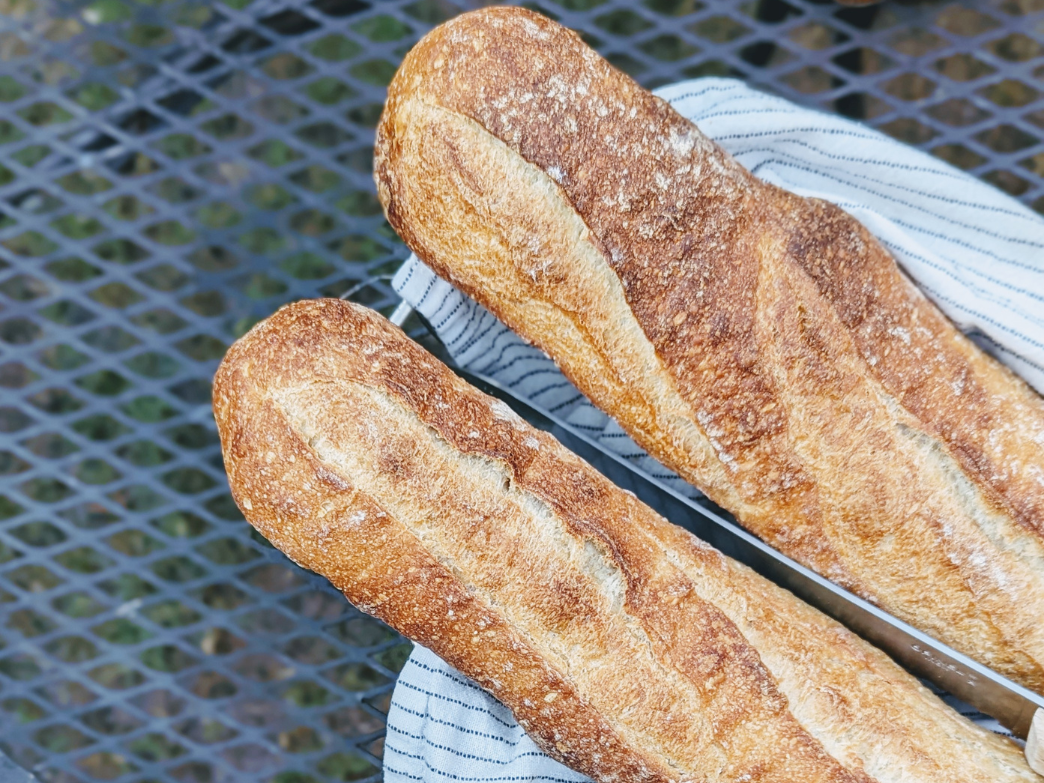
Best Bread for Bread Pudding
By Dr. Jorge, Ph.D. Wildgrain, opens in a new tab is the first bake-from-frozen subscription box for sourdough breads, fresh pastas, and artisanal pastries. Choosing the right bread is crucial for achieving the perfect texture and flavor in bread pudding. If you’re struggling to create a dessert that's crisp on the outside and moist on the inside, we’re here to help. Read on to discover the best bread for bread pudding and how to avoid common pitfalls in your recipe. What is bread pudding made of? What are the ingredients for bread pudding? Bread pudding is a baked dish made with slightly stale bread and a custard mixture. The core ingredients of bread pudding are cubed bread, eggs, milk, sugar, and butter. Some recipes also call for raisins, cinnamon, chocolate chips, or vanilla extract. Since making bread pudding involves soaking bread in a milk and egg (custard) mixture, the type and freshness of the bread are crucial to achieve the right texture. Is stale bread the best for bread pudding? Why does bread need to be stale for bread pudding? Stale bread is the best type of bread to use for bread pudding. Stale bread, having dried out, holds its shape better when soaked in custard. In contrast, fresh bread is more likely to fall apart and become soggy. If you only have fresh bread on hand, you can speed up the drying process by cubing and toasting it in the oven until it reaches a light golden brown. Is sourdough bread good for bread pudding? Sourdough bread is a great choice for bread pudding and is one of the best breads to use in bread pudding. This is because sourdough bread is hearty and sturdy, so it won’t fall apart while soaking in a custard mixture. The tangy flavor of sourdough bread can also add a unique depth to bread pudding recipes. Is whole wheat bread good for bread pudding? Whole wheat bread can be used for bread pudding, but it works best when it is slightly stale. If your whole wheat bread is too fresh, toasting it before soaking it in the custard mixture can help you get better results. If you want to use an even sturdier bread, you can opt for whole wheat sourdough bread or whole wheat french bread. What is the best bread for bread pudding? The best bread to use in bread pudding is slightly stale or day-old bread. Stale bread will be dryer than fresh bread and won’t fall apart or get soggy while soaking in the egg/milk mixture. This will ensure the bread will hold its shape while still soaking up the delicious custard mixture. It is recommended to use sturdier breads for bread pudding such as challah bread, Go to brioche sandwich loafbrioche bread, sourdough bread, or french bread. Why does my bread pudding fall after I take it out of the oven? Why does my bread pudding go flat? There are a few reasons why bread pudding may fall apart after baking. This might happen because the bread used in the pudding was too fresh or the pudding was baked at too high a temperature. Fresh bread will not be able to absorb custard the way stale bread will. Instead, the bread will get soggy and fall apart due to the higher moisture content in fresh bread compared to stale bread, which has dried out. If the pudding is baked at a higher temperature, the outside of the bread can brown while keeping the inside of the bread doughy and uncooked. This can cause the bread pudding to collapse as it cools after baking. The recommended baking temperature for bread pudding is 350° F. How do you keep raisins from sinking in bread pudding? If you have issues with raisins sinking to the bottom of your bread pudding dish, you can try lightly tossing them in flour before adding them to the batter. This will create a coating around the raisins which will help them to stick to the mixture and allow the raisins to stay evenly distributed throughout the bread pudding. Why is my bread pudding soggy? Bread pudding can become soggy for a variety of reasons. This can happen if you use the wrong kind of bread, add too much custard, bake the pudding at too high a temperature or not long enough, or over-soak the bread. Using bread that is not sturdy or cannot keep its form while soaking in the custard because it has not dried out, can lead to a soggy bread pudding. Similarly, adding too much liquid to the bread pudding can lead to a soggy texture. If you bake the bread pudding at too high of a temperature or for too short a time, the pudding won’t set properly and can become mushy. Lastly, if you soak the bread for longer than the recipe requires, it can lead to the bread being over-saturated and soggy. Is bread pudding considered healthy? Bread pudding is not considered healthy since the core ingredients are high in fat and sugar. However, you can make bread pudding healthier by using more nutritious breads (like sourdough or whole wheat bread) and reducing the sugar content. Bread pudding can still be enjoyed while maintaining a healthy lifestyle by being mindful of portion size and pairing high-nutrient foods, like yogurt, with your bread pudding. Where can I buy the best bread for bread pudding online? At Wildgrain, we specialize in making high-quality, fresh breads that are delivered directly to your door. Wildgrain is the first bake-from-frozen delivery subscription service for breads, rolls, pastries, and fresh pastas. Some of our popular breads that can be used to make bread pudding include sourdough demi baguette, sourdough loaf, brioche sandwich loaf, and sourdough whole wheat. Learn more about Wildgrain and our artisanal baking and cooking methods. Best Bread Home Delivery Service: How Wildgrain's Bread Delivery Works Wildgrain's breads are prepared in independent, artisanal bakeries with high quality ingredients. The breads are shipped frozen in insulated boxes and delivered direct to your home, anywhere nationwide. By shipping frozen, Wildgrain products maintain the highest quality, so you can enjoy fresh baked breads at home. That's why customers consider Wildgrain among the best home delivery services for bread. About the Author Dr. Jorge has been a public health researcher for many years, holding both a Bachelor's degree and a Ph.D. in Chemistry. They presently work as a medical writer and love being able to assist others in understanding various health and scientific topics. This content is for informational use only and does not replace professional nutrition and/or medical advice, diagnosis or treatment. It is not a substitute for and should not be relied upon for specific nutrition and/or medical recommendations. Please talk with your doctor about any questions or concerns.
Learn more Best Bread for Bread Pudding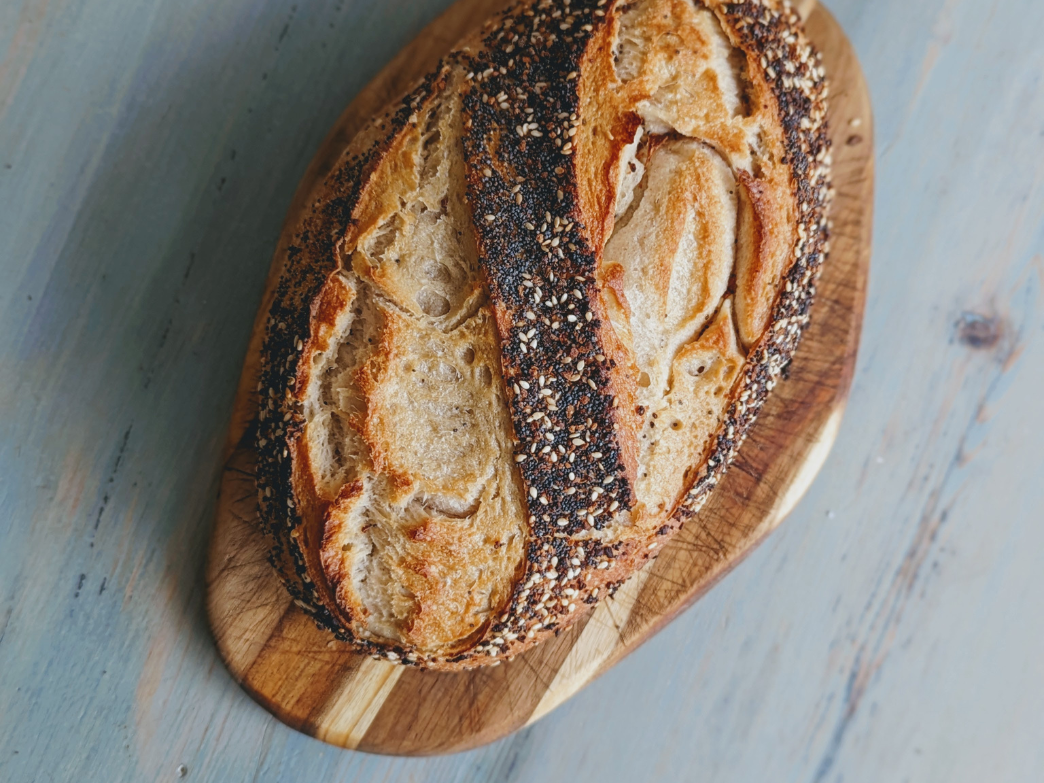
What’s Better: Brown Bread vs. White Bread vs. Whole Wheat Bread vs. Rye Bread
By Lucy Yanckello, Ph.D. Wildgrain, opens in a new tab is the first bake-from-frozen subscription box for sourdough breads, fresh pastas, and artisanal pastries. There are many different types of bread on store shelves, in cookbooks, and filling bakery cases, each with their own character, nutrient, and flavor profile. Some breads are naturally higher in fiber, some higher in protein content, and some with vitamins and minerals added back in. With all of these factors to consider, it is only natural to wonder which bread is healthiest for you. What is the difference between normal bread and brown bread? Brown bread is often made with a combination of whole wheat flour and refined flour. On the other hand, white bread is made wholly from refined flour. With the addition of whole wheat flour, brown bread tends to be higher in fiber, vitamins, and minerals. What is the difference between brown bread vs. white bread vs. whole wheat bread vs. rye bread? While brown bread is made with a combination of whole wheat flour and refined flours, white bread is made from only refined flour. Whole wheat bread is made from the entire wheat grain, and rye bread is made from rye flour and wheat flour. Whole wheat bread and rye bread are both typically made from whole grains, while white and brown breads contain refined flours. What is the healthiest bread for you: brown bread vs. white bread vs. whole wheat bread vs. rye bread? Rye bread and whole wheat bread are both healthier for you than white or brown bread because they have higher protein, fiber, vitamin, and mineral content. The nutrient content of both rye and whole wheat bread do not differ in a significant way, both with similar carbohydrate and fat levels. Additionally, both breads have higher fiber and protein content than white or brown bread which will leave you feeling fuller for longer after eating, an important way to curb cravings and reduce overeating. If you want to get the full benefits of rye bread, be sure you are buying whole-grain rye bread. Is whole wheat bread better than brown bread? Whole wheat bread is better for you than brown bread because it is made with whole grains, which come with numerous benefits. Whole wheat bread has higher protein, fat, fiber, and vitamins than brown bread. Because of its high fiber content, whole wheat bread can aid in digestion and gut health. In terms of texture, brown bread tends to be light and soft, while whole wheat bread is more firm with a darker crunchier crust. Is brown bread healthy? Can I eat brown bread everyday and be healthy? Brown bread can be healthy in its own right, and is definitely a better choice than white bread. Because it contains some whole wheat flour, it generally has a good amount of vitamins and minerals, and a higher amount of fiber and protein than white bread. As long as it is eaten in moderation, brown bread can be consumed as part of a healthy diet. Can diabetics eat brown bread? Can I eat brown bread with diabetes? Diabetics can eat brown bread in moderation. Brown bread has a lower glycemic index than white bread, meaning that it is less likely to spike blood sugar levels after eating. Keeping the glycemic index of foods low is important for diabetics in order to ensure blood sugar remains balanced. Is brown bread ok for weight loss? Will I gain weight if I eat brown bread every day? Brown bread is okay to eat if you are trying to lose weight, but other whole-grain bread options are better choices when trying to lose weight. Higher fiber and protein content are important when trying to lose weight as these nutrients help slow digestion and keep you feeling fuller for longer after eating. This keeps cravings suppressed and allows for control of overeating. Is brown bread good for gut health? Fiber is the most important ingredient to consider when trying to improve or maintain gut health. Brown bread has a higher fiber content than white bread, meaning that it is more beneficial for gut health than white bread. Due to the higher fiber content, brown bread is also easier to digest than white bread. Can I eat brown bread on a no-sugar diet? As long as the brown bread you are consuming does not have added sugar, you can eat it on a no-sugar diet. Be sure to read the labels closely and look for “added sugars” on the nutrient facts in order to determine if the brown bread you are deciding on has sugar in it. It is also important to check the ingredient label for ingredients such as high-fructose corn syrup, and corn syrup, which are added sugar under a different name. Where can I buy healthy bread online? At Wildgrain, we specialize in making high-quality, fresh baked goods that are delivered directly to your door. Wildgrain is the first bake-from-frozen delivery subscription service for breads, rolls, pastries, and fresh pastas. Some of our popular breads include Slow-Fermented Cranberry-Pecan Loaf, Plain Sourdough Loaf, Everything Sourdough Bread, Sourdough 7-Grain Loaf, and Sourdough Whole Wheat Loaf. Learn more about Wildgrain and our artisanal baking and cooking methods. Best Bread Home Delivery Service: How Wildgrain's Bread Delivery Works Wildgrain's breads are prepared in independent, artisanal bakeries with high quality ingredients. The breads are shipped frozen in insulated boxes and delivered direct to your home, anywhere nationwide. By shipping frozen, Wildgrain products maintain the highest quality, so you can enjoy fresh baked breads at home. That's why customers consider Wildgrain among the best home delivery services for bread. About the Author Lucy Yanckello received her Ph.D. in nutrition from the University of Kentucky College of Medicine. She currently works as a medical writer and enjoys being able to help people better understand nutrition and science. This content is for informational use only and does not replace professional nutrition and/or medical advice, diagnosis or treatment. It is not a substitute for and should not be relied upon for specific nutrition and/or medical recommendations. Please talk with your doctor about any questions or concerns.
Learn more What’s Better: Brown Bread vs. White Bread vs. Whole Wheat Bread vs. Rye Bread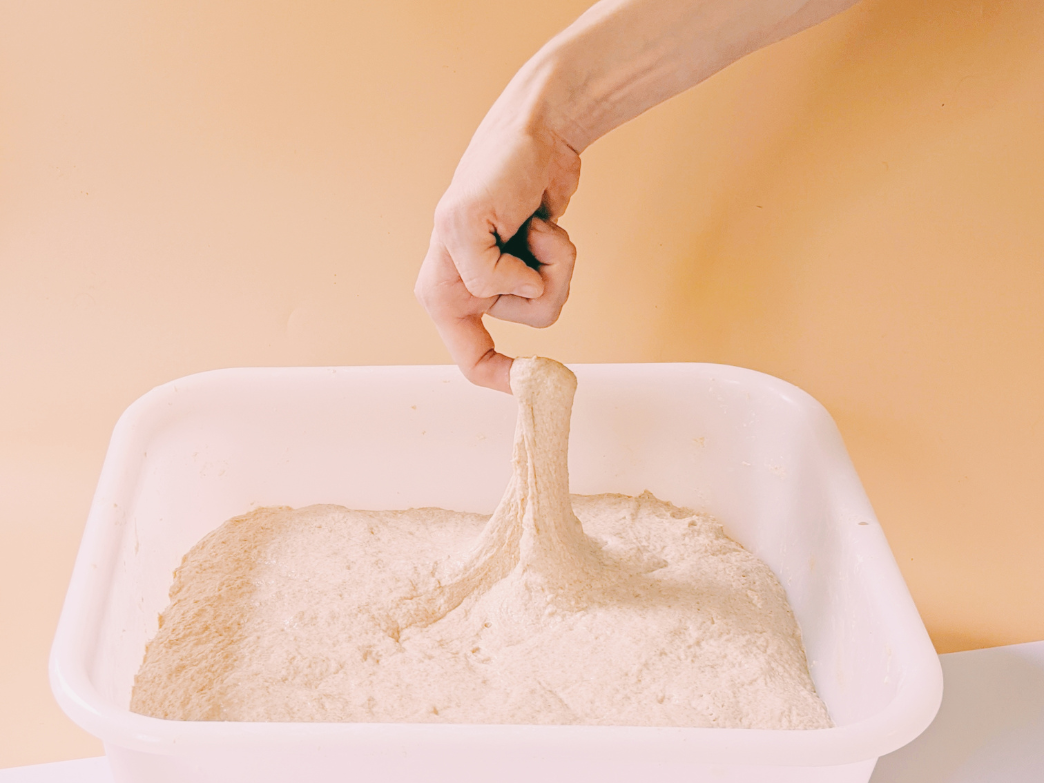
Best Fermented Bread: Are There Health Benefits of Fermented Bread?
By Dr. Jorge, Ph.D. Wildgrain, opens in a new tab is the first bake-from-frozen subscription box for sourdough breads, fresh pastas, and artisanal pastries. With homemade bread returning to popularity in recent years, you have probably seen a photo or two of at-home bread starter cultures. You, too, may have found a new love for sourdough bread and the labor-intensive and gratifying process to make it. You may be aware of how sourdough gets its flavor, but do you know what distinguishes the sourdough process from other types of bread? Continue reading to find out more about the process and potential health benefits of fermented bread. What is fermented bread? What makes some bread fermented? Any bread that goes through the fermentation process is referred to as "fermented bread." A bread is considered fermented if yeast is used in the dough. Yeast is a type of fungus that is essential for fermentation and is available in several forms, including fresh, active-dry, and instant yeast. Fermentation occurs when yeast converts the sugars found in flour into carbon dioxide and alcohol, causing the bread dough to rise. In the absence of yeast, bread cannot rise; popular breads that are not fermented include flatbread, soda bread, and cornbread. What type of bread is naturally fermented? What are examples of fermented bread? Naturally fermented bread refers to bread that uses naturally-occurring yeasts in the bread-making process, instead of the commercial yeast you can buy in the baking aisle of a grocery store. Fresh yeast, or yeast that occurs naturally in foods, can be captured in a few ways at home including incubating flour with water or adding dried fruits to water. Sourdough bread is an example of naturally fermented bread. Is sourdough fermented? Is rye bread fermented? Is French bread & baguettes fermented? Yes, since yeast is used to make all of these bread varieties, sourdough bread, rye bread, French bread and baguettes are all fermented. More specifically, sourdough bread is traditionally made with fresh (wild) yeast, but store-bought yeast is frequently used to make rye bread, French bread, and baguettes. However, wild yeast can also be used for these breads. Is fermented bread good for you? Fermented bread is not automatically healthier however, the unique fermentation process that sourdough bread undergoes means sourdough bread is usually more nutritious than other types of bread. The slow fermentation process of sourdough bread makes calcium, phosphorus, and iron more available for the body to absorb and also provides additional health benefits such as lower blood sugar levels, improved digestion, and disease prevention. Is store-bought sourdough bread fermented? Store-bought sourdough bread is likely fermented, however, it is important to note that fermentation only refers to the use of yeast in bread making. Because grocery store sourdough bread often does not use a traditional sourdough starter, which calls for a slow fermentation process, it may not provide the same health benefits as sourdough bread from bakeries or Wildgrain. Is fermented bread better for you? Is fermented bread good for gut health? Naturally fermented bread is typically healthier than commercially fermented and non-fermented bread. Sourdough bread, for example, undergoes a days-long fermentation process that allows the body to absorb the bread’s nutrients and antioxidants more readily. Bread like sourdough that is naturally fermented also promotes gut health. Studies have shown that sourdough bread acts as a prebiotic and is lower in gluten, making this bread easier to digest than other types of bread. What's the best fermented bread for your health? The best fermented bread is bread that uses wild or naturally occurring yeast as opposed to store-bought yeast. Bread made with wild yeast and a longer fermentation process boasts an enhanced nutritional profile compared to bread made with commercial yeast. Studies have also shown that bread made with wild yeast helps stabilize blood sugars and is easier to digest. To further increase the health benefits of naturally fermented bread, be sure to choose bread made with 100% whole grains. Where can I buy the best fermented bread online? At Wildgrain, we specialize in making high-quality, fresh breads that are delivered directly to your door. Wildgrain is the first bake-from-frozen delivery subscription service for breads, rolls, pastries, and fresh pastas. Some of our popular breads include sourdough, rye bread, and baguettes. We are proud to offer healthy breads, made with non-GMO flour and without added sugar or preservatives. Learn more about Wildgrain and our artisanal baking and cooking methods. Best Bread Home Delivery Service: How Wildgrain's Bread Delivery Works Wildgrain's breads are prepared in independent, artisanal bakeries with high quality ingredients. The breads are shipped frozen in insulated boxes and delivered direct to your home, anywhere nationwide. By shipping frozen, Wildgrain products maintain the highest quality, so you can enjoy fresh baked breads at home. That's why customers consider Wildgrain among the best home delivery services for bread. About the Author Dr. Jorge has been a public health researcher for many years, holding both a Bachelor's degree and a Ph.D. in Chemistry. They presently work as a medical writer and love being able to assist others in understanding various health and scientific topics. This content is for informational use only and does not replace professional nutrition and/or medical advice, diagnosis or treatment. It is not a substitute for and should not be relied upon for specific nutrition and/or medical recommendations. Please talk with your doctor about any questions or concerns.
Learn more Best Fermented Bread: Are There Health Benefits of Fermented Bread?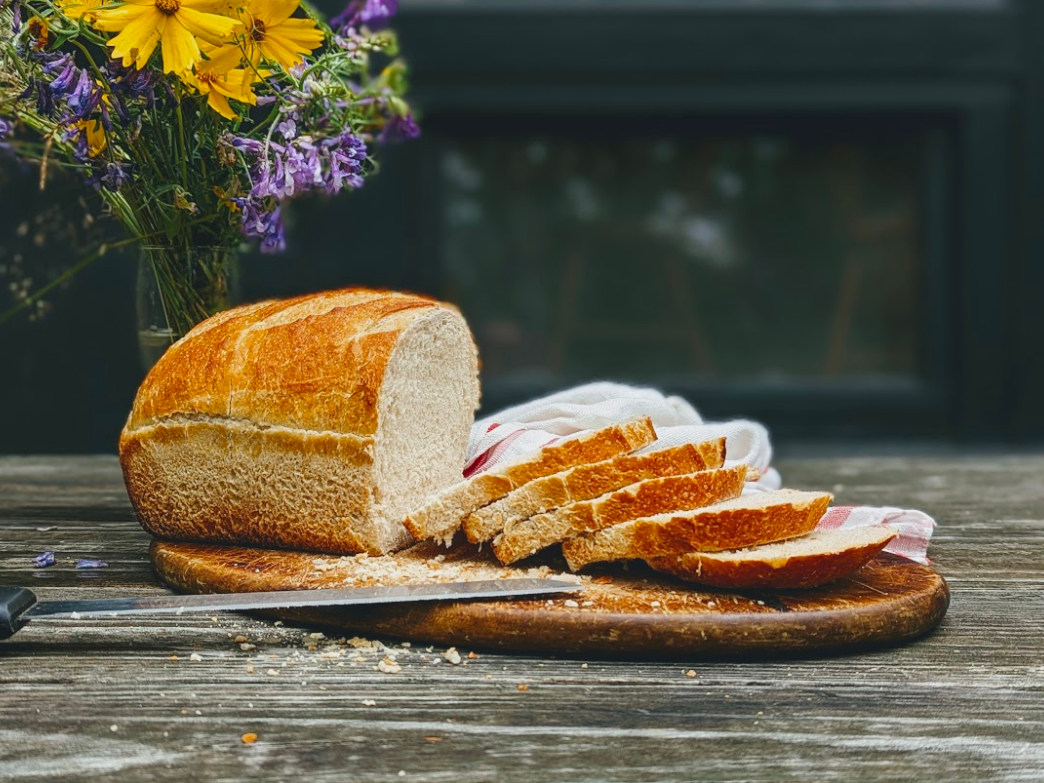
Best Bread for Diets
By Dr. Jorge, Ph.D. Wildgrain, opens in a new tab is the first bake-from-frozen subscription box for sourdough breads, fresh pastas, and artisanal pastries. If you’re like us, you can’t imagine a world where you can’t eat bread due to your dietary restrictions. Luckily for all of us, there's bread out there that will work for just about any diet. Read on to learn more about the best bread options for different diets, including plant-based, low-carb, keto, and the Mediterranean diet. Can you eat bread while on a diet? Can you eat sourdough while on a diet? Yes, you absolutely can eat bread while on a diet. Fortunately, there are many different types of bread, so no matter what diet you follow, you will have plenty of bread options. Sourdough bread can be enjoyed while on a diet since it can be made with a variety of ingredients to suit your dietary needs. Simply check the nutritional label to ensure that the bread is compatible with your diet. What bread can you eat on a Mediterranean diet? Is sourdough bread allowed on the Mediterranean diet? Any bread that is made from whole wheat, whole grains, sprouts, and sourdough is recommended while on a Mediterranean diet. You will want to avoid bread made from refined grains, such as white bread if you are following this diet. This is because bread made from refined grains is not as healthy and contains fewer nutrients than bread made from whole grains and sourdough. What kind of bread is keto-friendly? Can I eat one slice of bread on keto? Can you eat sourdough bread on a keto diet? Keto-friendly bread is going to include any bread that is low in carbohydrates since the keto diet emphasizes consuming minimal carbs. Specifically for this need, there are several low-carb bread options on the market that are suitable for a keto diet. You can eat a slice of regular bread while on a keto diet, however, you will want to keep in mind that a typical slice of bread contains about 20 grams of carbohydrates and the keto diet recommends consuming a maximum of 50 grams of carbohydrates per day. So while you can eat a slice of bread on keto, you will want to keep track of the carbohydrates present in your other foods to stay on track. If you love sourdough bread and you’re on a keto diet, you’re in luck! Sourdough bread is a relatively low-carb bread option, typically containing just 10 grams of carbohydrates or half the amount of carbohydrates of a white slice of bread. This makes sourdough bread a great keto-friendly choice. Is bread vegetarian? What’s the best bread for a vegetarian diet? All bread is vegetarian as it does not contain animal products. This makes any bread suitable for a vegetarian diet. While all bread is considered vegetarian, it is important to note that not all bread is considered vegan. This is due to additives in some types of bread that could be animal derived, like dairy or eggs. Is bread vegan? Can you eat bread on a vegan diet? A lot of bread varieties are considered vegan, but not all bread is vegan-friendly. Some bread types include added ingredients beyond flour, water, salt, and yeast. These added ingredients such as sweeteners, eggs, or fats, can be derived from animals and would make the bread not vegan. Bread that is usually free of animal products and safe for a vegan diet includes sourdough bread, pita bread, Ezekiel bread, ciabatta, baguettes, and focaccia. What bread is the best on a plant-based diet? A plant-based diet means opting for as many healthy, whole, and unprocessed foods as possible. Any bread made from whole grains is the best option as it is the least processed and most nutritious type of bread. Other great choices for healthy bread varieties are sprouted grain bread, sourdough bread, flaxseed bread, and buckwheat bread. What is the best bread for a low-carb diet? Can you eat any bread on a low-carb diet? The best bread for a low-carb diet will be similar to the best bread for a keto diet. Look for bread with no more than 10 grams of carbohydrates per slice. These breads are typically labeled as low in carbohydrates on the packaging. Sourdough bread is another low-carb bread option, often containing half of the carbohydrates found in one slice of white bread. While these breads are best suited for a low-carb diet, you can eat any bread as long as you limit your portion size and keep track of how many carbohydrates you consume throughout the day. Where can I buy healthy bread online? At Wildgrain, we specialize in making high-quality, fresh breads that are delivered directly to your door. Wildgrain is the first bake-from-frozen delivery subscription service for breads, rolls, pastries, and fresh pastas. Some of our popular breads include sourdough whole wheat, sourdough 7-grain, slow fermented 3-seed breadGo to sourdough rye bread, and sourdough rye. We are proud to offer healthy breads, made with non-GMO flour and without added sugar or preservatives. Learn more about Wildgrain and our artisanal baking and cooking methods. Best Bread Home Delivery Service: How Wildgrain's Bread Delivery Works Wildgrain's breads are prepared in independent, artisanal bakeries with high quality ingredients. The breads are shipped frozen in insulated boxes and delivered direct to your home, anywhere nationwide. By shipping frozen, Wildgrain products maintain the highest quality, so you can enjoy fresh baked breads at home. That's why customers consider Wildgrain among the best home delivery services for bread. About the Author Dr. Jorge has been a public health researcher for many years, holding both a Bachelor's degree and a Ph.D. in Chemistry. They presently work as a medical writer and love being able to assist others in understanding various health and scientific topics. This content is for informational use only and does not replace professional nutrition and/or medical advice, diagnosis or treatment. It is not a substitute for and should not be relied upon for specific nutrition and/or medical recommendations. Please talk with your doctor about any questions or concerns.
Learn more Best Bread for Diets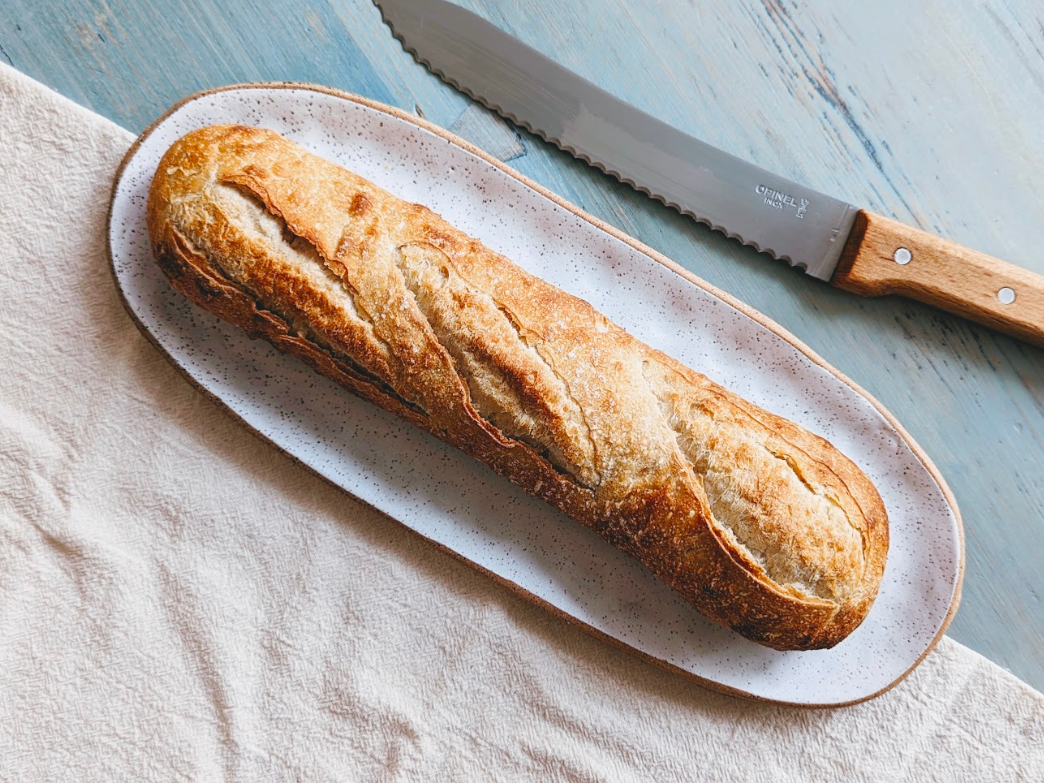
Are Baguettes Healthy or Unhealthy?
By Dr. Jorge, Ph.D. Wildgrain, opens in a new tab is the first bake-from-frozen subscription box for sourdough breads, fresh pastas, and artisanal pastries. When most of us hear the word ‘baguette’ we instantly think of a long, thin loaf of crunchy and tasty bread, perhaps even enjoyed by the Eiffel Tower. While baguettes may be satisfying to bite into, do you know which type of baguettes are the healthiest? Read on to learn more about baguettes and whether they can fit in with your lifestyle and health goals. Are baguettes healthy? Are baguettes unhealthy? Baguettes can be healthy depending on the ingredients used to make the bread. For example, baguettes made from whole grains or sourdough baguettesGo to Sourdough demi baguettes 2 pack are healthier than traditional French baguettes. Bread made with whole grains provides a higher nutritional value as well as helps to control cholesterol levels and blood pressure. Similarly, sourdough baguettes are packed with nutrients due to the wild yeast used in the dough and the slow fermentation process. Can I eat a baguette every day and be healthy? Is it bad to eat baguettes every day? You can eat a baguetteGo to Sourdough demi baguettes 2 pack every day and be healthy, but the key is portion size and what you’re eating with your baguette. It’s important to note that baguettes are particularly high in carbohydrates and sodium, so you should choose your portion size based on your diet and overall health goals. In terms of portion size, keep in mind that a full-sized baguette can contain between 4 to 8 servings per baguette. If you’d like to enjoy a baguette every day, consider opting for thinner slices and pair your delicious bread with fruit or vegetables for a balanced snack. Baguettes & calories: how many calories are in a baguette? Are baguettes high in calories? A single baguetteGo to Sourdough demi baguettes 2 pack contains about 900 calories, while a single serving or a 4-inch slice of a baguette contains around 185 calories. Baguettes are high in calories and are generally higher in calories than regular white sliced bread. The calories in baguettes primarily come from the high carbohydrate content of baguette bread. Baguettes & carbs: how many carbs are in a baguette? Are baguettes high in carbs? One baguetteGo to Sourdough demi baguettes 2 pack contains approximately 170 grams of carbohydrates while one serving, or a 4-inch slice of a baguette contains around 35 grams of carbohydrates. Baguettes are high in carbohydrates, with one 4-inch baguette slice containing 30% of the daily recommended carbohydrate intake. Are baguettes healthier than bread? BaguettesGo to Sourdough demi baguettes 2 pack are similar in nutritional value to traditional white bread. Both baguettes and white bread are high in calories and carbohydrates while remaining low in fat content. Baguettes tend to contain more protein and sodium than white bread. Since baguettes and bread made with refined grains contain little nutritional value, you can enhance the nutritional profile of both baguettes and bread by eating them with eggs, vegetables, or fruit. Are baguettes healthy for weight loss? Can I eat baguettes on a diet? You can enjoy baguettesGo to Sourdough demi baguettes 2 pack while meeting your weight loss goals if you keep portion size in mind. Alternatively, baguettes made from whole grains can be healthy for weight loss. This is because whole-grain foods keep you full for longer, helping with weight loss. Baguettes are low in fat with each serving containing about 1 gram of fat. You can eat baguettes on a diet if you monitor your portion size. Paying attention to your baguette portion size will ensure that you consume calories, carbohydrates, and fat consistent with your specific diet and goals. Are sourdough baguettes healthier than regular baguettes? Sourdough baguettesGo to Sourdough demi baguettes 2 pack are healthier than regular baguettes made from refined flour and commercial yeast. This is because sourdough bread uses a wild yeast starter that undergoes a slow fermentation process which preserves the nutrients and antioxidants in the bread that are typically lost in the traditional bread baking process. Bread made from sourdough is also one of the best breads for gut health due to the prebiotics found in sourdough bread. Where can I buy the best baguettes online to bake at home? At Wildgrain, we specialize in making high-quality, fresh baked goods that are delivered directly to your door. Wildgrain is the first bake-from-frozen delivery subscription service for fresh breads, pastas, and pastries. Some of our best breads include sourdough demi baguette, sourdough loaf, and ciabatta. Learn more about Wildgrain and our artisanal baking and cooking methods. Best Bread Home Delivery Service: How Wildgrain's Bread Delivery Works Wildgrain's breads are prepared in independent, artisanal bakeries with high quality ingredients. The breads are shipped frozen in insulated boxes and delivered direct to your home, anywhere nationwide. By shipping frozen, Wildgrain products maintain the highest quality, so you can enjoy fresh baked breads at home. That's why customers consider Wildgrain among the best home delivery services for bread. About the Author Dr. Jorge has been a public health researcher for many years, holding both a Bachelor's degree and a Ph.D. in Chemistry. They presently work as a medical writer and love being able to assist others in understanding various health and scientific topics. This content is for informational use only and does not replace professional nutrition and/or medical advice, diagnosis or treatment. It is not a substitute for and should not be relied upon for specific nutrition and/or medical recommendations. Please talk with your doctor about any questions or concerns.
Learn more Are Baguettes Healthy or Unhealthy?