

Wildgrain Blog
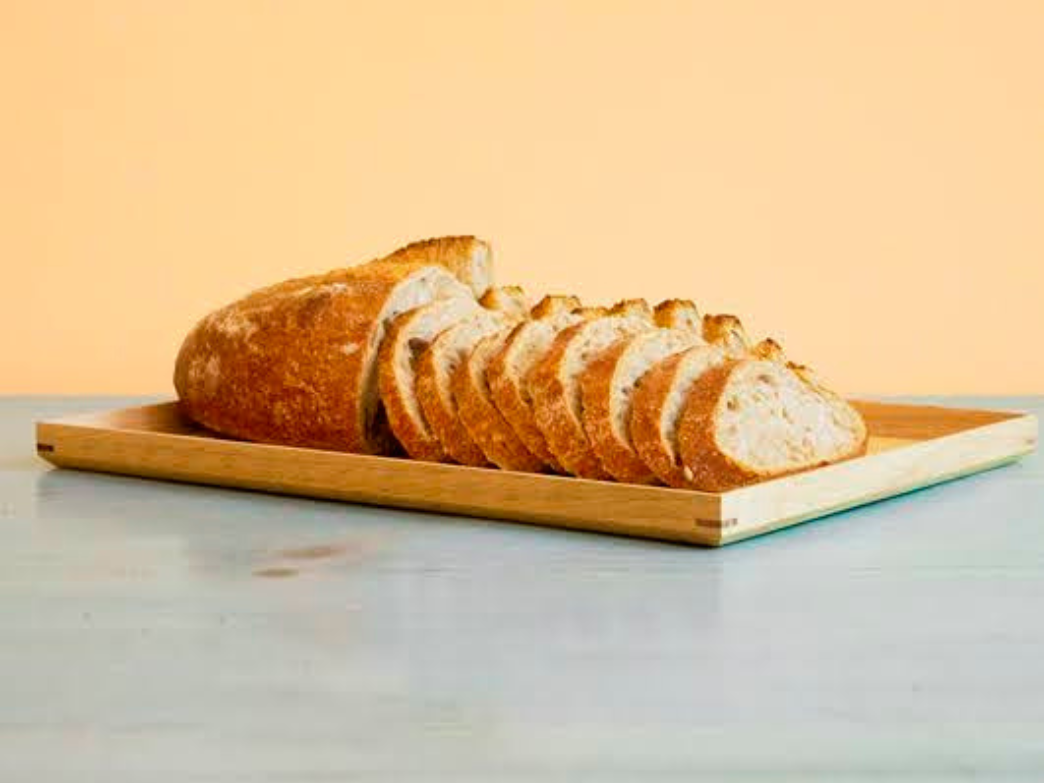
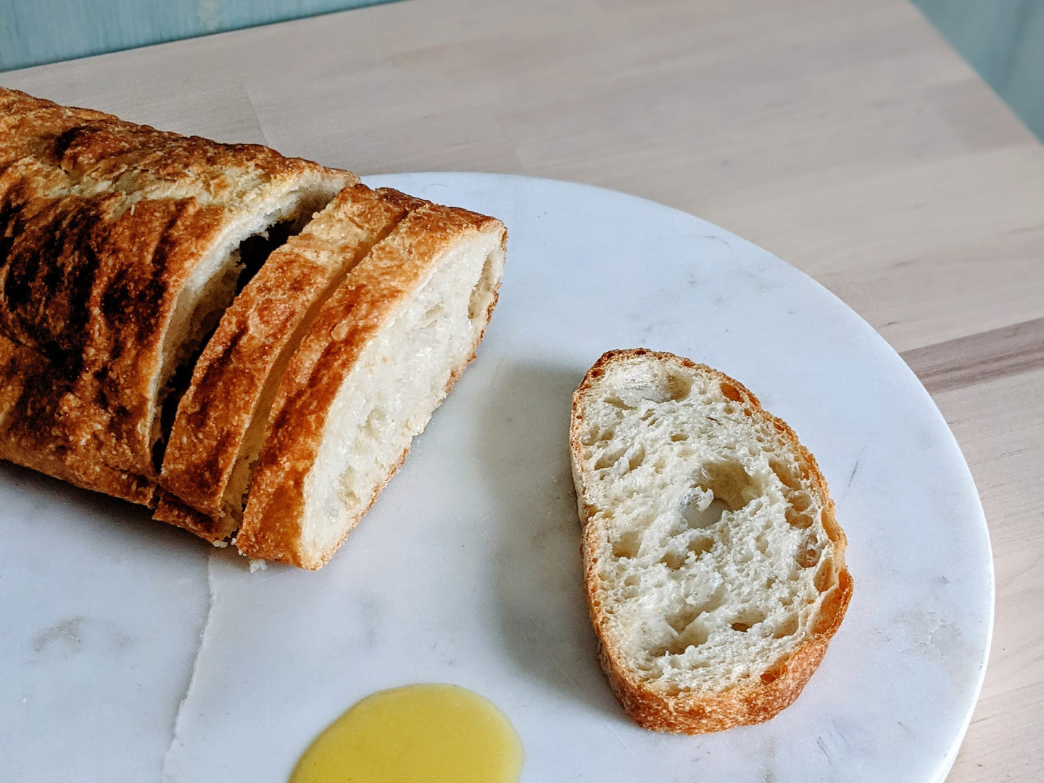
Sourdough Bread vs. French Bread vs. Baguette vs. Ciabatta vs. Italian Bread
By Dr. Jorge, Ph.D. Wildgrain, opens in a new tab is the first bake-from-frozen subscription box for sourdough breads, fresh pastas, and artisanal pastries. Most people tend to have a preference on what kind of bread they reach for. Whether it’s sourdough, ciabatta, or a baguette, you likely have a favorite. However, do you know the differences between bread types, and do you know what the nutritional value is of different kinds of bread? In this article, we’ll discuss what differentiates some of the most common bread types and which is the healthiest option. What is the difference between sourdough bread vs. French bread vs. baguette vs. ciabatta vs. Italian bread? The main difference between sourdough bread and other popular bread options is the leavening agent, or the substance used in the dough to make it rise. Sourdough bread uses a sourdough starter that is fermented slowly, while other types of bread, such as French bread, baguette, ciabatta, or Italian bread, use pre-fermented commercial yeast. What’s the difference between sourdough vs. ciabatta? Which is softer: sourdough or ciabatta? In addition to the varying leavening agents used, the texture and flavor of sourdough bread and ciabatta bread are different due to the ingredients and process used in making the bread. For example, ciabatta bread has a higher water content, giving ciabatta an airier and lighter texture compared to sourdough bread. Ciabatta bread also has a crustier outer layer while sourdough bread tends to be chewier. These two types of bread also have differences in taste. Ciabatta bread generally has a milder flavor, while sourdough bread often has a distinct tangy flavor. Is French bread the same as sourdough? French bread is not the same as sourdough bread. French bread and sourdough bread use different leavening agents, with French bread using commercial yeast and sourdough bread using a sourdough starter made with wild yeast. Due to the differences in leavening agents, fermentation times also differ. Sourdough bread has a longer and slower fermentation process than French bread. French bread and sourdough bread also differ in how they look, with French bread generally having a longer and thinner shape, and sourdough bread having a rounder shape. Moreover, France has specific laws in place that dictate the ingredients used to make French bread. Because of this law, traditional French bread can only be made using wheat flour, water, salt, and yeast. In contrast, sourdough bread ingredients can differ depending on the type of flour used or other ingredients added, such as fruits and nuts. French bread tends to be characterized by a thinner and crispier crust, while sourdough bread has a chewier texture. However, sourdough texture can vary based on grains and the amount of water used to make the dough. Is sourdough bread healthier than French bread? Sourdough bread tends to be healthier than French bread. The slower fermentation process of sourdough bread provides additional nutrients and antioxidants that aren’t found in other kinds of bread, like French bread, that are made with commercial yeast. Sourdough bread is also easier to digest and has a lower glycemic index than French bread. Are French baguettes made of sourdough? Are sourdough bread and baguettes the same thing? French baguettes are not traditionally made with sourdough, but it is possible to make a sourdough French baguette. French baguettes are typically made with wheat flour, yeast, salt, and water. Baguettes have a notable thin and long-shaped loaf that has a crunchy outer crust. Sourdough bread is typically made with sourdough starter, flour, water, and salt. Similar to other types of French bread, baguettes have a milder flavor compared to the tangy flavor of sourdough bread. Is sourdough bread healthier than baguette? Sourdough bread is healthier than baguette bread. The higher amounts of vitamins, minerals, and antioxidants in sourdough bread due to the slow fermentation process make sourdough more nutritious than baguette bread. However, sourdough baguettes or baguettes made with whole grains can be healthier alternatives to traditional baguette bread. Is sourdough bread healthier than Italian bread? Sourdough bread is healthier than Italian bread. Like the other bread types touched on thus far, Italian bread is made using commercial yeast. Since Italian bread does not traditionally use wild yeast that ferments slowly, Italian bread does not have the enhanced nutritional content that sourdough bread has. Nonetheless, you can opt for Italian bread that is made with whole grains or for sourdough Italian bread as healthier alternatives. Is sourdough bread healthier than ciabatta? Sourdough bread is healthier than traditional ciabatta bread. Ciabatta bread is a popular type of Italian bread, and therefore, is less nutritious than sourdough bread due to the leavening agent used. However, if you are searching for a healthier ciabatta bread, you can choose one made with sourdough or whole grains. Looking for the best sourdough bread? Try Wildgrain Interested in trying baked-fresh sourdough breads made with no added sugar? Wildgrain is the first bake-from-frozen delivery subscription service for breads, pastries, and fresh pastas. Some of our more popular breads include Sourdough Loaf, Whole Wheat Sourdough Loaf, Olive Oil Ciabatta, and Sourdough 7-Grain Loaf. Learn more about Wildgrain and our artisanal baking methods. Best Bread Home Delivery Service: How Wildgrain's Bread Delivery Works Wildgrain's breads are prepared in independent, artisanal bakeries with high quality ingredients. The breads are shipped frozen in insulated boxes and delivered direct to your home, anywhere nationwide. By shipping frozen, Wildgrain products maintain the highest quality, so you can enjoy fresh baked breads at home. That's why customers consider Wildgrain among the best home delivery services for bread. About the Author Dr. Jorge has been a public health researcher for many years, holding both a Bachelor's degree and a Ph.D. in Chemistry. They presently work as a medical writer and love being able to assist others in understanding various health and scientific topics. This content is for informational use only and does not replace professional nutrition and/or medical advice, diagnosis or treatment. It is not a substitute for and should not be relied upon for specific nutrition and/or medical recommendations. Please talk with your doctor about any questions or concerns.
Learn more Sourdough Bread vs. French Bread vs. Baguette vs. Ciabatta vs. Italian Bread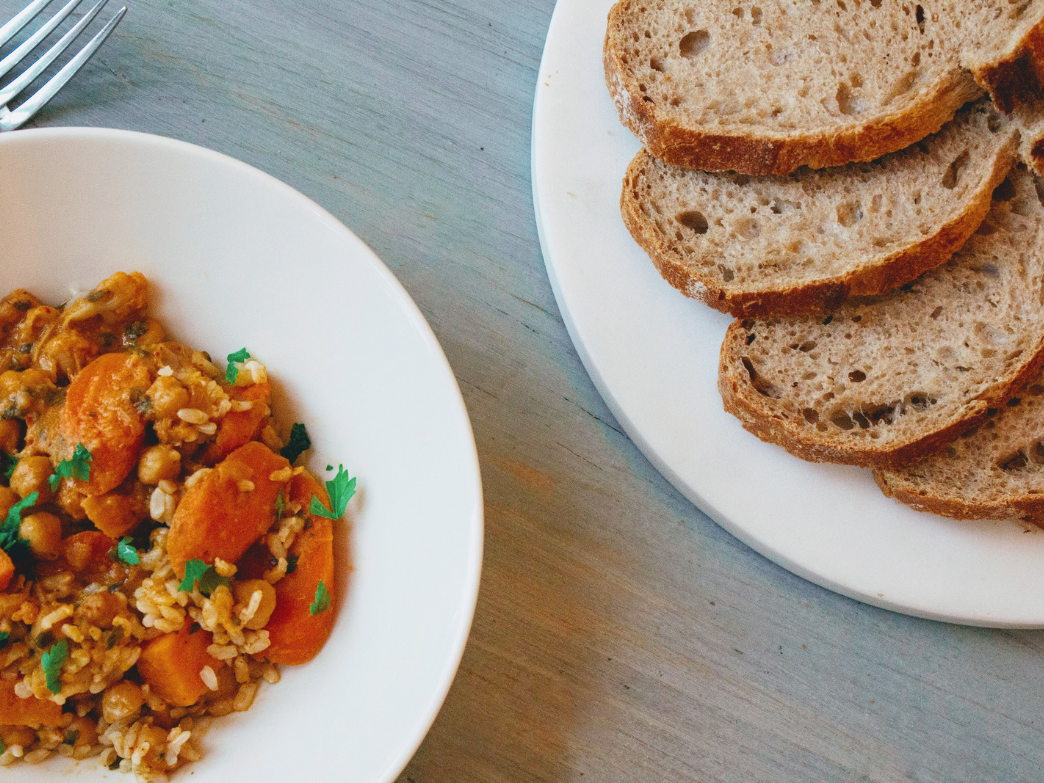
Is Sourdough Bread Healthy or Unhealthy?
By Dr. Jorge, Ph.D. Wildgrain, opens in a new tab is the first bake-from-frozen subscription box for sourdough breads, fresh pastas, and artisanal pastries. Sourdough bread has recently made a comeback and become a favorite bread of many in the United States. This popular bread option can be found at bakeries and restaurants, made in your own kitchen, or even delivered to your doorstep. In this article, we’ll discuss whether sourdough bread is a healthy bread option, and which types of sourdough are the best for your lifestyle. Is sourdough a healthy bread? Sourdough bread is considered a healthier bread due to the fermentation process used to make sourdough. The longer fermentation process used in making sourdough enhances the nutritional profile of the bread when compared to regular white bread. Sourdough bread has a relatively high nutritional value as it is packed with protein and nutrients, including calcium, potassium, magnesium, folate, and niacin. Sourdough is also an excellent source of antioxidants while remaining low in fat and sugar. Is sourdough bread better for you than regular bread? Is sourdough bread the healthiest to eat? The enhanced nutritional content of sourdough means that it is largely regarded as more nutritious than regular white bread. Regular white bread uses commercial yeast without undergoing a fermentation process, while sourdough bread utilizes a starter that ferments for a few days prior to making the sourdough bread. The longer fermentation process used to make sourdough bread reduces phytate levels. Phytate is naturally found in many grains and acts as an antinutrient because it binds to minerals, reducing your body’s ability to absorb them. The lactic acid bacteria found in sourdough lowers the pH (increases the acidity) of the bread, deactivating phytate. As a result, sourdough bread usually contains less phytate than other breads, and thus, has enhanced nutrient and antioxidant content. While regular sourdough bread does have a great nutritional profile, it is not necessarily the healthiest sourdough bread to eat. The healthiest sourdough bread option is one made with 100% whole grains that also contains little to no sugar and minimal fat. Breads made with whole grains are the most nutritionally dense. Given the benefits of sourdough’s fermentation process, whole grain sourdough bread might even be a healthier option compared to regular whole grain bread. What are the benefits of eating sourdough bread? Research studies show that there are numerous benefits to eating sourdough bread. Given the fermentation process used, sourdough is rich in vitamins and minerals. The lactic acid bacteria in sourdough increases antioxidant levels which can help protect your cells from heart disease, cancer, and other diseases. Sourdough bread also has a lower glycemic index due to the bacteria used in the starter. This can allow for stabilization of blood sugar levels. Lastly, sourdough might be easier to digest than regular white bread, since sourdough is lower in gluten than other breads and can act as a prebiotic, promoting a healthy digestive system. Can I eat sourdough bread every day? Is it healthy to eat sourdough everyday? You could eat sourdough every day, but it isn’t necessarily healthy to do so. A healthy diet is characterized by balance and moderation. Whether or not it is healthy for you to consume sourdough every day depends on the rest of your diet. The United States Department of Agriculture recommends 6 servings of grains per day. For reference, one slice of sourdough bread is a single serving. To determine if sourdough fits into your daily diet, check the total amount of servings of grains you are eating throughout the day. Is sourdough bread good for weight loss? Sourdough bread can fit in with your weight loss goals. When considering whether sourdough bread is a good option for weight loss, it is important to choose a sourdough bread that is made from whole grains and is low in fat and sugar. Whole grain sourdough bread is a great option for weight loss, since this type of sourdough has little to no sugar and fat, while also having increased protein and fiber. In addition to having an enhanced nutritional profile overall, the higher protein and fiber levels found in whole grain sourdough bread will ensure you stay full for longer. Is sourdough OK for diabetics? Is sourdough bread full of sugar? Sourdough bread might be a great option for diabetics as it is known to have a lower glycemic index. A lower glycemic index means that eating sourdough bread can help to maintain your blood sugar levels and regulate insulin levels. Your insulin levels will not spike as high after consuming sourdough bread as they would after eating regular white bread. Sourdough bread typically has little to no sugar. At Wildgrain, all of our sourdough breads are made without any added sugar. What is the healthiest sourdough bread? One of the healthiest sourdough bread options is one made with whole grains. Since whole grains boost the nutritional value of bread, whole grain sourdough bread and whole wheat sourdough bread are both healthy sourdough choices. Alternatively, sourdough rye bread is also a healthy sourdough option, if the rye is a whole grain variety. Rye bread can contain more fiber than other whole grains, placing sourdough rye bread in the running for healthiest sourdough bread. Where can I buy the best sourdough bread online? At Wildgrain, we specialize in making high-quality, fresh baked goods that are delivered directly to your door. Wildgrain is the first bake-from-frozen delivery subscription service for breads, rolls, pastries, and fresh pastas. Some of our popular items include Plain Sourdough Loaf, Everything Sourdough Bread, Sourdough 7-Grain Loaf, and Sourdough Whole Wheat Loaf. Learn more about Wildgrain and our artisanal baking and cooking methods. Best Bread Home Delivery Service: How Wildgrain's Bread Delivery Works Wildgrain's breads are prepared in independent, artisanal bakeries with high quality ingredients. The breads are shipped frozen in insulated boxes and delivered direct to your home, anywhere nationwide. By shipping frozen, Wildgrain products maintain the highest quality, so you can enjoy fresh baked breads at home. That's why customers consider Wildgrain among the best home delivery services for bread. About the Author Dr. Jorge has been a public health researcher for many years, holding both a Bachelor's degree and a Ph.D. in Chemistry. They presently work as a medical writer and love being able to assist others in understanding various health and scientific topics. This content is for informational use only and does not replace professional nutrition and/or medical advice, diagnosis or treatment. It is not a substitute for and should not be relied upon for specific nutrition and/or medical recommendations. Please talk with your doctor about any questions or concerns.
Learn more Is Sourdough Bread Healthy or Unhealthy?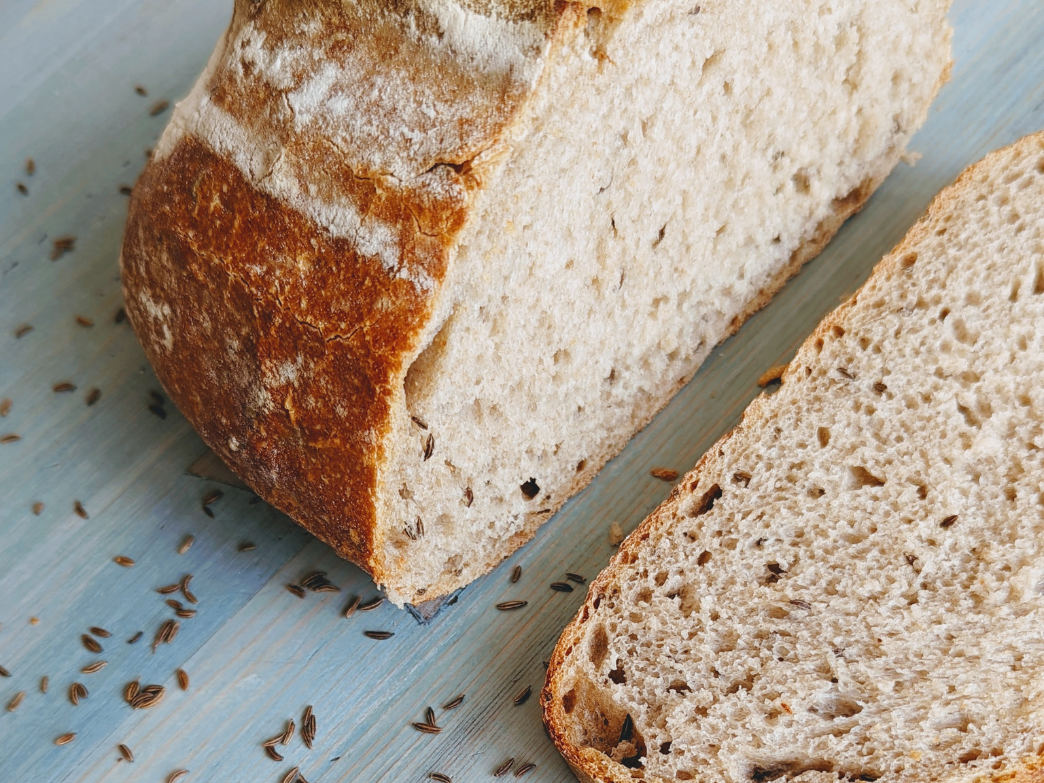
Is Sourdough Rye Bread Healthy?
By Rikki Hoffman, RDN, CDN Wildgrain, opens in a new tab is the first bake-from-frozen subscription box for sourdough breads, fresh pastas, and artisanal pastries. If you’ve ever had a sandwich on rye bread, you know there’s nothing quite like its slightly nutty flavor. Fortunately, in addition to being delicious, rye bread has some nutritional benefits that help it fit nicely into a healthy diet, especially when it’s a rye sourdough bread. This article explores the various benefits of both rye bread and sourdough bread - separately and together. What is sourdough rye bread? What is in sourdough rye bread? Sourdough rye bread is a slow-fermented bread made with rye flour and a sourdough starter. There are four different types of rye bread: light rye bread, dark rye bread, marbled rye bread, and pumpernickel bread. Light rye bread is made from white rye flour and is considered a refined bread. Dark rye bread can be made from whole rye grains, but not always. Some dark rye breads are made with a white rye flour and then colored with cocoa powder, instant coffee, or molasses. Marbled rye bread is made from light and dark rye doughs that are rolled together. Pumpernickel bread is made from coarsely ground whole rye grains. Any of these four types of rye bread can also be sourdough if the dough is fermented. Is sourdough rye better for you? How healthy is sourdough rye bread? Sourdough rye bread may be made with white or whole grain rye. Like other whole grains, rye contains important nutrients, such as complex carbohydrates, antioxidants, essential vitamins and minerals, fiber, and protein. Rye even contains more fiber than other whole grains, as well as certain b-vitamins, including folate. Flour made from whole grains has been shown to help lower cholesterol, keep blood sugar more stable in diabetics, and keep you feeling full longer; whole grain flour is therefore considered healthier than regular white flour. The fermentation process of sourdough bread may add nutritional value, by increasing the availability of certain nutrients in the bread. To identify the healthiest sourdough rye bread, look for “100% whole grain rye flour” to be the first ingredient, or the second ingredient after water. Is sourdough rye bread good for weight loss? Sourdough rye bread may aid in weight loss. One study found that mice that were fed a diet of whole grain rye had reduced body weight when compared to mice fed a diet of whole grain wheat. Another small study found that whole grain rye bread, especially sourdough rye bread, helped control blood sugar and appetite in humans, which could certainly help with weight loss. However, more studies are needed to determine how good sourdough rye bread is for weight loss in humans. As with all whole grain breads, the nutritional value of sourdough rye bread also depends on the other ingredients. If the bread contains added sugar, this can be detrimental for a weight loss goal. Is sourdough rye bread easy to digest? There is good reason to believe that sourdough rye bread is particularly helpful with digestion. Rye has been found to improve mild constipation when compared with white bread, even better than some laxatives! And the long fermentation period of some sourdough breads may alter the starch content of the bread, making it more easily digestible than other breads for some people. Is sourdough rye bread good for IBS? IBS, or irritable bowel syndrome, is a gastrointestinal disorder characterized by constipation, diarrhea, and bloating. Some patients with IBS follow a low FOD-MAP (Fermentable Oligo-, Di-, Monosaccharides and Polyols) diet. Foods that contain gluten and are high in fiber, such as rye bread, are usually not included in this diet. However, some sourdough rye breads are fermented with specific bacteria that break down some of these FOD-MAPs, creating a low FOD-MAP bread. These low FOD-MAP rye sourdough breads may be more easily tolerated by some IBS patients. Which bread is better for you: rye bread or sourdough bread? As long as they’re made with whole grains and have limited or no added sugar, both rye bread and sourdough bread are healthy bread options. Sourdough bread may be even healthier than regular bread because the fermentation makes certain vitamins and minerals easier for our bodies to absorb. To combine the benefits of rye bread and sourdough bread, choose a rye sourdough bread! Looking for healthy sourdough bread? Try Wildgrain Interested in trying healthy breads made with wheat flours and no added sugar? Wildgrain is the first bake-from-frozen delivery subscription service for breads, pastries, and fresh pastas. Some of our more popular breads include Sourdough Rye Bread, Whole Wheat Sourdough Loaf and Sourdough 7-Grain Loaf. Learn more about Wildgrain and our artisanal baking methods. Best Bread Home Delivery Service: How Wildgrain's Bread Delivery Works Wildgrain's breads are prepared in independent, artisanal bakeries with high quality ingredients. The breads are shipped frozen in insulated boxes and delivered direct to your home, anywhere nationwide. By shipping frozen, Wildgrain products maintain the highest quality, so you can enjoy fresh baked breads at home. That's why customers consider Wildgrain among the best home delivery services for bread. About the Author Rikki Hoffman, RDN, CDN has been a registered dietitian for ten years, working primarily with patients who have kidney disease. She also has a private practice which focuses on helping clients achieve lifestyle and weight loss goals. She graduated with a Bachelor's in Dietetics from Rutgers University and did her Dietetic Internship at Montclair State University. This content is for informational use only and does not replace professional nutrition and/or medical advice, diagnosis or treatment. It is not a substitute for and should not be relied upon for specific nutrition and/or medical recommendations. Please talk with your doctor about any questions or concerns.
Learn more Is Sourdough Rye Bread Healthy?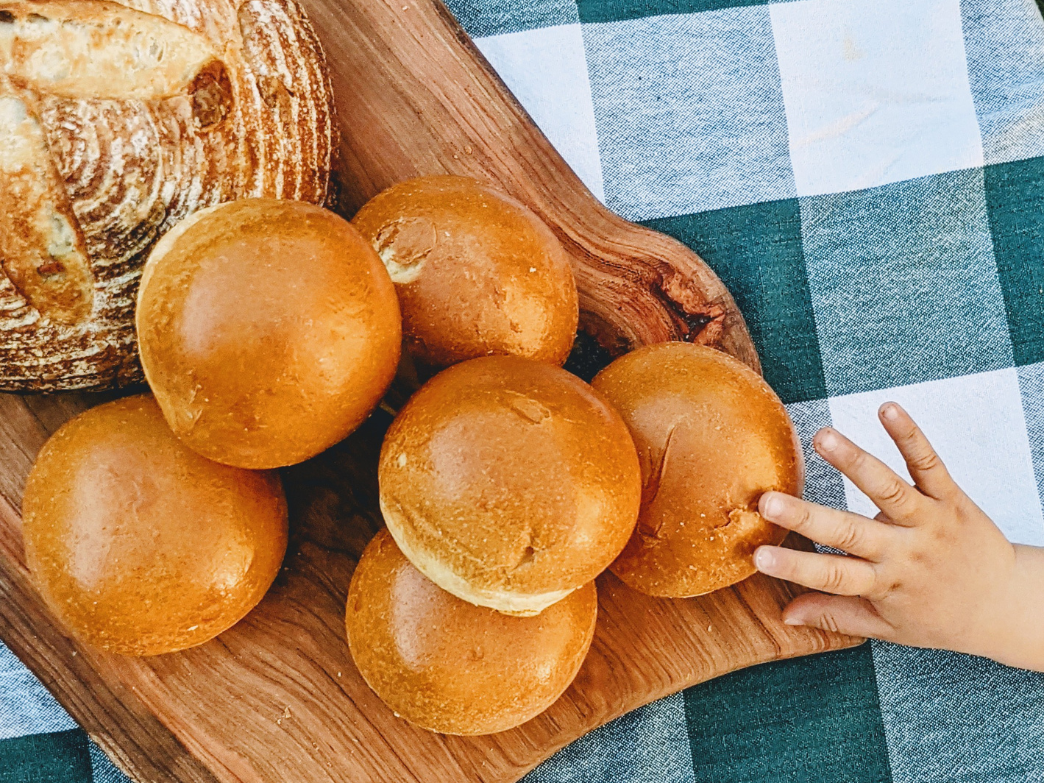
All About Rolls: Brioche Rolls vs. Regular Rolls vs. Sourdough Rolls
By Lucy Yanckello, Ph.D. Wildgrain, opens in a new tab is the first bake-from-frozen subscription box for sourdough breads, fresh pastas, and artisanal pastries. Rolls are a small, often round, serving of bread that has a diverse array of uses. Rolls can be eaten plain, serve as an accompaniment to a meal, or cut in half and filled with whatever one pleases. There are many different types of rolls, some sweet, some savory, but each delicious in their own way. What are brioche rolls? What is a brioche roll made of? Brioche rolls, opens in a new tab are rolls made from a brioche bread dough, which is a rich dough made with yeast, flour, butter, and eggs. Although it has the same ingredients as regular buns, you need more eggs and butter to make brioche.To be characterized as brioche, a recipe typically contains 30% to 50% butter to total flour weight. In fact, brioche rolls are more similar to a croissant than to regular bread in terms of texture and structure. In order to make the perfect brioche rolls, the butter must be incorporated very slowly into the dough (mixing in the butter should take around 5 to 10 minutes). Brioche is time-consuming to make, but forming the dough into smaller rolls instead of a loaf will cut down on the time it will take. What’s the difference between a brioche roll and a regular roll? Are brioche rolls healthy? Brioche rolls, opens in a new tab and regular rolls are different in that brioche rolls require more eggs and butter in their recipe than regular rolls. Although both brioche rolls and regular rolls contain eggs and butter, the fact that brioche rolls contain more of these ingredients means that these rolls are higher in fat content. Brioche rolls should be enjoyed in moderation due to the higher fat content, because this fat content comes mostly from saturated fats. Saturated fats should be limited to 5% to 6% of daily caloric intake, according to the American Heart Association. What’s the difference between a brioche roll and an English muffin? English muffins, opens in a new tab and brioche rolls are similar in that they do include butter, but English muffins do not include eggs. Unlike brioche rolls, English muffins should not be intensely mixed because this would lead to a tight structure. Instead, the dough of English muffins should only be lightly mixed and handled prior to baking so that the English muffins have a more open structure, referred to as “nooks and crannies,” which soak up butter and other delicious spreads. What are sourdough rolls? Sourdough rolls, opens in a new tab are made from a “starter”, which contains fermented flour and water in place of yeast in the dough. The wild yeast and bacteria in the starter allows the bread to rise and creates the tangy flavor and chewy texture that sourdough is known for. Sourdough rolls also sometimes contain butter and milk, but do not contain eggs, which can make them more similar to English muffins than brioche. What’s the difference between brioche rolls and sourdough rolls? The main difference between brioche rolls and sourdough rolls is in a few key ingredients: butter and eggs. Brioche rolls contain lots of butter, whereas sourdough rolls often do not contain any butter (for instance, at Wildgrain we do not use any butter or milk in our sourdough rolls, opens in a new tab). Additionally, sourdough rolls do not contain eggs, unlike brioche rolls which do contain eggs. What are the healthiest bread rolls? Although all types of bread rolls have a role in our diet in moderation, sourdough bread rolls contain certain health benefits that other types of bread rolls do not. The fermented starter that sourdough originates from is beneficial for gut health. In addition, sourdough rolls contain less, or in some cases no, butter and saturated fats compared to other rolls like brioche rolls. As a result, sourdough rolls can be considered among the healthiest bread rolls. Where can I buy bread rolls, like sourdough rolls and brioche rolls, online? At Wildgrain, opens in a new tab, we specialize in making high-quality, fresh baked goods that are delivered directly to your door. Wildgrain is the first bake-from-frozen delivery subscription service for breads, rolls, pastries, and fresh pastas. Some of our popular bread rolls include sourdough rolls, opens in a new tab and brioche rolls, opens in a new tab. Learn more about Wildgrain and our artisanal baking and cooking methods. Best Bread Home Delivery Service: How Wildgrain's Bread Delivery Works Wildgrain's breads are prepared in independent, artisanal bakeries with high quality ingredients. The breads are shipped frozen in insulated boxes and delivered direct to your home, anywhere nationwide. By shipping frozen, Wildgrain products maintain the highest quality, so you can enjoy fresh baked breads at home. That's why customers consider Wildgrain among the best home delivery services for bread. About the Author Lucy Yanckello received her Ph.D. in nutrition from the University of Kentucky College of Medicine. She currently works as a medical writer and enjoys being able to help people better understand nutrition and science. This content is for informational use only and does not replace professional nutrition and/or medical advice, diagnosis or treatment. It is not a substitute for and should not be relied upon for specific nutrition and/or medical recommendations. Please talk with your doctor about any questions or concerns.
Learn more All About Rolls: Brioche Rolls vs. Regular Rolls vs. Sourdough Rolls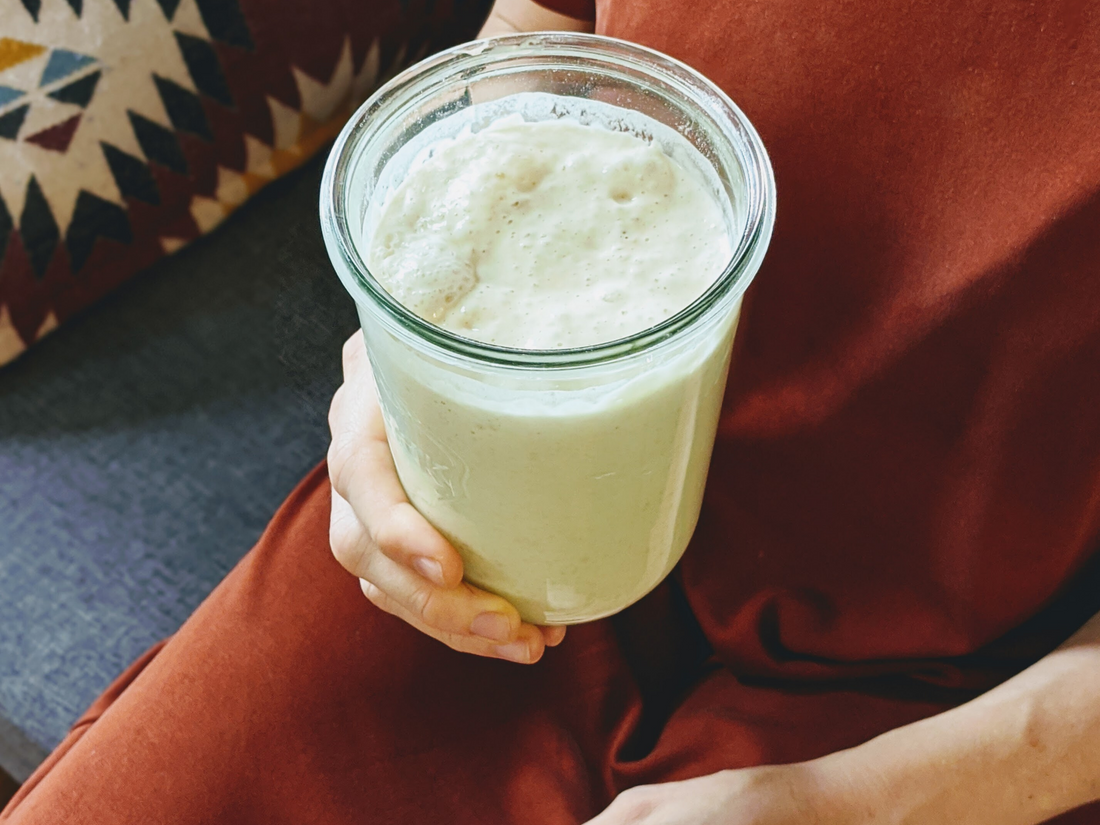
How to Make a Sourdough Starter
There are as many methods for making sourdough starter as there are bakers.
Learn more How to Make a Sourdough Starter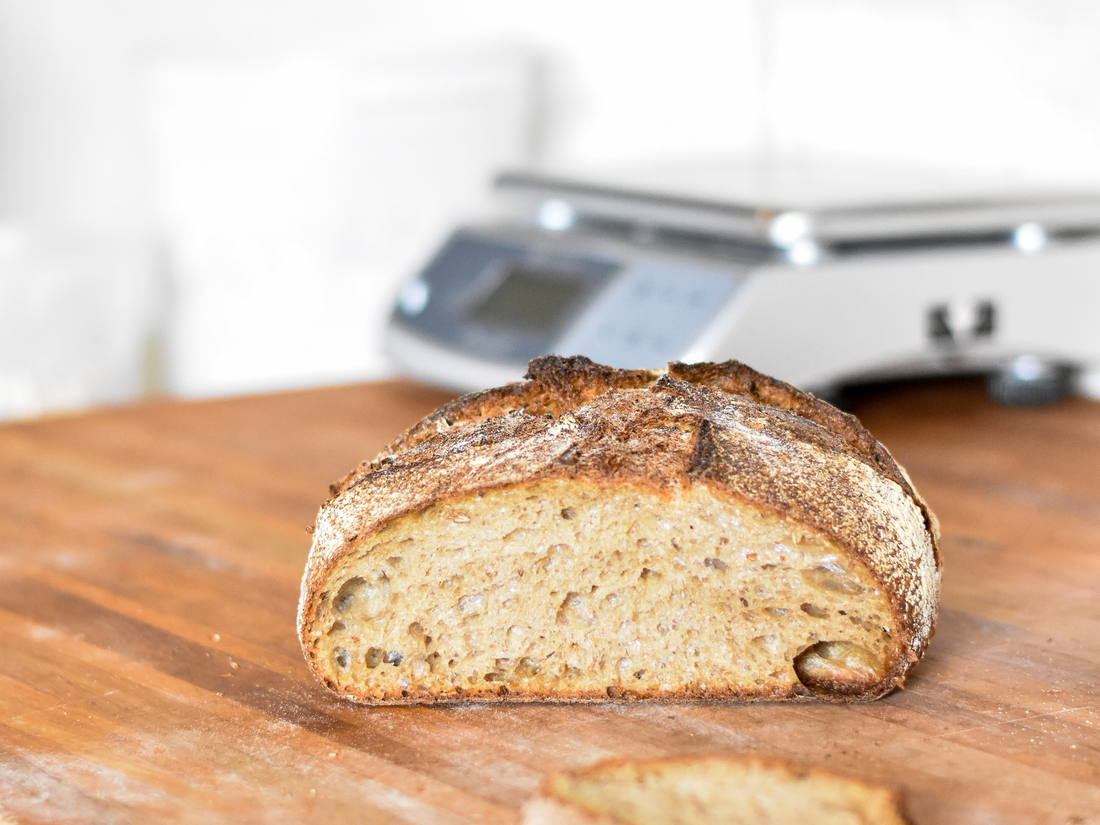
Never Waste Bread Again
Turns out bread may have more lives than your cat.
Learn more Never Waste Bread Again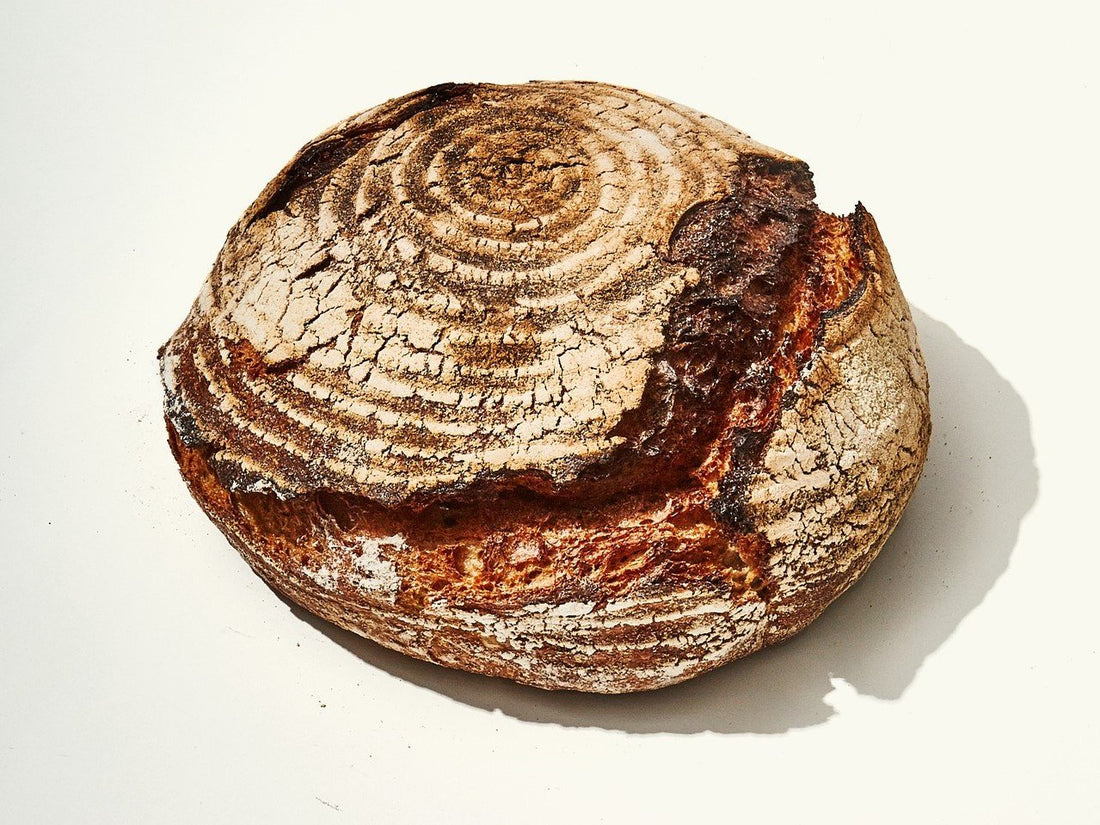
The Rise of Sourdough
Great feature from CNBC about the comeback of high quality, healthy and artisanal breads.
Learn more The Rise of Sourdough