By Dr. Jorge, Ph.D.
What foods are safe for celiacs? What foods should celiacs stay away from?
Whole foods that are naturally gluten-free are considered safe for those with celiac disease. These include fruits, vegetables, meat and poultry, seafood, and dairy. Foods that contain wheat, rye, barley, and oats should be avoided, as they contain gluten. This includes foods made with white or whole wheat flour, such as cookies, crackers, cakes, and most pasta, which are considered unsafe for those with celiac disease. However, foods that are clearly labeled or certified gluten-free, such as Wildgrain Gluten-Free Bread and Wildgrain Gluten-Free Pasta, are safe to eat when they meet gluten-free standards.
How to tell if food is celiac safe? How to tell if food is gluten-free?
You can generally tell if food is gluten-free and celiac safe by carefully checking food labels. The first thing to look for is an official “gluten-free” label, which indicates the product meets FDA standards for gluten-free foods (containing less than 20 parts per million (ppm) of gluten). In addition, always scan the ingredients list and avoid wheat, barley, rye, malt, brewer’s yeast, and oats unless the oats are specifically labeled gluten-free. For people with celiac disease, it’s also important to check allergen statements and look for warnings about shared equipment or cross-contamination, as even trace amounts of gluten can trigger symptoms.
What to look for on a label if you’re gluten-free? What is the certified gluten-free symbol?
If you’re following a gluten-free diet, start by checking the food label for a clear “gluten-free” claim, the allergen statement, and the ingredients list for sources of gluten such as wheat, barley, and rye. You may also see a certified gluten-free symbol on the package, which indicates the product has undergone third-party, independent testing for gluten by an organization such as the Gluten-Free Certification Organization (GFCO). Some certifying bodies use stricter standards than the FDA’s gluten-free definition of less than 20 ppm of gluten. These products are often tested to 10 ppm, offering added assurance for people with celiac disease or gluten sensitivity.
Is gluten always listed as gluten on labels? How to find hidden gluten in food labels?
Gluten isn’t always listed as “gluten” on an ingredient label. Instead, it’s important to know which ingredients may contain gluten. While gluten itself may not be named explicitly, gluten-containing ingredients will be listed. These can appear under many names, including wheat protein, wheat starch, wheat bran, rye flour, bulgur, matzo, malt, durum wheat, spelt, and brewer’s yeast, among others. “Hidden gluten” can often be identified by scanning food labels for common ingredients that contain, or may contain, gluten. Some ingredients may also contain gluten depending on their source or how they’re processed, such as vegetable protein, natural flavors, artificial flavors, and vegetable starch. Identifying hidden gluten requires becoming familiar with ingredients that are commonly derived from wheat, barley, or other gluten-containing grains.
Does food need to be certified gluten-free or made in a dedicated gluten-free facility to be safe for celiacs?
Food does not necessarily need to be certified gluten-free or made in a dedicated gluten-free facility to be considered safe for people with celiac disease. These measures provide an additional safeguard for those following a gluten-free diet, but are not strictly necessary for a food to be considered safe. A gluten-free, celiac-safe food can be identified by carefully examining the food’s packaging and ingredient list for sources of gluten. However, certification or dedicated facilities may offer added reassurance for individuals who are highly sensitive to trace amounts of gluten or concerned about cross-contamination during manufacturing.
What if the food is not labeled as gluten-free or certified gluten-free? What is the difference between gluten-free and gluten-free certified?
Not all gluten-free foods will be labeled as gluten-free or certified gluten-free. This is especially true for naturally gluten-free foods such as fresh vegetables, eggs, and bottled water. Even so, it’s a good habit to double-check ingredient labels for gluten-containing ingredients. Gluten-free labeling is not required; however, the FDA requires that any food labeled as gluten-free contain less than 20 ppm of gluten. Foods labeled as certified gluten-free have undergone third-party testing to verify that they meet gluten-free standards.
Should celiacs only eat certified gluten-free?
No, people with celiac disease do not need to eat only certified gluten-free foods. For added assurance and peace of mind, some individuals may choose foods that are labeled as gluten-free or certified gluten-free. However, the most important step in selecting celiac-safe foods is carefully reviewing the ingredient label for gluten-containing ingredients. Factors such as individual sensitivity to gluten and concern about cross-contamination may also influence whether someone prefers certified gluten-free foods.
Where can I buy the best gluten-free bread and gluten-free pasta online?
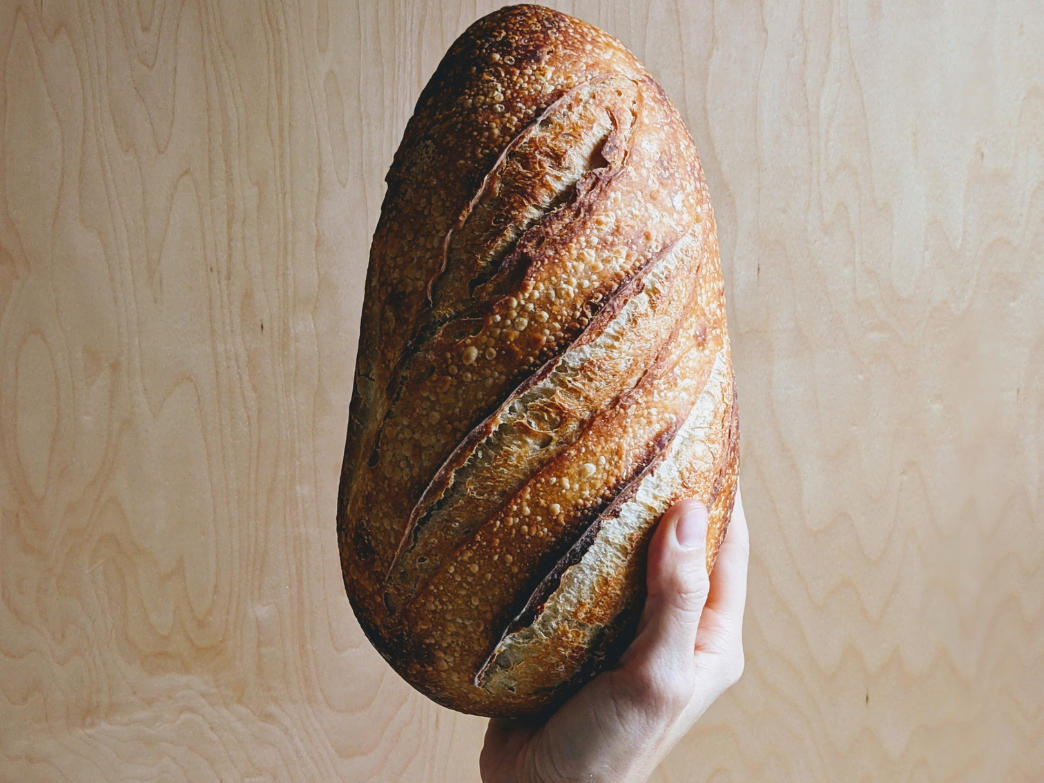
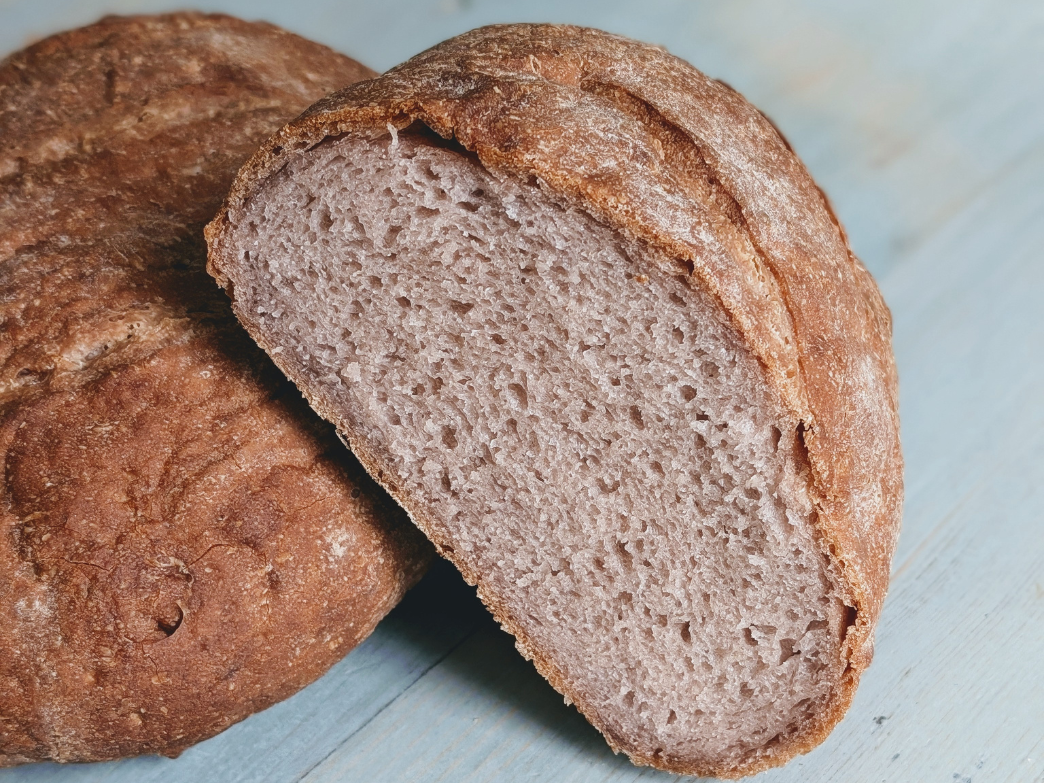
At Wildgrain, we specialize in making high-quality, fresh baked goods that are delivered directly to your door. Wildgrain is the first bake-from-frozen delivery subscription service for fresh pasta, breads, and pastries. Our gluten-free breads and pastas include Wildgrain Gluten-Free Country Loaf, Wildgrain Gluten-Free Sourdough Loaf, Wildgrain Gluten-Free Fresh Linguine, and Wildgrain Gluten-Free Cheese Tortellini. Learn more about Wildgrain and our artisanal baking and cooking methods.
Best Home Delivery Service for Food: How Wildgrain's Food Delivery Works
Wildgrain's products are prepared in independent, artisanal bakeries with high quality ingredients. They are shipped frozen in insulated boxes and delivered direct to your home, anywhere nationwide. By shipping frozen, Wildgrain products maintain the highest quality, so you can enjoy fresh food at home. That's why customers consider Wildgrain among the best home food delivery services.
About the Author
This content is for informational use only and does not replace professional nutrition and/or medical advice, diagnosis or treatment. It is not a substitute for and should not be relied upon for specific nutrition and/or medical recommendations. Please talk with your doctor about any questions or concerns.