

Wildgrain Blog
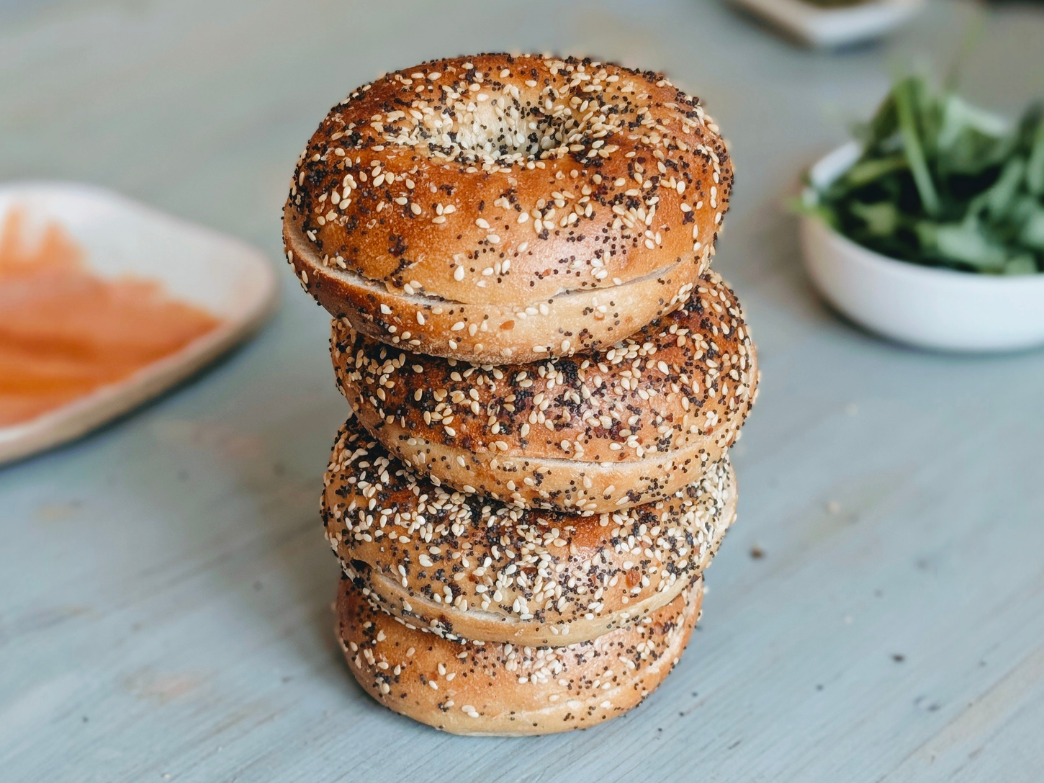

Best Sourdough Bread Subscription Boxes for Home Delivery
By Dr. Jorge, Ph.D. Wildgrain, is the first bake-from-frozen subscription box for sourdough breads, fresh pastas, and artisanal pastries. There is nothing quite like a fresh sourdough loaf straight out of the oven, and the difference between home-baked sourdough and a grocery store loaf is hard to ignore. What if you could get that same bakery-quality sourdough bread delivered straight to your front door? If you are looking for consistent, convenient access to fresh sourdough bread at home, a sourdough bread subscription box might be the answer. Read on to learn everything you need to know about sourdough bread subscription boxes and how to find the best one for you. What is a sourdough bread subscription box for home delivery? How do sourdough bread subscription boxes work? A sourdough bread subscription box is a recurring delivery of freshly baked sourdough bread delivered straight to your door and customized to fit your preferences. With a sourdough bread subscription box, you can choose the types of sourdough bread you'd like, the number of loaves, and how often you'd like them delivered. Wildgrain's sourdough bread subscription box makes it easy to enjoy bakery-quality sourdough bread at home, like Wildgrain’s Plain Sourdough Loaf, Sourdough Whole Wheat Loaf, Gluten-Free Plain Sourdough Loaf, and more. You can change, skip, or cancel your delivery at any time, making Wildgrain’s sourdough bread subscription box a convenient way to always have fresh sourdough bread at home. Can you customize a sourdough bread subscription box? Can you add other breads to a sourdough bread subscription box? Yes, most sourdough bread subscription boxes can be customized to match your preferences. The level of customization will vary by company, including the number of loaves, the types of sourdough bread, and whether you can add other items to your box. Some companies limit their subscription box to sourdough bread only, while others offer a broader selection of baked goods and pantry staples. Wildgrain, for example, allows you to mix and match from a wide variety of items beyond sourdough, including different types of breads like baguettes, ciabatta, English muffins, bagels, pasta, and pastries like Wildgrain’s Chocolate Avalanche Croissants and Wildgrain’s Giant Chocolate Chunk Cookies, giving you the flexibility to build an assorted box that fits your household's needs and preferences. Are sourdough bread subscription boxes worth it? How much do sourdough bread subscription boxes cost? The value of a sourdough bread subscription box depends on what you are looking to gain. For those prioritizing consistent, convenient access to bakery-quality sourdough bread at home, a sourdough bread subscription box is likely well worth the investment. Sourdough bread subscription box costs will differ by company and the number of items included in each delivery. Many subscription boxes also offer flexible pricing tiers, making it easy to find an option that fits your budget. At Wildgrain, pricing starts at $69 for 4 items and $99 for 6 items, with options to add a variety of breads, pastries, and pasta to your box to make the most of your subscription. Are sourdough bread subscription boxes healthy? Can you customize a sourdough bread subscription box for home delivery? Sourdough bread subscription boxes can be a healthy and nutritious way to ensure regular access to bakery-quality sourdough bread at home. Sourdough bread is widely regarded as one of the healthier bread choices, particularly when made traditionally with simple ingredients like sourdough starter, water, flour, and salt, and without artificial additives or preservatives. The unique fermentation process used to make sourdough bread improves nutrient absorption, supports blood sugar management, and may be easier to digest than other types of bread, making it beneficial for gut health. When evaluating a sourdough bread subscription box, look for companies that prioritize clean, simple ingredients and traditional baking methods. As for customization, most sourdough bread subscription boxes allow you to choose from a variety of sourdough bread options to fit your preferences. Here at Wildgrain, you can select from many different sourdough varieties, including the Sourdough Whole Wheat Loaf, Everything Sourdough Bread, and Gluten-Free Sourdough Rolls. You can even add other items to your subscription box like Wildgrain’s Potato Gnocchi, Wildgrain’s Slow-Fermented New York Cheese Pizza, or even Wildgrain’s Traditional Hummus, making it easy to build a well-rounded delivery tailored to your household's needs. Do sourdough bread subscription boxes ship frozen? Does sourdough bread from a subscription box taste fresh? The shipping method for sourdough bread subscription boxes varies by company, so it is worth checking before you subscribe. Many sourdough bread subscription boxes ship frozen, which is one of the best ways to preserve freshness and quality during transit. When evaluating whether a sourdough subscription box will taste fresh, the key factors are the quality of ingredients, the baking process, and how the bread is frozen and shipped. Wildgrain, for example, partners with small, independent bakeries across the country and flash-freezes all sourdough breads at peak freshness before shipping. This means Wildgrain’s sourdough bread tastes like you just picked it up from a local bakery or made it yourself at home. Made with clean ingredients and no preservatives, you wouldn’t even know Wildgrain’s sourdough bread was delivered in a box at your front door. What comes in Wildgrain’s subscription box? Does Wildgrain have gluten-free sourdough bread? Wildgrain's subscription boxes are completely customizable, so you can build your box to include exactly what you’re needing or craving. With a wide variety of breads, pastas, pastries, and more to choose from, there is something for everyone. Wildgrain does offer an extensive selection of gluten-free sourdough bread options from staples like the Gluten-Free Plain Sourdough Loaf and Gluten-Free Sourdough Rolls to more unique varieties like the Gluten-Free Sourdough Everything Loaf and Gluten-Free Sourdough Cranberry-Pecan Loaf. Whether you are stocking up on weekly staples or looking to try something new, there is no shortage of options to choose from when building your subscription box. With gluten-free breads, pastas, and pastries also available, you can easily mix and match to find something for everyone in your family. What are the best sourdough bread subscription boxes? The best sourdough bread subscription box will ultimately depend on what you are looking for in a home delivery. When evaluating your options, consider the ingredients used, the baking process, the shipping method, and the level of flexibility and customization available. The best sourdough bread subscription boxes will prioritize clean, simple ingredients, traditional baking methods, and a frozen shipping method to ensure your order arrives as fresh as possible. Wildgrain's sourdough bread subscription box, for example, is a popular option for those looking for bakery-quality sourdough bread delivered straight to their door. Where can I buy sourdough bread online? At Wildgrain, we specialize in making high-quality, fresh breads that are delivered directly to your door. Wildgrain is the first bake-from-frozen delivery subscription service for breads, rolls, pastries, and fresh pastas. Some of our popular breads include Wildgrain Sourdough Whole Wheat Loaf, Wildgrain Plain Sourdough Loaf, and Wildgrain Sourdough Rye Loaf. Wildgrain’s Sourdough Bread is often considered to be among the best sourdough bread you can enjoy at home. Learn more about Wildgrain and our artisanal baking and cooking methods. Best Bread Home Delivery Service: How Wildgrain's Bread Delivery Works Wildgrain's breads are prepared in independent, artisanal bakeries with high quality ingredients. The breads are shipped frozen in insulated boxes and delivered direct to your home, anywhere nationwide. By shipping frozen, Wildgrain products maintain the highest quality, so you can enjoy fresh baked breads at home. That's why customers consider Wildgrain among the best home delivery services for bread. About the Author Dr. Jorge has been a public health researcher for many years, holding both a Bachelor's degree and a Ph.D. in Chemistry. They presently work as a medical writer and love being able to assist others in understanding various health and scientific topics. This content is for informational use only and does not replace professional nutrition and/or medical advice, diagnosis or treatment. It is not a substitute for and should not be relied upon for specific nutrition and/or medical recommendations. Please talk with your doctor about any questions or concerns.
Learn more Best Sourdough Bread Subscription Boxes for Home Delivery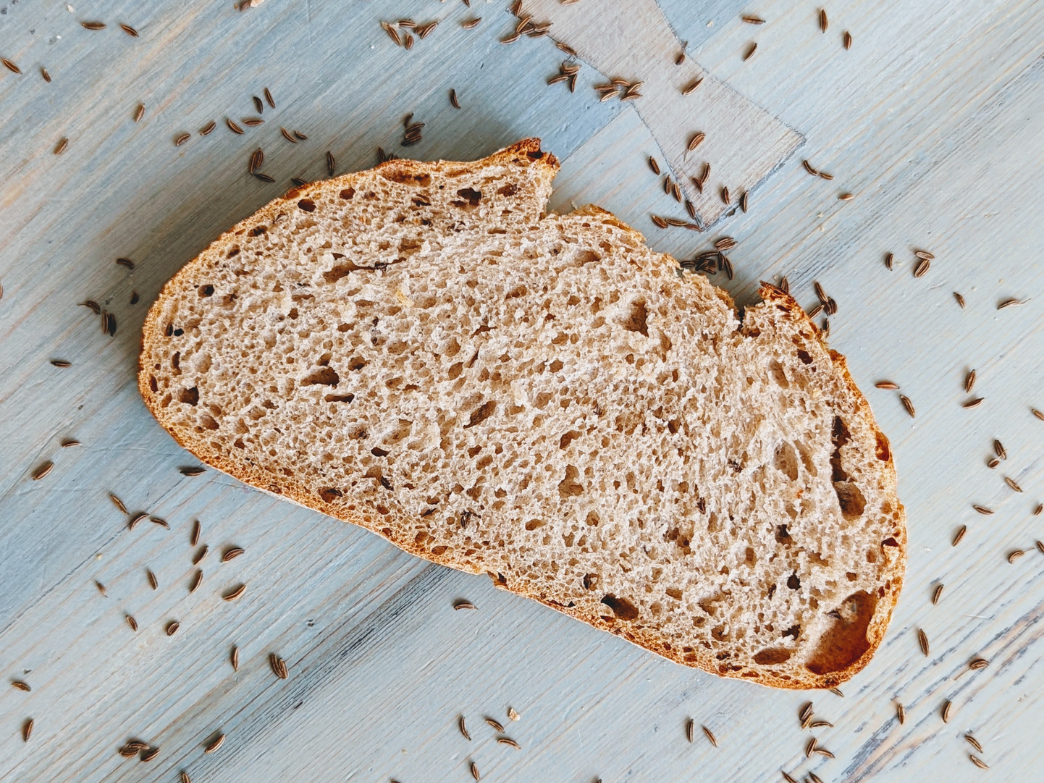
What’s Better: Bakery Bread Home Delivery vs. Grocery Store Bread?
By Lucy Yanckello, Ph.D. Wildgrain, opens in a new tab, is the first bake-from-frozen subscription box for sourdough breads, fresh pastas, and artisanal pastries. Good bread used to mean a trip to a local bakery or braving making a loaf from scratch. Although the grocery store is convenient, the bread there is meant to last for weeks, not to taste its best. Home delivery changes that equation by bringing fresh, bakery-style loaves to your door. Can you get homemade bread delivered to your door? Can you order bakery-quality bread online? Yes, you can get homemade-style bread delivered straight to your door. Ordering bakery-quality loaves online is easier than ever. A good delivery service bakes its bread, freezes it at peak freshness, and then ships it to you, ready to finish at home in your oven. You get the same crunchy crust and open crumb that you would find at a bakery without having to leave your house. Baking a Wildgrain Plain Sourdough Loaf from frozen fills your home with that fresh-from-the-oven smell whenever you want it. What’s the difference: bakery bread delivery vs. grocery store bread? The difference comes down to how the bread is made and how long it sits before you eat it. Grocery store bread is usually mass-produced and shipped to stores, sitting on shelves for days before it is bought. This means it often relies on additives and preservatives to stay soft. On the other hand, bakery bread delivery skips the need for preservatives and additives because it is frozen right after baking. The difference shows up in flavor, texture, and the simplicity of the ingredient list. A loaf like Wildgrain’s Sourdough Rye tastes like it just came out of the bakery oven because it essentially did. What’s healthier to eat, bakery bread delivery vs. grocery store bread? Bakery bread tends to be the healthier choice due to a shorter ingredient list, omitting preservatives and additives because it does not need to be shelf-stable. Bakery bread is often made with whole grains, which increase the fiber, protein, and vitamin and mineral content compared with grocery store bread. Additionally, many find naturally fermented breads gentler on digestion since the slow fermentation begins breaking down starches before the bread ever hits your plate. Toasting a slice of Wildgrain’s Sourdough Whole Wheat Loaf is an easy way to work more whole grains into your diet. Does grocery store bread have more preservatives than bakery bread? Are the ingredients in bakery bread better than bread from the grocery store? Grocery store bread often does contain more preservatives than bakery bread, since a long shelf life depends on ingredients that slow staling and mold growth. You will commonly see dough conditioners, added sugars, and preservatives on the label of a standard supermarket loaf. Bakery bread leans on a shorter, simpler ingredient list because it is meant to be eaten fresh rather than stored for weeks. That usually means flour, water, salt, and a natural leavening ingredient. When freshness is built in through freezing rather than chemistry, for instance with Wildgrain’s bake-from-frozen bread, the ingredients list tends to stay shorter. Is bread frozen at peak freshness better than store-bought bread? Does frozen bakery bread taste fresh? Yes, freezing slows the chemical changes that cause bread to stale, which locks in the flavor and texture of the loaf at its peak freshness. Staling comes mostly from starch molecules rearranging as bread cools and sits, and freezing essentially pauses that process. When you bake a loaf at home, it comes back to life soft and fresh, not dry and crumbly. A frozen bakery loaf, like from Wildgrain’s selection of bake-from-frozen bread, often tastes fresher than a supermarket loaf that has been on the shelf for weeks. Does home bread delivery affect the quality of bakery bread? Home delivery actually protects the quality of bakery bread rather than diminishing it. Because the loaves are frozen right after preparing and shipped in insulated coolers, they stay at peak freshness from the bakery to your freezer. There is no long stretch on a shelf where the bread slowly dries out and stales. You control the final step of baking each loaf exactly when you want to eat it, which is what keeps the delivered bread tasking bakery fresh. This is why people love Wildgrain’s selection of bake-from-frozen bread delivered to your home. How long does frozen bakery bread last compared to grocery store bread? Frozen bakery bread lasts for far longer than a grocery store loaf left at room temperature. A standard supermarket loaf is usually best within several days, before it starts to stale or grow mold. Frozen bread, kept frozen and well sealed, holds its quality for months since freezing keeps the starches from breaking down. Once you bake a frozen loaf, enjoy it over a few days, and pull another loaf out of the freezer when you are ready. This flexibility means only what is needed is baked, and far less bread gets wasted. Is bakery bread home delivery more expensive than grocery store bread? How does Wildgrain’s bread delivery work? Bakery bread delivery can cost more per loaf than the cheapest grocery store bread, though the gap narrows when you factor in quality and freshness. You are paying more for the artisanal baking, better ingredients, and bread that arrives at peak freshness rather than near the end of its shelf life. Wilgrain works as a bakes-from-frozen subscription, where you choose your box and frequency and a curated selection ships frozen to your door. You bake each loaf at home whenever a craving hits, so nothing goes stale waiting to be eaten. For many people, fresh-baked bread on their own schedule is well worth the difference. Where can I buy healthy bread online for home delivery? Is Wildgrain the best bread home delivery service? At Wildgrain, we specialize in making high-quality, fresh breads that are delivered directly to your door. Wildgrain is the first bake-from-frozen delivery subscription service for breads, rolls, pastries, and fresh pastas. Some of our popular breads include Wildgrain Sourdough Whole Wheat Loaf, Wildgrain Plain Sourdough Loaf, and Wildgrain Sourdough Rye Loaf. Learn more about Wildgrain and our artisanal baking and cooking methods. Best Bread Home Delivery Service: How Wildgrain's Bread Delivery Works Wildgrain's breads are prepared in independent, artisanal bakeries with high quality ingredients. The breads are shipped frozen in insulated boxes and delivered direct to your home, anywhere nationwide. By shipping frozen, Wildgrain products maintain the highest quality, so you can enjoy fresh baked breads at home. That's why customers consider Wildgrain among the best home delivery services for bread. About the Author Lucy Yanckello received her Ph.D. in nutrition from the University of Kentucky College of Medicine. She currently works as a medical writer and enjoys being able to help people better understand nutrition and science. This content is for informational use only and does not replace professional nutrition and/or medical advice, diagnosis or treatment. It is not a substitute for and should not be relied upon for specific nutrition and/or medical recommendations. Please talk with your doctor about any questions or concerns.
Learn more What’s Better: Bakery Bread Home Delivery vs. Grocery Store Bread?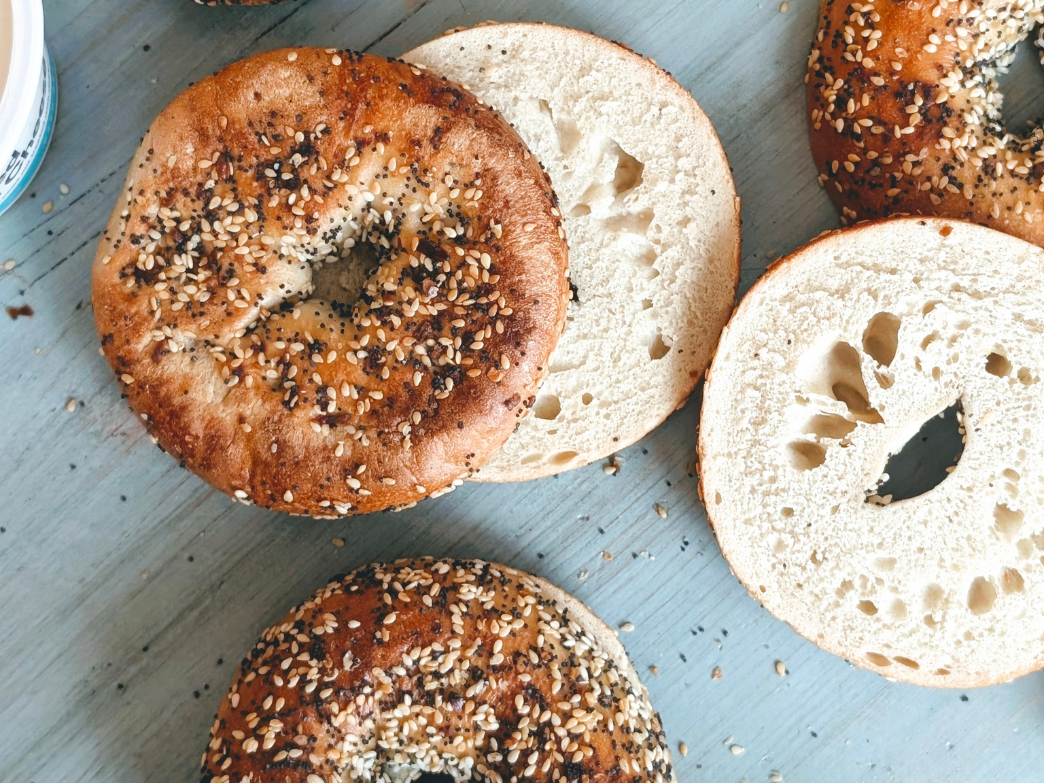
What's Healthier: New York Bagel vs. Montreal Bagel vs. Regular Bagel vs. Gluten-Free Bagel?
By Dr. Jorge, Ph.D. Wildgrain, opens in a new tab is the first bake-from-frozen subscription box for sourdough breads, fresh pastas, and artisanal pastries. New York bagels, Montreal bagels, store-bought bagels, gluten-free bagels — the bagel world is more complicated than it may seem. Whether you're focused on weight loss, managing a dietary restriction, or simply trying to find the best bagel for your preferences, understanding the differences between different bagel varieties can help you make a more informed choice. Read on as we break down everything you need to know to find the best bagel for you. What’s the difference: New York bagel vs. Montreal bagel? What’s so special about a New York bagel? New York bagels and Montreal bagels have some key differences. Most notably, Montreal bagels are sweeter, smaller, and denser, with a larger hole than a New York bagel. Ingredient-wise, New York bagels include salt while Montreal bagels traditionally do not, contributing to the savory quality of NY bagels and the sweeter profile of Montreal bagels. The two also differ in cooking style — New York bagels are boiled in barley malt water before being baked in a conventional oven, while Montreal bagels are boiled in a honey water mixture and traditionally baked in a wood-fired oven. New York bagels, like Wildgrain’s New York Everything Bagels, are largely considered special for their unique chewy texture, which is achieved through a slow, cold fermentation process and boiling in a barley malt water solution before baking. Some also credit New York City's naturally soft tap water as a contributing factor, though this is widely debated and considered by many to be a minor influence at most. What’s the difference: New York bagel vs. regular bagel? The main difference between New York bagels and regular store-bought bagels is that New York bagels undergo a boiling step prior to baking, whereas most store-bought bagels skip this step entirely. Boiling the bagel before baking is what gives New York bagels their signature chewy texture and shiny crust. Store-bought bagels, by contrast, are typically steamed or baked directly, resulting in a softer, more bread-like texture. Which is healthier to eat, New York bagel or Montreal bagel? Whether a New York bagel or Montreal bagel is healthier ultimately depends on the specific bagel, including its size and the type of flour it is made with. Bagels made with whole grain or whole wheat flour are a more nutritious option than those made with refined white flour. From a calorie and carbohydrate perspective, size plays a significant role, and Montreal bagels, being smaller and denser, tend to be lower in calories than the larger New York bagel. Those watching their sodium intake may also prefer Montreal bagels like Wildgrain’s Wood-Fired Plain Bagels, as they are traditionally made without salt. As with any food, checking the nutrition label is the best way to determine which option best fits your dietary needs. Is a gluten-free bagel healthier than a regular bagel? Gluten-free bagels are not necessarily healthier than regular bagels. Since gluten-free bagels are often made with refined starches such as tapioca, corn, and potato starch to mimic traditional textures, they can lack the nutritional benefits of bagels made with whole grain flour. Gluten-free options can also be higher in calories, fat, and sugar compared to traditional bagels. That said, gluten-free bagels such as Wildgrain’s Gluten-Free Slow-Fermented Plain Bagels are an essential option for those with celiac disease or a gluten sensitivity. As always, the best way to compare options and find the best bagel for your needs is to carefully check the nutrition label. Which bagel is best for diabetics, New York bagel or Montreal bagel? Which bagel is better for diabetics, regular or gluten-free bagel? For diabetics, the best bagel is one made with whole grain flour, as it is higher in fiber and lower on the glycemic index than bagels made with refined flour, helping to prevent blood sugar spikes. Whether choosing a New York bagel, Montreal bagel, or gluten-free bagel, the most important factor is the nutritional profile of the individual bagel rather than the style. Gluten-free bagels, while necessary for those with celiac disease or gluten sensitivity, are often made with refined starches that can cause blood sugar levels to rise quickly, making them a less ideal choice for diabetics unless made with whole grain or high-fiber ingredients. To be sure you’re choosing the healthiest bagel option for you, scan the nutrition label for fiber, carbohydrate, and sugar content. Which bagel is best for weight loss, New York bagel or Montreal bagel or regular bagel or gluten-free bagel? Like the best bagel for diabetics, the best bagel for weight loss is one made from whole grains, as the higher fiber content helps you feel full for longer and can prevent overeating. Since weight loss depends on the balance between calories consumed and calories burned, being mindful of the calorie content of your bagel of choice is important. From a calorie standpoint, Montreal bagels have a natural advantage over New York bagels due to their typical smaller size, while gluten-free bagels can sometimes be higher in calories than traditional options due to the refined starches used. That said, if you have a preference for one bagel style over another, you can still enjoy it by cutting the bagel in half or choosing a lighter, nutrient-dense topping like peanut butter or avocado. Do bagels have high histamine? Are gluten-free bagels high in histamine? Traditional bagels are generally not considered high in histamine, though it is worth noting that yeast, a common ingredient in bagels, can contribute to histamine levels in the body. Gluten-free bagels will vary in histamine levels depending on their ingredients, and like traditional bagels, those made with yeast may be a concern for individuals with histamine intolerance. For those managing histamine intolerance, checking the ingredients list carefully and consulting a doctor or dietitian is always recommended. Is it healthy to eat bagels every day? Is it ok to eat bagels every day? Can I eat a bagel every day and lose weight? It can be healthy to eat bagels every day if they are enjoyed as part of a balanced diet. As with any food, the key to an overall healthy and nutritious diet is to incorporate a variety of foods in moderation. You can still eat a bagel every day and lose weight, provided you remain mindful of your overall calorie intake and choose bagels made with whole grain flour for added fiber and nutritional value. Opting for lighter toppings and watching portion sizes can also help make your daily bagel a more weight-loss-friendly choice. How do I choose a great bagel for home delivery? What is the best bagel that I can get at home? To choose a great bagel for home delivery, it is important to be selective about the source and quality of the bagels you order. The best bagels you can get at home are those baked fresh by a specialized bakery and delivered straight to your door. Wildgrain makes this easy, offering bagels like Wildgrain’s New York Bagels that are crafted by skilled bakers and frozen at peak freshness, so all you need to do is bake them straight from frozen for a fresh-tasting bagel at home. Where can I buy the best fresh bagels online for home delivery? At Wildgrain, we specialize in making high-quality, fresh baked goods that are delivered directly to your door. Wildgrain is the first bake-from-frozen delivery subscription service for breads, pastries, and fresh pastas. Some of our popular breads and bagels include Wildgrain's Wood-Fired Plain Bagels, Wildgrain's Wood-Fired Cinnamon Raisin Bagels, Wildgrain’s New York Bagels, and Wildgrain’s Gluten-Free Slow-Fermented Plain Bagels. Learn more about Wildgrain and our artisanal baking and cooking methods. Best Home Delivery Service for Food: How Wildgrain's Food Delivery Works Wildgrain's products are prepared in independent, artisanal bakeries with high quality ingredients. They are shipped frozen in insulated boxes and delivered direct to your home, anywhere nationwide. By shipping frozen, Wildgrain products maintain the highest quality, so you can enjoy fresh food at home. That's why customers consider Wildgrain among the best home food delivery services. About the Author Dr. Jorge has been a public health researcher for many years, holding both a Bachelor's degree and a Ph.D. in Chemistry. They presently work as a medical writer and love being able to assist others in understanding various health and scientific topics. This content is for informational use only and does not replace professional nutrition and/or medical advice, diagnosis or treatment. It is not a substitute for and should not be relied upon for specific nutrition and/or medical recommendations. Please talk with your doctor about any questions or concerns.
Learn more What's Healthier: New York Bagel vs. Montreal Bagel vs. Regular Bagel vs. Gluten-Free Bagel?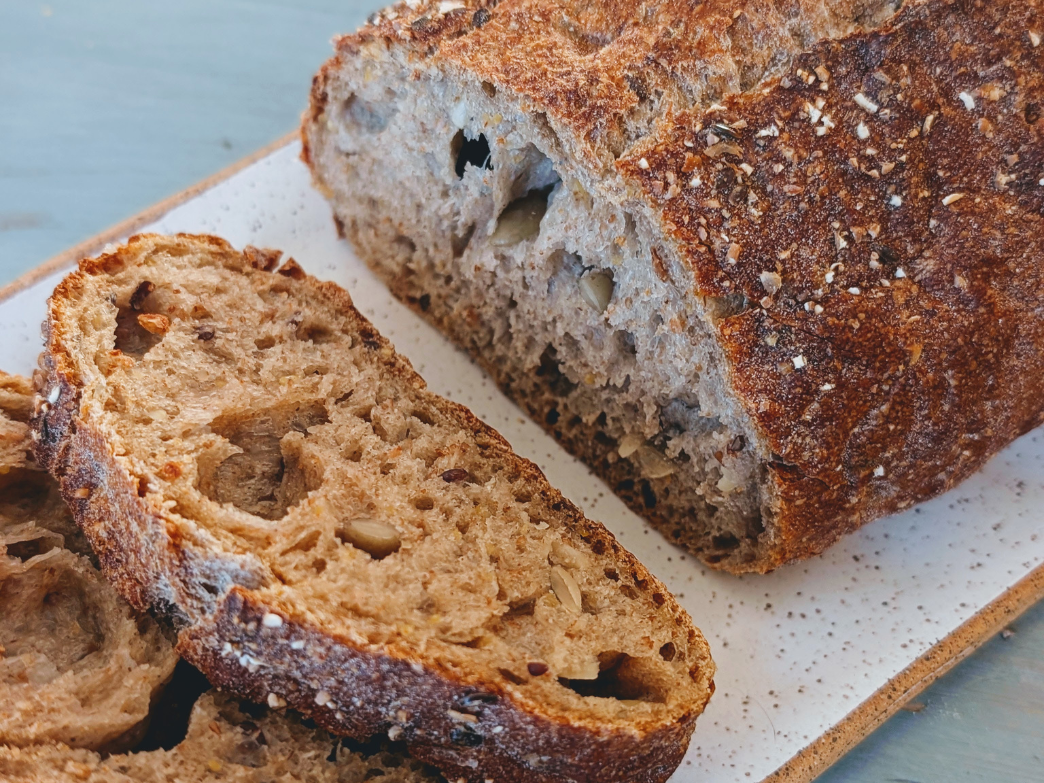
How to Choose the Best Whole Grain Bread: A Buyer’s Guide
By Dr. Jorge, Ph.D. Wildgrain, opens in a new tab is the first bake-from-frozen subscription box for sourdough breads, fresh pastas, and artisanal pastries. Whole grains have become a buzzword for optimal nutrition and health, but not all whole grain foods are created equal. How do you know if whole grain bread is truly whole grain? Read on to learn what to look for when choosing the best whole grain bread during your next trip to the store. Is real whole grain bread good for you? Is whole grain bread healthy? Yes, whole grain bread is one of the most nutritious bread choices you can make. Whole grain foods boast numerous health benefits, including a reduced risk of stroke, type 2 diabetes, heart disease, and colorectal cancer. Unlike white bread, whole grain bread contains the entire grain kernel, retaining fiber and essential nutrients that refined grain products lose during processing. Refined grains are stripped of part of the grain, removing critical vitamins, minerals, and fiber in the process. For anyone looking to make a simple but impactful dietary swap, whole grain bread is a nutritious addition to a balanced diet. How do you know if bread is 100% whole grain? The best way to identify 100% whole grain bread is to check the ingredients list on the bread’s label. Look for "whole grain" or "stoneground whole" next to the grain's name, or "whole wheat." You can also check the packaging for "100% whole wheat." Many whole grain breads will also display a whole grain stamp from the Whole Grains Council. If you see the 100% yellow stamp, all of the grain ingredients in that product are whole grain. Which breads are actually whole grain? How to identify a whole grain bread? Whole grain bread is any bread made from flour that uses the entire grain kernel. This includes 100% whole wheat bread, rye bread, and seeded bread, among others. To identify a whole grain bread, carefully check the ingredients list. A good indicator is that the first ingredient starts with "whole," such as "whole wheat flour" or "whole oats." If a whole grain ingredient is listed second rather than first, the product may be at most 50% whole grain. You can also check the packaging for a 100% whole grain label or yellow stamp from the Whole Grains Council. Be cautious of terms like "multigrain" or "made with whole grains," as these don't necessarily mean the bread is 100% whole grain. Is sourdough bread 100% whole grain? Is all sourdough bread made from whole grains? No, sourdough bread is not necessarily 100% whole grain. While sourdough bread can be made with whole wheat flour or rye flour, most sourdough bread is made with refined white flour or a mix of white and whole grain flours. As with other breads, check the ingredient label for "100% whole wheat sourdough" or "whole grain sourdough" to ensure you are choosing a fully whole grain sourdough bread. Which is better, whole wheat or whole grain bread? Neither whole wheat nor whole grain bread is better than the other. Both whole wheat bread and whole grain bread are equally nutritious, as they are made with the entire grain kernel, which is rich in fiber, vitamins, and minerals. The key difference is that "whole grain" is a broader term encompassing a variety of grains such as oat, wheat, and rye, whereas "whole wheat" refers specifically to bread made from whole wheat flour. Choosing between whole wheat bread and whole grain bread often comes down to personal preference or dietary needs. For example, a non-wheat whole grain bread such as rye or oat would be a better choice for those with a wheat sensitivity. Regardless of the choice, both whole wheat bread and whole grain bread are great additions to a balanced and healthy diet. Is store-bought whole grain bread healthy? What is the healthiest store-bought whole grain bread? Store-bought whole grain bread can be healthy, but the bread’s label is the best indicator of how nutritious that particular bread is. Many store-bought breads may appear to be made from whole grains but are actually mostly made with refined grains and contain added sugars and preservatives. The healthiest store-bought bread lists its first ingredient as a whole grain, such as whole wheat flour or whole oats. If the first ingredient says "wheat flour" or "enriched flour," the bread is likely made primarily from refined grains. You should also check the label for added sugars or other unnecessary ingredients. How do I choose the best whole grain bread? How do I buy the best whole grain bread for home? To choose the best whole grain bread, carefully evaluate the bread’s ingredients and nutrition label. The best whole grain bread will list a whole grain as the first ingredient, such as "whole wheat flour," "whole oats," or "whole rye," and contain limited ingredients overall. Look for bread with at least 3 grams of fiber per serving and no added sugars or excess sodium. Keep in mind that brown-colored bread is not necessarily whole grain, so always rely on the ingredients list rather than appearance when selecting the best whole grain bread for your home. What is the best whole grain bread to buy? The best whole grain bread is one made entirely from whole grains, whether that be oats, wheat, rye, barley, or spelt. Bread made from sprouted grains may offer more nutrients than regular whole grain bread, but the best way to evaluate any whole grain bread is by reading the nutrition label. Prioritize limited ingredients, little to no added sugar, and limited sodium. The taste and texture of whole grain bread can vary widely, so it might be worth trying a few different options to find the best whole grain bread for your preferences. Where can I buy whole grain bread online? At Wildgrain, we specialize in making high-quality, fresh breads that are delivered directly to your door. Wildgrain is the first bake-from-frozen delivery subscription service for breads, rolls, pastries, and fresh pastas. Some of our popular breads include Wildgrain Whole Wheat Sourdough, Wildgrain Plain Sourdough Loaf and Wildgrain Rye Sourdough Loaf. Wildgrain’s Sourdough Bread is often considered to be among the best sourdough bread you can enjoy at home. Learn more about Wildgrain and our artisanal baking and cooking methods. Best Bread Home Delivery Service: How Wildgrain's Bread Delivery Works Wildgrain's breads are prepared in independent, artisanal bakeries with high quality ingredients. The breads are shipped frozen in insulated boxes and delivered direct to your home, anywhere nationwide. By shipping frozen, Wildgrain products maintain the highest quality, so you can enjoy fresh baked breads at home. That's why customers consider Wildgrain among the best home delivery services for bread. About the Author Dr. Jorge has been a public health researcher for many years, holding both a Bachelor's degree and a Ph.D. in Chemistry. They presently work as a medical writer and love being able to assist others in understanding various health and scientific topics. This content is for informational use only and does not replace professional nutrition and/or medical advice, diagnosis or treatment. It is not a substitute for and should not be relied upon for specific nutrition and/or medical recommendations. Please talk with your doctor about any questions or concerns.
Learn more How to Choose the Best Whole Grain Bread: A Buyer’s Guide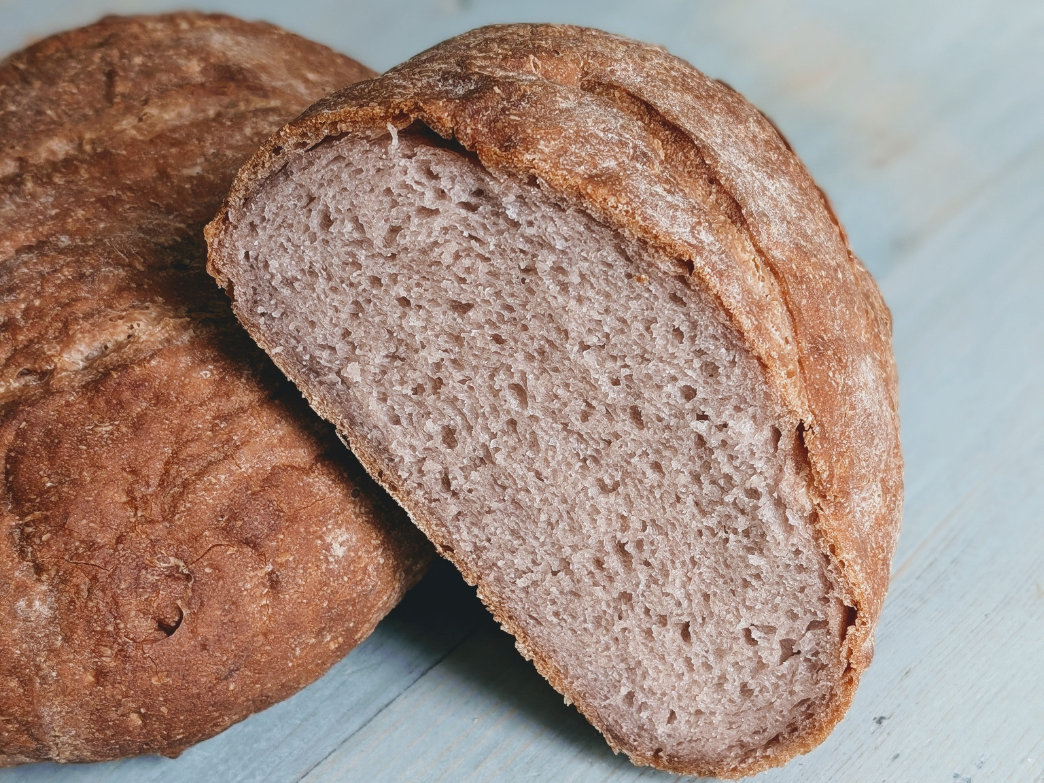
How to Choose the Best Celiac-Safe Bread: A Buyer’s Guide
By Dr. Jorge, Ph.D. Wildgrain, opens in a new tab is the first bake-from-frozen subscription box for sourdough breads, fresh pastas, and artisanal pastries. If you have celiac disease, making sure your food is truly gluten-free can feel overwhelming. Even one accidental slip can make eating stressful. Keep reading to learn how to easily identify celiac-safe foods, so you can feel confident and at ease with your food choices. What foods are safe for celiacs? What foods should celiacs stay away from? Whole foods that are naturally gluten-free are considered safe for those with celiac disease. These include fruits, vegetables, meat and poultry, seafood, and dairy. Foods that contain wheat, rye, barley, and oats should be avoided, as they contain gluten. This includes foods made with white or whole wheat flour, such as cookies, crackers, cakes, and most pasta, which are considered unsafe for those with celiac disease. However, foods that are clearly labeled or certified gluten-free, such as Wildgrain Gluten-Free Bread and Wildgrain Gluten-Free Pasta, are safe to eat when they meet gluten-free standards. How to tell if food is celiac safe? How to tell if food is gluten-free? You can generally tell if food is gluten-free and celiac safe by carefully checking food labels. The first thing to look for is an official “gluten-free” label, which indicates the product meets FDA standards for gluten-free foods (containing less than 20 parts per million (ppm) of gluten). In addition, always scan the ingredients list and avoid wheat, barley, rye, malt, brewer’s yeast, and oats unless the oats are specifically labeled gluten-free. For people with celiac disease, it’s also important to check allergen statements and look for warnings about shared equipment or cross-contamination, as even trace amounts of gluten can trigger symptoms. What to look for on a label if you’re gluten-free? What is the certified gluten-free symbol? If you’re following a gluten-free diet, start by checking the food label for a clear “gluten-free” claim, the allergen statement, and the ingredients list for sources of gluten such as wheat, barley, and rye. You may also see a certified gluten-free symbol on the package, which indicates the product has undergone third-party, independent testing for gluten by an organization such as the Gluten-Free Certification Organization (GFCO). Some certifying bodies use stricter standards than the FDA’s gluten-free definition of less than 20 ppm of gluten. These products are often tested to 10 ppm, offering added assurance for people with celiac disease or gluten sensitivity. Is gluten always listed as gluten on labels? How to find hidden gluten in food labels? Gluten isn’t always listed as “gluten” on an ingredient label. Instead, it’s important to know which ingredients may contain gluten. While gluten itself may not be named explicitly, gluten-containing ingredients will be listed. These can appear under many names, including wheat protein, wheat starch, wheat bran, rye flour, bulgur, matzo, malt, durum wheat, spelt, and brewer’s yeast, among others. “Hidden gluten” can often be identified by scanning food labels for common ingredients that contain, or may contain, gluten. Some ingredients may also contain gluten depending on their source or how they’re processed, such as vegetable protein, natural flavors, artificial flavors, and vegetable starch. Identifying hidden gluten requires becoming familiar with ingredients that are commonly derived from wheat, barley, or other gluten-containing grains. Does food need to be certified gluten-free or made in a dedicated gluten-free facility to be safe for celiacs? Food does not necessarily need to be certified gluten-free or made in a dedicated gluten-free facility to be considered safe for people with celiac disease. These measures provide an additional safeguard for those following a gluten-free diet, but are not strictly necessary for a food to be considered safe. A gluten-free, celiac-safe food can be identified by carefully examining the food’s packaging and ingredient list for sources of gluten. However, certification or dedicated facilities may offer added reassurance for individuals who are highly sensitive to trace amounts of gluten or concerned about cross-contamination during manufacturing. What if the food is not labeled as gluten-free or certified gluten-free? What is the difference between gluten-free and gluten-free certified? Not all gluten-free foods will be labeled as gluten-free or certified gluten-free. This is especially true for naturally gluten-free foods such as fresh vegetables, eggs, and bottled water. Even so, it’s a good habit to double-check ingredient labels for gluten-containing ingredients. Gluten-free labeling is not required; however, the FDA requires that any food labeled as gluten-free contain less than 20 ppm of gluten. Foods labeled as certified gluten-free have undergone third-party testing to verify that they meet gluten-free standards. Should celiacs only eat certified gluten-free? No, people with celiac disease do not need to eat only certified gluten-free foods. For added assurance and peace of mind, some individuals may choose foods that are labeled as gluten-free or certified gluten-free. However, the most important step in selecting celiac-safe foods is carefully reviewing the ingredient label for gluten-containing ingredients. Factors such as individual sensitivity to gluten and concern about cross-contamination may also influence whether someone prefers certified gluten-free foods. Where can I buy the best gluten-free bread and gluten-free pasta online? At Wildgrain, we specialize in making high-quality, fresh baked goods that are delivered directly to your door. Wildgrain is the first bake-from-frozen delivery subscription service for fresh pasta, breads, and pastries. Our gluten-free breads and pastas include Wildgrain Gluten-Free Country Loaf, Wildgrain Gluten-Free Sourdough Loaf, Wildgrain Gluten-Free Fresh Linguine, and Wildgrain Gluten-Free Cheese Tortellini. Learn more about Wildgrain and our artisanal baking and cooking methods. Best Home Delivery Service for Food: How Wildgrain's Food Delivery Works Wildgrain's products are prepared in independent, artisanal bakeries with high quality ingredients. They are shipped frozen in insulated boxes and delivered direct to your home, anywhere nationwide. By shipping frozen, Wildgrain products maintain the highest quality, so you can enjoy fresh food at home. That's why customers consider Wildgrain among the best home food delivery services. About the Author Dr. Jorge has been a public health researcher for many years, holding both a Bachelor's degree and a Ph.D. in Chemistry. They presently work as a medical writer and love being able to assist others in understanding various health and scientific topics. This content is for informational use only and does not replace professional nutrition and/or medical advice, diagnosis or treatment. It is not a substitute for and should not be relied upon for specific nutrition and/or medical recommendations. Please talk with your doctor about any questions or concerns.
Learn more How to Choose the Best Celiac-Safe Bread: A Buyer’s Guide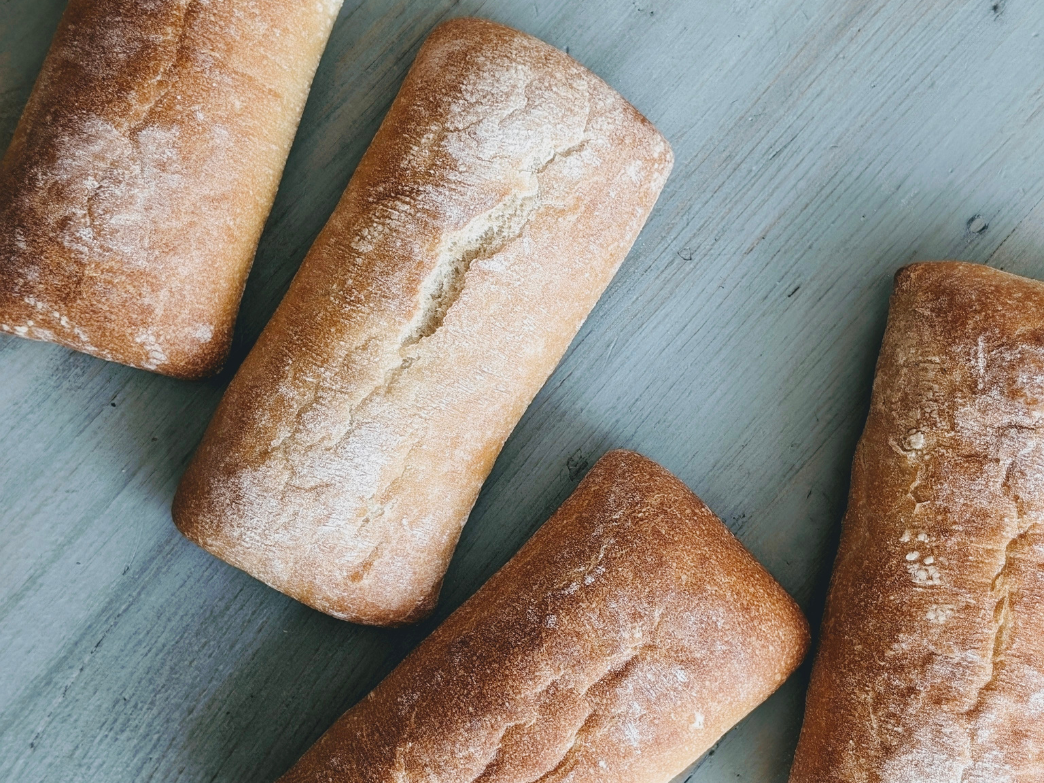
Ciabatta Bread: Healthy or Unhealthy?
By Dr. Jorge, Ph.D. Wildgrain, opens in a new tab is the first bake-from-frozen subscription box for sourdough breads, fresh pastas, and artisanal pastries. Is ciabatta bread your bread of choice? If so, you may be wondering whether it’s healthy and how it compares to other similar bread options. Keep reading to learn whether ciabatta bread is the right choice for you, and whether you can continue enjoying it while still reaching your health goals. Is ciabatta bread healthy or unhealthy? Ciabatta bread, like Wildgrain’s Slow-Fermented Ciabatta, can be healthy when it’s made with just a few simple ingredients: flour, water, salt, and yeast. Traditional ciabatta usually uses white (refined) flour, but whole wheat ciabatta versions offer more nutrients and health benefits. Enjoy it with protein, healthy fats, or veggies to make ciabatta bread a satisfying part of a balanced and nutritious meal. Is ciabatta bread healthier than regular bread? Is ciabatta healthier than white bread? Ciabatta bread can be a healthier choice than many processed white or “regular” breads. Made from just a few simple ingredients, traditional ciabatta bread, like Wildgrain’s Slow-Fermented Ciabatta, undergoes a longer fermentation process, which can increase its nutrient content and make it easier to digest compared to many other breads. That said, store-bought or highly processed ciabatta bread may not provide the same health benefits as bakery-quality ciabatta bread. Is ciabatta bread gut-friendly? Is ciabatta bread gluten-free? Ciabatta bread can be gut-friendly when it’s made traditionally. Traditional ciabatta bread, like Wildgrain’s Slow-Fermented Ciabatta, undergoes a slow, natural fermentation that acts like a pre-digestion, breaking down complex starches into simpler components and making ciabatta bread easier to digest. While this can be gentler on the stomach, ciabatta bread is not gluten-free. However, gluten-free ciabatta can be made using alternative flours like rice or corn flour. Which is better for you, ciabatta bread or sourdough bread or baguette bread? Sourdough bread, like Widgrain Sourdough Loaf, is generally considered a healthier option compared to ciabatta bread and baguette bread. Since sourdough bread undergoes a long, natural fermentation process, it is often easier to digest and tends to have a lower glycemic index than other bread types. This fermentation also helps break down compounds like phytic acid, which can interfere with mineral absorption. As a result, nutrients such as iron, magnesium, and zinc are more easily absorbed by the body, making sourdough bread a more nutritious choice. Ciabatta bread and baguette bread have very similar nutritional profiles, as both are typically made with refined flour and shorter fermentation times. Ciabatta bread is often considered slightly better due to its longer fermentation and the frequent addition of olive oil, which can contribute small amounts of healthy fats. That said, neither offers the same digestive or nutrient-absorption benefits as sourdough. Which is better for you, ciabatta bread or focaccia? Whether ciabatta bread or focaccia bread is the better choice depends on what you’re prioritizing. Both ciabatta bread and focaccia bread typically contain about 130-150 calories and 20-30 grams of carbohydrates per serving. Focaccia bread has a higher fat content because of the olive oil used in its preparation, with about 4.5 grams of fat per serving compared to roughly 0.5 grams in ciabatta bread. If you’re looking for a bread with fewer calories and less fat, ciabatta bread may be the better option. However, if you’re comfortable with the added healthy fats from olive oil and want a more filling bread, focaccia bread can be a good choice. Is ciabatta bread ok for diabetics? Can diabetics eat ciabatta bread? White ciabatta bread is typically not recommended for people with diabetes, as it has a high glycemic index and can cause blood sugar spikes. That said, ciabatta like Wildgrain’s Slow-Fermented Ciabatta may still be able to be enjoyed in moderation. Choosing whole grain or whole wheat ciabatta, or keeping portions small when opting for white ciabatta, can help reduce its impact on blood sugar levels and be a safer option for diabetics. What is the difference between ciabatta vs panini? Ciabatta is a type of bread known for its thin, crispy crust and light, airy interior. A panini, on the other hand, refers to a grilled Italian sandwich that is pressed flat, so the outside becomes crisp while the inside of the sandwich stays warm. Ciabatta bread like Wildgrain’s Slow-Fermented Ciabatta is a popular choice as a bread to use for panini sandwiches, but other breads like focaccia bread or baguette bread are also commonly used. Can you eat ciabatta bread every day and still lose weight? Can you eat ciabatta bread every day and still be healthy? Yes, you can enjoy ciabatta bread, like Wildgrain’s Slow-Fermented Ciabatta, every day and still lose weight or maintain good health, as long as it is eaten in moderation and as part of a balanced diet. Weight loss and overall health depend on total calorie intake and the quality of your overall eating pattern, rather than whether you eat ciabatta alone. Choosing reasonable portions, pairing ciabatta bread with protein, fiber-rich foods, and healthy fats, and opting for whole wheat ciabatta bread when possible can allow you to eat it daily while supporting long-term health and weight goals. Where can I buy the best fresh ciabatta bread online? At Wildgrain, we specialize in making high-quality, fresh baked goods that are delivered directly to your door. Wildgrain is the first bake-from-frozen delivery subscription service for breads, pastries, and fresh pastas. Some of our popular breads include Wildgrain Slow-Fermented Ciabatta Sandwich Rolls, Wildgrain Grain Sourdough Loaf, and Wildgrain Sourdough Whole Wheat Loaf. Learn more about Wildgrain story page and our artisanal baking and cooking methods for delicious breads and more. Best Bread Home Delivery Service: How Wildgrain's Bread Delivery Works Wildgrain's breads are prepared in independent, artisanal bakeries with high quality ingredients. The breads are shipped frozen in insulated boxes and delivered direct to your home, anywhere nationwide. By shipping frozen, Wildgrain products maintain the highest quality, so you can enjoy fresh baked breads at home. That's why customers consider Wildgrain among the best home delivery services for bread. About the Author Dr. Jorge has been a public health researcher for many years, holding both a Bachelor's degree and a Ph.D. in Chemistry. They presently work as a medical writer and love being able to assist others in understanding various health and scientific topics. This content is for informational use only and does not replace professional nutrition and/or medical advice, diagnosis or treatment. It is not a substitute for and should not be relied upon for specific nutrition and/or medical recommendations. Please talk with your doctor about any questions or concerns.
Learn more Ciabatta Bread: Healthy or Unhealthy?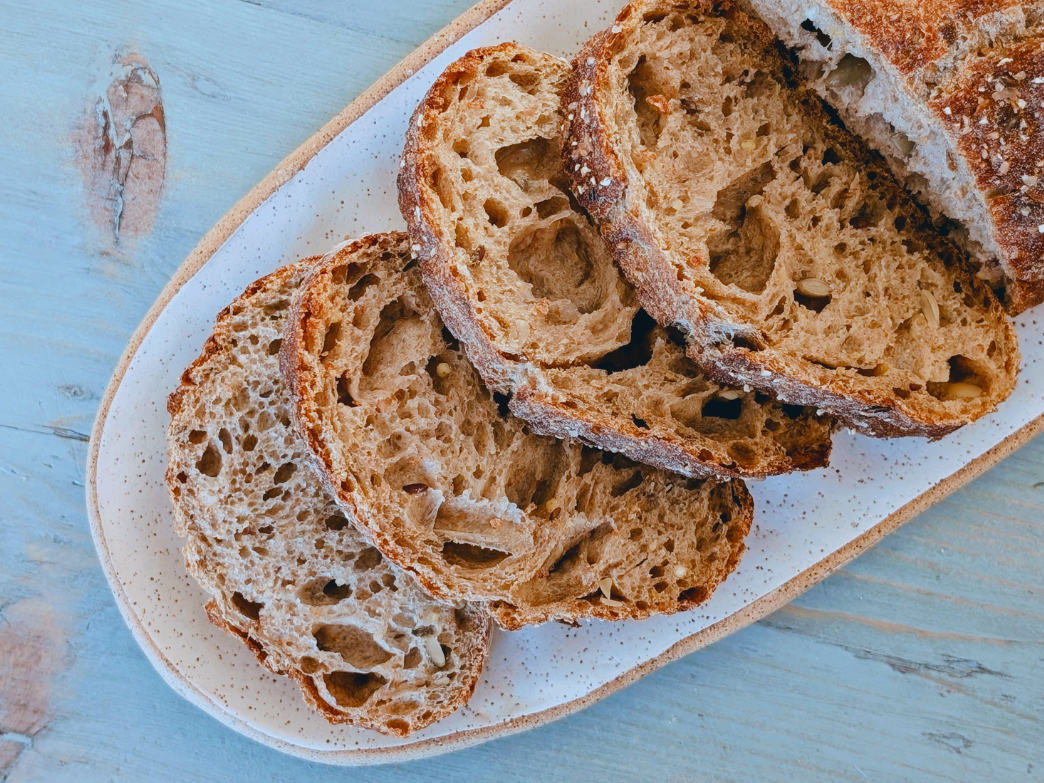
Best Bread for Low-Carb Diet
By Lucy Yanckello, Ph.D. Wildgrain, opens in a new tab, is the first bake-from-frozen subscription box for sourdough breads, fresh pastas, and artisanal pastries. When starting a low-carb diet, bread seems to rise to the top of the ‘foods to avoid’ list. But the good news is that bread does not have to disappear entirely. Choosing the right types, portions, and ingredients can help you enjoy it while still meeting your nutritional goals. What is considered a low-carb diet? What foods can I eat on a low-carb diet? A low-carb diet generally limits carbohydrate intake to somewhere between 50 and 130 grams per day, depending on the plan and individual needs. These diets may be beneficial for people with diabetes or people who need to lose weight for medical reasons, but may not be suitable for everyone. Common low-carb foods include lean proteins like chicken, fish, eggs, and tofu, along with vegetables, nuts, Wildgrain Snack Mix nuts product, seeds, and healthy fats such as olive oil or avocado. Fruits, grains, and breads, Everything Sourdough Bread product are usually eaten in smaller portions, or replaced with higher-fiber alternatives. The focus is less about elimination, and more about choosing foods that provide steady energy instead of spiking blood sugar. Are low-carb diets healthier? Is a low-carb diet good for you? Low-carb diets can offer benefits for certain people, particularly those managing blood sugar, or working towards weight loss. Reducing refined carbohydrates may help improve insulin sensitivity and decrease hunger for some individuals. Many people also find that they feel fuller longer when meals are higher in protein and fat. However it is still important to consider the structure of the diet. A low-carb plan built around vegetables, legumes, and whole foods is very different from one heavy in processed products. The quality of what you are eating is more important than simply cutting carbs. Who should eat a low-carb diet? Who should not go on a low-carb diet? Low-carb eating may be helpful for people with pre-diabetes, type 2 diabetes, or those looking to manage weight under medical guidance. For these groups, lowering carbs will help improve energy and appetite control. However, this diet type is not ideal for everyone. Athletes with high endurance demands, pregnant individuals, or those with certain medical conditions can require more carbohydrates. Anyone considering a major dietary change should consult a healthcare professional, such as a dietitian, to ensure it meets their needs. What are the negatives of a low-carb diet? While many people see benefits, low-carb diets can have drawbacks. Some individuals experience fatigue, headaches, or irritability when first reducing carbohydrates. These symptoms often improve, but can be uncomfortable initially. There is also the risk of missing key nutrients if whole grains, fruits, and fiber-rich foods are removed without thoughtful replacements. Relying on over-processed low-carb products can lead to imbalanced nutrition. A well-planned approach is essential to avoid these pitfalls, which is why it is vital to consult a healthcare professional before starting a low-carb diet. What type of bread is lowest in carbs? Can you eat bread on a low-carb diet? Bread can still fit into a low-carb diet if you opt for varieties designed to be lower in carbohydrates. Breads made with almond flour, coconut flour, or seed blends tend to have fewer net carbs and more fiber than traditional wheat based loves. These ingredients help slow digestion and aid in satiety with smaller portions than that of wheat based breads. Additionally, some traditional breads offer thin-sliced or light alternatives that reduce total carbs per slice simply through portion control. Is sourdough bread low-carb? Can you eat sourdough bread on a low-carb diet? Sourdough bread, like Wildgrain Plain Sourdough Loaf, is not technically low-carb, but it does have some unique characteristics. The natural fermentation process breaks down part of the starch and may slightly reduce the bread's glycemic impact compared with standard white bread. This can lead to a slower rise in blood sugar. However, the total carbohydrate content of sourdough bread remains similar to other wheat breads. Sourdough can fit into a low-carb plan in moderation, especially if slices are kept thin or paired with healthy fats and protein. It is a better choice than refined white bread, but not a true low-carb option. Is whole wheat bread low-carb? Can you eat whole wheat bread on a low-carb diet? Whole wheat bread, like Wiildgrain Sourdough Whole Wheat Loaf, contains more fiber, vitamins, and minerals than white bread because it uses the entire grain. However, it is not considered low-carb by definition. Added fiber slows digestion and may help with blood sugar control and feelings of satiety, so overall it is generally considered a smarter choice than white bread. Still, whole wheat bread has roughly the same overall carbohydrate count as white bread, so for strict low-carb diets it may not fit into daily targets. Is whole grain bread low-carb? Can you eat whole grain bread on a low-carb diet? Whole grain bread, like whole wheat, focuses on retaining the grain's natural components. This provides more fiber and nutrients compared with refined bread, and supports better digestion, heart health, and blood sugar control. However, whole grain bread still contains a substantial amount of carbohydrates so it is better described as nutrient dense rather than low carb. Is gluten-free bread low-carb? Is gluten-free bread or low-carb bread better for weight loss? Gluten-free bread, like Wildgrain Gluten-Free Breads, is often misunderstood as lower in carbs, but this is usually not the case. Many gluten-free loaves are made from rice flour, potato starch, or tapioca which often make it higher in carbohydrates and lower in fiber than traditional bread. Gluten-free bread is designed to avoid gluten, not reduce carbohydrates. What is the best bread to eat on a low-carb diet? What is the best low-carb bread? The best bread for a low-carb diet is one that combines fewer net carbs with simple whole-food ingredients. Look for breads made with nut flours or seeds, as these often strike a balance by providing fiber and healthy fats while keeping carbohydrates lower. These options are still satisfying without spiking blood sugar as quickly as traditional wheat based breads. Ultimately, the best choice is one that you enjoy and can eat consistently. With thoughtful choices, bread can remain part of your healthy lower-carb lifestyle. Where can I buy the best fresh bread online? At Wildgrain, we specialize in making high-quality, fresh breads that are delivered directly to your door. Wildgrain is the first bake-from-frozen delivery subscription service for breads, rolls, pastries, and fresh pastas. Some of our popular breads include Wildgrain Sourdough Whole Wheat, Wildgrain Sourdough 7-Grain Bread, Wildgrain Slow Fermented 3-Seed Bread, and Wildgrain Sourdough Rye Bread. Learn more about Wildgrain and our artisanal baking and cooking methods. Best Bread Home Delivery Service: How Wildgrain's Bread Delivery Works Wildgrain's breads are prepared in independent, artisanal bakeries with high quality ingredients. The breads are shipped frozen in insulated boxes and delivered direct to your home, anywhere nationwide. By shipping frozen, Wildgrain products maintain the highest quality, so you can enjoy fresh baked breads at home. That's why customers consider Wildgrain among the best home delivery services for bread. About the Author Lucy Yanckello received her Ph.D. in nutrition from the University of Kentucky College of Medicine. She currently works as a medical writer and enjoys being able to help people better understand nutrition and science. This content is for informational use only and does not replace professional nutrition and/or medical advice, diagnosis or treatment. It is not a substitute for and should not be relied upon for specific nutrition and/or medical recommendations. Please talk with your doctor about any questions or concerns.
Learn more Best Bread for Low-Carb Diet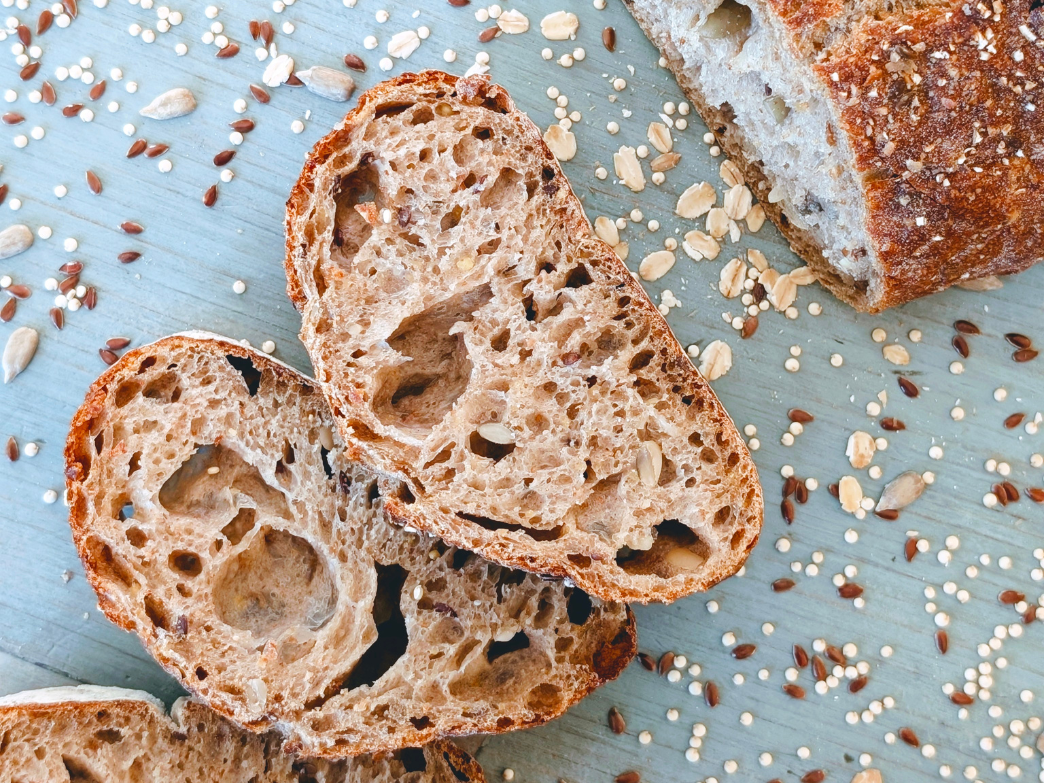
Best Bread for Weight Gain
By Lucy Yanckello, Ph.D. Wildgrain, opens in a new tab, is the first bake-from-frozen subscription box for sourdough breads, fresh pastas, and artisanal pastries. Bread has long been a staple in many diets, and like most foods works best when eaten in moderation. If your goal is weight gain, bread can be a helpful and reliable way to add calories, carbohydrates, and energy to your day. Is bread good for mass gain? Is bread good for weight gain? Bread can support mass gain because it provides carbohydrates and calories in a form that is not only easy to eat, but is also easy to pair with other foods. In opposition to weight loss, which requires a consistent calorie deficit, weight gain requires a consistent calorie surplus. For many people, adding bread to meals or snacks is a practical way to make this surplus more achievable. Is bread good for bulking? Is bread good for gaining muscle? During a bulking phase calories matter, and carbohydrates play an important role. Bread can help provide carbohydrates to fuel workouts and support recovery through replenishing glycogen stores, the body's stored form of carbohydrates. Keeping glycogen stores full makes it easier to train at a higher intensity consistently, which is key for gaining muscle. Bread does not help build muscle directly as muscle gain comes from resistance training and adequate protein intake. However, it supports the conditions needed for muscle growth by helping keep you in a caloric surplus. What bread has the highest calories? What bread has the most carbs? Calorie and carbohydrate content varies widely depending on the type of bread and portion size. Dense breads like multigrain and whole grain breads tend to be higher in calories because they contain whole grains that have not been stripped of the bran, germ, and endosperm. These parts contain more naturally occurring fats, fiber, and nutrients. This makes the bread more filling and slightly more calorie dense than refined white bread. Additionally, many multigrain loaves also include added seeds or grains, which further increase calorie content. Multigrain and Bread sandwich breads provide a significant amount of carbs. With 11 to 20 grams per slice, carbohydrate content accounts for most of the calories in the bread. If weight gain is the goal, opt for thicker or denser breads which makes it easier to increase caloric content without increasing meal volume too much. Does sourdough bread help you gain weight? Sourdough bread can help support weight gain in the same way other breads do by contributing to overall calories and carbohydrate intake. For some, sourdough is also easier to digest which can be helpful when trying to eat more food overall. Additionally, it has a rich flavor and holds up well to toppings, making it fit well into a calorie surplus. Is whole wheat bread good for gaining weight? Is white bread good for weight gain? Both whole wheat and white bread can contribute to weight gain. Whole wheat bread contains more fiber and micronutrients which adds additional nutritional value. However, fiber can be a double edged sword when trying to gain weight because it slows digestion and increases satiety. Some people find this helpful, but others find it limiting when trying to eat more. White bread is lower in fiber often making it easier to eat in larger quantities. For those who struggle to consume enough calories, white bread is a good option. However, the best choice of bread is one that you enjoy and helps meet your caloric needs. What to eat with bread for weight gain? Is bread and peanut butter good for weight gain? Is bread with butter good for weight gain? Bread becomes most effective for weight gain when it is paired with calorie-dense foods. Peanut butter is a popular option because it adds healthy fats, calories, and protein all with very little volume. Additionally, bread with peanut butter is easy to prepare, making it a quick way to add calories to your day. Butter is another way to increase calories because it adds fat without significantly increasing portion size. Other additional toppings include cheese, avocado, eggs, and other nut based spreads. These, in combination with bread, increase caloric density and make bread a vehicle to promote weight gain. What bread is good for weight gain? What’s the best bread to gain weight? The best bread for weight gain is one that you enjoy and helps you meet your caloric needs. Dense breads like whole grain loaves, sourdough, and seeded breads tend to provide more calories per serving. These options can aid in reaching higher calorie targets. However, if the high fiber content keeps you feeling full for too long, white bread is a good option as well. There is no single perfect bread for weight gain. Consistency matters more than the specific type, so choose the bread (or breads) you enjoy and pair it with calorie rich foods to keep you on track to meet your daily calorie goals. Where can I buy healthy bread online? At Wildgrain, we specialize in making high-quality, fresh breads that are delivered directly to your door. Wildgrain is the first bake-from-frozen delivery subscription service for breads, rolls, pastries, and fresh pastas. Some of our popular breads include whole wheat sourdough, plain sourdough loaf and rye sourdough loaf. Learn more about Wildgrain and our artisanal baking and cooking methods. Best Bread Home Delivery Service: How Wildgrain's Bread Delivery Works Wildgrain's breads are prepared in independent, artisanal bakeries with high quality ingredients. The breads are shipped frozen in insulated boxes and delivered direct to your home, anywhere nationwide. By shipping frozen, Wildgrain products maintain the highest quality, so you can enjoy fresh baked breads at home. That's why customers consider Wildgrain among the best home delivery services for bread. About the Author Lucy Yanckello received her Ph.D. in nutrition from the University of Kentucky College of Medicine. She currently works as a medical writer and enjoys being able to help people better understand nutrition and science. This content is for informational use only and does not replace professional nutrition and/or medical advice, diagnosis or treatment. It is not a substitute for and should not be relied upon for specific nutrition and/or medical recommendations. Please talk with your doctor about any questions or concerns.
Learn more Best Bread for Weight Gain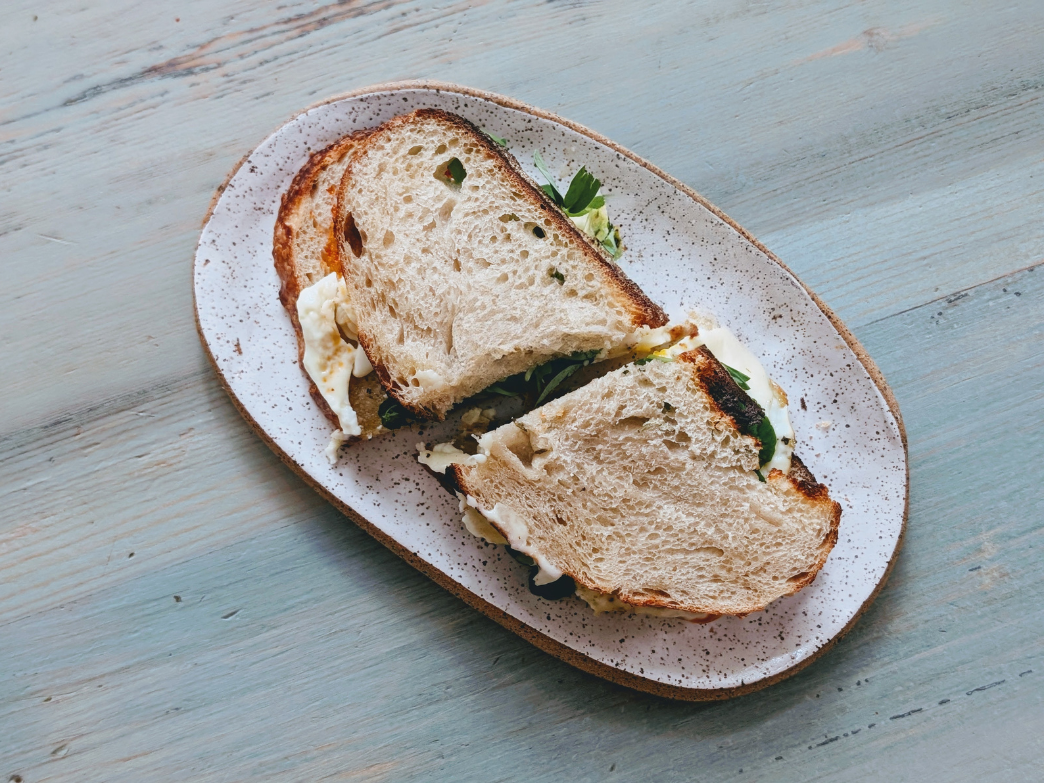
Best Bread for Crohn’s Disease
By Dr. Jorge, Ph.D. Wildgrain, opens in a new tab is the first bake-from-frozen subscription box for sourdough breads, fresh pastas, and artisanal pastries. With no one-size-fits-all diet for Crohn’s disease, it can be challenging to know which bread is best to keep or remove from your diet. In this article, we break down the types of bread that are usually well tolerated and which ones are better avoided, especially during a Crohn’s flare-up. By understanding how different breads can affect digestion, you can feel more confident choosing the best options to support your symptoms and overall gut health. What is the best diet for Crohn’s disease? Which food is bad for Crohn’s disease? While there isn’t one specific diet that works for everyone with Crohn’s disease, certain foods may help ease symptoms during a flare. Generally, low-fiber, low-fat, and easily digestible plant-based foods are better tolerated. This means foods like white rice, potatoes, eggs, fish, and tofu are all good options when symptoms are active, as all these foods tend to be easy on digestion. On the other hand, whole grains, high-fat or fried foods, red meat, dairy products, and spicy or high-fiber foods may worsen Crohn’s symptoms for some people. It can also help to avoid alcohol, caffeine, and carbonated beverages during a flare. Because triggers vary from person to person, keeping a food journal and working with a healthcare provider or dietitian can help you identify what diet works best for your Crohn’s disease. Can you eat bread with Crohn’s disease? Is bread ok for Crohn’s disease? Is bread healthy or unhealthy for people with Crohn’s? Yes, you can eat bread with Crohn’s disease, but it’s best to avoid high-fiber bread, such as whole grain or whole wheat bread, especially during a flare. White bread, sourdough bread, and white gluten-free bread are usually better tolerated by those with Crohn’s disease because they are lower in fiber and easier to digest, making them less likely to trigger symptoms. Bread can be part of a healthy and balanced diet for people with Crohn’s disease as long as you choose bread that works well for your digestive system and avoid any ingredients that can trigger your Crohn’s. Is whole wheat bread ok for Crohn’s disease? Is white bread ok for Crohn’s disease? Whole wheat bread is generally not recommended during a Crohn’s flare-up but may be tolerated in moderation when symptoms are in remission. Whole wheat and other whole-grain breads are high in fiber, which can irritate the intestines and worsen symptoms like diarrhea, bloating, and abdominal pain. White bread, on the other hand, is lower in fiber and easier to digest, making it a better option for many people with Crohn’s disease. Can sourdough bread be eaten on an anti-inflammatory diet? Is sourdough bread good for Crohn’s disease? Yes, you can eat sourdough bread while following an anti-inflammatory diet. Its unique fermentation process boosts its antioxidant content, which can make sourdough bread a great choice for reducing inflammation. Sourdough bread can also be a good option for those with Crohn’s disease because it is typically lower in fiber and easier to digest than many other types of bread. Sourdough bread tends to be well-tolerated because it contains less gluten than many other breads, and its fermentation process helps break down carbohydrates that the small intestine typically has difficulty absorbing. However, store-bought sourdough bread may not always offer the same benefits, as some products can contain additives or other ingredients that could trigger a Crohn’s flare. If possible, opting for authentic or minimally processed sourdough bread can help reduce the chance of triggering your Crohn’s symptoms. Is rye bread ok for Crohn’s? Can you eat rye bread with Crohn’s disease? No, rye bread is typically not recommended for Crohn’s disease. Rye bread may trigger flares or worsen symptoms due to its high fiber, gluten, and fructan content. It is naturally high in fructans, which are difficult to digest because the digestive system lacks the enzymes needed to break them down. Similarly, high-fiber and gluten-containing foods can be hard for some people with Crohn’s to tolerate. While rye bread may not be the best choice for most, it’s still important to identify your own Crohn’s disease trigger ingredients and foods. What is the best bread for Crohn’s disease? What bread is best for Crohn’s? Generally speaking, the best bread for Crohn’s disease is bread that is easy to digest. Traditional sourdough bread, white gluten-free bread, and regular white bread are all good options because they are low in fiber and usually well-tolerated. However, the best bread will ultimately depend on your individual food triggers and whether your Crohn’s disease is active or in remission. Some types of bread may be tolerated differently during a flare, so it’s important to choose options that work well for your digestive system during these different periods. Should you eat gluten if you have Crohn’s disease? Is gluten-free bread good for Crohn’s disease? Everybody will have a different experience with gluten when living with Crohn’s disease. Some people find that a gluten-free diet improves their symptoms, while others don’t notice any differences. If you’re having trouble identifying which foods trigger Crohn’s flares, you could try going gluten-free temporarily and monitor how your body responds. If you know your body doesn’t tolerate gluten well or want to try eliminating it, gluten-free bread might be a good option for Crohn’s disease. However, some gluten-free breads may contain other ingredients that can trigger symptoms, so it’s important to read labels carefully. Where can I buy healthy bread online? At Wildgrain, we specialize in making high-quality, fresh breads that are delivered directly to your door. Wildgrain is the first bake-from-frozen delivery subscription service for breads, rolls, pastries, and fresh pastas. Some of our popular breads include whole wheat sourdough, plain sourdough loaf and rye sourdough loaf. Learn more about Wildgrain and our artisanal baking and cooking methods. Best Bread Home Delivery Service: How Wildgrain's Bread Delivery Works Wildgrain's breads are prepared in independent, artisanal bakeries with high quality ingredients. The breads are shipped frozen in insulated boxes and delivered direct to your home, anywhere nationwide. By shipping frozen, Wildgrain products maintain the highest quality, so you can enjoy fresh baked breads at home. That's why customers consider Wildgrain among the best home delivery services for bread. About the Author Dr. Jorge has been a public health researcher for many years, holding both a Bachelor's degree and a Ph.D. in Chemistry. They presently work as a medical writer and love being able to assist others in understanding various health and scientific topics. This content is for informational use only and does not replace professional nutrition and/or medical advice, diagnosis or treatment. It is not a substitute for and should not be relied upon for specific nutrition and/or medical recommendations. Please talk with your doctor about any questions or concerns.
Learn more Best Bread for Crohn’s Disease