

Wildgrain Blog
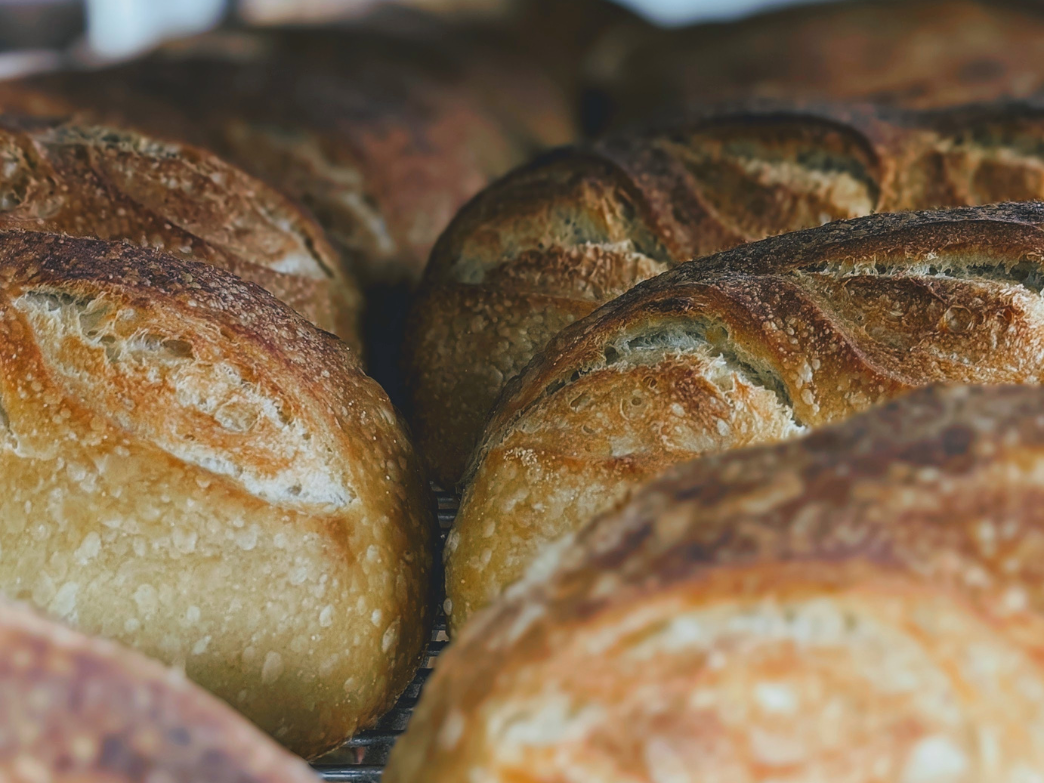
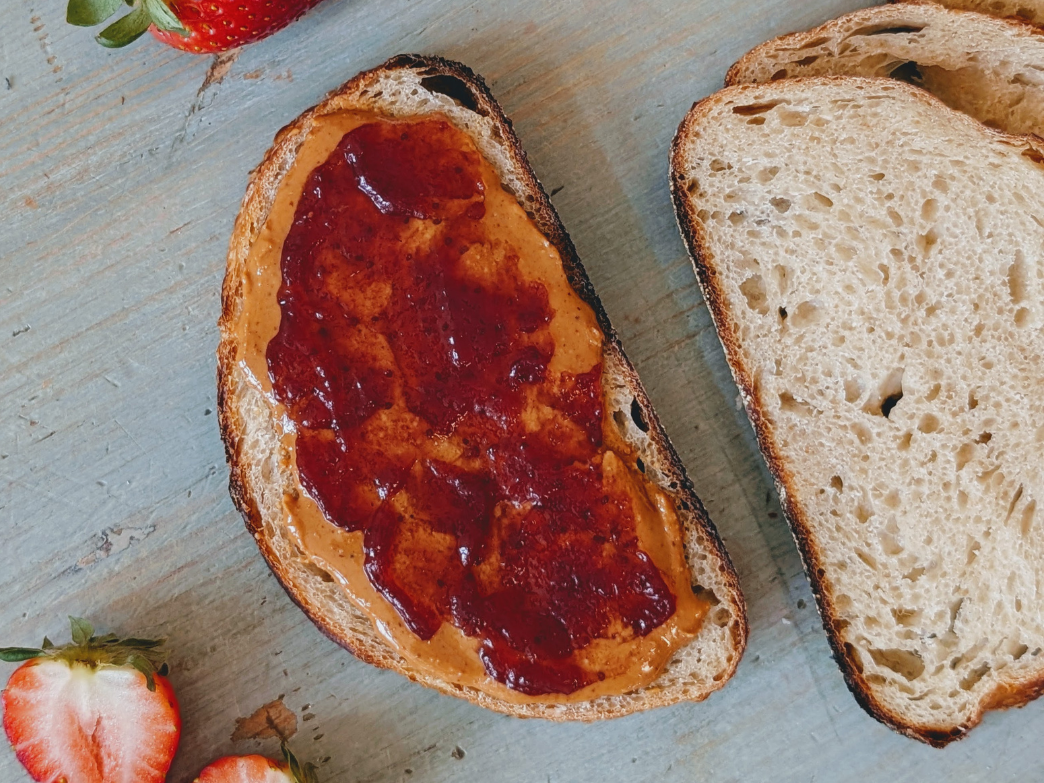
What’s Healthier: Jam vs. Jelly vs. Preserves vs. Marmalade
By Lucy Yanckello, Ph.D. Wildgrain, opens in a new tab, is the first bake-from-frozen subscription box for sourdough breads, fresh pastas, and artisanal pastries. Fruit spreads often show up on breakfast tables, but labels are often confusing. Jam, jelly, preserves, and marmalade are all made from fruit, but they are different in how they are prepared, how much fruit they contain, and how much added sugar they include. Understanding these differences makes it easier to choose the option that best fits into your health goals and taste preferences. What’s the difference: jam vs. jelly vs. preserves vs. marmalade? The main difference between types of fruit spread comes down to how much fruit is used and how this fruit is processed. Jelly is made from fruit juice, giving it a smooth clear texture with no pieces of fruit left in the final product. On the other hand, jamGo to Artisanal strawberry jam is made from crushed fruits so it has a thicker texture and usually contains small bits of fruit. Preserves contain the most intact fruit, often consisting of large pieces or whole chunks of fruit suspended in a syrup. Lastly, marmalade is typically made from citrus fruits and includes the peel, giving it a slightly bitter flavor and more complex texture than jam or jelly. Additionally, all four fruit spreads contain varying levels of added sugar, and jelly, jam, and preserves contain pectin (either added or naturally) which is a naturally occurring fiber in fruits that is used as a thickener. Which is healthier: jam or jelly? When comparing jelly and jam, jamGo to Artisanal strawberry jam is often considered to be healthier because it is made with crushed fruit rather than just fruit juice. As such, it typically contains more fiber and naturally occurring vitamins and minerals. Jelly, while still providing flavor and energy from carbohydrates, usually offers fewer nutritional benefits than jam. However, there is a place for both jelly and jam in a balanced diet. Portion size is often more important than label contents when it comes to overall health. Which is healthier: preserves or marmalade? Preserves often have a slight edge as healthier than marmalade because they contain larger pieces of fruit. More fruit generally means more fiber and micronutrients. Fiber plays a role in digestion and blood sugar regulation, supporting overall health. Marmalade can also be a good choice since citrus peel contains beneficial compounds such as vitamin C. However, marmalade is often higher in sugar to balance the bitterness of the citrus rind, so be sure to check the label. Are preserves healthier than jelly? Are preserves better than jelly? In most cases, yes, preserves are a better option than jelly because they contain whole fruit. More whole fruit means more fiber and a slightly lower glycemic impact, making preserves a good option for those looking for a fruit spread with more nutritional value. Jelly tends to be higher in added sugars and contain fewer nutrients as it only contains the juice of fruit, instead of whole pieces. Which has less sugar: jam, jelly, preserves, or marmalade? Sugar content in each fruit spread varies more by brand than by type but there are some general patterns. Jelly often has the highest sugar content because it relies on only fruit juice for flavor, meaning a lot of the burden falls on sugar for structure and texture. Marmalade is also often higher in sugar to balance out the bitterness of citrus peel. Preserves and jam may contain less sugar since they rely more on the fruit itself for sweetness. You can also find low-sugar, or no-added-sugar versions of each type of fruit spread. Be sure to read the labels to better understand the sugar content of your favorite brand. Is toast and jam a healthy snack? Is toast and marmalade healthy? Toast with jam or marmalade can be a healthy snack when eaten in moderation. Be sure to use whole grain or sourdough toast to up the fiber and nutrients since fruit spreads already have a high carbohydrate content. Pairing this snack with a protein source like yogurt or nut butter could also make it more balanced and satiating. Can I eat preserves and lose weight? If I eat jam and jelly, can I still lose weight? Yes you can still lose weight by eating preserves or jam. Weight loss depends on a caloric deficit, not the presence or absence of a specific food or food group. Opting for spreads with lower added sugar can also help support weight management and keep you in a caloric deficit. Can diabetics have preserves? Can diabetics have jam or jelly? Can you eat marmalade with diabetes? People with diabetes can enjoy fruit spreads in moderation. Traditional jam, jelly, preserves, and marmalade can raise blood sugar due to their sugar content. However, spreads made with reduced sugar content, or sweetened with alternative sweeteners can help keep these fruit spreads in your diet if you are diabetic. Pairing a carbohydrate rich food such as fruit spreads with fiber-rich foods such as whole grain toast, or a protein source such as greek yogurt can help mitigate blood sugar spikes. Are fruit spreads healthy? Which fruit jam is healthiest? The healthiest fruit spread is one you enjoy that fits into your diet. Opt for spreads with short ingredient lists, higher fruit content, and little to no added sweetener. Berry-based jams are a great option because berries are naturally high in antioxidants and fiber. No single spread choice will determine your health, but thoughtful choices add up over time. Where can I buy the best fresh bread and jam online? At Wildgrain, we specialize in making high-quality, fresh breads that are delivered directly to your door. Wildgrain is the first bake-from-frozen delivery subscription service for breads, rolls, pastries, and fresh pastas. Some of our popular offerings include plain sourdough loaf, whole wheat sourdough, and artisanal strawberry jam. Learn more about Wildgrain and our artisanal baking and cooking methods. Best Home Delivery Service for Food: How Wildgrain's Food Delivery Works Wildgrain's products are prepared in independent, artisanal bakeries with high quality ingredients. They are shipped frozen in insulated boxes and delivered direct to your home, anywhere nationwide. By shipping frozen, Wildgrain products maintain the highest quality, so you can enjoy fresh food at home. That's why customers consider Wildgrain among the best home food delivery services. About the Author Lucy Yanckello received her Ph.D. in nutrition from the University of Kentucky College of Medicine. She currently works as a medical writer and enjoys being able to help people better understand nutrition and science. This content is for informational use only and does not replace professional nutrition and/or medical advice, diagnosis or treatment. It is not a substitute for and should not be relied upon for specific nutrition and/or medical recommendations. Please talk with your doctor about any questions or concerns.
Learn more What’s Healthier: Jam vs. Jelly vs. Preserves vs. Marmalade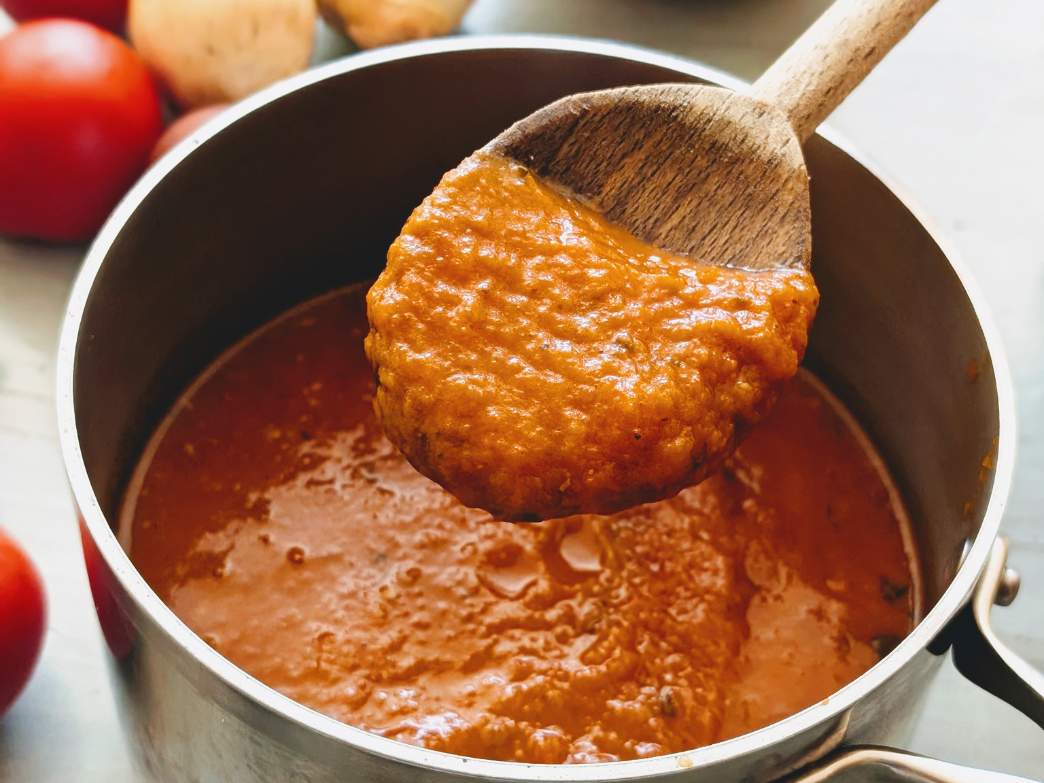
What’s Better: Marinara Sauce vs. Ragu Sauce vs. Cheese Sauce vs. Olive Oil vs. Pasta Sauce
By Lucy Yanckello, Ph.D. Wildgrain, opens in a new tab, is the first bake-from-frozen subscription box for sourdough breads, fresh pastas, and artisanal pastries. Pasta sauces come in many forms, and the names are often used interchangeably even when they mean very different things. Marinara, ragu, cheese sauce, olive oil, and general pasta sauce all vary in ingredients and nutritional profile. Understanding what is actually in each one makes it easier to choose a sauce that works for your taste and diet. What’s the difference: marinara sauce vs. ragu sauce vs. cheese sauce vs. olive oil vs. pasta sauce? Marinara sauce is a tomato-based sauce made with tomatoes, garlic, herbs, and olive oil. It is typically light, low in fat, and quick to prepare. Ragu is a meat based sauce that usually includes tomatoes, ground or slow-cooked meat, herbs, and sometimes dairy, which makes it richer and more calorie dense than marinara. Cheese sauce is made primarily from dairy ingredients like cheese, milk, and cream making it high in fat and calories. Olive oil on pasta is the simplest option, using oil as the primary flavor base rather than a cooked sauce. Pasta sauce itself is a broad term that can refer to any sauce that is served with pasta including marinara, meat sauces, cream sauces, or oil based sauces. What exactly is ragu sauce? What is the difference between ragu sauce and spaghetti sauce? Ragu is a traditional Italian meat sauce that is slowly cooked. The flavor of ragu is built around meat instead of tomatoes. While tomatoes are often included, they are not the star of the sauce. Ragu is typically thicker, richer, and higher in protein and fat than a simple marinara sauce. Spaghetti sauce is a more general term. It often refers to a tomato-based sauce that may or may not include meat. While there are similarities in the ingredients, ragu is a specific type of meat sauce whereas spaghetti sauce is a catch-all term that can refer to a multitude of tomato based sauces served with spaghetti. What is considered pasta sauce? Is pasta sauce the same as marinara sauce? Pasta sauce refers to any sauce served with pasta, regardless of the ingredients. Marinara is a type of pasta sauce, but not all pasta sauces are marinara. Olive oil, pesto, cheese sauces, cream sauces, and meat sauces all fall under the broader category of pasta sauce. Which is healthier on pasta: olive oil or marinara sauce? Both olive oil and marinara sauce can fit into a healthy diet. Marinara offers more volume and nutrients for fewer calories, while olive oil provides healthy fats in a more concentrated form. Olive oil provides heart-healthy monounsaturated fats, but it is calorie dense so a small amount goes a long way. Marinara sauce is lower in calories and fat and provides antioxidants like lycopene from tomatoes. However, be sure to check the ingredients list as some brands may contain added sugar. Which is healthier on pasta: marinara sauce, ragu sauce, or cheese sauce? Marinara sauce is generally the lightest option, with fewer calories and less fat than ragu or cheese sauce. It is plant based, low in saturated fat, and often easier to fit into everyday meals. Ragu offers more protein, which is important for satiety. However, it is usually higher in calories and fat. Cheese sauces tend to be the richest of the three, with higher levels of fat and calories. All three can fit into a balanced diet, but ragu and cheese sauces are best enjoyed in moderation. Which sauce has the least sugar? What pasta sauce is best for diabetics? Olive oil contains no sugar, making it the lowest-sugar option by default. Among the tomato-based sauces, marinara typically has less sugar than many jarred pasta sauces. However, be sure to read the label if you are buying your marinara instead of making it yourself as many brands add sugar. Ragu may contain small amounts of sugar from tomatoes, but the presence of fat and protein from the other ingredients can help mitigate blood sugar spikes. For people with diabetes, sauces with minimal or no added sugar and simple ingredient lists are best. Be sure to read labels, as sugar content can vary widely between brands. Additionally, pairing sauces with fiber rich pasta and a protein source can also help keep blood sugar spikes at bay. What is the healthiest pasta sauce for weight loss? For weight loss, the healthiest pasta sauces are those that are lower in calories and added sugar while still being satisfying. Marinara sauce fits into this description and may be one of the healthiest pasta sauces because it is tomato based and lower in fat so it can be used generously. However, be sure to check the ingredient list if buying marinara from the store as there is often sugar added in. Olive oil can work for weight loss as well, but portion control is important due to its high caloric density. Cream-based and cheese based sauces should be eaten in moderation as they are calorie dense and it is easy to overeat these types of sauces without realizing it. What is the healthiest sauce for pasta? What is the best pasta sauce? The healthiest pasta sauce is one that you enjoy that fits into your diet. For most people, marinara offers a strong combination of nutrients, flavor, and versatility. Olive oil provides healthy fats, and ragu is a good option for those with higher protein needs. No single sauce is perfect for every goal, but understanding the differences helps you make informed choices for your needs. Where can I buy healthy pasta and pasta sauce online? At Wildgrain, we specialize in making high-quality, fresh breads and pastas that are delivered directly to your door. Wildgrain is the first bake-from-frozen delivery subscription service for breads, pastries, and fresh pastas. Some of our popular pastas and pasta sauces include spinach and ricotta ravioli, gluten-free cheese tortellini, classic marinara sauce, sausage ragu sauce, and artisan 3-cheese sauce. Learn more about Wildgrain and our artisanal baking and cooking methods. Best Home Delivery Service for Food: How Wildgrain's Food Delivery Works Wildgrain's products are prepared in independent, artisanal bakeries with high quality ingredients. They are shipped frozen in insulated boxes and delivered direct to your home, anywhere nationwide. By shipping frozen, Wildgrain products maintain the highest quality, so you can enjoy fresh food at home. That's why customers consider Wildgrain among the best home food delivery services. About the Author Lucy Yanckello received her Ph.D. in nutrition from the University of Kentucky College of Medicine. She currently works as a medical writer and enjoys being able to help people better understand nutrition and science. This content is for informational use only and does not replace professional nutrition and/or medical advice, diagnosis or treatment. It is not a substitute for and should not be relied upon for specific nutrition and/or medical recommendations. Please talk with your doctor about any questions or concerns.
Learn more What’s Better: Marinara Sauce vs. Ragu Sauce vs. Cheese Sauce vs. Olive Oil vs. Pasta Sauce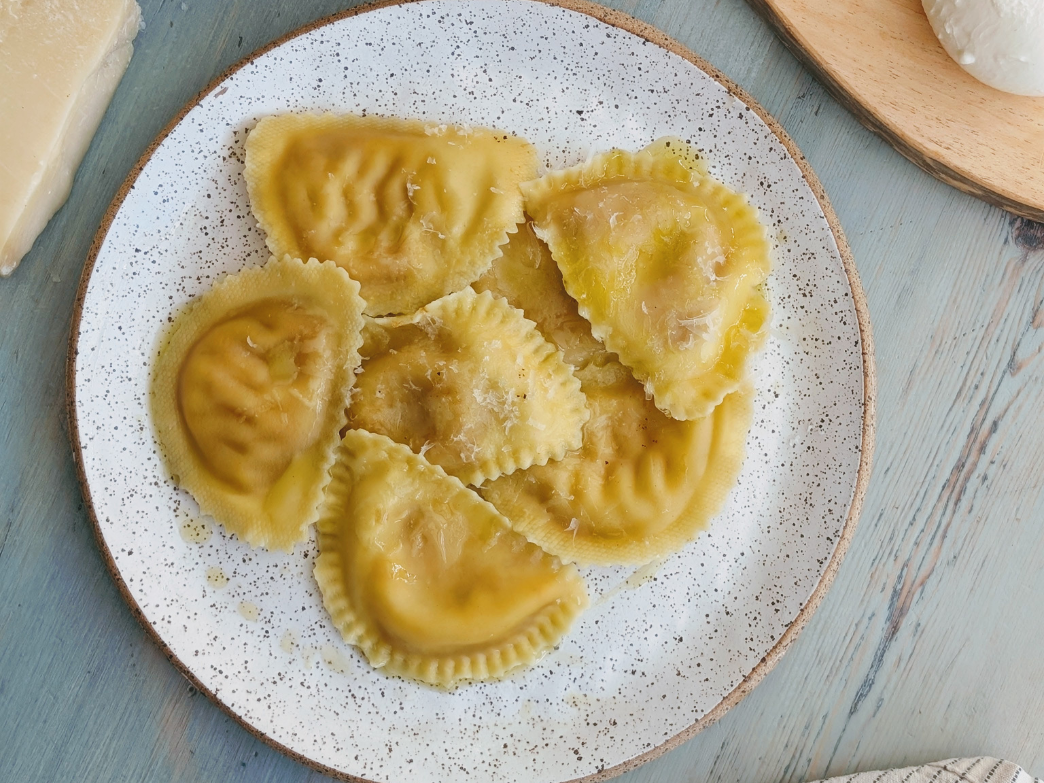
Best Pasta for Crohn’s Disease
By Dr. Jorge, Ph.D. Wildgrain, opens in a new tab is the first bake-from-frozen subscription box for sourdough breads, fresh pastas, and artisanal pastries. Crohn’s disease can make eating challenging, especially during an active flare. You might be wondering how your favorite pasta dish can impact your Crohn’s symptoms and whether pasta can still fit into your diet. Read on to learn more about the best pasta options for managing Crohn’s disease. Can you eat pasta with Crohn’s disease? Is pasta ok for Crohn’s disease? Is pasta healthy or unhealthy for people with Crohn’s? Yes, you can eat pasta with Crohn’s disease. For those living with Crohn’s, it’s generally recommended to choose foods that are easy to digest to support healing and ease symptoms. Whole-grain pasta, especially during flare-ups, is not ideal because it’s high in fiber and can worsen symptoms such as diarrhea. However, pasta can still be part of a healthy diet for people with Crohn’s when you opt for low-fiber options, such as white pasta. Is whole wheat pasta ok for Crohn’s disease? Is white pasta ok for Crohn’s disease? Whole wheat pasta is usually not recommended for people with Crohn’s disease, although it may be tolerated during remission. During a flare-up, whole grains such as whole wheat pasta should be avoided due to their high insoluble fiber content, which can aggravate symptoms. Refined grains, including white pasta, are generally okay for Crohn’s disease. White pasta is easier to digest and less likely to irritate the digestive tract and worsen symptoms. Can you eat noodles with Crohn’s disease? Are noodles ok for Crohn’s disease? Yes, you can eat noodles with Crohn’s disease. Similar to pasta recommendations for Crohn’s, it’s best to choose noodles that are low in fiber and easy to digest, especially during a flare. Rice noodles are often well tolerated, as they are gentle on the digestive system. Some vegetable noodles, such as zucchini or squash, may also be easier to digest, particularly when cooked until soft. However, tolerance of vegetable noodles can vary from person to person, so it ultimately depends on your specific symptoms and which foods work best for managing your Crohn’s disease. What kind of pasta does not cause inflammation? Is spaghetti an inflammatory food? Whole grain pasta and legume-based pasta (such as chickpea, lentil, or edamame) can be anti-inflammatory, especially when paired with other anti-inflammatory ingredients like vegetables, olive oil, garlic, and herbs. In contrast, spaghetti made with refined (white) flour may be more inflammatory. White pastaGo to fresh rigatoni 12oz can cause rapid spikes in blood sugar, which may trigger inflammation. For people with Crohn’s disease, the best pasta choice is ultimately a balance between anti-inflammatory benefits and what is best tolerated based on whether the disease is active or in remission. Is macaroni and cheese ok for Crohn’s disease? What type of cheese is not inflammatory? Macaroni and cheese can be okay for Crohn’s disease, but it depends on the type and an individual’s trigger foods. Dairy and high-fat foods can worsen symptoms, so low-lactose or smaller portions are often better tolerated, especially during a flare. Cheese itself is not inflammatory, but many people with Crohn’s are sensitive to lactose. Hard, aged cheeses such as cheddar, Swiss, or Havarti are usually the best choice for mac and cheese because they are lower in lactose and easier to digest. Can you eat tomato sauce with Crohn’s disease? What pasta sauce is good for Crohn’s disease? Tomato sauce is a common trigger for Crohn’s disease because the acidity, skins, and seeds can irritate the gut, especially during flares. Small portions, homemade sauces without skins or seeds, or well-cooked sauces may be better tolerated. For a sauce that is gentler on the digestive system, creamy vegetable purees or olive oil are often the best options for people with Crohn’s. What is the best pasta dish for Crohn’s disease? What pasta dishes are best for Crohn’s? The best pasta dish for Crohn’s disease includes low-fiber pasta, such as white pasta or rice noodles, paired with an easily digestible sauce, like a creamy vegetable puree or a small amount of olive oil. Adding lean protein, such as turkey, skinless chicken, or salmon, can make the meal more satisfying without irritating the gut. Gentle, cooked vegetables like carrots, squash, or zucchini make great additions, and small amounts of hard, aged cheeses like Parmesan can be included if tolerated. During Crohn’s flares, it’s best to avoid tomato-based sauces and high-fiber ingredients, focusing instead on a pasta dish that combines foods that are both nutritious and gentle on your digestive system. What is the best pasta for Crohn’s disease? What pasta is best for Crohn’s? The best pasta for Crohn’s disease ultimately depends on whether the disease is active or in remission. In general, low-fiber pasta, such as white pasta, is often the best choice to help prevent uncomfortable symptoms like abdominal pain and diarrhea. White pasta is typically easier to digest and better tolerated than higher-fiber varieties, making it a good option for an irritated or inflamed digestive system. Where can I buy the best fresh pasta online? At Wildgrain, we specialize in making high-quality, fresh breads and pastas that are delivered directly to your door. Wildgrain is the first bake-from-frozen delivery subscription service for breads, pastries, and fresh pastas. Some of our popular pastas include fresh cavatappi, fresh tonnarelli, and fresh rigatoni, along with classic marinara sauce and extra virgin olive oil. Learn more about Wildgrain and our artisanal baking and cooking methods. Best Pasta Home Delivery Service: How Wildgrain's Pasta Delivery Works Wildgrain's pastas are prepared in independent, artisanal bakeries with high quality ingredients. The pastas are shipped frozen in insulated boxes and delivered direct to your home, anywhere nationwide. By shipping frozen, Wildgrain products maintain the highest quality, so you can enjoy fresh pasta at home. That's why customers consider Wildgrain among the best home delivery services for pasta. About the Author Dr. Jorge has been a public health researcher for many years, holding both a Bachelor's degree and a Ph.D. in Chemistry. They presently work as a medical writer and love being able to assist others in understanding various health and scientific topics. This content is for informational use only and does not replace professional nutrition and/or medical advice, diagnosis or treatment. It is not a substitute for and should not be relied upon for specific nutrition and/or medical recommendations. Please talk with your doctor about any questions or concerns.
Learn more Best Pasta for Crohn’s Disease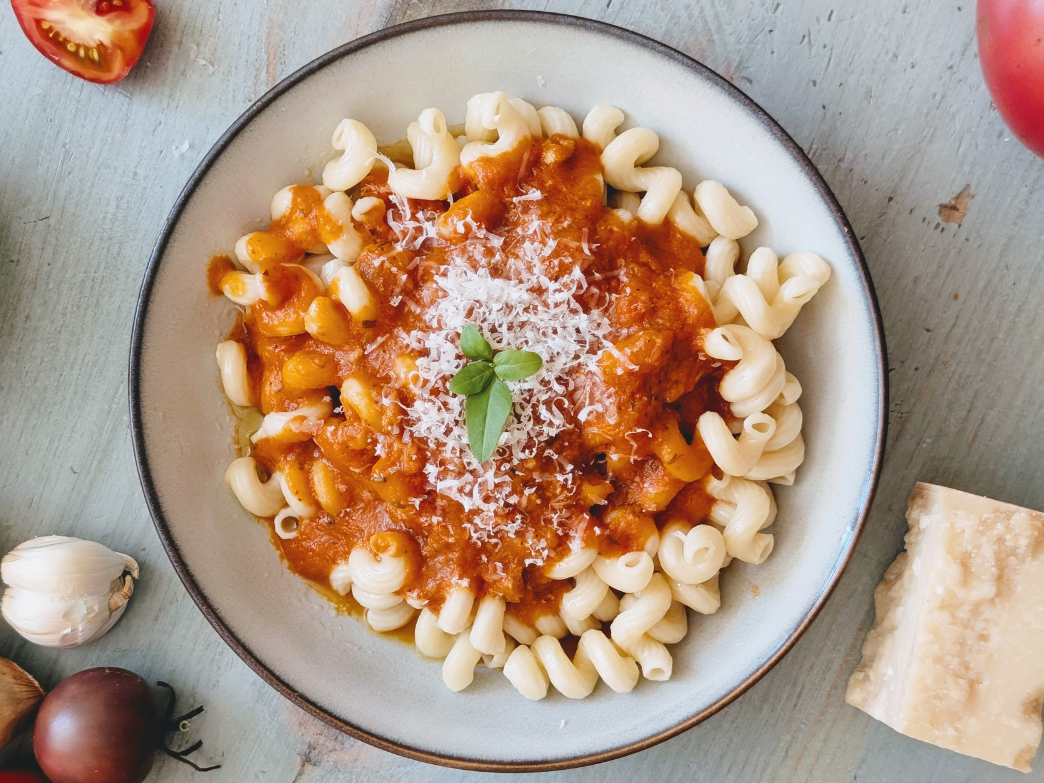
Best Pasta for Weight Gain
By Lucy Yanckello, Ph.D. Wildgrain, opens in a new tab is the first bake-from-frozen subscription box for sourdough breads, fresh pastas, and artisanal pastries. Pasta always gets lots of love on dinner tables because it is filling, familiar, and easy to pair with a wide range of nutritious foods. When your goal is to gain weight or build muscle, pasta can help you reach your calorie goals and fuel hard workouts without making your meals feel too heavy. Is pasta good for mass gain? Is pasta good for weight gain? Pasta can be good for mass gain because it is a carbohydrate rich food that helps increase your total calorie intake without requiring very large portions. Weight gain occurs when you are in a caloric surplus, or when you consume more calories than your body burns. Pasta paired with sauce, protein, and healthy fats is an easy way to boost daily calories without feeling overly full. On its own, pasta does not cause weight gain. The magic comes from adding calorie-dense toppings or eating larger portions, increasing your overall food intake. Is pasta good for bulking? Is pasta good for gaining muscle? PastaGo to fresh rigatoni 12oz is a solid carbohydrate choice for anyone in the bulking phase because carbs help fuel workouts and support recovery through replenishing glycogen storages. Glycogen is the body's stored form of carbohydrates, so keeping glycogen stores full makes it easier to train at a higher intensity consistently, which is key for muscle growth. Pasta alone won’t make you gain muscle. Muscle growth depends on resistance training and protein intake. However, pasta supports muscle gain by providing carbohydrates that supply energy for workouts and help increase overall calorie intake. When your body has enough energy from carbohydrates, it is more likely to use protein for muscle repair and growth rather than breaking it down for energy. What pasta has the highest calories? What pasta has the most carbs? Calorie and carbohydrate content varies based on type, shape, and portion size. Generally, dried pasta like penne, spaghetti, and fettuccine contain about 200 calories, and 40 to 45 grams of carbohydrates per cooked up. Larger shapes and stuffed pastas often have higher calorie and carbohydrate counts because they pack more pasta per serving, or include fillings that have extra calories. Whole grain pastas may have slightly more calories and a bit more fiber, but the biggest calorie drivers are portion size and what you add to your pasta. Protein-enriched pastas, such as those made from chickpeas, lentils, or added protein blends can also support weight gain. These pastas usually contain slightly fewer carbohydrates than traditional wheat pasta but provide more protein per serving, which can be helpful for muscle recovery. Can gnocchi help you gain weight? Is ravioli good for weight gain? Yes, gnocchi can help with weight gain because it is made from potatoes and flour, which provide carbohydrates and calories in an easy to eat form. A typical serving of gnocchi provides similar calories and carbs to wheat-based pastas, making it a good option if you need variety in your diet when trying to consume more calories. Ravioli is also a good option for weight gain because the filling often includes cheeses, meats, or both. Those additional calories can help you reach your goals faster than plain pasta alone. Is whole wheat pasta good for gaining weight? Is white pasta good for weight gain? Both whole wheat and white pasta can support weight gain. Whole wheat pasta contains more fiber and micronutrients because it includes the entire grain, which makes meals more satiating and nutritious. Fiber can also help with digestion, making it easier for some people to manage larger portions over time. However, fiber can also make some people feel fuller for longer, stifling their ability to consume the amount of calories they need to stay in a surplus. If this is the case for you, opt for white pasta, which is more easily digestible, and often easier to eat more of in one sitting. Nutrient quality matters, but for weight gain total energy intake is the bigger driver. Can you eat noodles to gain weight? Are noodles good for weight gain? Noodles can absolutely help with weight gain. Whether ramen, udon, soba, or egg noodles, each provides carbohydrates that contribute calories and energy. Similar to pasta, be sure to pair noodles with calorie dense additions like oils, sauces, proteins, and vegetables to help increase your caloric content even more. What pasta dish is good for weight gain? What pasta dish is good for adding muscle? The best pasta dishes for weight gain combine carbohydrates with proteins and fats to increase calorie content and support recovery. A classic choice is pasta paired with a generous portion of chicken or sausage, a cream-based sauce, and veggies or nuts for healthy fats. Alfredo, carbonara, baked ziti, and lasagne with meat sauce are examples of pasta dishes that pack both calories and taste. For increased muscle mass, focus on dishes with high quality protein. For example, pair whole-wheat pasta with grilled chicken or turkey, vegetables, and toss it in olive oil. Another great option is shrimp scampi with lemon, butter and parsley. These meals give you carbs for energy, protein for muscle repair, and fat to bump up calories. What pasta is good for weight gain? What’s the best pasta to gain weight? The best pasta for weight gain is one that you enjoy eating in large portions and works within your caloric needs for weight gain. The biggest factor is your overall meal composition. Adding proteins, healthy fats, and flavorful sauces turns an ordinary bowl of pasta into a high-calorie meal that fits into your weight gain plan. Where can I buy the best fresh pasta online? At Wildgrain, we specialize in making high-quality, fresh breads and pastas that are delivered directly to your door. Wildgrain is the first bake-from-frozen delivery subscription service for breads, pastries, and fresh pastas. Some of our popular pastas include fresh cavatappi and fresh tonnarelli, along with classic marinara sauce and extra virgin olive oil. Learn more about Wildgrain and our artisanal baking and cooking methods. About the Author Lucy Yanckello received her Ph.D. in nutrition from the University of Kentucky College of Medicine. She currently works as a medical writer and enjoys being able to help people better understand nutrition and science. This content is for informational use only and does not replace professional nutrition and/or medical advice, diagnosis or treatment. It is not a substitute for and should not be relied upon for specific nutrition and/or medical recommendations. Please talk with your doctor about any questions or concerns.
Learn more Best Pasta for Weight Gain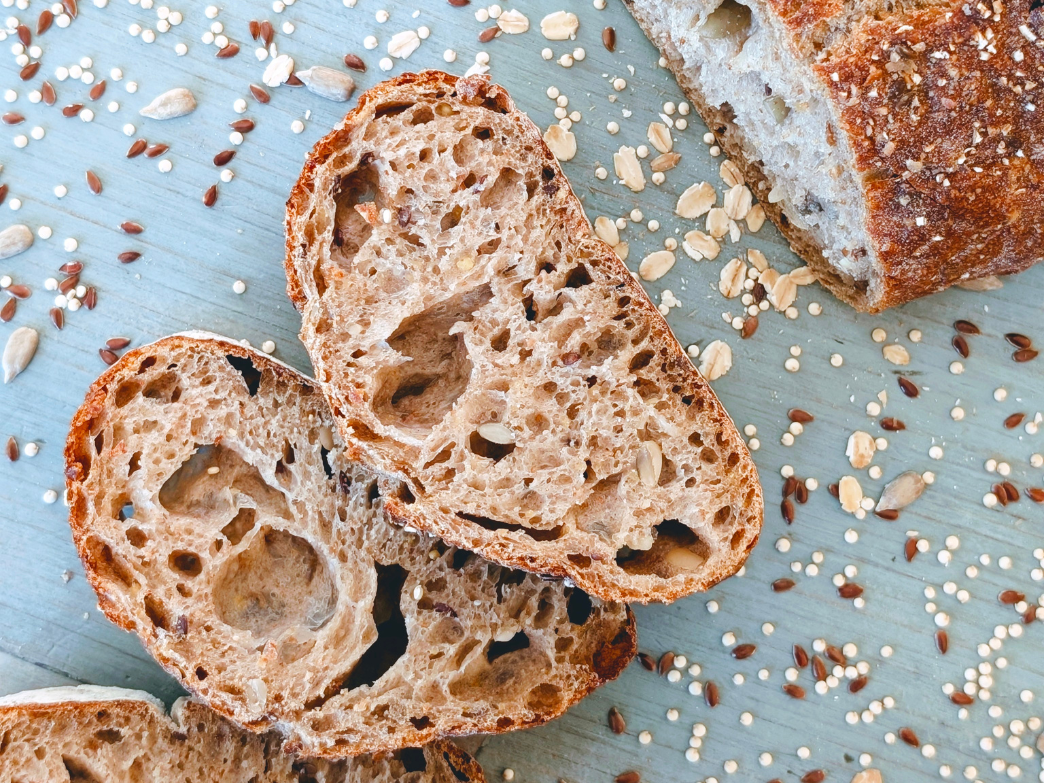
Best Bread for Weight Gain
By Lucy Yanckello, Ph.D. Wildgrain, opens in a new tab, is the first bake-from-frozen subscription box for sourdough breads, fresh pastas, and artisanal pastries. Bread has long been a staple in many diets, and like most foods works best when eaten in moderation. If your goal is weight gain, bread can be a helpful and reliable way to add calories, carbohydrates, and energy to your day. Is bread good for mass gain? Is bread good for weight gain? Bread can support mass gain because it provides carbohydrates and calories in a form that is not only easy to eat, but is also easy to pair with other foods. In opposition to weight loss, which requires a consistent calorie deficit, weight gain requires a consistent calorie surplus. For many people, adding bread to meals or snacks is a practical way to make this surplus more achievable. Is bread good for bulking? Is bread good for gaining muscle? During a bulking phase calories matter, and carbohydrates play an important role. Bread can help provide carbohydrates to fuel workouts and support recovery through replenishing glycogen stores, the body's stored form of carbohydrates. Keeping glycogen stores full makes it easier to train at a higher intensity consistently, which is key for gaining muscle. Bread does not help build muscle directly as muscle gain comes from resistance training and adequate protein intake. However, it supports the conditions needed for muscle growth by helping keep you in a caloric surplus. What bread has the highest calories? What bread has the most carbs? Calorie and carbohydrate content varies widely depending on the type of bread and portion size. Dense breads like multigrain and whole grain breads tend to be higher in calories because they contain whole grains that have not been stripped of the bran, germ, and endosperm. These parts contain more naturally occurring fats, fiber, and nutrients. This makes the bread more filling and slightly more calorie dense than refined white bread. Additionally, many multigrain loaves also include added seeds or grains, which further increase calorie content. Multigrain and Bread sandwich breads provide a significant amount of carbs. With 11 to 20 grams per slice, carbohydrate content accounts for most of the calories in the bread. If weight gain is the goal, opt for thicker or denser breads which makes it easier to increase caloric content without increasing meal volume too much. Does sourdough bread help you gain weight? Sourdough bread can help support weight gain in the same way other breads do by contributing to overall calories and carbohydrate intake. For some, sourdough is also easier to digest which can be helpful when trying to eat more food overall. Additionally, it has a rich flavor and holds up well to toppings, making it fit well into a calorie surplus. Is whole wheat bread good for gaining weight? Is white bread good for weight gain? Both whole wheat and white bread can contribute to weight gain. Whole wheat bread contains more fiber and micronutrients which adds additional nutritional value. However, fiber can be a double edged sword when trying to gain weight because it slows digestion and increases satiety. Some people find this helpful, but others find it limiting when trying to eat more. White bread is lower in fiber often making it easier to eat in larger quantities. For those who struggle to consume enough calories, white bread is a good option. However, the best choice of bread is one that you enjoy and helps meet your caloric needs. What to eat with bread for weight gain? Is bread and peanut butter good for weight gain? Is bread with butter good for weight gain? Bread becomes most effective for weight gain when it is paired with calorie-dense foods. Peanut butter is a popular option because it adds healthy fats, calories, and protein all with very little volume. Additionally, bread with peanut butter is easy to prepare, making it a quick way to add calories to your day. Butter is another way to increase calories because it adds fat without significantly increasing portion size. Other additional toppings include cheese, avocado, eggs, and other nut based spreads. These, in combination with bread, increase caloric density and make bread a vehicle to promote weight gain. What bread is good for weight gain? What’s the best bread to gain weight? The best bread for weight gain is one that you enjoy and helps you meet your caloric needs. Dense breads like whole grain loaves, sourdough, and seeded breads tend to provide more calories per serving. These options can aid in reaching higher calorie targets. However, if the high fiber content keeps you feeling full for too long, white bread is a good option as well. There is no single perfect bread for weight gain. Consistency matters more than the specific type, so choose the bread (or breads) you enjoy and pair it with calorie rich foods to keep you on track to meet your daily calorie goals. Where can I buy healthy bread online? At Wildgrain, we specialize in making high-quality, fresh breads that are delivered directly to your door. Wildgrain is the first bake-from-frozen delivery subscription service for breads, rolls, pastries, and fresh pastas. Some of our popular breads include whole wheat sourdough, plain sourdough loaf and rye sourdough loaf. Learn more about Wildgrain and our artisanal baking and cooking methods. Best Bread Home Delivery Service: How Wildgrain's Bread Delivery Works Wildgrain's breads are prepared in independent, artisanal bakeries with high quality ingredients. The breads are shipped frozen in insulated boxes and delivered direct to your home, anywhere nationwide. By shipping frozen, Wildgrain products maintain the highest quality, so you can enjoy fresh baked breads at home. That's why customers consider Wildgrain among the best home delivery services for bread. About the Author Lucy Yanckello received her Ph.D. in nutrition from the University of Kentucky College of Medicine. She currently works as a medical writer and enjoys being able to help people better understand nutrition and science. This content is for informational use only and does not replace professional nutrition and/or medical advice, diagnosis or treatment. It is not a substitute for and should not be relied upon for specific nutrition and/or medical recommendations. Please talk with your doctor about any questions or concerns.
Learn more Best Bread for Weight Gain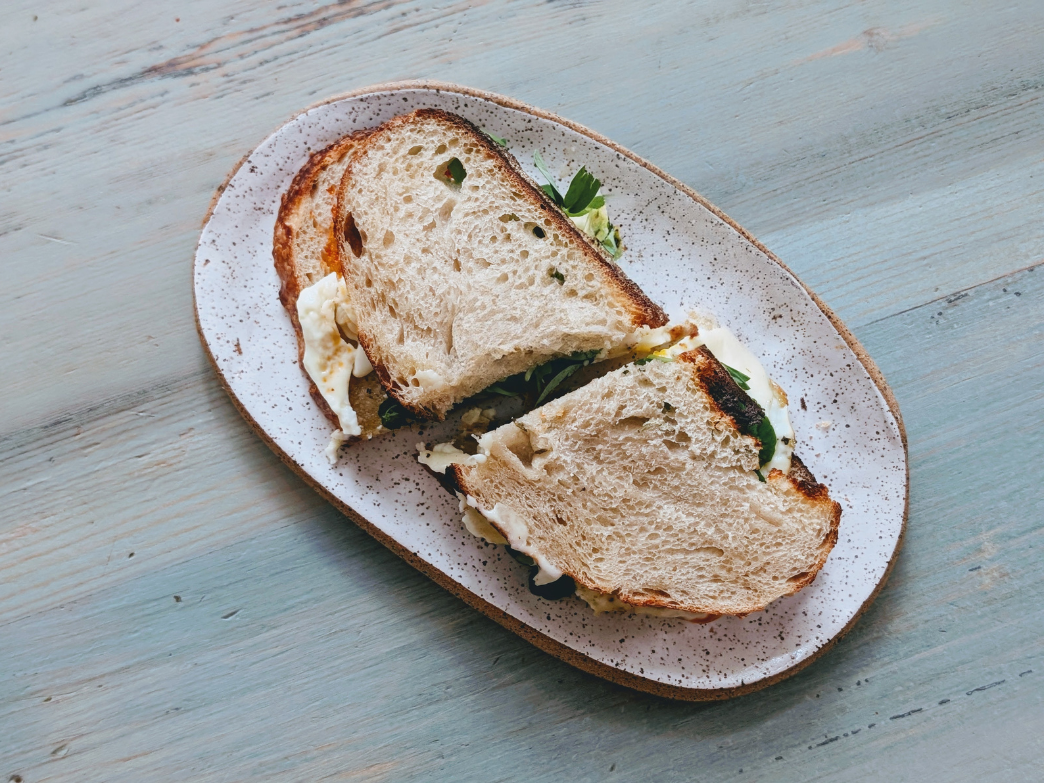
Best Bread for Crohn’s Disease
By Dr. Jorge, Ph.D. Wildgrain, opens in a new tab is the first bake-from-frozen subscription box for sourdough breads, fresh pastas, and artisanal pastries. With no one-size-fits-all diet for Crohn’s disease, it can be challenging to know which bread is best to keep or remove from your diet. In this article, we break down the types of bread that are usually well tolerated and which ones are better avoided, especially during a Crohn’s flare-up. By understanding how different breads can affect digestion, you can feel more confident choosing the best options to support your symptoms and overall gut health. What is the best diet for Crohn’s disease? Which food is bad for Crohn’s disease? While there isn’t one specific diet that works for everyone with Crohn’s disease, certain foods may help ease symptoms during a flare. Generally, low-fiber, low-fat, and easily digestible plant-based foods are better tolerated. This means foods like white rice, potatoes, eggs, fish, and tofu are all good options when symptoms are active, as all these foods tend to be easy on digestion. On the other hand, whole grains, high-fat or fried foods, red meat, dairy products, and spicy or high-fiber foods may worsen Crohn’s symptoms for some people. It can also help to avoid alcohol, caffeine, and carbonated beverages during a flare. Because triggers vary from person to person, keeping a food journal and working with a healthcare provider or dietitian can help you identify what diet works best for your Crohn’s disease. Can you eat bread with Crohn’s disease? Is bread ok for Crohn’s disease? Is bread healthy or unhealthy for people with Crohn’s? Yes, you can eat bread with Crohn’s disease, but it’s best to avoid high-fiber bread, such as whole grain or whole wheat bread, especially during a flare. White bread, sourdough bread, and white gluten-free bread are usually better tolerated by those with Crohn’s disease because they are lower in fiber and easier to digest, making them less likely to trigger symptoms. Bread can be part of a healthy and balanced diet for people with Crohn’s disease as long as you choose bread that works well for your digestive system and avoid any ingredients that can trigger your Crohn’s. Is whole wheat bread ok for Crohn’s disease? Is white bread ok for Crohn’s disease? Whole wheat bread is generally not recommended during a Crohn’s flare-up but may be tolerated in moderation when symptoms are in remission. Whole wheat and other whole-grain breads are high in fiber, which can irritate the intestines and worsen symptoms like diarrhea, bloating, and abdominal pain. White bread, on the other hand, is lower in fiber and easier to digest, making it a better option for many people with Crohn’s disease. Can sourdough bread be eaten on an anti-inflammatory diet? Is sourdough bread good for Crohn’s disease? Yes, you can eat sourdough bread while following an anti-inflammatory diet. Its unique fermentation process boosts its antioxidant content, which can make sourdough bread a great choice for reducing inflammation. Sourdough bread can also be a good option for those with Crohn’s disease because it is typically lower in fiber and easier to digest than many other types of bread. Sourdough bread tends to be well-tolerated because it contains less gluten than many other breads, and its fermentation process helps break down carbohydrates that the small intestine typically has difficulty absorbing. However, store-bought sourdough bread may not always offer the same benefits, as some products can contain additives or other ingredients that could trigger a Crohn’s flare. If possible, opting for authentic or minimally processed sourdough bread can help reduce the chance of triggering your Crohn’s symptoms. Is rye bread ok for Crohn’s? Can you eat rye bread with Crohn’s disease? No, rye bread is typically not recommended for Crohn’s disease. Rye bread may trigger flares or worsen symptoms due to its high fiber, gluten, and fructan content. It is naturally high in fructans, which are difficult to digest because the digestive system lacks the enzymes needed to break them down. Similarly, high-fiber and gluten-containing foods can be hard for some people with Crohn’s to tolerate. While rye bread may not be the best choice for most, it’s still important to identify your own Crohn’s disease trigger ingredients and foods. What is the best bread for Crohn’s disease? What bread is best for Crohn’s? Generally speaking, the best bread for Crohn’s disease is bread that is easy to digest. Traditional sourdough bread, white gluten-free bread, and regular white bread are all good options because they are low in fiber and usually well-tolerated. However, the best bread will ultimately depend on your individual food triggers and whether your Crohn’s disease is active or in remission. Some types of bread may be tolerated differently during a flare, so it’s important to choose options that work well for your digestive system during these different periods. Should you eat gluten if you have Crohn’s disease? Is gluten-free bread good for Crohn’s disease? Everybody will have a different experience with gluten when living with Crohn’s disease. Some people find that a gluten-free diet improves their symptoms, while others don’t notice any differences. If you’re having trouble identifying which foods trigger Crohn’s flares, you could try going gluten-free temporarily and monitor how your body responds. If you know your body doesn’t tolerate gluten well or want to try eliminating it, gluten-free bread might be a good option for Crohn’s disease. However, some gluten-free breads may contain other ingredients that can trigger symptoms, so it’s important to read labels carefully. Where can I buy healthy bread online? At Wildgrain, we specialize in making high-quality, fresh breads that are delivered directly to your door. Wildgrain is the first bake-from-frozen delivery subscription service for breads, rolls, pastries, and fresh pastas. Some of our popular breads include whole wheat sourdough, plain sourdough loaf and rye sourdough loaf. Learn more about Wildgrain and our artisanal baking and cooking methods. Best Bread Home Delivery Service: How Wildgrain's Bread Delivery Works Wildgrain's breads are prepared in independent, artisanal bakeries with high quality ingredients. The breads are shipped frozen in insulated boxes and delivered direct to your home, anywhere nationwide. By shipping frozen, Wildgrain products maintain the highest quality, so you can enjoy fresh baked breads at home. That's why customers consider Wildgrain among the best home delivery services for bread. About the Author Dr. Jorge has been a public health researcher for many years, holding both a Bachelor's degree and a Ph.D. in Chemistry. They presently work as a medical writer and love being able to assist others in understanding various health and scientific topics. This content is for informational use only and does not replace professional nutrition and/or medical advice, diagnosis or treatment. It is not a substitute for and should not be relied upon for specific nutrition and/or medical recommendations. Please talk with your doctor about any questions or concerns.
Learn more Best Bread for Crohn’s Disease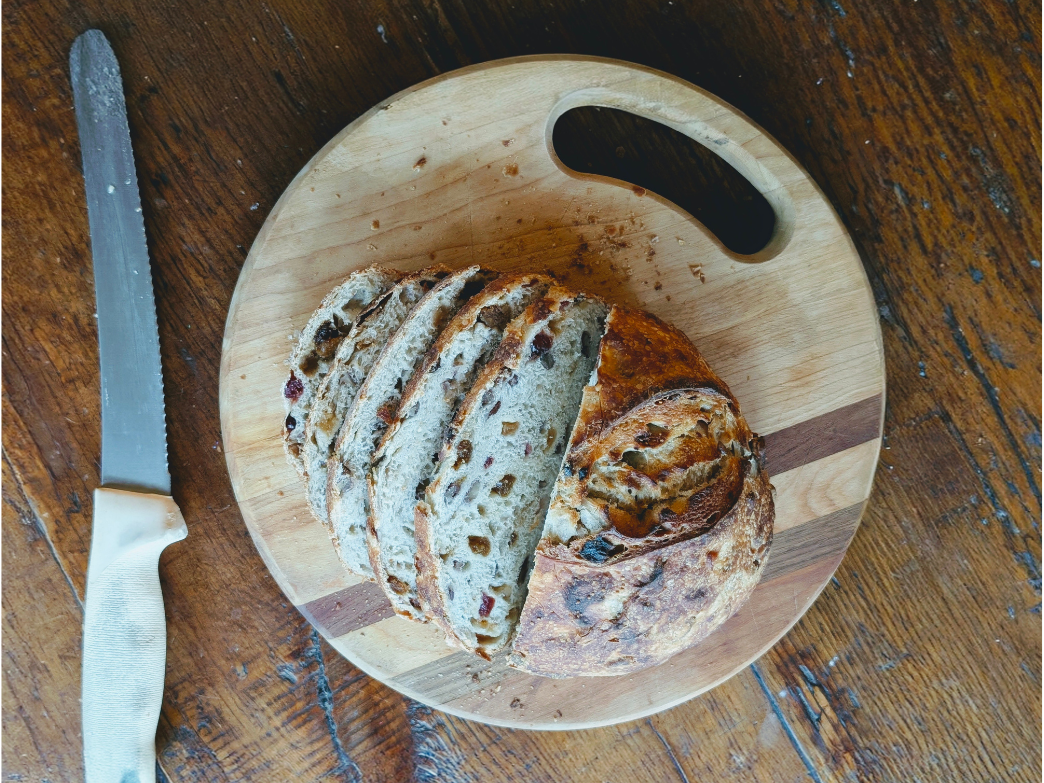
Best High-Protein Foods for Bulking
By Dr. Jorge, Ph.D. Wildgrain, opens in a new tab is the first bake-from-frozen subscription box for sourdough breads, fresh pastas, and artisanal pastries. If your goal is to gain muscle or bulk up, choosing the right foods is key. How much protein do you really need for muscle growth? Can staples like bread and pasta fit into a bulking diet? In this article, we break down which foods can help you maximize muscle gains, and which ones are best eaten in moderation. What is the best food to bulk up? Do I need protein to bulk up? In general, you should focus on eating whole, largely unprocessed foods while bulking. The best foods for bulking include lean proteins, healthy fats, fruits, non-starchy vegetables, and high-quality carbohydrates like whole-grain pasta, oats, and rice. Protein is essential when trying to “bulk up,” or build muscle, because it helps repair and grow muscle fibers that are broken down during exercise. Although you don’t need to eat excessive amounts of protein to bulk, you do need enough to support muscle recovery and growth. Pairing adequate protein with a consistent calorie surplus and strength training is key for effective bulking. Can you bulk without eating protein? Can you gain muscle without eating protein? No, it’s not possible to bulk without eating protein. Muscles are primarily made of protein, and during exercise, microscopic muscle tears occur that require protein to repair the muscles and grow stronger. If you don’t consume enough protein, the body will break down existing muscle tissue for energy, resulting in muscle loss and reduced strength. As a general rule of thumb, you should aim to consume around 0.7 grams of protein per pound of body weight when trying to bulk or gain muscle. What protein food is best for muscle gain? What kind of protein is best for bulking? The best protein foods for muscle gain are those that are unprocessed and contain high-quality, nutrient-dense protein. Great protein choices for bulking include chicken breast, eggs, salmon, Greek yogurt, cottage cheese, nuts and seeds, and beans and legumes. These whole-food protein sources generally provide more vitamins, minerals, and healthy fats than many processed high-protein options. In contrast, processed or lower-quality protein foods such as bacon, sausage, some protein powders, and certain cuts of beef or pork are less ideal. These options can be higher in saturated fat, sodium, and additives, which may increase the risk of certain health conditions and negatively impact gut health. Choosing mostly whole-food protein sources can better support muscle growth and overall health. Is bread good for building muscle and bulking? Is bread a bodybuilding food? Yes, bread can be good for building muscle and bulking. Carbohydrates are the body’s main source of fuel, and bread is rich in carbohydrates. Without enough carbs, the body may begin breaking down muscle tissue for energy, which can hinder muscle growth. However, as with other foods recommended for bulking, it’s best to choose minimally processed breads such as whole-wheat bread or whole-grain bread. What bread is best for bulking? The best bread for bulking is bread that is high in protein, unprocessed, or easy to digest. Whole-grain bread tends to be higher in protein than white bread and is less processed, while sourdough bread is generally easier to digest, which can support muscle recovery by allowing the body to absorb nutrients more efficiently. Pairing whole grain bread and sourdough bread with high-protein foods, such as eggs, nut butters, or lean meats, can help you meet your overall calorie and protein needs for bulking. Is sourdough bread good for bulking? Is whole wheat bread good for bulking? Yes, sourdough bread can be good for bulking. Although sourdough bread is not a primary source of protein like eggs or meat, some types of sourdough bread can contain up to 8 grams of protein per slice. In addition, traditional sourdough bread is minimally processed and easy to digest, making it a great source of carbohydrates that can support weight training and help your body absorb nutrients, including protein, more effectively. Whole wheat bread is another great choice for bulking or building muscle because it typically contains more protein than many other types of bread. Whole wheat bread is also rich in fiber, which can support digestion and overall nutrient absorption, both of which are critical for muscle growth. Can I eat pasta on a bulk? Is pasta good for building muscle? Is pasta unhealthy for bulking? Yes, you can eat pasta while bulking. PastaGo to fresh cavatappi 12oz, especially when paired with lean protein sources, is an excellent food for building muscle. Like bread, pasta is rich in carbohydrates, which are essential for fueling your body during intense workouts and supporting muscle growth. Incorporating pasta around your training schedule can further enhance its benefits, such as eating pasta before a workout to help fuel your gym session or afterwards to replenish your energy stores. What pasta is best for bulking? The best pasta for bulking depends on your goals and timing. For example, eating white pasta a few hours before a workout is best for quick digestion and fast energy availability. Whole wheat pasta, on the other hand, provides more fiber and nutrients, making it a great option for sustained energy and supporting muscle recovery after exercise. If you’re struggling to meet your protein needs while bulking, high-protein pasta made from chickpeas, lentils, or other legumes can be an excellent choice. Choosing the right type of pasta based on your energy needs and protein requirements can help optimize your bulking results. Is pizza good for muscle gain? Can you eat pizza on a bulk? Is pizza unhealthy for bulking? Pizza is not an ideal food choice for muscle gain, but it can still be eaten in moderation while bulking. Although it contains some protein from cheese, pizza is not very nutrient-dense and can be high in sodium and fat, which may work against your bulking goals. However, because pizzaGo to slow fermented margherita pizza is calorie-dense and can provide additional protein depending on the toppings, it may help you reach your calorie and protein targets during a bulk. Pizza is generally considered less healthy for bulking, as relying on fast food and other ultra-processed foods, sometimes called “dirty bulking,” can lead to more fat gain compared with a slower, “clean” bulk. Where can I buy fresh bread and fresh pasta online? At Wildgrain, we specialize in making high-quality, fresh breads and pastas that are delivered directly to your door. Wildgrain is the first bake-from-frozen delivery subscription service for breads, pastries, and fresh pastas. Some of our popular pastas include fresh fettuccine and fresh tonnarelli. Some of our popular breads include everything sourdough bread, plain sourdough loaf, and sourdough 7-grain loaf. Learn more about Wildgrain and our artisanal baking and cooking methods. Best Home Delivery Service for Food: How Wildgrain's Food Delivery Works Wildgrain's products are prepared in independent, artisanal bakeries with high quality ingredients. They are shipped frozen in insulated boxes and delivered direct to your home, anywhere nationwide. By shipping frozen, Wildgrain products maintain the highest quality, so you can enjoy fresh food at home. That's why customers consider Wildgrain among the best home food delivery services. About the Author Dr. Jorge has been a public health researcher for many years, holding both a Bachelor's degree and a Ph.D. in Chemistry. They presently work as a medical writer and love being able to assist others in understanding various health and scientific topics. This content is for informational use only and does not replace professional nutrition and/or medical advice, diagnosis or treatment. It is not a substitute for and should not be relied upon for specific nutrition and/or medical recommendations. Please talk with your doctor about any questions or concerns.
Learn more Best High-Protein Foods for Bulking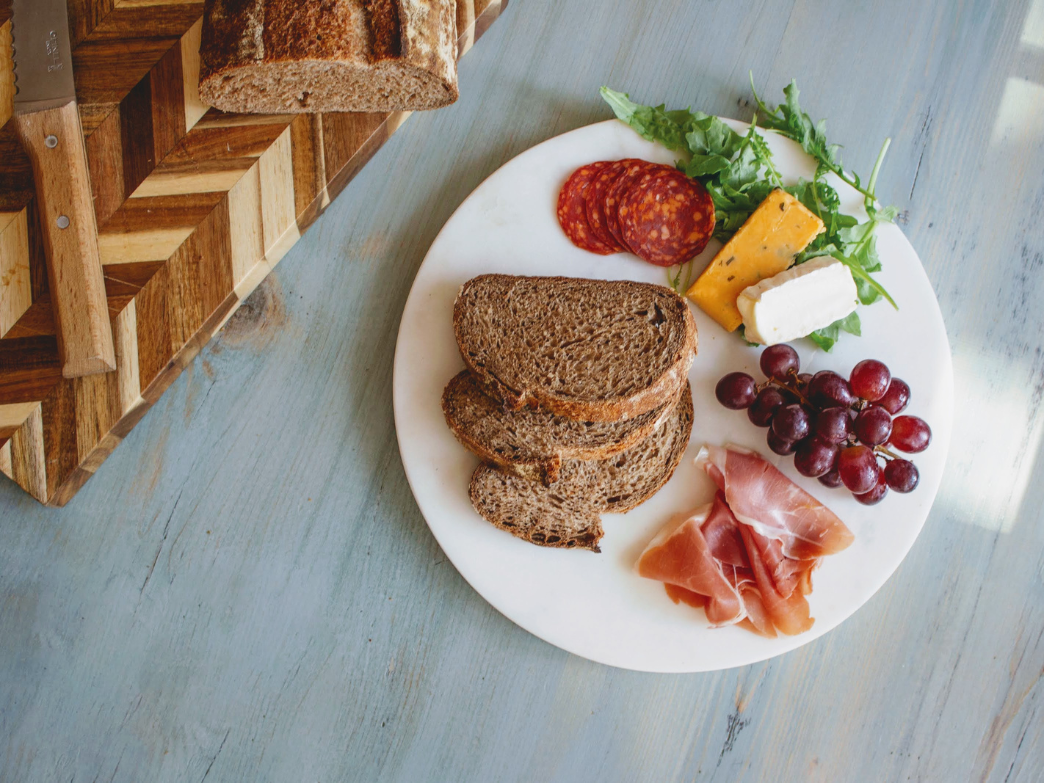
Best Bread for GERD
By Lucy Yanckello, Ph.D. Wildgrain, opens in a new tab is the first bake-from-frozen subscription box for sourdough breads, fresh pastas, and artisanal pastries. If you love a warm, comforting slice of bread but gastroesophageal reflux disease (GERD) keeps getting in the way of you enjoying it, you’re definitely not the only one. The good news is that with a little know-how, you can choose breads that support your digestion instead of stirring up symptoms. Let’s break down which loaves tend to be gentler on the stomach so you can enjoy every bite without the painful consequences. What is the best diet for GERD? Can you eat bread with GERD? The best diet for GERD leans heavily on whole-grains, lean proteins, nonacidic fruits and vegetables, and smaller meals. It is also important to avoid high-fat or highly acidic foods to keep symptoms at bay. Just as we discussed in our Best Breads for Acid Reflux and Heartburn article, you can absolutely eat bread with GERD, but which bread, and how much, matters. Opt for 100% whole-grain, rye, or sourdough bread options which are easier to digest than refined white bread. High fiber and slower digestion are linked with fewer reflux symptoms, as is eating slowly, and enjoying smaller portions. What kind of bread can you eat with GERD? Which bread is the least acidic? When dealing with GERD, the best breads are those that digest slowly and don’t have a lot of added fat, sugar, or acid – 100% whole-grain, whole-wheat, rye, or sourdough made from a natural starter are the best options. These breads are high in fiber or slow fermented, so they tend to sit easier on the stomach and reduce reflux symptoms compared to breads made with refined flours that are digested quickly. The least acidic choice is almost always slow-fermented sourdough, because the fermentation process lowers the dough’s pH, making it easier on digestion and lessens reflux symptoms. Can you eat bagels with GERD? Are bagels GERD-friendly? You can eat bagels with GERD. However, traditional bagels are usually made from refined white flour and are very dense. These large portions can sit heavily in the stomach increasing gastric pressure and aggravating reflux symptoms. Guidance on GERD diets generally recommends limiting refined grains and opting for high fiber options in smaller portions. So, if you are going to enjoy a bagel, your best bet to keep symptoms at bay is a whole-grain or whole-wheat bagel with a light topping. Try eating the bagel as part of a balanced meal rather than a stand alone carb heavy meal. Is toast ok for GERD? What can I put on toast for GERD? Toast is a viable option for those with GERD, especially if you choose the right bread and toppings. Whole grain toast is higher in fiber and is less likely to trigger symptoms than refined white bread. For toppings, opt for simple things such as a thin spread of nut butter, mashed avocado with a drizzle of olive oil, or a thin spread of low-fat yogurt and banana slices. Be careful to avoid high-fat and high-acidity options to avoid aggravating GERD. Can I eat bread and butter with GERD? You can eat bread and butter with GERD, but it is important to pay attention to the ingredients and the way it is prepared. Whole-grain bread is the best choice because it is higher in fiber and likely won’t trigger GERD symptoms. Butter, on the other hand, is high in saturated fat. High fat foods are known to trigger GERD symptoms. Instead of butter, opt for light or plant based margarine which is lower in fat. If you absolutely must have butter, make sure to keep the butter thin and keep your portions modest. Is sourdough bread acidic? Is sourdough bread ok for GERD? Sourdough bread is technically acidic because of the lactic and acetic acids produced during fermentation, but this same fermentation makes it easier to digest than other breads. Some people still experience reflux from sourdough, especially if it is made from refined flour or eaten in large portions, so it isn’t universally trigger free. However, for most people with GERD, a true long-fermented whole-grain sourdough is often a well-tolerated option. Is whole wheat bread ok for GERD? You can eat whole-wheat bread if you have GERD, and it is one of the better bread options for those suffering from GERD. Whole-grain breads offer more fiber which helps digestion and may reduce reflux symptoms. As to not trigger symptoms, aim for modest portions and be sure the first ingredient in the bread you are eating is truly a whole-grain flour. Is rye bread ok for GERD? Rye bread can fit into a GERD-friendly diet. Rye bread is naturally higher in fiber which slows digestion, making it a gentler option than white bread for those managing reflux. It is also important to consider that rye can be dense and fermentable, which means eating a large portion all at once can lead to extra gas or discomfort. Be sure to keep portions limited and toppings light. What is the best bread for GERD? Which bread is the most friendly for GERD? The best bread for GERD is the one that you enjoy the most that does not trigger symptoms. However, opting for whole-grain or whole-wheat breads is often the safest bet because they offer higher fiber, slower digestion, and fewer trigger traits often found in refined white breads. Slow-fermented sourdough and rye breads are also strong choices, as the fiber content and preparation methods make digestion easier and less likely to trigger symptoms. In short, opt for whole-grain, choose modest portions, and keep toppings light! Where can I buy healthy bread online? At Wildgrain, we specialize in making high-quality, fresh breads that are delivered directly to your door. Wildgrain is the first bake-from-frozen delivery subscription service for breads, rolls, pastries, and fresh pastas. Some of our popular breads include whole wheat sourdough, plain sourdough loaf and rye sourdough loaf. Learn more about Wildgrain and our artisanal baking and cooking methods. Best Bread Home Delivery Service: How Wildgrain's Bread Delivery Works Wildgrain's breads are prepared in independent, artisanal bakeries with high quality ingredients. The breads are shipped frozen in insulated boxes and delivered direct to your home, anywhere nationwide. By shipping frozen, Wildgrain products maintain the highest quality, so you can enjoy fresh baked breads at home. That's why customers consider Wildgrain among the best home delivery services for bread. About the Author Lucy Yanckello received her Ph.D. in nutrition from the University of Kentucky College of Medicine. She currently works as a medical writer and enjoys being able to help people better understand nutrition and science. This content is for informational use only and does not replace professional nutrition and/or medical advice, diagnosis or treatment. It is not a substitute for and should not be relied upon for specific nutrition and/or medical recommendations. Please talk with your doctor about any questions or concerns.
Learn more Best Bread for GERD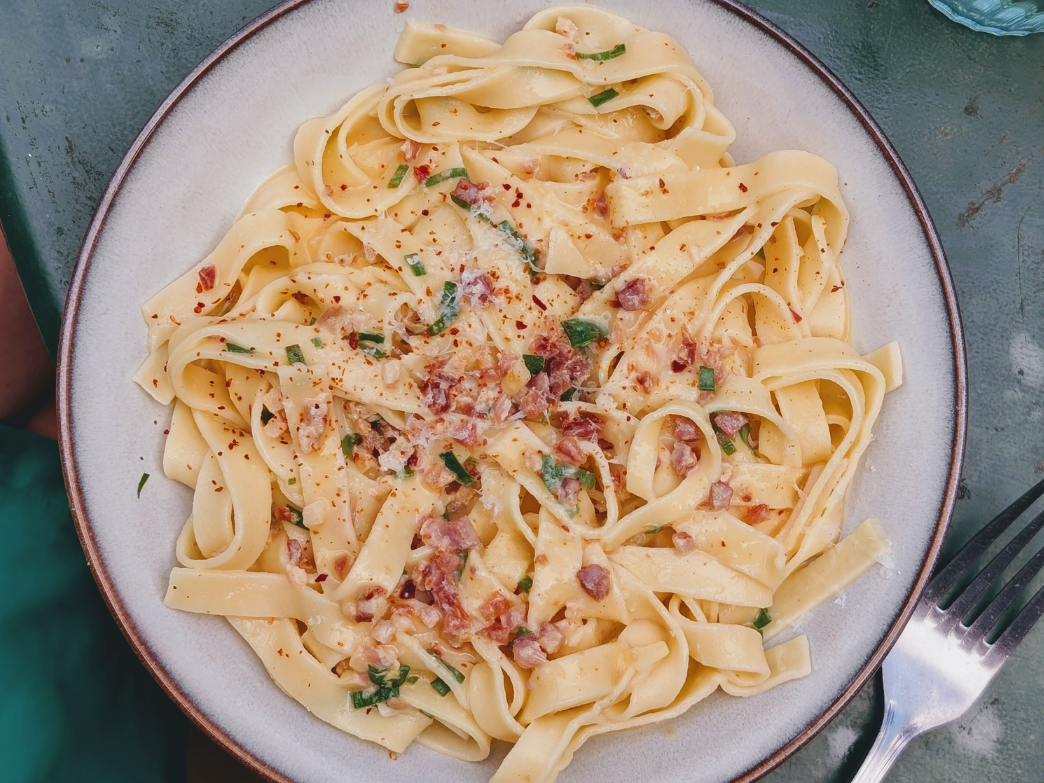
Best Pasta for GERD
By Lucy Yanckello, Ph.D. Wildgrain, opens in a new tab is the first bake-from-frozen subscription box for sourdough breads, fresh pastas, and artisanal pastries. If you love a warm bowl of pasta but gastroesophageal reflux disease (GERD) keeps crashing the party, you are not alone. The good news is that pasta is not off limits. However, the right grains, textures, and prep methods need to be chosen to keep digestion comfortable. Read on to see a breakdown of which pastas play nicely with your digestive system so you can enjoy your favorite pasta dishes without the burn. Can you eat pasta with GERD? Can a person with GERD eat pasta? Just like we discussed in our Best Pasta for Acid Reflux and Heartburn article, those with GERD can eat pasta. However, high-fiber pasta, such as whole wheat pasta, should be the first choice since high fiber foods are known to decrease symptoms of GERD. Additionally, it is best to avoid sauces that are spicy, creamy or acidic as all three can trigger GERD symptoms. Instead, pair pasta with non-acidic vegetables such as spinach, pesto, or roasted red-pepper and add olive oil or broth based sauces. What kind of pasta can you eat with GERD? What kind of pasta is GERD-friendly? Whole-wheat pasta is the most GERD friendly option because it is high in fiber which helps reduce GERD symptoms. In addition, the high fiber content increases feelings of fullness which may help with portion control, which is beneficial as smaller portions can also help reduce GERD symptoms. When preparing your whole-wheat pasta, opt for broth based or olive oil based sauces instead of creamy alfredo or acidic tomato sauces. Other triggers to avoid include spicy ingredients and excessive fat. What kind of noodles are best for GERD? Are buttered noodles ok for GERD? The simplest and safest option for those with GERD is pasta with no sauce and just a drizzle of olive oil. Buttered noodles are not generally recommended as the high fat content in butter can trigger GERD symptoms. If you want to jazz your noodles up, consider adding low-fat or non-dairy sauces and stay away from high-fat, high-acid, or spicy ingredients. Additionally, if you would like to enjoy plain noodles with butter, opt for light or plant based margarine instead, as it has a lower fat content than butter. Can you eat ravioli with GERD? Is ravioli GERD-friendly? You can eat ravioli if you have GERD, but the preparation and ingredients are important to consider if you don’t want to trigger GERD symptoms. The risk of triggering symptoms is higher if the ravioli dough is made from refined white dough, filled with rich cheeses or served with creamy or acidic sauces. If you want to enjoy ravioli without triggering GERD symptoms, opt for whole-grain dough, lean or low fat fillings, mild oil or broth based sauces, and moderate portions. Can you eat gnocchi with GERD? Is gnocchi GERD-friendly? Just like with ravioli, you can fit gnocchi into your diet if you have GERD, but not triggering symptoms is dependent on how it is prepared and served. Many gnocchi can be flagged as not GERD friendly due to refined carb content, heavy sauces, or acidic toppings. To make gnocchi safer to consume without triggering symptoms, choose options made with whole-grains and steer clear of dairy-heavy or tomato-based sauces. Can eating pasta worsen GERD? Can eating pasta worsen acid reflux? Eating pasta can worsen GERD, but it depends on the pasta and what you put on it. Highly refined pasta, large portions, and heavy, acidic, or high-fat sauces (e.g. tomato sauces, alfredo sauce) are the real culprits that can aggravate GERD. For most people with GERD, choosing whole-grain pasta, lighter toppings, and smaller portions allows them to keep pasta in their diet without triggering symptoms. Can you eat pasta sauce with GERD? Which pasta sauce is the least acidic? Yes, pasta sauces can be enjoyed with GERD but it is important to make smart choices. Avoid tomato based sauces because they are high in acid which is a common trigger. Additionally, heavy cream based sauces and fatty toppings can trigger symptoms as well. The best options that are the least acidic are olive-oil based or broth based. What is the best pasta for GERD? The best pasta for GERD is one that you enjoy and that does not trigger symptoms. Usually this means opting for whole-grain or whole-wheat pasta. Beyond the pasta itself, the toppings and portion sizes also matter. Opt for lean proteins and non-acidic vegetables, light oil-based or broth-based sauces and minimal cheese and spices. Where can I buy the best fresh pasta online? At Wildgrain, we specialize in making high-quality, fresh breads and pastas that are delivered directly to your door. Wildgrain is the first bake-from-frozen delivery subscription service for breads, pastries, and fresh pastas. Some of our popular pastas include fresh cavatappi and fresh tonnarelli, along with classic marinara sauce and extra virgin olive oil. Learn more about Wildgrain and our artisanal baking and cooking methods. Best Pasta Home Delivery Service: How Wildgrain's Pasta Delivery Works Wildgrain's pastas are prepared in independent, artisanal bakeries with high quality ingredients. The pastas are shipped frozen in insulated boxes and delivered direct to your home, anywhere nationwide. By shipping frozen, Wildgrain products maintain the highest quality, so you can enjoy fresh pasta at home. That's why customers consider Wildgrain among the best home delivery services for pasta. About the Author Lucy Yanckello received her Ph.D. in nutrition from the University of Kentucky College of Medicine. She currently works as a medical writer and enjoys being able to help people better understand nutrition and science. This content is for informational use only and does not replace professional nutrition and/or medical advice, diagnosis or treatment. It is not a substitute for and should not be relied upon for specific nutrition and/or medical recommendations. Please talk with your doctor about any questions or concerns.
Learn more Best Pasta for GERD