

Wildgrain Blog
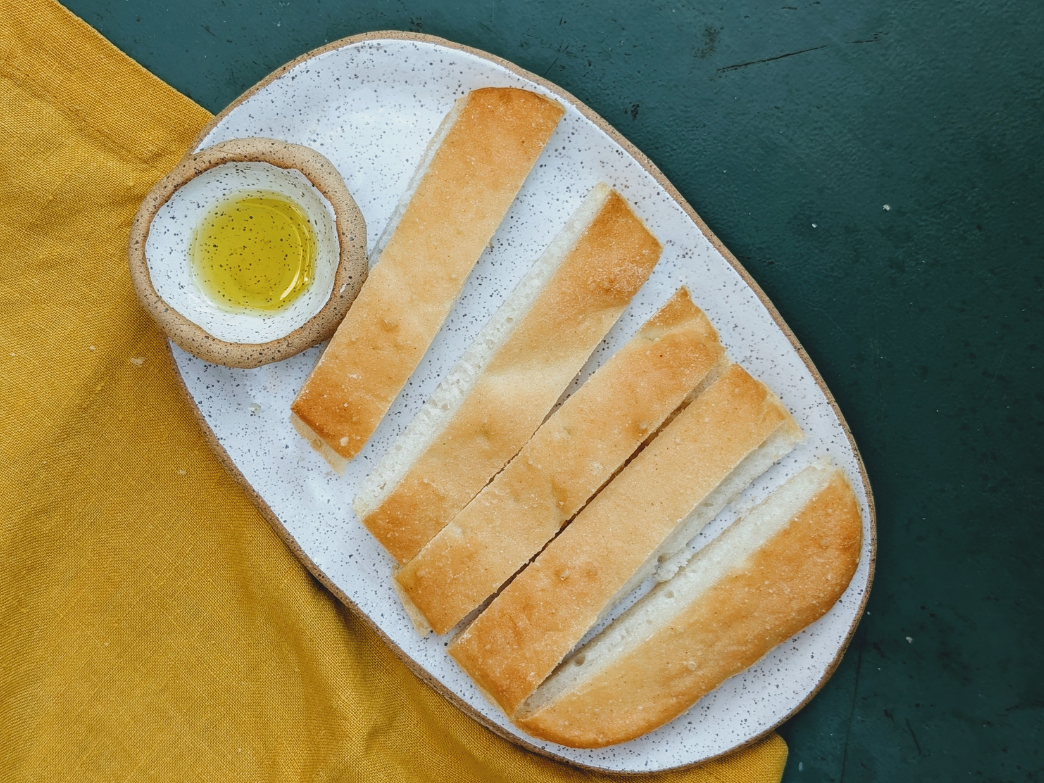

Can a Gluten-Free Diet Help You Lose Weight?
By Dr. Jorge, Ph.D. Wildgrain, opens in a new tab is the first bake-from-frozen subscription box for sourdough breads, fresh pastas, and artisanal pastries. With so many diets making headlines and new research emerging all the time, it’s easy to wonder which diets are the best for weight loss. In recent years, gluten-free diets have gained a lot of attention, both for medical reasons and as a potential weight loss strategy. Whether you have a medical need to eliminate gluten or you’re simply curious about making a dietary change, read on to learn whether going gluten-free can support your weight loss goals. Is it a good idea to eat gluten-free? Is it better for you to eat gluten-free? Deciding whether a gluten-free diet is right for you depends on your individual health needs and goals. For those with celiac disease or gluten intolerance, eliminating gluten is essential and highly beneficial. However, for individuals without these conditions, adopting a gluten-free diet may not be necessary and could even lead to nutrient deficiencies. It’s important to consult a physician or dietitian before switching to a gluten-free diet. Do you gain weight by eating gluten? What is gluten belly? Gluten itself does not cause weight gain as it is a naturally occurring protein found in grains like wheat, barley, and rye. However, many gluten-containing foods are often high in calories and heavily processed, such as bread, bagels, pasta, and beer. Eating these types of foods in excess can contribute to weight gain, but it's not the gluten that's to blame. The term “gluten belly” is commonly used to describe digestive discomfort experienced by people with celiac disease or gluten intolerance. When people with these conditions consume gluten, their immune system responds, causing symptoms like bloating, stomach swelling, abdominal pain, and gas, all of which are referred to as “gluten belly”. How do you get rid of a gluten belly? The best way to get rid of gluten belly is to give your body time to heal. While your body recovers from gluten exposure, you can try soothing remedies such as drinking peppermint or ginger tea, using a heating pad, staying hydrated, and getting plenty of rest. These strategies may help ease discomfort and support a quicker recovery. What happens to your body when you stop eating gluten? Does eating less gluten make a difference? When you stop eating gluten, you may experience a range of side effects, which can vary depending on whether you have celiac disease or gluten intolerance. Your body's response will also depend on whether you replace gluten-containing foods with nutrient-rich alternatives to avoid deficiencies. Some potential side effects include constipation, increased hunger, reduced brain fog, higher energy levels, and decreased inflammation and bloating. However, adopting a gluten-free diet without a medical reason is generally not recommended, as research suggests it may offer no health benefits and could even lead to nutritional imbalances in individuals without celiac disease or gluten sensitivity. Can you lose weight after going gluten-free? Are gluten-free diets good for weight loss? It’s possible to lose weight after going gluten-free, but this diet should not be used as a weight loss strategy. Some people may lose weight simply because they’re cutting out highly processed, calorie-dense foods that often contain gluten. Others might become more mindful of food labels and ingredients, leading to healthier eating habits overall. This increased awareness can result in a diet that includes more whole foods such as fruits, vegetables, and legumes, which are typically lower in calories and more nutrient dense. As a result, the switch to a gluten-free diet may support weight loss. Can I lose weight by eating gluten-free bread? Can I lose weight by eating gluten-free pasta? Maybe – you might lose weight by choosing gluten-free bread or gluten-free pasta, especially if those options are lower in calories or higher in fiber than their traditional counterparts. However, not all gluten-free foods are healthier and more nutritious. Some gluten-free bread and pasta foods contain added sugars, fats, or preservatives to enhance taste and texture, which can increase their calorie content. To make the best choice for your goals, it's important to read the nutrition label and ingredient list carefully. Is there a downside to a gluten-free diet? Does going gluten-free have any side effects? Yes, there can be downsides to a gluten-free diet, particularly if you haven't been diagnosed with celiac disease or gluten intolerance. If you choose to go gluten-free without a medical reason, you may risk nutrient deficiencies due to reduced intake of whole grains, fiber, vitamins, and minerals. Additionally, many processed gluten-free foods are high in sodium, sugar, and unhealthy fats, which can increase the risk of weight gain, high blood pressure, and other health issues. Some individuals have reported side effects such as nausea, anxiety, depression, and intense hunger. It’s always best to consult your physician before making significant changes to your diet. Where can I buy the best gluten-free bread and pasta online? At Wildgrain, we specialize in making high-quality, fresh baked goods that are delivered directly to your door. Wildgrain is the first bake-from-frozen delivery subscription service for fresh pasta, breads, and pastries. Our gluten-free breads and pastas include Gluten-Free Country Loaf, Gluten-Free Sourdough Loaf, Gluten-Free Fresh Linguine, and Gluten-Free Cheese Tortellini. Learn more about Wildgrain and our artisanal baking and cooking methods. Best Home Delivery Service for Food: How Wildgrain's Food Delivery Works Wildgrain's products are prepared in independent, artisanal bakeries with high quality ingredients. They are shipped frozen in insulated boxes and delivered direct to your home, anywhere nationwide. By shipping frozen, Wildgrain products maintain the highest quality, so you can enjoy fresh food at home. That's why customers consider Wildgrain among the best home food delivery services. About the Author Dr. Jorge has been a public health researcher for many years, holding both a Bachelor's degree and a Ph.D. in Chemistry. They presently work as a medical writer and love being able to assist others in understanding various health and scientific topics. This content is for informational use only and does not replace professional nutrition and/or medical advice, diagnosis or treatment. It is not a substitute for and should not be relied upon for specific nutrition and/or medical recommendations. Please talk with your doctor about any questions or concerns.
Learn more Can a Gluten-Free Diet Help You Lose Weight?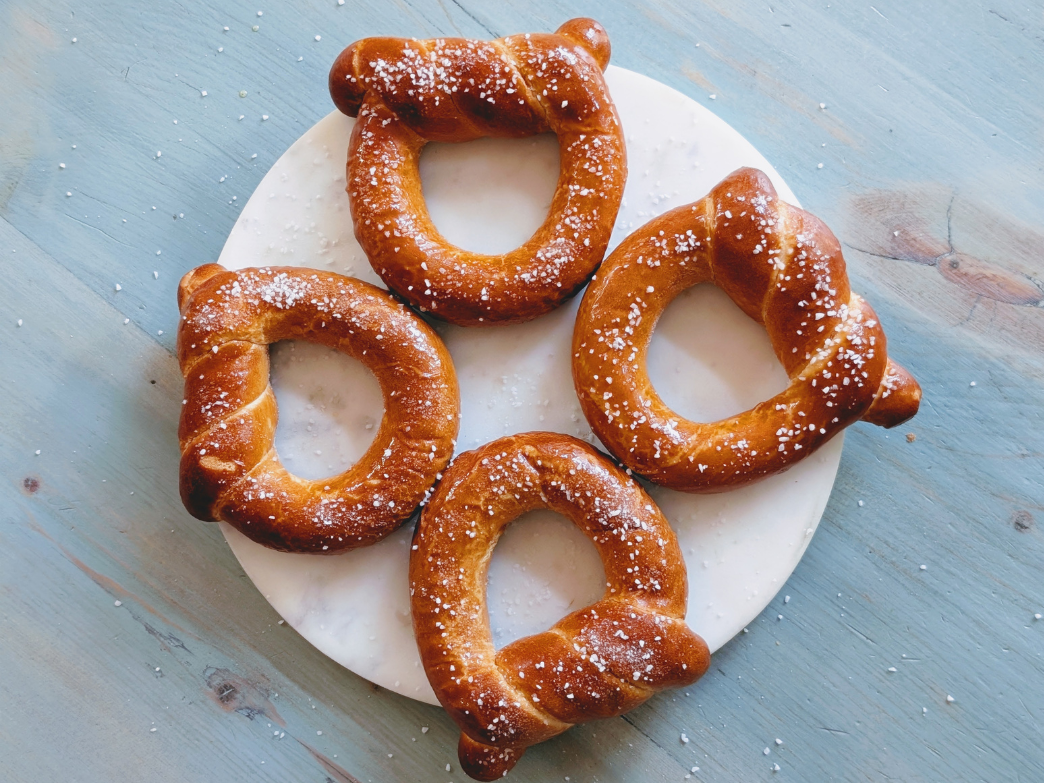
Pretzels: Healthy or Unhealthy?
By Lucy Yanckello, Ph.D. Wildgrain, opens in a new tab is the first bake-from-frozen subscription box for sourdough breads, fresh pastas, and artisanal pastries. Pretzels and pretzel buns are tasty crowd-pleasers—but are they actually good for you? In this post, we’ll take a quick look at what’s inside, how they stack up nutritionally, and whether they belong in your regular diet or just the occasional treat. Are pretzels healthy or unhealthy? Are pretzels a healthy snack? PretzelsGo to artisanal bavarian pretzels might seem like a lighter snack option but whether they’re “healthy” really depends on what fits into your specific diet. Traditional pretzels are low in fat but often high in refined carbs and sodium, offering minimal fiber or protein, which means they might not keep you full for long. However, not all pretzels are created equal. Whole grain or sourdough-based pretzels can offer more nutrients, better digestion, and a slower glycemic response. What is the healthiest type of pretzel? Are sourdough pretzels healthy? When it comes to pretzelsGo to artisanal bavarian pretzels, not all twists are created equal. The healthiest types are those made with whole grains or sourdough fermentation, which offer more fiber, nutrients, and gut-friendly benefits than your typical refined white flour versions. Sourdough pretzels in particular stand out not just for their rich, tangy flavor, but for their potential to aid digestion thanks to the natural fermentation process. This slow fermentation can help reduce gluten content and make nutrients easier for your gut to utilize. Sourdough also has a lower glycemic index, which helps prevent blood sugar spikes. Pretzels vs Chips: are pretzels healthier than chips? On the surface, pretzelsGo to artisanal bavarian pretzels often seem like the healthier choice because they’re usually lower in fat and calories than traditional potato chips. However, pretzels are typically made from refined white flour and can be high in sodium, offering little fiber or protein to keep you full. Chips, while higher in fat, sometimes provide more satiety due to that fat content. The healthiest option is whole grain or sourdough pretzels, which offer better nutrition and digestibility than either standard snack aisle pick. Pretzels vs Bread: are pretzels healthier than bread? Most pretzelsGo to artisanal bavarian pretzels are made from refined white flour, lack fiber, and are high in sodium due to their salted crust. However, a slice of whole grain bread or sourdough bread usually provides more fiber, protein, and essential nutrients. Additionally, wholegrain or sourdough bread can be easier to digest, particularly when fermented naturally. That means bread tends to be more filling and supports steadier blood sugar levels compared to the quick-carb hit of refined flour pretzels. Pretzels vs Bagels: are pretzels healthier than bagels? Classic pretzelsGo to artisanal bavarian pretzels are typically lower in calories and fat than most bagels, but they’re also usually made with refined flour and offer little nutritional value meaning they are low in fiber, protein, and satiety. BagelsGo to wood fired plain bagel, on the other hand, tend to be more filling, especially if made with whole grains or sourdough, and can provide more protein and fiber per serving. However, bagels are often larger and more calorie-dense, so portion control plays a role and is important to take into consideration. Either way, opt for the whole grain or sourdough versions of these carbs, instead of those made with refined grains. Is pretzel bread healthy? Are pretzel buns healthy? Most pretzel breads are made with refined white flour, meaning they’re lower in fiber and protein and can spike blood sugar more quickly than whole grain options. They're also often high in sodium due to the salty topping. That said, not all pretzel breads are created equal. If made with whole grains or naturally fermented, such as with sourdough, they can offer more nutritional value and better digestion. Are pretzel buns better than regular buns? Are pretzel buns healthier than regular buns? Nutritionally, most pretzel buns are made with refined white flour and tend to be higher in sodium than your standard sandwich or burger bun. That means they might not be the healthiest choice, especially if you’re watching your blood pressure or looking for more fiber and protein. On the flip side, regular buns - especially whole wheat or sourdough versions - usually offer more nutritional value and fewer empty carbs. Are pretzels ok for weight loss? Can you eat pretzel bread and lose weight? Yes, you can eat pretzels or pretzel bread and still lose weight. It all comes down to moderation and ingredients. Traditional pretzels and pretzel bread are often made with refined white flour and can be high in sodium, offering quick-digesting carbs that don’t keep you full for long. This means they’re not the most weight-loss-friendly option. However, if you enjoy them in controlled portions and pair them with protein or fiber-rich foods, they can absolutely fit into a balanced diet. Be sure to choose versions made with whole grains or sourdough fermentation - like the kind Wildgrain makes. This will keep you fuller for longer, lead to better digestion, and cause fewer blood sugar spikes. Weight loss isn’t about cutting all the good stuff but instead about making smarter, more satisfying choices. Where can I buy the best fresh pretzels and pretzel bread online? At Wildgrain, we specialize in making high-quality, fresh breads and pastas that are delivered directly to your door. Wildgrain is the first bake-from-frozen delivery subscription service for breads, pastries, and fresh pastas. Some of our popular items include artisanal Bavarian pretzels and Bavarian pretzel buns. Learn more about Wildgrain and our artisanal baking and cooking methods. About the Author Lucy Yanckello received her Ph.D. in nutrition from the University of Kentucky College of Medicine. She currently works as a medical writer and enjoys being able to help people better understand nutrition and science. This content is for informational use only and does not replace professional nutrition and/or medical advice, diagnosis or treatment. It is not a substitute for and should not be relied upon for specific nutrition and/or medical recommendations. Please talk with your doctor about any questions or concerns.
Learn more Pretzels: Healthy or Unhealthy?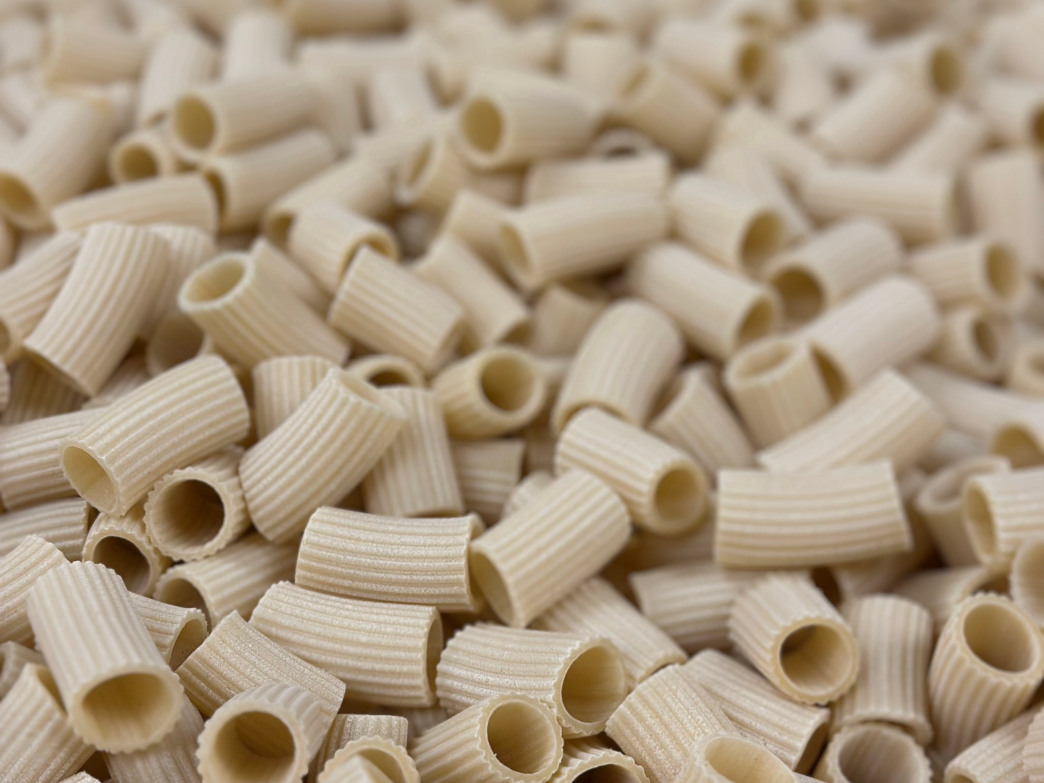
Pasta Salad: Healthy or Unhealthy?
By Lucy Yanckello, Ph.D. Wildgrain, opens in a new tab is the first bake-from-frozen subscription box for sourdough breads, fresh pastas, and artisanal pastries. Depending on the ingredients, pasta salad can be a refreshing, nutrient-packed meal, or a mayo-heavy side with more salt and sugar than you bargained for. In this post, we’re digging into what makes pasta salad healthy or not, and how you can build a version that’s just as good for your body as it is for your taste buds. What is pasta salad? What’s normally in pasta salad? Pasta salad is a cold dish made by tossing cooked pasta with a mix of vegetables, proteins, and dressings such as vinaigrettes or creamy sauces. It’s the ultimate customizable side and is usually enjoyed at everything from backyard barbecues to weekday lunches. Traditional versions usually feature short pasta shapes like rotini or penne, chopped bell peppers, onions, cherry tomatoes, olives, and cubes of cheese or meats like salami or grilled chicken. It’s all tied together with a tangy Italian dressing or mayo-based sauce. While classic pasta salads can be heavy on sodium and processed ingredients, they are easy to customize to make healthier. Is pasta salad healthy to eat? Pasta salad can be healthy, but it all depends on what you add to it. Traditional recipes often rely on refined pasta, heavy dressings, and processed meats, which can load up on saturated fat, sodium, and empty carbs. However, when focused on healthy ingredients, pasta salad becomes a satisfying, nutrient-rich meal. Swapping in whole grain or slow-fermented pasta, adding in plenty of fresh veggies and lean proteins, and using a light vinaigrette instead of a mayo-based dressing can up the nutritional score. What type of pasta is healthiest? Which pasta is best for a pasta salad? The healthiest type of pasta is the one that fits best into your diet. If you can tolerate high fiber foods, opt for higher protein pasta varieties such as chickpea and lentil flours, which will allow you to feel fuller for longer, leaving you less likely to snack or succumb to cravings. If you can’t tolerate these higher fiber pastas, or you don’t enjoy them, try switching out your regular pasta for the whole wheat variety to gain similar benefits to the high-fiber varieties. When it comes to pasta salad, the best pasta is the kind that holds its shape, texture, and dressing, even after a chill in the fridge. Short, sturdy shapes like cavatappiGo to fresh cavatappi 12oz, fusilli, penne, rotini, and farfalle are best because their nooks and ridges are perfect for catching vinaigrettes, herbs, and add-ins like cheese or veggies. Avoid delicate shapes or long noodles like spaghetti because they tend to clump. Is cold pasta healthier than hot pasta? Is cold pasta better for you? Believe it or not, letting your pasta cool before eating it can give it a bit of a health boost. When pasta is cooked and then cooled, some of its starches convert into what's called resistant starch - a type of carbohydrate that acts more like fiber. Resistant starch isn’t digested in the small intestine, which means it can help with blood sugar control, support gut health, and even keep you feeling fuller longer. However, keep in mind that the pasta itself still matters. Whole grain or slow-fermented options offer even more fiber and nutrients than the refined grain options, whether served hot or cold. What is the difference between pasta salad vs macaroni salad? Which is healthier, pasta salad or macaroni salad? Pasta salad and macaroni salad look similar on the surface. Pasta salad is usually made with vinaigrette-based dressings and features a colorful mix of vegetables, herbs, and sometimes lean proteins. Macaroni salad, on the other hand, leans creamy and rich, typically made with elbow macaroni, mayonnaise, and mix-ins like diced pickles, onions, and sometimes sugar for a sweet kick. When it comes to health, pasta salad usually wins. Its lighter dressing, fresh ingredients, and customizable base give it the edge in fiber, nutrients, and overall balance. Macaroni salad is more of a comfort classic that is tasty, but often heavier and more processed. Which is healthier, pasta salad or potato salad? Pasta salad and potato salad are both backyard barbeque staples, but when it comes to health, pasta salad is what you should opt for in most cases. Classic potato salad is often loaded with mayonnaise, making it high in fat and calories, and it’s usually low in fiber and protein unless you mix in extras like eggs or veggies. Pasta salad, especially when made with whole grain or slow-fermented pasta offers more room for nutrient-dense ingredients like colorful vegetables, lean proteins, and lighter vinaigrettes. Additionally, pasta’s texture holds up better in chilled salads, making it easier to prep healthy versions ahead of time. Can a diabetic eat pasta salad? Is pasta salad ok for diabetes? Yes, people with diabetes can enjoy pasta salad, especially when you build it with blood sugar balance in mind. Traditional pasta salads made with refined white pasta and sugary dressings can spike blood sugar quickly, which isn’t ideal. But when you use whole grain or slow-fermented pasta, add plenty of non-starchy veggies, and toss it in a light, olive oil-based vinaigrette, pasta salad becomes a smart, balanced option. Including ingredients rich in fiber, healthy fats, and protein such as leafy greens, chickpeas, grilled chicken, or feta can help slow digestion and keep blood sugar levels more stable. Is pasta salad good for a diet? Can you lose weight eating pasta salad? Pasta salad can absolutely be part of a healthy diet and yes, you can lose weight while enjoying it. Traditional pasta salads loaded with creamy dressings, refined pasta, and processed meats might taste great but tend to be high in calories, sodium, and carbs. However, pasta salad is super easy to reinvent and customize to your dietary needs. Use whole grain or slow-fermented pasta, pack it with fresh veggies, add lean protein, and dress it with heart-healthy olive oil or a zesty vinaigrette. These easy changes turn a heavy side dish into a well-balanced meal packed with fiber, nutrients, and satiety, which is perfect for anyone trying to eat lighter without sacrificing flavor. Where can I buy the best fresh pasta online? At Wildgrain, we specialize in making high-quality, fresh breads and pastas that are delivered directly to your door. Wildgrain is the first bake-from-frozen delivery subscription service for breads, pastries, and fresh pastas. Some of our popular pastas include fresh cavatappi and fresh tonnarelli. Learn more about Wildgrain and our artisanal baking and cooking methods. Best Pasta Home Delivery Service: How Wildgrain's Pasta Delivery Works Wildgrain's pastas are prepared in independent, artisanal bakeries with high quality ingredients. The pastas are shipped frozen in insulated boxes and delivered direct to your home, anywhere nationwide. By shipping frozen, Wildgrain products maintain the highest quality, so you can enjoy fresh pasta at home. That's why customers consider Wildgrain among the best home delivery services for pasta. About the Author Lucy Yanckello received her Ph.D. in nutrition from the University of Kentucky College of Medicine. She currently works as a medical writer and enjoys being able to help people better understand nutrition and science. This content is for informational use only and does not replace professional nutrition and/or medical advice, diagnosis or treatment. It is not a substitute for and should not be relied upon for specific nutrition and/or medical recommendations. Please talk with your doctor about any questions or concerns.
Learn more Pasta Salad: Healthy or Unhealthy?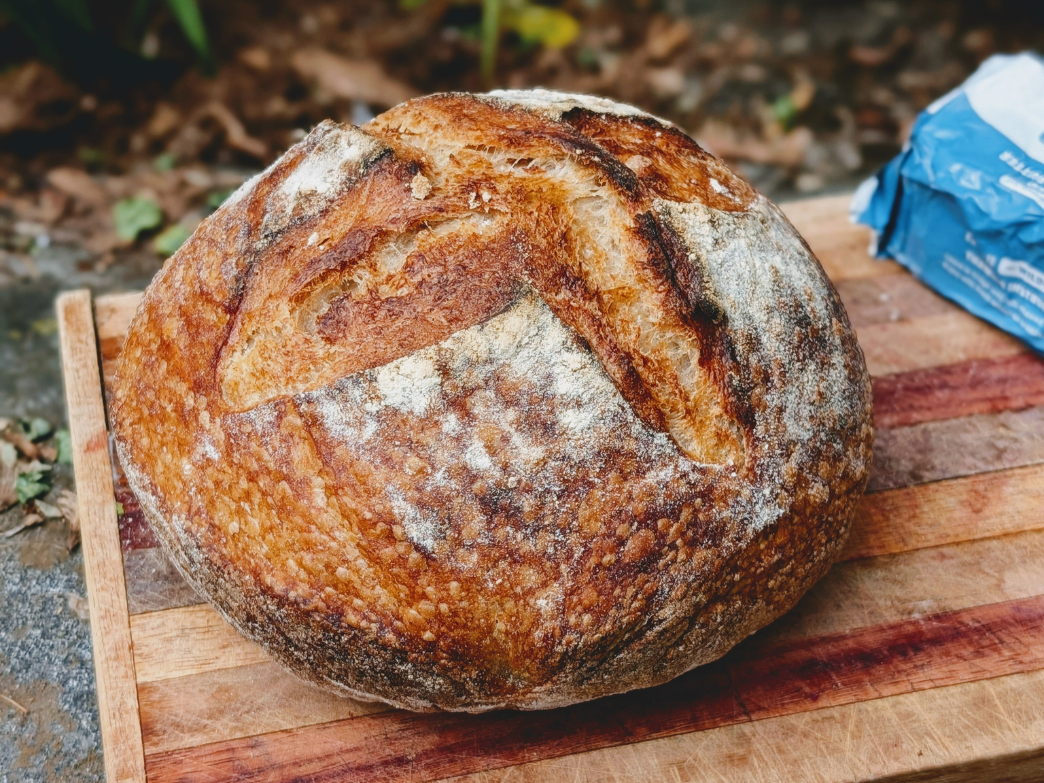
Best Bread for Gastritis
By Lucy Yanckello, Ph.D. Wildgrain, opens in a new tab is the first bake-from-frozen subscription box for sourdough breads, fresh pastas, and artisanal pastries. When dealing with gastritis, choosing the right bread can make a big difference, and sourdough often comes out on top – but every stomach is different. The key to mitigating gastritis symptoms is avoiding heavily processed loaves with added sugars, preservatives, or high-fat toppings. When in doubt, those with gastritis should opt for simple, minimally processed options. Can bread irritate your stomach? Can I eat bread if I have a gastric problem? Yes, bread can be irritating for some individuals with gastric problems, or issues with the stomach. Heavily processed foods such as breads with preservatives, high amounts of added sugar, or high amounts of added fats can exacerbate symptoms. This does not mean that all bread should be avoided. Many people with mild gastric problems are able to tolerate whole grain bread and sourdough bread, especially those made with minimal ingredients. What is the best bread for gastrointestinal problems? The best bread for those with gastrointestinal problems is bread that is minimally processed and has ingredients that are easy to digest. The top pick that falls into these categories is sourdough bread due to its natural fermentation and low gluten content. The slow fermentation process can help support healthy digestion and reduce bloating. The ‘best’ bread is highly individual and depends on what condition you have, but when in doubt opt for breads that are preservative free and have minimal ingredients. Can you eat bread when you have gastritis? Which bread is good for gastritis? Gastritis refers to inflammation of the stomach lining and can be caused by bacteria, health conditions, or lifestyle choices (e.g. use of tobacco or alcohol). Although there is not a confirmed link between nutrition and most types of gastritis, a study in 2020 revealed that 58% of those with chronic gastritis said dietary factors had an effect on their symptoms. You can eat bread when you have gastritis, but the best choice is one that is easy to digest, low in fat, and free from additives. Sourdough bread often tops the list due to its natural fermentation process that lowers gluten levels, allowing for improved digestibility. Additionally, sourdough bread contains probiotics that can improve overall gut health. If you can tolerate fiber, whole grain bread without seeds is another good option as fiber aids in digestion. Is bread bad for gastritis? Bread is not inherently bad for those with gastritis, however it depends on the type of bread as well as personal tolerance of ingredients. Breads that are highly processed, such as white sandwich loaves have high levels of sugar, preservatives, and refined carbohydrates that can irritate the stomach lining. Choosing the right kind of bread for your specific condition makes all of the difference. What bread is best for stomach acid? Will bread absorb excess stomach acid? Food made from whole grains can help to absorb acid in the stomach, including whole grain bread. Whole grain bread is rich in fiber, and fiber can absorb liquid in the digestive system, preventing the displacement of stomach acid. This in turn can reduce symptoms of excess stomach acid. Is sourdough bread good for gastritis? Does sourdough bread neutralize stomach acid? Sourdough bread often tops the list due to its natural fermentation process that lowers gluten levels, allowing for improved digestibility. Additionally, sourdough bread contains probiotics that can improve overall gut health. Although sourdough bread does not neutralize stomach acid like an antacid would, it can help soothe the digestive system. This is because the fermentation process lowers the gluten content allowing for easier digestion. Be sure you are consuming naturally fermented sourdough though – not the sourdough flavored bread full of additives and preservatives. Is white bread good for gastritis? Is wheat bread ok for gastritis? Including whole grains in your diet, such as those in whole wheat bread, are ideal when you have gastritis, because they are bland and have fiber content. If you can tolerate fiber, whole grain bread without seeds is a good option for those with gastritis, as fiber aids in digestion. On the other hand, due to being highly processed, white bread appears to increase the risk of inflammation. As such, it should be avoided for those with gastritis, especially those with bacterial gastritis. Highly processed foods can impact the growth of normal bacteria in your stomach and allow the harmful bacteria that cause gastritis to proliferate. Is toast ok for gastritis? In most cases, toastIs toast better for gastritis than fresh bread? google docs article may actually be better for gastritis than fresh bread. Toast has a lower moisture content than bread which makes it easier to digest. Additionally, toasting bread causes some of the starches to break down which can make it less likely to trigger acidity or bloating. However, make sure you stick to plain toast with no greasy toppings such as butter or heavy spreads. Where can I buy healthy bread online? At Wildgrain, we specialize in making high-quality, fresh breads that are delivered directly to your door. Wildgrain is the first bake-from-frozen delivery subscription service for breads, rolls, pastries, and fresh pastas. Some of our popular breads include plain sourdough loaf and whole wheat sourdough. Learn more about Wildgrain and our artisanal baking and cooking methods. Best Bread Home Delivery Service: How Wildgrain's Bread Delivery Works Wildgrain's breads are prepared in independent, artisanal bakeries with high quality ingredients. The breads are shipped frozen in insulated boxes and delivered direct to your home, anywhere nationwide. By shipping frozen, Wildgrain products maintain the highest quality, so you can enjoy fresh baked breads at home. That's why customers consider Wildgrain among the best home delivery services for bread. About the Author Lucy Yanckello received her Ph.D. in nutrition from the University of Kentucky College of Medicine. She currently works as a medical writer and enjoys being able to help people better understand nutrition and science. This content is for informational use only and does not replace professional nutrition and/or medical advice, diagnosis or treatment. It is not a substitute for and should not be relied upon for specific nutrition and/or medical recommendations. Please talk with your doctor about any questions or concerns.
Learn more Best Bread for Gastritis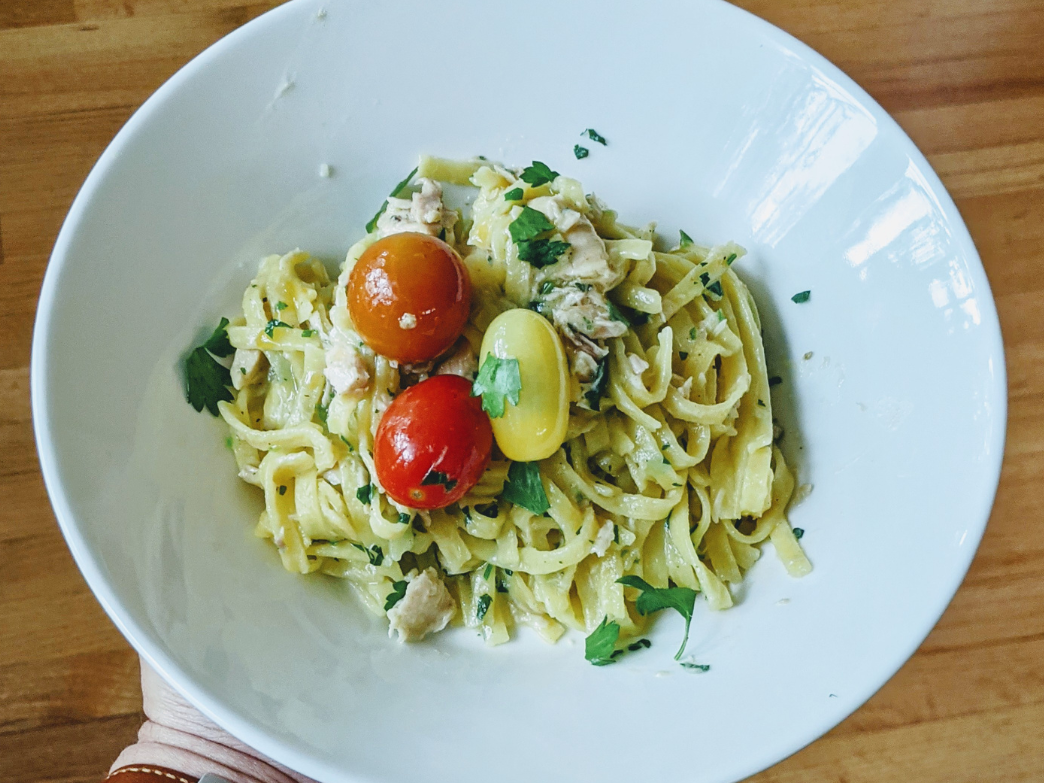
Best Pasta for a Bland Diet and BRAT Diet
By Dr. Jorge, Ph.D. Wildgrain, opens in a new tab is the first bake-from-frozen subscription box for sourdough breads, fresh pastas, and artisanal pastries. Digestive issues can make deciding what to eat challenging, especially when you're worried about worsening your symptoms. Sticking to a bland diet can be one way to combat an upset stomach or diarrhea, but figuring out which foods fit into this category can feel overwhelming. Fortunately, certain types of pasta fit into a bland diet and can be a tasty option when you're looking for something to settle your stomach. Read on to learn more about the best pasta and noodle options for a bland diet. What can you eat on a bland diet? What is the best bland food for a stomach bug? A bland diet consists of soft, non-spicy, and low-fiber foods that are gentle on the stomach and can help alleviate symptoms of conditions like ulcers, heartburn, GERD, nausea, and vomiting. Foods that are commonly included in a bland diet are low-fat or non-fat dairy products, white pasta, cooked cereals, eggs, fish, and certain vegetables such as carrots, green beans, and potatoes. If you're dealing with a stomach bug or an upset stomach, it's best to avoid solid foods initially until your symptoms improve. Instead, focus on hydrating with liquids like clear broths, herbal teas, or non-caffeinated sports drinks. Once you’re able to tolerate liquids, you can gradually introduce simple, easily digestible foods like plain noodles, mashed potatoes, crackers, and toast. These foods are gentle on the stomach and can help prevent further irritation while you recover. Can you eat pasta on a bland diet? Can you eat noodles on a bland diet? Yes, you can eat PastaGo to tonnarelli spaghettiGo to tonnarelli pastaGo to fresh cavatappi 12oz Wildgrain, opens in a new tab pastaGo to fresh cavatappi 12oz and noodles while on a bland diet, but some types are gentler on the stomach than others. Since low-fiber foods are recommended, pasta made with refined grains, such as white pasta or noodles, is typically the best choice. These are easier to digest than whole wheat alternatives, which have more fiber. Additionally, it's important to keep the seasoning and sauces to a minimum to prevent further stomach upset. Simple, plain pasta is the option to keep things gentle on your digestive system. Is pasta ok with an upset stomach? Is buttered pasta easy on the stomach? Pasta is typically well tolerated during an upset stomach, especially when it's low in fiber and prepared simply. Buttered pasta or noodles may be easy on digestion, though the high fat content in butter may worsen symptoms for some individuals. If that's the case, consider a light drizzle of olive oil or using broth to add flavor instead. Can you eat plain noodles with diarrhea? Is plain pasta ok for an upset stomach? Plain noodles or pasta are often a good option for those experiencing diarrhea or an upset stomach. When prepared simply with minimal ingredients and seasoning, white pasta can help soothe an irritated digestive system. The low fiber content of white pasta may also help reduce the severity and frequency of bowel movements, providing relief from diarrhea. Can you eat pasta on the BRAT diet? Can you eat noodles on a BRAT diet? Yes, you can eat pasta while on the BRAT diet. Since the BRAT diet consists of bland and easy-to-digest foods, white pasta and noodles are usually well-tolerated when made simply. As with other bland diets, it's best to avoid sauces and high-fat ingredients like cream or butter that could trigger digestive upset. What kind of pasta is best for a BRAT diet? What kind of noodles are best for a BRAT diet? The best pasta for a BRAT diet follows the same guidelines as for any bland diet. Low-fiber pasta and noodles, particularly white pasta, are the ideal choice when following a BRAT diet. White pasta is made from refined grains that have had most of their fiber removed during processing, making it generally easier to digest than whole wheat pasta, which is high in fiber. What is the best pasta for an upset stomach? What noodles are good for diarrhea? The best pasta and noodles for digestive issues are the same as those recommended for a bland diet. Plain white pasta and noodles are usually easy on the stomach and gentle on the digestive system due to their low fiber content and mild flavor. For upset stomach and diarrhea, simple white pasta like spaghetti, penne, or egg noodles is best when prepared plainly with just a small amount of butter or olive oil, avoiding heavy sauces, spices, or dairy that could further irritate the digestive tract. Where can I buy the best fresh pasta online? At Wildgrain, we specialize in making high-quality, fresh breads and pastas that are delivered directly to your door. Wildgrain is the first bake-from-frozen delivery subscription service for breads, pastries, and fresh pastas. Some of our popular pastas include fresh cavatappi and fresh tonnarelli. Learn more about Wildgrain and our artisanal baking and cooking methods. Best Pasta Home Delivery Service: How Wildgrain's Pasta Delivery Works Wildgrain's pastas are prepared in independent, artisanal bakeries with high quality ingredients. The pastas are shipped frozen in insulated boxes and delivered direct to your home, anywhere nationwide. By shipping frozen, Wildgrain products maintain the highest quality, so you can enjoy fresh pasta at home. That's why customers consider Wildgrain among the best home delivery services for pasta. About the Author Dr. Jorge has been a public health researcher for many years, holding both a Bachelor's degree and a Ph.D. in Chemistry. They presently work as a medical writer and love being able to assist others in understanding various health and scientific topics. This content is for informational use only and does not replace professional nutrition and/or medical advice, diagnosis or treatment. It is not a substitute for and should not be relied upon for specific nutrition and/or medical recommendations. Please talk with your doctor about any questions or concerns.
Learn more Best Pasta for a Bland Diet and BRAT Diet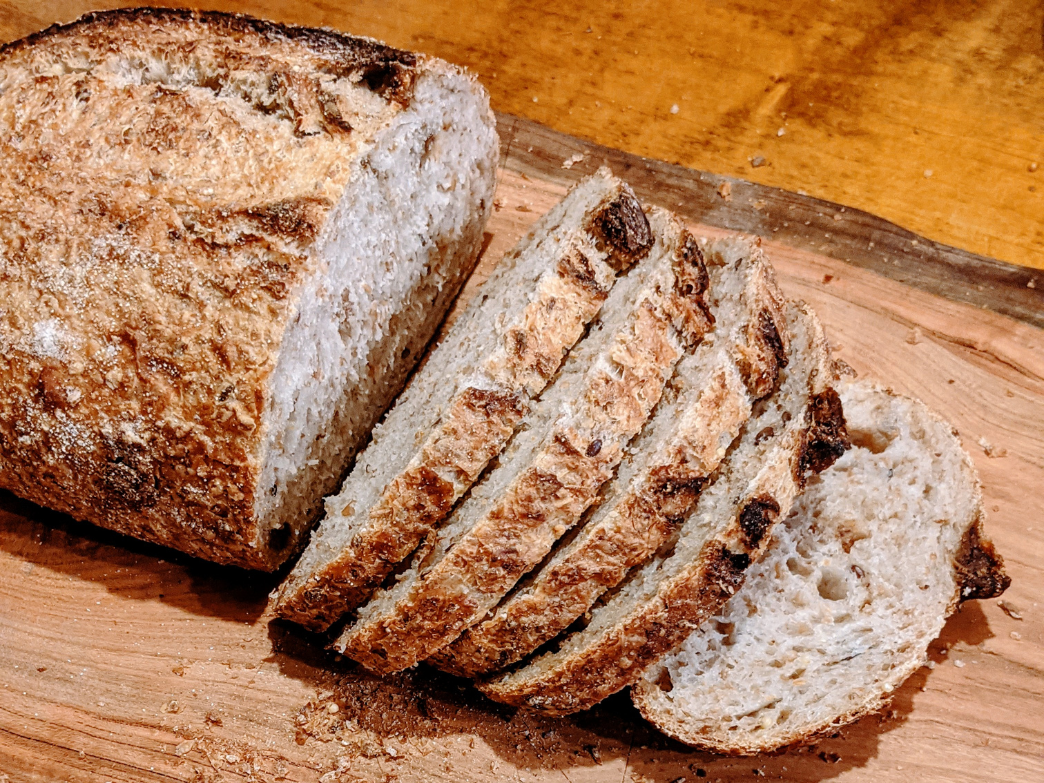
What's Healthier: Whole Grains vs. Refined Grains vs. Enriched Grains?
By Dr. Jorge, Ph.D. Wildgrain, opens in a new tab is the first bake-from-frozen subscription box for sourdough breads, fresh pastas, and artisanal pastries. It seems like everywhere you turn, you hear that whole grains are superior, and it can feel like you just can’t eat enough of them. You might know whole grains are good for you in theory, but do you know how they compare to other types of grains? In this article, we’ll help demystify the world of grains so you can make informed choices during your next grocery trip. What is the difference between whole grains, refined grains, and enriched grains? As the name suggests, whole grains contain all parts of the grain, including the bran, germ, and endosperm. In contrast, refined grains are milled to remove the bran and germ, which also strips away many essential nutrients. Enriched grains are refined grains that have had some of those lost nutrients, such as iron and B vitamins, added back in after processing. What is healthier to eat: whole grains or refined grains or enriched grains? Whole grainsGo to Sourdough whole wheat bread are the healthiest type of grain because they are the least processed and retain the entire grain kernel (bran, germ, and endosperm), making them rich in fiber, vitamins, minerals, and antioxidants. Enriched grains are the next best option, as some nutrients lost during processing, such as iron and B vitamins, are added back in. Refined grains are the least healthy, as they lack fiber and many essential nutrients. They also tend to have a higher glycemic index, which can lead to spikes in blood sugar levels. Is it good to eat whole grains every day? Is there a downside to eating whole grains? Yes, it is generally recommended to eat whole grains every day as part of a healthy and balanced lifestyle. Research has shown that a diet rich in whole grains is associated with health benefits, such as a lower risk of heart disease, type 2 diabetes, and certain types of cancer. Whole grains are also an excellent source of fiber, which supports healthy digestion and can aid in weight management. However, some individuals may experience digestive discomfort due to the high fiber and complex carbohydrate content of whole grains, particularly if they have sensitivities or underlying digestive conditions. Are whole grains inflammatory? Are refined grains inflammatory? Whole grains are generally not considered inflammatory. In fact, their high fiber and antioxidant content may help reduce inflammation in the body. These nutrients support gut health and promote a balanced immune response. In contrast, refined grains may contribute to inflammation. Because they lack fiber and essential nutrients, refined grains can disrupt the gut microbiome and cause blood sugar spikes, both of which are linked to inflammatory responses. Are enriched grains good for you? Enriched grains are not necessarily considered healthy, though they are a better option than refined grains. While certain nutrients are added back during the enrichment process, enriched grains still lack the full nutritional profile of whole grains, particularly fiber and other vitamins and minerals that are lost during processing. What are examples of refined grains? What are examples of whole grains? Some common examples of refined grains include white pasta, white rice, and white bread. In short, any product made with white flour is made from refined grains. In contrast, whole grain flour can be used to make brown rice, brown pasta, and whole wheat or whole grain bread. Other examples of whole grains include oats, quinoa, and barley. Best Bread Home Delivery Service: How Wildgrain's Bread Delivery Works Wildgrain's breads are prepared in independent, artisanal bakeries with high quality ingredients. The breads are shipped frozen in insulated boxes and delivered direct to your home, anywhere nationwide. By shipping frozen, Wildgrain products maintain the highest quality, so you can enjoy fresh baked breads at home. That's why customers consider Wildgrain among the best home delivery services for bread. About the Author Dr. Jorge has been a public health researcher for many years, holding both a Bachelor's degree and a Ph.D. in Chemistry. They presently work as a medical writer and love being able to assist others in understanding various health and scientific topics. This content is for informational use only and does not replace professional nutrition and/or medical advice, diagnosis or treatment. It is not a substitute for and should not be relied upon for specific nutrition and/or medical recommendations. Please talk with your doctor about any questions or concerns.
Learn more What's Healthier: Whole Grains vs. Refined Grains vs. Enriched Grains?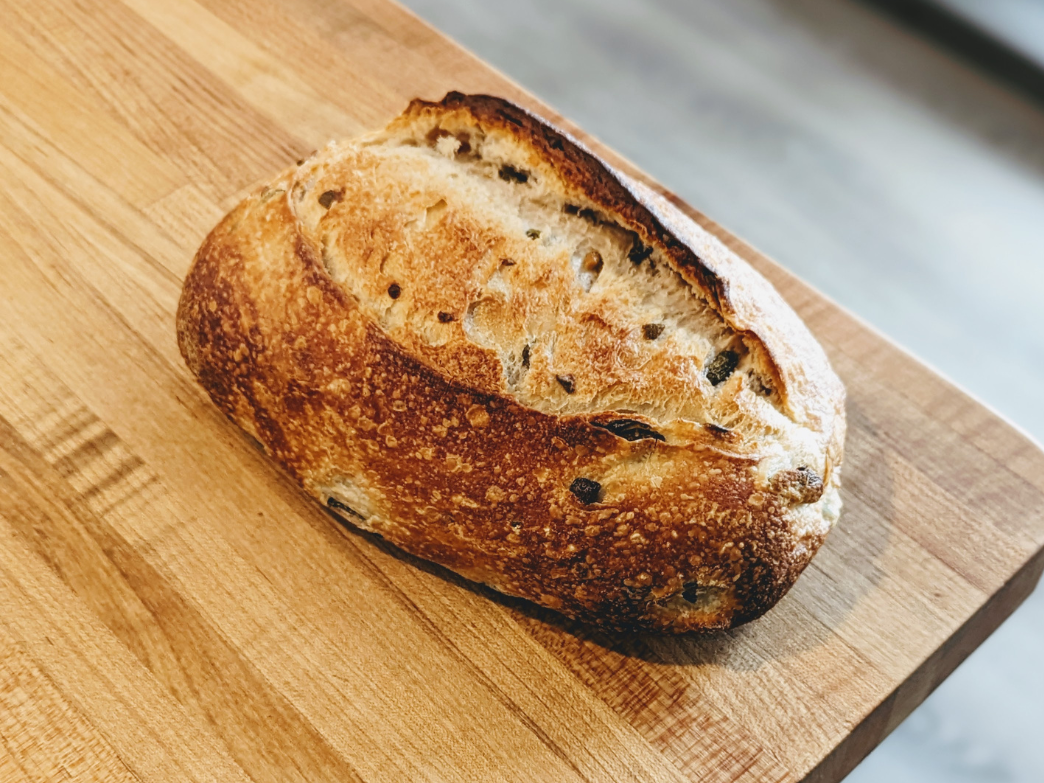
Best Bread for BRAT Diet
By Dr. Jorge, Ph.D. Wildgrain, opens in a new tab is the first bake-from-frozen subscription box for sourdough breads, fresh pastas, and artisanal pastries. You’ve probably heard of the BRAT diet – maybe you’ve even been advised to follow it during an illness. In this article, we’ll dive into one of the staple foods of the BRAT diet –bread–and explain which type is easiest to digest and why. It is important to remember that this article is not medical advice; consult with your doctor or a registered dietician before making changes to your diet. What is the BRAT diet? What can you eat on the BRAT diet? The BRAT diet refers to a bland diet that is composed of bananas, rice, applesauce, and toast as its core suggested foods. Traditionally recommended by physicians as a short-term approach, the goal of the BRAT diet is to ease digestive issues, such as stomach upset and diarrhea. The BRAT diet emphasizes low-fiber foods that are gentle on the digestive system. In addition to the core foods of the BRAT diet, other safe options include crackers, oatmeal, apple juice, and clear broths. When should you eat the BRAT diet? Physicians often recommend the BRAT diet for individuals dealing with nausea, vomiting, or diarrhea. This bland diet is designed to be gentle on the stomach and may help alleviate symptoms of digestive upset. If you’re unsure whether the BRAT diet is appropriate for your situation, consult your doctor for advice. What kind of bread is best for a BRAT diet? The best type of bread to eat on a BRAT diet is one that’s easy to digest, such as white bread. Its low fiber content makes it gentle on the digestive system and easy for the body to absorb. Because white bread is made from refined grains with the bran and germ removed, it breaks down more easily during digestion. Is BRAT diet ok for IBS? The BRAT diet can serve as a short-term strategy to help manage certain IBS symptoms, such as diarrhea. However, it is not recommended as a long-term approach to IBS management due to its limited nutritional value. Over time, relying solely on the BRAT diet may lead to nutrient deficiencies and does not address the underlying causes of IBS symptoms. Is toast better than bread on BRAT diet? Is bread or toast better for upset stomach? Toast is often recommended over untoasted bread on the BRAT diet because it’s easier for the body to digest. The toasting process breaks down some of the carbohydrates in bread, which can make it gentler on the stomach. For this reason, toast, rather than regular bread, is considered one of the staple foods of the BRAT diet. Is white bread good for a BRAT diet? Is whole wheat bread ok for BRAT diet? White bread is often recommended as part of the BRAT diet and is preferred over whole wheat bread for those following a bland diet, as it tends to be easier to digest. Although whole wheat bread is generally more nutritious, its higher fiber and FODMAP content can make it harder to digest for some individuals, potentially worsening stomach issues or triggering IBS symptoms. Is sourdough bread ok for an upset stomach? Can you eat sourdough on BRAT diet? Sourdough bread is usually ok for an upset stomach and can be easier to digest than white bread for some individuals. Its extended and distinctive fermentation process helps break down certain compounds naturally, making sourdough bread gentler on the digestive system and a good bread option for the BRAT diet. Where can I buy the best fresh bread online? At Wildgrain, we specialize in making high-quality, fresh breads that are delivered directly to your door. Wildgrain is the first bake-from-frozen delivery subscription service for breads, rolls, pastries, and fresh pastas. Some of our popular breads include sourdough whole wheat, sourdough 7-grain, slow fermented 3-seed bread, and sourdough rye. Learn more about Wildgrain and our artisanal baking and cooking methods. Best Bread Home Delivery Service: How Wildgrain's Bread Delivery Works Wildgrain's breads are prepared in independent, artisanal bakeries with high quality ingredients. The breads are shipped frozen in insulated boxes and delivered direct to your home, anywhere nationwide. By shipping frozen, Wildgrain products maintain the highest quality, so you can enjoy fresh baked breads at home. That's why customers consider Wildgrain among the best home delivery services for bread. About the Author Dr. Jorge has been a public health researcher for many years, holding both a Bachelor's degree and a Ph.D. in Chemistry. They presently work as a medical writer and love being able to assist others in understanding various health and scientific topics. This content is for informational use only and does not replace professional nutrition and/or medical advice, diagnosis or treatment. It is not a substitute for and should not be relied upon for specific nutrition and/or medical recommendations. Please talk with your doctor about any questions or concerns.
Learn more Best Bread for BRAT Diet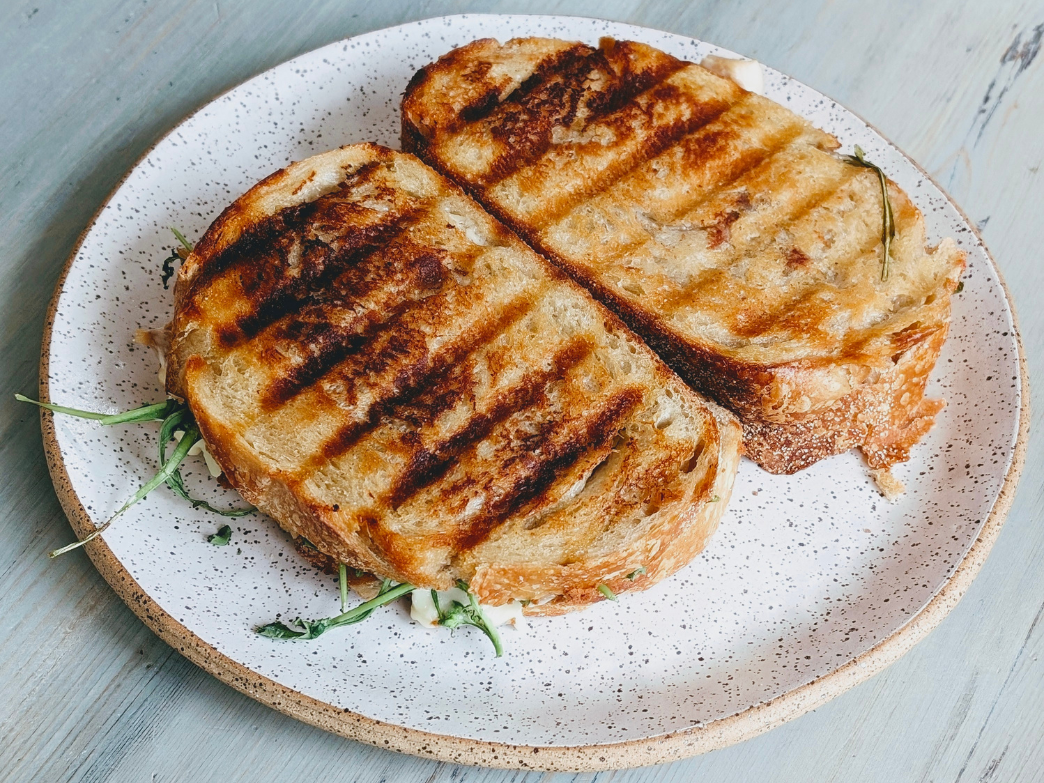
Best Bread for Blood Sugar
By Lucy Yanckello, Ph.D. Wildgrain, opens in a new tab is the first bake-from-frozen subscription box for sourdough breads, fresh pastas, and artisanal pastries. If you have high blood sugar or diabetes, bread can feel like one of the trickiest foods to navigate. While some types can spike your blood sugar quickly, others are much gentler on your body. Understanding which breads to choose - and why - can help you enjoy this everyday food without compromising your health. It is important to remember that this article is not medical advice; consult with your doctor or a registered dietician before making changes to your diet. Can I eat bread if I have high blood sugar? What bread has no sugar? Yes, you can eat bread if you have high blood sugar, but you need to be strategic about the type and portion. Breads to focus on when you have high blood sugar are low in glycemic index, high in fiber, made from whole or sprouted grains, and free from added sugar. 100% whole wheat breadsGo to sourdough whole wheat bread, sprouted grain breads, sourdough breadsGo to sourdough loaf, and multigrain breads are generally good choices, but be sure to read the label to make sure there is no added sugar. What kind of bread is ok for diabetics? When you have diabetes, it is important to take a few things into consideration when choosing the bread you are going to eat. Be sure to look for bread with no added sugars, at least three grams of fiber per serving, and made with whole-grains if possible. The American Diabetes association recommends choosing breadGo to sourdough whole wheat bread that is made with whole grains over white bread, as white bread is made from highly processed flour and contains added sugars. Does white bread increase blood sugar? Will whole wheat bread raise my blood sugar? White bread has a glycemic index of 90 on a scale of 1 to 100, classifying it as a high GI food. GI is a scale that ranks carbohydrates based on how quickly they will raise blood sugar level – or how quickly the food is digested – with 1 being the lowest and 100 being the highest. This means that white bread will raise your blood sugar very quickly due to it being a high GI food. Whole wheat breadGo to sourdough whole wheat bread only has a GI of 65, making it a medium GI food. Low and medium GI foods are digested and absorbed slower than those with a high GI. This leads to a gradual increase in blood sugar and subsequently insulin levels, which is beneficial for managing and maintaining blood sugar levels. Which bread has the lowest glycemic index? Types of bread with the lowest glycemic index includes pumpernickel with a GI of 41-56, sourdough ryeGo to sourdough rye bread with a GI of 48, sourdough wheatGo to sourdough whole wheat bread with a GI of 54, and spelt multi-grain with a GI of 54. Low-GI foods are considered to be under 55 on the GI scale. All breads that are low-GI are made with whole grains, increasing their fiber content, leading to slower digestion and a more gradual increase in blood sugar rather than the spike caused by high-GI foods. What bread is the worst for blood sugar? White bread is generally considered the worst for blood sugar. Not only does it lack fiber and other essential nutrients due to the highly processed nature of the flour, but it also is considered to be a high-GI food, with a GI of 90. This means that it causes rapid spikes in blood sugar. What bread is best for blood sugar? What bread does not spike blood sugar? The best bread for blood sugar is bread made with whole grains. Breads that do not spike blood sugar include low-GI breads such as pumpernickel, sourdough ryeGo to sourdough rye bread, sourdough wheatGo to sourdough whole wheat bread, and spelt multigrain. Be sure to read the label on breads from the store to avoid added sugars, or make your own bread to ensure the bread you are consuming only has the ingredients you want it to. Is sourdough bread good for high blood sugar? Sourdough bread is helpful for those with high blood sugar. The fermentation process in sourdough bread reduces the glycemic response, meaning it causes a slower and more gradual rise in blood sugar than white bread and even some wheat breads. Be sure to opt for sourdough rye or sourdough wheat breads that are made with whole grains for optimal blood sugar control. Where can I buy the best fresh bread online? At Wildgrain, we specialize in making high-quality, fresh breads that are delivered directly to your door. Wildgrain is the first bake-from-frozen delivery subscription service for breads, rolls, pastries, and fresh pastas. Some of our popular breads include sourdough whole wheat, sourdough 7-grain, slow fermented 3-seed bread, and sourdough rye. Learn more about Wildgrain and our artisanal baking and cooking methods. Best Bread Home Delivery Service: How Wildgrain's Bread Delivery Works Wildgrain's breads are prepared in independent, artisanal bakeries with high quality ingredients. The breads are shipped frozen in insulated boxes and delivered direct to your home, anywhere nationwide. By shipping frozen, Wildgrain products maintain the highest quality, so you can enjoy fresh baked breads at home. That's why customers consider Wildgrain among the best home delivery services for bread. About the Author Lucy Yanckello received her Ph.D. in nutrition from the University of Kentucky College of Medicine. She currently works as a medical writer and enjoys being able to help people better understand nutrition and science. This content is for informational use only and does not replace professional nutrition and/or medical advice, diagnosis or treatment. It is not a substitute for and should not be relied upon for specific nutrition and/or medical recommendations. Please talk with your doctor about any questions or concerns.
Learn more Best Bread for Blood Sugar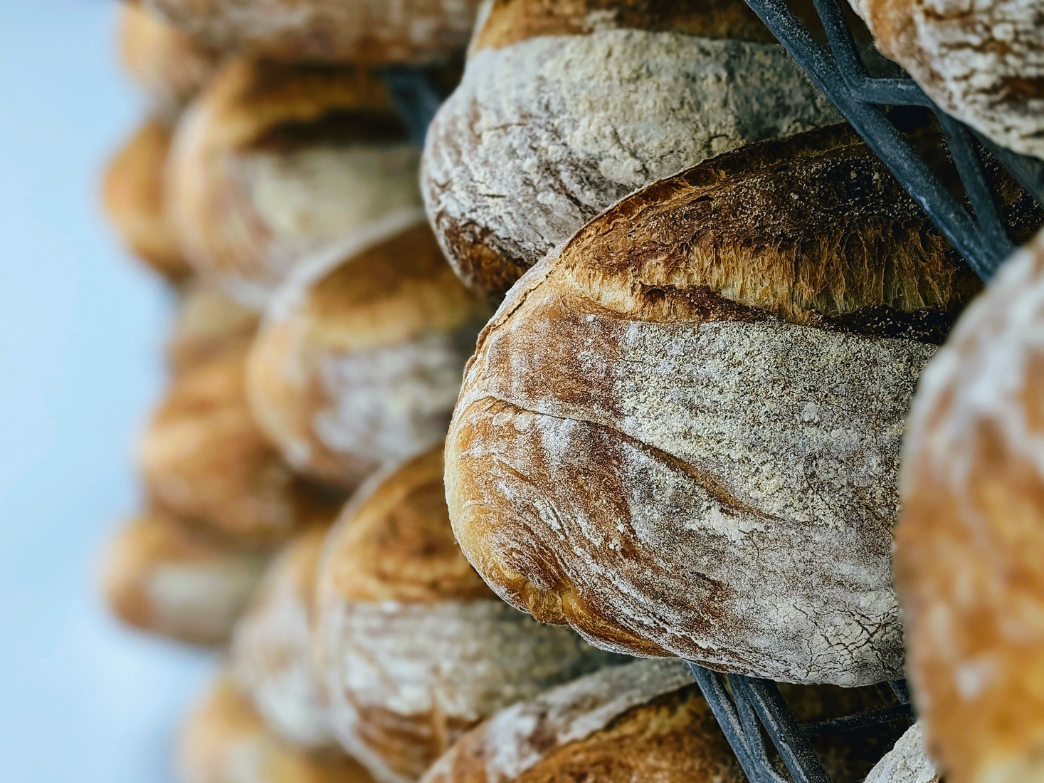
Best Bread for Healthy Skin
By Lucy Yanckello, Ph.D. Wildgrain, opens in a new tab is the first bake-from-frozen subscription box for sourdough breads, fresh pastas, and artisanal pastries. When it comes to healthy skin, the best bread choices are those made with whole grains and minimal added sugars. These types of bread help support overall skin health by keeping blood sugar levels stable, reducing inflammation, and providing key skin-supporting nutrients. It is important to remember that this article is not medical advice; consult with your doctor or a registered dietician before making changes to your diet. What is the best diet for your skin? What to eat for healthy skin? A diet rich in nutrient-dense whole foods, such as fruits, vegetables, whole-grains, lean protein, and healthy fats, is necessary to keep your skin healthy. Omega-3 fatty acids are known to improve cholesterol, reduce inflammation, and help preserve collagen in your skin to keep it firmer. To beef up omega-3s in your diet, add in salmon, tuna, or sardines. If you don’t eat fish, opt for flaxseeds, chia seeds, walnuts, or edamame. Antioxidants such as lycopene, found in tomatoes, and polyphenols, found in tea, coffee, grapes, and dark chocolate, help keep your skin smooth. Vitamins to focus on include vitamin C and vitamin E, which can help fight wrinkles and prevent cell damage, respectively. Eat citrus, bell peppers, broccoli, or strawberries to up your vitamin C intake, and increase your intake of almonds and sunflower seeds to add vitamin E to your diet. Is bread good for skin? What bread is good for your skin? Not all bread is created equal, and not all bread is good for your skin. White bread made with refined carbohydrates or high in added sugar spike blood sugar and promote inflammation, which can trigger acne and speed up aging. For a more skin-friendly bread, opt for sprouted or whole grain breads. These are minimally processed and have few additives. Whole grain breads are high in fiber, zinc, and vitamins C and E which are essential for skin repair and regeneration. These breads are digested slower, which means they will not spike blood sugar. Sprouted breads have more bioavailable nutrients, such as antioxidants and often have a lower glycemic index than processed breads, meaning they will not cause blood sugar spikes either. Can too much bread cause skin problems? Too much highly processed and refined bread can contribute to skin problems. Refined bread, such as white bread, spikes blood sugar quickly. This quick spike in blood sugar causes a surge in insulin, which increases oil production, raises levels of hormones linked to acne, and promotes inflammation in the skin. This process contributes to acne breakouts and can also cause premature aging. Consider whole grain breads instead to avoid the skin problems linked to refined bread. What is the best bread for acne-prone skin? What bread is bad for acne? If you are prone to acne breakouts, the type of bread you are consuming can make a difference. A key factor to pay attention to is the glycemic load of the bread you are consuming, or how quickly the bread will raise your blood sugar. High spikes in blood sugar increase insulin production which raises the production of oil, clogging your pores and causing acne flare-ups. Breads bad for acne-prone skin are white bread, bread with added sugar or high-fructose corn syrup, and breads made with refined flours. Be sure to always read the ingredient list and look for 100% whole-grain, rather than added sugars or enriched wheat flours. Stick to bread with a glycemic index below 55, and keep your portions moderate. Is gluten-free bread better for your skin? For those with celiac disease, non-celiac gluten sensitivity, or a wheat allergy, bread can cause issues like eczema or hives. This is not common in people without these conditions. If you do not have these conditions, gluten-free bread may be worse for those with acne-prone skin. Many gluten-free breads are highly processed, and made from refined starches giving them a high glycemic index. This is harmful for those who are prone to acne breakouts. Additionally, gluten-free breads often lack fiber, zinc, C and E vitamins, and other nutrients found in whole-grain breads that are beneficial for your skin. Is whole wheat bread better for skin? Sprouted or whole grain breads are better for your skin as they are minimally processed and have few additives. Whole grain breads are high in fiber, zinc, and vitamins C and E, which are essential for skin repair and regeneration. These breads are also digested more slowly, meaning they will not spike blood sugar. Sprouted breads have more bioavailable nutrients, such as antioxidants and often have a lower glycemic index than processed breads, meaning they will not cause blood sugar spikes. Preventing blood sugar spikes is vital in controlling acne breakouts. Is sourdough bread good for your skin? Sourdough bread can be good for your skin if it is made with whole grain flour. Just as with other whole grain breads, whole grain sourdough is high in fiber, zinc, and vitamin C and E, which are essential for skin repair and regeneration. The fermentation process of sourdough also makes these nutrients more bioavailable (or easier for the body to use). Additionally, sourdough is digested slower meaning it will not spike blood sugar. What is the best bread for healthy skin? The best bread for healthy skin is that which does not spike blood sugar and is high in antioxidants, vitamins C and E, and fiber. It is important to keep blood sugar spikes under control. Keeping blood sugar under control reduces acne breakouts through reduced oil production which leads to clogged pores. Whole grain breads and sprouted breads are the best options to consider when thinking about healthy skin. Where can I buy the best fresh bread online? At Wildgrain, we specialize in making high-quality, fresh breads that are delivered directly to your door. Wildgrain is the first bake-from-frozen delivery subscription service for breads, rolls, pastries, and fresh pastas. Some of our popular breads include sourdough whole wheat, sourdough 7-grain, slow fermented 3-seed bread, and sourdough rye. Learn more about Wildgrain and our artisanal baking and cooking methods. Best Bread Home Delivery Service: How Wildgrain's Bread Delivery Works Wildgrain's breads are prepared in independent, artisanal bakeries with high quality ingredients. The breads are shipped frozen in insulated boxes and delivered direct to your home, anywhere nationwide. By shipping frozen, Wildgrain products maintain the highest quality, so you can enjoy fresh baked breads at home. That's why customers consider Wildgrain among the best home delivery services for bread. About the Author Lucy Yanckello received her Ph.D. in nutrition from the University of Kentucky College of Medicine. She currently works as a medical writer and enjoys being able to help people better understand nutrition and science. This content is for informational use only and does not replace professional nutrition and/or medical advice, diagnosis or treatment. It is not a substitute for and should not be relied upon for specific nutrition and/or medical recommendations. Please talk with your doctor about any questions or concerns.
Learn more Best Bread for Healthy Skin