

Wildgrain Blog
Best Bread for PCOS
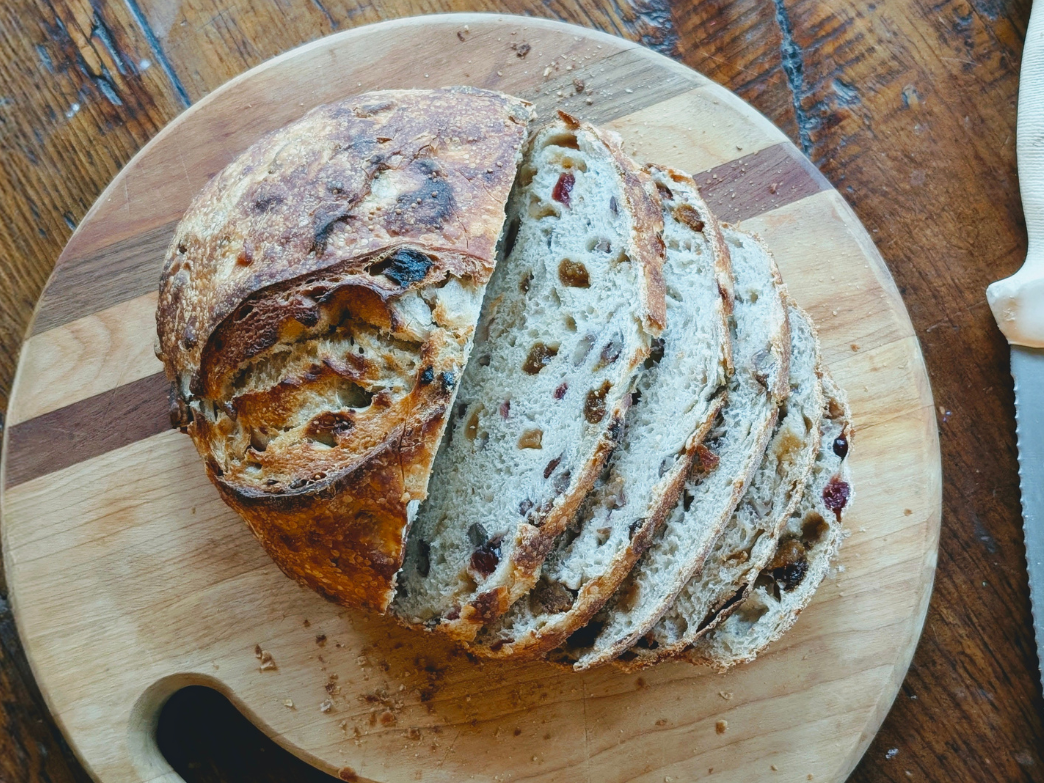
By Dr. Jorge, Ph.D. Wildgrain, opens in a new tab is the first bake-from-frozen subscription box for sourdough breads, fresh pastas, and artisanal pastries. More and more women are being diagnosed with PCOS, yet it remains a condition that’s often misunderstood. One thing is clear: diet plays a key role in PCOS symptom management. In this article, we’ll explore the best breads for PCOS management and which ones are best to avoid, so you can focus on meals that help you feel your best. How is PCOS affected by diet? What diet is best for PCOS? Diet can significantly affect symptoms associated with polycystic ovary syndrome (PCOS). High insulin levels, chronic inflammation, and elevated androgens (male hormones like testosterone) are all linked to PCOS. Foods or diets that are inflammatory or high in sugar can increase insulin resistance and worsen symptoms. A balanced, nutrient-rich diet that is low in added sugars and limits highly processed foods is best for managing PCOS. Can you still eat bread with PCOS? What carbs should you avoid with PCOS? Yes, you can still eat bread with PCOS. While some types of bread (like white bread) can work against managing symptoms, others (like whole grain or whole wheat bread) can actually help support healthy blood sugar and insulin levels. It’s best to avoid refined carbohydrates and added sugars, including white bread, white pasta, and other highly processed breads made with enriched flour or added sweeteners. Does gluten cause hormonal imbalance? Is gluten bad for PCOS? Gluten may contribute to hormonal imbalances in individuals with celiac disease or gluten sensitivity, as the body’s reduced ability to absorb nutrients can lead to these imbalances. For these individuals, gluten can trigger inflammation and should be avoided. However, there is no evidence that gluten worsens PCOS symptoms in those who are not sensitive to it. For most people with PCOS, focusing on overall diet quality, such as choosing whole foods and limiting refined foods, is more beneficial at managing PCOS symptoms than eliminating gluten. Is sourdough bread PCOS-friendly? Can you eat sourdough bread with PCOS? Sourdough bread may be considered PCOS-friendly due to its unique fermentation process, which makes it a low-glycemic-index (GI) food. Low GI foods can help manage blood sugar levels, which in turn may help improve PCOS symptoms associated with insulin resistance. Sourdough bread has also been shown to have anti-inflammatory properties, which may further alleviate chronic inflammation often experienced by PCOS sufferers. Is pita bread PCOS-friendly? Is naan bread PCOS-friendly? Pita bread and naan bread can be PCOS-friendly, especially when you opt for whole wheat versions. Whole wheat pita bread and whole wheat naan bread have a higher fiber content and a lower GI, which can help people with PCOS avoid blood sugar spikes and prevent PCOS symptoms from worsening. While whole grains are best for managing PCOS symptoms, any type of pita bread or naan bread can still be enjoyed as part of a balanced, PCOS-friendly diet when consumed in moderation and paired with nutritious, high-fiber foods like vegetables and lean protein. Is whole wheat bread PCOS-friendly? Is white bread ok for PCOS? Yes, whole wheat bread is absolutely PCOS-friendly and a great choice for those looking for foods that can help manage PCOS symptoms. Whole wheat bread is made from whole grains, which offer several health benefits, including improved blood sugar control and reduced inflammation. White bread, on the other hand, is not generally recommended for those with PCOS because it has a high GI and is low in fiber and nutrients. As a result, consuming white bread can cause blood sugar spikes and worsen insulin resistance, which many people with PCOS already experience. Higher insulin levels can also cause hormonal imbalances, leading to common PCOS symptoms such as acne and irregular periods. Choosing whole wheat bread instead of white bread can be a simple yet effective way to manage insulin levels and support hormonal health. What kind of toast is best for PCOS? Can I eat toast with PCOS? The best toast for PCOS is made from bread that is high in fiber and nutrients. Whole wheat bread and sourdough bread are great options, as these nutritious choices can help manage PCOS symptoms rather than aggravate them. For a balanced breakfast or snack, pair your toast with a source of protein, such as eggs or nut butter, or with healthy fats, like avocado. Adding protein and healthy fats to whole wheat toast can help balance hormones, reduce inflammation, and decrease insulin resistance, all of which are beneficial for managing PCOS. What kind of bread can I use for a sandwich if I have PCOS? Whole wheat and whole grain bread varieties are the best choices for a sandwich when you have PCOS. To further support management of PCOS symptoms, be sure to pack your sandwich with lean protein, healthy fats, and high-fiber foods like lean meat, avocado, or plenty of vegetables. Choosing breads that are minimally processed and low in added sugars can also help keep blood sugar levels stable. What kind of bread is best for PCOS? What bread is PCOS-friendly? The best bread for PCOS is bread that is nutritious, rich in fiber, and minimally processed. Whole wheat bread, sourdough bread, and whole grain bread are all PCOS-friendly choices that can keep blood sugar spikes at bay and manage inflammation. Opting for these nutrient-rich breads as part of a balanced, whole-food diet that emphasizes fruits, vegetables, whole grains, and healthy fats while limiting added sugars and highly processed foods can further support PCOS management. Can you eat bread with PCOS and still lose weight? Yes, you can still eat bread and lose weight with PCOS. While many believe bread should be eliminated to manage PCOS, there is no evidence to support this claim. In fact, certain types of bread, like those made with whole grains, can help manage PCOS symptoms and support weight loss. Whole grains are high in fiber, which can help you feel fuller for longer, making it easier to eat less throughout the day and reducing overall calorie intake. Where can I buy healthy bread online? At Wildgrain, we specialize in making high-quality, fresh breads that are delivered directly to your door. Wildgrain is the first bake-from-frozen delivery subscription service for breads, rolls, pastries, and fresh pastas. Some of our popular breads include whole wheat sourdough, plain sourdough loaf and rye sourdough loaf. Learn more about Wildgrain and our artisanal baking and cooking methods. Best Bread Home Delivery Service: How Wildgrain's Bread Delivery Works Wildgrain's breads are prepared in independent, artisanal bakeries with high quality ingredients. The breads are shipped frozen in insulated boxes and delivered direct to your home, anywhere nationwide. By shipping frozen, Wildgrain products maintain the highest quality, so you can enjoy fresh baked breads at home. That's why customers consider Wildgrain among the best home delivery services for bread. About the Author Dr. Jorge has been a public health researcher for many years, holding both a Bachelor's degree and a Ph.D. in Chemistry. They presently work as a medical writer and love being able to assist others in understanding various health and scientific topics. This content is for informational use only and does not replace professional nutrition and/or medical advice, diagnosis or treatment. It is not a substitute for and should not be relied upon for specific nutrition and/or medical recommendations. Please talk with your doctor about any questions or concerns.
Learn more Best Bread for PCOS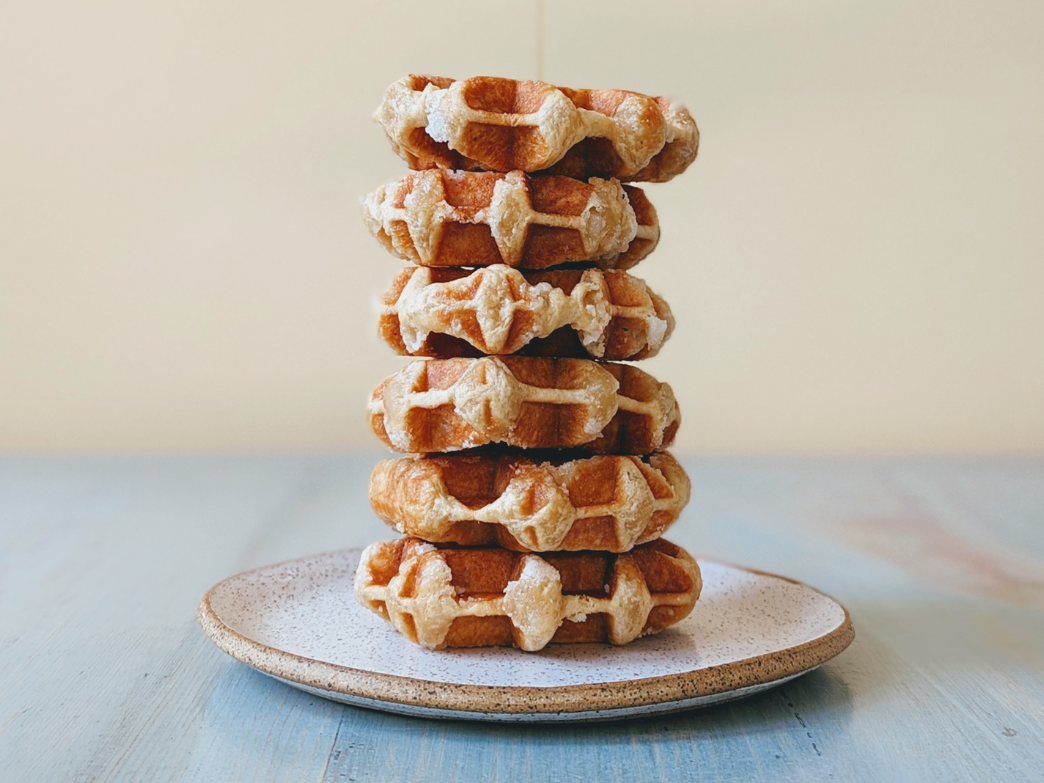
What's Healthier: Pancakes vs. Waffles vs. French Toast vs. Crepes
By Dr. Jorge, Ph.D. Wildgrain, opens in a new tab is the first bake-from-frozen subscription box for sourdough breads, fresh pastas, and artisanal pastries. Pancakes, waffles, french toast, and crepes all make for a fantastic brunch order, but each bring their own pros and cons to the table. If you have ever wondered which option you should opt for, in this article we stack them side-by-side to see who should win a place on your breakfast plate. Which is healthier to eat, pancakes or waffles or french toast or crepes? When comparing pancakes, waffles, french toast, and crepes, the healthiest options often depends on ingredients, preparation, portion size, and toppings used. Starting with the least calorie dense, a single crepe is typically the lowest in calories, fat, and sugar because it is so thin – however crepes are often filled with rich ingredients and eating just one is usually unrealistic. Crepes' thicker cousin, pancakes, are higher in carbs than a crepe but lower in fat and calories than a waffle of similar size. Waffles are often higher in calories, fat, and sugar than pancakes because the batter includes extra fat and sugar in order to create the crispy exterior that we all love. French toast is often very high in calories and fat because to get the rich flavor and texture, thick slices of enriched breads, such as brioche, are used. Additionally, french toast is pan fried in butter which can lead to a single serving of french toast being nearly double the calories of a plate of pancakes. While none of these options is overly healthy, excluding foods from your diet (unless medically necessary) only makes you crave them more. All of these options can fit into a healthy diet in moderation. Which has the most carbs, waffles or pancakes or french toast or crepes? Assuming you are enjoying a standard serving of each, crepes are the lowest in carbs. A single 10-inch crepe contains around 13 grams of carbohydrates. Pancakes and waffles have similar carbohydrate content, but pancakes have slightly less carbs than waffles. A 3.5-ounce pancake has around 40 grams of carbohydrates, compared to the same size waffle which has about 50 grams of carbs. Waffles' denser and crispier texture often comes from adding more sugar to the batter, thus increasing the carbohydrate content. French toast, especially when made in a traditional manner, has the highest carb count. The bread used in traditional french toast is thickly sliced enriched bread, such as brioche, which has added sugar, milk, and eggs. A single serving of french toast often has significantly more carbs than pancakes or waffles even before toppings are added. Which has the most calories, pancakes or french toast or crepes or waffles? Similar to carbohydrate content, crepes have the lowest calorie content as they are the thinnest of the four. A 10-inch crepe has around 90 calories, however this is also influenced by what the crepe is filled and topped with. A serving of pancakes is typically lower in calories than waffles or french toast of a similar size. However, add-ins such as chocolate chips, and toppings such as syrup and whipped cream can drive up the caloric content quickly. Waffles contain more fat and carbohydrates than pancakes and crepes and due to this are more calorie dense than a pancake of similar size. The thick slices of enriched bread soaked in egg custard and then fried in butter make french toast the highest in calories by a mile. A single slice of french toast can be well over 200 calories, even before toppings are added. Which is better for a diabetic, crepes or pancakes or waffles or french toast? The best option for a diabetic is one that fits within their diet while keeping carbohydrate content low. Any of these dishes can be prepared in a way that is diabetic friendly by focusing on whole grains, adding protein, and minimizing sugar. Crepes use minimal flour meaning they have the lowest carbohydrate content. Substituting white flour for whole-wheat flour will help slow sugar absorption by increasing the fiber content. Additionally, filling crepes with protein rich options such as cottage cheese or lean proteins will also help you feel fuller for longer and reduce cravings by reducing blood sugar spikes. Pancakes and waffles are made from similar batter, and substituting white flour for whole-wheat flour would also be beneficial, as whole-wheat flour helps reduce blood sugar spikes. An easy way to increase protein content of pancakes and waffles is to add a scoop of your favorite protein powder to the batter. French toast often has the highest glycemic impact, meaning it will cause the highest spikes in blood sugar. Subbing enriched bread for whole wheat bread, and cooking the dish in margarine or cooking spray instead of butter will help reduce the carbohydrate content and thus blood sugar spikes. Which is the best for weight loss, french toast or pancakes or waffles or crepes? The best option for weight loss is one that fits within your diet. Any of these dishes can be prepared in a way that is beneficial for weight loss by focusing on whole grains, adding protein, and minimizing sugar. For crepes, substituting white flour for whole-wheat flour increases the fiber content which will help slow sugar absorption and will reduce snacking and cravings - important when trying to lose weight and stay in a caloric deficit. Topping crepes with a high protein choice such as cottage cheese will also aid in helping increase satiety and keeping you in a caloric deficit. Pancakes and waffles are made from similar batter, and substituting white flour for whole-wheat flour would also be beneficial, as whole-wheat flour increases fiber content. An easy way to increase protein content of waffles and pancakes is to add your favorite protein powder to the batter. Both of these options will help you feel fuller for longer and keep you in a caloric deficit which is necessary for weight loss. For french toast, subbing enriched bread for whole wheat bread, and cooking the dish in margarine or cooking spray instead of butter will help reduce the caloric content of the dish. Of all of the breakfast options, french toast is the hardest to modify, but try adding an extra egg to the batter or reducing the amount of syrup you use. Both of these switches will help you reduce the caloric content of the dish and keep you in a caloric deficit. Can you still eat pancakes, waffles, french toast, and crepes when trying to lose weight? You can still enjoy waffles, french toast, pancakes and crepes when trying to lose weight, but making smart switches to increase fiber and protein content are vital. Additionally, using sugar free syrups, or swapping syrup all together for fruit as a topping are great ways to lower caloric content to remain in a caloric deficit. Another quick switch to reduce calories is using margarine or cooking spray to cook your dish, and be sure to keep an eye on portion sizes. Which is healthier: pancakes or waffles? Pancakes are slightly healthier than waffles in a head to head comparison. Pancakes use slightly less sugar and fat in the batter, making them lower in calories. However, healthfulness depends on ingredients, toppings, and preparation. Whether you are choosing waffles or pancakes, homemade is best since you can control the ingredients and toppings. Which is healthier: french toast or crepes? Crepes take the cake in this comparison - crepes are generally healthier than french toast. Crepes are lower in calories, fat, and carbohydrates. Additionally, crepes can easily be filled with vegetables, lean proteins, or fruits to make a balanced meal. French toast is high in fat, carbohydrates, and calories, but just as with pancakes and waffles, homemade is best. Being able to substitute the high calorie ingredients for healthier options can help even out the score. Which is healthier: pancakes or crepes? Crepes are typically healthier than pancakes because they are thinner, reducing calories and carbohydrates. However, the final verdict depends on what you choose to pair it with. A whole-grain pancake with a side of fruit is a more filling meal than a crepe with a high-sugar filling or topping. What is the healthiest bread for french toast? The healthiest bread for french toast is one that you enjoy and that fits into your diet. Good options include whole-grain bread, sourdough bread, or sprouted grain breads. The throughline in these choices is higher fiber and protein content which lessen glycemic impact, aid in digestion, and keep you full and satisfied for longer. Where can I buy the best fresh bread and pasta online? At Wildgrain, we specialize in making high-quality, fresh breads that are delivered directly to your door. Wildgrain is the first bake-from-frozen delivery subscription service for breads, rolls, pastries, and fresh pastas. Some of our popular products include maple belgian waffles, sourdough whole wheat, and fresh tonnarelli pasta. Learn more about Wildgrain and our artisanal baking and cooking methods. Best Pastry Home Delivery Service: How Wildgrain's Pastry Delivery Works Wildgrain's pastries are prepared in independent, artisanal bakeries with high quality ingredients. The pastries are shipped frozen in insulated boxes and delivered direct to your home, anywhere nationwide. By shipping frozen, Wildgrain products maintain the highest quality, so you can enjoy fresh pastries at home. That's why customers consider Wildgrain among the best home delivery services for pastries. About the Author Dr. Jorge has been a public health researcher for many years, holding both a Bachelor's degree and a Ph.D. in Chemistry. They presently work as a medical writer and love being able to assist others in understanding various health and scientific topics. This content is for informational use only and does not replace professional nutrition and/or medical advice, diagnosis or treatment. It is not a substitute for and should not be relied upon for specific nutrition and/or medical recommendations. Please talk with your doctor about any questions or concerns.
Learn more What's Healthier: Pancakes vs. Waffles vs. French Toast vs. Crepes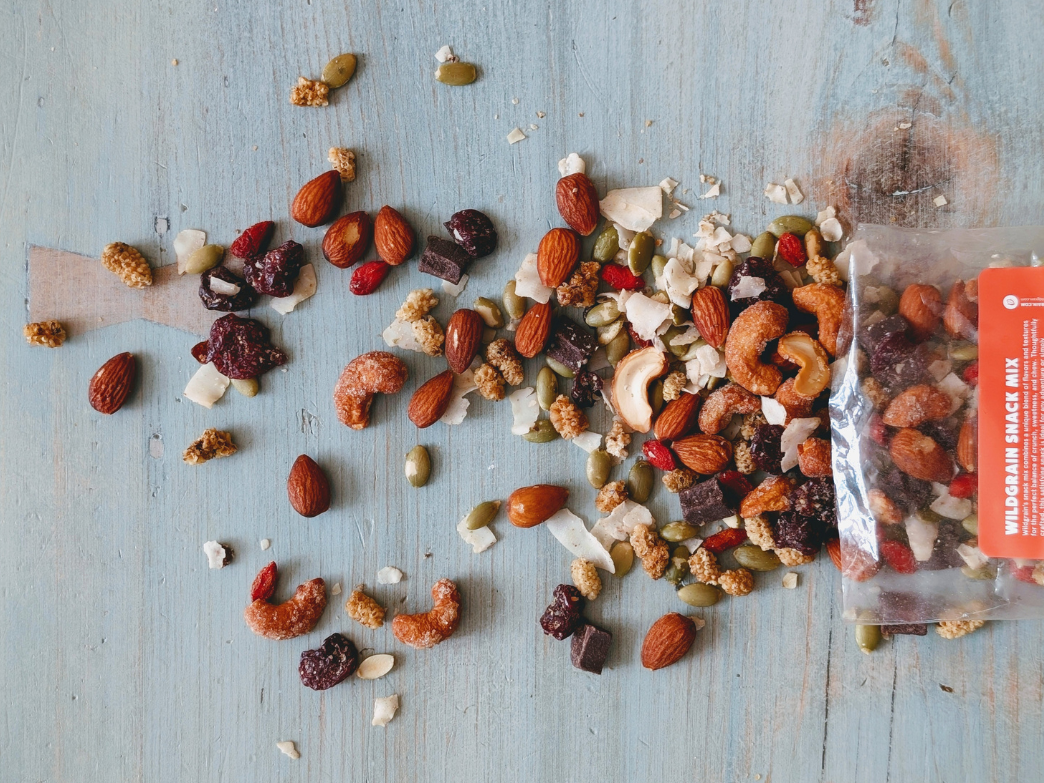
Best Nuts for Protein: Almonds vs. Cashews vs. Peanuts
By Dr. Jorge, Ph.D. Wildgrain, opens in a new tab is the first bake-from-frozen subscription box for sourdough breads, fresh pastas, and artisanal pastries. Nuts are a popular snack, but are some nuts healthier than others? From heart-healthy almonds to gut-friendly walnuts, each type of nut offers its own unique health benefits. In this article, we’ll explore the differences between nuts and why including a variety in your diet can boost your overall health. Are nuts healthy? What is the healthiest nut to eat? Nuts are generally considered healthy and are good sources of a variety of nutrients, including healthy fats, protein, fiber, antioxidants, and vitamins and minerals. Since different nuts contain varying amounts of these nutrients, there isn’t a single “healthiest” nut. Because each type has its own strengths, it’s recommended to enjoy a mix of nuts, such as peanuts, cashews, walnuts, and almonds. Nuts, especially when consumed regularly, can be a nutrient-dense addition to a balanced diet that can support heart health, help manage weight, and provide sustained energy throughout the day. Are nuts high in protein? What nuts have high protein? Nuts are generally high in protein, though some contain more than others. Peanuts have the highest protein content at 7 grams per ounce. Almonds and pistachios are close behind, with 6 grams per ounce, while cashews contain about 5 grams per ounce. Including a variety of nuts in your diet can help you meet your protein needs while also providing healthy fats, fiber, and other essential nutrients. Do nuts have more protein than eggs? Nuts can contain more protein than eggs, but it depends on the type of nut and the size of the egg. For reference, a medium egg has about 6 grams of protein, meaning a serving of peanuts provides slightly more protein than a medium egg. However, a large egg contains around 7 grams of protein, which is comparable to a serving of peanuts. Which has the most protein, almonds or cashews or peanuts or walnuts? Peanuts contain the highest amount of protein per serving, followed by almonds, cashews, and walnuts. As noted above, peanuts provide 7 grams of protein per ounce, with almonds close behind at 6 grams. Cashews and walnuts have the least protein among these four, offering 5 and 4 grams per ounce, respectively. Beyond protein, all these nuts provide healthy fats, fiber, vitamins, and minerals, making them a nutritious addition to a balanced diet. Which nut is healthier, cashews or almonds or walnuts or peanuts? Each type of nut has its own unique nutritional benefits, making them all healthy in different ways and making it difficult to rank them in terms of overall healthiness. Cashews are known for supporting heart health, almonds can help lower cholesterol and maintain a healthy weight, walnuts may promote a healthy gut, and peanuts can help reduce inflammation. By including a variety of nuts in your diet, you can be exposed to a broad spectrum of nutrients and tap into all of the potential health benefits. What is the best nut to eat to lose weight? Which nut burns the most fat? Like trying to pick the healthiest nut, there is no single nut that is best for weight loss or can burn the most fat. However, nuts that are high in fiber, protein, and healthy fats can be helpful for weight loss because these nutrients can help you feel full longer. Some of the best nuts for weight loss include almonds, walnuts, pistachios, and cashews. All of these nuts make satisfying, nutrient-dense snacks that can support your weight loss journey. Which nut is best for diabetics? Which nut has the least sugar? The best nuts for diabetics are raw or dry-roasted nuts, as it’s important to avoid nuts with added sugar, oil, salt, honey, or chocolate, which can raise blood sugar levels. While there isn’t a single best nut for diabetes, almonds are often recommended for diabetics because their high fiber and healthy fat content can help prevent blood sugar spikes and support insulin regulation. All nuts naturally contain small amounts of sugar. Walnuts and Brazil nuts have the least amount of sugar, with 0.7 grams per 1-ounce serving. Pecans contain about 1 gram of sugar per ounce, almonds 1.4 grams, and cashews 1.7 grams. Eating nuts in moderation and paying attention to portion sizes can help diabetics enjoy the nutritional benefits of nuts without negatively impacting blood sugar levels. Are trail mix nuts healthy? Is trail mix a good source of protein? Trail mix can be healthy depending on whether the nuts are raw or have added sugar, salt, or other ingredients. It can also be a good source of protein, depending on the mix. Traditional trail mixes typically include nuts, seeds, and dried fruits, all of which provide protein. However, not all trail mixes are created equal, so be sure to check the label to confirm the protein content and ingredients. Is it healthy to eat nuts every day? Is it okay to eat nuts every day? It is absolutely healthy and recommended to eat nuts every day. A handful of nuts daily can provide numerous health benefits, including improved heart health, better weight management, and a reduced risk of cancer and diabetes, among many others. Consuming a variety of nuts allows you to access the unique benefits of each type of nut, while even a small daily portion can help improve your overall health and well-being. Where can I buy the best fresh bread and pasta online? At Wildgrain, we specialize in making high-quality, fresh breads that are delivered directly to your door. Wildgrain is the first bake-from-frozen delivery subscription service for breads, rolls, pastries, and fresh pastas. Some of our popular breads include sourdough whole wheat, sourdough 7-grain, slow fermented 3-seed breadSourdough rye bread, and sourdough rye. Some of our popular pastas include spinach and ricotta ravioli, gluten-free cheese tortellini, truffle and parmigiano reggiano ravioli, potato gnocchi, and fresh tonnarelli. Learn more about Wildgrain and our artisanal baking and cooking methods. Best Home Delivery Service for Food: How Wildgrain's Food Delivery Works Wildgrain's products are prepared in independent, artisanal bakeries with high quality ingredients. They are shipped frozen in insulated boxes and delivered direct to your home, anywhere nationwide. By shipping frozen, Wildgrain products maintain the highest quality, so you can enjoy fresh food at home. That's why customers consider Wildgrain among the best home food delivery services. About the Author Dr. Jorge has been a public health researcher for many years, holding both a Bachelor's degree and a Ph.D. in Chemistry. They presently work as a medical writer and love being able to assist others in understanding various health and scientific topics. This content is for informational use only and does not replace professional nutrition and/or medical advice, diagnosis or treatment. It is not a substitute for and should not be relied upon for specific nutrition and/or medical recommendations. Please talk with your doctor about any questions or concerns.
Learn more Best Nuts for Protein: Almonds vs. Cashews vs. Peanuts
What's Healthier: Extra Virgin Olive Oil vs. Virgin Olive Oil vs. Refined Olive Oil?
By Dr. Jorge, Ph.D. Wildgrain, opens in a new tab is the first bake-from-frozen subscription box for sourdough breads, fresh pastas, and artisanal pastries. Olive oil is a daily staple for many, whether used in cooking, dipping, or drizzling over a salad. While it’s a familiar ingredient in most kitchens, not all olive oils are the same. Keep reading to learn the differences between the different types of olive oil and the numerous health benefits each can offer. What’s the difference: extra virgin olive oil vs. virgin olive oil vs. refined olive oil? The main difference between extra virgin olive oil, virgin olive oil, and refined olive oil is the level of processing the olives undergo. Extra virgin and virgin olive oils are both unrefined, meaning they are minimally processed. Extra virgin olive oil is the highest quality, while virgin olive oil is made using the same methods but does not need to meet the same strict standards. For example, extra virgin olive oil typically requires an acidity of less than 0.5%, whereas virgin olive oil requires less than 2%. Refined olive oil, on the other hand, is highly processed and undergoes chemical treatments to remove impurities and flavors. Lower quality olives that do not qualify for virgin oils are often used to make refined olive oil. Another key difference is flavor: extra virgin olive oil tends to be distinct and sometimes pungent, while refined olive oil is much more mild and neutral. Which is healthier to eat, extra virgin olive oil or virgin olive oil or refined olive oil? Extra virgin olive oil is generally considered the healthiest type, though all olive oils can be part of a healthy diet. Because it is the least processed, extra virgin olive oil retains higher levels of antioxidants and other beneficial compounds, which may help reduce the risk of heart disease and certain cancers. Virgin olive oil is similar but has slightly fewer of these nutrients, while refined olive oil loses much of them during processing and is valued more for its neutral flavor than its health benefits. Is cold-pressed olive oil or refined olive oil healthier? Which is better, cold-pressed olive oil or refined olive oil? Cold-pressed olive oil is generally considered healthier than refined olive oil because it is made using a mechanical process rather than chemical treatments. In contrast, refined olive oil undergoes chemical processing that reduces some of its natural nutrients. Since cold-pressed olive oil retains more of these nutrients, it is usually viewed as the healthier option. However, refined olive oil has a higher smoke point, making it more suitable for high-heat cooking. Is olive oil good for you? Which olive oil is considered the highest quality? Olive oil is good for you because it is rich in healthy fats and antioxidants. Its consumption has been linked to numerous health benefits, including reduced inflammation and a lower risk of heart disease, stroke, diabetes, and cancer. Extra virgin olive oil (EVOO) is considered the highest quality because it is mechanically extracted from the olive fruit without the use of heat or chemicals. To be classified as EVOO, it must also meet strict standards, which is why it is considered the highest quality olive oil. Is olive oil or avocado oil healthier? What is the most unhealthy oil for you? Olive oil and avocado oil have very similar nutritional profiles, with neither being necessarily healthier than the other. Both olive oil and avocado oil are sources of healthy fats and can provide health benefits such as supporting heart and bone health. The main difference between them is their smoke point: avocado oil is more suitable for high-heat cooking. The least healthy oils are those that are highly processed and high in trans or saturated fats. This includes certain seed oils such as corn, canola, and soybean oil. Because they undergo extensive processing, these oils often lose many of their nutrients, making them less nutritious overall. Some studies also suggest that consuming large amounts of these oils may increase the risk of heart disease, cancer, and diabetes. Is dipping bread in oil healthy? Is dipping bread in extra virgin olive oil healthy? Yes, dipping bread in oil can be healthy, especially if you choose a high-quality, minimally processed option. Extra virgin olive oil is an excellent choice, as it is the healthiest type of oil and can also slow the digestion of carbohydrates in bread, helping to regulate blood sugar levels and keeping you fuller for longer. Which olive oil is good for diabetics? How much olive oil should a diabetic have a day? The best olive oil for diabetics is extra virgin olive oil. It is high in compounds that may help manage blood sugar levels and support insulin function. While there is no official recommendation on how much olive oil people with diabetes should consume daily, it is best enjoyed in moderation, or about 1-2 tablespoons per day. What are the health benefits of olive oil? Is a spoonful of olive oil a day good for you? Olive oil is credited with providing various health benefits because it contains high amounts of healthy monounsaturated fats and antioxidants. Studies show these compounds can help reduce inflammation, prevent strokes, and protect you against heart disease, diabetes, cancer, and Alzheimer’s disease. Given the benefits of olive oil consumption, a spoonful of olive oil a day can be good for you. In fact, one study showed that those who consume more than half a tablespoon of olive oil daily have nearly a 20% reduced risk of coronary heart disease. Other studies suggest that a daily spoonful of olive oil may also help reduce depression and improve overall gut health. Can you have olive oil every day and lose weight? Is olive oil good for weight loss? Yes, you can enjoy olive oil every day and still lose weight. To stay on track with your weight loss goals, just be sure to factor in the calories from the olive oil you use for cooking, dipping, or other purposes so you remain in a calorie deficit. Olive oil may also support weight loss by helping reduce appetite and boosting metabolism. Additionally, choosing high-quality extra virgin olive oil can provide extra antioxidants and healthy fats, making your meals both satisfying and nutritious while supporting overall health. Where can I buy the best fresh bread and olive oil online? At Wildgrain, we specialize in making high-quality, fresh baked goods that are delivered directly to your door. Wildgrain is the first bake-from-frozen delivery subscription service for breads, pastries, and fresh pastas. Some of our popular breads include sourdough whole wheat loaf, and everything sourdough bread, as well as cold-pressed extra virgin olive oil. Learn more about Wildgrain and our artisanal baking and cooking methods. About the Author Dr. Jorge has been a public health researcher for many years, holding both a Bachelor's degree and a Ph.D. in Chemistry. They presently work as a medical writer and love being able to assist others in understanding various health and scientific topics. This content is for informational use only and does not replace professional nutrition and/or medical advice, diagnosis or treatment. It is not a substitute for and should not be relied upon for specific nutrition and/or medical recommendations. Please talk with your doctor about any questions or concerns.
Learn more What's Healthier: Extra Virgin Olive Oil vs. Virgin Olive Oil vs. Refined Olive Oil?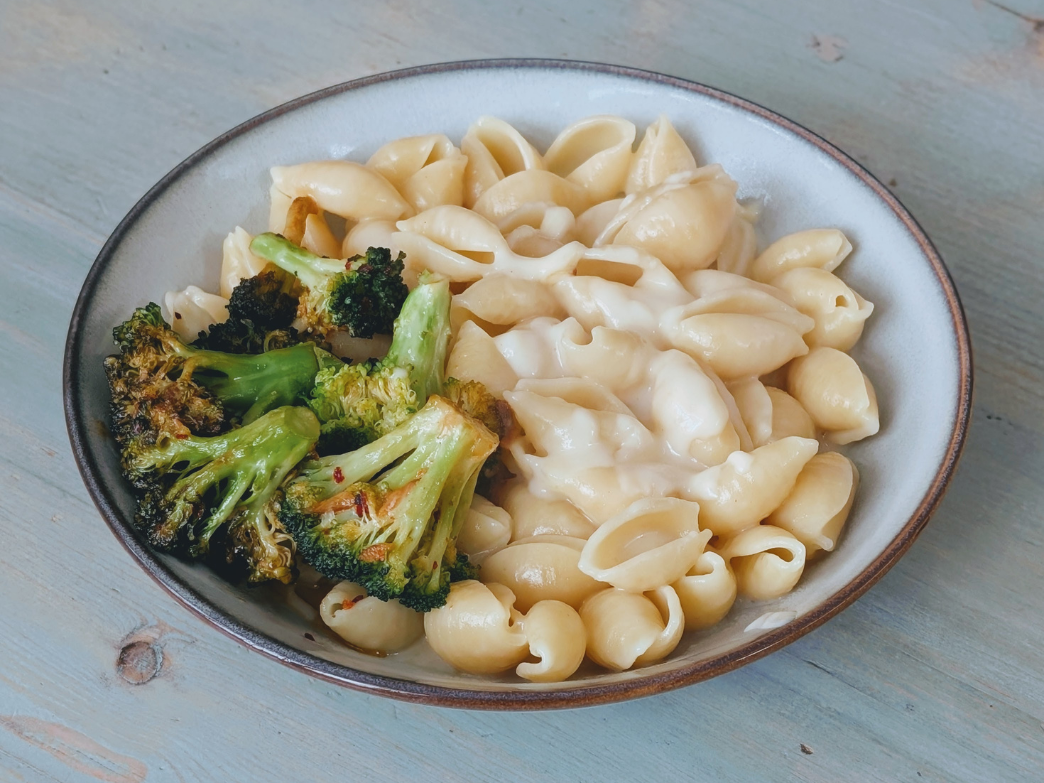
Paleo Pasta: Healthy or Unhealthy?
By Lucy Yanckello, Ph.D. Wildgrain, opens in a new tab is the first bake-from-frozen subscription box for sourdough breads, fresh pastas, and artisanal pastries. Paleo pasta skips the grains and gluten, using ingredients like cassava or veggie flours to mimic your favorite noodles. But is it actually healthier than regular or whole wheat pasta? In this article, we’ll break down what paleo pasta is, what it offers (and what it’s missing), and whether it deserves a spot in your weekly dinner rotation. What is paleo pasta? Is paleo pasta healthy or unhealthy? Paleo pasta is a grain-free, often gluten-free, pasta alternative made from ingredients allowed on the paleo diet. The Paleo diet excludes grains like wheat, corn, and rye, but allows vegetables, nuts, and seeds. Popular paleo pasta alternatives are made from ingredients such as cassava flour, vegetables, nut flours, and legume flours. Paleo pasta can be healthy, especially for those who are avoiding grains or gluten. However, some versions are high in starch and low in fiber, or use flours that can trigger blood sugar spikes. Is paleo pasta healthier than regular pasta? If paleo pasta is considered healthier than regular pasta depends on the ingredients. Generally, if made from whole foods like vegetables or legumes, it often offers more fiber, protein, and nutrients. However, the highly processed varieties of paleo pasta contain many ingredients and fillers, which often negates the benefits of avoiding grains. Is paleo pasta healthier than whole wheat pasta? Whole-wheat pasta generally wins in the fiber, vitamins, and minerals categories, both by aiding slower digestion, which helps with satiety, and by keeping blood sugar steady, which reduces cravings. Paleo pasta reduces carbs and avoids grains and gluten and if it is made with fiber-rich or root-vegetable flours, the nutrient and fiber content can come close to that of the profile of whole-wheat pasta. For example, pasta made with chickpea or lentil flour can actually offer more protein and similar fiber content compared to whole-wheat pasta. Does paleo pasta contain grains? Is paleo pasta grain-free? Paleo pasta is free from grains, as the Paleo diet avoids all grains. Paleo pasta is made from grain-free ingredients such as cassava, nut, or legume flours, or vegetables such as zucchini and spaghetti squash. However, always be sure to read labels carefully, especially if you avoid grains due to an allergy or intolerance. Does paleo pasta contain gluten? Is paleo pasta gluten-free? Paleo pasta is gluten-free. Paleo pasta is made from ingredients that avoid grains (wheat, barley, rye, corn, etc) which are the source of gluten. As such, paleo pasta should be gluten-free by nature, but always be sure to read the ingredient labels, especially if you avoid gluten due to an allergy or intolerance. Which is better, keto pasta or paleo pasta? Neither type of pasta is better than the other. The best choice for you is one that fits within your dietary goals. Keto pasta emphasizes extremely low carbohydrate contents to maintain ketosis, which paleo pasta emphasizes avoiding grains. If your goal is carb control, keto pasta is the choice for you. If your aim is to eat whole foods and avoid grains and gluten, paleo pasta may be a better choice to opt for. Is paleo pasta good for diabetics? Which is better for diabetes, paleo pasta or keto pasta? Both paleo and keto pastas are good options for those with diabetes as they are lower in carbohydrate content than regular wheat pasta. Paleo pastas are often made with low-glycemic ingredients such as legumes, beans, and vegetables. These ingredients can help those with diabetes reduce blood sugar spikes and increase glycemic control. Keto pasta is lower in carbohydrates and often has high fiber content, both of which are beneficial for blood sugar control. Whole food vegetable based options, such as noodles made from zucchini (ketogenic and paleo) or spaghetti squash (paleo) are the best alternatives because they are low in carbohydrates and high in nutrients. Fiber and protein content are also important to consider as both help to slow digestion and reduce blood sugar spikes. Is paleo pasta good for weight loss? Can you eat paleo pasta daily and lose weight? The most important factor when trying to lose weight is maintaining a caloric deficit. The paleo diet helps reduce refined carbohydrates, reduce blood sugar spikes, and moderate portions which are all beneficial when in the pursuit of weight loss. Additionally, the focus on whole foods leads to increased fiber intake which helps slow digestion and increase satiety. This ultimately reduces snacking which is also imperative for weight loss. However, eating paleo pasta daily will not lead to guaranteed weight loss. Be sure to eat balanced meals, focus on lean protein, and avoid processed sauces or toppings. Overeating one specific food type can lead to nutrient gaps and possible digestive issues. Is it ok to eat paleo pasta every day? Although not recommended to eat every day, paleo pasta is probably fine for most people in moderation. Focus on high-quality paleo pastas that have whole ingredients and minimal processing. Be sure to vary your toppings to include plenty of vegetables, lean protein, and healthy fats. Remember, overeating one specific food type can lead to nutrient gaps, digestive issues, and boredom with your food. Rotating your carb sources and paying attention to how your body feels is important. Where can I buy the best fresh pasta online? At Wildgrain, we specialize in making high-quality, fresh breads and pastas that are delivered directly to your door. Wildgrain is the first bake-from-frozen delivery subscription service for breads, pastries, and fresh pastas. Some of our popular pastas include fresh cavatappi and fresh tonnarelli. Learn more about Wildgrain and our artisanal baking and cooking methods. Best Pasta Home Delivery Service: How Wildgrain's Pasta Delivery Works Wildgrain's pastas are prepared in independent, artisanal bakeries with high quality ingredients. The pastas are shipped frozen in insulated boxes and delivered direct to your home, anywhere nationwide. By shipping frozen, Wildgrain products maintain the highest quality, so you can enjoy fresh pasta at home. That's why customers consider Wildgrain among the best home delivery services for pasta. This content is for informational use only and does not replace professional nutrition and/or medical advice, diagnosis or treatment. It is not a substitute for and should not be relied upon for specific nutrition and/or medical recommendations. Please talk with your doctor about any questions or concerns.
Learn more Paleo Pasta: Healthy or Unhealthy?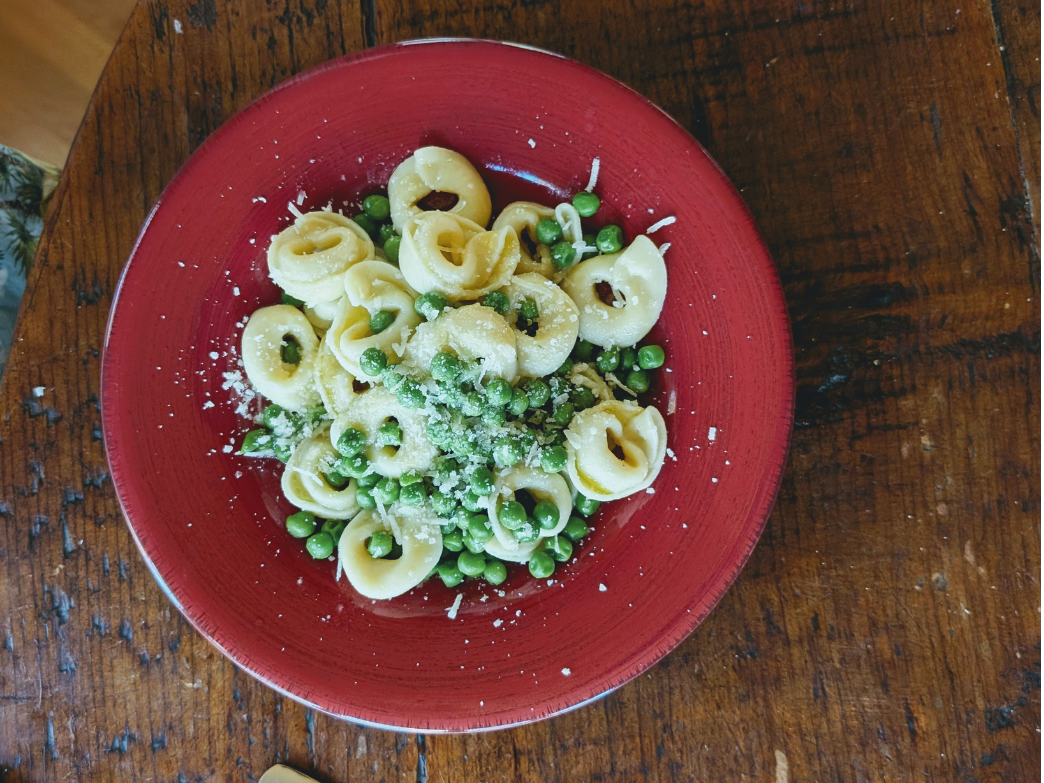
Keto Pasta: Healthy or Unhealthy?
By Lucy Yanckello, Ph.D. Wildgrain, opens in a new tab is the first bake-from-frozen subscription box for sourdough breads, fresh pastas, and artisanal pastries. Keto pasta has become a buzzword in grocery aisles and recipe blogs. But with so many new options, it’s fair to ask: what is keto pasta, how does it stack up against the classics, and is it actually good for you? In this article, we’ll break down the facts, compare keto pasta to regular and whole wheat versions, and help you decide if it deserves a spot on your plate. What is keto pasta? What is missing from keto pasta? Keto pasta refers to zero or low-carb alternatives to regular pasta. It is usually made from ingredients such as vegetables and other low carb ingredients that mimic the texture of pasta without flour. Popular types of keto pasta are zoodles made from spiralizing zucchini, and egg and cheese based noodles. The main ingredient missing in keto pastas is a big one - wheat flour! Without wheat flour, keto noodles likely won’t offer the same vitamin and mineral profile as whole-grain pasta which is high in B-vitamins, iron, and has more consistent levels of protein and fiber. Is keto pasta healthy or unhealthy? Keto pasta can be healthy. If your goal is to reduce carbohydrate intake, manage blood glucose, or maintain ketosis then eating low-carb pastas aids in these goals. However, keto pasta can also lean towards the unhealthy side. Some keto pastas use processed cheese, artificial binders, and lots of other saturated fats to mimic textures, which may hide more calories and sodium. If you are going to opt for keto noodles, try sticking with the ones made from vegetables, or that are less processed. Is keto pasta healthier than regular pasta? For those following a ketogenic diet, keto pasta is healthier than regular pasta. Regular wheat pasta has much higher net carbs which can destabilize blood pressure. In addition to being low in carbohydrates, keto pastas often have a high fiber content which can help in increasing satiety and aids in digestion. Some alternatives are also higher in fiber, but be wary of the highly processed keto pastas that have high sodium and calorie content due to fillers and other ingredients. Is keto pasta healthier than whole wheat pasta? Whole-wheat pasta and keto pasta have different nutrient profiles. Whole-wheat pasta often offers more fiber, more micronutrients (B-vitamins, iron), and more consistent levels of protein. If you tolerate the keto pasta you choose well, it will help reduce blood sugar spikes and may aid in weight loss. However, many of the benefits that come from whole-wheat pasta are lost and one needs to be intentional about supplementing these nutrients or getting them elsewhere. Are there keto noodles? What noodles are keto-friendly? Yes there are many keto-friendly noodles. Shirataki noodles are made from glucomannan fiber, palmini noodles made from hearts of palm, and noodles can also be made from spiralizing vegetables, such as the zoodles mentioned above. Additionally, some low-carb pasta brands use lupin flour, almond flour, or bean flours to amp up the protein content while keeping carbs low. Does keto pasta contain gluten? Is keto pasta gluten-free? Keto pasta is designed to be gluten-free. It is made with low carb flours, vegetables, or eggs instead of traditional wheat based ingredients which contain gluten. However, if you do not eat gluten due to allergy or intolerance, always be sure to check the labels of your keto pasta to make sure it is both keto and gluten-free. Is it ok to eat keto pasta every day? It is probably not ideal to eat keto pasta every day. Some types, especially those that are veggie-based, are more forgiving than the highly processed keto pastas. However, keto pastas often lack certain nutrients, and the high fiber content can cause digestive issues if over-consumed. Remember, variety matters. Even on a ketogenic diet, rotating your nutrient sources helps avoid nutrient gaps or overloading on problematic ingredients. Is keto pasta good for weight loss? Keto pasta can be good for weight loss. The lower carbohydrate content causes less blood sugar spikes, helping to reduce cravings and snacking. The reduction in caloric intake can help with weight loss as it aids in the maintenance of a caloric deficit, which is vital when trying to lose weight. However, if you replace regular wheat pasta with keto pasta and then pile on high fat sauces and cheese, it can easily lead to higher sodium and caloric content. Is keto pasta good if you have diabetes? For many people with diabetes, keto pasta can be helpful. The reduction in net carbs reduces blood sugar spikes which is beneficial for glycemic control. However, portion control and eating balanced meals is still important. Be sure to pair your keto pasta with vegetables, and a lean protein source. Where can I buy the best fresh pasta online? At Wildgrain, we specialize in making high-quality, fresh breads and pastas that are delivered directly to your door. Wildgrain is the first bake-from-frozen delivery subscription service for breads, pastries, and fresh pastas. Some of our popular pastas include fresh cavatappi and fresh tonnarelli. Learn more about Wildgrain and our artisanal baking and cooking methods. Best Pasta Home Delivery Service: How Wildgrain's Pasta Delivery Works Wildgrain's pastas are prepared in independent, artisanal bakeries with high quality ingredients. The pastas are shipped frozen in insulated boxes and delivered direct to your home, anywhere nationwide. By shipping frozen, Wildgrain products maintain the highest quality, so you can enjoy fresh pasta at home. That's why customers consider Wildgrain among the best home delivery services for pasta. About the Author Lucy Yanckello received her Ph.D. in nutrition from the University of Kentucky College of Medicine. She currently works as a medical writer and enjoys being able to help people better understand nutrition and science. This content is for informational use only and does not replace professional nutrition and/or medical advice, diagnosis or treatment. It is not a substitute for and should not be relied upon for specific nutrition and/or medical recommendations. Please talk with your doctor about any questions or concerns.
Learn more Keto Pasta: Healthy or Unhealthy?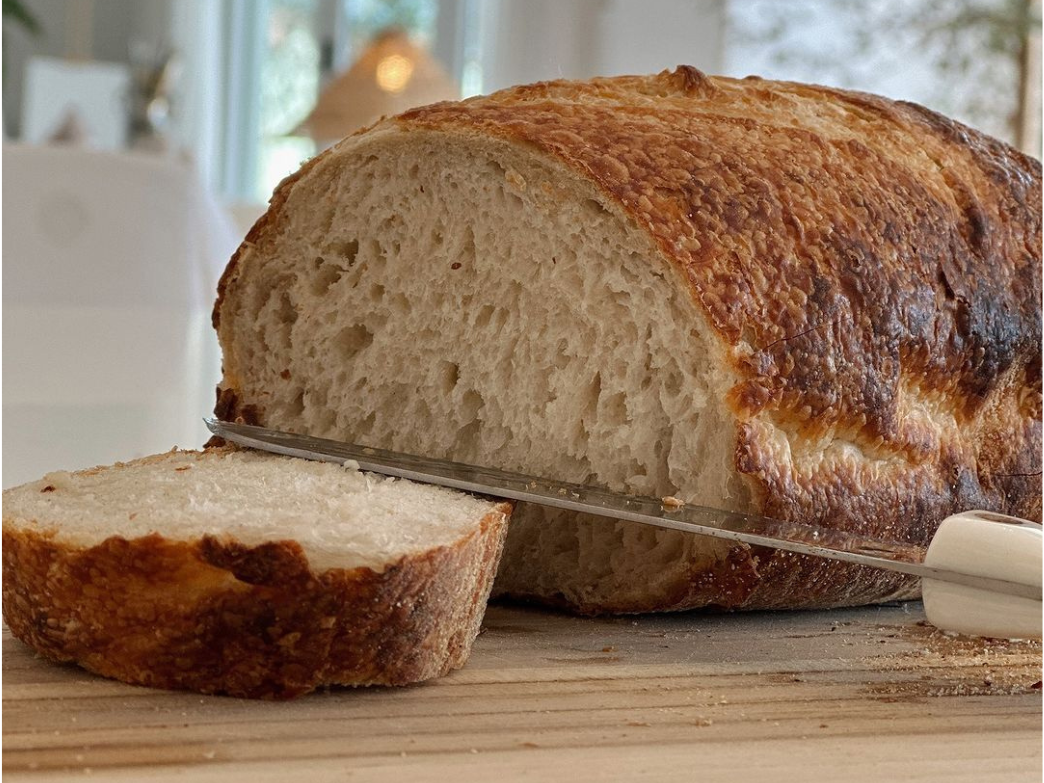
Keto Bread: Healthy or Unhealthy?
By Lucy Yanckello, Ph.D. Wildgrain, opens in a new tab is the first bake-from-frozen subscription box for sourdough breads, fresh pastas, and artisanal pastries. With low-carb lifestyles gaining popularity, keto bread has become a staple in grocery stores and bakeries alike. Keto bread is marketed as a low-carb alternative to traditional loaves, but read on to find out how it stacks up against classic bread, and if it deserves a spot in your kitchen. Are keto diets healthy? Do dietitians recommend keto? Low-carbohydrate, high-fat diets known as keto diets, or ketogenic diets were originally prescribed to help reduce seizures in those with epilepsy, under the careful supervision of medical professionals. The goal of a ketogenic diet is for the body to switch from burning carbohydrates to fat for energy in a process called ketosis. Due to the low-carbohydrate nature of the diet, it is now touted as a weight-loss tool as it can lead to a rapid reduction in weight. However, a keto diet is hard to maintain and can leave you low on nutrients, fiber, and energy if not planned out and followed carefully. Many dietitians caution that keto cuts out key food groups such as fruit, whole grains, and legumes, that are vital for long term heart and gut health. Additionally, the restrictive nature of the diet can lead to disordered eating, cause organ damage, and makes it difficult, if not impossible to maintain the weight loss achieved after the diet is stopped. Nonetheless, keto diets remain popular. What is keto bread? What is missing in keto bread? Keto bread is a low-carb alternative to traditional bread, usually made with almond flour, coconut flour, flaxseed meal, eggs, and other additives. The purpose of this ingredient change is to keep carbs at a minimum while mimicking the texture of bread. However, natural fibers, vitamins, and minerals that come from whole grains such as B-vitamins and iron are effectively omitted. This means that keto bread does fit into a ketogenic diet, but it skips out on most of the ingredients found in bread that support long-term heart and digestive health. Is keto bread healthy or unhealthy? Keto bread falls somewhere in the middle of the health spectrum. If you are cutting carbs and looking to keep your blood sugar under control, many varieties include extra protein and added fiber. However, added fibers can leave you feeling bloated, and unless fortified with B-vitamins and iron, without essential vitamins and minerals that come from whole-wheat bread. Is keto bread healthier than regular bread? Keto bread can be healthier than standard white or refined flour bread for those that are following a low-carb diet because it is significantly lower in sugar and carb content, and higher in fiber and protein. However, compared to whole-grain bread options, keto bread usually lacks B-vitamins and other whole-grain nutrients such as iron and natural fiber. There may be other ultra-processed additives present in keto bread, so be sure to read the ingredients and avoid heavily processed varieties. Is keto bread healthier than whole wheat bread? Keto bread wins on the carbohydrate count – 1 to 5 grams per slice compared to 12 to 20 grams in whole wheat bread – but this doesn’t make it the healthier choice overall. Whole-wheat bread includes natural fibers, B-vitamins, minerals, and antioxidants that support gut and heart health. On the other hand, keto bread often relies on processed low carb flours, added fibers, and stabilizers to mimic the texture of regular bread. So while whole keto-bread can play a role for low-carb eaters, wheat bread takes the crown for nutritional value and satiety. What are the downsides of keto bread? Although keto bread may be a welcome addition to a low-carb diet, it often comes with digestive issues due to added fiber leaving you feeling gassy and bloated. Additionally, unless it is fortified with B-vitamins and iron, it skips the essential vitamins and nutrients that come with eating whole-grain bread. Be aware that those with labels portraying “net carbs” may also be misleading in terms of the actual carbohydrate content, as some of the added fibers may still be absorbed by your body. Is it ok to eat keto bread every day? Eating keto bread every day may be fine for some people, but it can cause bloating and other digestive issues due to added fibers. Unlike whole-grain bread, it lacks important nutrients such as B-vitamins and iron, so relying on it daily without balancing your diet could lead to nutritional gaps over time. Nutrition experts suggest enjoying keto bread in moderation, while making sure the rest of your diet includes nutrient-rich whole foods. Does keto bread contain gluten? Is keto bread gluten-free? Most keto breads can be gluten-free, as they are typically made with gluten-free ingredients such as almond flour, coconut flour, flaxseed, or a fiber known as psyllium husk. However, that does not mean all keto breads are free of gluten, so be sure to read the label carefully if you are gluten-intolerant or have a gluten allergy. Some products will use wheat based additives to help with structure and protein content. Can you eat sourdough bread on a keto diet? Is keto bread healthier than sourdough bread? Traditional sourdough bread is not fit for a strict keto diet since it is made with wheat flour so it contains too many carbs to keep you in ketosis. Keto bread is lower in carbohydrates, but this does not make it automatically healthier than sourdough, which offers natural probiotics and better nutrient absorption thanks to its fermentation process. Keto bread works for low-carb goals, but sourdough has gut and nutrient benefits that keto loaves can’t match. What is the healthiest bread to eat? The healthiest bread to eat are those that are made with 100% whole grains, especially sprouted whole grain bread or whole-grain sourdough. These take the cake in terms of nutrient density, fiber, heart health, and digestibility. Whole grain sourdough is especially healthy, as its slow fermentation amps up nutrient absorption and gut friendliness. In short, go for breads that have sprouted or fermented whole grains, keep sodium and added sugar low, and deliver the fiber and vitamins your body needs. Where can I buy fresh bread online? At Wildgrain, we specialize in making high-quality, fresh breads and pastas that are delivered directly to your door. Wildgrain is the first bake-from-frozen delivery subscription service for breads, pastries, and fresh pastas. Some of our popular breads include everything sourdough bread, plain sourdough loaf, and sourdough 7-grain loaf. Learn more about Wildgrain – Go to Story and our artisanal baking and cooking methods. Best Bread Home Delivery Service: How Wildgrain's Bread Delivery Works Wildgrain's breads are prepared in independent, artisanal bakeries with high quality ingredients. The breads are shipped frozen in insulated boxes and delivered direct to your home, anywhere nationwide. By shipping frozen, Wildgrain products maintain the highest quality, so you can enjoy fresh baked breads at home. That's why customers consider Wildgrain among the best home delivery services for bread. About the Author Lucy Yanckello received her Ph.D. in nutrition from the University of Kentucky College of Medicine. She currently works as a medical writer and enjoys being able to help people better understand nutrition and science. This content is for informational use only and does not replace professional nutrition and/or medical advice, diagnosis or treatment. It is not a substitute for and should not be relied upon for specific nutrition and/or medical recommendations. Please talk with your doctor about any questions or concerns.
Learn more Keto Bread: Healthy or Unhealthy?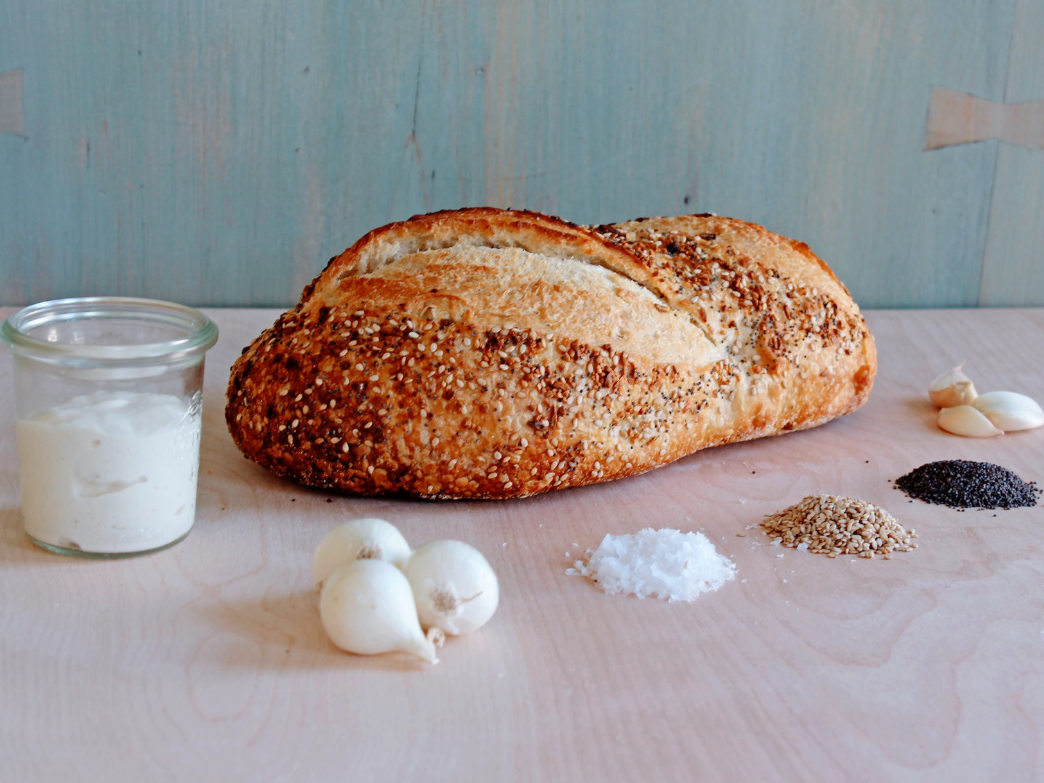
What’s Better: High-Protein Bread vs. High-Protein Wrap?
By Lucy Yanckello, Ph.D. Wildgrain, opens in a new tab is the first bake-from-frozen subscription box for sourdough breads, fresh pastas, and artisanal pastries. Pretzels and pretzel buns are tasty crowd-pleasers—but are they actually good for you? In this post, we’ll take a quick look at what’s inside, how they stack up nutritionally, and whether they belong in your regular diet or just the occasional treat. Protein is everywhere these days from powders and bars, to smoothies and cookies. Now, even everyday staples like loaves of bread, and wraps are getting a protein packed upgrade. This article breaks down high-protein bread versus high-protein wraps so you can determine which one fits best into your diet. Are protein wraps good for you? How much protein is in a high-protein wrap? Protein wraps can be a handy way to level up a simple meal by adding extra protein to help with muscle recovery and satiety compared to a regular carb-heavy option. High-protein wraps contain around 10 to 15 grams of protein per wrap and are lower in net carbs due to high fiber content. For perspective, that is similar to the amount of protein you would get from two large eggs, but in a portable fiber rich wrap that can hold your favorite fillings. Is protein bread good for you? How much protein is in high-protein bread? Protein bread is a good option if you are looking to increase your daily protein intake, since many loaves pack anywhere from 5 to 15 grams per slice compared to just 2 to 4 grams in regular bread. Nutritionally, high protein bread is best for you when it is made with whole grains, seeds, or legumes because these ingredients add fiber and micronutrients. However, be sure to read the ingredient label closely, some store-bought versions lean heavily on processed additives and fillers. What is the difference between high protein wrap vs. bread in nutrition and calories? When comparing high-protein wraps and breads, it really comes down to ingredient choices and portion sizes. High protein wraps nutritional content varies by brand, but typically contain around 10 to 15 grams of protein, 10 to 15 grams of fiber, and around 70 to 100 calories per wrap. As for high-protein bread, a typical slice ranges from around 5 to 15 grams of protein, 3 to 15 grams of fiber, and 80 to 180 calories. Since you typically eat more than one slice of bread, although you will get a higher fiber and protein content from high-protein bread, you will also be consuming a higher amount of calories. Which is healthier to eat: high-protein bread or high-protein wrap? Are protein wraps better than bread? When it comes to a direct comparison on health between high-protein wraps and high-protein breads, there is not a clear winner. The healthiest option is the protein option that fits into your diet best. Both high-protein wraps and high-protein breads have similar levels of protein and fiber, however, it is important to consider that high-protein bread may cause you to consume higher calories as you usually eat two slices of bread in a sandwich. Which is the best for weight loss and dieting: high-protein bread or high-protein wrap? Are wraps better than bread for weight loss? Neither high-protein bread or high-protein wraps are inherently better for weight loss. The best choice depends on the product's ingredients and your overall dietary goals. The high protein and fiber content in either option will benefit those trying to lose weight as these ingredients will help keep you fuller for longer and reduce cravings and snacking. The one thing to consider is that high-protein bread will lead to increased caloric intake as you will likely eat more than one slice. Which is the best for muscle gain and strength training: high-protein bread or high-protein wrap? As both high-protein bread and high-protein wraps have similar protein content, either is a great choice for those aiming to gain muscle. The best choice for you depends on your individual nutritional goals and preferences. Instead of focusing on bread versus wrap, focus on the overall macronutrient profile of the product, including the amount of carbohydrates and healthy fats – both important factors in muscle growth and recovery. Where can I buy fresh high-protein bread online? At Wildgrain, we specialize in making high-quality, fresh breads and pastas that are delivered directly to your door. Wildgrain is the first bake-from-frozen delivery subscription service for breads, pastries, and fresh pastas. Some of our popular breads include everything sourdough bread, plain sourdough loaf, and sourdough 7-grain loaf. Learn more about Wildgrain and our artisanal baking and cooking methods. Best Bread Home Delivery Service: How Wildgrain's Bread Delivery Works Wildgrain's breads are prepared in independent, artisanal bakeries with high quality ingredients. The breads are shipped frozen in insulated boxes and delivered direct to your home, anywhere nationwide. By shipping frozen, Wildgrain products maintain the highest quality, so you can enjoy fresh baked breads at home. That's why customers consider Wildgrain among the best home delivery services for bread. About the Author Lucy Yanckello received her Ph.D. in nutrition from the University of Kentucky College of Medicine. She currently works as a medical writer and enjoys being able to help people better understand nutrition and science. This content is for informational use only and does not replace professional nutrition and/or medical advice, diagnosis or treatment. It is not a substitute for and should not be relied upon for specific nutrition and/or medical recommendations. Please talk with your doctor about any questions or concerns.
Learn more What’s Better: High-Protein Bread vs. High-Protein Wrap?
Paleo Bread: Healthy or Unhealthy?
By Dr. Jorge, Ph.D. Wildgrain, opens in a new tab is the first bake-from-frozen subscription box for sourdough breads, fresh pastas, and artisanal pastries. At some point over the past several years, you’ve probably heard about the paleo diet. While it has become a popular choice for various health reasons, it’s not always clear what exactly qualifies as paleo, especially when it comes to foods like bread. In this article, we’ll explore the basics of the paleo diet and take a closer look at paleo bread to help you determine if it’s the right bread choice for you. What is a paleo diet? Are paleo diets healthy? A paleo diet focuses on foods likely eaten by early humans, so it’s sometimes called the Stone Age or caveman diet. The paleo diet usually includes basic whole foods like fruits, vegetables, nuts, seeds, eggs, lean meats, and fish, while excluding grains and dairy products. Switching to a paleo diet may be healthy because it prioritizes whole foods while eliminating processed ones. However, a paleo diet can also be restrictive and meat-heavy, which can lead to nutrient deficiencies and other downsides. If you’re thinking of switching diets, it’s best to consult your doctor first. What is paleo bread? Is paleo bread healthy or unhealthy? Is paleo bread better for you? Paleo bread is grain-free and dairy-free, usually made with nut or coconut flour instead of traditional wheat flour. Paleo bread can be a healthy option and might be better for you than traditional white bread, depending on your health goals and the specific ingredients used. Some types of paleo bread may be higher in calories than regular bread, but they are usually unprocessed and free of common allergens like grains, dairy, and gluten. Is paleo bread healthier than regular bread? Paleo bread is generally healthier than regular white bread. White bread is highly processed and made from refined grains that lack nutrients. Paleo bread, on the other hand, is often less processed, made with more nutrient-dense ingredients, and contains more fiber and less sugar than traditional white bread. Paleo bread is also typically lower in carbohydrates, making it a popular choice for low-carb and gluten-free diets. However, not all paleo breads are created equal. Some may still contain added sugars or highly processed ingredients, so it’s important to double-check the label. Is paleo bread healthier than whole wheat bread? Neither paleo bread nor whole wheat bread is necessarily healthier than the other. Both types of bread are rich in nutrients, and each offers its own benefits. Paleo bread is low in carbs, a good source of healthy fats and protein, and is a great choice for those wanting to avoid grains, gluten, or dairy. Whole wheat bread is high in fiber, heart-healthy, and a good option for those looking to include whole grains in their diet. Does paleo bread contain gluten? Is paleo bread gluten-free? What’s the difference between paleo bread vs gluten-free bread? No, paleo bread does not contain gluten. Since paleo bread does not contain grains, it is inherently gluten-free. However, not all gluten-free breads are paleo diet-friendly. Paleo bread is just one type of gluten-free bread. Other kinds of gluten-free breads may include ingredients like rice or corn, which are gluten-free but not considered paleo due to their grain content. Remember that while all paleo breads are gluten-free, not all gluten-free breads meet the stricter standards of the paleo diet. Is sourdough bread ok for paleo? Can you eat sourdough bread on a paleo diet? Is sourdough bread paleo? Traditional sourdough bread is not ok for a paleo diet, as it is made from a sourdough starter that uses grain-based (wheat) flour. If you are following a strict paleo diet, sourdough bread would not be allowed. However, it is possible to make a sourdough-style bread that is paleo diet-friendly by using a grain-free sourdough starter made from an alternative flour, such as green banana flour. Is keto bread ok for paleo? Can you eat keto bread on a paleo diet? Keto bread may be acceptable on a paleo diet if it is made from paleo-friendly ingredients such as almond flour, coconut flour, eggs, and olive oil, and does not contain grains, added sugars, or other non-paleo ingredients. If the keto bread is made with paleo diet-approved ingredients, it can be included in a paleo diet. To ensure a keto bread meets these guidelines, it’s best to check nutrition labels, as some store-bought keto breads may not be paleo diet-friendly. Is paleo bread healthier than sourdough bread? As with the comparison between paleo bread and whole wheat bread, neither paleo bread nor sourdough bread is inherently healthier than the other. The best choice depends on your dietary needs and lifestyle goals. If you’re looking for an easy-to-digest bread that supports gut health, sourdough bread may be the better option. However, if you want to enjoy bread while avoiding grains, paleo bread might be the preferred choice. Where can I buy fresh bread online? At Wildgrain, we specialize in making high-quality, fresh breads and pastas that are delivered directly to your door. Wildgrain is the first bake-from-frozen delivery subscription service for breads, pastries, and fresh pastas. Some of our popular breads include everything sourdough bread, plain sourdough loaf, and sourdough 7-grain loaf. Learn more about Wildgrain and our artisanal baking and cooking methods. Best Bread Home Delivery Service: How Wildgrain's Bread Delivery Works Wildgrain's breads are prepared in independent, artisanal bakeries with high quality ingredients. The breads are shipped frozen in insulated boxes and delivered direct to your home, anywhere nationwide. By shipping frozen, Wildgrain products maintain the highest quality, so you can enjoy fresh baked breads at home. That's why customers consider Wildgrain among the best home delivery services for bread. About the Author Dr. Jorge has been a public health researcher for many years, holding both a Bachelor's degree and a Ph.D. in Chemistry. They presently work as a medical writer and love being able to assist others in understanding various health and scientific topics. This content is for informational use only and does not replace professional nutrition and/or medical advice, diagnosis or treatment. It is not a substitute for and should not be relied upon for specific nutrition and/or medical recommendations. Please talk with your doctor about any questions or concerns.
Learn more Paleo Bread: Healthy or Unhealthy?