

Wildgrain Blog
Are Baguettes Healthy or Unhealthy?
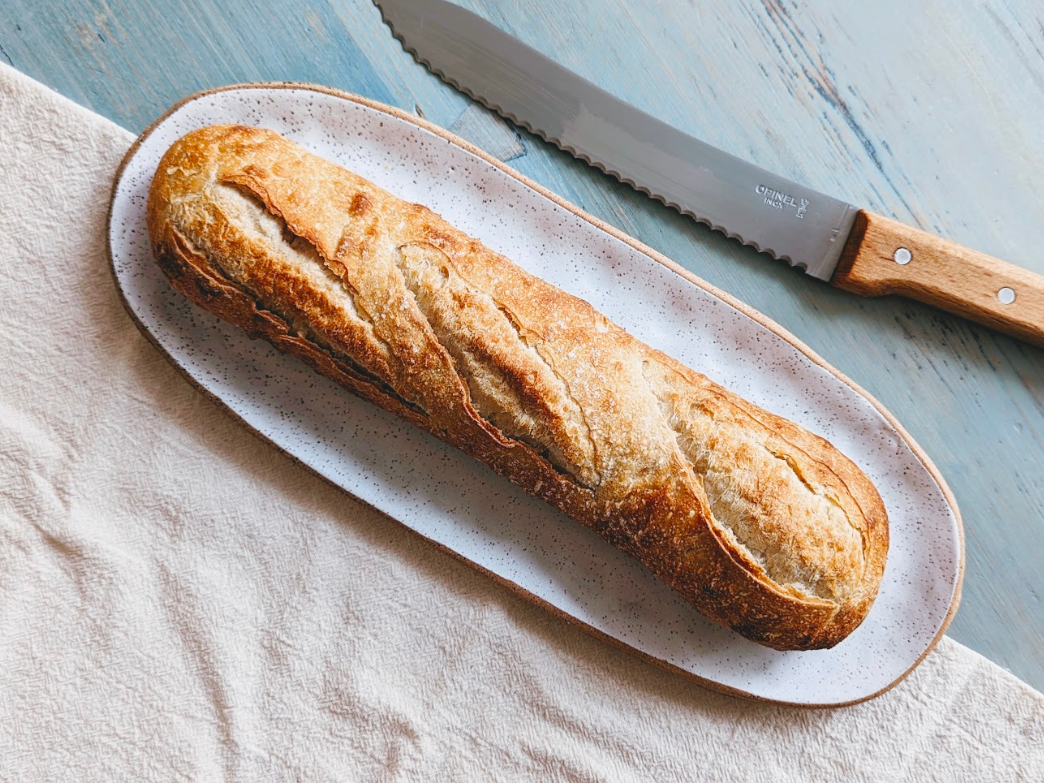
By Dr. Jorge, Ph.D. Wildgrain, opens in a new tab is the first bake-from-frozen subscription box for sourdough breads, fresh pastas, and artisanal pastries. When most of us hear the word ‘baguette’ we instantly think of a long, thin loaf of crunchy and tasty bread, perhaps even enjoyed by the Eiffel Tower. While baguettes may be satisfying to bite into, do you know which type of baguettes are the healthiest? Read on to learn more about baguettes and whether they can fit in with your lifestyle and health goals. Are baguettes healthy? Are baguettes unhealthy? Baguettes can be healthy depending on the ingredients used to make the bread. For example, baguettes made from whole grains or sourdough baguettesGo to Sourdough demi baguettes 2 pack are healthier than traditional French baguettes. Bread made with whole grains provides a higher nutritional value as well as helps to control cholesterol levels and blood pressure. Similarly, sourdough baguettes are packed with nutrients due to the wild yeast used in the dough and the slow fermentation process. Can I eat a baguette every day and be healthy? Is it bad to eat baguettes every day? You can eat a baguetteGo to Sourdough demi baguettes 2 pack every day and be healthy, but the key is portion size and what you’re eating with your baguette. It’s important to note that baguettes are particularly high in carbohydrates and sodium, so you should choose your portion size based on your diet and overall health goals. In terms of portion size, keep in mind that a full-sized baguette can contain between 4 to 8 servings per baguette. If you’d like to enjoy a baguette every day, consider opting for thinner slices and pair your delicious bread with fruit or vegetables for a balanced snack. Baguettes & calories: how many calories are in a baguette? Are baguettes high in calories? A single baguetteGo to Sourdough demi baguettes 2 pack contains about 900 calories, while a single serving or a 4-inch slice of a baguette contains around 185 calories. Baguettes are high in calories and are generally higher in calories than regular white sliced bread. The calories in baguettes primarily come from the high carbohydrate content of baguette bread. Baguettes & carbs: how many carbs are in a baguette? Are baguettes high in carbs? One baguetteGo to Sourdough demi baguettes 2 pack contains approximately 170 grams of carbohydrates while one serving, or a 4-inch slice of a baguette contains around 35 grams of carbohydrates. Baguettes are high in carbohydrates, with one 4-inch baguette slice containing 30% of the daily recommended carbohydrate intake. Are baguettes healthier than bread? BaguettesGo to Sourdough demi baguettes 2 pack are similar in nutritional value to traditional white bread. Both baguettes and white bread are high in calories and carbohydrates while remaining low in fat content. Baguettes tend to contain more protein and sodium than white bread. Since baguettes and bread made with refined grains contain little nutritional value, you can enhance the nutritional profile of both baguettes and bread by eating them with eggs, vegetables, or fruit. Are baguettes healthy for weight loss? Can I eat baguettes on a diet? You can enjoy baguettesGo to Sourdough demi baguettes 2 pack while meeting your weight loss goals if you keep portion size in mind. Alternatively, baguettes made from whole grains can be healthy for weight loss. This is because whole-grain foods keep you full for longer, helping with weight loss. Baguettes are low in fat with each serving containing about 1 gram of fat. You can eat baguettes on a diet if you monitor your portion size. Paying attention to your baguette portion size will ensure that you consume calories, carbohydrates, and fat consistent with your specific diet and goals. Are sourdough baguettes healthier than regular baguettes? Sourdough baguettesGo to Sourdough demi baguettes 2 pack are healthier than regular baguettes made from refined flour and commercial yeast. This is because sourdough bread uses a wild yeast starter that undergoes a slow fermentation process which preserves the nutrients and antioxidants in the bread that are typically lost in the traditional bread baking process. Bread made from sourdough is also one of the best breads for gut health due to the prebiotics found in sourdough bread. Where can I buy the best baguettes online to bake at home? At Wildgrain, we specialize in making high-quality, fresh baked goods that are delivered directly to your door. Wildgrain is the first bake-from-frozen delivery subscription service for fresh breads, pastas, and pastries. Some of our best breads include sourdough demi baguette, sourdough loaf, and ciabatta. Learn more about Wildgrain and our artisanal baking and cooking methods. Best Bread Home Delivery Service: How Wildgrain's Bread Delivery Works Wildgrain's breads are prepared in independent, artisanal bakeries with high quality ingredients. The breads are shipped frozen in insulated boxes and delivered direct to your home, anywhere nationwide. By shipping frozen, Wildgrain products maintain the highest quality, so you can enjoy fresh baked breads at home. That's why customers consider Wildgrain among the best home delivery services for bread. About the Author Dr. Jorge has been a public health researcher for many years, holding both a Bachelor's degree and a Ph.D. in Chemistry. They presently work as a medical writer and love being able to assist others in understanding various health and scientific topics. This content is for informational use only and does not replace professional nutrition and/or medical advice, diagnosis or treatment. It is not a substitute for and should not be relied upon for specific nutrition and/or medical recommendations. Please talk with your doctor about any questions or concerns.
Learn more
Best Bread for Garlic Bread
By Lucy Yanckello, Ph.D. Wildgrain, opens in a new tab is the first bake-from-frozen subscription box for sourdough breads, fresh pastas, and artisanal pastries. No matter if you are having spaghetti, lasagna, or baked ziti, it is likely you will be looking to complete your meal with a crispy slice of garlic bread. Garlic bread is a perfect accompaniment to soak up the extra red sauce on your plate – you can’t beat a slice of bread infused with buttery garlic flavor. This delicacy is also often infused with cheese and herbs. But is there one specific type of bread that makes the best slice of this treat? How do you make garlic bread? What types of bread can you use for garlic bread? A basic recipe for garlic bread starts by splitting a loaf of bread in half lengthwise, similar to how you split a roll for a sandwich. Butter, garlic, and parsley are combined in a bowl and adjusted to taste. The garlic mixture is then spread across the open face of the bread, which is then placed into a hot oven (around 400 degrees) for 10 minutes, or until the butter has melted. Just as you can change the butter mixture to satisfy your taste buds, you can also add extra cheeses or other toppings to your liking. Is garlic bread made from Italian bread? Garlic bread can be made from Italian bread. Any bread with a thick crust – such as ciabatta – are favorites for delicious garlic bread. Ciabatta is a good choice for garlic bread as it can be easily cut horizontally, and provides an open crumb with a soft interior texture, perfect for the garlic butter. And after toasting, ciabatta garlic bread still has that great crunchy exterior characteristic of excellent garlic bread. Can you use French bread or baguette for garlic bread? What is garlic baguette made of? French bread is a great choice for garlic bread as well. French bread has a classic soft interior, with a flaky, crispy crust, similar to ciabatta. Baguettes can also be used for garlic bread, but have a crunchier texture than Italian bread and French bread. Garlic baguette is made the same way as garlic bread, it is just made with a French baguette instead of a loaf. Often, to best prepare garlic baguette, cut the baguette into slices instead of cutting the bread in half lengthwise before applying the garlic-butter mixture. What’s the difference between garlic bread vs Texas toast? Is Texas toast the same as garlic bread? Typically, garlic bread is made with breads that have a hard crust (e.g. French bread, ciabatta, baguette). Texas toast is made by spreading butter on both sides of a slide of bread and broiling or grilling it until it is light brown – sometimes garlic is added to the butter as well. Although made in a similar fashion to garlic bread, Texas toast has a soft crust and soft fluffy interior, more similar to sandwich bread you would buy at the store than the crunchy breads used in garlic bread. What is the best bread for garlic bread? French breads and Italian breads top the list for the best bread for garlic bread, but the best choice between these comes down to personal preference. For example, ciabatta is a flat Italian bread with a larger crumb (bigger holes) but still with a crunchy crust. French bread and baguettes are longer and thinner with chewy texture and a crispy crunchy crust. You cannot go wrong with either ciabatta or baguette for garlic bread! How do you heat up garlic bread in the oven? What are directions to bake frozen garlic bread? Made fresh, garlic bread can be heated in the oven at 400 degrees Fahrenheit for around 10 minutes, or until the butter melts. Homemade garlic bread can also be frozen before you bake it, and lasts up to 3 months in the freezer – but you can also buy already prepared garlic bread at the store. There is no need to thaw frozen garlic bread, it can go straight from the freezer to the oven. The oven should be heated to 425 degrees Fahrenheit. Place the garlic bread butter side up on a baking sheet and bake for around 5 minutes, or until the butter melts and the edges are golden. Where can I buy the best bread for garlic bread online? At Wildgrain, we specialize in making high-quality, fresh breads that are delivered directly to your door. Wildgrain is the first bake-from-frozen delivery subscription service for breads, rolls, pastries, and fresh pastas. Some of our popular breads include sourdough demi baguette, sourdough loaf, and sourdough whole wheat. Learn more about Wildgrain and our artisanal baking and cooking methods. Best Bread Home Delivery Service: How Wildgrain's Bread Delivery Works Wildgrain's breads are prepared in independent, artisanal bakeries with high quality ingredients. The breads are shipped frozen in insulated boxes and delivered direct to your home, anywhere nationwide. By shipping frozen, Wildgrain products maintain the highest quality, so you can enjoy fresh baked breads at home. That's why customers consider Wildgrain among the best home delivery services for bread. About the Author Lucy Yanckello received her Ph.D. in nutrition from the University of Kentucky College of Medicine. She currently works as a medical writer and enjoys being able to help people better understand nutrition and science. This content is for informational use only and does not replace professional nutrition and/or medical advice, diagnosis or treatment. It is not a substitute for and should not be relied upon for specific nutrition and/or medical recommendations. Please talk with your doctor about any questions or concerns.
Learn more
What’s Better: Pasta vs. Noodles vs. Spaghetti vs. Egg Noodles?
By Dr. Jorge, Ph.D. Wildgrain, opens in a new tab is the first bake-from-frozen subscription box for sourdough breads, fresh pastas, and artisanal pastries. Noodles, pasta, spaghetti – all these words probably make you think of a delectable meal smothered in sauce. While many of us tend to love a good pasta or noodle-based dish, do you know what the difference is between different types of noodles and pasta? In this article, we’ll describe how pasta, noodles, egg noodles, and spaghetti differ, as well as which option is the healthiest. What is the difference between pasta vs. noodles vs. spaghetti vs. egg noodles? The difference between pasta and noodles lies in the ingredients and processing used to make each. Pasta is made from a dough containing durum wheat and water, while noodles are made with water and flour that has been milled from common wheat. It’s important to note that pasta is always made with wheat, while noodles can be made from many different ingredients besides wheat, such as buckwheat, rice, beans, and quinoa. Once the dough is made, pasta undergoes an extruding process that creates varying shapes, whereas noodles go through a sheeting process. The sheeting process involves the noodle dough being rolled flat into a sheet before being pulled through a cutting machine that slices the dough into single strands. Spaghetti and egg noodles describe variations of pasta and noodles. Spaghetti is a type of pasta that is characterized by its long, stringy shape. As the name suggests, egg noodles are a type of noodle that is made by incorporating eggs (more egg than other noodle types) into the wheat flour-based dough. What is the health difference between noodles vs. spaghetti vs. pasta vs. egg noodles, e.g. for calories and carbs? A single serving of Pasta, such as spaghetti, contains 43 grams of carbohydrates and 221 calories. The nutritional profile of noodles differs depending on what is used to make the noodles. For example, one serving of rice noodles contains 44 grams of carbohydrates and 192 calories, whereas one serving of egg noodles contains 40 grams of carbohydrates and 221 calories. As you can see, traditional pasta, rice noodles, and egg noodles all have about the same amount of carbohydrates, while rice noodles contain slightly fewer calories. Are pasta and noodles the same thing? Do pasta and noodles taste the same? Pasta and noodles are not the same thing. The main differences between pasta and noodles are the ingredients used to make the dough and the process used to cut the dough. Depending on the texture of the noodle, you might think noodles taste similar to pasta. However, the preparation method used to make a pasta or noodle dish can greatly change the taste. While pasta is often boiled and covered in an Italian sauce, noodles are staples of Asian dishes, frequently pan-fried, stir-fried, or added to soups. Is spaghetti considered a noodle? Is spaghetti a type of pasta? Since the shape of spaghetti is similar to noodles, you may hear spaghetti and noodles used interchangeably. However, as defined by the National Pasta Association, a noodle must contain at least 5.5% egg content. Spaghetti does not match this criterion, and is therefore not considered a noodle. Similarly, the National Pasta Association defined pasta as being made with durum wheat and water. Since spaghetti is made with these ingredients and does not contain eggs, it is a type of pasta. What is healthier: pasta or noodles? Are egg noodles healthier than pasta? Some noodle varieties are healthier than pasta. This is because noodles can be made from a wide array of ingredients. Soba noodles, which are made from buckwheat flour, contain fewer calories and carbohydrates than other noodle varieties and pasta. Soba noodles are also high in protein and fiber as well as a great source of manganese. Egg noodles are not healthier than pasta, since they are high in carbohydrates and calories, just like pasta. The overall nutritional profile of egg noodles is very similar to that of pasta. Can I substitute egg noodles for pasta in a recipe? Can I substitute pasta for egg noodles? Yes, you absolutely can substitute noodles for pasta, and vice versa, in a recipe. While it is up to personal preference, note that egg noodle recipes typically suggest cooking the noodles until they are soft and tender, while pasta recipes recommend cooking the pasta al dente (slightly firm). Either way, if you’re in a pinch or just looking to try something different, you can’t go wrong with swapping pasta and egg noodles in your favorite recipe! Can you still eat bread, pasta, rice, and potatoes when trying to lose weight? Yes, you can still enjoy bread, pasta, rice, and potatoes while maintaining your weight loss goals. The key to losing weight is to be in a calorie deficit or consuming fewer calories than you burn. This means you will want to be aware of the number of calories in each of your meals. To help with this, opt for smaller portions and try swapping refined carbohydrates with those made from whole grains. Foods made from whole grains will keep you fuller for longer, helping you to stay on track with your daily calorie and weight loss goals. Which is healthier: pasta or rice? Pasta and rice are very similar nutritionally, with each containing approximately 30 grams of carbohydrates and less than 1 gram of fat and sugar. The main differences between refined (white) pasta and white rice are in the amount of calories, fiber, and protein in each. Pasta contains more calories, more fiber, and more protein than rice. However, many healthier varieties of pasta and rice are available that are more nutritious than their refined counterparts. Which is healthier: bread or rice? When looking at the nutritional content of a single serving of bread and rice, bread may be considered the healthier option. This is due to bread containing fewer calories and carbohydrates than rice. However, rice does contain more protein, vitamins, and minerals compared to bread. If you’re looking for a healthier alternative to white bread and white rice, try opting for multigrain bread, sourdough bread, rye bread, and brown rice. All of these options contain more nutrients than traditional bread and rice choices. Where can I buy fresh pasta online? At Wildgrain, we specialize in making high-quality, fresh pastas that are delivered directly to your door. Wildgrain is the first bake-from-frozen delivery subscription service for breads, pastries, and fresh pastas. Some of our popular pastas include fresh fettuccine and fresh tonnarelli. Learn more about Wildgrain and our artisanal baking and cooking methods. Best Pasta Home Delivery Service: How Wildgrain's Pasta Delivery Works Wildgrain's pastas are prepared in independent, artisanal bakeries with high quality ingredients. The pastas are shipped frozen in insulated boxes and delivered direct to your home, anywhere nationwide. By shipping frozen, Wildgrain products maintain the highest quality, so you can enjoy fresh pasta at home. That's why customers consider Wildgrain among the best home delivery services for pasta. About the Author Dr. Jorge has been a public health researcher for many years, holding both a Bachelor's degree and a Ph.D. in Chemistry. They presently work as a medical writer and love being able to assist others in understanding various health and scientific topics. This content is for informational use only and does not replace professional nutrition and/or medical advice, diagnosis or treatment. It is not a substitute for and should not be relied upon for specific nutrition and/or medical recommendations. Please talk with your doctor about any questions or concerns.
Learn more
Best Bread for Gut Health
By Dr. Jorge, Ph.D. Wildgrain, opens in a new tab is the first bake-from-frozen subscription box for sourdough breads, fresh pastas, and artisanal pastries. Bread is a delicious, but sometimes hard-to-digest, food. If you love bread but have found yourself with an upset stomach after enjoying your favorite loaf, this article is for you. Read on to find out how you can keep enjoying bread while keeping your tummy happy and your gut healthy! What is the best bread for gut health? Sourdough bread is the best bread for gut health. This is due to the fermentation process of sourdough bread. In contrast to white bread, which is made with commercial yeast, sourdough bread is made with a sourdough starter made from wild yeast. The slower fermentation process of sourdough bread produces organic acids and phytase, an enzyme that breaks down phytates that are naturally found in flour and can make digestion difficult. Prebiotics, which aid in digestion and help to form a healthy gut microbiome, are also formed during the sourdough bread fermentation process. Sourdough bread also tends to contain less gluten than other bread, further promoting gut health and easing digestion, especially for those who are gluten-intolerant. What bread has the most probiotics? Is rye bread a probiotic? Is sourdough bread a probiotic? Although sourdough bread dough and rye bread dough contain probiotics, baked bread does not contain probiotics since these microorganisms cannot survive the high heat conditions required to bake bread. However, both sourdough bread and rye bread are high in prebiotics, especially β-glucan. Prebiotics such as β-glucan nourishes our gut microbes (or healthy gut bacteria), helping to balance our gut microbiomes and improving digestion and metabolism. To get the best health benefits, try Wildgrain’s sourdough rye bread! Is sourdough bread good for the gut and microbiome? Is sourdough bread the best bread for gut health? Sourdough bread is great for your gut and overall microbiome health. This bread is one of the best types of bread for gut health, as its slow fermentation process produces good-for-you prebiotics. This process also helps to break down compounds, such as phytates and gluten, that make the digestion of regular white bread more difficult. Is rye bread better for your gut and microbiome? Is rye bread the best bread for gut health? Like sourdough bread, rye bread is good for your gut health and may help to improve digestion. One of the reasons rye bread is good for your gut microbiome is because it contains prebiotics, such as β-glucan, which is a soluble fiber that can help promote a healthy gut. As an overall good source of fiber, with a single slice containing about 2 grams of fiber, rye bread can help keep your bowels regular and effectively treat constipation. Considering both sourdough and rye bread are excellent bread choices for gut health, sourdough rye bread might be one of the best bread options for improving your gut microbiome. What is the best bread for gut inflammation? What is the best bread for an anti-inflammatory diet? The best bread to reduce gut inflammation is bread made from whole grains. Refined grains, such as the grains found in white bread and white pasta, are known to increase inflammation across the whole body. Sourdough bread and rye bread are both good options for an anti-inflammatory diet. The best sourdough and rye bread varieties to reduce gut inflammation are those made from whole grains. However, if you are intolerant to gluten, you’ll want to opt for gluten-free bread options to ease any gut inflammation, since neither sourdough bread nor rye bread are gluten-free. What are the best breads for IBS? Sourdough bread is one of the best types of bread for those with irritable bowel syndrome, or IBS, as it is often the best tolerated. The best bread choice for IBS is going to be different from person to person, but in general, you want to avoid bread that contains wheat, rye, barley, and whole grains. For those with IBS, whole grain foods tend to be harder to digest and make IBS symptoms worse. The fermentation process used to make sourdough bread helps to break down some of the gluten and other compounds that tend to cause IBS flare-ups. This often makes sourdough bread one of the best-tolerated breads for IBS. Where can I buy healthy bread online? At Wildgrain, we specialize in making high-quality, fresh breads that are delivered directly to your door. Wildgrain is the first bake-from-frozen delivery subscription service for breads, rolls, pastries, and fresh pastas. Some of our popular breads include sourdough whole wheat, sourdough 7-grain, slow fermented 3-seed bread, and sourdough rye. We are proud to offer healthy breads, made with non-GMO flour and without added sugar or preservatives. Learn more about Wildgrain - Story page and our artisanal baking and cooking methods. Best Bread Home Delivery Service: How Wildgrain's Bread Delivery Works Wildgrain's breads are prepared in independent, artisanal bakeries with high quality ingredients. The breads are shipped frozen in insulated boxes and delivered direct to your home, anywhere nationwide. By shipping frozen, Wildgrain products maintain the highest quality, so you can enjoy fresh baked breads at home. That's why customers consider Wildgrain among the best home delivery services for bread. About the Author Dr. Jorge has been a public health researcher for many years, holding both a Bachelor's degree and a Ph.D. in Chemistry. They presently work as a medical writer and love being able to assist others in understanding various health and scientific topics. This content is for informational use only and does not replace professional nutrition and/or medical advice, diagnosis or treatment. It is not a substitute for and should not be relied upon for specific nutrition and/or medical recommendations. Please talk with your doctor about any questions or concerns.
Learn more
Is Pasta Healthy or Unhealthy?
By Dr. Jorge, Ph.D. Wildgrain, opens in a new tab is the first bake-from-frozen subscription box for sourdough breads, fresh pastas, and artisanal pastries. There’s no denying how tasty a big bowl of pastaGo to wildgrain.com/products/tonnarelli topped with your favorite sauceGo to wildgrain.com/products/marinara-sauce and freshly grated cheese is. Most of us love a delicious, comforting bowl of pasta, but do you know if pasta can be a healthy meal? In this article, we’ll explore the nutritional value of pasta, how to enhance its health benefits, and whether this favorite food fits into your diet. Is pasta healthy? Is pasta unhealthy? Refined pasta, which is what most of us are familiar with, is not considered healthy or nutritious on its own. This is because refined pasta is high in carbohydrates, without offering much else in the way of nutrients. However, pastaGo to wildgrain.com/products/tortellini can be made healthier if paired with more nutritionally dense foods, such as vegetables. Whole-grain pasta options are also healthy alternatives to traditional refined pasta. Can I eat pasta every day and be healthy? It is possible to eat pasta daily and still be healthy. The key to eating pasta every day is to limit your portion size and supplement your pasta bowl with essential nutrients. The recommended portion size is two ounces of dry pasta or one cup of cooked pasta. To create a balanced and healthy pastaGo to wildgrain.com/products/fettuccine meal, try adding vegetables, chicken, or fish. By adding veggies or lean protein, you can have a nutritious meal while still getting your pasta fill! What is the main nutrient in pasta? What nutrients are in pasta? The main nutrient in refined pastaGo to wildgrain.com/products/fettuccine is carbohydrates, with one serving of cooked spaghetti containing around 43 grams of carbohydrates. Refined pasta also contains some fiber and protein, with a single serving containing 8 grams of protein and 3 grams of fiber. On the other hand, whole grain pasta options contain double the amount of fiber with 7 grams of fiber, and are also high in iron, magnesium, and zinc. Is pasta good for gut health? A diet high in refined carbohydrates is generally not good for your gut health, since being on a high-refined carbohydrate diet can reduce the presence of good bacteria in your gut. This can result in digestion issues. However, like with any food, enjoyed in moderation, refined pasta should not have much of an impact on your gut health. If you are worried about gut health, you can try whole grain pasta instead. Whole grains are good for your gut health and help to contribute to an overall healthy gut microbiome. Can pasta be a healthy meal? How to make pasta healthy? Pasta can be a healthy meal. Since pasta is not very nutritious on its own, it’s essential to add other foods to your pasta that are high in nutrients. You can ensure a healthy pasta meal by adding your favorite veggies to your dish and a lean protein, such as chicken, shrimp, or fish. You should also avoid adding high-salt and high-sugar sauces that are commonly found in grocery stores. At Wildgrain, we make sure our classic marinara sauce, which pairs perfectly with your chosen pasta, is made with the freshest ingredients; we also avoid adding any unnecessary sugar and salt. Is pasta on a heart healthy diet? Whole grain pasta is heart-healthy. Research has shown that consuming whole grains, including whole wheat pasta, can help to prevent heart disease. Even better, tomatoes are also considered to be heart-healthy. Tomatoes contain lycopene, an antioxidant that can also help to reduce the risk of heart disease, which means marinara sauce is an ideal topping for a heart-healthy pasta meal. What pasta dish has the least carbs? What is the healthiest way to eat pasta? Since traditional pasta is a high-carbohydrate food, pasta made from vegetables or beans offers the lowest carbohydrate option. Pasta dishes with the least amount of carbohydrates are pasta alternatives, such as pasta made from chickpeas, lentils, or hearts of palm. To still get the texture of pasta without the excess carbohydrates, you can also try spiralizing vegetables, spaghetti squash, or shirataki noodles, which are very low in carbohydrates. The healthiest way to eat pasta is to control the portion size of refined pasta, eat pasta made from whole grains, or pair your pasta dish with hearty vegetables, lean protein, and a healthy tomato sauce that is free of excess sugar and salt. Where can I buy the best pasta online to cook at home? At Wildgrain, we specialize in making high-quality, fresh baked goods that are delivered directly to your door. Wildgrain is the first bake-from-frozen delivery subscription service for fresh pasta, breads, and pastries. Some of our popular items include cheese tortellini, fresh fettuccine, fresh tonnarelli, and classic marinara sauce. Learn more about Wildgrain and our artisanal baking and cooking methods. Best Pasta Home Delivery Service: How Wildgrain's Pasta Delivery Works Wildgrain's pastas are prepared in independent, artisanal bakeries with high quality ingredients. The pastas are shipped frozen in insulated boxes and delivered direct to your home, anywhere nationwide. By shipping frozen, Wildgrain products maintain the highest quality, so you can enjoy fresh pasta at home. That's why customers consider Wildgrain among the best home delivery services for pasta. About the Author Dr. Jorge has been a public health researcher for many years, holding both a Bachelor's degree and a Ph.D. in Chemistry. They presently work as a medical writer and love being able to assist others in understanding various health and scientific topics. This content is for informational use only and does not replace professional nutrition and/or medical advice, diagnosis or treatment. It is not a substitute for and should not be relied upon for specific nutrition and/or medical recommendations. Please talk with your doctor about any questions or concerns.
Learn more
What’s Better: Macaron vs. Macaroons vs. Meringues vs. Whoopie Pie?
By Lucy Yanckello, Ph.D. Wildgrain, opens in a new tab is the first bake-from-frozen subscription box for sourdough breads, fresh pastas, and artisanal pastries. What is a macaron? What are macarons made of? Macarons are small, sweet French sandwich cookies. They are made of meringue, almond flour, and sugar and can be filled with various delicacies including buttercream, ganache, marzipan, and jam. The macaron is a very popular French sweet, but it was actually first made in Italy in the late 1400s, arriving in France in the early 16th century. Is a macaron considered a cookie? Do macarons taste like cookies? Macarons are considered cookies. The macaron was originally a simple chewy almond cookie, but evolved into the sandwich version with filling around the 1830s. Although they are considered a cookie, they have a different taste and texture than most cookies. When made correctly, macarons have a crispy shell on the outside and a soft, chewy inside – so moist that they dissolve in your mouth. What is the difference between macarons vs. macaroons? When comparing the ingredients in a recipe for macarons vs. macaroons, the list is pretty similar since both are made with meringue and sugar. Where they differ is the flour component. While macarons are made with finely ground almond flour, macaroons are made with sweetened flaked coconut. There are other key differences between macarons and macaroons. Macarons are uniform in size and are much more technical of a recipe, making them harder for home bakers to master. Macaroons are spoon drop cookies and thus irregular in shape and size making them much easier to make. Macarons are also like a sandwich, with a filling inside two shells, whereas macaroons are solid throughout. What is the difference between macarons vs. whoopie pie? Macarons and whoopie pies are very different. Both whoopie pies and macarons are sandwich cookies but that might be their only similarity. Whoopie pies are the creamy, cakey counterpart to the crisp, dainty macaron. The ingredients in a whoopie pie are much more similar to a cake than a cookie, especially a macaron. Whoopies pies are made with butter, sugar, whole eggs, milk, flour, and cocoa and usually have buttercream sandwiched in the middle. What is the difference between macarons vs. meringues? Meringue is a base ingredient of a macaron. When making meringue, egg whites and sugar are whipped into a meringue and baked to a crispy texture. There can be flavors and colors added, but there are no other ingredients. A macaron is made of two pieces of baked meringue, sandwiched around a filling. Are macarons healthier than other desserts? Macarons do have ingredients that are beneficial to our health. For example, almond flour is high in protein and fiber and lower in carbohydrates than other types of flour. However, it is important to remember that macarons are still a dessert and should be enjoyed in moderation. Why are macarons so expensive? Macarons take time to master and require a complicated process to get right – not to mention some of the ingredients are expensive, too! Almond flour is much higher in cost than the all-purpose flour that most other baked treats are made with. And almond flour is necessary for the light crunchy exterior texture that the cookies are known for. Macarons take a lot more skill and time to perfect than, say, the standard chocolate chip cookie. For a macaron, batter must be precisely piped onto parchment paper at the correct height with the correct pressure in order to make sure each cookie is the same size. The cookies must then sit for a time at room temperature before being put into the oven, and the process isn’t done once the cookies come out. They then have to be filled and placed into the refrigerator for 8 to 24 hours to allow the filling to soften the shells before they can be enjoyed. Can you make macarons at home? Macarons can be made at home but require some skill and patience. However, they can be a fun challenge for the home cook. Luckily, businesses like Wildgrain will do the hard work for you to prepare the macarons, and you can just thaw the macarons! Where can I buy the best macarons online to make at home? At Wildgrain, we specialize in making high-quality, fresh baked goods that are delivered directly to your door. Wildgrain is the first bake-from-frozen delivery subscription service for breads, pastries, and fresh pastas. Some of our popular baked goods include macarons, croissants, fudge brownies, and croissants. Learn more about Wildgrain and our artisanal baking and cooking methods. Best Pastry Home Delivery Service: How Wildgrain's Pastry Delivery Works Wildgrain's pastries are prepared in independent, artisanal bakeries with high quality ingredients. The pastries are shipped frozen in insulated boxes and delivered direct to your home, anywhere nationwide. By shipping frozen, Wildgrain products maintain the highest quality, so you can enjoy fresh pastries at home. That's why customers consider Wildgrain among the best home delivery services for pastries. About the Author Lucy Yanckello received her Ph.D. in nutrition from the University of Kentucky College of Medicine. She currently works as a medical writer and enjoys being able to help people better understand nutrition and science. This content is for informational use only and does not replace professional nutrition and/or medical advice, diagnosis or treatment. It is not a substitute for and should not be relied upon for specific nutrition and/or medical recommendations. Please talk with your doctor about any questions or concerns.
Learn more
Pasta vs. Bread: Is Bread or Pasta Healthier?
By Dr. Jorge, Ph.D. Wildgrain, opens in a new tab is the first bake-from-frozen subscription box for sourdough breads, fresh pastas, and artisanal pastries. You can’t go wrong with pasta and bread as your favorite grain-based foods. While both are certainly delicious, do you know how they compare nutritionally? Read on to learn the differences between these two hard-to-resist foods and find out which will fit best with your lifestyle and diet. Is pasta healthier than bread? Is bread healthier than pasta? Pasta is not necessarily healthier than bread, and bread is not necessarily healthier than pasta. Regular, refined pasta and white bread are similar nutritionally and unfortunately are not very nutritionally dense. Refined pasta, the pasta most commonly consumed, contains about 220 calories, 43 grams of carbohydrates, and 1 gram of fat per serving. On the other hand, 1 slice of white bread contains about 60 calories, 13 grams of carbohydrates, and 1 gram of fat. However, whole grain pasta and whole grain bread are much healthier than regular bread and pasta. Pasta and bread made from whole grains contain more protein, fiber, and other essential nutrients, making these options more nutritious. Other bread options, such as sourdough bread and rye bread are also healthier bread alternatives. Is pasta or bread higher in carbs? Is bread or pasta more fattening? A single serving of refined pasta has approximately 70% more carbohydrates than a single slice of white bread. Neither bread nor pasta is more fattening than the other. Pasta and bread are both low in fat, each containing about 1 gram of fat. Which is harder to digest: pasta or bread? Generally, foods lower in fiber are easier to digest. Considering bread contains less fiber than pasta, with less than 1 gram of dietary fiber, and pasta contains about 2.5 grams of dietary fiber, pasta might be slightly harder to digest. However, Pasta that is made from refined grains is easier to digest than pasta made from whole grains, which contain more fiber. Certain bread types can also help digestion, such as sourdough bread. Does bread or pasta have more gluten? While there is no clear answer to this depending on the type of bread and pasta we are comparing, bread generally contains more gluten than pasta. This is because the amount of gluten in a food depends on the flour used. Bread flour can contain up to 13% gluten, while all-purpose flour, a flour often used in pasta, typically has 8-11% gluten content. However, these percentages can change based on the type of grain and flour used when making bread and pasta. Regardless, both white bread and conventional pasta are considered high-gluten foods. Luckily, there are gluten-free bread and pasta alternatives for those that have gluten intolerance or simply want to cut back on gluten consumption. Should I replace pasta with bread in a diet? Whether or not you should replace pasta with bread in your diet depends on the types of bread and pasta being considered and what your health goals are. If you are wanting to reduce calories consumed for a certain meal, you may want to opt for bread instead of pasta for that meal. Alternatively, you can replace both pasta and bread with their respective whole grain varieties. Whole grain pasta and bread are more nutritionally dense than refined grain alternatives and tend to keep you full for longer (i.e. white bread). Is bread or pasta better for weight loss and fat loss? Which should I give up to lose weight: pasta or bread? When choosing between pasta and bread, both can work for weight or fat loss. Whole grain options are best for weight and fat loss. Whole grains have been shown to aid in the elimination of belly fat. Pasta and bread made from whole grains also tend to be higher in fiber, which can help you stay full for longer. You don’t necessarily need to give up any one food while staying on track with your weight loss goals. In fact, weight loss maintenance is most successful when abiding by a sustainable lifestyle and diet. Many times, completely giving up any one food is not sustainable, since it causes you to crave it even more, which can cause you to fall behind in your weight loss goals. The best course of action is to enjoy your favorite and sometimes higher-calorie foods in moderation, to be conscious of portion size, and to choose healthier versions of your favorite foods when possible. Where can I buy the best fresh pasta and fresh bread online? At Wildgrain, we specialize in making high-quality, fresh pastas and breads that are delivered directly to your door. Wildgrain is the first bake-from-frozen delivery subscription service for breads, pastries, and fresh pastas. Some of our popular pastas include fresh fettuccine and fresh tonnarelli. Some of our popular breads include everything sourdough bread, plain sourdough loaf, and sourdough 7-grain loaf. Learn more about Wildgrain and our artisanal baking and cooking methods. Best Home Delivery Service for Food: How Wildgrain's Food Delivery Works Wildgrain's products are prepared in independent, artisanal bakeries with high quality ingredients. They are shipped frozen in insulated boxes and delivered direct to your home, anywhere nationwide. By shipping frozen, Wildgrain products maintain the highest quality, so you can enjoy fresh food at home. That's why customers consider Wildgrain among the best home food delivery services. About the Author Dr. Jorge has been a public health researcher for many years, holding both a Bachelor's degree and a Ph.D. in Chemistry. They presently work as a medical writer and love being able to assist others in understanding various health and scientific topics. This content is for informational use only and does not replace professional nutrition and/or medical advice, diagnosis or treatment. It is not a substitute for and should not be relied upon for specific nutrition and/or medical recommendations. Please talk with your doctor about any questions or concerns.
Learn more
What’s Better: Bread vs. Pasta vs. Rice vs. Potatoes?
By Dr. Jorge, Ph.D. Wildgrain, opens in a new tab is the first bake-from-frozen subscription box for sourdough breads, fresh pastas, and artisanal pastries. Rice, pasta, potatoes, and bread – all delicious and hearty foods that leave many of us wanting more. While many of us enjoy one or all of these staples, are these starchy foods healthy for us? We’ll take a look at how rice, pasta, potatoes, and bread compare nutritionally and which of these foods is the best choice for your lifestyle and goals. Which is healthier to eat, rice or pasta or potatoes or bread? Of rice, pasta, potatoes, and bread, potatoes are the healthiest of these starchy and complex carbohydrate foods. This is because potatoes are dense in nutrients, containing essential minerals, vitamins, and other micronutrients. Potatoes are also high in fiber, helping to satiate hunger and regulate blood sugar. Which has the most carbs, potatoes or rice or pastas or bread? Pasta and rice take the lead in most carbohydrates when compared to potatoes and bread, with both pasta and rice having approximately 45 grams of carbohydrates per serving. A medium-sized potato contains 25 grams of carbohydrates and a single slice of white bread contains 13 grams of carbohydrates. Which is better for a diabetic: potatoes or pasta or rice or bread? Diabetics need to be mindful of the glycemic index of foods, a metric that indicates how quickly a food causes blood sugar levels to rise. Foods that are broken down more quickly cause blood sugar levels to rise rapidly and are therefore marked with a higher glycemic index. For this reason, Pasta is the best option for a diabetic as it is rated as a low-glycemic index food. In contrast, potatoes, rice, and bread all fall under the high-glycemic index rating and are less good options for diabetics. Which is the best for weight loss: rice or potatoes or pasta or bread? The best option for weight loss depends on the type of rice, potatoes, pasta, or bread consumed. In general, it is recommended to avoid refined varieties of these foods, such as white rice, white potatoes, white pasta, and white bread. This is because foods made from refined grains often trigger a cycle of cravings, making it difficult to control portion size and calories consumed. If you would still like to enjoy these foods, it’s best to choose healthier alternatives such as brown rice, sweet potatoes, or wheat pasta. For delicious and nutritious bread options, sourdough bread and rye bread are higher-nutrient foods that will make it easier to achieve your weight loss goals. Can you still eat bread, pasta, rice, and potatoes when trying to lose weight? Yes, you can still enjoy bread, pasta, rice, and potatoes while maintaining your weight loss goals. The key to losing weight is to be in a calorie deficit or consuming fewer calories than you burn. This means you will want to be aware of the number of calories in each of your meals. To help with this, opt for smaller portions and try swapping refined carbohydrates with those made from whole grains. Foods made from whole grains will keep you fuller for longer, helping you to stay on track with your daily calorie and weight loss goals. Which is healthier: pasta or rice? Pasta and rice are very similar nutritionally, with each containing approximately 30 grams of carbohydrates and less than 1 gram of fat and sugar. The main differences between refined (white) pasta and white rice are in the amount of calories, fiber, and protein in each. Pasta contains more calories, more fiber, and more protein than rice. However, many healthier varieties of pasta and rice are available that are more nutritious than their refined counterparts. Which is healthier: bread or rice? When looking at the nutritional content of a single serving of bread and rice, bread may be considered the healthier option. This is due to bread containing fewer calories and carbohydrates than rice. However, rice does contain more protein, vitamins, and minerals compared to bread. If you’re looking for a healthier alternative to white bread and rice, try opting for multigrain bread, sourdough bread, rye bread, and brown rice. All of these options contain more nutrients than traditional bread and rice choices. Where can I buy fresh bread and fresh pasta online? At Wildgrain, we specialize in making high-quality, fresh breads and pastas that are delivered directly to your door. Wildgrain is the first bake-from-frozen delivery subscription service for breads, pastries, and fresh pastas. Some of our popular pastas include fresh fettuccine and fresh tonnarelli. Some of our popular breads include everything sourdough bread, plain sourdough loaf, and sourdough 7-grain loaf. Learn more about Wildgrain and our artisanal baking and cooking methods. Best Home Delivery Service for Food: How Wildgrain's Food Delivery Works Wildgrain's products are prepared in independent, artisanal bakeries with high quality ingredients. They are shipped frozen in insulated boxes and delivered direct to your home, anywhere nationwide. By shipping frozen, Wildgrain products maintain the highest quality, so you can enjoy fresh food at home. That's why customers consider Wildgrain among the best home food delivery services. About the Author Dr. Jorge has been a public health researcher for many years, holding both a Bachelor's degree and a Ph.D. in Chemistry. They presently work as a medical writer and love being able to assist others in understanding various health and scientific topics. This content is for informational use only and does not replace professional nutrition and/or medical advice, diagnosis or treatment. It is not a substitute for and should not be relied upon for specific nutrition and/or medical recommendations. Please talk with your doctor about any questions or concerns.
Learn more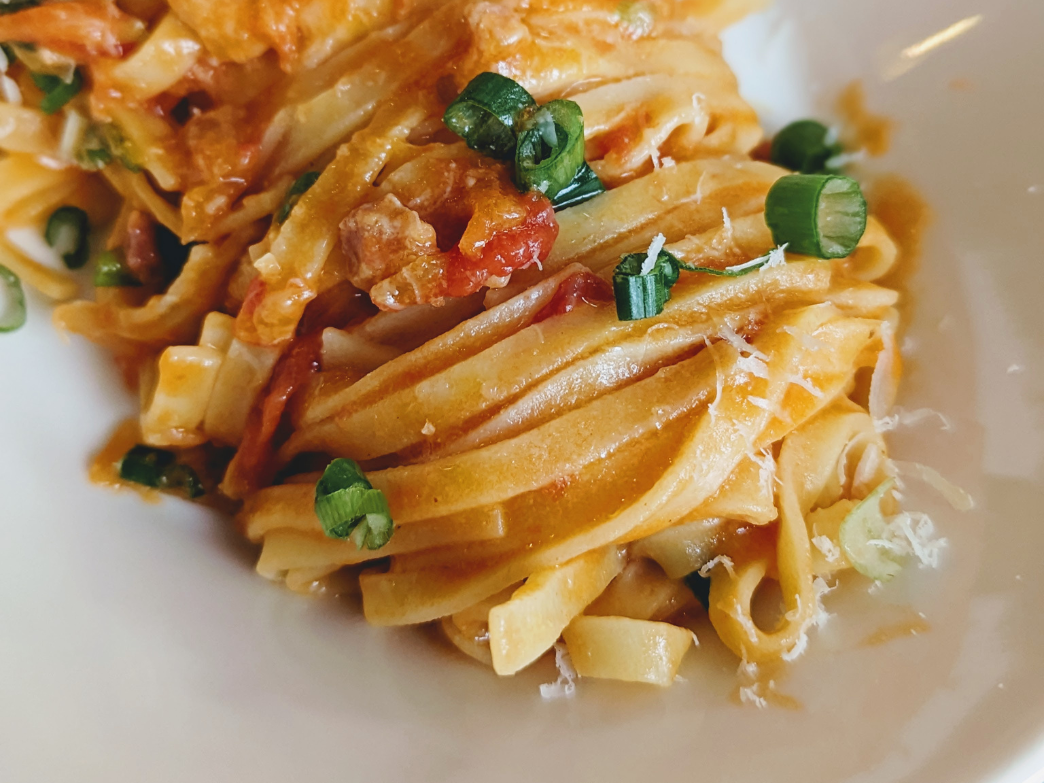
Best Pasta for Weight Loss: Can You Eat Pasta and Lose Weight?
By Dr. Jorge, Ph.D. Wildgrain, opens in a new tab is the first bake-from-frozen subscription box for sourdough breads, fresh pastas, and artisanal pastries. There’s no going wrong with a fresh bowl of pastaGo to fettuccine smothered in sauce and covered in grated cheese. Certainly, a drool-worthy meal, but do you know if pasta can fit into your diet? Read on to learn if pasta is healthy for you and which type of pasta is the best for achieving weight loss goals. Can you eat pasta and still lose weight or fat? Will I gain weight if I eat pasta every day? Yes, you can eat pasta and still stick to your weight loss goals and lose fat. The main consideration to keep in mind when making food choices while trying to lose weight is to remain in a calorie deficit. Very simply, if your body uses more calories than you consume, then you will lose weight. To help lose weight and still eat pasta, it is important to pay attention to the nutritional facts of your pasta, your portion sizes, and what you are eating with the pasta. You can gain weight if you eat pasta daily depending on the amount and type of pasta consumed, but this can occur with any food that is consumed in excess. The key to fitting pasta into your diet is to ensure it’s part of a balanced meal that will fuel your body with nutrients, such as whole grains, which can keep you full for longer. Which pasta shape has the least carbs? Pasta shapes on their own do not determine carbohydrate amounts. Conversely, the type of flour used to make the pasta is a greater indicator of the carbohydrate content in each pasta. For example, pasta made with refined white flour will have more carbohydrates than pasta made from whole grains. Can I eat whole wheat pasta for weight loss? Yes, you can eat whole wheat pasta for weight loss. In fact, whole wheat or whole grain pasta is the best option for weight loss as whole wheat pasta takes longer to digest than pasta made from refined flour. Slower digestion means blood sugar will rise slowly after consumption, preventing your body from storing excess fat. What pastas should I avoid for weight loss or avoid for a diet? You should avoid pasta made from refined flour if you are looking to achieve weight loss goals. Refined pasta has been stripped of many of its natural nutrients and is higher in calories and lower in fiber, meaning you will likely feel full for less time after eating it. Instead, if you are on a diet or trying to lose weight, consider eating a whole wheat pasta or maintain a small portion size of regular pasta in your meal. What is the best time to eat pasta for weight loss? If you are trying to lose weight, the best time to eat pasta is within two hours of an intense workout. Research suggests that weight loss goals can be maintained if you consume pasta right after a workout because your body needs to replenish glycogen (or carbohydrate) stores that can be depleted after intense exercise. What is the best type of pasta to eat for weight loss? The best type of pasta for weight loss is pasta containing whole grains. This is because pasta made from whole grains is more nutritiously dense, and contains more fiber and fewer calories than refined pasta. Pasta that has a higher fiber content will also leave you feeling full for longer, which can ultimately help to reduce your overall caloric intake. What is the best pasta to eat while on a diet? The best type of pasta to eat while on a diet is pasta containing whole grains. In addition to whole wheat pasta, pasta made from other ingredients such as chickpeas, lentils, and veggies are great options when you are on a diet. Non-traditional pasta like these are generally lower in carbohydrates and calories while having higher protein content. Where can I buy healthy pasta online? At Wildgrain, we specialize in making high-quality, fresh pasta that is delivered directly to your door. Wildgrain is the first bake-from-frozen delivery subscription service for breads, rolls, pastries, and fresh pastas. Some of our popular pastas include fresh fettuccine, fresh tonnarelli, and cheese tortellini. We are proud to offer healthy pastas, made with non-GMO flour and without preservatives. Learn more about Wildgrain and our artisanal baking and cooking methods. Best Pasta Home Delivery Service: How Wildgrain's Pasta Delivery Works Wildgrain's pastas are prepared in independent, artisanal bakeries with high quality ingredients. The pastas are shipped frozen in insulated boxes and delivered direct to your home, anywhere nationwide. By shipping frozen, Wildgrain products maintain the highest quality, so you can enjoy fresh pasta at home. That's why customers consider Wildgrain among the best home delivery services for pasta. About the Author Dr. Jorge has been a public health researcher for many years, holding both a Bachelor's degree and a Ph.D. in Chemistry. They presently work as a medical writer and love being able to assist others in understanding various health and scientific topics. This content is for informational use only and does not replace professional nutrition and/or medical advice, diagnosis or treatment. It is not a substitute for and should not be relied upon for specific nutrition and/or medical recommendations. Please talk with your doctor about any questions or concerns.
Learn more