

Wildgrain Blog
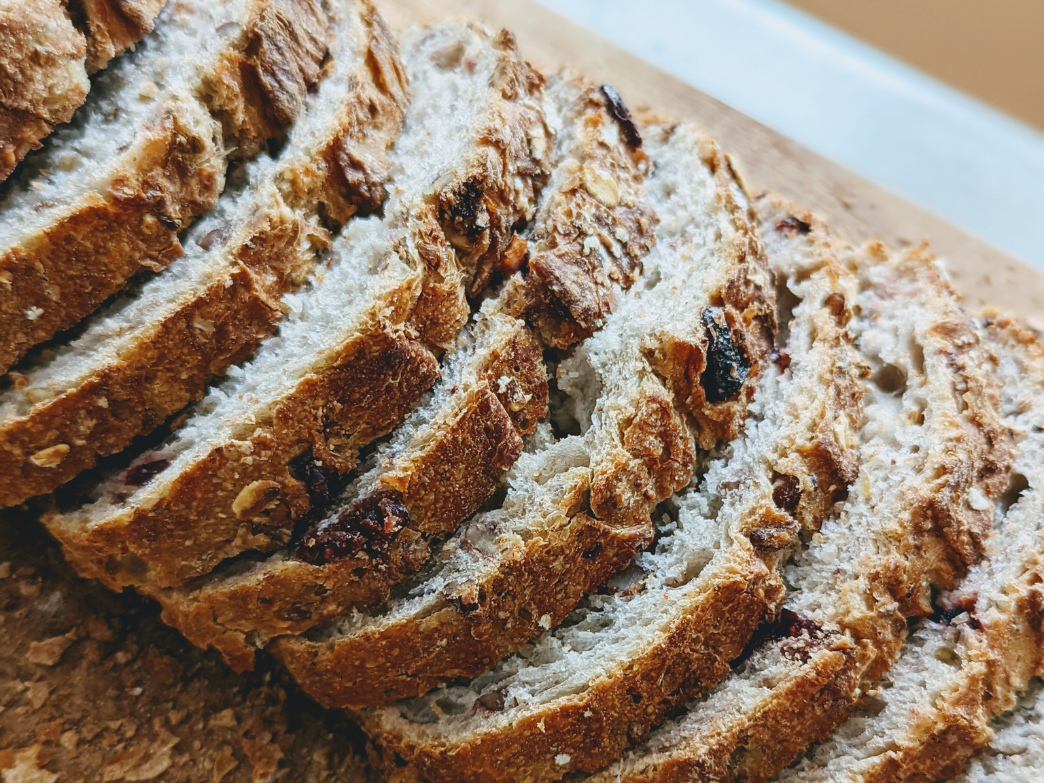
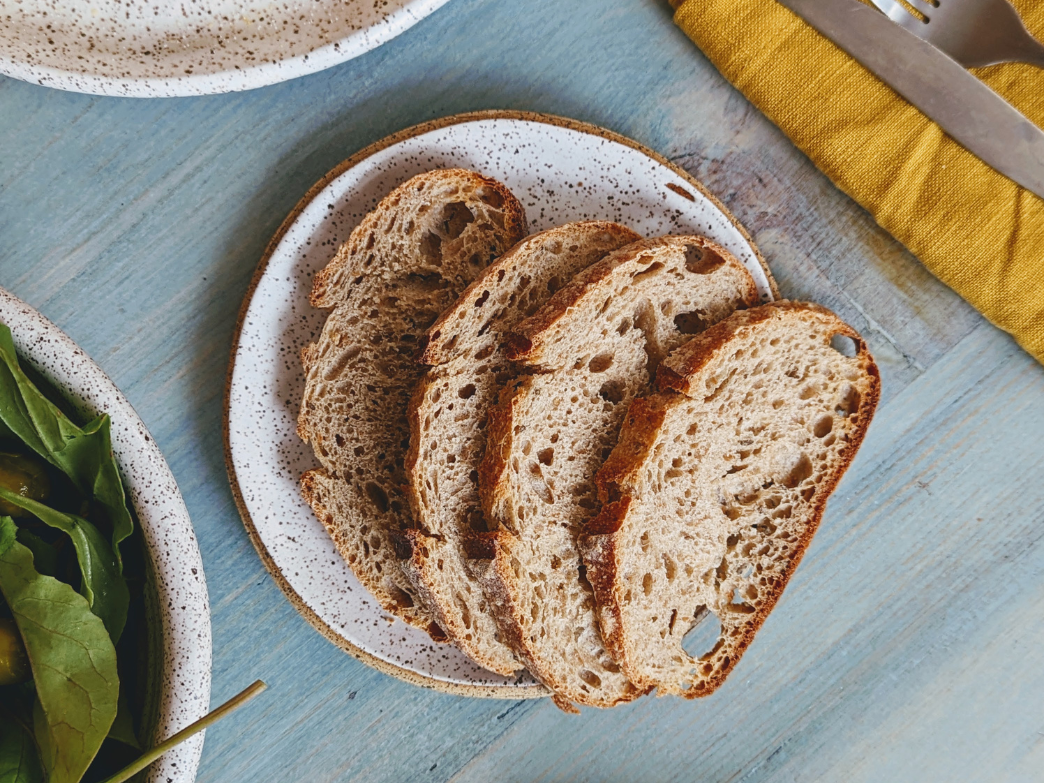
Best Bread for Fiber: Are There Health Benefits of High Fiber Bread?
By Dr. Jorge, Ph.D. Wildgrain, opens in a new tab is the first bake-from-frozen subscription box for sourdough breads, fresh pastas, and artisanal pastries. Did you know that some types of bread contain more fiber than others? You've probably heard that fiber is healthy for you, and you may be aware that some foods contain more fiber than others. To learn more, keep reading to discover which breads will help you to eat a high-fiber diet, as well as the health benefits that can result from incorporating more fiber into your meals. Does bread have fiber? How much fiber does bread usually have? All bread contains fiber, however, certain types of bread have more fiber than others. A slice of white bread usually has around 0.6 grams of fiber, while a slice of whole wheat bread has more than triple the amount of fiber found in white bread with 1.9 grams of fiber. Similarly, bread made from whole grains can contain up to 5 grams of fiber per slice. What are the health benefits of high-fiber bread? Consuming a diet high in fiber has been shown to result in numerous health benefits. One of the ways to do this is to choose bread that is high in fiber. Some health benefits of high-fiber bread include improving digestion, stabilizing blood sugar, attaining a healthy weight, and lowering cholesterol levels. Research studies have also shown that an increased intake of dietary fiber may be associated with a reduced risk of dying due to cardiovascular disease and cancer. Is white bread high in fiber? Is sourdough bread high in fiber? Is wheat bread high in fiber? No, white bread is not high in fiber. In fact, white bread has the least amount of fiber when compared to other types of bread. The same is true for traditional sourdough bread, as this is made from refined grains that are not high in fiber. Traditional sourdough bread contains about 1 gram of fiber per 1-ounce slice. However, whole wheat sourdough bread has a higher fiber content, containing up to 3 grams of fiber per serving. Any bread that is made of 100% whole wheat will have approximately the same amount of fiber as whole wheat sourdough bread. Just be sure the label lists whole wheat as one of the first ingredients, instead of refined wheat. If you want to start incorporating more fiber into your diet, try a loaf of bread from Wildgrain such as the slow-fermented 3-seed bread that has 3 grams of fiber per serving! What bread has the most fiber? What is the best bread for fiber? Bread made from 100% whole grains has the most fiber content when compared to other bread types. This can include rye bread, sourdough bread, sprouted grain bread, and multigrain bread so long as the bread is made entirely from whole grains. Any of these types of bread would be the best choice when deciding on a high-fiber bread option. Is low-carb bread high in fiber? Is low-carb, high-fiber bread better for you? Yes, low-carb bread is often high in dietary fiber, mostly insoluble fiber. Low-carb, high-fiber bread may be a good choice for you depending on your overall health goals. This type of bread is especially beneficial for those with diabetes because dietary fiber is indigestible and won’t cause blood sugar spikes. While low-carb bread is good for diabetics, it is not as nutritious as other types of bread and may leave you feeling hungry soon after consumption due to the lower carbohydrate and overall nutrient content. Is high-fiber bread better for weight loss? Foods that are rich in soluble fiber, including high-fiber bread, can promote weight loss as studies have shown that eating more soluble fiber can help you lose belly fat and prevent future belly fat gain. One potential explanation for this effect is that people who consume more soluble fiber have a greater diversity of gut bacteria. Soluble fiber is also a natural appetite suppressant, reducing levels of hunger hormones that the body produces. Fiber can also help to reduce your appetite by slowing the digestion of food through the gut. Is high-fiber bread better for digestion? Yes, high-fiber bread is undoubtedly better for your digestion overall. This is because fiber helps to increase the weight and size of your stool, making it easier for it to pass through your digestive system and preventing constipation. Fiber also encourages a diverse gut microbiome. A high-fiber diet has also been shown to lessen the symptoms of irritable bowel syndrome and lower your risk of developing diverticulitis, a serious gut condition that can result in waste becoming trapped in your digestive system. Where can I buy healthy bread online? At Wildgrain, we specialize in making high-quality, fresh breads that are delivered directly to your door. Wildgrain is the first bake-from-frozen delivery subscription service for breads, rolls, pastries, and fresh pastas. Some of our popular breads include sourdough whole wheat, sourdough 7-grain, slow-fermented 3-seed bread, and sourdough rye. We are proud to offer healthy breads, made with non-GMO flour and without added sugar or preservatives. Learn more about Wildgrain and our artisanal baking and cooking methods. Best Bread Home Delivery Service: How Wildgrain's Bread Delivery Works Wildgrain's breads are prepared in independent, artisanal bakeries with high quality ingredients. The breads are shipped frozen in insulated boxes and delivered direct to your home, anywhere nationwide. By shipping frozen, Wildgrain products maintain the highest quality, so you can enjoy fresh baked breads at home. That's why customers consider Wildgrain among the best home delivery services for bread. About the Author Dr. Jorge has been a public health researcher for many years, holding both a Bachelor's degree and a Ph.D. in Chemistry. They presently work as a medical writer and love being able to assist others in understanding various health and scientific topics. This content is for informational use only and does not replace professional nutrition and/or medical advice, diagnosis or treatment. It is not a substitute for and should not be relied upon for specific nutrition and/or medical recommendations. Please talk with your doctor about any questions or concerns.
Learn more
Best Bread for Acid Reflux & Heartburn
By Dr. Jorge, Ph.D. Wildgrain, opens in a new tab is the first bake-from-frozen subscription box for sourdough breads, fresh pastas, and artisanal pastries. Heartburn and acid reflux can cause discomfort, pain, and frustration, especially if you are unable to find relief from your symptoms. While bread is a popular staple food for many, it can unfortunately trigger acid reflux or heartburn for some people. Thankfully, certain types of bread can lessen your likelihood of experiencing these digestive problems. Continue reading to find out which bread might be the best choice for you to reduce the symptoms of acid reflux and heartburn. Does eating bread cause acid reflux and heartburn? Why does bread give me acid reflux? Eating bread (View Slow-Fermented 3-Seed Bread product) can trigger acid reflux and heartburn in some people. This is because bread, especially bread made from refined grains, can be difficult for the body to digest due to the low fiber content of these types of bread. You may also experience acid reflux and heartburn after consuming bread if you have an intolerance to gluten, a protein that is found in bread. What is the best bread for acid reflux? What is the best bread for heartburn? Any bread (bread product) made entirely of whole grains is the best bread for preventing acid reflux and heartburn. Whole-grain bread has a higher fiber content than white bread, which is made from refined grains. Eating whole-grain bread in place of white bread can help with digestion and reduce the likelihood of acid reflux and heartburn. However, if you suspect you have a gluten intolerance, you’ll want to stick to gluten-free bread instead. Can GERD patients eat bread? What is the best bread for GERD? People with gastroesophageal reflux disease, or GERD, can eat bread (View Slow-Fermented 3-Seed Bread product) but should avoid bread containing refined grains, including white bread. Difficult-to-digest foods such as white bread can cause more gas and irritate the stomach. The best bread to eat for those with GERD is bread that is high in fiber or easier to digest. This includes whole grain bread, sourdough bread, and rye bread. Does bread soak up stomach acid? Food made from whole grains can help to absorb acid in the stomach, including whole grain bread. Whole grain bread is rich in fiber, and fiber can absorb liquid in the digestive system, preventing the displacement of stomach acid which in turn can reduce acid reflux symptoms. Is sourdough bread good for acid reflux or heartburn? Does sourdough bread cause acid reflux? Sourdough bread can be a great option for those with acid reflux or heartburn. Since both can be triggered by foods that are hard to digest, foods that are easier on the digestive tract are the best for those with acid reflux or heartburn. Sourdough bread is easier to digest compared to other types of bread thanks to the fermentation process used to make sourdough. The microorganisms in the dough help us with some of the digestion while the sourdough takes its time fermenting, making it easier on our bodies later on! While sourdough is generally a good option for those that experience acid reflux or heartburn after consuming white bread, it might not be the solution for everybody. Histamine found in sourdough bread may be difficult for some people to digest, potentially causing acid reflux. Is rye bread good for acid reflux? Is rye bread good for heartburn? Rye bread can be a good bread option for acid reflux and heartburn sufferers. This is because rye bread is a good source of fiber and tends to have less gluten than other bread varieties. The high fiber and lower gluten content both help to aid digestion, reducing the possibility of acid reflux and heartburn symptoms. Is gluten-free bread good for acid reflux or heartburn? Gluten-free bread can help to reduce acid reflux and heartburn only if the cause of these symptoms is intolerance or sensitivity to gluten. However, if gluten is not the trigger of your acid reflux or heartburn, a gluten-free diet will likely not ease your uncomfortable symptoms. If you’re unsure, try swapping white bread for 100% whole-grain bread and monitor your symptoms. If you continue to experience acid reflux or heartburn after the switch, you may want to try limiting gluten from your diet. Where can I buy healthy bread online? At Wildgrain, we specialize in making high-quality, fresh breads that are delivered directly to your door. Wildgrain is the first bake-from-frozen delivery subscription service for breads, rolls, pastries, and fresh pastas. Some of our popular breads include sourdough whole wheat, sourdough 7-grain, slow fermented 3-seed bread, and sourdough rye. We are proud to offer healthy breads, made with non-GMO flour and without added sugar or preservatives. Learn more about Wildgrain and our artisanal baking and cooking methods. Best Bread Home Delivery Service: How Wildgrain's Bread Delivery Works Wildgrain's breads are prepared in independent, artisanal bakeries with high quality ingredients. The breads are shipped frozen in insulated boxes and delivered direct to your home, anywhere nationwide. By shipping frozen, Wildgrain products maintain the highest quality, so you can enjoy fresh baked breads at home. That's why customers consider Wildgrain among the best home delivery services for bread. About the Author Dr. Jorge has been a public health researcher for many years, holding both a Bachelor's degree and a Ph.D. in Chemistry. They presently work as a medical writer and love being able to assist others in understanding various health and scientific topics. This content is for informational use only and does not replace professional nutrition and/or medical advice, diagnosis or treatment. It is not a substitute for and should not be relied upon for specific nutrition and/or medical recommendations. Please talk with your doctor about any questions or concerns.
Learn more
Bread with Butter: How Healthy?
By Dr. Jorge, Ph.D. Wildgrain, opens in a new tab is the first bake-from-frozen subscription box for sourdough breads, fresh pastas, and artisanal pastries. Bread and butter - a classic pairing that never seems to get old and tastes delicious no matter the time of day. Is this one of your go-to snacks? If so, read on to learn more about the infamous bread and butter combo and whether this snack aligns in with your health goals. Why is buttered bread so good? While there is no scientific reason as to why bread and butter taste so good together, everyone seems to agree that eating butter with bread is one of life’s greatest culinary experiences. Some argue that adding butter to bread before toasting enhances the flavor of this already delicious pairing. This method allows the bread to stay crisp while butter melts into the entire slice of bread. In contrast, slathering butter on top of warm toast can result in the bread becoming soggy. Of course, this is all up to personal preference and makes for a tasty snack either way! Is eating bread with butter healthy? Is buttered bread good for you? Eating breadGo to Sourdough rolls with butter can be healthy when enjoyed in moderation; you can also increase the nutritional profile of this favorite snack by choosing your bread and butter wisely. For example, bread made from whole grains or whole wheat is a healthier choice compared to white bread which is made from refined grains. Sourdough bread and rye bread are two other nutritious bread options. Butter can add excessive sodium and fat to your diet, so you should make sure you’re aware of both the fat and the sodium content as well as the serving size of butter you are adding to your bread. Although it may be assumed that butter is not good for one’s health, buttered bread can be good for you when incorporated into a balanced diet. Butter is rich in calcium and has been shown to have certain health benefits, including lower risks of cancer and helping people lose or maintain weight. Is bread and butter a healthy breakfast? Bread and butter can be a healthy breakfast depending on the type of bread and butter as well as what you choose to pair this classic combination with. Bread made from 100% whole grains, sourdough bread, and rye bread are going to be rich in nutrients and will help you feel full for longer. You can try unsalted butter instead of salted butter to reduce your sodium intake. You can also choose grass-fed butter which has been shown to have increased health benefits and reduced health risks compared to regular butter. If you’re having two slices of bread for breakfast, try swapping butter on one of the slices with peanut butter or bananas to further enhance the nutritional profile of your bread and butter breakfast. Can you eat bread with butter while trying to lose weight? Can you eat bread and butter on a diet? Yes, you absolutely can eat bread with butter while achieving your weight loss goals. The key to losing weight is to remain in a caloric deficit or to consume fewer calories than you burn in a day. One slice of white bread contains about 70 calories and a single serving of salted butter (or one tablespoon) contains about 100 calories, meaning that one slice of bread with butter contains about 170 calories. Two slices of bread with one serving of butter on each slice of bread brings the total to 340 calories. Even though there aren't too many calories in this meal alone, it probably won't fill you up for very long. To continue enjoying bread with butter while staying full for longer, you can choose a whole wheat or whole grain bread option. Studies have shown that consuming a diet rich in whole grains can help you to lose belly fat and will leave you feeling fuller, making it easier to consume fewer calories. Bread and butter can fit into any diet so long as you choose varieties that fit in with your health goals. Is bread and butter good for weight gain? Bread and butter can promote weight gain depending on how often you eat this snack and the serving size. In contrast to losing weight, gaining weight will require you to consume more calories than you burn. This can be done by eating any food in excess, including bread and butter. Increasing the amount of bread, butter, or both in your diet and the frequency with which you eat them will cause weight gain. Is bread with butter ok for diabetics? Consuming bread with butter is okay for diabetics but should be enjoyed in moderation. Bread that is lower in carbohydrates and higher in fiber is the best choice for diabetics as fiber eaten in conjunction with carbohydrates helps to prevent blood sugar spikes. For diabetics, buttery or olive oil spreads work well in place of regular butter because they taste just as good but typically have less saturated fat. What is the best bread to eat with butter? The best bread to eat with butter is your favorite type of bread! While the tastiest bread to pair with butter is completely up to personal preference, many tend to enjoy a slice of baguette bread with a spread of butter. Ciabatta bread, sourdough bread, and rye bread are some other fan favorites when it comes to choosing a bread type to enjoy with butter. Where can I buy the best fresh bread and butter online? At Wildgrain, we specialize in making high-quality, fresh baked goods that are delivered directly to your door. Wildgrain is the first bake-from-frozen delivery subscription service for breads, pastries, and fresh pastas. Some of our popular breads include sourdough whole wheat loaf, and everything sourdough bread, as well as fresh churned butter. Learn more about Wildgrain and our artisanal baking and cooking methods. Best Bread Home Delivery Service: How Wildgrain's Bread Delivery Works Wildgrain's breads are prepared in independent, artisanal bakeries with high quality ingredients. The breads are shipped frozen in insulated boxes and delivered direct to your home, anywhere nationwide. By shipping frozen, Wildgrain products maintain the highest quality, so you can enjoy fresh baked breads at home. That's why customers consider Wildgrain among the best home delivery services for bread. About the Author Dr. Jorge has been a public health researcher for many years, holding both a Bachelor's degree and a Ph.D. in Chemistry. They presently work as a medical writer and love being able to assist others in understanding various health and scientific topics. This content is for informational use only and does not replace professional nutrition and/or medical advice, diagnosis or treatment. It is not a substitute for and should not be relied upon for specific nutrition and/or medical recommendations. Please talk with your doctor about any questions or concerns.
Learn more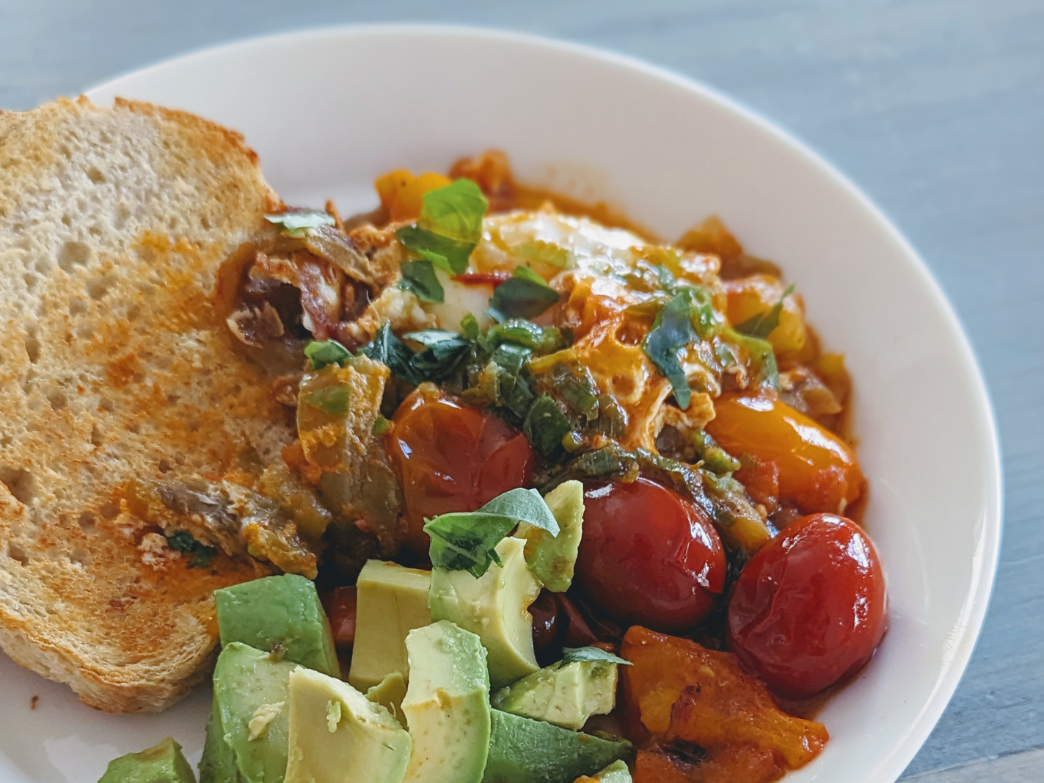
Bread vs. Toast: Is Bread Healthier than Toast?
By Lucy Yanckello, Ph.D. Wildgrain, opens in a new tab is the first bake-from-frozen subscription box for sourdough breads, fresh pastas, and artisanal pastries. The choice to have a piece of bread toasted or untoasted usually comes down to what taste and texture you desire. Toasting bread is a chemical reaction, meaning that some of the molecules (carbohydrates) break apart and the water content is reduced. Due to this chemical reaction, toasting bread might be associated with potential health benefits and could also make bread more easily digestible. Is toast better for you than bread? Is it healthier to eat toast rather than bread? Toast has been shown to have a lower glycemic index than bread that is untoasted. The glycemic index of food is a measure of how a food impacts blood sugar – the higher the number the higher blood sugar will spike after eating that food. Although the difference isn’t huge, toast has fewer carbohydrates than bread due to the chemical reaction that occurs. On the other hand, if bread is toasted until it is burnt, a potentially carcinogenic compound called acrylamide can form. This compound can cause health problems if eaten too often, so if you burn your toast, throw it out and make a new slice. Is toast better for your stomach than bread? Why is toast better than bread for diarrhea? Why should you eat toast when you are sick? Because the water content of bread is reduced by toasting it, toasted bread adds bulk to your stool. This causes digestion to slow down. Toast is a main component of the BRAT (banana, rice, apple sauce, toast) diet that helps slow down digestion and fight diarrhea through bulking your stool. Does toast have different nutritional value than bread? Although the chemical reaction when toasting bread does break down carbohydrates and reduce the water content of bread, the nutritional value of toast does not differ significantly from bread. However, the scope of nutritional value does change depending on how toasted the piece of bread gets. If a slice of bread is lightly to moderately toasted – the way most people eat toast – the changes in nutritional value are insignificant. However, if bread is burnt in the toaster, the change in calories may be noteworthy – but the toast will also be inedible. It is important to note that most studies on the nutritional value of bread vs. toast are conducted in white bread. Is toast with peanut butter healthy? Is toast with butter healthy? Because toast is mainly carbohydrate based, and peanut butter has fat and protein, toast with peanut butter creates a healthy balance of nutrients. The health benefits will multiply if whole-grain toast is used, as this will also give you a dose of fiber which, along with protein, helps keep you fuller for longer periods of time. If you are going to top your toast with just butter – which only consists of fats – be sure to make it a slice of whole-grain bread too. Butter doesn't have protein like its counterpart peanut butter, but the fiber in the whole-grain bread will give you the same benefits no matter what it’s topped with. Is toasted bread healthy for diabetics? Is toast better than bread for diabetics? Toast has been shown to have a lower glycemic index than bread that is untoasted. Although the difference isn’t huge, toast has fewer carbohydrates than bread due to the chemical reaction that occurs. Diabetics should opt for lower glycemic index foods when possible – it is important for diabetics to understand how food will impact their blood sugar in order to keep the condition under control. Is toasted bread good for weight loss? Is toast better than bread for weight loss? Toast is likely slightly better for weight loss than bread. There are numerous studies that show the association between a lack of blood sugar control and weight gain. Because toast has a lower glycemic index it could play a role in assisting with better blood sugar control and ultimately weight loss. Where can I buy the best fresh bread online? At Wildgrain, we specialize in making high-quality, fresh baked goods that are delivered directly to your door. Wildgrain is the first bake-from-frozen delivery subscription service for breads, pastries, and fresh pastas. Some of our popular breads include sourdough whole wheat loaf, and everything sourdough bread. Learn more about Wildgrain and our artisanal baking and cooking methods. Best Bread Home Delivery Service: How Wildgrain's Bread Delivery Works Wildgrain's breads are prepared in independent, artisanal bakeries with high quality ingredients. The breads are shipped frozen in insulated boxes and delivered direct to your home, anywhere nationwide. By shipping frozen, Wildgrain products maintain the highest quality, so you can enjoy fresh baked breads at home. That's why customers consider Wildgrain among the best home delivery services for bread. About the Author Lucy Yanckello received her Ph.D. in nutrition from the University of Kentucky College of Medicine. She currently works as a medical writer and enjoys being able to help people better understand nutrition and science. This content is for informational use only and does not replace professional nutrition and/or medical advice, diagnosis or treatment. It is not a substitute for and should not be relied upon for specific nutrition and/or medical recommendations. Please talk with your doctor about any questions or concerns.
Learn more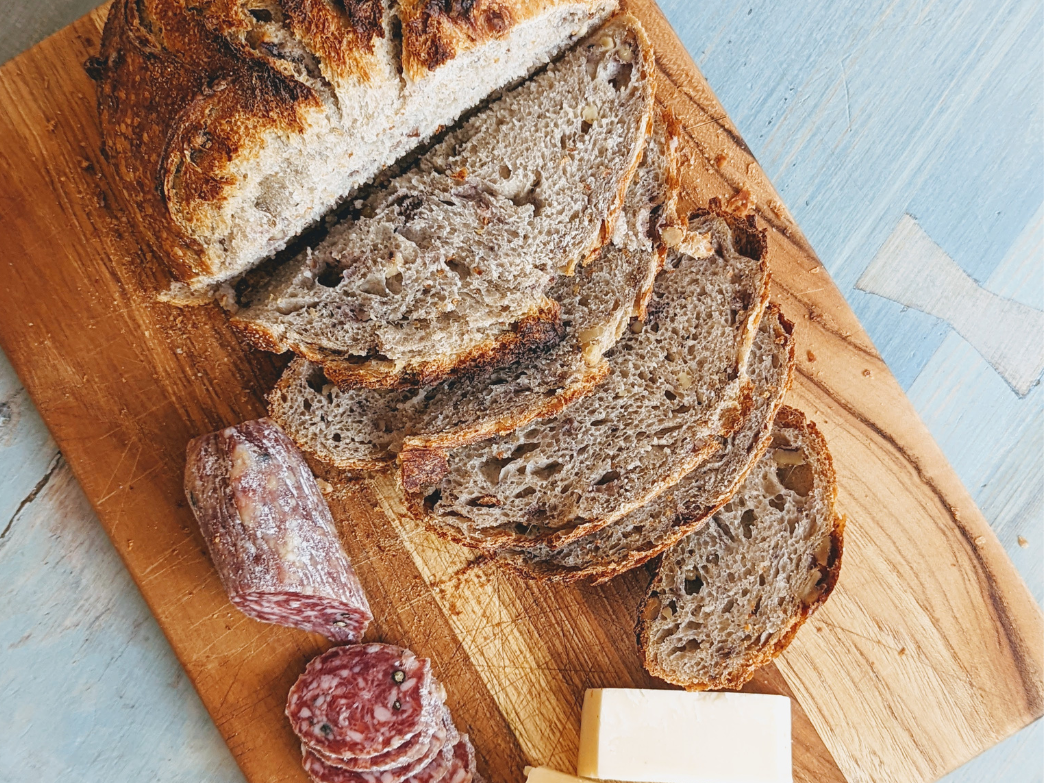
What’s Better: Bread vs. Tortilla vs. Pita vs. Wrap?
By Lucy Yanckello, Ph.D. Wildgrain, opens in a new tab is the first bake-from-frozen subscription box for sourdough breads, fresh pastas, and artisanal pastries. One thing that can be agreed upon is that whether in the form of tortilla, pita, focaccia, or a wrap, it’s always bread, and always delicious. Flour is the star of each of these delicious snacks and each has their own unique health benefits. Which is healthier to eat: bread or tortilla or pita or wrap? Each of the mentioned types of bread has benefits when it comes to your health. Let's start with bread, which is often demonized by the health community. Although bread is high in carbs, certain varieties, such as whole grain bread, are also high in fiber – which has many health benefits. In addition, the flour used in bread is often enriched with important B-complex vitamins to boost the nutritional value and help prevent deficiencies. To get all the health benefits of bread, stick to the whole-grain varieties. Tortillas come in two forms, corn and flour. Corn tortillas are a good source of fiber because they are considered whole grain – just like whole grain bread – and magnesium, which plays a vital role in brain, heart, and muscle health. They are also lower in carbs, calories, and fat, than flour tortillas. Flour tortillas do also have benefits as they provide iron. Corn tortillas are a good alternative for those who have gluten intolerances or allergies, as corn is gluten-free. In addition, corn tortillas are usually much smaller in size (6 in) compared to flour tortillas (8-10 in), giving a built in sense of portion control. If you are looking for a healthier tortilla option, opt for corn. Wraps are often thought as the “healthier” alternative to sandwiches. However, the color and name of wraps is often misleading, so it is important to read the nutrition label and ingredients. Whole-wheat wraps generally contain more nutrition than plain white flour wraps, but it is important to scan and make sure hydrogenated oils and other trans fats are not part of the ingredients. Colorful red and green wraps do not offer any nutritional benefits, and are often made with only small amounts of tomato or spinach powder for coloring and flavor. The nutritional content of a wrap depends on its ingredients, not just how it looks. Pitas are similar to a wrap, but are a little thicker. Pita breads are relatively low in fat content, and have a similar protein and carbohydrate content to a slice of bread. These flat breads also contain calcium and iron, and are considered to be low sodium foods. Just as with other whole-grain bread options, the fiber content can aid in digestion and lowering blood sugar. Which has the most carbs: tortilla vs. wrap vs. bread vs. pita? Which has the most calories: wrap vs. tortilla vs. bread vs. pita? When the nutritional content of each type of bread is compared, they are very similar across the board, varying by only 1-3 grams (g) of each nutrient. Nutritional Content Whole-Wheat Bread Corn Tortilla Whole Wheat Wrap Pita Calories 92 96 110 90 Carbohydrates 17g 20g 22g 17g Protein 3g 2.5g 4g 4g Fat 2g 1.3g 2g 1g Fiber 2g 3g 5g 2g Which is the best for weight loss and dieting: wrap or pita or tortilla or bread? Can you still eat bread, pita, tortillas, and wraps when trying to lose weight? When trying to lose weight or diet, it is important to focus on the protein and fiber content in the wrap, pita, tortilla, or bread you are consuming. Sticking with whole-wheat or whole-grain options will allow for higher fiber and higher protein. Fiber has a range of benefits including promoting weight loss, lowering blood sugar, fighting constipation, boosting heart health, lowering cholesterol, and feeding the “good” bacteria in our guts. High protein diets also have benefits for weight loss and metabolic health, so sneaking in extra protein in a carbohydrate source is always helpful. The main focus when losing weight and dieting does not need to be about cutting out entire food groups, but instead making smarter choices in terms of the type (opting for whole grains), and portion of the foods we love. What’s the difference between tortilla vs. wrap? Which is healthier: wrap or tortilla? A tortilla is a flat bread that is unleavened (does not use yeast or a chemical leavening agent) and uses corn or wheat as its flour source. Tortillas do not contain any spices or flavors and are often smaller in size. A wrap, on the other hand, is a soft bread made with a dough that contains yeast. Wraps are usually larger and contain spices and flavors. Compared to a corn tortilla, a whole wheat wrap has higher protein and fiber content, and a similar fat content. Which is healthier: bread or wrap? Wraps contain more carbohydrates but also contain more fiber. One slice of whole-wheat bread and one whole-wheat wrap also contain a similar protein content and contain the same amount of fat. As long as you are choosing whole-grain options, whichever you prefer to eat is what you should choose. Which is healthier: bread or tortilla? Is bread more fattening than tortilla? Bread and corn tortillas have a very similar nutrient profile. However, if you are choosing a flour tortilla, to get the most health benefit, be sure to choose one made with whole-wheat flour rather than refined white flour. Flour tortillas do also usually contain a higher fat content, so be wary of that as well. The most important consideration when choosing the carbohydrate you want to enjoy is that it consists of whole-grains, in order to get the most health benefits. Where can I buy fresh bread online? At Wildgrain, we specialize in making high-quality, fresh breads and pastas that are delivered directly to your door. Wildgrain is the first bake-from-frozen delivery subscription service for breads, pastries, and fresh pastas. Some of our popular breads include everything sourdough bread, plain sourdough loaf, and sourdough 7-grain loaf. Learn more about Wildgrain and our artisanal baking and cooking methods. Best Bread Home Delivery Service: How Wildgrain's Bread Delivery Works Wildgrain's breads are prepared in independent, artisanal bakeries with high quality ingredients. The breads are shipped frozen in insulated boxes and delivered direct to your home, anywhere nationwide. By shipping frozen, Wildgrain products maintain the highest quality, so you can enjoy fresh baked breads at home. That's why customers consider Wildgrain among the best home delivery services for bread. About the Author Lucy Yanckello received her Ph.D. in nutrition from the University of Kentucky College of Medicine. She currently works as a medical writer and enjoys being able to help people better understand nutrition and science. This content is for informational use only and does not replace professional nutrition and/or medical advice, diagnosis or treatment. It is not a substitute for and should not be relied upon for specific nutrition and/or medical recommendations. Please talk with your doctor about any questions or concerns.
Learn more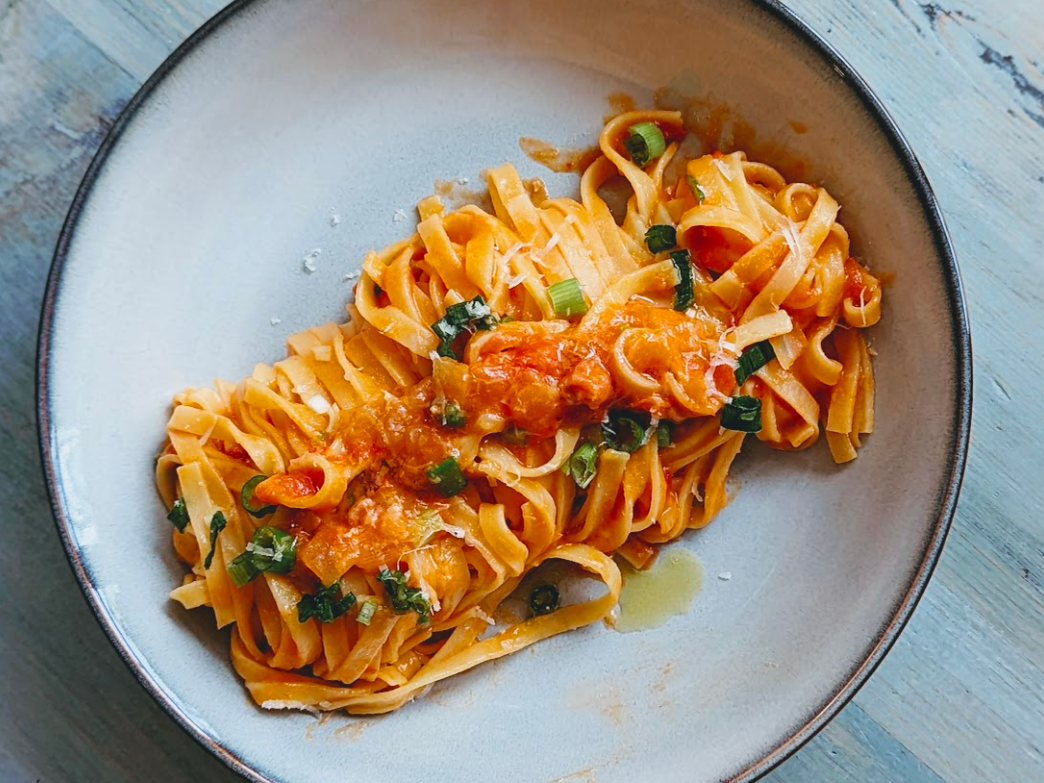
What is Healthier: Pizza or Pasta?
By Lucy Yanckello, Ph.D. Wildgrain, opens in a new tab is the first bake-from-frozen subscription box for sourdough breads, fresh pastas, and artisanal pastries. Pizza and pasta may be in a deadset tie for tastiness, but which is healthier? Each carb heavy delight has its own benefits and drawbacks, but if you are craving Italian flavors and want to keep your calories in check, which one should you choose? What is the difference between pizza vs. pasta nutrition? Pizza from a restaurant can run you up to 300 calories a slice – more depending on the toppings chosen. This can quickly eat away at the recommended average of around 2000 to 2500 calories a day, not to mention the amount of saturated fat and sodium. But pasta from a restaurant can rack up the calories too – an order of fettuccine alfredo at Olive Garden amounts to around 1,220 calories and 1,350 mg of sodium. Creamy sauces and cheese can make any pasta dish less healthy. Here is a quick snapshot comparing the nutritional content of a slice of cheese pizza versus a cup of cooked spaghetti with no sauce: Nutritional Content Slice of Cheese Pizza One Cup of Cooked Spaghetti Calories 285 220 Protein 12g 8g Carbohydrates 36g 43g Fat 10.4g 1.3g Does pasta or pizza have more carbs? Does pizza or pasta have more calories? One slice of cheese pizza has fewer carbs than one cup of cooked spaghetti – 36 grams in a typical cheese pizza versus 43 grams in one cup of pasta. However, pizza has more calories than pasta, 285 in a slice of pizza versus 220 in a cup of cooked pasta. This is attributed to the fact that the fat content in a slice of cheese pizza is much higher – almost 9 grams higher – than in a cup of cooked pasta. However, this analysis does not include any additional toppings that may be added to the pizza or sauces mixed with pasta. Is pizza healthier than pasta? Is pasta healthier than pizza? Pizza and pasta are similar in terms of nutritional value. Neither pasta or pizza would be labeled as healthy, but can be included in a healthy lifestyle in limited amounts. Although the fat content in a slice of cheese pizza is higher than in a cup of cooked pasta, this does not mean that pizza is healthier than pasta. Pasta is almost never eaten plain, and often has toppings such as creamy sauces and cheese added in. For example, a two cup serving of fettuccine alfredo has 660 calories, 10 grams of fat, 88 grams of carbohydrates, and 18 grams of protein. This is similar to the nutrition of around 2.5 slices of cheese pizza, which is a more reasonable portion. However, if toppings like pepperoni are added to pizza, the calorie content will also go up and the nutritional value can decline. Which is better for weight loss: pizza or pasta? With such a similar nutritional profile, pizza and pasta can be considered equal for weight loss. It is important to remember that whether eating pasta or pizza, portion size is key for weight loss - you can eat pizza and pasta while trying to lose weight if you are mindful of the amount you are eating! In addition, when focused on weight loss, it is important to eat whole-grain flours, which increases the fiber and protein content of your food. Fiber has a range of benefits including promoting weight loss, lowering blood sugar, fighting constipation, boosting heart health, lowering cholesterol, and feeding the “good” bacteria in our guts. High protein diets also have benefits for weight loss and metabolic health, so sneaking in extra protein in a carbohydrate source is always helpful. Making pizza or pasta at home and opting for whole-grain flours for the dough is a great option. You can also buy whole-grain pasta and pizza dough already made in most grocery stores. It is also important to focus on the toppings – stick with more vegetables, leaner proteins and less creamy sauces and cheeses on both pizza and pasta. What is the difference between pasta vs pizza flour? Is pasta vs pizza dough the same? Pizza flour and pasta flour are not the same. Pasta is generally made from semolina flour, whereas all-purpose flour is used to make pizza dough. This is because pasta dough requires a lower gluten content than pizza. In addition, pizza dough contains yeast because it must be leavened, whereas pasta dough does not. What is the difference between pizza sauce vs. pasta sauce vs. marinara sauce vs. tomato sauce? Which sauce is healthiest? Pizza sauce, pasta sauce, and marinara sauce are all types of tomato sauce. Pizza sauce is made with uncooked tomatoes that have been pureed, and pasta sauce is made with cooked tomatoes blended with garlic, herbs, and spices – also referred to as a marinara. Because pizza cooks in the oven, putting a pasta sauce – such as marinara – on a pizza is redundant, as you are cooking the sauce twice which changes the overall flavor profile. And vice versa with pasta – adding uncooked sauce to already cooked noodles will make the dish seem unfinished as the pasta sauce is meant to already have the flavors developed when added. Both types of tomato based sauce have similar nutrient profiles and are considered to be much healthier than cream based sauces. Where can I buy the best fresh pizza and pasta to make at home? At Wildgrain, we specialize in making high-quality, fresh pastas that are delivered directly to your door. Wildgrain is the first bake-from-frozen delivery subscription service for breads, pastries, and fresh pastas. Some of our popular pastas include margherita pizza, potato gnocchi, cheese tortellini, fresh fettuccine, fresh rigatoni, and fresh tonnarelli. Learn more about Wildgrain and our artisanal baking and cooking methods. Best Home Delivery Service for Food: How Wildgrain's Food Delivery Works Wildgrain's products are prepared in independent, artisanal bakeries with high quality ingredients. They are shipped frozen in insulated boxes and delivered direct to your home, anywhere nationwide. By shipping frozen, Wildgrain products maintain the highest quality, so you can enjoy fresh food at home. That's why customers consider Wildgrain among the best home food delivery services. About the Author Lucy Yanckello received her Ph.D. in nutrition from the University of Kentucky College of Medicine. She currently works as a medical writer and enjoys being able to help people better understand nutrition and science. This content is for informational use only and does not replace professional nutrition and/or medical advice, diagnosis or treatment. It is not a substitute for and should not be relied upon for specific nutrition and/or medical recommendations. Please talk with your doctor about any questions or concerns.
Learn more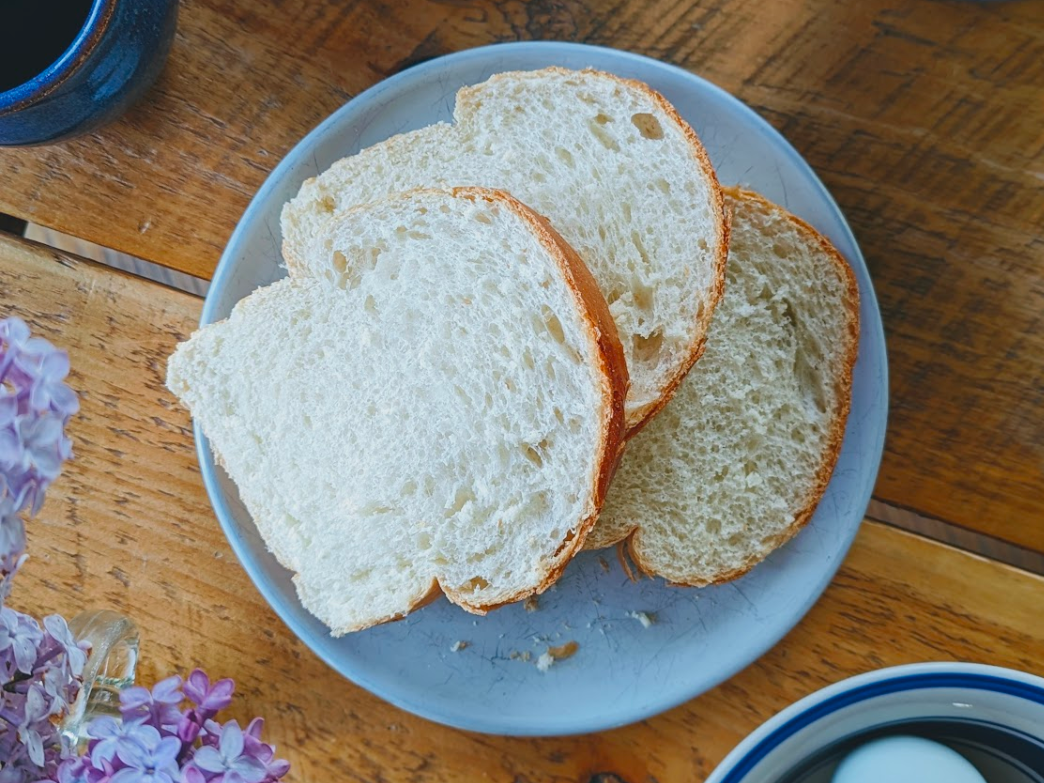
What’s Better: Bread vs. Cake vs. Muffin vs. Cupcake?
By Lucy Yanckello, Ph.D. Wildgrain, opens in a new tab is the first bake-from-frozen subscription box for sourdough breads, fresh pastas, and artisanal pastries. Sweet breads, cake, muffins, and cupcakes are all delicious treats that take some finesse to make right. But what is the difference between bread and cake, or muffins and cupcakes? It may be hard to pinpoint the differences between these baked goods based on their ingredients alone, and instead one needs to consider the method by which these ingredients are combined. What’s the difference between bread vs. cake? Is cake considered a sweet bread? Do cake and bread have the same ingredients? When most people think of bread they think of everyday staples like white, wheat and rye, whereas cakes are thought of as a treat for special occasions, and served as dessert. You may be inclined to think that bread is savory and cake is sweet, but is the distinction really so simple? In order to better understand the differences between cake and bread, it is important to understand the categories of each, and where the ambiguity exists. Traditional breads are leavened with yeast – these include what we typically think of when bread comes to mind, whites, wheats, and ryes. Base ingredients in traditional breads include flour, active dry yeast, water, and a pinch of salt or sugar. Quick breads on the other hand are more similar to cakes in that they use a leavening agent such as baking sodas – these include banana breads and zucchini breads. These base ingredients for quick breads and cakes are the same – flour, leavening agent, eggs, fat, and a liquid – despite the addition of sugar in cake. Cake is a kind of quick bread, but is much lighter in texture, always sweet, and often frosted or decorated. And although the definition of quick breads muddies the water in terms of the differences between cake and bread, traditional bread and cake are very different. The primary difference between bread and cake is that yeast is used as the leavening agent, but other ingredients including sugar, eggs, milk, and fat also lead to differences in texture between the two. Another way cakes differ from bread is that solid fat is creamed with the sugar, creating a much softer texture than bread. What’s the difference between a muffin and bread? Which is healthier, bread or muffins? Although muffins are considered to be bread, they fall under the quick bread category and utilize baking soda as a leavening agent rather than yeast. The term muffin typically refers to an individual sized quick bread, and can be sweet or savory. In terms of health, depending on the recipe used, bread will likely provide more protein and less fat content than muffins, but won’t satisfy a sweet craving. What’s the difference between a muffin and cake? What’s healthier, cake or muffin? Are muffins just small cakes? The term muffin typically refers to an individual sized quick bread, and can be sweet or savory. However, muffins are a different type of quick bread than cake, as muffins have melted (or liquid) fat instead of creaming the solid fat and sugar together, as in cakes. This creates a more moist texture. Muffins and cake are very similar in ingredients, but muffins will have less fat content and sugar than cake due to a lack of frosting, and the use of liquid oils that are usually plant based instead of solid fats (such as butter), that are usually animal based and higher in saturated fats. What’s the difference between a cupcake and cake? Which is healthier, cake or cupcakes? Are cupcakes just small cakes? The main difference between a cake and cupcake is the size. Cupcakes are much smaller, and meant to be consumed by one person whereas cakes are large and meant to be consumed by a group. Any cake can be turned into a cupcake by adjusting the ratio of ingredients, which is why they can be thought of as mini-cakes. Cupcakes and cakes both use baking soda as a leavening agent and the creaming method, where solid fat is creamed with sugar to create the flavor and texture known of both. What’s the difference between a cupcake and a muffin? Which is healthier, muffins or cupcakes? The difference between cupcakes and muffins comes down to their mixing method and the composition of the batter. Cupcakes are beaten for a longer time, and generally have more sugar and fat than muffins, along with the fact that solid fat is used instead of liquid fat. Muffins are mixed by combining the “wet” and “dry” ingredients after they have been combined in separate bowls, and are more likely to include less sugar, more fruit and whole grains, and can be savory. As there is less fat, more fruits and whole grains, and less sugar in muffins, they are likely a healthier treat than a cupcake. Where can I buy bread and treats fresh online? At Wildgrain, we specialize in making high-quality, fresh baked goods that are delivered directly to your door. Wildgrain is the first bake-from-frozen delivery subscription service for breads, pastries, and fresh pastas. Some of our popular baked goods include sourdough bread, croissants, bagelsslow fermented plain bagels, english muffins, and brownies. Learn more about Wildgrain and our artisanal baking and cooking methods. Best Home Delivery Service for Food: How Wildgrain's Food Delivery Works Wildgrain's products are prepared in independent, artisanal bakeries with high quality ingredients. They are shipped frozen in insulated boxes and delivered direct to your home, anywhere nationwide. By shipping frozen, Wildgrain products maintain the highest quality, so you can enjoy fresh food at home. That's why customers consider Wildgrain among the best home food delivery services. About the Author Lucy Yanckello received her Ph.D. in nutrition from the University of Kentucky College of Medicine. She currently works as a medical writer and enjoys being able to help people better understand nutrition and science. This content is for informational use only and does not replace professional nutrition and/or medical advice, diagnosis or treatment. It is not a substitute for and should not be relied upon for specific nutrition and/or medical recommendations. Please talk with your doctor about any questions or concerns.
Learn more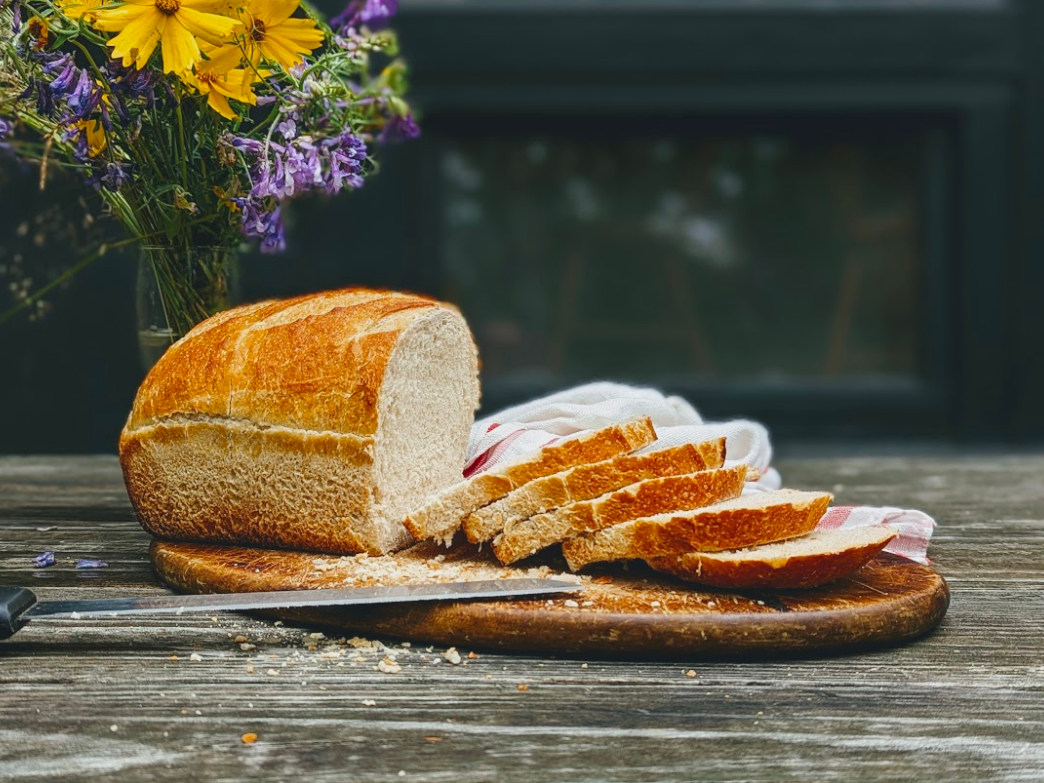
Best Bread for Diets
By Dr. Jorge, Ph.D. Wildgrain, opens in a new tab is the first bake-from-frozen subscription box for sourdough breads, fresh pastas, and artisanal pastries. If you’re like us, you can’t imagine a world where you can’t eat bread due to your dietary restrictions. Luckily for all of us, there's bread out there that will work for just about any diet. Read on to learn more about the best bread options for different diets, including plant-based, low-carb, keto, and the Mediterranean diet. Can you eat bread while on a diet? Can you eat sourdough while on a diet? Yes, you absolutely can eat bread while on a diet. Fortunately, there are many different types of bread, so no matter what diet you follow, you will have plenty of bread options. Sourdough bread can be enjoyed while on a diet since it can be made with a variety of ingredients to suit your dietary needs. Simply check the nutritional label to ensure that the bread is compatible with your diet. What bread can you eat on a Mediterranean diet? Is sourdough bread allowed on the Mediterranean diet? Any bread that is made from whole wheat, whole grains, sprouts, and sourdough is recommended while on a Mediterranean diet. You will want to avoid bread made from refined grains, such as white bread if you are following this diet. This is because bread made from refined grains is not as healthy and contains fewer nutrients than bread made from whole grains and sourdough. What kind of bread is keto-friendly? Can I eat one slice of bread on keto? Can you eat sourdough bread on a keto diet? Keto-friendly bread is going to include any bread that is low in carbohydrates since the keto diet emphasizes consuming minimal carbs. Specifically for this need, there are several low-carb bread options on the market that are suitable for a keto diet. You can eat a slice of regular bread while on a keto diet, however, you will want to keep in mind that a typical slice of bread contains about 20 grams of carbohydrates and the keto diet recommends consuming a maximum of 50 grams of carbohydrates per day. So while you can eat a slice of bread on keto, you will want to keep track of the carbohydrates present in your other foods to stay on track. If you love sourdough bread and you’re on a keto diet, you’re in luck! Sourdough bread is a relatively low-carb bread option, typically containing just 10 grams of carbohydrates or half the amount of carbohydrates of a white slice of bread. This makes sourdough bread a great keto-friendly choice. Is bread vegetarian? What’s the best bread for a vegetarian diet? All bread is vegetarian as it does not contain animal products. This makes any bread suitable for a vegetarian diet. While all bread is considered vegetarian, it is important to note that not all bread is considered vegan. This is due to additives in some types of bread that could be animal derived, like dairy or eggs. Is bread vegan? Can you eat bread on a vegan diet? A lot of bread varieties are considered vegan, but not all bread is vegan-friendly. Some bread types include added ingredients beyond flour, water, salt, and yeast. These added ingredients such as sweeteners, eggs, or fats, can be derived from animals and would make the bread not vegan. Bread that is usually free of animal products and safe for a vegan diet includes sourdough bread, pita bread, Ezekiel bread, ciabatta, baguettes, and focaccia. What bread is the best on a plant-based diet? A plant-based diet means opting for as many healthy, whole, and unprocessed foods as possible. Any bread made from whole grains is the best option as it is the least processed and most nutritious type of bread. Other great choices for healthy bread varieties are sprouted grain bread, sourdough bread, flaxseed bread, and buckwheat bread. What is the best bread for a low-carb diet? Can you eat any bread on a low-carb diet? The best bread for a low-carb diet will be similar to the best bread for a keto diet. Look for bread with no more than 10 grams of carbohydrates per slice. These breads are typically labeled as low in carbohydrates on the packaging. Sourdough bread is another low-carb bread option, often containing half of the carbohydrates found in one slice of white bread. While these breads are best suited for a low-carb diet, you can eat any bread as long as you limit your portion size and keep track of how many carbohydrates you consume throughout the day. Where can I buy healthy bread online? At Wildgrain, we specialize in making high-quality, fresh breads that are delivered directly to your door. Wildgrain is the first bake-from-frozen delivery subscription service for breads, rolls, pastries, and fresh pastas. Some of our popular breads include sourdough whole wheat, sourdough 7-grain, slow fermented 3-seed breadGo to sourdough rye bread, and sourdough rye. We are proud to offer healthy breads, made with non-GMO flour and without added sugar or preservatives. Learn more about Wildgrain and our artisanal baking and cooking methods. Best Bread Home Delivery Service: How Wildgrain's Bread Delivery Works Wildgrain's breads are prepared in independent, artisanal bakeries with high quality ingredients. The breads are shipped frozen in insulated boxes and delivered direct to your home, anywhere nationwide. By shipping frozen, Wildgrain products maintain the highest quality, so you can enjoy fresh baked breads at home. That's why customers consider Wildgrain among the best home delivery services for bread. About the Author Dr. Jorge has been a public health researcher for many years, holding both a Bachelor's degree and a Ph.D. in Chemistry. They presently work as a medical writer and love being able to assist others in understanding various health and scientific topics. This content is for informational use only and does not replace professional nutrition and/or medical advice, diagnosis or treatment. It is not a substitute for and should not be relied upon for specific nutrition and/or medical recommendations. Please talk with your doctor about any questions or concerns.
Learn more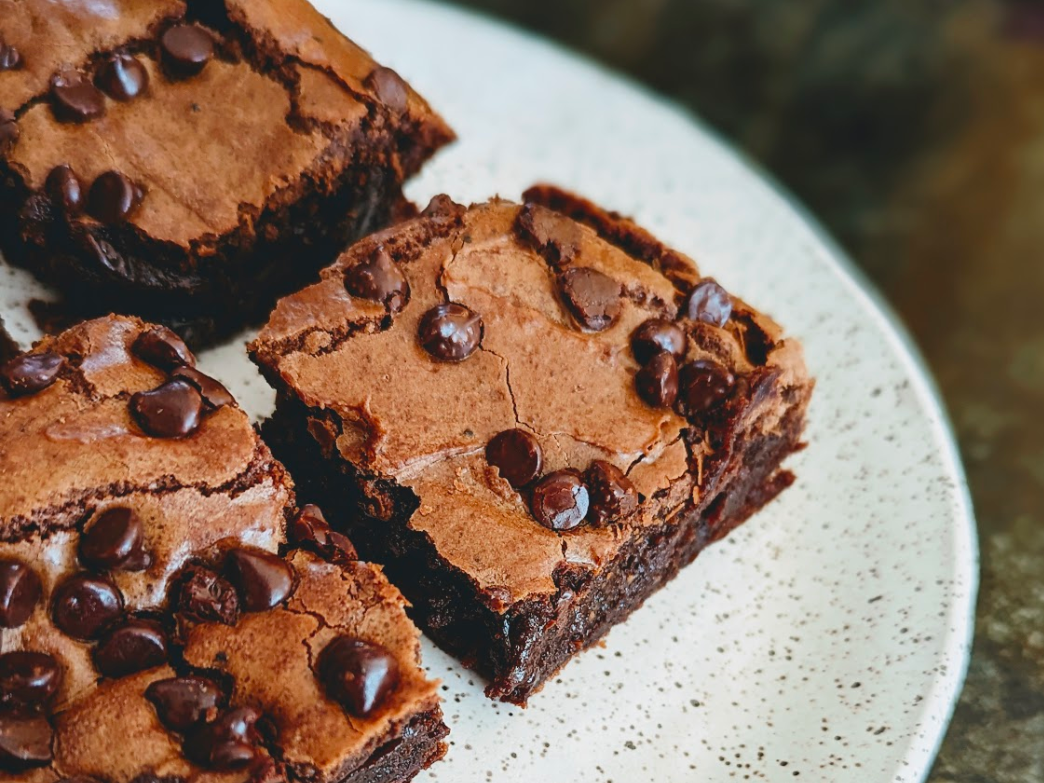
Are Brownies Healthy or Unhealthy?
By Dr. Jorge, Ph.D. Wildgrain, opens in a new tab is the first bake-from-frozen subscription box for sourdough breads, fresh pastas, and artisanal pastries. Warm, fudgy, gooey brownies that are fresh out of the oven – is there a more satisfying treat? Let’s all be honest, the only thing stopping us from eating sweets all day is the little voice in our heads telling us how unhealthy it is. While that *can* be true, some sweet treats such as brownies may actually provide some health benefits. Keep reading to learn more about brownies and how they stack up against other sweets. Is a brownie healthy? Is a brownie unhealthy? Traditional chocolate brownies are not able to be classified as simply healthy or unhealthy. Since brownies are not nutritionally dense, they are not usually regarded as a healthy food. However, brownies do have some health benefits that might be surprising due to their chocolate content. Chocolate is a source of antioxidants and has been found to help lower blood pressure and increase good cholesterol levels. How often should you eat brownies? The frequency with which you should eat browniesGo to Fudge brownies depends on your overall diet and your individual health goals. The American Heart Association suggests limiting added sugars to about 30 grams per day. This suggestion could guide how often you should be eating brownies based on how much sugar you consume in other foods throughout the day. For reference, an average brownie contains approximately 15 grams of sugar or half of the recommended daily sugar intake. Brownie nutrition: Are brownies high in fat? How many carbs are in a brownie? Let’s dive into some of the key macronutrients that are found in a traditional average-sized brownieGo to Fudge brownies. The majority of a brownie’s calories come from its fat and carbohydrate content. However, a single brownie is not very high in either, with one brownie containing about 7 grams of fat and 12 grams of carbohydrates. Can you eat brownies while on a diet? Will one brownie ruin my diet? Can I lose weight and still eat brownies? You absolutely can eat browniesGo to Fudge brownies while on a diet. Nutritionists actually advise indulging in sweets while on a diet – in moderation, of course. It is much easier to maintain a diet where you continue to enjoy your favorite treats, instead of restricting or eliminating them entirely. That being said, one brownie will not ruin your diet and you can still lose weight while eating brownies. The key to losing weight is burning more calories than you consume. To remain in a calorie deficit, it is suggested to allocate 100 to 150 calories each day for dessert. This might mean consuming a smaller brownie or cutting an average brownie in half. This way you can still enjoy brownies while on a diet and achieving your weight loss goals. Are brownies healthier than cookies? Is a cookie or brownie better for you? With the many varieties of cookies available, the answer as to whether browniesGo to Fudge brownies are healthier than cookies is not so cut-and-dry. For the sake of this discussion, we’ll compare brownies with a classic cookie variety – chocolate chip cookies. One medium-sized chocolate chip cookie contains about 80 calories, 4.5 grams of fat, 9 grams of carbohydrates, and 11 grams of sugar. This makes brownies and chocolate chip cookies very similar in fat, carbohydrate, and sugar content although chocolate chip cookies contain less of each nutrient. One chocolate chip cookie also has considerably fewer calories than a brownie, with the average brownie containing about 130 calories. Considering that brownies and chocolate chip cookies have comparable nutritional profiles, neither is better for you than the other. Are brownies healthier than cake? Is cake or a brownie better for you? It is difficult to compare brownies to cake but to make it simpler, we’ll take a look at the nutritional profile of chocolate cake. One piece of chocolate cake with frosting contains about 250 calories, 13 grams of fat, 25 grams of sugar, and 34 grams of carbohydrates. This makes chocolate cake higher in calories, fat, sugar, and carbohydrates. Therefore, brownies are better for you than chocolate cake. Of course, these numbers will vary based on the ingredients used to make both brownies and cake so be sure to check the nutrition label whenever deciding between two dessert options. Is it bad to eat brownies every day? Is it OK to eat a brownie for breakfast? It isn’t bad to eat brownies every day so long as you are mindful of the portion size and how brownies fit into your overall diet. If you’d like to indulge in the chocolatey goodness of a brownie daily, be sure to monitor your daily sugar and calorie intake to maintain a balanced and healthy diet. This means that if a brownie is calling your name first thing in the morning, you can certainly have it, but you should be sure to eat other more nutritious foods with your breakfast as well to keep your body fueled all day long. Where can I buy the best bake-at-home brownies online? At Wildgrain, we specialize in making high-quality, fresh baked goods that are delivered directly to your door. Wildgrain is the first bake-from-frozen delivery subscription service for breads, rolls, pastries, and fresh pastas. Some of our popular pastries include fudge brownies, chocolate chip cookies, oatmeal raisin cookies, chocolate croissants and traditional croissants. Learn more about Wildgrain and our artisanal baking and cooking methods. Best Pastry Home Delivery Service: How Wildgrain's Pastry Delivery Works Wildgrain's pastries are prepared in independent, artisanal bakeries with high quality ingredients. The pastries are shipped frozen in insulated boxes and delivered direct to your home, anywhere nationwide. By shipping frozen, Wildgrain products maintain the highest quality, so you can enjoy fresh pastries at home. That's why customers consider Wildgrain among the best home delivery services for pastries. About the Author Dr. Jorge has been a public health researcher for many years, holding both a Bachelor's degree and a Ph.D. in Chemistry. They presently work as a medical writer and love being able to assist others in understanding various health and scientific topics. This content is for informational use only and does not replace professional nutrition and/or medical advice, diagnosis or treatment. It is not a substitute for and should not be relied upon for specific nutrition and/or medical recommendations. Please talk with your doctor about any questions or concerns.
Learn more