

Wildgrain Blog
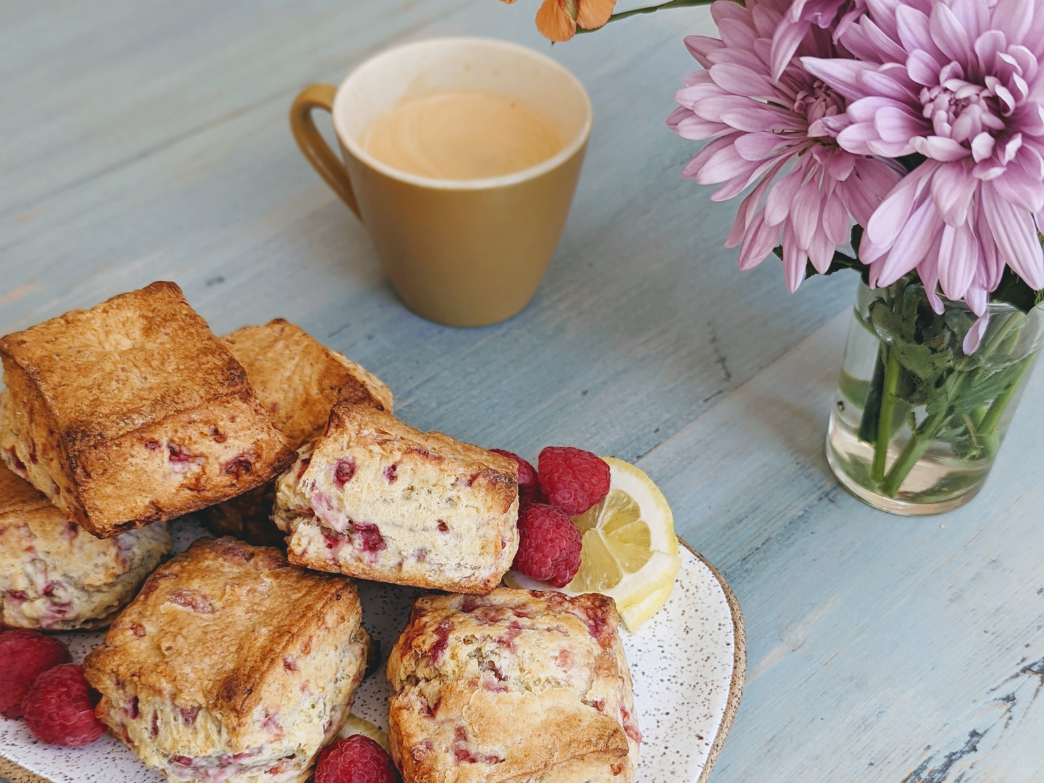
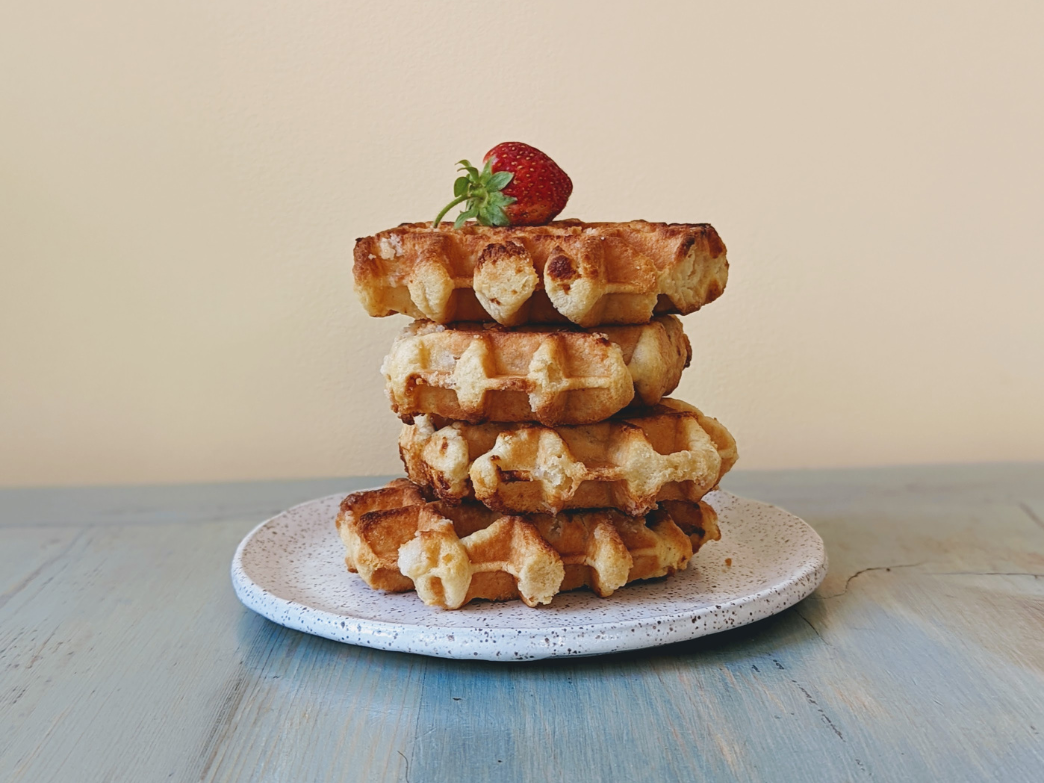
What’s the difference between Belgian waffles and regular waffles?
By Lucy Yanckello, Ph.D. Wildgrain, opens in a new tab is the first bake-from-frozen subscription box for sourdough breads, fresh pastas, and artisanal pastries. Waffles come in all types of shapes, sizes, textures, and thickness. If you are a waffle lover, you have probably heard of Belgian waffles. But what is a Belgian waffle and how is it different from the regular waffle we all know? What makes a Belgian waffle so unique? What is a Belgian waffle? A Belgian waffle is similar to the regular waffles we are used to eating in the U.S. in that both types of waffles are made by pouring batter into a hot waffle iron, making unique pockets that soak up butter and syrup. However, Belgian waffles are heavier and thicker than a regular waffle. The recipe for Belgian waffles also contains yeast and egg whites, which gives them a fluffy texture on the inside and crispy texture on the outside. Are Belgian waffles healthy? It is important to remember that defining food in terms of absolutes such as “healthy” and “unhealthy” should be avoided, as it adds morality to food. Belgian waffles are a food that you may choose to enjoy on occasion, instead of every day, since they have a high carb and fat content. Belgian waffles are delicious and by no means should be avoided, just eaten in moderation. What’s the difference between a regular waffle vs. a Belgian waffle? Are Belgian waffles better than regular waffles? One of the main differences between a regular waffle versus a Belgian waffle is that a regular waffle usually has a denser texture (more similar to cake) than Belgian waffles. Regular waffles are also often made with buttermilk, which gives them a richer, denser texture than Belgian waffles, which are light and airy. Additionally, regular waffles are made in a smaller waffle iron than Belgian waffles; this means their pockets are not as thick and they are thinner (and therefore cook faster). Can you make Belgian waffles in a regular waffle maker? No, you cannot make Belgian waffles in a regular waffle maker. It is necessary to have a special Belgian-style waffle iron to make authentic Belgian waffles. These Belgian waffle irons have a deeper grid pattern than a regular waffle maker. In a regular waffle maker, the batter is poured in and the hinged lid is closed. However, in a Belgian waffle maker, the batter is poured in, the lid is closed, and the waffle maker is flipped over so the waffle can cook. For these reasons, a Belgian-style waffle maker is needed to make Belgian waffles. Is Belgian waffle mix the same as waffle mix? The ingredients for both regular waffles and Belgian waffles are similar and include flour, milk, eggs, and butter or oil. However, Belgian waffles use egg whites to give a fluffier texture. Additionally, Belgian waffles have yeast in their recipe while regular waffles use baking powder. Another difference between Belgian waffle mix and regular waffle mix is that regular waffles are often made with buttermilk and Belgian waffles are not. Belgian waffles also have more sugar in their batter than regular waffles (almost twice as much!), which makes them sweeter. What’s the difference between a Belgian waffle vs. pancake? Is Belgian waffle batter the same as pancake batter? Belgian waffles and pancakes are made with mostly the same ingredients including flour, sugar, eggs, and milk. However, Belgian waffles use yeast and egg whites in the recipe, whereas pancakes use baking powder. Additionally, similar to the difference between Belgian waffles and regular waffles, Belgian waffles have more sugar in their recipe than pancakes. Besides the ingredients, the main difference between Belgian waffles and pancakes is in the cooking method. Belgian waffles are made in a special waffle iron that creates a fluffy interior and crunchy exterior, with deep pockets to soak up butter and syrup. On the other hand, pancakes are poured into a pan or onto a griddle. Once bubbles pop up, they are flipped to cook the other side. Where can I buy Belgian waffles online? At Wildgrain, we specialize in making high-quality, fresh baked goods that are delivered directly to your door. Wildgrain is the first bake-from-frozen delivery subscription service for breads, rolls, pastries, and fresh pastas. Some of our popular breakfast items include artisanal Belgian waffles, English muffins and slow fermented bagels. Learn more about Wildgrain and our artisanal baking and cooking methods. Best Pastry Home Delivery Service: How Wildgrain's Pastry Delivery Works Wildgrain's pastries are prepared in independent, artisanal bakeries with high quality ingredients. The pastries are shipped frozen in insulated boxes and delivered direct to your home, anywhere nationwide. By shipping frozen, Wildgrain products maintain the highest quality, so you can enjoy fresh pastries at home. That's why customers consider Wildgrain among the best home delivery services for pastries. About the Author Lucy Yanckello received her Ph.D. in nutrition from the University of Kentucky College of Medicine. She currently works as a medical writer and enjoys being able to help people better understand nutrition and science. This content is for informational use only and does not replace professional nutrition and/or medical advice, diagnosis or treatment. It is not a substitute for and should not be relied upon for specific nutrition and/or medical recommendations. Please talk with your doctor about any questions or concerns.
Learn more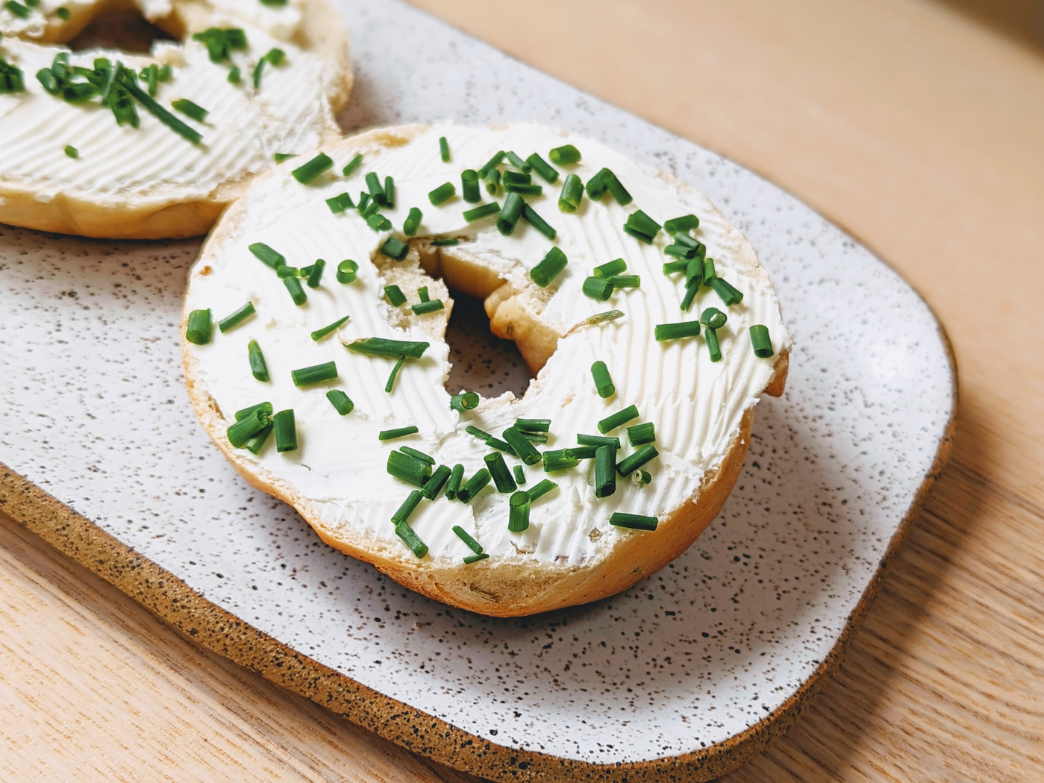
What’s Better: Croissant vs. Bagel vs. Donut vs. Muffin?
By Rikki Hoffman, RDN, CDN Wildgrain, opens in a new tab is the first bake-from-frozen subscription box for sourdough breads, fresh pastas, and artisanal pastries. Croissants, bagels, donuts, and muffins are popular and delicious breakfast options. When picking one of these items, it’s important to know what makes one option healthier - or less healthy - than the others. In this article, we compare the relative nutritional elements of croissants, bagels, donuts, and muffins. What is a croissant? What are croissants made of? Croissants, opens in a new tab are French pastries, made with yeast, flour, salt, sugar, milk, water, eggs, and a lot of butter. Croissants get their signature airy and flaky texture through a process called laminating, in which the dough is folded into butter many times before being cut and shaped. Is a croissant just bread? Are croissants bread or pastry? While bread and pastries contain many of the same core ingredients, such as flour and yeast, the fat content is what distinguishes bread from pastry. Bread dough tends to contain less oil, shortening, or butter, and therefore has a lower fat content. The dough used to make pastries usually contains much more butter, shortening, or oil, and has a higher fat content as a result. Because of this distinction, a croissant is not just bread. A croissant is considered a pastry. What’s the difference between croissant vs. bagel vs. donut vs. muffin? There are several differences between croissants, opens in a new tab - Go to Croissants, bagels, opens in a new tab - Go to Slow fermented plain bagels, donuts, and muffins. Technically, bagels and muffins are considered types of bread. Bagels are a type of bread that are boiled before being baked, which creates the distinct bagel texture. Muffins are what is called a “quick bread,” meaning that muffin batter contains baking soda or baking powder as opposed to yeast, and doesn’t need a separate rise time. Muffin recipes vary greatly, so fat and sugar content depend on the type of muffin. Croissants and donuts, on the other hand, are considered pastries, which means that although croissants and donuts are made with yeast (like bread), they have a higher fat content and usually sugar content, as well. Both bagels and muffins can be made with whole grains, providing additional nutritional value. Croissants and donuts are most often made with refined white flour, which is less packed with nutrients than whole grains. Donuts are also fried in additional fat, adding to the total fat content. Which is healthier: bagel or croissant? In general, bagels, opens in a new tab - Go to Slow fermented plain bagels are healthier than croissants, opens in a new tab - Go to Croissants. Compared ounce to ounce, butter croissants have less carbohydrates than a plain bagel, but more calories, more fat (much of which is saturated fat), slightly less protein, and similar amounts of fiber. If the bagel is made with whole grains, it will have even more fiber and protein compared to the croissant. Which is healthier: croissant or donut? Croissants, opens in a new tab - Go to Croissants and donuts are both tasty treat options, but neither would be considered “healthy.” They both contain large amounts of sugar and fat or saturated fat. Comparing a butter croissant to a glazed donut ounce-to-ounce, calories, carbohydrates, fiber, and fat are about the same. Croissants may have slightly more protein, but also contain more saturated fat than donuts. Which is healthier: croissant or muffin? The answer to which is healthier will depend on the type of muffin. Muffins vary greatly in flavor and nutrient composition. When comparing one ounce of a butter croissant, opens in a new tab - Go to Croissants to one ounce of a commercially-prepared blueberry muffin, both contain similar amounts of calories, total fat, carbohydrates, and fiber. The croissant contains slightly more protein but also more saturated fat. So neither one is significantly more or less healthy than the other. A whole grain muffin, on the other hand, such as bran muffin or a corn muffin containing oat bran or cornmeal, would likely contain more protein and fiber and would therefore be healthier than a croissant. What’s worse for you: bagel or donut? While bagels, opens in a new tab and donuts are shaped similarly and are both made from dough with yeast, their nutritional compositions are very different. Donuts contain a lot more sugar and fat than bagels, and bagels contain more protein and sometimes more fiber than donuts. Donuts are usually made with a white flour, while bagels can be made using whole grain flours, which would provide even more protein and fiber. Because of this, bagels are the healthier choice between the two. (Bonus points if you choose a whole wheat bagel!) Where can I buy croissants, bagels, donuts, or muffins? At Wildgrain, opens in a new tab, we specialize in making high-quality, fresh baked goods that are delivered directly to your door. Wildgrain is the first bake-from-frozen delivery subscription service for breads, pastries, and fresh pastas. Some of our popular baked goods include croissants, opens in a new tab and bagels, opens in a new tab. Learn more about Wildgrain and our artisanal baking and cooking methods. Best Home Delivery Service for Food: How Wildgrain's Food Delivery Works Wildgrain's products are prepared in independent, artisanal bakeries with high quality ingredients. They are shipped frozen in insulated boxes and delivered direct to your home, anywhere nationwide. By shipping frozen, Wildgrain products maintain the highest quality, so you can enjoy fresh food at home. That's why customers consider Wildgrain among the best home food delivery services. About the Author Rikki Hoffman, RDN, CDN has been a registered dietitian for ten years, working primarily with patients who have kidney disease. She also has a private practice which focuses on helping clients achieve lifestyle and weight loss goals. She graduated with a Bachelor's in Dietetics from Rutgers University and did her Dietetic Internship at Montclair State University. This content is for informational use only and does not replace professional nutrition and/or medical advice, diagnosis or treatment. It is not a substitute for and should not be relied upon for specific nutrition and/or medical recommendations. Please talk with your doctor about any questions or concerns.
Learn more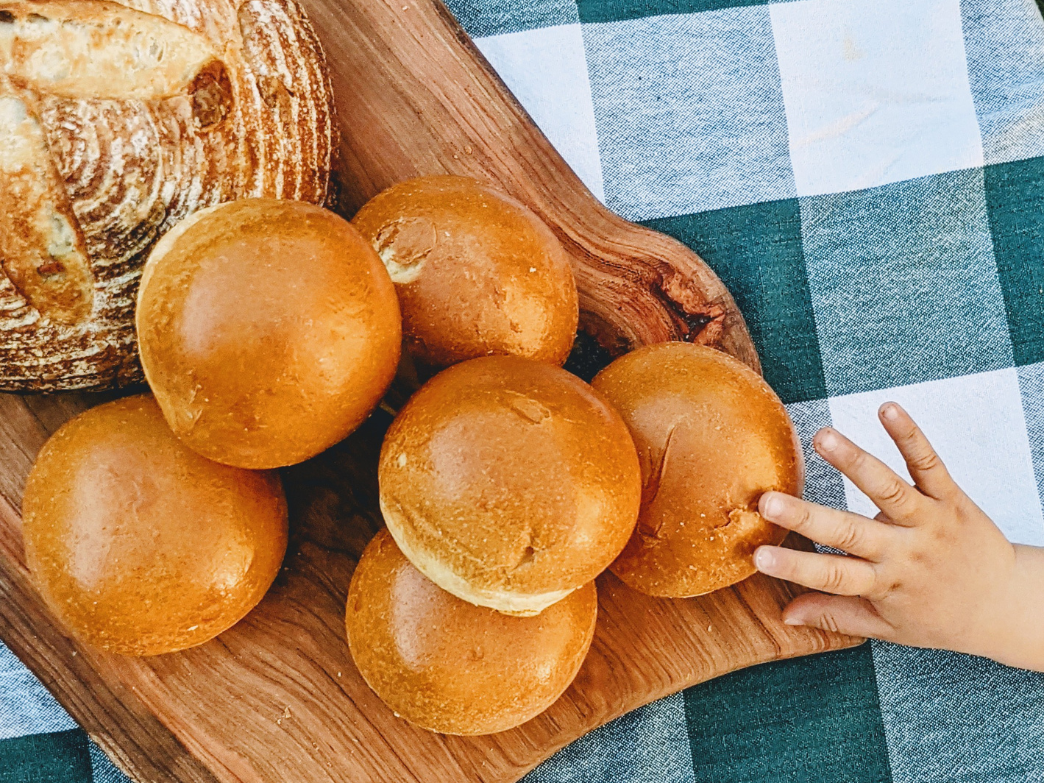
All About Rolls: Brioche Rolls vs. Regular Rolls vs. Sourdough Rolls
By Lucy Yanckello, Ph.D. Wildgrain, opens in a new tab is the first bake-from-frozen subscription box for sourdough breads, fresh pastas, and artisanal pastries. Rolls are a small, often round, serving of bread that has a diverse array of uses. Rolls can be eaten plain, serve as an accompaniment to a meal, or cut in half and filled with whatever one pleases. There are many different types of rolls, some sweet, some savory, but each delicious in their own way. What are brioche rolls? What is a brioche roll made of? Brioche rolls, opens in a new tab are rolls made from a brioche bread dough, which is a rich dough made with yeast, flour, butter, and eggs. Although it has the same ingredients as regular buns, you need more eggs and butter to make brioche.To be characterized as brioche, a recipe typically contains 30% to 50% butter to total flour weight. In fact, brioche rolls are more similar to a croissant than to regular bread in terms of texture and structure. In order to make the perfect brioche rolls, the butter must be incorporated very slowly into the dough (mixing in the butter should take around 5 to 10 minutes). Brioche is time-consuming to make, but forming the dough into smaller rolls instead of a loaf will cut down on the time it will take. What’s the difference between a brioche roll and a regular roll? Are brioche rolls healthy? Brioche rolls, opens in a new tab and regular rolls are different in that brioche rolls require more eggs and butter in their recipe than regular rolls. Although both brioche rolls and regular rolls contain eggs and butter, the fact that brioche rolls contain more of these ingredients means that these rolls are higher in fat content. Brioche rolls should be enjoyed in moderation due to the higher fat content, because this fat content comes mostly from saturated fats. Saturated fats should be limited to 5% to 6% of daily caloric intake, according to the American Heart Association. What’s the difference between a brioche roll and an English muffin? English muffins, opens in a new tab and brioche rolls are similar in that they do include butter, but English muffins do not include eggs. Unlike brioche rolls, English muffins should not be intensely mixed because this would lead to a tight structure. Instead, the dough of English muffins should only be lightly mixed and handled prior to baking so that the English muffins have a more open structure, referred to as “nooks and crannies,” which soak up butter and other delicious spreads. What are sourdough rolls? Sourdough rolls, opens in a new tab are made from a “starter”, which contains fermented flour and water in place of yeast in the dough. The wild yeast and bacteria in the starter allows the bread to rise and creates the tangy flavor and chewy texture that sourdough is known for. Sourdough rolls also sometimes contain butter and milk, but do not contain eggs, which can make them more similar to English muffins than brioche. What’s the difference between brioche rolls and sourdough rolls? The main difference between brioche rolls and sourdough rolls is in a few key ingredients: butter and eggs. Brioche rolls contain lots of butter, whereas sourdough rolls often do not contain any butter (for instance, at Wildgrain we do not use any butter or milk in our sourdough rolls, opens in a new tab). Additionally, sourdough rolls do not contain eggs, unlike brioche rolls which do contain eggs. What are the healthiest bread rolls? Although all types of bread rolls have a role in our diet in moderation, sourdough bread rolls contain certain health benefits that other types of bread rolls do not. The fermented starter that sourdough originates from is beneficial for gut health. In addition, sourdough rolls contain less, or in some cases no, butter and saturated fats compared to other rolls like brioche rolls. As a result, sourdough rolls can be considered among the healthiest bread rolls. Where can I buy bread rolls, like sourdough rolls and brioche rolls, online? At Wildgrain, opens in a new tab, we specialize in making high-quality, fresh baked goods that are delivered directly to your door. Wildgrain is the first bake-from-frozen delivery subscription service for breads, rolls, pastries, and fresh pastas. Some of our popular bread rolls include sourdough rolls, opens in a new tab and brioche rolls, opens in a new tab. Learn more about Wildgrain and our artisanal baking and cooking methods. Best Bread Home Delivery Service: How Wildgrain's Bread Delivery Works Wildgrain's breads are prepared in independent, artisanal bakeries with high quality ingredients. The breads are shipped frozen in insulated boxes and delivered direct to your home, anywhere nationwide. By shipping frozen, Wildgrain products maintain the highest quality, so you can enjoy fresh baked breads at home. That's why customers consider Wildgrain among the best home delivery services for bread. About the Author Lucy Yanckello received her Ph.D. in nutrition from the University of Kentucky College of Medicine. She currently works as a medical writer and enjoys being able to help people better understand nutrition and science. This content is for informational use only and does not replace professional nutrition and/or medical advice, diagnosis or treatment. It is not a substitute for and should not be relied upon for specific nutrition and/or medical recommendations. Please talk with your doctor about any questions or concerns.
Learn more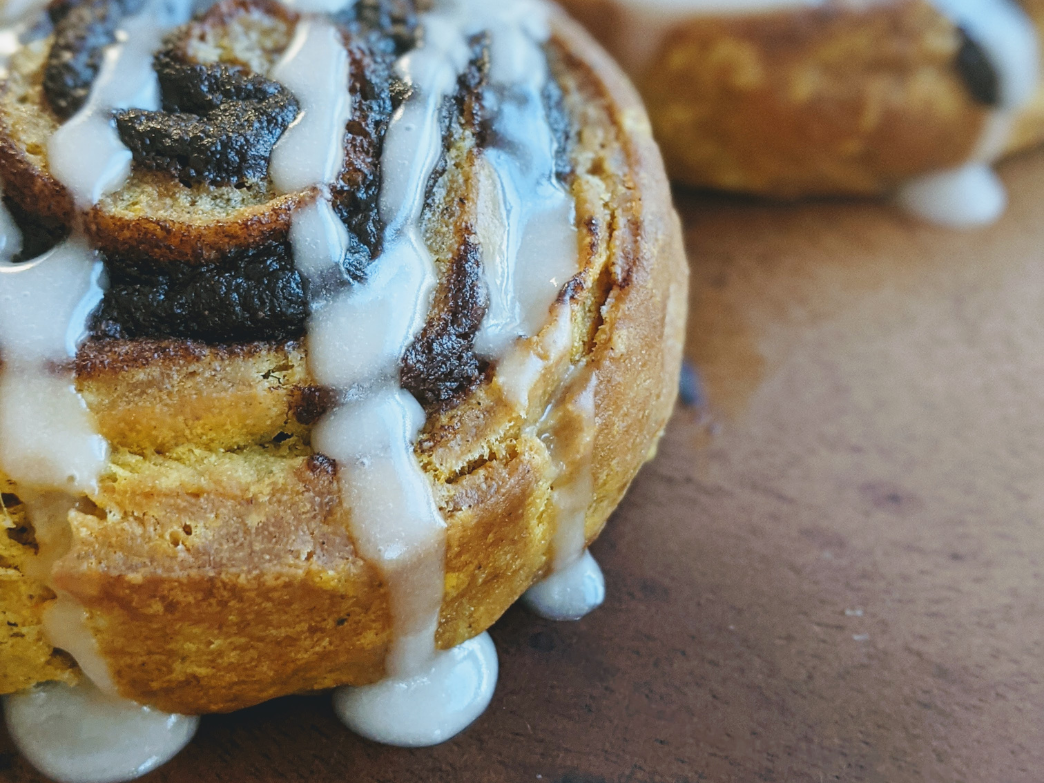
What’s Better: Sticky Bun vs. Cinnamon Rolls vs. Cinnamon Buns
By Lucy Yanckello, Ph.D. Wildgrain, opens in a new tab is the first bake-from-frozen subscription box for sourdough breads, fresh pastas, and artisanal pastries. People across the world love desserts that contain cinnamon, such as cinnamon buns, cinnamon rolls, and sticky buns. When sticky buns or cinnamon rolls are on the breakfast table, it may be hard to tell them apart, because you’re likely distracted by their delicious smell wafting up. Ever wonder what the difference is between the sticky buns and cinnamon rolls? Let’s find out! What is a sticky bun? Where do sticky buns originate from? Sticky buns, opens in a new tab (also referred to as honey buns or caramel buns) originated in Germany. Sticky buns were introduced to Americans by the Pennsylvania Dutch settlers as a sweet breakfast bread filled with brown sugar, nuts, and sometimes cinnamon. Sticky buns are made by first pouring a glaze into a baking dish and then placing the buns on top of the glaze. Once baked, the pan is inverted and the gooey delicious glaze is now on top of the sticky buns. What is a cinnamon roll? What is the inside of a cinnamon roll made of? Cinnamon rolls, opens in a new tab (also referred to as cinnamon buns and cinnamon swirls) are believed to have originated in Sweden and then made their way to the United States. To make cinnamon rolls, a mixture of cinnamon, sugar, and butter is spread onto a flat sheet of sweet dough. The dough is then rolled up, making the classic cinnamon roll shape. The inside of a cinnamon roll is made of that mixture of cinnamon, sugar, and butter. After baking, cinnamon rolls are typically finished with a sweet glaze. Can cinnamon rolls be healthy? Though cinnamon rolls, opens in a new tab are not particularly healthy desserts, cinnamon rolls can be a sweet treat as part of a healthy diet. One of the main health issues with cinnamon rolls is the high level of butter and therefore saturated fat. Saturated fats should be limited to 5% to 6% of daily caloric intake, according to the American Heart Association. To make a healthier cinnamon roll, try substituting butter with plant-based butter to decrease the amount of saturated fats in the recipe. Plant-based butters also contain higher levels of monounsaturated and polyunsaturated fats. which can lower risk of heart disease and stroke when eaten in moderation. Is a sticky bun the same as a cinnamon roll? What’s the difference between cinnamon rolls vs. sticky buns? A sticky bun, opens in a new tab and a cinnamon roll, opens in a new tab are not the same. First, the baking methods for sticky buns and cinnamon rolls are different. The dough used to bake sticky buns is filled with a mixture of butter and brown sugar, and then placed in a pan on top of a layer of a glaze and nuts. Once baked, the pan is inverted so the sticky glaze and nuts are on top of the sticky buns. In contrast, the glaze on cinnamon rolls is added only after the rolls are fully baked. In addition, two main ingredients are different between sticky buns and cinnamon rolls: nuts and cinnamon. Sticky buns traditionally include a nut topping, and cinnamon rolls do not have nuts. Though sticky buns may contain cinnamon, they do not always contain the spice, whereas cinnamon rolls always contain cinnamon (as the name implies). As a result, sticky buns have a more nutty and toffee-like taste compared to cinnamon rolls, which are more sugar-and-spice forward. What is the difference between cinnamon buns vs. cinnamon rolls vs. cinnamon swirls? Although cinnamon buns, rolls, and swirls all have very distinct names, there is no difference between cinnamon buns, cinnamon rolls, and cinnamon swirls. These three names are all used interchangeably referring to what we have described as cinnamon rolls in this article. Choose your favorite name, either way, it will be referring to a delicious treat! Where can I buy sticky buns or cinnamon rolls online? At Wildgrain, opens in a new tab, we specialize in making high-quality, fresh baked goods that are delivered directly to your door. Wildgrain is the first bake-from-frozen delivery subscription service for breads, pastries, and fresh pastas. Some of our popular baked goods include pecan sticky buns, opens in a new tab and cinnamon rolls, opens in a new tab. Learn more about Wildgrain, opens in a new tab and our artisanal baking and cooking methods. Best Pastry Home Delivery Service: How Wildgrain's Pastry Delivery Works Wildgrain's pastries are prepared in independent, artisanal bakeries with high quality ingredients. The pastries are shipped frozen in insulated boxes and delivered direct to your home, anywhere nationwide. By shipping frozen, Wildgrain products maintain the highest quality, so you can enjoy fresh pastries at home. That's why customers consider Wildgrain among the best home delivery services for pastries. About the Author Lucy Yanckello received her Ph.D. in nutrition from the University of Kentucky College of Medicine. She currently works as a medical writer and enjoys being able to help people better understand nutrition and science. This content is for informational use only and does not replace professional nutrition and/or medical advice, diagnosis or treatment. It is not a substitute for and should not be relied upon for specific nutrition and/or medical recommendations. Please talk with your doctor about any questions or concerns.
Learn more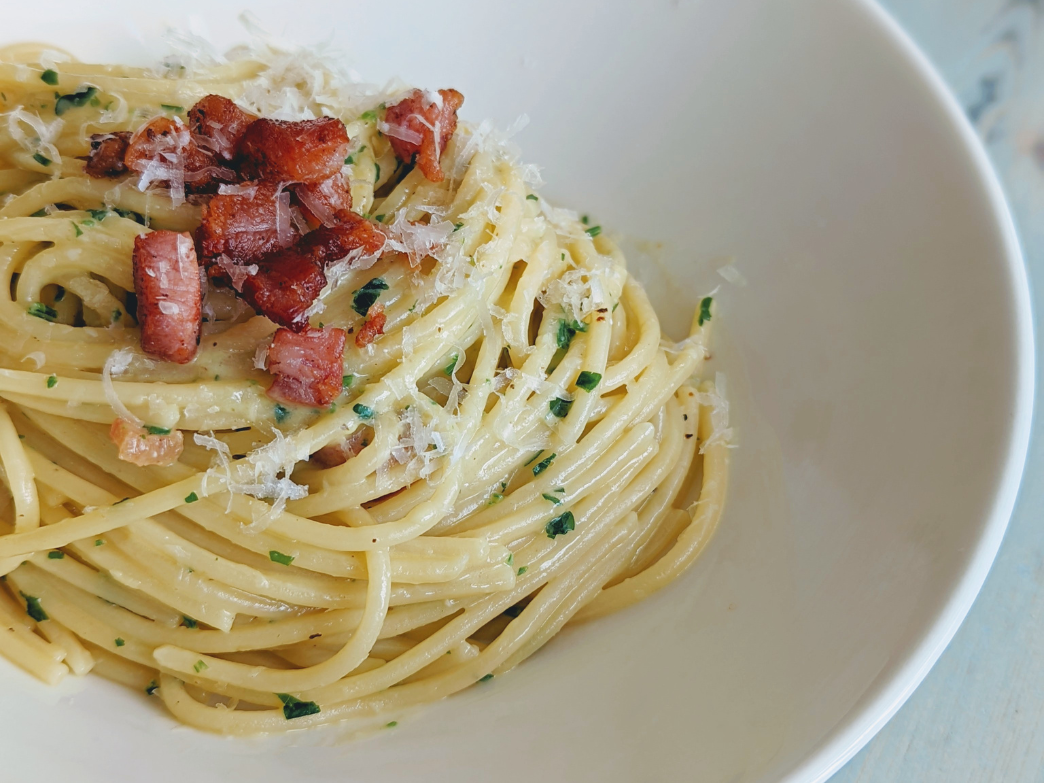
Tonnarelli vs. Fettuccine vs. Linguine Tortellini vs. Spaghetti
By Lucy Yanckello, Ph.D. Wildgrain, opens in a new tab is the first bake-from-frozen subscription box for sourdough breads, fresh pastas, and artisanal pastries. Pasta comes in many forms and each pasta type is unique, varying in terms of width, length, and texture. Let’s learn about several classic pasta types, including tonnarelli, fettuccine, tortellini, and spaghetti. What is tonnarelli pasta? How is tonnarelli pasta made? Tonnarelli pasta is a long noodle similar to the classic spaghetti noodle. Traditionally, tonnarelli is made by a tool called a La Chitarra (which means guitar in Italian); it’s made from strings stretched across a wooden frame. A sheet of pasta is placed on top of the strings and a pin is then rolled over the pasta, creating the thin, long tonnarelli noodles with a square cross section. What popular dish can you make with tonnarelli pasta? Cacio e pepe, meaning “cheese and pepper,” is one of the most famous dishes in Roman culture. Traditionally, cacio e pepe involves just three ingredients: peppercorns, Pecorino Romano cheese, and tonnarelli. The thicker width and square shape of tonnarelli makes it perfect for this peppery cheese sauce. Tonnarelli pasta is easy to find in stores in Rome of course, but in the United States, tonnarelli is much easier to find online, especially from companies like Wildgrain, opens in a new tab. What is fettuccine? Pasta shapes were first made by hand in Italy, and fettuccine is one of the first types of those pasta shapes. To make fettuccine, opens in a new tab, flat sheets of pasta are cut into ribbon-shaped strands known as fettucce. Because fettuccine is thicker than other long noodles, it is great to pair with robust sauces, like the cream-based Alfredo sauce. What is tortellini? What is tortellini filled with? Tortellini, opens in a new tab is a filled pasta in a distinctive ring shape and is one of the more well-known Italian pastas. Tortellini can be filled with a variety of ingredients; traditionally it’s filled with cheese and meats, such as pork or beef, but tortellini can also be filled with vegetables, such as spinach, as well. Tortellini is often served in a broth, but also it pairs well with cream or tomato-based sauces. What is the difference between tonnarelli and spaghetti? The difference between tonnarelli, opens in a new tab and spaghetti is the thickness and cross section of the noodles. Tonnarelli is a thicker noodle than spaghetti. Additionally, the cross section of tonnarelli is square, instead of round like spaghetti. Spaghetti comes from the word spaghi, which means “lengths of a cord”. What is the difference between tonnarelli vs. bucatini? Bucatini is a long pasta that is similar to tonnarelli, opens in a new tab. The difference between bucatini and other long pasta shapes, such as tonnarelli, is that bucatini has a hollow center. Buco translates to “hole” in Italian. While tonnarelli is best paired with creamy sauces, tomato-based sauces work best with bucatini. What is the difference between spaghetti noodles and fettuccine? Whereas spaghetti is round and cylindrical (spaghi meaning length of a cord in italian), fettuccine, opens in a new tab is flat and wider, more similar to a ribbon shape. Although fettuccine pairs well with creamy sauces such as alfredo, the wide nature of the noodles allows it to also fit well in dishes that call for other types of robust sauces that include ingredients such as meat, seafood, or vegetables. Spaghetti and fettuccine are both very versatile in terms of the sauces that the noodles can handle. Fettuccine and spaghetti are interchangeable in most recipes depending on what you have on hand. What is the difference between tortellini and tortelloni? Both tortellini, opens in a new tab and tortelloni are stuffed Italian pastas in the shape of a ring. Tortelloni is a larger-sized pasta than tortellini. The main flavor difference between tortellini and tortelloni is the traditional stuffing used in each. Tortelloni is filled with a vegetarian mixture, often ricotta cheese mixed with vegetables or pumpkin. In contrast to tortelloni’s vegetarian stuffing, tortellini has a meat based filling. In addition, tortellini and tortelloni are often prepared differently. Tortellini is traditionally served in broth while tortelloni is typically served with melted butter, sage, or a ragu sauce. Where can I buy tonnarelli pasta? Fettuccine pasta? Tortellini pasta? At Wildgrain, opens in a new tab, we specialize in making high-quality, fresh pastas that are delivered directly to your door. Wildgrain is the first bake-from-frozen delivery subscription service for breads, pastries, and fresh pastas. Some of our popular pastas include cheese tortellini, opens in a new tab, fresh fettuccine, opens in a new tab, and fresh tonnarelli. Learn more about Wildgrain, opens in a new tab and our artisanal baking and cooking methods. Best Pasta Home Delivery Service: How Wildgrain's Pasta Delivery Works Wildgrain's pastas are prepared in independent, artisanal bakeries with high quality ingredients. The pastas are shipped frozen in insulated boxes and delivered direct to your home, anywhere nationwide. By shipping frozen, Wildgrain products maintain the highest quality, so you can enjoy fresh pasta at home. That's why customers consider Wildgrain among the best home delivery services for pasta. About the Author Lucy Yanckello received her Ph.D. in nutrition from the University of Kentucky College of Medicine. She currently works as a medical writer and enjoys being able to help people better understand nutrition and science. This content is for informational use only and does not replace professional nutrition and/or medical advice, diagnosis or treatment. It is not a substitute for and should not be relied upon for specific nutrition and/or medical recommendations. Please talk with your doctor about any questions or concerns.
Learn more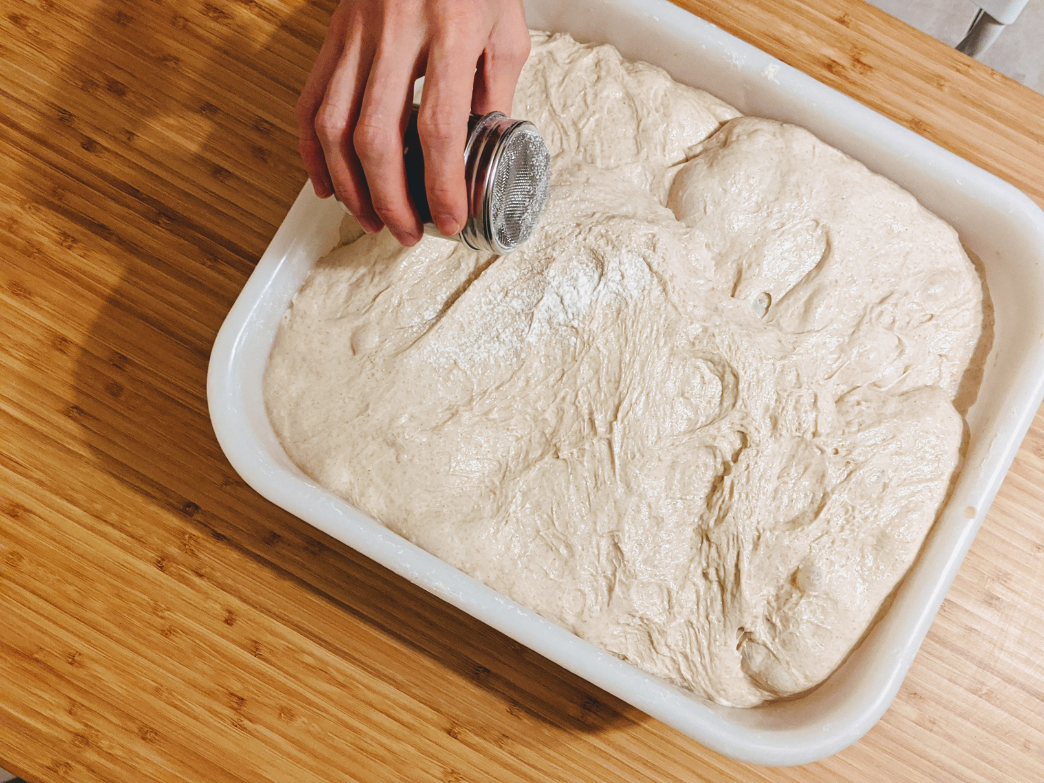
Alternative Bread Flours: Wheat Flour vs. Oat Flour vs. Barley Flour vs. Rye Flour vs. Spelt Flour
By Rikki Hoffman, RDN, CDN Wildgrain, opens in a new tab is the first bake-from-frozen subscription box for sourdough breads, fresh pastas, and artisanal pastries. Bread is a staple in our diets. As people become more health conscious, we are always looking to find out more about the ingredients we use in our foods and to make sure they are the healthiest they can be. In this article, we discuss some healthy bread flours. What are alternative flours for baking bread? Are there healthy substitutes for all-purpose flour in bread? Some common flours that are used in baking bread include flours made from wheat, oat, barley, rye, and spelt. Any of these flours can be refined (e.g. white flour) or whole grain. Whole grain flour is made using the entire grain, which means the nutrients remain intact. White flour is stripped of the nutritious parts of the grain and is generally considered to be less healthy. All-purpose flour is made using wheat that has been refined and is considered to be white flour. When used in their whole grain form, wheat, oat, barley, rye, and spelt are all healthy substitutes for all-purpose flour in bread. What is the difference between wheat flour vs. oat flour vs. barley flour vs. rye flour vs. spelt flour? Each of these grains contain a different mix of nutrients. Whole grain rye flour contains the least calories and the most fiber of the above flours, but also contains more carbs, less protein, and less iron than the other flours.Whole grain oat, wheat, and spelt flours are the most similar flours and contain similar nutrient compositions. Whole grain barley is a lower-calorie flour, but also contains less protein, less iron, and less folate than the other flours. Despite their subtle differences, all of these grains contain a good amount of nutrients, and all are considered healthy flours. What’s the best substitute for regular white flour in bread: wheat flour or barley flour or oat flour or rye flour or spelt flour? Whole grain wheat, barley, oat, rye, and spelt flours are all wonderful substitutes for regular white flour. These whole grain flours all contain large amounts of antioxidants, essential vitamins and minerals, and significant amounts of fiber and protein. Whole grain wheat flour, barley flour, oat flour, rye flour, and spelt flour have been shown in studies to help lower cholesterol, keep blood sugar more stable in diabetics, keep you feeling full longer, and aid in weight loss when compared with regular white flour. What is the healthiest bread flour for you: rye or barley or spelt or oat or wheat flour? The healthiest bread flour is 100% whole grain flour. Whole grain flour could be rye, barley, spelt, oat, or wheat flour - the key is that the flour is made from 100% whole grains. Whole grain breads provide essential nutrients that are lacking in bread made from white flour. To make sure your bread is made with mostly whole grains, look for “whole” in the first ingredient (or the second ingredient after water). Which substitute bread flour is best for diabetics and glycemic index? Oat flour may be the best bread flour for diabetics. Oats contain a type of fiber called beta glucans, which has been shown to help lower blood sugar in diabetics. The glycemic index rates foods that contain carbohydrates with a number corresponding to how that food affects a diabetic’s blood sugar. Oats have a low glycemic index, often making whole grain oat flour a good choice for diabetics. Can substitute bread flours help you lose weight or keep a diet? Choosing bread with whole grain flour instead of white (or refined) flour can be helpful when you are trying to lose weight or keep to a diet. Whether it is made from wheat, rye, barley, spelt, or oats, whole grain flour contains fiber. Fiber helps keep you full longer, which makes it easier to stick to a diet. Wildgrain: Try Healthy Breads Interested in trying new baked goods made with healthy wheat flours? Wildgrain, opens in a new tab is the first bake-from-frozen delivery subscription service for breads, pastries and fresh pastas. Some of our more popular breads include Whole Wheat Flour Sourdough, opens in a new tab, Sourdough Rye Loaf, opens in a new tab, and Sourdough 7-Grain Loaf, opens in a new tab. Learn more about Wildgrain, opens in a new tab and our artisanal baking methods. Best Bread Home Delivery Service: How Wildgrain's Bread Delivery Works Wildgrain's breads are prepared in independent, artisanal bakeries with high quality ingredients. The breads are shipped frozen in insulated boxes and delivered direct to your home, anywhere nationwide. By shipping frozen, Wildgrain products maintain the highest quality, so you can enjoy fresh baked breads at home. That's why customers consider Wildgrain among the best home delivery services for bread. About the Author Rikki Hoffman, RDN, CDN has been a registered dietitian for ten years, working primarily with patients who have kidney disease. She also has a private practice which focuses on helping clients achieve lifestyle and weight loss goals. She graduated with a Bachelor's in Dietetics from Rutgers University and did her Dietetic Internship at Montclair State University. This content is for informational use only and does not replace professional nutrition and/or medical advice, diagnosis or treatment. It is not a substitute for and should not be relied upon for specific nutrition and/or medical recommendations. Please talk with your doctor about any questions or concerns.
Learn more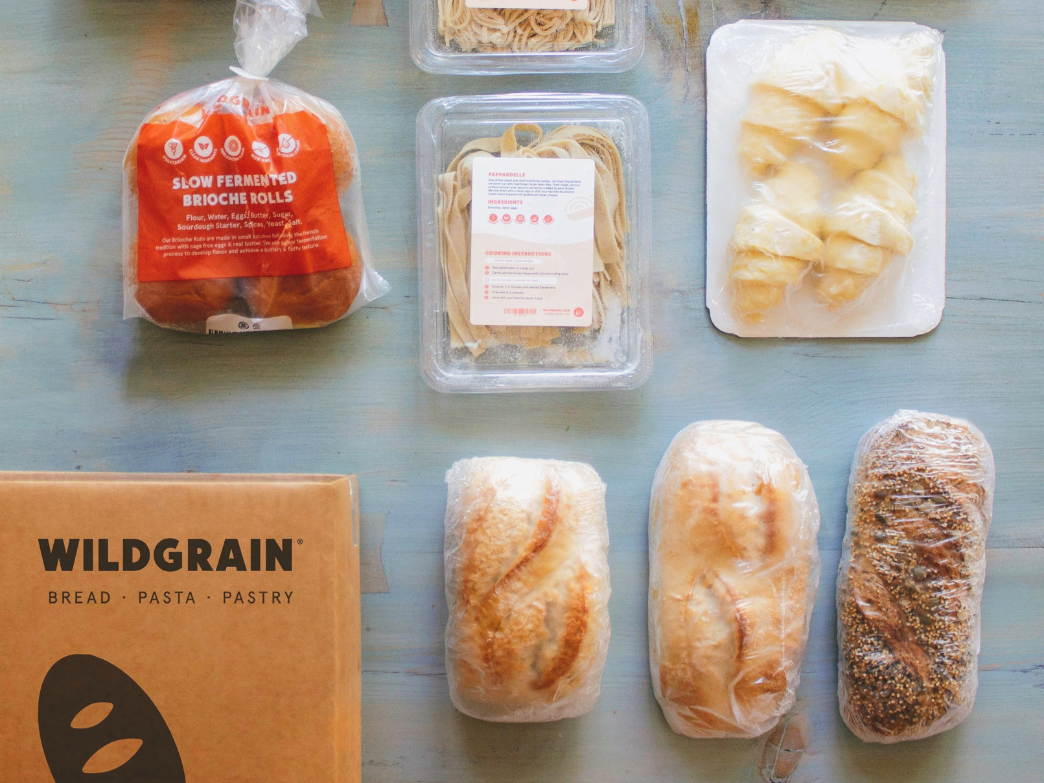
Frozen Bread vs. Fresh Bread vs. Par Baked Bread vs. Storebought Bread
By Lucy Yanckello, Ph.D. Wildgrain, opens in a new tab is the first bake-from-frozen subscription box for sourdough breads, fresh pastas, and artisanal pastries. Not much is better than the smell of bread baking in the oven, or the first bite into a warm slice. If a poll was taken between fresh baked bread or store bought bread, it is likely that fresh baked bread would win in a landslide! Luckily, due to the advent of freezers and other technologies, it is not necessary to go through the labor of making bread from scratch in order to enjoy delicious fresh bread. Par baked breads and frozen breads are great options that give the same satisfaction as homemade bread. What is par baked bread? What is the advantage of using par-baked bread? Par baked bread is also known as partially baked dough. As the name implies, par baked bread uses a shorter initial baking time than cooking bread all the way through. The bread is removed from the oven before the inside is fully baked and the crust has a chance to brown. The par baked bread can then be frozen and stored under freezing conditions, or can be immediately packaged in modified atmosphere packaging, making it shelf stable at room temperature. This is the same technique used for things like meats and vegetables at the grocery store. Once ready to consume, the par baked bread just needs to be put back in the oven to complete the baking process and achieve the crust that we all know and love. The advantage of par baked bread is that the time it takes to then finish the bake is much quicker than the time it takes for bread to bake from dough. Par baked breads are typically “finished off” by baking for an additional 15 to 20 minutes, though the exact time varies by product and home oven. For example, the par baked Go to slow fermented olive oil ciabatta takes 20 to 22 minutes to bake while the Wildgrain Plain Sourdough Loaf, opens in a new tab takes 18 to 24 minutes. Par baked breads are sold in grocery stores and even online, then finished at home to have fresh made bread without the mess of making bread from scratch. What is frozen bread? Why should I use frozen bread? Bread is often frozen to preserve freshness or extend shelf life. Fresh bread loaves from a bakery or from home can particularly benefit from being frozen because they have little to no preservatives added, so they otherwise would have a very short shelf life. Frozen bread should not be defrosted before baking, as this can make it go stale. Instead, frozen bread should be placed directly in the oven from the freezer. What is the difference between frozen bread vs. fresh bread vs. par baked bread vs. store bought bread? Fresh bread is the gold standard when comparing breads. However, par baked and frozen breads are not far off. Once finished off with the rebaking step, par baked breads are very similar to freshly baked bread. Additionally, bread that has been frozen after it is fully baked in order to preserve freshness can also resemble fresh baked bread after rewarming. Once frozen bread is reheated at a low temperature to fully defrost, frozen bread regains much of the characteristics of fresh baked bread. Store bought bread is of course the easiest as it comes ready to eat - no need to knead, proof, bake, or re-bake. However, store bought bread has additional preservatives to increase shelf life and excessive amounts of yeast, which produces the soft, light texture characteristic of store bought bread. Although store bought bread is more convenient, it is not as satisfying as fresh bread, frozen par baked bread, or even frozen fully baked bread. What is the best bread: frozen bread vs. store bought bread vs. par baked bread vs. fresh bread? Depending on your needs and the amount of time you have, each type of bread has its pros and cons. Store bought bread is convenient as it is ready to consume. However, frozen par baked bread and frozen fully baked bread are close in terms of convenience, only taking an extra 15 to 25 minutes to get bread that is as similar to freshly baked bread as you can get without the work. Fresh bread is time consuming and labor intensive, but also rewarding and delicious. How long does par baked bread last in the freezer? Par baked bread is fresh bread that is partially baked then immediately frozen to finish baking later. The advantage of par baked bread is that it can last in the freezer for a long time and can be warmed when needed. Par baked bread can last up to 12 months in the freezer. Can you freeze par baked baguettes? Yes, you can freeze par baked baguettes, just like any other type of par baked bread. Par baked baguettes can stay in the freezer for up to 12 months. To prepare par baked baguettes, put the baguette directly into the oven at a low temperature for about 15 to 20 minutes without thawing first. Then enjoy! What is the best par baked bread? What is the best frozen bread? Interested in having fresh bread at home without the work of making bread from scratch? Wildgrain, opens in a new tab is the first bake-from-frozen delivery subscription service for par baked breads, pastries, and fresh pastas. Some of our more popular breads include Whole Wheat Sourdough Loaf, opens in a new tab and Sourdough 7-Grain Loaf, opens in a new tab. Learn more about Wildgrain, opens in a new tab and our artisanal baking methods. Best Bread Home Delivery Service: How Wildgrain's Bread Delivery Works Wildgrain's breads are prepared in independent, artisanal bakeries with high quality ingredients. The breads are shipped frozen in insulated boxes and delivered direct to your home, anywhere nationwide. By shipping frozen, Wildgrain products maintain the highest quality, so you can enjoy fresh baked breads at home. That's why customers consider Wildgrain among the best home delivery services for bread. About the Author Lucy Yanckello received her Ph.D. in nutrition from the University of Kentucky College of Medicine. She currently works as a medical writer and enjoys being able to help people better understand nutrition and science. This content is for informational use only and does not replace professional nutrition and/or medical advice, diagnosis or treatment. It is not a substitute for and should not be relied upon for specific nutrition and/or medical recommendations. Please talk with your doctor about any questions or concerns.
Learn more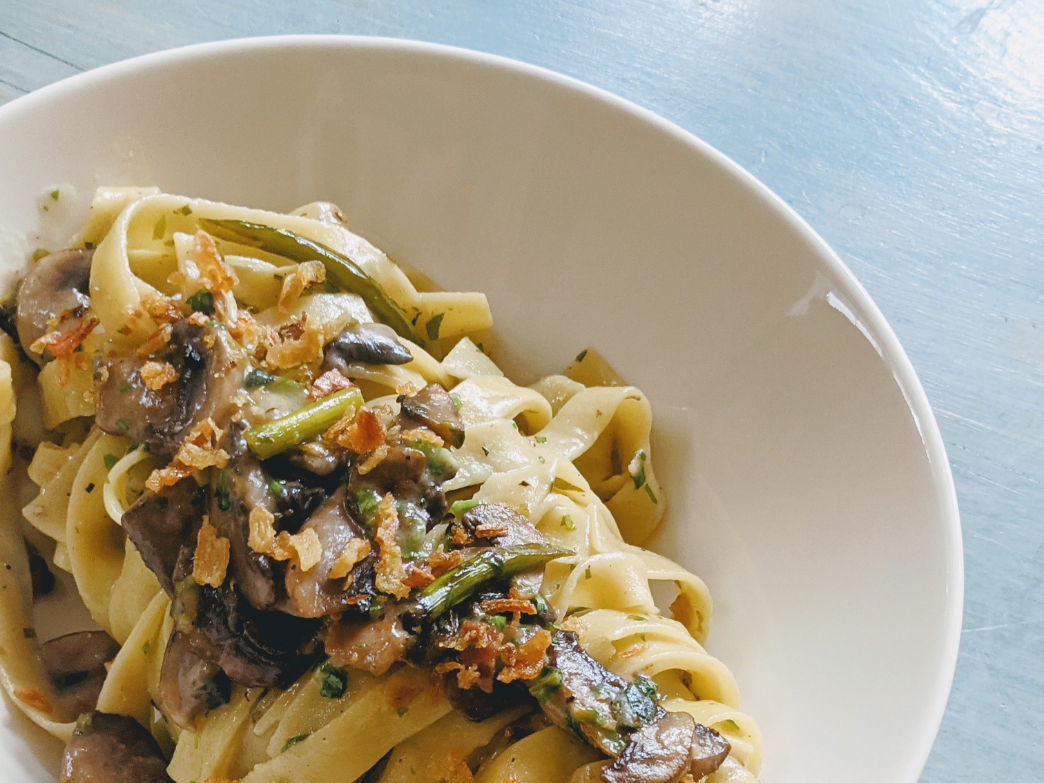
Fresh vs. Dry vs. Frozen vs. Store Bought vs. Homemade Pasta
By Lucy Yanckello, Ph.D. Wildgrain, opens in a new tab is the first bake-from-frozen subscription box for sourdough breads, fresh pastas, and artisanal pastries. In the United States, dried pasta is a pantry staple. As the base of spaghetti and meatballs, mac and cheese, or pasta salad, boxes of various shapes of pasta line the pantries of American consumers. Most people certainly do not have the time to make fresh pasta, so dried pasta is a quick and easy alternative. Just as certain shapes of pasta are better suited for specific dishes, dry, fresh, and frozen pasta all have their place in cooking. Each pasta can be used in any recipe; however, it’s important to consider how flavors and textures will alter the final dish. What is the difference between fresh pasta vs. dry pasta vs. frozen pasta? Fresh pasta is made with eggs, flour (most often a type of flour called semolina flour), and water or olive oil. Extra ingredients, such as pureed spinach or spices (e.g. paprika), are sometimes added to color the dough. Fresh pasta dough is kneaded and flattened (either with a rolling pin or a pasta machine) depending on the desired thickness of the pasta. The fresh pasta sheets are then passed through a cutting machine or can be hand cut to create various sizes and shapes. Fresh pasta is perishable, so it must be either cooked immediately or stored in the refrigerator. Dried pasta is made with water and semolina flour. These ingredients are mixed together, which creates a dough that is crumbly in texture. The dough is then pressed through a machine called an “extruder” that creates the desired shape, like elbows or farfalle. Once pressed into its shape, the pasta is dried for several days in order for the moisture to evaporate. This creates a shelf-stable dried pasta that can last for years. Frozen pasta is usually used to lock in the flavor of stuffed pastas such as ravioli, lasagna, or tortellini. Frozen pasta can be found in supermarket freezer sections. Frozen pasta can be either frozen fresh pasta or frozen cooked pasta. What is dried pasta? What is the difference between dried pasta and fresh pasta? Dried pasta and fresh pasta vary based on ingredients, texture, cooking time, and shelf life. In terms of ingredients, dried pasta is made with water and semolina flour. Fresh pasta is made with eggs, flour (often semolina flour), and water or olive oil. The texture of cooked dried pasta is different from the texture of cooked fresh pasta. Dried pasta is typically cooked to a texture known as al dente or “to the tooth” in Italian, giving it a chewy texture that holds up in sauces. Fresh pasta is softer than dried pasta, and as a result cannot be cooked to the al-dente stage. Instead, because fresh pasta has more moisture than dried pasta, the cooked texture of fresh pasta is soft and springy, not “al dente.” The cooking time of fresh pasta is also different from the cooking time of dried pasta. Fresh pasta cooks much quicker than dried pasta. The absolute cooking time depends on the thickness of the pasta; some thin, fresh pastas can cook in under 2 minutes. Dried pasta cooking time depends on the shape and size of the noodle, with most dried pastas taking anywhere from 8 to 12 minutes. Dry pasta can last for years if stored in a cool dark place, like a pantry. The drying process removes all the moisture in the pasta, so bacteria and mold cannot grow in the pasta. While dried pasta can last for years, fresh pasta is only good for about 2 to 3 days. Is frozen pasta as good as fresh pasta? Frozen pasta can taste just as good as fresh pasta, if handled properly. The best frozen pasta is fresh pasta that is frozen immediately after it is made. If sealed correctly to avoid freezer burn, frozen pasta can last for years. When you are ready to use your frozen pasta, most frozen pastas need to be defrosted for about 24 hours. Frozen pasta from Wildgrain, like our Cheese Tortellini, opens in a new tab and Fresh Fettuccine, opens in a new tab on the other hand, can be cooked directly from the freezer. If properly frozen and stored, there will be little difference between frozen fresh pasta and fresh pasta made that day. Is frozen fresh pasta better than dried pasta? Both freezing pasta and drying pasta make storing pasta possible for longer periods of time. The main difference between frozen pasta and dried pasta is the type of pasta typically used for each preservation technique. Frozen pasta is typically used to store stuffed pastas, like ravioli or tortellini. Casseroles made with pasta and cheese, like lasagna, which cannot be preserved by drying, can also be frozen. In contrast, the technique of drying pasta is used when pasta does not contain fillings or toppings. When properly stored and prepared, frozen fresh pasta is not necessarily better than dried pasta. Can you freeze fresh pasta? What is the best way to store fresh pasta, freeze pasta, or dry pasta? Yes, fresh pasta can be frozen, and there’s only a few steps needed to freeze pasta at home. First, leave the fresh pasta on a baking sheet to air dry after it is cut; this is to prevent pasta from sticking to itself. Once the pasta has dried slightly, transfer it to airtight containers or bags and remove any excess air before placing in the freezer. Fresh pasta that is frozen at home can be stored in the freezer for around 8 months. Another way to make your fresh pasta last more than a couple days is to dry it. In order to dry fresh pasta, leave the pasta out for around 12 to 24 hours in a dry, sunny environment. Once the fresh pasta is dried, the dried pasta will last in an airtight container for around 2 to 6 months, as long as it’s not exposed to extreme temperatures. Because of the longer shelf life, it is best to store fresh pasta by freezing instead of drying fresh pasta if you’re deciding which method to use at home. However, fresh pastas like ravioli and tortellini can only be stored by freezing and cannot be dried. What is the best pasta: fresh pasta or dry pasta or frozen pasta or store-bought pasta or homemade pasta? Pasta has versatility not only in its shape but also in how it can be prepared, stored, and cooked. Because pasta has so few ingredients, there are only a few differences between fresh, dry, homemade, and store-bought pasta. Homemade pasta can be modified in a way that store-bought pasta, dry pasta, and frozen pasta cannot. In homemade pasta, eggs can be added or removed (for example, if you are a vegan), flour can be substituted (e.g. whole wheat or gluten free), and other ingredients can be added such as spinach or spices to color and flavor the dough. However, because grocery stores carry just about everything under the sun, if you don’t have time to make your own pasta, any of these modifications can likely be found in store-bought pastas. Dry and fresh pasta also serve different purposes in cooking. Dry pasta goes better with richer, heartier sauces because it can be cooked al dente. This extra texture allows dry pasta to hold up better to these types of sauces. Additionally, dry pasta is better for dishes such as lasagnes, casseroles, and soups because it can withstand the long cooking time. Fresh pasta does best with sauces that are more delicate, such as carbonara, marinara, or pesto. Fresh pasta doesn’t stand up well in baked recipes or meals that will have leftovers because it turns gummy when reheated. That being said, in most recipes, fresh pasta can be substituted for dry pasta and vice versa. Want to try fresh pasta at home without the work? At Wildgrain, opens in a new tab, we specialize in making high quality, fresh pastas that are then delivered directly to your door. Wildgrain is the first bake-from-frozen delivery subscription service for breads, pastries and fresh pastas. Some of our popular pastas include cheese tortellini, opens in a new tab, fresh fettuccine, opens in a new tab, and fresh tonnarelli, opens in a new tab. Learn more about Wildgrain, opens in a new tab and our artisanal baking and cooking methods. Best Pasta Home Delivery Service: How Wildgrain's Pasta Delivery Works Wildgrain's pastas are prepared in independent, artisanal bakeries with high quality ingredients. The pastas are shipped frozen in insulated boxes and delivered direct to your home, anywhere nationwide. By shipping frozen, Wildgrain products maintain the highest quality, so you can enjoy fresh pasta at home. That's why customers consider Wildgrain among the best home delivery services for pasta. About the Author Lucy Yanckello received her Ph.D. in nutrition from the University of Kentucky College of Medicine. She currently works as a medical writer and enjoys being able to help people better understand nutrition and science. This content is for informational use only and does not replace professional nutrition and/or medical advice, diagnosis or treatment. It is not a substitute for and should not be relied upon for specific nutrition and/or medical recommendations. Please talk with your doctor about any questions or concerns.
Learn more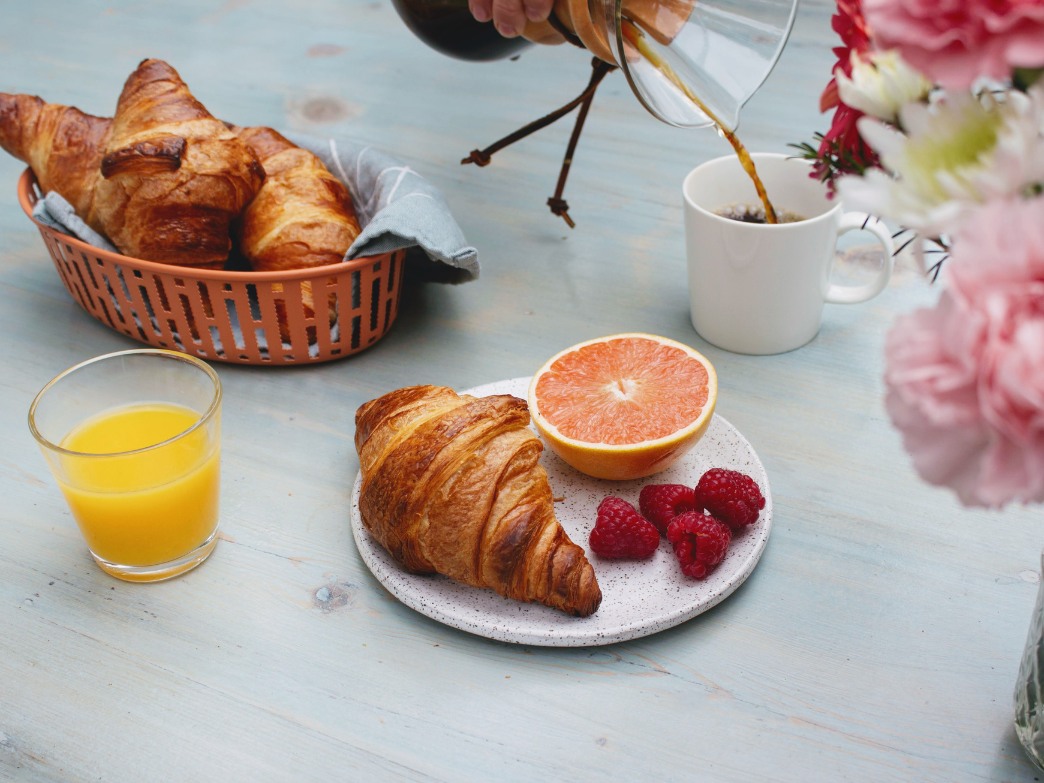
Best Pastries: French vs. Italian vs. German vs. American vs. British Pastry
By Lucy Yanckello, Ph.D. Wildgrain, opens in a new tab is the first bake-from-frozen subscription box for sourdough breads, fresh pastas, and artisanal pastries. What are popular types of German pastries? Although Germany is usually known for beer and sausages, pastries are also popular in Germany. In fact, there are two types of German bakeries, one for bread (Backerei) and one for cakes and pastries (Konditorei). A common German tradition is “coffee and cake” (Kaffee und Kuchen), similar to the British tradition of teatime. This tradition brings families together in the mid-to-late afternoon to enjoy coffee and sweets, typically homemade baked goods or pastries from the local corner bakery. There are many popular pastries in Germany, including the franzbrötchen and the Berliner pfannkuchen. Franzbrotchen is a sweet pastry similar to a cinnamon roll, opens in a new tab. After being folded multiple times, it is filled with cinnamon and sugar and glazed with butter, leading to a sticky, caramelized surface. This pastry is usually served for breakfast, but is sometimes enjoyed during “coffee and cake” time. It is likely this German franzbrotchen pastry was inspired by French pastries, like the croissant, opens in a new tab. The Berliner pfannkuchen is thought to be the first European-style donut, prepared with a yeasted dough that is deep fried. This process creates a crispy outside and a soft, airy inside. These pastries are often filled with jam and dusted with powdered sugar; theymay also be filled with vanilla or chocolate custard. What are popular types of Italian pastries? Pastries and desserts hold an important place in not only the cuisine in Italy, but also in Italian culture. Many Italian pastries are associated with religious festivals and holidays in the country, and often signify love and appreciation for friends and family members. In fact, it is traditional in Italy to bring the hostess pastries as a gift when visiting friends or family. Two of the most popular Italian pastries are cannoli and sfogliatelle. Cannoli are pastry tubes that are deep fried and then filled with various types of creams. Cannoli are often filled with sweetened ricotta cheese cream, and originally hail from Sicily, where they are still very popular. Cannoli are often prepared for Carnival, the festival before the beginning of Catholic Lent. Sfogliatella is a pastry made with many layers of paper-thin dough that is arranged in the shape of a clam, with a pocket in the middle. This pocket may be filled with a cream made with ricotta and candied fruit. Foglia, meaning leaf in Italian, is meant to describe the layers of pastry dough that resemble flaky leaves. What are popular types of French pastries? France is known worldwide for its pastries. The art of patisserie in French culture started with the desire to have something sweet following a meal. Traditional cheese and fruits served after a meal did not satisfy sweet cravings, and thus the development of French pastries began. Many popular French pastries are made from one of two types of dough: puff pastry and choux pastry. Croissants, opens in a new tab, arguably the most well-known French pastry, are made from puff pastry, as are millefeuilles (Napoleans). While choux pastry is the base of other types of French pastries, like profiteroles (cream puffs) and eclairs. Puff pastry is a flakey pastry made from creating layers of butter and dough before baking. Gaps then form between the layers as the butter melts and turns to steam, creating the flakey texture typical of croissants. Croissants are sometimes filled with jam, chocolate, or raisins. They are sold fresh and mainly consumed for breakfast. Millefeuilles is a flakey pastry that consists of layers of puff pastry alternated with fillings such as jam, whipped cream, or custard. Millefeuilles is often topped with almond, vanilla, or chocolate icing. The name millefeuille is translated as “a thousand leaves.” Choux pastry is a bit different than most doughs. There is no raising agent, but instead, the high moisture content of the dough is used to puff the pastry. As the water content creates steam and evaporates, it creates a hollow center, perfect for filling. Two common French pastries made from choux pastry are profiteroles and eclairs. Profiteroles are shaped like small puffs with a crispy exterior covered with chocolate. They are filled with whipped cream, custard, or vanilla ice cream. Eclairs are made into an elongated shape, allowing for a soft doughy interior that is filled with custard. What are popular types of British pastries? Pastries play an important role in British culture as a part of tea time. Tea time was started in the 1800’s by the upper class in Britain. It is typically enjoyed as a late afternoon meal consisting of teas, along with light sandwiches, fruit, and pastries. There are numerous pastries popular in Britain that are enjoyed at tea time including tarts and scones. Tarts are a baked dish with a shortcrust pastry base filled with custard and fruit. Although tarts are not uniquely British, varieties such as custard tarts, Manchester tarts (filled with custard and raspberry jam), and Bakewell tarts (filled with almond paste and jam) are. Scones, opens in a new tab are a dense baked good that uses baking powder as a leavening agent instead of yeast. Scones are often sweetened slightly, and glazed with an egg wash. In Britain, scones may contain raisins, currents, or dates. Scones are typically enjoyed with jam and clotted cream. What are popular types of American pastries? Just like the United States itself, American pastries tend to be a melting pot in terms of influences from the rest of the world. Two of the most popular pastries in the United States, donuts and pie, have roots in various cultures across the globe. A donut is a yeasted dough that is deep fried, creating a soft airy texture. Donuts can have a hole in the middle (ring donut) or be filled with jam, custard, or cream. Typically ring and filled donuts will have a glaze on top, but may also be covered in powdered sugar or other toppings. You can find some form of fried dough dessert in almost every culture, making it hard to pin down the origins of the donut in the United States. The most likely origin of donuts can be traced to Dutch settlers in the 1700s when they were called olykoek (oil cake). Pie is a baked dish made of pastry dough. It can contain various fillings including fruit, nuts, sugar, and custard. Pie made its way to the United States with the first settlers from England and the Netherlands. Two of the most popular American pies are apple pie and pumpkin pie. How are American pastries different vs. European pastries? Countries such as Germany, Italy, Britain, and France have pastries unique to their countries, which is not the case for the United States. Instead, American pastries were heavily influenced by recipes brought over by European settlers. Butter is a staple of pastry making and differs between Europe and the United States. European butters tend to have a richer taste because there is more butterfat -82% compared to 80% in American butter. This is because European butter is churned for longer than American butter. Additionally, more butterfat means the butter is softer and melts faster. Unlike European butter, American butter is not cultured, so there is a lack of fermentation which achieves a light sour taste. For these reasons, European butter is preferred for baking, because flavor is just as important as function. European butter is available in the United States, but other ingredients, such as flour are regulated differently, which will also lead to differences in the pastries. Looking for Italian pastries, German pastries, French pastries, or British pastries in the U.S.? In European countries, there are bakeries on every corner. However, if you want to buy traditional Italian, German, French or British pastries in the United States, you will have to find a local bakery, specialty cultural store, or brave the task of baking them yourself. There are some pastries sold in American grocery stores, but these are often deemed “ultra processed” which Harvard Health defines as “industrial formulations made entirely or mostly from substances extracted from foods (oils, fats, sugar, starch and proteins).” These ultra-processed baked goods are a far cry from the local bakeries found in Europe, which mostly use simple ingredients like butter, sugar, yeast and flour. At Wildgrain, opens in a new tab, we specialize in making European-quality fresh pastries that are then delivered directly to your door. Wildgrain is the first bake-from-frozen delivery subscription service for breads, pastries and fresh pastas. Some of our more popular pastries include French-style croissants, opens in a new tab and chocolate croissants, opens in a new tab, British-style biscuits, opens in a new tab, and classic American favorites like our Apple Pie Bites, opens in a new tab and Giant Chocolate Chunk Cookies, opens in a new tab. Learn more about Wildgrain, opens in a new tab and our artisanal baking methods. Best Pastry Home Delivery Service: How Wildgrain's Pastry Delivery Works Wildgrain's pastries are prepared in independent, artisanal bakeries with high quality ingredients. The pastries are shipped frozen in insulated boxes and delivered direct to your home, anywhere nationwide. By shipping frozen, Wildgrain products maintain the highest quality, so you can enjoy fresh pastries at home. That's why customers consider Wildgrain among the best home delivery services for pastries. About the Author Lucy Yanckello received her Ph.D. in nutrition from the University of Kentucky College of Medicine. She currently works as a medical writer and enjoys being able to help people better understand nutrition and science. This content is for informational use only and does not replace professional nutrition and/or medical advice, diagnosis or treatment. It is not a substitute for and should not be relied upon for specific nutrition and/or medical recommendations. Please talk with your doctor about any questions or concerns.
Learn more