

Wildgrain Blog
Healthiest Breads: Sourdough Bread vs. White Bread vs. Whole Wheat Bread vs. Whole Grain Bread
By Rikki Hoffman, RDN, CDN Wildgrain, opens in a new tab is the first bake-from-frozen subscription box for sourdough breads, fresh pastas, and artisanal pastries. Bread is a big part of our diets in America. From white bread, to sourdough bread, to whole grain breads, there are endless options. Some breads are healthier than others, let’s learn more about the healthiest bread options. Healthy bread: what makes a bread unhealthy or healthy? What makes a bread healthy or unhealthy is the ingredients used in the bread, which determine the nutritional benefit of the bread. For instance, a bread made with whole grains with little or no added sugar, saturated fat, or sodium can be part of a healthy balanced diet. Whole grain breads with this ingredient profile will contain essential nutrients and may contribute to lowering cholesterol as well as lowering the risk of certain cancers - a healthy bread for sure! On the other hand, standard white bread without any whole grains and with added refined sugars will not have the health benefits common in whole grain breads and is considered to be an unhealthy bread. What is the difference between sourdough bread vs. white bread vs. whole wheat bread vs. whole grain bread? Sourdough bread, opens in a new tab is made with a fermented grain starter. Traditionally, the starter is made with flour and water, and is left to ferment for a few days. The natural yeast and lactic acid bacteria found in the flour ferment and change the chemical makeup of the mixture. In commercial baking, baker’s yeast can be added, and this speeds up the fermentation process. The starter is then used as an ingredient in the sourdough bread. Sourdough bread can be made with whole grain flour or with white flour. White bread and whole grain breads, including whole wheat bread, are made with flour, water, and yeast, but minimal fermentation. White bread is made using white, or refined, flour which is stripped of a lot of its nutrients during processing. Some vitamins and minerals are added back in after processing, but white bread often lacks protein and fiber. Whole grain bread is made using whole grain flours such as wheat, oat, or bran and often contains more nutrients than white bread. What is the healthiest bread for you: sourdough bread vs. white bread vs. whole wheat bread vs. whole grain brain? The healthiest bread for you is 100% whole grain bread, with minimal sodium, saturated fat, and little to no added sugar. This could be whole wheat bread or whole grain sourdough bread. Whole grain breads provide essential nutrients that are lacking in white bread. Depending on how long the fermentation process was, 100% whole grain sourdough bread may even be healthier than regular whole grain bread, because the sourdough fermentation can affect the nutritional profile, making some vitamins and minerals more available for our bodies to absorb. At Wildgrain, our whole grain sourdough bread, opens in a new tab (made with organic wheat flour and without added sugar) is one of our most popular artisan breads. Is sourdough bread healthier than regular white bread? When the long fermentation process is used, sourdough bread may be healthier than regular white bread. A long fermentation creates additional nutrients in sourdough bread that are not present in non-fermented bread, like regular white bread. The long fermentation period of some sourdough breads may also alter the starch content of the bread, making sourdough bread more easily digestible for people with a gluten sensitivity. In addition, sourdough bread is healthier than regular white bread because sourdough does not typically include added refined sugar while regular white bread does contain added refined sugar. Which bread is best for diabetics? Is sourdough bread healthy for diabetics? The best bread for diabetics is bread that is lower in carbs and higher in fiber. Normally, carbs and sugars in bread will increase a diabetic’s blood sugar, but when fiber is eaten with the carbohydrates, the blood sugar does not rise as high or as fast. Fiber is found in breads that are made with whole grains or other high-fiber foods such as seeds and nuts, or foods that are fortified with fiber. To make sure your bread is made with mostly whole grains, look for “whole” in the first ingredient (or the second ingredient after water). Added sugars in a bread will add to the carbohydrate count and raise a diabetic’s blood sugar, so breads without added sugars (including high fructose corn syrup, honey, agave, maple syrup, fruit juices, and other sweeteners) are healthier for diabetics. Sourdough bread may be healthy for diabetics depending on how it is processed. There is some research that suggests that long-fermented breads (as opposed to breads that are made with baker’s yeast as a shortcut) do not raise blood sugar as high as other breads. If the main flour used is a whole grain, or if other high-fiber ingredients are added to the bread, that would be even better for a diabetic. The fermenting process involved in making sourdough bread may increase the availability of fiber in the bread as well. At Wildgrain, we make our sourdough loaf, opens in a new tabSourdough whole wheat breadwith whole grain and wild yeast. Which bread is best for weight loss? Is sourdough bread good for weight loss? The best bread for weight loss is bread that is made from 100% whole grain, contains little or no added sugar, and little or no added saturated fats (found in butter, cheese, lard, shortening, coconut oil, palm oil, and hydrogenated oils). Whole grain bread will provide fiber, which is filling and helps keep you full for longer. Added sugar and added fats will contribute extra calories without contributing significant nutrition, so the best bread for weight loss will not include excess sugar or saturated fats. If the sourdough bread meets these requirements, sourdough bread can be part of a healthy diet for weight loss. At Wildgrain, we make our sourdough loaf, opens in a new tab without any added sugars. Which bread is best for cholesterol? Is sourdough bread good for cholesterol? Again, the answer is fiber! Fiber, specifically soluble fiber, can help lower bad cholesterol and therefore any bread - including sourdough - that contains a good amount of soluble fiber can help to lower cholesterol. Whole grains contain soluble fiber, so breads made with 100% whole grain flours are the best for cholesterol. If other cholesterol-lowering foods such as nuts or oats are added to these breads, that is even better for lowering cholesterol. At Wildgrain, we make our sourdough loaf with organic whole wheat flour, opens in a new tab to provide additional fiber. When shopping for bread, it is important to find one that will be a part of a healthy diet. There may be additional benefits to sourdough bread, but the main thing to look for is whole grains and minimal sodium, added sugar, and saturated fat. Looking for healthy breads? Try Wildgrain Interested in trying healthy breads made with wheat flours and no added sugar? Wildgrain is the first bake-from-frozen delivery subscription service for breads, pastries, and fresh pastas. Some of our more popular breads include Whole Wheat Sourdough Loaf and Sourdough 7-Grain Loaf, opens in a new tab. Learn more about Wildgrain and our artisanal baking methods. Best Bread Home Delivery Service: How Wildgrain's Bread Delivery Works Wildgrain's breads are prepared in independent, artisanal bakeries with high quality ingredients. The breads are shipped frozen in insulated boxes and delivered direct to your home, anywhere nationwide. By shipping frozen, Wildgrain products maintain the highest quality, so you can enjoy fresh baked breads at home. That's why customers consider Wildgrain among the best home delivery services for bread. About the Author Rikki Hoffman, RDN, CDN has been a registered dietitian for ten years, working primarily with patients who have kidney disease. She also has a private practice which focuses on helping clients achieve lifestyle and weight loss goals. She graduated with a Bachelor's in Dietetics from Rutgers University and did her Dietetic Internship at Montclair State University. This content is for informational use only and does not replace professional nutrition and/or medical advice, diagnosis or treatment. It is not a substitute for and should not be relied upon for specific nutrition and/or medical recommendations. Please talk with your doctor about any questions or concerns.
Learn more
Grain Carbs vs. Vegetable Carbs vs. Fruit Carbs vs. Bread Carbs vs. Rice Carbs
By Rikki Hoffman, RDN, CDN Wildgrain, opens in a new tab is the first bake-from-frozen subscription box for sourdough breads, fresh pastas, and artisanal pastries. Carbohydrates are not all created equal. They are found in many foods and beverages ranging from fruit and vegetables to candy, cookies, and sodas. Carbohydrates may have a bad rap, but they actually serve a fundamental role in our daily life. What are carbohydrates? What are healthy carbs? Carbohydrates, or “carbs”, are macronutrients found in certain foods and beverages. They provide energy for our bodies, aid in digestion, and promote gut health. Carbs can range in healthiness, and the more fiber, protein, vitamins, minerals, and phytonutrients a carb has, the healthier that carb is considered. Are all carbs from food the same? All carbs provide something our bodies need, but carbs from food are not all the same. There are three types of carbs: sugar, starch, and fiber. Sugar is a simple carb that gives our bodies fast energy. Examples of some sugars are: glucose and sucrose (found in candies and desserts), and fructose (found in fruit). If used as an ingredient in a packed food, these sugars are what are considered “added sugar” on the label. Starch is a complex carb found in grains, beans, and certain vegetables. When eaten, these carbs are digested and turned into simple sugar molecules, which our bodies can then use immediately for energy or store for later use. Starch can either be a complex carb or can be refined into a simple carb. Fiber is another complex carb that is found in plant foods such as nuts, whole grains, fruits, and vegetables. Fiber is not digested and is instead used to help our bodies with the digestion process. What’s the difference between grain carbs vs vegetable carbs vs fruit carbs vs bread carbs vs rice carbs? Grain carbs could be either complex carbs or refined carbs. An unprocessed whole grain is a complex carb. Examples of complex carbs from unprocessed whole grains include carbs from brown rice, oats, and whole wheat. If whole grains are used to make bread or pasta, these will be considered complex carbs as well. Bread may also contain added sugar in addition to its complex or refined carbs, which adds to its total carb content. Refined carbs are made by stripping the whole grain kernel of its bran and germ. In doing this, it also strips the carb of vital nutrients, such as fiber and certain vitamins and minerals (e.g. iron and B vitamins). Examples of refined carbs are white bread, white rice, white pasta, and pastries. These refined carbs can have vitamins and minerals added back in, but are often lacking in fiber. Vegetable carbs include both starch and fiber carbs (complex carbs) as well as sugar carbs (simple carb), and fruit carbs include both sugar (simple carb) and fiber carbs (complex carb). Refined carbs are not found in fruit or vegetables. What are the best carbs for you: bread carbs vs vegetable carbs vs rice carbs vs grain carbs vs fruit carbs? The best carbs for you are complex carbs, and simple carbs from fruit. You can find complex carbs – like fiber and starches – in whole grain foods, such as brown rice, whole wheat bread, whole oats, and whole barley. Vegetables are also a great source of fiber and starch. Refined carbs and simple sugars – like white bread, white rice, pastries and sugar-sweetened beverages – have less nutritional value than complex carbs. Another thing to keep in mind is that carb foods like breads or pastries may have added sugar or unhealthy fats, which decrease their nutritional value and can lead to health problems when consumed in excess. Simple sugars found in fruit are the exception. Despite containing simple sugars, fruits are considered some of the best foods for you because of their complete nutritional value. Which carbs are the healthiest: rice carbs vs bread carbs vs grain carbs vs fruit carbs vs vegetable carbs? The healthiest carbs are those that nourish your body, make you feel good, keep you full the longest, and provide essential nutrients. The healthiest carbs can come from fruit, vegetables, whole grain rice, whole grain bread, and other whole grain foods. These healthy carb foods provide fiber, essential nutrients (e.g. protein, iron, phosphorus and B-vitamins), and phytonutrients that fight diseases. They take longer to digest and also contribute to a feeling of fullness that will last longer than refined carbohydrates. Choosing whole grains, instead of white rice, white bread, and other refined grains, will promote health. For example, they may reduce your risk of heart disease and cancers and can ensure you meet daily nutrient requirements. Are carbs from fruit the same as carbs from bread (bread carbs)? Yes and no. Fruits contain simple sugar, while the main carbs from bread is starch. Simple sugar can also be added into some breads during processing. Both fruit and bread may contain fiber, depending on the bread. Bread made from whole grains will contain more fiber (maybe even more than a fruit!), while bread made from refined carbohydrates will contain little to no fiber. Fermented breads, such as sourdough, may also contain more available fiber than non-fermented white bread. Are carbs from vegetables the same as carbs from bread (bread carbs)? Yes, the carbs from vegetables are the same carbs as from bread. The carb found in both vegetables and in bread is starch. Vegetables and bread may also contain fiber, if the bread contains whole grains or other sources of fiber. Overall, whole grain bread and vegetables contain more nutrients than white or refined bread. Looking for healthy bread? Try Wildgrain Our bodies need carbohydrates in order to function, but some carbohydrates provide more nutritional value than others. Choosing whole grains, breads made from whole grains, fruit, and vegetables will add healthy carbs to your diet. At Wildgrain, opens in a new tab, we use slow-fermentation to bake nutritious whole wheat breads including our Whole Wheat Flour Sourdough, opens in a new tab and fruit-and-nut-loaded Cranberry-Pecan Sourdough Loaf, opens in a new tab. We also never add sugar to our bread recipes, unlike many supermarket breads. Wildgrain is the first bake-from-frozen delivery subscription service for breads, pastries and fresh pastas. Learn more about Wildgrain, opens in a new tab and our artisanal baking methods. Best Bread Home Delivery Service: How Wildgrain's Bread Delivery Works Wildgrain's breads are prepared in independent, artisanal bakeries with high quality ingredients. The breads are shipped frozen in insulated boxes and delivered direct to your home, anywhere nationwide. By shipping frozen, Wildgrain products maintain the highest quality, so you can enjoy fresh baked breads at home. That's why customers consider Wildgrain among the best home delivery services for bread. About the Author Rikki Hoffman, RDN, CDN has been a registered dietitian for ten years, working primarily with patients who have kidney disease. She also has a private practice which focuses on helping clients achieve lifestyle and weight loss goals. She graduated with a Bachelor's in Dietetics from Rutgers University and did her Dietetic Internship at Montclair State University. This content is for informational use only and does not replace professional nutrition and/or medical advice, diagnosis or treatment. It is not a substitute for and should not be relied upon for specific nutrition and/or medical recommendations. Please talk with your doctor about any questions or concerns.
Learn more
Best Bread: French vs. Italian vs. German vs. American vs. British Bread
By Lucy Yanckello, Ph.D. Wildgrain, opens in a new tab is the first bake-from-frozen subscription box for sourdough breads, fresh pastas, and artisanal pastries. What are popular German breads? In Germany, bread plays an important role in all three meals throughout the day. Whole grain, nutrient dense breads are the most popular German breads. A few German breads that fit the highly nutritious and satiating profile but do not skimp on flavor include Vollkornbrot and Pumpernickel. Vollkornbrot is made from whole grains, such as rye, spelt, or barley, and seeds, such as sunflower, flax, or pumpkin. In Germany, Vollkornbrot bread must be over 90% whole grain, which increases the amount of fiber in the bread. Higher fiber intake has a multitude of health benefits, including reducing risk for cardiovascular diseases, type 2 diabetes, cancer, and obesity. Those without the time to make this German whole grain bread at home are in luck. The leading brand in Germany, Mestemacher, is widely available in U.S. grocery stores. Mestemacher brand Vollkornbrot is baked in a special way to preserve freshness without preservatives, stabilizers, or additives. Additionally, those with gluten intolerance can enjoy this brand as most Mestemacher varieties are wheat free. Pumpernickel bread is a popular German bread made from rye grain and a rye sourdough, opens in a new tab starter that has a variety of health benefits. Pumpernickel bread helps reduce blood sugar levels due to the high fiber and low carbohydrate content of the rye flour used to make pumpernickel. Additionally, pumpernickel is a great substitute for white bread for those trying to lose weight - pumpernickel contains only 12.4 grams of carbohydrates per slice compared to 15.5 grams per slice of white bread. Similar to Vollkornbrot, pumpernickel is high in fiber and will keep you feeling fuller for longer periods of time. Interestingly, opting to leave the crust on your pumpernickel sandwich may be the healthiest option - a German study found that the use of a sourdough starter that contains rye flour, just like the one used in pumpernickel bread, produces antioxidants in the crust during the bread baking process! What are popular Italian breads? Bread is a staple in Italian diets. It is a rarity in Italian culture to have a meal without an accompanying piece of bread. Italian bread differs from German bread because Italian bread has a much more open structure and is made from predominantly white flour. The prevalence of white flour in Italian breads dates back to Roman times when white flour was reserved for wealthier citizens and dark grains were given to those considered to be low-income. Unlike most countries that classify their flour based on gluten content, Italy classifies its flour based on grain size after it is ground. Two of the most popular Italian breads are ciabatta and focaccia. Go to slow fermented olive oil ciabattaCiabatta, opens in a new tab bread was developed as a response to the French baguette, opens in a new tab, which was gaining popularity in Italy. Ciabatta has a similarly crunchy exterior to a baguette, but with a more open structured interior because ciabatta dough has a higher water content than baguette dough. Focaccia is another popular Italian open structured bread. Focaccia is a flat pan-shaped dough that was a precursor to pizza. Ciabatta and focaccia are made with “strong flour,” or flour ground from hard wheat kernels. This “strong flour” has a high protein content that creates an open structure when baked, for which both ciabatta and focaccia are known. The high protein content also means that ciabatta and focaccia have a high content of gluten, which is the protein in flour. As a result, ciabatta and focaccia breads should be avoided for people with gluten intolerances and allergies. Ciabatta and focaccia also include olive oil in their recipes. Olive oil has known benefits such as reducing inflammation and protection against heart disease due to its high concentration of good fats (e.g. monounsaturated fatty acids) and antioxidants. Many breads made in Italy are regional and in the US are only available at specialty bakeries or delis. Ciabatta and focaccia, though, have become so popular that most grocery stores in the US stock them regularly on their shelves. At Wildgrain, we make artisan ciabatta, opens in a new tab delivered directly to your door. What are popular French breads? Bread plays an important role in the history of France. Prior to the French Revolution, wheat flours were preserved for the rich and bran flours were given to those considered low-income. To this day, bread is so popular in France that French President Emmanual Macron requested the French baguette be recognized as one of the world's cultural treasures on UNESCO's list of “intangible heritage.” The baguette, opens in a new tab is the quintessential example of French bread, known for its light airy structure and distinctive crunch. In fact, by law in France, baguettes may contain only wheat flour, yeast, water, and salt, and they may not contain preservatives or additives. Another popular bread in France is pain de campagne, a sourdough bread. Sourdough bread, opens in a new tab has health benefits not afforded by traditional yeast bread due to the longer fermentation process. This allows for higher nutrient and vitamin content. Pain de campagne (sourdough bread) is also low in gluten content, so it may be a good option for those with gluten sensitivities. What are popular British breads? Bread was so important in England during the medieval times that it informed the words lord and lady (from the Anglo-Saxon “loaf-guardian,” or hlafward) and lady (“loaf-maker,” or hlaefdige). In England in 1956, laws were introduced stating that all flour, other than whole grain, had to be fortified with minimum amounts of calcium, iron, vitamin B1, and nicotinic acid. The US has similar regulations, but Britain has more limitations on additives in bread than in the US. Popular breads in Britain include muffins (known as English Muffins, opens in a new tab in the US) and crumpets. Muffins and crumpets are both soft breads with open structures, perfect for a tea time snack or breakfast. In the UK, muffins and crumpets are typically made with bread flour, referred to as “strong flour” in the UK. Bread flour has a high protein and gluten content, allowing for a soft, chewy texture that is essential for crumpets and muffins. The higher protein content of bread flour that is used in muffins and crumpets is also an easy way to sneak some extra protein into your diet. Compared to all purpose flour, bread flour has around 3 more grams of protein per cup. However, due to the high gluten content in bread flour, it should be avoided by those who have a gluten sensitivity. What are popular American breads? Store bought, sliced white bread is similar in its association with the US as apple pie. In the US, Wonderbread was the first nationally distributed, sliced bread. Prior to this, bread was made at home, often in unsanitary conditions, so this “processed” and “factory made” white sliced bread was highly sought after. It wasn’t until World War II that white bread started to be made with enriched flour to prevent wartime malnutrition. American white bread is fluffy and sweet, without the nutritional benefits of many of the European breads discussed previously. How is American bread different vs European bread? Is American bread sweeter than European bread? The biggest difference between American breads versus European breads is the quality of the ingredients used in each bread. Standard, store-bought American bread contains many preservatives and fillers that are banned in European countries. Unfortunately, the preservatives and fillers found in American breads have been found to be detrimental to human health, which is why we do not use these ingredients at Wildgrain. Another unnecessary ingredient found in bread in America, but not in European bread, is sugar. Sugar is often added to packaged bread in the US to preserve freshness, create a soft texture, and add sweetness. As a result, American bread is sweeter than European bread. Looking for Italian breads, German breads, French breads, or British breads in the US? In Europe, it is still common to buy bread at a traditional, artisanal local bakery rather than in a supermarket. Unfortunately finding high quality, healthy bread in the US is difficult. Local bakeries are often expensive, and in most grocery stores, there often are not options for breads from Italy, Germany, France, or Britain like the ones discussed above. At Wildgrain, we are the first bake-from-frozen delivery subscription service for artisanal, specialty breads in the US. We use slow-fermentation to bake nutritious, European-style breads including Sourdough Demi Baguettes, opens in a new tab, English Muffins, opens in a new tab, and Slow Fermented Olive Oil Ciabatta, opens in a new tab. We also never add sugar to our bread recipes, unlike many supermarket breads in the US. Want to experience the health and taste benefits of a European bakery in your home? Learn more about Wildgrain, opens in a new tab, our artisanal baking methods, and our subscription delivery services available in the U.S. Best Bread Home Delivery Service: How Wildgrain's Bread Delivery Works Wildgrain's breads are prepared in independent, artisanal bakeries with high quality ingredients. The breads are shipped frozen in insulated boxes and delivered direct to your home, anywhere nationwide. By shipping frozen, Wildgrain products maintain the highest quality, so you can enjoy fresh baked breads at home. That's why customers consider Wildgrain among the best home delivery services for bread. About the Author Lucy Yanckello received her Ph.D. in nutrition from the University of Kentucky College of Medicine. She currently works as a medical writer and enjoys being able to help people better understand nutrition and science. This content is for informational use only and does not replace professional nutrition and/or medical advice, diagnosis or treatment. It is not a substitute for and should not be relied upon for specific nutrition and/or medical recommendations. Please talk with your doctor about any questions or concerns.
Learn more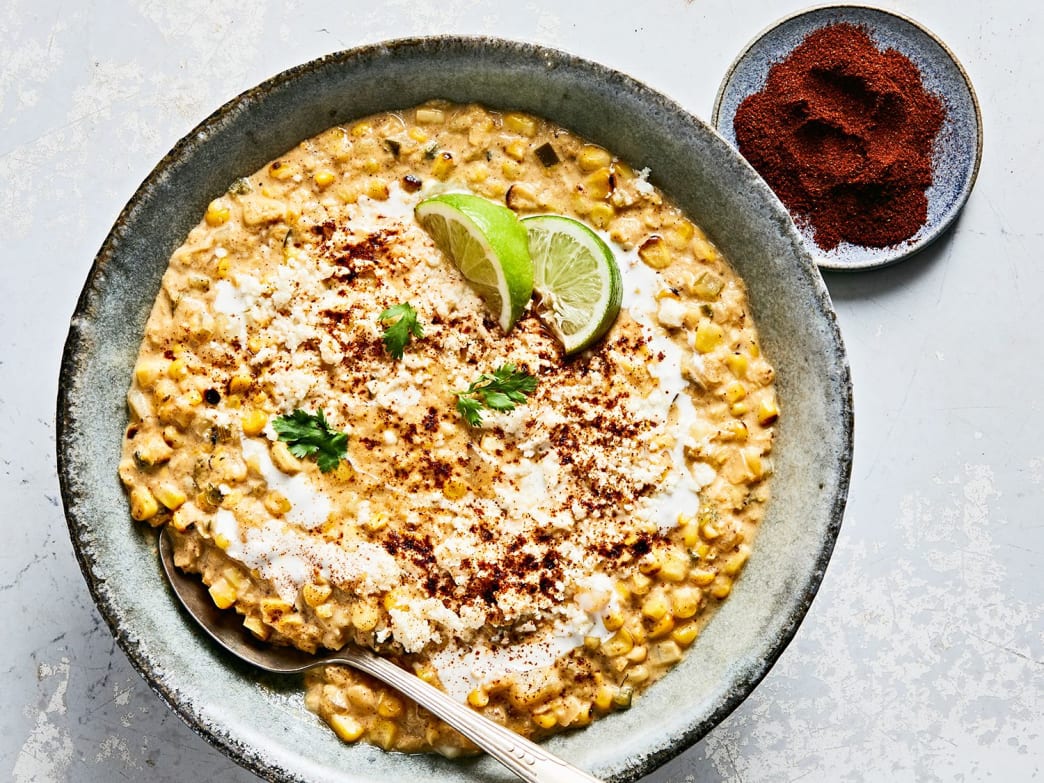
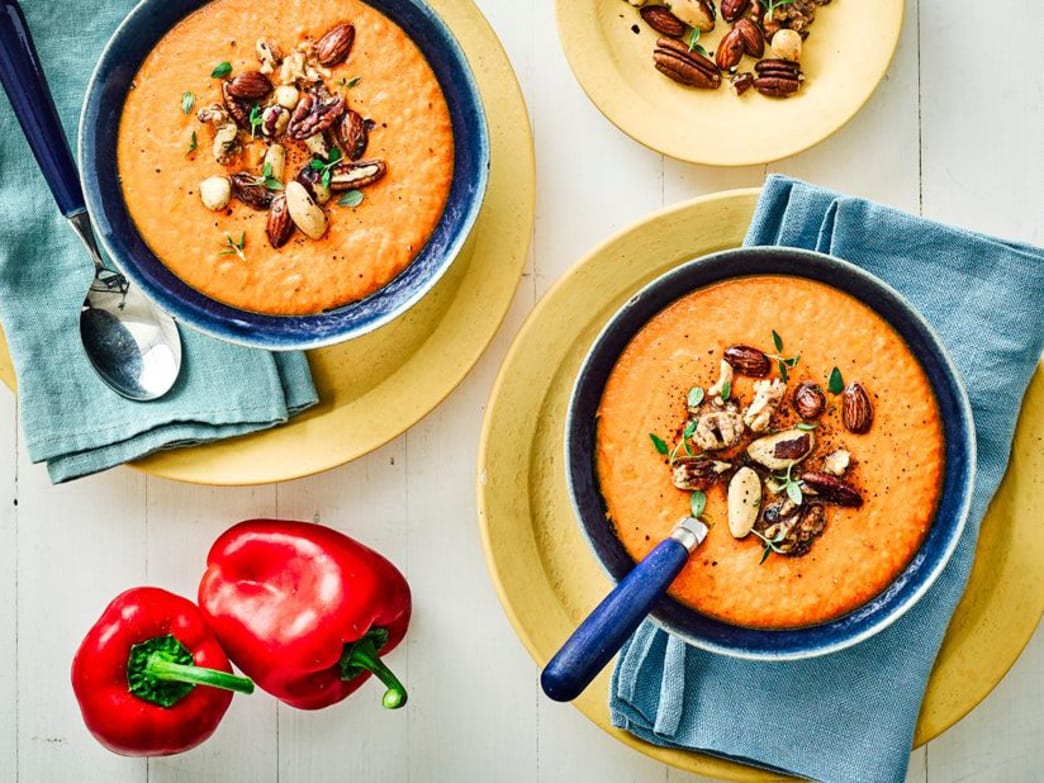
A Tasty Lentil Soup for Winter
Ditch the pre-made soups in favor of this veggie-filled delight that makes sweet red peppers the star of the show.
Learn more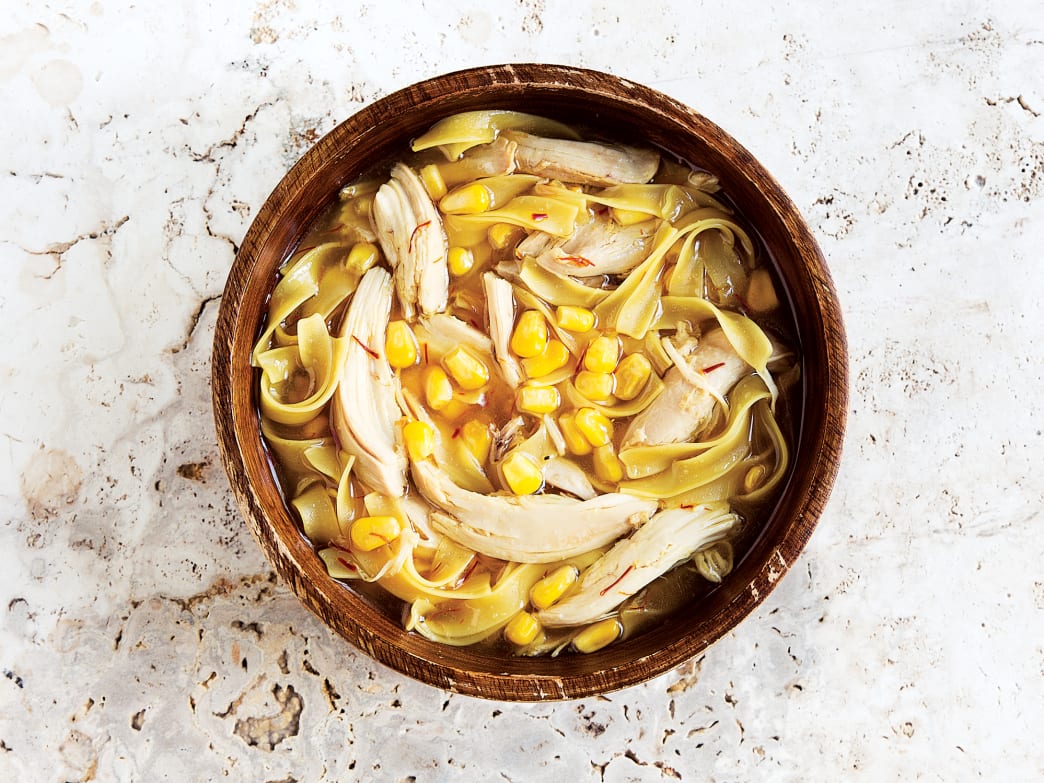
Roasted Chicken, Corn, and Saffron Soup
Lancaster County local Justin Hulshizer likes to add a hefty dose of saffron to perfume this chicken noodle soup, sweetened lightly with corn. You can start with 1/4 teaspoon and add more as you wish. Saffron is widely cultivated in Spain and Iran, but som
Learn more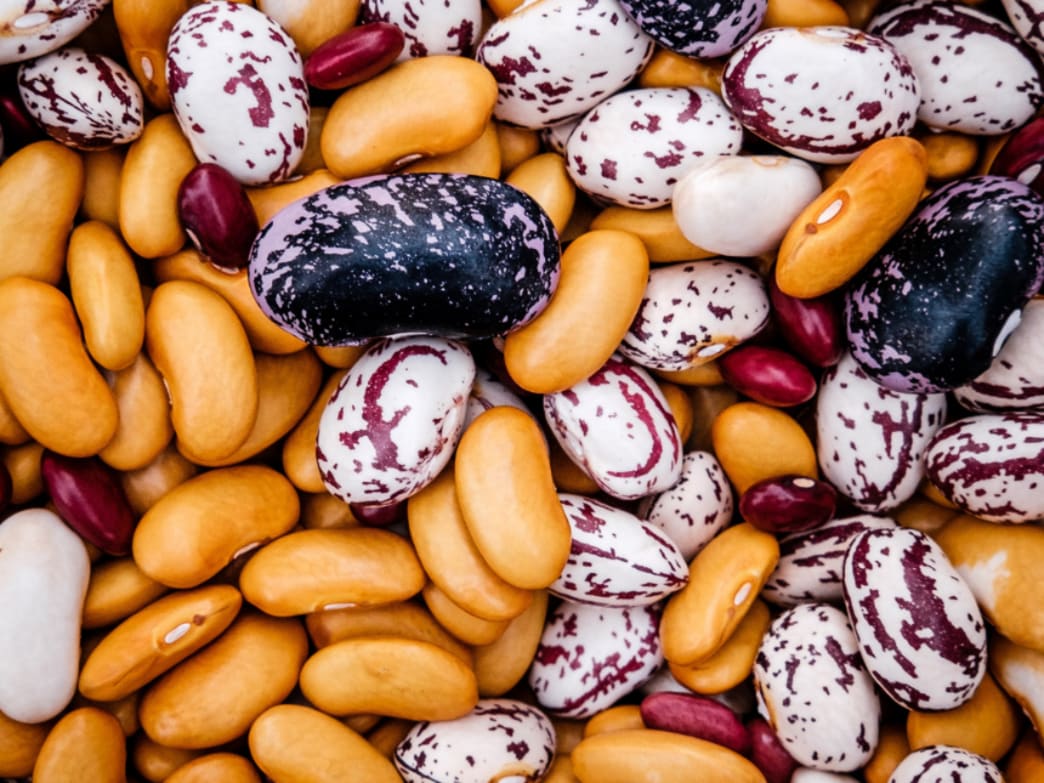
Why Eating Fiber Is Your Ticket to Good Health
Eating more fiber can boost your chances of living to a ripe old age disease-free.
Learn more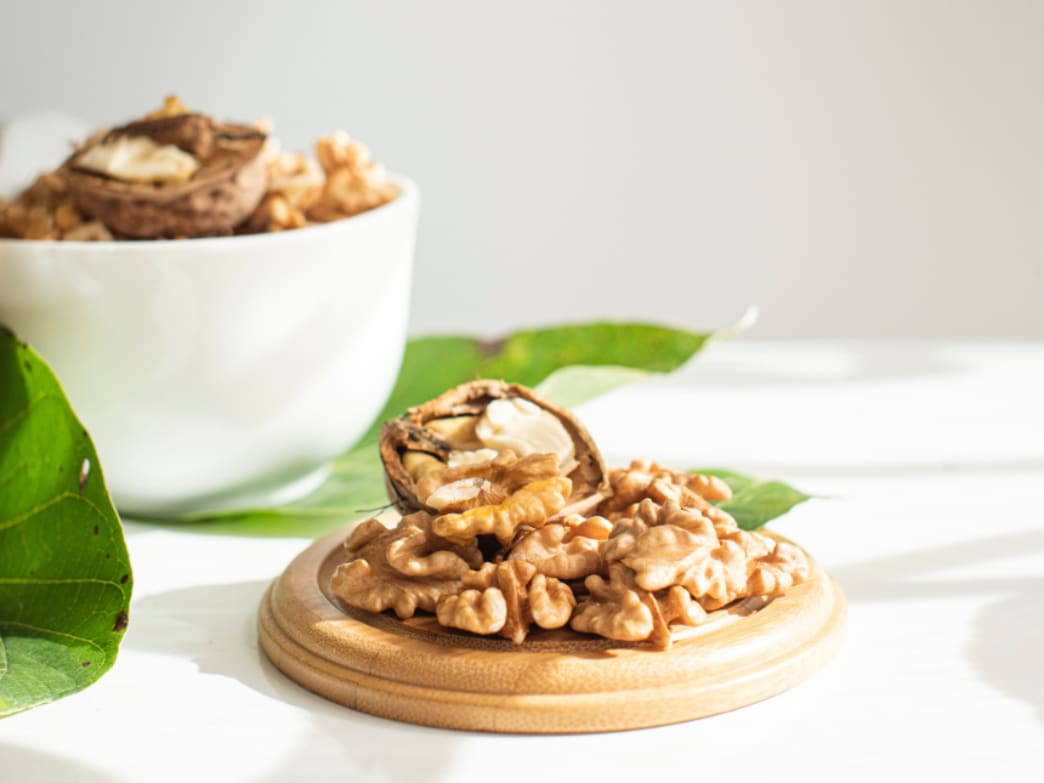
Healthy Recipes with Walnuts
Eat walnuts for breakfast, lunch and dinner with these tasty recipes
Learn more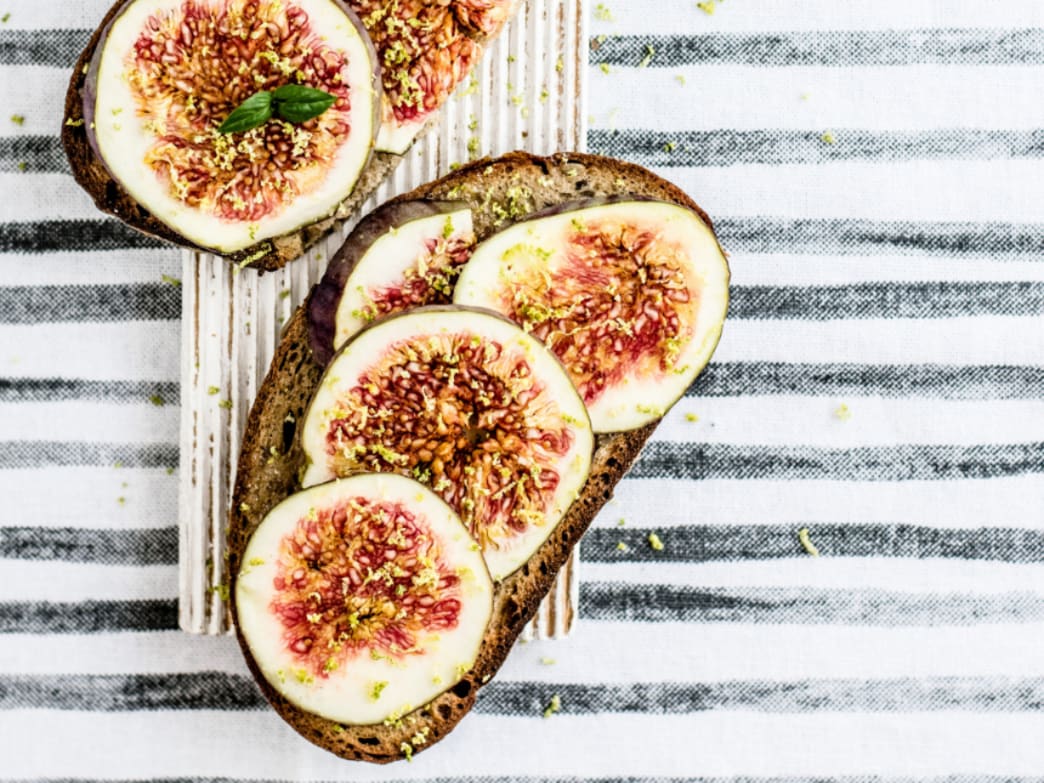
Favorite Fig Recipes
Full of vitamins and minerals, and a great source of fiber, dried and fresh figs are a healthy and versatile ingredient that can add a burst of sweetness to all kinds of dishes. Here are a few of our faves.
Learn more