By Dr. Jorge, Ph.D.
Wildgrain, opens in a new tab is the first bake-from-frozen subscription box for sourdough breads, fresh pastas, and artisanal pastries.
We know diet can either help improve or worsen PCOS symptoms. Even so, it can be overwhelming to figure out which foods to keep and which to avoid. Keep reading to learn how you can enjoy your favorite pasta dishes while still managing PCOS effectively.
Can you still eat pasta with PCOS? Can you eat noodles with PCOS?
Yes, you can still enjoy pasta and noodles with PCOS, but it’s important to pay attention to portion size and the type of pasta you’re eating. Many people with PCOS struggle with insulin resistance, so selecting pasta varieties that support stable blood sugar and insulin levels is key for symptom management. For example, pasta made from refined grains, like white pasta, can cause blood sugar spikes that may worsen PCOS symptoms. Choosing whole grain, legume-based, or lower-carb pasta alternatives can help you enjoy your favorite pasta dishes while keeping PCOS symptoms in check.
Is gluten-free pasta good for PCOS? Is gluten-free pasta better for PCOS diets?
Gluten-free pasta isn’t automatically better for PCOS, unless you also have celiac disease or a gluten sensitivity. For those without these conditions, some gluten-free pastas may actually contribute to blood sugar spikes, which can make managing PCOS more difficult. Instead of focusing on gluten-free products, a PCOS-friendly diet should prioritize whole grains, high fiber, and minimal added sugars to help maintain stable blood sugar and support overall hormone health.
Is keto pasta PCOS-friendly? Is keto good for hormonal imbalance?
Keto pasta is PCOS-friendly because it provides a low-carb alternative to traditional pasta. Low-carb diets can help manage PCOS symptoms by regulating insulin and hormone levels, preventing blood sugar spikes, and reducing testosterone in women with PCOS. This can improve hormonal balance and alleviate common PCOS symptoms, such as difficulty with weight management and irregular periods. Some popular keto pasta options include spaghetti squash, shirataki noodles, and other vegetable-based alternatives, making it easy to satisfy a pasta craving while supporting PCOS management.
Is ravioli PCOS-friendly? Is gnocchi PCOS-friendly?
Ravioli and gnocchiGo to potato gnocchi 12 oz can be PCOS-friendly when made with whole grains or whole wheat flour. Traditional versions made from refined grains and white flour, however, are not ideal, as they can cause blood sugar spikes and worsen PCOS symptoms. To make your meal more PCOS-friendly, choose whole grain or whole wheat options and pair them with vegetables, lean protein, and healthy fats. This not only adds fiber but also helps balance blood sugar and supports the management of common PCOS symptoms.
Is whole wheat pasta PCOS-friendly? Can I eat whole grain pasta with PCOS? Is white pasta ok for PCOS?
Yes, whole wheat pasta and whole grain pasta are both PCOS-friendly choices that can help manage symptoms. These pastas are made from intact grains, providing fiber, nutrients, and slower-digesting carbohydrates that support stable blood sugar and reduce inflammation. White pasta, however, is low in fiber and can cause blood sugar spikes, which may worsen insulin resistance, a common challenge for people with PCOS. Higher insulin levels can also disrupt hormones, contributing to common PCOS symptoms like irregular periods and acne. Opting for whole wheat pasta or whole grain pasta instead of white pasta is an easy way to help manage insulin levels and support overall hormonal health.
Can you eat pasta sauce with PCOS? Is tomato sauce ok for PCOS?
You can still enjoy pasta sauce with PCOS, but the sauce’s ingredients will determine whether it supports or worsens your PCOS symptoms. To help maintain stable blood sugar, choose sauces that are low in added sugars and sodium and made with healthy fats, such as olive oil. Tomato sauce can be a healthy addition to your pasta dish, as tomatoes are naturally anti-inflammatory and packed with nutrients that may help manage PCOS. However, some store-bought tomato sauces contain high amounts of sugar and other additives, so be sure to check the nutrition label carefully to ensure it is PCOS-friendly.
What kind of pasta is best for PCOS? What pasta is PCOS-friendly?
The best types of pasta for PCOS are whole grain pasta and legume-based pasta, such as chickpea or lentil pasta, because they are high in fiber and nutrients that help keep blood sugar stable and reduce inflammation. Pasta alternatives, like zucchini noodles, are another excellent PCOS-friendly option. Pairing these nutritious, high-fiber pastas with plenty of vegetables, lean protein, and healthy fats while avoiding high-sugar sauces allows you to enjoy your favorite pasta dishes while supporting PCOS management.
Can you eat pasta with PCOS and still lose weight?
Yes, you can still enjoy pasta even while managing PCOS and working toward weight loss goals. The trick is to choose pasta that supports stable blood sugar levels, like whole grain pasta or legume-based pasta alternatives. These options are rich in fiber, helping you feel full longer and making it easier to portion control. That way, you can still enjoy pasta while losing weight and managing PCOS symptoms.
Where can I buy the best fresh pasta online?
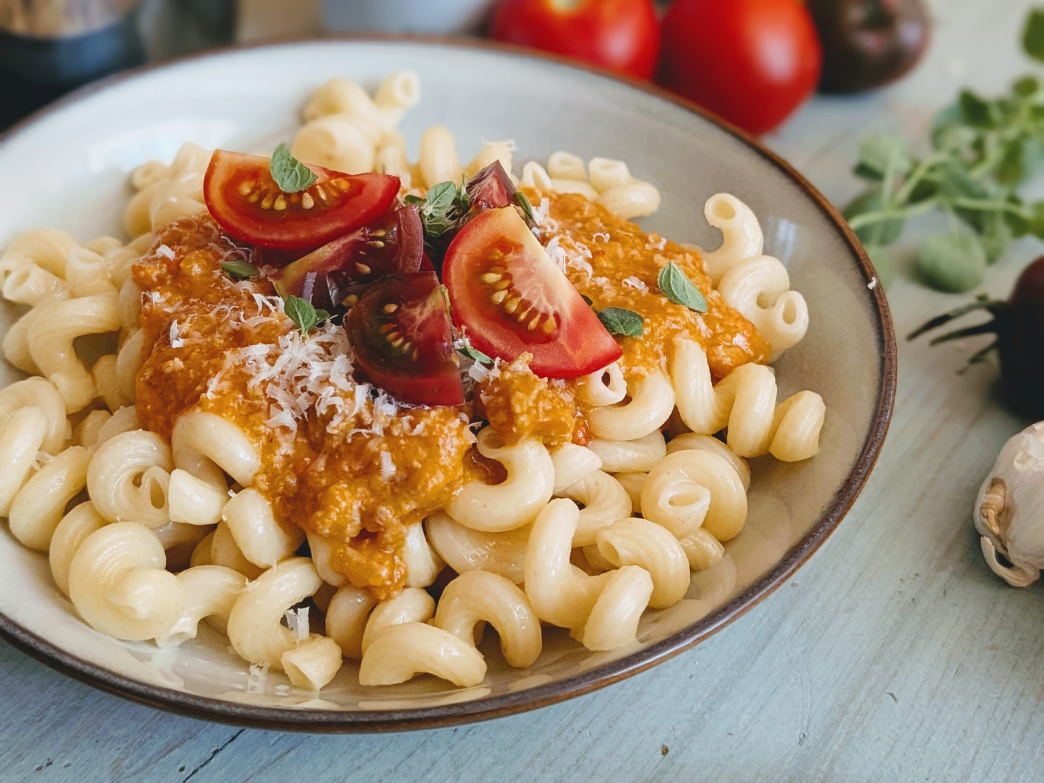
At Wildgrain, we specialize in making high-quality, fresh breads and pastas that are delivered directly to your door. Wildgrain is the first bake-from-frozen delivery subscription service for breads, pastries, and fresh pastas. Some of our popular pastas include fresh cavatappi and fresh tonnarelli, along with classic marinara sauceGo to marinara sauce . Learn more about Wildgrain and our artisanal baking and cooking methods.
Best Pasta Home Delivery Service: How Wildgrain's Pasta Delivery Works
Wildgrain's pastas are prepared in independent, artisanal bakeries with high quality ingredients. The pastas are shipped frozen in insulated boxes and delivered direct to your home, anywhere nationwide. By shipping frozen, Wildgrain products maintain the highest quality, so you can enjoy fresh pasta at home. That's why customers consider Wildgrain among the best home delivery services for pasta.
About the Author
Dr. Jorge has been a public health researcher for many years, holding both a Bachelor's degree and a Ph.D. in Chemistry. They presently work as a medical writer and love being able to assist others in understanding various health and scientific topics.
This content is for informational use only and does not replace professional nutrition and/or medical advice, diagnosis or treatment. It is not a substitute for and should not be relied upon for specific nutrition and/or medical recommendations. Please talk with your doctor about any questions or concerns.