

Wildgrain Blog
Best Bread for Gluten Intolerance and Gluten Sensitivity
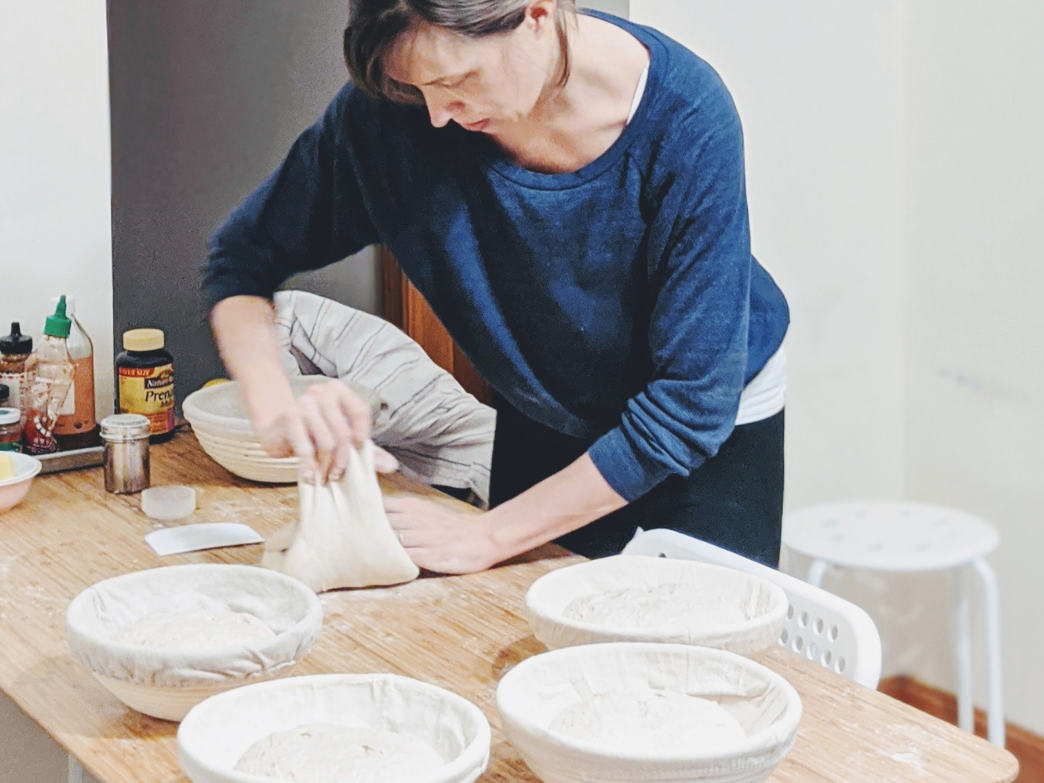
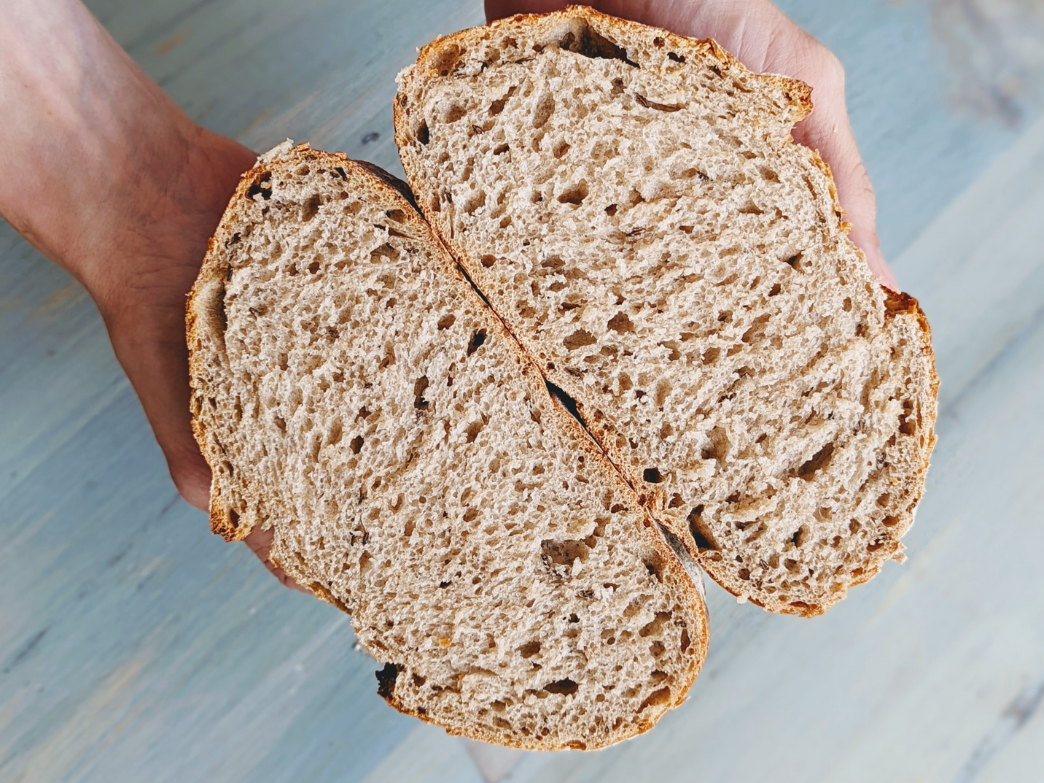
By Dr. Jorge, Ph.D. Wildgrain, opens in a new tab is the first bake-from-frozen subscription box for sourdough breads, fresh pastas, and artisanal pastries. Traditional bread can pose challenges for those with gluten intolerance or gluten sensitivity, but that doesn’t mean you need to give up bread altogether. Luckily, there are tasty bread options for those who do not tolerate gluten. Read on to discover low-gluten bread options that can satisfy your bread cravings without compromising your dietary needs. What bread has the least gluten? What bread has the most gluten? Sourdough bread and rye bread contain the least amount of gluten compared to other types of bread. Both are considered low-gluten bread options and might be better tolerated by those with gluten intolerance or gluten sensitivity. Most other types of bread that are made with wheat flour contain the most gluten and should generally be avoided by those who experience gluten intolerance or gluten sensitivity symptoms. This includes white bread, whole wheat bread, and barley bread. All of these bread options contain a large amount of gluten and will generally not be well tolerated by those with gluten sensitivities. Can I eat bread if I am gluten intolerant? Can I eat bread with gluten sensitivity? You can still eat bread even if you are gluten intolerant or have gluten sensitivity, but the type of bread you can have will depend on the severity of your gluten intolerance. For those with mild gluten sensitivities, low-gluten bread, such as sourdough bread or rye bread, might be well tolerated without any negative side effects. However, if you have a more serious gluten intolerance or have celiac disease, you’ll want to steer clear of any gluten and opt for certified gluten-free bread. Is sourdough bread better for gluten sensitivity? Is sourdough bread good for gluten intolerance? Yes, sourdough bread is generally well tolerated for those with gluten sensitivity or gluten intolerance. This is because of the lengthy fermentation process used to make sourdough bread. During fermentation, bacteria in the sourdough starter break down most of the gluten found in wheat flour, resulting in sourdough bread having approximately 90% less gluten when compared to traditional white bread. Is rye bread better for gluten intolerance? Is rye bread good for gluten sensitivity? Rye bread is considered a low-gluten bread, which means it is better for those with gluten intolerance and gluten sensitivity than other bread types like those made with wheat flour or barley flour. One study found that rye flour had almost three times less gluten than wheat flour. Because of this, rye bread might be better tolerated for those with gluten intolerance or gluten sensitivity. What bread is best for gluten intolerance? What bread is best for gluten sensitivity? Low-gluten bread and gluten-free bread are best for those with gluten intolerance or gluten sensitivity. This means sourdough bread, rye bread, and gluten-free bread are great options if your body reacts negatively to gluten. If you’re searching for a gluten-free bread option, check for a gluten-free label on the packaging and scan the ingredient list for wheat, barley, rye, malt, and brewery’s yeast. Does toasting bread remove gluten or reduce gluten? While toasting bread may improve the overall digestibility of bread, it does not reduce or remove gluten from bread. However, studies have shown that toasted bread has a lower glycemic index than untoasted bread due to a chemical reaction during the toasting process. This means that toasted bread is less likely to cause sudden blood sugar spikes. Does freezing bread remove gluten or reduce gluten? The act of freezing bread does not change its gluten content, although some studies have shown that freezing might change the structure of the gluten protein. Without additional studies, those with gluten intolerance or sensitivity should stick to low-gluten or certified gluten-free bread options. Where can I buy the best bread for gluten intolerance online? At Wildgrain, we specialize in making high-quality, fresh baked goods that are delivered directly to your door. Wildgrain is the first bake-from-frozen delivery subscription service for fresh pasta, breads, and pastries. Our gluten-free breads include Gluten-Free Country Loaf, Gluten-Free Slow-Fermented Seeded Loaf, and Gluten-Free Sourdough Loaf. Some of our popular low-gluten breads include sourdough bread or rye bread. Learn more about Wildgrain and our artisanal baking and cooking methods. Best Bread Home Delivery Service: How Wildgrain's Bread Delivery Works Wildgrain's breads are prepared in independent, artisanal bakeries with high quality ingredients. The breads are shipped frozen in insulated boxes and delivered direct to your home, anywhere nationwide. By shipping frozen, Wildgrain products maintain the highest quality, so you can enjoy fresh baked breads at home. That's why customers consider Wildgrain among the best home delivery services for bread. About the Author Dr. Jorge has been a public health researcher for many years, holding both a Bachelor's degree and a Ph.D. in Chemistry. They presently work as a medical writer and love being able to assist others in understanding various health and scientific topics. This content is for informational use only and does not replace professional nutrition and/or medical advice, diagnosis or treatment. It is not a substitute for and should not be relied upon for specific nutrition and/or medical recommendations. Please talk with your doctor about any questions or concerns.
Learn more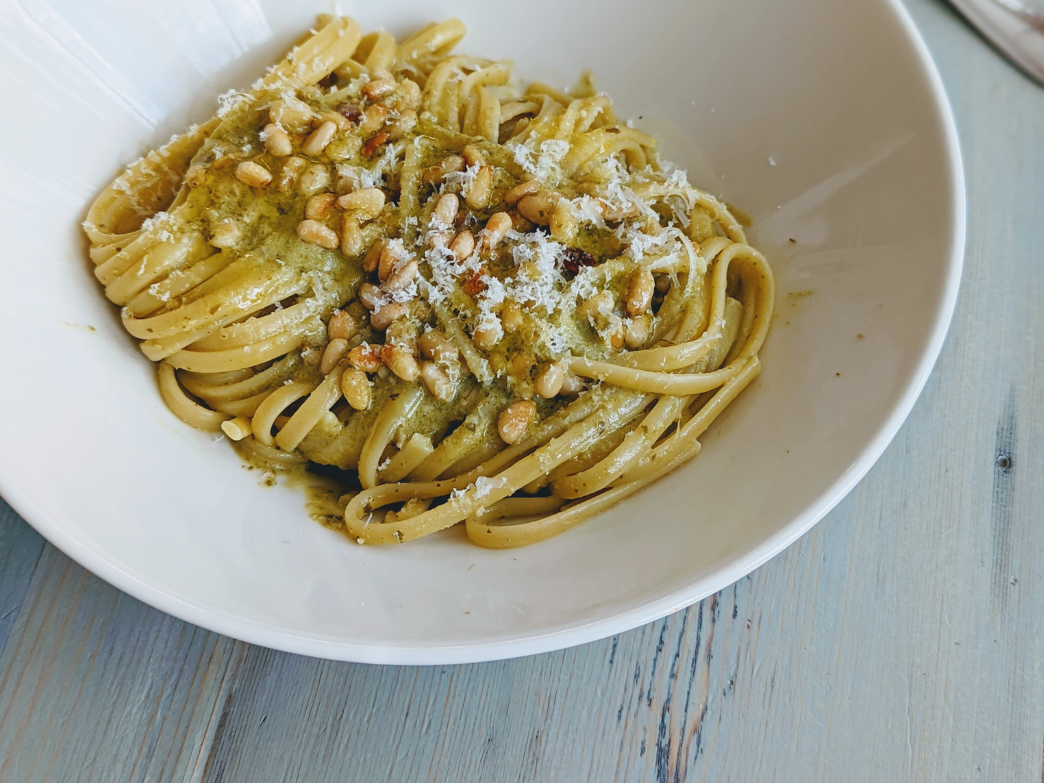
Best Pasta for Acid Reflux & Heartburn
By Dr. Jorge, Ph.D. Wildgrain, opens in a new tab is the first bake-from-frozen subscription box for sourdough breads, fresh pastas, and artisanal pastries. Are you craving pasta but worried it will trigger acid reflux or heartburn? For many, the fear of digestive discomfort is reason enough to avoid eating foods they love, like pasta. Fortunately, plenty of delicious pasta dishes are gentle on the stomach. Keep reading to explore the best types of pasta and sauces that will satisfy your cravings while keeping acid reflux and heartburn at bay. Does eating pasta cause acid reflux and heartburn? Why does pasta give me acid reflux? On its own, pasta doesn’t necessarily cause acid reflux and heartburn, but you might still experience symptoms after eating pasta due to sauce, cheese, and other toppings. Certain pasta sauces, such as those with a tomato or cream base, can cause heartburn in people predisposed to it. Similarly, spices, garlic, and high-fat ingredients, like cheese, are often included in pasta dishes and can contribute to acid reflux and heartburn. Ingredients that are acidic, spicy, or high in fat can irritate your stomach and esophagus, leading to acid reflux and heartburn. What is the best pasta for heartburn? Is pasta good for acid reflux? While pasta in and of itself usually doesn’t cause heartburn, white pasta made from refined grains is more likely to lead to uncomfortable digestion symptoms. Instead, opting for high-fiber foods, such as those made with whole grains, which can improve digestion and might lower the chances of developing heartburn and acid reflux. This means whole wheat or whole grain pasta is the best for those with heartburn and acid reflux. What can I put in my pasta sauce to stop heartburn? A common culprit of heartburn is the acidic tomatoes used to make your favorite pasta sauces like marinara sauce and vodka sauce. To try to prevent heartburn caused by tomato-based sauces, a pinch of baking soda can be added to the sauce. This works because the alkaline nature of baking soda can balance out the acidity of the tomatoes. If you try this trick, you should wait to add salt until after adding baking soda to the sauce, because the reaction between the baking soda and the acid from the tomatoes will form salt. Can GERD patients eat pasta? What are the best pasta and pasta dishes for GERD? Those with gastroesophageal reflux disease, or GERD, can absolutely eat pasta. However, high-fiber pasta such as whole wheat pasta should be prioritized, since high-fiber foods are known to decrease symptoms of GERD. Those with GERD should avoid acidic and creamy pasta sauces like tomato and carbonara sauce. Instead, you can pair whole-grain pasta with a roasted red pepper or spinach pesto sauce. How can I eat spaghetti without acid reflux or heartburn? How can I eat pasta without acid reflux or heartburn? You might be able to eat spaghetti without experiencing acid reflux and heartburn if you replace white spaghetti with spaghetti made from whole grains and avoid adding toppings that are high in fat, spices, and acidity. You should also carefully choose the pasta sauce you pair with your spaghetti to reduce acid reflux and heartburn symptoms. This means reaching for an oil-based sauce instead of marinara or another sauce heavy in tomatoes. What pasta sauce is OK for heartburn and acid reflux? Can I eat spaghetti sauce with acid reflux? Pasta sauces with minimal acidity and fat are OK for those with heartburn and acid reflux. This can include sauces with an oil base (like pesto) sauces made with roasted red peppers as a tomato sauce substitute, or sauces made with other vegetables like pumpkin. You can eat spaghetti sauce with acid reflux, but limiting your intake of tomato-based sauces is recommended. You can also add a pinch of baking soda to counteract the acidity of the tomatoes. This should reduce the severity of your acid reflux and heartburn. Is Alfredo pasta OK for heartburn? What can I eat instead of Alfredo pasta for acid reflux? Creamy sauces are generally not recommended if you suffer from heartburn. This is because high-fat foods, like alfredo sauce, can delay digestion by sitting in your stomach. This can then cause stomach acid to back up into the esophagus after consumption, leading to acid reflux and heartburn. Instead of a creamy sauce, you can opt for a pesto sauce (without garlic) or another oil-based pasta sauce. What are better pasta dishes for heartburn and acid reflux? The best pasta dishes for heartburn and acid reflux include those with minimal spices, low to no acidity, and lots of fiber and vegetables. Limiting certain ingredients frequently found in pasta dishes, such as cheese, garlic, and tomatoes, is crucial as these can exacerbate acid reflux and heartburn. Try swapping white pasta out for whole wheat pasta, replacing marinara sauce with a roasted red pepper sauce, and adding your favorite vegetable to avoid acid reflux and heartburn. Where can I buy healthy pasta and pasta sauce online? At Wildgrain, we specialize in making high-quality, fresh breads that are delivered directly to your door. Wildgrain is the first bake-from-frozen delivery subscription service for breads, rolls, pastries, and fresh pastas. Some of our popular pastas include Fresh Fettuccine, Fresh Rigatoni, and Fresh Tonnarelli. We also make homemade Classic Marinara Sauce. Learn more about Wildgrain and our artisanal baking and cooking methods. Best Pasta Home Delivery Service: How Wildgrain's Pasta Delivery Works Wildgrain's pastas are prepared in independent, artisanal bakeries with high quality ingredients. The pastas are shipped frozen in insulated boxes and delivered direct to your home, anywhere nationwide. By shipping frozen, Wildgrain products maintain the highest quality, so you can enjoy fresh pasta at home. That's why customers consider Wildgrain among the best home delivery services for pasta. About the Author Dr. Jorge has been a public health researcher for many years, holding both a Bachelor's degree and a Ph.D. in Chemistry. They presently work as a medical writer and love being able to assist others in understanding various health and scientific topics. This content is for informational use only and does not replace professional nutrition and/or medical advice, diagnosis or treatment. It is not a substitute for and should not be relied upon for specific nutrition and/or medical recommendations. Please talk with your doctor about any questions or concerns.
Learn more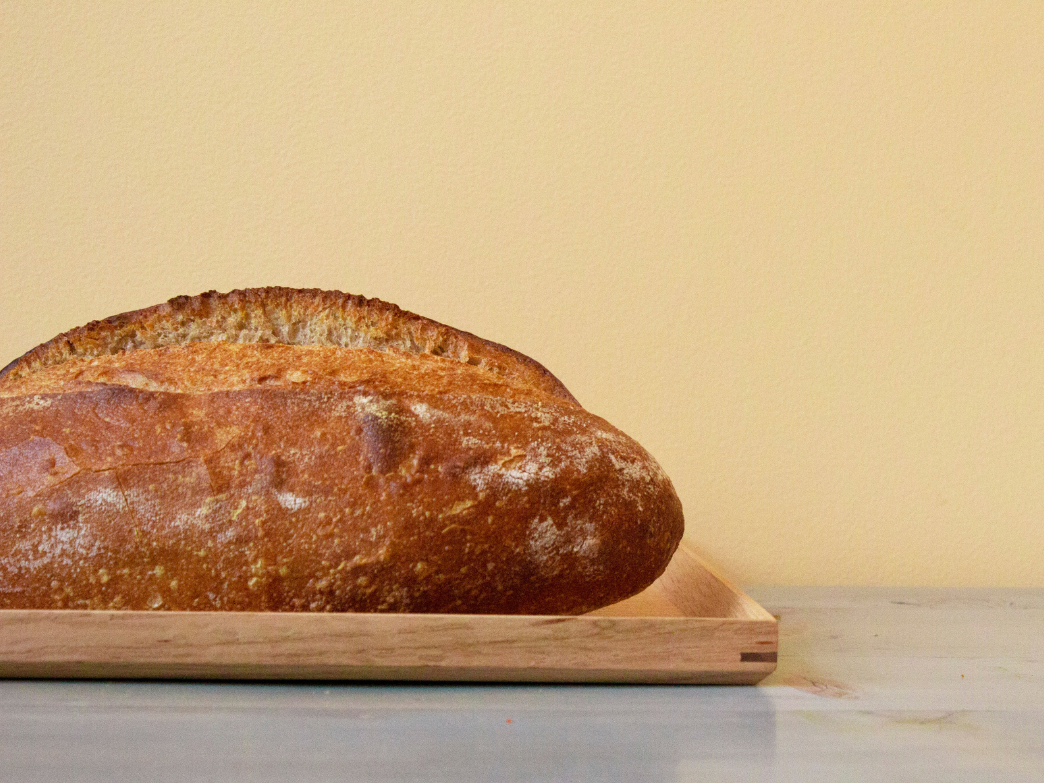
Best Bread for Constipation: Can You Eat Bread While Constipated?
By Dr. Jorge, Ph.D. Wildgrain, opens in a new tab is the first bake-from-frozen subscription box for sourdough breads, fresh pastas, and artisanal pastries. Nobody likes experiencing constipation or bloating, especially when the reason is unknown. If you’ve been having bathroom-related symptoms, your choice of bread might be the culprit. Read on to learn which types of bread can worsen constipation and which could help to relieve it. Can you eat bread if you are constipated? You can eat bread while constipated, but you’ll need to choose carefully since certain types of bread can worsen constipation. Bread high in fiber like 100% whole grain bread can help alleviate constipation while low-fiber bread like white bread can worsen it. This is because fiber softens and increases stool weight, making it easier to pass and preventing constipation. What kind of bread does not cause constipation? Bread that is high in dietary fiber tends to keep bowel movements regular, reducing the likelihood of constipation. Most whole grain foods are great fiber sources, including bread made from 100% whole grains. Some examples of bread that do not cause constipation are whole grain rye bread and whole-grain sourdough bread. Why does bread make me bloated and constipated? There are a few reasons why eating bread could make you feel bloated and constipated. You might have wheat or gluten sensitivity if you notice uncomfortable gastrointestinal symptoms when you eat any bread. On the other hand, you may be consuming too much low-fiber bread. In either case, your body might have difficulty digesting low-fiber or gluten-containing foods, which can lead to bloating and constipation. What is the best bread to eat for constipation? If you are constipated, it is advised that you increase your intake of soluble fiber. Since whole grain bread is an excellent source of soluble fiber, it is one of the best breads to combat constipation. However, experts suggest increasing fiber intake gradually, otherwise you might experience other gastrointestinal symptoms such as gas, cramping, or bloating. Is multigrain bread good for constipation? Multigrain bread is only helpful for constipation when made entirely from whole grains. If the multigrain bread contains refined grains, such as those found in enriched white flour, it might worsen constipation. To check if bread is made with 100% whole grains, check that the first ingredient listed is “whole wheat flour” or “whole grain wheat flour”. Is rye bread good for constipation? Rye bread, especially if made from whole grains, is great for constipation sufferers. One research study found that whole grain rye bread was more effective than laxatives in treating constipation, without increasing adverse gastrointestinal effects. Given the benefits of both rye bread and sourdough bread, rye sourdough bread might be even better at relieving constipation. Is sourdough bread good for constipation? Whole grain sourdough bread might be good for constipation given its high fiber content and unique fermentation process. If you suspect that gluten is the cause of your constipation, sourdough bread might be one of the better bread choices since it tends to contain less gluten than other types of bread. Additionally, the long fermentation process can mean sourdough bread has prebiotic-like properties, which can help to improve overall digestion and gut health. Is toast better than bread for constipation? Can you eat toast when constipated? Toast might be better than bread for constipation as it is part of the BRAT (bananas, rice, applesauce, toast) diet, which are common foods recommended for both diarrhea and constipation. However, this is only true for toast made from whole grain bread, since low-fiber white toast can potentially worsen constipation. To learn how bread and toast can differ nutritionally, check out this article. What is a good breakfast for constipation? The best breakfast to relieve constipation is one rich in fiber. This can include high-fiber hot or cold cereals, toast from whole wheat bread, certain fruits (i.e. apples, oranges, berries), nuts, and seeds. It is also recommended to drink plenty of fluids while constipated, such as water and herbal teas. Where can I buy healthy bread online? At Wildgrain, we specialize in making high-quality, fresh breads that are delivered directly to your door. Wildgrain is the first bake-from-frozen delivery subscription service for breads, rolls, pastries, and fresh pastas. Some of our popular breads include Sourdough 7-Grain Loaf, Whole Wheat Sourdough Loaf, and Rye Sourdough Loaf. Learn more about Wildgrain and our artisanal baking and cooking methods. Best Bread Home Delivery Service: How Wildgrain's Bread Delivery Works Wildgrain's breads are prepared in independent, artisanal bakeries with high quality ingredients. The breads are shipped frozen in insulated boxes and delivered direct to your home, anywhere nationwide. By shipping frozen, Wildgrain products maintain the highest quality, so you can enjoy fresh baked breads at home. That's why customers consider Wildgrain among the best home delivery services for bread. About the Author Dr. Jorge has been a public health researcher for many years, holding both a Bachelor's degree and a Ph.D. in Chemistry. They presently work as a medical writer and love being able to assist others in understanding various health and scientific topics. This content is for informational use only and does not replace professional nutrition and/or medical advice, diagnosis or treatment. It is not a substitute for and should not be relied upon for specific nutrition and/or medical recommendations. Please talk with your doctor about any questions or concerns.
Learn more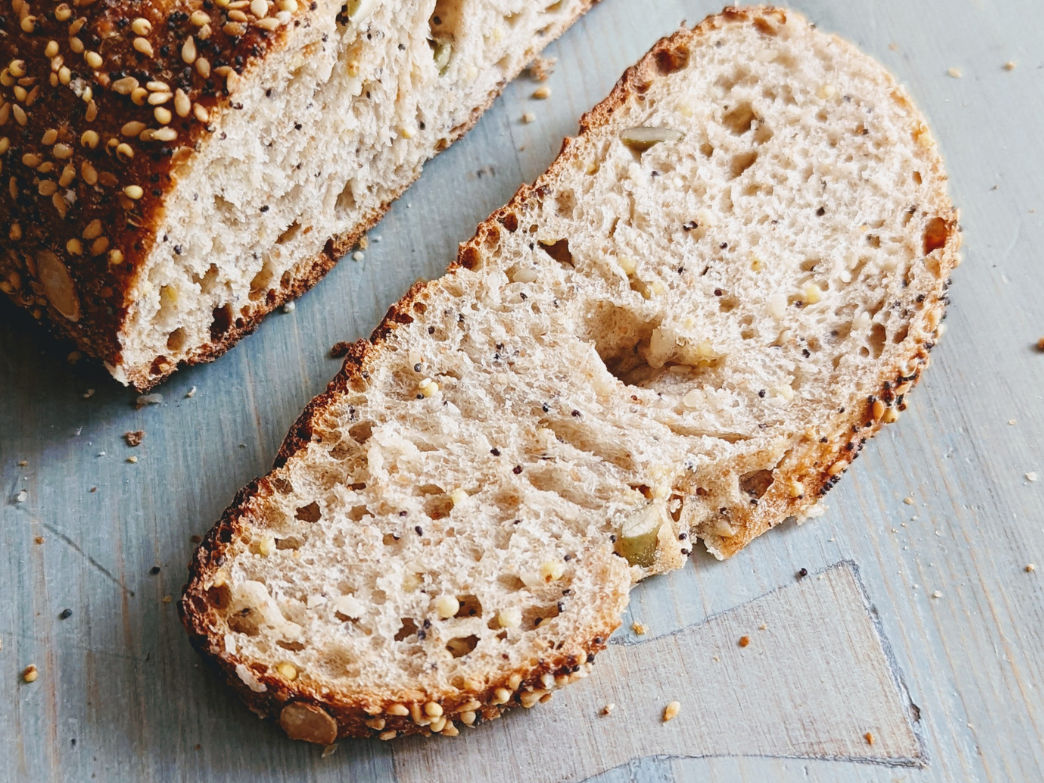
Bread and Pregnancy: Eating Bread While Pregnant
By Dr. Jorge, Ph.D. Wildgrain, opens in a new tab is the first bake-from-frozen subscription box for sourdough breads, fresh pastas, and artisanal pastries. It can feel like there’s a lot to know about what you should and shouldn’t eat during pregnancy. This can mean having to make diet modifications once you become pregnant. Read on to learn which bread is the healthiest for pregnancy and whether you should alter your daily eating habits. Do you crave bread during pregnancy? Many pregnant women report experiencing cravings for carbohydrates, like bread, while pregnant. Experts believe pregnancy cravings may be due to hormonal changes in the body or a way for the body to indicate nutrient deficiencies. However, the exact cause of these cravings is unknown. Can I eat bread while pregnant? Is it safe to eat bread during pregnancy? You can still eat bread while pregnant. Not only is bread safe to eat, but whole grain bread is rich in iron and folic acid, critical nutrients for a healthy pregnancy. Carbohydrates and whole grains are important components of a healthy and balanced diet during pregnancy. Can I eat yeast bread during pregnancy? Yes, you can eat yeast bread during pregnancy. Certain foods might be considered high risk during pregnancy because they are raw or undercooked. Additionally, some foods could become contaminated with harmful bacteria during processing or storage. So long as the yeast bread is fully cooked, it should not pose any dangers during pregnancy. How many slices of bread can I eat per day during pregnancy? During pregnancy, it is advised that one-third of your diet consists of carbohydrates. Stated differently, doctors recommend those expecting to consume 6 to 11 servings of grains and bread per day. To maintain a balanced diet, this means that the amount of bread you should eat each day will depend on the rest of your diet during pregnancy. What kind of bread is good for pregnancy? What is the healthiest bread while pregnant? The best bread to eat during pregnancy is bread made from 100% whole grains. Whole grain or whole wheat bread options are healthier than white bread varieties, containing more fiber, folic acid, and iron. These essential nutrients help promote a baby’s healthy development and benefit mom too. Is it safe to eat white bread during pregnancy? Is white bread healthy while pregnant? White bread is somewhat safe to eat during pregnancy, but its intake should be limited. Refined grains, which are used to make white bread, may raise your risk of preeclampsia and gestational diabetes while pregnant. Is it safe to eat sourdough bread during pregnancy? Is sourdough bread healthy while pregnant? Yes, it is safe to eat sourdough bread during pregnancy. Pregnant or not, sourdough bread boasts an impressive nutritional profile, which is only magnified when made with whole grains. The slow fermentation process used to make sourdough bread means it is an excellent source of antioxidants, calcium, folate, and other nutrients. Sourdough bread may also be easier to digest and can help stabilize blood sugar levels. Is it safe to eat whole wheat bread during pregnancy? Is whole wheat bread healthy while pregnant? It is both safe and recommended to eat whole wheat bread during pregnancy. Whole wheat bread is rich in essential vitamins and nutrients and is a great food to add to your diet to ensure you have enough good carbohydrates while pregnant. If you’re picking out a loaf of bread in the grocery store, look for the 100% whole grain stamp on the package. Can I eat bread and butter during pregnancy? You can absolutely enjoy bread and butter during pregnancy, but as with all foods, moderation is key. When having a treat of bread and butter, whole grain or whole wheat bread is among the healthiest options. As for butter, be sure it is made from pasteurized milk and pay extra attention to your portion sizes. Consuming high quantities of saturated fat might increase your risk of heart disease and can cause excess weight gain. Can I eat bread with gestational diabetes? You can eat bread with gestational diabetes, but you’ll want to choose bread made entirely from whole grains. If you have gestational diabetes, you need to be mindful of the amount and type of carbohydrates you’re eating, since carbohydrates turn into glucose during digestion. Certain carbohydrates, like those found in white bread, can spike blood sugar (glucose) levels due to their rapid digestion. Conversely, foods made with whole grains, such as whole grain bread, typically have a lower glycemic index, which means they digest more slowly and don’t cause rapid changes in blood sugar levels. Please discuss further details with your medical provider. Where can I buy healthy bread online? At Wildgrain, we specialize in making high-quality, fresh breads that are delivered directly to your door. Wildgrain is the first bake-from-frozen delivery subscription service for breads, rolls, pastries, and fresh pastas. Some of our popular breads include sourdough whole wheat, sourdough 7-grain, slow fermented 3-seed bread, and sourdough rye. Learn more about Wildgrain and our artisanal baking and cooking methods. Best Bread Home Delivery Service: How Wildgrain's Bread Delivery Works Wildgrain's breads are prepared in independent, artisanal bakeries with high quality ingredients. The breads are shipped frozen in insulated boxes and delivered direct to your home, anywhere nationwide. By shipping frozen, Wildgrain products maintain the highest quality, so you can enjoy fresh baked breads at home. That's why customers consider Wildgrain among the best home delivery services for bread. About the Author Dr. Jorge has been a public health researcher for many years, holding both a Bachelor's degree and a Ph.D. in Chemistry. They presently work as a medical writer and love being able to assist others in understanding various health and scientific topics. This content is for informational use only and does not replace professional nutrition and/or medical advice, diagnosis or treatment. It is not a substitute for and should not be relied upon for specific nutrition and/or medical recommendations. Please talk with your doctor about any questions or concerns.
Learn more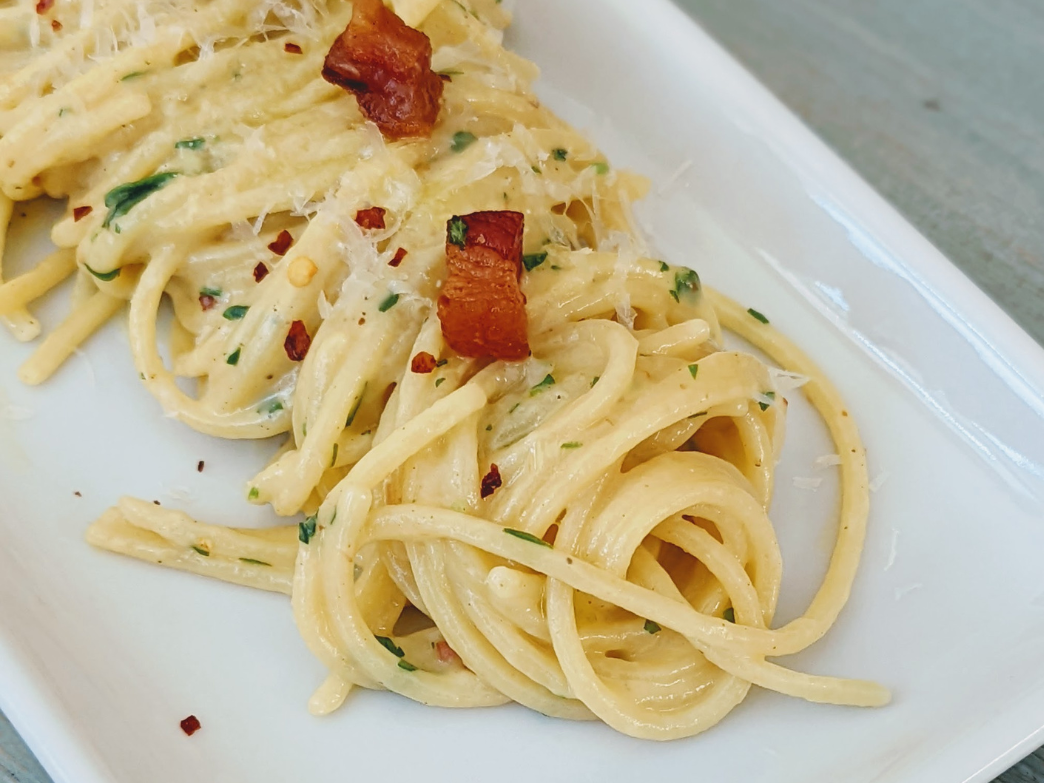
Pasta and Pregnancy: Eating Pasta While Pregnant
By Dr. Jorge, Ph.D. Wildgrain, opens in a new tab is the first bake-from-frozen subscription box for sourdough breads, fresh pastas, and artisanal pastries. Do you want to know if you can still indulge in your favorite pasta dish during pregnancy? Or perhaps you’ve just noticed new pasta cravings since becoming pregnant and are curious as to why. Keep reading to find out what pregnancy cravings could mean and whether it’s safe to eat pasta during pregnancy. Do you crave pasta when pregnant? Why do I crave pasta during pregnancy? Food cravings are common in pregnancy and often include pasta cravings. The exact cause of specific cravings during pregnancy is unknown, but experts believe cravings are the result of hormonal changes and the body’s nutritional needs. It is suggested that pregnancy hormones can heighten your sense of taste and smell, which can lead to certain cravings. It is also believed that specific nutrient deficiencies can trigger cravings for certain foods that are a good source of the nutrients your body is lacking. Is it safe to eat pasta during pregnancy? Should I avoid pasta while pregnant? Pasta is safe to eat while pregnant as it is not on the list of foods doctors advise avoiding or limiting consumption of during pregnancy. Although white pasta and whole grain pasta are equally safe to eat, whole-grain pasta may be a healthier choice. Foods made with whole grains are an excellent source of fiber, iron, and folic acid – all of which are beneficial to both mother and baby. Is it healthy to eat pasta during pregnancy? Is pasta good for you when pregnant? PastaGo to Tonnarelli is healthy to eat during pregnancy. Eating 6 to 11 servings of bread and grains daily is recommended as part of a balanced diet during pregnancy. Consuming pasta, especially whole grain pasta, is one way to help you get the necessary amount of grains and carbohydrates in your diet. Additionally, bland foods high in carbohydrates, like plain pasta, may help combat morning sickness. Can I eat pasta with gestational diabetes? Yes, you can still eat pastaGo to Tonnarelli if you have gestational diabetes, but you should opt for whole wheat or whole grain pasta varieties. Whole grain pasta won’t cause blood sugar spikes the way traditional pasta could. This is because whole grains are digested by the body slower than refined grains in white pasta. Even so, those with gestational diabetes should keep pasta portions to 45–60 grams of carbohydrates per meal. Please discuss with your medical provider for more details. What can make pasta dishes healthier during pregnancy? In addition to substituting white pasta for whole wheat or whole grain options, pasta pairings can be carefully selected to enhance the nutritional value of your pasta dish. For instance, adding veggies and lean proteins, such as fish and chicken, to a pastaGo to Tonnarelli dish is a great way to make it healthier during pregnancy. Can I eat raw pasta while pregnant? Can I eat undercooked pasta while pregnant? Most boxed pasta is pasteurized before it is dried, limiting the risk of bacterial growth that can be especially harmful while pregnant. However, eating this kind of pasta uncooked is still not recommended as it can be difficult to eat and digest, limiting the absorption of any nutrients. If you start to have raw or undercooked pasta cravings while pregnant, you should consult your doctor right away. Pregnant women should exercise additional caution when preparing homemade pasta because the dough contains raw eggs and flour, both of which can harbor harmful bacteria. Raw pasta dough should never be eaten while pregnant as it poses the risk of salmonella and E. Coli contamination. Before eating your homemade pasta, be sure the pasta is completely cooked through. Can I eat cheesy pasta during pregnancy? Can I eat ravioli or ricotta-filled pasta during pregnancy? You can eat certain types of cheesy pasta during pregnancy, depending on the type of cheese. Cheese that is safe to eat includes hard or pasteurized cheeses like parmesan, mozzarella, ricotta, and hard goat cheese. When selecting a cheese during pregnancy, confirm that the label states it has undergone pasteurization. Ricotta-filled pasta tends to be safe for pregnancy since ricotta is often made using pasteurized milk. Similarly, ravioli is safe to eat during pregnancy if the filling contains pasteurized ingredients. On the other hand, most soft cheeses like brie and blue cheese should be avoided during pregnancy as these are often made with unpasteurized milk which can contain listeria bacteria. Can I eat spaghetti during pregnancy? Can I eat spaghetti and meatballs during pregnancy? Yes, you can eat spaghetti during pregnancy, but you should ensure it is thoroughly cooked before consuming. Similarly, meatballs are safe to eat while pregnant but should be cooked thoroughly before eating. What are the side effects of eating pasta during pregnancy? Eating pasta during pregnancy has no known side effects when done in moderation. On the other hand, if you have gestational diabetes, consuming white pasta or too much pasta might raise your blood sugar levels. Please discuss healthy eating with your medical provider when you are pregnant. Where can I buy healthy pasta online? At Wildgrain, we specialize in making high-quality, fresh pasta that is delivered directly to your door. Wildgrain is the first bake-from-frozen delivery subscription service for breads, rolls, pastries, and fresh pastas. Some of our popular pastas include fresh fettuccine, fresh rigatoni, fresh tonnarelli, and cheese tortellini. Learn more about Wildgrain and our artisanal baking and cooking methods. Best Pasta Home Delivery Service: How Wildgrain's Pasta Delivery Works Wildgrain's pastas are prepared in independent, artisanal bakeries with high quality ingredients. The pastas are shipped frozen in insulated boxes and delivered direct to your home, anywhere nationwide. By shipping frozen, Wildgrain products maintain the highest quality, so you can enjoy fresh pasta at home. That's why customers consider Wildgrain among the best home delivery services for pasta. About the Author Dr. Jorge has been a public health researcher for many years, holding both a Bachelor's degree and a Ph.D. in Chemistry. They presently work as a medical writer and love being able to assist others in understanding various health and scientific topics. This content is for informational use only and does not replace professional nutrition and/or medical advice, diagnosis or treatment. It is not a substitute for and should not be relied upon for specific nutrition and/or medical recommendations. Please talk with your doctor about any questions or concerns.
Learn more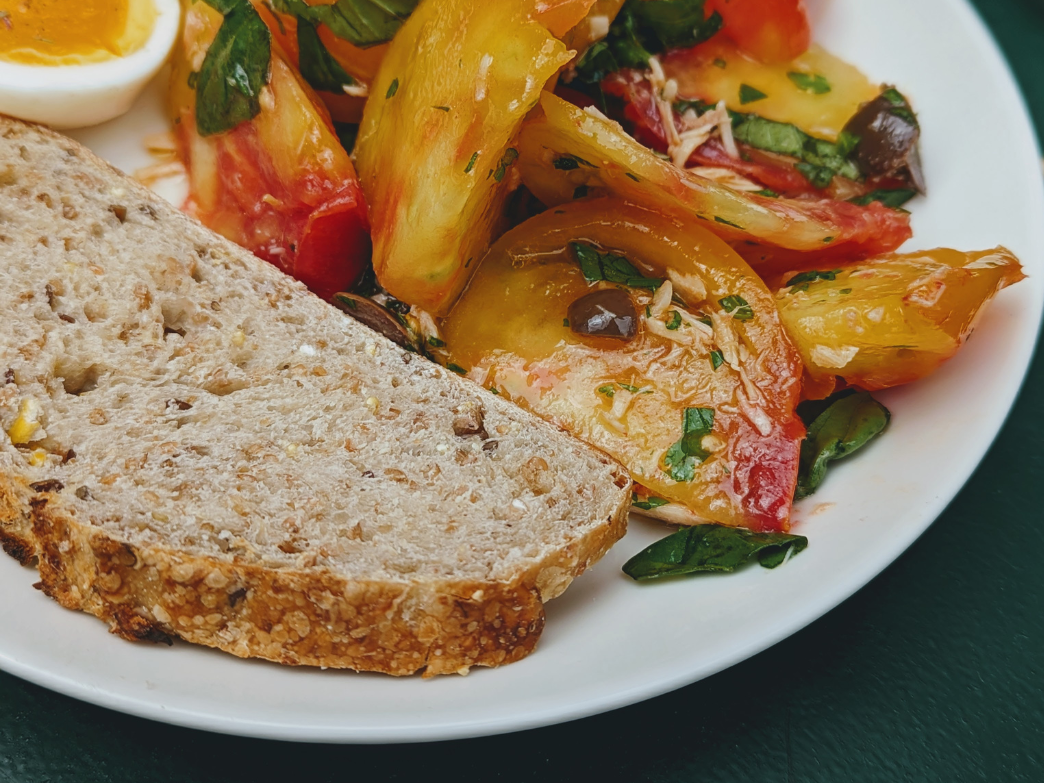
What’s Healthier: Bread vs. Pita vs. Naan?
By Lucy Yanckello, Ph.D. Wildgrain, opens in a new tab is the first bake-from-frozen subscription box for sourdough breads, fresh pastas, and artisanal pastries. Bread is a beloved carbohydrate source be it leavened with yeast, steamed, fried, or gluten free. One of the oldest staples in our diets, there are dozens of types of bread around the world with different flavors, textures, and purposes. In fact, some of the most popular types of breads, both considered flatbreads, are naan and pita. Read on to learn more about the difference between the two, and how they compare to loaf bread in flavor, texture, and nutrient profile. Which is healthier to eat: bread or pita or naan? In contrast to loaf bread, pita bread and naan are considered to be flatbreads. Pita bread is yeast-leavened and round, turning into layers when baked that create a pocket that is easily filled. Naan is also yeast leavened, and contains water (or milk), flour, salt, and the addition of butter and yogurt. Depending on what your nutrient needs are, bread, pita, and naan can all fit into a healthy diet. Naan and pita have many of the same benefits of other breads, including carbs, iron, and vitamin B. B vitamins are necessary to help break down and convert food into energy all while keeping hair, skin, and eyes healthy. Iron is essential for oxygen transport through the blood and preserves many vital processes in the body including immune function, body temperature, and digestion. All three are relatively low in fiber (around 1 to 2 grams). Because their ingredients are similar, loaf bread and pita both have very similar nutritional profiles, including similar levels of protein and fat (around 2 to 3 grams). Naan is higher in protein (around 9 grams) and fat (around 5 grams) than pita and other breads. Is pita bread OK for weight loss? Is naan OK for weight loss? Can you still eat pita and naan when trying to lose weight? Every food, including pita bread and naan, can have a place in a healthy diet when trying to lose weight, as long as they’re enjoyed in moderation. The higher protein content in naan will allow you to feel fuller for longer, curbing cravings that cause excess snacking. On the other hand, naan has almost three times the carbohydrate content (45 grams) compared to loaf bread and pita (around 13 to 17 grams). So yes, you can still eat pita and naan when trying to lose weight, but in moderate amounts. Is pita OK for IBS? Is naan OK for IBS? PitaGo to bread vs tortilla vs pita wrap bread and naan unfortunately are not great choices for IBS. Pita bread and naan are made with wheat flour, meaning they are high in FODMAP, or Fermentable, Oligosaccharides, Monosaccharides, and Polyols. This is an acronym for a group of carbohydrates that are poorly absorbed in the small intestine. This poor absorption leads to fermentation by the gut bacteria which results in the production of gas and other byproducts. This leads to Irritable bowel syndrome (IBS) symptoms such as bloating, gas, and abdominal pain. What’s the difference between naan vs. bread? Which is healthier: bread or naan? Naan is a flatbread, whereas breadGo to sourdough loaf comes in loaves. Naan is higher in fat, protein, and carbohydrates than loaf bread. The higher protein content of naan will allow you to feel fuller for longer and curve cravings. However, the fat content of naan (from butter in the recipe) comes largely from saturated fats, which should account for less than 10% of your total daily caloric intake according to the USDA. Both naan and bread can find their place in a healthy diet in moderation. What’s the difference between pita vs. bread? Which is healthier: normal bread or pita? PitaGo to bread vs tortilla vs pita wrap is a flatbread whereas breadGo to sourdough loaf comes in loaves. Despite their difference in shape, pita and bread have similar ingredients - largely water, yeast, flour, and salt. Because of the similarity in ingredients, the nutrient profiles of pita and normal bread are basically identical. Both pita and loaf bread have relatively low fat, fiber, and protein content. What’s the difference between pita vs. naan? Which is healthier: naan or pita? Naan and pitaGo to bread vs tortilla vs pita wrap are similar in that they are both flatbreads, but naan contains butter and yogurt, whereas pita does not. As stated earlier, naan is high in fat, and specifically high in saturated fats. Pita on the other hand is considered to be a low fat food. Naan does have other benefits, including a higher protein content which will keep you fuller for longer and curb cravings. There are some pros and cons to both naan and pitas in terms of nutrient profiles, and both can be eaten in moderation in any healthy diet. Where can I buy fresh bread online? At Wildgrain, we specialize in making high-quality, fresh breads and pastas that are delivered directly to your door. Wildgrain is the first bake-from-frozen delivery subscription service for breads, pastries, and fresh pastas. Some of our popular breads include Everything Sourdough Bread, Plain Sourdough Loaf, and Sourdough 7-Grain Loaf. Learn more about WildgrainGo to story and our artisanal baking and cooking methods. Best Bread Home Delivery Service: How Wildgrain's Bread Delivery Works Wildgrain's breads are prepared in independent, artisanal bakeries with high quality ingredients. The breads are shipped frozen in insulated boxes and delivered direct to your home, anywhere nationwide. By shipping frozen, Wildgrain products maintain the highest quality, so you can enjoy fresh baked breads at home. That's why customers consider Wildgrain among the best home delivery services for bread. About the Author Lucy Yanckello received her Ph.D. in nutrition from the University of Kentucky College of Medicine. She currently works as a medical writer and enjoys being able to help people better understand nutrition and science. This content is for informational use only and does not replace professional nutrition and/or medical advice, diagnosis or treatment. It is not a substitute for and should not be relied upon for specific nutrition and/or medical recommendations. Please talk with your doctor about any questions or concerns.
Learn more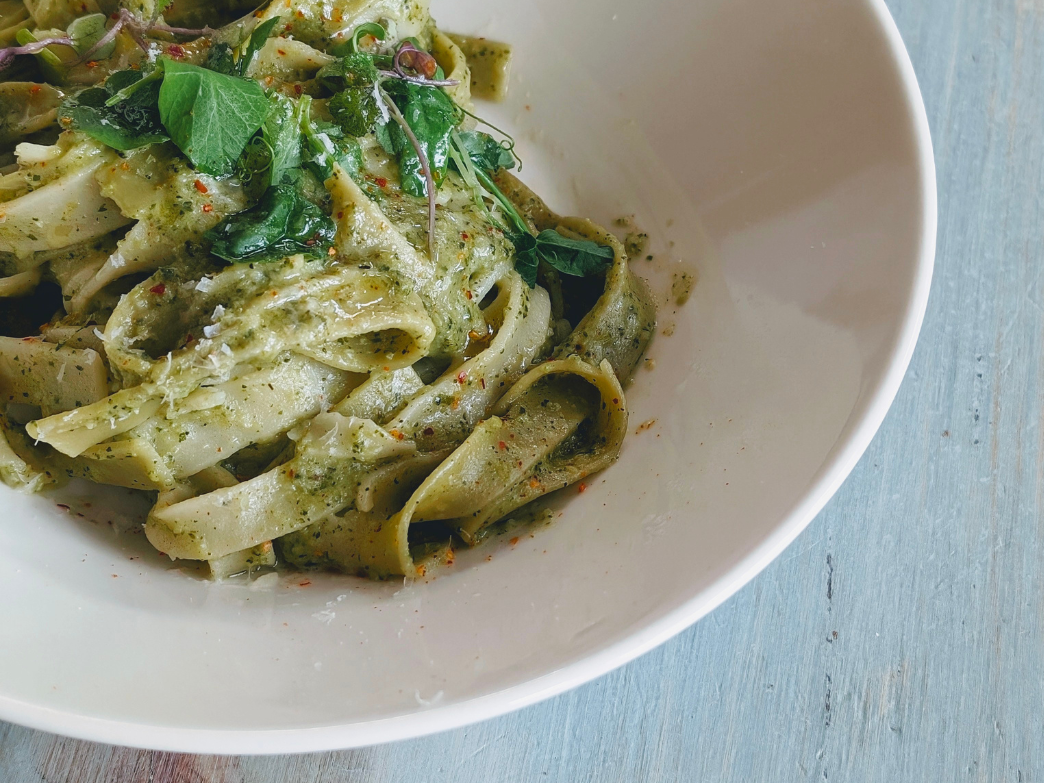
Best Ways to Make Pasta Healthier
By Lucy Yanckello, Ph.D. Wildgrain, opens in a new tab is the first bake-from-frozen subscription box for sourdough breads, fresh pastas, and artisanal pastries. Pasta, and carbs in general, are often demonized when it comes to being health conscious. However, pasta can be a wholesome addition to – or star of – any meal in a balanced diet. Topping pasta with sauces, vegetables, and lean proteins filled with vitamins and nutrients can help round out any diet. What is the healthiest way to cook pasta? The healthiest way to cook pasta, according to dieticians, is al dente which literally means “to the tooth” (firm and chewy). Al dente pasta has a lower glycemic index (GI), meaning that it will not spike blood sugar as dramatically as overcooked and mushy pasta. Low GI foods are digested slower, meaning they provide longer-lasting energy, whereas high GI carbohydrates cause blood sugars to spike and then crash. Is undercooked pasta bad for you? Is undercooked pasta dangerous to eat? Undercooked pasta does not present any immediate health risks. The exception to this is if your noodles are made with raw eggs, which can cause salmonella poisoning. Fully cooked pasta is easier for your body to digest and break down, meaning you won’t get many (if any) nutrients from eating undercooked pasta. Is overcooked pasta bad for you? Is overcooked pasta harder to digest? Overcooked pasta is not bad for you per se, but overcooking does cause the glycemic index of pasta to increase. With a higher GI, overcooked pasta is digested more quickly and causes a spike and crash in blood sugar, which will leave you feeling hungry shortly after eating. In addition, overcooked pasta is stripped of nutrients, with reductions in fiber, B-vitamins, and protein. What is the healthiest way to eat pasta? Can pasta be made healthy? The healthiest way to eat pasta is cooked al dente. Pasta is inherently healthy, as carbohydrates are important energy sources for our whole body, especially our brain. Al dente pasta has a lower GI meaning that it is digested slower, making you feel fuller for longer, which can help reduce snacking and aid in weight loss. What should I put on my pasta to be healthy? In order to beef up the nutritional quality of a pasta dish, the focus should be on vegetables and lean proteins. In addition, swapping regular pasta for whole grain or one of the other pastas available on the market to increase protein and fiber content and reduce carbohydrate content can be helpful. Opt for tomato-based sauces and swap out heavy dairy products for those with less fat, such as greek yogurt. What should I avoid putting on my pasta to be healthy? When trying to be health conscious, dousing pasta in cheese or proteins high in fat may not be the best choice for everyday meals. For example, cream-based sauces filled with cheese and proteins such as pork sausage should be avoided. This is not to say cheese cannot be used on your pasta, just be aware of the amount and the type of cheese used – try to make it a side character instead of the star. How do you add fiber to pasta dishes? Vegetables, beans, and other legumes can be added to pasta (or into pasta dough!) to beef up fiber content. Stores sell pastas of all types now, including those made with ingredients other than wheat flour, that increase the fiber content of the pasta itself (i.e. chickpeas, lentils, black beans). Additionally, any vegetables, beans, and other legumes added to the top of your pasta will increase the fiber content of your dish. How do you add protein to pasta dishes? Just as with increased fiber, pastas made with chickpeas, lentils, and other beans and legumes also have higher protein content than regular pasta – even whole wheat pasta has higher protein content than regular pasta. Protein can also come from more traditional sources such as chicken, turkey, and seafood. Opting for leaner proteins such as the ones listed will increase protein content without an accompanying increase in fat content of your dish. Where can I buy healthy pasta online? At Wildgrain, we specialize in making high-quality, fresh pasta that are delivered directly to your door. Wildgrain is the first bake-from-frozen delivery subscription service for breads, rolls, pastries, and fresh pastas. Some of our popular pastas include fresh fettuccine, fresh rigatoni, and fresh tonnarelli. Learn more about Wildgrain and our artisanal baking and cooking methods. Best Pasta Home Delivery Service: How Wildgrain's Pasta Delivery Works Wildgrain's pastas are prepared in independent, artisanal bakeries with high quality ingredients. The pastas are shipped frozen in insulated boxes and delivered direct to your home, anywhere nationwide. By shipping frozen, Wildgrain products maintain the highest quality, so you can enjoy fresh pasta at home. That's why customers consider Wildgrain among the best home delivery services for pasta. About the Author Lucy Yanckello received her Ph.D. in nutrition from the University of Kentucky College of Medicine. She currently works as a medical writer and enjoys being able to help people better understand nutrition and science. This content is for informational use only and does not replace professional nutrition and/or medical advice, diagnosis or treatment. It is not a substitute for and should not be relied upon for specific nutrition and/or medical recommendations. Please talk with your doctor about any questions or concerns.
Learn more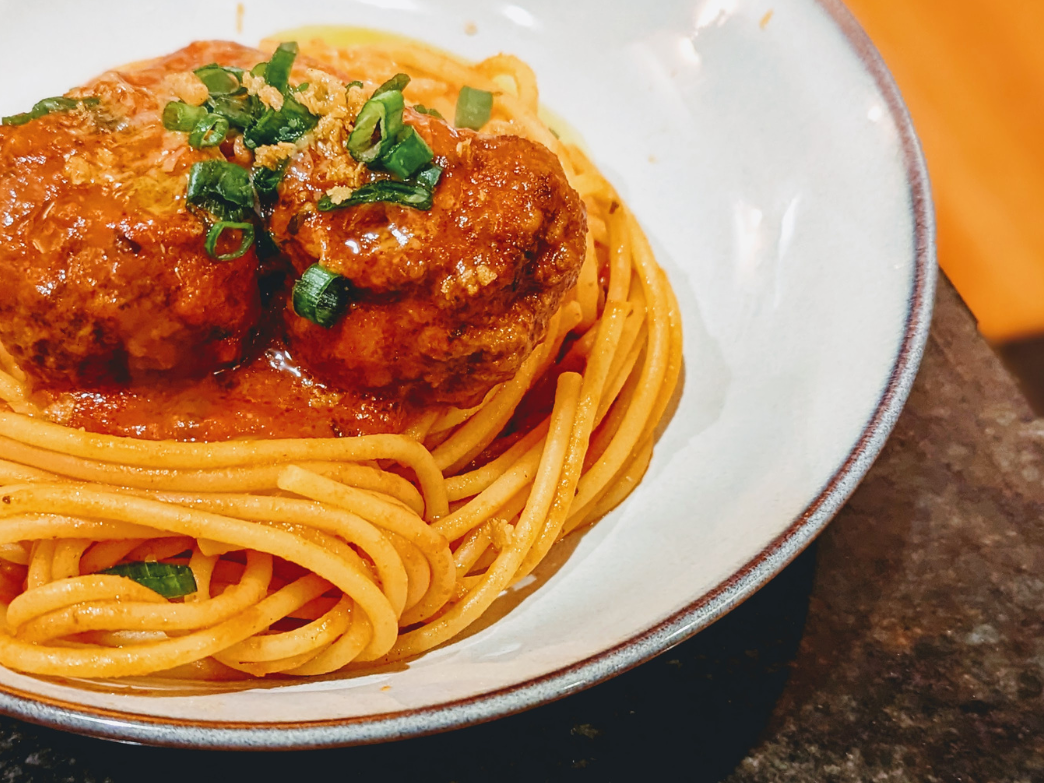
Best Pasta for Protein: Are There Health Benefits of Pasta?
By Dr. Jorge, Ph.D. Wildgrain, opens in a new tab is the first bake-from-frozen subscription box for sourdough breads, fresh pastas, and artisanal pastries. Although it may seem like pasta doesn’t have much nutritional value, it actually contains quite a bit of protein. Read on to learn more about pasta, protein pasta, and how both could fit into your diet and help you reach your health goals. Does pasta have protein? How much protein does a bowl of pasta usually have? Yes, pasta contains protein, and it has a fair amount of it. For every cup of cooked white or whole grain pasta, there are roughly 6-8 grams of protein. This protein content is derived from the durum wheat in semolina flour which is typically used to make pasta. Is pasta good for protein? Is pasta a good source of protein? Is pasta bad for protein? Pasta is a good source of protein with an average of 7 grams of protein per serving. If you want to up your protein intake even more, you could opt for pasta alternatives made from protein-rich ingredients like lentils, chickpeas, soybeans, or edamame. These pasta varieties are an excellent source of protein, generally containing double or triple the amount of protein found in traditional pasta. What is protein pasta? What protein is in protein pasta? Protein pasta is a form of pasta that is often made from plant proteins such as beans, lentils, and peas. Since these ingredients are protein-rich, pasta made from beans, lentils, and peas will be higher in protein than regular pasta. The specific protein used to make the protein pasta will determine just how much of a protein boost you can expect. For example, the protein content of lentil and chickpea pasta can reach up to 15 grams per serving, which is nearly twice as much as regular pasta. Soybean or edamame-based pasta can boast three times the protein content of regular pasta, with up to 25 grams per serving. Is protein pasta healthier than regular pasta? Protein pasta is not necessarily healthier than regular pasta, wildgrain.com fresh rigatoni 12oz. Comparing them side by side reveals that their nutritional profiles are similar, with the primary distinction being the amount of protein and fiber in each. Protein pasta has at least twice as much protein and fiber per serving as regular pasta, so it might be a better option for you if you are trying to up the amount of these nutrients in your diet. Is protein pasta good for weight loss? Studies have shown that protein pasta is good for weight loss. This is because eating meals high in protein can help you stay in a caloric deficit by keeping you full for longer. Since a caloric deficit is necessary to lose weight, consuming a protein-rich meal can help satisfy your hunger and allow you to meet your weight loss goals. Foods high in protein, like protein pasta, also typically have fewer calories overall, which can further aid in weight loss. What protein is good to pair with pasta? What protein is good to add to a pasta dish? The ideal protein to have with pasta will vary depending on your dietary requirements and preferences. You can top your preferred pasta with chicken or sausage if you'd rather eat a meat-based protein. Similarly, you may consider pairing fish, shrimp, seeds, or nuts with your pasta for a non-meat protein option. What pasta dishes are the best for high protein? To ensure a high-protein pasta dish, you can pick a protein pasta of your choice and pair it with other high-protein ingredients. This can mean adding meat, fish, seeds, or nuts to your favorite pasta. If you’d prefer traditional pasta, wildgrain.com fresh rigatoni 12oz, you can still have a high-protein pasta dish by adding any protein-rich food to regular or whole wheat pasta as well. What pasta sauces are the best for high protein? A high-protein pasta sauce will be one made with protein-rich ingredients. This means a meat-based sauce (i.e. Bolognese sauce) is one of the best options when choosing a pasta sauce packed with protein. There are also vegetarian sauce options that are good sources of protein such as tomato-based pasta sauces made with lentils or vegan Bolognese sauce made with soy protein. Where can I buy healthy pasta and pasta sauce online? At Wildgrain, we specialize in making high-quality, fresh breads that are delivered directly to your door. Wildgrain is the first bake-from-frozen delivery subscription service for breads, rolls, pastries, and fresh pastas. Some of our popular pastas include Fresh Fettuccine, Fresh Rigatoni, and Fresh Tonnarelli. We also make homemade Classic Marinara Sauce. Learn more about Wildgrain and our artisanal baking and cooking methods. Best Pasta Home Delivery Service: How Wildgrain's Pasta Delivery Works Wildgrain's pastas are prepared in independent, artisanal bakeries with high quality ingredients. The pastas are shipped frozen in insulated boxes and delivered direct to your home, anywhere nationwide. By shipping frozen, Wildgrain products maintain the highest quality, so you can enjoy fresh pasta at home. That's why customers consider Wildgrain among the best home delivery services for pasta. About the Author Dr. Jorge has been a public health researcher for many years, holding both a Bachelor's degree and a Ph.D. in Chemistry. They presently work as a medical writer and love being able to assist others in understanding various health and scientific topics. This content is for informational use only and does not replace professional nutrition and/or medical advice, diagnosis or treatment. It is not a substitute for and should not be relied upon for specific nutrition and/or medical recommendations. Please talk with your doctor about any questions or concerns.
Learn more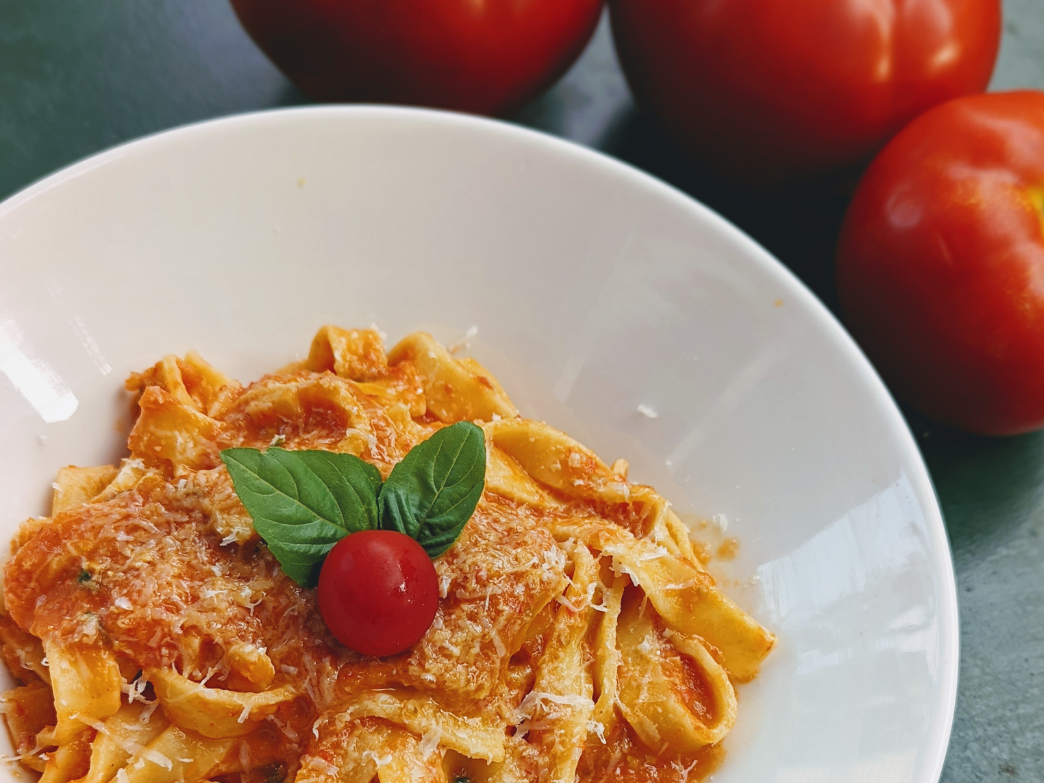
Best Sauce & Pasta for High Cholesterol: Can You Eat Pasta with High Cholesterol?
By Dr. Jorge, Ph.D. Wildgrain, opens in a new tab is the first bake-from-frozen subscription box for sourdough breads, fresh pastas, and artisanal pastries. You might feel like you need to give up your favorite pasta dishes if you’re watching your cholesterol levels. Our goal is to squash those worries and provide you with suggestions on how to make your go-to pasta recipes heart-healthy and low-cholesterol, while still remaining delicious. Read on to find out how to manage your cholesterol while continuing to enjoy your favorite pasta dishes! Is pasta high in cholesterol? Is pasta bad if I have high cholesterol? Is pasta OK if you have high cholesterol? Pasta does not contain cholesterol, but certain kinds of pasta can contribute to high cholesterol levels. This includes white pasta, or pasta made from refined grains. Studies have shown that although refined grains do not contain cholesterol, they can still result in raised cholesterol levels. What pasta is best for high cholesterol? Pasta made from whole grains is the best option for those with high cholesterol. Swapping foods made with refined grains with whole grains alternatives has shown to improve total cholesterol levels. This is because whole-grain pasta is an excellent source of soluble fiber – soluble fiber can bind to cholesterol in the small intestine, promoting the release of cholesterol from the body. Can pasta help to lower cholesterol? What kind of pasta is good to lower cholesterol? Whole-grain pasta or pasta alternatives like chickpea pasta or lentil pasta can help to lower cholesterol levels. Both whole grains and legumes like chickpeas and lentils are high in soluble fiber, which is instrumental in lowering cholesterol levels, reducing the risk of cardiovascular disease, and promoting overall heart health. What pasta sauce is best for high cholesterol? Are there low-cholesterol pasta sauces? Tomato-based sauces are generally best for high cholesterol as these sauces do not contain any cholesterol. Additionally, tomatoes are a great source of lycopene, which is a plant compound known to reduce cholesterol levels. Meat-based tomato sauces and pesto sauce can also be good options as most of these sauces contain low levels of cholesterol. Before picking a pasta sauce, be sure to check the nutrition label for cholesterol and saturated fat content. For reference, if you have risk factors for heart disease, it is recommended to limit your cholesterol intake to no more than 200 milligrams per day. Is pasta sauce bad for cholesterol? What type of spaghetti sauce is bad for cholesterol? Is tomato sauce bad for high cholesterol? Certain pasta sauces, like those with a lot of saturated fat, can raise cholesterol levels. This includes cream, cheese, and butter-based sauces. Because of the ingredients used to make them, pasta sauces like vodka sauce and alfredo sauce are high in cholesterol and saturated fats. However, since tomato sauce doesn't contain any high-fat ingredients and tomatoes themselves can help lower cholesterol, it's usually a great choice for people with high cholesterol. What pasta dishes are the best for high cholesterol? Whole-grain pasta or healthier pasta substitutes (such as chickpea, lentil, or vegetable pasta) are the best pasta dishes for those who have high cholesterol. For the healthiest and lowest cholesterol dish, pastaGo to Tonnarelli product or pasta substitutes should be served with sauces low in saturated fat and cholesterol, like tomato sauce or pesto sauce. A heart-healthy pasta dish can also be achieved by adding an equal amount of vegetables to the pasta. What pasta dishes are the worst for high cholesterol? What pasta dish should I avoid if I have high cholesterol? Pasta dishes made with white pasta or pasta high in saturated fat, like gnocchi, are not ideal options for people with high cholesterol. When it comes to pairing sauces, any sauces that contain butter, cheese, or cream should be avoided as they are high in saturated fat and cholesterol, which will only contribute to raised cholesterol levels. Where can I buy healthy pasta and pasta sauce online? At Wildgrain, we specialize in making high-quality, fresh breads that are delivered directly to your door. Wildgrain is the first bake-from-frozen delivery subscription service for breads, rolls, pastries, and fresh pastas. Some of our popular pastas include Fresh Fettuccine, Fresh Rigatoni, and Fresh Tonnarelli. We also make Classic Marinara Sauce. Learn more about Wildgrain and our artisanal baking and cooking methods. Best Home Delivery Service for Food: How Wildgrain's Food Delivery Works Wildgrain's products are prepared in independent, artisanal bakeries with high quality ingredients. They are shipped frozen in insulated boxes and delivered direct to your home, anywhere nationwide. By shipping frozen, Wildgrain products maintain the highest quality, so you can enjoy fresh food at home. That's why customers consider Wildgrain among the best home food delivery services. About the Author Dr. Jorge has been a public health researcher for many years, holding both a Bachelor's degree and a Ph.D. in Chemistry. They presently work as a medical writer and love being able to assist others in understanding various health and scientific topics. This content is for informational use only and does not replace professional nutrition and/or medical advice, diagnosis or treatment. It is not a substitute for and should not be relied upon for specific nutrition and/or medical recommendations. Please talk with your doctor about any questions or concerns.
Learn more