

Wildgrain Blog
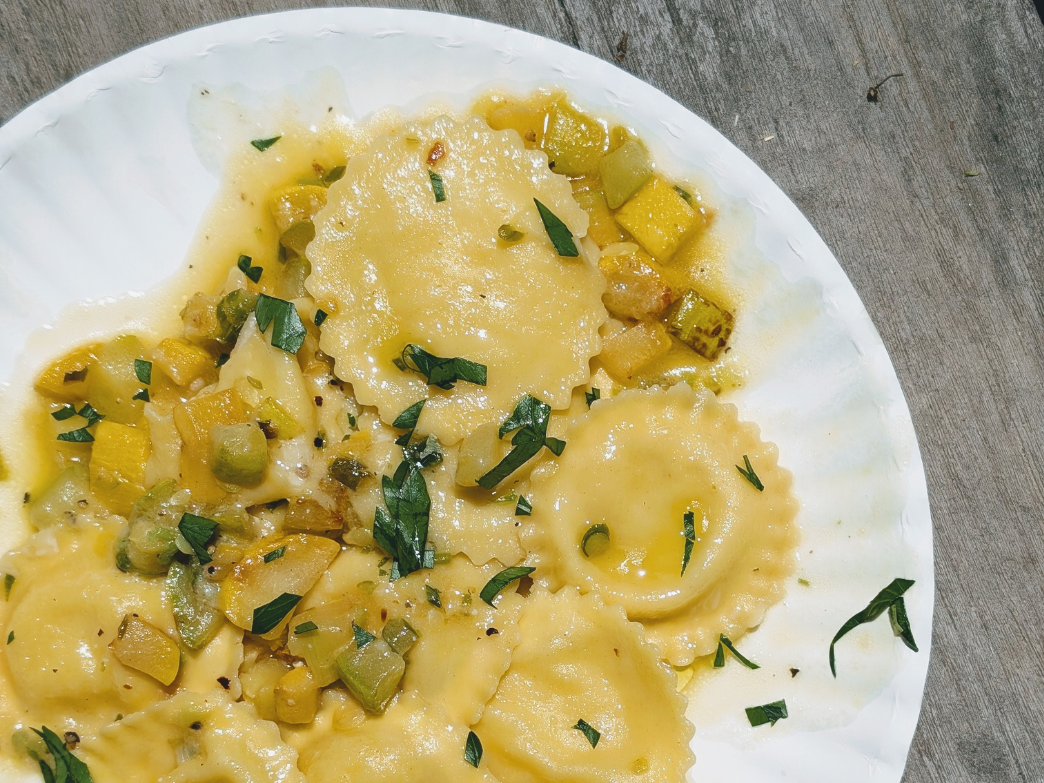
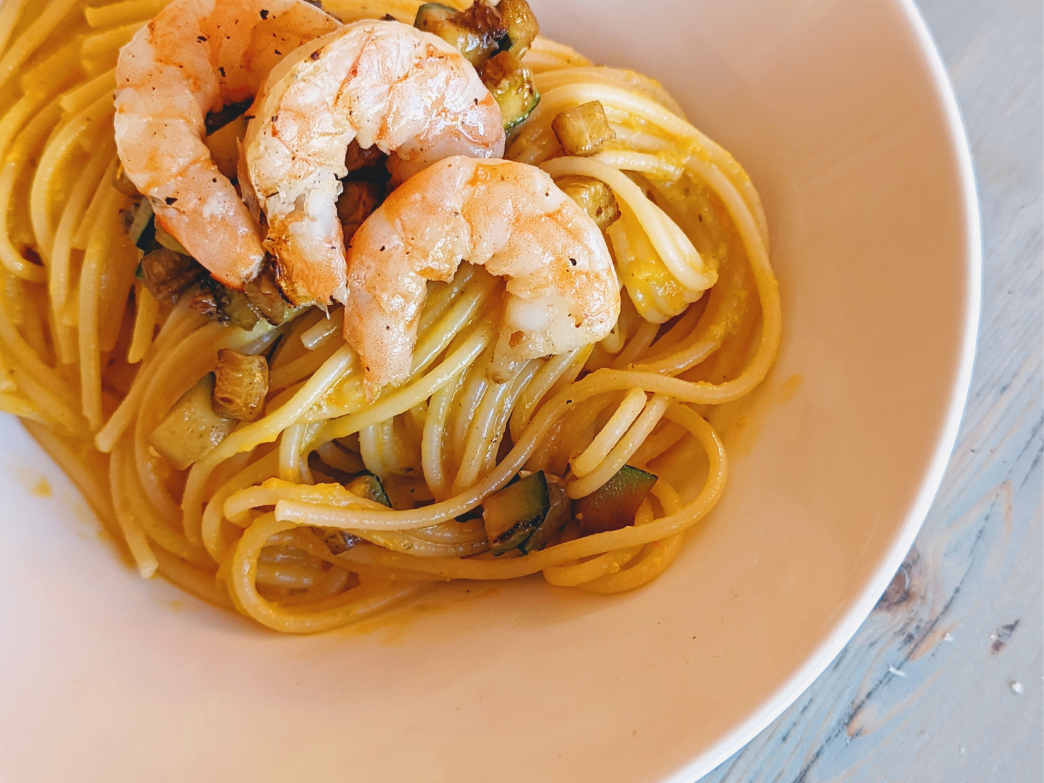
What is Healthier: Pasta or Brown Rice or White Rice?
By Dr. Jorge, Ph.D. Wildgrain, opens in a new tab is the first bake-from-frozen subscription box for sourdough breads, fresh pastas, and artisanal pastries. Choosing the perfect carb for your plate can be a tough decision. Is it better to go with the simplicity of white rice, the heartiness of brown rice, or the versatility of pasta? We’ll break down the differences and benefits to help you discover which works best with your lifestyle. What are the health pros and cons of brown rice? Brown rice is a whole grain packed with essential vitamins, minerals, and antioxidants. Not only is brown rice highly nutritious, but a whole grain diet boasts impressive health benefits such as reducing the risk of heart disease, stroke, and certain cancers. While brown rice mostly has upsides, it can contain elevated levels of arsenic, although this should not be a concern when eaten in moderation. Which is healthier to eat: pasta or brown rice? Is brown rice better than pasta? Brown rice is healthier than white pasta because brown rice is a whole grain food and white pasta is a refined grain food. Whole grains are highly nutritious, containing more fiber and protein than their refined grain counterparts. Protein and fiber are important nutrients that can lower your risk of heart disease, stroke, obesity, and type 2 diabetes. Both brown rice and whole grain pasta are healthy foods, but the best choice for you will depend on your dietary needs and goals. For example, brown rice is lower in fat and carbohydrates than whole grain pasta. However, whole grain pasta contains more protein and fiber than brown rice. Whatever your nutritional needs are, you can’t go wrong with 100% whole grain food, whether brown rice, whole grain pasta, or whole wheat bread. What is healthier to eat: pasta or white rice? Is white rice better than pasta? In terms of nutrition, white rice and white pasta are very similar; however, pasta tends to contain more calories, fiber, and protein than rice. Since both white pasta and white rice are made from refined grains, neither is necessarily healthier than the other. The best choice will depend on personal preference and your unique nutritional needs. What is healthier to eat: white rice or brown rice? Is brown rice healthier than pasta? Brown rice is healthier than white rice because brown rice is a whole grain. In contrast to refined grains (white rice and white pasta), whole grains are a great source of fiber, vitamins, minerals, and other essential nutrients. Eating a diet high in whole grains can also lower the risk of diabetes, heart disease, and stroke, regulate weight, and help control cholesterol levels. Brown rice is just as nutritious as whole grain pasta and is healthier than white pasta. However, if you are on a low-fiber diet or have a sensitive stomach, you might want to opt for white pasta and white rice instead. Which is better for a diabetic: pasta or white rice or brown rice? White pasta, whole grain pasta, and brown rice are all better for diabetics than white rice. This is because both white pasta and brown rice are considered low glycemic index foods. Foods with a low glycemic index (less than 55) digest more slowly than foods with a high glycemic index (higher than 70). Slower digestion means it takes longer for glucose levels to increase after food is consumed, lowering the chances of a blood sugar spike. On the other hand, high glycemic index foods, like white rice, make it harder to control diabetes. Which is the best for weight loss, pasta or brown rice or white rice? The best foods for weight loss are whole grain foods, like brown rice and whole grain pasta. Whole grains are high in protein and fiber, two nutrients that will help to keep you full for longer which reduces the likelihood of overeating. Since calorie deficits are critical for weight loss, it is important to control both portion sizes and hunger levels. Can you still eat pasta, white rice, and brown rice when trying to lose weight? You can still enjoy pasta and rice while achieving your weight loss goals. The key to losing weight is to remain in a calorie deficit. You can stay in a deficit while enjoying your favorite foods by adjusting your portion sizes to fit within your calorie limits. For a balanced meal and to stay full, try adding vegetables and lean protein such as chicken or fish to your dish. Where can I buy fresh pasta online? At Wildgrain, we specialize in making high-quality, fresh breads and pastas that are delivered directly to your door. Wildgrain is the first bake-from-frozen delivery subscription service for breads, pastries, and fresh pastas. Some of our popular pastas include fresh fettuccine and fresh tonnarelli. Learn more about Wildgrain and our artisanal baking and cooking methods. Best Pasta Home Delivery Service: How Wildgrain's Pasta Delivery Works Wildgrain's pastas are prepared in independent, artisanal bakeries with high quality ingredients. The pastas are shipped frozen in insulated boxes and delivered direct to your home, anywhere nationwide. By shipping frozen, Wildgrain products maintain the highest quality, so you can enjoy fresh pasta at home. That's why customers consider Wildgrain among the best home delivery services for pasta. About the Author Dr. Jorge has been a public health researcher for many years, holding both a Bachelor's degree and a Ph.D. in Chemistry. They presently work as a medical writer and love being able to assist others in understanding various health and scientific topics. This content is for informational use only and does not replace professional nutrition and/or medical advice, diagnosis or treatment. It is not a substitute for and should not be relied upon for specific nutrition and/or medical recommendations. Please talk with your doctor about any questions or concerns.
Learn more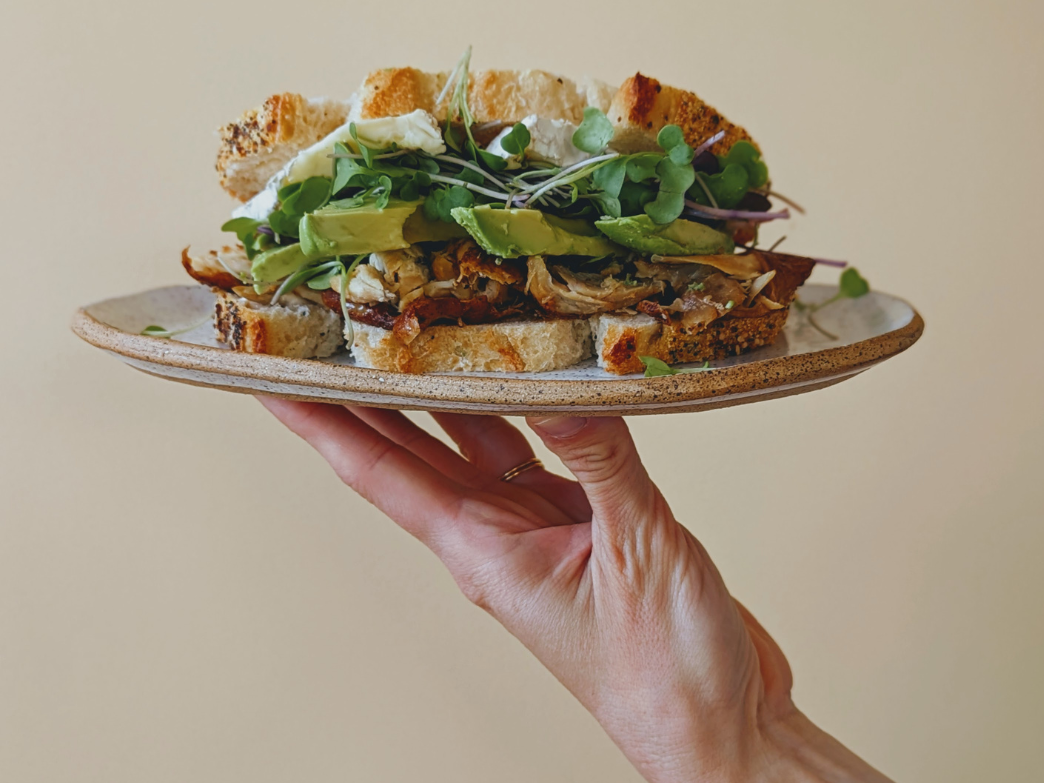
Best Sandwich Bread: What is the Healthiest Bread for Sandwiches?
By Dr. Jorge, Ph.D. Wildgrain, opens in a new tab is the first bake-from-frozen subscription box for sourdough breads, fresh pastas, and artisanal pastries. If you’re searching for a healthy sandwich bread that matches your nutritional goals, look no further! We’ll dive into the best types of bread to reach for when crafting your favorite sandwiches. There’s no need to compromise on taste while prioritizing a healthy, balanced diet. Can sandwiches be healthy? Are sandwiches healthy or unhealthy? Sandwiches might be a healthy option when they are made with nutrient-rich ingredients. From the outside of the sandwich to what is contained within – all ingredients are important in determining whether the sandwich will be healthy or unhealthy. To craft the healthiest sandwich, bread made from sourdoughGo to sourdough loaf or whole grains is the best option as both are filled with fiber, vitamins, minerals, and other important nutrients. For the inside of the sandwich, you can’t go wrong with vegetables and a lean protein such as tuna, turkey, or chicken breast. What kind of sandwich bread is healthiest? What is the best bread for a healthy sandwich? The healthiest sandwich bread is bread made entirely from whole grains and sourdough bread. Whole grain, whole wheat, and sourdough bread are nutrient-dense and considered to be the best types of bread to make a healthy sandwich. These types of bread may also help to prevent heart disease and lower blood sugar levels. What is the healthiest sandwich roll? What is the best roll for a healthy sandwich? The healthiest bread roll is one made from whole grains. This includes whole wheat bread rolls, multigrain bread rolls (when made from 100% whole grains), sourdough bread rolls, and rye bread rolls. A diet high in whole grains is associated with numerous health benefits such as a lower risk of diabetes, heart disease, and high blood pressure. Additionally, rye bread may help to reduce cholesterol levels and inflammation. What kind of sandwich bread will keep you fuller for longer? Not only is whole grain bread one of the healthiest bread choices you can make, but it will also keep you fuller for longer. The outer layers of whole grains are made of bran, or fiber, which takes longer for the body to digest. That means whole grain bread will make you feel full for longer periods of time. ciabatta sandwich rollsGo to slow fermented ciabatta sandwich rolls WildgrainGo to storySourdough bread, especially when it’s made from whole grains, is another great option due to its high fiber and protein content. What is the best sandwich bread for weight loss? The best sandwich bread for weight loss is the same kind of bread that will keep you feeling fuller for longer. This is because fiber-rich bread, such as whole grain bread, will help to fill you up and prevent you from overindulging, which will ultimately support your weight loss efforts. Whole grains have been linked to a decreased risk of obesity in numerous studies. What sandwich bread is good for diabetics? Can diabetics eat sandwiches? The best sandwich bread for diabetics is whole grain or whole wheat bread. When made from 100% whole grains, whole grain and whole wheat breads contain complex carbohydrates and fiber that slow down glucose absorption. Since whole grain bread has a low glycemic index, blood sugar rises more gradually than alternatives (like white bread), preventing spikes in blood sugar levels. Is sourdough the healthiest bread for sandwiches? Sourdough bread is one of the healthiest types of bread for sandwiches, in part due to its fermentation process. Especially when made from whole grains, sourdough bread has an impressive nutritional profile. Sourdough bread is high in antioxidants, calcium, potassium, magnesium, folate, and niacin due in part to its extended fermentation process. Sourdough bread is also low in fat and sugar, making it a great choice for a variety of diets. Is whole wheat bread the healthiest sandwich bread? Whole wheat bread is the healthiest sandwich bread since it is made entirely from whole grains. Whole grains boast various health benefits including improved digestion, reduced cholesterol, lower blood pressure, and lower risk of heart disease, among others. Whole wheat bread is rich in protein, fiber, B vitamins, and many other nutrients that can help you to feel better overall and even lose weight. Where can I buy the best fresh sandwich bread online? At Wildgrain, we specialize in making high-quality, fresh baked goods that are delivered directly to your door. Wildgrain is the first bake-from-frozen delivery subscription service for breads, pastries, and fresh pastas. Some of our popular breads for sandwiches include sourdough whole wheat loaf, everything sourdough bread, ciabatta sandwich rolls. Plus we have fresh churned butter as a delicious complement. Learn more about Wildgrain and our artisanal baking and cooking methods. Best Bread Home Delivery Service: How Wildgrain's Bread Delivery Works Wildgrain's breads are prepared in independent, artisanal bakeries with high quality ingredients. The breads are shipped frozen in insulated boxes and delivered direct to your home, anywhere nationwide. By shipping frozen, Wildgrain products maintain the highest quality, so you can enjoy fresh baked breads at home. That's why customers consider Wildgrain among the best home delivery services for bread. About the Author Dr. Jorge has been a public health researcher for many years, holding both a Bachelor's degree and a Ph.D. in Chemistry. They presently work as a medical writer and love being able to assist others in understanding various health and scientific topics. This content is for informational use only and does not replace professional nutrition and/or medical advice, diagnosis or treatment. It is not a substitute for and should not be relied upon for specific nutrition and/or medical recommendations. Please talk with your doctor about any questions or concerns.
Learn more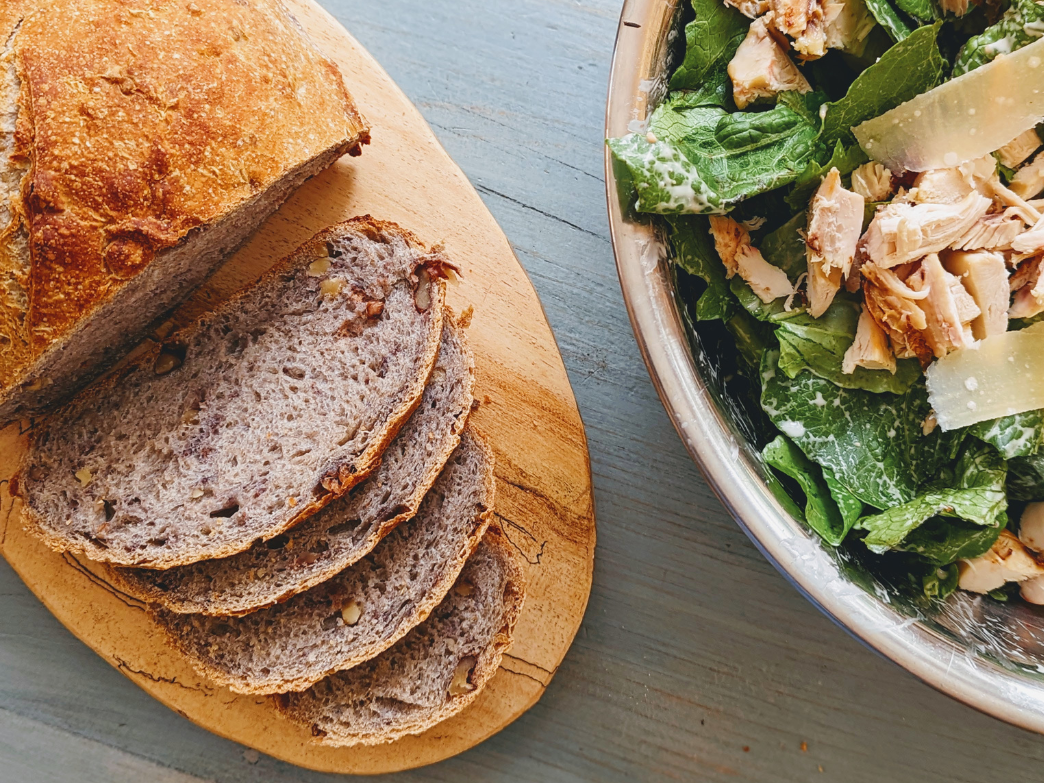
Best Bread for Heart Health: What Bread is Healthiest for Your Heart?
By Dr. Jorge, Ph.D. Wildgrain, opens in a new tab is the first bake-from-frozen subscription box for sourdough breads, fresh pastas, and artisanal pastries. Are you looking for a bread that can boost heart health while satisfying your taste buds? Selecting the right loaf can make all the difference when it comes to your heart health. Our hearts are the central organ of our bodies, and with bread being a core food in many of our diets, it’s an important decision to make. Read on to discover which types of bread can promote heart health and which could negatively impact it. What bread is good for your heart? What kind of bread is good for heart health? The best bread for your heart health is 100% whole wheat or whole grain bread. Not only is whole grain bread an excellent source of nutrients, but it’s also a great source of fiber. Regular consumption of whole grains can also help improve cholesterol levels and can help lower the risk of heart disease, stroke, obesity, and type 2 diabetes. Should I avoid all bread for heart health? What bread should I avoid for heart health? There’s no need to avoid any particular type of bread, but less nutritious bread (like bread made from refined grains) should be eaten in moderation. A diet heavy in refined grains, such as white bread, might increase your risk for heart disease and early death. On the other hand, studies have shown that foods made from whole grains, like whole wheat bread, can help lower the risk of heart disease, diabetes, and other health conditions. Is sourdough bread good for heart health? Sourdough bread might be good for heart health due to the lactic acid bacteria produced during fermentation. The lactic acid bacteria is responsible for the elevated antioxidant levels in sourdough bread; it is also the reason for sourdough’s unique taste. Antioxidants can protect your cells from damage that causes cancer, heart disease, Alzheimer’s disease, and more. Is whole grain bread good for heart health? Whole grain bread is one of the best types of bread for heart health. Whole grains contain the entire, unprocessed grain that contains essential nutrients like vitamins, minerals, fiber, and more. This means whole grain foods are highly nutritious and consuming them regularly can lead to big health benefits, such as lower cholesterol and a reduced risk of heart disease and stroke. In fact, studies have shown that people who eat three or more servings of whole grains a day have up to 30% less risk of developing heart disease compared to those who rarely consume whole grains. Is whole wheat bread good for heart health? Whole wheat bread is a great choice when considering foods that are best for heart health. This is because 100% whole wheat bread is made from whole grains. When selecting a whole wheat bread, the key is to ensure it is made entirely from whole grains. If the nutrition label on the package lists one of the following as the first ingredient, it is likely made from 100% whole grains: whole grain [name of grain], whole wheat, whole [other grain]. Is white bread good for heart health? White bread is not heart-healthy, since it is made from refined grains. Refined grains are stripped of essential nutrients, like fiber, which can mean potential downsides when consumed in excess. While white bread is fine to eat every once in a while, it is not recommended to consume a diet heavy in refined grain foods. Studies have shown that eating a diet high in refined grains can lead to obesity, high blood sugar, and heart disease. Is rye bread good for heart health? Rye bread, especially when made from whole grains, can be good for heart health. Rye bread has been linked to lower cholesterol levels and a decreased risk of heart disease, partly due to its high fiber content. Other health benefits, like weight loss, enhanced blood sugar control, and improved digestive health, have also been shown to be associated with rye bread. What is the healthiest bread for your heart? What is the best bread for heart health? The healthiest bread for heart health is one made entirely from whole grains. Eating a diet rich in whole grains boasts numerous health benefits, including improved cholesterol levels and weight loss, as well as a reduced risk of heart disease, stroke, and diabetes. When searching for a heart-healthy bread, be sure to check the ingredient list for whole wheat or whole grain as the first ingredient. Where can I buy heart-healthy bread online? At Wildgrain, we specialize in making high-quality, fresh breads that are delivered directly to your door. Wildgrain is the first bake-from-frozen delivery subscription service for breads, rolls, pastries, and fresh pastas. Some of our popular breads include sourdough whole wheat, sourdough 7-grain, slow fermented 3-seed bread, and sourdough rye. Learn more about Wildgrain and our artisanal baking and cooking methods. Best Bread Home Delivery Service: How Wildgrain's Bread Delivery Works Wildgrain's breads are prepared in independent, artisanal bakeries with high quality ingredients. The breads are shipped frozen in insulated boxes and delivered direct to your home, anywhere nationwide. By shipping frozen, Wildgrain products maintain the highest quality, so you can enjoy fresh baked breads at home. That's why customers consider Wildgrain among the best home delivery services for bread. About the Author Dr. Jorge has been a public health researcher for many years, holding both a Bachelor's degree and a Ph.D. in Chemistry. They presently work as a medical writer and love being able to assist others in understanding various health and scientific topics. This content is for informational use only and does not replace professional nutrition and/or medical advice, diagnosis or treatment. It is not a substitute for and should not be relied upon for specific nutrition and/or medical recommendations. Please talk with your doctor about any questions or concerns.
Learn more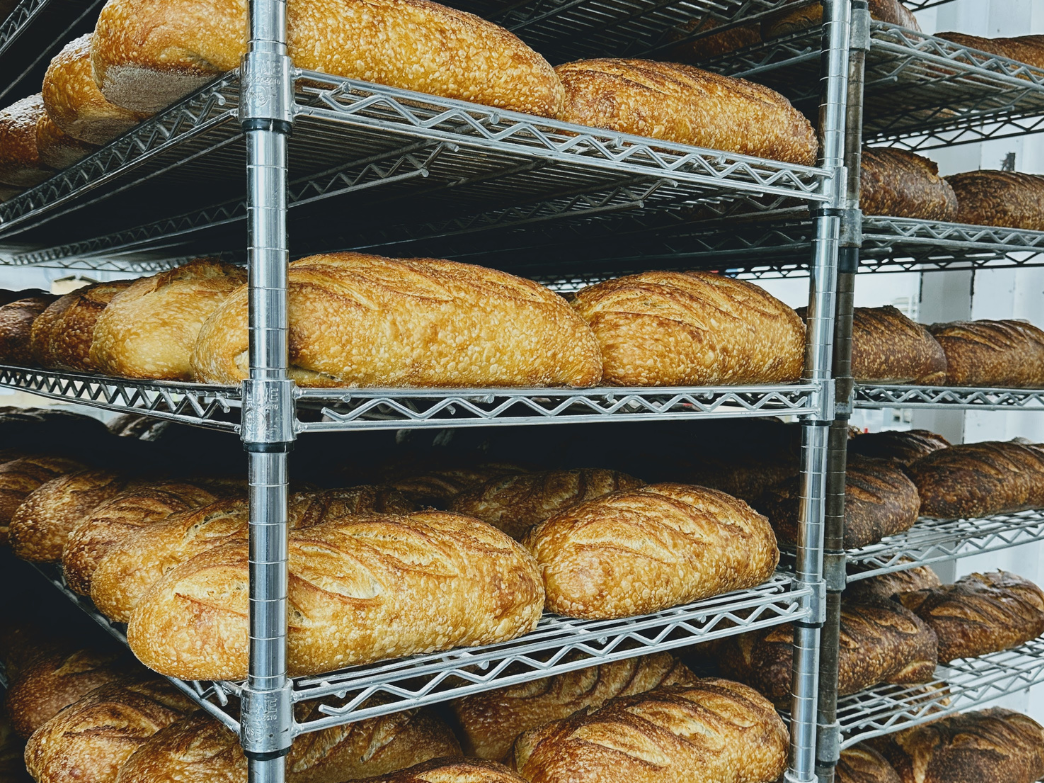
Best Bread for Saturated Fat: What Bread has Low Saturated Fat?
By Dr. Jorge, Ph.D. Wildgrain, opens in a new tab is the first bake-from-frozen subscription box for sourdough breads, fresh pastas, and artisanal pastries. Bread is a staple food for many of us, but how much do you know about its fat content? As it turns out, this can vary slightly between different types of bread. Join us as we compare the fat content of some of the most popular types of bread. Is bread high in saturated fat? The majority of bread contains little to no fat. Given this, bread typically has a small amount of saturated fat with certain types containing no saturated fat. Generally, bread has less than 1 gram of saturated fat per serving. Any saturated fat found in bread usually comes from added fats in oil. What bread is low in saturated fat? Is there bread without saturated fat? Most bread is low in saturated fat and many bread varieties have no saturated fat at all. Some examples of bread that are low in saturated fat (less than 0.5 grams per serving) are whole wheat bread, white bread, rye bread, and baguette bread. Sourdough bread and ciabatta bread are among the types of bread that do not contain any saturated fat. Is sourdough bread high in saturated fat? Is sourdough bread low in saturated fat? Sourdough bread generally does not contain any saturated fat. Many sourdough bread loaves contain no fat at all, and the ones that do contain fat typically have 1 gram or less of total fat. Sourdough bread continuously stands out as a top contender for the healthiest, most nutritious option – and some might argue it’s the tastiest bread choice too. The absence of saturated fats only adds to its appeal, making sourdough bread a great selection whenever you’re craving a slice. Is rye bread high in saturated fat? Is rye bread low in saturated fat? Similar to many other breads, rye bread contains very little saturated fat. An average slice of rye bread has about 1 gram of fat total with approximately 0.2 grams of its total fat content consisting of saturated fat. Is whole wheat bread high in saturated fat? Is whole wheat bread low in saturated fat? Whole wheat bread typically contains very little saturated fat, and some types have none at all. If a particular whole wheat bread does have saturated fat, it is usually 0.5 grams or less. Is whole grain bread high in saturated fat? Is whole grain bread low in saturated fat? Like most other types of bread, whole grain bread has very little saturated fat. An average slice of whole grain bread typically contains 0.5 grams of saturated fat or less. Considering all of the other benefits whole grain bread has to offer, its low saturated fat content is a bonus for those looking for a healthier bread choice. Is white bread high in saturated fat? Is white bread low in saturated fat? White bread is not high in saturated fat. Similar to other types of bread, one slice of white bread has approximately 1 gram of total fat and less than 0.5 grams of saturated fat. What is the best bread for saturated fat? What is the best bread for saturated fat and low cholesterol? Since almost all bread has minimal saturated fat, you can't really make a wrong choice when selecting a low-fat bread. If you are looking for bread with the lowest amount of saturated fat, double-check the nutrition label and avoid any bread with added oils. Sourdough bread and ciabatta bread generally have 0 grams of saturated fat, but other types of bread, like wheat or white bread, might also have no saturated fat. The best all-around bread for avoiding saturated fat and for low cholesterol is sourdough bread as it does not contain any cholesterol or saturated fat and might even help to lower cholesterol levels. Where can I buy healthy bread online? At Wildgrain, we specialize in making high-quality, fresh breads that are delivered directly to your door. Wildgrain is the first bake-from-frozen delivery subscription service for breads, rolls, pastries, and fresh pastas. Some of our popular breads include sourdough whole wheat, sourdough 7-grain, sourdough rye, and slow fermented 3-seed breadGo to sourdough rye bread. Learn more about Wildgrain and our artisanal baking and cooking methods. Best Bread Home Delivery Service: How Wildgrain's Bread Delivery Works Wildgrain's breads are prepared in independent, artisanal bakeries with high quality ingredients. The breads are shipped frozen in insulated boxes and delivered direct to your home, anywhere nationwide. By shipping frozen, Wildgrain products maintain the highest quality, so you can enjoy fresh baked breads at home. That's why customers consider Wildgrain among the best home delivery services for bread. About the Author Dr. Jorge has been a public health researcher for many years, holding both a Bachelor's degree and a Ph.D. in Chemistry. They presently work as a medical writer and love being able to assist others in understanding various health and scientific topics. This content is for informational use only and does not replace professional nutrition and/or medical advice, diagnosis or treatment. It is not a substitute for and should not be relied upon for specific nutrition and/or medical recommendations. Please talk with your doctor about any questions or concerns.
Learn more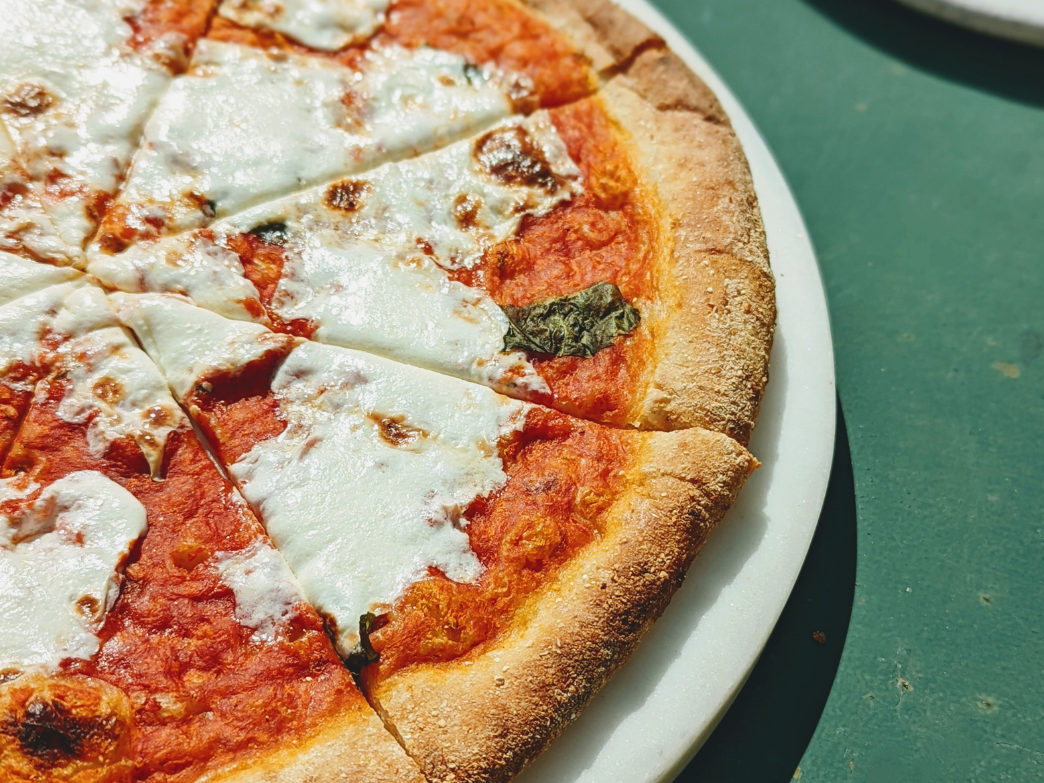
What's the Difference: Marinara Sauce vs. Pasta Sauce vs. Pizza Sauce vs. Tomato Sauce
By Lucy Yanckello, Ph.D. Wildgrain, opens in a new tab is the first bake-from-frozen subscription box for sourdough breads, fresh pastas, and artisanal pastries. Whether you are talking about pizza or pasta, most people agree that the sauce is a vital component. Although filled with mostly the same ingredients, there is a difference between pizza and pasta sauce – but can the two be interchanged? Read on to learn more about the differences between these sauces and how they compare to other tomato based sauces, too. What’s the difference between marinara sauce vs. pasta sauce vs. pizza sauce vs. tomato sauce? The names “marinara sauce” and “tomato sauce” are often used interchangeably – this is especially noticeable when looking at jars of sauce in the grocery store. However, although both are tomato-based, the similarities stop there. Marinara is a thinner and more simple sauce than tomato sauce, only needing about an hour to come together. The characteristic flavor comes from garlic, crushed red pepper, and herbs like basil and oregano. Plum tomatoes work best for this sauce, and if you are looking for a classic version, use San Marzano tomatoes – you can find these canned in your local grocery store. Tomato sauce, on the other hand, is a much more complex sauce that is thicker, richer, and takes hours to build the layers of flavor. The sauce starts with salt pork, or bacon, along with onions and carrots. These ingredients are followed by flour and butter to create a roux, or a way to thicken the sauce. Fresh tomatoes, bay leaves, garlic, and stock are added and the sauce is left to simmer for hours. Either of these sauces can be used as a base for a delicious pasta sauce. However, the difference between pasta and pizza sauce is that pizza sauce is uncooked. Is pizza sauce and pasta sauce the same thing? Can you substitute pizza for pasta sauce, or substitute pasta for pizza sauce? Pizza sauce and pasta sauce are not the same. Pizza sauce is an uncooked tomato sauce, while pasta sauce is cooked. The best pizza sauces are simple, consisting of just pureed tomatoes and simply seasoned with salt, pepper, and a few herbs. Pizza sauce is uncooked because once in the oven, it will cook. Leaving it uncooked prior to putting it in the oven will give you the characteristic zippy tomato flavor characteristic of pizza sauce. On the other hand, similar to marinara or tomato sauce, pasta sauce is cooked. The tomatoes are simmered with herbs such as oregano, basil, and bay leaves, giving it a richer and deeper flavor with a touch of sweetness. Often, tomatoes will be left chunky in pasta sauce and other ingredients such as meats and vegetables will be added. Because it is added to noodles that are already cooked, the sauce needs to have its flavor developed already. Pasta sauce can be used for pizza in a pinch. Be sure to blend it into a smooth puree if the tomatoes are left in pieces, and put it on the stove to thicken it, as pasta sauce is thinner than pizza sauce. Pizza sauce can also be used for pasta sauce if you are in need of a quick fix. Add the sauce and some water to a pan to thin the sauce out. You can then add your favorite ingredients to build your pasta dish. Is marinara sauce the same as pasta sauce? Can I substitute marinara for pasta sauce, or substitute pasta for marinara sauce? Marinara is a type of pasta sauce – and the one people are most familiar with due to its simplicity. It is distinguished from other pasta sauces by its small ingredient list and quick cook time. It is thin and not chunky, but rather homogenous in nature. Because marinara is a type of pasta sauce, it can be used for any pasta dish that calls for a tomato-based sauce, and other ingredients can be added to it as necessary. Is marinara sauce the same as tomato sauce? Can I substitute marinara for tomato sauce, or substitute tomato for marinara sauce? Marinara is not the same as tomato sauce. Even though both are tomato based, marinara is thin and cooks quickly, whereas tomato sauce is thick and takes hours for the flavors to develop. Although they are very different in flavor and texture, marinara and tomato sauce can be used interchangeably as they are both tomato based. If you are looking to convert a dish that calls for tomato sauce to be vegetarian-friendly, marinara is a great substitute. Is marinara sauce the same as pizza sauce? Can I substitute marinara for pizza sauce, or substitute pizza for marinara sauce? Marinara is not the same as pizza sauce because marinara is cooked and pizza sauce is not. Additionally, because it is cooked, marinara usually has a deeper flavor and is thinner than pizza sauce. Pizza sauce also has fewer spices and herbs than marinara. Although you can use pizza sauce on pasta as laid out above, because it isn’t cooked it is not the best option for a flavorful pasta sauce. On the other hand, marinara does make a good substitute for pizza sauce due to the simple nature of the ingredients within. What’s the best substitute for pasta sauce? The best substitute for pasta sauce is likely pizza sauce. Pizza sauce and marinara are both smooth and have a relatively small ingredient list. If you have pizza sauce on hand, you can throw it in a pot, add some ingredients to create a pasta sauce in a pinch. Can I substitute marinara sauce for crushed tomatoes? Marinara sauce is not a good substitute for crushed tomatoes. Crushed tomatoes usually still have skins and are chunky. Marinara sauce is pureed and smooth with no chunks. What’s the healthiest sauce: pasta sauce vs. pizza sauce vs. marinara sauce vs. tomato sauce? The healthiest sauce is pizza sauce as it has the shortest, simplest ingredient list. Pasta sauce, marinara, and tomato sauce are all cooked and have added ingredients such as meats, oils, and other add-ins. The uncooked nature of pizza sauce, just being tomato puree and spices, gives you the most bang for your buck calorie-wise. Where can I buy bake-from-home fresh pizza, pasta, and sauce online? At Wildgrain, we specialize in making high-quality, fresh breads and pastas that are delivered directly to your door. Wildgrain is the first bake-from-frozen delivery subscription service for breads, pastries, and fresh pastas. Some of our popular pastas include fresh fettuccine and fresh tonnarelli, along with our made-from-scratch Classic Marinara Sauce. We also have a delicious Margherita pizza. Learn more about Wildgrain and our artisanal baking and cooking methods. Best Home Delivery Service for Food: How Wildgrain's Food Delivery Works Wildgrain's products are prepared in independent, artisanal bakeries with high quality ingredients. They are shipped frozen in insulated boxes and delivered direct to your home, anywhere nationwide. By shipping frozen, Wildgrain products maintain the highest quality, so you can enjoy fresh food at home. That's why customers consider Wildgrain among the best home food delivery services. About the Author Lucy Yanckello received her Ph.D. in nutrition from the University of Kentucky College of Medicine. She currently works as a medical writer and enjoys being able to help people better understand nutrition and science. This content is for informational use only and does not replace professional nutrition and/or medical advice, diagnosis or treatment. It is not a substitute for and should not be relied upon for specific nutrition and/or medical recommendations. Please talk with your doctor about any questions or concerns.
Learn more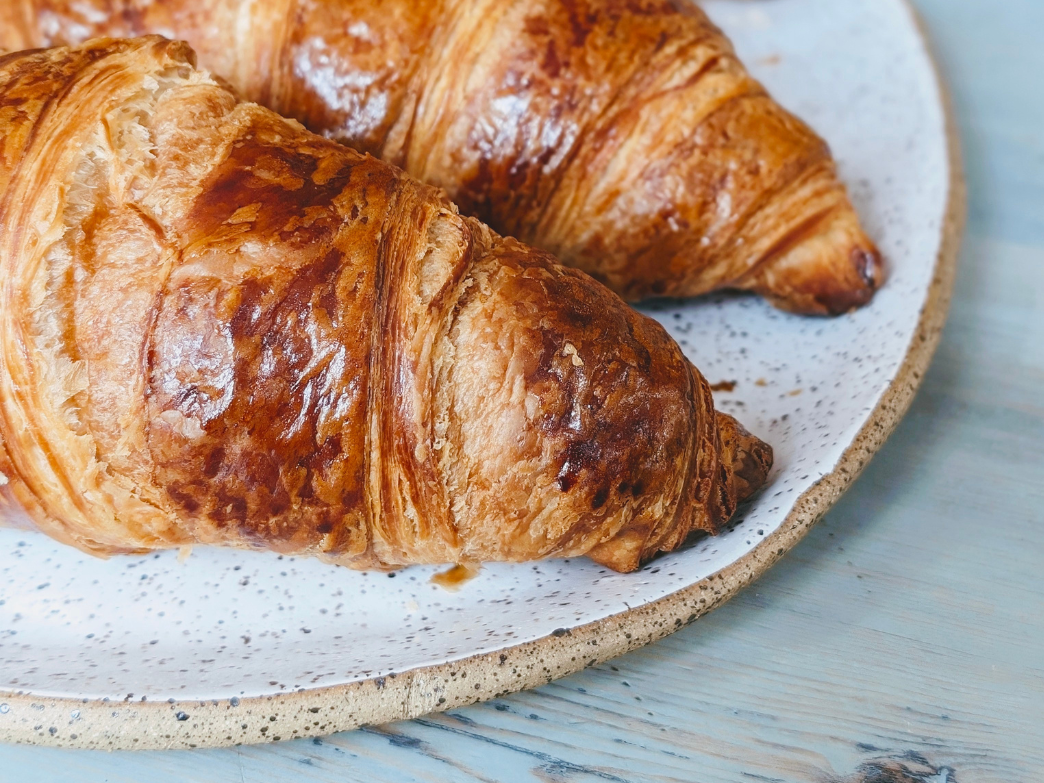
Best Vegan Croissants
By Lucy Yanckello, Ph.D. Wildgrain, opens in a new tab is the first bake-from-frozen subscription box for sourdough breads, fresh pastas, and artisanal pastries. Following a vegan diet should not preclude you from the buttery, flakey, chewy pastry that is a croissant. Although it seems impossible that a butter-based pastry could be made into a vegan delicacy, it is possible and has been done well! Read on to learn more about vegan croissants, how to make them, and where to buy them. Can vegans eat croissants? What makes croissants not vegan? Are croissants vegan friendly? Vegans cannot eat traditional croissants. Croissants are made with a dough that is filled with butter and milk and are brushed with an egg wash before they are baked. All of these ingredients are no-nos in a vegan diet. As such, if you are vegan, you should be sure to confirm with a bakery that they use plant-based butter and milk and leave off the egg wash if you are looking to enjoy this vegan flaky treat. Are store-bought croissants vegan? Do store-bought croissants have dairy? Most store-bought croissants are not vegan as they contain butter and milk and are finished with an egg wash. However, there are various places that make vegan croissants. For example, at Wildgrain we are developing a plant-based croissant. Who makes vegan croissants? Who makes dairy-free croissants? One retailer found in most cities that makes a vegan version of this flaky pastry is Whole Foods. Most cities also have specialty bakeries that create vegan confections such as croissants, so be sure to search your local bakeries too! At Wildgrain, we are developing a bake-from-frozen plant-based, dairy-free croissant that can be made at home. Can I buy frozen vegan croissants? Can you get dairy-free croissants frozen? Yes, you can purchase vegan croissants frozen and dairy-free croissants frozen. Some specialty grocery stores sell frozen dairy-free and vegan croissants, as do some companies that will ship frozen croissants to you. At Wildgrain, we are developing a plant-based, dairy-free frozen croissant that will ship direct to your door. What are dairy-free, vegan croissants made from? Dairy-free vegan croissants are made in a similar way to regular croissants, just with the non-vegan ingredients swapped out. For example, butter is swapped for vegan plant-based butter, milk is swapped for non-dairy milk, and the egg wash is swapped for maple syrup or omitted. There are also some recipes that utilize alternative flours and use vegetable margarine in place of butter. Are vegan croissants healthy? Vegan croissants have a similar nutrient profile to regular croissants. The protein, fat, and carbohydrate content of vegan and regular croissants is almost identical. Although high in fat and carbohydrates, croissants can be enjoyed in moderation in any healthy diet. Just be sure you don’t eat them every day. Are vegan croissants gluten-free? Most vegan croissants are not gluten-free. Most recipes only swap out the non-vegan ingredients such as egg, butter, and milk for vegan ingredients and still use wheat flour. However, there are a few recipes that utilize gluten-free flour to make their croissants both vegan and gluten-free. Where can I buy the best ready-to-bake frozen vegan croissants online? At Wildgrain, we specialize in making high-quality, fresh pastries that are delivered directly to your door. Wildgrain is the first bake-from-frozen delivery subscription service for breads, rolls, pastries, and fresh pastas. We are developing a line of delicious plant-based, dairy free desserts. Learn more about Wildgrain and our artisanal baking and cooking methods. Best Pastry Home Delivery Service: How Wildgrain's Pastry Delivery Works Wildgrain's pastries are prepared in independent, artisanal bakeries with high quality ingredients. The pastries are shipped frozen in insulated boxes and delivered direct to your home, anywhere nationwide. By shipping frozen, Wildgrain products maintain the highest quality, so you can enjoy fresh pastries at home. That's why customers consider Wildgrain among the best home delivery services for pastries. About the Author Lucy Yanckello received her Ph.D. in nutrition from the University of Kentucky College of Medicine. She currently works as a medical writer and enjoys being able to help people better understand nutrition and science. This content is for informational use only and does not replace professional nutrition and/or medical advice, diagnosis or treatment. It is not a substitute for and should not be relied upon for specific nutrition and/or medical recommendations. Please talk with your doctor about any questions or concerns.
Learn more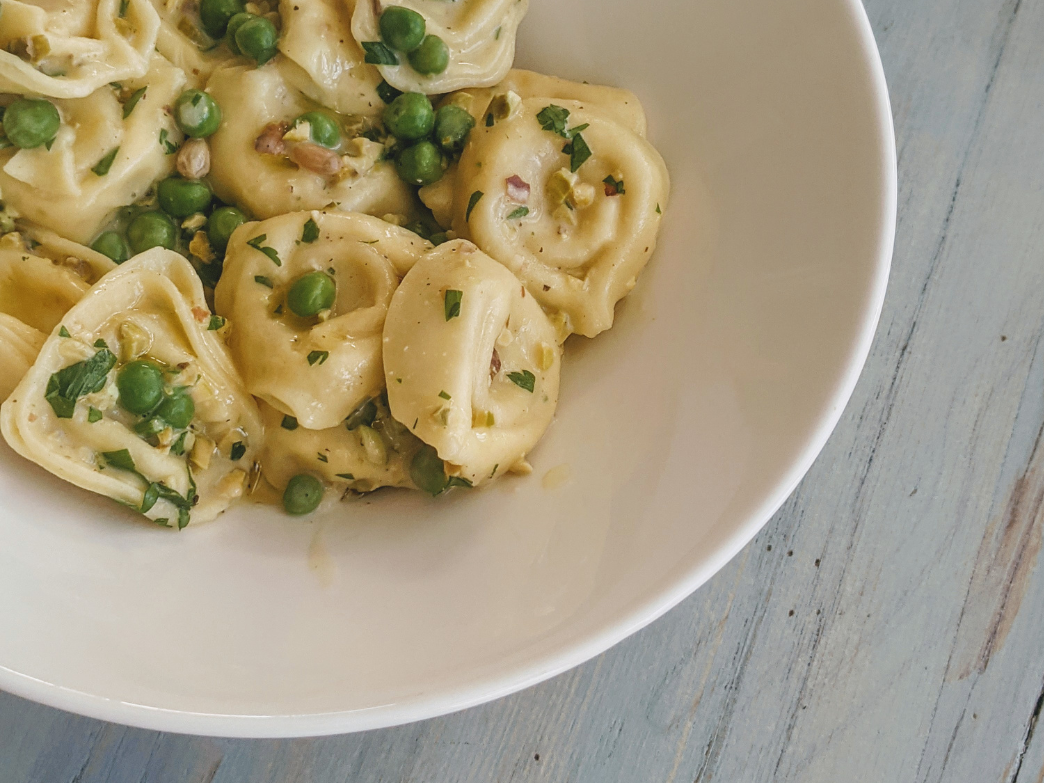
Best Gluten-Free Pasta: Is Gluten-Free Pasta Healthier?
By Lucy Yanckello, Ph.D. Wildgrain, opens in a new tab is the first bake-from-frozen subscription box for sourdough breads, fresh pastas, and artisanal pastries. Going gluten-free, whether for a gluten sensitivity, a gluten allergy, or personal preference, does not mean that you have to give up pasta. There are a multitude of gluten-free pasta options on the market made with a variety of non-wheat based flours. Continue reading to learn about the gluten-free pasta options on the market and their health implications. Is gluten-free pasta healthy? Is gluten-free pasta better for you than regular pasta? Similar to gluten-free bread, most gluten-free pasta lacks the protein, fiber, and micronutrient content of wheat-based pasta due to lack of flour fortification. However, there are now great gluten-free pasta options on the market, such as pastas made with chickpea flour, lentil flour, and edamame flour. These pastas are naturally gluten-free and contain two to three times as much protein and up to four times as much fiber as traditional wheat and gluten-free pastas. These alternatives also contain a lot of vitamins, with higher levels of calcium, iron, magnesium, phosphorus, and potassium than wheat-based or other gluten-free options. What’s the difference between gluten-free pasta vs. regular pasta nutrition? Strictly looking at wheat-based pasta compared to traditional gluten-free pasta made with corn and rice flour, wheat-based pasta has more nutritional benefits. Wheat-based pastaGo to fettuccine has lower calories, higher fiber and protein, and higher micronutrients, including iron, calcium, and B-vitamins. However looking at high protein gluten-free pastas, these options have higher protein, fiber, and micronutrients than regular wheat-based pastas. Is gluten-free pasta good for diabetics? The best pasta for diabetics is whole grain-based pasta. For example, gluten-free pasta made from lentils, chickpeas, and other beans are great options for those with diabetes as they are higher in fiber and protein and lower in carbohydrate content, meaning their glycemic index is lower. Glycemic index is a scale that ranks how quickly a food will raise blood sugar. Lower GI foods are better for those with diabetes as controlling blood sugar spikes is essential for those with the condition. Is gluten-free pasta easy to digest? Gluten-free pasta made from whole grains and other whole ingredients, such as chickpeas, black beans, edamame, and lentils, is higher in fiber and protein. This will aid in digestion compared to pasta that is strictly carbohydrate-based and does not contain as much fiber or protein. Fiber and protein are both able to slow digestion. Is gluten-free pasta low FODMAP? Gluten-free pasta can be considered low-FODMAP. FODMAP is an acronym for Fermentable Oligosaccharides, Disaccharides, Monosaccharides, and Polyols, which are types of carbohydrates that easily ferment in the digestive system. This causes uncomfortable symptoms such as bloating, pain, and flatulence. Gluten-free pastas made with low-FODMAP ingredients such as corn, quinoa, or chickpeas are good options. Is gluten-free pasta good for weight loss? Gluten-free pasta that is high in protein and fiber, such as chickpea-based pasta, will aid in weight loss. Eating foods high in protein and fiber will slow digestion, making you feel fuller for longer. This will help you stay in a caloric deficit, which is necessary to lose weight. Is gluten-free pasta low carb? Gluten-free pasta, even when made with high protein flours such as chickpea, edamame, or black beans, are not inherently low carb. As these ingredients are all carbohydrate-based, they will still contain similar, or higher, amounts of carbohydrates to wheat-based pasta. Gluten-free pasta alternatives, such as zucchini noodles or spaghetti squash, are a good option for those who don’t eat wheat but are looking for low carbohydrate options. Where can I buy the best gluten-free pasta online? At Wildgrain, we specialize in making high-quality, fresh baked goods that are delivered directly to your door. Wildgrain is the first bake-from-frozen delivery subscription service for fresh pasta, breads, and pastries. Our gluten-free pastas include Gluten-Free Fresh Linguine, Gluten-Free Fresh Shells, and Gluten-Free Cheese Tortellini. Learn more about Wildgrain and our artisanal baking and cooking methods. Best Pasta Home Delivery Service: How Wildgrain's Pasta Delivery Works Wildgrain's pastas are prepared in independent, artisanal bakeries with high quality ingredients. The pastas are shipped frozen in insulated boxes and delivered direct to your home, anywhere nationwide. By shipping frozen, Wildgrain products maintain the highest quality, so you can enjoy fresh pasta at home. That's why customers consider Wildgrain among the best home delivery services for pasta. About the Author Lucy Yanckello received her Ph.D. in nutrition from the University of Kentucky College of Medicine. She currently works as a medical writer and enjoys being able to help people better understand nutrition and science. This content is for informational use only and does not replace professional nutrition and/or medical advice, diagnosis or treatment. It is not a substitute for and should not be relied upon for specific nutrition and/or medical recommendations. Please talk with your doctor about any questions or concerns.
Learn more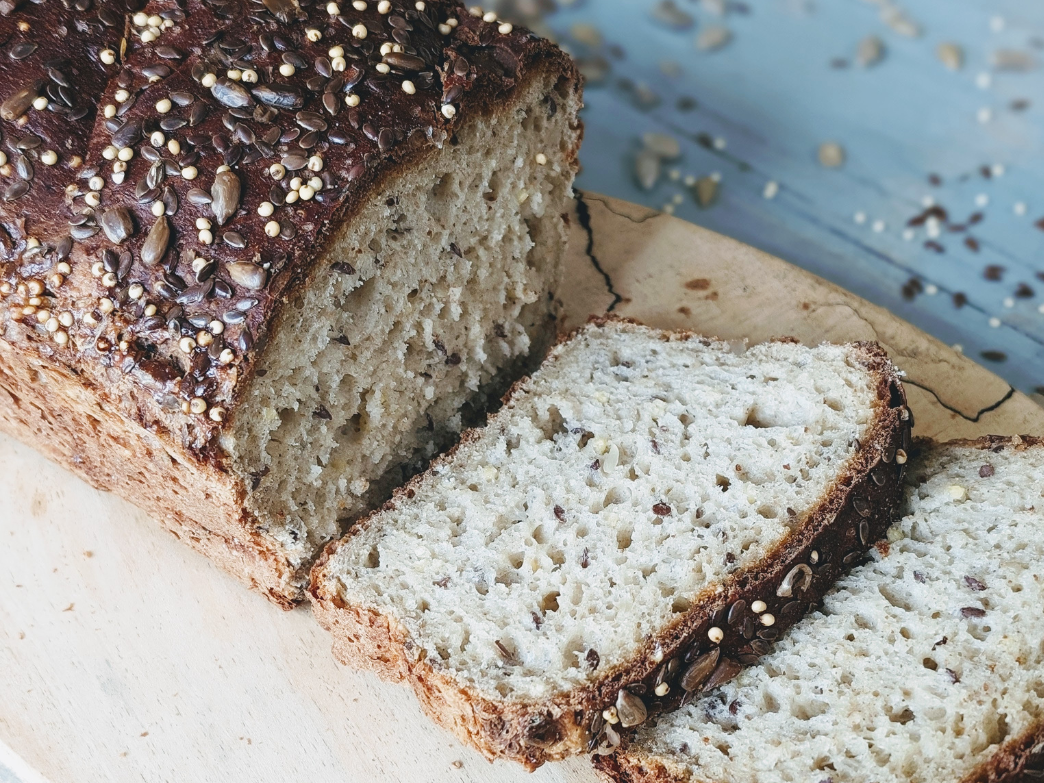
Best Gluten-Free Bread: Is Gluten-Free Bread Healthier?
By Lucy Yanckello, Ph.D. Wildgrain, opens in a new tab is the first bake-from-frozen subscription box for sourdough breads, fresh pastas, and artisanal pastries. Bread is a staple in most cultures, with each region having its own take on the carbohydrate-based food option. However, the popularity of eating a gluten-free diet – even when not medically necessary – has grown in the past few years. As such, breads made from various forms of flour that do not contain gluten have come onto the market. Read on to learn more about the gluten-free bread options available, and how these products compare to wheat-based bread options. Is gluten-free bread healthy? Is gluten-free bread healthier than regular bread? The most important benefit of gluten-free bread is that it allows those with gluten intolerance and gluten allergies to enjoy bread. From a nutritional standpoint, many gluten-free breads do contain fewer key nutrients, including protein and fiber, than wheat breads. However, wheat flour is often fortified with additional nutrients that alternative flours are not. Unless you have a disease, or other condition that precludes you from eating gluten, you will likely not get any added benefit of avoiding gluten in your diet. Why do people prefer gluten-free bread? Is gluten-free bread better for you? Some people prefer gluten-free bread because they cannot eat gluten or because they have a sensitivity to gluten. But for people without a gluten sensitivity or allergy, regular bread may actually have better nutrition. Although it may be tempting to be lured in by the “clean eating” trends, eating gluten-free bread will provide you with less health benefits than wheat-based breads. Gluten-free bread is made with refined grains or starches that lack the fiber and nutrients found in whole grains. Is gluten-free bread harder to digest? Is gluten-free bread easier to digest? Gluten-free bread is highly processed in order to obtain the elasticity present in traditional bread that comes from gluten. Due to this, many fillers may be added that can cause digestive discomfort. Additionally, there is less fiber content in gluten-free bread which may affect digestibility. Is gluten-free bread good for diabetics? Gluten-free bread is considered a high glycemic index food, similar to wheat-based bread. Glycemic index is a measure of how quickly a food can cause your blood sugar to rise on a scale of 1-100, with foods with a GI of 70 or higher being considered “high GI foods”. For context, gluten-free bread has a GI of 90, and wheat-based breads have a GI closer to 100. As such, neither option is a good fit for diabetics, since keeping blood sugar under control is vital to those with the condition. Is gluten-free bread low FODMAP? Gluten-free bread can find a place in the diet of those who need to eat low-FODMAP. FODMAP is an acronym for Fermentable Oligosaccharides, Disaccharides, Monosaccharides, and Polyols, which are types of carbohydrates that easily ferment in the digestive system. This causes uncomfortable symptoms such as bloating, pain, and flatulence. As rye, wheat, and barley are all high-FODMAP, gluten-free breads made with other low-FODMAP ingredients such as arrowroot, cornmeal, oat bran, and rice flour are good options. Is gluten-free bread low carb? Most gluten-free bread is not low carb. There are some gluten-free breads made with low carb flours, such as almond, coconut, or sesame. However, most gluten-free bread contains the same amount of carbohydrates as wheat-based breads. Is gluten-free bread good for weight loss? Gluten-free bread may not be better for weight loss, depending on the reasons why you are eating gluten-free bread. Although research is lacking on the effects of a gluten-free diet on weight loss alone, long-term studies of individuals that are generally healthy and consume a diet low in wheat and other gluten-containing grains show some concerning evidence against a gluten-free diet, unless medically necessary. Gluten-free diets may promote nutrient deficiencies, increase the risk of certain diseases, and may actually cause weight-gain. Gluten-free flours are not fortified with vital micronutrients and vitamins as wheat flour is, leading to deficiencies in key nutrients such as iron, b-vitamins, and calcium. Research is somewhat conflicting on weight loss or gain with a gluten-free diet, but some suspect that the reason for weight gain on a gluten-free diet could be related to an increased intake of highly processed gluten-free foods that contain higher amounts of fat and sugar to make them taste better. It is also speculated that weight loss while abstaining from gluten is tied more to the other healthy dietary choices made in tandem and not to the elimination of gluten itself. It is important to remember that what you do eat is more important for weight loss than what you remove from your diet. Is gluten-free bread keto friendly? Gluten-free bread is relatively high in carbohydrates and low in fat. As the ketogenic diet focuses on the opposite choices for your foods (high in fat, low in carbohydrates), gluten-free bread is likely not suitable for those following a keto diet. Although there are some exceptions, gluten-free bread should generally be avoided when on a ketogenic diet. Is gluten-free bread wheat free? Gluten-free and wheat-free are not the same thing. It is possible that a food is wheat-free but contains gluten from other sources. However, it is not possible that something is gluten-free and contains wheat, because wheat is one of the major sources of gluten. Where can I buy the best gluten-free bread online? At Wildgrain, we specialize in making high-quality, fresh baked goods that are delivered directly to your door. Wildgrain is the first bake-from-frozen delivery subscription service for fresh pasta, breads, and pastries. Our gluten-free breads include Gluten-Free Country Loaf, Gluten-Free Slow-Fermented Seeded Loaf, and Gluten-Free Sourdough Loaf. Learn more about Wildgrain and our artisanal baking and cooking methods. Best Bread Home Delivery Service: How Wildgrain's Bread Delivery Works Wildgrain's breads are prepared in independent, artisanal bakeries with high quality ingredients. The breads are shipped frozen in insulated boxes and delivered direct to your home, anywhere nationwide. By shipping frozen, Wildgrain products maintain the highest quality, so you can enjoy fresh baked breads at home. That's why customers consider Wildgrain among the best home delivery services for bread. About the Author Lucy Yanckello received her Ph.D. in nutrition from the University of Kentucky College of Medicine. She currently works as a medical writer and enjoys being able to help people better understand nutrition and science. This content is for informational use only and does not replace professional nutrition and/or medical advice, diagnosis or treatment. It is not a substitute for and should not be relied upon for specific nutrition and/or medical recommendations. Please talk with your doctor about any questions or concerns.
Learn more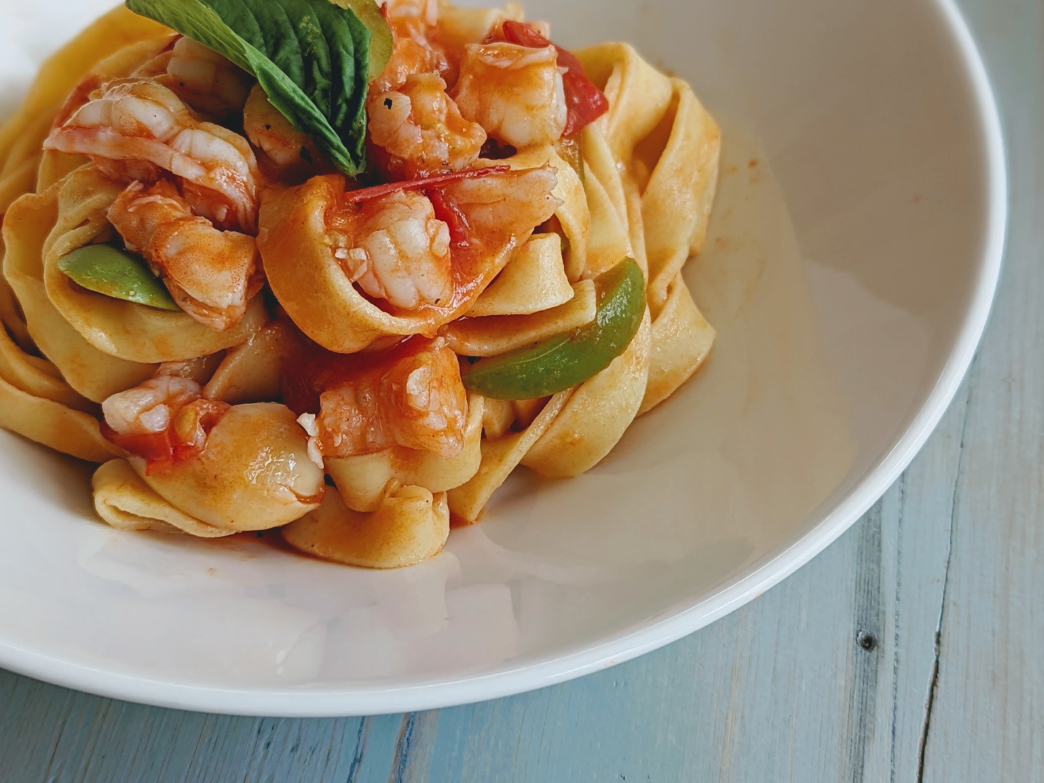
Best Pasta for Gluten Intolerance & Gluten Sensitivity
By Dr. Jorge, Ph.D. Wildgrain, opens in a new tab is the first bake-from-frozen subscription box for sourdough breads, fresh pastas, and artisanal pastries. Love pasta but worried about symptoms triggered by eating gluten? Fear not! There's a plethora of gluten-friendly pasta options waiting for you. From rice pasta to chickpea pasta, explore the world of delicious alternative pastas below. What is gluten-friendly pasta? Gluten-friendly pasta is pasta made with alternative flours (non-wheat flour) that are safe for those with gluten intolerance and gluten sensitivity. This type of pasta is typically made with plant-based ingredients such as rice, beans, and lentils, as well as other sources. Some popular gluten-friendly pasta options include brown rice pasta, chickpea pasta, quinoa pasta, and soybean pasta, among many others. Does pasta have gluten? What pasta has the lowest gluten? Yes, traditional pasta has gluten since it is made from wheat flour, which contains gluten. On the other hand, pasta made from non-wheat flour such as rice flour, corn flour, chickpea flour, quinoa flour, soybean flour, and any combination of these flours contains the lowest amount of gluten. In fact, these pastas are often almost or entirely free of gluten. Can you eat pasta with a gluten intolerance? Can you eat pasta with gluten sensitivity? You can still eat pasta if you have a gluten intolerance or gluten sensitivity. You will just want to steer clear of traditional pasta made with wheat flour or pasta that might be contaminated with wheat sources. Instead, look for pasta containing non-wheat ingredients like quinoa, edamame, chickpeas, rice, or corn. To be sure your chosen pasta is gluten-friendly, check for a gluten-free label on the packaging and check the label to see if the pasta is processed in a facility that produces other wheat products. Is whole wheat pasta better for gluten sensitivity? Is whole wheat pasta good for gluten intolerance? Whole wheat pasta is not better for those with gluten sensitivity or gluten intolerance, and it is generally not considered a gluten-friendly pasta option. This is due to the wheat flour used to make this whole wheat pasta. If you’re looking for a safe pasta option that won’t trigger symptoms related to gluten consumption, you should opt for pasta made from gluten-free sources. What pasta dishes are best for gluten intolerance? The best pasta dish for gluten intolerance contains minimal gluten or no gluten at all. This means using pasta made from non-wheat flour such as rice flour, corn flour, bean flour, or quinoa flour. For a hearty and balanced meal, add other gluten-friendly foods to your pasta like vegetables, chicken, and fish. In short, any pasta dish is safe for those with gluten intolerance as long as each component is free of gluten. What pasta sauces are best for gluten intolerance? Most traditional pasta sauces are safe for those with gluten intolerance. This includes tomato-based sauces (like marinara sauce), alfredo sauce, and pesto sauce. To ensure your favorite pasta sauce is gluten-friendly, you’ll want to make your sauce at home or double-check the sauce jar’s packaging for wheat-containing ingredients. Does cooking pasta reduce gluten? Can you remove gluten from pasta? The process of cooking pasta in boiling water might reduce its gluten content. One study found that most of the gluten in traditional pasta leaks into the boiling water while cooking. This might suggest that cooked pasta is a safe option for those with gluten intolerance or gluten sensitivity. What is the best pasta for gluten intolerance? The best pasta for gluten intolerance is one that contains minimal wheat content or is gluten-free. Luckily, gluten-friendly pasta options are abundant. Cauliflower pasta, lentil pasta, edamame pasta, spinach pasta, and rice pasta are just some of the many types of pasta that are well tolerated by those with gluten intolerance or gluten sensitivity. In general, pasta is one of the most diverse and flexible types of food that can be made with a large variety of gluten-friendly ingredients. Where can I buy the best pasta for gluten intolerance online? At Wildgrain, we specialize in making high-quality, fresh baked goods that are delivered directly to your door. Wildgrain is the first bake-from-frozen delivery subscription service for fresh pasta, breads, and pastries. Our gluten-free pastas include Gluten-Free Fresh Linguine, Gluten-Free Fresh Shells, and Gluten-Free Cheese Tortellini. Learn more about Wildgrain and our artisanal baking and cooking methods. Best Pasta Home Delivery Service: How Wildgrain's Pasta Delivery Works Wildgrain's pastas are prepared in independent, artisanal bakeries with high quality ingredients. The pastas are shipped frozen in insulated boxes and delivered direct to your home, anywhere nationwide. By shipping frozen, Wildgrain products maintain the highest quality, so you can enjoy fresh pasta at home. That's why customers consider Wildgrain among the best home delivery services for pasta. About the Author Dr. Jorge has been a public health researcher for many years, holding both a Bachelor's degree and a Ph.D. in Chemistry. They presently work as a medical writer and love being able to assist others in understanding various health and scientific topics. This content is for informational use only and does not replace professional nutrition and/or medical advice, diagnosis or treatment. It is not a substitute for and should not be relied upon for specific nutrition and/or medical recommendations. Please talk with your doctor about any questions or concerns.
Learn more