

Wildgrain Blog

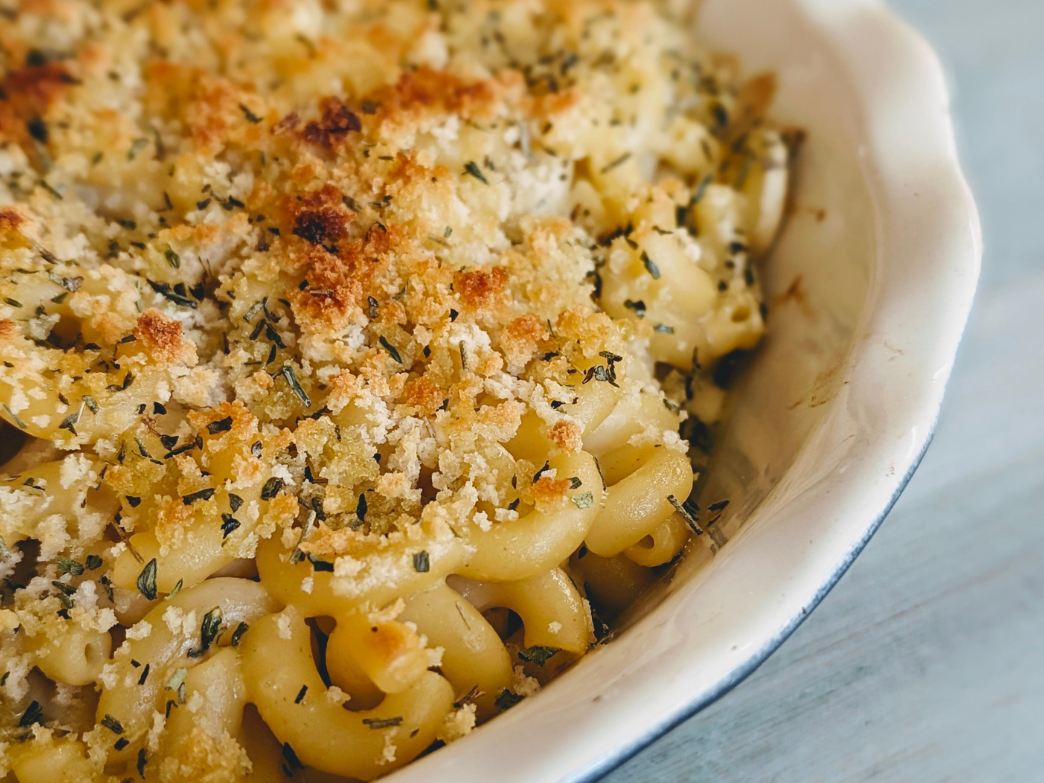
What's Better: Pasta vs. Macaroni vs. Elbow Pasta vs. Penne?
By Lucy Yanckello, Ph.D. Wildgrain, opens in a new tab is the first bake-from-frozen subscription box for sourdough breads, fresh pastas, and artisanal pastries. In the grocery store, a trip down the pasta aisle seems to present one with endless options of shapes, styles, and sizes of pasta. Choosing between these options can be overwhelming, but this article will give you helpful information to help you decide which shape works best for your recipe or nutritional needs. Is macaroni and pasta the same thing? Is macaroni a type of pasta? Is elbow pasta the same as macaroni? Macaroni is a type of pasta. The word macaroni is used to describe and categorize small and medium-sized dried pasta shapes. In the United States, macaroni has become synonymous with a shape of pasta referred to as an elbow. This elbow pasta shape is most commonly used for macaroni (mac) and cheese, but is also used in pasta salads and soups. What’s the difference between penne vs. macaroni? Can I substitute macaroni for penne, or substitute penne for macaroni? Penne is literally translated as “quills'' or “feathers,” and is categorized as part of the macaroni family of pasta. Penne pasta is tubular and has small ridges which help sauce cling to the surface of the penne. Pastas from the macaroni family can be used interchangeably in any dish calling for shaped or tubular pasta - so yes, penne and other macaroni pastas can be substituted in any recipe. What is the difference between pasta vs. macaroni vs. elbow pasta vs. penne? Pasta is a term used to describe a wide variety of noodle shapes and sizes, with categories including small (ex. farfalle, rotini), ribbon-cut (ex. tonnarelli, fettuccine), macaroni (ex. rigatoni, penne), and stuffed (ex. ravioli, tortellini). Macaroni is a category of pasta, typically referring to small to medium-sized pasta shapes. Elbow pasta and penne both fall under the macaroni category of pasta. Penne pasta is a ridged, straight, tube-shaped pasta, whereas elbow pasta is a smooth, curved, tubed-shaped pasta. Both penne and elbow pasta are great for saucy dishes. The ridges on penne pasta helps sauce stick to the surface of the pasta and elbow pasta tends to interlock when cooked so the sauce clings to these noodles, as well. What is the health difference between elbow pasta vs. macaroni vs. pasta vs. penne, e.g. for calories and carbs? Macaroni is a category of pasta that both elbow and penne fall under. Penne and elbow pasta both have similar nutritional profiles. For 2 ounces of uncooked penne, which results in 1 cup cooked penne, there are 200 calories consisting of 42 grams of carbohydrates, 2 grams of fiber, and 7 grams of protein. In 1 cup of cooked elbow-shaped pasta (2 ounces uncooked) there are 221 calories consisting of 43 grams of carbohydrates, 2.5 grams of fiber, and 8 grams of protein. Which is healthier: macaroni or pasta? Can you still eat pasta and macaroni when trying to lose weight? The macaroni category of pasta, which includes penne and elbow shapes, has a similar nutritional profile to other categories of pasta. For example, a cup of cooked spaghetti has 221 calories consisting of 43 grams of carbohydrates, 2.5 grams of fiber, and 8 grams of protein – the same as a cup of cooked elbow-shaped pasta. Pasta can certainly be part of a healthy diet when trying to lose weight. Although it is mostly carbohydrates, there is still a moderate amount of protein content and some fiber, which will aid in satiety – an important component of food consumed during weight loss. To aid in weight loss, make sure to eat pasta in moderation and consider adding additional protein to your pasta or trying whole grain pasta instead. Where can I buy fresh pasta online? At Wildgrain, we specialize in making high-quality, fresh pastas that are delivered directly to your door. Wildgrain is the first bake-from-frozen delivery subscription service for breads, pastries, and fresh pastas. Some of our popular pastas include fresh fettuccine and fresh tonnarelli. Learn more about Wildgrain and our artisanal baking and cooking methods. Best Pasta Home Delivery Service: How Wildgrain's Pasta Delivery Works Wildgrain's pastas are prepared in independent, artisanal bakeries with high quality ingredients. The pastas are shipped frozen in insulated boxes and delivered direct to your home, anywhere nationwide. By shipping frozen, Wildgrain products maintain the highest quality, so you can enjoy fresh pasta at home. That's why customers consider Wildgrain among the best home delivery services for pasta. About the Author Lucy Yanckello received her Ph.D. in nutrition from the University of Kentucky College of Medicine. She currently works as a medical writer and enjoys being able to help people better understand nutrition and science. This content is for informational use only and does not replace professional nutrition and/or medical advice, diagnosis or treatment. It is not a substitute for and should not be relied upon for specific nutrition and/or medical recommendations. Please talk with your doctor about any questions or concerns.
Learn more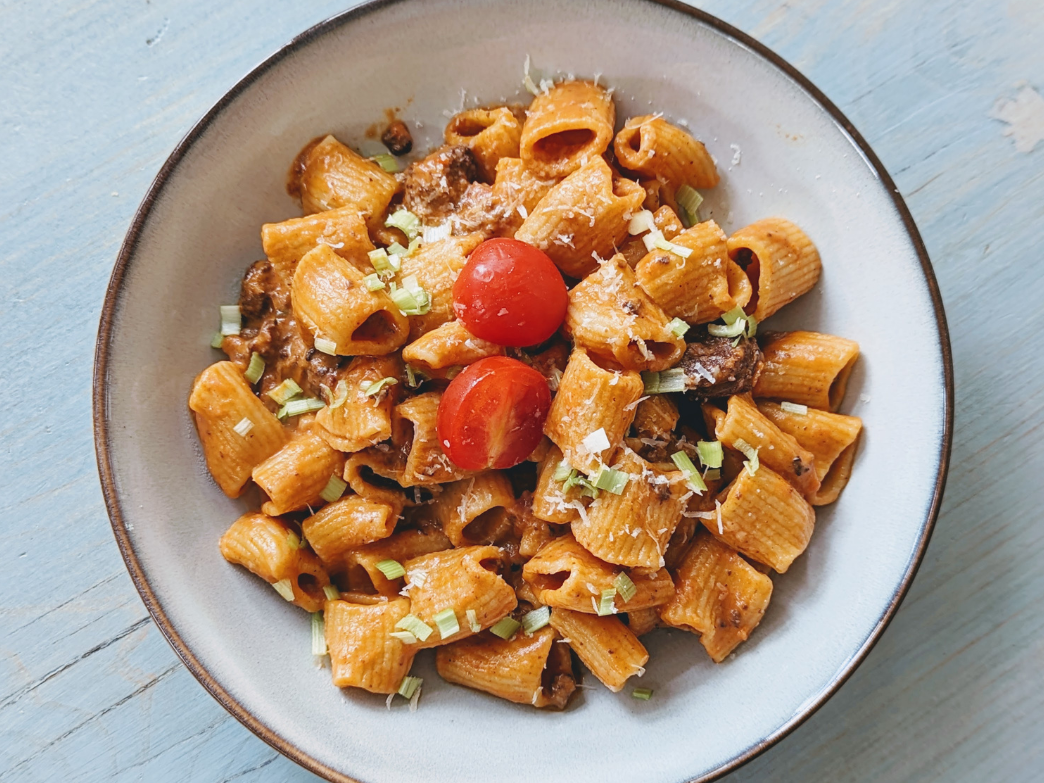
What's Better: Farro vs. Pasta vs. Barley vs. Rice
By Lucy Yanckello, Ph.D. Wildgrain, opens in a new tab is the first bake-from-frozen subscription box for sourdough breads, fresh pastas, and artisanal pastries. Grains are a plant-based food that are an essential part of a healthy diet, providing us with vitamins, minerals, and complex carbohydrates. However, not all grains are created equally – refined grains do not provide as much nutritional value as whole grains. Read on to learn more about the difference between several types of grains and how they can add various benefits to your diet. What is healthier to eat: farro or pasta or barley or rice? All grains have a place in a healthy diet. Farro and barley, being whole grains, contain more fiber and health benefits than white pasta or white rice. Barley and farro are similar in that they are high in fiber and also contain protein. Fiber content allows barley and farro to play a role in lowering cholesterol and strengthening the immune system. The protein content will allow you to feel fuller for longer, helping to curb cravings. Although both white rice and pasta are good sources of carbohydrates, they are not whole grains, so they have lower fiber and protein content than farro or barley. What is the difference between farro vs. pasta? Is pasta or farro healthier? Farro and pastaGo to fresh rigatoni 12oz are both great carbohydrate options. Farro has 7 grams of protein and fiber per quarter cup and also has 10% of the various vitamins and minerals including iron, magnesium and B vitamins that you need in a day. Some types of pasta are refined, meaning the whole grains are stripped out, causing many of the nutrients to be removed. In some cases, the refined pasta is enriched, meaning that some of the nutrients, such as B-vitamins and iron, are added back in. Refined pasta, even if it has the nutrients added back in, is lower in protein and lower in fiber. In a quarter cup of cooked pasta, there are 2 grams of protein and 0.5 grams of fiber. As a result, pasta may feel less satiating than farro. What is the difference between barley vs. pasta? Is pasta or barley healthier? Because farro and barley are so similar, the comparison between barley and pastaGo to fresh rigatoni 12oz is comparable to that of farro and pasta. A quarter cup of barley contains 6.5 grams of protein and around 8.5 grams of fiber. It also contains around 10% of the recommended daily intake of iron, copper, and various B vitamins. As stated above, pasta has higher carbohydrates and calories and lower fiber and protein, even when enriched, so pasta may not feel as satiating as barley. What is the difference between barley vs. farro? Is farro or barley healthier? Barley and farro are very similar in their health profile. One quarter cup of barley contains 6.5 grams of protein, around 8.5 grams of fiber, and various vitamins and minerals, in addition to important antioxidants such as vitamin E and beta-caroteneGo to pasta-vs-sweet-potatoes-healthier. Antioxidants are important to protect against and repair cell damage caused by oxidative stress. A quarter cup of farro contains 6 grams of protein, 5 grams of fiber, and also provides around 10% of the recommended daily intake of B vitamins, magnesium, zinc, and iron. Zinc is essential for a healthy immune system, magnesium helps keep our bones strong, nerves and muscles healthy, and our heartbeats regular. B vitamins are necessary to help break down and convert food into energy all while keeping hair, skin, and eyes healthy. Both barley and farro contain various similar health benefits that would be beneficial in any diet. Which is better for a diabetic: barley or farro or rice or pasta? Is barley good for diabetics? Is farro good for diabetics? Whole grains are going to be better for diabetics as the glycemic index (GI) is lower for whole grains – these foods contain more fiber and minerals that slow digestion. GI is a system that allows food to be classified according to its effect on blood sugar levels. The scale classifies food as low, medium, and high GI on a scale of 0-100. Lower GI values mean the food has less of an effect on blood sugar levels. Selecting the right type of grain for you can play an important role in managing health and controlling blood sugar without sacrificing taste or nutritional value. White rice has the highest GI of the four at 70, pasta has a GI of 50, farro has a GI of 45, and barley comes in lowest with a GI of 25. Low GI is classified at 55 or less, whereas high GI is classified as 70 or above. This classification puts barley, farro, and pastaGo to fettuccine in the low GI category, whereas rice is considered to be a high GI food. Which is the best for weight loss: barley or farro or pasta or rice? Is barley good for weight loss? Is farro good for weight loss? Barley and farro are similar in that they are high in fiber and also contain protein. Fiber content, along with B vitamins and other minerals allow barley and farro to play a role in lowering cholesterol and slow down digestion. This, along with the protein content will allow you to feel fuller for longer, helping to curb cravings and reduce snacking. As weight loss comes from a caloric deficit, the reduction in cravings and snacking is vital to the process. Where can I buy the best fresh pasta online? At Wildgrain, we specialize in making high-quality, fresh pastas that are delivered directly to your door. Wildgrain is the first bake-from-frozen delivery subscription service for breads, pastries, and fresh pastas. Some of our popular pastas include potato gnocchi, cheese tortellini, fresh fettuccine, and fresh tonnarelli. Learn more about Wildgrain and our artisanal baking and cooking methods. Best Pasta Home Delivery Service: How Wildgrain's Pasta Delivery Works Wildgrain's pastas are prepared in independent, artisanal bakeries with high quality ingredients. The pastas are shipped frozen in insulated boxes and delivered direct to your home, anywhere nationwide. By shipping frozen, Wildgrain products maintain the highest quality, so you can enjoy fresh pasta at home. That's why customers consider Wildgrain among the best home delivery services for pasta. About the Author Lucy Yanckello received her Ph.D. in nutrition from the University of Kentucky College of Medicine. She currently works as a medical writer and enjoys being able to help people better understand nutrition and science. This content is for informational use only and does not replace professional nutrition and/or medical advice, diagnosis or treatment. It is not a substitute for and should not be relied upon for specific nutrition and/or medical recommendations. Please talk with your doctor about any questions or concerns.
Learn more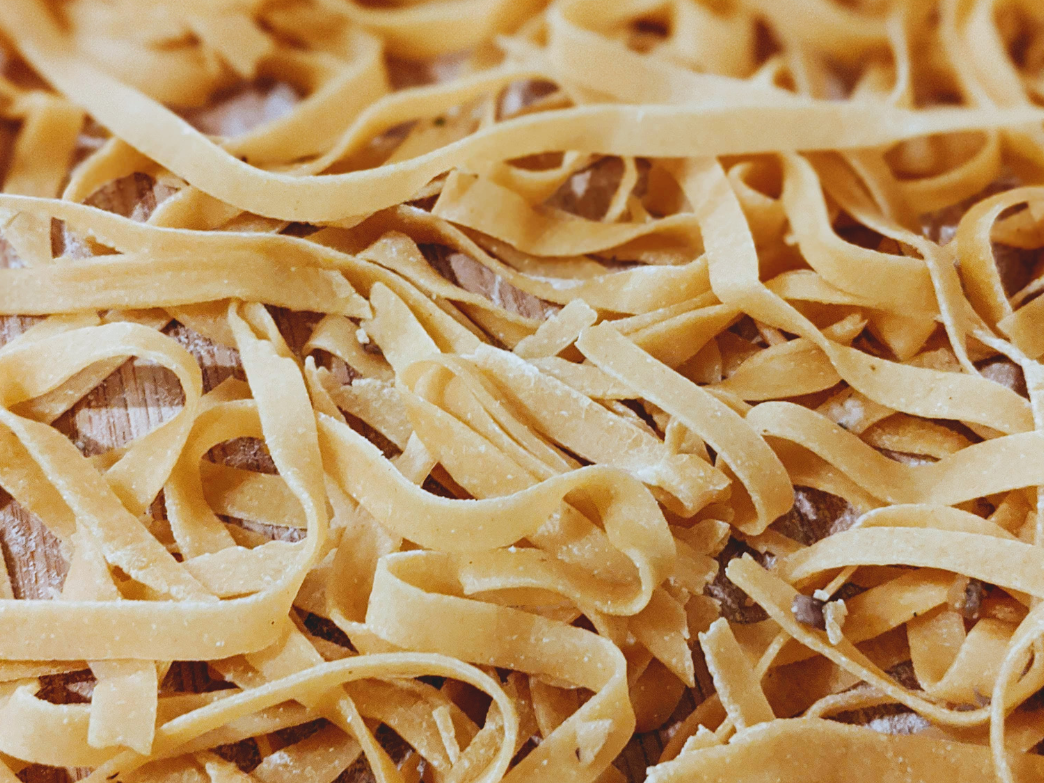
Best Pasta for Vegans & Plant-Based Diets
By Lucy Yanckello, Ph.D. Wildgrain, opens in a new tab is the first bake-from-frozen subscription box for sourdough breads, fresh pastas, and artisanal pastries. Many vegans and plant-based eaters wonder if pasta is safe to consume within their dietary restrictions. Fortunately, most boxed pastas contain only one or two ingredients – semolina and a grain, and are usually mixed with water to create a pasta dough. However, not every pasta is vegan. This article will cover how vegans and those eating a plant-based diet can be confident the pasta they choose fits into their diet. What kind of pasta can vegans eat? Can vegans eat any pasta? Is every pasta vegan? PastaGo to fettuccine is made from combining a few basic ingredients. Typically these include semolina, and a grain – enriched wheat flour for example. However, there are some pastas that include egg in the ingredients. Vegans will want to avoid anything labeled “egg pasta”. In addition, many stuffed pastas contain cheese, meat, and other non-vegan ingredients. What pastas are good for a plant-based diet? What pastas are healthiest for a plant-based diet? Why is pasta good for vegans? Is pasta healthy for vegans? Although the base ingredients of a pasta are similar in most cases – semolina and a grain – additional plant-based and vegan ingredients can be added in. Vegetables, beans, and other legumes can all be added to pasta dough to beef up protein, fiber, and flavor, or reduce carbohydrate content. Any pasta that includes higher amounts of fiber and protein than pasta without any add-ins will be beneficial to any plant-based eater – being creative with how you get your protein is key to both of these diets. Pastas with added ingredients to raise protein and fiber content are usually clearly marked at the stores and are made with ingredients such chickpeas and lentils. Whole wheat pasta also includes higher amounts of protein and fiber than plain pasta. Just be sure to check the label for no-no ingredients for vegan and plant-based eaters, such as egg, egg whites, honey, and dairy. What pasta can vegans not eat? Why are some pastas not good for vegans? Vegans cannot eat any pasta that contains egg, diary, honey, or meat. These ingredients must be avoided on a vegan diet. Pasta that does not have anything added to increase the protein or fiber content is less beneficial to a vegan or plant-based eater, but this does not mean it has to always be avoided. It is important that if you enjoy regular wheat pasta that you enjoy it in moderation, as restricting foods from your diet only makes you crave them more. Can vegans eat whole grain pasta? Can you eat whole grain pasta on a plant-based diet? Vegans can eat whole grain pasta as long as it does not include egg or other non-vegan ingredients. Whole grain pasta is also plant-based in most cases, but be sure to read the ingredients before purchasing. Whole-grain pasta has the added benefit of extra fiber and is a good addition to any vegan diet. Is dry pasta vegan? Is fresh pasta vegan? Is gluten-free pasta vegan? Dry pasta is more likely to exclude eggs than fresh pasta. Fresh pasta, more often than not, contains eggs, and some even contain dairy. There are some egg-free versions available, but these are much more rare. When seeking out fresh pasta, be sure to read the ingredients before purchasing. Most gluten-free pasta is also vegan, however, sometimes dairy or other non-vegan ingredients may be added, so it is important to read the ingredients label before purchasing. What do vegans eat on pasta? There are plenty of sauces that vegans can enjoy. Most tomato-based sauces, such as marinaraGo to marinara sauce, arrabbiata, and puttanesca, are vegan without any alterations to their recipes. Other sauces that include dairy or meat can be altered to fit into a vegan or plant-based diet. Alfredo and vodka sauces can be made with plant-based alternatives to dairy milk, and bolognese can be made with mushrooms or plant-based meat alternatives. Where can I buy the best vegan pasta online? At Wildgrain, we specialize in making high-quality, fresh pastas that are delivered directly to your door. Wildgrain is the first bake-from-frozen delivery subscription service for breads, rolls, pastries, and fresh pastas. We are currently developing a collection of vegan pastas, made with non-GMO flour and without preservatives, that can be enjoyed with our vegan Classic Marinara Sauce. Email [email protected] if you’d like to be notified when they launch! Learn more about Wildgrain and our artisanal baking and cooking methods. Best Pasta Home Delivery Service: How Wildgrain's Pasta Delivery Works Wildgrain's pastas are prepared in independent, artisanal bakeries with high quality ingredients. The pastas are shipped frozen in insulated boxes and delivered direct to your home, anywhere nationwide. By shipping frozen, Wildgrain products maintain the highest quality, so you can enjoy fresh pasta at home. That's why customers consider Wildgrain among the best home delivery services for pasta. About the Author Lucy Yanckello received her Ph.D. in nutrition from the University of Kentucky College of Medicine. She currently works as a medical writer and enjoys being able to help people better understand nutrition and science. This content is for informational use only and does not replace professional nutrition and/or medical advice, diagnosis or treatment. It is not a substitute for and should not be relied upon for specific nutrition and/or medical recommendations. Please talk with your doctor about any questions or concerns.
Learn more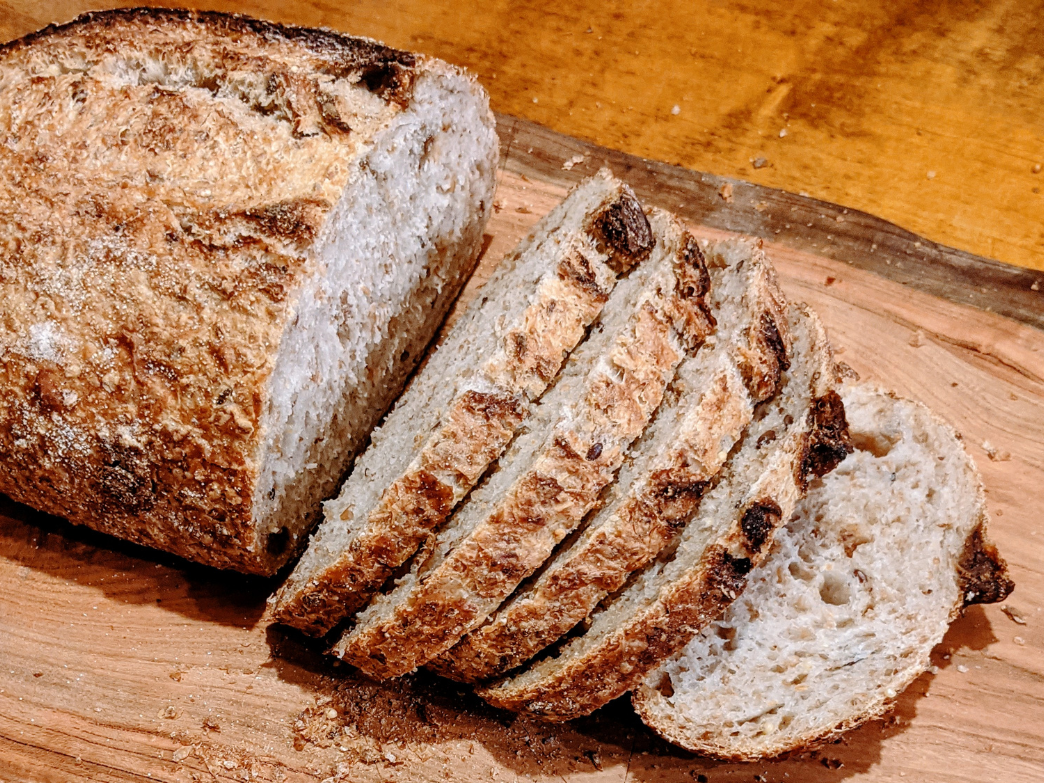
What is the best bread for a FODMAP diet?
By Dr. Jorge, Ph.D. Wildgrain, opens in a new tab is the first bake-from-frozen subscription box for sourdough breads, fresh pastas, and artisanal pastries. If you’re having uncomfortable gastrointestinal symptoms, you might seek relief in a low FODMAP diet. While some types of bread aren’t suitable for this diet, many are low in these carbohydrates and can still be enjoyed while keeping your stomach happy. In this article, we’ll demystify FODMAPs and help you identify bread varieties that are FODMAP-friendly. What bread is FODMAP-friendly? What sliced bread is low FODMAP? What type of bread can you eat on FODMAP? Bread that is FODMAP-friendly will include bread that is low in fermentable oligosaccharides, disaccharides, monosaccharides, and polyols (FODMAPs), which are carbohydrates that can cause gastrointestinal upset. Since the main FODMAP found in bread is fructan, any bread that is low in fructans should be safe for a low FODMAP diet. This includes sourdough bread, white bread (in small amounts), and gluten-free bread that does not contain high FODMAP ingredients. Is sourdough bread low FODMAP? Why is sourdough bread OK on a FODMAP diet? Sourdough bread is low in FODMAPs because the fermentation process used to make sourdough bread reduces its fructan content. During the long fermentation process, the microorganisms in the sourdough feed on the FODMAPs, resulting in a lower fructan content. Keep in mind this is only the case if the bread is made in the traditional way which involves fermenting the dough for several days and leavening it for at least 24 hours. When purchasing store-bought sourdough bread, make sure to ask whether the sourdough bread is made using traditional techniques, otherwise, it might not be low in FODMAPs. Is whole wheat bread low FODMAP? Why is whole wheat bread OK on a FODMAP diet? Whole wheat bread can be considered low FODMAP depending on the serving size. While wheat flour is a high FODMAP ingredient, wheat products such as whole wheat bread can still be low FODMAP. The distinction lies in the serving size. For example, one slice of whole wheat bread at 24 grams is low FODMAP. This is the maximum serving size for whole wheat bread to be low FODMAPs; any more than this will be considered high FODMAP. Is whole grain bread low FODMAP? Is whole grain bread high FODMAP? Whole grain bread is high in FODMAPs. Since whole grain wheat contains the entire grain, it is high in fructans (a high FODMAP food). The high fructan content comes from the bran and germ, two components of the intact grain that are higher in fructans when compared to the endosperm (the third grain component). In contrast, white bread is a low FODMAP bread as it is made from refined grains which consists mostly of the endosperm, a low FODMAP grain component. Is multigrain bread low FODMAP? Is multigrain bread high FODMAP? Multigrain bread can be low in FODMAPs depending on the exact grains and portions used. Some grains used in whole grain bread are higher in FODMAPs than others, such as wheat, rye, and barley. Other grains, such as oats, are generally lower in FODMAPs. The same is true for gluten-free multigrain bread. When selecting a multigrain bread, carefully read the nutrition label to ensure you are choosing bread made from low FODMAP ingredients. What is the best sourdough bread for a FODMAP diet? What is the best sourdough for low FODMAP? The best sourdough bread for a low FODMAP diet is one using traditional methods that include a slow fermentation process. This process is essential to reducing the amount of fructans in bread, a main carbohydrate and FODMAP found in bread varieties. Another great option is sourdough bread made with spelt or rice flour as these kinds of flour are usually lower in FODMAPs than the wheat flour traditionally used to make sourdough bread. How many slices of bread can I eat while on a FODMAP diet? The number of slices of bread you can eat while on a low FODMAP diet depends on the type of bread, the ingredients in the bread, and your tolerance level. Some low FODMAP breads may be listed as such on the label with a suggested serving size. In general, the following serving sizes are recommended to be low in FODMAPs: · 1 slice of white wheat bread · 1 slice of whole wheat bread · 2 slices of white wheat sourdough bread · 2 slices of whole wheat sourdough bread · 2 slices of gluten-free white bread · 1 slice of gluten-free multigrain bread Where can I buy healthy bread online? At Wildgrain, we specialize in making high-quality, fresh breads that are delivered directly to your door. Wildgrain is the first bake-from-frozen delivery subscription service for breads, rolls, pastries, and fresh pastas. Some of our popular breads include plain sourdough loaf, sourdough spelt loaf, and sourdough whole wheat. Learn more about Wildgrain and our artisanal baking and cooking methods. Best Bread Home Delivery Service: How Wildgrain's Bread Delivery Works Wildgrain's breads are prepared in independent, artisanal bakeries with high quality ingredients. The breads are shipped frozen in insulated boxes and delivered direct to your home, anywhere nationwide. By shipping frozen, Wildgrain products maintain the highest quality, so you can enjoy fresh baked breads at home. That's why customers consider Wildgrain among the best home delivery services for bread. About the Author Dr. Jorge has been a public health researcher for many years, holding both a Bachelor's degree and a Ph.D. in Chemistry. They presently work as a medical writer and love being able to assist others in understanding various health and scientific topics. This content is for informational use only and does not replace professional nutrition and/or medical advice, diagnosis or treatment. It is not a substitute for and should not be relied upon for specific nutrition and/or medical recommendations. Please talk with your doctor about any questions or concerns.
Learn more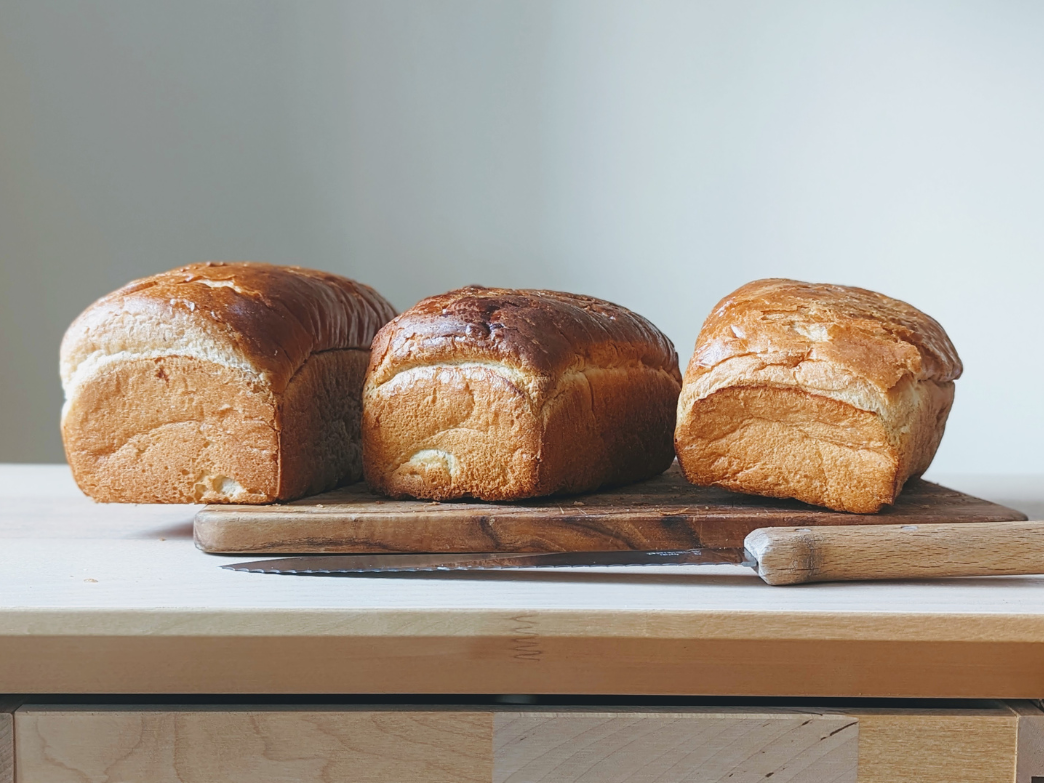
Best Bread for IBS: Can You Eat Bread with IBS?
By Dr. Jorge, Ph.D. Wildgrain, opens in a new tab is the first bake-from-frozen subscription box for sourdough breads, fresh pastas, and artisanal pastries. Do you have IBS but can’t shake your love of bread? We don’t blame you! Read on to find out which bread is most helpful for preventing IBS flare-ups and which kinds you may want to stay clear of. Is bread OK for people with IBS? Bread might be safe to eat for those with IBS, but it depends on the variety and your personal trigger foods. Certain types of bread, like those made with whole grains, contain a high amount of insoluble fiber. The high fiber content in whole grain bread makes it harder for the body to digest and can aggravate IBS symptoms in some people. On the other hand, sourdough bread tends to be well tolerated by IBS sufferers due to its long fermentation process that breaks down the components of bread that often cause gastrointestinal symptoms. What is the best bread for IBS sufferers? Sourdough bread and gluten-free bread are the best types of bread for people with IBS. The lengthy fermentation process used to make traditional sourdough bread reduces the amount of fructans, which are the kind of carbohydrates in bread that cause IBS symptoms. Sourdough bread also has less gluten because of the prolonged fermentation process. Another great option for IBS sufferers is gluten-free bread since gluten often causes IBS flare-ups. Is toast better than bread for IBS? Toast can be better than bread for those with IBS. The toasting process breaks down the carbohydrates in bread which can make toast easier to digest. Even still, it is recommended to choose low FODMAP bread to prevent an IBS flare-up. Some examples of low FODMAP bread are sourdough bread, gluten-free/wheat-free bread, and cornbread. Is sourdough bread better for IBS sufferers? Is sourdough bread OK for IBS? Sourdough bread does tend to be better for those with IBS. This is because the fermentation process required to make sourdough bread breaks down fructans in the bread. Fructans are among the fermentable oligosaccharides, disaccharides, monosaccharides, and polyols, known as FODMAPs, that have the potential to trigger IBS flare-ups. As a low FODMAP bread, sourdough bread is often one of the best-tolerated breads by IBS sufferers. Is white bread good for IBS? Is it OK if I eat white bread with IBS? When consumed in moderation, white bread can be a good option for people with IBS. White bread typically contains insufficient fructans to trigger an IBS flare-up because it is made with refined grains. When suffering from IBS, limit your intake of white bread to no more than one slice per meal. Is whole grain bread good for IBS? Is it OK if I eat whole grain bread with IBS? No, whole grain bread is not beneficial for some people with IBS. Whole grains are generally harder for the body to digest and break down, though this can vary depending on how your IBS presents itself. Despite being nutrient-dense, whole grain-based food often triggers certain IBS symptoms like cramps, bloating, gas, and abdominal pain. Make sure to start with a smaller portion size if you're not sure how your body will respond to whole grain foods. Is multigrain bread good for IBS? Is it OK if I eat multigrain bread with IBS? Multigrain bread might not be beneficial for IBS sufferers either if it is made entirely with whole grains. However, multigrain bread can be made with a mixture of white (refined) flour and whole grains, which may be easier for people with IBS to digest due to the lower insoluble fiber content in white flour. When determining whether you can eat multigrain bread, you should check the ingredient list for rye and barley, two grains that can make IBS symptoms worse. However, grains like oats or spelt can also be used in multigrain bread and are typically well tolerated by those with IBS. Is rye bread good for IBS? Is it OK if I eat rye bread with IBS? Rye bread is not beneficial for those with IBS, as it contains a high amount of fructans, which tend to aggravate IBS. However, there are rye bread varieties that might be easier to digest for IBS sufferers. Since sourdough bread is generally easy to digest, IBS sufferers might want to opt for sourdough rye bread instead. Is it ok to eat bread every day with IBS? Is it ok to eat sourdough bread every day with IBS? It is recommended to consume low FODMAP bread and limit consumption to one slice of bread per meal if you have IBS and want to consume bread daily. Sourdough bread, gluten-free bread, and white bread are some examples of low FODMAP bread options. Sourdough bread is often recommended for those with IBS since its long fermentation process breaks down gluten and FODMAPs, both of which are known to irritate the digestive tract. Where can I buy healthy bread online? At Wildgrain, we specialize in making high-quality, fresh breads that are delivered directly to your door. Wildgrain is the first bake-from-frozen delivery subscription service for breads, rolls, pastries, and fresh pastas. Some of our popular breads include plain sourdough loaf and rye sourdough loaf. Learn more about Wildgrain and our artisanal baking and cooking methods. Best Bread Home Delivery Service: How Wildgrain's Bread Delivery Works Wildgrain's breads are prepared in independent, artisanal bakeries with high quality ingredients. The breads are shipped frozen in insulated boxes and delivered direct to your home, anywhere nationwide. By shipping frozen, Wildgrain products maintain the highest quality, so you can enjoy fresh baked breads at home. That's why customers consider Wildgrain among the best home delivery services for bread. About the Author Dr. Jorge has been a public health researcher for many years, holding both a Bachelor's degree and a Ph.D. in Chemistry. They presently work as a medical writer and love being able to assist others in understanding various health and scientific topics. This content is for informational use only and does not replace professional nutrition and/or medical advice, diagnosis or treatment. It is not a substitute for and should not be relied upon for specific nutrition and/or medical recommendations. Please talk with your doctor about any questions or concerns.
Learn more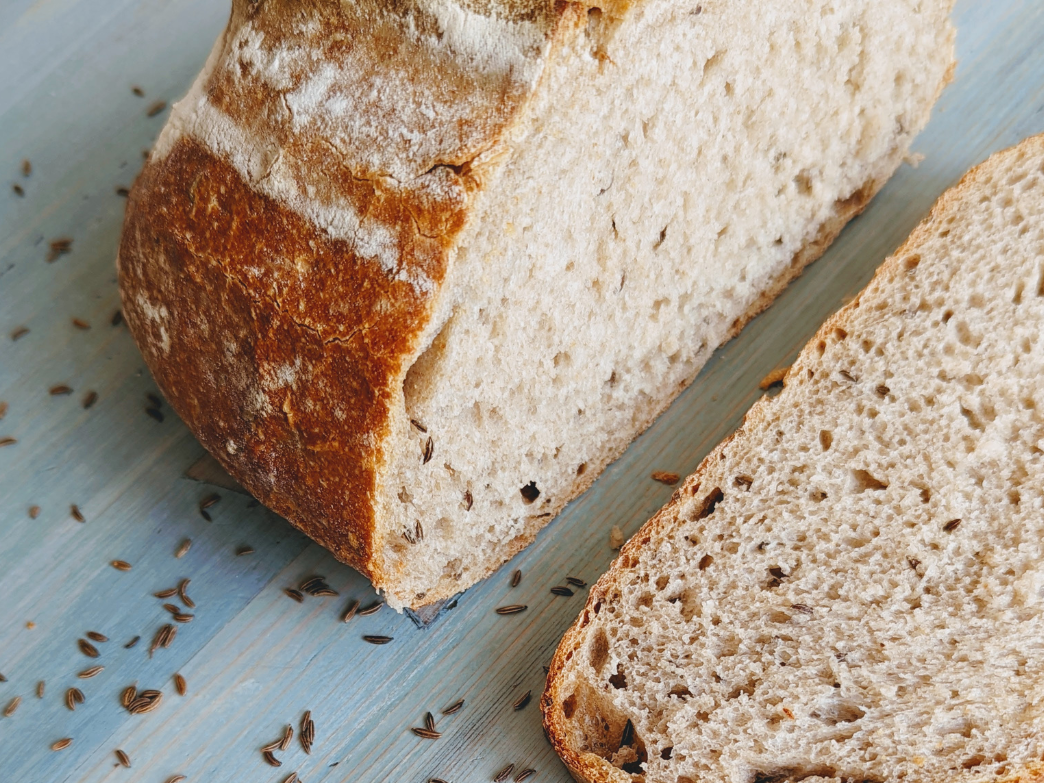
Best Bread for High Cholesterol: Can You Eat Bread with High Cholesterol?
By Dr. Jorge, Ph.D. Wildgrain, opens in a new tab is the first bake-from-frozen subscription box for sourdough breads, fresh pastas, and artisanal pastries. If you’re looking for a lower-cholesterol diet and are wondering if you can still indulge in bread from time to time, you’ve come to the right place! Continue reading to discover which bread varieties are best avoided if you have high cholesterol and which can actually help lower cholesterol levels. Is bread high in cholesterol? Is sourdough bread high in cholesterol? Bread does not typically contain cholesterol unless animal products such as milk or butter are used to make the bread. This means that many of the popular breads you would reach for to make a sandwich or toast do not contain any cholesterol. Sourdough bread is one such bread that does not contain any animal products, so sourdough bread is a cholesterol-free bread option. Is there cholesterol-free bread? Yes, most bread is cholesterol-free, since bread is typically made with only flour, yeast, and water - all ingredients that do not contain cholesterol. Bread that contains cholesterol usually contains fat-dense ingredients like milk or eggs. Some examples of cholesterol-free bread are sourdough bread, rye bread, baguette bread, and whole wheat bread. What bread is best for high cholesterol? Can bread help to lower cholesterol? Does bread raise cholesterol? The best bread for those with high cholesterol is 100% whole grain bread. Bread made from whole grains is high in soluble fiber which is key to lowering cholesterol levels. Alternatively, bread made from refined grains, such as white bread, can still raise cholesterol levels even if the bread does not contain any dietary cholesterol. This is because the body breaks down simple carbohydrates in white bread in a similar way to sugar, which will ultimately raise LDL (bad) cholesterol levels. What bread should I avoid with high cholesterol? Bread containing animal products, such as milk or eggs, and bread made from refined grains should be avoided when trying to stay within a low-cholesterol diet. Any bread products made with milk or eggs, such as brioche bread and pastries, should be avoided as they contain cholesterol. Bread made from refined grains, such as traditional white bread, should also be avoided as these types of bread have been shown to raise blood cholesterol levels as well. Is multigrain bread good for high cholesterol? Can I eat multigrain bread if I have high cholesterol? Multigrain bread is good for high cholesterol so long as it does not contain fat-dense ingredients (i.e. milk, butter, eggs) and is made from 100% whole grains. You’ll want to double-check the nutrition label before reaching for multigrain bread, as not all multigrain loaves of bread are the same. If the first ingredient listed is whole wheat or whole grain, you can still eat multigrain bread if you have high cholesterol. In fact, multigrain bread that is made entirely from whole grains can help lower cholesterol levels, as it is a great source of soluble fiber. Is sourdough bread OK for high cholesterol? Can I eat sourdough bread if I have high cholesterol? If you have high cholesterol, you can still eat sourdough bread because sourdough bread does not contain any cholesterol and it has a high soluble fiber content which may even help to reduce bad cholesterol. To get both the benefits of sourdough bread and whole grains, opt for a whole grain sourdough bread which is nutritious and good for high cholesterol. Is whole grain bread OK for high cholesterol? Can I eat whole-grain bread if I have high cholesterol? Yes! Because whole grains are a great source of soluble fiber, whole grain bread is the best bread for high cholesterol. Soluble fiber is a type of fiber that can bind to cholesterol in the small intestine, preventing it from entering the bloodstream and thus removing it from the body. Consequently, it has been demonstrated that consuming a diet rich in whole grains significantly reduces levels of bad cholesterol. Is white bread OK for high cholesterol? Can I eat white bread if I have high cholesterol? Whether or not the white bread in question contains added sugar or animal products like milk or eggs will determine whether it is okay to eat for those with high cholesterol. White bread often contains added sugars, which can raise cholesterol levels. Similarly, white bread that contains fat-dense ingredients can also be high in cholesterol. If you are focused on lowering cholesterol levels, your best bet will be to swap white bread for whole-grain alternatives. Where can I buy healthy bread online? At Wildgrain, we specialize in making high-quality, fresh breads that are delivered directly to your door. Wildgrain is the first bake-from-frozen delivery subscription service for breads, rolls, pastries, and fresh pastas. Some of our popular breads include sourdough whole wheat, sourdough 7-grain, slow fermented 3-seed bread, and sourdough rye. Learn more about Wildgrain and our artisanal baking and cooking methods. Best Bread Home Delivery Service: How Wildgrain's Bread Delivery Works Wildgrain's breads are prepared in independent, artisanal bakeries with high quality ingredients. The breads are shipped frozen in insulated boxes and delivered direct to your home, anywhere nationwide. By shipping frozen, Wildgrain products maintain the highest quality, so you can enjoy fresh baked breads at home. That's why customers consider Wildgrain among the best home delivery services for bread. About the Author Dr. Jorge has been a public health researcher for many years, holding both a Bachelor's degree and a Ph.D. in Chemistry. They presently work as a medical writer and love being able to assist others in understanding various health and scientific topics. This content is for informational use only and does not replace professional nutrition and/or medical advice, diagnosis or treatment. It is not a substitute for and should not be relied upon for specific nutrition and/or medical recommendations. Please talk with your doctor about any questions or concerns.
Learn more
Bread vs. Bun vs. Rolls: Is Bread Better than Buns or Rolls?
By Dr. Jorge, Ph.D. Wildgrain, opens in a new tab is the first bake-from-frozen subscription box for sourdough breads, fresh pastas, and artisanal pastries. Whether you’re having a burger, a slice of toast, or are simply snacking on some dinner rolls as an appetizer, you’ve probably enjoyed bread, rolls, and buns in some form at one point or another. Even though you might be familiar with these three bread varieties, do you know what sets them apart from each other? Continue reading to learn the nutritional differences between bread, buns, and rolls and to discover which is the healthiest option. Is bread the same as a roll? Is a roll considered bread? Because not all bread is made in the shape of a roll, rolls and bread are not exactly the same. Bread rolls are a type of bread that are typically small and round and are frequently served as an appetizer or as a side dish to a meal. It is important to note that the ingredients for bread rolls and bread loaves are the same, but the way they are prepared differs. As an example, there are both sourdough bread loaves and sourdough bread rolls. The same is true for brioche bread and brioche rolls. The main difference is that the bread rolls are typically rounder, softer, and smaller. Is bread the same as a bun? Is a bun considered bread? Similar to a bread roll, buns are just one type of bread. While a bun usually consists of a single serving, traditional bread made as a loaf contains multiple servings. Buns are versatile; they can be savory or sweet, filled or unfilled. You might be the most familiar with hamburger buns or hot dog buns, but other popular bun varieties include cinnamon buns, hot cross buns, pretzel buns, and sticky buns. What’s the difference between a bun and a bread roll? Since buns are a kind of bread roll, there are many similarities between the two, such as their round shape and smaller size compared to a typical loaf of bread. The baking method and the range of possible flavors are the main differences between a bread roll and a bread bun. Buns typically have a crispier crust because of the space between them during proofing. Rolls are typically proofed and baked right next to each other which enables them to have a softer crust and to pull apart effortlessly. Buns can be either savory or sweet, and they can be filled with both savory and sweet ingredients. In terms of flavor, bread rolls are usually savory and unfilled. How many slices of bread equal one roll? What is the nutrition difference between rolls and a slice of bread? Approximately one slice of white bread is equal to one white bread roll. Nutritionally, traditional white bread and bread rolls are very similar. A single slice of white bread contains about 65 calories, 2 grams of protein, and 12 grams of carbohydrates. One bread roll such as a dinner roll contains about 75 calories, 3 grams of protein, and 13 grams of carbohydrates. How many slices of bread equal one bun? What is the nutritional difference between buns and a slice of bread? While buns come in different varieties, let us compare the widely known hamburger bun to a slice of white bread. One white hamburger bun is equal to approximately two slices of white bread. This means that a single serving of a bread bun is double the number of calories, carbohydrates, and protein as a single slice of white bread. For comparison, one hamburger bun contains 128 calories, 4.5 grams of protein, and 23 grams of carbohydrates. Is bread healthier than rolls? Is a roll better for you than bread? There are no fundamental differences between the nutritional content of white sliced bread and white bread rolls. Therefore, neither bread nor rolls is healthier than the other. However, loaves of bread and rolls made of 100% whole grain are both better for you and comparable to one another. If the bread loaf and bread roll are made of the same general ingredients, they are equally healthy. Is bread healthier than buns? Is a bun better for you than bread? Bread can be healthier than buns, but it all depends on the kind of bun and bread being compared. For example, one slice of white bread is healthier than a single sweet bun which can have a high amount of carbohydrates and sugar. On the other hand, one whole wheat bun might be healthier than a slice of white bread. This is because whole grains, such as whole wheat, contain fewer calories, more fiber, and more protein than the refined grains that are used to make white loaves of bread. Which is better for weight loss: bread or rolls or buns? There is no one best option when it comes to weight loss because there is a lot of variation in the ingredients used to make different kinds of bread, rolls, and buns. Whole grain bread, rolls, and buns are the best options for promoting weight loss. Similarly, sourdough rolls, buns, and bread are healthier options than white bread. Sourdough bread and whole grain bread will both help you feel fuller for longer, which will help you reach your nutritional goals. Remember that tracking your daily caloric intake and the number of calories in a serving will always be the best approach to managing your weight, regardless of the type of bread you choose. Where can I buy the best fresh bread, buns, and rolls online? At Wildgrain, we specialize in making high-quality, fresh baked goods that are delivered directly to your door. Wildgrain is the first bake-from-frozen delivery subscription service for breads, pastries, and fresh pastas. Some of our popular breads, rolls, and buns include sourdough whole wheat loaf, sourdough rolls, brioche rolls, and pretzel buns. Learn more about Wildgrain and our artisanal baking and cooking methods. Best Bread Home Delivery Service: How Wildgrain's Bread Delivery Works Wildgrain's breads are prepared in independent, artisanal bakeries with high quality ingredients. The breads are shipped frozen in insulated boxes and delivered direct to your home, anywhere nationwide. By shipping frozen, Wildgrain products maintain the highest quality, so you can enjoy fresh baked breads at home. That's why customers consider Wildgrain among the best home delivery services for bread. About the Author Dr. Jorge has been a public health researcher for many years, holding both a Bachelor's degree and a Ph.D. in Chemistry. They presently work as a medical writer and love being able to assist others in understanding various health and scientific topics. This content is for informational use only and does not replace professional nutrition and/or medical advice, diagnosis or treatment. It is not a substitute for and should not be relied upon for specific nutrition and/or medical recommendations. Please talk with your doctor about any questions or concerns.
Learn more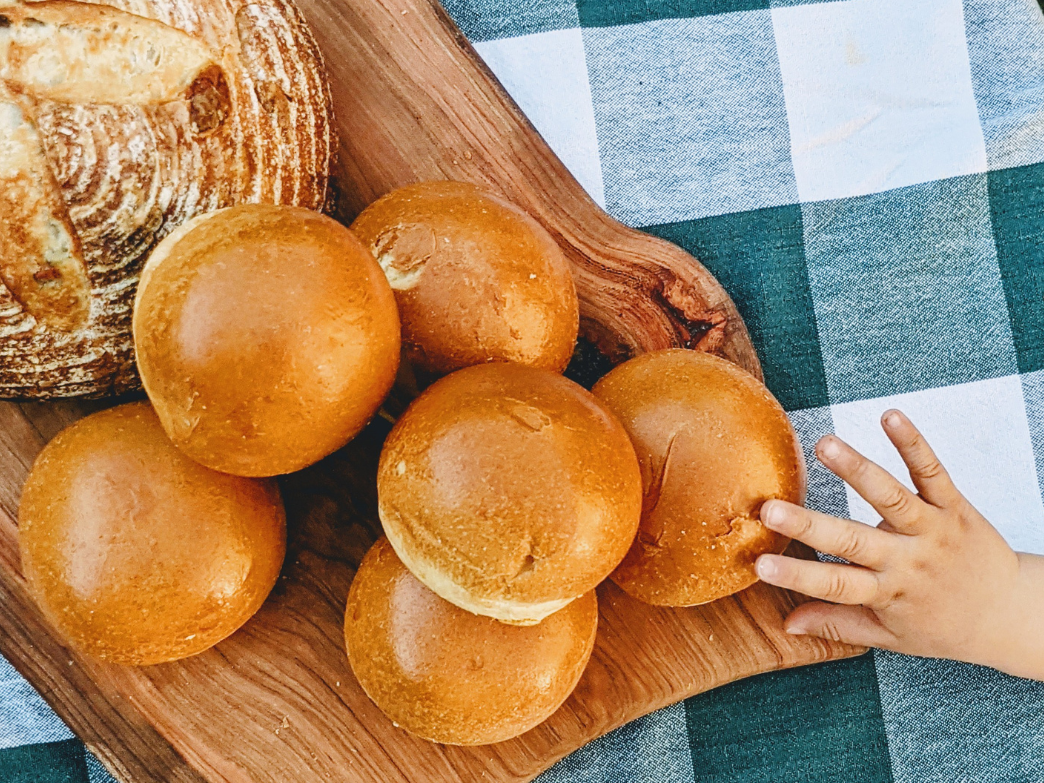
Bread vs. Brioche: Which is Better Brioche or Bread?
By Lucy Yanckello, Ph.D. Wildgrain, opens in a new tab is the first bake-from-frozen subscription box for sourdough breads, fresh pastas, and artisanal pastries. Everyone loves bread, and it can always find a place in a healthy and balanced diet. However, with so many different types of bread, it can be confusing as to where some fall on the spectrum of nutritional foods. This is especially true for rich breakfast breads such as brioche, that are full of butter, eggs, and sugar. So how does brioche stack up against, for example, white bread? Read on to learn more. What is the difference between brioche vs. bread? Is brioche bread the same as white bread? Technically, brioche is a French pastry, rather than a bread, due to its light and airy texture and sweet flavor. Brioche bread is not the same as white bread; in fact, it is more similar to a croissant in texture and structure than it is regular bread. The base ingredients of white bread are flour, water, and yeast, whereas brioche includes eggs, milk, and butter in its recipe. Why is brioche bread special? Brioche bread is sweet and pastry-like. However, it differs from a pastry because it also contains yeast and is prepared like a bread. The addition of eggs, milk, and butter give it a fluffier texture and sweet flavor that is much more similar to pastry than bread. In fact, to be characterized as brioche, a recipe has to contain 30% to 50% butter-to-total-flour weight. How healthy is brioche? Brioche contains a higher protein content than plain white bread due to the inclusion of eggs, which is beneficial for health. However, due to the higher butter content in brioche, brioche contains more fat and more calories than other kinds of bread. Unfortunately, the fat content comes mainly from saturated fats, which should be limited to 5% to 6% of a person’s daily caloric intake, according to the American Heart Association. This does not necessarily make brioche unhealthy, but instead informs us to enjoy this delicious treat in moderation. Is brioche better for you than bread? Is it healthier to eat brioche rather than bread? Is brioche good for weight loss? Is brioche better than bread for weight loss? In one slice of brioche bread, there are 110 calories – 1.5 grams of fat, 20 grams of carbohydrates, 4 grams of protein, and 1 gram of fiber. For one slice of white bread, there are 67 calories – 1 gram of fat, 13 grams of carbohydrates, 2 grams of protein, and less than 1 gram of fiber. Brioche and bread are in the same ballpark when it comes to weight loss in that both should be enjoyed in moderation. The slightly higher fiber and protein content in briocheGo to slow fermented brioche rolls 4 pack bread is likely to help you feel satiated for longer than a plain slice of white bread. Consider pairing either with healthy fats, protein, and fiber to create a balanced meal. What is the difference between brioche and bread rolls? As discussed in our All About Rolls article, brioche rolls and regular rolls are different in that brioche rolls require more eggs and butter in their recipe than regular rolls. Although both brioche rolls and regular rolls contain eggs and butter, the fact that brioche rolls contain more of these ingredients means that these rolls are higher in fat content. Is brioche healthy for diabetics? Is brioche better than bread for diabetics? Brioche bread should not be a first choice for diabetics. The glycemic index (GI) of brioche is 72, classifying it as a high GI food. GI is a measure of how quickly a food can make your blood sugar rise, on a scale of 1 to 100. A GI of 72 indicates that brioche bread will have a large effect on blood sugar, causing a spike. Compared to white bread, however, the GI of brioche is lower. Plain white bread has a GI of 90, which means it will cause an even larger spike in blood sugar than brioche. What bread is closest to brioche? Challah bread is very similar to brioche, since it is made with eggs. It has a slightly sweet flavor and a soft, pillowy interior. Another substitute for brioche are croissants. Although these are not bread, but pastry, brioche is said to be more similar in texture to croissants than bread. They have a similar sweet flavor with a light and airy texture. Where can I buy the best bread and brioche online? At Wildgrain, we specialize in making high-quality, fresh baked goods that are delivered directly to your door. Wildgrain is the first bake-from-frozen delivery subscription service for breads, pastries, and fresh pastas. Some of our popular breads and brioche include sourdough whole wheat loaf, everything sourdough bread, and brioche rolls. Learn more about Wildgrain and our artisanal baking and cooking methods. Best Bread Home Delivery Service: How Wildgrain's Bread Delivery Works Wildgrain's breads are prepared in independent, artisanal bakeries with high quality ingredients. The breads are shipped frozen in insulated boxes and delivered direct to your home, anywhere nationwide. By shipping frozen, Wildgrain products maintain the highest quality, so you can enjoy fresh baked breads at home. That's why customers consider Wildgrain among the best home delivery services for bread. About the Author Lucy Yanckello received her Ph.D. in nutrition from the University of Kentucky College of Medicine. She currently works as a medical writer and enjoys being able to help people better understand nutrition and science. This content is for informational use only and does not replace professional nutrition and/or medical advice, diagnosis or treatment. It is not a substitute for and should not be relied upon for specific nutrition and/or medical recommendations. Please talk with your doctor about any questions or concerns.
Learn more
Bread vs. Crackers: Is Bread Healthier than Crackers?
By Lucy Yanckello, Ph.D. Wildgrain, opens in a new tab is the first bake-from-frozen subscription box for sourdough breads, fresh pastas, and artisanal pastries. Whether out of pure curiosity or related to your diet, most people have wondered if crackers are healthier than bread. In fact, lots of people will even cut bread out of their diet and opt for crackers or rice cakes when looking to reduce carbs. But is this doing more harm than good? Read on to find out more about the differences between crackers and bread and how you can keep both in a balanced healthy diet. Are crackers better for you than bread? Is it healthier to eat crackers vs. bread? Bread and crackers both have pros and cons. Crackers are higher in calories and sodium than bread, and usually contain higher amounts of fat. In addition, crackers contain little to no fiber. However, in small quantities paired with foods that have fiber and protein, such as cheese and grapes, crackers can be a great addition to a healthy diet. Whole grain bread is also a healthy option, since it is higher in fiber and protein, which will keep you fuller for longer. Are there fewer carbs in crackers than bread? Are there fewer calories in crackers than bread? How do the nutrition profiles of a saltine cracker versus a slice of whole wheat bread compare? A slice of whole wheat bread has 82 calories, around 14 grams of carbohydrates, 4 grams of protein, and 1 gram of fat. A serving of five saltine crackers has around 62 calories, 11 grams of carbohydrates, 1 gram of protein, and 1 gram of fat. In addition, a slice of whole wheat bread has almost 2 grams of fiber, whereas the crackers only contain around 0.5 grams. Are crackers healthy or unhealthy? Are crackers OK for weight loss? Do crackers have different nutritional value than bread? How many crackers equal a slice of bread? Although the nutrition profiles of bread and crackers don’t differ that much, the higher protein and fiber content in bread will leave you feeling fuller for longer. This does not make crackers unhealthy, but crackers should be eaten in moderation. Additionally combining crackers with other foods that have higher protein and fiber to increase can increase the feeling of fullness and reduce snacking. To consume the same amount of calories of crackers as bread, you would have to eat around 7 crackers to one slice of bread. Yet, although the calorie intake would be similar, the nutritional profile would not. Crackers are almost exclusively carbohydrates and fat, while bread also contains protein and fiber. However, when comparing crackers to a slice of white bread, the profile is not that different. One slice of white bread contains 67 calories, with 13 grams of carbohydrates, 2 grams of protein, and 0.5 grams of fiber. If you are trying to decide between crackers, and a slice of white bread, the difference is minimal. Are crackers healthy for diabetics? Are crackers better than bread for diabetics? Cracker ingredients need to be carefully considered if you are diabetic. Some crackers are made with fiber-rich grains, but crackers without any fiber need to be avoided. Low fiber crackers may seem healthy if they have “whole grains” on the label, but this does not mean they aren’t full of refined carbohydrates and added sugar. These types of crackers can lead to spikes in blood sugar. The same goes for bread, stick to bread with a higher fiber and protein content to avoid blood sugar spikes. Are crackers good for weight loss? Which are better for weight loss, crackers or bread? Crackers can be good for weight loss if eaten in moderation and combined with other foods (e.g. peanut butter, grapes, or cheese) to beef up the protein and fiber content of your snack. When trying to lose weight, you must consume less calories than you are burning, so the less hungry you feel, the less you will want to snack. In this case, the higher protein and fiber content of bread may be a better choice for snacking when trying to lose weight – or be sure to combine your crackers with healthy protein, fat, and fiber sources. Where can I buy the best fresh bread online? At Wildgrain, we specialize in making high-quality, fresh baked goods that are delivered directly to your door. Wildgrain is the first bake-from-frozen delivery subscription service for breads, pastries, and fresh pastas. Some of our popular breads include sourdough whole wheat loaf, and everything sourdough bread. Learn more about Wildgrain and our artisanal baking and cooking methods. Best Bread Home Delivery Service: How Wildgrain's Bread Delivery Works Wildgrain's breads are prepared in independent, artisanal bakeries with high quality ingredients. The breads are shipped frozen in insulated boxes and delivered direct to your home, anywhere nationwide. By shipping frozen, Wildgrain products maintain the highest quality, so you can enjoy fresh baked breads at home. That's why customers consider Wildgrain among the best home delivery services for bread. Best Bread Home Delivery Service: How Wildgrain's Bread Delivery Works Wildgrain's breads are prepared in independent, artisanal bakeries with high quality ingredients. The breads are shipped frozen in insulated boxes and delivered direct to your home, anywhere nationwide. By shipping frozen, Wildgrain products maintain the highest quality, so you can enjoy fresh baked breads at home. That's why customers consider Wildgrain among the best home delivery services for bread. About the Author Lucy Yanckello received her Ph.D. in nutrition from the University of Kentucky College of Medicine. She currently works as a medical writer and enjoys being able to help people better understand nutrition and science. This content is for informational use only and does not replace professional nutrition and/or medical advice, diagnosis or treatment. It is not a substitute for and should not be relied upon for specific nutrition and/or medical recommendations. Please talk with your doctor about any questions or concerns.
Learn more