

Wildgrain Blog
Best Bread for Bread Pudding
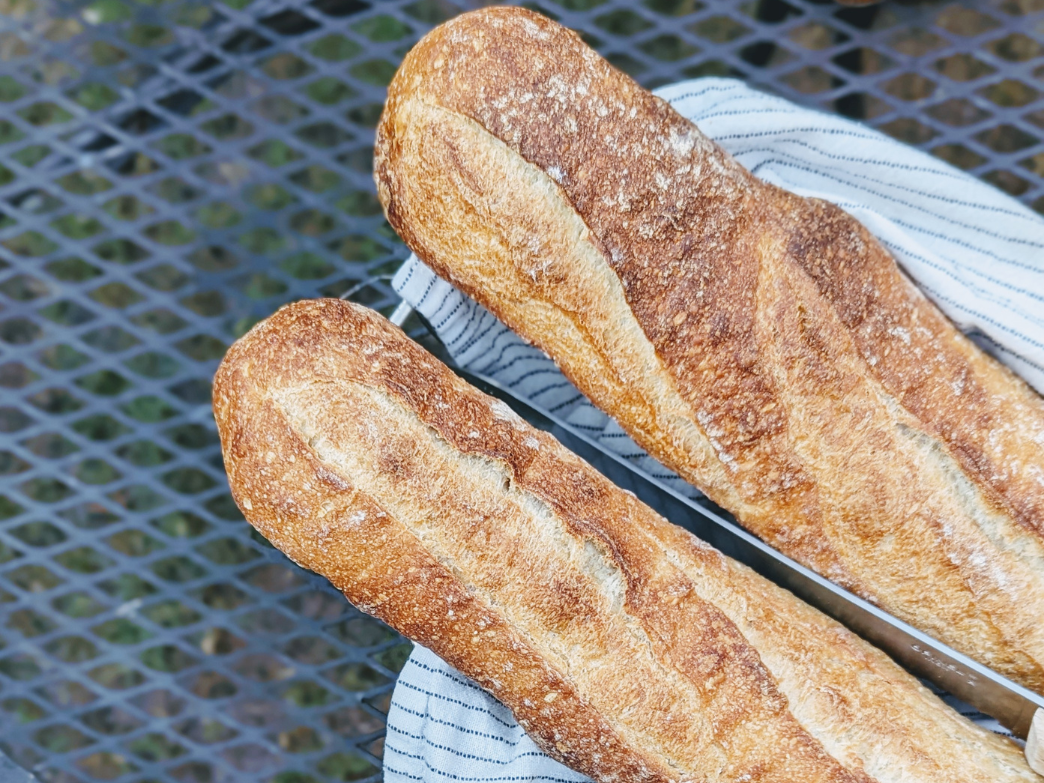
By Dr. Jorge, Ph.D. Wildgrain, opens in a new tab is the first bake-from-frozen subscription box for sourdough breads, fresh pastas, and artisanal pastries. Choosing the right bread is crucial for achieving the perfect texture and flavor in bread pudding. If you’re struggling to create a dessert that's crisp on the outside and moist on the inside, we’re here to help. Read on to discover the best bread for bread pudding and how to avoid common pitfalls in your recipe. What is bread pudding made of? What are the ingredients for bread pudding? Bread pudding is a baked dish made with slightly stale bread and a custard mixture. The core ingredients of bread pudding are cubed bread, eggs, milk, sugar, and butter. Some recipes also call for raisins, cinnamon, chocolate chips, or vanilla extract. Since making bread pudding involves soaking bread in a milk and egg (custard) mixture, the type and freshness of the bread are crucial to achieve the right texture. Is stale bread the best for bread pudding? Why does bread need to be stale for bread pudding? Stale bread is the best type of bread to use for bread pudding. Stale bread, having dried out, holds its shape better when soaked in custard. In contrast, fresh bread is more likely to fall apart and become soggy. If you only have fresh bread on hand, you can speed up the drying process by cubing and toasting it in the oven until it reaches a light golden brown. Is sourdough bread good for bread pudding? Sourdough bread is a great choice for bread pudding and is one of the best breads to use in bread pudding. This is because sourdough bread is hearty and sturdy, so it won’t fall apart while soaking in a custard mixture. The tangy flavor of sourdough bread can also add a unique depth to bread pudding recipes. Is whole wheat bread good for bread pudding? Whole wheat bread can be used for bread pudding, but it works best when it is slightly stale. If your whole wheat bread is too fresh, toasting it before soaking it in the custard mixture can help you get better results. If you want to use an even sturdier bread, you can opt for whole wheat sourdough bread or whole wheat french bread. What is the best bread for bread pudding? The best bread to use in bread pudding is slightly stale or day-old bread. Stale bread will be dryer than fresh bread and won’t fall apart or get soggy while soaking in the egg/milk mixture. This will ensure the bread will hold its shape while still soaking up the delicious custard mixture. It is recommended to use sturdier breads for bread pudding such as challah bread, Go to brioche sandwich loafbrioche bread, sourdough bread, or french bread. Why does my bread pudding fall after I take it out of the oven? Why does my bread pudding go flat? There are a few reasons why bread pudding may fall apart after baking. This might happen because the bread used in the pudding was too fresh or the pudding was baked at too high a temperature. Fresh bread will not be able to absorb custard the way stale bread will. Instead, the bread will get soggy and fall apart due to the higher moisture content in fresh bread compared to stale bread, which has dried out. If the pudding is baked at a higher temperature, the outside of the bread can brown while keeping the inside of the bread doughy and uncooked. This can cause the bread pudding to collapse as it cools after baking. The recommended baking temperature for bread pudding is 350° F. How do you keep raisins from sinking in bread pudding? If you have issues with raisins sinking to the bottom of your bread pudding dish, you can try lightly tossing them in flour before adding them to the batter. This will create a coating around the raisins which will help them to stick to the mixture and allow the raisins to stay evenly distributed throughout the bread pudding. Why is my bread pudding soggy? Bread pudding can become soggy for a variety of reasons. This can happen if you use the wrong kind of bread, add too much custard, bake the pudding at too high a temperature or not long enough, or over-soak the bread. Using bread that is not sturdy or cannot keep its form while soaking in the custard because it has not dried out, can lead to a soggy bread pudding. Similarly, adding too much liquid to the bread pudding can lead to a soggy texture. If you bake the bread pudding at too high of a temperature or for too short a time, the pudding won’t set properly and can become mushy. Lastly, if you soak the bread for longer than the recipe requires, it can lead to the bread being over-saturated and soggy. Is bread pudding considered healthy? Bread pudding is not considered healthy since the core ingredients are high in fat and sugar. However, you can make bread pudding healthier by using more nutritious breads (like sourdough or whole wheat bread) and reducing the sugar content. Bread pudding can still be enjoyed while maintaining a healthy lifestyle by being mindful of portion size and pairing high-nutrient foods, like yogurt, with your bread pudding. Where can I buy the best bread for bread pudding online? At Wildgrain, we specialize in making high-quality, fresh breads that are delivered directly to your door. Wildgrain is the first bake-from-frozen delivery subscription service for breads, rolls, pastries, and fresh pastas. Some of our popular breads that can be used to make bread pudding include sourdough demi baguette, sourdough loaf, brioche sandwich loaf, and sourdough whole wheat. Learn more about Wildgrain and our artisanal baking and cooking methods. Best Bread Home Delivery Service: How Wildgrain's Bread Delivery Works Wildgrain's breads are prepared in independent, artisanal bakeries with high quality ingredients. The breads are shipped frozen in insulated boxes and delivered direct to your home, anywhere nationwide. By shipping frozen, Wildgrain products maintain the highest quality, so you can enjoy fresh baked breads at home. That's why customers consider Wildgrain among the best home delivery services for bread. About the Author Dr. Jorge has been a public health researcher for many years, holding both a Bachelor's degree and a Ph.D. in Chemistry. They presently work as a medical writer and love being able to assist others in understanding various health and scientific topics. This content is for informational use only and does not replace professional nutrition and/or medical advice, diagnosis or treatment. It is not a substitute for and should not be relied upon for specific nutrition and/or medical recommendations. Please talk with your doctor about any questions or concerns.
Learn more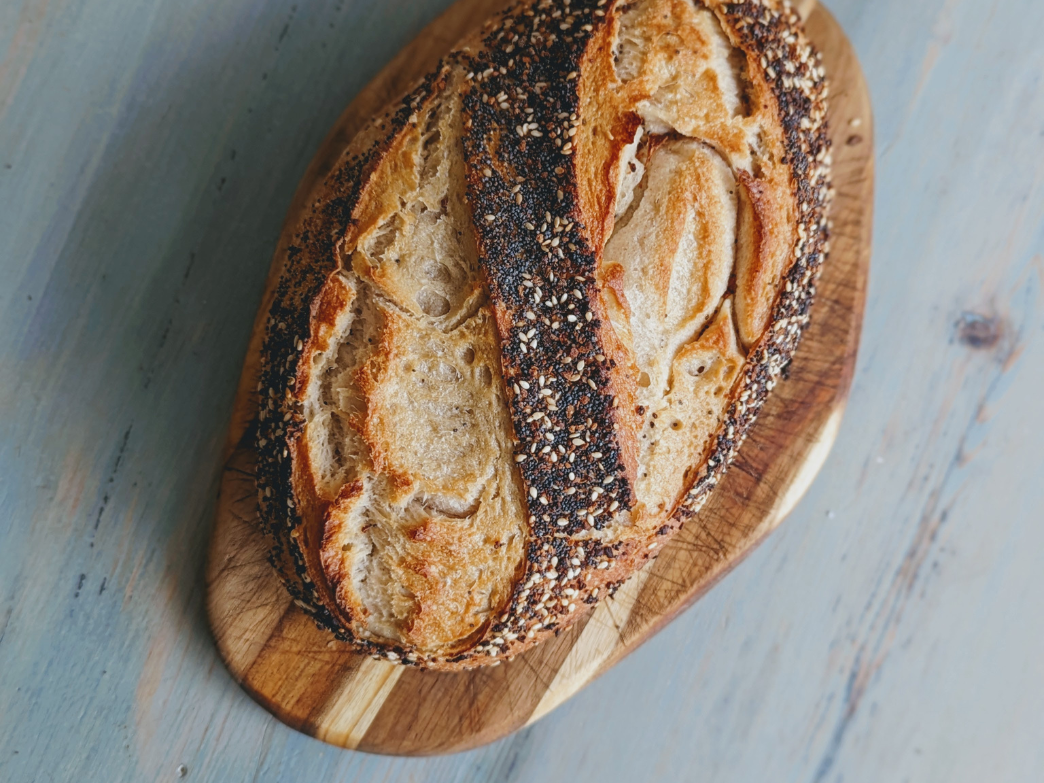
What’s Better: Brown Bread vs. White Bread vs. Whole Wheat Bread vs. Rye Bread
By Lucy Yanckello, Ph.D. Wildgrain, opens in a new tab is the first bake-from-frozen subscription box for sourdough breads, fresh pastas, and artisanal pastries. There are many different types of bread on store shelves, in cookbooks, and filling bakery cases, each with their own character, nutrient, and flavor profile. Some breads are naturally higher in fiber, some higher in protein content, and some with vitamins and minerals added back in. With all of these factors to consider, it is only natural to wonder which bread is healthiest for you. What is the difference between normal bread and brown bread? Brown bread is often made with a combination of whole wheat flour and refined flour. On the other hand, white bread is made wholly from refined flour. With the addition of whole wheat flour, brown bread tends to be higher in fiber, vitamins, and minerals. What is the difference between brown bread vs. white bread vs. whole wheat bread vs. rye bread? While brown bread is made with a combination of whole wheat flour and refined flours, white bread is made from only refined flour. Whole wheat bread is made from the entire wheat grain, and rye bread is made from rye flour and wheat flour. Whole wheat bread and rye bread are both typically made from whole grains, while white and brown breads contain refined flours. What is the healthiest bread for you: brown bread vs. white bread vs. whole wheat bread vs. rye bread? Rye bread and whole wheat bread are both healthier for you than white or brown bread because they have higher protein, fiber, vitamin, and mineral content. The nutrient content of both rye and whole wheat bread do not differ in a significant way, both with similar carbohydrate and fat levels. Additionally, both breads have higher fiber and protein content than white or brown bread which will leave you feeling fuller for longer after eating, an important way to curb cravings and reduce overeating. If you want to get the full benefits of rye bread, be sure you are buying whole-grain rye bread. Is whole wheat bread better than brown bread? Whole wheat bread is better for you than brown bread because it is made with whole grains, which come with numerous benefits. Whole wheat bread has higher protein, fat, fiber, and vitamins than brown bread. Because of its high fiber content, whole wheat bread can aid in digestion and gut health. In terms of texture, brown bread tends to be light and soft, while whole wheat bread is more firm with a darker crunchier crust. Is brown bread healthy? Can I eat brown bread everyday and be healthy? Brown bread can be healthy in its own right, and is definitely a better choice than white bread. Because it contains some whole wheat flour, it generally has a good amount of vitamins and minerals, and a higher amount of fiber and protein than white bread. As long as it is eaten in moderation, brown bread can be consumed as part of a healthy diet. Can diabetics eat brown bread? Can I eat brown bread with diabetes? Diabetics can eat brown bread in moderation. Brown bread has a lower glycemic index than white bread, meaning that it is less likely to spike blood sugar levels after eating. Keeping the glycemic index of foods low is important for diabetics in order to ensure blood sugar remains balanced. Is brown bread ok for weight loss? Will I gain weight if I eat brown bread every day? Brown bread is okay to eat if you are trying to lose weight, but other whole-grain bread options are better choices when trying to lose weight. Higher fiber and protein content are important when trying to lose weight as these nutrients help slow digestion and keep you feeling fuller for longer after eating. This keeps cravings suppressed and allows for control of overeating. Is brown bread good for gut health? Fiber is the most important ingredient to consider when trying to improve or maintain gut health. Brown bread has a higher fiber content than white bread, meaning that it is more beneficial for gut health than white bread. Due to the higher fiber content, brown bread is also easier to digest than white bread. Can I eat brown bread on a no-sugar diet? As long as the brown bread you are consuming does not have added sugar, you can eat it on a no-sugar diet. Be sure to read the labels closely and look for “added sugars” on the nutrient facts in order to determine if the brown bread you are deciding on has sugar in it. It is also important to check the ingredient label for ingredients such as high-fructose corn syrup, and corn syrup, which are added sugar under a different name. Where can I buy healthy bread online? At Wildgrain, we specialize in making high-quality, fresh baked goods that are delivered directly to your door. Wildgrain is the first bake-from-frozen delivery subscription service for breads, rolls, pastries, and fresh pastas. Some of our popular breads include Slow-Fermented Cranberry-Pecan Loaf, Plain Sourdough Loaf, Everything Sourdough Bread, Sourdough 7-Grain Loaf, and Sourdough Whole Wheat Loaf. Learn more about Wildgrain and our artisanal baking and cooking methods. Best Bread Home Delivery Service: How Wildgrain's Bread Delivery Works Wildgrain's breads are prepared in independent, artisanal bakeries with high quality ingredients. The breads are shipped frozen in insulated boxes and delivered direct to your home, anywhere nationwide. By shipping frozen, Wildgrain products maintain the highest quality, so you can enjoy fresh baked breads at home. That's why customers consider Wildgrain among the best home delivery services for bread. About the Author Lucy Yanckello received her Ph.D. in nutrition from the University of Kentucky College of Medicine. She currently works as a medical writer and enjoys being able to help people better understand nutrition and science. This content is for informational use only and does not replace professional nutrition and/or medical advice, diagnosis or treatment. It is not a substitute for and should not be relied upon for specific nutrition and/or medical recommendations. Please talk with your doctor about any questions or concerns.
Learn more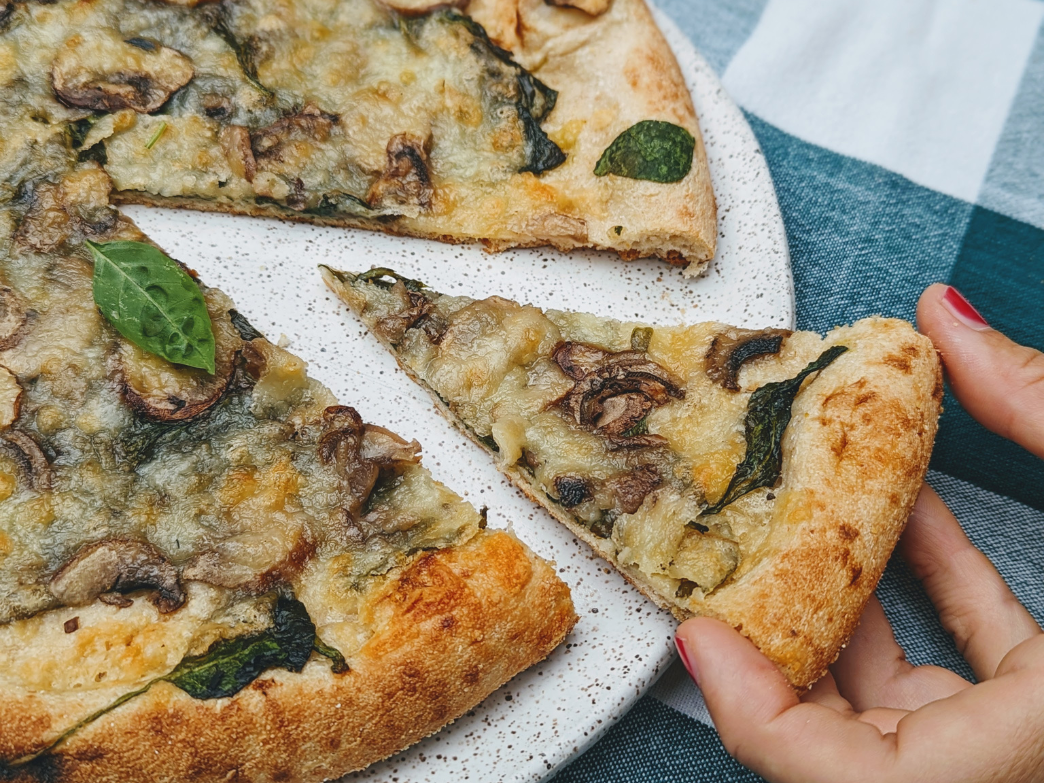
Pizza: Healthy or Unhealthy?
By Dr. Jorge, Ph.D. Wildgrain, opens in a new tab is the first bake-from-frozen subscription box for sourdough breads, fresh pastas, and artisanal pastries. Everyone loves pizza, but figuring out how it fits into a balanced diet can be tricky. In this article, we'll explore whether pizza can be healthy and share some simple swaps to help you enjoy a slice while maintaining a healthy lifestyle. Is pizza healthy or unhealthy? Is pizza even a little healthy? Can I eat pizza and stay healthy? Pizza can be healthy if it is eaten in moderation and is prepared with healthier toppings and ingredients. For example, using whole grain crust, loading up on veggies, and reducing the amount of cheese on pizza are all ways to make pizza more nutritious and reduce fat. You can still enjoy pizza while maintaining a healthy lifestyle so long as you remain mindful of portion sizes and the ingredients in the pizza you’re enjoying. What kind of pizza is the healthiest? What is the healthiest way to eat pizza? The healthiest kind of pizza is made from nutrient-rich ingredients. This can be done in a variety of ways such as swapping regular pizza dough for whole grain dough or vegetable dough, like cauliflower. Healthier pizzas can also include light cheese, vegetable toppings, and lean protein, such as using chicken as a protein-rich topping instead of pepperoni. To help cut down on carbs, you can also choose a thin-crust pizza instead. What is the most unhealthy ingredient in pizza? Some of the most common unhealthy pizza toppings are processed meats, like pepperoni and sausage, along with pizza sauce that can be loaded with sugar and salt. Aside from unhealthy sauce and toppings, consuming too much pizza in a sitting can be easy, eating well past one serving size. While it depends on the kind and size of the pizza, one or two slices is generally the recommended serving size. Is frozen pizza healthy? Frozen pizza can be healthy depending on the ingredients used to make the pizza. Many frozen pizzas tend to be highly processed and high in sugar, sodium, and calories. However, some frozen pizzas do not fall into this category. When choosing a frozen pizza, be sure to check the nutritional label for healthier ingredients. Look for whole wheat frozen pizzas made from real ingredients that lack artificial preservatives and added sugars. Is fresh pizza healthier than frozen pizza? Is frozen pizza or takeout pizza healthier? Fresh pizza is generally healthier than frozen pizza, but it completely depends on the ingredients used to make the pizza. Since frozen pizza tends to be more processed than fresh pizza, it is usually less healthy. However, some frozen pizzas are made with whole wheat dough and healthy ingredients. In these cases, frozen pizza can be healthier than fresh pizza. Is pizza once a week ok? How much is too much pizza? It is ok to eat pizza once a week, however it is important to limit your serving size. One or two slices is the recommended serving size for pizza although it depends on the size and type of pizza along with your individual diet needs and goals. Can I eat pizza and still lose weight? Can I eat pizza every day and lose weight? You can absolutely eat pizza and still lose weight. The key to weight loss is to remain in a calorie deficit or to eat fewer calories than you burn. This means you’ll need to be mindful of the amount of calories in the pizza you’re eating and how it fits in with the rest of your diet. To help keep you full for longer, you can swap a regular pizza for one made from whole grain dough. Eating a diet rich in whole grains can aid in weight loss as whole grains are high in fiber, which slows digestion and helps you to feel full for longer. While it is possible to enjoy pizza every day and still lose weight, doing so might make reaching your goals more challenging. If you find yourself craving pizza regularly, consider making a healthier mini pizza alternative using whole wheat English muffins as the base, topped with light cheese and your favorite toppings. Is whole wheat pizza healthy? Whole wheat pizza can be healthy if it is eaten in moderation, and it is topped with nutritious ingredients. Whole wheat pizza crust is healthier than white pizza crust since it contains more fiber, protein, and nutrients. The healthiest whole wheat pizza will be topped with vegetables and lean protein while avoiding processed toppings like sausage and pepperoni. What is the healthiest topping for pizza? What is the healthiest meat to put on pizza? The healthiest pizza toppings are vegetables, and the healthiest meat topping is any kind of lean protein, such as grilled chicken or lean ground turkey. A great way to improve the nutritional profile of pizza is to load it up with your favorite veggies like peppers, spinach, and mushrooms. Is thin crust pizza healthier than thick crust? Is thin-crust pizza healthier than regular pizza? Thin crust tends to be healthier than thick crust and regular crust because it contains less carbs, calories, and fat. For example, a slice of thick-crust cheese pizza contains 312 calories, 38 g carbs, and 12 g fat while a slice of thin-crust cheese pizza contains 230 calories, 24 g carbs, and 11 g fat. However, the nutritional value of a pizza will be determined by all ingredients, including the type of dough, toppings, and sauce. Where can I buy frozen pizza online? At Wildgrain, we specialize in making high-quality, fresh baked goods that are delivered directly to your door. Wildgrain is the first bake-from-frozen delivery subscription service for pizzas, breads, pastries, and fresh pastas. Some of our popular items include slow-fermented Margherita pizza, slow-fermented veggie pizza, cheese tortellini, fresh fettuccine, and fresh tonnarelli. Learn more about Wildgrain and our artisanal baking and cooking methods. Best Bread Home Delivery Service: How Wildgrain's Bread Delivery Works Wildgrain's breads are prepared in independent, artisanal bakeries with high quality ingredients. The breads are shipped frozen in insulated boxes and delivered direct to your home, anywhere nationwide. By shipping frozen, Wildgrain products maintain the highest quality, so you can enjoy fresh baked breads at home. That's why customers consider Wildgrain among the best home delivery services for bread. About the Author Dr. Jorge has been a public health researcher for many years, holding both a Bachelor's degree and a Ph.D. in Chemistry. They presently work as a medical writer and love being able to assist others in understanding various health and scientific topics. This content is for informational use only and does not replace professional nutrition and/or medical advice, diagnosis or treatment. It is not a substitute for and should not be relied upon for specific nutrition and/or medical recommendations. Please talk with your doctor about any questions or concerns.
Learn more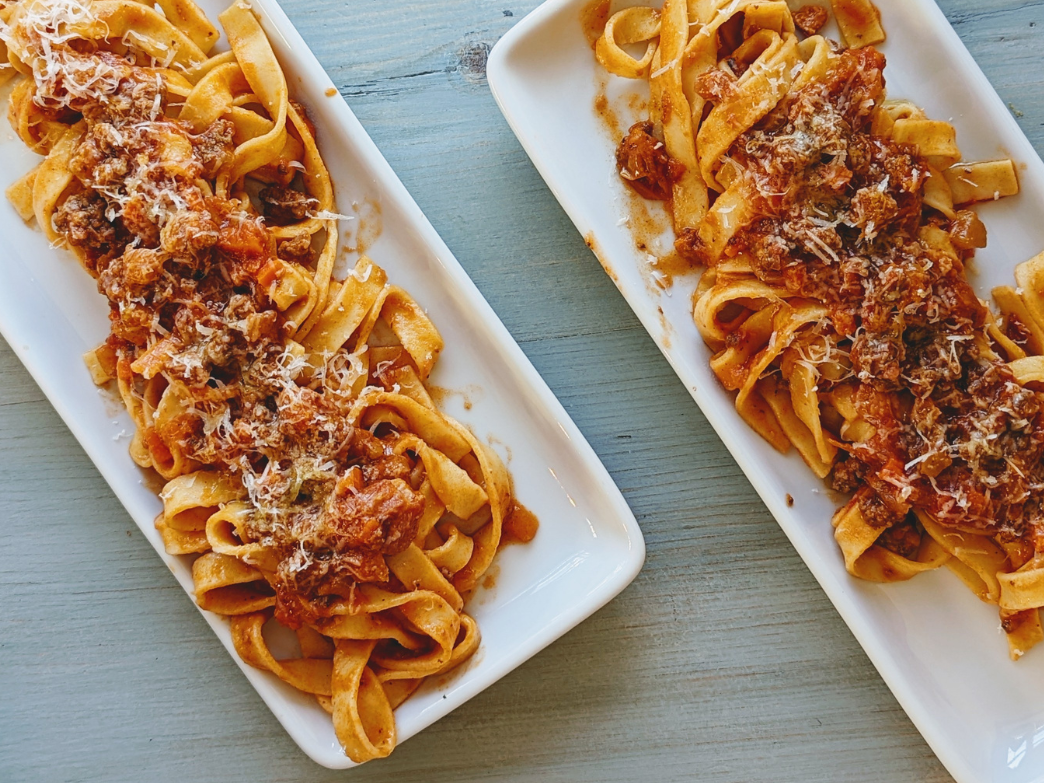
What is the best pasta for a FODMAP diet?
By Dr. Jorge, Ph.D. Wildgrain, opens in a new tab is the first bake-from-frozen subscription box for sourdough breads, fresh pastas, and artisanal pastries. Do you have IBS and are considering a transition to a FODMAP diet? If you’re a pasta lover, you might be concerned about whether you can still enjoy your favorite Italian dishes while managing digestive symptoms. Don’t worry—we’ve got you covered! Read on to discover the best types of pasta to enjoy while following a low FODMAP diet. Why is pasta high in FODMAP? Fermentable oligosaccharides, disaccharides, monosaccharides, and polyols (FODMAPs) are a class of carbohydrates that may be problematic for the digestive system. Since wheat flour is a high-FODMAP food and traditional pasta is made from wheat, pasta is a high-FODMAP food. However, there are nontraditional pasta options, such as brown rice pasta and quinoa pasta, that can be enjoyed while following a low-FODMAP diet. What pasta is FODMAP-friendly? What type of pasta can you eat on FODMAP? What kind of pasta is low FODMAP? FODMAP-friendly pasta is defined as being made with low-FODMAP ingredients. Pasta made with rice, corn, and quinoa falls under this category. Although these types of pasta are good options for those on a low FODMAP diet, it is recommended to stick to a 1-cup serving. However, it is crucial to check the label to ensure the pasta doesn’t contain any additional high FODMAP ingredients, like chickpeas, lentils, peas, or beans. What pasta is FODMAP-friendly? What type of pasta can you eat on FODMAP? What kind of pasta is low FODMAP? FODMAP-friendly pasta is defined as being made with low-FODMAP ingredients. Pasta made with rice, corn, and quinoa falls under this category. Although these types of pasta are good options for those on a low FODMAP diet, it is recommended to stick to a 1-cup serving. However, it is crucial to check the label to ensure the pasta doesn’t contain any additional high FODMAP ingredients, like chickpeas, lentils, peas, or beans. Is whole wheat pasta low FODMAP? Can you eat whole wheat pasta on a FODMAP diet? Whole wheat pasta is generally not considered low FODMAP. This is because wheat is a high FODMAP ingredient and food made from whole grains (i.e. whole wheat pasta) can be difficult for the body to digest and break down. For this reason, eating whole wheat pasta could give IBS sufferers gas, diarrhea, or abdominal pain. However, individuals on a low FODMAP diet may be able to handle a maximum serving size of ½ cup of whole wheat pasta. Is whole grain pasta low FODMAP? Can you eat whole grain pasta on a FODMAP diet? Like whole wheat pasta, whole grain pasta made with wheat flour is not low FODMAP. The consumption of whole wheat flour can cause uncomfortable symptoms for many people with IBS. However, rice-based pastas, such as brown rice pasta, may be FODMAP-friendly. Just make sure to carefully review the ingredients list and try to limit your serving to 1 cup. Are rice noodles low FODMAP? Can you eat rice noodles on a FODMAP diet? Rice noodles are low FODMAP foods since the main ingredients are rice flour and water, which are FODMAP-friendly. That being said, you can consume rice noodles while following a FODMAP diet; however, it is advised to keep the serving size to 1 cup. Are egg noodles low FODMAP? Can you eat egg noodles on a FODMAP diet? Egg noodles might be considered low FODMAP. Since the main ingredient of egg noodles is wheat flour, egg noodles are only low FODMAP at a serving size of ½ cup. At a serving of 1 cup, egg noodles are moderate to high FODMAP. To satisfy your craving for noodles while adhering to a low-FODMAP diet, try soba noodles or rice noodles instead of egg noodles. Is gluten-free pasta better for FODMAP diets? Is gluten-free pasta low FODMAP? Gluten-free pasta might be better for a low FODMAP diet, depending on what the pasta is made of. Not all gluten-free pasta will be low FODMAP since not all gluten-free ingredients are FODMAP friendly. One prime example of a gluten-free pasta that can have a high FODMAP content is chickpea pasta. It is better to choose pasta made with rice flour, oat flour, quinoa flour, or buckwheat flour if you are on a FODMAP diet. Can you eat pasta sauce on a FODMAP diet? What pasta sauce is best for a FODMAP diet? You can eat certain pasta sauces while on a FODMAP diet. The key is to make sure the sauce does not contain high FODMAP ingredients, such as onion, garlic, high fructose corn syrup, honey, and cream/milk. Since all these ingredients are frequently found in pasta sauce, it’s important to scan the sauce jar’s label for these high FODMAP ingredients. Look for pasta sauces with minimal and low FODMAP ingredients like tomatoes, olive oil, salt, and basil. How much pasta can you eat on a FODMAP diet? The suggested serving size for pasta depends on the kind of pasta you are eating. The recommended serving size for low-FODMAP pasta, such as brown rice pasta, quinoa pasta, and rice noodles, is roughly 1 cup. Conversely, it is recommended to eat a smaller portion size of moderate to high FODMAP pasta. If you are on a FODMAP diet, it is recommended to not eat more than ½ cup of whole wheat pasta or egg noodles. Where can I buy healthy pasta online? At Wildgrain, we specialize in making high-quality, fresh breads that are delivered directly to your door. Wildgrain is the first bake-from-frozen delivery subscription service for breads, rolls, pastries, and fresh pastas. Some of our popular pastas include Fresh Fettuccine, Fresh Rigatoni, and Fresh Tonnarelli. We also make homemade Classic Marinara Sauce. Learn more about Wildgrain and our artisanal baking and cooking methods. Best Pasta Home Delivery Service: How Wildgrain's Pasta Delivery Works Wildgrain's pastas are prepared in independent, artisanal bakeries with high quality ingredients. The pastas are shipped frozen in insulated boxes and delivered direct to your home, anywhere nationwide. By shipping frozen, Wildgrain products maintain the highest quality, so you can enjoy fresh pasta at home. That's why customers consider Wildgrain among the best home delivery services for pasta. About the Author Dr. Jorge has been a public health researcher for many years, holding both a Bachelor's degree and a Ph.D. in Chemistry. They presently work as a medical writer and love being able to assist others in understanding various health and scientific topics. This content is for informational use only and does not replace professional nutrition and/or medical advice, diagnosis or treatment. It is not a substitute for and should not be relied upon for specific nutrition and/or medical recommendations. Please talk with your doctor about any questions or concerns.
Learn more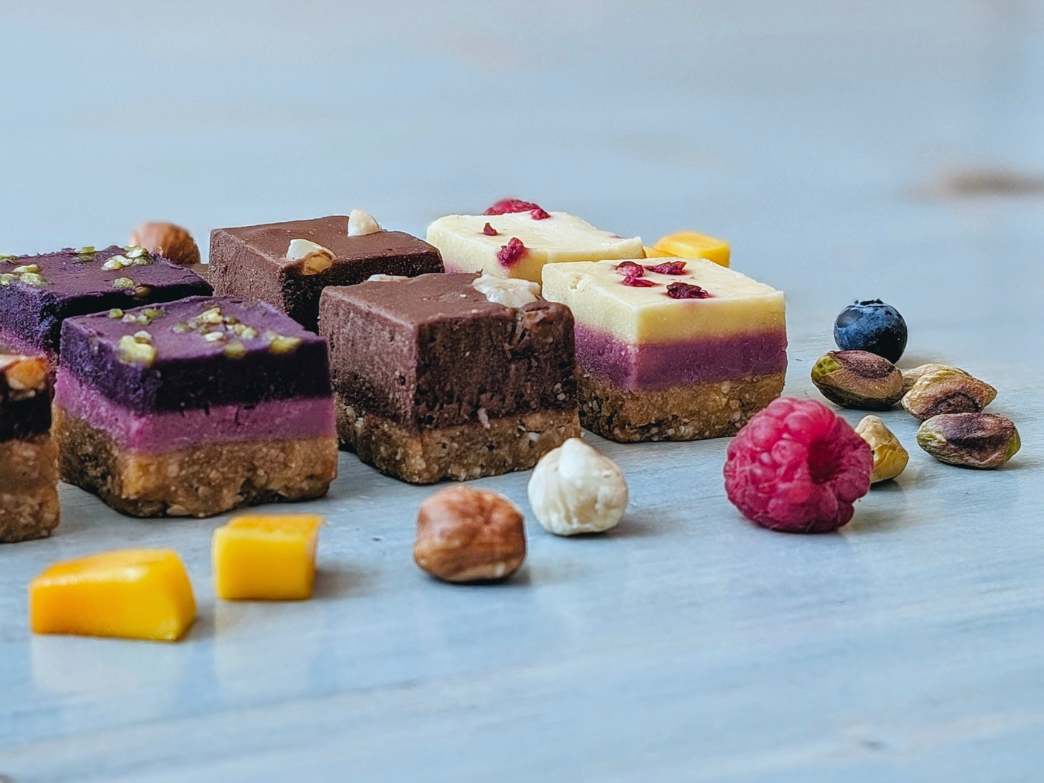
What's Better: Gluten-Free Cake vs. Regular Cake?
By Lucy Yanckello, Ph.D. Wildgrain, opens in a new tab is the first bake-from-frozen subscription box for sourdough breads, fresh pastas, and artisanal pastries. Cake is a wonderful dessert that is the centerpoint of many celebrations and occasions. With the rise in popularity of vegan and gluten-free diets, so has the rise of vegan and gluten-free desserts, such as cake. Although some see these diets as a trend or fad, many have underlying conditions that cause them to eat this way. So how do gluten-free cakes compare to regular cakes? Read on to learn more. What makes a cake gluten-free? Those who eat a gluten-free diet are avoiding gluten, the protein present in wheat flour. As such, gluten-free cakes use flours other than the traditional wheat flour used in baking. A gluten-free cake is one that does not contain any gluten or traces of gluten. This is important because most people who follow a gluten-free diet have a sensitivity or allergy to gluten. What is the difference between gluten-free cake and regular cake? In a regular cake, wheat flour is used, which contains gluten. This helps give a cake the structure and texture we all know and love. Gluten-free cakes usually contain a mix of different flour types to create the same texture and flavor profiles of regular cake. In the past, gluten-free cakes were criticized for being crumbly and dry, but with the rise in popularity of the diet, bakers have been able to find innovative ways to make gluten-free cakes more enjoyable. What is the best gluten-free flour for cakes? Does gluten-free flour affect cake baking? The best gluten-free flour for making cakes is a mix of different gluten free flours. Stores sell these pre-made mixes ready to use for your convenience. However, if you want you can make a mix of these gluten-free flours on your own. These mixes usually include white rice flour as their foundation with other flours such as potato flour or oat flour added. They usually include a more starchy flour for binding purposes as well, such as tapioca starch. Gluten-free flour does affect cake baking. Because gluten-free flours and flour mixes contain fine starches, they absorb more liquid than regular wheat flour. As such, gluten-free recipes usually call for more liquid and large amounts of leavening agents to add volume and lighten the texture. Do gluten-free cakes taste the same? Do gluten-free cakes taste different? Gluten-free cake recipes won’t have quite the same texture as those that use wheat flour. As stated before, this is because gluten-free flours often require the addition of more liquids than wheat flour due to their finer texture. However, the difference between gluten-free flour and wheat flour is that you have many options to choose from! If you don’t like how a cake turns out using a certain blend of flours, swap some out or choose different flours all together. What is the difference between gluten-free and regular baking? Gluten-free baking changes the texture and taste of desserts. However, there are some tips you can use to get the best texture from your gluten-free baked goods. Some flours are gritty by nature, such as brown rice flour, corn flour, and quinoa flour. If you grind them in a food processor before use, this helps reduce the grittiness. Measuring your flour according to weight instead of volume also helps. Additionally, it is important to let your gluten-free batter rest, something that isn’t always considered when using regular wheat flour. Allowing the batter to rest lets the flour hydrate and soften, lessening the gritty texture. Lastly, because they contain more liquid than regular batters, gluten-free batters will need to be baked for longer. If you remove them from the oven too soon, a gummy and mushy texture may develop. Is gluten-free cake healthier than regular cake? Gluten-free cake is the healthiest option for those with a gluten allergy or gluten sensitivity. If neither of these apply to you, there are not any extra health benefits that you will gain from eating gluten-free cake instead of regular wheat flour cake. However, you will also not be harmed from eating gluten-free cake in the way that those with allergies or sensitivities to gluten would if they ate a cake containing gluten. Why are gluten-free cakes so heavy? Gluten-free cakes are heavier in texture because of the nature of gluten-free flour. Gluten-free flours are finer than wheat flour, so they absorb more liquid than conventional flour. This means that gluten-free recipes call for more liquid, creating looser batters. As such, to lessen the heaviness of a cake, increase the leavening agent such as baking powder. This will allow the batter to rise more, creating a looser crumb more similar to regular wheat-flour cake. Why do gluten-free cakes taste grainy? Some flours are gritty by nature, such as brown rice flour, corn flour, and quinoa flour. If you grind them in a food processor before use this helps reduce the grittiness. Additionally, it is important to let your gluten-free batter rest, something that isn’t always considered when using regular wheat flour. Allowing the batter to rest lets the flour hydrate and soften, lessening the gritty texture. Are gluten-free desserts healthier than regular desserts? For those with gluten allergies or gluten intolerances, gluten-free desserts are the healthiest option. If you do not fall into one of these categories, there is no added benefit to eating gluten-free desserts over regular wheat flour. However, for those with gluten allergies or intolerances, it is harmful to eat gluten so it should be avoided at all costs. Where can I buy the best desserts online? At Wildgrain, we specialize in making high-quality, fresh pastas, breads, and desserts that are delivered directly to your door. Wildgrain is the first bake-from-frozen delivery subscription service for breads, pastries, fresh pastas, and desserts. Some of our popular gluten-free desserts include mango and passion fruit mousse, mini layer cakes, and macarons. Learn more about Wildgrain and our artisanal baking and cooking methods. Best Pastry Home Delivery Service: How Wildgrain's Pastry Delivery Works Wildgrain's pastries are prepared in independent, artisanal bakeries with high quality ingredients. The pastries are shipped frozen in insulated boxes and delivered direct to your home, anywhere nationwide. By shipping frozen, Wildgrain products maintain the highest quality, so you can enjoy fresh pastries at home. That's why customers consider Wildgrain among the best home delivery services for pastries. About the Author Lucy Yanckello received her Ph.D. in nutrition from the University of Kentucky College of Medicine. She currently works as a medical writer and enjoys being able to help people better understand nutrition and science. This content is for informational use only and does not replace professional nutrition and/or medical advice, diagnosis or treatment. It is not a substitute for and should not be relied upon for specific nutrition and/or medical recommendations. Please talk with your doctor about any questions or concerns.
Learn more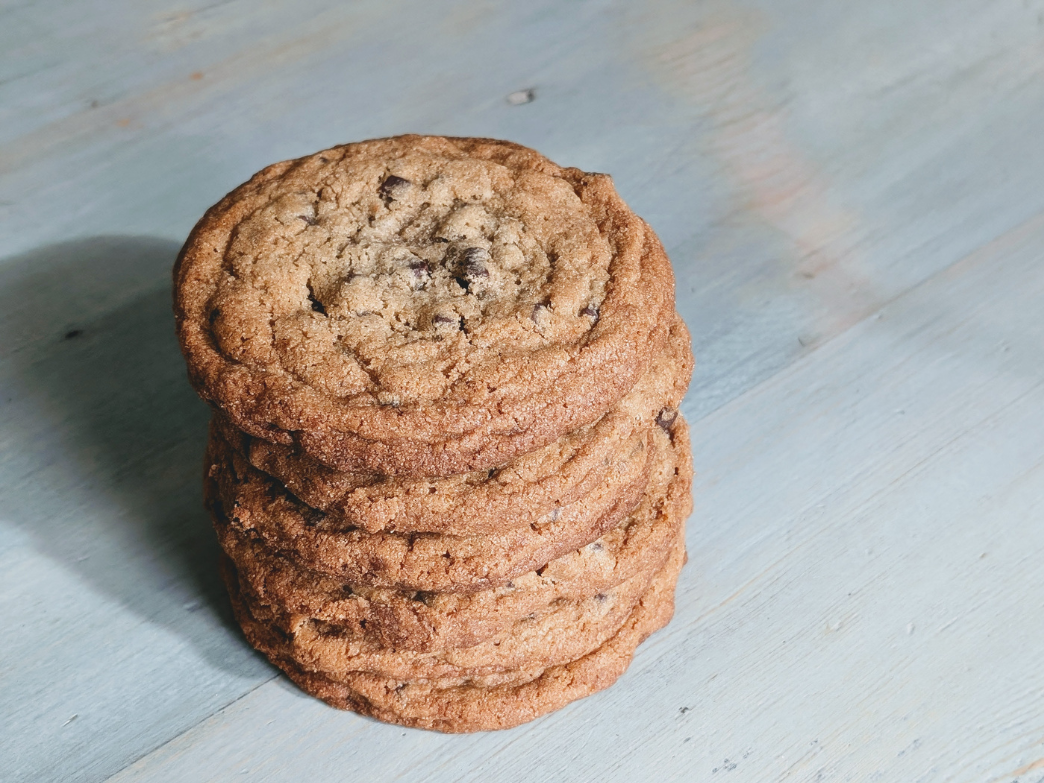
What's Better: Vegan Desserts vs. Regular Desserts?
By Lucy Yanckello, Ph.D. Wildgrain, opens in a new tab is the first bake-from-frozen subscription box for sourdough breads, fresh pastas, and artisanal pastries. Veganism has become more popular in recent years, which has brought an increased interest in vegan food of all types, including desserts. Vegan desserts are free from animal products, such as dairy and eggs and are often perceived as a healthier alternative to regular sweets. Read on to learn more about how vegan desserts differ from regular desserts and if the assumption they are healthier is valid. What does a vegan dessert mean? How do you know if sweets are vegan? In short, vegan diets do not contain any animal products. The main ingredients in most desserts are usually animal based products, such as butter, cream, milk, and eggs. Additionally, many vegans also avoid honey, and thickeners like gelatin also contain animal products. To know if a sweet treat is vegan, it is best to read the ingredients. Additionally, if you are buying something sweet from a bakery, or eating a sweet treat at a restaurant, be sure to ask the chef or baker if the dessert contains dairy, eggs, honey, or gelatin. What desserts can you eat as a vegan? Because of the rise of plant-based diets, most desserts can be made vegan. Dairy free milk, plant-based butter, and other thickeners such as corn starch or agar agar have made it possible to substitute almost all animal-by products. It is important to check the ingredients if you are buying premade desserts by reading the label or asking the person who made the treat. What does a vegetarian dessert mean? Are all vegan desserts vegetarian? The vegetarian diet is different from the vegan diet because most vegetarians avoid eating animal meat while vegans avoid eating all animal by-products. Due to this discrepancy, most desserts that are vegetarian are not vegan. On the other hand, all vegan desserts are vegetarian. What is the difference between vegetarian desserts vs. vegan desserts vs. regular desserts? Vegetarian desserts and regular desserts are often one in the same, as there are not many desserts we know of that contain animal meat! That said, gelatin derived from animals is sometimes used in desserts, like gelato and ice cream, though these desserts can often be made with gelatin substitutes so that the vegetarian version tastes the same. However, regular and vegetarian desserts are not vegan because they can still contain animal by-products which are no-nos for vegans. For a dessert to be considered vegan it cannot contain any dairy, eggs, honey, or gelatin, which are all acceptable ingredients for vegetarians and those without dietary restrictions. Is vegan plant-based dessert healthier? Are plant-based, vegan desserts healthier than regular desserts? There are pros and cons to vegan desserts. Due to the absence of butter and cream, vegan desserts often are lower in saturated fats than regular desserts. These saturated fats are replaced with plant-based fats such as monounsaturated and polyunsaturated fats, which are beneficial for heart health and cholesterol levels. However, vegan desserts are still high in calories and sugar content, just as regular desserts are. Additionally, vegan desserts often rely heavily on processed ingredients to be able to replicate the texture and flavor of traditional desserts. All in all, although we wish it weren’t true, vegan desserts should be enjoyed in moderation, just as regular desserts should. Do vegan sweets taste different vs regular sweets? Although there are usually a few substitutions that have to be made to make a dessert vegan, the vegan version is often just as delicious as the regular version. The quality of plant-based ingredients has increased with the rise in popularity of plant-based diets, such as veganism. This gives bakers better options for substitutions, and keeps the quality of desserts at a similar level to the original versions. What is the difference between vegan cake and regular cake? Is vegan cake healthier than regular cake? Vegan cakes do not use eggs, milk, or butter and use plant-based ingredients as substitutes. However, because wheat flour is plant-based by nature, the major ingredient can stay the same. This helps vegan cake maintain the taste and texture of a regular cake. Some vegan cakes are also gluten-free, which does change the texture a bit. However, with the proper mixture of flours, cakes that are gluten-free, like these mini layer cakes from Wildgrain, can be just as delicious as the regular recipe. What is the difference between vegan cookies vs. regular cookies? Are vegan cookies healthier than regular cookies? Vegan cookies are different from regular cookies because they do not contain eggs or butter, but instead substitute plant-based butter. In addition, if the cookies contain ingredients like chocolate chips, the chocolate cannot contain dairy either. Vegan cookies, such as the giant chocolate chip cookies from Wildgrain, are just as delicious as the regular recipe. They may be a twinge healthier than regular cookies due to the substitution of butter for plant-based butter, which contains plant-based fats instead of animal fat which reduces the saturated fat content. However, they are still packed with sugar and other delicious ingredients that should be enjoyed in moderation. Where can I buy the best desserts online? At Wildgrain, we specialize in making high-quality, fresh pastas, breads, and desserts that are delivered directly to your door. Wildgrain is the first bake-from-frozen delivery subscription service for breads, pastries, fresh pastas, and desserts. Some of our popular plant-based desserts include mango and passion fruit mousse, mini layer cakes, and plant-based chocolate chip cookies. Learn more about Wildgrain and our artisanal baking and cooking methods. Best Pastry Home Delivery Service: How Wildgrain's Pastry Delivery Works Wildgrain's pastries are prepared in independent, artisanal bakeries with high quality ingredients. The pastries are shipped frozen in insulated boxes and delivered direct to your home, anywhere nationwide. By shipping frozen, Wildgrain products maintain the highest quality, so you can enjoy fresh pastries at home. That's why customers consider Wildgrain among the best home delivery services for pastries. About the Author Lucy Yanckello received her Ph.D. in nutrition from the University of Kentucky College of Medicine. She currently works as a medical writer and enjoys being able to help people better understand nutrition and science. This content is for informational use only and does not replace professional nutrition and/or medical advice, diagnosis or treatment. It is not a substitute for and should not be relied upon for specific nutrition and/or medical recommendations. Please talk with your doctor about any questions or concerns.
Learn more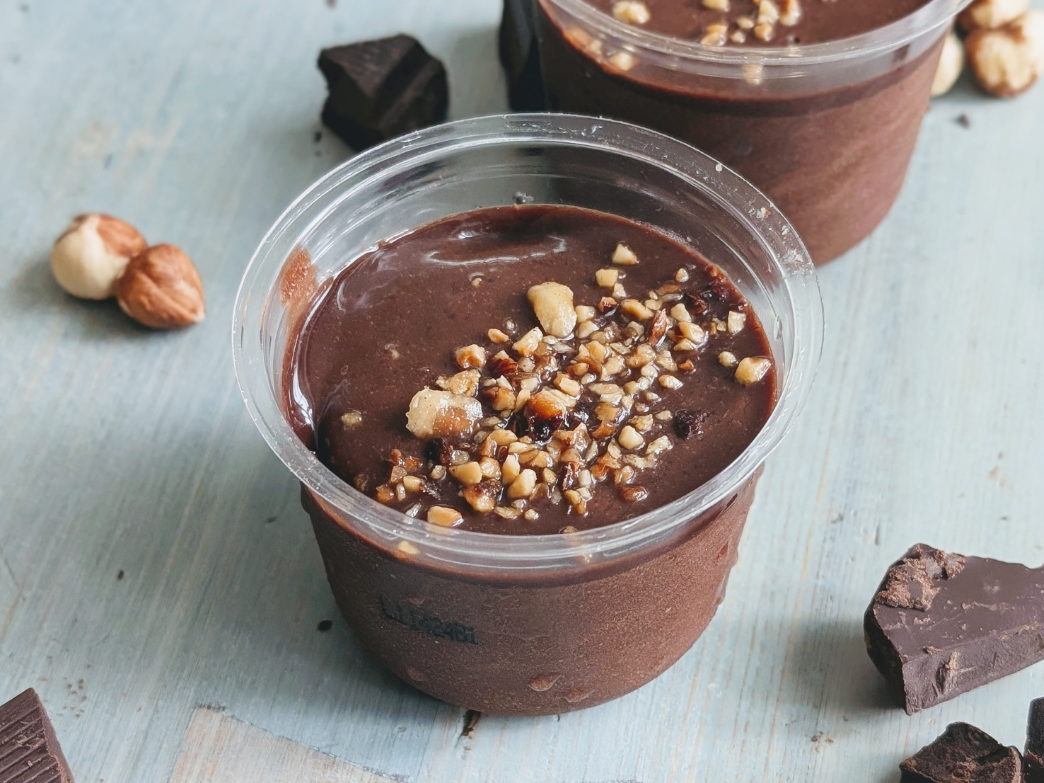
What's the Best Dessert: Pudding vs. Mousse vs. Souffle vs. Pot de Creme
Everyone loves a creamy and decadent dessert, and there are many options if you are looking to finish a meal with one. Usually featuring chocolate, a souffle, mousse, pot de creme, and pudding are all delicious choices. However, what is the difference between these four desserts and how do you know which one will satisfy your craving? Read on to learn more. What is the thickest between souffle, mousse, pot de creme, and pudding? Between souffle, mousse, pudding, and pots de creme, pots de creme comes in as the thickest. The name translates to “jars of cream” and is similar to a custard in texture – think of creme brulee. Pot de creme is thickened with egg yolks, and the perfect texture is achieved by placing the dish in a warm water bath in the oven in order to set this custard-like dessert. What is the richest between mousse, souffle,pot de creme, and pudding? Pots de creme is also the richest of the four desserts. Egg yolks tend to make desserts denser and richer, and since pots de creme calls for egg yolks as a thickening agent it comes out on top as richest. Pudding is thickened with cornstarch, and mousse and souffles both employ whipped egg whites to gain a light and fluffy texture. What’s the difference between mousse and pudding? Is chocolate pudding just mousse? Is mousse just pudding? Pudding and mousse are both creamy desserts, however that is the end of their similarities. The characteristics that set them apart are not only how they are thickened, but their final textures. Pudding uses cornstarch as a thickener and gets its thick consistency from being cooked on the stove to activate the cornstarch. Mousse on the other hand employs whipped cream and whipped egg whites as thickener, giving it the signature airy and light texture. What’s the difference between mousse and souffle? Is mousse just a souffle? Mousse and souffles are both light and airy desserts that contain eggs. However, mousse also contains cream and is not cooked but instead is served cold. Souffles are baked and contain less ingredients than mousse, not calling for milk or cream. As they will deflate as they cool, souffles should be enjoyed as soon as they come out of the oven. What’s the difference between mousse and pot de creme? Is chocolate mousse just pot de creme? Although often compared, mousse and pots de creme are very different desserts. Pots de creme uses egg yolks as a thickener, and is cooked in the oven in a water bath giving it a custard like texture. On the other hand, mousse uses heavy cream and egg whites as a thickener and is not cooked, but instead the ingredients are carefully folded together and served cold. Can any of these desserts be gluten free: souffle, mousse, pudding or pot de creme? Souffle, mousse, pudding, and pot de creme are all gluten-free desserts by nature. Gluten is a component of wheat-flour and there is no flour in any traditional recipes for these desserts. Each of these are thickened by eggs or cornstarch making them great options for those with gluten allergies or intolerances. Can any of these desserts be vegan or dairy free: souffle, mousse, pudding or pot de creme? Souffle, mousse, and pudding all have ingredients that can easily be substituted for dairy-free and vegan options. Aquafaba, the liquid in canned chickpeas, can be used in place of egg whites, and various plant-based options exist for heavy cream and butter. For pots de creme, the vegan substitutions are more of a challenge, as the dessert relies heavily on egg yolks. However, it can easily be made dairy-free since eggs can still be used in dairy-free desserts. What is the healthiest dessert: pot de creme vs. souffle vs. mousse vs. pudding? Each of these desserts can fit into a healthy diet. However, it is important to remember to enjoy them in moderation as they all have high sugar and fat content. Pots de creme does not call for any additional sugar added beyond what the chocolate in the recipe provides, however there is large amounts of fat from heavy cream, egg yolks, and milk. Where can I buy the best desserts online? At Wildgrain, we specialize in making high-quality, fresh pastas, breads, and desserts that are delivered directly to your door. Wildgrain is the first bake-from-frozen delivery subscription service for breads, pastries, fresh pastas, and desserts. Some of our popular desserts include mango and passion fruit mousse, macarons, and mini layer cakes. Learn more about Wildgrain and our artisanal baking and cooking methods. Best Pastry Home Delivery Service: How Wildgrain's Pastry Delivery Works Wildgrain's pastries are prepared in independent, artisanal bakeries with high quality ingredients. The pastries are shipped frozen in insulated boxes and delivered direct to your home, anywhere nationwide. By shipping frozen, Wildgrain products maintain the highest quality, so you can enjoy fresh pastries at home. That's why customers consider Wildgrain among the best home delivery services for pastries. About the Author Lucy Yanckello received her Ph.D. in nutrition from the University of Kentucky College of Medicine. She currently works as a medical writer and enjoys being able to help people better understand nutrition and science. This content is for informational use only and does not replace professional nutrition and/or medical advice, diagnosis or treatment. It is not a substitute for and should not be relied upon for specific nutrition and/or medical recommendations. Please talk with your doctor about any questions or concerns.
Learn more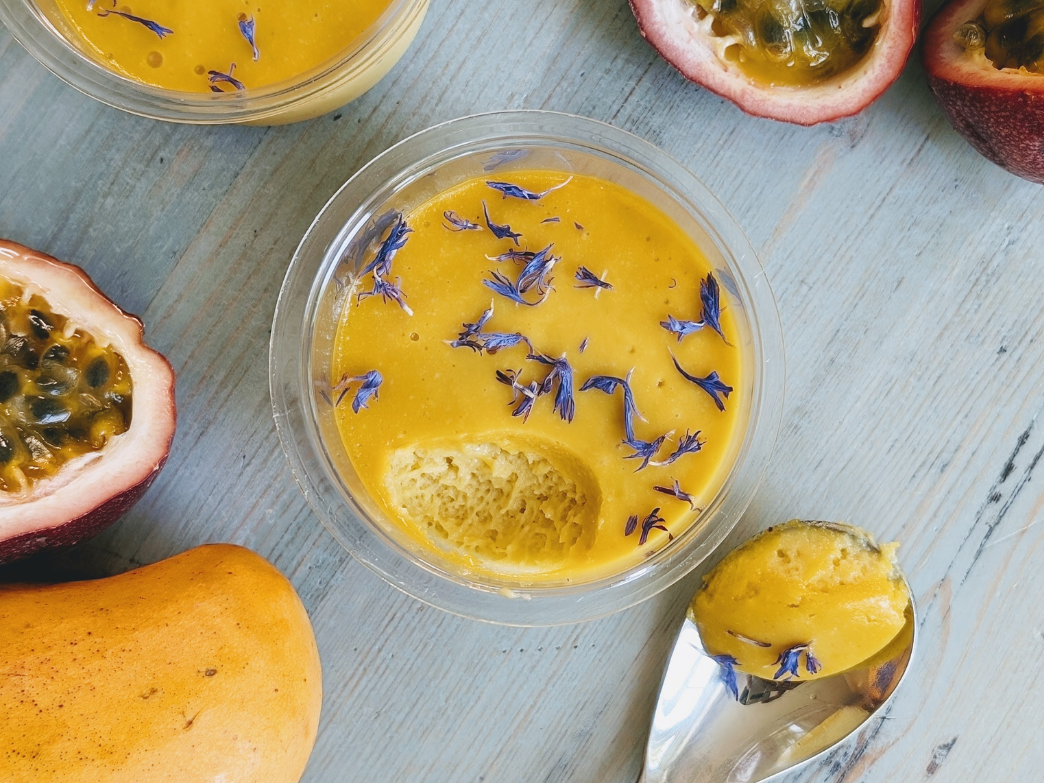
Best Vegan Mousse and Dairy-Free Mousse
By Lucy Yanckello, Ph.D. Wildgrain, opens in a new tab is the first bake-from-frozen subscription box for sourdough breads, fresh pastas, and artisanal pastries. Mousse is a delicate cloud-like dessert that is light and delicious. It can be flavored with chocolate, fruits, and various other ingredients. However, due to the nature of its ingredients – heavy cream, butter, and eggs – those who are vegan or dairy-free must seek out alternative ingredients to make or enjoy this decadent dessert. Luckily there are many options, read on to learn more about vegan and dairy-free mousse options. Can vegans eat dessert mousse or chocolate mousse? Is mousse vegan friendly? Most mousse recipes call for eggs, butter, and heavy whipping cream – none of which are vegan. Additionally, the chocolate in chocolate mousse usually contains milk. As such, the traditional form of the dessert is not vegan or vegan friendly. However, there are many recipes available that use options such as coconut cream and aquafaba as substitutes for non-vegan ingredients. Can chocolate mousse be made vegan? Can fruit dessert mousse be made vegan? Chocolate mousse and fruit-based mousse can both be made vegan. Eggs, heavy cream, and butter can all be substituted for vegan versions of these ingredients – such as aquafaba, coconut cream, and plant-based butter. Since fruit-based mousse uses the puree of a fruit to flavor the dessert, there is no need to worry about a substitute for that ingredient. However, if it is chocolate mousse you are after, be sure to choose a chocolate that does not have dairy in it. Can chocolate mousse be made dairy-free? Can dessert fruit mousse be made dairy-free? Both chocolate mousse and fruit-based mousse can be made dairy-free. Making these mousse desserts dairy-free is a touch easier than making them vegan, as dairy-free recipes can include eggs. In this case, you will just need to substitute the heavy cream and butter for plant-based options, and be sure that your chocolate is dairy-free, as well. Can I buy frozen vegan chocolate mousse or vegan fruit mousse? Yes, there are options for vegan frozen chocolate and vegan frozen fruit mousse. Some specialty vegan grocery stores may carry vegan mousse, or you can now enjoy both frozen vegan fruit mousse and frozen vegan chocolate mousse shipped directly to your door from Wildgrain! Just leave the mousse to thaw on your counter 30 minutes prior to eating and enjoy. Can you get dairy-free chocolate or fruit mousse frozen? Yes, there are options for dairy-free frozen chocolate and dairy-free frozen fruit mousse. Some specialty grocery stores may carry dairy-free mousse, or you can now enjoy both frozen dairy-free fruit mousse and frozen dairy-free chocolate mousse shipped directly to your door from Wildgrain! Just leave it to thaw on your counter 30 minutes prior to eating and enjoy! What is dairy-free, vegan fruit mousse made from? What is vegan, dairy-free chocolate mousse made from? Both vegan and dairy-free chocolate and fruit mousse can be made from various substitutions. Most recipes use a plant-based milk creamer in place of heavy cream, such as coconut, oat, or cashew cream. Additionally, eggs can be substituted for aquafaba, the liquid found in canned chickpeas. This liquid acts in a similar manner to egg whites and can be whipped to give your mousse that signature fluffy texture. As for the butter, there are many plant-based butters and margarines available to use as substitutes. Lastly, many companies make allergen-free chocolate chips as well that can be used in place of the chocolate that contains dairy. Is vegan mousse healthy? Is vegan chocolate mousse healthy? Vegan mousse of any type or flavor is still a dessert. It has high amounts of fats and sugar, even with vegan substitutes. However, even though mousse is dessert, there is always room for any treat in a healthy diet in moderation. Is vegan mousse gluten-free? Is vegan chocolate mousse gluten-free? All mousse is gluten-free. Gluten is a component of flour, and flour is not used in mousse recipes. As such, mousse is a great option for those with gluten allergies or intolerances. Where can I buy the best fruit mousse and chocolate mousse online? At Wildgrain, we specialize in making high-quality, fresh pastries, pastas, breads and desserts that are delivered directly to your door. Wildgrain is the first bake-from-frozen delivery subscription service for breads, rolls, pastries, and fresh pastas. We have created a line of delicious plant-based, dairy-free desserts including chocolate mousse and Go to mango passionfruit mousse 2 packmango and passion fruit mousse. Learn more about Wildgrain and our artisanal baking and cooking methods. Best Pastry Home Delivery Service: How Wildgrain's Pastry Delivery Works Wildgrain's pastries are prepared in independent, artisanal bakeries with high quality ingredients. The pastries are shipped frozen in insulated boxes and delivered direct to your home, anywhere nationwide. By shipping frozen, Wildgrain products maintain the highest quality, so you can enjoy fresh pastries at home. That's why customers consider Wildgrain among the best home delivery services for pastries. About the Author Lucy Yanckello received her Ph.D. in nutrition from the University of Kentucky College of Medicine. She currently works as a medical writer and enjoys being able to help people better understand nutrition and science. This content is for informational use only and does not replace professional nutrition and/or medical advice, diagnosis or treatment. It is not a substitute for and should not be relied upon for specific nutrition and/or medical recommendations. Please talk with your doctor about any questions or concerns.
Learn more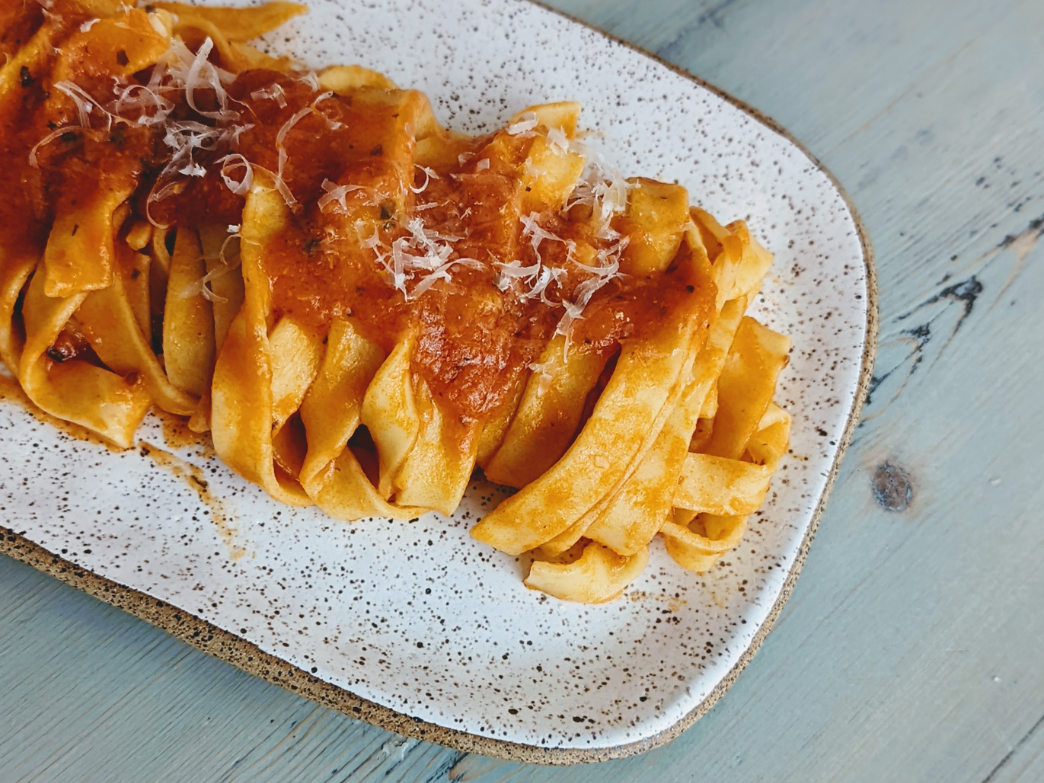
What’s Healthier: Pasta vs. Potatoes?
By Lucy Yanckello, Ph.D. Wildgrain, opens in a new tab is the first bake-from-frozen subscription box for sourdough breads, fresh pastas, and artisanal pastries. Pasta and potatoes are both staples of many cuisines. They are both delicious foods that often leave us craving more. The question is: does a second serving do us any good, or are we just piling on more carbs without much other benefits? Read on to learn more about the nutrient profiles of pasta and potatoes, how they compare, and if one is healthier than the other. Is it better to eat potatoes or pasta? Both pasta and potatoes can find their way into any healthy diet in moderation. In a 100 gram serving of a baked potato without salt, there are 93 calories which come from 21 grams of carbs, 2 grams of dietary fiber, negligible amounts of fat, and around 2.5 grams of protein. In the same amount of pasta, there are 131 calories consisting of 25 grams of carbs, 1.8 grams of fiber, around 1 gram of fat, and 5 grams of protein. In terms of vitamins and nutrients, potatoes are higher in vitamin C, which is important for immune function, and various B vitamins (B3, B5, and B6). Pasta is higher in vitamin A, which plays a role in eyesight and immune functions, and other various B vitamins (B1, B2, B9, and B12). B vitamins play a role in energy metabolism and brain function. Potatoes also have a much more beneficial mineral content than pasta, with higher levels of potassium, calcium, magnesium, phosphorus, and copper. In terms of glycemic index, pasta wins. Glycemic index (GI) is a measure of how quickly a food can make your blood sugar rise, and it is an important metric for diabetics. The lower the number, the less a food will raise blood sugar. Pasta generally has a GI around 55, whereas potatoes, even when boiled, have a high GI around 73. What is healthier to eat: mashed potatoes or baked potatoes or smashed potatoes or boiled potatoes? Each option of cooking the potato has its own benefits. However since mashed potatoes usually come with the addition of butter, milk, and cream, and the removal of the skin, it is fair to say these are the least nutritionally beneficial option of the four. The way potatoes are prepared can lead to micronutrient loss. For example, baked potatoes have about twice the amount of vitamin C as boiled potatoes, and boiling potatoes also causes a loss of potassium. Additionally, most of the fiber comes from the outer skin, meaning boiled potatoes without their skin lose that benefit as well. Because smashed potatoes are boiled before being baked, they will lose some of the nutritional benefit as well that is usually retained by baking potatoes. Baked potatoes retain more nutrients and offer more fiber when the skin is eaten. However, the addition of sour cream, cheese, and butter, just like in mashed potatoes, can change the nutritional profile of your baked potato by adding fat, calories, and sodium. What is healthier to eat: mashed potatoes or pasta? Mashed potatoes and pasta are likely similar in nutrient profile in terms of macronutrients, vitamins, and minerals. Because potatoes are boiled prior to mashing, and the skin is removed, they will lose vital nutrients such as fiber, vitamin C, and potassium. Pasta has higher amounts of protein and fiber and a lower glycemic index. In addition, if lean proteins and vegetables are added to the pasta, the benefits will outweigh those that you will get from mashed potatoes – especially since butter, cream, and salt is usually added to mashed potatoes. What is healthier to eat: baked potatoes or pasta? Baked potatoes may offer somewhat of an advantage when it comes to nutrients compared to pasta. Because they are baked, they retain their high levels of vitamins and other micronutrients, and if the skin is eaten, the fiber content as well. However, if you want a baked potato to outcompete the health benefits of pasta, avoid the high fat and high sodium toppings such as cheese, sour cream, and bacon bits. As for those with diabetes, it is important to consider that pasta has a much lower GI than potatoes, so pasta may always be a better choice. What is healthier to eat: smashed potatoes or pasta? Similar to mashed potatoes, smashed potatoes are boiled prior to being smashed and then baked in the oven. Due to the boiling, as with mashed potatoes, nutrients will be lost. However, because the skin is left on smashed potatoes, the benefit of a similar level of fiber as pasta will be retained. As stated above, depending on what you complement your potatoes or pasta with will outweigh the benefits of the inclusion of one or the other on your plate. What is healthier to eat: boiled potatoes or pasta? Similar to smashed and mashed potatoes, boiled potatoes will lose water soluble nutrients due to boiling. These include vitamin C, potassium, and fiber (because the skin is usually removed when boiling). Similar to the other two boiled options, it is more important to include other nutrient dense foods and lean proteins to round out your meal. What is the best for weight loss: pasta or potatoes? Both pasta and potatoes have benefits for weight loss. Pasta has higher levels of protein than potatoes, which allows you to feel fuller for longer, thus reducing the amount of snacking and cravings. Potatoes have higher levels of fiber, which slows digestion and leaves one feeling satiated after a meal for a longer period. However, the higher GI of potatoes is an important consideration. Higher GI foods lead to blood sugar to spike and then crash, causing cravings and hunger earlier after a meal than low GI foods. What is the best for diabetics: potatoes or pasta? Pasta has a much lower GI than potatoes. Because diabetics need to keep their blood sugar levels normalized, eating foods that are more likely to spike their blood sugar is not a good idea. As such, pasta is the better choice for diabetics than potatoes. What is the best for bodybuilding: pasta or potatoes? Both potatoes and pasta are important complex-carbohydrates to be considered for the diets of bodybuilders. The high levels of vitamin C, vitamin B6, and potassium are important because these micronutrients all play important roles in muscle synthesis, contraction, and recovery. As for pasta, there are higher levels of protein present than in many traditional carb sources. Protein intake is essential to be able to add body mass, which makes it a hard carbohydrate source to beat. Where can I buy fresh pasta online? At Wildgrain, we specialize in making high-quality, fresh breads and pastas that are delivered directly to your door. Wildgrain is the first bake-from-frozen delivery subscription service for breads, pastries, and fresh pastas. Some of our popular pastas include fresh fettuccine, fresh tonnarelli, and fresh rigatoni. Learn more about Wildgrain and our artisanal baking and cooking methods. Best Pasta Home Delivery Service: How Wildgrain's Pasta Delivery Works Wildgrain's pastas are prepared in independent, artisanal bakeries with high quality ingredients. The pastas are shipped frozen in insulated boxes and delivered direct to your home, anywhere nationwide. By shipping frozen, Wildgrain products maintain the highest quality, so you can enjoy fresh pasta at home. That's why customers consider Wildgrain among the best home delivery services for pasta. About the Author Lucy Yanckello received her Ph.D. in nutrition from the University of Kentucky College of Medicine. She currently works as a medical writer and enjoys being able to help people better understand nutrition and science. This content is for informational use only and does not replace professional nutrition and/or medical advice, diagnosis or treatment. It is not a substitute for and should not be relied upon for specific nutrition and/or medical recommendations. Please talk with your doctor about any questions or concerns.
Learn more