

Wildgrain Blog
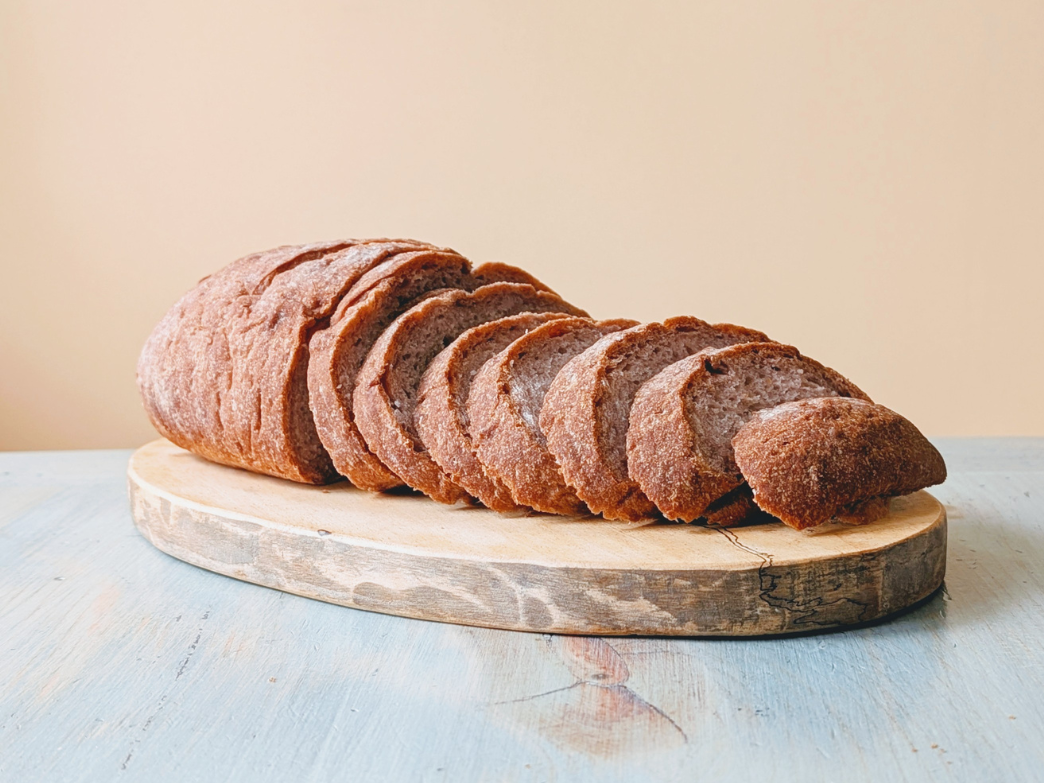
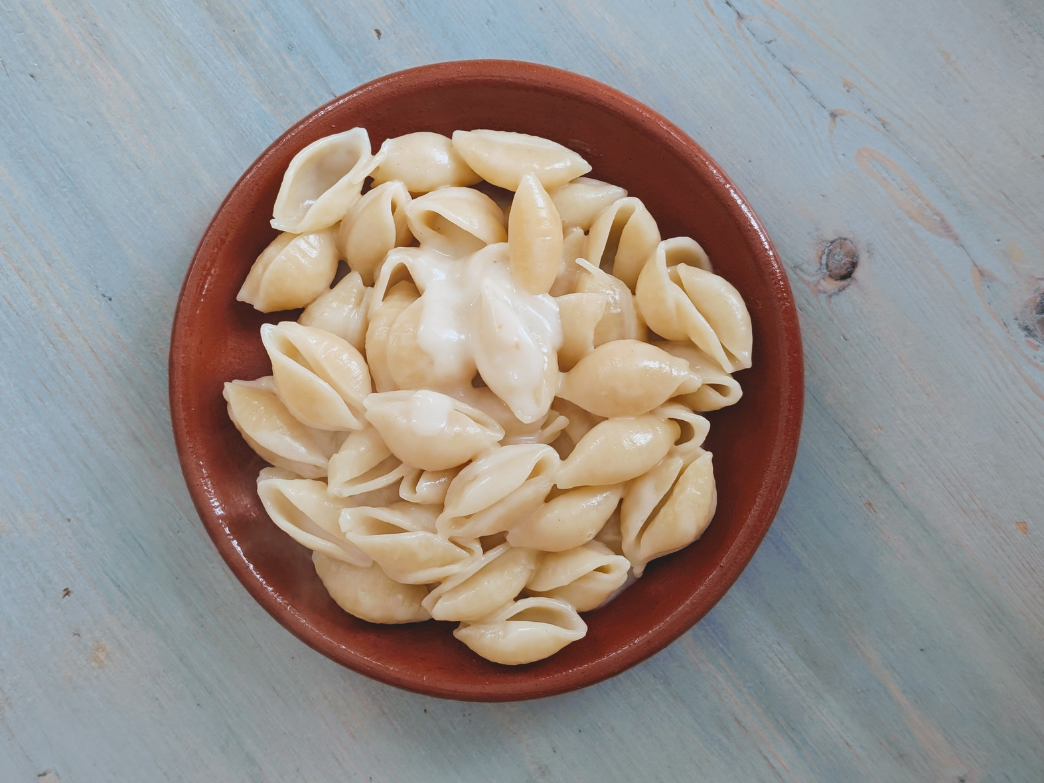
Best Dairy-Free Pasta and Dairy-Free Noodles
By Lucy Yanckello, Ph.D. Wildgrain, opens in a new tab is the first bake-from-frozen subscription box for sourdough breads, fresh pastas, and artisanal pastries. Fortunately for those with a dairy allergy, most dry store-bought pasta noodles contain only two ingredients – wheat and water. However, as with any allergy, it is always important to read labels carefully, and when dining out, ask about food preparation to avoid cross-contamination or unexpected dairy ingredients. Read on to learn more about how to avoid dairy when eating pasta and other noodles. Can I eat pasta on a dairy-free diet? What type of pasta is dairy-free? Does all pasta have dairy? If you are following a diary free diet, most dry store-bought pasta noodles are safe to eat, as they contain only two ingredients – wheat and water. However, stuffed pastas such as ravioli and tortellini often have cheese in them. It is always important to read the full ingredient list when dealing with an allergy to rule out any hidden dairy such as whey, milk powder, casein, or lactose, especially in freshly prepared pasta. Is gluten-free pasta also dairy-free? Does no gluten mean no dairy? Gluten-free pasta is typically made from dairy-free ingredients such as rice, corn, quinoa, or beans, meaning that most gluten-free pasta is also dairy-free. However, because gluten and dairy are their own distinct substances, a gluten-free pasta label does not automatically guarantee a product is dairy-free. Be sure to read the ingredient label on gluten-free pasta to ensure there is not dairy in the product. Is white pasta dairy-free? Is plain pasta dairy-free? Traditionally, white pasta is dairy-free, with the primary ingredients being wheat flour and water. There are some fresh pasta recipes that include eggs, however, eggs are not considered to be dairy, so those pastas are safe to eat as well. Just be sure to check the ingredients on fresh pasta to make sure there aren’t other dairy products in the recipe such as cheese, whey, or casein. Plain pasta is often tossed with butter or olive oil. Be sure to check that the butter you are using is plant based, and if you are ordering plain pasta from a restaurant, make sure it is prepared with olive oil or plant based butter. Does wheat pasta have dairy? Is wheat pasta dairy-free? Wheat pasta is typically dairy free, as the only ingredients are usually wheat and water. As with white pasta, some fresh wheat pasta contains egg. However, as egg is not considered to be a dairy product, these fresh pastas are safe to eat as well. Are there dairy-free noodles? Are rice noodles dairy-free? Are udon noodles dairy-free? There are many options for dairy-free noodles. Rice noodles are made primarily from rice flour and water, so they are naturally dairy-free. Rice noodles are popular in Asian cuisine such as soup and stir-fry dishes. Another dairy-free noodle popular in Asian cuisine are udon noodles. Udon noodles are made from wheat flour, water, and salt meaning they are dairy-free as well. However, be sure to check the ingredient list on both types of noodles to be sure there is no hidden dairy. It is also important to check on preparation when eating at a restaurant to be sure there is no dairy in the sauce or other additives in the dish. Is tomato sauce dairy-free? What’s the best pasta sauce for a dairy-free diet? Traditional tomato sauce is typically dairy-free as the primary ingredients are tomatoes, herbs, and spices. However, there are some tomato sauces that contain cream or cheese, such as vodka sauce. The best pasta sauce for a dairy-free diet include Classic Marinara Sauce, made with just tomatoes, garlic, onions, and herbs, and other dairy-free tomato based sauces such as bolognese, a meat sauce, or puttanesca, a vegetable sauce. What is the best pasta for dairy-free? The best pasta for a dairy-free diet is a pasta with no dairy that you enjoy eating. There are many options at the supermarket for dry and fresh pasta, or you can make your own. There are also options from ship-to-your-door companies like Wilgrain with dairy-free pasta such as Fresh Tonnarelli, Potato Gnocchi, and Fresh Fettuccine. Where can I buy the best dairy-free pasta online? At Wildgrain, we specialize in making high-quality, fresh baked goods delivered directly to your door. Wildgrain is the first bake-from-frozen delivery subscription service for breads, rolls, pastries, and fresh pastas. Our popular dairy-free pastas include Fresh Tonnarelli, Potato Gnocchi, and Fresh Fettuccine. We also carry a line of gluten-free pasta, including Gluten-Free Fresh Linguine and Gluten-Free Fresh Shells, and make homemade Classic Marinara Sauce. Learn more about Wildgrain and our artisanal baking and cooking methods. Best Pasta Home Delivery Service: How Wildgrain's Pasta Delivery Works Wildgrain's pastas are prepared in independent, artisanal bakeries with high quality ingredients. The pastas are shipped frozen in insulated boxes and delivered direct to your home, anywhere nationwide. By shipping frozen, Wildgrain products maintain the highest quality, so you can enjoy fresh pasta at home. That's why customers consider Wildgrain among the best home delivery services for pasta. About the Author Lucy Yanckello received her Ph.D. in nutrition from the University of Kentucky College of Medicine. She currently works as a medical writer and enjoys being able to help people better understand nutrition and science. This content is for informational use only and does not replace professional nutrition and/or medical advice, diagnosis or treatment. It is not a substitute for and should not be relied upon for specific nutrition and/or medical recommendations. Please talk with your doctor about any questions or concerns.
Learn more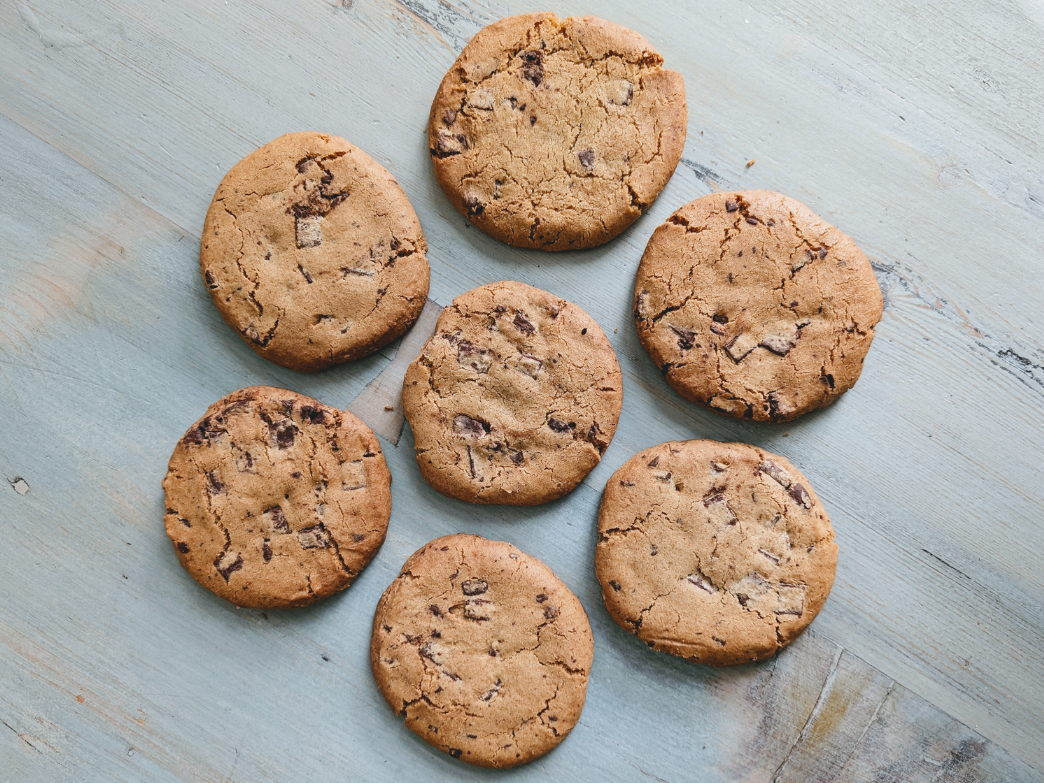
Best Dessert for Gluten Intolerance and Gluten Sensitivity
By Dr. Jorge, Ph.D. Wildgrain, opens in a new tab is the first bake-from-frozen subscription box for sourdough breads, fresh pastas, and artisanal pastries. Finding gluten-free desserts while navigating celiac disease or gluten intolerance can be challenging. The good news is that many popular desserts are naturally gluten-free or can be made gluten-free. Read on to discover which sweet treats are the best for a gluten-free diet. Can you eat sweets if you are gluten-free? Can you eat desserts with a gluten sensitivity? Yes, you can absolutely eat sweets and desserts even if you are gluten-free or have a gluten sensitivity. You will just need to check the dessert’s label to ensure there are no gluten-containing ingredients. Chocolate, hard fruit candies, mousseGo to mango passionfruit mousse 2 pack, and single-flavored ice creams are just a few of the dessert options that can be naturally gluten-free and safe for those with gluten sensitivity or intolerance. What sweets do not have gluten? What dessert is gluten-free? While a lot of desserts can be made gluten-free nowadays, there are some that are almost always gluten-free. This includes desserts like fruit mousseGo to mango passionfruit mousse 2 pack, chocolate mousse, crème brulée, rice pudding, panna cotta, meringue, and macaronsGo to macarons. A lot of popular store-bought candies and chocolates also tend to be gluten-free. Can gluten-intolerant people eat cake? Can you eat ice cream with gluten intolerance? Cake is generally not recommended for people with gluten intolerance, as it is typically made with wheat flour, which contains gluten. However, there are gluten-free cakeGo to mini layer cakes 8 pack options available for those with celiac disease or gluten sensitivity. Ice cream can also be gluten-free, as long as it is made without gluten-containing ingredients. Single-flavor ice creams like vanilla, chocolate, and strawberry are usually safer, while flavors with baked goods, like cookie dough, may contain gluten. Can you eat chocolate with gluten intolerance? Can you eat chocolate with gluten sensitivity? Pure chocolate, including milk, dark, and white chocolate, is naturally gluten-free and safe for those with celiac disease, gluten intolerance, and gluten sensitivity. However, chocolate that contains additional ingredients beyond cocoa beans, sugar, and cocoa butter may not be gluten-free. Always check the label for any gluten-containing ingredients and verify if the chocolate was processed in a facility that handles gluten to avoid cross-contamination. When in doubt, opting for pure gluten-free chocolate is the best choice. Are macarons usually gluten-free? Can you eat macarons with gluten intolerance? Traditional macaronsGo to macarons are typically gluten-free, as they are made with naturally gluten-free ingredients such as almond flour, powdered sugar, egg whites, and granulated sugar. However, as with any food, it's important to double-check the ingredients and consider the possibility of cross-contamination before eating a macaron. Although macarons made using the traditional method are gluten-free, not all bakeries follow this approach or take precautions to prevent cross-contamination. Can you eat cookies with gluten intolerance? Can you eat cookies with gluten sensitivity? Most traditional cookies are not gluten-free and are therefore not safe for those with gluten intolerance or gluten sensitivity. Most cookie recipes use wheat flour, which contains gluten. However, you can enjoy gluten-free cookies made with alternative flour (like rice flour), such as Wildgrain’s Gluten-Free Chocolate Chunk Cookies. Some popular store-bought cookies are also naturally gluten-free. What dessert is best for gluten intolerance? What dessert is best for gluten sensitivity? The best desserts for those with gluten intolerance or sensitivity are gluten-free and made in a dedicated gluten-free facility. Some sweet treats that are generally safe for those with gluten intolerance and gluten sensitivity include pure chocolate, single-flavor ice cream, macarons, chocolate and fruit mousse, and crème brulée. Today, many popular desserts can be made gluten-free, so there’s no limit to the delicious sweets you can enjoy, even on a gluten-free diet! Where can I buy the best dessert for gluten intolerance online? At Wildgrain, we specialize in making high-quality, fresh pastas, breads, and desserts that are delivered directly to your door. Wildgrain is the first bake-from-frozen delivery subscription service for breads, pastries, fresh pastas, and desserts. Some of our popular gluten-free desserts include giant chocolate chunk cookies, mango and passion fruit mousse, macarons, and mini layer cakes. Learn more about Wildgrain and our artisanal baking and cooking methods. Best Pastry Home Delivery Service: How Wildgrain's Pastry Delivery Works Wildgrain's pastries are prepared in independent, artisanal bakeries with high quality ingredients. The pastries are shipped frozen in insulated boxes and delivered direct to your home, anywhere nationwide. By shipping frozen, Wildgrain products maintain the highest quality, so you can enjoy fresh pastries at home. That's why customers consider Wildgrain among the best home delivery services for pastries. About the Author Dr. Jorge has been a public health researcher for many years, holding both a Bachelor's degree and a Ph.D. in Chemistry. They presently work as a medical writer and love being able to assist others in understanding various health and scientific topics. This content is for informational use only and does not replace professional nutrition and/or medical advice, diagnosis or treatment. It is not a substitute for and should not be relied upon for specific nutrition and/or medical recommendations. Please talk with your doctor about any questions or concerns.
Learn more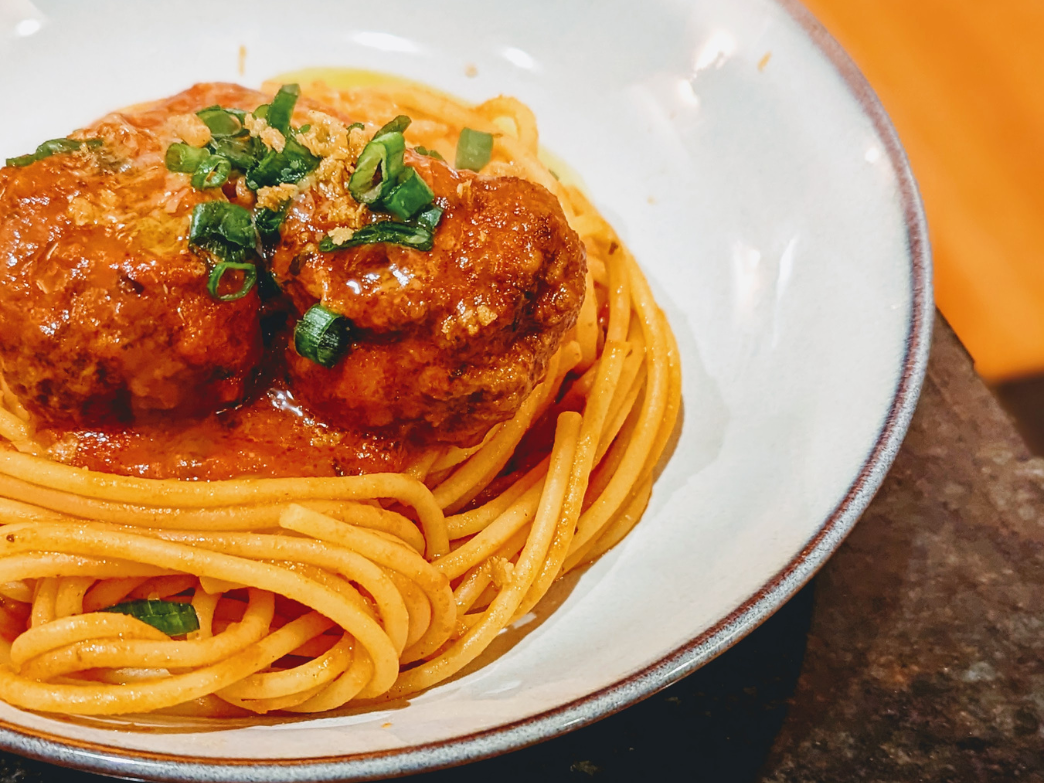
Best Carbs for Weight Loss
By Dr. Jorge, Ph.D. Wildgrain, opens in a new tab is the first bake-from-frozen subscription box for sourdough breads, fresh pastas, and artisanal pastries. When embarking on a weight loss journey, one of the biggest questions is what you should eat and what you should avoid. Carbohydrates often get a bad rap, leaving many confused about whether they fit in with a weight loss diet.The good news is that not all carbs are bad. In fact, choosing the right carbs can help you lose weight. In this article, we’ll guide you through the best (and worst) carbs for weight loss. What’s the best carb for losing weight? What’s the best carb to eat for weight loss? Complex carbohydrates are the best choice for weight loss because they are nutrient-dense and high in fiber. Foods like brown rice, whole grain pasta, whole grain bread, lentils, beans, nuts, seeds, and fruits and vegetables with edible skins or seeds are all rich in essential nutrients compared to simple carbs like white bread, white pasta, soda, and sweets. The higher fiber content in complex carbs helps support digestion and promotes a feeling of fullness, which can aid in weight loss by reducing overall calorie intake. What are healthy carbs? What is the healthiest carbohydrate to eat? Complex carbohydrates are not only the best choice for weight loss but are also the healthiest type of carb. Complex carbs are known for their nutritional value, high fiber content, and ability to help regulate blood sugar levels. When selecting a healthy carb, choose options like quinoa, lentils, oats, sweet potatoes, and whole grain bread, among others. What’s the worst carb for belly fat? What carbs should I avoid to lose weight? In contrast to complex carbs, simple carbs are the worst for belly fat. Often referred to as "empty calories," simple carbohydrates offer little nutritional value. Examples include refined sugar, fruit juice, soda, candy, cereal, white bread, and white pasta. These carbs are quickly broken down by the body, which can leave you feeling hungry and potentially contribute to weight gain. Consuming too many simple carbs can also increase the risk of type 2 diabetes, heart disease, and high blood pressure. Can I eat carbs and still lose weight? How many carbs should I eat a day to lose weight? Yes, you can eat carbs and still lose weight. As with any food, moderation is key to achieving your weight loss goals. As long as you maintain a calorie deficit, you can enjoy your favorite carbs and still lose weight. The amount of carbs you can consume daily while losing weight depends on various factors like your age, weight, and activity level. In general, it’s best to limit simple carbs and focus on incorporating more complex carbohydrates, all while staying mindful of your overall caloric intake. What’s the carb pairing trick? Should you balance carbs with protein? The carb pairing trick refers to the concept of pairing carbs with high-protein foods and healthy fats. Pairing these foods together can help to stabilize blood sugar and further increase the feeling of being full, which can help support weight loss goals. Balancing carbs with protein is recommended, as eating carbs alone can lead to spikes in blood sugar levels. Which carb is easiest to digest? What carb is best for gut health? Simple carbs tend to be the easiest carbs to digest because they have a simpler molecular structure that is easier for the body to break down. This makes foods like white rice and white pasta easier to digest compared to complex carbs. Sourdough bread is another example of an easy-to-digest carb due to its unique and prolonged fermentation process which naturally breaks down complex carbs into more digestible units. The best carbs for your gut health are fiber-rich carbs like fruits, vegetables, oats, legumes, beans, and whole grains. Carbs high in fiber promote gut health by feeding the good bacteria in your gut. This helps to facilitate regular bowel movements and prevents constipation. Are carbs from bread good or bad? Is bread a good carb or a bad carb? Bread can be either a good or bad carb, depending on whether it's made from refined or whole grains. Refined grains, like those in white bread, are considered "bad" carbs due to their lack of nutrients and fiber. In contrast, whole grains, such as those in whole wheat bread, are considered "good" carbs because they provide more nutrients and fiber. So, bread can fall on either end of the spectrum, depending on the ingredients used to make the bread. Are carbs from pasta good or bad? Is pasta a good carb or a bad carb? Similar to bread, pasta can be considered a good carb or a bad carb based on the grains used to make the pasta. Traditional white pasta is made from refined grains, which lack nutrients, so white pasta would be classified as a bad carb. On the other hand, whole wheat pasta is made from whole grains which is nutrient-rich and thus would be considered a good carb. Is it ok to eat carbs every day? Can I eat carbs every day and still lose weight? Yes, it is completely ok to eat carbs every day and still reach your weight loss goals. You can enjoy both simple carbs and complex carbs daily, as long as you manage your overall calorie intake and maintain a calorie deficit, or burn more calories than you consume. Balance and moderation are the keys to losing weight while eating your favorite carbs daily. Where can I buy fresh bread and fresh pasta online? At Wildgrain, we specialize in making high-quality, fresh breads and pastas that are delivered directly to your door. Wildgrain is the first bake-from-frozen delivery subscription service for breads, pastries, and fresh pastas. Some of our popular pastas include fresh fettuccine and fresh tonnarelli. Some of our popular breads include everything sourdough bread, plain sourdough loaf, and sourdough 7-grain loaf. Learn more about Wildgrain and our artisanal baking and cooking methods. Best Home Delivery Service for Food: How Wildgrain's Food Delivery Works Wildgrain's products are prepared in independent, artisanal bakeries with high quality ingredients. They are shipped frozen in insulated boxes and delivered direct to your home, anywhere nationwide. By shipping frozen, Wildgrain products maintain the highest quality, so you can enjoy fresh food at home. That's why customers consider Wildgrain among the best home food delivery services. About the Author Dr. Jorge has been a public health researcher for many years, holding both a Bachelor's degree and a Ph.D. in Chemistry. They presently work as a medical writer and love being able to assist others in understanding various health and scientific topics. This content is for informational use only and does not replace professional nutrition and/or medical advice, diagnosis or treatment. It is not a substitute for and should not be relied upon for specific nutrition and/or medical recommendations. Please talk with your doctor about any questions or concerns.
Learn more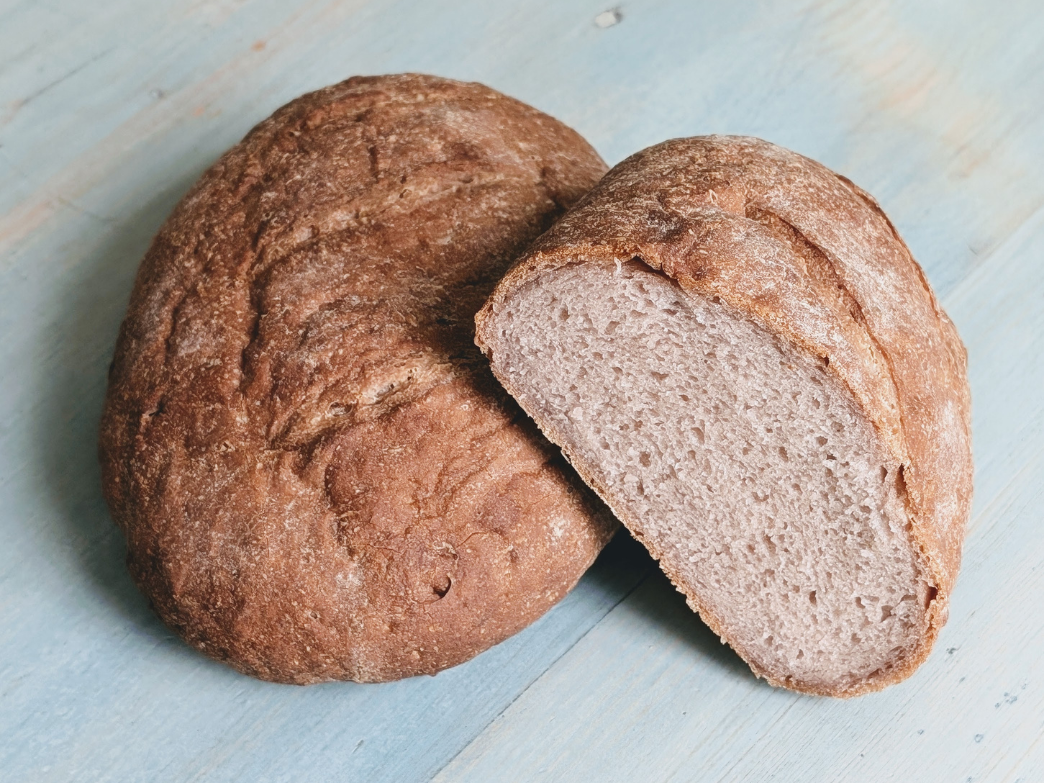
What’s the Difference: Gluten-Free Bread vs. Wheat-Free Bread
By Dr. Jorge, Ph.D. Wildgrain, opens in a new tab is the first bake-from-frozen subscription box for sourdough breads, fresh pastas, and artisanal pastries. The difference between gluten-free bread and wheat-free bread can be tricky to understand, especially if you’re new to managing gluten or wheat allergies. In this article, we’ll take a deep dive into the key differences (and similarities) between gluten-free and wheat-free bread so you can make an informed choice when picking up your next loaf. Is wheat-free the same as gluten-free? What’s the difference between gluten intolerance and wheat intolerance? Wheat-free and gluten-free are not the same, although most gluten-free foods are also wheat-free. Wheat products always contain gluten, but gluten can also be found in other grains like rye, barley, and oats. This means a product can be wheat-free but still contain gluten, while gluten-free products are typically wheat-free as well. So, while all gluten-free products are usually wheat-free, not all wheat-free products are gluten-free. Gluten intolerance indicates a sensitivity to gluten, which is found in various grains, including wheat. Wheat intolerance indicates a sensitivity to wheat or one of its proteins, which is present regardless of whether the wheat contains gluten. What type of bread is gluten-free? What is in gluten-free bread? Is sourdough bread gluten-free? Most of your favorite breads can be made gluten-free, including sourdough bread, white bread, and whole wheat bread. Gluten-free bread is made using flours from naturally gluten-free grains and legumes such as brown rice, buckwheat, sorghum, chickpea, corn, and others. While sourdough bread is not naturally gluten-free, it typically contains less gluten than other types of bread. Many people with gluten sensitivity find they can tolerate sourdough better due to the unique fermentation process, which breaks down some of the gluten. Is gluten-free bread wheat-free? Is gluten-free ok for wheat allergy? Most gluten-free bread is also wheat-free, but this is not always the case. Since wheat is a primary source of gluten, gluten-free bread typically does not contain wheat. However, some gluten-free products may still include wheat starch, as long as it contains less than 20 parts per million (ppm) of gluten, which is the threshold for being considered gluten-free. While these products may be safe for people with celiac disease, they are not wheat-free and could pose a risk to individuals with a wheat allergy. To ensure a food is wheat-free, always scan the ingredient list, even if the product is labeled as gluten-free. What bread can I eat if I’m wheat intolerant? What’s the best wheat-free bread? If you're intolerant to wheat or have a wheat allergy, gluten-free bread and pure rye bread are excellent options. Gluten-free bread is often wheat-free as well, making it a good choice for those avoiding wheat. However, it's important to always check the label, as some gluten-free breads may still contain wheat ingredients. Pure rye bread is another great alternative, as it is made entirely from rye flour and contains no wheat. As with gluten-free breads, be sure to verify that the rye bread you choose is truly wheat-free. What’s the best bread for gluten intolerance? What’s the best gluten-free bread? Gluten-free bread and bread with naturally lower gluten content are the best choices for those with gluten intolerance. Sourdough and rye bread typically contain less gluten than popular options like white bread or whole wheat bread, which generally means these types of bread are better tolerated by those with gluten sensitivity. The best gluten-free bread is bread that is clearly labeled "gluten-free" on the packaging and that does not list wheat, barley, rye, or spelt among its ingredients. Is gluten-free bread good for you? Is gluten-free bread healthy? Is gluten-free bread better for you? Gluten-free bread is not necessarily good for you, but it is an essential option for those with celiac disease or gluten intolerance. While it can be a good choice for those who need to avoid gluten, gluten-free bread is not always considered healthy as the nutritional profile of gluten-free bread depends on the ingredients used. For example, some gluten-free breads might contain additives like xanthan gum or guar gum to mimic the texture of traditional bread. Additionally, gluten-free bread often contains alternative flours, such as rice flour or tapioca starch, which tend to contain less protein and fiber compared to traditional flours like whole wheat flour. Overall, gluten-free bread is better for those who cannot consume gluten, but other types of bread may offer more nutritional benefits for those without gluten sensitivity or gluten intolerance. Is wheat-free bread good for you? Is wheat-free bread healthy? Is wheat-free bread better for you? Similar to gluten-free bread, wheat-free bread is a great option for those with a wheat allergy or wheat intolerance. However, wheat-free bread is not necessarily healthier or better for you unless you need to avoid consuming wheat. Wheat-free bread might be less nutritious than traditional bread, so it’s important to consider your specific health goals and needs before opting for wheat-free bread. Which is healthier, gluten-free bread or wheat-free bread? The healthiest bread for you depends on your individual health needs. If you have celiac disease or gluten sensitivity, gluten-free bread is the best choice to avoid gluten. If you have a wheat allergy or wheat intolerance, wheat-free bread is the safest option. However, if you can tolerate both gluten and wheat, more traditional breads like sourdough bread or whole wheat bread may offer greater nutritional benefits. Where can I buy the best wheat-free and gluten-free breads online? At Wildgrain, we specialize in making high-quality, fresh breads that are delivered directly to your door. Wildgrain is the first bake-from-frozen delivery subscription service for breads, rolls, pastries, and fresh pastas. Some of our popular wheat-free and gluten-free breads include Gluten-Free Sourdough Loaf, Gluten-Free Country Loaf, and Gluten-Free Slow-Fermented Seeded Loaf. We are proud to offer healthy breads, made with non-GMO flour and without added sugar or preservatives. Learn more about Wildgrain and our artisanal baking and cooking methods. Best Bread Home Delivery Service: How Wildgrain's Bread Delivery Works Wildgrain's breads are prepared in independent, artisanal bakeries with high quality ingredients. The breads are shipped frozen in insulated boxes and delivered direct to your home, anywhere nationwide. By shipping frozen, Wildgrain products maintain the highest quality, so you can enjoy fresh baked breads at home. That's why customers consider Wildgrain among the best home delivery services for bread. About the Author Dr. Jorge has been a public health researcher for many years, holding both a Bachelor's degree and a Ph.D. in Chemistry. They presently work as a medical writer and love being able to assist others in understanding various health and scientific topics. This content is for informational use only and does not replace professional nutrition and/or medical advice, diagnosis or treatment. It is not a substitute for and should not be relied upon for specific nutrition and/or medical recommendations. Please talk with your doctor about any questions or concerns.
Learn more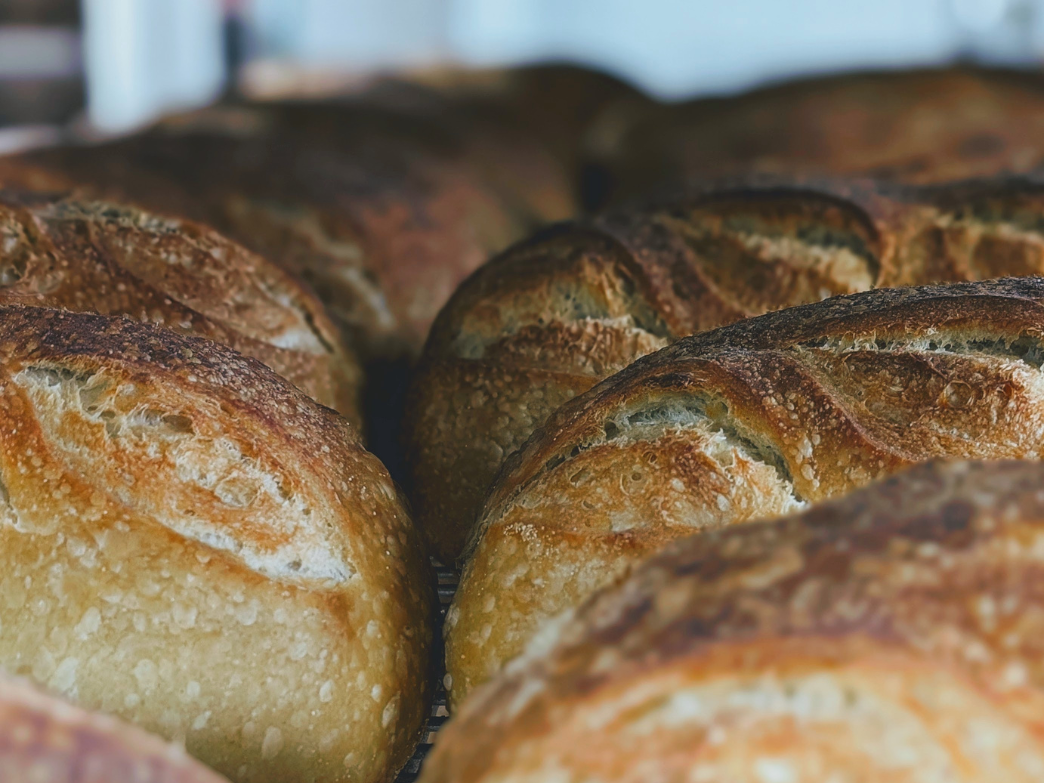
Best Bread for Lactose Intolerance and Lactose-Free
By Dr. Jorge, Ph.D. Wildgrain, opens in a new tab is the first bake-from-frozen subscription box for sourdough breads, fresh pastas, and artisanal pastries. If you're lactose intolerant and wondering how it affects your bread choices, we've got you covered! In this article, we'll help you navigate the world of lactose-free bread so that you can get back to enjoying bread. Is lactose-free the same as dairy-free? Lactose-free is not the same as dairy-free. While many dairy-free products are also lactose-free, this is not always the case. Dairy-free products must not contain any animal milk or ingredients derived from milk, but they could still contain trace amounts of lactose if processed in a facility that handles dairy. In contrast, lactose-free products can still be dairy-based, as lactose is simply removed from milk to create lactose-free dairy products. Can you eat bread if you are lactose intolerant? What type of bread is lactose-free? Yes, you can eat bread if you're lactose intolerant. Most breads are naturally lactose-free, including sourdough bread, baguettes, rye bread, and whole wheat bread. Some white bread varieties can also be lactose-free. However, it's important to check the ingredient list to be sure, as some processed breads, like certain sandwich breads, may contain dry milk, which does contain lactose. Can you eat sourdough bread if you are lactose intolerant? Is sourdough bread lactose-free? Yes, you can eat sourdough bread if you're lactose intolerant. Traditional sourdough bread is made only from a sourdough starter, flour, water, and salt, making it naturally lactose-free. However, some bakers may add milk to sourdough to enhance texture or softness, so it's always a good idea to check the label before buying a loaf of sourdough. Does white bread contain lactose? Can you eat white bread if you are lactose intolerant? Like most other breads, white bread typically doesn't contain lactose, making it generally safe for those with lactose intolerance. However, some white bread varieties may contain lactose in the form of whey, casein, or dry milk. Always check the label for any dairy or milk derivatives to be sure. Can lactose-intolerant people eat wheat bread? Is wheat bread lactose-free? Wheat bread is generally safe for people with lactose intolerance. Like white and sourdough bread, most wheat bread is lactose-free, though some processed versions may contain lactose. To avoid lactose, always check the ingredient list, especially for store-bought varieties. Is gluten-free bread good for lactose intolerance? Is gluten-free flour lactose-free? Gluten-free bread is not necessarily good for those with lactose intolerance. While gluten-free flour is typically lactose-free, some gluten-free breads may still contain dairy ingredients. Although many gluten-free breads are also lactose-free, it's important to check the label to ensure they don't contain milk or other dairy products. What bread is best for lactose intolerance? What is the best bread for gluten and lactose intolerance? The best bread for lactose intolerance is any that doesn’t contain dairy or milk derivatives. While most breads are naturally lactose-free, they can still be susceptible to cross-contamination in factories, and some manufacturers may add milk derivatives like dry milk, casein, or whey. Traditionally made sourdough bread is an excellent option for those with both lactose and gluten intolerance. Sourdough bread is easier to digest than many other breads and is often a safe choice for individuals with gluten sensitivity or intolerance. Can I eat butter with lactose intolerance? What kind of butter is lactose-free? You can generally eat butter if you have lactose intolerance. Butter is often well-tolerated because it contains only trace amounts of lactose. For a completely lactose-free option, look for vegan butter made from plant-based oils. You can also check the ingredient list for lactase enzyme, which indicates the lactose has been removed. Where can I buy the best lactose-free breads online? At Wildgrain, we specialize in making high-quality, fresh breads that are delivered directly to your door. Wildgrain is the first bake-from-frozen delivery subscription service for breads, rolls, pastries, and fresh pastas. Some of our popular lactose-free breads include plain sourdough loaf, sourdough rye loaf, and sourdough whole wheat loaf. We are proud to offer healthy breads, made with non-GMO flour and without added sugar or preservatives. Learn more about Wildgrain and our artisanal baking and cooking methods. Best Bread Home Delivery Service: How Wildgrain's Bread Delivery Works Wildgrain's breads are prepared in independent, artisanal bakeries with high quality ingredients. The breads are shipped frozen in insulated boxes and delivered direct to your home, anywhere nationwide. By shipping frozen, Wildgrain products maintain the highest quality, so you can enjoy fresh baked breads at home. That's why customers consider Wildgrain among the best home delivery services for bread. About the Author Dr. Jorge has been a public health researcher for many years, holding both a Bachelor's degree and a Ph.D. in Chemistry. They presently work as a medical writer and love being able to assist others in understanding various health and scientific topics. This content is for informational use only and does not replace professional nutrition and/or medical advice, diagnosis or treatment. It is not a substitute for and should not be relied upon for specific nutrition and/or medical recommendations. Please talk with your doctor about any questions or concerns.
Learn more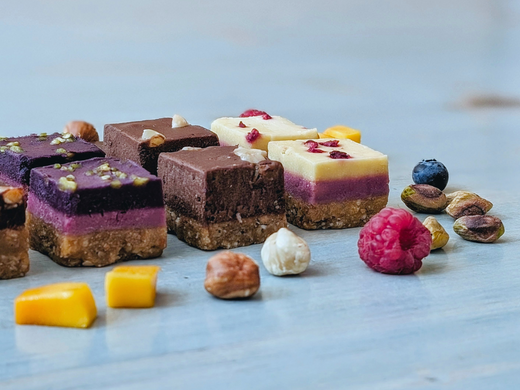
Best Dessert for Diabetics: Can Diabetics Eat Dessert?
By Dr. Jorge, Ph.D. Wildgrain, opens in a new tab is the first bake-from-frozen subscription box for sourdough breads, fresh pastas, and artisanal pastries. If you have diabetes and a sweet tooth, managing your sugar cravings while keeping your blood sugar levels in check can be a challenge. In this article, we'll guide you through choosing the best desserts, so you can still enjoy your favorite desserts without compromising your health. Can you eat desserts with diabetes? Can you eat sweets with diabetes? Yes, you can still enjoy desserts if you have diabetes, but it's important to be mindful of your dessert choices. Focus on monitoring your carb intake throughout the day, choosing smaller portions, and selecting desserts with less sugar or made with sugar substitutes. What dessert can diabetics eat? What is the best dessert for a diabetic to eat? People with diabetes can enjoy any dessert in moderation, but some options are better suited for managing blood sugar. Desserts like angel food cake, frozen yogurt bites, and chia seed pudding are good choices. Fruit and fruit-based desserts are also great options, as they tend to have a lower glycemic index. In general, the best desserts for diabetics are those with minimal sugar or made with sugar substitutes like stevia or monk fruit. What dessert won’t spike blood sugar? Desserts that have a low or medium glycemic index are less likely to cause spikes in blood sugar levels. Foods that have a lower glycemic index are processed more slowly by the body which means a slower rise in blood sugar. Some examples of desserts with lower glycemic indices are fruit mousse, dark chocolate, and Greek yogurt ice cream. Is ice cream ok for diabetics? Is angel food cake ok for diabetics? Are cookies ok for diabetics? Diabetics can enjoy ice cream, angel food cake, and cookies in moderation. Angel food cake is a great option because it's fat-free, cholesterol-free, and low in sugar and carbs. While ice cream and cookies can also be part of a diabetic-friendly diet, it's best to choose reduced-sugar or sugar-free versions whenever possible. Is honey ok for diabetics? What sweeteners don’t raise blood sugar? Yes, honey is ok for diabetics, but as with other sweets, honey should be consumed in moderation. The best choice is raw honey, which doesn't contain added sugars. Natural sweeteners like stevia and monk fruit won't raise blood sugar levels, and some artificial sweeteners, such as aspartame, sucralose, and saccharin, also have little to no impact on blood sugar. If you're craving something sweet, many of your favorite desserts can be made more diabetic-friendly by swapping regular sugar for a natural or artificial sweetener. Will cutting out sweets lower blood sugar? Yes, cutting back on sweets or reducing added sugars in your diet can help lower blood sugar levels. Desserts, which are often high in sugar and carbs, can cause blood sugar spikes. By reducing or eliminating foods that contribute to these spikes, you can better manage your blood sugar levels. How many sweets can a diabetic eat a day? While recommendations may vary slightly on the exact number of sweets a diabetic can consume daily, all agree that sugar intake should be minimal. Generally, it’s recommended that added sugars make up less than 6-10% of a diabetic's total daily calories. This helps manage blood sugar levels and keeps them within a healthy range. How can I satisfy my diabetic sweet tooth? You can satisfy your diabetic sweet tooth by choosing desserts that have little to no added sugar or are made with natural or artificial sweeteners. This can mean opting for desserts like a bowl of fruit, fruit-based desserts, or low-sugar Greek yogurt. If you're craving a dessert that's not as diabetic-friendly, try limiting your portion size and adding protein or fiber to help manage blood sugar levels. Healthy additions like nuts, chia seeds, or fruit can help balance the dessert and make it more blood sugar-friendly. What is the best dessert for type 2 diabetes? Ultimately, the best desserts for type 2 diabetes are those low in added sugars and use natural or artificial sweeteners. Many common desserts can be made more diabetic-friendly with a simple sugar swap. When shopping for bread, look for items labeled "no sugar added" or "unsweetened." To be sure, always check the nutritional label to verify the sugar and carb content. Where can I buy healthy desserts online? At Wildgrain, we specialize in making high-quality, fresh pastas, breads, and desserts that are delivered directly to your door. Wildgrain is the first bake-from-frozen delivery subscription service for breads, pastries, fresh pastas, and desserts. Some of our popular desserts include mango and passion fruit mousse, macarons, and mini layer cakes. Learn more about Wildgrain and our artisanal baking and cooking methods. Best Pastry Home Delivery Service: How Wildgrain's Pastry Delivery Works Wildgrain's pastries are prepared in independent, artisanal bakeries with high quality ingredients. The pastries are shipped frozen in insulated boxes and delivered direct to your home, anywhere nationwide. By shipping frozen, Wildgrain products maintain the highest quality, so you can enjoy fresh pastries at home. That's why customers consider Wildgrain among the best home delivery services for pastries. About the Author Dr. Jorge has been a public health researcher for many years, holding both a Bachelor's degree and a Ph.D. in Chemistry. They presently work as a medical writer and love being able to assist others in understanding various health and scientific topics. This content is for informational use only and does not replace professional nutrition and/or medical advice, diagnosis or treatment. It is not a substitute for and should not be relied upon for specific nutrition and/or medical recommendations. Please talk with your doctor about any questions or concerns.
Learn more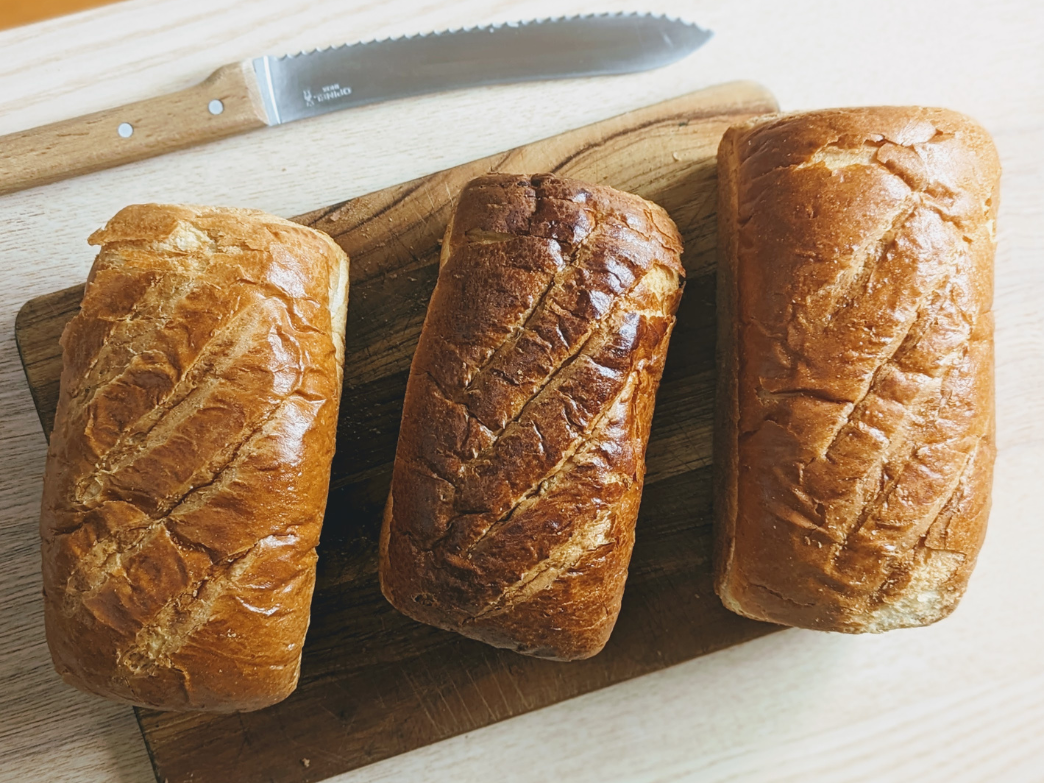
Best Bread for French Toast
By Lucy Yanckello, Ph.D. Wildgrain, opens in a new tab is the first bake-from-frozen subscription box for sourdough breads, fresh pastas, and artisanal pastries. French toast is a sweet breakfast staple and is delicious and easy to make. However, because french toast mostly consists of, well, toast, choosing the right bread for the job is paramount to a perfectly tender and wonderful dish. It is important that the bread stands up in flavor and structure to the rich batter. Read on to learn how to select the perfect piece of bread for your next french toast breakfast! What is french toast made of? What are the ingredients for french toast? French toast has a few main ingredients including bread, eggs, and milk. There are other add-ins that can make the dish more interesting including ground cinnamon, vanilla extract, and salt. Additionally, you will want to have butter and maple syrup on hand to top your delectable stack of french toast before digging in. What causes soggy french toast? Why doesn’t my french toast get crispy? The main culprit for soggy french toast is the slices of bread that are too thin. Thin bread will not be able to withstand the batter and will become soggy, ultimately causing your french toast to fall apart. If your bread is soggy going into the pan, it will not get the crispy outer texture that is signature to french toast. How long should bread soak for french toast? Recipes suggest that bread should soak for anywhere between 10 seconds per side to 1 minute per side. This will depend on the bread you use and how thick the slices are. The most important thing that is noted in each recipe is that the bread be fully soaked through, and feel heavy but still hold its shape. What is the best bread for french toast? What kind of bread is best for french toast? The best bread for french toast is slightly dry bread that is sliced thick enough to absorb the custard and not fall apart. Bread that is slightly stale, or dry, soaks up the batter better. If all you have is fresh bread, slice it to about ¾ inch thickness and put it in a 300 degree oven for 12 minutes to dry it out. Soft brown or white bread with a thin crust works best, for example briocheGo to Slow fermented brioche rolls 4 pack 2, challah, sourdough, ciabatta, or french bread. Is white bread or wheat bread better for french toast? White or wheat bread can make a good french toast. As long as the crust is thin, and the slices are relatively thick and somewhat dry, either will work! Be sure to buy whole loaves of bread instead of pre-slice sandwich bread so you are able to slice it to your desired thickness to withstand the batter. Is brioche good for french toast? BriocheGo to Slow fermented brioche rolls 4 pack 2 is a great choice for french toast. Brioche has a somewhat sweet flavor and a spongy texture, which helps the bread absorb the egg mixture without getting too soggy or falling apart. Brioche will yield a decadent french toast. Is thick or thin bread better for french toast? Thick bread is much better for french toast than thin bread. Thin bread is not able to absorb as much of the egg mixture without getting soggy. This ultimately causes the bread slices to fall apart and not get the crispy exterior texture that is so important to a good french toast. Is french toast healthy? Can I eat french toast while losing weight? French toast is a carb-forward meal. If you are looking to incorporate french toast into your diet while trying to lose weight, try and do so in moderation. Try and use breads higher in fiber and protein, such as sourdough, to keep you feeling fuller for longer. You can also add eggs or breakfast meat to the side of your french toast to increase the protein content. Another important addition is to include fruit to increase fiber, and limit the sugary toppings such as syrup and powdered sugar. Where can I buy the best bread for french toast online? At Wildgrain, we specialize in making high-quality, fresh breads that are delivered directly to your door. Wildgrain is the first bake-from-frozen delivery subscription service for breads, rolls, pastries, and fresh pastas. Some of our popular breads include brioche sandwich loaf, sourdough demi baguette, sourdough loaf, and sourdough whole wheat. Learn more about Wildgrain and our artisanal baking and cooking methods. Best Bread Home Delivery Service: How Wildgrain's Bread Delivery Works Wildgrain's breads are prepared in independent, artisanal bakeries with high quality ingredients. The breads are shipped frozen in insulated boxes and delivered direct to your home, anywhere nationwide. By shipping frozen, Wildgrain products maintain the highest quality, so you can enjoy fresh baked breads at home. That's why customers consider Wildgrain among the best home delivery services for bread. About the Author Lucy Yanckello received her Ph.D. in nutrition from the University of Kentucky College of Medicine. She currently works as a medical writer and enjoys being able to help people better understand nutrition and science. This content is for informational use only and does not replace professional nutrition and/or medical advice, diagnosis or treatment. It is not a substitute for and should not be relied upon for specific nutrition and/or medical recommendations. Please talk with your doctor about any questions or concerns.
Learn more
Best Vegan Side Dishes
By Lucy Yanckello, Ph.D. Wildgrain, opens in a new tab is the first bake-from-frozen subscription box for sourdough breads, fresh pastas, and artisanal pastries. A vegan diet, just like any diet, is not one size fits all. Some people are vegan for dietary purposes, some for ethical reasons. No matter the motivation behind it, a vegan diet always excludes animal products, but to what extent is up to you! Which are vegan-friendly foods? What foods are 100% vegan? Vegan friendly foods are those that exclude animal products or animal by-products. Foods that are 100% vegan include grains, nuts, seeds, and of course, fruits and vegetables. Other foods you can eat on a vegan diet include plant-based proteins such as tofu, tempeh, beans, and lentils. Many breads, pastas, and pastries can be vegan too. Vegans tend to eat more fruits and vegetables than those who include meat in their diets, leading to a diet rich in fiber, plant protein, and some minerals. However, if adopting veganism one must be cautious to eat enough protein, calcium, omega-3 fatty acids, zinc, vitamin B12, and vitamin D, all of which we typically get from meat. What’s the best vegan side dish? What can I bring to a vegan dinner party? What are good vegan side dishes for potluck? Due to the rise in popularity of the plant-based diet, there are many substitutions available to make almost any dish into a tasty vegan version including plant based butter, milk, and cheese. There are many vegan dishes that are great shareables for a dinner party or potluck – stews or curries made with lentils or beans as the protein, salads with fresh vegetables and fruits, or even a plant-based soup. You can always ‘veganize’ dishes with plant-based proteins, too – think crumbled tofu instead of ground beef for tacos or chili, or charred tempeh as a substitute for grilled chicken breast. Many common side dishes are often already vegan - like many pastas or even potato gnocchi. What are easy, good vegan side dishes for a BBQ? What can vegans eat made on the grill? There are many good vegan side dishes for a BBQ – including veganized versions of the classics. Coleslaw can be made vegan by subbing the mayonnaise for vegan mayo. Mac and cheese can be vegan too, substitute the milk for a creamy plant based version such as oat or cashew, use dairy-free cheese (you’ll find lots of options at any grocery store!), and make sure to use vegan pasta like corkscrew shaped avatappi. Baked beans are easy to make vegan, just exclude the pork and corn bread can be made vegan too by subbing the butter for a plant-based version. And don’t forget about plant-based biscuits or sourdough dinner rolls! On the grill, vegans have many options. Vegans can eat grilled vegetables, tofu, tempeh, and other plant-based foods such as black bean burgers or mushrooms. What do I serve a vegan? Vegans do not eat animal products, or any food derived from animals. It is important to not serve vegans anything derived from animals, and only products that are plant-based including vegetables, fruits, legumes, beans, whole grains, and plant-based breads or pastas. If you are buying pre-made dishes or pre-packaged foods, be sure to read the ingredient list closely. What is a good vegan side dish for tofu? There are many good options for vegan side dishes to accompany tofu. Deciding on what side dish to make mostly depends on how you cook your tofu, just as with any other protein source. If you are grilling your tofu, opt for a fresh salad to top with your tofu. If you are baking your tofu, maybe you choose your favorite noodle, vegetable, and stir fry sauce to enjoy it with. Because of the rise in popularity of the plant based diet, there are many vegan recipes to choose from! Can vegans eat pasta? Vegans can eat pasta! Regular pasta is a great option to beef up the carbohydrate content of a meal, but be careful to choose a pasta that does not contain egg like plant-based cavatappi or plant-based pappardelle. However, a great option for vegans are the protein packed versions made with chickpea flour, lentil flour, or whole wheat flour. This helps increase protein content of a meal which is especially important for vegans, who get all of their protein from plant-based sources. Can vegans eat bread? Vegans can eat some bread, but not all bread because some bread includes animal by-products, like milk, butter, or eggs. It is important to check the ingredients of bread for milk, butter, or eggs. It is also important to check the ingredients for honey as some vegans do not eat honey. Breads that vegans can eat include plant-based sourdough bread and plant-based baguettes. Are vegetable side dishes good for vegans? What vegetables can a vegan eat? Which vegetables are not vegan? Vegetable side dishes are perfect for vegans. Vegans can eat all vegetables, there are no vegetables that are not vegan because vegetables are all plants. Vegetable focused side dishes are a great way to add in extra protein to a meal by using protein rich veggies such as broccoli, edamame, or peas. Can vegans eat desserts? What is the best vegan dessert? Vegans can eat dessert as long as it does not contain animal products or derivatives. Most desserts can be made vegan if making them at home, such as cake, cookies, mousse, waffles, and even brownies. If you are buying pre-made dessert, be sure to check for animal products, as most have butter, milk or eggs. Most grocery stores carry vegan dessert options such as ice cream, cookie dough, and other choices. There are often “plant-based” sections of the grocery store now that have these options. Where can I buy the best vegan side dishes online? At Wildgrain, we specialize in making high-quality, fresh baked goods that are delivered directly to your door. Wildgrain is the first bake-from-frozen delivery subscription service for breads, pastries, and fresh pastas. Some of our popular vegan items include sourdough rolls, plant-based blueberry biscuits, mini layer cakes, and potato gnocchi. Learn more about Wildgrain and our artisanal baking and cooking methods. Best Home Delivery Service for Food: How Wildgrain's Food Delivery Works Wildgrain's products are prepared in independent, artisanal bakeries with high quality ingredients. They are shipped frozen in insulated boxes and delivered direct to your home, anywhere nationwide. By shipping frozen, Wildgrain products maintain the highest quality, so you can enjoy fresh food at home. That's why customers consider Wildgrain among the best home food delivery services. About the Author Lucy Yanckello received her Ph.D. in nutrition from the University of Kentucky College of Medicine. She currently works as a medical writer and enjoys being able to help people better understand nutrition and science. This content is for informational use only and does not replace professional nutrition and/or medical advice, diagnosis or treatment. It is not a substitute for and should not be relied upon for specific nutrition and/or medical recommendations. Please talk with your doctor about any questions or concerns.
Learn more
Best Dairy-Free Bread
By Lucy Yanckello, Ph.D. Wildgrain, opens in a new tab is the first bake-from-frozen subscription box for sourdough breads, fresh pastas, and artisanal pastries. Bread is a staple in most diets, be it in the form of loaves, bagels, or buns. However, if you do not or cannot eat dairy, it is important to be weary of the ingredient list. Many bread products contain milk or dairy in some form, so be sure to check the ingredients prior to enjoying bread if you are sensitive to dairy. Can you eat bread if you are dairy-free? What type of bread is dairy-free? Can bread contain dairy? You can eat bread if you are dairy-free, however it is important to read the ingredients prior to enjoying a slice. The most common types of bread that do not contain dairy are those with simple ingredients including sourdough, ciabatta, focaccia, and baguettes. Bread can and does contain dairy, including in the form of butter and milk. For example, a popular bread that typically contains bread is brioche (though Wildgrain’s Gluten-Free Brioche Rolls do not contain any dairy!) Is white bread dairy-free? Is sliced bread dairy-free? Some white breads are dairy-free, including sourdough, ciabatta, focaccia, and baguettes made with white flour. Some sliced bread is dairy-free, but it is important to always read the ingredient list. Often, pre-sliced bread contains casein, whey, non-fat milk powder, or all three. If you want to see if a food has milk in it, check the bottom of the ingredient list, you will see “contains: milk” in bold. This is the easiest way to check if a food has dairy in it without knowing every ingredient that can be classified in the category. Is wheat bread dairy-free? Is whole grain bread dairy-free? Breads that can be made with white or wheat flour, such as sourdough, ciabatta, focaccia, and baguettes, are usually dairy-free. Whole-grain breads can be dairy-free, but may also contain dairy. Be sure to read the ingredient list, or substitute dairy for a plant-based version if you are trying a recipe at home. Is sourdough bread dairy-free? Is milk in sourdough? How much dairy is in sourdough bread? Sourdough bread is usually dairy-free because it is made with simple ingredients – flour, water, salt, and sourdough starter. There is typically no dairy in sourdough bread, however, in some sweet sourdough varieties, milk is used in place of water. It is important to always check the ingredients of sourdough bread to determine if it is dairy-free or contains milk. Are bagels dairy-free? Traditional are dairy-free. However, this does not mean that all bagels are dairy-free. Flavored bagels often contain dairy, such as those that include cheese or sweet bagels that often incorporate butter. Be sure to ask the baker if you are buying bagels at a shop, or read the ingredients if you are buying them at the store. What is the best bread for dairy-free? How do you know if bread is dairy-free? The safest option for those who are dairy-free is to opt for breads that do not use dairy in their traditional recipes. These include sourdough, baguettes, ciabatta, and focaccia. However, it is important to always read the ingredient list, even when buying breads that do not typically contain dairy in their recipes. Bread is dairy-free if the ingredients do not have any dairy-derived products. If bread contains dairy, the label will say “contains: milk” in bold at the bottom, keep an eye out for this. What happens when you cut out dairy? Can eliminating dairy help you lose weight? Cutting out dairy often leads to benefits such as a reduction in bloating and improved digestion, especially if you are sensitive to dairy or are lactose intolerant. Some people also report that eliminating dairy has helped clear up acne. Excluding dairy from your diet may also aid in weight loss if eliminating dairy has led to reducing consumption of foods high in sugar and saturated fat, such as ice cream, and cheese. However, it is always important to discuss eliminating a food group from your diet with your doctor before you do so. What is the best bread for dairy-free and gluten-free? Breads made with brown or white rice flour, potato flour, chickpea flour, and tapioca flour are gluten free by nature, and if they do not contain any milk or milk products, they will be dairy-free, too. Although it is often hard to find both dairy-free and gluten-free bread that is edible, they do exist. For example, Wildgrain makes a gluten-free slow-fermented brioche roll that pairs perfectly with a burger, or can be enjoyed warm with butter Where can I buy the best dairy-free breads online? At Wildgrain, we specialize in making high-quality, fresh breads that are delivered directly to your door. Wildgrain is the first bake-from-frozen delivery subscription service for breads, rolls, pastries, and fresh pastas. Some of our popular dairy-free breads include plain sourdough loaf, gluten-free slow-fermented brioche rolls, and sourdough whole wheat loaf. We are proud to offer healthy breads, made with non-GMO flour and without added sugar or preservatives. Learn more about Wildgrain and our artisanal baking and cooking methods. Best Bread Home Delivery Service: How Wildgrain's Bread Delivery Works Wildgrain's breads are prepared in independent, artisanal bakeries with high quality ingredients. The breads are shipped frozen in insulated boxes and delivered direct to your home, anywhere nationwide. By shipping frozen, Wildgrain products maintain the highest quality, so you can enjoy fresh baked breads at home. That's why customers consider Wildgrain among the best home delivery services for bread. About the Author Lucy Yanckello received her Ph.D. in nutrition from the University of Kentucky College of Medicine. She currently works as a medical writer and enjoys being able to help people better understand nutrition and science. This content is for informational use only and does not replace professional nutrition and/or medical advice, diagnosis or treatment. It is not a substitute for and should not be relied upon for specific nutrition and/or medical recommendations. Please talk with your doctor about any questions or concerns.
Learn more