

Wildgrain Blog
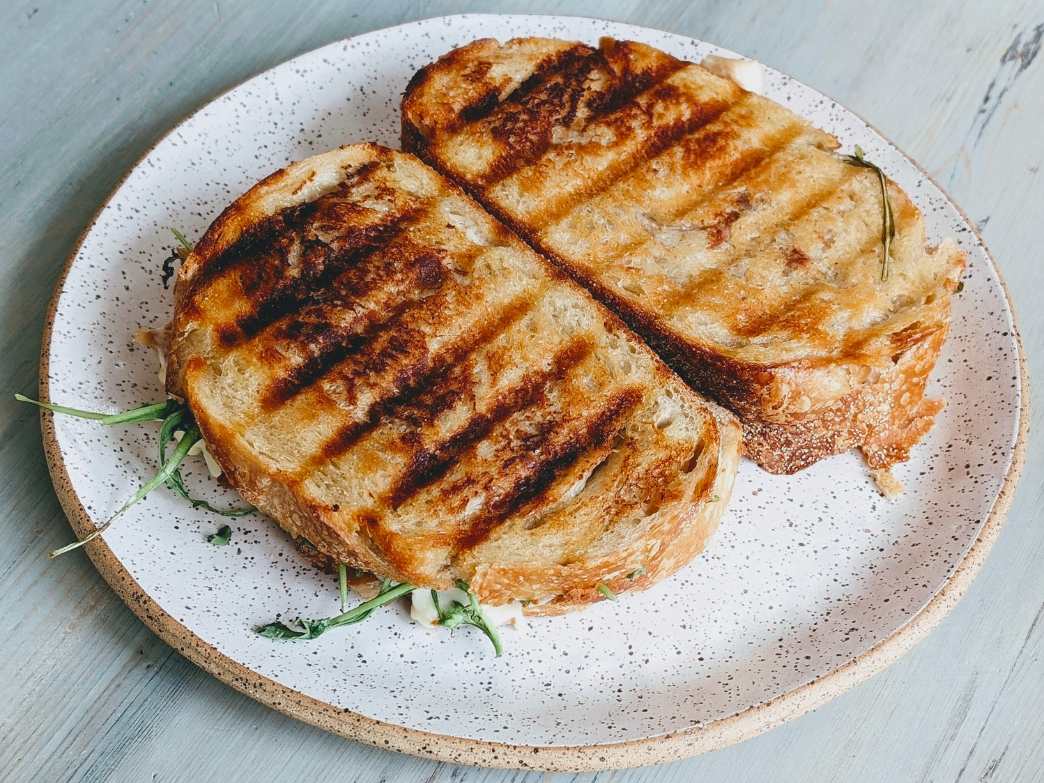
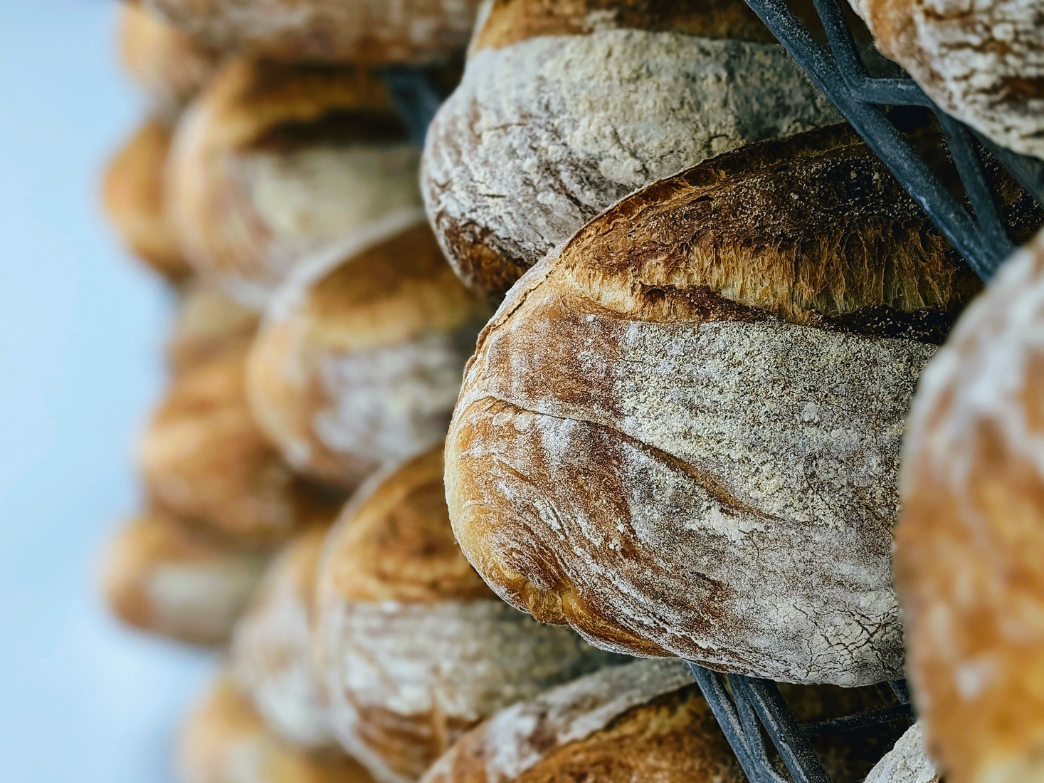
Best Bread for Healthy Skin
By Lucy Yanckello, Ph.D. Wildgrain, opens in a new tab is the first bake-from-frozen subscription box for sourdough breads, fresh pastas, and artisanal pastries. When it comes to healthy skin, the best bread choices are those made with whole grains and minimal added sugars. These types of bread help support overall skin health by keeping blood sugar levels stable, reducing inflammation, and providing key skin-supporting nutrients. It is important to remember that this article is not medical advice; consult with your doctor or a registered dietician before making changes to your diet. What is the best diet for your skin? What to eat for healthy skin? A diet rich in nutrient-dense whole foods, such as fruits, vegetables, whole-grains, lean protein, and healthy fats, is necessary to keep your skin healthy. Omega-3 fatty acids are known to improve cholesterol, reduce inflammation, and help preserve collagen in your skin to keep it firmer. To beef up omega-3s in your diet, add in salmon, tuna, or sardines. If you don’t eat fish, opt for flaxseeds, chia seeds, walnuts, or edamame. Antioxidants such as lycopene, found in tomatoes, and polyphenols, found in tea, coffee, grapes, and dark chocolate, help keep your skin smooth. Vitamins to focus on include vitamin C and vitamin E, which can help fight wrinkles and prevent cell damage, respectively. Eat citrus, bell peppers, broccoli, or strawberries to up your vitamin C intake, and increase your intake of almonds and sunflower seeds to add vitamin E to your diet. Is bread good for skin? What bread is good for your skin? Not all bread is created equal, and not all bread is good for your skin. White bread made with refined carbohydrates or high in added sugar spike blood sugar and promote inflammation, which can trigger acne and speed up aging. For a more skin-friendly bread, opt for sprouted or whole grain breads. These are minimally processed and have few additives. Whole grain breads are high in fiber, zinc, and vitamins C and E which are essential for skin repair and regeneration. These breads are digested slower, which means they will not spike blood sugar. Sprouted breads have more bioavailable nutrients, such as antioxidants and often have a lower glycemic index than processed breads, meaning they will not cause blood sugar spikes either. Can too much bread cause skin problems? Too much highly processed and refined bread can contribute to skin problems. Refined bread, such as white bread, spikes blood sugar quickly. This quick spike in blood sugar causes a surge in insulin, which increases oil production, raises levels of hormones linked to acne, and promotes inflammation in the skin. This process contributes to acne breakouts and can also cause premature aging. Consider whole grain breads instead to avoid the skin problems linked to refined bread. What is the best bread for acne-prone skin? What bread is bad for acne? If you are prone to acne breakouts, the type of bread you are consuming can make a difference. A key factor to pay attention to is the glycemic load of the bread you are consuming, or how quickly the bread will raise your blood sugar. High spikes in blood sugar increase insulin production which raises the production of oil, clogging your pores and causing acne flare-ups. Breads bad for acne-prone skin are white bread, bread with added sugar or high-fructose corn syrup, and breads made with refined flours. Be sure to always read the ingredient list and look for 100% whole-grain, rather than added sugars or enriched wheat flours. Stick to bread with a glycemic index below 55, and keep your portions moderate. Is gluten-free bread better for your skin? For those with celiac disease, non-celiac gluten sensitivity, or a wheat allergy, bread can cause issues like eczema or hives. This is not common in people without these conditions. If you do not have these conditions, gluten-free bread may be worse for those with acne-prone skin. Many gluten-free breads are highly processed, and made from refined starches giving them a high glycemic index. This is harmful for those who are prone to acne breakouts. Additionally, gluten-free breads often lack fiber, zinc, C and E vitamins, and other nutrients found in whole-grain breads that are beneficial for your skin. Is whole wheat bread better for skin? Sprouted or whole grain breads are better for your skin as they are minimally processed and have few additives. Whole grain breads are high in fiber, zinc, and vitamins C and E, which are essential for skin repair and regeneration. These breads are also digested more slowly, meaning they will not spike blood sugar. Sprouted breads have more bioavailable nutrients, such as antioxidants and often have a lower glycemic index than processed breads, meaning they will not cause blood sugar spikes. Preventing blood sugar spikes is vital in controlling acne breakouts. Is sourdough bread good for your skin? Sourdough bread can be good for your skin if it is made with whole grain flour. Just as with other whole grain breads, whole grain sourdough is high in fiber, zinc, and vitamin C and E, which are essential for skin repair and regeneration. The fermentation process of sourdough also makes these nutrients more bioavailable (or easier for the body to use). Additionally, sourdough is digested slower meaning it will not spike blood sugar. What is the best bread for healthy skin? The best bread for healthy skin is that which does not spike blood sugar and is high in antioxidants, vitamins C and E, and fiber. It is important to keep blood sugar spikes under control. Keeping blood sugar under control reduces acne breakouts through reduced oil production which leads to clogged pores. Whole grain breads and sprouted breads are the best options to consider when thinking about healthy skin. Where can I buy the best fresh bread online? At Wildgrain, we specialize in making high-quality, fresh breads that are delivered directly to your door. Wildgrain is the first bake-from-frozen delivery subscription service for breads, rolls, pastries, and fresh pastas. Some of our popular breads include sourdough whole wheat, sourdough 7-grain, slow fermented 3-seed bread, and sourdough rye. Learn more about Wildgrain and our artisanal baking and cooking methods. Best Bread Home Delivery Service: How Wildgrain's Bread Delivery Works Wildgrain's breads are prepared in independent, artisanal bakeries with high quality ingredients. The breads are shipped frozen in insulated boxes and delivered direct to your home, anywhere nationwide. By shipping frozen, Wildgrain products maintain the highest quality, so you can enjoy fresh baked breads at home. That's why customers consider Wildgrain among the best home delivery services for bread. About the Author Lucy Yanckello received her Ph.D. in nutrition from the University of Kentucky College of Medicine. She currently works as a medical writer and enjoys being able to help people better understand nutrition and science. This content is for informational use only and does not replace professional nutrition and/or medical advice, diagnosis or treatment. It is not a substitute for and should not be relied upon for specific nutrition and/or medical recommendations. Please talk with your doctor about any questions or concerns.
Learn more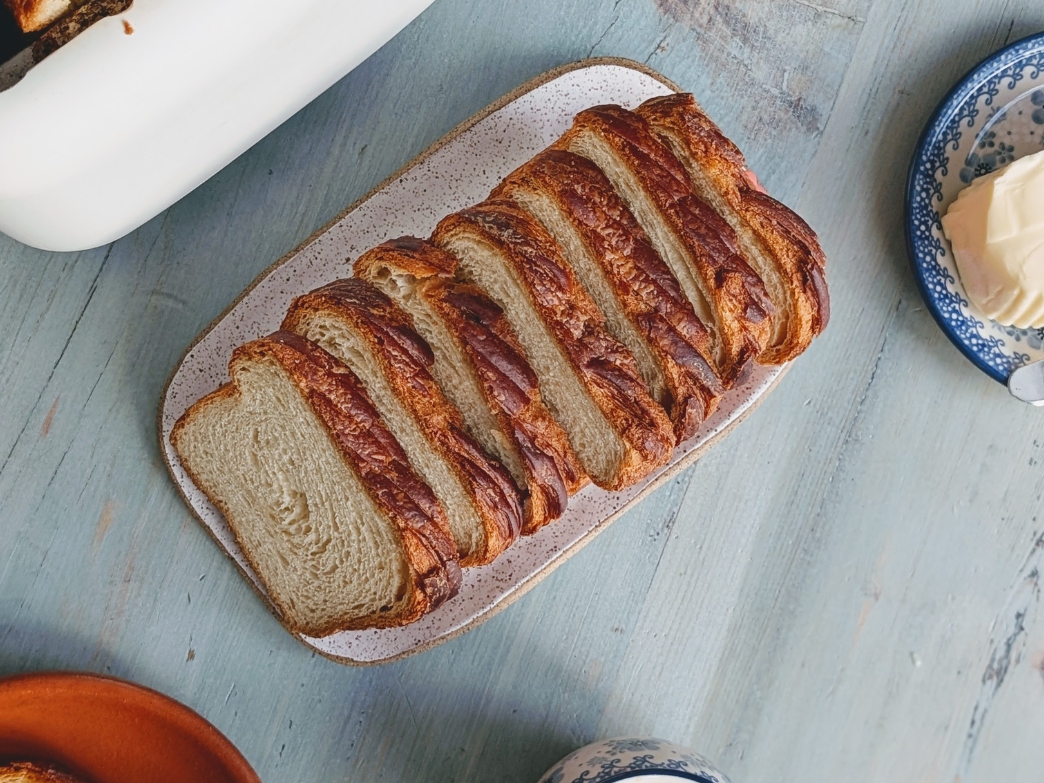
Best Bread for Fertility
By Lucy Yanckello, Ph.D. Wildgrain, opens in a new tab is the first bake-from-frozen subscription box for sourdough breads, fresh pastas, and artisanal pastries. Over the past decade, there has been an expansion in research regarding the connection between diet and fertility, exposing some clear patterns related to nutrients that are beneficial for fertility. However, it is also important to acknowledge that adherence to an objectively healthy diet will not solve underlying conditions that cause infertility in men and women. While this article does give suggestions related to increasing your fertility through dietary changes, it is not medical advice. Always be sure to consult with a registered dietician or medical doctor before making any significant changes to your diet. What is the best diet for fertility? What food should I eat to be more fertile? Diets based on whole foods that are rich in fruits, vegetables, and whole grains and that include fish, poultry, and plant-based proteins are linked to better fertility in women and also show links to improved semen quality in men. Key nutrients that show strong indications to increase fertility include folic acid (vitamin B9) and vitamin B12, which often work in conjunction. Additionally, increasing omega-3 fatty acid intake by eating more fish has been shown to improve egg quality and fertility. However, be aware that fish such as swordfish, mackerel, orange roughy, and tuna tend to have higher levels of mercury than other fish, so it is important to avoid these. Additionally, soy is not harmful to those with infertility issues. In fact, in women undergoing fertility treatment there was some indication that soy intake may improve outcomes. Are whole grains good for fertility? Whole grains have been linked to better fertility in women and improved semen quality in men. According to fertility research, the most consistent strategy to boost your fertility is following a whole-food plant forward diet that centers whole grains, healthy fats, and plenty of folic acid and vitamin B12. Some whole grains have low levels of naturally occurring folate, such as quinoa, brown rice, and oats. Pair these grains with leafy greens or legumes, which are naturally high in folate, to give yourself a folate super meal. Add an egg to add vitamin B12 to your meal! Are carbs bad for fertility? Is bread good for fertility? Not all carbs are bad for fertility. Refined carbohydrates, such as white bread and drinks filled with sugar should be avoided as they can spike blood sugar and cause hormonal imbalances. Additionally, foods that are high in refined carbohydrates – much of the western-style diet – are also high in trans fats, saturated fats, and added sugars, and low in fiber, vitamins, and minerals. These foods are linked to ovulatory dysfunction and poor reproductive outcomes. Bread made with whole grain flour, such as whole wheat bread, and whole grain carbohydrates, such as barley and brown rice, are great additions to a diet when looking to increase support for fertility. The fiber and complex carbohydrates present aid in blood sugar regulation and hormone balance. Gluten should not be removed from a diet unless someone is diagnosed with celiac disease. What should I avoid eating during IVF? Can I eat bread during IVF? It is always best to consult with a fertility specialist or registered dietician for personalized dietary recommendations during IVF treatment, to tailor guidance to your individual needs. In general, the recommendations for IVF treatment at baseline are similar to recommendations for those aiming to increase their fertility. Focus on whole-grains, omega-3s, folic acid, and vitamin B12, and avoid refined sugars and carbohydrates. Which bread is good for fertility? Does sourdough help fertility? Bread that is good for fertility is made with whole grains, such as whole wheat bread. Consider replacing white breads and pastas with the whole grain versions in your diet. The fermentation process used in sourdough does increase the bioavailability (i.e. the ability of your body to use a nutrient) of folic acid and zinc, which are important for reproductive health. It also has a lower glycemic index compared to regular bread. Opt for the whole grain bread option to help improve fertility. Which dairy is best for fertility? Does butter affect fertility? Diary is one of the ingredients that has not been studied enough to get a clear picture of the benefits or harmful effects it can have on fertility. Fermented dairy products may be better, but high-fat dairy has shown no health benefits. When choosing your dairy products, be sure to take into account that trans fats and saturated fats have been strongly linked to reduced fertility and poor semen quality. Where can I buy the best fresh bread and butter online? At Wildgrain, we specialize in making high-quality, fresh breads that are delivered directly to your door. Wildgrain is the first bake-from-frozen delivery subscription service for breads, rolls, pastries, and fresh pastas. Some of our popular breads include sourdough whole wheat, sourdough 7-grain, slow fermented 3-seed breadGo to sourdough rye bread, and sourdough ryeGo to sourdough rye bread. We also offer slow-churned French butter. Learn more about Wildgrain and our artisanal baking and cooking methods. Best Bread Home Delivery Service: How Wildgrain's Bread Delivery Works Wildgrain's breads are prepared in independent, artisanal bakeries with high quality ingredients. The breads are shipped frozen in insulated boxes and delivered direct to your home, anywhere nationwide. By shipping frozen, Wildgrain products maintain the highest quality, so you can enjoy fresh baked breads at home. That's why customers consider Wildgrain among the best home delivery services for bread. About the Author Lucy Yanckello received her Ph.D. in nutrition from the University of Kentucky College of Medicine. She currently works as a medical writer and enjoys being able to help people better understand nutrition and science. This content is for informational use only and does not replace professional nutrition and/or medical advice, diagnosis or treatment. It is not a substitute for and should not be relied upon for specific nutrition and/or medical recommendations. Please talk with your doctor about any questions or concerns.
Learn more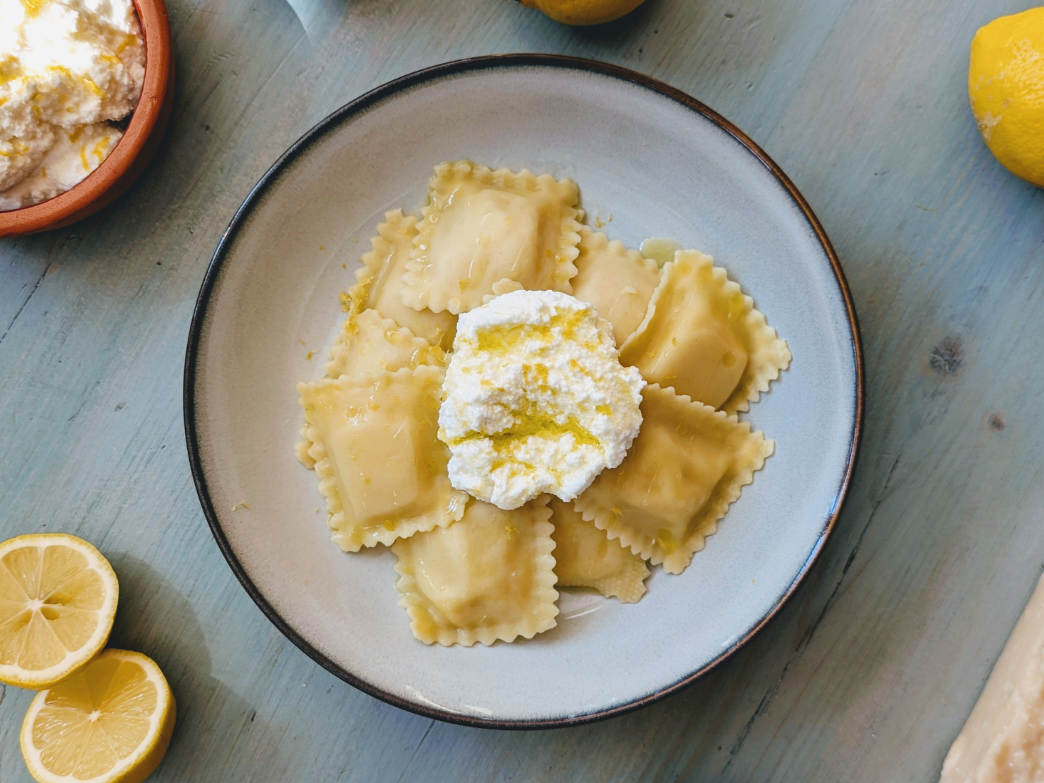
Best Method for Pasta Storage
By Lucy Yanckello, Ph.D. Wildgrain, opens in a new tab is the first bake-from-frozen subscription box for sourdough breads, fresh pastas, and artisanal pastries. Knowing the best way to store pasta can be confusing. The best storage method is based on the state of the pasta, whether it is fresh, dried, or cooked. Read on to learn tips and tricks to keep your pasta fresh, no matter its state! Where is the best way to store pasta? Where should pasta not be stored? The best way to store PastaGo to Fettuccine depends on if the pasta is cooked, uncooked, fresh, or dried. Ideal storage conditions for dried uncooked pasta is a cool, dry place, such as a pantry or cupboard in an airtight container to prevent moisture. If you plan to use fresh pasta within two to three days, you can store it in the refrigerator in an airtight container. For long term storage, fresh pasta should be frozen in a freezer safe bag or container. Alternatively, fresh pasta can be dried and stored in an airtight container in a cool, dry place. If you have leftovers of already cooked pasta, store it in an airtight container for three to five days. If you don’t plan on eating it in a short period of time, cooked pasta can be frozen in an airtight container, but be sure to toss it with olive oil before storing to prevent it from clumping. In all cases, pasta should not be stored above heat sources such as stoves or ovens, or in humid environments, as both heat and humidity can degrade quality and attract pests. Additionally, both cooked and fresh pasta should not be stored at room temperature as this can spoil it by allowing harmful bacteria to grow. Is it better to store pasta in glass or plastic? Although plastic containers may be more affordable, glass containers offer more safety and durability benefits for storing pastaGo to Fettuccine. Glass is non-porous and as such it does not leach chemicals into your food, unlike plastics which can release substances when exposed to heat. Additionally, glass containers do not absorb food odors or stains, keeping pasta fresher for longer. In the same vein, glass is less prone to scratching and warping, making it a better option for protecting the pasta inside. Another pro for glass is that the non-porous nature of the material makes it easier to clean. Can you store uncooked pasta in the fridge? Yes, uncooked fresh pastaGo to Fettuccine can be stored in the fridge. The uncooked pasta should be placed in an airtight container and can be refrigerated for two to three days. Storing for any longer than three days, the pasta should be frozen. How to store pasta so you don’t get bugs? How can you tell if pasta has gone bad? PastaGo to Fettuccine should be stored in airtight containers no matter if in the pantry, refrigerator, or freezer. This will keep bugs at bay. Be sure to keep containers away from sources of heat and humidity. To tell if dry pasta has gone bad, look for discoloration (i.e. gray color or yellowing) which may be indicative of age, or that the pasta has been exposed to moisture. Additionally, the texture may be brittle or chalky which indicates the pasta is stale, and it may also give off a musty odor if it is spoiled. For cooked pasta, spoiled pasta will be sour or have a rancid odor with a slimy or mushy texture. It may be gray or greenish in hue, and have a bitter or off taste. In this case, the pasta should no longer be consumed. Is it ok to refrigerate pasta? Is it ok to eat cold pasta from the fridge? Fresh and cooked pasta can be refrigerated for a short period of time. Cooked pasta can be stored in the refrigerator for three to five days in an airtight container. Fresh pasta can be stored in the refrigerator for one to two days in an airtight container. Any longer and the pasta should be dried or frozen. It is okay to eat cold pasta from the fridge as long as it does not look or smell as if it is spoiled. Even within the three to five day window, be sure to smell and examine the pasta before eating it. What is the best way to store pasta for the long term? How long can dry pasta be stored? The best way to store pasta for the long-term is drying it or putting it in the freezer. Cooked pasta can be frozen in an airtight container or bag for up to two months, but be sure to toss it in olive oil before storing to prevent clumping. Fresh pasta can also be laid flat on a baking sheet to freeze it individually to avoid sticking. After the noodles are frozen individually, they can be transferred to a freezer-safe bag or container and can last one to two months in the freezer. Alternatively, fresh pasta can be dried by laying it on a baking sheet for 12-24 hours. Afterwards, the pasta can be stored in an airtight container in a cool, dry place and lasts for about two years. Dry pasta bought from the store can last up to two years when stored properly. What is the best way to store leftover pasta? If you plan on eating leftover pasta within a short period of time, it can be stored in an airtight container in the fridge. However, if you do not plan on consuming it within three to five days, the leftover pasta should be stored in the freezer. Be sure to toss the pasta in a small amount of olive oil before freezing to prevent clumping. The pasta should be stored in an airtight freezer safe bag or container. Is it okay to freeze cooked pasta? How do you store pasta in the freezer? It is okay to freeze cooked pasta. If you do not plan on consuming leftover cooked pasta within three to five days, the freezer is a great option for storage for up to two months. In order to prevent the pasta from clumping up, toss the cooked noodles in a small amount of olive oil prior to freezing in an airtight freezer safe bag or container. Best Pasta Home Delivery Service: How Wildgrain's Pasta Delivery Works Wildgrain's pastas are prepared in independent, artisanal bakeries with high quality ingredients. The pastas are shipped frozen in insulated boxes and delivered direct to your home, anywhere nationwide. By shipping frozen, Wildgrain products maintain the highest quality, so you can enjoy fresh pasta at home. That's why customers consider Wildgrain among the best home delivery services for pasta. About the Author Lucy Yanckello received her Ph.D. in nutrition from the University of Kentucky College of Medicine. She currently works as a medical writer and enjoys being able to help people better understand nutrition and science. This content is for informational use only and does not replace professional nutrition and/or medical advice, diagnosis or treatment. It is not a substitute for and should not be relied upon for specific nutrition and/or medical recommendations. Please talk with your doctor about any questions or concerns.
Learn more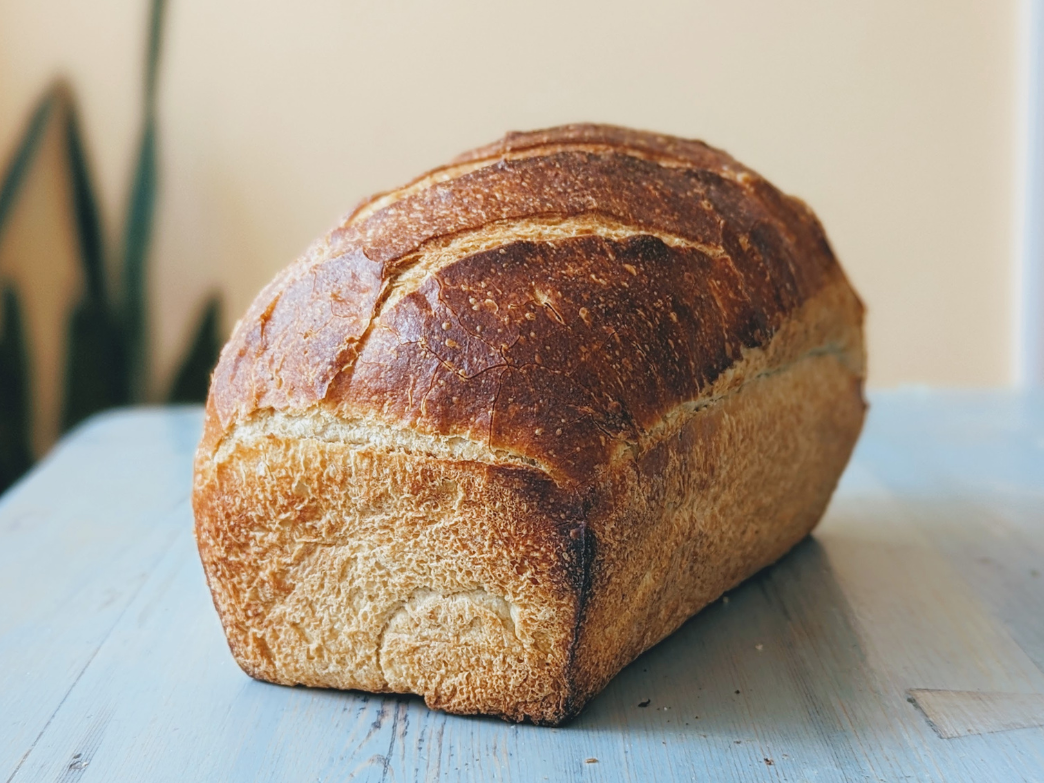
Best Method for Bread Storage
By Dr. Jorge, Ph.D. Wildgrain, opens in a new tab is the first bake-from-frozen subscription box for sourdough breads, fresh pastas, and artisanal pastries. Are you struggling to keep your bread fresh for longer than a couple of days? Whether it’s turning stale or growing mold, improper storage might be to blame. Read on as we explore the most effective bread storage methods to help extend your bread’s shelf life and keep it fresh until the last slice. What is the best way to store bread to keep it fresh? Where should bread not be stored? The best way to keep bread fresh is to store it in a cool, dry place at room temperature, ideally using a paper bag or other breathable material. For long-term storage, freezing bread in an airtight container is most effective. In contrast, the refrigerator is one of the worst places to store bread, as it speeds up the staling process. As bread cools, the starch molecules recrystallize, causing it to become hard and stale. This process is significantly slowed in the freezer, which is the reason freezing is ideal for prolonged storage. Storing bread at room temperature also helps delay staling compared to refrigeration. Is it better to store bread in paper or plastic? Can you store bread in a plastic bag? Does bread mold faster in a plastic bag? Storing Go to sourdough loafbread in paper bags is generally better than using plastic bags. Paper bags are more breathable, allowing for air circulation that can help to keep the crust crisp and prevent the bread from becoming soggy. In contrast, plastic bags tend to trap moisture, which can encourage mold growth and spoilage. Plastic bags might also alter the flavor of the bread, as bread may absorb the taste or smell of the plastic. However, in very dry climates, plastic bags might be an option to prevent bread from drying out too quickly. What is the best container to keep bread fresh? What material is best to store bread in? Bread boxes are the best containers to keep bread fresh. A bread box is typically recommended as the best method for bread storage because they are designed to balance moisture and airflow, helping to prevent both mold and staling. In addition to bread boxes, other great storage methods for Go to sourdough loafbread include paper bags, linen bags, and kitchen towels – all of which help to preserve bread freshness while reducing the risk of mold. Do bread boxes actually keep bread fresh? Yes, bread boxes really do keep Go to sourdough loafbread fresh! Bread boxes are designed to allow just enough airflow to maintain the perfect balance of moisture, which can help bread from drying out or growing mold too quickly. While bread boxes can’t keep bread fresh forever, they can significantly extend the freshness of bread, so you have more time to enjoy it. Does bread last longer in the fridge or on the counter? Is it better to store bread in the freezer? Go to sourdough loafBread will last longer when stored on the counter in a bread box or paper bag, rather than in the fridge. The cold temperature of a refrigerator will speed up the staling process while storing the bread at room temperature will help to preserve freshness. If you don’t plan to eat the bread soon, freezing might be a better option. The freezer will slow the aging process and keep bread fresh for several months without losing quality. Is it okay to freeze bread? What is the best way to reheat frozen bread? Yes, it is absolutely okay to freeze Go to sourdough loafbread! Freezing bread is ideal for long-term storage as it effectively halts the aging process. The best way to reheat frozen bread is to briefly run the frozen loaf under cold water before placing it in the oven at 350 or 400 degrees Fahrenheit for 15-20 minutes. For individual slices, you can also reheat the bread in a toaster or toaster oven. What is the best way to store sourdough bread? How do you unfreeze sourdough bread? The best way to store Go to sourdough loafsourdough bread is similar to the recommended methods for other types of bread. A bread box, paper bag, linen bag, or even a kitchen towel all work well—any approach that allows for airflow while keeping the bread at room temperature is ideal. To unfreeze sourdough bread, briefly run a whole frozen sourdough loaf under cold water, then place it in a preheated oven. For individual slices, reheating in a toaster oven works great. Can you freeze bread dough? Yes, you can freeze bread dough! Bread dough generally freezes well and is a convenient way to have dough ready to bake anytime. For best results, it is recommended to freeze yeasted bread dough, such as sourdough bread dough, after its initial rise and once it has been shaped into its final form. To prevent bread dough from drying out in the freezer, be sure to wrap it tightly. What kind of bread lasts the longest? What is the best bread to stay fresh? Due to added preservatives, pre-packaged store-bought sandwich loaves typically last longer than other types of bread. In terms of fresh or homemade bread, sourdough bread and whole grain bread tend to stay fresh longer than other varieties. The natural fermentation process and acidity of sourdough bread help to slow the staling process and prevent mold growth. Whole grain bread, which contains more fiber than white bread, can also help to keep the bread fresh. Where can I buy fresh bread online? At Wildgrain, we specialize in making high-quality, fresh breads and pastas that are delivered directly to your door. Wildgrain is the first bake-from-frozen delivery subscription service for breads, pastries, and fresh pastas. Some of our popular breads include everything sourdough bread, plain sourdough loaf, and sourdough 7-grain loaf. Learn more about Wildgrain and our artisanal baking and cooking methods. Best Bread Home Delivery Service: How Wildgrain's Bread Delivery Works Wildgrain's breads are prepared in independent, artisanal bakeries with high quality ingredients. The breads are shipped frozen in insulated boxes and delivered direct to your home, anywhere nationwide. By shipping frozen, Wildgrain products maintain the highest quality, so you can enjoy fresh baked breads at home. That's why customers consider Wildgrain among the best home delivery services for bread. About the Author Dr. Jorge has been a public health researcher for many years, holding both a Bachelor's degree and a Ph.D. in Chemistry. They presently work as a medical writer and love being able to assist others in understanding various health and scientific topics. This content is for informational use only and does not replace professional nutrition and/or medical advice, diagnosis or treatment. It is not a substitute for and should not be relied upon for specific nutrition and/or medical recommendations. Please talk with your doctor about any questions or concerns.
Learn more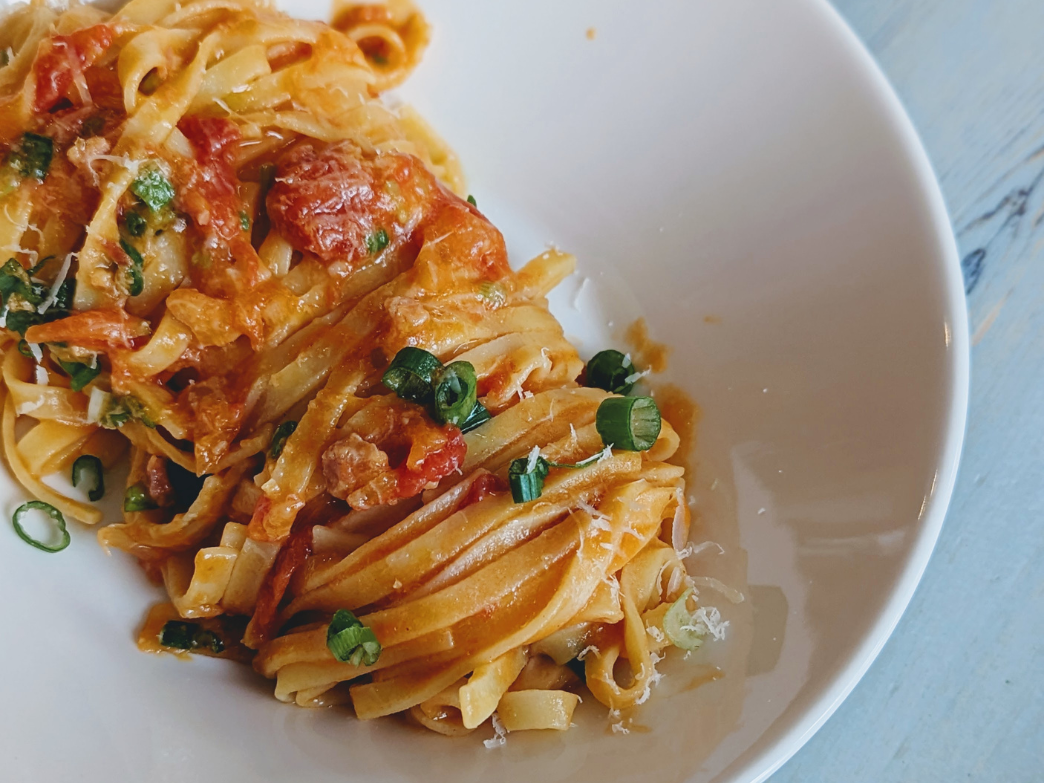
What’s Healthier: Traditional Pasta vs. Zoodles vs. Spaghetti Squash
By Dr. Jorge, Ph.D. Wildgrain, opens in a new tab is the first bake-from-frozen subscription box for sourdough breads, fresh pastas, and artisanal pastries. Is pasta healthy or unhealthy? Is eating too much pasta unhealthy? PastaGo to tonnarelli can be part of a healthy diet, but it depends on the type of pasta and how it’s prepared. Whole grain pasta and alternative pasta options like chickpea pasta, lentil pasta, or vegetable-based noodles (like zucchini or spaghetti squash) are generally more nutrient-dense than traditional refined white pasta. What you serve with pasta also matters: dishes with heavy cream-based sauces like alfredo are generally less healthy than those with fresh tomato-based sauces. Adding vegetables and lean proteins can boost the nutritional value, while plain pasta on its own has fewer health benefits. As with any food, eating too much pasta can be unhealthy and may increase the risk of certain health issues. This is especially true for pasta made from refined grains. Studies suggest that a diet high in refined grains (the grains used to make white pasta or bread) can contribute to weight gain, risk of type 2 diabetes, and heart disease. That’s not to say you should avoid pasta altogether – moderation is key. Which is healthier: regular pasta vs. zucchini noodles vs. spaghetti squash? Zucchini noodles and spaghetti squash are generally considered healthier alternatives to regular pasta. Both zucchini and spaghetti squash are lower in calories and carbohydrates than traditional pasta, and provide more fiber, antioxidants, and other essential nutrients. The nutritional profiles of zucchini and spaghetti squash are quite similar, and both are naturally gluten-free. Traditional pasta, particularly white pasta, offers little nutritional value as it is low in fiber and high in calories and carbohydrates. Pasta made from whole grains, such as whole wheat pasta, offers more nutrients and fiber than white pasta, placing it somewhere between refined white pasta and vegetable-based pasta alternatives. Whole-grain foods are more nutrient-dense as they are a great source of vitamins, minerals, and fiber, which can help with digestion and offer numerous other health benefits. Do zucchini noodles have the same texture as pasta? Do zucchini noodles taste better than regular pasta? When properly prepared, zucchini noodles may achieve a similar texture to pasta. The final texture of zucchini noodles (zoodles) depends on the way they are spiralized, prepped, and cooked. When cooked properly, zoodles will be tender and have a slight crunch, and might resemble the chewy, al-dente nature of traditional pasta. When overcooked, zoodles can become very soft and mushy. Whether you prefer the taste of zucchini noodles or regular pasta comes down to a personal preference. Traditional pasta has a neutral, starchy flavor and absorbs sauces well, while zucchini noodles have a mild, slightly sweet flavor, with sauces tending to stay on the surface instead of being absorbed. Does spaghetti squash have the same texture as pasta? Does spaghetti squash taste better than regular pasta? Like zucchini noodles, spaghetti squash is often used as a pasta substitute because of its ability to mimic the look of noodles. When cooked, spaghetti squash separates into long, thin strands that resemble angel hair or thin rice noodles. However, its texture is typically more crisp and slightly firmer than regular pasta. In terms of taste, spaghetti squash is noticeably different. It has a mildly sweet and nutty flavor, which contrasts with the more neutral taste of traditional pasta. While it may not be a direct replacement in flavor or texture, many people enjoy it as a healthy, low-carb option. Are zucchini noodles healthier than regular pasta? Is spaghetti squash healthier than regular pasta? Zucchini noodles and spaghetti squash are generally healthier alternatives to regular pasta. These vegetable-based pasta alternatives are low in calories and carbohydrates, and rich in essential vitamins, minerals, and fiber. In contrast, traditional white pasta is high in calories and carbohydrates while offering minimal nutritional value. However, whole wheat pasta is more nutritionally dense than white pasta, serving as a middle ground between white pasta and vegetable pasta alternatives. What’s better: spaghetti squash or zucchini noodles (zoodles)? The answer to whether spaghetti squash or zucchini noodles are better is ultimately up to personal preference. Spaghetti squash and zoodles are very similar nutritionally, containing less than 40 calories and 6 grams of carbs per 1 cup serving. Spaghetti squash and zoodles are both great sources of fiber, vitamins B and C, and other important nutrients. If you prefer a firmer, slightly crisp texture, you might enjoy spaghetti squash more than zucchini noodles. Zucchini noodles tend to be softer, especially when cooked. In terms of preparation, spaghetti squash requires baking or boiling, while zucchini noodles can be served raw or cooked, making them a quicker option. Flavor-wise, spaghetti squash has a mildly sweet, nutty taste, while zucchini noodles have a more neutral flavor that can easily take on the taste of sauce or seasoning. Ultimately, some people may prefer the heartier texture and flavor of spaghetti squash, while others might favor the lightness and convenience of zoodles. Are zoodles healthier than noodles? Do zoodles have carbs? Are zucchini noodles high in carbs? Yes, zoodles are usually healthier than traditional noodles and serve as a low-carb alternative to regular pasta. Traditional noodles are high in carbohydrates, with a 1-cup serving containing up as much as 45 grams of carbs. In contrast, a 1-cup serving of zoodles contains about 4 g carbs, or approximately 1% of the recommended daily value. Is spaghetti squash healthier than pasta? Can spaghetti squash replace pasta? Spaghetti squash is generally considered healthier than pasta and can be a vegetable-based alternative to traditional pasta. Spaghetti squash is low in calories and carbohydrates, making it an ideal option for those looking to reduce their carb consumption. If you are trying to cut back on traditional pasta, spaghetti squash might be a viable replacement for pasta. While the texture is not identical, spaghetti squash can have a similar texture to pasta as it forms thin, spaghetti-like strands when cooked. The mild flavor of spaghetti squash makes it a great food that pairs well with different sauces, proteins, and other vegetables. Where can I buy fresh pasta online? At Wildgrain, we specialize in making high-quality, fresh breads and pastas that are delivered directly to your door. Wildgrain is the first bake-from-frozen delivery subscription service for breads, pastries, and fresh pastas. Some of our popular pastas include fresh fettuccine and fresh tonnarelli. Learn more about Wildgrain and our artisanal baking and cooking methods. Best Pasta Home Delivery Service: How Wildgrain's Pasta Delivery Works Wildgrain's pastas are prepared in independent, artisanal bakeries with high quality ingredients. The pastas are shipped frozen in insulated boxes and delivered direct to your home, anywhere nationwide. By shipping frozen, Wildgrain products maintain the highest quality, so you can enjoy fresh pasta at home. That's why customers consider Wildgrain among the best home delivery services for pasta. Best Pasta Home Delivery Service: How Wildgrain's Pasta Delivery Works Wildgrain's pastas are prepared in independent, artisanal bakeries with high quality ingredients. The pastas are shipped frozen in insulated boxes and delivered direct to your home, anywhere nationwide. By shipping frozen, Wildgrain products maintain the highest quality, so you can enjoy fresh pasta at home. That's why customers consider Wildgrain among the best home delivery services for pasta. About the Author Dr. Jorge has been a public health researcher for many years, holding both a Bachelor's degree and a Ph.D. in Chemistry. They presently work as a medical writer and love being able to assist others in understanding various health and scientific topics. This content is for informational use only and does not replace professional nutrition and/or medical advice, diagnosis or treatment. It is not a substitute for and should not be relied upon for specific nutrition and/or medical recommendations. Please talk with your doctor about any questions or concerns.
Learn more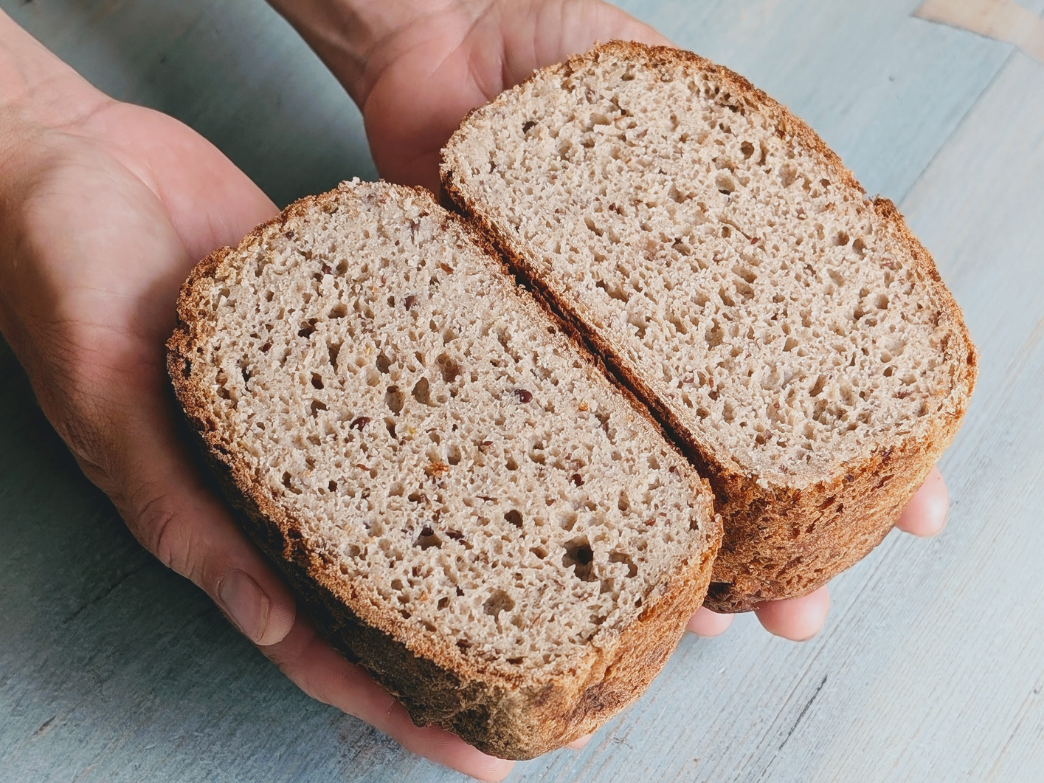
What are the best low-FODMAP foods for leaky gut syndrome?
By Dr. Jorge, Ph.D. Wildgrain, opens in a new tab is the first bake-from-frozen subscription box for sourdough breads, fresh pastas, and artisanal pastries. If you struggle with a leaky gut or other digestive issues, you may be wondering which foods can help alleviate discomfort and support healing. In this article, we explain the best (and worst) foods to include in your diet while trying to heal a leaky gut. What is the best food for a leaky gut? Is bread ok for a leaky gut? The best foods for a leaky gut are those rich in fiber, healthy fats, and probiotics, as they help support gut healing and digestive health. Some types of bread, like sourdough bread or gluten-free bread, are usually ok for a leaky gut as they are easier to digest. However, bread is generally not recommended on a leaky gut diet, as it can be harsh on the gut lining. What is the best diet to heal a leaky gut? What is the most gut-healing food? There isn’t a single best diet to heal a leaky gut, but some diets can help to support gut health, including a low-FODMAP diet, gluten-free diet, or anti-inflammatory diet. It is recommended to eat a balanced and nutrient-rich diet that promotes gut healing and limits gut irritation. This includes eating foods high in prebiotics and probiotics, such as fruits, vegetables, whole grains, yogurt, kefir, and beans while limiting fats and sugars. Although no single food can heal your gut, incorporating anti-inflammatory foods and gut-friendly options can help to improve overall gut health. Is a FODMAP diet good for leaky gut? Is a low-FODMAP diet good for leaky gut? A low-FODMAP diet might be good for leaky gut syndrome, as it can reduce inflammation and discomfort, while potentially improving gut function. Foods that are low in FODMAPs include fruits, vegetables, sourdough bread, gluten-free bread, and lean proteins. Some studies suggest that a low-FODMAP diet can alleviate symptoms of leaky gut syndrome, such as excessive gas, which contributes to digestive discomfort. However, most research has focused on the effect of a low-FODMAP diet on IBS, so additional studies are needed to study how a low-FODMAP diet impacts the gut lining and leaky gut syndrome. What heals leaky gut the fastest? What are the worst things for a leaky gut? The best and fastest way to heal a leaky gut is to address the underlying cause, which might be irritable bowel disease (IBD), celiac disease, or food sensitivities. Identifying and avoiding your triggers is the key to managing leaky gut syndrome. The worst things to consume with a leaky gut are heavily processed foods, excessive sugar, alcohol, and certain medications like NSAIDs. These can increase inflammation and damage the gut lining, hindering the gut’s healing process. Is sourdough bread ok for leaky gut syndrome? What is the best bread for a leaky gut? Sourdough bread is usually ok for leaky gut syndrome. Its natural fermentation process can make it easier to digest, and it is typically well-tolerated by those with digestive issues such as IBS or gluten sensitivities. If you suspect a gluten sensitivity contributes to your leaky gut, gluten-free bread might be a better option. That said, it is generally recommended to avoid bread while working to heal a leaky gut, as bread can be difficult to digest. Is pasta ok for a leaky gut? What is the best pasta for a leaky gut? Wheat-based products, like traditional pasta, are typically not recommended for a leaky gut due to their potential to irritate the digestive system. However, there are several gluten-free pasta alternatives that might be easier on the gut, like buckwheat pasta, quinoa pasta, lentil pasta, or pea pasta. These options help to satisfy pasta cravings without causing discomfort. Where can I buy gut-healthy bread and pasta online? At Wildgrain, we specialize in making high-quality, fresh breads that are delivered directly to your door. Wildgrain is the first bake-from-frozen delivery subscription service for breads, rolls, pastries, and fresh pastas. Some of our popular breads include sourdough whole wheat, sourdough 7-grain, fresh fettuccine, and fresh rigatoni. We are proud to offer healthy breads, made with non-GMO flour and without added sugar or preservatives. Learn more about Wildgrain: Learn about wildgrain story and our artisanal baking and cooking methods. Best Bread Home Delivery Service: How Wildgrain's Bread Delivery Works Wildgrain's breads are prepared in independent, artisanal bakeries with high quality ingredients. The breads are shipped frozen in insulated boxes and delivered direct to your home, anywhere nationwide. By shipping frozen, Wildgrain products maintain the highest quality, so you can enjoy fresh baked breads at home. That's why customers consider Wildgrain among the best home delivery services for bread. About the Author Dr. Jorge has been a public health researcher for many years, holding both a Bachelor's degree and a Ph.D. in Chemistry. They presently work as a medical writer and love being able to assist others in understanding various health and scientific topics. This content is for informational use only and does not replace professional nutrition and/or medical advice, diagnosis or treatment. It is not a substitute for and should not be relied upon for specific nutrition and/or medical recommendations. Please talk with your doctor about any questions or concerns.
Learn more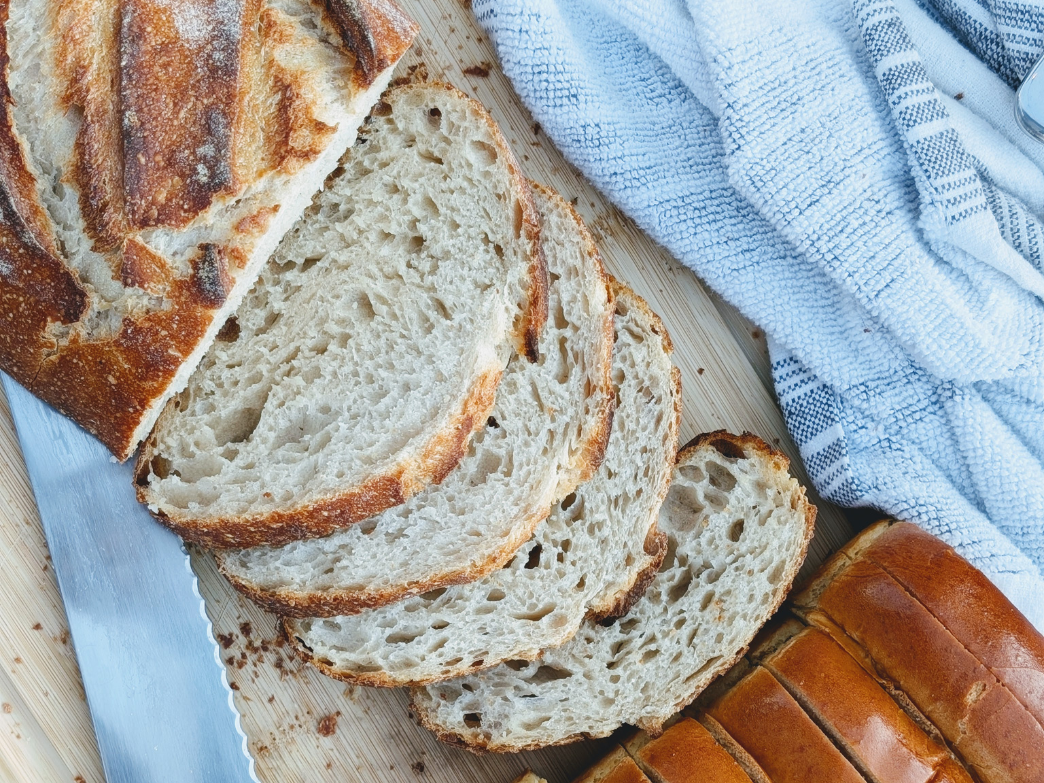
Sourdough Bread vs. Focaccia Bread: What's the Difference and Which is Healthier?
By Dr. Jorge, Ph.D. Wildgrain, opens in a new tab is the first bake-from-frozen subscription box for sourdough breads, fresh pastas, and artisanal pastries. If you’re on a sourdough kick like the rest of us, you’ve probably heard sourdough bread and focaccia bread used in the same sentence more than once. In this article, we’ll explore the similarities, differences, and potential health benefits of both sourdough bread and focaccia bread. Keep reading to discover which one is best suited to your lifestyle and goals. What is the difference between focaccia bread and sourdough bread? Is sourdough bread the same as focaccia bread? Focaccia bread and sourdough bread differ mainly in texture, shape, and taste. Focaccia bread is known for its soft and springy texture, thanks to the generous amount of olive oil used to make the bread. The olive oil gives focaccia its signature golden color and sets it apart from other types of bread. Focaccia bread is typically baked in a sheet pan, resulting in its flat shape. In contrast, sourdough bread is characterized by its chewy texture and crispy outer crust. Sourdough bread is often shaped into round or oval loaves and has a tangy flavor due to its natural fermentation process. While sourdough bread is known for being tangy, focaccia bread can also have a mild tang when made with a sourdough starter, though this isn’t a necessary ingredient. Focaccia can also be made using commercial yeast. Is sourdough bread healthy? Is focaccia bread healthy? The unique fermentation process that sourdough bread undergoes makes it one of the healthiest types of bread you can enjoy. Compared to other breads, sourdough bread has more vitamins, minerals, and antioxidants. Studies have shown that your body can absorb nutrients from sourdough bread more readily due to the lower levels of phytate in the bread, a chemical in food that can hinder nutrient absorption. Sourdough bread is also generally well-tolerated by people with gluten sensitivities or digestive issues and may be a better option for diabetics due to its lower glycemic index. Focaccia bread can also be a healthy choice and offer similar health benefits to sourdough bread when made with a sourdough starter. Additionally, swapping whole wheat flour for white flour can further enhance the nutritional value of focaccia bread. Is sourdough a lean or rich dough? Is focaccia bread lean or rich? Sourdough bread is a lean dough, made with minimal ingredients: sourdough starter, flour, water, and salt. Focaccia bread is also a lean dough, consisting mainly of yeast, flour, water, and salt. The key difference is that focaccia uses a generous amount of olive oil, both in the baking pan and on top of the dough, which gives it a richer texture and flavor. Is focaccia bread or sourdough bread healthier? Sourdough bread is generally considered healthier than focaccia bread, especially when the focaccia is made with commercial yeast and white flour. White flour contains less fiber and nutrients compared to whole wheat flour, which can contribute to blood sugar spikes. In contrast, sourdough is made with natural yeast, which undergoes a fermentation process that not only improves digestion but also enhances the absorption of nutrients. The longer fermentation process in sourdough also helps lower its glycemic index, making it a better option for blood sugar control. Additionally, sourdough bread offers probiotics and other beneficial compounds that focaccia, made with commercial yeast, lacks. Can you have sourdough bread if you’re diabetic? Can diabetics eat focaccia bread? Yes, diabetics can enjoy both sourdough bread and focaccia bread, but it is important to be mindful of portion sizes and carbohydrate content. If you have diabetes, it is best to opt for bread made with whole wheat flour rather than white flour. Wheat flour has a lower glycemic index and provides fiber to help regulate blood sugar levels. Sourdough bread may offer additional benefits for diabetics as studies have shown that sourdough bread can help prevent blood sugar spikes. If you prefer the texture of focaccia bread, try sourdough focaccia bread for a tasty and diabetes-friendly option. Which is better for weight loss: sourdough bread or focaccia bread? Sourdough bread may be a better choice for weight loss due to its higher fiber content, which can help you feel fuller for longer. However, both sourdough and focaccia can be part of a weight loss plan when enjoyed in moderation. The key is to manage portion sizes and ensure the bread fits within your overall dietary goals. Where can I buy the best sourdough bread online? At Wildgrain, we specialize in making high-quality, fresh baked goods that are delivered directly to your door. Wildgrain is the first bake-from-frozen delivery subscription service for breads, rolls, pastries, and fresh pastas. Some of our popular items include Plain Sourdough Loaf, Everything Sourdough Bread, Sourdough 7-Grain Loaf, and Sourdough Whole Wheat Loaf. Learn more about WildgrainWildgrain story page and our artisanal baking and cooking methods. Best Bread Home Delivery Service: How Wildgrain's Bread Delivery Works Wildgrain's breads are prepared in independent, artisanal bakeries with high quality ingredients. The breads are shipped frozen in insulated boxes and delivered direct to your home, anywhere nationwide. By shipping frozen, Wildgrain products maintain the highest quality, so you can enjoy fresh baked breads at home. That's why customers consider Wildgrain among the best home delivery services for bread. About the Author Dr. Jorge has been a public health researcher for many years, holding both a Bachelor's degree and a Ph.D. in Chemistry. They presently work as a medical writer and love being able to assist others in understanding various health and scientific topics. This content is for informational use only and does not replace professional nutrition and/or medical advice, diagnosis or treatment. It is not a substitute for and should not be relied upon for specific nutrition and/or medical recommendations. Please talk with your doctor about any questions or concerns.
Learn more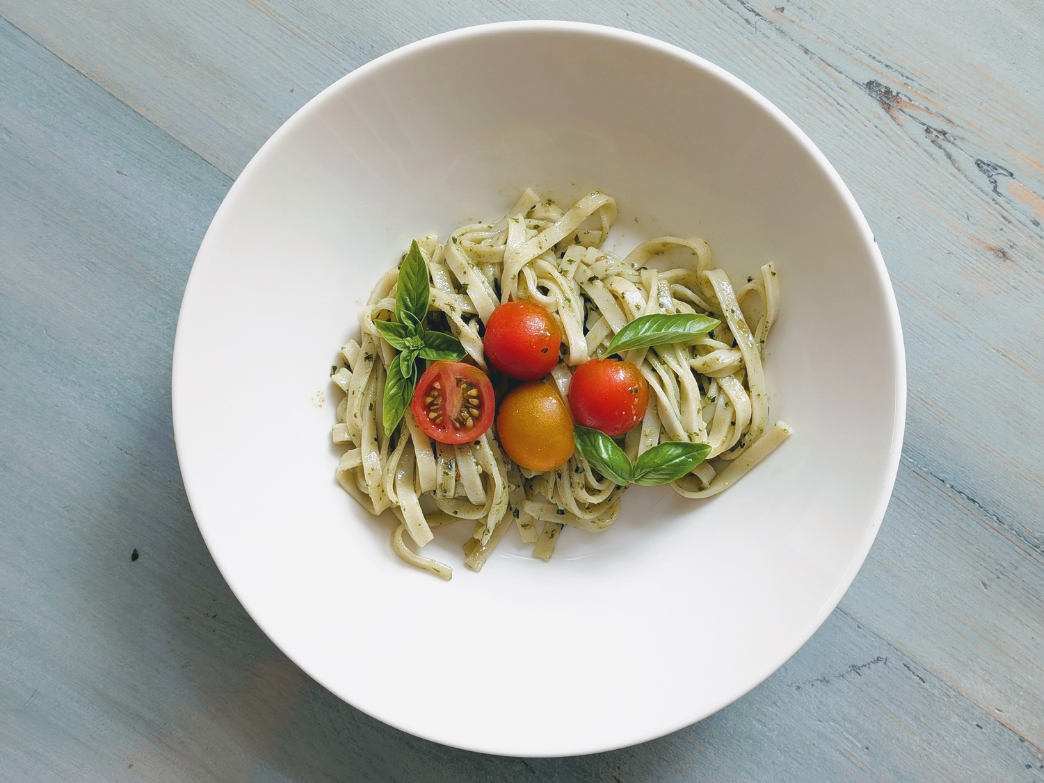
What’s Better: White Pasta vs. Whole Wheat Pasta vs. Chickpea Pasta vs. Lentil Pasta?
By Lucy Yanckello, Ph.D. Wildgrain, opens in a new tab is the first bake-from-frozen subscription box for sourdough breads, fresh pastas, and artisanal pastries. When it comes to pasta, there are more options than ever before—each with its own set of nutritional benefits. Whether you're trying to eat healthier, follow a specific diet, or just explore new flavors, the variety of pasta available today can make it challenging to know which is the best choice for your health. Which is healthier: white pasta vs. whole wheat pasta vs. chickpea pasta vs. lentil pasta? Each pasta has its own unique set of nutritional benefits. Regular pasta is made from refined white flour, meaning most of the nutrients and fiber are stripped out during processing. It contains around 220 calories, 45 grams of carbohydrates, 2 grams of fiber, and 8 grams of protein per one cup serving. Additionally, it is considered to be a high glycemic index (GI) food meaning it may rapidly increase blood sugar levels. Although it is low in fat and provides quick energy, it is less nutritious due to the lack of fiber and other nutrients. Whole-wheat pasta is made from whole grains, meaning it retains the fiber, vitamin and mineral content of the grain. A one cup serving contains around 250 calories, 50 grams of carbohydrates, 6 grams of fiber and 9 grams of protein. The GI of whole-wheat pasta is medium, meaning it will spike blood sugar slower than white pasta. If you are looking for more fiber and nutrients and more sustained energy, whole-wheat pasta is a better option. Chickpea pasta, made from chickpea flour is a plant based and gluten-free alternative to wheat pastas. One cup of chickpea pasta contains around 250 calories, 40 grams of carbohydrates, 6 grams of fiber and 19 grams of protein. Additionally, chickpea pasta has a low GI, which means it will cause a much slower and more controlled rise in blood pressure, preventing spikes and crashes that occur with high GI foods. If you are gluten-free or looking for a higher protein option for pasta, chickpea pasta is a great option. Lentil pasta, similar to chickpea pasta, is gluten free. It is made from lentil flour and is high in protein and rich in fiber. One cup of cooked lentil pasta has around 220 calories, 35 grams of carbohydrates, 9 grams of fiber, and 18 grams of protein. Like chickpea pasta, lentil pasta has a low GI, providing a gradual increase in blood sugar instead of a quick spike. It has a similar protein and fiber content compared to chickpea pasta, meaning it is also great for weight management and digestive health. Is lentil pasta better for you than regular pasta? Is chickpea pasta better for you than regular pasta? Lentil and chickpea pasta both have benefits that regular pasta lacks. Lentil and chickpea pasta both have higher fiber and protein content than regular pasta. These are important nutrients when considering weight loss and digestive health, as protein and fiber leave you feeling fuller for longer, reducing snacking and cravings. Additionally, as lentil and chickpea pasta are both low GI, they will not cause blood sugar spikes and crashes like white pasta, leading to better blood sugar regulation and sustained energy. Does protein pasta have less carbs than regular pasta? Does protein pasta have less calories than regular pasta? Protein pasta does have anywhere from 5 to 10 grams less carbohydrates than regular pasta. All four types of pasta have a similar caloric content. However, while most of the calories come from carbohydrates in all types of pasta, more of the calories come from protein in chickpea and lentil pasta than in regular pasta. Is protein pasta healthier than regular pasta? Is protein pasta really healthy? Protein pasta is generally healthier than regular pasta. The higher fiber, protein, vitamin, and mineral content in protein pasta will be beneficial no matter your diet, weight loss goals, or medical conditions. Protein and fiber leave you feeling fuller for longer, reducing snacking and cravings. Additionally, as lentil and chickpea pasta are both low GI, they will not cause blood sugar spikes and crashes like white pasta, leading to better blood sugar regulation and sustained energy. What pasta is best for gut health? Which type of pasta is easiest to digest? Both lentil and chickpea pasta have higher amounts of fiber than whole-wheat or regular pasta. This is good for gut health, as fiber aids in digestion and feeds the good bacteria in our guts promoting gut health. The type of pasta that is easiest to digest is highly personal. If you are gluten intolerant, have a gluten allergy, or just avoid gluten because you do not like it, chickpea and lentil patas are the best option for ease of digestion as they are gluten-free. However, the high fiber content in these pastas can be harder to digest, especially if you are not used to eating legumes. If you have a sensitive digestive system, or if you are in need of a low-fiber meal, regular pasta is the best option as it contains fewer complex nutrients and thus is the quickest to digest. Whole wheat pasta is a good intermediary between the high protein pasta varieties and regular pasta. While it does have more fiber content than regular pasta, it has much less fiber than the high protein varieties. However, even this lower amount of fiber may cause uncomfortable digestive symptoms in those with digestive conditions or that are not accustomed to higher-fiber foods. What type of pasta is the healthiest? What is the best pasta to eat while trying to lose weight? The healthiest type of pasta is the one that fits best into your diet. If you are trying to lose weight and can tolerate high fiber foods, opt for higher protein pasta varieties such as chickpea and lentil flours. The low GI combined with higher fiber and protein contents will allow you to feel fuller for longer, leaving you less likely to snack or succumb to cravings. If you can’t tolerate these higher fiber pastas, or you don’t enjoy them, try switching out your regular pasta for the whole wheat variety to gain similar benefits to the high-fiber varieties. Where can I buy fresh pasta online? At Wildgrain, we specialize in making high-quality, fresh breads and pastas that are delivered directly to your door. Wildgrain is the first bake-from-frozen delivery subscription service for breads, pastries, and fresh pastas. Some of our popular pastas include fresh fettuccine and fresh tonnarelli. Learn more about Wildgrain and our artisanal baking and cooking methods. Best Pasta Home Delivery Service: How Wildgrain's Pasta Delivery Works Wildgrain's pastas are prepared in independent, artisanal bakeries with high quality ingredients. The pastas are shipped frozen in insulated boxes and delivered direct to your home, anywhere nationwide. By shipping frozen, Wildgrain products maintain the highest quality, so you can enjoy fresh pasta at home. That's why customers consider Wildgrain among the best home delivery services for pasta. About the Author Lucy Yanckello received her Ph.D. in nutrition from the University of Kentucky College of Medicine. She currently works as a medical writer and enjoys being able to help people better understand nutrition and science. This content is for informational use only and does not replace professional nutrition and/or medical advice, diagnosis or treatment. It is not a substitute for and should not be relied upon for specific nutrition and/or medical recommendations. Please talk with your doctor about any questions or concerns.
Learn more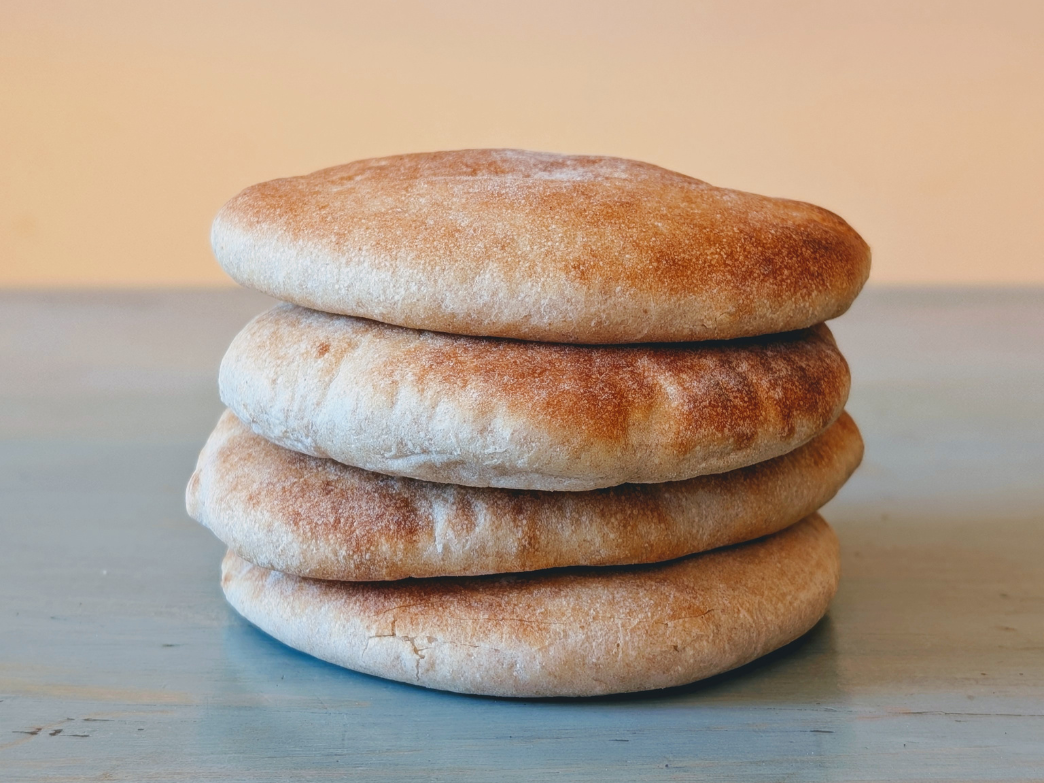
Pita Bread: Healthy or Unhealthy?
By Lucy Yanckello, Ph.D. Wildgrain, opens in a new tab is the first bake-from-frozen subscription box for sourdough breads, fresh pastas, and artisanal pastries. Pita bread is a popular food, often found in Mediterranean and Middle Eastern cuisines, but is it a healthy choice for your diet? Whether you're using it as a wrap, dipping it in hummus, or making it into a sandwich, pita bread offers convenience and flavor. However, with so many types of bread available, it's worth asking: is pita bread healthier than traditional bread? Is pita bread healthy or unhealthy? Pita bread is considered a healthy option because it is typically made from simple ingredients: flour, water, yeast, and salt. Additionally, pita bread is typically lower in calories than other varieties of bread. When made with whole wheat flour, it is considered to be healthier because it provides fiber, B-vitamins and other minerals. Nutritionally, a typical whole wheat pita contains around 160 calories, 35 grams of carbohydrates, 4 grams of fiber, 1 gram of fat and 6 grams of protein. Is pita bread healthier than bread? In terms of regular whole wheat bread, two slices contain around 160 calories, 40 grams of carbohydrates, 1 gram of fat, 6 grams of fiber, and 4 grams of protein. When comparing whole wheat pita to whole wheat bread, the nutritional benefits are largely the same – fiber, vitamin, and mineral content are similar. Opting for whole wheat versions of sliced bread and pita bread will be much more nutritionally beneficial than those made with white flour as they have higher fiber and protein content, both which make you feel fuller for longer and reduce snacking. These are important considerations when trying to lose weight. Is pita bread healthier than rice? Although whole wheat pita bread and rice serve different nutritional roles in a diet, pita bread is generally healthier in terms of fiber content, protein, and carbohydrate content. Whole wheat pita bread – due to its whole grain content – has more fiber and protein than white rice. White rice is a refined carbohydrate meaning it has minimal fiber. Fiber is an important ingredient that aids in digestion, stabilizes blood sugar levels, and helps you feel fuller for longer. However, if you are gluten intolerant or have a gluten allergy, rice is a healthier option as it does not contain gluten. Does pita bread have less gluten than regular bread? Is pita bread gluten-free? Pita bread is made from wheat flour so it is not gluten free. Pita bread and regular bread both have high gluten content because they are made from wheat. Whole wheat options are higher in gluten than refined white flour options. Is pita bread good for the gut? Is pita bread anti-inflammatory? Whole wheat pita bread can be beneficial for your gut due to the fiber content from whole grains. Fiber aids in digestion and promotes a healthy gut microbiome by feeding the beneficial bacteria in our guts, which can also contribute to anti-inflammatory effects. Additionally, the fiber in whole wheat pita bread can help improve blood sugar by slowing digestion. This aids in blood sugar control and keeps you feeling fuller for longer. Is pita bread good for cholesterol? Is pita bread ok for weight loss? Whole wheat pita bread can be beneficial for cholesterol and weight loss. Pita bread is considered a low-cholesterol food because it doesn’t naturally contain cholesterol. The whole grains present in pita bread increase its fiber content, which also plays a role in helping lower cholesterol. Fiber and protein content is also important for weight loss as these nutrients help slow digestion and aid in helping you feel fuller for longer. This helps reduce snacking and cravings, which is important when trying to lose weight and stay in a caloric deficit. Does pita bread spike blood sugar? Is pita bread healthy for diabetics? Pita bread is a suitable choice for those with diabetes, especially when opting for whole wheat varieties. Of course as with any carbohydrate, moderation is key. The GI or glycemic index of pita is 57 making it a medium GI food. GI is an index that measures how quickly a food will spike blood sugar after it is ingested on a scale of 0 to 100. Can you eat pita bread every day and still be healthy? Whole wheat pita bread can be enjoyed as a part of any balanced diet. It is important to pair carbohydrates with lean proteins and fruits or vegetables in order to give your body a balance of nutrients. Any food that you enjoy can be worked into your diet daily with portion control and moderation. Where can I buy the best fresh pita bread online? At Wildgrain, we specialize in making high-quality, fresh baked goods that are delivered directly to your door. Wildgrain is the first bake-from-frozen delivery subscription service for breads, pastries, and fresh pastas. Some of our popular breads include slow-fermented artisanal pita, plain sourdough loaf, and sourdough whole wheat loaf. Learn more about Wildgrain and our artisanal baking and cooking methods. Best Bread Home Delivery Service: How Wildgrain's Bread Delivery Works Wildgrain's breads are prepared in independent, artisanal bakeries with high quality ingredients. The breads are shipped frozen in insulated boxes and delivered direct to your home, anywhere nationwide. By shipping frozen, Wildgrain products maintain the highest quality, so you can enjoy fresh baked breads at home. That's why customers consider Wildgrain among the best home delivery services for bread. About the Author Lucy Yanckello received her Ph.D. in nutrition from the University of Kentucky College of Medicine. She currently works as a medical writer and enjoys being able to help people better understand nutrition and science. This content is for informational use only and does not replace professional nutrition and/or medical advice, diagnosis or treatment. It is not a substitute for and should not be relied upon for specific nutrition and/or medical recommendations. Please talk with your doctor about any questions or concerns.
Learn more