

Wildgrain Blog
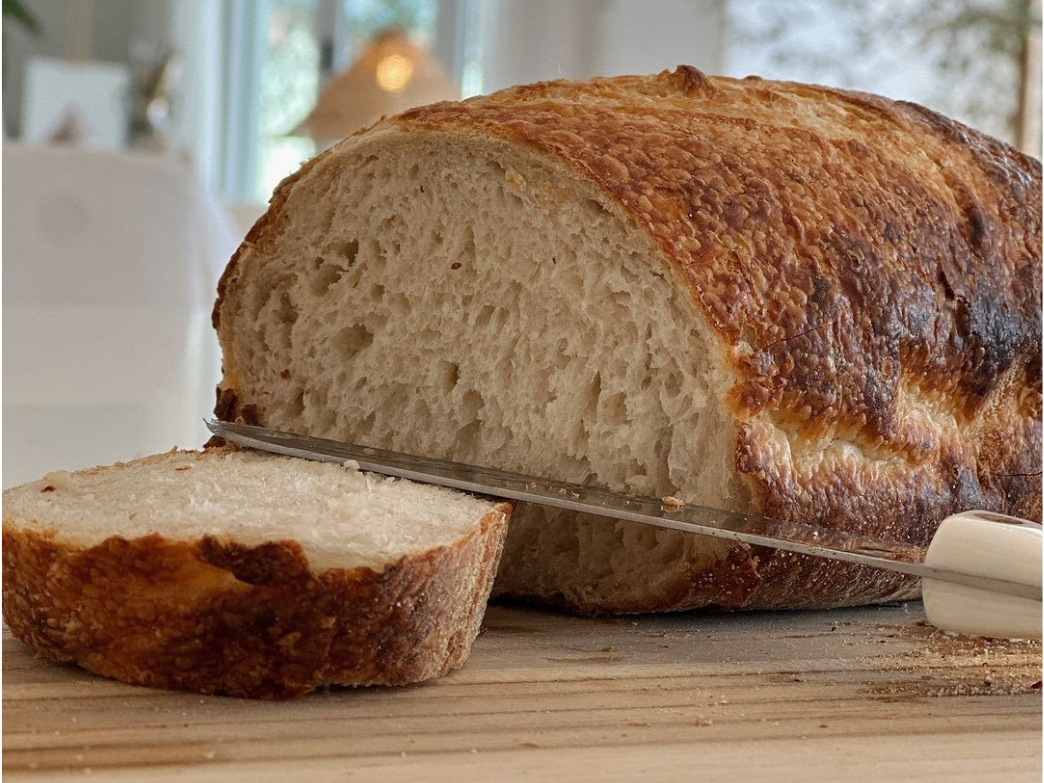
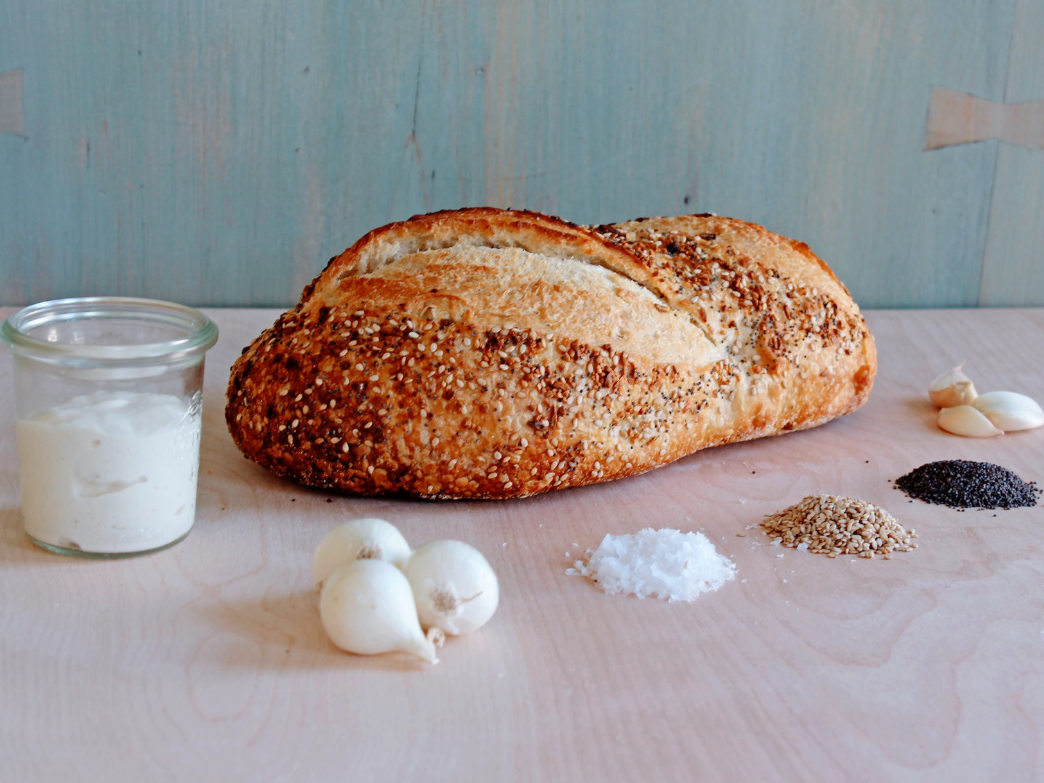
What’s Better: High-Protein Bread vs. High-Protein Wrap?
By Lucy Yanckello, Ph.D. Wildgrain, opens in a new tab is the first bake-from-frozen subscription box for sourdough breads, fresh pastas, and artisanal pastries. Pretzels and pretzel buns are tasty crowd-pleasers—but are they actually good for you? In this post, we’ll take a quick look at what’s inside, how they stack up nutritionally, and whether they belong in your regular diet or just the occasional treat. Protein is everywhere these days from powders and bars, to smoothies and cookies. Now, even everyday staples like loaves of bread, and wraps are getting a protein packed upgrade. This article breaks down high-protein bread versus high-protein wraps so you can determine which one fits best into your diet. Are protein wraps good for you? How much protein is in a high-protein wrap? Protein wraps can be a handy way to level up a simple meal by adding extra protein to help with muscle recovery and satiety compared to a regular carb-heavy option. High-protein wraps contain around 10 to 15 grams of protein per wrap and are lower in net carbs due to high fiber content. For perspective, that is similar to the amount of protein you would get from two large eggs, but in a portable fiber rich wrap that can hold your favorite fillings. Is protein bread good for you? How much protein is in high-protein bread? Protein bread is a good option if you are looking to increase your daily protein intake, since many loaves pack anywhere from 5 to 15 grams per slice compared to just 2 to 4 grams in regular bread. Nutritionally, high protein bread is best for you when it is made with whole grains, seeds, or legumes because these ingredients add fiber and micronutrients. However, be sure to read the ingredient label closely, some store-bought versions lean heavily on processed additives and fillers. What is the difference between high protein wrap vs. bread in nutrition and calories? When comparing high-protein wraps and breads, it really comes down to ingredient choices and portion sizes. High protein wraps nutritional content varies by brand, but typically contain around 10 to 15 grams of protein, 10 to 15 grams of fiber, and around 70 to 100 calories per wrap. As for high-protein bread, a typical slice ranges from around 5 to 15 grams of protein, 3 to 15 grams of fiber, and 80 to 180 calories. Since you typically eat more than one slice of bread, although you will get a higher fiber and protein content from high-protein bread, you will also be consuming a higher amount of calories. Which is healthier to eat: high-protein bread or high-protein wrap? Are protein wraps better than bread? When it comes to a direct comparison on health between high-protein wraps and high-protein breads, there is not a clear winner. The healthiest option is the protein option that fits into your diet best. Both high-protein wraps and high-protein breads have similar levels of protein and fiber, however, it is important to consider that high-protein bread may cause you to consume higher calories as you usually eat two slices of bread in a sandwich. Which is the best for weight loss and dieting: high-protein bread or high-protein wrap? Are wraps better than bread for weight loss? Neither high-protein bread or high-protein wraps are inherently better for weight loss. The best choice depends on the product's ingredients and your overall dietary goals. The high protein and fiber content in either option will benefit those trying to lose weight as these ingredients will help keep you fuller for longer and reduce cravings and snacking. The one thing to consider is that high-protein bread will lead to increased caloric intake as you will likely eat more than one slice. Which is the best for muscle gain and strength training: high-protein bread or high-protein wrap? As both high-protein bread and high-protein wraps have similar protein content, either is a great choice for those aiming to gain muscle. The best choice for you depends on your individual nutritional goals and preferences. Instead of focusing on bread versus wrap, focus on the overall macronutrient profile of the product, including the amount of carbohydrates and healthy fats – both important factors in muscle growth and recovery. Where can I buy fresh high-protein bread online? At Wildgrain, we specialize in making high-quality, fresh breads and pastas that are delivered directly to your door. Wildgrain is the first bake-from-frozen delivery subscription service for breads, pastries, and fresh pastas. Some of our popular breads include everything sourdough bread, plain sourdough loaf, and sourdough 7-grain loaf. Learn more about Wildgrain and our artisanal baking and cooking methods. Best Bread Home Delivery Service: How Wildgrain's Bread Delivery Works Wildgrain's breads are prepared in independent, artisanal bakeries with high quality ingredients. The breads are shipped frozen in insulated boxes and delivered direct to your home, anywhere nationwide. By shipping frozen, Wildgrain products maintain the highest quality, so you can enjoy fresh baked breads at home. That's why customers consider Wildgrain among the best home delivery services for bread. About the Author Lucy Yanckello received her Ph.D. in nutrition from the University of Kentucky College of Medicine. She currently works as a medical writer and enjoys being able to help people better understand nutrition and science. This content is for informational use only and does not replace professional nutrition and/or medical advice, diagnosis or treatment. It is not a substitute for and should not be relied upon for specific nutrition and/or medical recommendations. Please talk with your doctor about any questions or concerns.
Learn more
Paleo Bread: Healthy or Unhealthy?
By Dr. Jorge, Ph.D. Wildgrain, opens in a new tab is the first bake-from-frozen subscription box for sourdough breads, fresh pastas, and artisanal pastries. At some point over the past several years, you’ve probably heard about the paleo diet. While it has become a popular choice for various health reasons, it’s not always clear what exactly qualifies as paleo, especially when it comes to foods like bread. In this article, we’ll explore the basics of the paleo diet and take a closer look at paleo bread to help you determine if it’s the right bread choice for you. What is a paleo diet? Are paleo diets healthy? A paleo diet focuses on foods likely eaten by early humans, so it’s sometimes called the Stone Age or caveman diet. The paleo diet usually includes basic whole foods like fruits, vegetables, nuts, seeds, eggs, lean meats, and fish, while excluding grains and dairy products. Switching to a paleo diet may be healthy because it prioritizes whole foods while eliminating processed ones. However, a paleo diet can also be restrictive and meat-heavy, which can lead to nutrient deficiencies and other downsides. If you’re thinking of switching diets, it’s best to consult your doctor first. What is paleo bread? Is paleo bread healthy or unhealthy? Is paleo bread better for you? Paleo bread is grain-free and dairy-free, usually made with nut or coconut flour instead of traditional wheat flour. Paleo bread can be a healthy option and might be better for you than traditional white bread, depending on your health goals and the specific ingredients used. Some types of paleo bread may be higher in calories than regular bread, but they are usually unprocessed and free of common allergens like grains, dairy, and gluten. Is paleo bread healthier than regular bread? Paleo bread is generally healthier than regular white bread. White bread is highly processed and made from refined grains that lack nutrients. Paleo bread, on the other hand, is often less processed, made with more nutrient-dense ingredients, and contains more fiber and less sugar than traditional white bread. Paleo bread is also typically lower in carbohydrates, making it a popular choice for low-carb and gluten-free diets. However, not all paleo breads are created equal. Some may still contain added sugars or highly processed ingredients, so it’s important to double-check the label. Is paleo bread healthier than whole wheat bread? Neither paleo bread nor whole wheat bread is necessarily healthier than the other. Both types of bread are rich in nutrients, and each offers its own benefits. Paleo bread is low in carbs, a good source of healthy fats and protein, and is a great choice for those wanting to avoid grains, gluten, or dairy. Whole wheat bread is high in fiber, heart-healthy, and a good option for those looking to include whole grains in their diet. Does paleo bread contain gluten? Is paleo bread gluten-free? What’s the difference between paleo bread vs gluten-free bread? No, paleo bread does not contain gluten. Since paleo bread does not contain grains, it is inherently gluten-free. However, not all gluten-free breads are paleo diet-friendly. Paleo bread is just one type of gluten-free bread. Other kinds of gluten-free breads may include ingredients like rice or corn, which are gluten-free but not considered paleo due to their grain content. Remember that while all paleo breads are gluten-free, not all gluten-free breads meet the stricter standards of the paleo diet. Is sourdough bread ok for paleo? Can you eat sourdough bread on a paleo diet? Is sourdough bread paleo? Traditional sourdough bread is not ok for a paleo diet, as it is made from a sourdough starter that uses grain-based (wheat) flour. If you are following a strict paleo diet, sourdough bread would not be allowed. However, it is possible to make a sourdough-style bread that is paleo diet-friendly by using a grain-free sourdough starter made from an alternative flour, such as green banana flour. Is keto bread ok for paleo? Can you eat keto bread on a paleo diet? Keto bread may be acceptable on a paleo diet if it is made from paleo-friendly ingredients such as almond flour, coconut flour, eggs, and olive oil, and does not contain grains, added sugars, or other non-paleo ingredients. If the keto bread is made with paleo diet-approved ingredients, it can be included in a paleo diet. To ensure a keto bread meets these guidelines, it’s best to check nutrition labels, as some store-bought keto breads may not be paleo diet-friendly. Is paleo bread healthier than sourdough bread? As with the comparison between paleo bread and whole wheat bread, neither paleo bread nor sourdough bread is inherently healthier than the other. The best choice depends on your dietary needs and lifestyle goals. If you’re looking for an easy-to-digest bread that supports gut health, sourdough bread may be the better option. However, if you want to enjoy bread while avoiding grains, paleo bread might be the preferred choice. Where can I buy fresh bread online? At Wildgrain, we specialize in making high-quality, fresh breads and pastas that are delivered directly to your door. Wildgrain is the first bake-from-frozen delivery subscription service for breads, pastries, and fresh pastas. Some of our popular breads include everything sourdough bread, plain sourdough loaf, and sourdough 7-grain loaf. Learn more about Wildgrain and our artisanal baking and cooking methods. Best Bread Home Delivery Service: How Wildgrain's Bread Delivery Works Wildgrain's breads are prepared in independent, artisanal bakeries with high quality ingredients. The breads are shipped frozen in insulated boxes and delivered direct to your home, anywhere nationwide. By shipping frozen, Wildgrain products maintain the highest quality, so you can enjoy fresh baked breads at home. That's why customers consider Wildgrain among the best home delivery services for bread. About the Author Dr. Jorge has been a public health researcher for many years, holding both a Bachelor's degree and a Ph.D. in Chemistry. They presently work as a medical writer and love being able to assist others in understanding various health and scientific topics. This content is for informational use only and does not replace professional nutrition and/or medical advice, diagnosis or treatment. It is not a substitute for and should not be relied upon for specific nutrition and/or medical recommendations. Please talk with your doctor about any questions or concerns.
Learn more
Can a Gluten-Free Diet Help with Fatigue?
By Dr. Jorge, Ph.D. Wildgrain, opens in a new tab is the first bake-from-frozen subscription box for sourdough breads, fresh pastas, and artisanal pastries. If you feel exhausted or like you just can’t think straight after eating gluten, you’re not alone. Brain fog and fatigue are among the most common symptoms experienced by people with celiac disease or gluten sensitivity. Read on to learn what brain fog feels like and whether a gluten-free diet may help you find relief. Can gluten cause brain fog? What does gluten brain fog feel like? Yes, gluten can cause brain fog and fatigue, particularly in individuals with celiac disease or gluten sensitivity. Brain fog is a common symptom and is often described as mental cloudiness, difficulty concentrating, forgetfulness, or a general sense of mental fatigue. Those with celiac disease often report brain fog after accidentally consuming gluten or before receiving a diagnosis. Fatigue is also a common response to gluten exposure in these individuals, often caused by inflammation and nutrient malabsorption. Can gluten cause memory problems? Is gluten-free good for your brain? For individuals with celiac disease or gluten sensitivity, gluten consumption may cause memory problems. These symptoms are commonly referred to as "brain fog," which may feel like mental exhaustion, slow thinking, or difficulty focusing after consuming gluten. For those with a gluten intolerance, a gluten-free diet can help improve cognitive symptoms. However, there is no strong evidence that a gluten-free diet will benefit brain health in people without celiac disease or gluten sensitivity. Can gluten cause extreme tiredness? Can gluten cause fatigue? Yes, gluten can cause fatigue and extreme tiredness, especially for those with celiac disease or gluten sensitivity. Fatigue is a common symptom of gluten intolerance and is often one of the first signs that someone with a gluten-related condition has consumed gluten. While the exact cause isn't fully understood, research suggests that fatigue associated with gluten exposure may be linked to inflammation, nutrient malabsorption, or anemia commonly associated with celiac disease and gluten sensitivity. Does gluten-free help with fatigue? Can going gluten-free help with brain fog? A gluten-free diet can help alleviate fatigue and boost energy levels, especially in individuals with celiac disease or gluten sensitivity. For people with a gluten intolerance, consuming gluten can trigger inflammation, which may lead to symptoms such as brain fog and fatigue. By eliminating gluten and opting for gluten-free foods, the body can begin to heal, often resulting in a noticeable reduction, or even elimination, of these symptoms over time. Can I reduce fatigue by eating gluten-free bread? Can I reduce fatigue by eating gluten-free pasta? Yes, fatigue may be reduced by following a gluten-free diet that includes gluten-free bread and gluten-free pasta. For individuals with celiac disease or gluten sensitivity, reducing or eliminating gluten from the diet is essential for recovery. The substitution of traditional bread and pasta with gluten-free alternatives can help to support the body’s healing from gluten exposure. As the body begins to recover, many people experience a significant reduction in fatigue over time. Can I get rid of brain fog by eating gluten-free bread? Can I eliminate brain fog by eating gluten-free pasta? Brain fog may be reduced or even eliminated by following a gluten-free diet, which can include gluten-free bread and gluten-free pasta. For individuals with celiac disease or gluten sensitivity, following a gluten-free diet can lead to improvements in cognitive symptoms like brain fog. However, it’s important to ensure that the gluten-free alternatives are nutritious and minimally processed, as overall food quality can also impact how you feel. How long does brain fog last after quitting gluten? How long does it take for fatigue to go away after stopping gluten? The timeline for improvement in brain fog and fatigue after eliminating gluten from your diet can vary widely from person to person. Factors such as the severity of gluten sensitivity, how long you've been exposed, and how quickly gluten clears from your system all play a role. Some people notice improvements within a few weeks or months, while others may take longer to feel relief. In some cases, it can take years to feel fully recovered. However, most individuals report a gradual improvement in uncomfortable cognitive symptoms once they adopt a gluten-free Go to gluten-free slow fermented seeded loaf diet. Where can I buy the best gluten-free bread and pasta online? At Wildgrain, we specialize in making high-quality, fresh baked goods that are delivered directly to your door. Wildgrain is the first bake-from-frozen delivery subscription service for fresh pasta, breads, and pastries. Our gluten-free breads and pastas include Gluten-Free Country Loaf, Gluten-Free Sourdough Loaf, Gluten-Free Fresh Linguine, and Gluten-Free Cheese Tortellini. Learn more about Wildgrain Go to story and our artisanal baking and cooking methods. Best Home Delivery Service for Food: How Wildgrain's Food Delivery Works Wildgrain's products are prepared in independent, artisanal bakeries with high quality ingredients. They are shipped frozen in insulated boxes and delivered direct to your home, anywhere nationwide. By shipping frozen, Wildgrain products maintain the highest quality, so you can enjoy fresh food at home. That's why customers consider Wildgrain among the best home food delivery services. About the Author Dr. Jorge has been a public health researcher for many years, holding both a Bachelor's degree and a Ph.D. in Chemistry. They presently work as a medical writer and love being able to assist others in understanding various health and scientific topics. This content is for informational use only and does not replace professional nutrition and/or medical advice, diagnosis or treatment. It is not a substitute for and should not be relied upon for specific nutrition and/or medical recommendations. Please talk with your doctor about any questions or concerns.
Learn more
Can a Gluten-Free Diet Help You Lose Weight?
By Dr. Jorge, Ph.D. Wildgrain, opens in a new tab is the first bake-from-frozen subscription box for sourdough breads, fresh pastas, and artisanal pastries. With so many diets making headlines and new research emerging all the time, it’s easy to wonder which diets are the best for weight loss. In recent years, gluten-free diets have gained a lot of attention, both for medical reasons and as a potential weight loss strategy. Whether you have a medical need to eliminate gluten or you’re simply curious about making a dietary change, read on to learn whether going gluten-free can support your weight loss goals. Is it a good idea to eat gluten-free? Is it better for you to eat gluten-free? Deciding whether a gluten-free diet is right for you depends on your individual health needs and goals. For those with celiac disease or gluten intolerance, eliminating gluten is essential and highly beneficial. However, for individuals without these conditions, adopting a gluten-free diet may not be necessary and could even lead to nutrient deficiencies. It’s important to consult a physician or dietitian before switching to a gluten-free diet. Do you gain weight by eating gluten? What is gluten belly? Gluten itself does not cause weight gain as it is a naturally occurring protein found in grains like wheat, barley, and rye. However, many gluten-containing foods are often high in calories and heavily processed, such as bread, bagels, pasta, and beer. Eating these types of foods in excess can contribute to weight gain, but it's not the gluten that's to blame. The term “gluten belly” is commonly used to describe digestive discomfort experienced by people with celiac disease or gluten intolerance. When people with these conditions consume gluten, their immune system responds, causing symptoms like bloating, stomach swelling, abdominal pain, and gas, all of which are referred to as “gluten belly”. How do you get rid of a gluten belly? The best way to get rid of gluten belly is to give your body time to heal. While your body recovers from gluten exposure, you can try soothing remedies such as drinking peppermint or ginger tea, using a heating pad, staying hydrated, and getting plenty of rest. These strategies may help ease discomfort and support a quicker recovery. What happens to your body when you stop eating gluten? Does eating less gluten make a difference? When you stop eating gluten, you may experience a range of side effects, which can vary depending on whether you have celiac disease or gluten intolerance. Your body's response will also depend on whether you replace gluten-containing foods with nutrient-rich alternatives to avoid deficiencies. Some potential side effects include constipation, increased hunger, reduced brain fog, higher energy levels, and decreased inflammation and bloating. However, adopting a gluten-free diet without a medical reason is generally not recommended, as research suggests it may offer no health benefits and could even lead to nutritional imbalances in individuals without celiac disease or gluten sensitivity. Can you lose weight after going gluten-free? Are gluten-free diets good for weight loss? It’s possible to lose weight after going gluten-free, but this diet should not be used as a weight loss strategy. Some people may lose weight simply because they’re cutting out highly processed, calorie-dense foods that often contain gluten. Others might become more mindful of food labels and ingredients, leading to healthier eating habits overall. This increased awareness can result in a diet that includes more whole foods such as fruits, vegetables, and legumes, which are typically lower in calories and more nutrient dense. As a result, the switch to a gluten-free diet may support weight loss. Can I lose weight by eating gluten-free bread? Can I lose weight by eating gluten-free pasta? Maybe – you might lose weight by choosing gluten-free bread or gluten-free pasta, especially if those options are lower in calories or higher in fiber than their traditional counterparts. However, not all gluten-free foods are healthier and more nutritious. Some gluten-free bread and pasta foods contain added sugars, fats, or preservatives to enhance taste and texture, which can increase their calorie content. To make the best choice for your goals, it's important to read the nutrition label and ingredient list carefully. Is there a downside to a gluten-free diet? Does going gluten-free have any side effects? Yes, there can be downsides to a gluten-free diet, particularly if you haven't been diagnosed with celiac disease or gluten intolerance. If you choose to go gluten-free without a medical reason, you may risk nutrient deficiencies due to reduced intake of whole grains, fiber, vitamins, and minerals. Additionally, many processed gluten-free foods are high in sodium, sugar, and unhealthy fats, which can increase the risk of weight gain, high blood pressure, and other health issues. Some individuals have reported side effects such as nausea, anxiety, depression, and intense hunger. It’s always best to consult your physician before making significant changes to your diet. Where can I buy the best gluten-free bread and pasta online? At Wildgrain, we specialize in making high-quality, fresh baked goods that are delivered directly to your door. Wildgrain is the first bake-from-frozen delivery subscription service for fresh pasta, breads, and pastries. Our gluten-free breads and pastas include Gluten-Free Country Loaf, Gluten-Free Sourdough Loaf, Gluten-Free Fresh Linguine, and Gluten-Free Cheese Tortellini. Learn more about Wildgrain and our artisanal baking and cooking methods. Best Home Delivery Service for Food: How Wildgrain's Food Delivery Works Wildgrain's products are prepared in independent, artisanal bakeries with high quality ingredients. They are shipped frozen in insulated boxes and delivered direct to your home, anywhere nationwide. By shipping frozen, Wildgrain products maintain the highest quality, so you can enjoy fresh food at home. That's why customers consider Wildgrain among the best home food delivery services. About the Author Dr. Jorge has been a public health researcher for many years, holding both a Bachelor's degree and a Ph.D. in Chemistry. They presently work as a medical writer and love being able to assist others in understanding various health and scientific topics. This content is for informational use only and does not replace professional nutrition and/or medical advice, diagnosis or treatment. It is not a substitute for and should not be relied upon for specific nutrition and/or medical recommendations. Please talk with your doctor about any questions or concerns.
Learn more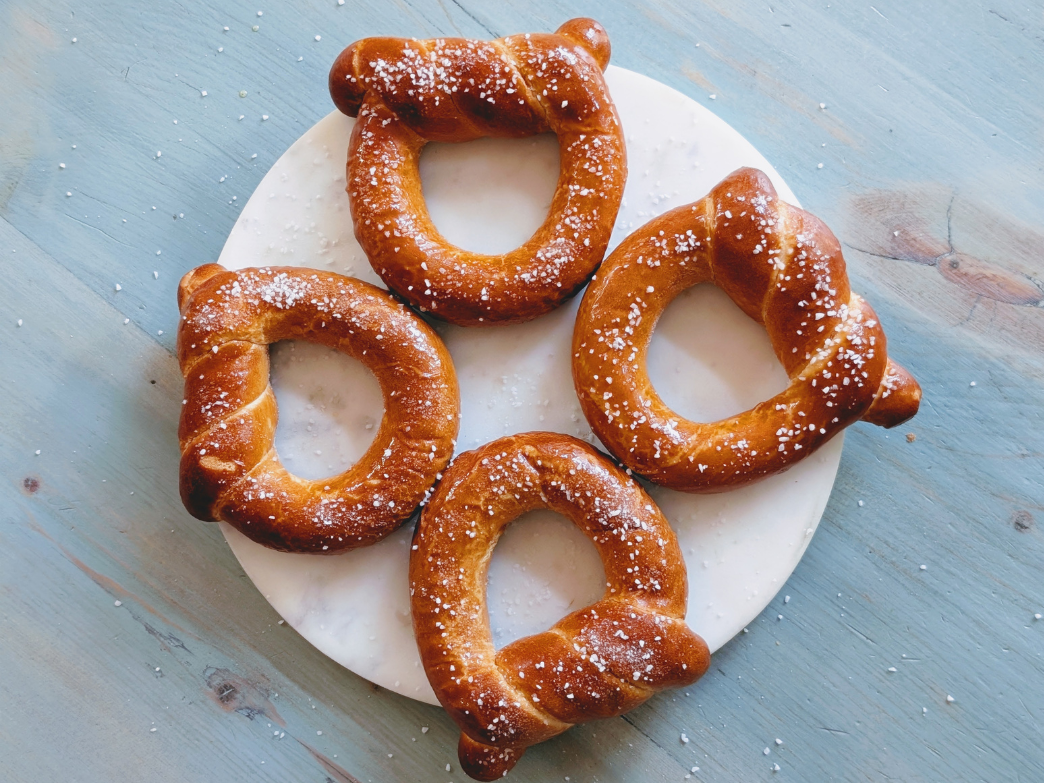
Pretzels: Healthy or Unhealthy?
By Lucy Yanckello, Ph.D. Wildgrain, opens in a new tab is the first bake-from-frozen subscription box for sourdough breads, fresh pastas, and artisanal pastries. Pretzels and pretzel buns are tasty crowd-pleasers—but are they actually good for you? In this post, we’ll take a quick look at what’s inside, how they stack up nutritionally, and whether they belong in your regular diet or just the occasional treat. Are pretzels healthy or unhealthy? Are pretzels a healthy snack? PretzelsGo to artisanal bavarian pretzels might seem like a lighter snack option but whether they’re “healthy” really depends on what fits into your specific diet. Traditional pretzels are low in fat but often high in refined carbs and sodium, offering minimal fiber or protein, which means they might not keep you full for long. However, not all pretzels are created equal. Whole grain or sourdough-based pretzels can offer more nutrients, better digestion, and a slower glycemic response. What is the healthiest type of pretzel? Are sourdough pretzels healthy? When it comes to pretzelsGo to artisanal bavarian pretzels, not all twists are created equal. The healthiest types are those made with whole grains or sourdough fermentation, which offer more fiber, nutrients, and gut-friendly benefits than your typical refined white flour versions. Sourdough pretzels in particular stand out not just for their rich, tangy flavor, but for their potential to aid digestion thanks to the natural fermentation process. This slow fermentation can help reduce gluten content and make nutrients easier for your gut to utilize. Sourdough also has a lower glycemic index, which helps prevent blood sugar spikes. Pretzels vs Chips: are pretzels healthier than chips? On the surface, pretzelsGo to artisanal bavarian pretzels often seem like the healthier choice because they’re usually lower in fat and calories than traditional potato chips. However, pretzels are typically made from refined white flour and can be high in sodium, offering little fiber or protein to keep you full. Chips, while higher in fat, sometimes provide more satiety due to that fat content. The healthiest option is whole grain or sourdough pretzels, which offer better nutrition and digestibility than either standard snack aisle pick. Pretzels vs Bread: are pretzels healthier than bread? Most pretzelsGo to artisanal bavarian pretzels are made from refined white flour, lack fiber, and are high in sodium due to their salted crust. However, a slice of whole grain bread or sourdough bread usually provides more fiber, protein, and essential nutrients. Additionally, wholegrain or sourdough bread can be easier to digest, particularly when fermented naturally. That means bread tends to be more filling and supports steadier blood sugar levels compared to the quick-carb hit of refined flour pretzels. Pretzels vs Bagels: are pretzels healthier than bagels? Classic pretzelsGo to artisanal bavarian pretzels are typically lower in calories and fat than most bagels, but they’re also usually made with refined flour and offer little nutritional value meaning they are low in fiber, protein, and satiety. BagelsGo to wood fired plain bagel, on the other hand, tend to be more filling, especially if made with whole grains or sourdough, and can provide more protein and fiber per serving. However, bagels are often larger and more calorie-dense, so portion control plays a role and is important to take into consideration. Either way, opt for the whole grain or sourdough versions of these carbs, instead of those made with refined grains. Is pretzel bread healthy? Are pretzel buns healthy? Most pretzel breads are made with refined white flour, meaning they’re lower in fiber and protein and can spike blood sugar more quickly than whole grain options. They're also often high in sodium due to the salty topping. That said, not all pretzel breads are created equal. If made with whole grains or naturally fermented, such as with sourdough, they can offer more nutritional value and better digestion. Are pretzel buns better than regular buns? Are pretzel buns healthier than regular buns? Nutritionally, most pretzel buns are made with refined white flour and tend to be higher in sodium than your standard sandwich or burger bun. That means they might not be the healthiest choice, especially if you’re watching your blood pressure or looking for more fiber and protein. On the flip side, regular buns - especially whole wheat or sourdough versions - usually offer more nutritional value and fewer empty carbs. Are pretzels ok for weight loss? Can you eat pretzel bread and lose weight? Yes, you can eat pretzels or pretzel bread and still lose weight. It all comes down to moderation and ingredients. Traditional pretzels and pretzel bread are often made with refined white flour and can be high in sodium, offering quick-digesting carbs that don’t keep you full for long. This means they’re not the most weight-loss-friendly option. However, if you enjoy them in controlled portions and pair them with protein or fiber-rich foods, they can absolutely fit into a balanced diet. Be sure to choose versions made with whole grains or sourdough fermentation - like the kind Wildgrain makes. This will keep you fuller for longer, lead to better digestion, and cause fewer blood sugar spikes. Weight loss isn’t about cutting all the good stuff but instead about making smarter, more satisfying choices. Where can I buy the best fresh pretzels and pretzel bread online? At Wildgrain, we specialize in making high-quality, fresh breads and pastas that are delivered directly to your door. Wildgrain is the first bake-from-frozen delivery subscription service for breads, pastries, and fresh pastas. Some of our popular items include artisanal Bavarian pretzels and Bavarian pretzel buns. Learn more about Wildgrain and our artisanal baking and cooking methods. About the Author Lucy Yanckello received her Ph.D. in nutrition from the University of Kentucky College of Medicine. She currently works as a medical writer and enjoys being able to help people better understand nutrition and science. This content is for informational use only and does not replace professional nutrition and/or medical advice, diagnosis or treatment. It is not a substitute for and should not be relied upon for specific nutrition and/or medical recommendations. Please talk with your doctor about any questions or concerns.
Learn more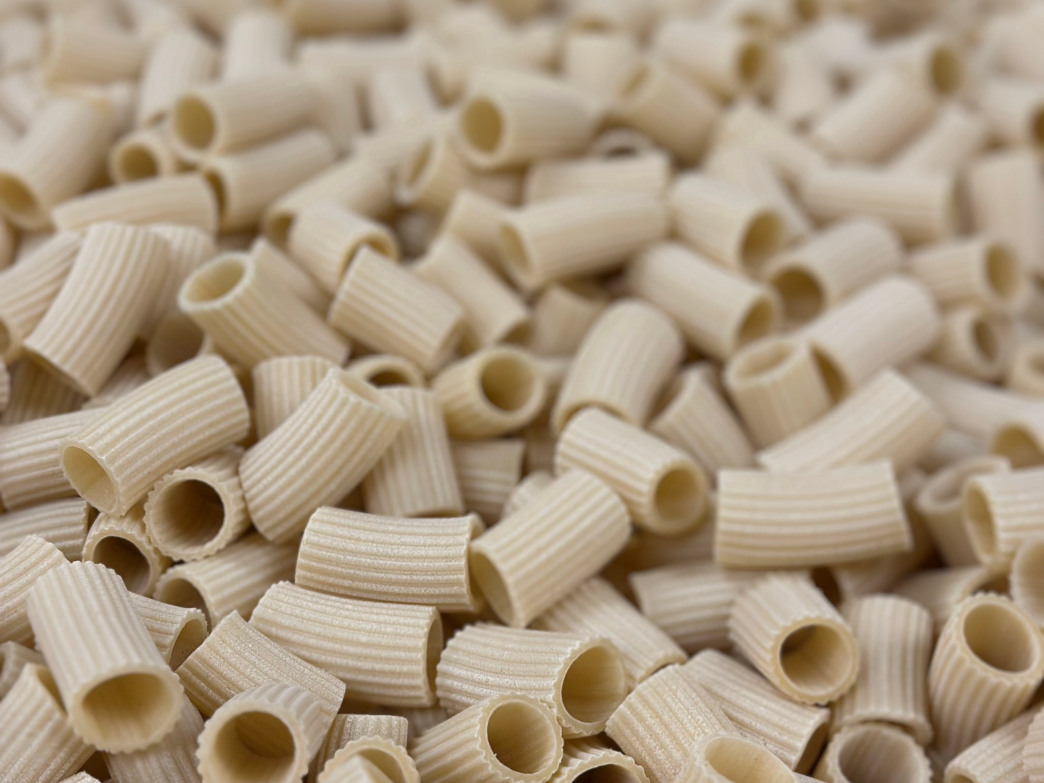
Pasta Salad: Healthy or Unhealthy?
By Lucy Yanckello, Ph.D. Wildgrain, opens in a new tab is the first bake-from-frozen subscription box for sourdough breads, fresh pastas, and artisanal pastries. Depending on the ingredients, pasta salad can be a refreshing, nutrient-packed meal, or a mayo-heavy side with more salt and sugar than you bargained for. In this post, we’re digging into what makes pasta salad healthy or not, and how you can build a version that’s just as good for your body as it is for your taste buds. What is pasta salad? What’s normally in pasta salad? Pasta salad is a cold dish made by tossing cooked pasta with a mix of vegetables, proteins, and dressings such as vinaigrettes or creamy sauces. It’s the ultimate customizable side and is usually enjoyed at everything from backyard barbecues to weekday lunches. Traditional versions usually feature short pasta shapes like rotini or penne, chopped bell peppers, onions, cherry tomatoes, olives, and cubes of cheese or meats like salami or grilled chicken. It’s all tied together with a tangy Italian dressing or mayo-based sauce. While classic pasta salads can be heavy on sodium and processed ingredients, they are easy to customize to make healthier. Is pasta salad healthy to eat? Pasta salad can be healthy, but it all depends on what you add to it. Traditional recipes often rely on refined pasta, heavy dressings, and processed meats, which can load up on saturated fat, sodium, and empty carbs. However, when focused on healthy ingredients, pasta salad becomes a satisfying, nutrient-rich meal. Swapping in whole grain or slow-fermented pasta, adding in plenty of fresh veggies and lean proteins, and using a light vinaigrette instead of a mayo-based dressing can up the nutritional score. What type of pasta is healthiest? Which pasta is best for a pasta salad? The healthiest type of pasta is the one that fits best into your diet. If you can tolerate high fiber foods, opt for higher protein pasta varieties such as chickpea and lentil flours, which will allow you to feel fuller for longer, leaving you less likely to snack or succumb to cravings. If you can’t tolerate these higher fiber pastas, or you don’t enjoy them, try switching out your regular pasta for the whole wheat variety to gain similar benefits to the high-fiber varieties. When it comes to pasta salad, the best pasta is the kind that holds its shape, texture, and dressing, even after a chill in the fridge. Short, sturdy shapes like cavatappiGo to fresh cavatappi 12oz, fusilli, penne, rotini, and farfalle are best because their nooks and ridges are perfect for catching vinaigrettes, herbs, and add-ins like cheese or veggies. Avoid delicate shapes or long noodles like spaghetti because they tend to clump. Is cold pasta healthier than hot pasta? Is cold pasta better for you? Believe it or not, letting your pasta cool before eating it can give it a bit of a health boost. When pasta is cooked and then cooled, some of its starches convert into what's called resistant starch - a type of carbohydrate that acts more like fiber. Resistant starch isn’t digested in the small intestine, which means it can help with blood sugar control, support gut health, and even keep you feeling fuller longer. However, keep in mind that the pasta itself still matters. Whole grain or slow-fermented options offer even more fiber and nutrients than the refined grain options, whether served hot or cold. What is the difference between pasta salad vs macaroni salad? Which is healthier, pasta salad or macaroni salad? Pasta salad and macaroni salad look similar on the surface. Pasta salad is usually made with vinaigrette-based dressings and features a colorful mix of vegetables, herbs, and sometimes lean proteins. Macaroni salad, on the other hand, leans creamy and rich, typically made with elbow macaroni, mayonnaise, and mix-ins like diced pickles, onions, and sometimes sugar for a sweet kick. When it comes to health, pasta salad usually wins. Its lighter dressing, fresh ingredients, and customizable base give it the edge in fiber, nutrients, and overall balance. Macaroni salad is more of a comfort classic that is tasty, but often heavier and more processed. Which is healthier, pasta salad or potato salad? Pasta salad and potato salad are both backyard barbeque staples, but when it comes to health, pasta salad is what you should opt for in most cases. Classic potato salad is often loaded with mayonnaise, making it high in fat and calories, and it’s usually low in fiber and protein unless you mix in extras like eggs or veggies. Pasta salad, especially when made with whole grain or slow-fermented pasta offers more room for nutrient-dense ingredients like colorful vegetables, lean proteins, and lighter vinaigrettes. Additionally, pasta’s texture holds up better in chilled salads, making it easier to prep healthy versions ahead of time. Can a diabetic eat pasta salad? Is pasta salad ok for diabetes? Yes, people with diabetes can enjoy pasta salad, especially when you build it with blood sugar balance in mind. Traditional pasta salads made with refined white pasta and sugary dressings can spike blood sugar quickly, which isn’t ideal. But when you use whole grain or slow-fermented pasta, add plenty of non-starchy veggies, and toss it in a light, olive oil-based vinaigrette, pasta salad becomes a smart, balanced option. Including ingredients rich in fiber, healthy fats, and protein such as leafy greens, chickpeas, grilled chicken, or feta can help slow digestion and keep blood sugar levels more stable. Is pasta salad good for a diet? Can you lose weight eating pasta salad? Pasta salad can absolutely be part of a healthy diet and yes, you can lose weight while enjoying it. Traditional pasta salads loaded with creamy dressings, refined pasta, and processed meats might taste great but tend to be high in calories, sodium, and carbs. However, pasta salad is super easy to reinvent and customize to your dietary needs. Use whole grain or slow-fermented pasta, pack it with fresh veggies, add lean protein, and dress it with heart-healthy olive oil or a zesty vinaigrette. These easy changes turn a heavy side dish into a well-balanced meal packed with fiber, nutrients, and satiety, which is perfect for anyone trying to eat lighter without sacrificing flavor. Where can I buy the best fresh pasta online? At Wildgrain, we specialize in making high-quality, fresh breads and pastas that are delivered directly to your door. Wildgrain is the first bake-from-frozen delivery subscription service for breads, pastries, and fresh pastas. Some of our popular pastas include fresh cavatappi and fresh tonnarelli. Learn more about Wildgrain and our artisanal baking and cooking methods. Best Pasta Home Delivery Service: How Wildgrain's Pasta Delivery Works Wildgrain's pastas are prepared in independent, artisanal bakeries with high quality ingredients. The pastas are shipped frozen in insulated boxes and delivered direct to your home, anywhere nationwide. By shipping frozen, Wildgrain products maintain the highest quality, so you can enjoy fresh pasta at home. That's why customers consider Wildgrain among the best home delivery services for pasta. About the Author Lucy Yanckello received her Ph.D. in nutrition from the University of Kentucky College of Medicine. She currently works as a medical writer and enjoys being able to help people better understand nutrition and science. This content is for informational use only and does not replace professional nutrition and/or medical advice, diagnosis or treatment. It is not a substitute for and should not be relied upon for specific nutrition and/or medical recommendations. Please talk with your doctor about any questions or concerns.
Learn more
Best Bread for Gastritis
By Lucy Yanckello, Ph.D. Wildgrain, opens in a new tab is the first bake-from-frozen subscription box for sourdough breads, fresh pastas, and artisanal pastries. When dealing with gastritis, choosing the right bread can make a big difference, and sourdough often comes out on top – but every stomach is different. The key to mitigating gastritis symptoms is avoiding heavily processed loaves with added sugars, preservatives, or high-fat toppings. When in doubt, those with gastritis should opt for simple, minimally processed options. Can bread irritate your stomach? Can I eat bread if I have a gastric problem? Yes, bread can be irritating for some individuals with gastric problems, or issues with the stomach. Heavily processed foods such as breads with preservatives, high amounts of added sugar, or high amounts of added fats can exacerbate symptoms. This does not mean that all bread should be avoided. Many people with mild gastric problems are able to tolerate whole grain bread and sourdough bread, especially those made with minimal ingredients. What is the best bread for gastrointestinal problems? The best bread for those with gastrointestinal problems is bread that is minimally processed and has ingredients that are easy to digest. The top pick that falls into these categories is sourdough bread due to its natural fermentation and low gluten content. The slow fermentation process can help support healthy digestion and reduce bloating. The ‘best’ bread is highly individual and depends on what condition you have, but when in doubt opt for breads that are preservative free and have minimal ingredients. Can you eat bread when you have gastritis? Which bread is good for gastritis? Gastritis refers to inflammation of the stomach lining and can be caused by bacteria, health conditions, or lifestyle choices (e.g. use of tobacco or alcohol). Although there is not a confirmed link between nutrition and most types of gastritis, a study in 2020 revealed that 58% of those with chronic gastritis said dietary factors had an effect on their symptoms. You can eat bread when you have gastritis, but the best choice is one that is easy to digest, low in fat, and free from additives. Sourdough bread often tops the list due to its natural fermentation process that lowers gluten levels, allowing for improved digestibility. Additionally, sourdough bread contains probiotics that can improve overall gut health. If you can tolerate fiber, whole grain bread without seeds is another good option as fiber aids in digestion. Is bread bad for gastritis? Bread is not inherently bad for those with gastritis, however it depends on the type of bread as well as personal tolerance of ingredients. Breads that are highly processed, such as white sandwich loaves have high levels of sugar, preservatives, and refined carbohydrates that can irritate the stomach lining. Choosing the right kind of bread for your specific condition makes all of the difference. What bread is best for stomach acid? Will bread absorb excess stomach acid? Food made from whole grains can help to absorb acid in the stomach, including whole grain bread. Whole grain bread is rich in fiber, and fiber can absorb liquid in the digestive system, preventing the displacement of stomach acid. This in turn can reduce symptoms of excess stomach acid. Is sourdough bread good for gastritis? Does sourdough bread neutralize stomach acid? Sourdough bread often tops the list due to its natural fermentation process that lowers gluten levels, allowing for improved digestibility. Additionally, sourdough bread contains probiotics that can improve overall gut health. Although sourdough bread does not neutralize stomach acid like an antacid would, it can help soothe the digestive system. This is because the fermentation process lowers the gluten content allowing for easier digestion. Be sure you are consuming naturally fermented sourdough though – not the sourdough flavored bread full of additives and preservatives. Is white bread good for gastritis? Is wheat bread ok for gastritis? Including whole grains in your diet, such as those in whole wheat bread, are ideal when you have gastritis, because they are bland and have fiber content. If you can tolerate fiber, whole grain bread without seeds is a good option for those with gastritis, as fiber aids in digestion. On the other hand, due to being highly processed, white bread appears to increase the risk of inflammation. As such, it should be avoided for those with gastritis, especially those with bacterial gastritis. Highly processed foods can impact the growth of normal bacteria in your stomach and allow the harmful bacteria that cause gastritis to proliferate. Is toast ok for gastritis? In most cases, toastIs toast better for gastritis than fresh bread? google docs article may actually be better for gastritis than fresh bread. Toast has a lower moisture content than bread which makes it easier to digest. Additionally, toasting bread causes some of the starches to break down which can make it less likely to trigger acidity or bloating. However, make sure you stick to plain toast with no greasy toppings such as butter or heavy spreads. Where can I buy healthy bread online? At Wildgrain, we specialize in making high-quality, fresh breads that are delivered directly to your door. Wildgrain is the first bake-from-frozen delivery subscription service for breads, rolls, pastries, and fresh pastas. Some of our popular breads include plain sourdough loaf and whole wheat sourdough. Learn more about Wildgrain and our artisanal baking and cooking methods. Best Bread Home Delivery Service: How Wildgrain's Bread Delivery Works Wildgrain's breads are prepared in independent, artisanal bakeries with high quality ingredients. The breads are shipped frozen in insulated boxes and delivered direct to your home, anywhere nationwide. By shipping frozen, Wildgrain products maintain the highest quality, so you can enjoy fresh baked breads at home. That's why customers consider Wildgrain among the best home delivery services for bread. About the Author Lucy Yanckello received her Ph.D. in nutrition from the University of Kentucky College of Medicine. She currently works as a medical writer and enjoys being able to help people better understand nutrition and science. This content is for informational use only and does not replace professional nutrition and/or medical advice, diagnosis or treatment. It is not a substitute for and should not be relied upon for specific nutrition and/or medical recommendations. Please talk with your doctor about any questions or concerns.
Learn more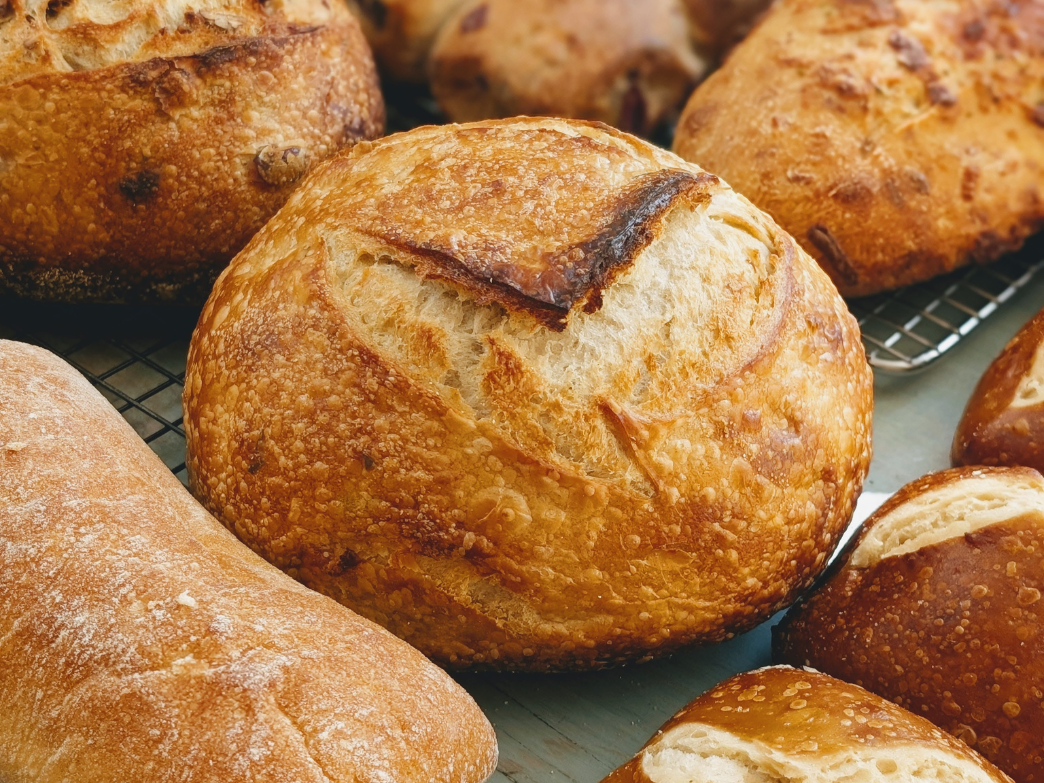
Best Ways to Use Stale Bread
By Lucy Yanckello, Ph.D. Wildgrain, opens in a new tab is the first bake-from-frozen subscription box for sourdough breads, fresh pastas, and artisanal pastries. Before you think about tossing that stale bread on your counter, hear us out—stale bread isn’t a lost cause. In fact, it’s a secret ingredient in some of the most comforting, flavor-packed dishes out there. From crispy croutons to savory breadcrumbs and sweet bread puddings, stale bread has second act energy you’ll want to tap into. Can you still use stale bread? How to tell if stale bread is bad? Is it safe to consume stale bread? Stale bread isn't the same as spoiled bread. Stale simply means the bread has lost moisture and becomes firm. However, you’ll want to inspect your loaf before repurposing it. If you see mold (usually green, white, black, or pink fuzzy spots) or it smells sour or musty, toss it. If it’s just hard and dry, it’s still perfectly safe and usable, you just may not want to slice a piece off and eat it plain! Can you make stale bread fresh? How do I bring stale bread back to life? You can bring stale bread back to life, and you can do so relatively easily. As long as your loaf is just dried out and does not have any visible mold, you can revive it by adding a bit of moisture and heat. There are a few methods you can use to bring your bread back to life, with two popular methods being to use the microwave or the oven. If opting for the oven, lightly run the crust under water or wrap the bread in a damp (not soaking) towel. Once you have done this, pop it in a 300°F oven for 5 to 10 minutes. The steam rehydrates the bread, re-softening the inside and crisping the crust. A quicker option is to use the microwave. Put a slice of bread into the microwave with a damp paper towel for 10 to 15 seconds. Although this method is quick and effective, it will not yield as crispy a crust as the oven. What can you do with stale bread? How to use up stale bread? If your loaf of bread has gone stale, use it as an opportunity to get creative! The dry texture of bread helps absorb flavors better than fresh bread, making stale bread perfect for many dishes. You can cube it and make homemade croutons, crush it into breadcrumbs, or soak it in eggs and milk for delicious french toast or bread pudding. It can also be used in stuffing, meatloaf, or as a thickener for soups. Can you make French toast with stale bread? Not only can you use stale bread for french toast, you should. Because stale bread is drier, it soaks up the egg and milk mixture easier without getting too soggy. Brioche and sourdough are both perfect stale options for decadent french toast. Can I use stale bread for croutons? How do you make crispy croutons? Croutons are the perfect way to utilize stale bread. Cube the bread and toss it with olive oil and whatever seasonings you prefer. Turn your oven to 375°F and bake the croutons for 10-15 minutes until golden, making sure to toss occasionally. The drier the bread, the crispier the croutons will be! Can you use stale bread to thicken soup? Yes, stale bread is a great option to thicken any soup. This is an old school trick that adds body and texture, pairing especially well with tomato, vegetable, or bean based soups. The bread softens and breaks down as the soup cooks, naturally thickening the broth without any additions such as cream or flour. It's as easy as tearing the bread into small pieces and tossing it in your soup as it cooks! Can stale bread be used for bread crumbs? One of the easiest ways to use stale bread is to turn it into breadcrumbs. Chop or tear the bread into small pieces and toss them into a food processor or blender. Then just pulse until you get the texture to be as fine, or chunky, as you prefer. For extra crispy breadcrumbs, toss them with your favorite herbs and put them in a 300°F oven for 10-15 minutes. Where can I buy healthy bread online? At Wildgrain, we specialize in making high-quality, fresh breads that are delivered directly to your door. Wildgrain is the first bake-from-frozen delivery subscription service for breads, rolls, pastries, and fresh pastas. Some of our popular breads include brioche sandwich loaf, plain sourdough loaf and rye sourdough loaf. Learn more about Wildgrain and our artisanal baking and cooking methods. Best Bread Home Delivery Service: How Wildgrain's Bread Delivery Works Wildgrain's breads are prepared in independent, artisanal bakeries with high quality ingredients. The breads are shipped frozen in insulated boxes and delivered direct to your home, anywhere nationwide. By shipping frozen, Wildgrain products maintain the highest quality, so you can enjoy fresh baked breads at home. That's why customers consider Wildgrain among the best home delivery services for bread. About the Author Lucy Yanckello received her Ph.D. in nutrition from the University of Kentucky College of Medicine. She currently works as a medical writer and enjoys being able to help people better understand nutrition and science. This content is for informational use only and does not replace professional nutrition and/or medical advice, diagnosis or treatment. It is not a substitute for and should not be relied upon for specific nutrition and/or medical recommendations. Please talk with your doctor about any questions or concerns.
Learn more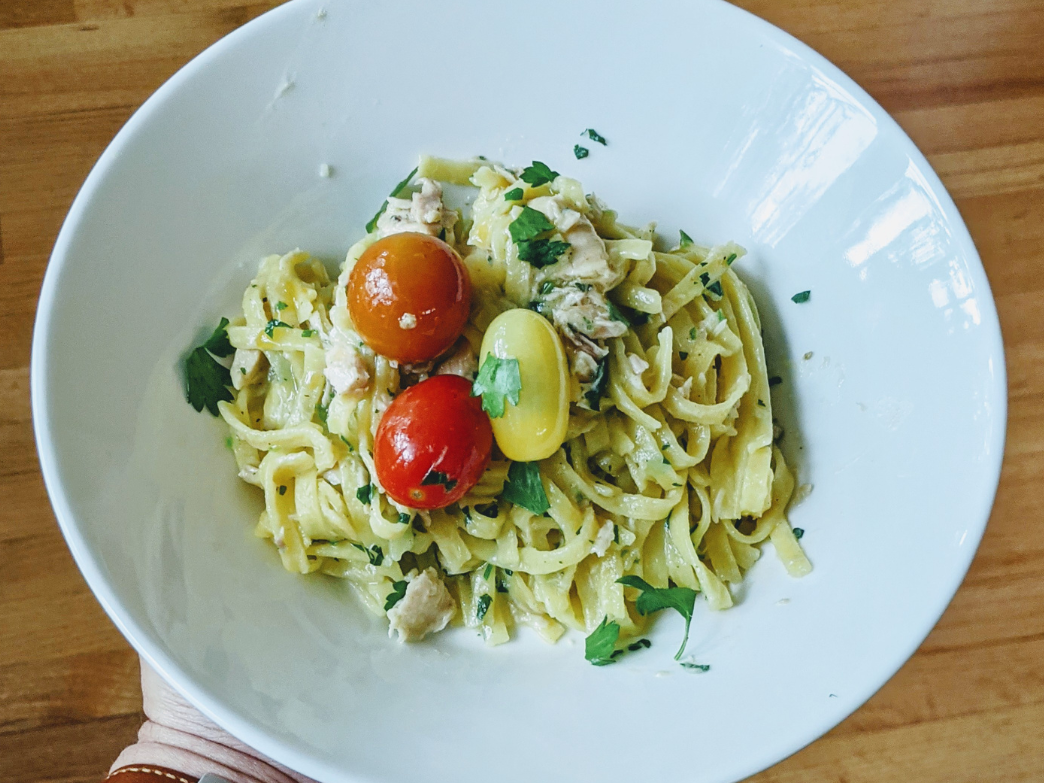
Best Pasta for a Bland Diet and BRAT Diet
By Dr. Jorge, Ph.D. Wildgrain, opens in a new tab is the first bake-from-frozen subscription box for sourdough breads, fresh pastas, and artisanal pastries. Digestive issues can make deciding what to eat challenging, especially when you're worried about worsening your symptoms. Sticking to a bland diet can be one way to combat an upset stomach or diarrhea, but figuring out which foods fit into this category can feel overwhelming. Fortunately, certain types of pasta fit into a bland diet and can be a tasty option when you're looking for something to settle your stomach. Read on to learn more about the best pasta and noodle options for a bland diet. What can you eat on a bland diet? What is the best bland food for a stomach bug? A bland diet consists of soft, non-spicy, and low-fiber foods that are gentle on the stomach and can help alleviate symptoms of conditions like ulcers, heartburn, GERD, nausea, and vomiting. Foods that are commonly included in a bland diet are low-fat or non-fat dairy products, white pasta, cooked cereals, eggs, fish, and certain vegetables such as carrots, green beans, and potatoes. If you're dealing with a stomach bug or an upset stomach, it's best to avoid solid foods initially until your symptoms improve. Instead, focus on hydrating with liquids like clear broths, herbal teas, or non-caffeinated sports drinks. Once you’re able to tolerate liquids, you can gradually introduce simple, easily digestible foods like plain noodles, mashed potatoes, crackers, and toast. These foods are gentle on the stomach and can help prevent further irritation while you recover. Can you eat pasta on a bland diet? Can you eat noodles on a bland diet? Yes, you can eat PastaGo to tonnarelli spaghettiGo to tonnarelli pastaGo to fresh cavatappi 12oz Wildgrain, opens in a new tab pastaGo to fresh cavatappi 12oz and noodles while on a bland diet, but some types are gentler on the stomach than others. Since low-fiber foods are recommended, pasta made with refined grains, such as white pasta or noodles, is typically the best choice. These are easier to digest than whole wheat alternatives, which have more fiber. Additionally, it's important to keep the seasoning and sauces to a minimum to prevent further stomach upset. Simple, plain pasta is the option to keep things gentle on your digestive system. Is pasta ok with an upset stomach? Is buttered pasta easy on the stomach? Pasta is typically well tolerated during an upset stomach, especially when it's low in fiber and prepared simply. Buttered pasta or noodles may be easy on digestion, though the high fat content in butter may worsen symptoms for some individuals. If that's the case, consider a light drizzle of olive oil or using broth to add flavor instead. Can you eat plain noodles with diarrhea? Is plain pasta ok for an upset stomach? Plain noodles or pasta are often a good option for those experiencing diarrhea or an upset stomach. When prepared simply with minimal ingredients and seasoning, white pasta can help soothe an irritated digestive system. The low fiber content of white pasta may also help reduce the severity and frequency of bowel movements, providing relief from diarrhea. Can you eat pasta on the BRAT diet? Can you eat noodles on a BRAT diet? Yes, you can eat pasta while on the BRAT diet. Since the BRAT diet consists of bland and easy-to-digest foods, white pasta and noodles are usually well-tolerated when made simply. As with other bland diets, it's best to avoid sauces and high-fat ingredients like cream or butter that could trigger digestive upset. What kind of pasta is best for a BRAT diet? What kind of noodles are best for a BRAT diet? The best pasta for a BRAT diet follows the same guidelines as for any bland diet. Low-fiber pasta and noodles, particularly white pasta, are the ideal choice when following a BRAT diet. White pasta is made from refined grains that have had most of their fiber removed during processing, making it generally easier to digest than whole wheat pasta, which is high in fiber. What is the best pasta for an upset stomach? What noodles are good for diarrhea? The best pasta and noodles for digestive issues are the same as those recommended for a bland diet. Plain white pasta and noodles are usually easy on the stomach and gentle on the digestive system due to their low fiber content and mild flavor. For upset stomach and diarrhea, simple white pasta like spaghetti, penne, or egg noodles is best when prepared plainly with just a small amount of butter or olive oil, avoiding heavy sauces, spices, or dairy that could further irritate the digestive tract. Where can I buy the best fresh pasta online? At Wildgrain, we specialize in making high-quality, fresh breads and pastas that are delivered directly to your door. Wildgrain is the first bake-from-frozen delivery subscription service for breads, pastries, and fresh pastas. Some of our popular pastas include fresh cavatappi and fresh tonnarelli. Learn more about Wildgrain and our artisanal baking and cooking methods. Best Pasta Home Delivery Service: How Wildgrain's Pasta Delivery Works Wildgrain's pastas are prepared in independent, artisanal bakeries with high quality ingredients. The pastas are shipped frozen in insulated boxes and delivered direct to your home, anywhere nationwide. By shipping frozen, Wildgrain products maintain the highest quality, so you can enjoy fresh pasta at home. That's why customers consider Wildgrain among the best home delivery services for pasta. About the Author Dr. Jorge has been a public health researcher for many years, holding both a Bachelor's degree and a Ph.D. in Chemistry. They presently work as a medical writer and love being able to assist others in understanding various health and scientific topics. This content is for informational use only and does not replace professional nutrition and/or medical advice, diagnosis or treatment. It is not a substitute for and should not be relied upon for specific nutrition and/or medical recommendations. Please talk with your doctor about any questions or concerns.
Learn more